OF SUSTAINED RELEASE TABLETS OF
ACECLOFENAC
”
DISSERTATION
Submitted to
The Tamilnadu Dr. M.G.R. Medical University
Chennai – 32
In Partial fulfillment for the award of the Degree of
MASTER OF PHARMACY
In the Department of
PHARMACEUTICS
MARCH 2009
DEPARTMENT OF PHARMACEUTICS
PADMAVATHI COLLEGE OF PHARMACY
This is to certify that the dissertation entitled
“
FORMULATION DEVELOPMENT AND EVALUATION
OF SUSTAINED RELEASE TABLETS OF
ACECLOFENAC
”
Constitutes the original work carried out by
Mr. PANKAJ BHATEJA, B.Pharm
Under the guidance and supervision of
Ms. N. JANSI RANI, M.Pharm.,
Department of Pharmaceutics,
Padmavathi College of Pharmacy,
Dharmapuri.
Date:
Dr.K.L.Senthil Kumar, M.pharm,Ph.D,
Principal and Head,
Department of Pharmaceutics,
This is to certify that the dissertation entitled
“
FORMULATION DEVELOPMENT AND EVALUATION
OF SUSTAINED RELEASE TABLETS OF
ACECLOFENAC
”
Constitutes the original work carried out by
Mr. PANKAJ BHATEJA, B.Pharm
For the partial fulfillment of the requirements for the award of Degree
of Master of Pharmacy in Pharmaceutics, carried out in the Department of
Pharmaceutics, Padmavathi College of Pharmacy, and in Department of
Research and Development, Ind-swift Ltd. Parwanoo,( Himachal Pardesh ).
GUIDE
Date:
Ms. N.JansiRani, M.Pharm
Department of Pharmaceutics,
Padmavathi College of Pharmacy
Periyanahalli,
I humbly owe the completion of this dissertation work to the almighty
whose love and blessing will be with me every moment of my life.
“God is always with us, above us to bless below us to
support, before us to guide, behind us to protect, beside us to
comfort and inside us to sustain.”
No research is ever the outcome of single individual efforts.
This work is also us exception. Some of personalities, teaching staff,
friends and well wishes have contributed to and made it possible for
me to present in this shape.
It is a delightful moment for me, to put into words all my deep
sense of gratitude to my esteemed guide
Ms.N.Jansi Rani,
M. Pharm,
Department of Pharmaceutics, Padmavathi College of Pharmacy, for
his unstinted guidance, innovative ideas, constructive criticism,
constant encouragement and continuous supervision and also for
making the requisite arrangement to enable me to complete my
dissertation work.
I consider myself to be very fortunate to have
sincere thank to
Dr.rachna Kumria,
M.Pharm, Ph. D.,(R
&
D
Manager ), Mr. Saroj Suman M.pharm, (R
&
D Assistant Manager), Mr.
Sanjay Bhadra, M.
Pharm,Mr.Yoginder Dhull, and Staff of Ind-Swift
limited, Parwanoo ( Himachal Pardesh )
for their valuable
suggestion and guidance.
I wish my thanks to Mr. A. Vasanthan, Asst. Prof. Department of
Pharmaceutics, Mrs. P. Sumathy Asst. Prof. Department of
Pharmaceutics
I wish my thanks to Dr. Sathish Shekhar, Asst. Prof. Mr. S.
Pratheep, Mr. R. Sarangarajan, Mr. Arulamudha Chelavam, and of
our college teaching and non-teaching staff for their valuable
suggestion.
I express my sincere thanks to the Mr. Ravi, Librarian,
Padmavathi College of Pharmacy and lab. technicians of
Pharmaceutics Department Mr. Mari for their great support during
study.
Bikaner & Jaipur, Collectrate Branch, Hanumangarh, Rajasthan
who helped me financially for completion of my M. Pharm.
I am also thankful to my batch-mates Ajay, Rasheed, Dev,
Pankaj kumar, Anisur, Nadana, Balraj, Sravan, Bhupender,
Yogender, Venkat, Praveen and others for their valuable
co-operation
Words are not sufficient to express my deepest love and
appreciation to my affectionate, beloved
Mom, Dad, brother,
sisters and my uncle
who extended great support, love and care
towards me during this great time.
Finally I consider this as an opportunity to express my gratitude
to all the dignitaries who have been involved directly or indirectly
with the successful completion of this dissertation.
“Elimination of approximation is the hallmark of perfection.”
All errors & omission is inadurently mine.
Sincerely thanks to all.
Date:
Chapter
CONTENT
Page No
I
INTRODUCTION
1
1.1
Modified release dosage form & Drug Delivery
2
1.2
Conventional Drug Therapy
12
1.3
Theory of sustained release
13
1.4
Oral Controlled Release System
17
1.5
Matrix Systems
21
1.6
Swelling Characteristics of polymer
24
1.7
Drug Release Mechanism from Matrices
26
1.8
Criteria for S.R. Dosage form
29
II
AIM AND OBJECTIVE
31
III
PLAN OF WORK
32
IV
LITERATURE REVIEW
33
V
EXPERIMENTAL INVESTIGATION
40
5.1
Material used
41
5.2
Instrument used
42
5.3
Drug Profile
43
5.4
Polymer Profile
49
5.5
Preformulation Study
55
5.6
Preparation of Standard Curve
63
VI
FORMULATION DEVELOPMENT
64
6.1
Manufacturing procedure of SR Tablet of
Aceclofenac
65
6.2
Design and development of Aceclofenac SR Matrix
Tablets
66
6.2.1
Design and development of Aceclofenac SR Matrix
Tablets
67
VII
EVALUATION STUDIES
68
7.1
Evaluation of Granules
69
7.1.1
7.1.2
7.1.3
7.1.4
Determination of bulk density and taped density
Compressibility index & Hausner ratio
Loss on drying
Angle of repose
69
69
70
70
7.2
EVALUATION OF TABLETS
72
7.2.4
7.2.5
7.2.6
Friability Test
Drug Content
Dissolution Study
73
75
76
VIII
STABILITY STUDIES
94
IX
RESULTS AND DISCUSSIONS
97
X
CONCLUSION
101
INTRODUCTION1-7
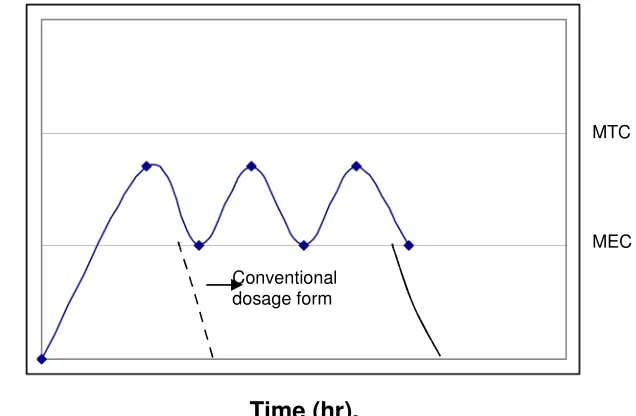
For many decades treatment of an acute disease or a chronic illness has been mostly accomplished by delivery of drugs to patients using various pharmaceutical dosage forms, including tablets, capsules, pills, suppositories, creams, ointments, liquids, aerosols, and injectables, as drug carriers. This type of drug delivery system is known to provide a prompt release of drug or immediate release product. Such immediate release products result in relatively rapid drug absorption and onset of accompanying pharmacodynamic effects. However, after absorption of drug from the dosage form is complete, plasma drug concentrations decline according to the drug’s pharmacokinetics profile. Eventually, plasma drug concentrations fall below the minimum effective plasma concentration (MEC), resulting in loss of therapeutic activity. Before this point is reached another dose is usually given if a sustained therapeutic effect is desired. An alternative to administering another dose is to use a dosage form that will provide sustained drug release, and therefore, maintain plasma drug concentrations, beyond what is typically seen using immediate release dosage forms. In recent years, various modified release and/ or the time for drug release.
After 20th century investigation of new drug has been retained due to
investigation cost of new drug. Therefore, pharmaceutical industries and academic laboratories have been focused on establishment of novel drug delivery system / or modified release dosage form rather investigation and development of new drug.
The basic rationale of a sustained drug delivery system is to optimize the Biopharmaceutic, Pharmacokinetic and Pharmacodynamic properties of a drug in such a way that its utility is maximized through reduction in side effects and cure or control of condition in the shortest possible time by using smallest quantity of drug, administered by the most suitable route.
system is to provide a therapeutic amount of drug to the proper site in the body to achieve promptly and then maintain the desired drug concentration.
There is a continuously growing interest in the pharmaceutical industry for sustained release oral drug delivery systems. There is also a high interest for design a dosage formulation that allows high drug loading, particularly for actives with high water solubility.
1.1 Modified Release Dosage Form and Drug Delivery3, 8
Drug products designed to reduce the frequency of dosing by modifying the rate of drug absorption have been available for many years. Early modified release products were often intramuscular/subcutaneous injection of suspensions of insoluble drug complexes, e.g. Procaine penicillin, protamine zinc insulin, insulin zinc suspension or injections of the drug in oil, e.g. Fluphenazine decanoate. Advance in technology have resulted in novel modified release dosage form. In contrast to conventional (immediate release) forms, modified release products provide either delayed release or extended release of drug.
Extended release products are designed to release their medication in a controlled manner, at a predetermined rate, duration, and location to achieve and maintain optimum therapeutic blood levels of drug.
1.1.1 Sustained Release:
The U.S. Food and Drug Administration (FDA) defines an “sustained release dosage form is one that allows a reduction in dosing frequency from that necessitated by a conventional dosage form, such as a solution or an immediate release dosage form”.
eliminates the need for night dosing, which benefits not only the patients but the care given as well.
[image:12.612.154.472.115.323.2]Time (hr).
Fig. 1: Hypothetical drug blood level – time coverage for a conventional solid dosage form and a multiple action product.
Time (hr).
Fig. 2: Hypothetical drug blood level – time coverage for a conventional solid dosage form and a controlled release product terminology.
Conventional dosage form
D
ru
g
B
lo
o
d
L
e
v
e
ls
MTC
MEC
Drug blood levels
MTC
[image:12.612.154.475.396.584.2]1.1.2 Pharmacokinetic Simulation Of Sustained Release Products8,3:
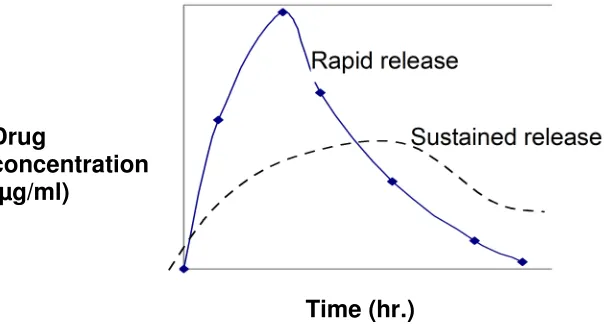
The plasma drug concentration profiles of many sustained release products fits an oral one compartment model assuming first order absorption and elimination. Compared to an immediate release product, the sustained release product typically shows a smaller absorption rate constant, because of the slower absorption of the sustained release product. The time for peak concentration (tmax) is usually longer (fig-3), and the peak drug concentration (Cmax) is reduced.
If the drug is properly formulated, the area under the plasma drug concentration curve should be the same, parameters such as Cmax, tmax and AUC conveniently
show how successfully the extended release product performs in-vivo. For example, a product with tmax of 3 hours would not be very satisfactory if the
product is intended to last 12 hours. Similarly, an excessively high Cmax is a sign
of dose dumping due to inadequate formulation. The Pharmacokinetic analysis of single and multiple-dose plasma data has been used by regulatory agencies to evaluate many sustained release products. The analysis is practical because many products can be fitted to this model even though the drug is not released in a first order manner. The limitation of this type of analysis is that the absorption rate constant may not release to the rate of drug dissolution in vivo.
[image:13.612.126.430.487.649.2]Time (hr.)
Fig 3. Plasma drug concentration of a SR and a regular release product. Drug
Various other models have been used to simulate plasma drug levels of sustained release product (Wellin, 1983). The plasma drug levels from a zero-order, sustained release drug product may be simulated with equation (1)
(
kt)
D s p e K V D
C = 1− − --- (1)
Where, Ds = maintanance dose or rate of drug release (mg/ml), Cp = plasma drug concentration
K = overall elimination constant, and VD = volume of distribution
In absence of loading dose, the drug level in the body rises slowly to a plateau with minimum fluctuations.
This simulation assumes that
1) Rapid drug release occurs without delay,
2) Perfect zero-order release and absorption of the drug takes place, and 3) The drug is given exactly every 12 hours.
In practice, the above assumptions are not precise, and fluctuations in drug level do occur.
When a sustained release drug product with a loading dose (rapid release) and a zero-order maintenance dose is given, the resulting plasma drug concentrations are described by:
(
)
(1 )) ( kt D s kat kt D i p e K V D e e K Ka V Ka D
C − − − + − −
−
= --- (2)
Where, Di = immediate – release (loading dose) and
Ds = maintenance dose (zero-order).
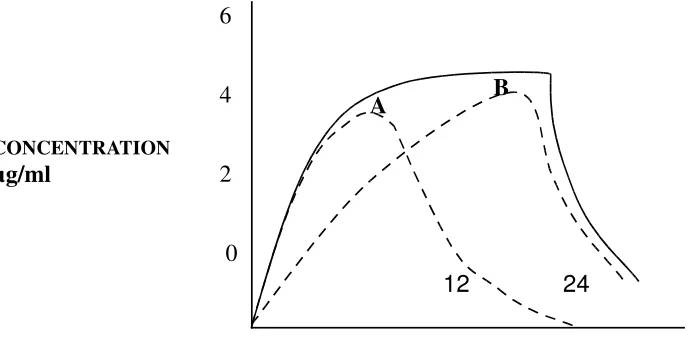
An example of a zero-order release product with loading dose is shown in fig-4 the contribution due to the loading and maintenance dose is shown by the dashed lines, the inclusion of a built-in loading dose in the extended release product has only limited use.
12 24
[image:15.612.97.429.482.643.2]
TIME ( HOUR)
Fig. 4: Simulated plasma drug level of a SR product with a fast release component (A) and a maintenance component (B). The solid line
represents total plasma drug level due to the two components.
12 24 36
Fig. 5: Simulated plasma drug level of a SR product administered every 12 hrs. The plasma level shows a smooth rise to steady state level with no
fluctuations. 20
10
0
CONCENTRATION
µg/ml
6
4
2
0
CONCENTRATION µg/ml
With most sustained release product, the patient is given more than one dose and there is no need for a built in loading dose with subsequent doses. Putting a loading dose in the body than necessary, because of the topping, effect in situations where a loading dose is necessary, the rapid – release product is used to titrate a loading dose that will bring the plasma drug level to therapeutic level.
A Pharmacokinetic model that assumes first-order absorption of the loading and maintenance dose has also been proposed. This model predicts spiking peaks due to loading dose when the drug is administered continuously fig-9.
1.1.3 Terminology And Sustained Release Concept3,9-15:
Over the years, many terms (and abbreviations), such as sustained release(SR), sustained action (SA), prolonged action (PA), controlled release (CD), extended release (ER), timed release (TR), and long acting (LA), have been used by manufactures to describe product types and features. These are terms used to identify drug delivery systems that are designed to active a prolonged therapeutic effect by continuously releasing medication over an extended period of time after administration of a single dose. In the case of injectable dosage form, this period may vary from days to months. Although these terms often have been used interchangeably, individual products bearing these descriptions may differ in design an performance and must be examined individually to as certain their respective features.
Sustained release
Controlled release
Controlled release (CR) systems provide drug release in an amount sufficient to maintain the therapeutic drug level over extended period of time, with the release profiles of predominantly controlled by the special technological construction and design of the system itself. The release of the active constituent is therefore, ideally independent of exterior factors.
Extended release formulation is a controlled release formulation designed to produce even and consistent release of active ingredient. Extended release (ER) dosage forms are those which due to special technology of preparation provided, soon after a single dose administration, therapeutic drug levels maintained for 8-12 hours.
Prolonged action
Prolonged or long action products are dosage forms containing chemically modified therapeutic substances in order to prolong biological half life (Lee and Robinson, 1987).
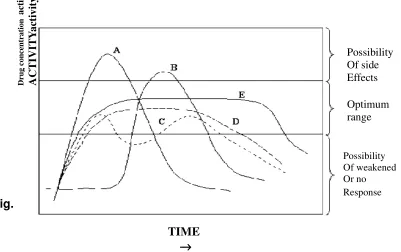
[image:17.612.111.512.462.714.2]These terms are explained in following Fig. 6
Fig. 6 : Relationship between drug concentration and time for Products Possessing Various Release Profiles
A -Immediate release B -Delayed action C - Repeat action D - Prolonged release E - Controlled, sustained release
In general, the goal of a sustained-release dosage form is to maintain therapeutic blood or tissue levels of the drug for an extended period. This is usually accomplished by attempting to obtain zero-order release from the dosage form.
Zero-order release constitutes drug release from the dosage form that is independent of the amount of drug in the delivery system (i.e., a constant release rate). Sustained release systems generally do not attain this type of release and usually try to mimic zero-order release by providing drug in a slow first-order fashion (i.e., concentration-dependent). Systems that are designed as prolonged release can also be considered as attempts at achieving sustained-release delivery. Repeat-action tablets are in alternative method of sustained release in which multiple doses of a drug are contained within a dosage form, and each dose is released at a periodic interval. Delayed–release systems, in contrasts, may not be sustaining, since often the function of these dosage forms is to maintain the drug within the dosage form for some time before release.
1.1.4 CLASSIFICATION10:
Modified Release dosage form may be classified as A .Delayed release
B. Extended release
B.1: Sustained release B.2: Controlled release A. Delayed release: 3
B. Extended release: B-1): Sustained Release System13-17:
The idealized objective points to the two aspects most important to drug delivery, namely, spatial placement relates to targeting a drug to a specified organ or tissue, while temporal delivery refers to controlling the rate of drug delivery to the target tissue. An appropriately designed sustained release drug delivery can be a major advance towards solving these two problems. The bulk of research has been directed at oral dosage forms that satisfy the temporal aspect of drug delivery, but many of the new approaches under investigation may allow for spatial placement as well.
The goal of sustained drug delivery are to conserve and maintain effective drug concentration, eliminate night time dosage, improve compliance and decrease side effects thus, optimizing drug therapy.
Compliance with a drug regimen depends among other things on the route and frequency of administration, the type of medication and condition being treated. Oral administration is the most common technique, but patient often forget to take their medication, and the condition, especially when frequent dosing is required.
Products that have been formulated for the purpose of prolonging absorption including oral, parenteral, topical and implants dosage form both for human and veterinary use. Oral sustained release products have gained importance because of the technological advances which achieve zero order release rate of therapeutic substance.Generally the pharmacokinetics of a drug is controlled by its chemical nature. However decreasing the absorption rate by physical means is a useful method to sustain the drug action when it is not feasible to modify the drug compound at its molecular level.
ADVANTAGES OF SUSTAINED RELEASE DRUG DELIVERY:17-21
The improvement in drug delivery is represented by several potential advantages as below.
1. It improves patient compliance.
3. It may improve the pathophysiology of the diseases. (a) It minimizes or eliminates local side effects. (b) It minimizes or eliminates systemic side effects.
(c) It obtains less potentiation or reduction in drug activity with chronic use.
(d) It minimizes drug accumulation with chronic dosing. 4. It improves the efficiency in treatment.
(a) It cures or controls the condition more promptly.
(b) It improves the control of condition i.e. reduces fluctuation in the drug level.
(c) It improves bioavailability of some drugs.
(d) Make use of special effects, e.g., sustained release aspirin for morning relief of arthritis by dosing before bedtime.
5. Economy:
(a) In comparison with conventional dosage forms the average cost of treatment over an extended period may be less.
(b) Economy also may results from a decrease in nursing time and hospitalization. Also
Reduce blood level oscillation characteristic of multiple dosing of conventional dosage forms.
Reduce amount of drug administration
Maximizing availability with a minimum dose.
Control of drug absorption; high peak level peaks that may be observed after administration of high availability drug can be reduced.
Safety margin of high potency drugs can be increased.
Increased reliability of therapy 6. Improved therapy:
The dosage form provides uniform drug availability / blood levels unlike peak and valley pattern obtained by intermittent administration.
b) Attenuation of adverse effects.
The incidence and intensity of undesirable side effects caused by excessively high peak drug concentration resulting from the administration of conventional dosage forms is reduced.
c) It is seldom that a dose is missed because of non-compliance by the patient.
1.2 CONVENTIONAL DRUG THERAPY 4, 22
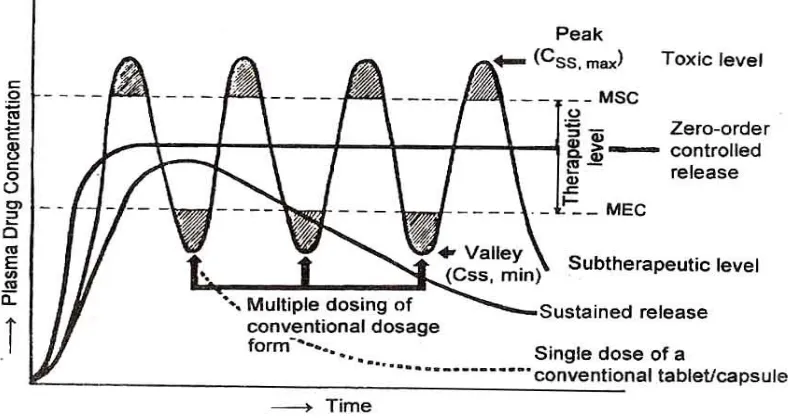
In most cases of conventional dosage form the dosing interval is much shorter than the half-life of the drug resulting in a number of limitations.
1. Unless the dosing interval is relatively short, depending on biological half-life of the drug, large peaks and valleys (Fig.7) in the drug level will occur.
2. Success by this approach is dependent on patient compliance with the dosing regimen. Numerous studies have documented that lack of compliance is an important reason for drug therapy inefficiency or failure.
3. During the early periods of dosing there may be insufficient drug to generate a favorable biological response, which may be a significant problem in certain disease states.
4. For drugs with short biological half-lives, frequent dosing is needed to maintain relatively constant therapeutic levels of drugs.
There are two ways to overcome such a situation
Effective and safer use of existing drugs through concepts and techniques of controlled and targeted delivery systems.
The first approach has many disadvantages, which therefore resulted in increased interest in the second approach
Fig. (7) A hypothetical plasma concentration – time profile from conventional multiple dosing and single doses of sustained and controlled
delivery formulations.
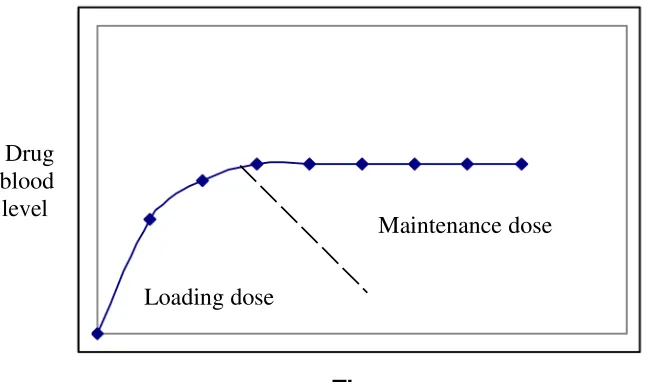
1.3 THEORY OF SUSTAINED RELEASE:23,17 Sustained release dosage form may contain:
[image:22.612.101.501.220.429.2]Fig. (8): Schematic representation of sustained release dosage system.
Time
Fig. (9): A hypothetical plasma concentration time profile from sustained drug delivery formulation
The maintenance dose or slowly available portion will release the drug slowly and maintain the therapeutic level for an extended period of time. While the loading dose or immediately available portion will held obtaining the therapeutic level quickly after administration.
The rate of release of the drug from the maintenance dosage should be zero order (independent of the concentration) if the drug at the absorption site is to remain constant. The release of the drug from the loading dose should follows first order kinetics.
Sustained action curve is possible only when the drug from the dosage form is supposed for absorption into the blood, at a constant rate equal to the
Absorption Site
Drug blood level
Loading dose
[image:23.612.160.452.74.230.2] [image:23.612.126.454.263.454.2]rate constant for the elimination of the drug. From the blood, mathematically this relationship is given as
K2B=R=KdG--- (3)
Where, K2: Rate constant for elimination of drug from blood.
B : Quantity of drug to be maintained to the blood R : Replacement rate
Kd : Constant relating the amount that can be absorbed under
standard volume and concentration conditions
G : Quantity of drug that the dosage form must supply (maintain) in the depot.
When a fraction, f, of the drug is available because of irreversible binding or degradation, the amount available for absorption must be increased by 1/f. The value for B is usually known or can be ascertained if the drug and its effect can be measured. It is often possible to obtain a value for K2 by plotting a log of
the concentration of the drug remaining in blood versus time. The negative slope of the elimination rate constant for design purpose.
When the initial dose (Dn) is estimated from the multiple dose data, the
dose (Dn) is quantity needed to produce B (quantity of drug that must be
maintained at receptor site). The correction for irreversible binding and / or degradation of the drug in depot (1/f) is not required when Dn is obtained from multiple dose data. Ideally, knowledge of the absorption rate constant K1, the
elimination rate constant (K2) and the distributive rate constant (K12, K 21) should
enable the formulation scientist to construct a curve similar to that given for a single dose. Number of methods for determining absorption rate constant have been reported.
The total dose of drug, Dt, in a prolonged action preparation comprises of
the normal dose, Dn, and the sustaining dose Ds i.e.
For the system where the maintenance dose Ds provides drug via a
zero-order process the total dose is
Dt = Dn + Kr0 Td--- (5)
Where, Kr0 is the zero-order rate constant for drug release and Td is the
total time desired for sustained release corresponding to one dosing interval. If the maintenance dose begins releasing drug at time zero it will add on to that which is provided by the initial dose, thus pushing the drug level too high. In this case a correction factor is needed to account for the added drug from the maintenances dose
Dt = Dn - Kr0 Tp + Kr0 Td ------(6)
Where the correction factor is the amount of drug provided, during the time period t = 0 to the time of the peak drug level, Tp. Naturally, if the dosage
form is constructed such that the maintanance dose not begin to release drug until the peak blood drug level, no correction factor is needed.
If drug is released via a first-order process, no correction factor is needed.
Vd
K
KeCd
Dn
Dt
r 1+
=
--- (7)Where Ke is the total elimination constant for the drug, Cd is the desired
blood drug level and K1
r is the first-order drug release rate constant. The last
term in equation (13) results from the approximation.
Vd
K
KeCd
Ds
r 1=
--- (8)If the maintenance dose begins release of drug from time zero, a correction factor is required similar to the zero-order case. In this case the correct expression is d r d e p r
V
K
C
K
T
DsK
Dn
Dt
=
−
1 1 --- (9)B-2: Controlled release formulation:
An ideal controlled drug delivery system is the one, which delivers the drugs at a predetermined rate, locally or systemically, for a specific period of time.
Repeat action preparations
A dose of the drug initially is released immediately after administration, which is usually equivalent to a single dose of the conventional drug formulation. After a certain period of time, a second single dose is released. In some preparation, a third single dose is released after a certain time has elapsed, following the second dose. The main advantage is that it provides the convenience of supplying additional dose(s) without the need of re-administration. It has disadvantage that the blood levels still exhibit the “Peak and valley” characteristic of conventional intermittent drug therapy.
1.4 ORAL CONTROLLED RELEASE SYSTEM 10
Oral route has been the most popular and successfully used for controlled delivery of drug because of convenience and ease of administration, greater flexibility in dosage form design( possible because of versatility of GI anatomy and physiology) and ease of production and low cost of such a system.
The controlled release systems for oral use are mostly solids and based on dissolution, diffusion or a combination of both mechanisms in the control of release rate of drug.
A. Continuous release systems
These systems release the drug for a prolonged period of time along the entire length of GIT with normal transit of the dosage form.
The various systems under this category are: 1. Dissolution controlled release system 2. Diffusion controlled release system
3. Dissolution and diffusion controlled release system 4. Ion exchange resin – drug complexes
7. Osmotic pressure controlled systems 8. Hydrodynamic pressure controlled system
B. Delayed transit and continuous release system
These systems are designed to prolong their residence in the GIT along with their release systems included in this category are;
1. Altered density systems 2. Mucoadhesive systems 3. Size- based systems
C. Delayed release systems
The design of such systems involves release of drug only at a specific site in the GIT. The two types of delayed release systems are;
1. Intestinal release systems 2. Colonic release systems
The drugs contained in this system are those that are: i. Destroyed in the stomach or intestinal site. ii. Known to cause gastric distress
iii. Absorbed from a specific intestinal site, or iv. Meant to exert local effect at a specific GI site.
1.4.1 CONTINUOUS RELEASE SYSTEMS:9,25-27
Diffusional System:
Diffusional systems are characterized by the release rate of drug being dependent on its diffusion through an inert membrane barrier usually; this barrier is an insoluble polymer. There are basically two types of diffusion devices: reservoir devices and matrix devices.
(a) Reservoir devices:
The fick’s first law states that the amount of drug passing across a unit area is proportional to the concentration difference across that plane. The equation is given as
J = -
dX dC
D - - - - (10)
Where, J = flux in units of amount/area-time, D = diffusion coefficient,
dX dC
= change in concentration C relative to distance X in the membrane.
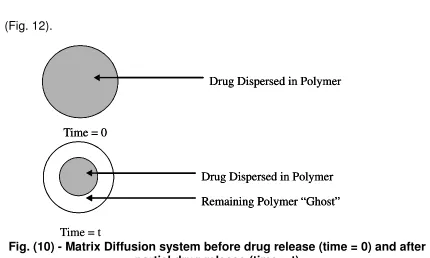
(b) Matrix devices:
A matrix device, as the name implies consists of drug dispersed homogeneously throughout a polymer matrix as represented in following
figure
(Fig. 12).
Fig. (10) - Matrix Diffusion system before drug release (time = 0) and after partial drug release (time = t)
In this model, drug in the outside layer exposed to the bathing solution is dissolved first and then diffuse out of the matrix. This process continues with the
Time = t
Drug Dispersed in Polymer
Drug Dispersed in Polymer Remaining Polymer “Ghost” Time = 0
Time = t
Drug Dispersed in Polymer
Drug Dispersed in Polymer Remaining Polymer “Ghost” Time = 0
Drug Dispersed in Polymer
Drug Dispersed in Polymer Remaining Polymer “Ghost” Time = 0
Drug Dispersed in Polymer
[image:28.612.89.519.393.651.2]interface between the bathing solution and the solid drug moving toward the interior.
Derivation of the mathematical model to describe this system involves the following assumptions: (a) a pseudo-steady state is maintained during drug release, (b) the diameter of the drug particles is less than the average distance of drug diffusion through the matrix, (c) the bathing solution provides sink conditions at all times, (d) the diffusion coefficient of drug in the matrix remains constant.
The next equations, which describe the rate of release of drugs dispersed in an inert matrix system, have been derived by Higuchi. The following equation can be written based on Fig 4:
2 Cs dh C dh dM 0 −
= --- (11)
Where, dM = Change in the amount of drug released per unit area,
dh = Change in the thickness of the zone of matrix that has been depleted of drug,
C0 = Total amount of drug in a unit volume of the matrix,
Cs = Saturated concentration of the drug within the matrix.
From diffusion theory,
dt h
C D
dM m s
= --- (12)
Where, Dm is the diffusion coefficient in the matrix, Equating Eqs. (1) and (2),
integrating, and solving for h gives
M = [CsDm(2Co-Cs)t]1/2---(13)
When the amount of drug is in excess of the saturation concentration, that is, Co>>Cs
M = (2CsDmCot) 1/2 --- (14)
Which indicates that among the drug released is a function of the square root of time. In a similar manner, the drug release from a porous or granular matrix can be described by
M = 2 0 1 2
/ t ) a pC C ( T p a C s
D
− ---- (15)
Ca = solubility of the drug in the release medium
T = tortuosity
Ds = diffusion coefficient in the release medium.
This system is slightly different from the previous matrix system in that the drug is able to pass out of the matrix through fluid-filled channels and does not pass through the polymer directly.
For purposes of data treatment, Eq. (14) or (15) can be reduced to M = kt1/2--- (16)
Where k is a constant, so that plot of amount of drug released versus the square root of time will be linear, if the release of drug from the matrix is diffusion controlled. If this case, then by the Higuchi model, one may control the release of drug from a homogeneous matrix system by varying the following parameters26, 27: (a) initial concentration of drug in the matrix. (b) Porosity, (c)
tortuosity, (d) polymer system forming the matrix, and (e) solubility of the drug. E.g. Procan SR.
1.5 MATRIX SYSTEMS:21
A matrix is a uniform mixture of drug and excipients. e.g. polymer that is homogeneously fixed in solid dosage form.
The drug substance, which has a solubility S gm /cm3 in the dissolution
medium, is dispersed in the matrix which is insoluble in the dissolution medium, The concentration of drug in the matrix is ‘A’ gm / cm3. The matrix is porous, with
a porosity of ‘Є’ and diffusion coefficient of ‘Dm’. The drug release from such
system can be described by dQ/dt = 2SDmAt. Liquid will intrude from the bulk
liquid. The rate and extent of intrusion will follow the following equation:
L q L Qr dt dL − = − = η 8 2 --- (17)
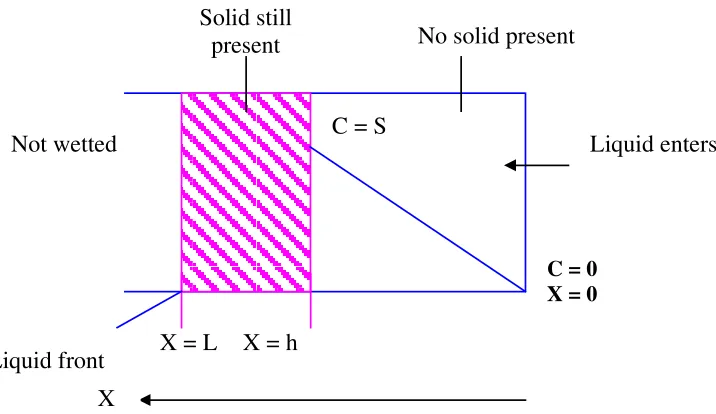
Fig. (11): Dissolution of drug from a solid matrix
1.5.1 HYDROPHILLIC MATRIX SYSTEM:28,29
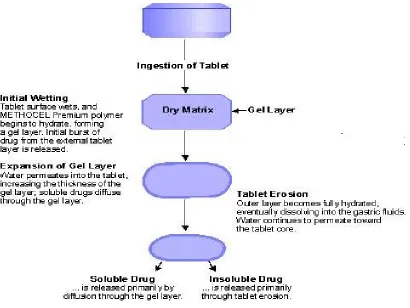
A hydrophilic matrix controlled release system is a dynamic system composed of polymer wetting, polymer hydration and polymer dissolution. At the same time other soluble excipients or drug will also wet, dissolve and diffuse out of the matrix while insoluble materials will be hold in place until the surrounding polymer/ excipients / drug complex erodes or dissolves away.
The main principle is that a water-soluble binder, present throughout the tablet, partially hydrates on the outer tablet “sink” to form a gel layer. Throughout the life of ingested tablet the rate of drug diffusion (if soluble) out of the wet gel and the rate of tablet erosion control the overall dissolution rate and drug availability.
X = L X = h
C = S
No solid present
Liquid enters
C = 0 X = 0
Liquid front Not wetted
Solid still present
[image:31.612.114.472.94.301.2]Fig. (12) : Matrix System
The most common controlled delivery system has been the matrix type such as tablets and granules, where the drug is uniformly dissolved or dispersed through out the polymer, because of its effectiveness, low cost, ease of manufacturing and prolonged delivery time period.
[image:32.612.103.513.69.377.2]consequent swelling and/or erosion of related polymer occur. These phenomenon’s control the release process but with time, the diffusion path length increases and saturation effect is attained, resulting in a progressively slow release rate during the end of dissolution span.
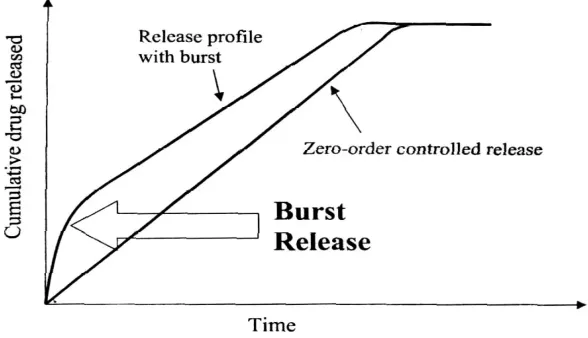
Fig.(13): Schematic showing the burst effect in a zero-order Drug delivery system.
In many controlled release formulations immediately upon placement in release medium, an initial large bolus of drug is released before the release rate reaches a stable profile. This phenomenon is referred to as ‘burst release’.
SWELLABLE MATRICES AS SYSTEMS FOR ORAL DELIVERY31-42
[image:33.612.169.463.181.350.2]between water, polymer and drug are the primary factors for release control, various formulations variables, such as polymer grade, drug/polymer ratio, drug solubility, and drug and polymer particle size, can influence drug release rate to greater or lesser degree. However the central element of the mechanism of drug release is the gel layer (rubbery polymer), which is formed around the matrix. The gel layer is capable of preventing matrix disintegration and further rapid water penetration. Water penetration, polymer swelling, drug dissolution and diffusion and matrix erosion are the phenomena determining gel layer thickness. Finally, drug release is controlled by drug diffusion through the gel layer and/or by erosion of the gel layer. In order to follow gel layer dynamics during drug release in swellable matrices, the boundaries of such a layer have to be defined. It is well known that gel layer is physically delimited by two sharp fronts that separate-different matrix states, i.e. the boundaries separating swollen matrix from solvent and glassy from rubbery polymer. However the possibility of the presence of a third front inside the gel layer has been described. This additional front was termed undissolved drug front or diffusion front and turned out to be a function of drug solubility and loading. Its presence can create conditions such that the release will be more controlled by drug dissolution than by polymer swelling. Thus in swellable matrix tablet three fronts could be expected:
1. The swelling front, the boundary between the still glassy polymer and its rubbery state,
2. The diffusion front, the boundary in the gel layer between the solid, as yet undissolved drug and the dissolved drug and
3. The erosion front, the boundary between the matrix and the dissolution medium.
Many attempts have been made in order to control the movement of the fronts and therefore the drug release kinetics. The more successful consists in the reduction of the matrix-swelling rate by partially coating the matrix surface with impermeable or slowly permeable polymeric layer. In this way drug release can be modulated and the release kinetics can be shifted toward the linearity.
1.6 MECHANISM OF DRUG RELEASE FROM MATRIX SYSTEM:31,51-58
When a hydrophilic matrix system containing a swellable glassy polymer comes in contact with an aqueous medium, the fall in glass transition temperature leads to an abrupt change from a glassy to a rubbery state, causing swelling of the polymer on the surface and formation of a hydrated gel. Drug release is controlled by this gel diffusional barrier and/or by surface erosion of the gel. Surface leaching of the drug can lead to an initial burst, especially with highly soluble drugs.
Hydration of individual polymer chains leads to expansion in their end to end distance and radius of gyration to a new solvated state due to lowering of the polymer transition temperature, a sharp distinction between glassy and rubbery region is observed and the matrix increases in volume because of swelling.
As water infiltrates deep in to the core, the thickness of the gel layer increases with simultaneous dissolution and erosion occurring at the outer layer due to complete hydration.
Soluble drugs are primarily released by diffusion through aqueous filled porous network formed in the inert matrix former due to dissolution and erosion of the polymer from the surface. Far poorly soluble drugs dispersed in inert polymer systems erosion is the primarily release mechanisms.
There are two major processes that control the drug release from swelling controlled matrix systems, these include:
1. Ingress of aqueous medium into the matrix followed by a hydration, gelation or swelling and
2. Matrix erosion.
Simultaneous occurrence of these processes leads to the formation of two fronts within the hydrating matrix, this are- a swelling front, at the junction of the unhydrated glassy matrix and the hydrated matrix and an eroding front where the polymer is completely hydrated. Thickness of the diffusion layer, i.e. the distance between the two fronts, depends on the relative rates at which the swelling and erosion occurs.
If the polymer gels slowly, solvent can penetrate deep into the glassy matrix, thus dissolving the drug; therefore, gel layer thickness and its stability are crucial in controlling drug release. Numbers of techniques have been used to study the swelling of matrix tablets and to characterize the gel layer and front movement such as, optical imaging,1H- NMR, pulsed –filled gradient spin echo
ADVANTAGES OF HYDROPHILIC MATRIX
SYSTEM:-A hydrophilic matrix system essentially consists of a drug dispersed in a water swelling viscous polymer. These systems offer a number of advantages over other sustained release technologies namely.
1. Simplicity of formulation.
2. High drug loading as high as 80 % is possible in many cases.
3. The system is usually inexpensive as the rate-controlling agent is usually a GRAS (generally accepted as safe) food polysaccharides. 4. Number of matrix former is available allowing development of
formulations that meet special needs and avoid patent infringement. 5. The systems are eroded as they pass the GIT thus there are no
accumulation of “Ghosts” or empty shells.
6. As system depends on both diffusion and erosion for drug release, release is not totally dependent on GI motility.
7. No specialized equipment is required which substantially reduces manufacturing costs.
8. Offer easy scalability and process validation due to simple manufacturing processes.
The above listed advantages overshadow the undesirable property of reducing release rates with time.
FACTORS INFLUENCING DRUG RELEASE FROM MATRIX SYSTEMS57
Error: Reference source not found
Fig. (15) : Summary of factors influencing release rate from Matrix systems.
1.7 Criteria to be met by drug proposed to be formulated in
sustained release dosage forms.
59-63a) Desirable half-life:
The half life of a drug is an index of its residence time in the body. If the drug has a short half life (less than 2 hours), the dosage form may contain a prohibitively large quantity of the drug. On the other hand, drug with elimination half life of eight hours or more are sufficiently sustained in the body, when administered in conventional dosage from, and controlled release drug delivery system is generally not necessary in such cases. Ideally, the drug should have half-life of three to four hours.
b) High therapeutic index
Drugs with low therapeutic index are unsuitable for incorporation in controlled release formulations. If the system fails in the body, dose dumping may occur, leading to fatalities eg. Digitoxin.
1) Drug solubility 2) Dose/drug content 3) Molecular weight 4) Particle size and
c) Small dose:
If the dose of a drug in the conventional dosage form is high, its suitability as a candidate for controlled release is seriously undetermined. This is chiefly because the size of a unit dose controlled release formulation would become too big, to administer without difficulty.
d) Desirable absorption and solubility characteristics:
Absorption of poorly water soluble drug is often dissolution rate limited. Incorporating such compounds into controlled release formulations is therefore unrealistic and may reduce overall absorption efficiency.
e) Desirable absorption window:
Certain drugs when administered orally are absorbed only from a specific part of gastrointestinal tract. This part is referred to as the ‘absorption window’. Drugs exhibiting an absorption window like fluorouracil, thiazide diuretics, if formulated as controlled release dosage form are unsuitable.
f) First pass clearance:
AIM AND OBJECTIVE
Aim of work
In pharmaceutical practice several approaches exist for administration of drugs to the patient. If the drug is given in conventional dosage form it has to be administered several time to produce desired therapeutic effect. Because of this frequent dosing fluctuation in plasma drug level occur. The pronounced fluctuation resulting from the conventional drug administration are likely to yield period of therapeutic effects, when the concentration falls below the minimum therapeutic level. Drug concentration can be controlled within the narrow therapeutic range by the use of sustained release systems, which will minimize the severity of side effects
3. PLAN OF WORK
The following experimental protocol was therefore designed to all systematic approach to the study.
1) Drug selection
2) Literature Survey
:-3) Preformulation study: Compatibility evaluation was carried out between drug and polymers in physical observation and by using FT- IR spectral study.
4)Preparation of standard curve for Aceclofenac in phosphate buffer pH 6.8 .
5) Formulation development of sustained release matrix tablets of using different release retardant.
6) The following evaluation parameters were studied based on laboratory experiments.
i) Evaluation of granules
Angle of repose
Apparent bulk density
Tapped bulk density
Percent compressibility
Loss on drying
Hausner Ratio
ii) Evaluation of tablets
Tablet dimensions
Hardness
Friability
Weight variation
Content uniformity of active ingredient
In-vitro dissolution study
CHAPTER 4.
4. LITERATURE REVIEW:
S. Indiran Pather64 et.al (1998) have formulated sustained release theophylline tablet by direct compression using ethyl cellulose as polymers they found that In addition matrices of this polymer display slow surface erosion which can be enhanced by the incorporation of a swelling agent. This property was utilized in an attempt to decrease the attenuation of the release rate that is observed with matrix tablets that follow the Higuchi pattern of drug release. The release rate decreases because of the external layers of the tablet become depleted and water must penetrate the deeper layers of the tablet to reach the remaining drug. The Theophyline to ethyl cellulose ratio and the tablet hardness were found to influence the rate of drug release.
Yihong qiu. 65 et.al (1998) have used different viscosity grades of
HPMC. Along with other excipient including Avicel and lactose for zero order sustained delivery of. Pseudoephedrine HCl they shown that zero – order or near zero – order drug release can be obtained using the new layered matrix designs. In general linear release profiles were observed with the HML and HMH systems. However, formulation and matrix variables in the barrier layers need to be adjusted for achieving zero – order drug release from the LML system
T.Sing Hua67 et.al (2000) have prepared sodium valproate sustained release tablets. The release curve of sustained release tablets were consistent with Depakine Chrono. The pharma cokinetics and bio availability of sustained release tablets was evaluated using the conventional tablets. The plasma concentration were determined by HPLC after a randomized cross over oral administration of a single dose of sustained release tablets and conventional tablets in healthy volunteers.
Silvina A. Bravo68 et.al (2002) have achieved zero order release of diclofenac sodium by using HPMC matrix in different content level of MCC. Starch and lactose. they studied that Drug release from swollen matrices was principally regulated by starch (17%)j or lactose (17%), even on the presence of MCC at different levels (5% or 7.5%). However, when starch (8.5%) and lactose (8.5%) were mixed at lower concentration in a ratio 1:1, MCC (5% or7.5%) appeared to control the drug release from the matrices.
K. Raghuram Reddy et.al (2003)69 have developed sustained release matrix tablet of nicorandil by wet granulation technique they used HPMC SCMC and sodium alginate as matrix material for granulation they use ethanolic solution of EC and PVP. they found that the hydrophilic matrix of HPMC alone could not control the nicorandil release effectively for 24hours. It was evident from the results that a matrix tablet prepared with HPMC and a granulating agent of a hydrophobic polymer (EC, 4% wt / vol) is a better system drug like nicorandil.
K 15M, K4M, K100 LV and a low viscosity polymer, E50LV, which is slightly more hydrophobic due to increased methoxy substitution. These polymers show a wide range of viscosity’s, reflecting molecular weight which causes differences in their swelling and erosion behaviors.
Fenq XM 71 et.al (2006) was prepared and evaluate a new delayed onset sustained release system of propranolol Hydrochloride comprising a sustained release core tablet with HPMC as polymer matrix and an Eudragit polymer coating capable of delaying the drug release
Hosseinali Tobandeh 72 et.al (2006) have prepared sustained release matrix tablets of aspirin with ethyl cellulose, Eudragit RS100 and Eudragit S100 and studying the release profiles and their sensitivity to tablet Hardness
Srinivasa Mutalik73 et.al (2006) investigation was to prepare glipizide matrix transdermal systems using Eudragit RL – 100/ Eudragit RS -100. The systems were evaluated for various in vitro and in vivo , biochemical parameters. The in vivo results released severe hypoglycemia in the initial hours and they were also effective on chronic application.
Varshosaz Jaleh74 et.al (2006) Used hydrophilic natural gums such as HPMC. Guar gum and xanthan gum for sustaining release of tramadol hydrochloride in matrix form and find that Guar gum alone cannot efficiently control drug release, and Xanthan gum has higher drug retarding ability than Guar gum . The Combination of each n gum with HPMC leads to a greater retarding effect as compared with a mixture of 2 natural gums.
crystalline cellulose as diluent. The inverse relationship was found between amount of gum and release rate of diclofenac sodium. Increasing the amount of gum in the formulation form 0.12% w/w to 0.28% w/w resulted in slower rate and decreased amount of drug release from the tablet.
Achutha Nayak Usha76 et.al (2007 ) have prepared Aceclofenac agglomerates by spherical crystallization technique using a three solvent system comprising acetone, dichloromethane water, Hpmc – 50 cps. In different concentration was used as a hydrophilic polymer. The effect of speed of rotation and amount of bridging liquid on spherical agglomeration were studied. The agglomerates were subjected to various physicochemical evaluation such as practical yield, drug content, LOD, IR , Spectroscopy, DSC and Dissolution studies. The agglomerates showed improved micromeritic properties as well as dissolution behaviour. In comparison to conventional drug crystals.
Mandal U77 et.al (2007) have design oral sustained release matrix tablets of metformin hydrochloride and to optimize the drug release profile using response surface methodology. Tablets were prepared by non – aqueous wet granulation method using HPMC K – 15M as matrix forming polymer. The evaluation parameter helped in finding the optimum formulation with sustained release Drug.
formulation provides rats besides exhibiting improved pharmacokinetic parameters in rats.
S Mutalik79 et.al (2007) studied was to develop “once daily” sustained release tablets of aceclofenac hydroxyl profile methyl cellulose – K4 M (HPMC). The solubility, in vitro drug release , analgesic, pharmacokinetic and toxicity studies and clinical pharmacokinetic studies were conducted.
Venkadari Gupta80 et.al (2007) prepared Celecoxib spherical agglomerates with polyvinylpyrrolidone (PVP) using acetone , water and liquid respectively. The agglomerates were characterized by differential scanning calroimetry (DSC) etc. The results indicated the absence of studies showed a decrease in crystallinity in agglomerates. An increase in PVP concentration the studies showed that the crystal possess surface.
Meyyanathan S.N81 et.al (2008) have prepared sustained release matrix tablets of Dextromethorphan hydrobromide by wet granulation using ( HPMC k – 100) as the hydrophillic rate controlling polymer. The physical parameter and invitro dissolution were studied .The extent of Absorption of drug from the sustained release tablets was significantly higher than that for marketed Dextromethorphan hydrobromide tablets because of lower elimination rate and longer half life.
Tiwari S. B.83 et al, studied the effect of concentration of hydrophilic (hydroxypropyl methyl cellulose [HPMC] and hydrophobic polymers (hydrogenated castor oil [HCO], ethyl cellulose). Hydrophobic matrix tablets resulted in sustained in vitro drug release (>20 hours) as compared with hydrophilic matrix tablets (<14 hours). The presence of ethyl cellulose in either of the matrix systems prolonged the release rate of the drug. The effect of ethyl cellulose coating (Surelease) and the presence of lactose and HPMC in the coating composition on the drug release was also investigated. Hydrophobic matrix tablets prepared using HCO were found to be the best suited for modulating the delivery of the highly waster-soluble drug, tramadol hydrochloride
CHAPTER 5
5.1 Materials Used in study
Table 1
Material Used
Sr.No
MATERIALS USED
1.
Aceclofenac
2.
Microcrystalline cellulose (Avicel pH 101)
3.
PVP k 30
4.
HPMC K 4M
5.
HPMC K 15M
6.
Acrypol 934 P
7.
Aerosil
8.
Isopropyl Alchol
ALL THE CHEMICALS USED IN UNIT WERE OF ANALYTICAL
5.2. Instruments Used in study
:
Table No. 2
Instruments Used
Sr. No
INSTRUMENTS
MANUFACTURER
1 Electronic Balance & Top loading Balance,
Shimadzu Corporation, AW 220 and BX 6205
2 Tray Dryer Erweka Pvt. Ltd.
3 Coating machine Erweka Pvt. Ltd.
4 Dissolution Apparatus (USP) Auto Sampler
Electrolab Pvt. Ltd.
5 Shaking Water Bath Equitron
6 Tablet Hardness tester Monsanto
7 Friability test apparatus Electrolab Pvt. Ltd. EF 2 USP
8 Ultra Violet Visible spectro photometer Shimadzu Corporation UV-1700
9 FT-IR Spectrophotometer Shimadzu Corporation, 8400S
10 Tap density Appratus Erweka Pvt. Ltd. 11 Granulate Flow Tester Erweka Pvt. Ltd.
12 Vernier Caliper Digimatic
13 pH Meter, Systronics (335)
14 LOD apparatus Sartorius
[image:51.595.85.543.144.494.2]5.3 DRUG PROFILE
85-88ACECLOFENAC
Aceclofenac is one of the emerging NON STEROIDAL ANTI INFLAMMATORY DRUG molecules for arthritis treatment. it is a newer derivative of diclofenac and has less gastrointestinal complications. the successful treatment of arthritis depends on the maintenance of effective drug concentration level in the body for which a constant and uniform supply of drug is desired. Sustained release dosage forms deliver the drug at a slow release rate over an extended period of time and achieve this objective. the short biological half-life 9about 4 h) and dosing frequency more than one per day make aceclofenac an ideal candidate for sustained release.
To reduce the frequency of administration and to improve patient compliance, a once-daily sustained release formulation of aceclofenac is desirable. For sustained release systems, the oral route of drug administration has, by far, received the most attention as it is natural uncomplicated, convenient and safer route. Matrix tablets composed of drug and release retarding material offer the simplest approach in designing a sustained release system. Matrix tablets are prepared by wet granulation.
Structural Formula:
Official In Indian Pharmacopoeia
Molecular formula C16H13C12N04 Molecular weight 354.19
Chemical name (2,6-dichlorophenyl)aminophenylacetoxyacetic acid
Solubility Drug is freely soluble in acetone and insoluble in water
Appearance White or almost white powder
Shape Crystalline Powder
Identification When examined in the range of 220 nm to 370 nm.
The 0.002% w/v solution in Methanol shows Maximum absorption at 275 nm
It contains not less than 99.0% not more than 101.0% of its compounds calculated on the dried basis (IP 2007)
Biopharmaceutical Class Second (High Permeability and Low Solubility)
Classification
Mechanism of pain & Inflammation:
Prostaglandins are implicated in the inflammatory response and are sensitizing nociceptors to the actions of other Mediators, occurring during acute and chronic inflammatory illness, prostaglandins are produced at the site of inflammation where it is believed that they mediate many of symptoms of inflammation such as oedema and pain.
Arachidonic acid is released from cell membranes by phospholipases, cyclooxygenases catalyze the addition of molecular oxygen to arachidonic acid to form in initially the endoperoxide intermediate prostaglandin G2. The same enzymes also process peroxidase activity, which catalyzes the reduction of these prostaglandins to form PGH2. PGH 2 may then react with a number of enzymes sometimes called isomerases to become one of the prostaglandins or thromboxanes.
Clinical Pharmacology :
Pharmacodynamics –
Aceclofenac is a novel NSAIDS known to exhibit multifactor mechanism of action.Aceclofenac was developed in order to provide a highly effective pain relieving therapy with a reduced side effect profile
1.Aceclofenac directly blocks PGE2 secretion at the site of inflammation by inhibiting IL-1 BETA & TNF in the inflammatory cells(Intracellular Action).Aceclofenac has been demonstrated to inhibit cyclooxygenase (COX) activity and to suppress the PGE2 production by inflammatory cells,which are likely to be a primary source of PGE2.Aceclofenac and 4-hydroxyaceclofenac penetrates the inflammatory cells like active metabolites diclofenac and 4-hydroxydiclofenac which inhibit IL-1 and TNF released by the inflammatory cells and therefore suppress production of PGE2 at the site of inflammation.
Aceclofenac blocks degeneration and stimulates synthesis of extracellular matrix of cartilages by inhibiting the action of different cytokines.Aceclofenac and the metabolites inhibit IL-6 production by human chondrocytes.This leads to inhibition of increase of inflammatory cells in synovial tissue,inhibition of IL-1 amplipification,inhibition of increased MMP synthesis and thus ensuring proteoglycan production.Aceclofenac also inhibit IL-1 and TNF production by human chondrocytes,inflammatory cells and synovial cells and therefore blocks suppression of GAG and collagen synthesis and stimulates growth factor mediated synthesis of GAG and collagen.4`-hydroxyaceclofenac,a metabolite of aceclofenac inhibits pro MMP1 and pro MMP3 produced by synovial cells (Rheumatoid Synovial Cells ) in serum and in synovial fluid and thus inhibits progressive joint destruction by MMPs.
3.Aceclofenac inhibits Neutrophil Adhesion & Accumulation at the inflammatory site in the early phase and thus blocks the pro-inflammatory actions of Neutrophils.
Pharmacokinetic Profile:
Absorption:
Oral Absorption : Rapidly absorbed orally Oral Bioavailability : Almost 100%
Distribution:
Plasma protein binding 99.7% Volume of distribution : 20-30 L Effective Concentration : 60%
Metabolism : Aceclofenac is probably metabolized via CYP2C9 to the main metabolite 4-hydroxyaceclofenac.
Elimination:
Dosage and Administration
The dose of Aceclofenac SR should be titrated according to the severity of the pain and the clinical response of the individual patient. The recommended dose of Aceclofenac SR in adults and adolescents over the age of 12 years in 200 mg once a day. The tablets are to be taken whole, not divided or chewed, with sufficient liquid, irrespective of food intake.
Indications : Relief of moderate to severe pain.
Contraindications
Aceclofenac is contraindicated in:
Individuals with known hypersensitivity to Aceclofenac or any of its excipients
In patients in whom substances with a similar action (e.g. Aspirin or other NSAIDS) precipitate attack of asthma,bronchospasm,acute rhinitis or urticaria
Severe heart failure or severely impaired hepatic or renal organ function
Aceclofenac must not be used during the last three months of pregnancy..
Adverse Effects:
Generally mild:epigastric pain,nausea,headache,dizziness,rashes.
Gastric ulceration and bleeding are less common.
Reversible elevation of serum amino-transferases can occur.
USES
IN OSTEOARTHRITIS
IN RHEUMATOID ARTHRITIS
IN ANKYLOSING SPONDYLITIS
IN DENTAL PAIN
IN POSTOPERATIVE PAIN
IN DYSMENORRHOEA
IN ACUTE LUMBAGO
IN MUSCULOSKELETAL TRAUMA
GONALGIA (KNEE PAIN)