ResearchOnline@JCU
This file is part of the following work:
Ram, Ravinesh (2017) Influence of processing techniques on quality
and nutritional composition of the tropical sea cucumber Holothuria
scabra. PhD thesis, James Cook University.
Access to this file is available from:
https://doi.org/10.4225/28/5b29865fd1f3f
Copyright © 2017 Ravinesh Ram.
The author has certified to JCU that they have made a reasonable effort to gain permission and acknowledge the owner of any third party copyright material included in this document. If you
i
Influence of processing techniques on quality
and nutritional composition of the tropical
sea cucumber
Holothuria scabra
Thesis submitted by
Ravinesh Ram,
BSc (Bio/Chem); PGDip Bio; MSc Marine
Science; GCTT (Education)
S. Pac
For the degree of Doctor of Philosophy
in the College of Science and Engineering
ii
Statement of Access
I, the undersigned, author of this work, understand that James Cook University will make this thesis available for use within the University Library and, via the Australian Digital Theses network, for use elsewhere.
I understand that, as an unpublished work, a thesis has significant protection under the Copyright Act and I do not wish to place any further restriction on access to this work.
01 November 2017
____________
iii
Statement of Sources Declaration
I, declare that this thesis is my own work and has not been submitted in any form for another degree or diploma at any university or other institution of tertiary education. Information derived from the published or unpublished work or others has been acknowledged in the text and a list of references is given.
01 November 2017
____________
iv
Electronic Copy
I, the undersigned, the author of this work, declare that the electronic copy of this thesis provided to the James Cook University Library is an accurate copy of the print thesis submitted within the limits of the technology available.
01 November 2017
____________
v
Statement of contributors of authors
Publication details
Chapter
No Details of publications Nature and intellectual input of each author, including the candidate
2 Ram, R., Chand, RV., Zeng, C., &
Southgate, PC. (2016). Recovery rates for eight commercial sea cucumber species
from the Fiji Islands. Regional Studies in
Marine Science, 8, Part 1, 59-64.
Ram and Southgate co-developed the research question. Ram and Chand performed the experiment, collected the data and Ram performed statistical tests. Ram wrote the first draft of the paper which was revised with editorial inputs from Zeng and Southgate.
3 Ram, R., Chand, RV., Francis, DS. &
Southgate, P. C. (2017). Effect of different processing techniques on the nutrient composition of bêche-de-mer
produced from Sandfish, Holothuria
scabra.Submitted to Journal of Food Science and Technology for publication
Ram and Southgate co-developed the research question. Ram and Chand performed the experiment, collected the data and Francis analysed the nutrient content and Ram performed statistical tests. Ram wrote the first draft of the paper which was revised with editorial inputs from Francis and Southgate.
4 Ram R., Chand RV., Forrest A.,
Southgate PC. 2017. Effect of processing method on quality, texture, collagen and amino acid composition of sandfish (Holothuria scabra). LWT - Food Science and Technology 86:261-9.
Ram and Southgate co-developed the research question. Ram, Chand and Forrest performed the experiment, collected the data and Ram performed statistical tests. Ram wrote the first draft of the paper which was revised with editorial inputs from Forrest and Southgate.
5 Ram R., Chand RV., Forrest A., Davis S.,
Bolumar T., Southgate PC. 2017. Isolation and characterization of collagen from the body wall of the tropical sea cucumber
Holothuria scabra (Sandfish) Jaegar
1833. Submitted to Journal of Food
Chemistry for publication
Ram, Forrest and Southgate co-developed the research question. Ram, Chand, Davis, Bolumar and Forrest performed the
vi
Statement of the Contribution of Others
This study was conducted as part of the Australian Centre for International Agricultural Research
(ACIAR) project FIS/2010/096 “Evaluating the impacts of improving postharvest processing of
sea cucumbers in the Western Pacific”, that was administered by Southern Cross University with
James Cook University as a major research partner and University of the Sunshine Coast for an
external support.
This study was supported by an Australian Aid John Allwright Fellowship.
My supervisors Professor Paul Southgate, Dr Chaoshu Zeng, Dr Andrew Forrest, Mr Theo Simos
and Professor Ciro Rico provided an academic, scientific and editorial support.
Dr David Francis (Deakin University, Geelong, Australia) assisted on the biochemical analysis
vii
Acknowledgement
I am deeply grateful and thankful and would like to express my sincere gratitude to my principal
supervisor Professor Paul Colin Southgate, without whom this research work would not have
been possible. Professor Southgate had always been there to give me guidance, encouragement,
advice inspirations and strength to continue with my work that led to a successful completion of
my PhD studies. I am further grateful to his strict and constructive criticisms that made me a
better researcher as my PhD years past. I am also grateful to Professor Southgate buying me
coffee and lunch during every meeting we had in Fiji and in Australia during our constructive
discussion for every chapter of this thesis. I would also like to thank my co-advisors Dr Chaoshu
Zeng, Mr Theo Simos, Mr Andrew Forrest and Professor Ciro Rico for their guidance during the
PhD study.
I am deeply grateful to my wife (Mrs Roveena Vandana Chand), who stood by my side on this
tough road and always encouraged me each day and gave me strength. Her words of wisdom,
encouragement and guidance helped me continue towards a successful completion of this PhD
thesis. She helped me late nights with all of my experiments tirelessly for which I will always be
indebted to.
My hearty gratitude further goes to the project funding body the Australian Centre for
International Agricultural Research (ACIAR) project FIS/2010/096 “Evaluating the impacts of
viii administered by Southern Cross University with James Cook University as a major research
partner for providing the necessary funds for the successful completion of the PhD project. My
thanks is further extended to Dr Chris Barlow (Research Program Manager, Fisheries) and Ms
Sharon Harvey (Project Officer, Education and Training Programs) for their active involvement
in liaising with JCU staff for assisting me to settle in JCU properly. I would like to further
extend my thanks to the staff of Australian Proteome Analysis Facility (APAF) for Amino acid
analyses that was facilitated using infrastructure provided by the Australian Government through
the National Collaborative Research Infrastructure Strategy (NCRIS).
I would like to further extend my thanks to my mum (Mrs Vijma Mati) for working with me
tirelessly during sea cucumber processing and giving me encouragement throughout the PhD.
My thanks further goes to my mother-in-law (Mrs Shila Wati), father-in-law (Mr Jai Chand),
sister-in-law (Mrs Reena Vandana Chand) and brother-in-law (Mr Neeraj Ajay Narayan) for
their continuous support towards the completion of my studies. I would like to further
acknowledge my sisters (Mrs Radhni Devi, Mrs Razmi Devi and Mrs Sandhya Devi) and my
brother (Mr Dineshwar Ram) and his wife (Mrs Roma Chandra) for their help and support during
this study.
I would like thank Mr Malili Bari and fishermen of Tavua Village for assisting me in harvesting
sea cucumbers from Tavua Bay, Fiji Islands for the duration of the PhD research. My gratitude is
further extended to Mr Jone Lima (technician at USP, Marine studies), Mr Dinesh Kumar
ix school of chemical sciences) for assisting me with necessary laboratory materials and
experiments set ups. My thanks are further extended to Ms Sue Poole, Mr Jimmy Baker, Mr
Andrew Cusack, Mr Paul Exley, Mr Carl Paulo, Dr Kent Fanning, Dr Tomas Bolumargarcia
(CSIRO), Dr Aarti Tobin (CSIRO) and Ms Margaret Currie for their technical and laboratory
assistance at the Department of Fisheries and Agriculture, Food Science Precinct, Queensland
Australia. I would also like to Ms Cathy Hair of the University of the Sunshine Coast, Australia
for her valuable support and assistance on chapter 2 of my thesis for publication.
I would like to further extend my gratitude towards the following people for their technical
support and assisting me settle in JCU over the 4 year period. I would like to thank Mr Alex
Salvador for his active involvement with my daily JCU affairs and assisting me with any issues
in regards to International queries and helping me adjust with the JCU life and Ms Tammy
Walsh for helping me with all my travel arrangements from JCU to field and Mrs Dawn
Southgate for all the administrative support she could give from USC. I would also like to thanks
Ms Debbie Berry and Ms Tynan Liz with assisting me in all my PhD administrative work and
helping me to adjust with the academic life at JCU.
My sincere gratitude also goes to my friends (Dr Vincent Vishant Lal, Dr Pranesh Kishore, Dr
Monal Lal, Dr Ashneel Ajay Singh, Dr Astrid Vachette, Ms Truong Dam Tuyet, and Dr Nguyen
Dinh Quang Duy) who continuously supported me and always encouraged me to the completion
of my PhD. Finally not forgetting my roommates Mr Dylon Hando and landlord Mrs Ann-Maree
Hando who made me feel home while my stay in Townsville. I am just so grateful for their
x
Abstract
Recent years have seen increasing demand for consumer-friendly, non-dried, ready to cook sea
cucumber products in Asian markets along with greater awareness on the potential health
benefits of seafood consumption. On this basis, there is opportunity to develop new sea
cucumber products that are more user friendly and with improved nutrient content. However, a
major determinant of processed sea cucumber quality and value is the texture of the consumed
product and so any future development in the processing and packaging of sea cucumber must
account for texture as well and nutrient content. This study addressed issues relating to the
impact of processing techniques on the quality and nutritional composition of the sea cucumber
Holothuria scabra (Sandfish). The overall objectives of this study was to to generate improved information on the processing of sandfish relating to nutrient composition and texture, and the
potential and implications of novel processing and packaging methods for this species. The study
determined the recovery rates for eight commercial sea cucumber species from the Fiji Islands
(Chapter 2); the effect of different processing techniques on the nutrient composition of
bêche-de-mer produced from sandfish (Chapter 3); the effect of processing method on quality, texture,
collagen and amino acid composition of sandfish (Chapter 4); isolation and characterization of
collagen from the body wall of sandfish (Chapter 5); and assessed novel processing and packing
methods on the quality and the nutrient composition of sandfish (Chapter 6).
Determination of the original weight and length of sea cucumbers processed and dried to become
bêche-de-mer (BDM), is an important tool in sea cucumber fishery management. The only
xi prescribed for BDM for export. However, different commercial species have different shrinkage
rates during processing and previous studies have suggested modification of fisheries
management for sea cucumbers to include species-specific minimum harvest size limits. Chapter
2 determined weight-based and length-based recovery rates (i.e. the length/weight of BDM
recovered after processing from the initial length/weight of fresh sea cucumber), for eight
commercial sea cucumber species following processing to BDM; White Teatfish (Holothuria
fuscogilva), Black Teatfish (Holothuria whitmaei), Tigerfish (Bohadschia argus), Surf Redfish (Actinopyga mauritiana), Hairy Blackfish (Actinopyga miliaris), Stonefish (Actinopyga lecanora), Prickly Redfish (Thelenota ananas) and Sandfish (Holothuria scabra). Length and weight recovery rates varied between species and ranged from the highest recovery values of
54.9% for length and 11% for weight in Black Teatfish, to the lowest recovery values of 32.6%
for length and 3.0% for weight in Sandfish and Tigerfish, respectively. Length-based and
weight-based relationships were generated for each species through the various stages of processing
from fresh to dried (BDM) allowing estimation of initial fresh weight/length from partially or
fully processed BDM and vice versa. Information generated in this study provides a basis for
developing more species-specific harvest size restrictions for sea cucumbers in the Fiji Islands,
and has application in stock assessment studies, estimation of harvest data, monitoring of harvest
size limits and standardizing catch data.
Proximate and fatty acid compositions of fresh and processed sandfish, and the effects of salting
on product composition, were determined in Chapter 3. Processing using dry salting (kenching)
for up to 72 h and immersion in 15-25% brine solutions for 48 h produced significantly reduced
xii
produced by 48 h kenching (717.52 ± 10.54 mg g-1) and by 15% brine salting (713.93 ± 11.98
mg g-1) had the highest protein contents among salted treatments. The lipid contents of BDM
processed using salting did not differ significantly from that of the control non-salted treatment
(13.89 ± 2.89 mg g-1), but ash contents of salted BDM were generally significantly greater than
that of the control product (111.13 ± 15.73 mg g-1). Carbohydrate contents of BDM increased
with increasing duration of kenching to 119.15 ± 36.16 mg g-1 (72 h kenching). Inclusion of a
salting step in BDM processing resulted in reduced levels of EPA in some treatments but did not
significantly reduce ∑n-3 PUFA levels. Results provide a basis for further development of
processing methods for H. scabra that optimize the nutritional characteristics of resulting BDM.
Textural properties and collagen and amino acid contents of fresh (raw) and processed sandfish
were compared in Chapter 4. Several processing procedures using different salting methods
(brine and kench salting) were tested, and the resulting processed BDM were compared with
partially processed tissue and BDM processed without salting and by smoke drying. Weight and
length based recovery rates did not differ significantly across salting treatments or from the
non-salted control treatment. There was a general trend of decreasing collagen content with
increasing brine strength in the brining treatments, and sequential increases in the force required
to shear reconstituted BDM processed with increasing brine strength. This has implication for
BDM processing because the quality of reconstituted BDM is judged primarily by texture, not
flavor, with softness and elasticity being of prime importance. BDM from most treatments was
significantly less firm than cooked, partially processed tissue. The most abundant protein-bound
amino acids in sandfish BDM were glycine, glutamic acid, proline, arginine, aspartic acid,
xiii results provide a basis for improvements to sandfish processing that optimize textural properties
of resulting BDM.
The body wall of sea cucumbers is rich in collagen but there is limited knowledge of its
structure, particularly in tropical species. Chapter 5 of this study focused on the isolation and
characterization of collagen and pepsin-soluble collagen from the body wall of sandfish. The
crude collagen fibrils were extracted using acid extraction and then digested using the porcine
pepsin to extract the pepsin solubilized collagen. Resulting collagen was characterized using
UV-vis spectrophotometer, Sodium dodecylsulfate-polyacrylamide gel electrophoresis
(SDS-PAGE), V8 protease enzyme digested peptide maps, Fourier transform infrared spectroscopy
(FTIR) and solubility tests. Maximum absorbance of the collagen samples was at 240 – 250 nm.
The triple helix structure of the collagen molecule was determined by FTIR and SDS-PAGE and
the 3 α1 chain with a molecular weight of 133.2 kDa. The maximum and minimum solubility was
observed at pH 2 and 4 respectively. A sharp decrease in collagen solubility was found in
between 2% and 4% NaCl concentration. The findings show that the collagen from Holothuria
scabra was Type I and this result is consistent with those of other studies that have characterized collagen from sea cucumbers.
Research in Chapter 6 of this study assessed the potential of novel packaging for partially
processed (cooked at 80-90oC [control], cooked and treated with essential oils, and cooked and
cold smoked) as well as processed and reconstituted sandfish. Sandfish products were subject to
modified atmospheric packaging (MAP), with a gas ratio of 60%CO2/40%N2 and
xiv examination, nutrient composition, collagen content and texture were assayed for the samples.
The control, essential oil treatment and the reconstituted samples were discarded from the shelf
after 7 days because of high microbial and yeast and mold counts. The cold smoked samples,
packaged using MAP and vacuum-packing, recorded 0 CFU/g at Day 0 for SPC, yeast and mold
and this remained consistent throughout the shelf life. The cold smoked sandfish (MAP and
vacuum-packed) recorded 0 CFU/g bacterial, yeast and mold counts until day 30. There were no
significant differences between initial and 7 days samples for moisture, protein, lipid or NFE
contents, across treatments. There were no significant differences in the levels of moisture,
protein, lipid, ash and NFE between initial treatment samples. There were no significant
differences (P>0.05) in the levels of the metabolically important fatty acids C20:4n-6, 20:5n-3,
22:6n-3 between samples from either day, across all treatments after 7 days of storage. This was
also true of the total level of n-3 polyunsaturated fatty acids (PUFA) in the samples. No
significant differences were observed in collagen composition or texture, however, the tissue
toughened with the storage time. Successful use of MAP and vacuum-packing, combined with
the preservative action of cold-smoking, demonstrates the potential of novel packaging methods
for sea cucumber products.
This study assessed the effects of processing on yield, nutrient composition and texture of
sandfish for the first time. It also assessed the potential of novel packaging methods for sandfish
products for the first time. The new information generated has the following broad applications:
(1) sea cucumber processing data have application in stock assessment studies, estimation of
harvest data, monitoring of harvest size limits and standardizing catch data, and they provide a
xv Islands; (2) where salting is use to process BDM, the results of this study provide a basis for
further development of processing methods that optimize both physical and nutritional
characteristics of resulting BDM; (3) preliminary examination of the potential of novel
packaging for sandfish products provide a basis for further development of these methods such
as examination of different gas mixtures during MAP and the effectiveness of other preservative
treatments/materials combined with MAP or vacuum-packing; and (4) characterization of the
collagen of sandfish creates an opportunity for commercial production/processing of collagen
xvi
Table of Contents
Statement of Access ... ii
Statement of Sources Declaration ... iii
Electronic Copy ... iv
Statement of contributors of authors ... v
Statement of the Contribution of Others ... vi
Acknowledgement ... vii
Chapter 1 ... 1
Sea cucumber processing in the Pacific Islands ... 1
1.1 Introduction ... 1
1.2 Sea cucumber fisheries ... 2
1.3. Sea cucumber processing techniques ... 3
1.3.1. Sea cucumber habitat and harvesting ... 3
1.3.2 Traditional processing techniques for sea cucumbers... 7
1.4. Nutritional value of sea cucumbers and bêche-de-mer ... 9
1.4.1 Protein and amino acids ... 14
1.4.2 Lipids and fatty acids ... 17
1.4.3 Carbohydrates... 18
1.5. Medicinal value of sea cucumbers and bêche-de-mer ... 19
1.6. Advancements in processing and drying ... 20
1.6.1 Salting ... 21
1.6.2 Drying methods ... 23
1.7. Potential for future development ... 25
1.7.1. Vacuum packing ... 26
1.7.2 Modified Atmospheric Packaging (MAP) ... 28
1.7.3. Use of essential oils in seafood preservation ... 31
1.7.4 Other potential packaging methods ... 31
1.8. Overall objective, aims and statement of organisation ... 33
xvii
Recovery rates for eight commercial sea cucumber species from the Fiji Islands ... 35
2.1 Introduction ... 35
2.2 Materials and Methods ... 39
2.3 Results ... 41
2.4 Discussion ... 45
Chapter 3 ... 52
Effect of different processing techniques on proximate and fatty acid composition of bêche-de-mer produced from the tropical sea cucumber, Holothuria scabra. ... 52
3.1 Introduction ... 52
3.2 Materials and Methods ... 56
3.2.1 Sample collection and processing ... 56
3.2.2 Proximate analysis ... 58
3.2.3 Fatty acid analysis ... 59
3.2.4 Statistical analysis ... 60
3.3 Results ... 60
3.4 Discussion ... 67
Chapter 4 ... 72
Effect of processing method on quality, texture, collagen and amino acid composition of sandfish (Holothuria scabra) ... 72
4.1 Introduction ... 72
4.2 Materials and Methods ... 75
4.2.1 Recovery rates ... 77
4.2.2 Texture determination ... 77
4.2.3 Amino acid analysis ... 78
4.2.4 Collagen analysis ... 79
4.2.5 Statistical analysis ... 80
4.3 Results ... 81
4.4 Discussion ... 87
Chapter 5 ... 94
Isolation and characterization of collagen from the body wall of the tropical sea cucumber Holothuria scabra (Sandfish) Jaegar 1833 ... 94
xviii
5.2 Materials and Methods ... 96
5.2.1 Materials ... 97
5.2.2 Preparation of crude collagen fibril (CC) ... 97
5.2.3 Isolation of pepsin-solubilized collagen (PSC)... 98
5.2.4 UV-vis spectra ... 98
5.2.5 Sodium dodecyl sulfate-polyacrylamide gel electrophoresis (SDS-PAGE)... 99
5.2.6 Peptide mapping ... 99
5.2.7 Fourier transform infrared spectroscopy (FTIR) ... 100
5.2.8 Collagen solubility test ... 100
5.3 Statistical analysis ... 101
5.4 Results ... 101
5.5 Discussion ... 108
Chapter 6 ... 114
Assessing novel processing and packing methods on the quality and the nutrient composition of Sandfish (Holothuria scabra) ... 114
6.1 Introduction ... 114
6.2 Materials and Methods ... 116
6.2.1 Sea cucumber processing ... 116
6.2.2 Novel packaging trial ... 117
6.2.3 Microbiological assay ... 119
6.2.4 Proximate analysis ... 120
6.2.5 Lipid class and fatty acid analysis ... 121
6.2.6 Collagen analysis ... 121
6.2.7 Texture determination ... 121
6.2.8 Statistical analysis ... 121
6.3 Results ... 122
6.4 Discussion ... 128
Chapter 7 ... 132
General Discussion ... 132
7.1 Introduction ... 132
xix
7.3 Effect of processing on nutrient content of sandfish ... 134
7.4 Potential of novel packaging for sea cucumber products ... 135
7.5 Determining the collagen type of sandfish ... 136
7.6 Future research ... 137
xx
List of Tables
Table 1.1. List of sea cucumbers traded globally (adapted from Purcell, 2012)………5
Table 1.2. Proximate composition of bêche-de-mer processed from various species of sea
cucumber………...10
Table 2.1. Mean (± SD) length (L, cm) and weight (W, g) of eight commercial sea cucumber
species after each of the main stages (Fresh, Gutted, Salted, Fully Dried) of
processing to bêche-de-mer (BDM) in Fiji………..42
Table 2.2. Biometric relationships for eight species of fresh and processed of sea cucumbers
from Fiji where FL = length of fresh sea cucumber (cm), FW = weight of fresh sea
cucumber (g), GW = gutted weight of sea cucumber (g), DL = length of dried sea
cucumber (cm) and DW = weight dried sea cucumber (g)………...43
Table 2.3. Recovery rates based on weight (RRW) and length (RRL) for tropical sea cucumbers
from the Fiji Islands from this study and from previous studies targeting the same
species………..46
Table 3.1. Chemical composition of the grade 11 coarse solar salt used in this study………….57
Table 3.2. Proximate composition of Holothuria scabra (fresh and processed). Means (± SE) are
expressed in mg g-1 (n=3) and do not differ significantly if sharing the same
superscript (P >0.05)………...61
Table 3.3. Fatty acid profile of fresh and processed dried Holothria scabra body wall. Means (±
SE) are expressed in mg g lipid-1 (n=3) and do not differ significantly if sharing the
xxi
Table 3.4. Major polyunsaturated fatty acid compositions of kenched and brine salted BDM
from sandfish*. Means (± SE) are expressed in mg g lipid-1 (n=3) and do not differ
significantly if sharing the same superscript (P >0.05)………...66
Table 4.1. Crude collagen contents and texture characteristics (mean ± SE) of fresh, cooked and processed sandfish………...83
Table 4.2. Tissue amino acid content (mg/g ± SEM) of fresh and cooked sandfish, and normal
dried, smoke dried and kench salted BDM. Means in the same row with a different
superscript are significant different (p < 0.05)………....85
Table 4.3. Free amino acid content (mg/g ± SEM) of fresh and cooked sandfish, and normal
dried, smoke dried and kench salted BDM. Means in the same row with a different
superscript are significant different (p < 0.05)………...…….86
Table 4.4. Major amino acids reported for various sea cucumber species. Samples reported in the
table are for fresh sea cucumbers………...……...92
Table 6.1. Shelf life treatments for novel processing of Sandfish………..119
Table 6.2. Proximate composition of Sandfish stored at 4oC using various packaging treatments
at the start of the storage period (initial) and after 7 days in storage (final). Values
are means ± SEM*………...123
Table 6.3. Fatty acid content (mg/g) of Sandfish stored at 4oC using various packaging
treatments at the start of the storage period (initial) and after 7 days in storage (final).
Values are means ± SEM*………...124
Table 6.4. Collagen content (mg/g) of shelf assessed Sandfish stored at 4oC using various
packaging treatments at the start of the storage period (initial) and after 7 days in
xxii
Table 6.5. Texture of shelf stored cooked (80-90oC) and cold smoked Sandfish stored at 4oC for
xxiii
List of Figures
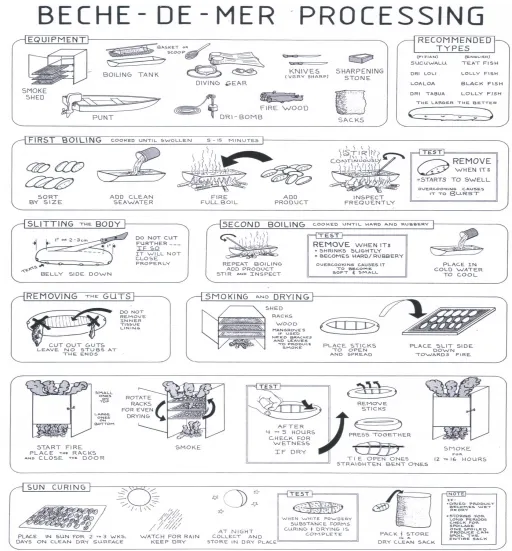
Fig. 1.1. Steps in bêche-de-mer processing; traditional technique. (Source: Ministry of
Fisheries)...13
Fig. 1.2. Dried sea cucumbers in Hong Kong market……….………...20
Fig. 1.3. Vacuum packaged (A) and frozen (B) sea cucumbers in Hong Kong market
………...26
Fig. 1.4. Shredded and whole freeze dried and vacuum packed Lollyfish, from clockwise
direction (A& B) Shredded dried Lollyfish, (C) Vacuum packed whole Lollyfish (first
boiled) and (D) Shredded wet Lollyfish. The products are currently trading at USD 50–
65/kg in the Korean market. ………..28
Figure 2.1. Steps used by processors in Fiji for production of bêche-de-mer (BDM) from fresh sea cucumbers………...……...37
Figure 2.2. Retention rate for length and weight of eight BDM species of commercial value…41
Figure 3.1. Generalised sequence for production of bêche-de-mer (BDM) from fresh sea
cucumbers specific to sandfish processing………...54
Figure 4.1. Recovery rates ( RRL RRW) for bêche-de-mer processed from sandfish using
different methods. Means with the same superscript are not significantly different
(p>0.05)………..82
Figure 5.1. UV-vis spectrum of collagen (crude (CC) and pepsin soluble collagen (PSC)) from
H. scabra and calf skin (CSC)………..102
Figure 5.2a. SDS PAGE pattern (reducing with β-mercaptoethanol) of collagen (PSC and CC)
from H. scabra and calf skin type I collagen. Lane 1: protein marker; Lane 2: CC
xxiv with β-mercaptoethanol; Lane 3: PSC with β-mercaptoethanol; Lane 4: CSC with
β-mercaptoethanol; Lanes 5, 6 and 7: CC, PSC and CSC digested by V8
protease………...103
Figure 5.2b. SDS PAGE pattern (non-reducing without β-mercaptoethanol) of collagen (PSC
and CC) from H. scabra and calf skin type I collagen. Lane 1: protein marker;
Lane 2: CC without β-mercaptoethanol; Lane 3: PSC without β-mercaptoethanol;
Lane 4: CSC without β-mercaptoethanol; Lanes 5, 6 and 7: CC, PSC and CSC
digested by V8 protease………....104
Figure 5.3. Fourier-transform infrared specra of collagen (PSC) from H. scabra and calf
skin………...106
Figure 5.4. Relative solubility of PSC from H. scabra in 0.5 M acetic acid in different pH’s (A)
and in different NaCl concentrations (B). Error bars represent the standard deviation
(n=3)………107
1
Chapter 1
Sea cucumber processing in the Pacific Islands
1.1 Introduction
Sea cucumbers are marine organisms belonging to the Class Holothuroidea in the Phylum
Echinodermata. Around 58 species (Table 1.1) are harvested commercially and this practice has
existed for over 1000 years (Conand and Byrne, 1993; Purcell et al., 2012b). Sea cucumbers and
are either consumed raw, dried or boiled in many tropical and subtropical countries (Conand,
1990b). Dried sea cucumber is known as bêche-de-mer (BDM) and it is consumed as a delicacy
and for its perceived medicinal value (SPC, 1997). There is high demand for BDM and sea
cucumber products in south-east Asian countries and at least 15,000 tonnes of BDM are traded
annually in S.E. Asia (Qao, Xu, & Yang, 2011), with major markets in China, Hong Kong,
Taiwan, Singapore and Malaysia (Eriksson & Clarke, 2015; Ferdouse, 2004). The major
suppliers to these markets are Pacific island countries such as Fiji, Tonga, Solomon Islands and
Vanuatu (Conand, 2004a; Lovatelli et al., 2004; Purcell, 2014b) and recent years have seen
increasing exploitation of the sea cucumber resources of developing tropical countries in the
Pacific (Eriksson and Clarke, 2015; Mangubhai et al., 2016). The current value of the global
BDM market is estimated at around $US 15-385 kg-1 (Purcell, 2014b), with high grade
well-dried ‘A’ grade product commanding prices of $US 70-190 kg-1 depending on the species used,
size and quality (Purcell et al., 2012b). Holothuria species such as H. scabra (Sandfish), H.
2 Although consumers in Western countries are well aware of the significant nutritional and health
benefits of seafood associated with ‘omega-3 fatty acids’ and lean protein (Olsen, 2004; Pieniak
et al., 2008), the major factors affecting the quality and value of BDM (i.e. species used,
appearance, odour, colour, thickness of the body wall and market demand), do not include
nutrient composition and nutritional quality (Wen et al., 2010). But despite this, ‘nutrition and
health’ is a major motivation for consuming seafood in China (Fabinyi et al., 2016). Body wall
thickness of BDM greatly influences commercial value (Skewes et al., 2004) with thicker body
wall flesh generally resulting in better texture and improved eating quality (Lo, 2004). The body
wall of sea cucumbers contains a high proportion of collagen (Chen et al., 2015a; Xia and Wang,
2015; Zhong et al., 2015) that has a major influence on BDM firmness and texture quality, and
therefore, product value.
1.2 Sea cucumber fisheries
The sea cucumber fishery and BDM production provide an essential source of income for artisanal and small-scale fishers in coastal communities in developing countries of the Pacific. Some countries fish sea cucumbers as a major source of income where opportunities such as crop farming may be limited (Preston, 1990). The harvesting and processing of sea cucumbers requires low input and simple technology and the dried product can be stored for long term providing permanent income to the fishers (Bumrasarinpai, 2006b). However, the value of this income depends on the grade of BDM produced and the resource is not infinite. Sea cucumber stocks are at a risk from over–exploitation due to their limited dispersal patchy distribution, ease of collection, slow recovery from
over-fishing and limited information on biological and spatial distribution available to guide
3 and bust” cycles and many have collapsed because of overfishing (Anonymous, 2004). Sea
cucumbers are vitally important component of their marine ecosystems as they remove nutrients
and ‘clean’ ocean sediments and recycle nutrients back into the food web.
A recent survey of sea cucumber stocks in the Fiji Islands reported that there is imminent risk of
over-exploitation and a need for strict management interventions such as a five year moratorium
(Jupiter et al., 2013). A similar moratorium on the sea cucumber fishery in Papua New Guinea
was introduced for similar reasons in 2009 and continues today (Hair et al., 2016). More
recently, a study by Nautilus Consulting on behalf of the Secretariat of the Pacific Community
(SPC) reported that Fiji had never placed a ban on the sea cucumber fishery and this contributed
to a sharp decline in sea cucumber stocks (Carleton et al., 2012), increasing risk from over
exploitation. Despite the limitations of available literature on sea cucumber processing methods,
this review focuses on BDM processing methods used by Pacific islanders and the potential for
developing or introducing new techniques that could eliminate the dry processing chain and
increase product value and revenue for processors.
1.3. Sea cucumber processing techniques
1.3.1. Sea cucumber habitat and harvesting
Sea cucumbers are usually found scattered over the reefs and sandy parts of the ocean floor
(Conand, 2004b; Purcell et al., 2016). It is usually associated with seagrass beds or buried in the
sand, and hidden in the corals or crevices within the corals (Purcell et al., 2012b). Most
commercially fished species can be found intertidally, but as fishing pressure increases, fishers
4
intertidal zones and pools or by diving in deeper waters within the reefs. Fishing using the fishing gear usually damages the skin of sea cucumbers in the deep water resulting in degraded quality of the final product (Buckworth and Sly, 2004; Mathews et al., 1990). It is important that only larger individuals are collected during harvest while smaller ones are left behind to mature and grow to
the required length for harvest (Purcell et al., 2012b; SPC, 1994).
Deep sea divers, usually store the harvested sea cucumbers in the sacks, while the reef gleaners
store the sea cucumbers in containers or buckets with clean sea water. The sea cucumbers are
kept away from the sunlight to avoid drying of the skin that would downgrade the final product.
The high value species such as White Teatfish (Holothuria fuscogilva), Black Teatfish
(Holothuria whitmaei) (Table 1.1) are generally kept on flat surfaces in a single layer away from the sunlight until processing. If stacked on top of each other, the outer skin of the body wall
tends to break and after processing these lesions appear as tear marks resulting in a lower
grading. Sandfish (Holothuria scarba) is an exception. Since they have tougher body wall with
many spicules, these animals can be kept on top of each other as they will flatten out remaining
alive (Sachithananthan et al., 1985; SPC, 1994). Prickly redfish (Thelenota ananas) also requires
care as the tubercles (teats) can be damaged if not handled properly resulting in product with
5
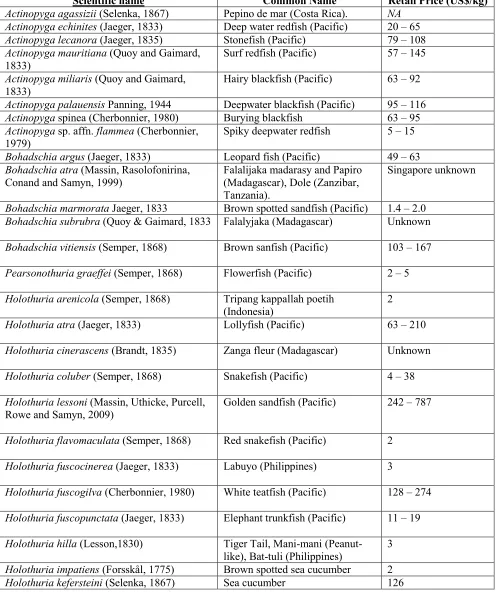
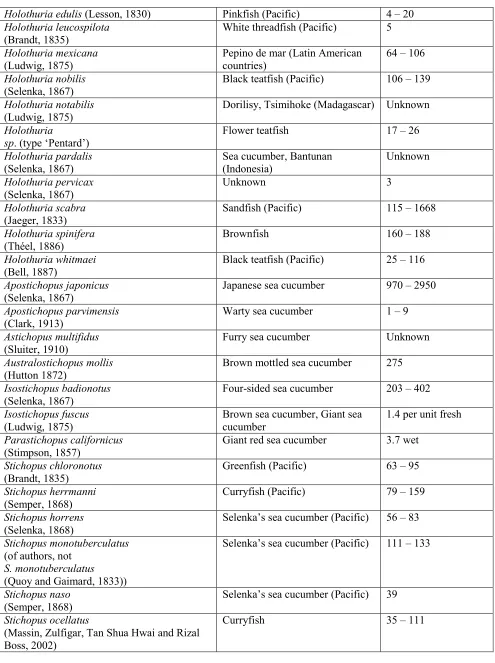
Table 1.1. List of sea cucumbers traded globally (adapted from Purcell, 2012)
Scientific name Common Name Retail Price (US$/kg)
Actinopyga agassizii (Selenka, 1867) Pepino de mar (Costa Rica). NA Actinopyga echinites (Jaeger, 1833) Deep water redfish (Pacific) 20 – 65
Actinopyga lecanora (Jaeger, 1835) Stonefish (Pacific) 79 – 108
Actinopyga mauritiana (Quoy and Gaimard,
1833) Surf redfish (Pacific) 57 – 145
Actinopyga miliaris (Quoy and Gaimard,
1833) Hairy blackfish (Pacific) 63 – 92
Actinopyga palauensis Panning, 1944 Deepwater blackfish (Pacific) 95 – 116
Actinopyga spinea(Cherbonnier, 1980) Burying blackfish 63 – 95
Actinopyga sp. affn. flammea (Cherbonnier,
1979) Spiky deepwater redfish 5 – 15
Bohadschia argus (Jaeger, 1833) Leopard fish (Pacific) 49 – 63
Bohadschia atra (Massin, Rasolofonirina,
Conand and Samyn, 1999) Falalijaka madarasy and Papiro (Madagascar), Dole (Zanzibar, Tanzania).
Singapore unknown
Bohadschia marmorata Jaeger, 1833 Brown spotted sandfish (Pacific) 1.4 – 2.0
Bohadschia subrubra (Quoy & Gaimard, 1833 Falalyjaka (Madagascar) Unknown
Bohadschia vitiensis (Semper, 1868) Brown sanfish (Pacific) 103 – 167
Pearsonothuria graeffei (Semper, 1868) Flowerfish (Pacific) 2 – 5
Holothuria arenicola (Semper, 1868) Tripang kappallah poetih
(Indonesia) 2
Holothuria atra (Jaeger, 1833) Lollyfish (Pacific) 63 – 210
Holothuria cinerascens (Brandt, 1835) Zanga fleur (Madagascar) Unknown
Holothuria coluber (Semper, 1868) Snakefish (Pacific) 4 – 38
Holothuria lessoni (Massin, Uthicke, Purcell,
Rowe and Samyn, 2009) Golden sandfish (Pacific) 242 – 787
Holothuria flavomaculata (Semper, 1868) Red snakefish (Pacific) 2
Holothuria fuscocinerea (Jaeger, 1833) Labuyo (Philippines) 3
Holothuria fuscogilva (Cherbonnier, 1980) White teatfish (Pacific) 128 – 274
Holothuria fuscopunctata (Jaeger, 1833) Elephant trunkfish (Pacific) 11 – 19
Holothuria hilla (Lesson,1830) Tiger Tail, Mani-mani (Peanut-like), Bat-tuli (Philippines) 3
Holothuria impatiens (Forsskål, 1775) Brown spotted sea cucumber 2
Holothuria kefersteini (Selenka, 1867) Sea cucumber 126
6
Holothuria edulis (Lesson, 1830) Pinkfish (Pacific) 4 – 20
Holothuria leucospilota
(Brandt, 1835) White threadfish (Pacific) 5
Holothuria mexicana
(Ludwig, 1875) Pepino de mar (Latin American countries) 64 – 106
Holothuria nobilis
(Selenka, 1867) Black teatfish (Pacific) 106 – 139
Holothuria notabilis
(Ludwig, 1875) Dorilisy, Tsimihoke (Madagascar) Unknown
Holothuria
sp. (type ‘Pentard’) Flower teatfish 17 – 26
Holothuria pardalis
(Selenka, 1867) Sea cucumber, Bantunan (Indonesia) Unknown
Holothuria pervicax
(Selenka, 1867) Unknown 3
Holothuria scabra
(Jaeger, 1833) Sandfish (Pacific) 115 – 1668
Holothuria spinifera
(Théel, 1886) Brownfish 160 – 188
Holothuria whitmaei
(Bell, 1887) Black teatfish (Pacific) 25 – 116
Apostichopus japonicus
(Selenka, 1867) Japanese sea cucumber 970 – 2950
Apostichopus parvimensis
(Clark, 1913) Warty sea cucumber 1 – 9
Astichopus multifidus
(Sluiter, 1910) Furry sea cucumber Unknown
Australostichopus mollis
(Hutton 1872) Brown mottled sea cucumber 275
Isostichopus badionotus
(Selenka, 1867) Four-sided sea cucumber 203 – 402
Isostichopus fuscus
(Ludwig, 1875) Brown sea cucumber, Giant sea cucumber 1.4 per unit fresh
Parastichopus californicus
(Stimpson, 1857) Giant red sea cucumber 3.7 wet
Stichopus chloronotus
(Brandt, 1835) Greenfish (Pacific) 63 – 95
Stichopus herrmanni
(Semper, 1868) Curryfish (Pacific) 79 – 159
Stichopus horrens
(Selenka, 1868) Selenka’s sea cucumber (Pacific) 56 – 83
Stichopus monotuberculatus
(of authors, not
S. monotuberculatus
(Quoy and Gaimard, 1833))
Selenka’s sea cucumber (Pacific) 111 – 133
Stichopus naso
(Semper, 1868) Selenka’s sea cucumber (Pacific) 39
Stichopus ocellatus
(Massin, Zulfigar, Tan Shua Hwai and Rizal Boss, 2002)
[image:31.612.68.563.65.728.2]Curryfish 35 – 111
7
Stichopus pseudohorrens
(Cherbonnier, 1967) Unknown Unknown
Stichopus vastus
(Sluiter, 1887) Curryfish (Pacific) 35 – 58
Thelenota ananas
(Jaeger, 1833) Prickly redfish (Pacific) 22 – 184
Thelenota anax
(Clark, 1921) Amberfish (Pacific) 14 – 32
Thelenota rubralineata
(Massin and Lane, 1991) Lemonfish 13
Athyonidium chilensis
(Semper, 1868) Sea cucumber 10
Cucumaria frondosa
(Gunnerus, 1767) Orange footed sea cucumber 0.25 fresh
Сucumaria japonica
(Semper, 1868) Japanese cucumaria Unknown
Harvested sea cucumbers are kept alive and clean until processing. While harvesting, pieces of
sand and coral gets stuck to the skin that must be removed by washing with clean seawater.
Sometimes the sea cucumbers stick to each other with dried up slime. In the boat after a few
hours of collection, leaves the boat bottom full of sea cucumbers mixed up with their eviscerated
guts, respiratory trees, sticky threads and water thrown out of the respiratory trees
(Sachithananthan et al., 1985). In this case, the gut contents and the sticky threads are disposed
of keeping the sea cucumbers clean until processing.
1.3.2 Traditional processing techniques for sea cucumbers
Bêche-de-mer processing is done by boiling, cleaning, smoke drying and sun drying (Conand,
1990b; SPC, 1994a) before storage (Fig. 1.1). The traditional process has been well documented
(Ram, 2008; Sachithananthan et al., 1985; SPC, 1994) and with minimum modification, has been
in use in the Pacific since the 1800’s. Sea cucumber processing is time specific with dependent
8 time to process than the species with thin flesh. Species with thick flesh such as (White teatfish,
Black teatfish, Amberfish, Tigerfish, Prickly redfish and Tigerfish) require a longer boiling time
during the initial cook than other species harvested in the Pacific. The cooking time ranges from
15-25 minutes at water temperature of below 50oC to avoid damages to the skin if introduced in
water at 100oC. The species with thinner flesh are cooked approximately 5-10 minutes at water
temperature of >50oC but <90oC until the sea cucumber becomes cylindrical, tough and less
rubbery.
After the first cook, depending on the species, the sea cucumbers are cooled and then gutted to
remove the visceral organs. The larger and high value species are generally cut on the dorsal side
of the sea cucumber while medium and low value species are cut at the anal side slicing about
one and half inches at the dorsal surface. Improper cutting and low product value due to poor
quality issues has been well documented (Ram, 2008).
Bêche-de-mer is graded according to the species, size, appearance, odour, colour, moisture,
spoilage and content of extraneous matter (McElroy, 1990; Ozer et al., 2004). The larger the size
of the dried product, the better the grade and higher the price (McElroy, 1990). A species that has
been handled and processed properly would demonstrate a smooth surface, a uniform shape and
clean body wall body cut with a pleasant smell would also mean that the product was stored
properly(McElroy, 1990). The final dried product is stored in 50 kg polyethylene sacks in a cool
dry place or exported to Asian countries. Inadequate handling and processing methods can also
9 Previous studies have indicated that poor handling and poor processing technique can lead to
nutritional loss from sea cucumbers. A study was conducted (Wen et al., 2010) on the nutrient
content (moisture, ash, protein, minerals, fat, and amino acids) of 10 different species of tropical
sea cucumbers. The study revealed that season and processing technique had a significant effect
on the nutrient composition of holothurian body wall. This study was also supported further
(Ozer et al., 2004) where similar data for nutrient compositions of sea cucumbers to different
treatment levels (processing techniques) was reported. Other studies conducted (Dong et al.,
2011) revealed that collagen was also vastly affected at different boiling temperatures during sea
cucumber processing. In the Pacific Islands, however, people are unaware of the chemical
changes that occur during sea cucumber processing therefore, a better technique based on
scientific analysis needs to be developed to help indicate the proper way and duration of
processing sea cucumbers to produce a product with optimal physical characteristics, retain
essential nutrients in the final product and maximize income for processors. For example, the
level of ‘beneficial nutrients’ in BDM (e.g. omega-3 fatty acids) could be a useful marketing
point but this has not yet been considered because of lack of information on the influence of
processing method on nutrient composition and on the potential to manipulation processing
methods to optimize both physical and nutritional characteristics of BDM.
1.4. Nutritional value of sea cucumbers and bêche-de-mer
Sea cucumbers are regarded as a high quality food with medicinal value and are generally
consumed raw, dried or boiled (Conand, 1990b) to optimize their medicinal properties (Lou et
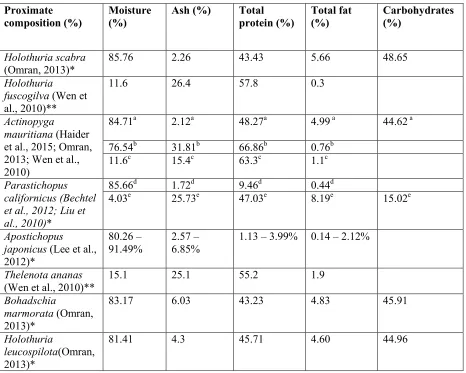
al., 2012). Sea cucumbers are rich in protein (ca. 43%) and low in fat (ca. 2%) (Table 1.2). Sea
10 including copper, magnesium and potassium (Wen and Hu, 2010), amino acids (Wen et al.,
2010), collagen (Dong et al., 2011) and fatty acids including those considered essential for
human wellbeing the highly unsaturated eicospentaenoic acid (20:5n-3, EPA), docosahexaenoic
acid (C22:6n-3, DHA) and arachidonic acid (C20:4n-6, AA) (Bordbar et al., 2011). The presence
of fatty acids in the sea cucumbers range from 5–61% depending on the species (Wen et al.,
2010) and have been associated with a reduced risk of coronary heart disease and cancer (Harper
and Jacobson, 2005; Roynette et al., 2004).
Table 1.2. Proximate composition of bêche-de-mer processed from various species of sea
cucumber.
Proximate
composition (%) Moisture (%) Ash (%) Total protein (%) Total fat (%) Carbohydrates (%)
Holothuria scabra
(Omran, 2013)* 85.76 2.26 43.43 5.66 48.65
Holothuria
fuscogilva (Wen et al., 2010)**
11.6 26.4 57.8 0.3
Actinopyga
mauritiana (Haider et al., 2015; Omran, 2013; Wen et al., 2010)
84.71a 2.12a 48.27a 4.99 a 44.62 a
76.54b 31.81b 66.86b 0.76b
11.6c 15.4c 63.3c 1.1c
Parastichopus californicus (Bechtel et al., 2012; Liu et al., 2010)*
85.66d 1.72d 9.46d 0.44d
4.03e 25.73e 47.03e 8.19e 15.02e
Apostichopus japonicus (Lee et al., 2012)*
80.26 –
91.49% 2.57 – 6.85% 1.13 – 3.99% 0.14 – 2.12%
Thelenota ananas
(Wen et al., 2010)** 15.1 25.1 55.2 1.9
Bohadschia
marmorata (Omran, 2013)*
83.17 6.03 43.23 4.83 45.91
Holothuria
leucospilota(Omran, 2013)*
[image:35.612.68.534.345.718.2]81.41 4.3 45.71 4.60 44.96
11
Stichopus hermanni
(Wen et al., 2010) 10.2 37.9 47.0 0.8
Thelenota anax
(Wen et al., 2010)** 1.2 39.2 40.7 9.9
Holothurian
fuscopunctata (Wen et al., 2010)**
7.0 39.6 50.1 0.3
Bohadschia argus
(Wen et al., 2010)** 13.0 17.7 62.1 1.1 Actinopyga caerulea
(Wen et al., 2010)** 0.81 28.4 56.9 10.1
Holothuria
arenicola (Haider et al., 2015)*
72.12 31.81 66.86 0.76
a- Omran (2013)* b-(Haider et al., 2015)* c-(Wen et al., 2010)** d-(Liu et al., 2010)* e-(Bechtel et al., 2012)*
* Authors researched with raw freeze dried tissue samples ** Authors researched with processed dried tissue samples
Very few research studies have attempted to correlate the relationship between varying
processing techniques and nutrient composition of bêche-de-mer (Aydın et al., 2011; Ozer et al.,
2004; Skewes et al., 2004; Wen and Hu, 2010; Wen et al., 2010). For example, spoilage of
unprocessed sea cucumber tissue is likely to occur rapidly in the tropics and could affect the
quality of resulting BDM. Amino acids impart flavour to sea food products and can rapidly leach
from tissues when immersed in liquid (Bremner, 2012). Furthermore, long-chain highly
unsaturated fatty acids can rapidly oxidize to reduce the content of ‘beneficial’ nutrients and
potentially produce toxic by-products (Chow, 2008). Because BDM undergoes multi-step
processing that potentially includes multiple cooking, salting and drying (Fig. 1.1), the texture
and nutrient composition of the product is likely to be modified during processing. Despite this,
few studies have reported on such changes that could influence the nutrient content and
12 Previous studies have indicated that, poor handling and poor processing technique can lead to
nutritional loss from the sea cucumbers. Wen et al. (2010) analyzing the nutrient content
(moisture, ash, protein, minerals, fat, and amino acids) of 10 species of sea cucumbers and
reported that season and processing technique had a significant effect on the nutrient
13
14 showing similar data for nutrient composition of sea cucumbers to different treatment levels
(processing techniques). Other studies conducted by Dong et al. (2011) revealed that collagen
was also vastly affected at different boiling temperatures during sea cucumber processing.
1.4.1 Protein and amino acids
The protein contents of BDM processed from various species of sea cucumbers is shown in
Table 1.2. Crude protein ranged from 1.13% to 66.86% (Bechtel et al., 2012; Haider et al., 2015;
Liu et al., 2010; Omran, 2013; Wen et al., 2010). Significantly, given the importance of BDM
body wall texture in the value of BDM, collagen has been reported to make up at least 70% of
the protein content of BDM (Saito et al., 2002), and, individually, between 3.4% and 24.3% of
BDM dry weight (Liu et al., 2010; Zhong et al., 2015).
Collagens belong to a family of extracellular matrix protein that maintains the integrity of
various tissues. There are approximately 27 types of collagen found with 42 distinct types of
polypeptide chains and about 20 additional proteins and collagen – like domain and 20 other
collagen modifying enzymes (Kivirikko and Prokop, 1995; Myllyharju and Kivirikko, 2004).
Collagen molecules are composed of three α – chains that is mainly stabilized by intra and inter
chain hydrogen bonds known as collagen triple helix (Zhang et al., 2013). It contains a repeat of
the amino acids glycine, proline and hydroxyproline (Ichikawa et al., 2010). The usage of
collagen include leather products, biomedical products such as wound dressings, implants and
drug carriers as well as the food industries in the production of gelatin (Nam et al., 2008).
Gelatin is produced from partial hydrolysis of collagen and the extraction of gelatin is done by a
15 breaks the non-covalent bonds in collagen and destabilizes the structure of collagen (Djabourov
et al., 1993) and however, heating at the temperatures greater than 45oC denatures the collagen
triple helix and converts the collagen into gelatin (Gomez-Guillen et al., 2002).
Few studies have reported on isolation and analysis of pepsin-soluble collagen (PSC) and
acid-soluble collagen (ASC) from sea cucumbers; however, some literature is available that have
analysed the collagen content in various species of fish and shrimps (Kittiphattanabawon et al.,
2005 ; Nagai et al., 2001). Liu et al. (2010) conducted a study on purification and
characterization of pepsin-soluble collagen from skin and connective tissues of the sea cucumber
(Parastichopus californicus). In the study the maximum transition temperature for gel formation and denaturation temperature of collagen was also studied. The findings revealed that the
collagen extracted from P. californicus was type I and gel forming ability at pH 6. The
denaturation time and maximum transition time was determined to be 18.5 and 33.2oC
respectively. The researchers concluded that the collagen content from the giant sea cucumber
could be used in foods and for pharmaceutical purposes. Cui et al. (2007) also analysed the
pepsin – soluble collagen by characterizing the subunit of the collagen from the body wall of
Stichopus japonicus. The thermal stability temperature of the collagen was also determined by
the differential scanning calorimetry (DSC) that was determined to be 57oC. The PSC isolated
from S. japonicus was found to be type I and of the molecule structure composed of three α –
chains.
Limited literature is available for sea cucumber relating to possible changes in collagen content
16 on collagen content of products. Niamnuy et al. (2008) studied the changes on the protein
composition and its effect on the physical changes on the shrimp during boiling at different salt
solutions. The findings revealed that rising salt concentration affected the protein quality and
texture of the shrimp. With an increased boiling time and salt concentration the protein
denaturation was more common and the shrimp became harder due to the decrease in
myofibrillar, sarcoplasmic and stroma protein. Niamnuy et al. (2007) reported that boiling time
affected the shrimp quality through cooking loss and texture loss due to protein denaturation as
well as the salt, moisture and protein content. The final product quality can only be determined
through sensory evaluation and be known the extent of quality loss due to boiling time and
various salt concentrations that affect the texture and overall acceptance of the final product
(Tapaneyasin et al., 2005).
Amino acids play a significant role in metabolic process of a human body. Research by Wen et
al. (2010) determined that the most abundant amino acids in BDM processed from eight species
of sea cucumbers imported to China were glycine, glutamic acid, aspartic acid, alanine and
arginine that together constituted between 58-65% of the total amino acids. Previous studies
indicated the usefulness of amino acids such that the serum cholesterol level is reduced by the
amino acid glycine (Aljawad et al., 1991; Ikeda et al., 1993). Having a low level of lysine:argine
ratio reduces the concentrations of cholesterol in the serum and aorta and suggests that low
lysine/arginine ratio exerts a hypocholesterolemic effects (Rajamohan and Kurup, 1997; Sugano
17
1.4.2 Lipids and fatty acids
The lipid contents of BDM processed from various species of sea cucumbers is shown in Table
1.2. Lipid ranged from 0.3%-9.9% of BDM dry weight in these studies (Bechtel et al., 2012; Liu
et al., 2010; Wen et al., 2010). Various studies have reported on the lipid and fatty acid profiles
of sea cucumbers in either dried or fresh form. Svetashev et al. (1991) studied the lipid and fatty
acid composition in 12 tropical and temperate water species; 10 tropical and two temperate
species. The findings revealed that lipid content in tropical holothurians (range 0.25%-2.60%)
were generally lower than the temperate holothurians (range 4.9%-9.9%), but that in the winter
months, lipid content was greater in tropical holothurians (12.5%-29%). Levels of the
metabolically important fatty acid arachidonic acid (C20:4n-6) were also reported to be higher in
tropical holothurians than the temperate species (Svetashev et al., 1991).
Aydın et al. (2011) studied the proximate composition and fatty acid profile during drying
process of three temperate holothurians in Turkey; Holothuria tubulosa, H. polii and H.
mammata. The holothurians were cut and gutted followed by boiling and drying in the sun and the fatty acid profile was determined for fresh wet and after drying. The analysis showed that
saturated fatty acids, monounsaturated fatty acids and polyunsaturated made up 15.48-19.21%,
13.92-15.01% and 53.38-57.76% of total fatty acids in fresh sea cucumbers, respectively, and
12.93-18.78%, 14.30-19.81% and 41.66-50.54% of total fatty acids in dried sea cucumbers,
respectively. Saturated and polyunsaturated fatty acids decreased during the drying process but
the authors noted higher levels of arachidonic acid and docosahexaenoic acid (22:6n-3, DHA)
and lower amount of eicosapentaenoic acid (20:5n-3, EPA) after drying. The results of this study
18 dried tropical holothurians. The analysis showed that saturated fatty acids, monounsaturated fatty
acids and polyunsaturated made up 31.23-61.60%, 27.0-45.64% and 5.10-16.0% of total fatty
acids in dried sea cucumbers, respectively. Palmitic acid (C16:0) (5.91-31.86% total fatty acids)
and stearic acid (C18:0) (7.14-14.13% total fatty acids), were the major saturated fatty acids in
the eight species tested, while arachidonic acid AA (C20:4 n-6) (1.82-14.42% total fatty acids)
and eicosapentaenoic acid EPA (C20:5n-3) (0.32-3.84% total fatty acids), were the major
polyunsaturated fatty acids (Wen et al., 2010). Information on the loss of fatty acids from the
holothurian body wall during processing is extremely limited and recommendations on
processing methods that help retain levels of metabolically important fatty acids in BDM have
not yet been considered.
1.4.3 Carbohydrates
Limited literature is available reporting the levels of carbohydrates in sea cucumber tissue or
BDM. Carbohydrates are an essential part of the human diet and they are used primarily as an
energy source. Lawrence (1972) analysed the carbohydrate content in freshly harvested H. atra
using tissue samples from small intestine, large intestine and rete mirabile. The collection was
done in summer and winter months to determine the variation. The findings revealed that
carbohydrate content in the large intestine was significantly higher (4.9% of dry weight) than in
19
1.5. Medicinal value of sea cucumbers and bêche-de-mer
Extracts from sea cucumbers serve as a tonic and traditional remedy for many ailments
(Anderson, 1988; Bordbar et al., 2011; Chen, 2003; Jilin and Peck, 1995; Weici, 1987; Wen et
al., 2010; Yaacob et al., 1997) and for their unique biological and pharmacological properties
including anti-angiogenic (Tian et al., 2005), anticancer (Roginsky et al., 2004), anticoagulant
(Chen et al., 2011; Nagase et al., 1995), hypertension (Hamaguchi et al., 2010),
anti-inflammatory (Collin, 1998, 1999, 2004), antimicrobial (Beauregard et al., 2001; Hing et al.,
2007), antioxidant (Althunibat et al., 2009), antithrombotic (Mourao et al., 1998; Pacheco et al.,
2000), antitumor (Tong et al., 2005; Zou et al., 2003) and wound healing (Miguel-Ruiz and
García-Arrarás, 2007) activities. Such medicinal properties are related to the presence of
bioactive compounds such as triterpene glycosides (saponins) (Aminin et al., 2010; Kerr and
Chen, 1995; Miyamoto et al., 1990), chondroitin sulfates (Vieira et al., 1991),
glycosaminoglycan (Nagase et al., 1995; Pacheco et al., 2000), sulfated polysaccharides (Mourao
and Pereira, 1999), sterols (glycosides and sulfates) (Goad et al., 1985), phenolics (Mamelona et
al., 2007), specific peptides (Rafiuddin et al., 2004), cerberosides (Sugawara et al., 2006) and
lectins (Mojica and Merca, 2004; Mojica and Merca, 2005a; Mojica and Merca, 2005b).
Consumption of sea cucumbers is thought to aid growth, blood clotting and wound healing (Gil,
2002; Mat et al., 1994) supporting their use as a traditional remedy for burns and cuts (Fredalina
et al., 1999).
Pepsin-Solubilized Collagen (PSC) extracted from Stichopus japonicus has been shown to
improve proliferation of human keratinocytes (Park et al., 2011). So far, researches on sea
20 including damaged tissue repairing (Park et al., 2012), antitumor (Zhou et al., 2012b),
antioxidant (Zhou et al., 2012a), and angiotensin-converting enzyme inhibitory activity
(Forghani et al., 2012; Zhao et al., 2009). Investigations on isolation, purification, and
characterization of PSC have been carried out in some sea cucumber species, such as S.
japonicus (Cui et al., 2007; Saito et al., 2002), Parastichopus californicus (Liu et al., 2010; Liu
et al., 2011), S. vastus (Abedin et al., 2013), Bohadschia bivitatta (Siddiqui et al., 2013) and
Holothuria parva (Adibzadeh et al., 2014), but similar research with tropical species or those from the south Pacific has not yet been reported.
1.6. Advancements in processing and drying
Traditional processing of seafood constitutes a wide variety of techniques used to preserve food,
[image:45.612.71.515.427.635.2]either by salting and/or drying to increase shelf life (Fig. 1.2).
21
1.6.1 Salting
Salting is one of the common traditional processes (Wang et al., 2011) that increases the shelf
life by reducing the water activity of the drying product and produces a high processing yield and
better quality of the final product. There are generally three different types of salting used to
process seafood: dry salting (kench), wet salting and the slurry (intermediate of the dry and wet).
For wet salting the brine needs to be about 80-100 degree saline for its effectiveness as it makes
water molecules to move out of the tissues and salt to penetrate. The findings (Wang et al., 2011)
revealed that salt uptake depends on the protein and the concentration of water phase in fish
muscle. At lower concentrations (0.1 M) fish muscle swells but maximum swelling (water
holding capacity) occurs at 1 M (5.8% salt). However, at higher concentrations that is above
9-10% the proteins tend to have a greater protein to protein bond resulting in shrinkage and
dehydration of the fish muscle. The researchers also indicated that certain factors affect drying
and final product quality such as type of salting, brine concentrations, salting time, temperature
and material species and sizes.
The effect of dry salting and wet salting in 21% saline solution at 20oC for moisture loss and salt
uptake by the tissues of sardines was studied (Bellagha et al., 2007). This study however, was
evaluated for 48 hours at 40oC. The findings from the study revealed that after drying, (48 hours)
the water activity (aw) of the sardine tissue accounted at 0.698 for brining and 0.661 for dry
salting. The study indicated that brining was more preferred over dry salting for its appearance,
texture and acceptability. Dry salting however, makes the fish more brittle and affects the overall
22 In addition, a similar study on the effect of different brine concentrations (4, 10, 15, 18 and 25%
salt weight by weight (w/w) and dry salting on the salting kinetics and the yield of smoked
Atlantic salmon fillets during a period of 14 days at 4oC was done (Gallart-Jornet et al., 2007b).
The findings revealed that the fillet weight increased with decreasing saline concentration and
dry salting resulted in lowest process yield. The texture, elasticity and hardness however, also
decreased with increasing saline concentration. This study suggested that the use of 10, 15 and
18% saline gave the best and highest yield after the smoking process and the use of lower saline
concentrations (4-18%) increased the water holding capacity thus lowering the protein
denaturation and resulting in better yield of salting process. However, higher salting that is 25%
w/w and dry salting lead to further protein denaturation, resulting in rapid loss of water and thus
affected the texture and reduced the water holding capacity. Salting process has been a
traditional process but today, modern technology is incorporating this process in current food
preservation techniques to improve the texture and quality (Shi et al., 2008).
However, before drying the raw material it is necessary to eliminate the microorganism,
enzymes, water activity that spoil the dried product and increase the shelf life of the product.