1
Final report
for the CORE Organic II funded project
“BIO-INCROP”
“INNOVATIVE CROPPING TECHNIQUES TO INCREASE SOIL HEALTH
IN ORGANIC FRUIT TREE CROPS”
2 of 35
Project acronym:BIO-INCROP
Title:
INNOVATIVE CROPPING TECHNIQUES TO INCREASE SOIL HEALTH IN ORGANIC FRUIT TREE CROPS
Coordinator
information: Senior Researcher of CRA.
Institution: Consiglio Nazionale per la Ricerca e la
Sperimentazione in agricoltura CRA
Faculty/ Department/ Section/Unit
CRA- Research Centre for Industrial Crops CRA-CIN
Address:
Via di Corticella 133 P.O. Box:
Bologna 40128: Region: Italy:
Coordinator:
Manici Luisa Maria : Dr:
Address if different from above:
Phone: +39 051 6316839 Fax: E-mail: [email protected]
3 of 35
Project partners and contact persons:Partner no.
Country Organisation name: Functions*): Involved
in WP's:
Contact person with e-mail address:
1 Italy Consiglio Nazionale
per la Ricerca e la Sperimentazione in Agricoltura
PC WP0,
WP1, WP2, WP3
Luisa M. Manici
2 Italy Laimburg Research
Centre for Agriculture and Foresty
WPM WP1,
WP2; WP3, WP4
Markus Kelderer
3 Switzerland Agroscope
Changins-Wädenswil Research Station
WPM WP1,
WP2; WP3,
Andreas Naef
4 Austria Landwirtschaftliches
Versuchszentrum Graz-Haidegg
WPM WP1,
WP2, WP3; WP4
Thomas Rühmer
5 Spain Instituto Valenciano
de Investigaciones Agrarias
WPM WP1,
WP3, WP4
Rodolfo Canet
6 Austria University of
Innsbruck- Department of Microbiology
P WP1,
WP2, WP4
Ingrid Franke-Whittle
7 Germany DLR Rheinpfalz,
Center of competence
P WP1,
WP2; WP3; WP4
Gerhard Baab
8 Turkey GDAR-PPRI, Plant
Protection Central Research Institute, Ankara, Turkey Alata Horticulture Research Station (AHRS), Mersin, Turkey
P
WP3-Apple WP3- Citrus Suat Kaymak [email protected] Hasan Pinar [email protected]
*) PC: Project coordinator, WPM: Work package manager, WPCM: Work package co-manager, P: Participant
Projects website:
http://www.coreorganic2.org/ –projects - BIO-INCROP;
4 of 35
Index
Project summaries, pre- and post/mid-project
Summary
1.
Main results, conclusions and fulfilment of objectives ... 6
1.1
Summary of main results and conclusions ... 6
2.
Milestones and deliverables status ... 8
3.
Work package description and results: ... 11
WP 0 ... 11
WP 1 ... 11
WP 2 ... 16
WP 3 ... 21
WP 4 ... 27
4.
Publications and dissemination activities ... 31
4.1
List extracted from Organic Eprints ... 31
4.2
Additional dissemination activities ... 34
4.3
Further possible actions for dissemination ... 34
4.4
Specific questions regarding dissemination and publications ... 34
5.
Added value of the transnational cooperation in relation to the subject ... 35
Post/mid-term project summary suitable for web publication
APPLE
• Apple replant disease in central Europe has a consistent biotic origin which is responsible for about 30% of growth reduction in multi-generation orchards. Cylindrocarpon-like fungi and Pythium spp. were shown to be primarily responsible for plant growth reduction, which was confirmed as main indicator of apple replant disease.
• Pyrosequencing analysis of rhizospheric microbial communities associated to replanted orchards confirmed that Cylindrocarpon-like fungi are largely associated to replant disease; however, it also evidenced that several bacterial and fungal genera indigenous to replanted orchards are positively correlated to plant growth. This suggested that many are the indigenous resource to be exploited for increasing plant growth/soil health in permanent cropping systems.
• Pre-plant treatment with locally available composts of different origin showed a variable effect in plant growth. Composted mushroom substrate gave the best performance in four countries involved in the evaluation. The phytotoxicity effect, due to high salt content in composts, represents a limit that can be overcome by setting up suitable amendment doses.
• Cover crops in pre-plant can induce microbial changes at the rhizosphere level of the subsequent apple orchards, despite soil microbial resilience due to long-term management of soil. However, one only pre-plant break with cover crop is not sufficient to mitigate replant disease in the subsequent newly planted trees.
5 of 35
• Among the non-chemical options tested for reducing replant problems, soil steamapplication in pre-plant gave promising results after one-year field trials.
CITRUS
• Phytophthora citrophtora was mainly responsible for citrus degradation in Mediterranean countries. A study on conversion to organic cultivation performed in a large degraded citrus orchards in Valencia province (Spain) gave 25% of plants dead for Phytophthora attack within 2-year after transplant.
• Growth response of newly planted trees to different soil management (including solarisation, cover crops and organic amendments) and the application of ten commercially available bioformulates (biofungicides, nematocides and biostimulants and active principles) in degraded citrus orchards was not significantly affected by any pre-plant treatments.
• Techniques based on the application of organic matter shortly before replanting are not successful in total control of Phytophthora attack in citrus degraded orchards, but do reduce damage to soil organic matter and biological activity compared to more aggressive techniques such as solarisation. Vegetal covers appear to be very promising in this respect as they cause a large stimulation of biological activity in soil when applied to degraded orchards.
• Soil enzymes were shown to be very useful indicators of changes in soil quality when converting degraded citrus to organic management in Mediterranean environment
• Phytophthora citrophtora severity attack was successfully reduced by several bio-formulates commercially available in Turkey (especially those with Lactobacillus acidophilus and biologically active principles as their main ingredients) in controlled conditions using citrus rootstocks. However, findings of the project overall showed that, origin, type and condition of the replant soil strongly affect the effectiveness of the biological active formulate in controlling Phytophthora attack in newly planted citrus trees.
Pre-project summary
Multiannual crops such as fruit tree crops are affected by soil sickness or yield decline. “Replant disease” is the main biological component of this problem due to the eco-functional intensification of growing areas specialising in fruit production. The severity of this disease is mediated by plant vigour, physiological state of plants and abiotic factors, therefore its occurrence is actually an indicator for fruit growers of the degraded status of a soil’s biological processes for its crops.
The project aims to develop innovative management options able to increase soil biological functioning, focusing the attention on soil suppressiveness: the natural ability of soil to control soil-borne pathogenic agents of replant disease. The activities are planned on two target crops: citrus and apple, representing two main agro-environments of Europe. Cover crops taken from local germoplasm collections or from the natural vegetative covers and recycled high quality organic materials are the natural resources upon which the project focuses, in order to develop innovative cropping practices which will enable soil biodiversity preservation and exploit its biological features.
The early evaluation of plant response and the use of advanced methodologies to evaluate microbial response toward the inputs are the strategies used to identify natural resources and techniques capable of increasing microbial biomass and diversity and selectively affecting beneficial and pathogenic microbial populations.
6 of 35
expertise. The dissemination plan of the BIO-INCROP project should increase grower’s awareness of soil biodiversity as a resource for developing new technologies.1.
Main results, conclusions and fulfilment of objectives
1.1
Summary of main results and conclusions
The activities performed by the partner of BIO-INCROP project fulfilled all of the following main objectives fixed in the project proposal:
− Evaluation of soil borne pest and pathogens involved in replant disease. − Role of rhizospheric bacterial and fungal communities in plant health.
− Selection of naturally available resources to increase microbial diversity and biomass. − Compost and organic amendments.
− Evaluation of biologically active formulates.
The further three objectives will be pursued based to results and material (strains of microorganisms, selected organic amendments, selected bio-formulates, etc) obtained in the first part of the project:
− Cover crops and wild plants selected on basis of plant/microorganisms interaction . − Survey of available means for controlling replant disease.
− Investigation of new low input agronomical options.
WP1. Elucidation of soil microbial components involved in replant disease.
The first part of the project confirmed the biotic origin of replant disease in apple orchards and showed that soil fertility was not a limiting factor in the European apple orchards which were considered in ta survey over Rhineland Palatinate (Germany), Styria (Austria), and South Tyrol (Italy). Moreover, the first survey in WP1 provided the following evidences: evidences: i) among fungal endophytes isolated from apple roots, Pythium sp. and Cylindrocarpon-like fungi were the main pathogens responsible of replant disease (ii) most of soil fungi which colonize roots seems have neutral relationship with plants (Manici et al., 2013).
The second part of WP1 confirmed that several root endophytic and rhizospheric fungi and bacteria indigenous to apple orchards are positively correlated to with plant growth. Pyroseqencing analysis evidenced a positive correlation with plant growth in some bacterial and fungal genera (such as, for example, Myxococcus and Scutellaria, respectively), which had never been associated with plant health before; while confirmed the negative impact of Cylindrocarpon like group, but also of some genera, such as Fusarium, with an uncertain role on ARD to date. Findings of this Pyrosequencing analysis opens new perspectives in elucidating biotic complex responsible of apple replant disease. The conclusion is that apple replant disease has meanly biotic origin, but the greatest part of microbial communities indigenous to apple can may have beneficial neutral and beneficial relationship with plants. This represents a resource to be exploited for increasing plant growth/soil health.
As far as it concerns citrus cropping systems in Valencia region, Phytophthora citrophtora was found to be the main biological component of citrus orchard degradation, but soil organic matter content is the main component which mediates citrus orchards decline.
WP2. Searching for innovative agronomic options to induce soil suppressiveness in organic fruit three orchards .
7 of 35
composted substrate from mushroom). The effectiveness of Champosts was confirmed with further bioassays using and other locally available substrates from mushroom production in Germany. The other partners (HAID in Austria, LRC in Italy and ACW in Switzerland) confirmed the best plant growth in treatments amended with composted substrate from mushroom, however any of these result was supported by a evidences supported by statistical analysis. COMPOCHIP microarray analysis of Champost composts from Germany, Italy and Switzerland confirmed that this material was found to have the highest microbial biomass, but that microbial communities were not found specific to compost type In any case, overall Champost or composts derived from mushroom substrate proved to be the most interesting organic amendment to promote plant growth under replant conditions. Since this organic material is a waste material and in some areas of Europe its´ availability is very high it should be considered a valuable tool and further studies with regards to its´ characteristics, storability and further usage would proof to be very useful.A study on cover crops (on pre-plant cycle with barley, alfalfa and marigold) in pre-plant of apple orchard showed that pre-plant break treatments did not overall differ significantly in plant growth of subsequent apple trees. However, the study provides evidence about cover-crop potential to increase soil diversity in long-term permanent cropping systems and to manipulate root colonizing fungi involved in crop health. Findings suggest the potentiality of cover crops in research framework aiming at setting strategies based on manipulation of soil microbial communities to overcome replant disease and increase crop health.
WP 3 Survey on available low input tools for controlling replant disease
The effectiveness of several biological active formulates commercialized as potentially effective in controlling apple replant disease, defined at the beginning of the project in a common list , were evaluated by each country participating to the project (6) with two subsequent plant growth assay in 2013 and 2014. The first screening on apple, performed on more than 12 different commercially available active formulates, gave contrasting results among partners and in general, no significant difference in shoot growth could be observed. However Mycostop® and Micosat F®. overall gave the best performance in first cycle. The interesting performance of those two bio-formulates was confirmed in the second assessment cycle; although the not constant effectiveness of bio-formulated was generally observed. Combinations of biological active formulates and composted substrates from mushroom production, chosen based on the WP 2 results, overall showed that Champost combined with Ekoprop nemax®, Mycostop® or Micosat F® gave the best result in plant growth.
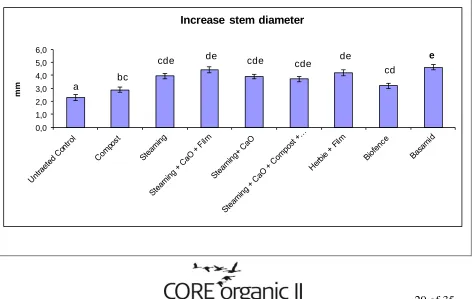
As far as concerns new low input agronomical options for the pre-plant phase of new apple orchards, positive effect on newly-planted trees were observed after steam application in full field affected by replant disease. This positive effect was increase when steaming was associated with other treatments such as calcium oxide and some specific organic amendments.
As trial on citrus were performed on large pot under field conditions, only one cycle was performed in the project by Spain. Any significant plant growth increase as compared to control was not observed for bio-formulates applied to natural soil samples taken from a degraded citrus orchard.
8 of 35
WP 4 Innovative management options for increasing functional soil biology in organic fruit tree crops in Mediterranean and Temperate growing areas of Europe.The large full field trial in a long term degraded citrus orchard in Spain allowed to estimate effect of four different procedures of conversion to organic on i) plant growth parameters, ii) incidence of Phythophtora attack; iii) soil biochemical features.
The everywhere severe attack of Phytophtora (25% of the replanted trees were killed) suggested that any of the pre-plant treatments (solarisation, organic amendments, cover crops) was not able to control this pathogen in the subsequent citrus orchard On the contrary, significant effects of the treatments was observed on soil biochemical parameters.Indeed,, soil solarisation had a clear depressive effect on both direct and indirect soil biological parameters; however, the positive or negative changes in soil biological parameters observed immediately after all treatments, mostly disappeared after some months of their application. This suggested that some culturable microbial populations and soil enzyme are very useful as indicators of changes in soil quality after different management alternatives,
Techniques based on the application of organic matter shortly before replanting are not successful in total control of soil-borne diseases in citrus degraded orchards, but contrary to solarisation, do reduce decline of soil organic matter and biological activity which are the two main soil fertility components under risk in Mediterranean environment. Therefore, larger build-up of organic fertility seems necessary to reclaim severely infected citrus orchards, previously destined for replanting, to make rapid colonization by Phytophthora difficult. Vegetal covers seem very promising in this respect as they cause a large stimulation of biological activity in soil.
Full field trials on apple performed at the research stations of Germany, Austria indicated that the combination of mushroom substrate compost (Champost) and Mycostop® or Micosat F® seems the most effective pre-plant treatments to overcome growth reduction in the first years after transplant, when working in soil affected by replant problems.
1.2 Fulfillment of objectives
All the eight main objectives of BIO-INCROP project have been achieved in relation to a three-year research. Moreover, there are many interesting preliminary results that would have required another two years of research to give precious answers to the producers of organic apple and citrus.
The large number of technical publications have guaranteed a punctual transfer of results to the stockholders supporting development of innovative practices, while the scientific publications supported robustness of research findings of the project.
2.
Milestones and deliverables status
9 of 35
No1 Milestone name
Planned delivery month2
Actual delivery month2
Means of verification
M1.1 Identification of “replant disease” agents on apple
18 and 24 18 and 32 Correlation between abundance of
pathogenic organisms, and plant growth reductions.
Deposition in GenBank nucleotide sequences of pathogenic organisms.
M1.2 Identification of biotic components of citrus orchard degradation
28 28 Quantitative comparison of soil microbial
activity of open field trial complemented by in pot experiments
M1.3 Identification beneficial microorganisms and nematodes
24 28 Deposition in GenBank nucleotide
sequences of the organisms; evaluation of biological activity
M1.4 Definition of biological indicators of soil sickness in apple
32 32 Validation of bio-indicators with plant
growth data in controlled condition and full field.
M2.1 Compost-derived amendments selected to increase microbial diversity and
biomass
24 24 Biochemical and microbial quantitative
parameters of amended soils
M2.2 Identification of cover crops able to increase soil suppressiveness on basis
of plant microbe interaction
24 28 Changes of microbial communities by
molecular methods and ability to enhance plant growth in greenhouse bioassay.
M.3.2 First evaluation cycle of bio-formulations and bio-pesticides
18 20 Effectiveness of treatment by greenhouse
bioassay.
Deliverables:
1
Please use the numbering convention <WP number>.<number of milestone/deliverable within that WP>. For example, deliverable 4.2 would be the second deliverable from work package 4.
2
10 of 35
No1
Deliverable name and
language Nature3
Dissemination level4 and link to the
document
Planned delivery month2
Actual delivery
month2
D0.1 Coord-Dissem1 Website PU - http://www.bio-incrop.org 18 18
DO.2 Coord-Dissem2 Website PU - http://www.coreorganic2.org/ 34 34
D1.1 Apple replant
disease (ARD) 1
Report INT - . http://orgprints.org/22202/ 12 12
D1.2 ARD Tech. bull. PU - Public http://orgprints.org/25713/
http://orgprints.org/22840/
http://orgprints.org/22939/
24 18
D1.3 ARD General Report INT - http://orgprints.org/26654/ 20 18
D3.1 Bio-p1 IVIA Report INT - http://orgprints.org/22438/ 20 18
D1.4 ARD nemat. Report INT - . http://orgprints.org/25134/ 24
D1.5 ARD Meeting
Dem.
PU - http://orgprints.org/22713/ 28 18
D1.6 ARD-Indicators Paper PU - http://orgprints.org/23149/
PU - http://orgprints.org/27995/
INT- http://orgprints.org/26654/
32 32
D2-1 OM 1 Paper PU - http://orgprints.org/28167/ 28 28
D2.2 OM 2 Paper PU - http://orgprints.org/28068/ 28 28
D2.3 OM 3 Paper PU - http://orgprints.org/26884/ 32 32
D2.4 CC Meeting
Dem.
PU - http://orgprints.org/22841/ 32 32
D2.5 OM/CC Paper PU - http://orgprints.org/27310/ 28 28
D3.1 Bio-p1 Paper PU - http://orgprints.org/28068/
http://orgprints.org/27310/
20 28
D3.2 Bio-p1 Paper PU - http://orgprints.org/27978/ 24 32
3
Please indicate the nature of the deliverable. For example Report, Paper, Book, Protocol, Prototype, Website, Database, Demonstrator, Meeting, Workshop…
4
11 of 35
D3.3 Bio-p3 Paper
+ Report
PU - http://orgprints.org/22197/
INT - http://orgprints.org/25135/
34 34
D3.4 Bio. P1 Meeting
Dem.
PU - http://orgprints.org/22841/ 30 30
D4.1 Strategy1 Report INT- http://orgprints.org/22438/ 18 18
D4.2 Strategy 2 Paper PU - http://orgprints.org/23593/ 24 24
D4.3 Strategy 3 Paper PU - http://orgprints.org/26222/ 28 28
D4.4 Strategy 4 Paper Is coming 34 34
D4.5 Strategy 5
Meeting-Dem.
Annual meeting in Laiburg and Reinplatz as
reported in http://orgprints.org/22713/
http://orgprints.org/27516/
24-32 32
D4.6 Strategy 6 Paper PU - http://orgprints.org/27516/ 34 34
3.
Work package description and results:
WP 0
COORDINATION AND DISSEMINATION (IT),Project Coordinator: Luisa M. Manici CRA -Research Centre for Industrial Crops Bologna
(Italy)
Original description of work:
i) To guarantee communication among partners for a productive exchange of methodology, tools and techniques; ii) to monitor and report internally the progress of the research activities; iii) to coordinate research activities, within and among the work packages, together with the management committee.
Synthesis of coordination activity:
– One three-days kick off eeting in Bologna, Italy 2012 (in which most of technical decisions on the project activity were taken) and three two-day project meetings at : Laimburg Research Centre (Bolzano, Italy, 2012); Instituto Valenciano de
Investigaciones Agrarias (Valencia, Spain, 2013) and Plant Protection Research institute (Ankara, Turkey, 2014) .
– Tree communications at COII seminars (Paris 2012, Amsterdam 2013; Stockholm 2014).
– Two communications at international congress to present BIO-INCROP project: (1) Workshop on Apple Replant Disease at the Interpoma exhibition (BZ, Italy), November 2012; (2) Congress of European Society of Agronomy Helsinki, Finland, 2012)
– Building up and maintenance of the BIO-INCROP web site.
– Three updates of the project page in Core organic 2 web site.
– Deliverable of middle and final project reports.
12 of 35
WP manager Andreas Naef ACW Agroscope Changins-Wädenswil (Switzerland)Original description of work:
WP 1- Task 1 Evaluation of biotic components involved in “replant disease” etiology.
- Survey on root endophytic fungal agents of replant disease in apple orchards. This activity will be carried out on the three soil samples (replanted, fallow and sterilised plots) from 9 sites, three per country (Italy -South Tyrol, Germany, and Austria,) using greenhouse bioassay with young rootstock plants. The growing tests will be performed in a common trial at LCR (I). The subcontractor of LRC, UA(I) will perform the evaluation of the root architecture and development on at least 9 samples.
CRA-CIN (I) and ACW (CH) will perform this activity by integrating traditional and molecular identification technologies.
- Survey on biotic components responsible of “replant disorder” in citrus orchards. IVIA (E) will carry out a survey on the biotic components in the degraded citrus orchards object of the activities of the project. The survey on soil biotic component will be done as comparison of some microbial groups within virgin and treated-soils, complemented with pot experiments to elucidate suppressive or disease-induction abilities of microbial groups. - The role of nematodes in apple replant disease will be investigated by DLR (GE) on the 9
couples of soil samples soil samples conducive for nematodes
- Pathogenicity test of root endophytic fungal species. The number of pathogens tested depends on the number of strains isolated in previous sub tasks and the growth reduction/root health associated with their abundance on root explants. However, given the high variability of aggressiveness within the same species the highest number possible of isolate per species will be tested by CRA (IT) in cooperation with LRC (IT).
WP 1- Task 2 Evaluation of bacterial and fungal communities associated with rhizosphere .
- Comparison of rhizosperic bacterial and endophytic fungal communities (diversity and composition) in replant orchards. The aim is to study the relationship among microbial communities and plant health evaluated by greenhouse bioassay on the previous task. CRA (I), will perform the study on endophytic fungi on all 9 sites. LFU (A) will apply pyrosequencing technique on samples of one or two sites which showed the highest differences among treatments in the greenhouse bioassay test.
- Evaluation of specific role of endophytic fungal and rhizosperic bacterial species in soil suppressiveness. The biological activity will be evaluated of pure cultures of single strain (plant growth promoting, systematic acquired resistance by pre-plant infection, antagonistic activity, root protection, etc) by artificial inoculation on apple rootstocks performed by CRA (I) with LCR (IT)
WP 1- Task 3 Definition of biological indicators of soil sickness:
Identification of soil borne pathogens indicators of replant disease occurrence in apple orchards (they could
Report on results obtained and changes to the original plan/WP aims:
Partner 5. IVIA (Valencia, Spain)
WP 1- Task 1. Evaluation of biotic components involved in “replant disease” etiology.
Survey on biotic components responsible of “replant disorder” in citrus orchards
A- results obtained:
13 of 35
A full experiment was also carried out in the lab to evaluate the infective capacity of the soil using lemon seedlings as indicator. The experiment showed an average of 25% of soil samples were infective, a result very consistent with the field trial findings, although there was little correlation to the places were the trees were killed by the fungi. No effects of the management treatments tested were found.B- comments on deviations from the original plan:
As for the work on citrus in Spain, there were no relevant changes from the intended plan. The configuration and history of the farm the trial was developed in did not allow for finding true ‘virgin’ soils to be compared against those within the experimental plot, but the design of the experiment made more realistic and relevant to consider the untreated-control as the benchmark the rest of the treatments would be compared against. Studies of suppressiveness were made, but included as part of WP4.
Partner 7 DLR (Rheinpfalz, Center , Germany)
WP 1 Task 1 Evaluation of biotic components involved in “replant disease” etiology
The role of nematodes in apple replant disease
A- results obtained:
Soil sample samples from fallow and replant soil from three sites in 3 different countries were analyzed in spring and autumn for their total nematode count with additional specification of the genus Pratylenchus.
It was observed that the total nematode count within fallow and replant soil increased within the growing period as could be expected. Pratylenchus counts differed between sampling sites. Counts were a lot higher in Italian samples than in any other sampling site. A constant increase or higher count of nematodes especially in the genus of Pratylenchus in replant soil could not be observed except in Italy. Suggesting that the involvement of nematodes within the replant disease complex may not be prominent but could be seen as an interchangeable component highly depending upon the soil type (Henfrey and Baab, working paper, 2014).
B- comments on deviations from the original plan:
Samples were collected from field soil only. Choosing the same sites in spring and autumn. This allowed maximum comparability of the soils and a general screening of the development of the observed nematode populations. Further screening of the populations within the container trial as it was conducted in Task 1 was not performed due to the potential strong influence of the artificial conditions within the container.
Separate to the bioassay test with regards to the microbial components involved. DLR partner also analyzed the physiological stress related reactions of apple seedling grown under replant conditions. Results suggested that the amount of total phenols was significantly increased in the root system of plants under replant conditions and may represent an indicator of soil health in apple orchards.
Partner 1 CRA (Bologna, Italy)
WP 1- Task 2 Evaluation of bacterial and fungal communities associated with
rhizosphere
Comparison of rhizosperic bacterial and endophytic fungal communities
Specific Title: Rhizospheric changes of fungal and bacterial communities in relation to soil health of multi-generation apple orchards
A- results obtained:
14 of 35
replant problems. It started from evidence of a previous study which showed that a slight modification of root inhabiting fungal communities was responsible for a great increase of plant growth in soil samples subjected to a medium gamma-irradiation cycle compared to that in corresponding native soils. The study was performed on rhizospheric soil from nine multi-generation apple orchards after a plant growth assay which result have been alradu published in the first part of the project (2013). PCR-DGGE analysis of soil DNA was performed to evaluate fungal and bacterial communities in fallow and replanted soils, and corresponding gamma-irradiated samples.Findings showed that the composition of rhizospheric fungal and bacterial communities within apple orchards does not differ according to their position within the orchard. To the contrary, gamma-irradiated soils showed a change of bacterial and fungal communities after soil re-colonization. Pseudomonas fluorescens, Pseudomonas tolasii, Pseudomonas spp. and Novosphingobium spp. were the bacteria which impacted most on this change. A shifting in composition of Fusarium communities toward F. oxysporum and F. equiseti resulted the most linked to the changes at rhizosphere level after re-colonization;
Findings of this study suggest that disturbance events such as a gamma-irradiation can modify microbial communities in long-term apple orchards thus allowing a soil re-colonization suitable to increase soil suppressiveness (Caputo et al., submitted, journal paper)
Partner 1 CRA (Bologna, Italy) in cooperation with
Partner 2 LRC (Laimburg, Ora BZ, Italy)
WP 1- Task 2 Evaluation of bacterial and fungal communities associated with rhizosphere
Evaluation of specific role of endophytic fungal and rhizosperic bacterial species in soil
suppressiveness.
Specific title: ”. Auxin-mediated relationships between apple plants and root inhabiting fungi: Impact on root pathogens and potentialities of growth-promoting populations
A- results obtained:
Studies were aimed at elucidating the relationship between plant hosts and root-colonizing fungi recovered in multi-generation replanted apple orchard soils. Functional relationships of three groups of filamentous fungi (Ceratobasidium sp., Cylindrocarpon-like group and Fusarium acuminatum) with apple rootstocks were evaluated in plant growth bioassays. Cylindrocaropon-like group and Ceratobasidium sp. showed a relationship with the host plant varying from pathogenic to neutral through to beneficial for the latter group, while that of F. acuminatum tended to be beneficial. All isolates of F. acuminatum as well as most of those of the Ceratobasidium sp. and Cylindrocarpon like groups produced IAA in culture filtrate. IAA production was evaluated on additional isolates of endophytic fungal species isolated in fruit tree orchards and IAA-based functionality was confirmed by growing in vitro micropropagated plantlets of apple rootstock on MS medium supplemented with fungal culture filtrate.
Findings from this study may explain the difficulty in defining the precise role of diverse root-colonizing fungal populations in replant disease of fruit tree orchards. Alternatively, the results demonstrate the presence of a positive and widely available biotic component of the orchard soil biology which may be exploited for the benefit of tree growth and production (Manici et al, journal paper, 2014).
Partner 3. ACW (Wädenswil, Switzerland):
WP 1- Task 2 Evaluation of bacterial and fungal communities associated with
rhizosphere
15 of 35
Specific title: Analysis of rhizospheric and bulk soil by molecular tools.A- results obtained:
The second part of the activity performed on Material of sampling sites of the survey in WP 1 task 1 included the following action/results:
Molecular analysis was performed using specific primers and nested PCR. Preliminary results suggest as it follows:
- Cylindrocarpon was present everywhere, Pythium spp. were mostly present in Austria, Phythophtora was detected only as traces while Rhizoctonia resulted highest in samples from Germany.
- If a species was detected at a site, the detection frequency in sample repeats was similar in replanted and virgin soil.
Partner 6 LFU (University of Innsbruck, Austria).
WP 1- Task 2 Evaluation of bacterial and fungal communities associated with rhizosphere
Comparison of rhizospheric bacterial and endophytic fungal communities
Specific title: Pyrosequencing and other advanced analysis to identify fungal and bacterial population associated to ARD.
Rhizosphere soil samples from sites which showed differences between fallow and replanted soil sample in the previous surveys on 9 orchards of three countries, were more in deep analysed using pyrosequencing.
A- results obtained:
Fallow and replant rhizospheric soil samples obtained in bioassay of WP1-Task 1 (Manici et al, 2013) were subjected to a study using a pyrosequencing approach. One site from each of the countries involved in the project Italy, Germany and Austria were chosen for analysis of the fungal and bacterial communities after having set a series of suitable probes.
Bacteria of the phyla Proteobacteria, Actinobacteria and Acidobacteria were dominant, and fallow and replant soil diversity differed at the genus level. Within the fungi, the phyla Ascomycota, Zygomycota and Basidiomycota were dominant in all soils. High positive correlations (r: >0.82) with plant growth were detected for the bacterial genera Gp16, Myxococcus and Solirubrobacter and for the fungal genera (r: >0.65) Scutellinia, Penicillium, Lecythophora and Paecilomyces. The strongest negative correlations with plant growth were detected for the bacterial genera Chitinophaga (r: -0.82) and Hyphomicrobium (r: <-0.78) and for the fungal genera Acremonium and Cylindrocarpon-like fungi (r: <-0.79). A negative correlation was also recorded for Fusarium-like fungi (r: -0.59).(Franke-Wittle et al. accepted by Plant and Soil)
B- comments on deviations from the original plan:
Initially, it was planned to do pyrosequencing on samples from one or two sites whichshowed the highest differences among treatments in the greenhouse bioassay test. Due to the reduction of sequencing costs, and intense negotiation, it was possible to choose 3 sites, one from each country, to investigate using pyrosequencing. From each site, a fallow and a replant soil were investigated.
Partner 2 LRC (Laimburg, Ora BZ, Italy) in cooperation with
Partner 1 CRA (Bologna Italy)
WP 1- Task 3 Definition of biological indicators of soil sickness:
16 of 35
A- results obtained.Given difficulties to quantify replant disease severity, in full field. a study was performed starting from replant disease symptoms which were observed, in spots within three multi-generation orchards planted 6-9 year before located in Adige Valley (Bolzano province) which instead showed general optimal growth and good quality standard production. In all cases, soil samples from trees which showed RD induced in a bioassay test a plant growth reduction that was significantly lower than samples from the other sites of the same orchard. These validated the methodology of plant growth assay for assessing soil health in replanted orchards; indeed all soil samples collected in root-explored soil of plants with decline symptoms gave the lowest plant growth in plant growth assay.
Cylindrocarpon-like species were the most represented root-inhabiting fungi and resulted closely associated to RD symptoms. The other main fungi recovered from roots were binucleate Rhizoctonia AG-A and AG-G and Fusarium spp. Cylindrocarpon-like species.Although plant growth assay on the original soils and the subsequent pathogenicity tests on peat were performed with the same methodology, in native soil, apple seedlings were highly colonized by Ilyonectria spp., which caused root rot and great growth reduction. Conversely, when re-inoculated, the same isolates showed low or null pathogenicity and the lowest infectious ability compared to bnRhizoctonia AG-A and F. oxysporum. Findings suggest that some specific factors which modify the rhizosphere environment might favor llyonectria to colonize roots in trees affected by replant disease (Manici et al., submitted, journal paper).
WP 2
SEARCHING FOR INNOVATIVE AGRONOMIC OPTIONS TO INDUCE SOIL SUPPRESSIVENESS IN ORGANIC FRUIT TREE ORCHARDS Responsible partner: 1 CRA,2 LRC,3 ACW, 4 HAID, 6 LFU, 7 DLR.WP Manager: Markus Kelderer, LRC, Lainburg, Ora, BZ (Italy) Original description of work:
Task 1 Selection of compost and organic amendments able to reduce replant disease by increasing microbial diversity and biomass. Organic materials were selected according to the origin, composting process, degree of decomposition of the organic matrix and its chemical and physical characteristics. Trials in greenhouse were performed by: LRC, Italy, DLR, Germany, HAID, Austria, ACW (Switzerland) using a series of composts selected among the following for groups:- green waste; - manure derived compost; - selected urban waste, - other composts of interest for origin, availability or any other practical reason.
LFU (Innsbruck, Austria) gave the support to all the partners involved in Task 1, by evaluating microbial composition of composts using COMPOCHIP microarray.
WP 2- Task 2 Selection on basis of plant/microorganisms interaction of alternative cover crops
WP 2- Task 3 Definition of the best use of amendments and cover crop selected in Task 1 and Task 2.
Report on results obtained and changes to the original plan/WP aims:
Partner 2 LRC (Laiburg, Ora BZ, Italy).
WP2 Task 1 Selection of compost and organic amendments able to reduce replant disease by increasing microbial diversity and biomass.
A- results obtained:
17 of 35
replant soil, taken from one affected orchard at Laimburg Research Centre, then the soil/compost mixture was filled into 1,4 l plastic pots and apple M9 rootstocks were planted in the pots. Additionally to the compost treatments, one untreated control and one replant soil sterilized for 2 hours at 80 degrees were tested.Plants grown on the treatment 'Compost from cattle manure' showed the highest vegetative growth (shoot length); while the highest dry matter was recorded in plants grown on 'Compost San Michele C/N 20'.
As some variants did not grow at all or just very few, salt content in the treated soil was measured. Results gave the relevant variants having a salt content above 300 mg/100g suggesting that plant growth depressive effect on some compost was linked to salt toxicity.
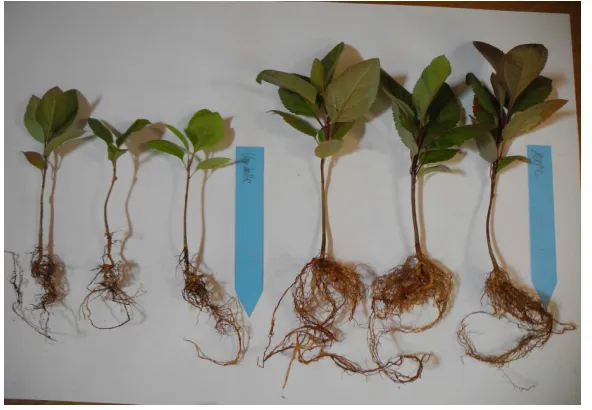
[image:17.595.71.367.284.489.2]In 2014, 8 different composts were tested: (1) cattle manure digested by earthworms, (2) cattle manure digested by earthworms + EM, Compost Ecorott, (3) Compost San Michele C/N 10, (4) Compost San Michele C/N 20, (5) Compost San Michele C/N 30, (6) Compost Selvagro, (7) Mature Mushroom compost, (8) Fresh Mushroom compost , (9) an untreated control. The sterilized control this time was sterilized for 12 hours at 100 °C. In 2014 the sterilized control had the highest shoot growth and the highest shoot dry matter, showing better results than all compost treatments, while no significant difference were observed between treatments.
Fig. 1, Partner 2 LRC WP2Task 1
Apple rootstocks grown in the untreated control on the left and seedlings grown in the sterilized soil on the right.
B- comments on deviations from the original plan:
There were no relevant changes from the original plan. The sterilized soil in the 2013 trial proved to be not sufficiently sterilized, so in 2014 there was made a preliminary trial to test optimal time and heat for the sterilization of the soil samples. As in 2013 there were problems with a too high compost amount in the pots, causing the salt content to increase significantly, in 2014 the concentration was reduced.
Partner 3. ACW (Wädenswil, Switzerland)
WP 2- Task 1 Selection of compost and organic amendments able to reduce replant disease by increasing microbial diversity and biomass.
A- results obtained
18 of 35
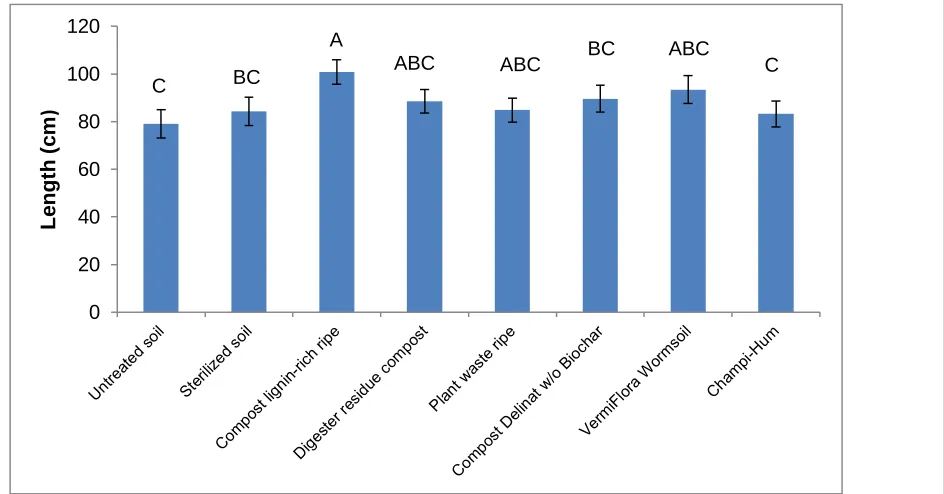
manure, gypsum. Fresh: steam treated for 24h at 70 °C. Stored: same treatment, followed by drying at 50 °C for conservation). The measurement of seedling shoot length or dry weight after three months gave no significant differences between the treatments. In contrast, total shoot length of M9 rootstocks showed a significant growth enhancement when lignin-rich compost was added to the soil (Fig. 1 Partner 3 AWC WP2-Task). Same trends could be observed by measuring shoot dry weight, but none of the effects were statistically significant.0 20 40 60 80 100 120
L
e
n
g
th
(
c
m
)
Fig. 1 Partner 3 AWC WP2-Task 1: Total shoot length (two shoots) from M9 rootstocks, 2012. Replant
soil from Wädenswil (CH), treated with different composts. Error bars: standard error of mean, significant differences according to ANOVA with Fisher’s LSD at α < 0.05.
WP 2- Task 3 Definition of the best use of amendments and cover crop selected in Task 1 and Task 2.
In the greenhouse trial 2013, the replant soil came from an apple orchard in Etoy, Switzerland. In contrast to 2012, M9 rootstocks only were used. A green waste compost was compared to the untreated soil. The mean shoot length of two shoots of M9 rootstocks was not always higher with addition of green waste compost to the soil. The effect depended on addition of biologically active formulates, too (Goelles et al.,, Newspaper or magazine article, 2013).
In the greenhouse trial 2014, replant soil from an apple orchard at Agroscope in Wädenswil was used. M9 rootstocks were potted and the compost Champi- hum was added to the replanted soil. Measurement of mean shoot length and dry weight of three shoots of M9 and stem growth (diameter) after three months led to a highly significant difference between shoots growing on untreated soil and soil with fresh Champi- hum
Partner 4 HAID (Graz, Austria)
WP 2- Task 1 Selection of compost and organic amendments able to reduce replant disease by increasing microbial diversity and biomass.
WP 2- Task 3 Definition of the best use of amendments and cover crop selected in Task 1 and Task 2.
A- results obtained.
The first screening of seven organic amendments was done in the bioassay of 2012 with M9 rootstocks. Stable manure, fruit waste and Urban waste gave plant growth (shoot length) higher than control and other tested composts. In accordance with the results from German partner
C BC
A
[image:18.595.70.542.135.382.2]19 of 35
DLR it was decided to carry on with Champost or other substrates from mushroom production. Local available material should be used for ongoing trials.Ripened compost of mushroom substrate (wooden components mixed with different cereals after producing mushrooms on) and fresh substrate containing wooden components mixed with cereals and a second one containing straw (lignin-poor, less N and lower pH) showed stronger shoot growth than control, which was not significant. None of the treatments showed shoot growth similar to that of a sterilized control (Rhümer, Newspaper or magazine article, 2014).
B- comments on deviations from the original plan:
The screening of organic amendments started already in 2012, so that there is one more year with results to compare the influence on shoot growth.
Partner 6 LFU (University of Innsbruck, Austria).
WP 2- Task 1: Selection of compost and organic amendments able to reduce replant disease by increasing microbial diversity and biomass.
WP 2- Task 3 Definition of the best use of amendments and cover crop selected in Task 1 and Task 2.
A- results obtained.
WP 2- Task 1: Physical and chemical parameters as well as microbial biomass measurements of all composts and compost amended soils used by ACW (CH), DLR (GE), LRC (I) and HAID (A) were determined. Soils showed higher DM, lower C and N%, lower pH, lower EC, lower Corg, lower basal respiration and lower microbial biomass than the
corresponding composts. There was variation in the parameters measured between the different composts types from the different countries. Champost composts, the composted substrate from mushroom tested in WP2 by Germany, Italy and Switzerland, were found to have the highest microbial biomass. COMPOCHIP microarray analysis of all the different composts from Italy, Germany, Austria and Switzerland indicated that the microbial communities were not specific to compost type, and not directly related to ARD incidence. Physical-chemical parameter data and microbial communities still have to be subjected to correlation analyses with the results of the plant growth tests (Franke-Whittle, Report, 2014)
B- comments on deviations from the original plan.
As a result of the findings that showed Champost composts to result in higher plant growth of apple seedlings, as well as the results of physical-chemical parameter analysis, a further and more in depth analysis of Champost composts was initiated. Fresh and mature Champosts from Germany, Switzerland and Italy were taken, physical-chemical parameters measured, and the microbial communities investigated
Partner 7 DLR (Rheinpfalz Center, Germany)
WP2-Task 1 Selection of compost and organic amendments able to reduce replant disease by increasing microbial diversity and biomass.
A- results obtained.
20 of 35
variant. Planting material were one year old M9 rootstocks. At the end of the trial vegetative growth parameters and mineral content of the leaves was obtained. Additionally, pure compost samples and soil/compost mixture samples were taken at the beginning and the end of the trial for analysis of microbial activity and nutritional content.The positive reference of the pasteurized replant soil showed growth potential. Especially Champost and Apple pomace compost showed significant increase in growth, similar to that of the pasteurized variant.
WP 2- Task 3 Definition of the best use of amendments and cover crop selected in Task 1 and Task 2.
A results obtained.
For further investigation the above trial was repeated in 2014 using only the treatments: Untreated replant soil, pasteurized replant soil, Champost fresh (taken directly after the mushroom harvest was finished) and Champost old (left to rot for about 4 weeks before application). The amounts of Champost applied were calculated according to the previous trial and were determined with 50 g Champost/ 1,5 L container soil. The trial was also conducted under greenhouse conditions. The duration of the trial was 3 month from the end of March to the end of June. Repetitions were 3 x 8 plants. The plants used were one year old M9 rootstocks, which were again cut off at 25 cm above soil level. Again the top three buds were left to grow. Parameters measured were the trunk diameter, shoot length, FM shoots, DM shoots and general soil characteristics and microbial activity rates. Analysis of the Champost was performed before the trial and at the end of the trial from the soil/Champost mixture. The C:N ratio in old Champost was increased in comparison to the fresh Champost, whereas the salt content increased when Champost was left to rot.
The total shoot length was increased significantly when soil was pasteurized and also when both Champost fresh and old were applied compared to the untreated reference. The same could be observed for trunk diameter increase, FM and TM content. The mineral analysis of the leaves of the plants of all variants showed no significant changes, which was important with regards to the different growth rates.
The microbial activity within both Champost treatments was significantly increased. Overall mushroom-derived substrate compost proved again to be a valuable organic substance to promote plant growth under replant conditions. Since Champost is a waste material and in some areas of Europe its´ availability is very high it should be considered a valuable tool and further studies with regards to its´ characteristics, storability and further usage would proof to be very useful.
B- comments on deviations from the original plan:
The trial was conducted within the Sarranhouse of the University of Bonn. Sarran is a special textile which allows air flow but hinders flying pest from entering. Therefore temperature control was easier especially within the summer month. Additionally white containers were chosen to hinder the soil from overheating. Soil and air temperature was recorded alongside. Special care was taken to only apply pesticides when absolutely required.
The repetition of the trial became necessary to ensure comparability. The repeated trial was performed synchronically at the DLR Rheinpfalz in Germany, at Haidegg in Austria, in Wädenswil in Switzerland and at the Laimburg in Italy. It proved to be very valuable because the further selection and focus on Champost as an organic compost to stimulate soil life and promote plant growth under replant conditions.
Partner 2 LRC (Italy) in cooperation with
Partner 1 CRA (Bologna, Italy)
WP 2- Task 2 Selection on basis of plant/microorganisms interaction of alternative cover crops
A Results obtained.
21 of 35
in controlling replant disease. Two consecutive growing cycles were performed by bioassay using soil from an apple orchard affected by replant disease. First, a cycle with three cover crops (alfalfa, barley, marigold) and apple rootstock plantlets (apple) was performed; at the end, the above-ground part of the plant was removed and root residues left in soil. In the second cycle, a planting of subsequent apple orchard was simulated upon previous experimental design. Changes of diversity and composition of root fungal endophytes and rhizospheric bacteria were evaluated as well as growth response of apple plant to the pre-plant treatments. Results suggest that one cycle with alien plants was sufficient to induce changes at rhizosphere level, despite the soil microbial resilience due to long-term management of soil. Rhizospheric bacteria resulted overall affected by plant genotype.Species composition of fungal communities in cover crops was closest to that in apple , but species abundance varied according to the host plant. Pre-plant break treatments did not overall differ significantly in plant growth of subsequent apple tree; however, break with marigold gave a plant growth significantly higher than obtained after barley. These findings were consistent with the lowest root infection frequency and fungal diversity in apple plants grown after marigold along with a higher abundance of Pythium spp. in those grown after barley; while those grown after alfalfa showed the highest abundance of Rhizoctonia spp., Pythium and Rhizoctonia are two agents of root rot causing replant disease. This study provides evidence about cover-crop potential to increase soil diversity in long-term permanent cropping systems and to manipulate root colonizing fungi involved in crop health (Manici et al., Conference paper, 2014; Manici et al., accepted by Canadian journal of Plant Science)
WP 3
SURVEY ON THE AVAILABLE LOW INPUT TOOLS FOR CONTROLLING REPLANT DISEASEResponsible partner: 2 LRC,3 ACW, 4 HAID, 5 IVIA, 7 DLR, 8 GDAR ( GDAR - PPRI and
AHRS).
WP manager
:
Thomas Rühmer. HAID Graz-Haidegg. (Austria)Original description of work: Activities on apple and on citrus, were performed with greenhouse
tests using naturally infected soil; while that of Turkey on apple was performed using with artificially inoculated treatments
WP 3-Task 1 Evaluation of biological active formulates and strains for the biological control of replant disease.
A list of commercially bio-formulates including bio-pesticide (single strains or consortia of microorganisms such as Trichoderma, Bacillus, Streptomyces, Glomus, and others), biologically active compounds (such as plant extract, yeast extract, benzoic acid, etc) which were available in each participant country was made at the beginning of the project. Each participant tested a series of bio-formulates chosen on basis of that common list..
WP3 Task 1.1 APPLE. Early comparative evaluation of a number (at least 10) of bio-pesticides/formulates defined in the kick-off meeting
WP3 Task 1.1 CITRUS. Use of bio-products (at least 7 bio-pesticides, biological formulates etc) for controlling replant disease in degraded citrus orchards.
WP3 Task 1.2 Combination of bio-pesticides/formulates, from the previous evaluation, with organic amendments or composts to set low input options ready to be validated in open field through organic Farmer associations.
WP3 Task 2 WP Investigation of new low input agronomical options for the pre-plant phase of new apple orchards
WP3 Task 2.1 The effectiveness of mechanical option and cropping practices.
WP3 Task 2.2 Any new option to obtain healthy soils.
22 of 35
Partner 2 LRC (Laimburg, Ora BZ, Italy).WP 3-Task 1 Evaluation of biological active formulates and strains for the biological control of replant disease.
A- results obtained:
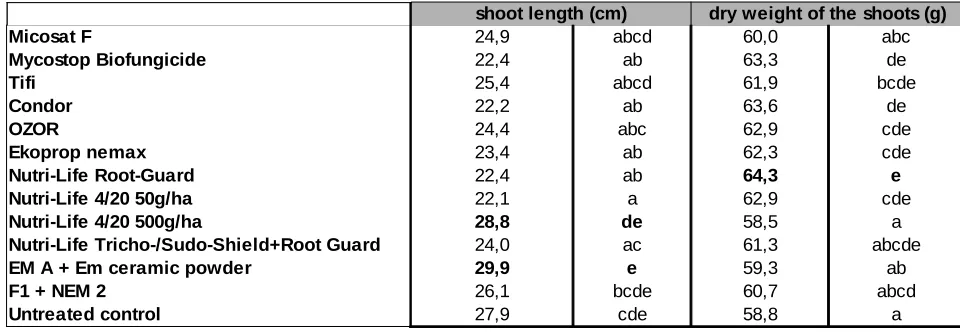
18 different organic amendments and formulates were tested in 2013 at LRC: Micosat F®, Mycostop® Biofungicide, Tifi®, Condor®, OZOR®, Ekoprop nemax®, Nutri-Life Root-Guard®, Nutri-Life® 4/20 50g/ha, Nutri-Life® 4/20 500g/ha, Nutri-Life Tricho-/Sudo-Shield®+Root Guard, EM A® + Em ceramic powder®, F1® + NEM 2®, untreated control, sterilized control, Micosat F sterilized, Mycostop Biofungicide sterilized, Tifi sterilized, Ekoprop nemax sterilized (Table 1. Partner 2 LRC WP3 Task 1). This products consist of biofungicides, nematicides and biostimulants whose active principles are all biological.
[image:22.595.71.551.270.436.2]The shoot length was highest in the 'EM A + Em ceramic powder' treatment followed by Nutri-Life 40/20 500g/ha, while the highest dry matter of the leaves was measured in plants treated with Nutri-Life Root-Guard (Table 1partner 2, WP3 Task 1).
Table 1. Partner 2 LRC WP3 Task 1
B- comments on deviations from the original plan:
As in WP2, the sterilization of the soil samples were treated at only 80 °C and this temperature proved too low for a consistent sterilization. The sterilized treatments have not been considered in the results.
WP 3-Task 2 Soil management and pre-plant combined treatments to reduce apple replant disease in apple orchards
A- results obtained.
Since 2009 at LRC a fertilization trial is carried out, testing for different organic fertilizers, fertilizer amounts and strategies. From seven of this treatments soil samples have been taken and M9 rootstocks have been planted into pots filled with this soil. The tested treatments were: Ammonium sulfate, Compost, Azocor 105
®
, Compost + Biogas liquid manure, ‘Biosol’, Azocor® (greened) and one untreated control.After 14 weeks the seedlings were evaluated, the highest shoot length was measured in the Compost treatment, while the highest dry matter of the shoots was observed in the 'Azocor 105 (greened)' treatment.
Partner 3: ACW (Wädenswil, Switzerland)
WP 3-Task 1 Evaluation of biological active formulates and strains for the biological control of replant disease – (Apple)
A- results obtained
According to the results obtained by the other partners in 2012, the bioformulates Ekoprop®,
shoot length (cm) dry weight of the shoots (g)
Micosat F 24,9 abcd 60,0 abc
Mycostop Biofungicide 22,4 ab 63,3 de
Tifi 25,4 abcd 61,9 bcde
Condor 22,2 ab 63,6 de
OZOR 24,4 abc 62,9 cde
Ekoprop nemax 23,4 ab 62,3 cde
Nutri-Life Root-Guard 22,4 ab 64,3 e Nutri-Life 4/20 50g/ha 22,1 a 62,9 cde
Nutri-Life 4/20 500g/ha 28,8 de 58,5 a
Nutri-Life Tricho-/Sudo-Shield+Root Guard 24,0 ac 61,3 abcde
EM A + Em ceramic powder 29,9 e 59,3 ab
F1 + NEM 2 26,1 bcde 60,7 abcd
23 of 35
Micosat F®, Mycostop® and Tifi® were tested in the greenhouse trial in 2013 and 2014.In the greenhouse trial 2013, the replanted soil came from an apple orchard in Etoy, Switzerland. M9 rootstocks were potted in untreated soil and soil with addition of the biological active formulates or a combination of the bioformulates and green waste compost.
The mean shoot length of two shoots of M9 rootstocks showed a significant difference between the treatments 'soil with Micosat F' and 'untreated soil' after three months while the addition of other biological active formulates had no or even a negative effect on plant growth (Fig.1, Partner 3 WP3 Task 1). With the addition of compost and biological active formulates, the differences were not significant anymore and the trends were not the same as for formulates application alone. In 2013 someproblems occurred with plants dying shortly after potting. Examination of the plants showed an infection with Phomopsis sp. causing canker disease of apple plants.
Fig.1 Partner 3 AWC WP3 Task 1. : Variable impact of compost-bioformulates combinations. Mean shoot
length of M9 rootstocks grown in replant soil from Etoy (CH), treated with bioformulates, each with and without compost, 2013.
In 2014, the replanted soil used for the greenhouse trial was from an apple orchard at Agroscope in Wädenswil. M9 rootstocks were potted in untreated soil and soil with addition of the bioformulates or a combination of the bioformulates and Champi-hum compost, as agreed within the project group
The mean shoot length of three shoots of M9 rootstocks showed a significant difference between shoots growing in soil with Ekoprop and untreated soil after three months . Addition of Micosat F and Mycostop also enhanced shoot growth, but the results were not significant. The same trends could be observed by measuring dry weight and stem growth (results not significant). In contrast to the trial in 2013, the growth enhancement of the bioformulates was independent of the addition of Champi- hum (Naef, Newspaper or magazine article, 2013; Neaf et al., Conference paper; 2013).
WP3 Task 1.2 Combination of bio-pesticides/formulates, from the previous evaluation, with organic amendments or composts to set low input options ready to be validated in open field through organic Farmer associations (Apple)
A- results obtained
24 of 35
The best growth enhancement in the pot trials in Wädenswil were found with Ekoprop combined with fresh Champi-hum in 2014. The poor result of Ekoprop without compost in 2013 might be due to the problems with Phomopsis sp. infections of the rootstocks. If not, it points towards strong influences of origin, type and condition of the replant soil on the effectiveness of the biological active formulate.B- comments on deviations from the original plan:
In 2013 interactions between compost and biological active formulates were observed. For this reason, 2014 every bioformulate was tested in combination with fresh and stored Champi-hum, respectively.
Partner: 4 HAID (Graz, Austria)
WP 3-Task 1 Evaluation of biological active formulates and strains for the biological control of replant
WP3 Task 1.2 Combination of bio-pesticides/formulates, from the previous evaluation, with organic amendments or composts to set low input options ready to be validated in open field through organic Farmer associations.
A- results obtained:
The first screening was done in 2012 in the bioassay with 14 different commercially available active formulates on M9 rootstocks. No significant difference in shoot growth could be observed by any of the tested treatments. Stronger growth (shoot length) could only be observed with Mycostop® and Micosat F®.
In accordance with the other partners doing bioassays it was decided to carry on with Mycostop, Micosat F, Ekoprop nemax® and Tifi®.
In 2013 and 2014 the bioassays on M9 rootstocks were repeated for those biological active formulates. Best results were obtained with Mycostop and Micosat F. None of the treatments showed similar positive influence on shoot growth compared to soil sterilisation (sterilized control).
In 2014 strong negative impact of Ekoprop nemax on the root development was seen in the bioassay.
Some combinations of biological active formulates and substrates from mushroom production (WP 2 T 1) were evaluated in the bioassays of 2013 and 2014 too. In general it could be observed that mushroom substrate combined with Ekoprop nemax, Mycostop or Micosat F consistently result in better shoot growth (shoot length and dry weight of shoots). This was not the case for the combination of ripened compost and Tifi (Rhümer, Newspaper or magazine article, 2014).
B- comments on deviations from the original plan:
The screening of biological active formulates started already in 2012, so that there is one more year with results to compare the influence on shoot growth.
Combinations of formulates with organic amendments were done because of good results in field trials of recent years.
Partner 7 DLR (Rheinpfalz, Center, Germany)
WP 3-Task 1
Evaluation of biological active formulates and strains for the biological control of
replant disease - APPLEA- results obtained
25 of 35
growth potential. Especially Micosat F®, Mycostop®, Ekoprop nemax®, TIFI® and KoBa Fit® showed significant increase in growth, similar to that of the pasteurized variant. Especially interesting was the effect of the applied products on the nitrate availability within the soil (Henfrey,. and Baab, Newspaper or magazine article, 2013)B- comments on deviations from the original plan:
When pesticide had to be applied to the plants because of powdery mildew infestation growth was interrupted dramatically. A previously bubbly surface on top of the soil succeeded and only returned when application was stopped. Suggesting a high sensitivity of certain microorganisms to the substance applied (against powdery mildew Topaz®). Soil and rooting system should be spared at all means if plant protection methods have to be applied, when microbial components were applied previously.
Partner 8 GDAR-PPRI (Ankara, Turkey)
WP 3-Task 1 Evaluation of biological active formulates and strains for the biological control of replant disease – (APPLE)
A- results obtained:
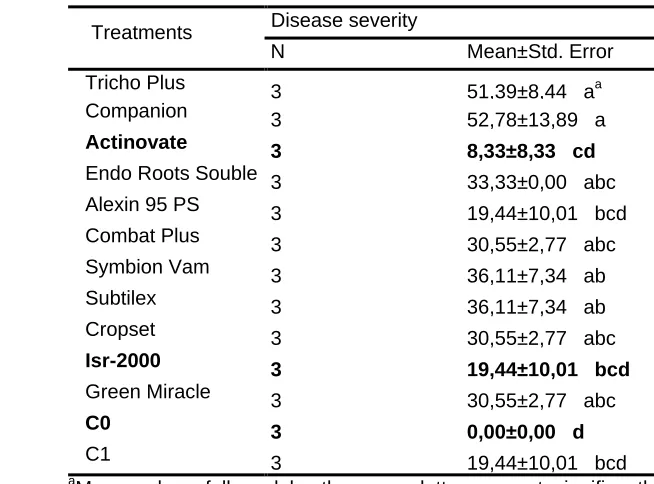
As Phytophthora. cactorum is the main responsible of apple orchards decline in Turkey, ten active ingredients/active organisms were evaluate for ability to control P. cactorum with an in pot-bioassay in screen-house using Red Chief variety grafted onto MM106 rootstock transplanted in natural soil artificially infected with P. cactorum. An untreated control (C1) and a not inoculate control (C0) were inserted in this study as reference of the effectiveness on treatments. Treatments were applied to plants with 3 replicates of 6 plant each. At the end of the growing season the following parameters were measured: - trunk diameter (0 cm above the graft union), - tree height (measured up to soil level), - branch lengths (>10 cm), - branch numbers (branch number > 10 cm/tree ), - disease severity, - dry root weight (gr of tissues dried at 70 0C degrees for 4 days).
Treatments significantly differed for trunk diameter and tree height (P<0.01); Subtilex®, Alexin 95PS® and Isr-2000® increased plant growth as compared to controls (C0 and C1) as well as the other bioformulates.
Effectivenes of biopesticides significantly differ also for root dry weight (P=0.05). The maximum dry weight of roots was recorded in the un-inoculated (health) control C1 (126,86 g). The following formulates: Alexin 95PS (125,16), Isr-2000 (121,65), C0 (121,24), Endo Roots Souble® (120,58), gave the highest dry weight respectively. To the contrary, the least dry root weights were recorded in Tricho Plus® (98.80 g) and Companion® (98.86 g).
Diseases severity significantly differed between treatments. The significantly higher disease severity were found in Companion and Tricho Plus, which showed the worst ability in controlling Phytophthora (Table 1- Partner 8 GDAR-PPRI), while the best performance was observed on samples treated with Actinovate® and Isr-2000, the only two treatments that did not differ from un-inoculated control (C0) Decay of root and crown tissues wasn't observed in C0 (Table 1-Partner 8 GDAR-PPRI).