EFFECTIVENESS OF STRUCTURED TEACHING
PROGRAMME ON KNOWLEDGE AND PRACTICE
REGARDING PATIENT SAFETY AFTER
CARDIAC CATHETERIZATION AMONG CARDIAC NURSES
Dissertation Submitted To
THE TAMIL NADU DR.M.G.R MEDICAL UNIVERSITY
CHENNAI
IN PARTIAL FULFILMENT OF REQUIREMENT FOR DEGREE OF
MASTER OF SCIENCE IN NURSING
EFFECTIVENESS OF STRUCTURED TEACHING
PROGRAMME ON KNOWLEDGE AND PRACTICE
REGARDING PATIENT SAFETY AFTER
CARDIAC CATHETERIZATION AMONG CARDIAC NURSES
Dissertation Submitted To
THE TAMIL NADU Dr. M.G.R MEDICAL UNIVERSITY
CHENNAI
IN PARTIAL FULFILMENT OF REQUIREMENT FOR DEGREE OF
MASTER OF SCIENCE IN NURSING
OCTOBER - 2018
INTERNAL EXAMINER EXTERNAL EXAMINER
Signature:
Signature:
EFFECTIVENESS OF STRUCTURED TEACHING
PROGRAMME ON KNOWLEDGE AND PRACTICE
REGARDING PATIENT SAFETY AFTER
CARDIAC CATHETERIZATION AMONG CARDIAC NURSES
2017-2018
COLLEGE SEAL:
SIGNATURE:
PROF. Mrs. V.KAVITHA R.N., R.M., M.Sc., (Nursing), Principal,
Arvinth College of nursing,
Namakkal, Tamil Nadu.
Dissertation Submitted To
THE TAMIL NADU Dr. M.G.R MEDICAL UNIVERSITY
CHENNAI
IN PARTIAL FULFILMENT OF REQUIREMENT FOR DEGREE OF
MASTER OF SCIENCE IN NURSING
EFFECTIVENESS OF STRUCTURED TEACHING
PROGRAMME ON KNOWLEDGE AND PRACTICE
REGARDING PATIENT SAFETY AFTER
CARDIAC CATHETERIZATION AMONG CARDIAC NURSES
2017-2018
Approved by Dissertation Committee on: 18.04.2018
Research Guide : Prof. Mrs. V.KAVITHA M.Sc.,(N)
Principal & ResearchGuide, Arvinth College of Nursing, No 2/191, EllaikkalMedu, Mettupatti Post,
Namakkal (DT)-637020
Nurse Guide : Prof.Mrs. R.RUCKMANIM.SC.,(N),
HOD, Medical Surgical Nursing, Arvinth College of Nursing, No 2/191, EllaikkalMedu, Mettupatti Post,
Namakkal(DT)-637020
Dissertation Submitted To
THE TAMIL NADU Dr. M.G.R MEDICAL UNIVERSITY
CHENNAI
IN PARTIAL FULFILMENT OF REQUIREMENT FOR DEGREE OF
MASTER OF SCIENCE IN NURSING
CERTIFICATE
This is to certify that, this thesis, titled, “A STUDY TO ASSESS EFFECTIVENESS OF STRUCTURED TEACHING PROGRAMME ON KNOWLEDGE AND PRACTICE REGARDING PATIENT SAFETY AFTER
CARDIAC CATHETERIZATION AMONG CARDIAC NURSES IN
SELECTED HOSPITAL, ERODE’’, submitted by 301613102, M.Sc.,(N) (2017-2018 Batch) Arvinth College of Nursing in partial fulfilment of the requirement of the Degree of Master of Science in Nursing from The Tamil Nadu Dr. M.G.R Medical University is his original work carried out under our guidance.
Prof. Mrs. V.KAVITHA M.Sc., (N)
Principal & Research Guide, Arvinth College of Nursing, No 2/191, Ellaikkal Medu, Mettupatti Post,ACKNOWLEDGEMENT
“I believe if you keep your faith, you keep your trust, you keep the right attitude, if you're grateful, you'll see God open up new doors”. - Joel Osteen
After an intensive period of two years, today is the day: writing this note of thanks is the finishing touch on my dissertation. It has been a period of intense learning for me, not only in the scientific arena, but also on a personal level. Writing this dissertation has had a big impact on me. I would like to reflect on the people who have supported and helped me so much throughout this period.
I express my heartfelt gratitude to the honorable Dr. K. Mani, MBBS, MS (ORTHO), D ORTHO Managing Trustee, Arvinth College of Nursing for giving me an opportunity to undergo the post graduate programme in this esteemed institution for the uplift of my professional career.
I express my sincere thanks to the Vice Chancellor and Research Department of the Tamil Nadu Dr. M.G.R Medical University, Guindy for giving me an opportunity to undertake my post graduate degree in nursing at this esteemed university.
I would like to acknowledge to Dr. M. DHANABAKIYAM, MBBS, DGO, Arvinth Hospital for constant support and encouragement throughout the course of the study.
I express my gratefulness to Prof. Mrs. V. KAVITHA, M.Sc., (N) Principal, Arvinth College of Nursing, honorary professor in Community Health Nursing for her valuable guidance and motherly care and affection, thoughtful suggestions and constant encouragement and tender rebuke throughout the study.
My deepest gratitude to Mrs. V.THENDRAL, M. Sc. (N), Professor, Head of the Department, Maternal Nursing, for her constant guidance, patience, constructive effort, inspirational and valuable suggestion , throughout the study.
I owe my exclusive thanks to Prof. Mrs. K. JAYALAKSHMI, M.Sc., (N), Head of the Department, Child Health Nursing, for her constant
inspiration, timely help and patient endurance which helped me in completion of the study.
I would also like to thank the experts who were involved in the content validity for this research. Without their passionate participation and input, the dissertation could not have been successfully conducted.
I would like to thank my classmates for their feedback, cooperation and of course friendship. In addition I would like to express my gratitude to the faculty members of Arvinth College of nursing, Namakkal for the last minute favors. Also I thank our librarians Mrs. RATHIDEVI and Mr. RAJENDRAN, Arvinth College of Nursing, Namakkal. I express my sincere gratitude to Mr. DEENATHAYALAN and Miss. MEENA, office staffs and I thank Ms. MANJU, Net lab for rendering their help in all the way.
I express my sincere thanks to the administration and faculty members of SUDHA HOSPITAL, ERODE to allow me to conduct my data collection in your esteemed hospital.
I express my sincere thanks to Mr. G.K. VENKATRAMAN, statistician for his valuable guidance and advice in statistical analysis and presentation of data.
LIST OF CONTENTS
CHAPTER CONTENTS PAGE NO.
I INTRODUCTION 1
Background of the study 1
Need for the study 4
Statement of the problem 6
Objectives of the study 6
Operational definition 7
Research hypothesis 7
Assumptions 9
Delimitations 9
Projected outcome 9
II REVIEW OF LITERATURE 10
Review of literature 10
Conceptual framework 22
III RESEARCH METHODOLOGY 26
Research Approach 26
Research design 26
Variables 26
Setting of the study 27
Population 27
Sample 27
CHAPTER CONTENTS PAGE NO.
Sampling technique 27
Criteria for selection of sample 27
Development and description of the tool 28
Content validity 30
Pilot study 30
Reliability 31
Procedure for data collection 31
Plan for data analysis 32
IV DATA ANALYSIS AND INTERPRETATION 34
V DISCUSSION 46
VI
SUMMARY, CONCLUSION, NURSING
IMPLICATIONS, RECOMMENDATIONS AND LIMITATIONS
50
REFERENCE 56
APPENDICES 61
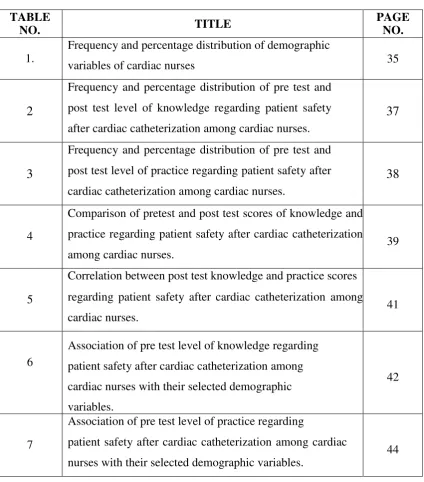
LIST OF TABLES
TABLENO. TITLE
PAGE NO. 1.
Frequency and percentage distribution of demographic
variables of cardiac nurses 35
2
Frequency and percentage distribution of pre test and post test level of knowledge regarding patient safety after cardiac catheterization among cardiac nurses.
37
3
Frequency and percentage distribution of pre test and post test level of practice regarding patient safety after cardiac catheterization among cardiac nurses.
38
4
Comparison of pretest and post test scores of knowledge and practice regarding patient safety after cardiac catheterization among cardiac nurses.
39
5
Correlation between post test knowledge and practice scores regarding patient safety after cardiac catheterization among cardiac nurses.
41
6
Association of pre test level of knowledge regarding patient safety after cardiac catheterization among cardiac nurses with their selected demographic variables.
42
7
Association of pre test level of practice regarding
patient safety after cardiac catheterization among cardiac nurses with their selected demographic variables.
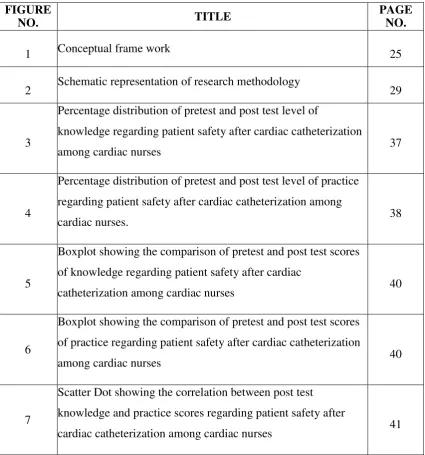
[image:10.595.116.541.91.574.2]LIST OF FIGURES
FIGURE
NO. TITLE
PAGE NO.
1 Conceptual frame work 25
2 Schematic representation of research methodology 29
3
Percentage distribution of pretest and post test level of
knowledge regarding patient safety after cardiac catheterization
among cardiac nurses 37
4
Percentage distribution of pretest and post test level of practice regarding patient safety after cardiac catheterization among
cardiac nurses. 38
5
Boxplot showing the comparison of pretest and post test scores of knowledge regarding patient safety after cardiac
catheterization among cardiac nurses 40
6
Boxplot showing the comparison of pretest and post test scores of practice regarding patient safety after cardiac catheterization
among cardiac nurses 40
7
Scatter Dot showing the correlation between post test knowledge and practice scores regarding patient safety after
LIST OF APPENDICES
APPENDIX TITLE PAGE
NO. I Letter seeking permission to conduct study 62
II Letter seeking experts opinion for content validity 63
III List of experts for content validity 64
IV Format for content validity 65
V Informed consent form 73
VI Certificate for content validity 74
VII Certificate for English editing 75
VIII Teaching module in English 76
IX Copy of the tool in English for data collection 102
130
ABSTRACT
Cardiac catheterization is a valuable diagnostic procedure which does a comprehensive examination of how the heart and its blood vessels function. One or more catheters is inserted through a peripheral blood vessel in the antecubital artery or vein or femoral artery or vein with x-ray guidance. This procedure gathers information such as adequacy of blood supply through the coronary arteries, blood pressures, blood flow throughout chambers of the heart, collection of blood samples, and x rays of the heart's ventricles or arteries.
Patient safety is defined as being free from accidental harm as a result of a health care encounter. It is the responsibility of the cardiac catheterization team to make that commitment to every patient and to each other. A well-functioning unit with a culture of safety, demonstrated clinical quality outcomes, and high internal/external customer satisfaction scores can avoid the risks associated with a less reliable unit.
The main objective of the study is to assess the effectiveness of structured teaching programme on knowledge and practice regarding patient safety after cardiac catheterization at Sudha Institute of Medical Sciences, Erode. One group pre test and post test design was used for this study. The independent variable in this study was structured teaching programme on patient safety after cardiac catheterization. The dependent variable in this study was knowledge and practice. The study was conducted at Sudha Institute of Medical Sciences, Erode which is a 300 bedded hospital. Sample included cardiac nurses at Sudha Institute of Medical Sciences, Erode who fulfils the inclusion criteria were selected by non probability purposive sampling technique.
131
From the above findings it is clearly indicated that structured teaching programme administered to cardiac nurses on knowledge and practice regarding patient safety after cardiac catheterization was found to be effective to improve the post test level of knowledge and practice among cardiac nurses.
1
CHAPTER - I
INTRODUCTION
“As long as you are breathing you still have the chance for a better and happy life.” -Walter Kirn Cardiac catheterization is a valuable diagnostic procedure which does a comprehensive examination of how the heart and its blood vessels function. One or more catheters is inserted through a peripheral blood vessel in the antecubital artery or vein or femoral artery or vein with x-ray guidance. This procedure gathers information such as adequacy of blood supply through the coronary arteries, blood pressures, blood flow throughout chambers of the heart, collection of blood samples, and x rays of the heart's ventricles or arteries.
A test that can be performed on either side of the heart, cardiac catheterization checks for different functions in both the left and right sides. When testing the heart's right side, tricuspid and pulmonary valve function are evaluated, in addition to measuring pressures of and collecting blood samples from the right atrium, ventricle, and pulmonary artery. Left-sided heart catheterization is performed by way of a catheter through an artery which tests the blood flow of the coronary arteries, function of the mitral and aortic valves, and left ventricle.Some complications occurs during the transfer of patients after cardiac catheterization or delayed or inadequately provided care.
Patient safety is defined as being free from accidental harm as a result of a health care encounter. It is the responsibility of the cardiac catheterization team to make that commitment to every patient and to each other. A well-functioning unit with a culture of safety, demonstrated clinical quality outcomes, and high internal/external customer satisfaction scores can avoid the risks associated with a less reliable unit.
BACKGROUND OF THE STUDY
2
percutaneous transluminal coronary angioplasty, female gender, and peripheral vascular disease. Minor predictors include level of anticoagulation, use of thrombolytic agents, elevated creatinine levels, low platelet counts, longer periods of anticoagulation, and use of increased sheath size (Nasser 1995).
Coronary care unit is a nursing specialty that work with patient who suffer from various cardiac diseases like acute coronary syndrome ,myocardial infarction, rheumatic heart disease ,various arrhythmias, patient who had undergone various cardiac interventional procedures like coronary angiogram, percutaneous transluminal coronary angioplasty, percutaneous transluminal mitral commissurotomy, permanent pacemaker implantation, device closures ,balloon mitral valvotomy, balloon pulmonary valvotomy etc. Cardiac nurse must assess and care for patients with cardiac problems as well as patients undergone cardiac catheterizations procedures, patient for any negative signs of a change in condition, safe transport, administering medication, help with basic personal care needs ,control of bleeding, maintenance of haemostatis .This will help in minimizing the vascular complications in patient. Increased risk for vascular complications was found in patients who were older than 70 years, were female, had renal failure, underwent percutaneous intervention. (Dumont JP 2006).
A cardiac cath provides information on how well your heart works, identifies problems and allows for procedures to open blocked arteries. For example, during cardiac cath your doctor may:
Take X-rays using contrast dye injected through the catheter to look for
narrowed or blocked coronary arteries. This is called coronary angiography or coronary arteriography.
Perform a percutaneous coronary intervention (PCI) such as coronary
angioplasty with stenting to open up narrowed or blocked segments of a coronary artery.
Check the pressure in the four chambers of your heart.
Take samples of blood to measure the oxygen content in the four chambers of
your heart.
3
Look for defects in the valves or chambers of your heart.
Remove a small piece of heart tissue to examine under a microscope (biopsy).
The data collected from the cardiac unit of Sree Chitra Tirunal Institute of Medical Sciences and Technology, Trivandrum reveals that approximately 3800 cardiac catheterization procedures are done annually. Out of this, only 3% are done as emergency procedures, while others are done electively. The various interventional procedures done are percutaneous coronary intervention(PCI), percutaneous trans mitral commissurotomy (PTMC), cardiac catheterization study, atrial septal defect device closure(ASD DC), Ventricular septal defect device closure(VSD DC), electrophysiological study(EPS), radiofrequency ablation (RFablation), Permanent pacemaker insertion(PPI) etc.
Complications are usually temporary and may include minor infections, bleeding, abnormal heartbeats, and reaction to medications or dye. There is also a possibility that more serious but rare problems may develop during the procedure. These major cardiac catheterization complications include heart or lung problems, stroke, heart attack, or kidney failure. The frequency of haematoma was 1.3% (>10 cm) and 8.9% (>5 cm), which corresponds with reports from similar studies and departments. The factors found to increase the risk of haematoma development can provide background for procedural changes and increase the focus on patients at increased risk in order to minimize the development of haematomas (Anderson 2005).
Decreasing the amount of time patients are required to remain flat and supine is associated with no increase in hematoma and bleeding tendencies and is associated with a reduction in the perceptions of pain. (Fowlow B 1995).
4
be reduced by early sheath removal, by avoiding placement of venous sheaths and by limiting heparin dosing to avoid excessive activated clotting times. (Mandak JS 1998). Angio- Seal and Prostar obtain a fast vascular access hemostasis after interventional procedures, with a low incidence of major vascular complications.(Sesana M 2000).
NEED FOR STUDY
Patient safety in minimizing complications is increasingly recognized as essential in practice of coronary care unit. Individual have right to safe and effective quality health care. Cardiac nurses are responsible for providing patient’s safety and minimizing vascular complications after cardiac catheterization procedures. They should be aware about the guidelines for providing safety for the patient. Each nurse should know the high risk patient, safe practices for handling and maintenance of homeostasis.
The rate of catheterization in the U.S. was more than 2.5 times that in Canada (71% vs. 27%, respectively, p < 0.001). With identical prevalences of severe CAD at catheterization (17%) in the two countries, the higher frequency of catheterization in the U.S. resulted in the identification of more than two and a half times as many cases of severe CAD compared with Canada (12 severe CAD cases identified per 100 post-MI patients in the U.S., vs. 4.6 per 100 in Canada). If considered in isolation, we estimated that these differences in severe disease detection might affect a small long-term survival advantage in favor of the U.S. strategy (estimated 5.0 lives saved per 1,000 MI patients).
More than a million cardiac catheterizations are performed each year in the
United States. Several approaches to cardiac catheterization have been developed over
the past 40 years. The three most widely used techniques for cardiac catheterization
involve access through the femoral, radial, or brachial artery, with access to the
brachial artery usually obtained by a cutdown approach and the others via a
percutaneous approach.
5
treatment to prevent deaths due to heart ailments and coronary vascular diseases (CVD)1 . With the epidemiologic transition the CVD burden continues to rise in developing countries including India. The projected rise in disease burden due to CVD is expected to make it the prime contributor of total mortality and morbidity. Almost 2.6 million Indians are predicted to die due to coronary heart disease (CHD), which constitutes 54.1 percent of all CVD deaths in India by 2020.2 Additionally, CHD in Indians has been shown to occur prematurely, that is, at least a decade or two earlier than their counterparts in developed countries and this is causing an increase in the overall prevalence rates. Intervention and prevention programs are being sought to curb this rise in cardiovascular disease burden and save as many people as possible in the developing countries.
Cath-labs and coronary interventions in India are increasing exponentially,
adding substantially to healthcare expenses.While cath-labs have more than doubled
in the last five years, from 251 in 2010 to 630 in 2015, coronary interventions rose
51% within a year, between 2014 and 2015, a new study by a thinktank
shows.Increased interventions have resulted in a higher number of stents being used
in procedures. The data shows 4,75,000 stents were used in 2015 for 3,75,000
coronary interventions. The figures stand out as just 1,46,719 stents were used in
1,17,420 cardiac interventions in 2010.
6
surrounding vessels, an abnormal heart rhythm, a heart attack, or a severe allergic reaction to contrast dye.
The last 5 years have seen a major growth in the number of cath labs and coronary interventions increasing from 539 cardiac catheterization labs and 177,240 coronary interventions in 2012 to about 1200 cardiac catheterization labs and 373,579 coronary interventions in 2016 (as per the NIC data presented in 2016) ( Fig. 28-6 ). There has also been a responsive increase in the number of centres reporting their data, which has increased from 369 in 2012 to 698 in 2016. There is a wide variation in the number of procedure done in different centres (ranging from 4.9% to 32.3%) ( Fig. 28-7 ). A total of 13.4% of high-volume centres perform more than 1000 angioplasties per year contribute to 43.9% of the interventions done in the country.
The investigators experience in coronary care unit in SIMS Hospital, Erode showed that some of the newly joined staff in cardiology department is less aware about safe practices. Hence the investigator planned to conduct a study to assess the knowledge of cardiac nurses on safety practices after cardiac catheterization procedures in cardiac unit.
STATEMENT OF THE PROBLEM
A study to assess the effectiveness of structured teaching programme on knowledge and practice regarding patient safety after cardiac catheterization among cardiac nurses in selected hospital, Erode.
OBJECTIVES
To assess the existing knowledge and practice regarding patient safety after
cardiac catheterization among cardiac Nurses.
To assess the effectiveness of structured teaching programme regarding
patient safety after cardiac catheterization among cardiac Nurses.
To correlate post test knowledge and practice scores regarding patient safety
after cardiac catheterization among cardiac Nurses.
To associate the pre test level of knowledge and practice regarding patient
7 RESEARCH HYPOTHESES
H1 There may be a significant improvement in the post test level of knowledge and practice regarding patient safety after cardiac catheterization among cardiac nurses.
H2 There is a significant correlation between post test knowledge and practice score regarding patient safety after cardiac catheterization among cardiac nurses.
H3 There is a significant association of pre test level of knowledge and practice score regarding patient safety after cardiac catheterization among cardiac nurses and their selected demographic variables.
OPERATIONAL DEFINITION Assess:
It is an organized, systematic and continuous process of collecting data from cardiac nurses to determine the level of knowledge and practice regarding patient safety after cardiac catheterization.
Effectiveness:
It refers to the extent to which the information imparted through structured teaching programme has achieving the desired outcome as measuring by gain in post-test Knowledge and Practice score regarding patient safety after cardiac catheterization.
Structured teaching programme:
It refers to systematically planned and organized Structured Teaching Programme, which includes patient safety after cardiac catheterization and implemented by the investigator.
Knowledge:
8
Range Interpretation
≤50% Inadequate knowledge
51 – 75% Moderately adequate knowledge
>75% Adequate knowledge
Practice:
It refers to the psychomotor element or task carried out by the Nurses working in cardiac units towards the patient safety after cardiac catheterization as measured by checklist.
Range Interpretation
≤50% Inadequate practice
51 – 75% Moderately adequate practice
>75% Adequate practice
Cardiac Nurses:
Nurses are those people who are certified with DGNM, P.B.B.Sc (N), B.Sc (N), registered with the State Nursing Council and currently working in cardiac unit of Sudha Institute of Medical Sciences Hospital. Erode
Patient Safety:
It is the state of being secure or safe from injury, harm, or loss. In this study, cardiac nurses provide patient safety after cardiac catheterization by giving meticulous care and prevent and managing complications.
Cardiac catheterization:
9 ASSUMPTIONS
Nurses will have adequate knowledge and practice regarding patient
safety after cardiac catheterization.
Level of knowledge and practice of cardiac nurses regarding patient
safety after cardiac catheterization will vary from individual to individual.
A teaching programme with visual illustration imparts desired
knowledge and practice among health personnel. DELIMITATION
1. Nurses who were working in cardiac units in Sudha Institute of Medical Sciences Hospital, Erode.
2. The sample size was limited to 30
3. Data collection period was limited to 4 weeks PROJECTED OUTCOME
The study findings will improve the knowledge and practice of cardiac nurses
regarding patient safety after cardiac catheterization.
The study will helps to prevent and minimize the risks and complications of
cardiac catheterization.
The study will helps to share the information on patient safety after cardiac
10
CHAPTER - II
REVIEW OF LITERATURE
“A literature review is an evaluative report of information found in the literature related to the selected area of study. The review should describe summary, evaluate and clarify this literature. It should give a theoretical base for the research and help to determine the nature of the research.”
-Polit and Hungler (2008)
Review of literature is the key step in the research process. It refers to a broad, comprehensive, in-depth, systematic and critical review of scholarly publications, unpublished scholarly print materials and audio visual materials. (Basavanthappa.Y.B2001).
A review of literature is an essential activity of scientific research projects, which provides a basis for future investigation, justify feasibility of the study, indicate, constraints of data collection and helps to relate findings from one study to another with a view to establish a comprehensive body of scientific knowledge in a professional discipline from which valid and pertinent theories may be developed. (Fay.A 1979).
PART – I: REVIEW OF LITERATURE
Review of literature discussed in following headings:
Literature related to cardiac catheterization
Studies on the nursing care and practices in patients undergone cardiac catheterization procedures.
Studies on detection and management of complications after cardiac catheterization
Literature related to cardiac catheterization:
11
fluoroscopy, the coronary arteries can be seen, chambers of the heart can be outlined, and wall motion can be observed. (Lewis)
Right heart cateheterization is used to assess pulmonary artery pressure and can also be used to detect intracardiac shunts by measuring oxygen saturation in different chambers. Left heart catheterization is mainly used to assess coronary artery disease but it also used to evaluate disease of the mitral valve, aortic valve and aorta. Left ventriculography is used to determine the size and function of the left ventricle. Coronary angiography is used to detect stenoses and guide revascularization procedures such as balloon angioplasty and stenting. The procedure is usually accomplished by cannulating the heart via the femoral, brachial or radial artery. It can often be complted as a day case, and is safe, with serious complications occurring in fewer than 1 in 1000 cases.(Davidson)
Patients undergoing cardiac catheterization who have morbid conditions-including diabetes, HF, pre-existing heart disease, hypotension or dehydration or who are at risk for contrast agent-induced nephropathy. Although this form of Acute Renal Failure is usually reversible, temporary dialysis may be necessary. Preventive strategies for high risk patients include preprocedure and postprocedure hydration with IV infusions of saline or sodium bicarbonate and the antioxidant acetylcysteine. (Briguori, Airoldi et al., 2007)
The postprocedure nursing care after both types of heart catheterization is similar. These procedures generally last from 1 to 3 hours and can be tiring for the patient. Many patients prefer to rest or sleep after examination. The nurse monitor’s the patients pulse and blood pressure every 15 minutes for 1 hour and then every 30 minutes for 3 hours. It is essential to check the pulses distal to the catheter insertion site to determine the patency of the cannulated artery. The amplitude of the pulse may be slightly diminished for approximately 24 hours because of arterial spasm or edema at the site. At times thrombus formation may totally obliterate the distal pulse, and surgery may be necessary to restore circulation.
A pseudoaneurysm, sometimes called a false aneurysm, occurs when a blood
vessel wall is injured, and the blood is contained by the surrounding tissues. In a true
12
form.Both aneurysms and pseudoaneurysms can occur within the heart. Their
formation is typically related to complications after a heart attack.A pseudoaneurysm
may also be a complication of cardiac catheterization, a procedure in which a thin,
flexible tube (catheter) is inserted in an artery in your groin (femoral artery) and is
threaded through your blood vessels to your heart. Cardiac catheterization is generally
used to diagnose heart disease and to treat certain types of heart disease.
A pseudoaneurysm can result from cardiac catheterization if blood leaks and
pools outside your femoral artery where it was punctured when the catheter was
inserted. Pseudoaneurysms can also occur in other arteries throughout the body. These
pseudoaneurysms may be related to surgery, trauma, infection or the rupture of an
aneurysm.If a pseudoaneurysm of a femoral artery related to cardiac catheterization is
small, it may go undetected and not cause any complications. But if a small
pseudoaneurysm is detected, your doctor may recommend a watchful-waiting
approach to see if it resolves on its own.However, most often when a femoral artery
pseudoaneurysm is detected, your doctor will recommend one of these treatments:
At most medical centers, interventional procedures to open blocked arteries are performed after the diagnostic part of the cardiac cath is complete. Less commonly, the intervention is performed later as a separate procedure. Interventional procedures include balloon angioplasty and stent placement. Rarely, more complicated procedures, such as brachytherapy, atherectomy, rotoblation, and cutting balloon are done.
13
include aortic aneurysm, aortic stenosis, extensive three-vessel coronary artery disease, diabetes, uncontrolled hypertension, obesity, renal insufficiency, and unstable angina.
The broad range of relatively rare procedures performed in pediatric cardiac catheterization laboratories has made the standardization of care and risk assessment in the field statistically quite problematic. However, with the growing number of patients who undergo cardiac catheterization, it has become imperative that the cardiology community overcomes these challenges to study patient outcomes. The Congenital Cardiac Catheterization Project on Outcomes was able to develop benchmarks, tools for measurement, and risk adjustment methods while exploring procedural efficacy. Based on the success of these efforts, the collaborative is pursuing a follow-up project, the Congenital Cardiac Catheterization Project on Outcomes-Quality Improvement, aimed at improving the outcomes for all patients undergoing catheterization for congenital heart disease by reducing radiation exposure.
Studies on the nursing care and practices in patients undergone cardiac catheterization procedures.
14
radial flow via patent haemostasis has the potential to reduce the risk of radial occlusion after transradial catheterisation.
Roberts JS et al (2017) conducted a pilot prospective study on comparison of hemostasis times with a kaolin-based hemostatic pad (quikclot radial) vs mechanical compression (tr band) following transradial access. Thirty patients undergoing TRA coronary angiography and/or percutaneous coronary intervention were randomized into three cohorts post TRA: 10 patients received mechanical compression with the TR Band, 10 patients received 30 min of compression with the QuikClot Radial pad, and 10 patients received 60 min of compression with the QuikClot Radial pad. Times to hemostasis and access-site complications were recorded. Radial artery patency was evaluated 1 hour after hemostasis by the reverse Barbeau's test. The researchers concluded that Use of the QuikClot Radial pad following TRA in this pilot trial significantly shortened hemostasis times when compared with the TR Band, with no increased complications noted.
Deuling JH et al (2016) conducted a randomized controlled study of standard versus accelerated deflation of the Terumo radial band haemostasis device after transradial diagnostic cardiac catheterisation. Of the 173 analysed patients 86 received accelerated care and 87 patients standard care. A total of 19 patients had pulsatile bleeding, which occurred similarly in the two groups (standard care 11 vs. accelerated care 8, P=0.47). The time to Terumo radial band removal was on average 129 minutes shorter for accelerated care patients compared to standard care ( P<0.01). At 1 hour after Terumo radial band placement, accelerated care patients more often reported pain scores of 0 than standard care patients (89% vs. 74%, P=0.02). The study was concluded that there was no increase in local bleedings in the accelerated pressure reduction of the Terumo radial band after diagnostic cardiac catheterisation, increasing patient comfort and reducing hospital stay. These findings will further facilitate the widespread implementation of radial access.
15
Patients ambulated 20 ft. within 30 min (PD) or after the requisite 4 h recumbent time (MC) if feasible. Primary endpoint was time-to-ambulation (TTA) following device closure. We also directly compared the safety of closure, times-to-hemostasis (TTH), -ambulation (TTA) and -discharge (TTD) with MC and, using a fully allocated cost model, performed cost analysis for both strategies. The researchers concluded that ProGlide is safe and effective for femoral artery closure in patients who ambulate within 30 min after cardiac catheterization; translating into improved patient satisfaction and substantial cost savings.
Wu KL, Chen SR et al (2013) conducted a study to evaluate the effectiveness of an accessibility-enhanced multimedia informational educational programme in reducing anxiety and increasing satisfaction with the information and materials received by patients undergoing cardiac catheterisation. A randomised experimental design with three-cohort prospective comparisons.In total, 123 consecutive patients were randomly assigned to one of three groups: regular education; (group 1), accessibility-enhanced multimedia informational education (group 2) and instructional digital videodisc education (group 3). Anxiety was measured with Spielberger's State Anxiety Inventory, which was administered at four time intervals. A satisfaction questionnaire was administrated one day after cardiac catheterisation. The findings demonstrate that the accessibility-enhanced multimedia informational education was the most effective informational educational module for informing patients about their upcoming cardiac catheterisation, to reduce anxiety and improve satisfaction with the information and materials received compared with the regular education and instructional digital videodisc education.
16
presentation (group II). Preconsent and postconsent questionnaires were administered to evaluate changes in patients' self-reported understanding of standard consent elements. Although both scripted verbal and audiovisual informed consent improved patient comprehension, important patient misperceptions regarding PCI-related outcomes and alternatives persist, independent of informed consent approach, and considerable challenges still exist in educating patients about contemplated medical procedures. Future research appears warranted to improve patient comprehension.
Chair SY et al (2012) conducted a randomized single-blinded controlled trial. Overall, 137 participants were randomly assigned to experimental (63 participants) or control (74 participants) group according to a computer generated random list. Early ambulation (ambulate at 4 hours post-CC) and routine post-procedure care of 12 to 24 hours were used in the experimental and control groups respectively. Independent t-test, Chi-square t-test, multiple logistic regression and generalized estimation equation model were applied to compare various outcomes between experimental and control groups. The study enhanced health providers' understanding about the effects of early ambulation on patient outcomes. Nurses may provide more individualized and appropriate care to post-CC patients in a more competent and cost-effective way.
17
Best, et al (2010) conducted a prospective study of early ambulation 90 minutes post left heart catheterization using a retrospective comparison group. The investigators studied on a prospective non-concurrent design with a retrospective control. Retrospective data from the APPROACH database and chart reviews were analyzed for a period of six months for the control group on the traditional three- to four-hour ambulation protocol (n = 402). Prospective data were gathered for six months for the experimental group (n = 193). The result suggested that early ambulation for selected patients at 90 minutes is safe and has the potential to increase both patient comfort and quality of care.
Lambert P et al (2017) conducted a study on reducing acute kidney injury due to contrast material: how nurses can improve patient safety. Nurse leaders in the Northern New England Cardiovascular Disease Study Group, a 10-center quality improvement consortium in Maine, New Hampshire, and Vermont, formed a nursing task force to reduce acute kidney injury due to contrast material after cardiovascular interventional procedures. Data were prospectively collected January 1, 2007, through June 30, 2012, on consecutive nonemergent patients (n = 20 147) undergoing percutaneous coronary interventions. The study was concluded that standardization of evidence-based best practices in nursing care may reduce the incidence of acute kidney injury due to contrast material.
18
Yan, et al (2011) conducted a study on continuous quality improvement of nursing care. The authors investigated the outcome of management participation in work to revise cardiac catheterization clinical pathway operating procedures. BNHI- qualified cases for Tw-DRGs 125 payment principles were recruited as study subjects to revise the cardiac catheterization clinical pathway. Researchers compared pre- and postrevision values in terms of mean medical care fees, patient volumes, healthcare quality, and length of hospital stay, as well as financial risk. Significant differences were observed in precardiac catheterization nursing care completion rates, mean lengths of hospital stay, diagnosis numbers, surgical treatment numbers, and numbers of complications or co-morbidities. Medical utilization was also significantly lower (p < .05) after revision implementation.
Sangkachand P, Sorosario B, Funk M (2011) studied on continuous ST segment monitoring, nurse’s attitudes, practices and quality of patient care. The investigators conducted their study on 61 nurses and 202 patients with acute coronary syndrome in a cardiac intensive care unit. Baseline data on nurses' use of and attitude toward ischemia monitoring and quality of care were obtained. Education was then provided and ST-Map software was installed on all monitors. Follow-up data were obtained 4 months later. The percentage of nurses who had ever used ischemia monitoring was 13% before ST Map and 90% afterward (P < .001). The most common reason for not using ischemia monitoring before ST Map was inadequate knowledge (62%). The most common reason for liking ischemia monitoring after ST Map knew when a patient has ischemia (80%). Time to acquisition of a 12-lead electrocardiogram in response to symptoms or ST-segment changes was 5 to 15 minutes before ST Map and always less than 5 minutes afterward (P < .001). Time to return to the catheterization laboratory did not differ before and after ST Map. The study concluded that ST Map was associated with more frequent use of ischemia monitoring, improved attitudes of nurses toward ischemia monitoring, and shorter time to obtaining 12-lead electrocardiograms.
19
existing clinical guidelines. A 116-item Web-based survey was administered to cardiovascular nurses, via electronic mail lists of professional cardiovascular nursing organizations, using a secure online data collection system. Data were collected from March 2008 to March 2009. A total of 148 respondents attempted the survey, with 110 (74.3%) completing all items. All respondents were registered nurses with an average of 12.3 (SD 7.61) years of clinical experience in the cardiovascular setting. A range of practice patterns was evident in ambulation time after percutaneous coronary intervention, methods of sheath removal, pain relief, and patient positioning. Respondents consistently rated psychosocial care a power priority than other tasks and also identified a knowledge deficit in this area. The survey identified diversity of practice patterns and a range of educational needs.
SchiksI SchoonhovenL,V et al (2007) studied on the performance evaluation of arterial femoral sheath removal by registered nurses after PCI. The aim of the investigators was to check if nurses' performance in 1999 and 2005 was in accordance with the protocol for arterial sheath removal and to compare both measurements to explore differences in performance over time. They trained registered nurses in sheath removal and observed them during sheath removal in elective uncomplicated PCI-patients. They developed and used a checklist, including 10 elements and 65 items. The result showed that both in 1999 (n=43 observations with 13 nurses) and 2005 (n=42 observations with 16 nurses) the norm of more than 90% for the total score was not achieved: they found 82% and 80%, respectively.
Studies on detection and management of complications after cardiac catheterization
20
combining percutaneous ultrasound-guided hematoma aspiration and manual compression appears safe and effective in treating femoral artery pseudoaneurysms after catheterization and avoids thrombin use, long-time compression, and surgery.
Slicker K, Lane WG et al (2016) conducted a study assess daily cardiac catheterization procedural volume and complications at an academic medical center. Over 1,000,000 cardiac catheterizations (CC) are performed annually in the United States. 12,773 patients were identified who underwent 16,612 CCs on 2,118 days. The average age was 63 years (SD 12.4; range, 18-95). 61% were men. A total of 326 complications occurred in 243 patients on 233 separate days (2.0% CC complication rate). The average volume per day was 7.8 CCs. We found a low correlation between daily complications and CC volume (Spearman's rho =0.11; P<0.01) though complication rates were lowest on days with 6-11 procedures; higher rates were found on slower and busier days.The researchers observed a U-shaped association between CC volume and rates of CC complications. The lowest complication rates were found on days with 6-11 procedures a day. The highest complication rate was seen with >11 procedures a day.
21
managed conservatively. The study concluded that bleeding and acute leg ischemia were the most frequent indication for emergency surgical treatment, whereas the majority of pseudoaneurysms, fistulas and vein thrombosis were successfully treated conservatively.
Dumont CJ et al (2006) conducted a study on predictors of vascular complications post diagnostic cardiac catheterization and percutaneous coronary interventions. The investigators describes a retrospective, descriptive, and correlational study of 11,119 patients who underwent cardiac catheterization and/or percutaneous intervention, with femoral artery access, in the years 2001 to 2003. The study concluded that increased risk for vascular complications was found in patients who were older than 70 years, were female, had renal failure, underwent percutaneous intervention, and had a venous sheath.
22 PART II
CONCEPTUAL FRAMEWORK
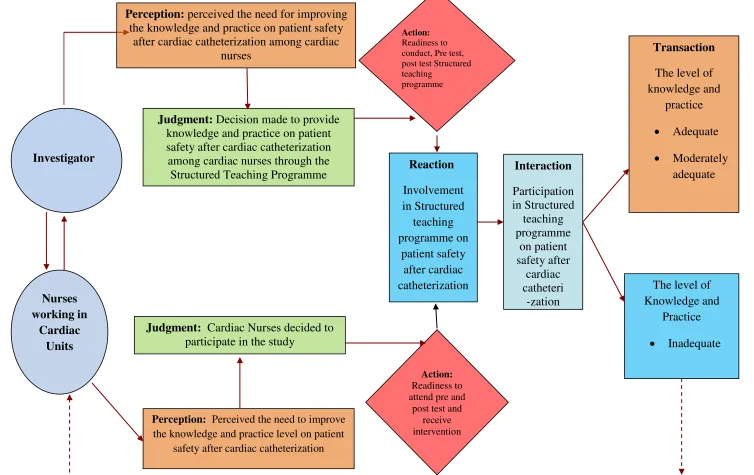
A conceptual framework or a model is made up of concepts, which are the mental images of the phenomenon. This section deals with conceptual framework adopted for the study. A conceptual framework of model provides the guidelines to proceed to attain the objectives of the study based on a theory. It is a schematic representation of the steps, activities and outcomes of the study.
Imogene King’s Goal Attainment theory is based on the personnel and interpersonal systems including interaction, perception, communication, transaction, stress, growth and development, time and action.
Nursing is defined by Imogene king as “A process of human interactions between the nurse and the client where by each perceives the other and the situation, and through communications. They set goals, explore means, and degree on means to achieve goals”.
According to this theory, the people meet in same situation, perceive each other, make judgment about the other, take some mental action and react to each ones of the other. The next step in the process is interaction, and then transaction, which is dependent upon the achievement of a goal.
The investigator adapted King’s Goal Attainment theory as a basis for conceptual framework, which is aimed to assess the effectiveness of structured teaching programme on knowledge and practice among cardiac nurse regarding patient safety after cardiac catheterization.
The six major concepts of the phenomenon are described as follows:
1. Perception
23
The cardiac nurses too perceived the need to gain more knowledge and practice on patient safety after cardiac catheterization.
2. Judgment
The investigator judged that adequate knowledge and practice on patient safety after cardiac catheterization among cardiac nurses has to be improved.
3. Action
Nurse researchers plan to assess the knowledge and practice of cardiac nurses regarding patient safety after cardiac catheterization through questionnaire and checklist.
4. Reaction
The investigator and nurses reaction is to set mutual goals in developing research tool on knowledge and practice on patient safety after cardiac catheterization and to obtain adequate knowledge and practice.
5. Interaction
Hence the investigator assesses knowledge and practice on patient safety after cardiac catheterization and investigator given education on patient safety after cardiac catheterization in the selected setting.
6. Transaction
A process of transaction in which human beings communicate with the environment to achieve goals that are valued, goal directed human behaviours. Each human being perceives the world as a total person in making transaction with individual things in the world.
24
safety after cardiac catheterization through this model, the cardiac nurses can attain their goal and maintain maximum level of wellbeing.
In this study the researcher and the subject come together for an interaction, a different set of perceptions to exchange. The researcher perceives the subject’s need for teaching the benefits of knowledge and practice on patient safety after cardiac catheterization. The researcher mobilizes the resources and prepares the structured teaching programme regarding knowledge and practice on patient safety after cardiac catheterization. The cardiac nurses need to learn the benefits of patient safety after cardiac catheterization. It includes definition, indications, contraindications, equipments, patient preparation, procedure, prevention and management of complications. The subjects verbalize the need for learning and accept for learning through structured teaching programme and give consent.
Both mutually set of goals to improve the knowledge and practice regarding patient safety after cardiac catheterization. Pre test conducted to assess the knowledge and practice regarding patient safety after cardiac catheterization among cardiac nurses. The researcher communicates with the cardiac nurses by implementing the Structured Teaching Programme regarding knowledge and practice on patient safety after cardiac catheterization. Transaction between the
25
Fig.-1 Conceptual framework based on Modified King Goal Attainment Theory Action:
Readiness to conduct, Pre test, post test Structured teaching
programme Perception: perceived the need for improving
the knowledge and practice on patient safety after cardiac catheterization among cardiac
nurses
Judgment: Decision made to provide knowledge and practice on patient safety after cardiac catheterization among cardiac nurses through the
Structured Teaching Programme
Transaction The level of knowledge and practice Adequate Moderately adequate Action: Readiness to attend pre and
post test and receive intervention
Judgment: Cardiac Nurses decided to participate in the study
Perception: Perceived the need to improve the knowledge and practice level on patient
safety after cardiac catheterization
Interaction Participation in Structured teaching programme on patient safety after cardiac catheteri -zation Investigator
26
CHAPTER-III
METHODOLOGY
This chapter deals with description of different steps, which has been following by the investigator to evaluate the Knowledge and Practice regarding patient safety after cardiac catheterization among cardiac Nurses.
This chapter includes the research approach, research design, and description of setting, variables, population, sampling, sampling technique, sampling size tools for data collection and data collection procedure.
RESEARCH APPROACH
Quantitative evaluative approach was adopted for this study. RESEARCH DESIGN
One group pretest and posttest (Pre experimental) design was adopted for the present study.
O1 X O2
O1: Pretest on Knowledge and Practice regarding patient safety after cardiac catheterization.
X: Structured teaching programme on patient safety after cardiac catheterization.
O2: Posttest on Knowledge and Practice regarding patient safety after cardiac catheterization.
VARIABLES Dependent Variable
The dependent variables in this study are knowledge and practice. Independent Variable
The independent variable in this study is structured teaching programme regarding patient safety after cardiac catheterization.
Extraneous Variable
27 DESCRIPTION OF SETTING
The study was conducted in Sudha Institute of Medical Sciences Hospital, Erode which is 300 bedded multispecialty Hospital. There are 2 types of CCUs such as ICCU, Step-down CCU. All the Coronary Care Units are equipped with 30 beds and an average of 24-26 patients per day are under Coronary Care. Among 120 registered Nurses working in this hospital, 40 are posted in Coronary Care Units. It is about 59 kms away from Arvinth College of nursing, Namakkal.
POPULATION
According to Polit and Hungler (2010), “A population is the entire aggregation of cases in which a researcher is interested”. Target population of this study was Nurses working in Cardiac Units. Accessible Nurses working in cardiac units of Sudha Institute of Medical Sciences Hospital, Erode, TamilNadu.
SAMPLE
The sample comprised of Nurses working in cardiac units and who fulfilled the inclusion criteria.
SAMPLE SIZE
The investigator was selected 30 Nurses working in cardiac units who met inclusion criteria.
SAMPLING TECHNIQUE
Non-probability purposive sampling technique was used to select the nurses working in cardiac units.
CRITERIA FOE SAMPLE SELECTION Inclusion criteria
Those who are
male and female nurses working in cardiac units in Sudha hospital, Erode. available at the time of data collection.
diploma and degree holders in nursing.
Exclusion criteria Those who are
28 DESCREPTION OF THE TOOL
This consists of 3 parts
Part 1: Assessment of Demographic variables
It consist of demographical variables such as age, sex, educational qualification, year of experience in cardiac unit, previous exposure to the topic and present position in cardiac unit. No score will be given to this section. Data of this section was used for the descriptive purpose.
Part 2: Structured Knowledge Questionnaire
This section consist of structured knowledge questionnaire which had 40 multiple choice questions regarding general information about cardiac catheterization, and patient safety after cardiac catheterization. Each correct response has been given a score of one and the score of zero has been given to wrong response. The total score of each subject was calculated, converted into percentage and interpreted as follows
<50% : Inadequate Knowledge
50 - 75% : Moderately Adequate Knowledge
≥ 75% : Adequate Knowledge
Part 3: Checklist for practice
A checklist for practice was used to assess the patient safety after cardiac catheterization. The scale consisted of twenty items. The items were of ‘Yes’ or ‘No’ type. Correct answer carries 1 mark. The total score for the practice was 20. The score was converted into percentage and interpreted as below:
The total score of each subject was calculated, converted into percentage and interpreted as follows
<50%: Inadequate Practice
50 - 75% : Moderately Adequate Practice
29
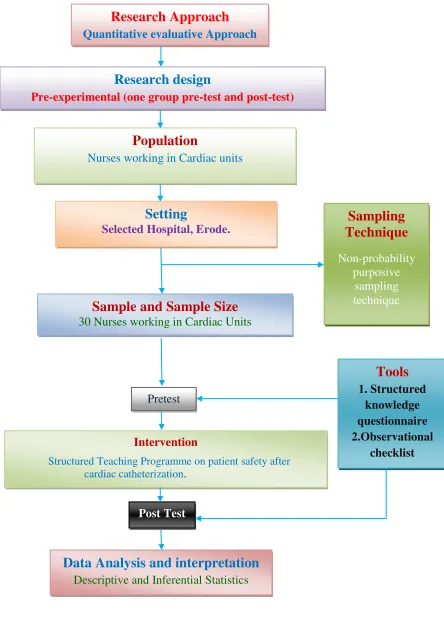
Research Approach
Quantitative evaluative ApproachResearch design
Pre-experimental (one group pre-test and post-test) Research design)
Population
Nurses working in Cardiac units
Setting
Selected Hospital, Erode.
Sample and Sample Size
30 Nurses working in Cardiac UnitsPretest
Intervention
Structured Teaching Programme on patient safety after cardiac catheterization.
Post Test
Data Analysis and interpretation
Descriptive and Inferential Statistics
Sampling
Technique
Non-probability purposive
sampling technique
Tools
1. Structuredknowledge questionnaire 2.Observational
[image:43.612.115.559.59.684.2]checklist
30 INTERVENTION
Structured Teaching Programme on patient safety after cardiac catheterization. Development of Structured Teaching Programme
The Structured teaching programme was developed based on the objectives, review of literature, sample size, method of instruction and the expert opinion. It was prepared in English.
The following steps were adopted to develop the structured teaching programme.
Preparation of content for structured teaching programme.
Preparation of structured teaching programme according to the content.
Validation of the structured teaching programme.
Modification of the structured teaching programme.
Preparation of the final draft of Power Point Presentation for structured
teaching programme.
CONTENT VALIDITY OF TOOL
The structured knowledge questionnaire, checklist for practice and Structured Teaching Programme constructed by the investigator were sent along with statement of the problem, objectives, and hypothesis to experts. Validity of the tool was obtained on the basis of opinion from three nursing experts (Medical Surgical Nursing) and two medical experts (in the field of Medical Cardiology). The expert suggestions were incorporated in designing the final tool for the study in consultation with Guide.
PILOT STUDY
Pilot study is preliminary research conducted to test the elements of design before the commencement of an actual full scale study. It is a small scale version or trial run of the major study. For this study the researcher conducted pilot study in the month of January.
31
structured programme given for cardiac nurses which took approximately 1 hour 30 minutes to complete the process. Post test level of knowledge and practice was assessed on 8th day using the same knowledge and practice questionnaire.
The analysis revealed that the‘t’ value to determine the effectiveness structured teaching programme was 5.95, which showed high statistical significance at p<0.001.
The pilot study helped the investigator to make modifications in the tool and proceed for the main study.
The pilot study aided the investigator to check the feasibility of conducting the main study, to determine the method of statistical analysis and to assess the time required for data collection and intervention.
RELIABILITY
The reliability of the tool was established by test retest method for knowledge questionnaire and inter-rater method to assess the practice. The reliability score was ‘r’ = 0.85 for knowledge ‘r’ = 0.89 for practice.. The ‘r’ value indicated the highly positive correlation, which showed that the tool is reliable, feasible and practicable to conduct the main study.
DATA COLLECTION PROCEDURE
The study was explained and formal permission was obtained from Human Resource manager of Sudha Institute of Medical Sciences Hospital in Erode. The data was collected for a period of 10 days from 03.02.2018 to 12.02.2018.
After obtaining the informed consent from the subjects, 30 samples who fulfilled the inclusion criteria were selected through non-probability purposive sampling technique on 04.02.2018. The investigator selected 30 nurses working in cardiac units from three shift duties. The data collection for each sample was started with an introduction of the investigator.
32
Duty schedule No of sample
Morning shift 13
Afternoon shift 10
Night shift 7
After gaining the confidence of the nurses’ knowledge was assessed using the structured knowledge questionnaire and practice was assessed using the checklist. Structured teaching programme on patient safety after cardiac catheterization was given with Power Point presentation for cardiac nurses which took approximately 1 hour 30 minutes to complete the process.
On the 8th day, post test level of knowledge and practice was assessed using the same knowledge and practice questionnaire.
ETHICAL CONSIDERATIONS
The study was conducted after the approval of dissertation committee. Permission was obtained from the authorities of Sudha Institute of Medical Sciences Hospital, Erode. Written permission has been obtained from the study subjects before data collection. Assurance was given to them that the anonymity of the information on each individual was maintained.
PLAN FOR DATA ANALYSIS
The data was analyzed using descriptive and inferential statistics.
Descriptive Statistics
1. Demographic Variables was analyzed by using frequency and percentage.
2. The knowledge and practice was analyzed by mean, median and standard deviation.
33 Inferential Statistics
1. The effectiveness of structured teaching programme on knowledge and practice regarding patient safety after cardiac catheterization was assessed by Paired ‘t’ test 2. The association of pre test level of knowledge and practice with selected
34
CHAPTER
–
IV
DATA ANALYSIS AND INTERPRETATION
This chapter deals with the analysis and interpretation of data collected from 30 cardiac nurses in selected hospital, Erode, to assess the structured teaching programme on knowledge and practice regarding patient safety after cardiac catheterization among cardiac nurses. The data collected for the study was grouped and analyzed as per the objectives set for the study. The findings based on the descriptive and inferential statistical analysis are presented under the following sections.
ORGANIZATION OF DATA
The findings of the study were grouped and analyzed under the following sessions.
Section A : Description of the demographic variables.
Section B : Assessment of pretest and post test level of knowledge and practice regarding patient safety after cardiac catheterization among cardiac nurses.
Section C : Effectiveness of structured teaching programme on knowledge and practice regarding patient safety after cardiac catheterization among cardiac nurses.
Section D : Relationship between post test knowledge and practice scores regarding patient safety after cardiac catheterization among cardiac nurses.
35
SECTION A: DESCRIPTION OF THE DEMOGRAPHIC VARIABLES.
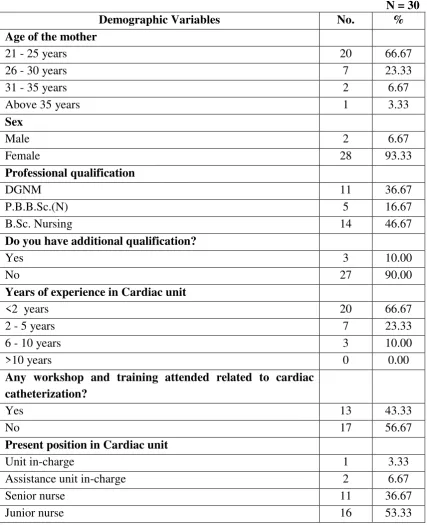
Table 1: Frequency and percentage distribution of demographic variables of cardiac nurses
N = 30
Demographic Variables No. %
Age of the mother
21 - 25 years 20 66.67
26 - 30 years 7 23.33
31 - 35 years 2 6.67
Above 35 years 1 3.33
Sex
Male 2 6.67
Female 28 93.33
Professional qualification
DGNM 11 36.67
P.B.B.Sc.(N) 5 16.67
B.Sc. Nursing 14 46.67
Do you have additional qualification?
Yes 3 10.00
No 27 90.00
Years of experience in Cardiac unit
<2 years 20 66.67
2 - 5 years 7 23.33
6 - 10 years 3 10.00
>10 years 0 0.00
Any workshop and training attended related to cardiac
catheterization?
Yes 13 43.33
No 17 56.67
Present position in Cardiac unit
Unit in-charge 1 3.33
Assistance unit in-charge 2 6.67
Senior nurse 11 36.67
Junior nurse 16 53.33
[image:49.595.103.531.136.662.2]36
Regarding sex, 28(93.33%) were female and only 2(6.67%) were male.
With respect to professional qualification, 14(46.67%) were B.Sc. Nursing, 11(36.67%) were DGNM and 5(16.67%) were P.B.B.Sc.(N).
With regard to additional qualification, 27(90%) had no additional qualification and 3(10%) had additional qualification.
Regarding years of experience in cardiac unit, 20(66.67%) had <2 years of experience, 7(23.33%) had 2 – 5 years of experience and 3(10%) ahd 6 – 10 years of experience.
Considering any workshop and training attended related to patient safety cardiac catheterization, 17(56.67%) had not attended and 13(43.33%) had attended workshop and training.
37
SECTION B: ASSESSMENT OF PRETEST AND POST TEST LEVEL OF KNOWLEDGE AND PRACTICE REGARDING PATIENT SAFETY AFTER CARDIAC CATHETERIZATION AMONG CARDIAC NURSES.
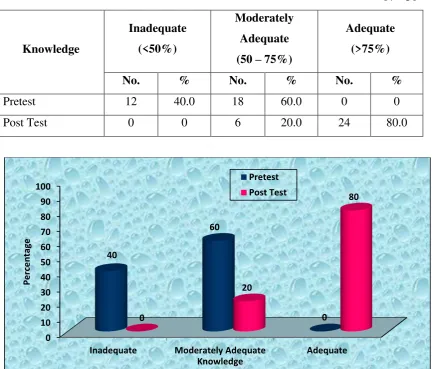
Table 2: Frequency and percentage distribution of pretest and post test level of knowledge regarding patient safety after cardiac catheterization among cardiac nurses.
N = 30
Knowledge
Inadequate (<50%)
Moderately Adequate (50 – 75%)
Adequate (>75%)
No. % No. % No. %
Pretest 12 40.0 18 60.0 0 0
[image:51.595.105.538.207.576.2]Post Test 0 0 6 20.0 24 80.0
Figure: 3 Percentage distribution of pretest and post test level of knowledge regarding patient safety after cardiac catheterization among cardiac nurses
The table 2 aaaand figure 3 shows that in the pretest, 18(60%) had moderately adequate knowledge and 12(40%) had inadequate knowledge whereas in the post test after the structured teaching programme, 24(80%) had adequate knowledge and 6(20%) had moderately adequate knowledge regarding patient safety after cardiac catheterization among cardiac nurses.
0 10 20 30 40 50 60 70 80 90 100
38
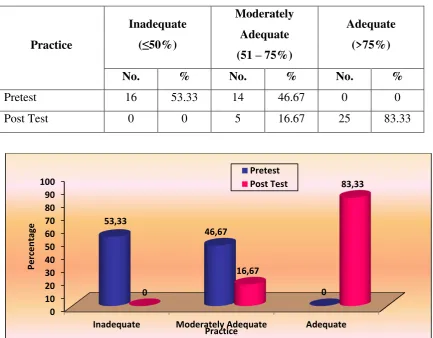
Table 3: Frequency and percentage distribution of pretest and post test level of practice regarding patient safety after cardiac catheterization among cardiac nurses.
N = 30
Practice
Inadequate (≤50%)
Moderately Adequate (51 – 75%)
Adequate (>75%)
No. % No. % No. %
Pretest 16 53.33 14 46.67 0 0
[image:52.595.104.538.149.487.2]Post Test 0 0 5 16.67 25 83.33
Figure:4 Percentage distribution of pretest and post test level of practice regarding patient safety after cardiac catheterization among cardiac nurses.
The table 3 and figure 4 shows that in the pretest, 16(53.33%) had inadequate practice and 14(46.67%) had moderately adequate practice whereas in the post test after the structured teaching programme, 25(83.33%) had adequate practice and 5(16.67%) had moderately adequate practice regarding patient safety after cardiac catheterization among cardiac nurses.
0