City, University of London Institutional Repository
Citation: Garcez, A., Spanoudakis, G. and Zisman, A. (2003). Proceedings of ACM
ESEC/FSE International Workshop on Intelligent Technologies for Software Engineering
WITSE03 (TR/2003/DOC/01). .
This is the published version of the paper.
This version of the publication may differ from the final published
version.
Permanent repository link: http://openaccess.city.ac.uk/4061/
Link to published version: TR/2003/DOC/01
Copyright and reuse: City Research Online aims to make research
outputs of City, University of London available to a wider audience.
Copyright and Moral Rights remain with the author(s) and/or copyright
holders. URLs from City Research Online may be freely distributed and
linked to.
Proceedings of ACM ESEC/FSE International Workshop on
Intelligent Technologies for Software Engineering
WITSE 2003
A.S. d’Avila G. Spanoudakis A. Zisman
Department of Computing
City University
Technical Report Series
TR/2003/DOC/01
A. S. d'Avila Garcez, G. Spanoudakis and A. Zisman
Proceedings of ACM ESEC/FSE International
Workshop on Intelligent Technologies for Software
Engineering WITSE03
Department of Computing
City University
Technical Report Series
TR/2003/SEG/02
WITSE 2003
Workshop on Intelligent Technologies
in Software Engineering
ESEC/FSE 2003
9
th
European Software Engineering Conference
and
11
th
ACM SIGSOFT Symposium on the
Foundations of Software Engineering
Helsinki, Finland
WITSE 2003
PROCEEDINGS
Workshop on Intelligent Technologies
in Software Engineering
http://witse.soi.city.ac.uk/
September 1, 2003
Helsinki, Finland
Workshop at ESEC/FSE 2003
9
th
European Software Engineering Conference
and
11
th
ACM SIGSOFT Symposium on the
WITSE 2003
TABLE OF CONTENTS
ORGANIZING COMMITTEE
vii
WORKSHOP INTRODUCTION
ix
Developing High Assurance Software Systems: On the Role of Software Tools
1
Constance Heitmeyer
Naval Research Laboratory, USA
Abstracting Wizards from Portal Observations
2
Christopher J. Hogger
Imperial College London, UK
Frank R. Kriwaczek
Imperial College London, UK
Computing Minimal Revised Specifications by Default Logic
7
Ken Satoh
National Institute of Informatics, Tokyo, Japan
Intelligent Support for Developing Adaptable Software Architectures: A Knowledge-Based
Approach
13
Nary Subramanian
Hofstra University, NY, USA
Lawrence Chung
University of Texas at Dallas, TX, USA
Reasoning about Requirements Evolution using Clustered Belief Revision
20
Odinaldo Rodrigues
King's College London, UK
Artur d’Avila Garcez
City University London, UK
Alessandra Russo
Imperial College London, UK
The Impacts of Software Design on Development Effort – A Differential Evolution
Approach
27
Päivi Ovaska
Lappeenranta University of Technology, Finland
Alexandre Bern
An Explanation Reasoning Procedure Applicable to Loop Transformation in Compiler
34
Mariko Sasakura
Okayama University, Japan
Susumu Yamasaki
Okayama University, Japan
Agent-Based Support for Requirements Elicitation
40
Chad Coulin
University of Technology Sydney, Australia
Didar Zowghi
University of Technology Sydney, Australia
DCBL: A framework for Dynamic Control of Behavior based on Learning
44
Patrice Vienne
WITSE 2003
ORGANIZING COMMITTEE
Dr. Artur Garcez is a Lecturer at the Department of Computing at City University,
London. He holds an M.Eng. in Computing Engineering (honours), an M.Sc. in
Computing and Systems Engineering and a Ph.D. (D.I.C.) in Computing. He is the
author of a number of publications on Machine Learning, specifically on the integration
of Logics and Neural Networks. His research has evolved from the theoretical
foundations of Artificial Intelligent systems of Neural-Symbolic Integration to its
application in Bioinformatics and Software Engineering. Dr. Garcez is an editor of the
Journal of Applied Logic, Elsevier. He has served on the programme committees of
international conferences and workshops. He holds a Visiting Research Fellowship at
the Department of Computer Science, King's College, London. He is a member of the
British Computer Society's Requirements Engineering Specialist Group. He is an author
of the book "Neural-Symbolic Learning Systems: Foundations and Applications,
Springer-Verlag, 2002. For more information see:
http://www.soi.city.ac.uk/~aag
Dr. George Spanoudakis is a senior lecturer at the Department of Computing at City
University, London. He holds a BSc (Honours) degree in Informatics, a MSc degree in
Artificial Intelligence and a PhD degree in Computer Science. He has been a visiting
associate professor at the Department of Computer Science at the University of Crete,
and a visiting lecturer at the Department of Information Systems at the London School
of Economics. He has served in the program committees of several international
conferences and workshops on software engineering, having chaired workshops and
conference sessions. Dr. Spanoudakis has acted as a reviewer for international scientific
journals and has served as the editor of Requirenautics Quarterly, the Newsletter of the
Requirements Engineering Specialist Group of the British Computer Society. He has
published extensively in the area of software engineering. His current research interests
include requirements specification and analysis, multi-perspective software modelling,
management of inconsistencies in software documentation, and software traceability
and measurement. For more information see:
http://www.soi.city.ac.uk/~gespan
.
WITSE 2003
PROGRAMME COMMITTEE
Artur d’Avila Garcez (City University London, UK) (co-chair)
Eric Dubois (Research Centre Henri-Tudor, Luxembourg)
Dimitra Giannakopoulou (NASA AMES, USA)
Robert Hall (AT&T Labs Research, USA)
Antony Hunter (University College London, UK)
Julio Leite (PUC-Rio, Brazil)
Neil Maiden (City University London, UK)
Tim Menzies (Nasa IV&V, USA)
Bashar Nuseibeh (Open University, UK)
Elisabetta di Nitto (Polimi, Italy)
Alessandra Russo (Imperial College London, UK)
Camille Salinesi - Ben Achour (Paris I - Sorbonne, France)
Ken Satoh (National Institute of Informatics, Japan)
George Spanoudakis (City University London, UK) (co-chair)
Andrea Zisman (City University London, UK) (co-chair)
WITSE 2003
WORKSHOP INTRODUCTION
Software engineering practitioners and researchers continue to face huge challenges in the software development
and maintenance of software systems. The complexity of software systems and a number of recent advances in the
field of computational intelligence have been providing a fruitful integration between software engineering and
intelligent technologies. In the computational intelligence field, this is particularly true in the areas of model
checking, validation and verification, fuzzy logic and abductive reasoning, uncertainty management and belief
based reasoning, artificial neural networks and machine learning, genetic and evolutionary computing, and
case-based reasoning. In the software engineering field, this integration is seen in the areas of requirements analysis
and evolution, traceability, multiple viewpoints, inconsistency management, human-computer interaction design,
software risk assessment, and software verification.
The International Workshop on Intelligent Technologies for Software Engineering (WITSE’03) is intended to
provide a forum for presentation and discussion of a wide range of topics related to the applicability of new
intelligent technologies to software engineering problems. It aims to bring together researchers from academia
and industry, and practitioners working in the areas of computational intelligence and software engineering, to
discuss current state of the art, existing issues, recent developments, applications, experience reports, software
tools, and future research directions of intelligent technologies applied to software engineering.
WITSE’03 is a one full day event, structured around sessions composed of a keynote talk, presentations of papers
rigorously selected by the programme committee, and open round table discussions. The sessions have been
organised based on papers submitted from all corners of the globe. The workshop provides an opportunity for
exchanging valuable information on theoretical and practical aspects of:
•
Intelligent methods of requirements analysis and evolution
•
Machine learning for change management and risk assessment
•
Intelligent approaches for inconsistency management of software systems
•
Intelligent architectures for software evolution
•
Intelligent human-computer interaction design
•
Intelligent technologies for traceability management
•
Intelligent techniques for software validation, verification, and testing
•
Empirical studies, experience, and lessons learned on applying computational intelligence to software
development
We would like to take this opportunity to thank the members of the programme committee who helped in
reviewing and selecting the papers submitted to the workshop, Dr Constance Heitmeyer for her keynote talk, the
authors of the submitted and accepted papers, and the ESEC/FSE 2003 workshop co-chairs Dr Cecilia Mascolo
and Dr Andre van der Hoek for their assistance in the organisation of the workshop.
Helsinki, September 2003
Keynote
Developing High Assurance Software Systems:
On the Role of Software Tools
Constance L. Heitmeyer
Head of Software Engineering Section
Center for High Assurance Computer Systems
Naval Research Laboratory, Washington DC, USA
[email protected]
Abstract
!"#$!%&!% ' !( ) *+%,#%" ) ! %- -(,
$!%&!#% '.0/1 2345 + 677-89:
1
9
/;< 7=>=
1
?@ ACB
?
?
D
?
E F
? L !"#$!%&!% ' !( ) *+%,#%" ) ! %- -(,
$!%&! % '.0/1 2345 + 67789:
1
9
/;< 7=77
/
MNFOAPB
?
?
D
?
EF
QSRTVU-WSQSXSU
YSZ\[]Z ^`_abc]Z\dVefahg]_ Z[]ifahZkjhgfa\dcl^`mahdn_mbo]plqjahgfrsglcl^tZnavuldnmbglol^wg j dxelg]ahmdyzi]^`Za{^|d_mbu]bmbZ^`qO^telZn_nbjvb_ndnmbglol^Sg]jO}\b~d ah[-mg]gly^}Vlb_nlq bjObre]yZrZo]mZ[}Vbm]bom]Zxelg]ahmdyq_g]i]y[Zo]dc]yZ m]gl^`Zdf_mbu#bmbZf^ mgc]Zrg]ahZ_g]o][]i]_ mZ[rgfahZZjhjhb_bZo]my]Z-dncl^`mahdn_nmbgloeag_Zf^^ i]^`Z^VdahZhe]ahg]p]ahdrrdc]yZahi]yZhc]d^`Zmg[]Z_b[]Z }\fZm]Z a|^ZiZo_Z^ g]jg]c]^`Zahu]Z[Zu]Zo]m^\dahZbo]^`mdo]_Z^\g]j_g]]ZahZo]m}\g]ahe]dnmmZnahol^mh#d]m _ndo-c]Zi]^`Z[d^^`e]Zn_bjhb_dmbg]o]^jhglaO}\b~dnah[]hc]ilby[]bo]p
XN |¡sTV¢|£z¤ ¥¦Sl¥§|
¨©ª]ª«¬ ]®¯h°±]²³´µ ¶`·Nµ¸³ ³²h·`µ ¶¹ º»gfjhm}\daZ¼\ah_n]bmZ_milahZ^½¾¸¿À¿ ¿ÁlÂÀÿlÄÀÅÆÇlÈ\É¿zÀÀÊÃtÇÂlË
ÌÍ©«ÎO±N¯¯³ ² µ ÏгnÑnl¶lµn·¯v·tlµf¹ º¨\Z^tbploÓÒÔZnmlgl[lglyglplÕ½Ö#Ê¿À× Ã#Ê ÊvØn¿Ù×t¿ÀÅÆtÇ¿]Çl¾ÂlÊÙÊvÄ ÀÅÆ`ÇlÈÉ¿ÀÀÊvÃtÇS¿lÇl¿ÙÚnÂlÅÂlË
ÛÓ |ÜU Ýk
¼Vyp]g]ahbm]r^`q¨VZ^`bp]o]qÞ\i]rdoÐß d_mg]ah^] à ¸ázâSz¸¡\
ã¸g]ahmdyZu]Zo]m^`qil^`Zad_mbg]o]^`q_g]lZahZo]_Zahi]yZ^`q}Vb~dah[Ðmg]g]y^] ä#åkælçSUWSè¦SéXSUælèêç
ëVdahbg]i]^_ldavd_nmZavb^tmb_n^ì]dufZ0c]ZZoíd^`_ahbclZ[îmgsd oZolmZaveab^Z e]g]ahmdyï«hª`q#©]q ð]¹ Ìhoxc]ahgfd[xmZ ahr^ï^`i]_ de]glahmdye]avglu]b[]Zn^d__Z ^`^xmNg ahZ^tg]i]ah_Z^VboÐdrdo]o]Za_i]^`mg]rb~Z[mgbm^Vi]^`Zah^]
ñ iaò}\gfahódn[][lahZ^t^`Z^ôg]o]Zóeldahmb_i]ydnaõde]elahg]d_ömg÷^i#_] _nil^tmglrb~ndmbg]oOfZm]elb_dnyi]^`Za|bol^tmbpldmZn^rd o]bojgarxdmbgo elavgl_Zn^t^tbolpÓZulZolm^lºglelZolbolpÓZrdby^Sd o][dnmmd_n]rZo]m^`q_naZdmbop [lg]_ni]rZolm^tq|ilel[ldnmbolpø[]dnmdc]d^tZ^`q\do][^`gg]oÌhowmlb^ì^`maZdrùg j dn_nmbu]bmõm]ZaZúd aZòrdo]ûahZelZnmbmbulZü^`Zli]Zo]_nZ^`qýdaclbmadnaby bo]mZavyZdulZ[bombrZqzZnd__ng]o]^tmbmi]mbo]pwd_g]lZahZo]m^`Z mOg]jOZuZnom^ ÌjZno]glilp]^`i]_^`Zli]Zno]_Zn^_g]o]jhg]ahrCmg^`gfrZdcl^`mahd_m-mZrxeydmZ mlZoîm]dmømZre]ydmZþ_ doÕcfZsi]^tZ[ùmgÿcli]by[ dp]Zo]Zahb_Õmvg¸g¸y elg]mZo]mbdyyÔ]Zye]jhilymg m]Zi]^tZa
¼Vilmglrdmbo]pê}\b~ da[-cliby[bolp]d^c]Z ZoZ
drbo]Z[wZy^`Z}\fZahZS«lq Í]¹c]i]m}\bm]bodrg]ahZybrbmZ[_g]o]mZ
mdo][}Vbmdo]dahahg]}\Zajhg]_i]^]
ñ i]aïjhg]_i]^|g]oahZ_glp]o]bmbg]oSg]jOZulZo]mV^`Zli]Zo]_Zn^`q\c]d^tZ[Si]elg]oìm dfm g]j«fqf¹hqOb^^`g]rZ}\]dmahZydmZ[ mgs«`¹boÓ}\]b_êdodypg#abmr p]ahd[]ildyyd[]de]m^|di]^`Zaïbo]mZahjhd_Zmgbm^|g]c]^`Zahu]Z[e]dmmZahoÐglji]^`Z ZydmZ[ý}\gfah boÿd_mbu]ZC[]dmdc]dn^`Z^Cdo][þ}\g]ahfjhygf} bo#_fyi#[Zf^ _nglo]_ndnmZnoldnmbolpÿahZ_ni]ahahbo]pî^tZ]ilZol_Z^kgfjelahbrbmbu]Z Zu]Zno]m^]¼Oo d_mbu]Z []dmdcld^`ZÔrglolbmglah^mavdol^tdn_nmbglol^ mgÓ[]Znu]Znygleke#aNg#[#i#_fmbg#o ahi]yZ^Ðjhg]aO^`i]_mdn^`]^d^bolmZnp]avbmPZo]jhg]ah_ZrZo]m`ï¼O^^`g]rZwai#yZ^ rd-md]ZZjjhZ _mg]olykd jhmZae]dnahmb_ni]yda_nglrclboldnmbglol^0g]jZfuZfo#m^ ]du]Zg]__i]ahaZ[]qbmb^bre]glavmdno]mmgí^`elZ_bjhÕ_glre]gl^`bmZ ZfuZfo#m^ jhyZ
bc]y« ]qïª]¹qd^\}\Zyyd^\mg[]ZmZ_ mm]ZrZjhjhb_bZo]my«hª]ª`¹ Yg]ah]jyg]} b^þ_glo]_Zaho]Z[ó}\bmûm]Zú_nglglav[lboldnmbgloög]jÿi^Z^q bo]jvglahrdnmbgloþdo][íZnu]Zolm^0mldmS_di]^`Zø}\gfah0mgÿjyg]}\q^ti]_ùdf^ [lZd[lybo]Z^tqúdo][ m]Zó^tmdnmil^ g]j }\g]a ahZ]ilbahZ[ömg÷rZnZm glavpldolb^tdmbg]oldny|glctZn_nmbulZ^lOYg]a]jhyg]} ahZ^NZdah_]Zah^xd aZbomZaZ^mZ[ boÿahZni]^tbo]p clil^tbolZ^t^ùelahg]_Z^t^ rg][lZy^`qbol_nyil[lbolp mZrxeydmZ^ rg][lZ y^Vm]dm]du]Zc]ZZoZ^`e]Z_bdyyd[]de]mZ[jhg]aahZi]^`Z«hª`©]¹ï»i_ mZnrelydmZ^d aZZn^`^tZnolmbdnyy _glrelyZ
_glrelg]^tbmZdn_mbglo]^]zÌo«vªtðl¹vq []dmdîrbo]bo]pûb^íi]^tZ[ümgû_ng]ol^tmavi]_nmþe]ahg]_nZ^`^úrg][lZy^ jvahglr }\g]ah]jyg]} yg]p]^`qPmlZahZcló_ahZdnmbo]póoZ } }\g]ahfjhygf} ^ #^ mZr^ _ng]oljvg]avrbolpmge]avZulbglil^clZn]dnu]bg]ilan
åkèéUÐæfçsèøUWèìXЦéW
Y Zjhg]_i]^Ðg]oÓe]g]avmdy-ZnulglyilmbgloÕbol^tmbpldnmZ[ c]glcl^tZnavuldnmbglol^0g#j Zu]Zo]m^`qo]drZyÐi]^`Zad_mbg]o]^]]Ze]g]ahmdy\b^e]ahZ^`ilrZ[wmg_g#o#mdfbo dcld_nlplahglilol[Ódp]Zo]mVm]dnmÐglc]^`Zavu]Z^`qÐ^tmg]ahZn^wdo][doldyl^`Zn^ìmZf^Z Zu]Zo]m^]n]Zd p]Zo]mb^\Zo]_g][]Z [d^\dyg]p]b_e]ahg]p]ahdrq¸e]dahmyjg]aOZndn^`Z bos_gl[lbjhlbolpýahilyZhcld^`Zn[ elavbol_nbe]yZn^sc]i]mwrdnbo]yÕboíg]ah[]ZamNg rdno]be]ilydnmZeldnahmbdnyylv[]ZnmZnavrbolZn[ []dmd^tmahi]_nmilahZ^lÌhm^ahgfyZwb^mNg mavbp]p]Zadne]elahgle]avbdmZ e]glahmdyahZn^te]glo]^tZn^êmgm]ZwZulZo]m^gcl^ZavuZ[z Y ZahZ^`mahb_m|mfZ-avZ^te]g]ol^`ZSmgd_nmbg]o_nglrelgl^tbmbglolq_ldnadn_nmZavb^tmb_ glj\}\b~dnah[]hcli]by[lbo]pdol[mg]glyc]da_nil^tmglrb~ndmbg]olq}\]gf^`Z^ bre#yZf^ m rg][]Zwb^_glol_dnmZnoldmbglo ]b^êdahahdo]p]Z^Ó^`ZyZn_mZ[ d_nmbglo]^ bvo¸mhg g]ah[]ZahZ[ý^`Zn]i]Zno]_Zn^ÕavZelavZ^tZolmbolpû_glrelg]^tbmZùdn_mbglo]^`qî}|lg^tZ p]Zo]Zahb_jhg]ahró^`e]Z_bjhbZ^\m]Z[]Z^`bahZ[}\b~d ah[
g do]dy]^`ZíZulZo]m^0}ZwahZ]i]bahZd_ _Z^`^êmgím]Z0elg]avmdny^þZuZfom lb^`mglahsmgÓd^`_ZahmdnboømlZba mZrelg]ahdy-gfah[]Zado][jhahZn]i]Zol_bZ^g#j g]__ifahahZo]_ Z d _ ÐZu]Zo]mVile][ldmZ^êmlb^ì]b^`mg]avß g]aeavd_nmb_dnybmq elglyb_bZ^daZo]ZZ[]Z[ mgplg]u]Znahom]Zwplahdno]ilydnahbm]qahZyZu]do]_Zwd]o#[ mZre]g]ahdyc]d^`Zybo]Zg]jïmlZxZu]Zolm^|ahZ_glah[]Z[bo-m]Z]b^`mg]ah Y]Zo]Z u]ZaÐdofZ }PZu]ZolmÐdahahbulZ^bom]Zw]b^`mg]av]qg]i]a-elagl_Zn[ilavZ do]dy]^`Z^ïm]Z|^`Z ]i]Zo]_Zúo]d rZ[ "!#%$'&()ú_gfre]ahb^Nbo]p m]Z-rg ^ m ahZ_Zo]mZu]Zofm^\d^[]ZmZnahrbo]Zn[wc]dplbu]Znoc]glilo][Ói]elg]oìm]Z-mbrZ^ ^`bo]_ZÔm]ZZo]mZahZ[Sm]Zwlb^tmglahZÔdoldnyl^`b^[lZ_b[]Zn^w}V]ZnmlZa !*#+$+&(bol_nyil[lZ^dobo]^tmdno]_ZSg]jOd_g]lZahZo]m-clZldnu]bg]ilavdyedmmZao do][fq#bj^Ng]qz}\]ZmfZa|m]dmVeldmmZavo]d^c]ZZoÔglc]^tZahulZ[ì^i#jjb_bZfomy jhahZli]Zo]my]Ìhjïm]Z^tZxe]ahg]e]ZahmbZn^Ð]gly[ìm]Zom]Z-e]ahg]_Z[li]ahZÔ^ bhp#o dfy^ m]dm|m]Z-e]dmmZavowb^}\g]amê_nglolu]Znavmbolp
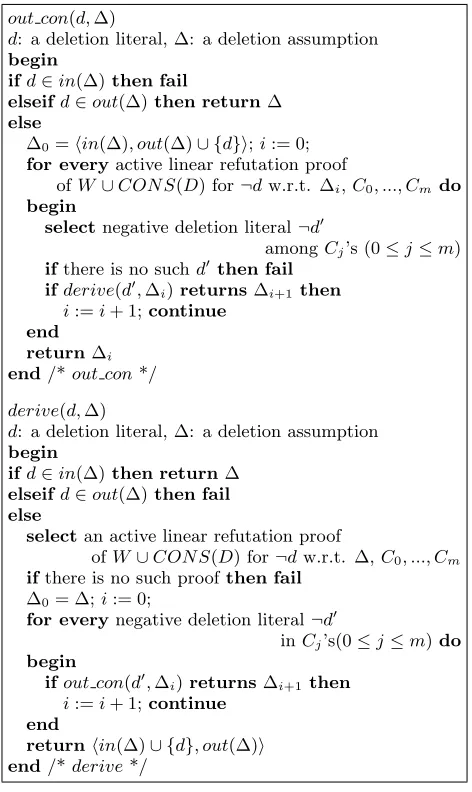
! "!#! "$%!#$&(')&*+,'-!.!'#0/(!# 213$'!4-5+!#!,'-67/8&9'9 $': 2!4<;&('4<:#&$#>=8?-@ 2!;( 2!4>!'#A,'-!.!'(#0,43@#, 21B&*+#C*"&( 21 D>E8DFGHIKJLMJ>NOJPKJL8Q!R
5+&4>O! TSU13,'#4, 28V W<XMY2Z+[ I\ ]^ Y_`a_]_b ]c Z cd-]^ YY2e9Y"` ] ]c(cMf
[
Lg ]^
Y
]cc(f Y2hai
fc<j Y2k
bMl ]_c`7[Nmg ]^ YAbl ]_c`b>i(i f_Y2knW>X(_`o ]^ Y ]c(cf ZMY"X
c
W<ZplqY"X+[ Prg ]^
Y0ZY2X c W<Z>l9Y2XX c Y2` ] br_ f Y"k_` ]^ Y0bl ] _ c `
]_hY"X ]bhai[ L8Q>g ]^ Y ]_h7Yms ^ Y2` ]^ Y3Y2e9YT` ] smbX+l c hri fY ]Y2k
t
'u!.!'#v$4<#&( "wx$4-4>,#y&*y4<U!z#! T134=K) {;M {4p'M##$&M' $1;&(4>44>&13|/,S 2!z&*}S( "!'(U(~ 2$#wU(;&('#&M6M4p {.M6M~ !.!'#4=!9& K$'4>#!'!!95+A/&'&(#A&64<! 2.5+,#(!;(;'46(!#50' #C$'($#$#$&('!'/!&(1;(~!#$&'&*7,'!.!'#>= 9U 2#! 235 C*{&8U84 1!$'(~w-U;(&'-!.(!'#435+(&4>7!#$&'(43!;;(~w-#&&(~43#&- 24>&U( 2!!4(= 0!!$/($'S4>U($#6~#w(;4*T& #|! "SU(13'#4$4x13!##! z&9* ; 2!!#$!!~!&$!9= t 'w74>U!:!&$!13U4<#06y4<U(*"*2$$'(#~wSM'( "~ #&13!#! "!~$4<#$!~~w&(64<! ".6~!.!'#4<n6(U#4,UM*{*$$T'M#~Tw 4<;!!$*2$#&!'!6~ 2~$4<#$!~~w}U4>*2U~@ "4>;(&'(4<!4n#&}*T~&5*" 2&(1 #,1-=@U &5+'|!(&$!!4!.|6!,';;(~$!/4>&*T, )$'&9'9 1!/$U124>!!~! 2!!~250& 2~/!&'#!#K#&v#!4>#a#!$ 4<UM$#6($~$#wa=A!#, 50@50$~~r6 2$!*2~wy$~~U4># 2!#3,'7!!13;~3/ T!50'y*2 2&1#,#r!! 2!$4>9= ,~&5}5+3&U#~$'3#@#w;!4y4>&*T, !(;! "$1!'(#!/)5+$#r=8,w-, T '(&#A3*2$#U 25+$#$'#CS!'! 2!~+*2 T,13,5+& Tr!'/,!'!4>$~w69 .(! 2$!/C#&-4>U$##y;(& 2#!~/&(13!$'a=
,u( A¡3-¢£0
?uA#!A&'~w¤#4<$1;(~!4<#y,!4>y$'5+$,
I
$47,'-!#&14, {.8$T'8S !4AU4>, $/!'#$*2$! !=!¥2'¤13&4>#!,4>!4
I
$/(!'(#$*"$!4:#C;&( "#~¦4U(4< = ¥2'4>&13z!!4!4>v&5+!., 2v$#13!w$/(!'(#$*2w/$*2*"! 2!'#zU(4< " '!6(~$'S-#(7;& 2#!~m#&-&64<! 2.(y$'#! 2!#$&'(436!#50!!'-U(4>! 24(= T§¨-©m©ª0«0¡y-¢m£0
t #, 21
G¬¬H®r¯°+DJ¤±!²MD³<J´¬³<¯Gµ¬F!JPaµ¶·GQpJ¤¸¯¹¯°0QpR
$4}U4>!/#& 2!; 2!4!'#@#&&~
L
=
t
~~*2$.A! 2SU13!'#4¤, T3 "!; "!4>!'(#!/6w:#&81y4 50&(4>7$'# 2; 2!#!#$&'(4@ 27!43*2&~~&(5+4(V
®m¯(°@D
V#A$'#! T'!~4w4>#!1|'!13A*2& #@#&&~ !;(; "&;( 2$!#º#&:#T9 (&4<#&;(! "!#$'(SB4>w4>#!1=¥2'|?u$'/&5+4>*T& !!13;~!u»¼A½¾
¬¹¿
»
!&U~/¤604>U,¤0'!139= t #&&~q'!130$'¤À+'$¤13$S#q6¤» D°A¯³Q
»= ±²MD³
V#Á$'(#! "'~Â4>w4<#!1Ã',13*T& x#Ä!!U#!6~Å*{$~ "; "!4<'#$'(SB##&(&~>=0¥T#31@!w#!#|*2& 21Æ
_fY2`bh7Y!ÇY2È ] $' !!4<!4+50! 2#*2$~!40!'!4>4>&!$!#!/!#!'4>$&'r=
´¬³,¯Gµ¬F
V>#~&(!#$&'}&*#C!!U#6~:*2$~8=8r$4y!&(U~/6,r*"&M $'4>#!'!!q@;,#y&'y@~&,!~/ "$.(!É)4<UÊ,4»Ë
DG³ Ë2Ì µF Ë D°0¯³,Q Ë2»É& m À+Ím#&+ T!13&#+!&13;U#! !=
PKµ¶·GQ
V(313,136, &*:Î
G¹ÏDJqÐT¯QpDÑ
/('(&(#$'(S5+!#! v& 7'&#C#T9 U(4>! m!40#3 2$S#a#&!!!!4>40#3!!!U#!6~*T$~9=
¸¯¹¯°0Q
V(#C.(!~U4C&*y!'wn;! 2!13!#! T4:##&&(~-;!#4#&n69 4<U(;(;(~$!/6w}#U4>! º5+,'$'(.(&(M$'(SÄ#|#&&(~>=7¥T*-'(&'Ò, T '!!/!/¤#!'
¸¯¹¯°AQ
#!!4m#+.,~U FÏ
=
T¨uÓÔ!Õ{©Öz×v¡3-¢£0
*2 T!13,5+& 2!U( 2 2!'(#~w4<U(;;(&( "#4zC.(! 2$!#w&*:&8'M;M#U8~~Tw /($4>#$'!#m($'/4&*+U4<! +!#$&'(K/!'(&#!/6w-#7*2&(~~&50$'S!#&14V
³<¹D¯!GD¿ ³<¬!صD!¿ ¿!DD!GD!¿ ¬!¶!¶D!¿"Ù9µF °¬"EMD¿ Ø!¯!Q>GD!¿ Q<D!FG ¬!¶!¶!D!¿2Ù8¬!Ï!G ¹DF¯°D¿ ¹D³pDµEMD¿ ¬!Ø,D,F,D,¿ Ï,Ø,¿,¯!GD,¿
D"EMDFGHIaJ L(JO³<¹D¯GD¿JmPaJOL9Q,R 5+$!¤#AU4>!
I
U4>,/#&&~
L
#&¤! T!!#A 2!4&U 2,
P
!#9#$13 L9Q
=
t
'!!#$&('
N
/(&!4º'&#v 2!ÚU$ 2 2S(U1!'#4&*y$#4&5+'=
t
~~@#28 1!#! 2$!~aU;&'5+$!$#a6!! 240$40!&'#!$'!/$'#&#! 3#&8;M~.M~ 2SU(13'#4<É;( 2$1! "$~w
L
!'/
P
É&*#@!.!'##! T1=
Û+&#!~~O!#$&'(4$'(.(&~.(#&(&(~4& 2!4>&U 2!!4= t !#$&('45+$,n/& 1U4>#v6:!&(1;#$6~z5+$#n#!1-=K¥"1;~$$#~w(#! 2z, T)*"UM "#( &('4<# "$'(#4U;(&('n#C#w;!(! "!# 2$%!#$&('(4&*+!.'#4C$':&( {/( #&y T!'/! K#,11!!'($'(S*2U(~>=K9& +$'4>#!'!+#C&('(4># "$'#4ºU9;q&q' DE9DFGHIKJL8J¬¶¶D¿ÙµFJPKJL8Q,R
T,ÚU$ T
I
#&A6O#O;& 2#,~¦4AU4! 2
L
#& 6y#C!#&1
FÏ [
'&#&&(~3$4y13;(~&(w!/)$':~&(S(S($'(S(2$'
g
P
#&}68 FÏ [
'&n 2!4>&U "!!4zp T)$'(.(&(~.(/
g !'/ LMQ #&B6}'&# FÏ =Ow !&'# 2!4>##!&'4># 2!$'#4+U;&('
D>E9DFGHIJOL(J³<¹D¯GD¿J9PaJL8Q!R "Ú(UM$ "
I
#&n6:#;(&( 2#!~¦4BU4! 2
L
#&B6}'&# FÏ
P
#&B&M1¤;( {$4< ;( 2!$4>~w&'C 2!4>&U 2!C!'/
LMQ
#&67'&# FÏ
= t 4<U$#6(~4>!#y&8* !4>4<U13!/v!&'(4># 2!$'#4A*2& O#$4A/&1!$'v!!'v6¤*2&U'(/v$'ºÜÝÞ!=
?:,'-FÏ
!#&1!;;!! 247$'},'! 2S(U13!'(#v;(&(4<$#$&('Â5+$#$'' !.!'(#a#! 213r$#a4>$S'($*2$!4A#!#0#v 2SU1!'#A$4
Wp`MkKY
d
_`KY{k
K#!#A$4p !4'&n!&'! 2!#1!'$'S(*2U(~.!~U9=¤r$4n;( "&(.($4<$&('Á1U4>#º68 ~! "~wº/($4<#$'(S(U($4>(/*T 2&1x#!#A5+$!;(! 21$#4C,'-! 2SU(13!'(#A#& 6
W<`(kKY
]
Y"Zph_`KY"k
=v¥T'#~!##! ,!4x#Á! 2S(U13!'(#$4' '(&('w(1&(U(4u.! "$!6~
[,ßàág
=8â!&C3#! 21
D{EMDFGHIrJÙ9J8°¬"EMD¿J PaJOLqQR 2!; 2!4>!'#4+!'!.!'#r$'5+$! 2,4>&(U 2,!4
P
5Op 31&.!/
[
6#50!' ~&(!#$&('(4
g
6U#|$'5+$,##&(&~U4>!/
[
$*}!'w
g
5,4'&q# &(64>! ".!/& 7'&#v 2!!& 2/!/}& y'(&#v&*y$'(#! 2!4<#>=0r$4n;M {#$~~wM /(!#! "13$'(!/4># 2U#U "}4>#!'(/(4ÊS' 2$!~~wÒ*T& !~~#|&('( "# #! T14&(6#$'(6~6w}&(&(4<$'(S;! "#$!U(~! :.~U!4*T& y##"&q&9~ {S(U(1'(#<=
Tãä º(©må0Ó:æA¡-¢m£A
0!!$/$'(SºU(;&')4<U($#!6(~ 2!4>&U 2!C#w;4-$4y;! "!;4C#M {/M4,# !4>;!!#&*y! "!!# 2$%$'S!.!'(#4= 2,!~C5+& 2~/B&*T*2! 24Ê1¤'Mw 4>U(!#w(;!4>7!,!(!.($'(SÒ$#4º&5+'; 2#$U~! :($'/&*y&8'M#'8# (!'/(~!4>v!'/n4>&n&'r=?-!.|!(;! "$1!'(#!/Â50$#nç>U4<#)#M " ; 2$13! 2wu T!4>&U 2!-#w;(4<É)/(&U(1!'(#/(!#!64>#!6~)!'/n1!$~ /(!'(&#!/Ê6w#v#&(134
¿!¬³ ¿ Ì G¯ Ì D ,'/ D°+¯µ
2!4<;!#$.~wa=è!, &('v4¤#v*2&(~~&(50$'S## 2$6U(#!4(V
L8é!ØD
Vp$#4K#w;O$/!'#$*T$! T!&4!'A*2 T&1BÎ ¿¬³ ¿ Ì G¯ Ì D D°A¯µÑ ®m¯(°@D
V$#4+!U 2 2!'#$'#! 2'!~4>w4>#,1'!13
[
!'7,#&1
g
=
´(¬(³
V$#4+,U 2 2!'#~&!!#$&'4U!y!4+@~&,!~;!#'!13C& +@À Ír
[
' #&(1
g
=
Pµ¶·GQ
V$#4 2$S#4>86!$'S4>&1304U64>,#q&*+Î
¹D¯¿J!êA¹µGDMÑ
=
Im³¹
V#@$/!'#$*T$! &*#@U4! 5+&y! 2,!#!/y$#
[
!'¤!#&1
g
=
L9³!¹ V!,$#!
FÏ
& r#y~&!~0;!#'(!13&*+#C#&&~U4<!/u#& 2!!# $# [ ,'y!#&1 g = ë ¿®
VM*T& #C!!#$&('
¹DF¯°D¿
#$4-$4y#C 2!4<&U "!!¦4; 2$&( '1
[
!'y,#&1
g
96U#*2& !~~&#, !!#$&'y#w;!4$#$4 FÏ
=
ë
¿´
V!*2& r#0,!#$&' °¬"EMD¿
#$4$4y#C 2!4<&U 2!¦4C; 2$& ~&8#$&M'M 6!$'S&*a#04>,130#w;0!4
´¬³ [ ,'!#&1
g
86U#q*T& 0,~~&#! #T$T&M' #w;!4O$#q$4
FÏ
=
NOGGQ
V+*2U 2#! ## "$6U(#!44>;!$*2$Ò#&x#|; 2$1! Tw#w;(9V)*T& n /&!U13!'#$#$4
F(Ïì
*2& KA/!#,6!4>#!6~$#$4y3#, 21B&*#C*"& "1 ¯GGQ<H
½ ØD³pJ ½ ³p·D°+¯R 5+, Tv½ ØD!³
$4y!'C!#&1'(!&(/($'(Sn-ÚU 2w&8 .$!5|/(*"$'($#$&('y!'/½
³<·D°¯
$4:,'!#&1Á'(!&(/($'(SB##T68~¦4 4>!,1
ì
*2& A!'C!13!$~O$#+$47@#, 21 ¯GGQ<H
½
DF¿D¹JqPrD³pµØµDFGQpJ
½
Ï
Ì"í D³<GJ N GG¯³p·°DFGR
5, T½ DF!¿D!¹
$4xU4>, |$/(!'(#$*2$!
[
,'Ä#&(1
g
& 78$9"3!;:#!<"1=>"!@?A B$C$DE$$ .FG;" 1H$$9"0 "!9"!409"".I"0!"1KJLAMFK"!"9"0"(NPO Q>RS5T>@I"9$"U#0 "V#/"!WX0"Y! # -1" !Z"7 [N0P -"#9$30"K03I #"K140K7#"\#$]G"^I O
_ 0-"I -"&$! $ !`E#"#9"G0 "!H#1X9$ ! $! ! 4a# 0"("-41"!%$- bT
SR)Scd5ef$ghBDf$iRf$jC f$kSf$d Sf$lnmogf$lnmoif-?n f$QRSp qKrNsut<vxw[y{z5|}Aw[~[nnt<A~y.z
1""1I(N"I#""!"(7W/#1Xb0]"-41"! <#^/N0P "1I #"4 -"! $-W#F#$9"-! 4"$!O;a$#1
cnB$Sf$QER$ Cf"hBef*hR)Sf{Qf{'*$pOF0"!""!G$$!6<9N5! 9$1I "" %0G"#4 1"!<E]1"$1IN;N!N!5NNN b0(""#"b!(##1[00W"1[9"9"hO
9"1I">^"1I>!3""!*#b!3N#1V0#""U#b#/5 b30"3"^I"#1"! $b0]>03#b!4T
x$ c)x{$f" RRmclA) mRRf$R) mRRx5f N*SRj$SBDE5m#lA) mR$Rf$ S)f")mmpf$R$of S$R)$S$coR$fAB$j$o$BBj$o$¡fN)$SN)-{-NlA) mR$RNf S$Bo$fN¢S$£fK)$x*$f
*SRjSBD5m#ln) mRR#R) mRRx5f$)mmf$)mmf")mmf$)mmp£f c¤$¥$¥¥$f¦$f§$f¦$f$¥$fN$*pp
_
0X#"I #"&"!0a9$ 1I$ !Z"@1©¨hOª&«hO¬¬5O1]O/.! ® "I17"¯03°«««0>"9"!37W3"E)&hI $! ! 4±b0 0a² ³ [&! 4 ´#"N9""%@! "1"Wµ5951! B"j$$$o$B"B$j$o"·¶ N"b! #N1 0 9""¸5x95xW N)&$SN)$-{-NlK)$ mR$R$E¶¹b09"0Y0"1±"20ºI¡NNW 9"#"""b0(0"h"1O
»Kr[¼G½F¼G¾Ft]¿`ÀF¾HÁ©ÃÄFÅÇÆÀFtGtG¼]ÄF¾F¿
È
"!n#N"K"!/"! 4 7 @1$! -$&$ !!<N!PNPNPN6 bN.O;29"! "! -WÉ0"1Ê!! WÇ9" ##"9"W´7 ËN" 5! 7 - & $WO>Ì<# #-9$ 30G"E "9$ !4ºb0 "0 $ 0 "W8& ! W4 !-W±1"$!! 4 # bN<I"$#! O $\"! 9"ÍP $1I -"W U# -$-"`$"!G1"WG7-"9" 4! Î$"7Hb0¡ 0a"!Ï#$"!³Ï0"[ "#! "©#POÐbE%±N0P -$^ 7 W¹ºb #!4¹"##$!4"1"!ÑÒ"9"0"Ó55x 78"9$"1$W27(9"00">1]$\"! 9""%b0 N4N9NW 9$ ! &&$! ]b0/0]#"%1"WG! >7/ #$9"W[#"9$4 !Î""7 V 9"0hOÌ<#""#%02$! - ! 1$! /1"W7±!!ºb090X!. ! "n#"0 "7$"!;#-1$W< "#!"O
Ô
"!Õ0 %Fbn2"1I Wa@9$ 1Î"$7 a#"U-7"YX595 b0"0"n"!W4"!""! "\"!9"0"7&"\"!9"<1905!54 1b#I""#!/1"#! 4bEÎ"NG& I I -(!F0GI #"O _ 0 "bµ-$^ 7 W¹!Z ""-1!! 4Ò&9"0ÖI$$#! ÇbN0 9$!&!4<0 (&" !&! "A#"%Õ$0 40;A "<!*{ I #"9" Í ! 4`¡hO
_
0#"U#7 "Í#"9$4! Î""@ 9"0ËI""-!¡! 03$"!K0 #W] !]07"E0""!×{! "#!"K9"!$!O
_
0""! 0& -Wº/9$ ! 9"$I $WØG"#"""! OEÙ! 4"!"#"%[0b#%Ë$"! Ú0©! "#$a"1I #"a x "$#1!"7W±0";1"&"1I O>ÙN!@02"7"!9"F9"0Ø! #"]<$"! 21"W2! ]"1 !G±<¡"/N4N9NW 9"0 #"!"9"!OÛPn^"1I"%#"#9"<9""! !7("!>! "1"{9"01"!{7"#N>{0"7"!39"#"".O
9" 0"#"! >"b ! -1"W[#"\#[0"Ë1"&$1IY&"-WÜ"<$"H51 4 $!@I$#"N"N%"!`!`129""Í1"W2""!`!""``7P "W#"N"hO Ô "!bI"#9""K"!"! ¤3bn1#40P
7"b""!0"1[b"#"0"!(1I"9"#"7!hO
!" $! U-9$ $9$! 4Ë"4 "!-! ! ! 4º!±02I #$G7954x!5 I#9""0" "!0&#W"3#""1Yn"""F""!>$x1 !`02##1 "9$#7 ""7PO !H$8& $7 7 ! 9!N¡ 0b !4$"!GI "-&!/0G0& -W±7##7"!445$-7 $4 $U 9" "9"$hOHßA !9$-#$!W%bÎ"$-U-"! "W&!4Ò"4"!Ø$4 -W 9$! 1$Ü0a0 & -W×µ""!O
È
90Ý! "bW U#"## "Ñ5!5 #4 4"-;0<$!"W&"3`"&"17 Õ021#/#"9"!3"$!@¶ ! 9" !4;0 (! 8&&"##"F¶Ú!@9"""à"5"$ #%*! 0 "!<<$"<4 !#9$"!AI""#! b0 !<0G7W/9!PPNN#!4 02#"U#7"POÛP(9" !4X9" !$!$!9""%/à"5$$ /#"#"Ý7.W !9$#$"&! 4ÕN"9"!9WhO5Ù#31"17$#0 I29$ !&#$! $`7W±!5505 $&8 &$7 [7 !º0"]"$#1!"@0bN79"`0 - 4 0º#0 " "!0 #WG0""#9$0]#EI"$#!>I #"hO
ÛPE"90<! $!9$Fà" $$ n0G"!"W "3I $! $W9!5x "9"0! !U-"1I W& 7&$\ $!9$µ'`b0!ÚOF'X!""!7 9$ ! 4 OÛPE!&"!9"$%à$ $$ n0"0G##1 ""fP¤"f"áfAf "§fA"fK£{0$!Y'/14 0<7@ ""fAá"f#f""£OAF00"Õ'±±! !"!9$b#I""#!]"I"!>I!]7 "!4#"9" 4!Î""H 9"0H7WÍâPãähå#æ å#çâPå3æ5è5éåxê!/0G#"U#7"PO _ 0"¡9551Î$7 -$$9"-7]b #U-#""$;#""!&0I"1 !4;$$! O Ù#!G4"!"#%n0G! !V9"0"#"!9"@(< 7 $\ "! 9"9"!@7 7""]I!]"!W]49""#""!]"n>1"17"#OÙ#!]0I $I5$ bnG9"! $F9"0"#"!9"@! W[7b""!Y±ë5ìíë5â{åxçî(1"17 "# O _ 0E#"9""E0G &9$-! 7 W[I $! $(I ""-!;74#! #N102&1I 9"Wa($-! ! 4XI #b9$ !&#$! O Ô 5$! 0%*""9"0(9"0"N"!9"#""E0##1
RCScïf"ïx5 pðñRo R
9" 0"#"! & 7&$\ $!9$µ ""f"áfNPf<""£1Ë0"!´NxW R$C$$S$c$f<á$p%R$C$$S$cá$f;-*pG"!ÚR$C$$S$cx*f;$$pO3ÙN@X!% 0b#%]0#9$-ºbnb0X1$"WϺ^#"9"¡OÙN! 9"0"#"!9"G#]0G0"/"#4 1"! Vï`"!ïh-5 hN;NWIN9NW ! !U#4 #! %0"A%9$! $! "#"7 "O/0"!G0 ;%ï/! ï¡ "N#\#]/9"0"N]#b0"" " "G0$WHPO ® % P1"W7!400"ï]0A!Ro9"!;!@ï$-5 (&R$"$o "9" !%b0 ÍN"4"#Yº0I"-9" "± X$1I W$Ü¡! 0 &F"9"! OÙ#!20"]9"/02 ;"#4 1"! @b0 !ºï`! ïh-5 ±b ò7Z$! ! W 1 ò "#"7 "OÝÌ<#"#%Ç0 $! ! W1Wµb ÝI#$"!20"1ÑN#1Z7 "!4Ü7 ! 7WX#0 $" "!;0# "69" ! !OF0Kbnb¡0//"^#"9"¡ ! >0]9"!9"#"< 7 $\ "! 9"$%7 >#0">!@"7#"9"]13I #0"0"!/4#""&I "9$-9"W±0"!0">#"\-"7W/#0 9"0#!9E#O&ÛPA fhá"fNPf""£%P!G"^#"9""$1I$Í13$W 7 f$ áf$ {f$ £O_ 0!%5$%{OOO%-1-7&57 55!Ý! &$!9$"/ %KOOO% "!/0G#"U#7$;1]9" !"!Y&"&#"X#"Hb>0 5& 0hRCSc f áp%RCSc áf$ {p"!RCSc {f$ pO
_
! "
#$%$%&'()*&(+,-.! "#" $% **" !
"#$0/1%21 "#121! "#$3/" %$%4"#1$1%! "#$15/6"%$1%$%7
#8'*&9 *115:):+54 "#1$15%$:)5:)%7! "#$15/"1%$1%$:)*;/"%7
#8'*& *115:):)95:)<:+*4 #1$15%$:)5:)*=/%! #"8'*& *115:+:+5
#>#8'*?@9?A5:)88
#8B *?@9?@5:+:)951<C?@195<D?@5 :)88E!
FGHJIK"GMLNJOPQRHTSUHVOPQIHWXPHTYCQZSUKS\[UH"GMLS7LY0SPL]]HP9HW^LCS GHHW_GQS`SHYCS`aQPAIQUH"PHGIHVQa7KGbZOKLP;OP9HRLQXYEcbdSHYESHW+e`fgULY IKGihHjK"PPKG]HWkhbkLGWHlLG]mSUHiHRHGSYiLGnSUHoULYESQPbpKGW IQGYCXcSLG]qK3WKSKhKYCH3QarOKLPY=KcPHKWbqYCUQ[\GsSQqIQUHPH6e t^P9HIQ]GLuHW^SHNJOcKSHZLY_PHvXLP9HWdSQnUKRHiKMYCHGYELhcHocH G]SUwe f+UH;O PQ]PK"NoKh QRHqWHcLRHP9YxQGcbySHNJOcKSHYMUKRLG]zcHG]SUYjLDG SUHiPKG] Hi{|}C~+e@tcHG]SUYCUQPSHPZSUKGd{^PHOPHYCHGSY^YDQcLSScH KISLRLSbSUKSdKIQP9P9HYEOQGWLG][7Lu"KPW [QXcWIQ GaHPmcLSScH P9HKcLYCSLIjhHGHaLS7[\ULcYES;aQP7QGHVKhQRHz}C~ZSUHV[7Lu"KPWVIQXcWh6H QRHPcbVYEOHILKcLuHWVQP7XG[LHcWbVSQVXYCH6e
wZ^^sZsZZZZss
f+UH;aQccQ[LG]0LY7KG0HlK"NOcH;QagK;IQUHPHGIH;PXcH6e #8'*9+9 *#+"-
9+18A$)%E 8* >"*+<< * g<* "8 > *#" 71111111
1*1 11 *))8 8` *=*""-"!
S)LWHGSLaLHY\IQUHPHGIHJhHS[HHGSUHVPHIHLOShbjSUHVOQP9SKcYTXY"HP Q awK;I"QccHI"SLQG A QaAPHYCQXPIHY7LGIcXWLG]_KG_HNKLc [ULIU QOHGY YEQQGMKaSHP9[KP9WYC¡)IQGWLSLQGKcAXOQG
UKRLG]jhHHGTYH G6S hbjYCQNJHQGHZQSUHPJSUKG e f`U HxKWWLSLQGKc¢P9HvXLPHNJHGSVSUKS YCUKcc hH;K;PHILOLHGS QawSUH=HNKLc`[Lcc`UKRH=hHHGZKcPHKWbIUHI£HW WXPLG]zSUHVYCSPHKN|9HGSPbiRKcLWKSLQGdQa[ULIUH"RHPHRHGS\LY0GQ[ NJKSIUHWV[LSUVSUH3PXcH|UHKWY;aLPYCSgKP]XNHGSCe
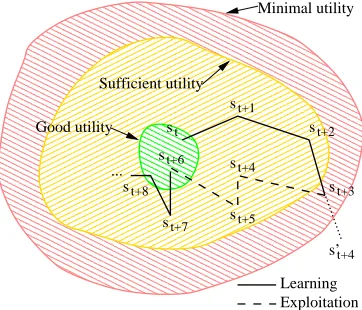
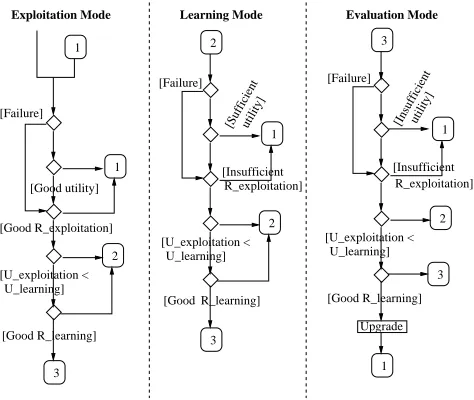
t7GsHlKNOcHMQaKVIQGIPHSH cLYESMIQGSKLGLG]mKS;cHKYCSsS[=Q HRHGSYVLY¤
$>-¥1¦">*#E $*"8>*#§ 85! 85§
§¨©Z9¨?A#8ª)9¨«¨>-¥1¦¨¬A>88¨§ $**%>>>>E>¥1-¦>-9¥ ¦
§2188A®&§>>*8>*#" §85!85§ §¨©Z9¨?A#8ª)9¨«¨>-¥1¦¨¬A>88¨§ $**%>>>>E>¯-->-9¥ ¦
§)°>§§±-.²§>%...³²³² 9>-9¥1¦"88¬A>88"8>88E!95
§¨´1*8&*µ¨¬@>88§*>>8 $*"8>*#§ 85! 85§
§¨©Z9¨?A#8ª)9¨«¨>-¥1¦¨¬A>88¨§ $**%>>>>E>¥1-¦>-9¥ ¦ §2188w®7&§>>%...³²³-.. !!!
and further events
!!!%f+ULYzWKSKo[7KYHlSPKISHW¶aPQ NSUHoKISLQGYQhYCHPRHW·QRHP¢K OHPLQWiQa7KaH[n[HH"£YVLGnSUHi PHK"c;cLaH¡¢Qa_KVhXYELGHYEY¸OQPSKc XYCH"Pe;f U HyHRHGSULYESQPb¹KIIXNXcKSHWºKNJQXGSHW»SQpYEHRHP9Kc SUQXYEKGWdHRHGSYe`f`U HJaLPYCS\HRHGS\KhQRHxPHIQPWY_SUKSqXYCHP
>-¥¦ PHIHLRHWkS[Q^HNKLcYCJQGHiaPQ N >¥6-"¦ KhQXSxSUHihQQ£LG]¶QaZK NJHHSLG]iKG WZSUHVQSUHPxaPQNpX YCHP
>"¯"--LYEYEXLG]¶KMPHvXHYCSCe7f+U H YEHIQGW¶HRHGSPHIQPWYkSUKSKhQXS^YCHRHG¼NJLGXSHY½cKSHP >-¥¦ QOHGHWsSUH3aLPYCS)Qa@SUQYEHJHNKLcYe¾6PQRLWHWsSUKSSULYxHcKOYCHxSLN3H LY[LSULG¿SU HºOHP9LQW¿WHa9LGHW¿K"Y YEQQG¿KaSH"P[K"PWYD¡¸SUH IQUHPHGIH;QaASUHYCH;HRHGSYK"YWHaLGHW0hb_SUHPXcHVKhQRHxbLHcWYTK SHNOcK"SH;aQP
>-E¥+¦
Y7OQPSK"c`UKRLG ]_SUH;aQPN $) *# 1
9`1"8"$1%1"!!!
and further events
!!!%f+ULY3PHacHISY0GQjNQ PH0SUKG¢SUHiOKSSHPGoQ a_PHIHLRLG]P9HYEQXPIHY KGWnSUHGdQOHGLG]KMYCLG]cHdPHYCQXPIHGQS¢GHIHYCYEKP9Lcb·KN0QG] SUQ YCH=PH"IHLRHW+e"t[LuK"PWVIQGYESP9XISHWkaPQ NLS7NK"bMYEXOOQPSÀX1YS SUKSqcHRHcsQajKhYESP9KISLQGpK"GWH"GaQPIHdGQSULG]ÁaXPSUHP"eJfgULY WHOHGWYTXOQGySUHVOPQIHYCYiXYCHWdSQnIQGYESP9XIST[\LuKPWYDYe aSUH IQUHPHGIHPXcHLY\NKWHNQPHYCOHILaLI6¤
#8'*9)1*#
$*8>*#(+Â 191?@ %- 9`18
$*8>*#(+Â ?@ % 8* >"*)<<1 *
?@< 1* 191881**-! [HQhSKLG0KNQPHYCOHILaLISHNJOcKSHPH"acHISLG]_SUHPHIHLOS7Qa`ÀX1YS QGH¶PHYCQX PIHGHIHYEYCKPLcbÃIQNJOPLYELG]ÄK"GºHNK"LcdKGWÅSUH YEXhYEHvXHGS@QOHGLG]MQa\SUKSAYCKNHsHNJKLcC¤
$+1*#
$*8>*#7(+Â1 1 ?A % +18
$*8>*#7(+Â1 1 ?A % !!!"1>*'* 9!!!%
Æ L]XPHT}=LccXYCSPKSHY=K3YCLNOcHJ[\LuKPWqhXLcSgaPQNSULY=SHNOcKSH6e
Ç+ÈCÉ Ê6ËÌ\Í Î"Ï_ÐsÌÑ_ÒDÈÓÔ"Õ6ÒÐ6ÖÓÈCÐ6ÉA×ÈØÒËÖÎ
f+ULYTLYZcKXGIUHWLGkSUHiOQPSKcVLGSHPaKIH[U HGoKGXGQOHGH W HNJKLc)OKYEYCHY\SUH3 YCQQGsKaSHP[\KPWYC¡3SUPHYCUQcW+e SY3NJK"LGZa9HKSXP9HY IK"GhHnhXLcSNJHIUKGLIKccb»hbÙKSHNOcKSH½LGSHPOPHSHPejf+U H [LGWQ [ÅQ ajHNKLcY¸[\KLSLG] SQhHnQOHGHWjKGWÚLSYo F\OHG¡ hXSSQGK"PHJYCXIU¢aH"KSXPH"Ye6f`U HJ
Æ
%&'( !( )*"+,+-.)). /,011!23+ +2 )#456 ) 7%8011198 -&01:1&1 ;1< )+ => 635<"? 5 @+ +A
4-&"1 :'1B"- 3"1 28&C>- A "1 D!E0!/, GF1= ""1 GFE/ & 501H G 5+5 ' -.IJ111?128,011D-3+ )+2 K. -+ 1A )L"- MN,&" O33 0'1E &"-P&) +1= #1 QA: <: R0,"1 G QD?5 N4- +<0!A&" STP$A+ -N"1 ,7 A&"- U R,"13 MR011FV8U).?F.- *W +'X +PV Y Z>0["1\-. %]6 F ) !P^' P^_ )`0F+ 8 5T. ++1,+1?111*>3+ +2 QA011:PU?5 1:1F>a8+1: G V,+11: G1+1a" G+:3- 5+5. 5! +&"F=b=_ G
4-* 0'c G 1Z11["1 d:1Ffe::c) +1 +& P^ TF( ++g@& h+!;?+5 'N++- O)4 M A" M D?:??FL A_ G '8N10: G'E8++ R1!E-+?]= ) 1 &87 h1 E U ,"1 ;iC: = Z 'Y 2:1G+1!X$GF G h1+!Z-++ )+3' ,7&B [Y" 1P87 G 1*>3 h11+2-/++ )+j-/Z+-.))).-. '/kN- E) N )Ta+ G 1!d&"!1l1!m n".) & @P^F(& h+! +Nopq@r7o1st2uuu$tovNw xyz@{|JF-&5i#P7op/,&0 N1++? G G1+ / J$iV 8 +Ro},&0 N1++ +;W & '>~)}<yGF11 GFXZ& &"|4-E ) 81*K G 5+5? ""1 +n{PY )W:F11G+ 1Dia5'.5. 1 !- J +x=" Ev 01'6+8) G +U T1UU+ < i8e:A011F, _ # *3W3363R.W
_ )=18+ ,) NA+1&=8U R". 1 &+11: G1+1Y811101 G1:'1L >"1 1'11L!Z+ 5"11 K :F11+ 1(- T,"1 1gO)=16- T,JR ',+13$"$ Y Z/F1+ V+1 + _ c/- TY"1 1;. :"++ =0-1F G VV1 6+ "1 01) 31 5 5` &1FU1M'#1 A , N1+ # " B _ `&FUF1 U 61'1"1&1-) + +A -`0 -' PA )`0- A P@D) ))-G ))-Gh111:G F1Pa"1 1'1:F11G+ 1"- [7 1?G!??F" C+ 1 :PB b !b &"a&1 G ? G:1F1V011c1F1![1: G d E ) 01' &" & ' 0 * J" k @ + 1 ' ""( +& F ( ? -&Fb+1h1WW !1>h1+2/- 3 +1C7 1 M,0U&R1 "1U +" < <( . +U -+UU01 13 GTF3D +" NOYK{? F1 "1`01 :111+1 11 G& 1`G& : G0? +1h1Y) "1 Y1+1Cm8Zb Z.).+ !^y|N8&1 U-,"11- A+& 1U> G `G< 1(+ !U J6g+& # ( 1+"1 >0!/) &P^y|@(" )1+=: G!1"1+ + "16+&"1E-. :h+RM+& ( R 'U0D10: '1E A?+5+5? K K?F G h1!V1 G1F1W,0 +;"1 G+:1FW-1F*1:1 G 1"1 11/ 8y|/" 1+ ;\ Z1 11F1L0? -+5 "1 G1+::1FW\1 (+ 208:ZW" +W;W ,.))`
+1:&81D>3+j:E T-N'-H )PN. _ C+ n0-Lh1X0X1PY a+- K)". + 08{@ )/h1+= 1FE1!E) N)F.) F5¡WF @" h . ,+ )+2 ;1"1*+V ,_ D H )6+5.?H 7?+55 ,3:+ G"1*[{73 E"1 11+c0!b j ?? 55 & +1E 11F*" +NN1" G>:> h1 a7 ,11+ "A&,,1 '!
¢ *£D¤¥A¤(£D¤DD¤( ¦G§.¨
:1P4©]EFU<ª "1 &O1 U« 7 ª1+'O G 3¬!:PgO+P{
¦®#¨
P?P¬ P.]2 & ) `©7P?Iª- )" « ¯L¬ F @O ' )!5k'
°
"1 P#±1²²1² ¦G³.¨
]= !-P$´AR« ^NAT"´ -"I@"F ]6 !`G©1/{1P"±±
¦µ#¨
I@ PM¬5FF(_ )- F( '1"1&1P&{:g¶1
¦G·.¨E¸
"-"P-¯¡N!"- N_ )-:¹]=S('- ^I#´O«. )+.7 ¹]6SQ¶PM{g¶
¦Gº.¨
¬ P4]E
_ U»@F(( U¡0 +g«1 ) T5]E¬+& P4" g@IJ"FP O&" G @I@FSg1P±²1²²
¦G¼.¨
F-F P1I©P
¸
+_TP1@
°
H ,¬ ) )--P1]2
_ ) »@F(( (¡0 +g« g Tg5++
°
" #±²²²½{1¶PO¬$¬¯a{¾1`{¿1P" &1 IJ&"F1POG"1 @IJF(Sg11P±1²²1² ¦GÀ.¨
'-P»A & )P.« -+F6¬h-+JgÁ ¡+« )+U{4¶N¡¡¡O½O)I@]6S
T-" « +F& 1¡O@¡"" +(`¬ ¡1 !1:P<{:g¶1
¦GÂ.¨
]= TP^O5 (Ã P^I5I@&"&" ª' ¡+'A 0
°
5¡WS4F+`k )¡"" +« )+ @OIJ ++' k0e7+` k GU 0 :P{1Ä
¦K§?Å.¨
]=1 TP^O5 (Ã 1P^I5"1 ) g FF1 )F ( +' 0 ^¬O´]=k
°
+5±¾y)±|P^""²`Ä{PJ{¿ ¦K§?§.¨
Á )0- P4¬.P-Á- --P¡P-]= -P-´7 -¯--P-]2 ªg"1 :FDI@1&"1Uª'1<DO1g¬
]6+ 1+ 1+< 8IJ&"1 A+111F!8IJ G"1 1P +1+
°
" gÆ1]=I@IJ`O¯¬S`{Ç{`¶P{¶ ¦K§H®#¨
©È F7P^ I@ PJ¬
F« +
¸
1F<]6 F11]6 Fg
¸
1F I@ " ,01!,« +A]=11O¬»@¯a¶±1`{`²g{±¶:`{
¬O¯ª4U+Z -<O- +P.±²²-² ¦K§?³.¨
¡F ) P
°
P.´-"P? -&S!- P?@]=-F « +7N]6N
T-WSF-« +#-=¬ O1 1 1 JI@1 G+6ªg11F= 0 : +F!yª»@|)PJ{¶
¦K§Hµ#¨
]6 P45 ( P
¸
5]6 +& F(+h U T<+&" R MU¡ + gO1F+