City, University of London Institutional Repository
Citation:
Henni, S. (2009). Drug safety decision support model to reduce medication errors. (Unpublished Doctoral thesis, City University London)This is the accepted version of the paper.
This version of the publication may differ from the final published
version.
Permanent repository link:
http://openaccess.city.ac.uk/id/eprint/19577/Link to published version:
Copyright and reuse: City Research Online aims to make research
outputs of City, University of London available to a wider audience.
Copyright and Moral Rights remain with the author(s) and/or copyright
holders. URLs from City Research Online may be freely distributed and
linked to.
City Research Online: http://openaccess.city.ac.uk/ [email protected]
Drug Safety Decision Support Model
to reduce Medication Errors
Sanaa Henni
A thesis submitted in fulfilment of the
requirements for a PhD in Health Informatics
Centre for Health Informatics
City University
Contents
Acknowledgement……….1
Declaration……….2
Abstract………...3-4
Chapter 1: Introduction
1.1 Introduction………..61.2 Background and motivation………...6
1.3 Fundamentals………...7
1.3.1 Medical error……….7
1.3.2 Medication error………7
1.3.3 Classification of medication errors………8
1.4 Aim and objectives……….12
1.5 Structure of the report……….13
Chapter 2: Methodology
2.1 Introduction………162.2 Literature review………16
2.3 Systematic review and meta-analysis……….16
2.4 Model development………17
2.5 Model evaluation………18
Chapter 3: Literature review
3.1 Introduction………203.2 Objectives ………..20
3.3 Models and theory of errors in healthcare………...20
3.3.1 Introduction……….20
3.3.2 Swiss cheese model……….21
3.3.3 Reason’s accident causation model……….22
3.3.3.1 Latent conditions...22
3.3.3.2 Errors producing conditions...23
3.3.4 Section summary ………25
3.4Organisations with interests in medication errors………26
3.4.1 Introduction……….26
3.4.2 World organisations……….26
3.4.3 US organisations………..26
3.4.4 European organisations………...27
3.4.5 English and UK organisations……….27
3.4.6 Section summary……….29
3.5 Electronic systems………30
3.5.1 Introduction……….30
3.5.2 United states systems………..30
3.5.2.1 CPOE………30
3.5.2.1.1 Case studies of MEs from CPOE………..31
3.5.2.1.2 Other types of MEs from CPOE………33
3.5.2.2 Computerised clinical decision support systems………..33
3.5.2.3 Computer alert system………..34
3.5.3 European systems………....35
3.5.3.1 Drug record system in Denmark………...35
3.5.3.2 PESGUID project in France...35
3.5.3.3 The French electronic shared medical file...37
3.5.4 Section summary……….37
3.6 The English context………..38
3.6.1 Introduction……….38
3.6.2 EPR………..38
3.6.3 EPR development………38
3.6.3.1 Early developments………..38
3.6.3.2 EPR and ICRS in England………39
3.6.3.3 Structure of EPR………...39
3.6.4 The National Programme For IT……….41
3.6.4.1 The care records service………...41
3.6.4.2 National delivery………..42
3.6.5 Electronic prescribing………..44
3.6.5.2 British National Formulary………..45
3.6.5.3 Delivering e-Prescribing and prescribing transfers………..46
3.6.5.3.1 E-prescribing……….46
3.6.5.3.2 Electronic transfer of prescriptions………...46
3.6.5.3.3 Strengths and weaknesses of e-Prescribing………...46
3.6.6 Computer medication errors in UK……….48
3.6.7 Section summary………. 48 3.7 Summary of the literature review……….48-50
Chapter 4: Systematic review and meta-analysis
4.1 Introduction………524.1.1 Definition of systematic review………...52
4.2 Aim and objectives……….52
4.3 Methods………..53
4.3.1 Questions of the review………...53
4.3.2 Search strategy……….53
4.3.3 Review procedure………58
4.4 Results and discussion………59
4.4.1 Results of the first selection………59
4.4.1.1 Definitions and causes of medication errors………59
4.4.1.2 Detection methods of medication errors………..64
4.4.2 Results of the meta-analysis………66
4.4.2.1 The program……….66
4.4.2.2 Meta-analysis methodology……….66
4.4.2.3 Assessment of study quality……….67
4.4.2.4 Hypothesis………72
4.4.2.5 Analytical representation ……….72
4.4.2.6 Graphical representation………...82
4.5 The sub-group analysis………...94
4.5.1 Comparison of CPOE adults and pediatric……….94
4.5.2 Comparison of CPOE and prescribing systems for specific medication……….97
4.6 Summary of sub-group analysis………...101
4.6.1 Prescribing systems to reduce medication errors………..101
4.6.1.1 CPOE……….101
4.6.1.2 Prescribing systems specific for some medications or diseases……….102
4.6.1.3 Other types of prescribing systems……….103
4.5 Chapter summary………..104
Chapter 5: Model design and development
5.1 Introduction………..1065.2 Methodology of system dynamics………106
5.3 Types and causes of errors as CLDs……….108
5.3.1 Principles of CLD construction and interpretation………108
5.3.2 Causal Loop Diagram 1……….111
5.3.2.1 Explanation of CLD1 variables………..114
5.3.3 Causal Loop Diagram 2……….116
5.3.3.1 Explanation of CLD2 variables………..118
5.3.4 Causal Loop Diagram 3……….119
5.3.4.1 Explanation of CLD3 variables………..119
5.3.5 Examples of medication errors applied on CLDs………..121
5.4 Computer simulation models of hospital medication process………..122
5.4.1 Method………..122
5.4.2 Explanation of model features………..122
5.4.3 Data collection………...123
5.4.4 Analysis……….126
5.5 Application of CDSs Components on the simple prescribing system...128
5.5.1 Results and analysis………...131
5.5.1.1 Prescribing stage……….131
5.5.1.2 Administration stage………...132
5.5.1.3 Other types of errors………...132
5.5.1.4 Harmed patients………..133
5.6 Chapter Summary……….134
6.1 Introduction……….136
6.2 Aim and reasons for performing evaluation……….136
6.3 Methodology………137
6.4 Consistency check of the model………...137
6.4.1 A model of simple prescribing system………..137
6.4.2 Interventions models……….139
6.4.3 Results analysis……….142
6.4.3.1 Prescribing stage………142
6.4.3.2 Dispensing stage……….143
6.4.3.3 Administration stage………...143
6.4.3.4 Other types of medication errors………144
6.4.3.5 Harmed patients………..145
6.5 Qualitative evaluation………...145
6.6 Formative evaluation………146
6.6.1 Suggested changes of CLDs……….146
6.6.1.1 CLD of prescribing errors………..147
6.6.1.2 CLD of dispensing errors………...148
6.6.1.3 CLD of administration errors……….149
6.6.2 Addition of pediatric CDS Components………...150
6.7 Chapter Summary……….150
Chapter 7: Discussion, conclusion and future work
7.1 Introduction………..1537.2 Achievements based on aim and objectives……….153
7.3 Research review and outcomes………154
7.4 Summary of contributions………158
7.5 Limitations and possible suggestions………...159
7.6 Opportunities for further research………159
7.7 Chapter summary……….160
References………...161-173
List of figures:
Figure 1.1 Index for categorisation of medication errors ……….9
Figure 1.2 Process involved in the use of drugs in healthcare……….10
Figure 1.3 Reason’s four stage model of human error ………12
Figure 3.1 Reason’s Swiss cheese model………22
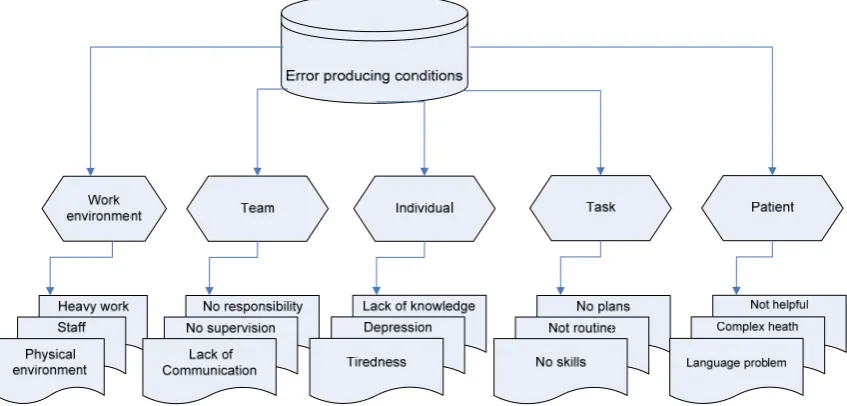
Figure 3.2 Errors producing conditions………23
Figure 3.3 Active failure error………..24
Figure 3.4 Architecture of the PRESGUID project………..36
Figure 3.5 Logical architecture of the NHS care records……….42
Figure 3.6 The UKCPRS Federal model for dm+d………..44
Figure 4.1 Flow chart summarizing the process of relevant journal identification…..57
Figure 4.2 Funnel plot………..82
Figure 4.3 Test for asymmetry in funnel plot………...83
Figure 4.4 Standard plot of the OR………..85
Figure 4.5 The standard forest plot of the OR………..87
Figure 4.6 The standard forest plot of the RD………..88
Figure 4.7 The standard cumulative plot of the OR……….90
Figure 4.8 The Galbraith plot………...92
Figure 4.9 The L’abbe plot………...93
Figure 4.10 The standard forest plot of sub-group 1………96
Figure 4.11 The standard forest plot of sub-group 2………98
Figure 4.12 The standard forest plot of sub-group 3………..100
Figure 5.1 Example of reinforcing loop……….110
Figure 5.2 Example of a balanced loop………..110
Figure 5.3 CLD1 mismanagement of medication process……….113
Figure 5.4 CLD2 mismanagement of medication process using computer………...117
Figure 5.5 CLD3 factors attributed to latent conditions and active failure…………119
Figure 5.7 System dynamics model 1 of a hospital medication process………124
Figure 5.8 A system dynamic model 2 of a hospital medication process ………….125
Figure 5.9 A bar chart of patients with medication errors of model 1………...127
Figure 5.10 A bar chart of patients with medication errors for model 2………128
Figure 5.11 A system dynamic model 3 of hospital medication process…………...130
Figure 5.12 A graph of patients rate with prescribing errors……….131
Figure 5.13 A graph of patients rate with administration errors………132
Figure 5.14 A graph of patients rate with other types of medication errors………...133
Figure 5.15 A graph of harmed patients……….133
Figure 6.1 A bar chart of patients with MEs for the evaluation model………..138
Figure 6.2A bar chart of patients with MEs after first interventions……….139
Figure 6.3 A system dynamic model with second intervention……….141
Figure 6.4 A graph of patients rate with prescribing errors………...139
Figure 6.5 A graph of patients rate with dispensing errors………142
Figure 6.6 A graph of patients rate with administration errors………..144
Figure 6.7 A graph of patients rate with other types of medication errors………….144
Figure 6.8 A graph of harmed patients………...145
Figure 6.9 CLD of prescribing errors……….147
Figure 6.10 CLD of dispensing errors………148
Figure 6.11 CLD of administration errors………..149
List of tables:
Table 3.1 Advantages and disadvantages of CPOE……….31
Table 3.2 Levels of EPR………...40
Table 3.3 The structure of NPFIT………43
Table 4.1 Databases and journals……….54
Table 4.2 List of selected papers………..54
Table 4.3 Searched words and phrases……….55
Table 4.4 Criteria selection………...58
Table 4.5 The Newcastle-Ottawa scale criteria………68
Table 4.6 The CONSORT check list………69
Table 4.7 Non-randomized comparative studies………..70
Table 4.8 Randomised comparative studies……….71
Table 4.9 Meta-analysis papers………72
Table 4.10 Meta-analysis table……….73
Table 4.11 Example of OR calculation………75
Table 4.12 Calculation of RRR of pediatric CPOE……….95
Table 4.13 Calculation of RRR of adult CPOE………95
Table 4.14 Calculation of RRR of prescribing systems for specific medication…….97
Table 4.15 Calculation of RRR of other types of prescribing systems………99
1
Acknowledgement
First of all I would like to thank my supervisor Professor Abdul Roudsari for allowing me to start and continue this thesis with his guidance, support, patience and his belief that I can finish this PhD. My thanks to Professor Jonathan Kay as my second supervisor for his guidance and advice for this research.
I would like to thank my colleagues at City University for their friendship, help and encouragements. Gill Smith has been supportive during the most difficult and enjoyable moments for the last four years.
2
Declaration
I grant powers of discretion to the University Librarian to allow this thesis to be copied in whole or in part without further reference to me. This permission covers only single copies made for study purposes subject to normal conditions of acknowledgement.
Abstract
3
developed countries by the 1960s to warrant formal research. Moreover, the frequency of errors appears not to have declined with the introduction of electronic systems. Several technological approaches has been used to reduce medication errors such as Computerized Physician Order Entry (CPOE), Electronic Patient Record (EPR), drug record system in Denmark and PRESGUID project in France, based on models and theories of errors in healthcare and electronic systems that were drawn from different countries including the UK. Examples of the systems and their evaluation methodology are examined, some of them have already been implemented and others are still being assessed. Consequently, an addition of Clinical Decision Support Systems in current prescribing systems (CDSSs) is necessary. The research considers the development of a medication management model including all the steps of the medication process that involves a clinical decision support system starting from medication prescribing to administration. A necessary preliminary step is to understand the types and contexts of the risks involved. The design of the model was based on the systematic review and meta-analysis outcomes that analysed journal papers, addressing individual themes from definitions, the source of risks and the consequences of errors to comparisons of the medication errors rates between simple prescribing systems and electronic prescribing systems that include CDSSs. The English National Programme For IT is also given prominence as it is a test case for many developed countries and the context for much of my practical work.
4
5
Chapter 1
Introduction
1.1 Introduction
This opening chapter, explains why this is a valid research topic and outlines how this report fits with the aims and objectives of my broader research programme.
6
1.2 Background and motivation
The use of prescribed drugs within healthcare systems in developed countries is not as safe as it should be. The problem may have received its first formal attention in the 1960s when Barker and McConnel published a paper in American Journal of Hospital Pharmacy named “The problems of detecting medication errors in hospitals” [1, 2]. In England , 1.8 million prescriptions are issued daily by general practitioners (GPs) and 0.5 million in hospitals [3]. Error reporting is low, which make the patients complain against GPs in the UK, for example in 1996 there were 1000 complains from patients reported to the medical protection society that included 193 errors in prescribing. [4, 5]
Similarly in the United States, approximately 1-2% of patients admitted to hospitals are harmed by medication errors almost all of them are in prescribing [6], a research study estimated that 7,000 deaths occur in this way each year and it is still increasing and the number of deaths increased from 2876 in 1983 to 7391 in 1993. [7]
Medication errors have promoted policy initiatives from the English Department of Health and the American Institute Of Medicine (IOM). They suggested reducing errors by 40% and 50% respectively by 2005 [6, 8, 9]. A prominent feature of these initiatives has been greater use of IT support.
England provides the largest example of IT support in healthcare anywhere in the world. The National Programme For IT (NPFIT) includes electronic records and prescriptions among various local and national components. Moreover a logical place for support to reduce medication errors is as a component of electronic records called Clinical Decision Support Systems (CDSS).
Despite the promise of IT, research suggested that support from electronic systems is not reducing errors [10]. Computerised physician order entry (CPOE) is still associated with errors in data entry and display screen errors and abbreviations [10]. In summary, there seemed to be a good case for studying medication errors. Error reductions should inevitably lead to better health for individual patients and more effective and efficient healthcare systems overall. Improvements are expected through IT. But systems and related national policies are so far not delivering on their promise.
7
This section presents the general area of “medical error” and a general theory of errors in healthcare to put medication errors into a wider context including their definitions. It provides the fundamental information to understand what “medication error” means in theory and practice.
1.3.1 Medical error
Medical error was defined by the US Institute Of Medicine as a failure action to assure patients needs [6]. Including adverse drug events, wrong blood transfusion, surgical injury, wrong-place surgery, falls, burns, mistaken identity of patients and names of born babies.
A research group from Virginia Commonwealth University defined it as “All form of improper, delayed, or omitted care that unnecessarily injures patients by either worsening health outcomes or causing physical or emotional distress” [11].
Thus, by those definitions, a medical error is every mistake that happens in hospital or any health department concerning patients related to drugs, surgery, intensive care, and emergencies.
1.3.2. Medication error
Medication errors are a subset of medical errors and it has been defined by several researchers. In 1982, Barker suggested that “A medication error constituted a dose administered to a patient that deviated from the physician’s order such as omission, wrong dose or unauthorized drug” [12]. The American Society of Hospital Pharmacists (ASHP) addressed medications errors in 1992 as “Episodes in drug misadventuring, that should be preventable through effective systems control involving pharmacists, physicians and other prescribers, nurses, risk management personnel, legal counsel, administrators, patients and others in the organizational settings as well as regulatory agencies and the pharmaceutical industry” [13]. In 1993 Bates et al gave a precise definition of medication errors: “Any error in the process of prescribing, dispensing, administration, monitoring drug therapy regardless of whether an injury occurred or the potential for an injury was present”.[14]
8
“A medication error is any preventable event that may cause or lead to inappropriate medication use or patient harm while the medication is in the control of health professional, patient or consumer. Such events maybe related to professional practice, healthcare products, procedures and systems including prescribing, order communication, product labelling, packaging and nomenclature, compounding, dispensing, distribution, administration, education, monitoring and use”. Finally, the ASHP and the UK National Patient Safety Agency (NPSA) has used this definition.
1.3.3 Classification of medication errors
In order to identify medication errors and find sources of errors, it was important to use an appropriate classification. We have chosen three main classifications: the classification from the US council, the contextual classification and the psychological classification which was based on Reason’s human error model applied in healthcare which was further explained in chapter 3.
The US National Co-ordinating Council for Medication Error Reporting and Prevention proposed a standardized categorisation in July 1996; a Medication Error Index that classified errors according to the severity of the outcome. The index was divided into nine categories from no error to error causing death as shown in Figure 1.1 [15].
9
Figure 1.1: Index for categorization of Medication Errors [15] Category A: Events that can cause error
Category B: An error happened but did not reach the patient
Category C: An error happened and reaches the patient but did not cause any harm Category D: An error happened, reach the patient and require intervention to prevent harm
Category E: An error happened that resulted in temporary patient harm and required intervention
Category F: An error happened that resulted in temporary patient harm and required initial or prolonged hospitalisation
Category G: An error happened that has resulted in permanent patient harm Category H: An error happened that required intervention to survive
Category I: An error happened that contributed or resulted in the patient’s death
The second classification chosen was the contextual classification, which was classified according to where the error occurred in the medication distribution process or use cycle [16]. This method can be used by type of medication errors and practitioner group in order to improve the performance of pharmacists and prescribers[17].
10
Figure 1.2: Processes involved in the use of drugs in healthcare (mainly in a hospital setting).
The following are the steps in the overall medication process:
Prescribing: To write a drug on a prescription, with the dose of the drug and guidance on how to use it.
Ordering:To order a drug in a hospital pharmacy department or local pharmacy for patients.
Dispensing:To prepare a drug and apply a label on the medicine package, then show the drug to the pharmacist to check if the right drug with the right dose and the right patient’s name is written on the label of the medicine package.
Administration of the drug: Medicines are administrated to patients by patients or by a doctor or nurse. Drugs are introduced into the body by a number of ways for example; orally by mouth, inhalation, intravenously or intramuscularly, transdermal route, ocular route.
11
Patient involvement/compliance: Schedule medications for patients to follow certain rules on how to take their medicines.
The third classification was the psychological approach based on Reason’s accident causation model (Figure 1.3) to identify, quantify categories of errors which are divided into mistakes, slips and lapses. These categories are explained in detail in the literature review [18].
As explained in the English Department of Health’s consultation document on data quality [3]:
“Error is a failure of a planned sequence of events to achieve an intended outcome when the failure cannot be attributed to chance”. The classification used in ‘Organisation with a Memory’ [3] helpfully divides the causes of errors following the logic behind Reason’s model of accident causation in healthcare which has been widely adopted [18, 19].
Figure 1.3: Reason’s four stage model of human error [18]
In this section, we looked in detail at each type of errors mapping to the process model given in Figure 1.2. The definitions and evidence for the causes, frequency and consequences/severity of the various error types and the methods used to detect medication errors are explained in the results of the systematic review.
12
Medication errors continue to occur because of an inadequate understanding of the processes and practices involved. By understanding the general theory and models of medication errors in healthcare, and the identification of current approaches used to reduce those errors; the aim of our research was to develop a new approach which was a system dynamics model of the hospital medication process incorporated with Clinical Decision Support components (CDS Components) with the potential to reduce the frequency and consequence of patients harmed by drug mismanagement.
The aim implied a programme of research that was defined by the following objectives:
Identification of the settings, needs and components for a drug safety CDSS based on a literature review.
To carry out a systematic review with meta-analysis to explain definitions and causes of errors and to identify the main variables of the CDS components.
Design and development of a hospital medication process model with or without a clinical decision support component.
A simulation of the designed models to analyse the impact of CDS components in reducing medication errors.
A brief evaluation: Assessment of the performance of the CDS components on the medication process stages and their application, a qualitative evaluation by verifying some elements and flow of the model and finally a summative evaluation by collecting feedbacks from clinical pharmacists on the medication process model.
1.5 Structure of the thesis
1. Introduction
This chapter introduced the history, the background, and the processes involved in drug management with definitions and classification of medication errors and explains the research aims and objectives.
2. Methodology
13
3. A Literature review
Chapter 3 provides a description of the context of the research by describing the models involved in healthcare to reduce errors and it states the relevant national and international organisations with special interests in medication errors. The chapter also explores the specific systems from various countries with related research, and illustrates the context of the English system.
4. Systematic review with meta-analysis
A systematic review was performed, while it was not possible to do an observational study in a real hospital to collect clinical data on rates and frequencies of errors. The chapter starts with an explanation of the sources, terms and inclusion/exclusion criteria used to select studies that have investigated the incidence of medication errors and the identification of methods used to detect and classify medication errors. The meta-analysis was carried out in order to compare a simple prescribing system (paper-based or simple computer) with a computer prescribing system that includes CDSSs and to analyse the effect of a computer system on reducing medication errors.
5. Model development
Chapter 5 containes the expected components and standards for the model, and concentrates the findings from the literature and meta-analysis into Causal Loop Diagrams (CLDs) as the basis for the drug safety model. Then a development of system dynamic models of hospital medication flow in order to detect the effect of CDSSs in reducing the rate of patients with medication errors. Finally we applied the effect data of CDS components to hospital to identify the consequence of the model with CDS components on patients rate.
6. Evaluation chapter
14
7. Discussion and conclusion chapter:
The chapter has discussed the main achievements based on the aim and objectives of the research. It has presented outcomes of the research by discussing constructive improvement of the current interventions and the results of the research based on the new approach. The final chapter includes a summary of the research contributions, the weaknesses and suggestions to improve them. Finally, directions for the current project and other opportunities related to medication errors and patient safety.
Chapter 2
Methodology
15
2.1 Introduction
This chapter consists of the methodology that was used to achieve the aim and objectives of the research. The aim of the project was to design a drug safety model incorporated with CDS components in order to reduce the rate of patients harmed by medication errors. The first chapter of the thesis explained the validity of the research subject by presenting the background of the problem “medication errors” and its general idea and a comprehensive classification of medication errors in healthcare.
2.2 Literature review
The aim of the literature review was to understand the meaning of medication errors and the identification of possible solutions; by investigating types of past and current information technologies that have been involved in this area.
16
A summary of relevant national and international organisations with special interests in medication errors that are working specifically in the field has provided us with background and reports on large scale initiatives.
An investigation of the available information technologies such as CPOR, EPR, drug record system in Denmark and PRESGUID project in France and their implication in reducing medication errors from various countries with related research to categorize different systems design and types of medication errors induced by those technologies to use them as a guide to progress in the research.
A review of the English context was essential to consider where the new approach might fit into the current system. Therefore, the official structure for electronic records and electronic prescribing has been viewed, at least for a hospital setting, also to note the standards for the model and the missing elements.
The literature review was conducted using journals, books and web based sources.
2.3 Systematic review with meta-analysis
The general approach was based on methods detailed by “systematic reviews to Support Evidence-based Medicine” [20]. A systematic review is a scientific method to identify relevant studies, and summarise the quality of the results, and a meta-analysis is a part of the review which is a statistical technique for combining the results of the studies into a summary result [20]. This method has been used in several studies; to investigate the incidence of medication errors in paediatrics [21], and to analyse the effect of CDSSs on practitioner performance and patient outcomes[22]. Therefore, it was a reasonable method from which to develop the drug safety model.
17
The results of the systematic review were the preliminary step to set up the necessary elements of the model, since it has summarised the findings of the papers and compared the rate of medication errors by using a simple prescribing system with e-prescribing and CDSSs.
2.4 Model design and development
The approach that was used to design the model was system dynamics modelling which is a methodology to study and manage complex systems that has its own principles to predict possible solutions to the problem as it was defined by Roberts et al as “The system dynamics approach to modelling and computer simulation is a problem-solving tool. To evaluate possible solutions to a problem, the problem itself must be clearly stated” [23].
It has been used previously in healthcare to analyse health systems performance [24] a use of national medicines and health policy and the dynamic of hospital medication errors in Australia [25, 26]. Almost all of the studies have used this method to evaluate new clinical systems in their hospital.
Our new approach was to apply the systematic review outcomes to build the model flows, variables and elements in order to assess the impact of CDS components in reducing medication errors. The review has confirmed that electronic systems including CDSSs reduce medication errors; however, some errors are still occuring from the computer system itself. Therefore we have chosen a simulation method to provide descriptive results using system dynamics. The first step was a design of CLDs to express types and causes of medication errors by using a simple prescribing system and computer system that includes CDSSs which is only a description of the system. The second step was the development of a hospital medication process model using a simple prescribing system, and then CDS components were added to the structure to investigate their effect in reducing the rate of patients with medication errors and the rate of harmed patients.
2.5 Model evaluation
18
The methodology required to test the model was found by detecting the appropriate techniques available that can be applied to the model. Several studies have evaluated the e-prescribing tools related to the hospital ward and demonstrated the challenges to evaluating e-prescribing system. The methods that have been used to perform the evaluation were observational studies of past and current prescribing systems, and the introduction of a prospective intervention to examine the effect [27].
We have chosen three methodologies to demonstrate the validity of the model starting with a model consistency check to assess the impact of CDS components in reducing the rate of patients harmed by medication errors. A qualitative evaluation to examine the flows and variables of the model, and a formative or summative study to identify the benefits and limitations of the model with some feedback.
Chapter 3
19
3.1 Introduction
A literature review was the starting point for our research. It would justify "medication errors" as a legitimate area for study and provide relevant background for later development and evaluation of the model. A general theory of medication errors and their classification was explained in the introduction chapter.
The literature review chapter consists of four main sections, starting with models of errors in healthcare, relevant National and International organisations with special interests in medication errors, current electronic systems used to reduce medication errors in USA and Europe and the final section is about the English system. Every section includes an introduction and a summary.
3.2 Objectives
Specifically the review was intended to:
20
Provide studies of errors occurring under existing paper systems.
Place my research in the context of national and international organisations with relevant interests, particularly the context of England's National Programme For IT.
Identify electronic systems and components, with related research, as a guide to progress in the field.
Identify any special methods used in system development and evaluation.
3.3. Models and theory of errors in healthcare generally
3.3.1. Introduction
Several researchers have proposed models and theories of errors applied in healthcare and their management because a patient can be harmed by human error.
Reason had divided the problem of human error into two approaches [19, 28]: the person approach and the system approach. The person approach problem came from errors made by individuals, such as nurses, physicians, surgeons and pharmacists, which can be forgetfulness, inattention, poor motivation, carelessness and negligence. The system approach problem was defined as a result of the conditions under which those individuals are working; where errors were seen as consequences of a poor design of an organisation. The first step of the simulation model was CLDs (see chapter five), that included some variables that were based on Reason’s concept of human errors.
3.3.2. Swiss cheese model
21
The Swiss cheese model as presented in figure 3.1 was widely accepted by patient safety professionals, an evaluation of the understanding of the model was demonstrated by Perneger [16].
The researcher analysed questionnaires given to health professionals who believed that they knew and understood the model, he tackled the familiarity of the respondent with the model and the understanding of various aspects of it; such as the meaning of the slice, the hole, the arrow and active failures.
The interpretation of the model elements varied between quality and safety of the professionals, consequently, more work needs to be performed in the concepts and requirements of patient safety [16].
Figure 3.1: Reason’s Swiss cheese model[16]
3.3.3. Reason’s accident causation model
The structure of the model was explained in chapter 1 in the medication errors classification in Figure 1.3. The details of each part are explained in the following sections, those sections represent the building blocks for developing CLDs as an initial step of the simulation model. The model is divided into four parts: latent conditions, error-producing conditions, active failure and defenses.
22
Latent conditions are the inevitable “resident pathogens” within the system. They arise from decisions made by designers, builders, procedure writers, and top level management[28].
Latent conditions can also stem from the environment the staff working in. They often reflect elements such as poor design or installations, limited training, an unsuitable environment for the task and may impact at any time. Those conditions pose the greatest problem. They are harder to detect, harder to correct and will affect a wider range of people [29].
Significantly:
“Many active failures and virtually every latent condition can be attributed to management failures, faulty systems, unhelpful processes and poor training and guidance for staff. People are set up to fail” [29].
3.3.3.2 Error-producing conditions
23
Figure 3.2: Examples of error producing conditions
3.3.3.3 Active failure
[image:34.595.97.521.89.292.2]24
Figure 3.3: Active failure error
Defenses: actions/behaviours to reduce the impact for the professional once an error has occurred [32].
3.3.4 Section summary:
This section of the literature review has presented a general model of errors in healthcare where medication errors were identified as a subset.
25
3.4. Relevant national and international organisations with special
interests in medication errors
3.4.1. Introduction
Major organisations around the world have focused on "medication errors" as a special issue. In this section, those organizations have been identified by geographic area, explaining their significant reports and other contributions to the field.
In terms of our research, these organisations represent the response to medication errors on a national and international scale as well as points for monitoring progress. For quick reference, Table 1 in the appendix identified the main reports by organisations which are discussed below.
26
uncovered by other searches. Most organisations and related documents have identifiable online sources.
3.4.2. Worldwide organisations
The World Health Organisation (WHO) [33]
The organisation is a United Nations agency for health, which was established in 1948. One of the organisation’s objectives was patient safety, in 2004 WHO launched the world alliance for patient safety. The association organises programmes on patient safety including areas on medication errors. The report from the organisation focused on patient safety and medication safety.
3.4.3. US organisations.
The Institute Of Medicine (IOM) in USA [34]
The institute was chartered in 1970 as a component of the National Academy of Science. IOM has focused on medication errors and human error since 1999 when “to error is human: building a safer health system”, the report included that 44,000 to 98,000 people die in American hospitals each year because of medication errors [6]. The institute suggested reducing errors by 40% in five years and make healthcare safer. In 2005 five years after that report healthcare institutions made some changes based on the Institute implications such as communication between staff and training programmes in using information technologies.
Another report from the institute on preventing medication errors was published in July 2006 (www.iom.edu). It indicated that medication errors are still common and costly and new approaches should be considered (including multiple stakeholders) from medical staff to FDA, government agencies and even patients.
The US National Co-ordinating Council for Medication Error Reporting and Prevention [35]
27
were given to colleges, schools and pharmacy, nursing, national professional associations and state associations of medicines.
3.4.4. European organisations European Commission [36]
The section that deals with government programmes, including healthcare and IT to reduce medication errors; it is called the IDABC (Interoperable Delivery of European eGovernment Services to public Administration, Business and Citizens). It is a programme that delivers information and communication technologies to the public.
3.4.5. English and UK organisations
The English Department of Health (DoH) [37]
The purpose of the department is to improve the health and social care for people in England. The services are delivered by the NHS, local authorities, arm’s length bodies and other public and private sector organisations. Since devolution in 1999, the English DoH has had a leading role in health issues within the UK but individual countries actually have overall control in their geographic areas.
Objectives from DoH reports related to medication errors were:
Reducing medication errors by 50%
Supporting people with long-term conditions
Connecting For Health NHS [38]
NHS Connecting for Health was formed as an agency of the Department of Health in April 2005 to deliver the National Programme for IT (NPfIT). It replaced the organisation responsible for information and IT issues up to that point (the NHS Information Authority). More details on CFH and the English context were given in section 4 of the literature review.
National Patient Safety Agency (NPSA) [39]
The National Patient Safety Agency is a health authority created for patient safety and incidents happening in the NHS. The agency is responsible for: safety aspects in hospitals, food safety, research safety, assuring performance of doctors and dentists for patient safety.
28
The organisation was established in 1885 as the world 1st organisation to defend a reputation of doctors based in UK. The MDU is owned by doctors, dentists and other healthcare professionals. Some of the union aims were to introduce risk management services including medication errors caused by doctors and to assist members and to introduce legal teams. Reports from the organisation were on patient safety and particularly medication errors which is one of the causes of patient safety incidents.
Medical protection society [41]
The society is a world leader of health professionals based in UK. The society runs risk management and education programmes to reduce adverse incidents and promote safer practice. The society helps with clinical negligence claims, complaints procedures and disciplinary procedures
Prescription Pricing Authority [42]
The organisation is part of the NHS and Department of Health. It contains everything about prescription price changes and payment for pharmacists. The organisation provides guidance on drugs prices and prescription endorsement. The organisation was included in the flow of prescription data between community pharmacists and payment authorities.
3.4.6. Section summary
29
3.5 Electronic systems
3.5.1 Introduction
This section turns to specific electronic systems used to reduce medication errors. Examples are drawn from the US and two European countries. English examples were left until the next section.
30
3.5.2. United States systems
3.5.2.1. Hospital Computerised Physician Order Entry (CPOE)
An implementation of CPOE may prevent some types of errors such as the written prescription that is misinterpreted while dispensing or administrating the wrong drug to patients. CPOE included alerts of potential error to the doctor before the order is made using elements of artificial intelligence [43].
CPOE is basically an electronic prescribing system that stops the error from happening at the ordering time, includes warnings of allergies and drug interactions, contains information concerning new drugs introduced into the market, can improve communication between the physician and the pharmacist, and reduces healthcare costs.
In 2000 the Leapfrog group in the USA promoted the use of CPOE in government hospitals to prevent serious medication errors, in November of that year the group introduced the importance of the system and educated employees, retirees, and families about it.
The evaluation was conducted in five steps:
Hospital staff were registered on the web with a user name and a security code
Hospital representative entered the test orders into the CPOE system against the test patients
When the evaluation was done each hospital recorded the responses of each test order on the website, and the results were evaluated and scored
Feedbacks from the performance of the CPOE system were received in the hospital
A composite score was used for public reporting
A recent version of the system required a drug liquid specification on intravenous drugs, and the system provided feedback on drug allergies. One one hand CPOE has advantages, on the other hand it could facilitate up to twenty two types of medication error risks, some of advantages and disadvantages are shown in table 3.1 [10].
Table 3.1. Advantages and disadvantages of CPOE [43, 44]
31
3.5.2.1.1 Case studies that demonstrated medication errors from CPOE
1. A system was evaluated in New York-Presbyterian Hospital [45], where a case study was demonstrated concerning computer-based ordering of Potassium Chloride (KCl). The examination of KCl orders was carried out over a three day period, it was based on the providers names, starting time, stopping time of the order, and routes of administration in comparison to IV medication injections or fluids. An error was made for an elderly patient during that time, the patient was given a high dose of KCl with different providers and system users, therefore the patient was severely hyperkalemic (an abnormally high concentration of Potassium ions in the blood which can cause renal failure), but he was treated straight away. The error was in the use of the clinical information system when the previous order of KCl did not appear on the screen, and users did not use the options of activation and discontinuation of the order.
Changes were discussed in the evaluation step; some of them are listed below:
Screens with active list of medication orders should list IV drip orders
Recent laboratory results should appear on the screen as a snap shot when the same product is re-ordered.
An alert should be added to inform users for any previous active order of KCl
Free of handwriting
Faster to reach the pharmacy
Easily integrated into medical records and decision-support systems
More likely to identify the prescribing physician
Reduce incorrect drug choices
Failure to provide medication after surgery
Antibiotics renewal placed on a paper chart rather than CPOE
Incorrect ordering formats that results on the wrong drug order
Wrong medication selection in the screen of the computer
32
Another alert should be added where there is no order of KCl recorded to inform that patient might be hyperkalemic
2. An evaluation study was carried out between October 2001 and March 2003 in a paediatrics referral centre in Children’s Hospital of Pittsburgh (CHP) [46]. Before the implementation of CPOE, employees were trained for at least three hours a week with tutorials on the system usability, then the installation was in October 29th 2002. The results of this study totally opposed the judgement of CPOE reduced medication errors, after the implementation of the system, the hospital had a significant increase in child mortality. The implementation of CPOE in hospitals was simultaneously implemented with its application platform; the problem might have been a fault with the application and not the actual clinical system. Or, using an adult based clinical application platform in a children’s hospital was not appropriate. Or the problem could have developed from the existing system in the hospital which were not well received from the staff so the implementation of CPOE made it worst. Therefore, CPOE should be well assessed in its applications linked to users. However, in 2006 another paper was published which denied the association of CPOE with increased mortality rates as the analysis was not statistically significant to confirm that, but it suggested that it was important to be aware of the design and implementation of a new system in a pediatric intensive care unit[47].
3. Several studies suggested that CPOE was good in preventing medication errors, but the cost of the software and its implementation was very high. The cost of the first year installation can go up to 4.1 million US dollars, plus the annual maintenance cost can be up to 470,000 dollars which was quite high. Before installing CPOE, the IT infrastructure of the hospital should be checked, and the new system should adapt with the existing clinical information system in the hospital. It was very difficult to implement such a system in small hospitals because of the financial impact of CPOE, the system should be improved [48]. In addition, the time to enter data into CPOE will increase the doctor’s work week hours by 5% [49].
33
CPOE induced medication errors have been evaluated by Ash et al who have viewed the problems and consequences of using the new system, some of these types of errors have been used as variables in the initial step of the model which was CLDs. Those errors are summarized below:
Juxtaposition error in the computer screen (wrong option is easily clicked)
Order entry errors (medicines nomenclature)
Code of data entry (inappropriate text entries)
Human computer interaction interface (problems on the screen’s design and overview)
Cognitive problems (record a maximum amount of information in the minimum amount of time)
Communication and coordination errors (misinterpretation of information and comments)
Lack of flexibility (problems with urgent medication orders and doctor authorization)
Enter new information; therefore difficult to respond to excessive warnings
System changes (implementation issues and upgrade of the applications)
3.5.2.2. Computerised clinical decision support systems (CDSSs).
CDSSs are information systems designed to improve decision making. There are several types of systems such as alerts and reminders for drug orders which can be through a feedback on the screen or by instant email, it can also be used to check drug-drug interactions, contraindication and doses [52].
Patient’s data are entered into a computerised knowledge base, and software algorithms generate the patient’s recommendation. The system was also used for the diagnosis of chest pain the treatment of infertility, and the administration of immunization [22].
34
One of the review question was “Do CDSSs improve practitioner performance or patient outcomes”. The results of the review showed that the CDSS system improved practitioners’ performance in 62% of the assessed outcomes.
The paper described the use of CDSSs that can help doctors in medical areas. One of the studies assessed the drug dosing or prescribing systems; the results showed that CDSSs have a good effect on avoiding some intravenous drug errors.
3.5.2.3. Computer alert system to prevent incidence from adverse drug events and smart infusion technology to prevent IV medication errors:
In 1997 in a community teaching hospital in Phoenix, Arizona, a pilot tested computer programme was developed to generate alerts for specific adverse drug events. The computerized alert system can be used to reduce medication errors, specifically errors from adverse drugs events by giving recommendation to prescribers, and by identifying the error and preventing it.
For example a patient with a haemorrhage was receiving the normal dose of a drug to reduce major bleeding, but with poor indicators of normal drug metabolism (creatinine clearance), the alert appeared with the recommendation to reduce the dose of the drug for the patient[53].
Software has been designed to prevent errors by programming aspecial infusion device for intravenous drugs, the implementation of the system has proven to prevent heparin intravenous medication errors in Vanderbilt Medical Centre in the USA [54].
3.5.3 European systems
3.5.3.1. Drug record system in Denmark
In 2000 a Danish hospital implemented a drug prescribing sheet that allowed medical staff to use it for a particular study and observed the consequences, the results were that medical staff differed in their knowledge of using a new system, the system forced the team to change the drug procedure[55].
The staff that used the system faced some major problems that are cited below: 1. Lack of knowledge
35 3. Lack of responsibilities
4. Low team work
5. Less communication between the staff
6. Staff could not accept the change to their working system 7. Strong professional identity that prevent to use the system
3.5.3.2. PRESGUID project in France
The PRESGUID project (PREScription and GUIDelines) was organized in France, the aim of the project was to improve the assistance of clinical practice guidelines (CPGs). The objective of the project was to create an online system to facilitate the combination between computerised CPGs and drug databases[56].
CPGs were only guidelines produced by ANAES (Agence Nationale d’Accreditation et d’Evaluation en Sante: the agency tasked by the French government with the production of medical references and clinical practice guidelines), the guidelines included the appropriate drugs, but it was insufficient so a link to a drug database was designed to complete the system. Physicians should know the specific classes of the drugs used, regular updates on drug prescription, and which new drugs are available including prices, pharmaceutical data, contraindications and marketing authorizations. PRESGUID is an online service where doctors can access computerized CPGs linked to a drug database which is Vidal in France BNF (British National Formulary) in the UK and PDR (Prescription Drug Reference) in the USA.
Basically, the text of CPGs was reformatted into a computer-interpretable format, and linked with the Vidal drug database. The researchers used the GLIF model which is the evolution of a guideline representation format. The model was to represent the project and the architectural design which is shown in figure 3.4[56].
36
Figure 3.4. Architecture of the PRESGUID project [56]
The figure shows that the project is divided into two servers, the first one is CPG development and distribution platform which contains the following steps;
Step one: Textual CPG was represented in a computer-interpretable format as an
XML (eXtensible Markup Language) document merged with other documents, the XML was designed for documents containing structured information (words, pictures, etc) where it can be stored and exchanged.
Step two: This step is the action step where patient data are collected and the values
are assigned, then a recommendation or decision message will be displayed for example the drug class or the diet used by the patient.
Step three: This is also an action step where the message is sent to the drug database
Vidal to get the appropriate drug speciality.
Step four: It is the guideline and decision step, for example if the patient has to follow
any special diet, or should practice physical activity.
Step five: It is the display step of the project, where CPGs are fully stored into the
37
3.5.3.3. The French electronic shared medical file
The project was designed to enable health professionals to access patient care records electronically from any location. The programme was presented in May 2004 as a single medical file, the Dossier Medical Personnel (DMP) for each French individual aged 16 and above. The file contained patient data and was accessible online by doctors and the patient via a secure internet connection, or by telephone. The system was designed by the santenergie consortium which is founded by Siemens, Bull, and EDS.
Doctors are already using the computerised patient records, for example in Normandy, the Pays-de-La-Loire, Midi-Pyrenees and Limousin [36].
3.5.4. Section summary
This section has introduced various electronic systems from the US and two European countries. It has provided an international perspective on the uses of IT to tackle medication errors, as well as specific elements for the examination and potential use in the development of my model.
It has viewed three systems in the USA; the CPOE which is an electronic prescribing system that stops errors from happening, the CDSS is a computerised knowledge base and software algorithm to generate patient recommendations with a good effect on avoiding intravenous drug errors, and finally a pilot tested computer programme to generate alerts for specific adverse drug events. Problems, consequences and medication errors induced by the system have been cited.
For Europe we have included the drug record system in Denmark that organises prescribed and dispensed drugs in the hospital, which also gave us an important outcome regarding the hospital staff and their ability to use the new system. The French PRESGUID is also an interesting online system that facilitated the access between computerised prescription and guidelines and the drug data database to avoid medication errors. The French electronic shared medical file is a single file for each French individual that included diagnosis, diseases, treatment and medicines.
38
The section begins by looking at the role of electronic records in direct care (Electronic Patient Records- EPR) are playing in IT initiatives in many countries including England. It also includes an overview of the National Programme For IT (NPFIT) under the direction of NHS Connecting For Health (CFH) and we have placed electronic records in the context of wider eHealth components and identify the mechanisms and companies involved in delivery. Finally, we looked at the English approaches to IT related to medicines in hospitals and the community (ePrescribing and Electronic Transfer of Prescriptions).
3.6.2. Electronic patient records: definitions and international significance.
At the heart of electronic developments in healthcare in virtually all developed countries are electronic records. In 1997 the Institute of Medicine report included the definition of patient record system which is similar to EPR [34].
“A patient record system is a type of clinical information system, which is dedicated to collecting, storing, manipulating and making available clinical information important to the delivery of patient care. The central focus of such systems is clinical data. Such systems may be limited in their scope to a single area of clinical information (e.g., dedicated to laboratory data), or they may be comprehensive and cover virtually every fact of clinical information pertinent to patient care (e.g., computer-based patient record systems)”.
This form of record is often called the Electronic Patient Record (EPR). The aim was to inform medical user, to monitor patient medication, to provide computer aided diagnosis, and hospital management. EPR will offer new methods of medical communication between patient and doctor, where information will be stored safely, including text, images, and it is more secure than paper based information [3].
3.6.3. Electronic patient record development in the NHS. 3.6.3.1. Early developments.
39
demonstrated in Queen’s Hospital Burton and Arrowe Park Hospital, Wirral Hospital, it was implemented successfully with good management[57].
After the introduction of the EPR in some hospitals, a report on “Information for Health” was written to give more information on the system and future development on the EPR[57].
Another programme was introduced in 2000-2003 which was the Electronic Record Development and Implementation Programme (ERDIP). The objectives of the project were to create an easy access to patient and electronic health record (EHR), integration between primary and community care, with direct booking, and information technology support to the NHS.
3.6.3.2 EPR and Integrated Care Record Service (ICRS) in England
The last part of the EPR evolution was an integrated service. In December 2003 the health secretary announced that by 2010, every patient in England should have an individual electronic NHS care record, which contains the treatment and care in health service of social care. The NHS record service will connect more than 30,000 GPs and 270 acute, community and mental health NHS trusts in a single national system [38].
This facility is discussed further in section 3.6.3.3.
3.6.3.3. Proposed structure of EPR in England.
EPR in hospitals was divided into six levels (Table 3.2). Significantly, levels 4 and 6 include CDSS and therefore were the targets for our research.
40
EPR Levels
Content
Level 1 Clinical support (laboratory, pharmacy), and all administrative support
Level 2 Diagnosis and treatment support integrated with other departments and GP’s
Level 3 Electronic prescribing and results reporting
Level 4 Decision support systems, rules and diagnosis
Level 5 Each medical area is incorporated with the EPR
Level 6 Support to doctors, including medical images, X-rays, and telemedicine
Standards which are mandatory for the design and implementation of EPR, include:
Web standards and the extensible markup language (XML)
These have requirements across the whole public sector since the first publication of the eGovernment Inter-operability Framework [59].
Choose and book system (CAB)
It is an electronic-booking service that allows patients to choose their hospital and book appointment with specialists. It was introduced in the summer 2004, and entered to all hospitals, from January 2006; patients were able to choose from four hospitals, book the date and time of the appointment [58]. Patients can book their appointment electronically from the GP, or call the hospital and choose the suitable date and time for them. The system gives patients the right to choose an appointment which is suitable for them.
SNOMED Clinical Terms
41
efficient than the Read codes. The SNOMED CT terms included illnesses, diagnosis, treatment and data that are stored in the patient record and communicated between healthcare departments. SNOMED CT is the global language of the NHS care record to improve patient safety and reduce medical errors [58].
Dictionary of medicines and devices (dm+d)
The NHS dictionary is a unique identifier for medicines and devices. It contains the drug name, strength, ingredients, forms and routes of administration, dose range, contraindications, drug-drug interaction [60]. It is integrated with SCNOMEDCT. The current version of the dm+d contains almost all prescribed items in primary and secondary care. The contents continue to be updated.
3.6.4 The National Programme For IT (NPFIT)
NPFIT was anticipated by the National Strategic plan [58] and effectively launched with contracts in late 2003. It is now under the overall control of the agency Connecting For Health.
3.6.4.1. The Care Records Service
A key NPFIT component relevant to managing drug information for individual patients was the NHS Care Records Service (CRS- formerly the Integrated CRS). The architecture is shown in figure 3.5.
42
Figure 3.5. Logical architecture of the NHS care records service [38]
The figure above shows that the structure of the NHS care records; was divided into care settings such as primary and acute care, and disease types such as diabetes, mental health and children’s health.
The application itself was divided into sections such as choose and book, electronic transfer, quality management and analysis system, and picture archiving and communications system [38].
3.6.4.2. National delivery.
When NPFIT began, the NHS had to select companies to develop the software and the geography for each computerised system.
The NPfIT will be delivered by organisational structures called clusters, there were five clusters for the NHS in England [57, 58] (Table 3.3)
43
Table 3.3: The structure of the NPfIT (Connecting for health) project and its clusters
Regions
Clusters
London
North East, Yorkshire, and Humberside
South East and South West
East of England and East Midlands
North West and West Midlands
BT with IDX
Accenture with iSOFT
Fujitsu and IDX
Accenture with iSOFT
CSC with iSOFT
Some of the companies have been recently changed because of financial and delivery problems.
London: Is the smallest cluster in England, The Capital Care Alliance chose BT (British Telecommunication) to be responsible of the London area. IDX will supply to Guy’s, King’s, St Thomas hospitals, and the new UCLH hospital.
North East cluster: The second smallest cluster, the local service provider is Accenture which is the world leading provider of management and technology, consulting services and solutions, and the main partner is iSOFT (a Manchester based company). The site of this cluster will be the Darlington Memorial hospital.
South East and South West cluster: The southern area is the largest cluster, it includes Oxford’s John Radcliffe Hospital, and Bristol’s Southmead, and teaching hospitals in Southhampton, Exeter, Portsmouth, Brighton, Salisbury, and some other towns. Fujitsu will be the main provider with their partners IDX.
East of England and East Midlands cluster: includes Addenbrookes Hospital in Cambridge, and teaching hospitals in Nottingham, Leicester and Derby. It will be provided by Accenture with their partners iSOFT.
44
3.6.5. Electronic prescribing and prescription transfers within the NHS
In 1998, a decision was made by the NHS to all hospitals to implement electronic prescribing [61]. Ideas for Electronic Transmission of Prescriptions (ETP) followed with the focus on primary care which was launched on the 1st October 2007. The current delivery target date for secondary care is 2010 [62].
Some features are common to both approaches and relevant to my research on reducing medication errors.
3.6.5.1. The dictionary of medicines and devices (dm+d) model and integration into care records
The dm+d is part of the UK Care Patient Record system and an important part of the NHS systems handling drug information. (See Figure 3.6).
Project history [60]
The original project started with a primary care drug dictionary (PCDD) which was developed in July 2001 and released in December 2002, in October 2001 a secondary care drug dictionary (SCDD) and medical devices dictionary were developed. The model of the NHS dm+d combines the primary care and secondary dictionaries and the medical devices dictionary which is integrated with SNOMED CT. The NHS dictionary for drugs is the unique identifier for medicines and devices.
Description of the dm+d model