LINK BETWEEN DEPRESSION- INFLAMMATION
TO STUDY THE EFFECT OF RHODIOLA ROSEA IN MICE
MODELS OF DEPRESSION
A thesis submitted to
THE TAMILNADU DR. M.G.R MEDICAL UNIVERSITY,
CHENNAI
CERTIFICATE
This is to certify that the dissertation work entitled “
LINK BETWEEN
DEPRESSION-INFLAMMATION:-TO STUDY THE EFFECT OF
RHODIOLA ROSEA IN MICE MODELS OF DEPRESSION”
submitted byDr. Bindu Gilbert,
is a work done by her during the period of study in this
department from 08/06/2015 to 07/06/2018. This work was done under the
guidance of
Dr.K.Bhuvaneswari,
HOD & Professor, Department of
Pharmacology, PSG IMS&R.
Dr. K.Bhuvaneswari MD.,
Professor & HOD,
Department of Pharmacology,
PSGIMS & R,
Coimbatore - 04.
Dr. S. Ramalingam MD.,
Dean,
DECLARATION
I
Dr. Bindu Gilbert,
do hereby declare that the thesis entitled
“LINK
BETWEEN
DEPRESSION-INFLAMMATION:-TO
STUDY
THE
EFFECT
OF
RHODIOLA
ROSEA
IN
MICE
MODELS
OF
DEPRESSION
”is a bonafide work done by me under the guidance of
Dr.K.Bhuvaneswari
, HOD & Professor, Department of Pharmacology, PSG
Institute of Medical Sciences & Research. This study was conducted at the
PSG Institute of Medical Sciences & Research, Coimbatore, under the aegis of
the The Tamilnadu Dr MGR Medical University, Chennai, as part of the
ACKNOWLEDGEMENT
“
Ad Majorum Dei Glorium
”
I express my gratitude and sincere thanks to my guide , Dr.K.Bhuvaneswari,
Professor and Head, Department of Pharmacology, PSG IMSR for her valuable support, suggestions and guidance, whom I always regard as the best teacher. Her stupendous energy and unflagging diligence has always driven and motivated me. She is always the first to encourage me in every small accomplishment I have achieved.
I am very grateful to Dr.S.Ramalingam, Dean, PSG IMSR for permitting me to carry out my study and for access to Research facilities.
I wish to thank Dr.M.Ramanathan, Chairperson, IAEC and
Dr.S.Gnanapoongothai, Co-ordinator, Animal facility, for providing me all the support during the study.
TABLE OF CONTENTS
S.No
CONTENTS
Page No.
1.
INTRODUCTION
1
2.
AIMS AND OBJECTIVES
2
3.
REVIEW OF LITERATURE
3
4.
MATERIALS AND METHODS
50
5.
RESULTS AND OBSERVATIONS
59
6.
DISCUSSION
74
7.
CONCLUSION
86
INTRODUCTION
AIMS AND OBJECTIVES
AIM
To study the link between depression and inflammation using Rhodiola rosea SHR-5 in mice models of depression.
OBJECTIVES
Primary Objective
To study the link between depression and inflammation using Rhodiola rosea SHR-5 in mice models of depression.
Secondary Objective
REVIEW OF LITERATURE
DEPRESSION
of the future, ideas of self-harm or suicide, disturbed sleep and a diminished appetite. All these symptoms lasting not less than 2 weeks.2
DEPRESSIVE DISORDERS
Disorders of depression include disruptive mood disregulation disorder, Major depressive disorder including a major depressive episode, a persistent depressive disorder i.e dysthymia, premenstrual dysphoric disorder, substance/medication -induced depressive disorder, depressive disorder due to a different medical condition, others include specified and unspecified depressive disorders.
The common features in all the disorder include sadness and irritative mood.3
DIAGNOSTIC CRITERIA OF MAJOR DEPRESSIVE DISORDER
Five or more of the following symptoms have to be present during the same period for 2 weeks, and at least one of the symptoms should be either a
i) Depressed mood
Other symptoms are
iii) Significant weight loss or weight gain i.e change in 5% of the body weight in a month
iv) Insomnia or hypersomnia almost every day
v) Psychomotor agitation or retardation
vi) Fatigue or Loss of energy
vii) Feelings of worthlessness or inappropriate guilt
viii) Reduced ability to think or concentrate or indecisiveness
ix) Thoughts about contemplating suicide.
These symptoms would significantly distress or impair the social, occupational or other activities of daily living.
The second common feature being loss of interest or pleasure, would be present all throughout the day .The change in appetite and sleep disturbance may be either decreased or increased. Psychomotor changes includes agitation example , Like an inability to sit still; Hand wringing, rubbing the skin ;or psychomotor retardation which includes a slowed speech ,thinking , body movements ,an increased pause before answering, decreased volume of speech content or complete muteness. This kind of psychomotor agitation or retardation should be severe enough, to an extent that others start observing the change and reporting it.
Sustained fatigue is another noted symptom, this fatigue is seen without exertion. Substantial effort is needed even to perform minor tasks, resulting in the reduced efficiency with which the tasks are accomplished. The sense of guilt or worthlessness associated with depression may include unrealistic negative evaluation of one’s own worth or guilty pre-occupations over past failures. Guilt occurs in every normal individual, but the guilt that accompanies depression, is of immense delusional nature to an extent that the individual may start blaming himself for the natural disasters. However this kind of guilt has to be differentiated from the guilt that normally occurs for failing at occupational or interpersonal responsibilities.
being passive; like wishing as not to awaken in the morning, to recurrent thoughts of committing suicide.
EPIDEMIOLOGY
Incidence and prevalence:
According to WHO, Globally more than 300 million people are affected by Depression. Specifically, Major depression accounts for :
3.7 % of all U.S. disability-adjusted life years , and
8.3 % of all U.S. lived with disabilities
It is more widely prevalent in the developing nations, and further studies are warranted here.
Sex: Depression is common in women, more than men, though depressive episodes are more common in men.
Age: Depressive disorders are more common in the age above 30.
MAGNITUDE OF DEPRESSION
There is a rise in the prevalence of mental health disorders worldwide .The World Health Organization has predicted that 1 in 4 individuals would be affected by a Mental health disorder at some point in their lifetime according to WHO in 20115.Among the mental health disorders, depression and anxiety are the most
prevalent, both being detrimental in the individual’s functioning on various domains. Depression is a major global disease burden, impacting the lives of around 350 million people all around the world . Coronary artery disease and Type 2 Diabetes Mellitus are also observed in depressed patients, adding to the mortality associated with suicide.6
ETIOLOGY:
A) NEUROTRANSMITTERS:
1) Serotonin
The amine that is most common associated with depression is serotonin. Serotonin acts via the 5-HT receptors, that are numerous in number and found in various regions of the body. Serotonin or 5-Hydroxytryptamine is a Neurotransmitter. It is formed from Tryptophan. Serotonin is found in the central nervous system, platelets and gastrointestinal tract. It was Gaddum, who found out the importance of serotonin at the level of nervous system.
Serotonin in the central nervous system is involved in various physiological processes like
MOOD SLEEP
PAIN PERCEPTION
THERMOREGULATION AND APPETITE
The role of Serotonin has been implicated in
PATHWAYS OF SEROTONIN IN THE CNS
The Serotonin containing Cell bodies predominate in the raphe nuclei. Rostrally the nuclei project to the Cortex, Hypothalamus, Hippocampus, Limbic system and Basal ganglia. Caudally these project into the Medulla, Cerebellum and Spinal cord.
SEROTONIN RECEPTORS IN THE CNS
The 5-HT receptors are G-protein coupled receptors; all except 5-HT3. 5-HT3 is a ligand gated cation channel.
2) Norepinephrine
Low levels of Norepinephrine metabolites like 3-methoxy -4-hydroxyphenylglycol are found in CSF, blood and urine of depressed patients. Venlafalaxine the drug increases both serotonin and norepinephrine levels are used in the treatment of Depression.
NORARENALINE – CNS- DEPRESSION
the Medulla. From these cell bodies, there are projections onto the cerebellum, cortex, hypothalamus, hippocampus and Thalamus. Alpha1, beta1, Alpha2 and Beta2 receptors mediate the action of Noradrenaline. Noradrenergic transmission is important for the following physiological functions
Mood regulation
Regulation of blood pressure
Wakefulness
Alertness and
The arousal system
3) Dopamine
Dopamine levels are low in depression .Drugs that reduce the dopamine concentrations and disease state like Parkinson’s disease, were the level of dopamine are reduced, are associated with symptoms suggestive of depression.
They are
Schizophrenia Parkinson’s disease Attention deficit disorder Drug dependence and Endocrine disorders
Dopamine is concentrated in the Corpus striatum, hypothalamus, limbic system, and the frontal Cortex.
DOPAMINERGIC PATHWAYS IN THE CENTRAL NERVOUS SYSTEM:-
The dopaminergic pathways in the brain are
Tuberohypophyseal system
Mesolimbic pathway
Nigrostriatal pathway and the
DOPAMINE RECEPTORS
Dopamine receptors are G-protein coupled receptors. D1 receptors predominate in the thalamus, hypothalamus, limbic system and the striatum. D2 receptors are found in the Pituitary gland. D3 receptors are found in the limbic system. D4 receptors are found in the limbic system and cortex.
Dopamine is involved in the following
Control of the motor system – nigrostraital system
Control of the Endocrine system – tuberohypophyseal system
Control of behaviour – Mesolimbic and Mesocortical system
B) PSYCHOSOCIAL
1) Psychoanalytic
2) Psychodynamics
Introjection of the ambivalently viewed objects when lost leads to an inner sense of pain, loathing , guilt and conflict. This kind of pathological mourning becomes depression, as the ambivalent feelings which are meant for the introjected objects are directed towards self.
3) Cognitive
The cognitive triad of Aaron beck are the
i) Negative view about self
ii) Negative interpretation about an experience
iii) Negative view about future.
4) Learned Helplessness
5) Stressful life events
Any kind of stressful life event may cause a permanent neuronal change that predisposes a person to mood disorder. Though there are various kinds of stressful events that predispose to Depression , losing a parent before the age of 11 , is the most common stressful event that has been associated with the development of depression in later life.4
DEPRESSION AND THE CONFUSION IN UNDERSTANDING THE
PATHOPHYSIOLOGY
Depression despite being the most prevalent mental health disorder, the pathophysiology of the same is not clearly understood .Ongoing research are still in the early stages.
The factors contributing to this lacuna are:
4. Gene association studies have not been conclusive so far
5. The last and the most important; being that the diagnosis of depression is subjective, hence posing obstacles to neuroimaging , post-mortem investigations and genome based studies. 7
VARIOUS HYPOTHESIS OF DEPRESSION
The various proposed hypothesis for Depression are the following :
1) Monoamine theory
2) Neurotrophins and Neurogenesis
3) Neuroendocrine and Neuroimmune interactions
MONOAMINE THEORY OF DEPRESSION
The Serotonin, Noradrenaline and Dopamine are located in the mid brain and brainstem nuclei .The Monoaminergic systems are involved in the regulation of a broad range of activities mainly involved in mood disorders. Serotonin playing a bigger role .The main function of the serotonergic system is to enable a person to ward of feelings of fear, helplessness and depression .In depression there is net decrease in the level of serotonin. The role of serotonin in depression is based on the observations in depression of a
i) Decreased brain stem 5-HT and or 5HIAA
ii) An increased clearance of plasma tryptophan
iii) A reduction in the levels of tryptophan is associated with a depressive episode in depression.
NEUROTROPHINS AND NEUROGENESIS
In depressed patients there has been a decrease in the volume of hippocampus which thus suggests the role of neurotrophic factors . Neurotrophic factors are the growth factors expressed during the development of the nervous system that regulate the plasticity of the adult brain.This hypothesis is mainly based on BDNF. Studies have shown that stress, reduce the BDNF mediated signaling in the hippocampus, as well as on treatment with anti-depressants, these anti-depressants have been found to increase the BDNF mediated signaling .Rodent studies have thrown light on the anti-depressant effect observed on infusion of BDNF into the hippocampus.
NEUROGENESIS
EPIGENETIC MECHANISM
Epigenetic modification tends to play an important role in the pathophysiologyof depression and also in the action of antidepressants. These modifications include the covalent changes to the DNA and the post translational modifications of histone N-terminal tail as well as the non-transcriptional gene silencing mechanism.
Studies in rodents who have been subjected to maternal stress have shown signs of increased anxiety and a decreased expression of glucocorticoid receptors in the hippocampus when compared with the offspring of the other rodents not subjected to maternal stress.
OTHER THEORIES
NEWER CONCEPTS –INFLAMATION AND DEPRESSION
Role of inflammation in depression is an emerging concept, and is in need of more studies. Though there are various factors that pave the way for this link, the most important of the factors that form a link between depression and inflammation are
Depression has been associated with a wide array of inflammatory disease, disorder and conditions.
Good correlation between the level of inflammatory bio markers and the symptoms of depression.
Treatment with immune-modulating agents have increased the risk of developing depression which could be appreciated in the study were patients who were treated with Interferon alpha for malignant melanoma, symptoms of major depression were observed in more than a third of them.8,9
Stress, an important factor contributing to depression, activates many pro-inflammatory cytokines. Putting it the other way round when the pro-pro-inflammatory signaling pathway of cytokines are blocked an anti-depressant effect is produced
Finally speaking Non steroidal inflammatory drugs can exert anti-depressant action in quite a number of case studies. 10
CYTOKINES IN INFLAMMATION
NEUROINFLAMMATION
The brain was once considered as an area which was immune privileged however in the recent times, studies have found that cytokines, though large in size, have crossed the blood brain barrier. The cytokines pass through the circum-ventricular organs. This was found to be , because of the leakage that occurs in the circum- ventricular organs that lack capillary beds. BBB transporter has been found to aid in the transport of cytokines through the BBB.
CYTOKINES AND NEUROGENESIS
Neurogenesis is defined as the process of generating new neurons from neural stem cells. Neurogenesis consists of various steps, including stem cell proliferation, neuronal differentiation and the integration of newly generated neurons into the functional neuronal circuitry. Neurogenesis occurs in regions such as the sub granular zone (SGZ) of the hippocampal dentate gyrus and in the sub ventricular zone (SVZ) of the lateral ventricle .Studies have shown that the newly generated neurons in adulthood have a role in synaptic plasticity and cognitive functions in people with psychiatric disease . Neurogenesis plays an important role in the pathogenesis of many psychiatric illnesses, depression being a major one among the psychiatric illness.
OXIDATIVE STREES AND NEUROINFLAMMATION
The CNS is more vulnerable to oxidative Stress than other organs. This is because of the following factors
the brain consumes high amount of oxygen
lacks anti-oxidative compounds
has a high membrane surface area to cytoplasmic volume ratio and
high concentration of polyunsaturated fatty acids and metal ions
Rhodiola rosea
root, Arctic root, Rosen werz.14 In India it is addressed by the name of ‘solo’. The
R.rosea root contains more than 20 compounds among which Salidroside (rhodioloside), Rosavins, P-Tyrosol are among the most important in terms of therapeutic use. 15
Adaptogen a term coined out by the soviet pharmacologist Brekhman and Dardymov.16Adaptogen is defined as a substance that is not harmful, and causes very minimal disturbance of the normal physiological function of any organism and has many non-specific actions like it increases the body’s resistance, increases the resistance of the body against different stressors and may process normalizing action in the body, irrespective of the disease state.17,18Various phytopharmacological
Rhodiola rosea is well known for the following beneficial properties :-
Ant oxidative effects
Anti fatigue effects
Stress protective effects
Lifespan increasing effects
Cardioprotective effects
Anti cancer effects
Neuroprotective effects
Anti bacterial properties
THE HERBAL SUBSTANCE
The dried roots and rhizomes of the Rhodiola rosea L. (Crassulaceae); constitutes the herbal substance. Looking into the anatomy of this plant, they are underground stems or rhizomes; it is this part of the plant that is referred to as the root, commonly. This part of the plant has medicinal properties and had been used here .The various constituents of this substance according to the Tolenen et al . 2003,Ali et al. 2008 and Panossian et al . 2010 are the following
Phenylalkanoids
Phenylethanoids-Salidroside
Phenylpropenoids – Rosin, rosarin ,Rosavin Phenylpropanes –Tyrosol
Essential Oil
n-octanol
Limonene n-decanol geraniol and Linalool
Monoterpene derivatives
Rhodioloside A-E Rosiridin and Rosiridol
Flavonolignans
Rhodiolin
Phenolic acids
Hydroxycinnamic acid
Chlorogenic acid
Cynogenic glycosides
Flavanoids
Rhodionin
Tricin
Rhodionidin
Rhodalin
Rhodioligin
Rhodiosin
Rhodalidin
Rhodiolgidin and
Kaempferol derivatives
Proanthocyanidines
ELUCIDATION OF THE PROTECTIVE EFFECTS
1) ANTI OXIDATIVE EFFECT
Battistelli et al. 2005 showed that when human erythrocytes were exposed to oxidative stress induced by hypochlorous acid , hemolysis was observed .Rhodiola rosea offered considerable protection against this effect. In another study ,of similar nature by De Sanctis et al. 2004; showed that Rhodiola rosea offered protection of the human erythrocytes, from inactivation of glyceraldehyde -3- phosphate dehydrogenase and depletion of glutathione; when the human erythrocytes were exposed to the HOCL (hypocholorous acid) .Calcabrini et al .2010 , had also established the anti oxidative property in human keratinocytes that were cultured .
2) ANTI FATIGUE EFFECTS
3) STRESS PROTECTIVE EFFECTS
Rhodiola rosea had been protective against various forms of stress .Stress that were induced by immobilization, or heat- shock protein or intracerebroventricular injection of CRF or noise or chronic mild stress.
The beneficial effects were explored by
Neurobehavioural effects-
Locomotor
Exploratory effects
Biochemical Markers -
Plasma levels of nitiric oxide Cortisol
Measurement of cholesterol, lactic acid and glycogen in the liver
4) LIFE SPAN INCREASING EFFECT
Rhodiola rosea had increased the lifespan of the fly Drosophila melanogaster in nematodes, in cultured cells.
5) CARDIOPROTECTIVE EFFECTS
Even a single dose of Rhodiola rosea had offered protection of the myocardium to the cardiotoxic action of isoproterenol and even to the arrhythmia induced by Epinephrine. Rhodiola rosea had been elucidated to even protect myocardium from Ischemia.
6) ANTI CANCER EFFECTS
7) NEURO PROTECTIVE EFFECTS
Rhodiola rosea had offered neuro protection by the following mechanisms-
a) Inhibition of cell death ;Cell death caused by the neurotoxic effect of glutamate
b) Inhibition of the glutamate induced increase in Calcium levels c) Induction of anti oxidant enzymes
d) Down regulation of Bax ,;the proapototic gene e) Up regulation of Bcl- 2, the anti apoptic gene
PHARMACOKINETIC PARAMETERS
There was a high bioavailability after oral administration, as established by Panossian et al. 2010.
Toxicity Studies
EXPERIMENTAL MODELING OF DEPRESSION
McKinney had stated that we use animal models in ‘experimental preparations developed in one species for the purposes of studying phenomena occurring in another species’. Mice have the unique property of sharing more than 90% of their genes with humans. Animal models have always been helpful, right from the days of the great scientist Galen who proved that arteries contain blood and not air( by means of animal studies ), To the present times of modern technology where still the study regarding mental health disorders have always been as elusive as the Scarlet Pimpernel. Animal models have particularly been helpful in such situations. Though these models have been helpful, they are not without issues of their own, regarding
i) The difference between humans and non-human nervous system.
ii) It is difficult in determining the various analogous behavior among different species
iii) The need to extrapolate the results from animals to humans
chronic unpredicted mild stress. Many cognitive based symptoms of depression, is very difficult to be directly modeled in animals. Behavioral measures are confounded and they reflect a change in activity, exploration and anxiety- depression levels. There seems to be a poor correlation between the different behavioral measures of the same test, or the same measures taken in different test. It is difficult to interpret depression level subjectively based on a single behavioral measure .A complete understanding of the animal state is possible, which is done by a thorough assessment of interactions between physiological and behavioral variables in a multivariate analysis. Animal behavior when dealing with emotions is not just being positive or negative .It goes beyond various dimensions including locomotion, general arousal, exploration, anxiety, risk assessment and coping. These dimensions interact with one another and also interact with cognitive function , finally giving a complex mosaic picture of behavior. As not all behavioral changes in animal experiments; are meaningful, for assessment of depression.
1) Face predictive and construct validity
Face validity is which , reflects the phenomenological similarities between the human pathology that is to be modeled and the animal model.
2) Predictive validity
It is based on the ability to predict drugs or manipulations that are effective in animal models and also to be effective in humans.
3) Construct validity
It is based on the similar theoretical rationale , that is behind the pathology in animals and humans; but this validity is limited to the extent of the knowledge in understanding the exact pathological mechanism. The other important validities are discriminant , convergent, etiological and genetic. Based on these validities; the animal models are classified as.
i) Correlational - This is based on predictive validity ii) Homologous-Construct Validity
A good model should fulfill all the three criteria’s .However this is indeed very rare. The traditional model of depression, like the tail suspension test and the Porsolt’s forced swim test lack face and construct validity but are very good at predictive validity. Among all the above discussed validities, construct validity is the most important for animal models of depression.21
CHRONIC UNPREDICTABLE MILD STRESS
The Chronic unpredictable mild stress or the unpredictable chronic mild stress was first proposed by Katz in 1982.28,29,30 It was developed by Papp and Willner
later.24,25 Here the animal are exposed to a series of mild stressors at unpredictable intervals over a period of time. This would result in the development of behavioral alterations in many animals. 31,32,33The behavioral changes along the alteration in
endocrine and neural variables are similar to those found in individuals suffering from a major depressive disorder and this condition, is reversed by only chronic treatment with antidepressant drugs .26,27The CUMS/UCMS model displays face,
The stressors were
• 45 degree cage tilt, • intermittent illuminations • social stress
• cage change • sawdust change • damp sawdust • without sawdust • ‘bath ’
• rat feces
• restrained stress and • predator sounds
This was an adaptation of the model by Nollet et al.22
FORCED SWIM TEST
The forced swim test is rodent behavioral test that is used for evaluation of antidepressant drugs. New compounds with antidepressant efficacy experimental manipulations which are aimed at preventing or rendering depression like states. In this test the mice are placed in a transparent tank, filled with water, that is inescapable. The behavior of the mice and their escape related motility behavior are measured. This test is superior in that it is straight forward to conduct reliability and it requires very less specialized equipment. 34The success of the forced swim test
depends upon strict adherence to the procedural details and also it should minimize the unwanted stress to the mice. A video tracking device would enhance the validity and reproducibility of this test because it minimizes human errors and avoids observer bias. The forced swim test which is otherwise called as the Porsolt’s swim test was initially developed for rats and then it was modified for mice by Porsolt and colleagues. 35,36It renders a situation of behavioral despair in which the animal would
of the forced swim test is a short and low cost behavioral test that requires no training of the mice and it can be conducted with very minimal equipment .In the rat version of the found swim test the rat is exposed to the water tank one day prior to the test day. 37
The forced swim test has one drawback i.e. the behavioral outcome of the forced swim test is one dimensional. This can only indicate the antidepressant efficacy of the study compound or experimental manipulations , but this test cannot differentiate mechanistic differences. However in the rat version of the forced swim test the rat would swim and also exhibit climbing behavior which can help in differentiating between the norepinephrine and the serotonin acting compounds. 38
TAIL SUSPENSION TEST
PASSIVE AVOIDANCE TEST
Passive avoidance is otherwise called as inhibitory avoidance. In this test, the test subject would learn to associate a context with a particular aversive event. In rodents , passive avoidance is defined as ; following exposure to an aversive event like electric shock , the innate preference to the dark compartment is suppressed. In other words The Passive avoidance test combines both:
Fear conditioning – Pavlov and
Avoidance of the aversive stimuli /punishment / electric shock
HOLE BOARD APPARATUS
independent of the general locomotor activity of the animal. Neophilia is indicated by the high levels of head dipping; and low levels of head dipping is indicative of a lack of neophilia or a high anxiety like state of the animal.43
OPEN FIELD TEST
Though the open field test was developed years ago , it is one of the most widely used instruments in animal psychology. It has been widely accepted because it is quite rapid and easy to perform, as well as, the results are reliable and well validated .Open field test was first designed by Calvin and Hall. The open field test measures the distance travelled, the number of squares crossed, number of times the central square is crossed. Occupancy of the peripheral areas is a marker of timidity.
KYNURENINE PATHWAY
QUIN ,Many studies have proposed the involvement of the kynurenine pathway in many inflammatory brain disease attributing to neurotoxity .However not all products of the kynurenine pathway are neurotoxic for example kynurenic acid (KYNA) and Picolinic acid (PIC) are neuro protective .The kynurenine pathway is involved in other physiological functions such as sleep behavior and thermoregulation.44.In the
kynurenine pathway there is a cleavage of the indole ring of tryptophan resulting in the formation of N-formyl kynurenine and kynurenine. The formation of KYN from TRY depends on the rate limiting enzyme IDO, in the macrophages, microglia, astrocytes and microvascular endothelial cells. Kynurenine is metabolized into two different routes: KYN - kynurenic acid(KYNA) pathway and KYN - nictotinamide adenine di nucleotide(NAD) pathway.45
in inflammation .There is always confusion in determining the etiology of depression; it is similar to taking land into the unknown. Depression as such is not a disease, as its mechanism or etiology has not yet been found. The lack of a bio marker of depression, and no structural characteristic features only adds upto the confusion. Depression is defined therefore only by a list of symptoms .The hypothesis of depression, which is due to deficiency of mono aminergic neurotransmission and that the antidepressants alleviate the symptoms of depression, has never been demonstrated to be entirely true. All these stem out from the possibility that ;may be ,depression is not a disorder of the mind, but rather a physical illness.47
STUDY DESIGN
35 Swiss albino mice
GROUP 1-
CONTROL-7 mice
28 Swiss albino mice
RANDOMISATION
GROUP 2- RR1+CUMS
GROUP 3- RR2+CUMS
GROUP 4-
Imipramine+CUMS
GROUP 5- CUMS
INTERVENTION – 5 WEEKS along with
CUMS
STRESS ONLY
BEHAVIORAL PARAMETERS & MOLECULAR MARKERS
8 WEEKS
MATERIALS AND METHODS
Prospective case-control study
Central Animal Facility, PSG IsMS&R,Coimbatore
PARAMETERS STUDY DESIGN STUDY
AREA
35 male swiss albino mice 25-35 gms aged 8 weeks ANIMALS
Tab.Imipramine¹² - 30 mg/kg; rhodiolarosea SHR-5⁸
- 10 mg/kg;rhodiolarosea SHR-5 ⁸ - 20 mg/kg MATERIALS USED
• Group 1& 5 :- Test control& CUMS
• Group 2:- rhodiolaroseaSHR-5 10 mg/kg
• Group 3:- rhodiolarosea SHR-5 20 mg/kg
• Group 4:- Tab.Imipramine 30 mg/kg EXPERIMENTAL
DESIGN
• Anti-depressant action:-
Forced swim test⁹, Tail suspension test⁹, Passive
avoidance test¹⁰, Hole-board test¹¹
• 3-OH-Kynurenine levels, TNF-α levels
STUDY PERIOD
ELISA - TNF-α ,3-OHKYN 8 months
SPSS SOFTWARE one way ANOVA DATA MANAGEMENT
ANIMALS
Adult Swiss albino mice (25-35 gms, age 8 weeks) all male ,were obtained from the animal house, PSG IMS&R, Coimbatore. The mice were grouped and housed in polypropylene cages (38 X 23 X 10cm) with not more than 6 animals per cage. They were maintained at an ambient temperature of 25+1°C. Animals had free access to food and water. The animals were acclimatized to laboratory condition for one week prior to experiments. The experimental protocols were approved by Institutional Animal Ethics Committee and conducted according to the guidelines of the Committee for the Purpose of Supervision and Control of Experiments on Animals (CPCSEA), Government of India.
EXPERIMENTAL DESIGN (7 animals in each group) • Group 1 :- Test control
• Group 2:- Rhodiola rosea SHR-5 10 mg/kg
• Group 3:- Rhodiola rosea SHR-5 20 mg/kg
• Group 4:- Tab.Imipramine 30 mg/kg
Rhodiola rosea (SHR-5)
Rhodiola rosea was purchased from amazon.uk from the Swedish Herbal Institute.It contains rosavin and salidroside in the specified concentrations . Rhodiola rosea, SHR-5, powdered root extract (4:1),extraction solvent: ethanol 70% (wt/wt), that was manufactured by the Swedish Herbal Institute, according to established Good Manufacturing Procedures.48,49
CHRONIC UNPREDICTABLE MILD STRESS –
The chronic unpredictable mild stress was performed with slight modifications according to Nollet et al., with mild stressors like
Predator sounds
Rat feces
Damp saw dust
Empty cage
Cage tilting at 45 degrees
BEHAVIORAL TESTS
TAIL SUSPENSION TEST
In this test the animal is suspended upside down, were after a period of mobility the animal would display a characteristic period of immobility.Antidepressant drugs reduce this period of immobility which reflects a state of depression.Mice were suspended 50 cm above the floor by means of adhesive tapes that are placed 1 cm from the tail tip.The mice are observed for a period of 6 mins.Initially the mice would show vigorous struggling movements that would later alternate with periods of immobility.The last 4 mins , the duration of immobility was noted.Immobility was described as the period that the mouse was passive without any movements while hanging.50
FORCED SWIM TEST
familiarize with the surroundings themselves. The duration of immobility is considered for the final 4 min of the test period.The entire test was recorded by Smart Video tracker of PANLAB .Period of immobility was regarded as the time spent by the mouse without struggling and making very light moments just needed for the mouse to keep its head above the water level while floating in the water.After the session the mice were dried by means of a clean towel and returned to their housing.Each animal was tested once.12
HOLE BOARD TEST
The hole-board test (BRADLEY et al., 1968) was done to determine the
behavior of the mice on various aspects like locomotion , anxiety and explorative
potential of the mouse in the apparatus, which was designed by Bradley .The
principle of the test is that in an unknown area , what kind of conflict of interest
would arise to the test animal.Especially the fear of the elevated area , enlightened
and fear of the open area .
counting unit. A look over the edge of the hole boardIs counted as a so-called edge
dip. Evaluations by indicating the total distance traveled (cm) .51
Testing :Over the test period of five minutes, the mice are allowed to have the 16
holes throughput. The number of head-dips (exploring the holes) and the edge dips
(looking over the edge of the hole board) are a measure of Exploration and
anxiety-associated behavior
PASSIVE AVOIDANCE TEST
OPEN FIELD TEST
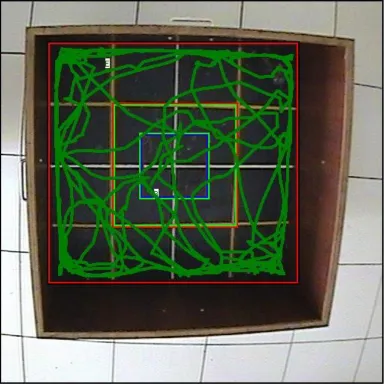
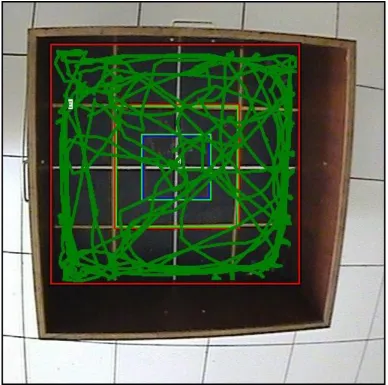
The open field box measures spontaneous motor activity in rodents. It is a cubical box measuring 90 cm3 volume with an arena or floor, that is divided into 16 smaller
yellow-bordered squares . The central portion of this arena is marked by a similar red-bordered square. The whole arena is divided into 4 white-bordered quadrants for purposes of software-acquisition of activity trials.
QUANTITATIVE ANALYSIS
SAMPLE PREPARATION
Brain samples
The animal was euthanized and then the brain was dissected .The hippocampus was isolated and stored in Phosphate Buffer solution at -80 degree celcius , until further processed.
celcius. The test was performed at the most sterile environment .The Elisa test was carried out , The microplate reader used was BIORAD, and the data analysis was carried out by means of Four point assay.
ELISA FOR TNF-ALPHA LEVELS
The Elisa kit was purchased from MyBioSource and the test was carried out as per the manufacturer’s protocol .
ELISA FOR KYNURENINE LEVELS
The ELISA kit was purchased from MyBioSource and the test was carried out as per the manufacturer’s protocol.
STATISTICAL ANALYSIS
RESULTS
First let us take a look at the behavioral parameters. The first of great significance are the forced swim test and the tail suspension test.
EFFECT OF CHRONIC UNPREDICTABLE MILD STRESS ON TAIL
SUSPENSION TEST
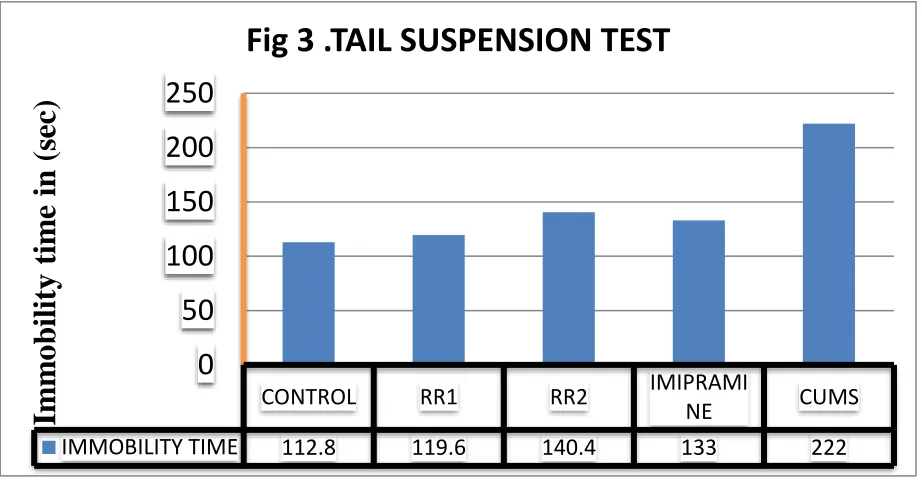
Figure 3: Comparison of the Immobility time in seconds between each group
The above figure shows the comparison between the immobility time in seconds between the groups ( RR1 is the group with Rhodiola rosea in dose 10mg/Kg ; RR2 with Rhodiola rosea 20 mg/Kg ; CUMS is the group exposed to the Chronic unpredictable mild stress ).
CONTROL RR1 RR2 IMIPRAMI
NE CUMS
IMMOBILITY TIME 112.8 119.6 140.4 133 222
0
50
100
150
200
250
Im
m
o
bility
tim
e
in
[image:68.612.95.556.125.365.2](sec)
EFFECTS OF CHRONIC UNPREDICTABLESTRESS ON FORCED SWIM
TEST:
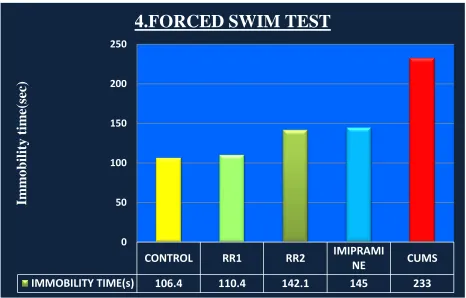
Figure 4: Comparison of the Immobility time in seconds between the groups
The above figure shows the comparison between the immobility time in seconds between the groups ( RR1 is the group with Rhodiola rosea in dose 10mg/Kg ; RR2 with Rhodiola rosea 20 mg/Kg ; CUMS is the group exposed to the Chronic unpredictable mild stress ).
CONTROL RR1 RR2 IMIPRAMI
NE CUMS
IMMOBILITY TIME(s) 106.4 110.4 142.1 145 233
0 50 100 150 200 250
Im
m
o
bi
li
ty
ti
m
e(s
ec)
HOLE BOARD TEST
The head dips were more for the animals in the RR1 group , than the other groups.
PASSIVE AVOIDANCE TEST
The latency time was more for the animals in the RR1 group , than the other groups.
RESULTS OF OPEN FIELD TEST –
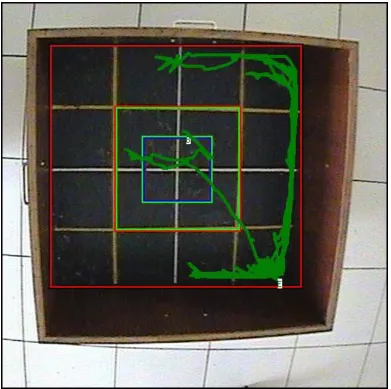
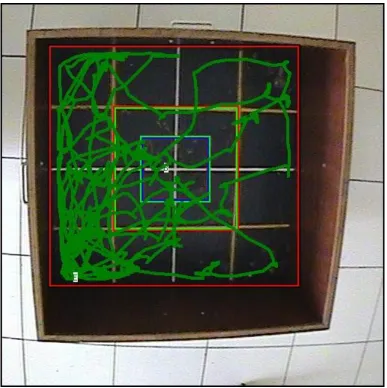
The animals after a period of stress exhibited a decrease in the locomotor activity and an increased level of anxiety ,but after treatment with Rhodiola rosea and
Figure 5 :Locomotor behavior of the mice in the CUMS group
Figure 6 :Locomotor behavior of the mice in the IMIPRAMINE group
Figure 7 :Locomotor behavior of the mice in the RR2 group
Figure 8 :Locomotor behavior of the mice in the RR1 group
BRAIN LEVELS
3- HYDROXY KYNURENINE LEVELS
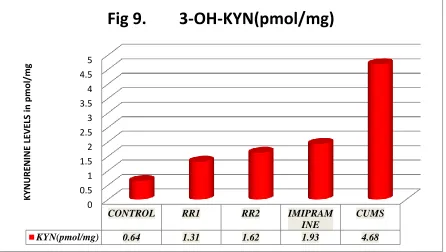
Figure 9 : Comparison between the Brain 3-OH-Kynurenine levels between the groups
The above figure shows the comparison between the mean of the levels of 3-hydroxykynurenine in the brain among the different groups.
0 0.5 1 1.5 2 2.5 3 3.5 4 4.5 5
CONTROL RR1 RR2 IMIPRAM INE
CUMS
KYN(pmol/mg) 0.64 1.31 1.62 1.93 4.68
[image:77.612.96.542.117.369.2]K YNURE N INE LE VE LS i n p m o l/ m g
SEROTONIN LEVELS
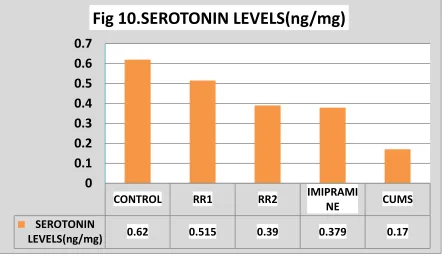
The serotonin levels measured by means of ELISA .The CUMS group had the lowest concentration of Serrotonin levels 0.17 ng/mg.Imipramine had around 0.379 ng/mg and Rhodiola rosea group 2 had the serotonin levels of 0.39 ng/mg respectively .The levels were highest in the Control group of 0.62 ng/mg , followed by 0.515 ng/mg in the Rhodiola rosea group 1 respectively.This difference was highly significant at a P value of < 0.0001.
Figure 10: Comparison of the serotonin levels between the groups
The above figure shows the comparison between the levels of serotonin ,mean
CONTROL RR1 RR2 IMIPRAMI
NE CUMS
SEROTONIN
LEVELS(ng/mg) 0.62 0.515 0.39 0.379 0.17
[image:78.612.98.541.375.632.2]0
0.1
0.2
0.3
0.4
0.5
0.6
0.7
TNF-ALPHA LEVELS –
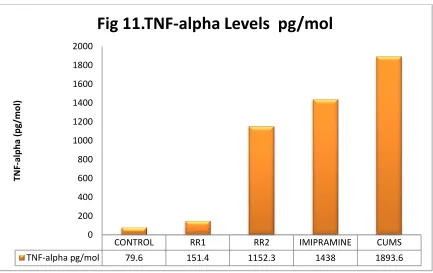
The TNF –alpha levels were quantified by means of ELISA .As proposed in the hypothesis, the levels of TNF-alpha was lowest in the Control group 79.6 pg/mol , in the Rhodiolarosea group 1 ,it was 151.4 pg/mol , Rhodiolarosea group 2 it was 1152.3 pg/mol ,Imipramine group 1438 pg/mol and finally in the CUMS group the highest measurement of 1893.6 pg/mol.The difference between the groups was found to be significant by a one way ANOVA ,the significance being <0.01.
Figure 11 : Comparison between the Brain TNF -alpha levels between the
[image:79.612.97.530.394.667.2]groups 600 800 1000 1200 1400 1600 1800 2000 TNF -al p h a (p g/ m o l)
CORRELATIONS
FORCED SWIM TEST AND TAIL SUSPENSION TEST –
In order to establish any drug as an effective anti-depressant ,it has to first pass these two tests ,namely tail suspension test and forced swim test.A correlation was sorted out to enhance our knowledge of the working principle , or as a measure to find out wether there was a deviation from norm ,in Rhodiola rosea being an anti-depressant.But the results proved that Rhodiola rosea reduced the immobility time well in both tests,which was further established by the positive correlation between the parameters of the immobility time in the forced swim test and the tail suspension test.Pearson correlation was carried out ,and it was a positive correlation of high significance P value < 0.000001.
FORCED SWIM TEST AND BRAIN SEROTONIN LEVELS
FORCED SWIM TEST AND BRAIN KYNURENINE LEVELS
Pearson’s correlation stated that there was a positive correlation between the immobility time and the Kynurenine levels.The immobility time increased as the levels of Kynurenine in the brain increased.Thus Kynurenine were a better marker of depression.The P value <0.00001 and thus highly significant.
SEROTONIN AND KYNURENINE
DISCUSSION
Depression is the most prevalent psychiatric disorders worldwide and they contribute in large to the global disease burden. Depressive disorders as suggested by the World Health Organization to be the greatest contributors to the global disease burden by the year 2030.Major depression comprises of various groups of diseases caused by environmental ,genetic and epigenetic factors .Many patients fail to achieve remission inspite of multiple treatments , and many patients fall into relapse.These factors highlight the need of more effective therapies.The physiological and environmental factors that induces stress can cause marked behavioral alternations.55,56An exposure to the unpredictable environmental stressors
continuously would contribute to the development of various neuropsychiatric disorders.57,58The chronic unpredictable mild stress procedure tends to mimic
depression caused by the unpredictable mild stressors that mimic the daily problems which in turn contribute to the pathogenesis of depression. 59
Various clinical studies have put forth that activation of the immune system in response to the inflammatory agents; is responsible for the pathophysiology of several other neuropsychiatric disorders as well as depressive syndrome.8,9 In these
studies there were reports of an elevated levels of the pro inflammatory cytokines like interleukin-6 ,tumor necrosis factor- alpha and interleukin- 1- beta.10These
activity by altering tryptophan metabolism.By activating indoleamine-2,3 dioxygenase an imbalance is created on the tryptophan route resulting in an increased production of kynurenine synthesis form tryptophan, hence serotonin production from tryptophan is reduced resulting in depression .The kynurenine pathway’s final product quinolinic acid and 3-hydroxy-kynurenine act as NMDA agonists and are neurotoxic by promoting glutamate release in the brain.
For the first time in this study we have evaluated the behavioral and neurochemical effect of the model , chronic unpredictable mild stress in mice, reflecting the effect of the stressors on emotional disorders, neuroinflammation and the involvement of the kynurenine pathway and neurotoxic metabolites. The antidepressant and anti-inflammatory effect of the herb Rhodiola rosea an adaptogen was elicited. Chronic unpredictable mild stress model established by Willner and Katzwhich has been well validated and is used widely as an animal model of depression.61,62 It is well known that stress suppresses the subsequent performance of
The basic principle of the forced swim test ,is that when a mice swims in a forced situation , in a restricted area ; from which escape seems impossible, the characteristic behavior of the mice would be to give up all hope and become immobile.
This behavior reflects a state of hopelessness seen in depression in human beings, that is responsive to the traditional anti- depressants .In the study done by the Perfumi and Mattioli ,were the antidepressant effect of a single dose of Rhodiola rosea RHO in mice was elaborated .This is the only study done on mice using Rhodiola rosea SHR-5 using the forced swim test ,Hence the present study is the first of its kind in having induced depression by the chronic unpredictable mild stress, and in evaluating the anti-depressant effect of Rhodiola rosea in mice.There was a significant reduction in the immobility time in the RR1, RR2 and imipramine treatment group. Wereas in the CUMS group the immobility times was markedly increased.The mean of the reduction in the immobility time was well established in the RR1 treatment group.Thus this study establishes the anti-depressant effect of Rhodiola rosea.35,36
the immobility time by these drugs. In the study it was found that RR1 and imipramine reduced the immobility time significantly .Whereas there was a reduction in the immobility time to a lesser extent by the RR2 group, though significant. In the study depicted by St’eru et al; in which they documented that tail suspension test could portray the anti-depressant effect of drugs even at low doses. Compared to other models of behavioral despair , the tail suspension test is quite specific for atypical antidepressants, MAOI,TCA and 5-HT uptake inhibitors. Castagn’e et al has further described various advantages of the tail suspension test such as lack of hypothermia and the animals regain a normal spontaneous activity as soon as they are taken out of the experimental environment .36
The open field test is employed to understand to exploratory behavior of rodents in response to stress. However in the open field test; there is confounding of the general locomotor activity with exploration .This confounding is avoided in the hole board apparatus .In the holed board apparatus the head dipping into the holes is assumed to be a measure of novelty. 43In the Hole Board Test the head dips were
more for the animals in the RR1 group , than the other groups.In the Passive
well were the stress Group 5 , had an elevated level of TNF-alpha thus establishing the first hypothesis ,linking depression and inflammation.
3-hydroxy-levels of the neurotoxic metabolite in rodents exposed to chronic unpredictable mild stress.
Moving on, to the present antidepressants in use. Are we in need of newer antidepressant when a whole bunch of antidepressants are available? The answer is yes. Even with the usage of the first line antidepressant like SSRI the remission rate is <30% for the first time. The failure rate is on the raise.Novel antidepressants that produce a rapid and a sustainable action is the need of the hour.It goes without sayings ,the side effects have to be minimal.
EVALUATION OF THE CONTROL GROUP-
The control group of animals which were under observation , had immobility time of 106.4 sec in the Forced swim test and of 112.8 sec in the Tail suspension test(Figures 3 & 4) 34,39,40,41The Serotonin level was 0.62 ng/mg , the TNF-alpha
level was 79.6 pg/mol and the 3-hydroxy-kynurenine level was 0.64 pmol/mg( Figures 9,10 &11) .All these parameters were similar to the values obtained in other studies.5,8,10
EVALUATION OF RR1 GROUP –
3-hydroxy-and the level of TNF-alpha 151.4 pg/mol(Fig 11)15 These results evident that
Rhodiola rosea in the concentration of 10mg/Kg had exerted anti-inflammatory effect,decrease in the TNF-alpha value(Fig 11), anti-depressant effect ,reduction in the immobility time in FST and TST(Figures 3 & 4) as well as neuroprotective effect by reducing the neurotoxic metabolite of the Kynurenine pathway, 3-hydroxy-kynurenine (Fig 9).
EVALUATION OF THE RR2 GROUP –
In this group , the immobility time in Tail suspension test was 140 sec (Fig 3) the immobility time in Forced swim test was 142.1 sec (Fig.4) 20The
3-hydroxy-kynurenine level 1.62 pmol/mg(Fig 9) the Serotonin level 0.39 ng/mg(Fig 10) 19
and the level of TNF-alpha 1152.3pg/mol(Fig 11)15 From these values it is evident
that Rhodiola rosea in the concentration of 20mg/Kg had exerted anti-inflammatory effect,decrease in the TNF-alpha value(Fig 11) anti-depressant effect ,reduction in the immobility time in FST and TST(Figures 3 & 4) as well as neuroprotective effect ,by reducing the neurotoxic metabolite of the Kynurenine pathway 3-hydroxy-kynurenine (Fig 9).
and the level of TNF-alpha 1438 pg/mol(Fig 11).68 From these values it is evident
that Imipramine in the concentration of 30mg/Kg had exerted anti-depressant effect ,reduction in the immobility time in FST and TST(Figures 3& 4) and also neuroprotective effect ,by reducing the neurotoxic metabolite of the Kynurenine pathway 3-hydroxy-kynurenine(Fig 9).
EVALUATION OF THE CUMS GROUP –
In this group , the immobility time in Tail suspension test was 222 sec(Fig 3), the immobility time in Forced swim test was 233 sec (Fig 4) .28,31The
3-hydroxy-kynurenine level 4.68pmol/mg(Fig 9)69; the Serotonin level 0.17ng/mg(Fig 10)67
and the level of TNF-alpha 1893.6pg/mol(Fig 11).69
Hence in this study after inducing stress by means of CUMS , for a period of 8 weeks expressed (Group 5) that there was an increase in the immobility times in both Forced swim test and Tail suspension test , reduction in the exploratory activity in the Open field test ,Hole board test .22,23,28,32,33The level of Serotonin was low when
compared to the control group and there was a rise in the inflammatory marker TNF-alpha and a rise in the neurotoxic metabolite 3-hydroxy-kynurenine(Fig 9,11).11
high in these three treatment groups , the inflammatory marker TNF-alpha and 3-hydroxy-kynurenine were low in all the three treatment groups(Figures 9,10,11) .All these findings though significant , the level of Serotonin was highest in the RR1 group and the levels of TNF-alpha and 3-hydroxy-kynurenine were both lowest in the RR1 group(Fig 9,11). 11,13,15,19
This could suggest the earlier stated hypothesis that ,on exposure to stress, the inflammatory cytokines like the TNF-alpha and the interferon –gamma gets activated ,11 which in turn would induce the enzyme indoleamine-2,3-dioxygenase , IDO
enzyme would divert Trytophan from production of Serotonin towards production of the neurotoxic metabolite 3-hydroxy-kynurenine.44,45,46,47This explains the decrease
3-Previous studies have been done in rats with CUMS using Rhodiola rosea,23but in this study evaluation was done by the sucrose preference test ,open
field test and estrous cycle.The only other study in mice using Rhodiola rosea ,20
evaluation was done with a single dose of Rhodiola rosea and forced swim test was done one hour after the drug intake.In another study evaluating inflammation and Rhodiola rosea ,Inflammatory cytokines were measured in rats after inducing stress by olfactory bulbectomy.15 Studies have shown the elevation of kynurenine metabolites in Depression.45,47 This is the only study in mice were depression was
induced by CUMS ,and evaluation of both behavioral and molecular markers as well as inflammatory markers by using the herb Rhodiola rosea was done.Other studies have evaluated the anti-depressant effect of Rhodiola rosea15,16 in which the effect of
Rhodiola rosea on the monoamines alone have been studied,19 but this is the only
study in evaluating the neurotoxic metabolite of the Kynurenine pathway using Rhodiola rosea, and this study has shown that Rhodiola rosea reduces the neurotoxic metabolite by reducing the inflammatory cytokine TNF-alpha,15and finally reversing
the decrease in Serotonin levels, that is otherwise induced by stress(Fig 1,2).
Rhodiola rosea commonly called as ‘solo’ found in the Himalayan regions and Arctic regions, has been well evaluated for its adaptogenic ,20 anti-inflammatory12,13 and its
PROPOSED ADVANTAGES OF RHODIOLA ROSEA AS AN
ANTI-DEPRESSANT-
The conventional anti-depressant exert its anti-depressant effect after a period of 2 weeks ,65 whereas studies have elucidated that Rhodiola rosea would exert its
anti-depressant effect rapidly.The conventional anti-depressants ,main mode of action is through the Serotonin by inhibiting the reuptake of serotonin,the underlying pathology is left untreated.66Rhodiola rosea by acting as an anti-inflammatory
agent,13 with neuroprotective properties14 has been elucidated to exert anti-depressant
action15,16,19,20 by modulating the pathogenesis of depression acting via the
Kynurenine pathway.Thus with further evaluation Rhodiola rosea could turn out to be the wonder drug for depressant(Figures 3,4) and such kind of an anti-depressant with a rapid and sustainable action ,diseases modifying agent is the need of the hour.
C
ONCLUSION
This study reveals the following
Chronic unpredicted mild stress(CUMS) is a potent model to induce depression in animals
Definite role of chronic cellular (neuro) inflammation in pathogenesis of Depression
Serotonin and 3-hydroxy-kynurenine have definite role in depression proved through CUMS
Rhodiola rosea smaller dose is very effective in reducing depression and neuroinflammation
Rhodiola rosea is better than Imipramine as a standard comparative drug for the treatment of depression, by reducing the inflammatory mediators
BIBLIOGRAPHY
1.
Bartolomucci A, Leopardi R. Stress and Depression: Preclinical Research
and Clinical Implications. PLoS ONE. 2009;4(1):e4265.
2.
The ICD-10 Classification of Mental and Behavioural Disorders. Clinical
descriptions and diagnostic guidelines.Geneval, World Health Organization,
1993,pg 89-106.
3.
Diagnostic and statistical manual of mental disorders. Washington:
American Psychiatric Publishing; 2014.,pg 155-188.
4.
Sadock B, Sadock V, Ruiz P, Kaplan H. Kaplan & Sadock's comprehensive
textbook of psychiatry. 10th ed. Wolters Kluwer;.pg 1644-1707
5.
Furtado, M. and Katzman, M. (2015). Examining the role of
neuroinflammation in major depression. Psychiatry Research, 229(1-2),
pp.27-36.
6.
Knol M, Twisk J, Beekman A, Heine R, Snoek F, Pouwer F. Depression as a
risk factor for the onset of type 2 diabetes mellitus. A meta-analysis.
perspectives of neurons. Neuroscience & Biobehavioral Reviews, 57,
pp.30-45.
9.
Berk, M., Williams, L., Jacka, F., O’Neil, A., Pasco, J., Moylan, S., Allen,
N., Stuart, A., Hayley, A., Byrne, M. and Maes, M. (2013). So depression is
an inflammatory disease, but where does the inflammation come from?.
BMC Medicine, 11(1).
10.
Warner-Schmidt, J., Vanover, K., Chen, E., Marshall, J. and Greengard, P.
(2011). Antidepressant effects of selective serotonin reuptake inhibitors
(SSRIs) are attenuated by antiinflammatory drugs in mice and humans.
Proceedings of the National Academy of Sciences, 108(22), pp.9262-9267.
11.
Kim, Y., Na, K., Myint, A. and Leonard, B. (2016). The role of
pro-inflammatory cytokines in neuroinflammation, neurogenesis and the
neuroendocrine system in major depression. Progress in
Neuro-Psychopharmacology and Biological Psychiatry, 64, pp.277-284.
12.
Lee, Y., Jung, J., Jang, S., Kim, J., Ali, Z., Khan, I. and Oh, S. (2013).
Anti-Inflammatory and Neuroprotective Effects of Constituents Isolated from
Rhodiola rosea. Evidence-Based Complementary and Alternative Medicine,
13.
Pooja, Bawa, A. and Khanum, F. (2009). Anti-inflammatory activity
ofRhodiola rosea- “a second-generation adaptogen”. Phytotherapy Research,
23(8), pp.1099-1102.
14.
Assessment
report
on
Rhodiola
rosea
L.,
rhizome
et
radix
;EMA/HMPC/232100/2011.
15.
Yang, S., Yu, H., Kang, D., Ma, Z., Qu, R., Fu, Q. and Ma, S. (2014).
Antidepressant-like effects of salidroside on olfactory bulbectomy-induced
pro-inflammatory cytokine production and hyperactivity of HPA axis in rats.
Pharmacology Biochemistry and Behavior, 124, pp.451-457.
16.
Ross, S. (2014). Rhodiola rosea (SHR-5), Part 2. Holistic Nursing Practice,
28(3), pp.217-221.
17.
Brown RP, Gerbarg PL, Ramazanov Z. Rhodiola rosea, a phytomedicinal
overview. HerbalGram. 2002;56:40-52.
18.
Brekhman II, Dardymov IV. New substances of plant origin which increase
non-specific resistance. Ann Rev Pharmacol. 1968;9:419-430.
20.
Perfumi, M. and Mattioli, L. (2006). Adaptogenic and central nervous
system effects of single doses of 3% rosavin and 1% salidrosideRhodiola
rosea L. extract in mice. Phytotherapy Research, 21(1), pp.37-43.
21.
Kalueff, A. and Tuohimaa, P. (2004).Experimental modeling of anxiety and
depression. Acta Neurobiol Exp, 64, pp.439-448.
22.
Nollet, M., Guisquet, A.-M. L. and Belzung, C. 2013. Models of
Depression: Unpredictable Chronic Mild Stress in Mice. Current Protocols
in Pharmacology. 61:5.65:5.65.1–5.65.17.
23.
Mattioli L, Funari C, Perfumi M. Effects of Rhodiola rosea L. extract on
behavioural and physiological alterations induced by chronic mild stress in
female rats. Journal of Psychopharmacology. 2008;23(2):130–42.
24.
Koob GF
Heinrichs SC
(1999) A role for corticotropin realising factor and
urocortin in behavioral responses to stressors. Brain Res 848: 141–152.
25.
Dallman MF
Pecoraro N
Akana SF
La Fleur SE
Gomez F
Houshyar H
(2003) Chronic stress and obesity: a new view of ‘comfort food’. Proc Natl
Acad Sci USA 100: 11696–11701.
26.
Ressler KJ
Nemeroff CB
(2000) Role of serotonergic and noradrenergic
systems in the pathophysiology of depression and anxiety disorders. Depress
27.
Dalla C
Antoniou K
Drossopoulou G
Xagoraris M
Kokras N
Sfikakis A
(2005) Chronic mild stress impact: are females more vulnerable?
Neuroscience 135: 703–714.
28.
Willner P
(1997) Validity, reliability and utility of the chronic mild stress
model of depression: a 10-year review and evaluation. Psychopharmacology
(Berl) 134: 319–329.
29.
Solberg LC
Horton TH
Turek FW
(1999) Circadian rhythms and
depression: effects of exercise in an animal model. Am J Physiol Regul
Integr Comp Physiol 276: R152–R161
30.
Moreau J-L
Jenck F
Martin JR
Mortas P
Haefely WE
(1992)
Antidepressant treatment prevents chronic unpredictable mild stress-induced
anhedonia as assessed by ventral tegmentum self-stimulation behavior in
rats. Eur Neuropsychopharmacol 2: 43–49.
31.
Willner P, Muscat R, Papp M. Chronic mild stress-induced anhedonia: A
realistic animal model of depression. Neuroscience & Biobehavioral
33.
Katz RJ, Roth KA, Carroll BJ. Acute and chronic stress effects on open field
activity in the rat: implicationsfor a model of depression. Neurosci Biobehav
Rev. 1981; 5:247–251
34.
Can, A., Dao, D., Arad, M., Terrillion, C., Piantadosi, S. and Gould, T.
(2011). The Mouse Forced Swim Test. Journal of Visualized Experiments,
(58).
35.
Porsolt, R.D., Le Pichon, M., & Jalfre, M. Depression: a new animal model