The differences in being different: a narrative analysis of the nature of
epilepsy in adults and its problems
Thesis submitted in accordance with the requirements of the University of Liverpool
for the degree of Doctor in Philosophy
By
Darlene Anne Snape
RGN; Dip. Health Studies; BSc [Hons] 1
stClass; PGCert. EBP; MA Health Research
ii
AUTHOR’S DECLARATION
This thesis is the result of my own work. The material contained in this thesis has not been presented, nor is currently being presented, either in part or wholly for any other degree qualification.
iii
ABSTRACT
iv
DEDICATION
This work is dedicated to my daughter Rebecca Snape,
and
v
ACKNOWLEDGEMENTS
Firstly, I should like to thank my daughter Rebecca, my grandson Ben (whose wit and humour kept a smile on my face) and my friends for their continuous and unconditional support; without their encouragement this work would not have been possible.
Of course I am grateful to my supervisors Professor Ann Jacoby, Professor Gus Baker and Dr Ciara Kierans and, in addition, I wish to acknowledge the time, knowledge, guidance and support they have offered me throughout this endeavour. Without their continual encouragement and faith in my academic abilities, during times of crisis throughout the process of this work, this thesis would have floundered before it was written. I should also like to say a special thank you to Ann for her friendship and emotional support.
I must express my gratitude to staff and clinicians at the Walton Centre for Neurology and Neurosurgery for their help and advice in the execution of the field work and to Kathleen McAdam for her administrative assistance.
I should like to thank Epilepsy Action for their Post Graduate Research Bursary Award (2005/2006) and the International Bureau for Epilepsy for their Research Travel Scholarship (2006), who’s funding support, facilitated additional research methods training and conference attendance.
Finally and most importantly I would like to thank the men and woman who took part in this study; selflessly speaking to me about their life experiences with epilepsy and dedicating time and commitment to the construction of their stories. Your stories have been the inspiration for this research which would not have been possible without you –
vi
TABLE OF CONTENTS
The differences in being different: a narrative analysis of the nature of epilepsy in adults and its problems
Contents
AUTHOR’S DECLARATION ... II
ABSTRACT ... III
DEDICATION ... IV
ACKNOWLEDGEMENTS ... V
TABLE OF CONTENTS ... VI
LIST OF FIGURES ... XVII
GLOSSARY OF TERMS ... XVIII
RESEARCH RELATED OUTPUTS ... XXII
Publications... xxii
Platform presentations ... xxii
Poster presentations ... xxii
RESEARCH RELATED AWARDS ... XXIII Epilepsy Action Research Bursary Award ... xxiii
International Bureau for Epilepsy Travel Scholarship ... xxiii
CHAPTER ONE ... 24
vii
1.1. Study rationale ... 24
1.2. Research summary and aims... 26
1.3. Research questions ... 27
1.4. The literature ... 27
1.5. Narrative inquiry: linking philosophy and method ... 28
1.6. Constructing epilepsy: the importance of time, place and context ... 29
1.7. Organisation of analysis ... 29
1.7.1. The story tellers ... 30
1.7.2. Agreement out of difference: a dominant plot across ‘life with epilepsy’ narratives ... 30
1.7.3. Living with epilepsy: stories of identity, biographical disruption and reconstruction ... 31
1.7.4. Living with epilepsy: stories of undesired difference and stigma... 31
1.8. Reflections, summary of findings, implications and conclusions ... 32
1.9. Locating myself ... 32
CHAPTER TWO ... 35
2.NARRATIVE INQUIRY: LINKING PHILOSOPHY AND RESEARCH METHOD ... 35
2.1. Introduction ... 35
2.2. Postmodernism... 35
viii
2.4. Critique of social constructionism in social science and medicine and my own
positioning ... 41
2.5. Narrative inquiry ... 43
2.5.1. The experience of chronic illness, disruption and narrative ... 47
2.5.2. Chronic illness stigma, identity and sense of self ... 52
2.5.3. Narrative inquiry as a means to addressing the gap in epilepsy research ... 57
2.6. Research methods ... 59
2.6.1. Theoretical influences guiding my narrative approach ... 60
2.6.1.1. Polkinghorne’s two modes of narrative inquiry: paradigmatic and narrative ... 60
2.6.1.2. Giving meaning to experience ... 61
2.6.1.3. Defining narrative and story ... 63
2.6.2. Respondent recruitment and data collection... 64
2.6.2.1. Locating the sample ... 64
2.6.2.2. Pilot study phase ... 65
2.6.2.3. Eliciting stories ... 66
2.6.2.4. Continuing links ... 69
2.6.3. Data analysis ... 70
2.6.3.1. Analytic process ... 70
ix
2.6.3.3. Paradigmatic analysis of narrative ... 71
2.6.3.4. Narrative analysis ... 71
2.6.3.5. Identifying stories ... 72
2.6.3.6. Storyline or plot development ... 75
2.6.3.7. Member checking ... 76
2.6.3.8. Presentation of results ... 76
2.6.4. Ethical considerations ... 76
2.6.4.1. User involvement in the research design and process ... 77
2.6.4.2. The informed consent process ... 78
2.6.4.3. Maintaining participant anonymity and confidentiality ... 78
2.6.4.4. Promoting trust in the research relationship ... 79
2.6.4.5. Reducing participant stress and anxiety ... 79
2.6.4.6. Strategies to avoid participant misrepresentation... 80
2.6.4.7. Potential benefits to participants ... 81
2.6.5. Issues of authenticity in narrative inquiry ... 81
CHAPTER THREE ... 84
3. CONSTRUCTING EPILEPSY: THE IMPORTANCE OF TIME, PLACE AND CONTEXT. ... 84
3.1. Introduction ... 84
x
3.3. Biomedical constructions of epilepsy ... 88
3.4. Epilepsy as stigmatising illness ... 95
3.4.1. Goffman on stigma ... 96
3.4.2. Components of stigma ... 97
3.4.3. Dimensions of stigma ... 98
3.4.4. ‘Felt’ versus ‘enacted’ stigma ... 99
3.4.5. Operational levels of Stigma ... 100
3.4.5.1. Internalised stigma ... 101
3.4.5.2. Interpersonal aspects of stigma ... 101
3.4.5.3. Institutionalised stigma ... 103
3.5. Chapter summary ... 103
CHAPTER FOUR ... 105
4. THE STORY TELLERS ... 105
4.1 Data and context ... 105
4.2. The story tellers ... 107
Alan ... 107
Brenda ... 109
Jessica ... 111
xi
Charles ... 115
Ashley ... 117
Stuart ... 118
Martin ... 120
Yolande ... 122
Larry ... 124
Karen ... 126
William ... 128
Ricky ... 130
June ... 132
4.3. Chapter summary ... 133
CHAPTER FIVE ... 135
5. AGREEMENT OUT OF DIFFERENCE: A DOMINANT PLOT ACROSS LIFE WITH EPILEPSY NARRATIVES 135 5.1. Introduction ... 135
5.2. Collective stories and narrative elements ... 136
5.2.1. The process of discovery ... 137
5.2.1.1. No hint of anything until... 137
5.2.1.2. Warning signs of something not being quite right ... 138
xii
5.2.1.4. The medical jargon of epilepsy ... 142
5.2.1.5. Just part of life’s rich tapestry ... 144
5.2.2. Searching for a cause ... 145
5.2.2.1. Philosophical questions of ‘why me’ ... 145
5.2.2.2. Pinpointing cause and effect ... 147
5.2.3. Negotiating risk and uncertainty ... 150
5.2.3.1. The impact of healthcare encounters in relation to risk and uncertainty ... 150
5.2.3.2. Negotiating risk and uncertainty associated with daily living ... 157
5.2.4. Striving for control ... 162
5.2.4.1. It’s that element of the unknown ... 162
5.2.4.2. Control strategies internal to self ... 164
5.2.4.3. Control strategies external to self ... 166
Familiar resources ... 166
Medical resources ... 169
Surgery ... 171
5.3. Chapter summary and implications ... 172
CHAPTER SIX ... 176
xiii
6.1. Introduction ... 176
6.2. Stories of biographical disruption ... 177
6.2.1. A counter-narrative to disruption in the experience of epilepsy ... 177
6.2.2. Biographical disruption in the accounts of epilepsy onset and diagnosis .... 178
6.2.3. Stories of continuing disruption(s) to biography and identity ... 183
6.2.3.1. Epilepsy: an unanticipated event ... 184
6.2.3.2. Epilepsy: the need to battle through ... 186
6.2.3.3. Epilepsy: a challenge to personal adequacy ... 187
Adequacy as a competent worker: Brenda ... 188
Adequacy as adult and father: Ricky ... 194
Adequacy in the role of mother: Fran, Brenda and Ashley ... 195
Recreating normality: Charles ... 196
6.2.4. Stories of disruption to future biography ... 197
6.2.4.1. Being stuck ... 198
6.2.4.2. Future change ... 201
6.3. New insights and other illness gains ... 203
6.3.1. The disruption of epilepsy: a platform for the demonstration of affection and support. ... 204
6.3.2. Mediating the disruption of epilepsy: advocating for self and others ... 205
xiv
6. 4. Conclusion ... 209
CHAPTER SEVEN ... 212
7. LIVING WITH EPILEPSY: STORIES OF UNDESIRED DIFFERENCE AND STIGMA ... 212
7.1. Introduction ... 212
7.2. Epilepsy narratives and stigma ... 215
7.3. Personal strategies to handle stigma ... 216
7.3.1. Distancing oneself from others ... 219
7.3.2. Concealing epilepsy ... 222
7.3.3. Information management ... 226
7.4. Seeing oneself as different in relation to other people with epilepsy ... 229
7.5. Challenging stigma ... 231
7.6. Conclusion ... 234
CHAPTER EIGHT ... 237
8. REFLECTIONS, SUMMARY OF FINDINGS, IMPLICATIONS AND CONCLUSION ... 237
8.1. Introduction ... 237
8.2. Reflecting on a narrative approach ... 238
8.2.1. How has the methodology influenced the research process and outcome and what are its limitations? ... 238
8.2.2. The role of stories for both patients and practitioners ... 240
xv
8.3.1. A framework for understanding the journey of epilepsy ... 242
8.3.2. Disruption and repair ... 244
8.3.3. The role of stigma in the lived experience of epilepsy ... 248
8.4. Implications ... 249
8.4.1. For future research ... 250
8.4.2. For enhancing epilepsy practice and service provision ... 250
8.4.2.1. The provision of psychosocial intervention ... 253
8.4.2.2. The provision of educational intervention ... 254
8.4.2.3. The Epilepsy Nurse Specialist role ... 255
8.4.2.4. Commissioning of epilepsy services ... 257
8.5 Conclusions ... 259
REFERENCES ... 260
LIST OF APPENDICES ... 284
APPENDIX 1–LITERATURE SEARCH STRATEGY ... 285
APPENDIX 2–INTERVIEW GUIDE ... 288
APPENDIX 3 – ANNUAL PARTICIPANT RESEARCH NEWSLETTER (EXAMPLE EDITION:DECEMBER 2006) ... 291
APPENDIX 4–NVIVO CODING NODES... 295
APPENDIX 5–PARTICIPANT LETTER OF INTRODUCTION ... 297
xvi
xvii
LIST OF FIGURES
Figure 1: Medical definitions of epilepsy ... 40
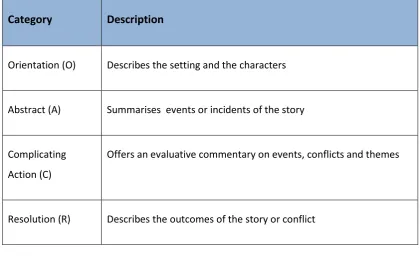
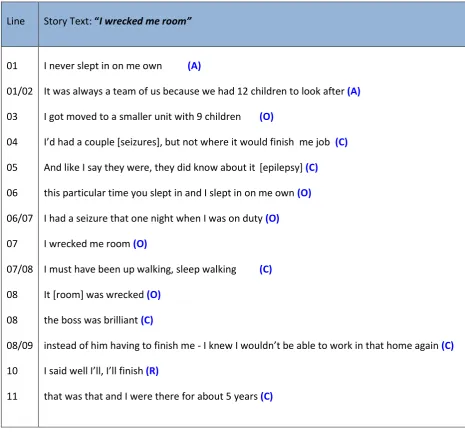
Figure 2: Mishler's Core Narrative Framework ... 73
Figure 3: Identifying a story using Mishler's (1986b) Core Narrative Framework ... 75
Figure 4: Approach to ensuring validation in narrative work ... 82
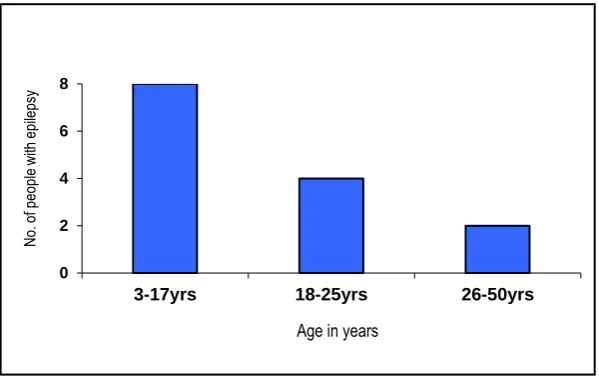
Figure 5: Age of person with epilepsy at onset of condition ... 105
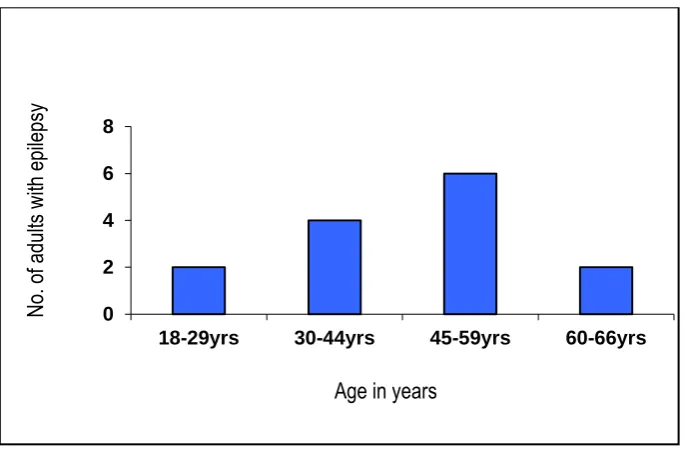
Figure 6: Age of person with epilepsy at time of 1st interview ... 106
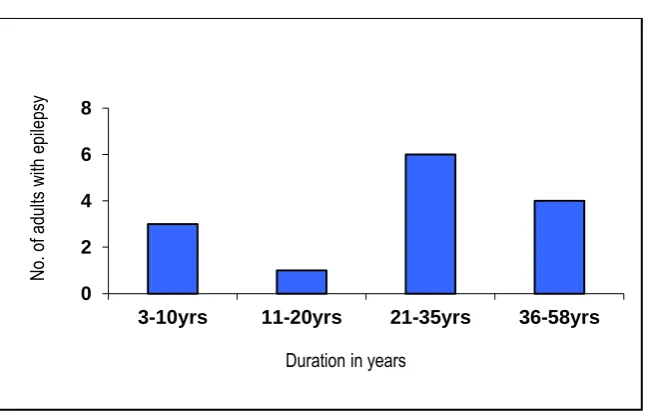
Figure 7: Duration of epilepsy ... 107
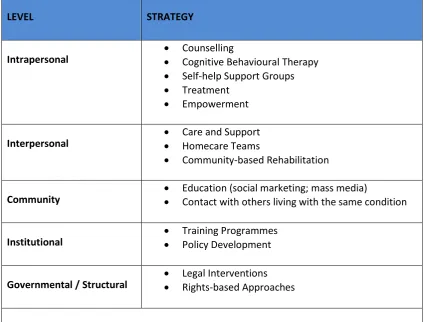
Figure 8: Stigma reduction strategies ... 234
xviii
GLOSSARY OF TERMS
Scope
This glossary provides an overview of definitions, not provided in text, for the terms
associated with the discourse(s) around epilepsy, as they appear within this thesis. The
terms, both lay and professional, are cited alphabetically below:
Absence seizure / absences: In the past, sometimes referred to as petit mal seizures. The
person looks blank for a few seconds and may not respond when spoken to or realise they have had a seizure. Most absence seizures last 10 seconds or less and can occur repeatedly; often being mistaken for daydreaming. There is no postictal state, but the person usually lacks awareness of what occurs during the seizure.
Auras / or warnings as they are sometimes called: Some people experience a particular smell / sound / feeling before a seizure starts. This is known as an aura and it is itself a focal seizure.
Complex partial seizure: Loss of consciousness distinguishes complex partial seizures from simple partial seizures. While unconscious, the patient may have a ‘vacant’ or ‘frightened’ look and may have signs and symptoms of a simple partial seizure. Automatisms may occur during unconsciousness such as, for example: chewing, increased salivation, facial expressions of fear, bewilderment, discomfort, tranquillity, laughter, crying, repetitive movements of the hands, fingers, sexual gestures, wandering, running, repeated short phrases or swearing. Patients who have had complex partial seizures over a period of years may develop drop attacks. When this occurs, they lose postural tone and fall with the sudden onset of unconsciousness.
xix
Epileptic: Although the term ‘epileptic’ is sometimes used it is important to look at the person before the medical condition, therefore it is more appropriate to say ‘a person with epilepsy'.
Epileptology: This is a branch of neurology which focuses specifically on the study and treatment of epilepsy.
Febrile seizures: Occur in small children and are caused by high fever. Children may experience another febrile seizure, but only a few develop epilepsy.
Fit: Although the term ‘seizure' or ‘epileptic seizure' is preferred by many people, some people with epilepsy choose to use the word ‘fit’.
Gelastic seizures: Gelastic epilepsy is a type of epilepsy characterised by laughter. Gelastikos is the Greek word for laughter. Gelastic epilepsy is slightly more common in boys than in girls. It is, however, very rare and of every 1,000 children with epilepsy, only one or at the very most two, children will have gelastic epilepsy.
Generalised seizures: At the onset, seizure activity occurs simultaneously in large areas of the brain, often in both hemispheres. Seizures can be convulsive or non-convulsive. The two most common types are tonic-clonic and absence.
Grand Mal seizures: A term previously used to describe types of seizure. There are many types of seizures so this term is too general and, in medical terms, is now considered outdated.
Idiopathic epilepsies: Idiopathic epilepsies are not associated with brain lesions or mental
impairment, however genetic factors are important and epilepsy onset is usually age related. Idiopathic epilepsies tend to be self-limiting and respond to anti-epileptic drug treatment.
xx
(motor seizure). These movements reflect the march of seizure activity arising from the pre-rolandic gyrus area of the brain through the brain's motor cortex.
Juvenile myoclonic epilepsy: Approximately 5 percent of people with epilepsy have juvenile
myoclonic epilepsy. The condition begins in childhood or adolescence and lasts into adulthood. The most common type of seizure in people with this condition is myoclonic seizures, which cause rapid, uncontrolled muscle jerks. People with this condition may also have generalized tonic-clonic seizures (grand mal seizures), which cause muscle rigidity, convulsions, and loss of consciousness. Although seizures can happen at any time, they occur most commonly in the morning, shortly after awakening. Seizures can be triggered by a lack of sleep, extreme tiredness, or alcohol consumption.
Myoclonic seizures: Rhythmic muscle jerks that can affect part of / the whole body and can
be strong enough to throw the person to the ground. These seizures are so brief that they may go unnoticed. They involve sudden muscle contractions that occur much more rapidly than clonic activity and are often confused with tics. Myoclonic seizures occur at all ages and are associated with epileptic syndromes such as West syndrome and Lennox-Gastaut syndrome.
Partial (focal, local): The site of origin is a localised or discreet area in one hemisphere of the brain. The two most common types of partial seizure are simple partial and complex partial.
Peti Mal seizures: A term previously used to describe types of seizure. There are many types of seizures so this term is too general and, in medical terms, is now considered outdated.
xxi
Seizure: This can be defined as abnormal, uncontrolled electrical activity in brain cells. Normally, nerve transmission in the brain occurs in an orderly way, allowing a smooth flow of electrical activity. Improper concentration of salts within the cell and over activity of either type of neurotransmitter can disrupt orderly nerve cell transmission and trigger seizure activity.
Symptomatic epilepsies: Those in which seizures are the consequence of an identifiable lesion or other physical or metabolic cause.
The epilepsies: Epilepsy is not a single condition; rather many different types of epilepsy. Hence, use of the collective term ‘the epilepsies’. Epilepsy can start at different times for different people. The different types of epilepsy can produce different signs and symptoms.
Tonic–clonic seizures: In the past, sometimes referred to as grand mal seizures. There is
loss of consciousness during the seizure. The tonic phase, consisting of increased muscle tone (rigidity), is followed by the clonic phase, which involves jerking of the extremities. Autonomic symptoms including, for example: increased blood pressure and heart rate, increased bladder pressure, flushing, sweating, increased salivation, increased bronchial secretion and apnoea may also be present.
Definitions provided in this glossary of terms have been drawn from the following on-line
information sites, accessed on 8th August, 2014:
www.epilepsy.org.uk
www.epilepsysociety.org.uk/sites/default/files/attachments/Chapter01Neligan.pdf http://ghr.nlm.nih.gov/condition/juvenile-myoclonic-epilepsy
www.mdguidelines.com/jacksonian-seizure
xxii
RESEARCH RELATED OUTPUTS
Publications
Jacoby, A., Snape, D., Baker, G.A. (2005). Epilepsy and social identity: the stigma of a chronic neurological disorder. Lancet Neurology. 4:171-78.
Snape, D., Jacoby, A., Baker, G.A. (2005). Stigma and Social Issues In: Atlas: Epilepsy Care in the World. WHO p78.
Jacoby, A., Snape, D., Baker, G.A. (2008). Social Aspects: Epilepsy Stigma and Quality of Life. In J. Engel, T.A. Pedley eds. Epilepsy: A comprehensive Text Book. 2nd Edition. New York: Lippincott Raven. Chapter 216. p2229-2236.
Fernandes P., Snape D., Roy G., Beran R.G., Jacoby A. (2011). Epilepsy stigma: What do we know and where next? Epilepsy and Behavior. 22:55-62.
Platform presentations
Snape, D. Chronic Illness, experience and context: Methodological diversity in qualitative health research. Symposium 3. The Royal College of Nursing International Nursing Research Conference. Liverpool, UK. 8th-11th April, 2008.
Snape, D. Living with epilepsy: a narrative analysis. The PRISM Conference, Liverpool, UK. 2008.
Snape, D. Why Should We Listen To The Stories Told By People With Epilepsy? The PRISM Conference, Manchester, UK. 2009.
Poster presentations
Snape D. Epilepsy Narratives: The difference in being different. 7th European Conference on Epileptology, Helsinki, Finland. 2-6th July, 2006.
Snape D. Epilepsy Narratives: The difference in being different. 10th European Congress on Epilepsy and Society, Copenhagen, Denmark. 2nd-4th August, 2006.
xxiii
RESEARCH RELATED AWARDS
Epilepsy Action Research Bursary Award
2005-2006: Epilepsy Action Post Graduate Research Bursary Award £1,500
International Bureau for Epilepsy Travel Scholarship
CHAPTER ONE
1. Introduction to the study
In this chapter I set out the rationale for my study and present a brief synopsis of the contents of this thesis.
1.1. Study rationale
“We are, in an important sense, the stories of our lives. How sickness affects us depends on how sickness alters those stories”. (Brody, 1987, p182).
The voice of the individual living with epilepsy is at the core of this study. Embedded in the postmodern perspective that knowledge construction relies upon the socially crafted tool of language, which facilitates a broader range of perspectives and promotes greater subjectivity (Clifford, 1988; Atkinson, 1990), I draw upon the narratives of fourteen participants to explore how epilepsy impacts directly or indirectly on daily living and life trajectories, and to represent the heterogeneity of the meaning of having epilepsy. Although research on illness narratives exists, the narratives of people with epilepsy, with few notable exceptions, are scarce. Consequently, I argue, the potential for healthcare professionals and others to learn from the unique stories and experiences of people with epilepsy has also been neglected.
Alcauskas and Charon (2008) call for the introduction of narrative approaches in the treatment of neurological disorders. They argue that neurology in particular would benefit from such an approach because diagnostic technology aside, heavy reliance is placed upon patient history as a means to informing the diagnostic process. Epilepsy1 provides healthcare professionals with a case in point, as it is a condition that finds itself embedded in multiple medical, social, and cultural discourses (Tempkin, 1971). Thus, the successful treatment of epilepsy needs to extend beyond seizure control - as important as this is - to enabling those with the condition to participate in, and be accepted by, society (Vaccarella, 2011).
Within Western contemporary medicine, epilepsy represents a common neurological condition, characterised by recurring seizures. Technological and therapeutic advancements in the field of science and medicine, and the increased effectiveness of anti-epileptic drug regimens have served to position epilepsy, with in a biomedical framework, as a relatively benign condition with an excellent clinical outcome (Sander & Sillanpaa, 1997). This prevailing biomedical discourse with its emphasis on ‘treat the seizures’ provides the dominant framework (as outlined in the National Institute for Clinical Excellence (NICE) epilepsy guidelines) in practice generally (NICE, 2012) and was the dominant approach to medical encounters of participants in the present study.
The supposition of this medical model is that seizure control would, in itself, positively impact upon an individuals’ quality of life. I argue that the narratives of people with epilepsy provide a mechanism for challenging this received wisdom. For example, the comment “It’s not just the actual seizures; it’s living with epilepsy” offered by Brenda, one of my participants, poses the question how useful is practice which affords primacy to prioritising biological and physical dysfunction? Such practice, I argue, highlights the disparity between the homogeneity of the treatment approach and the heterogeneity of lived experience, as Bishop and Allen argue:
“the impact and consequences of epilepsy cannot always be understood as resulting directly or logically from the occurrence of seizures”. (Bishop & Allen, 2003, p227).
Mismatches between the medical model of ‘treat the seizures’ and the lay model of ‘learning to manage a life with epilepsy’ not only negatively impact on patient expectations
and concerns, but also on clinicians’ knowledge and interpretations of patients’ concerns. As a consequence this scenario has the potential to negatively impact on the outcomes of clinician-patient consultations (Vaccarella, 2011). Anne Fadiman’s (1997) chronicle -The Spirit Catches You and You Fall Down – serves to highlight this issue by contrasting the perspectives of the family of a child with epilepsy and her formal caregivers. Here, Fadiman examined the tensions and conflict between western medicine and Hmong traditions in the treatment of epilepsy and, in so doing, aptly demonstrated the importance of the need for clinicians to be sensitive to potential differences in medical and lay perspectives.
and beliefs, and to the role of societal and cultural narratives in affecting individual experience; including for example, popular interpretations of treatments and lay explanations of epilepsy that influence patients’ treatment choices. Becoming acquainted with the patient’s epilepsy narrative not only assists with diagnosis, but will also assist in proposing a treatment programme that is patient-centred (NICE, 2012).
1.2. Research summary and aims
Epilepsy is one of the most prevalent neurological disorders, affecting people in every country throughout the world. Around 50 million people in the world are reported to have epilepsy at any one time (WHO, 2012). It is the most serious and the most common neurological condition seen in primary care (Lambert & Bird, 2001). The Joint Epilepsy Council (JEC, 2011), report approximately 1 in 103 people in the United Kingdom have epilepsy – a prevalence of 9.7 per 1,000 (0.97%). There are an estimated 0.51/1,000 newly treated cases per year, equating to 600,000 patents with epilepsy in the United Kingdom today (Office for National Statistics, 2011). This is equivalent to approximately 32,000 new cases diagnosed per year – equivalent to approximately 87 new cases each day of the year.
Epilepsy is a tendency to have recurrent seizures; affecting anyone at any age and from any walk of life. Being diagnosed with epilepsy not only involves learning to deal with the physical impact of seizures, but also learning to cope with the associated, harmful social and psychosocial consequences, which are not directly related to the actual disease process (Engel, 2000). The limitations imposed by statute, prejudice, fear and lack of understanding have major implications for social functioning and life choices. Not surprisingly these challenges can impact upon the person‘s experience and the narrative they construct. This new experience and all it entails is easier for some individuals to cope with than for others (Baker and Jacoby, 2000) and as such can impact profoundly upon not only how people with epilepsy live their lives, but how they and others narrate their identity.
Through hearing the narratives of people living with epilepsy, the present study aims to:
Better understand the experience(s) of those diagnosed with the condition; and,
Consider the ways in which these narratives are constructed and articulated to others and how the narratives are influenced by others
experience, with the view to promoting a patient-centred epilepsy healthcare agenda (NICE, 2012).
1.3. Research questions
The primary research question is:
How do individuals living with epilepsy describe their experiences?
Secondary research questions derive from how these narratives account for:
How individuals come to interpret what having epilepsy means;
How individuals see themselves as a consequence of this interpretation, and,
What impact this interpretation has on the way individuals interact with others
1.4. The literature
A systematic search and review of the literature in relation to this work has been regularly updated to present day. My purpose throughout this endeavour was to identify primary research and reviews in relation to various ‘bodies of literature’ relevant to the study of epilepsy, stigma, chronic illness, biographical disruption, postmodernism, social constructionism, and qualitative research and narrative research methods. References for the various literature reviews were identified with the aid of a search strategy and the application of search terms; full details of the literature search strategy, including search terms and combinations, inclusion and exclusion criteria and data resources, are available in a separate document2. The use of a search strategy enabled the conduct of systematic, reproducible, computerised searches of relevant journals, databases and websites. In addition, secondary references that met the inclusion and exclusion criteria were identified from retrieved articles. To reduce the effects of a biased review, grey literature resources were also accessed for relevant information related to each of the searches undertaken. ‘Experts in the field’ networks, including clinical and non-clinical academics, were contacted as a means of identifying related information including conference papers, unpublished and ongoing research.
In reviewing and critiquing these various bodies of evidence I chose not to present them in a single ‘literature review’ chapter. My rationale for this decision was underpinned by my epistemological positioning which enabled me to define literature that dealt with very distinct areas of thinking which I felt did not sit comfortably next to each other within a single chapter; rather I wanted to link the literature to the key concepts as they were being discussed. The position from which I came to this research - postmodernism and social constructionism – places discourse as being co-constructed and open to multiple interpretations. I therefore chose to contextualise the relevant literature, as a means to highlight the link between philosophy and research method and to explore its significance to specific topics and issues under discussion. This was achieved by conducting two focused reviews around epilepsy which contained various bodies of literature (as identified above). The first review focused on the sociology of chronic illness, biographical disruption and reconstruction, coping, and, the potential of illness narratives to elicit stories of experience. These various theoretical debates have value in informing what goes on when a person has epilepsy and were used to inform my epistemological and methodological arguments, as discussed in Chapter Two (see also section 1.5 below). The second review focused on epilepsy as a medical condition and a social phenomenon, including as stigma; my intension here was to align the phenomenon of epilepsy to its historical, cultural, medical and social milieu and to use this evidence to support my argument that the experience of epilepsy is much greater than its symptoms; these discussions I articulate in Chapter Three (see also section 1.6 below). In separating the literature in this way across chapters two and three I have endeavoured to place my observations and arguments in context.
1.5. Narrative inquiry: linking philosophy and method
re-construct coping with contingencies of everyday life and sense of self. A review of the pertinent literature is presented.
The central tenet of narrative inquiry is attention to the potential of stories to give meaning to people's lives, and the treatment of data as stories. It is one of many kinds of research gathered under the umbrella of qualitative research approaches (Polkinghorne, 1995); however, it is an approach devoid of any single heritage or methodology. Those who practice it draw upon diverse sources of influence and often use an amalgam of methods. In the final part of this chapter therefore, I discuss the theoretical influences that have guided my own narrative practice within the context of this study; and outline the study methods and sample.
1.6. Constructing epilepsy: the importance of time, place and
context
In Chapter Three the interdiscursive position of epilepsy as a medical, social and symbolic phenomenon is brought to the fore. Following a review of pertinent literature, I outline the numerous constructions of epilepsy, including: moral constructions of epilepsy, biomedical constructions of epilepsy and constructions of epilepsy as a stigmatising illness. My purpose in presenting this discussion is to illustrate the varied ways in which the phenomenon of epilepsy has been understood and to demonstrate how language, meaning and power relations (see for example, Foucault 1974; Foucault & Gordon, 1980) have the potential to shape social organisations and relationships and the way in which this condition is known and experienced. By mapping epilepsy across its historical, cultural, medical and social contexts I make clear that the experience of epilepsy is much greater than its symptoms and more complex than its treatment. In concluding this chapter I advocate narrative inquiry as a research approach. Stories, as told by those with the condition, provide a mechanism for examining epilepsy from the perspective of the sufferer; a view in which the human subject rather than the pathology is the central character.
1.7. Organisation of analysis
maintain the integrity of individual, contextualised accounts whilst at the same time structuring a coherent story for the reader. In line with my philosophical approach I begin the analysis with an introduction to the ‘story tellers’. These accounts are third person accounts, reflecting my own interpretation of my participants’ narratives. I use participant quotes, to enhance the transparency and persuasiveness of my interpretation (Riessman, 2003). I also consider my interpretation in relation to wider narratives and other literature around issues of illness disruption, identity and stigma. This representation is also reflexive of the co-constructed nature of the accounts (Mishler, 1986a).
1.7.1. The
story tellers
The first of these chapters - Chapter Four - begins with an overview of the fourteen adults participating in this study, but more importantly introduces them as ‘real people’ who are living their everyday lives with epilepsy; the experts in the field of their own experience; and the story tellers who share that experience with us. These personal stories enlighten us as to the challenges faced by individuals with epilepsy, both in terms of coping with the everyday contingencies of life and in relation to changes in self-conceptions and personal relationships.
1.7.2. Agreement out of difference: a dominant plot across ‘life with epilepsy’ narratives
The dominant plot to emerge across the stories told is explored in Chapter Five. Here events are not defined in terms of their singularity but as the combined contribution they make towards a shared interpretation of ‘life with epilepsy’. In the current study contributory events to the development of the dominant plot or story line for epilepsy included:
The process of discovery
Searching for a cause
Negotiating risk and uncertainty and,
Striving for control
and loss of control, disclosure and stigma and stories of personal integrity. In focusing on what it is like to have epilepsy, I examine similarities and difference in narrative elements across my informants as well as in relation to other chronic illness narratives.
1.7.3. Living with epilepsy: stories of identity, biographical disruption and reconstruction
In Chapter Six the stories recounted provide us with a sense of how epilepsy impacts on daily living and how participants attribute meaning to those experiences. Emerging from all these tellings is a discourse of disruption; stories about a life disrupted by illness and a person’s life-course being undermined – what Bury (1982) refers to as biographical disruption. While for some participants the disruption caused by epilepsy is seen to take its
place amid other circumstances of daily living, for the majority the uncertainty of epilepsy, characterised by a loss of control, creates and perpetuates biographical disruption. My participants’ stories portray identity changes which evolved over time as the discernible restrictions became an ever-present reminder of diminished independence, as well as identity transformations, as participants attempted to resituate themselves in the outside world.
1.7.4. Living with epilepsy: stories of undesired difference and stigma
1.8. Reflections, summary of findings, implications and
conclusions
In Chapter Eight I provide an overview of study findings together with implications for health and social care of people with epilepsy. Study limitations are discussed and future research opportunities are identified. Reflecting on the value of a narrative research approach I argue that epilepsy narratives can complement current approaches to epilepsy care as healthcare practitioners are able to become sensitive to the challenges, impacts and meanings of epilepsy, and as a consequence impact positively on traditional medical practice.
1.9. Locating myself
My way of seeing the world is shaped through many different lenses, including that of baccalaureate-level nurse with 20 years clinical experience; that of academic researcher; that of white, middle-class woman in her fifties; that of sister, divorcee, single parent to my daughter, grandparent, friend; and, not least that of my temperament and level of maturity. All these factors influence the tone and the content of my own story. Acknowledging their impact has helped me to further appreciate comparable influences on the narratives of my participants.
Before working in my current role as a Research Associate within an academic institution I had spent nearly two decades working as a nurse within the National Health Service. My clinical experience focused on acute surgical nursing and as an Operating Theatre Sister I had little professional exposure to individual’s living and coping with chronic illness. Chronic illness presents different challenges to acute illness both for those living with chronicity and for those professionals who must meet the need for help and support. The manner in which I engaged in that process was at a personal level; deeply affected by the fact that both my parents were diagnosed with chronic conditions in later life from which they both died within six weeks of each other. The memories of attempting to care for them both, while struggling with the challenges of childcare and employment became the backdrop for my latent understanding of what chronic illness means.
stigma project that I became more aware of the many ‘truths’ and the depth of experience of those individuals who lived with the varying complexities of chronic illness over time, not least the potential impact upon a person‘s identity, both in relation to how they saw themselves and how they perceived themselves to be seen by others within society.
My interest in and experience of working on this initial research project led me to further research into epilepsy. I was struck by the range of perspectives held about this condition across both time and place and how despite medical advancements in the treatment of epilepsy there remained stigmatising beliefs (medical, political and social) which could lead a person with epilepsy to be seen in a lesser light or to have less rights in relation to those members of society perceived as being ‘normal’. The more I read about epilepsy the more interested I became in trying to understand how these various constructions of epilepsy impacted upon the stories told by the individual with epilepsy and the meaning(s) those individuals attached to having the condition. This interest in epilepsy and its impact upon experience - through the elicitation of stories - allowed me to hear the voices of individuals and is one of the lenses through which I conducted this research.
This thesis represents one account of the experiences of living with epilepsy. It is important to note that participants self-selected into the study and as such the accounts may not reflect the generality, as those with a ‘story to tell’ and the ability to tell it are more likely to volunteer. Likewise, it is also necessary to acknowledge the influence of my own position in the construction of these stories, both in relation to how the data were collected and the subsequent interpretation of findings. Unlike my participants, I do not have epilepsy and at the start of this study, I had not experienced any serious health concerns and had not (rightly or wrongly) thought about the possibility of my own ill health. In considering my participants’ position - while I no longer worked as a nurse, I used that experience and the experience of my own parents’ ill health to enable me to reflect upon what story I might tell about the experience of change and potential disruption to a taken-for-granted life course.
CHAPTER TWO
2. Narrative inquiry: linking philosophy and research
method
2.1. Introduction
In this chapter I set out my epistemological and methodological positioning. The approach underpinning this study derives from my interest in the ideas of postmodernism, social constructionism, and narrative inquiry. I begin this discussion by outlining the origins of postmodernist thought and in doing so, highlight the relevance of this approach to facilitating understanding of the life experiences of those adults with epilepsy in my own study group (section 2.2.). Key tenets of social constructionism are then discussed (section 2.3.). This is followed by a critique of social constructionism in social science and medicine, which provides the backdrop from which I make my own position clear (section 2.4.). Next, I provide a justification for the value of narrative inquiry in providing an opportunity for people with epilepsy to have their own stories viewed not as secondary to the medical story but as stories that have their own primary importance. In a focused review of key literature around how individuals adjust to chronic illness I demonstrate how narrative can facilitate a more nuanced gaze into the everyday lives of those with a chronic condition such as epilepsy, as a means to understanding physical and psychosocial stresses, issues of stigma, the management of lifestyle choices and the nature of interpersonal relationships. Also how personal narratives can provide a means to understanding how individuals re-evaluate and reconstruct coping with the contingencies of everyday life and identity (section 2.5.). Finally, I outline the theoretical framework and research methods to conduct this exploration (section 2.6.).
2.2. Postmodernism
Lincoln, 2000, p19). It is our beliefs in relation to the way we view these questions that subsequently shape the way we see the world and act in it.
As an intellectual movement postmodernism derives not from the social sciences but from art and architecture, literature and cultural studies. This development was paralleled in the field of medical studies by doubts about the possibility of biomedicine to explain and cure illness and relieve suffering (Hyden, 1997). For example, Gergen’s (1973) paper, Social Psychology as History, was written at a time when social psychologists were becoming increasing concerned by the way their discipline favoured the values of dominant groups. The ‘voice’ of the man in the street was absent from their research practice which, because of its focus on decontextualised laboratory inquiry, ignored the real world contexts which give human action its meaning (Burr, 1995).
Proponents of postmodernism are interested in the relationship around language, meaning and power (see for example, Foucault 1972; Foucault and Gordon 1980) and thus, ultimately of representation. Reality is considered an outcome of an active process of meaning construction through social interactions (Gergen, 1994). The process of meaning construction is relational: events do not have meaning in isolation; rather, meaning is actively constructed out of chaotic experience via the use of language and other signals. Social processes and power inevitably play a role in this construction as they carry potential to influence the meaning-making process. Postmodernist beliefs in relation to knowledge construction therefore amount to an abandonment of positivistic approaches to research and to the Enlightenment ideals of an objective truth or grand narratives.
By way of further explanation, and as a means of asserting the relevance of a postmodernist perspective to aid understanding of the lived experiences of people with epilepsy, I focus attention on my own study group. Brenda, one of my participants made the comment: “It’s not just the actual seizures; it’s living with epilepsy”. This comment not only reflects the sentiments of several others in my study group but, within the wider context, the anomalous position of people with epilepsy; for they find themselves members of what Frank (1991) terms a “remission society” (p.138) – those members of society who are effectively well but who cannot be considered cured; and who find themselves living in a world of the healthy, with the ensuing struggle to maintain wellness.
standardised (Miller & Crabtree, 2000), with the organisation of diagnostic investigations and potentially complex treatment regimes. The medical recognition of these experiences as symptoms, often expressed in language unfamiliar and potentially overwhelming to the patient, becomes the ‘official’ story. Here the normalising ideologies of the medical model - the search for control via rationality - and their related discourses, seek to restore order to the disruptions of illness (Becker 1997). However, conversely, they also serve to conceal the illness experience. For the individual with epilepsy no medical prognosis can predict seizure occurrence (Engel & Pedley, 2008); as a consequence those with epilepsy must manage an apparently healthy life in conditions of uncertainty.
Thus, living with epilepsy not only involves learning to deal with the physical impact of seizures, but also involves learning to cope with the associated, social and psychological consequences. It is the realisation that more is involved than the official medical story which constitutes the postmodern experience of illness; and from this perspective it must be acknowledged that other stories permeate the illness experience; those stories of suffering and meaning-making that inevitably accompany serious personal crises. It is my contention here then that the origin of knowledge and what is reality is ‘socially constructed’ and multi-vocal and that the story form provides a philosophical framework for understanding how individuals come to terms with the nature and conditions of their existence (Bruner 1986, 1990; Frank 1995; Kleinman 1988; Ricoeur 1984; Sarbin 1986). I subsequently argue that medical professionals should be encouraged to attend to patients’ stories of living with epilepsy as ways of providing for their concerns and understanding their illnesses.
2.3. Social constructionism
“to deny the power to ‘describe’ reality is not to deny reality” (Rorty, 1979, p375);
“the world is out there, but descriptions of the world are not” (Rorty, 1989, p5).
From this perspective knowledge is not a direct perception of reality. Rather, as a culture or society we construct our own representations of reality among us. In this way knowledge is not only contextual and time dependent, but also artefactual of history and culture. Furthermore, social constructionism holds at its core an understanding that knowledge cannot be separated from the socio-linguistic practices in which it is relationally achieved, being both shared and created in interaction. Thus, language is not a means of representing an external reality but only carries meaning in context; therefore all knowledge including psychological knowledge is historically and culturally specific (Gergen 1996; Nightingale & Cromby 1999). The beliefs constructed through the interactions between people in the course of social life may change with context, facilitating multiple perspectives and promoting greater subjectivity (Clifford, 1988; Atkinson, 1990).
The French historian and philosopher Michel Foucault provides insight into the concepts of postmodernism and social constructionism in the study of health and medicine (Buntin & Petersen, 1997). He attempted to show that the basic ideas which people normally take to be permanent truths about human nature and society change over time. Questioning the claims of modern human sciences (i.e. biological, psychological and social) that there are universal scientific truths about human nature, he argued that in fact they were often discourses about the ethical, political and historical commitments of a particular society (Foucault, 1972). In Chapter Three, I set out various constructions of epilepsy, where conflicting discourse is evident and can be tracked to time, place and context. As such these discourses constitute an active process of meaning construction through social interaction (Gergen 1994), which is changeable and evolving.
practice; in the case of medicine, through the clinical gaze of medical professionals exerted upon the docile body of patients.
Foucault’s work around the issues of insanity (1965), criminality (1977) and sexuality (1985) offers a critique of the way in which individuals have been categorised and controlled, for instance, the development in psychiatry of categories of ‘sane or insane’. Later elaborations have led to labels such as, for example, psychosis, neurosis, manic depression and schizophrenia. The development of criminology transformed crime into the study of ‘criminals’, categorising certain types of person as being predisposed to criminal behaviour. Turning attention once again to epilepsy, in Chapter Three I draw on Foucault’s work to position the various discourses surrounding epilepsy as a means to explain how understandings of epilepsy have been conventionally cast, and how cultural and social forces across time and place have contributed to the categorisation and control of those with the condition – epilepsy as demonic possession, epilepsy as contagion, epilepsy as neurosis or insanity, epilepsy as stigma; and how epilepsy has come to be seen as a particular type of biomedical object.
Following Foucault, the ‘prevailing discourse’ about phenomena such as illness has the potential to exclude those who appear ‘different’. A sense of knowledge, mastery or expertise develops around such discourses, particularly those presented by the powerful or elite (in this case the medical establishment). This disciplinary power provides the guidelines for how patients should understand, regulate and experience their bodies and is actioned via practices such as observation, examination, measurement and the comparison against an established set of norms – components of contemporary medicine’s ‘evidenced-based practice’ regime.
However, in the field of epilepsy, the dominance of the medical discourse is not without uncertainty as scientific knowledge and medical understanding about the condition is still evolving. Even today uncertainty and confusion in relation to what constitutes a definition and diagnosis of epilepsy remains evident (Reynolds & Rodin, 2009). By way of example, differences in the definition of epilepsy (see Figure 1) beg the question: what is the potential clinical and psychosocial impact of this uncertainty and confusion for those people living with condition?
differences in approach to epilepsy management, both in terms of clinical treatment and in relation to consideration of an individual patient’s holistic care needs. The lack of medical consensus in relation to epilepsy etiology and treatment regimens is illuminated in many stories told by participants in my study, and as such challenges the ‘grand narrative’ of modernity (Lyotard, 1984), wherein medical and scientific uncertainty itself shatters certitude, since any knowledge heralded as ‘sure’ may be invalidated.
[image:40.595.75.493.374.716.2]The journal Epilepsia recently conducted an on-line public survey asking directed questions related to the 2014 Operational Definition of Epilepsy (ILAE, 2014). Interestingly the reported results (Mathern et al., 2014) demonstrate clear disagreement. Three key questions addressed: (1) criteria for when a person could be considered to have epilepsy after a single seizure; (2) whether individuals with reflex seizures (unprovoked) have epilepsy; and (3) when epilepsy could be considered “resolved.”
Figure 1: Medical definitions of epilepsy
Definition 1 (Engel & Pedley, 2008)
Definition 2 (Fisher et al., 2005)
Revised Definition 2 (Fisher et al., 2014) A group of
neurological conditions, the fundamental characteristic of which are recurrent usually unprovoked seizures. A common operational definition is two or more unprovoked seizures occurring more than 24 hours apart.
A disorder of the brain characterised by an enduring predisposition to generate epileptic seizures and by the neurologic,
cognitive,
psychological and social
consequences of this condition. The definition requires the occurrence of at least one seizure.
A person is considered to have epilepsy if they meet any of the following conditions:
At least two unprovoked (or reflex) seizures occurring greater than 24 hours apart.
One unprovoked (or reflex) seizure and a probability of further seizures similar to the general recurrence risk (at least 60%) after two unprovoked seizures, occurring over the next 10 years. Diagnosis of an epilepsy syndrome
Of the 476 responders that started the survey, 324 (68%) completed it; of whom 43% agreed with the ILAE report recommendation that if the risk of a second seizure after a first one was 61–90%, then a person could be considered to have epilepsy. More medical professionals agreed with the 61–90% risk criterion (55%) compared with patients (21%), while more patients indicated that epilepsy should only be defined after two unprovoked seizures (51%) compared with medical professionals (21%; p < 0.0001). The majority indicated that reflex seizures qualify a person as having epilepsy (79%). As recommended in the ILAE report, 51% agreed that the definition of a person with “resolved” epilepsy would be 10 years seizure-free and off medication for the last 5 years. More medical professionals agreed with this definition (59%) than did patients (37%), while more patients indicated that epilepsy is never resolved (32%) than did medical professionals (7%; p < 0.0001). These findings highlight controversy over the new 2014 Operational Definition of Epilepsy and differences in perspective between medical professionals and patients’ opinions.
However, the dominance of the medical discourse often means that other types of knowledge and / or opinion are considered less justifiable and not equal as they derive from those thought less qualified to speak – for example, patients (Frank, 1997). Similarly, Andermann (2000) notes, in her description of how epilepsy is viewed according to biomedicine and the scientific literature, that the narrative of medical researchers is often seen to dominate the narratives of those with epilepsy; and concludes that the subjective experience of people dealing with illness is often overlooked by focusing solely on this approach.
2.4. Critique of social constructionism in social science and
medicine and my own positioning
strength of social constructionism. In making my own position clear, firstly, I do not necessarily question the reality of the biology and physiology but rather focus on the mode in which the chronic condition is known, experienced and interpreted by an individual both independently and socially. Neither do I dispute that biomedical discourse prevails in health care language and has influenced health care policies and practices for many years.
A further criticism levied against social constructionist and postmodern perspectives is that they fail to address the ‘embodied’ character of contemporary human endeavour, for example, the way patients experience self and body during illness (Sampson, 1996; Crossley, 2000a, 2000b;). For example, Sampson argues that whilst social constructionism engages in discourses about the body and how it is constructed in history and culture, it fails to consider embodied discourse. Similarly, I have drawn on Foucault’s (1982) work to aid understanding about how people with epilepsy within our society might be “made subjects” (p208) in biomedical terms (for example, the treatment of seizures) and how we
can use this perspective in helping us to see the conditions which need to be put in place in order for epilepsy to be looked at in a particular way. However, such diagnostic labelling positions the subject as constituted entirely through discourse rather than having a pre-discursive existence. I argue, then, that whilst postmodern ideas about multiplicities and the relative nature of ‘truth’ promote awareness about prevailing discourses and ideas, they can neglect consideration of individual agency or meaning and fail to take account of how the condition is experienced; a point to which I shall return to in section 2.5. By fixing the focus solely on medical surveillance and domination, we fail to consider how individuals respond to the clinical gaze. It is therefore important to consider both the dependency and the resistance demonstrated by patients in relation to medical expertise and to social contexts, and to acknowledge the ‘lived experience’ of the body. In the words of Shilling:
“…it is necessary to allow for lived experience, for the phenomenology of the body. Bodies may be surrounded by and perceived through discourses, but they are irreducible to discourse. The body needs to be grasped as an actual material phenomenon which is both affected by and affects knowledge and society” (Shilling, (1991, p664).
How did they come to interpret what having epilepsy meant?
How did they see themselves as a consequence of this interpretation?; and,
What impact did this interpretation have on the way they interacted with others?
Answers to these questions are revealed within my analysis.
2.5. Narrative inquiry
In the following section I present my rationale for a narrative-based research approach which concerns itself with the way in which individuals tell stories, impute meaning to experience, and how such meaning is subsequently transmitted and interpreted - life and narrative being inextricably linked.
Narration and storytelling, whether about oneself or others, are not new notions but they are universal ones (Bury, 2001). Since the dawn of language, narration has been a dominant form of human communication (Poindexter, 2002). Stories are an intrinsic part of one’s society and culture; influencing all aspects of our lives and defining our values, aspirations and prejudices. Listening to stories to reach understanding is also not new (Poindexter, 2002). Story telling derives from ancient history; the origins of which are rooted in non-Western societies, traditionally handed down from generation to generation. Anthropologists have documented folk tales and oral histories by spending time with tribal chiefs to understand inner life and theologians have examined ancient stories to find messages and lessons (Poindexter, 2002). Originally storytelling is believed to have been used to calm the fears or concerns of a family or a clan. People found stories interesting and informative and began to listen. A good ‘storyteller’ recounting heroic or other important events was always respected and often reached a position of power. In the history of storytelling, figure heads such as priests, judges and those that ruled were perhaps the earliest to use the medium of narration effectively (SparkNotes Editors, 2004).
2007). This provides evidence not only that the art of storytelling existed but that it was used for entertainment, communication and religious purposes; and reflected the knowledge and wisdom of early people, which tied them to a common culture and beliefs.
Storytelling is also evident in African history through the tellings of Aesop, a slave. He recounted stories and fables handed down through generations as well as tales of his own that have lived until modern times. Although Aesop was reported to have lived about 550BC, his stories were not written down until 300-250BC (Lockett, 2007). The same pattern can be observed in China and India, where ancient fables only appeared in written form many years after they were originally told.
As in other parts of the world, storytelling also held a prominent position in American history with stories of heroics, sacrifice and floods (Lockett, 2007). In attempting to convert the natives of Central and South America to Christianity, documents and stories that recorded events were burned by priests. However, North American storytelling lived on through oral stories told at pow-wows and around camp fires. Even today the storyteller holds an important place in the culture of Native Americans (Lockett, 2007).
Storytelling conserves the oral language from previous cultures, while introducing it to the language of the present generation. It is believed by most historians and psychologists that storytelling is one of the many things that define and bind our humanity (Lockett, 2007). Thus universal, cultural and individual levels of human existence are tied together with narrative threads (Bury, 2001). In recent times the study of narratives has received considerable renewed interest in both social sciences (Bury, 2001) and medicine (Greenhalgh & Hurwitz, 1998; 1999) Illness narratives, I would argue, are particularly appropriate when existential crises and disruptive events threaten an individual’s sense of normality and narrative coherence. In this chapter I discuss the relationship between the present study and other studies of patients’ narrative accounts of illness and contend that illness narratives are a suitable tool for exploring the individual and the socio-cultural implications of having epilepsy.
narratives offer a research paradigm that involves the collection and interpretation of stories – the central tenet being attention to the potential of stories to give meaning to events and experiences in people’s lives (Mishler, 1986a; Bruner, 1990; Kleinman, 1999). Some of this literature focuses on lived experience of a specific illness, for example Bury’s (1988) study of adults with rheumatoid arthritis, while others discuss a range of conditions and their potential impact for narrative identity (for example, Kleinman 1988; Becker 1999).
Mishler (1986a) conceptualises narrative as one of many modes of transforming knowing into telling. Human beings are “immersed in narrative”, telling stories in a “virtually uninterrupted monologue” and tirelessly listening to and recognising in their own stories
the stories of others (Polkinghorne, 1988, p160). Telling stories is the means by which individuals come to know, understand, and make sense of the world, which Mishler (1986b) argues applies equally to interview respondents who, when given the opportunity, often present their experiences in story form. A review of narrative literature also suggests an inextricable link between narrative and identity. Through telling their stories individuals can express their identity, relationships and emotions, orientate and organise life events, in some instances gaining a sense of perspective upon these events, and can often solve problems (see for example, Connelly & Clandinin, 1986, 1990, 1994; Ricoeur 1988; Bruner 1990, 1991; Riessman, 1990, 1991, 1993; Somers, 1994; McLeod, 2000). In the words of Andrews:
“Stories are not only the way in which we come to ascribe significance to experiences, they are one of the primary means through which we constitute our very selves…we become who we are through telling stories about our lives and living the stories we tell” (Andrews, 2000, p77-78).
Within the context of the current study the illness narrative approach provides a vehicle for examining how medical, social, and moral discourses, social interaction and power combine to affect the meaning and lived experience of epilepsy. As such, narrative inquiry provides a method which I would argue is more respectful and representative of my research participants.