DISSERTATION ON
EIGHTH NERVE FUNCTION IN TYPE 2
DIABETES MELLITUS
Dissertation submitted to
THE TAMIL NADU DR. M.G.R. MEDICAL UNIVERSITY
in partial fulfillment of the requirement
for the award of degree of
MD BRANCH – I
GENERAL MEDICINE
MADURAI MEDICAL COLLEGE
MADURAI
CERTIFICATE
This is to certify that this dissertation titled “ EIGHTH NERVE FUNCTION IN TYPE 2 DIABETES MELLITUS” submitted by
DR.M.VIRGIN JOENA to the faculty of General Medicine, The TamilNadu Dr. M.G.R. Medical University, Chennai in partial fulfillment of the requirement for the award of MD degree Branch I General Medicine, is a bonafide research work carried out by him under our direct supervision and guidance from May 2011 to September 2011.
Prof.Dr. MOSES. K DANIEL , M.D., Prof.Dr.MOSES. K DANIEL, M.D.,
Professor and Head of the Department, Professor & Unit Chief,
Department of General Medicine, Department of General Medicine, Madurai Medical College, Madurai Medical College,
DECLARATION
I, DR. M.VIRGIN JOENA solemnly declare that the dissertation titled “EIGHTH NERVE FUNCTION IN TYPE 2 DIABETES MELLITUS” has been prepared by me. This is submitted to The TamilNadu Dr. M.G.R. Medical University, Chennai, in partial fulfillment of the regulations for the award of MD degree (Branch I) General Medicine.
Place: Madurai DR. M.VIRGIN JOENA
ACKNOWLEDGEMENT
I express my sincere thanks to
Prof. Dr.EDWIN JOE
Dean
, Madurai Medical College for allowing me to do this
dissertation and utilize the institutional facilities.
I express my sincere and heartfelt gratitude to
Prof.Dr.MOSES. K DANIEL,M.D.,
Head of Department , General
Medicine, Madurai Medical College ,to whom I am greatly indebted
for his constant encouragement, valuable guidance and relentless
support throughout my postgraduate course. Words are few to
express my gratitude to him for sparing his precious time and energy
in trying to bring out the best in me.
I am extremely thankful to Prof.
Dr. KANNAPPAN M.S.,
DLO
. Head of the Department of Otorhinolaryngology, Madurai
Medical College for his invaluable help in doing Pure Tone
Audiometry.
I thank all my assistant professors.
DR.DAVID PRADEEP
KUMAR. M.D., DR.SENTHIL.M.D., DR.GANESH BABU.M.D.,
MOHAMMED. M.D., DR.ALAGA VENKATESAN. M.D.,
DR.SHAKTHI MOHAN. M.D., DR.P.MANIMEGALAI. M.D.,
for
their valuable suggestions while doing this study.
I would like to thank the head of Department of Diabetiology
Prof.Dr.A.S.ASIRVATHAM,M.D.,
and also the
Asst.professor
Dr.SUBBIAH,M.D.,
for their valuable help and support.
I express my sincere thanks to Mrs. Mallika, audiologist, for
helping me with the audiogram for this study.
I would like to specially thank all my colleagues for their
constant encouragement and support.
I am indebted to all the patients who participated in this
CONTENTS
PAGE NO
1.
Introduction
1
2.
Review of Literature
13
3.
Objectives of the Study
21
4.
Materials and Methods
22
5.
Results 28
6.
Discussion 49
7.
Summary of the study
53
8.
Conclusion 54
9.
Annexure - I
Bibliography
Data Collection Form
Audio gram samples
Master Sheet
EIGHTH NERVE FUNCTION IN TYPE 2 DIABETES MELLITUS
Abstrasct
Diabetes mellitus comprises of a group of common metabolic disorders that share the phenotype of hyperglycemia. Because diabetes is a systemic disease with accompanying pathology affecting multiple organ systems, it is reasonable to inquire whether the auditory system is among those affected.Hearing loss is one of the under recognized complications of diabetes.
In this study , the auditory function of 50 diabetic patients were compared with the same age and sex matched 20 controls. About 74 % of the diabetic patients had sensorineural deafness and among them about 81 % of the patients had mild deafness in all frequencies. Among the 23 patients who were recently diagnosed, 17 (69.56%) of them had hearing loss at the presentation, that is the patients were diagnosed only with the microvascular complications
This sensorineural deafness was statistically associated with age, diabetic age, and diabetic neuropathy(p<0.05). They were not related to sex, glycemic status except post prandial blood sugar and other microvascular
complications.When the threshold of hearing of diabetics compared with the
controls , diabetics had increased threshold of hearing.
With such high proportions of hearing loss, health care providers should consider providing referrals for early audiometric testing. Audiologists seeing middle-aged patients with unexplained hearing loss must also inquire about history of diabetes and family history of diabetes.
Key words
Diabetes mellitus , Auditory function , Hearing loss, Sensorineural
1. INTRODUCTION
Diabetes mellitus comprises of a group of common metabolic disorders that share the phenotype of hyperglycemia. It is the most common endocrine metabolic disorder affecting both children and adults. The worldwide prevalence of type 1 and type 2 diabetes mellitus is increasing worldwide, with especially type 2 diabetes mellitus rising more rapidly both in children and adults due to the recent epidemic of obesity and also due to lifestyle changes. Diabetes is becoming the epidemic of the 21st century.
It is estimated that there are currently 366 million people with diabetes worldwide and this number is set to increase to 552 million by the year 2030 1. This equates to approximately three new cases every ten seconds or almost ten million per year. International Diabetes Federation (IDF) also estimates that as many as 183 million people are unaware that they have diabetes. Diabetes affects about 6.5% of the world’s adult population with almost 80% of the total in the developing countries.
is further set to rise to 120.9 million by the year 2030 1. This constitutes about 20% of the total diabetic population.
According to the Prevalence of Diabetes in India Study (PODIS) in 2004, the prevalence of diabetes was 4.7% in the urban and 1.9% in the rural areas by ADA criteria and the prevalence reported using WHO criteria was 2.7% and 5.6% among rural and urban areas, respectively.
The reasons for the escalation of diabetes in Indians are geographic reasons and migration, stronger genetic factors, aging, increased insulin resistance, lower birth weight, environmental factors particularly associated with urbanization.
Shobana et al3 studied the direct cost of treating diabetes in patients attending secondary care facilities in Chennai, in the private sector. The percentages of family income spent on diabetes care were 59%, 32%, 18% and 12% in low, middle, upper-middle and upper socio economic groups, respectively. Urban and rural diabetic subjects spend a large percentage of income on diabetes management. Total median expenditure on health care was Rs 10,000 ($227) in urban and Rs 6,260 ($142) in rural (P < 0.001) subjects. The economic burden on urban families in developing countries is rising, and the total direct cost has doubled from 1998 to 20054. Thus, the disease has its effects not only on the growth, development and emotional aspects of a person; it also carries the risk of long term complications with its associated morbidity and mortality with a significant effect on the economy as well.
diabetic nerve disease are a major cause of lower extremity amputations. Diabetic autonomic neuropathies can affect cardiovascular, gastrointestinal, bladder, and erectile function. Because diabetes is a systemic disease with accompanying pathology affecting multiple organ systems, it is reasonable to inquire whether the auditory system is among those affected.
Hearing loss is one of the under recognized complications of diabetes. During the onset, with mild degrees of hearing loss, it won’t cause much clinically recognizable impairment. Once if it is missed to be screened earlier, it will progress to higher degrees of hearing loss causing significant morbidity in diabetic patients.
According to comparative study of analysis of quality of life among elderly diabetic and nondiabetic patients, the progression of hearing loss was associated with worsening of indices of quality of life in both. It is important for early diagnosis and monitoring of individuals with hearing impairment in order to improve the quality of life.18. The presence of some hearing loss also affects their cognitive performance.19
IMMUNOPATHOLOGY OF HEARING
LOSS IN DIABETES MELLITUS
Diabetes Mellitus is a common chronic metabolic disorder affecting both children and adults. It is characterized by chronic hyperglycemia with disturbances of carbohydrate, protein and fat metabolism resulting from defects in insulin action or insulin secretion or both. It can have long-term effects on the various organs of the body like the eye, kidneys, heart, peripheral vessels and nerves.
The disease was first mentioned in the Eber’s papyrus as early as 1500 B.C. The discovery of insulin by Banting et al was a significant breakthrough in the history of diabetes. They were followed by many such researchers, who have helped us to understand this disease better. And hence there has been a shift of terms from the older ‘Non insulin dependent diabetes mellitus’ and Insulin dependent mellitus’ to the newer ‘type 1 diabetes mellitus’ and ‘type 2 diabetes mellitus’.
Chronic complications of Diabetes Mellitus:
glycemic control as was established by the Diabetes Control and Complications Trial (DCCT)6.
Hearing loss and Diabetes Mellitus:
It has been a time honored concept that incidence of hearing loss is higher in persons with diabetes5.
Pathogenesis of hearing loss in diabetes:
Diabetes-related hearing loss may be sensineural, whereby a cochlear or neural lesion impedes the transmission of auditory signals to the brain
Hearing loss occurs by three possible path physiological
Mechanisms:-
Diabetic Microangiopathy of Cochlea:
(i) Thickness of walls of capillaries in striavascularis:
Major immune pathology in Diabetic Microangiopathy is increasing thickness of capillary wall in striavascularis.
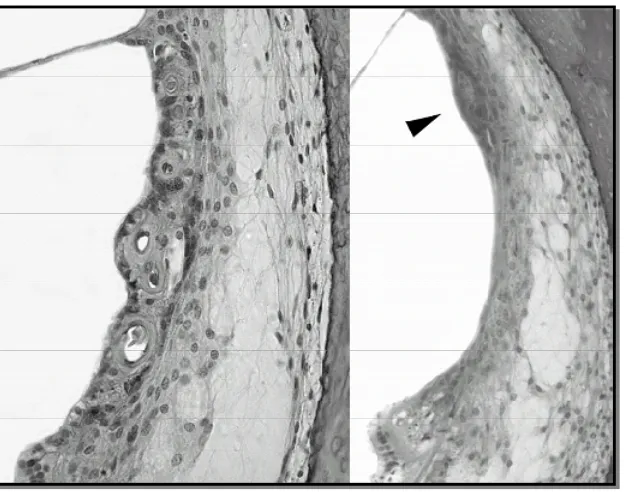
Figure 1-a. There is thickening of the capillary walls in the stria vascularis in lower middle turn of the cochlea from a 39-year old female with a 33-year-history of type 1 diabetes mellitus. HE, x200.
(ii) Loss of outer hair cells:
Loss of outer hair cells in basal turn of cochlea is another proposed pathological change in cochlea causing hearing loss in diabetes. Wackym-pa et al8 studied temporal bones of 68 Type 1 diabetic patients and found that significant loss of outer hair cells in diabetics ( 24.3%+SD 16.6) compared with controls (15.4%+SD 4.1) in the lower basal turn. Finally he concluded that there was a correlation between loss of outer hair cells in lower basal turn and increased thickness of capillary wall in basilar membrane in diabetics.
(iii) Atrophy of Striavascularis:
Atrophy of Striavascularis is another important histopathological change in microangiopathy of cochlea causing hearing loss in diabetes. Makishima K, et al8 conducted a study in 1996 and showed that total area
of all five turns of Striavascularis in diabetics (19808 m2+ SD 6910)
was significantly lower than controls ( 32113 m2+ SD 4302) . He also
(iv) Loss of Spiral Ganglion cells:
Loss of Spiral Ganglion cells in cochlea can cause hearing loss, and it was proved by Costa OA et al9 in 1993. From his study, he observed that there is significant loss in number of spiral Ganglion cells in any segment of cochlea between Diabetics and controls.
II) Diabetic Neuropathy of Cochlear Nerve:
Even though both diabetic microangiopathy and cochlear neuropathy can cause hearing loss, most studies21,22 favors microangiopathy theory as a major pathophysiology of hearing loss.
LITERATURE REVIEW
Association of hearing loss with diabetes has been spoken since olden times .The relationship between type 1 DM and hearing impairment has been a subject of debate since Jordao et al14 reported a case of hearing loss with incipient diabetic coma almost 150 years ago... Despite a number of studies on hearing function in diabetic patients with well-controlled disease, conflicting data still exist on a possible association between bilateral progressive high frequency hearing loss and diabetes.
Incidence of hearing loss in diabetes:
Incidence of hearing loss in diabetes in older studies:
Several authors reported a higher incidence of hearing loss in diabetic patients in comparison to the general population.
AUTH
O
R
NO OF
PATIENTS
AGE INFLUE
N
CE OF A
G
E
TYP
E
OF
DM INFLUE
N CE O F RE LA TIO N W/
PRESENCE OF COM
P L ICATIO N S D M AUDIOL O
GICAL RESULT
S
Camisasca et
al.(1950) 81 29-75 absent 1 present Present DSN in 46% of cases
Jorgenson
&buch(1961) 69 16-73 present 1 absent w/ retinopathy and nephropathy
41% DSN bilateral
Tota & bocci(1965) 100 11-80 present 1&2 present retinopathy 9 dB—6KHz 15dB—3KHz >61—70 years
Marulo et al(1974) 60 20-49 present 1&2 present Retinopathy, coronaryopathy, peripheral angiopathy
DSN in 30% of cases
Friedman et al.(1975)
20 22-70 present 2 present Peripheral neuropathy,
retinopathy and use of AB
DSN in 55% of cases
Taylor &
Irwin(1978) 77 15-62 present 1 absent absent DSN mild below 9Db
Ferror et al.(1991) 46 14-40 present 1 present Retinopathy and nephropathy
30 dB in atleast one frequency
Cullen
&cinnamond(1993) 44 Mean 46.9 present 1 absent No data high frequency P<0.001
Tay et al.(1995) 102 19-80 absent 59—143—
2Present No correlation Low and medium frequencies p<0.001
Dalton et al(1998) 344 43-84 present 2 absent No association with retinopathy;
association with nephropathy
However, there are other studies with more subjects and better designed that did not identify this association (Table 2).
AUTHOR NO OF PATIENTS AGE INFLUENCE OF AGE TYPE OF DM INFLUENCE OF DURA TION RELATION W/ PRESENCE OF COMPLICATIONS DM AFFECTED FREQUENCIES LOSS IN DECIBEL Profazio & barraveli (1959)
40 9-70 present 1 present Neuropathy retinopathy and use of AB
DSN in 55% of cases >44 yrs
Strauss et al.(1982)
660 65 present 1&2 absent Other factors, hypertension, noise exposure
Significant abnormalities were not found Miller et
al.(1983)
33 22-72 present
1 absent Other factors, noise exposure
Significant abnormalities were not found Axellson
&
fagerburg (1968)
99 16-59 present 1 absent No correlation Significant abnormalities were not found
Espania et al.(1995)
Association of hearing loss in diabetes in various recent studies
According to a study by D’Espana et al conducted in 199515, incidence of hearing loss was found in 30% of cases. Hearing loss was significantly correlated with age (p = 0.0019) and duration of diabetes (p = 0.0143), but not with diabetic microangiopathy (p = 0.1506).
Another study conducted in CMC Vellore in 1989, showed that diabetics had a poorer hearing threshold than the non-diabetics; all age groups with diabetes showed a significant high frequency hearing loss, as compared to the control population; poorly controlled and complicated diabetics have significant, high frequency hearing loss as compared to those who were well controlled and uncomplicated; there was no relationship between duration of the diabetes and the level of hearing loss.
Rózańska-Kudelska M et al conducted a study in 2002, showed subjects with diabetes type 2 were more likely to have a hearing loss than were subjects without diabetes (95% vs. 65%).
According to Audiometric Evidence from the National Health and Nutrition Examination Survey, 1999 to 2004 , the prevalence of low- or mid-frequency hearing impairment of mild or greater severity of 28.0% among people with diabetes. The prevalence of hearing impairment was higher among individuals with diabetes in both sexes; all groups of race or ethnicity, education, and income–poverty ratio; and all age groups. This is one of the largest national surveys conducted so far.
Hearing loss and age of the patient
Hearing loss increases as the age advances. According to the study by Mitchell P et al, age-related hearing loss was present in 50.0% of diabetic participants (n = 210) compared with 38.2% of non-diabetic participants. Accelerated hearing loss progression over 5 years was more than doubled in persons newly diagnosed with diabetes.28
Hearing loss and diabetic age:
Hearing loss in various frequencies:
Hearing loss in diabetes occurs commonly in mid and high frequencies as the basal turn of cochlea is more affected. De epsana et al15 conducted a study in Barcelona university Spain with two groups (Group I: early diabetics, group II: chronic diabetics). In group 1 (17/47) patients developed hearing loss at high and mid frequency, in group II (30/47) patients developed hearing loss at all frequencies. He concluded that diabetes initially affects basal turn of cochlea as evidenced by mid and high frequency hearing loss in early diabetics. As diabetic age advances with involvement of apical turn of cochlea, there will be hearing loss at all frequencies in chronic diabetics.
Hearing loss and Metabolic Control:
Hearing loss in diabetes significantly correlated with degree of metabolic control (Glycosylated Hb).
products on the inner ear. High post-prandial blood sugar levels cause a significant alteration in high frequency hearing thresholds in diabetics. Damage to outer hair cells by sustained hyperglycemia has been noted in animal studies. Currently, outer hair cell function in diabetes is an area of intense research activity.
Hearing loss and Retinopathy, Nephropathy:
Microangiopathic complications like nephropathy and retinopathy are correlated with hearing loss. Ferrer et al34 and Elamin et al22 performed a study with 98 diabetic children in 1991. They observed that hearing loss was positively correlated with background and proliferative diabetic retinopathy and nephropathy, because all of these three complications are different spectrum of diabetic microangiopathy.
Peripheral neuropathy and Hearing loss:
OBJECTIVES OF THE STUDY
1. To assess the auditory function in the diabetic patients.
2. To know the incidence of hearing loss in diabetic and non diabetic patients.
3. To assess the degree of hearing loss and its distribution in various frequencies.
4. To analyze the effect of age, glycemic status (FBS, PPBS), (HbA1C), duration of type 2 diabetes on auditory acuity.
5. To compare association of hearing loss with peripheral neuropathy and other complications.
MATERIALS AND METHODS
The study was conducted at Department of Diabetology, Madurai Medical College, a tertiary care hospital, Madurai during the period between May 2011 and September 2011. It was carried out with case control study design.
Source of data
Study population was classified into two groups.. Group 1 comprises of 50 type 2 diabetic patients of either sex selected from the Department of Diabetology, belonging to the ages between 35 and 60 years. Group 1 comprises of 20 normal, healthy subjects of either sex selected from the patient attendees in hospital, belonging to the same age group .
Method of collection of data
The study comprising of 50 type 2 diabetics and 20 nondiabetics, matched with respect to age and sex are selected based on inclusion and exclusion criteria.
Inclusion criteria for diabetic patients
Fifty type 2 diabetic patients between the ages 35 and 60 years who had given written consent were included.
Age matched twenty normal healthy subjects of either sex who had given written consent were included.
Exclusion criteria
1. History of consumption of ototoxic drugs in past three months. 2. History of ear surgeries performed in the past.
3. History of ear infections in the past.
4. History of recent infections in the nose, throat or ear.
5. Patients having a noise induced hearing loss (as shown by pure tone audiometry at 4000 Hz
6. Patients with other comorbid diseases which could cause hearing problems
Maneuver:
The study was conducted at the Government Rajaji Hospital, Madurai between the periods of May 2011 to September 2011. The cases were enrolled for the study from the Diabetology OPD at the hospital. Patients were selected randomly from this group and were enrolled into the study.
Before doing hearing assessment, age at onset of Diabetic Mellitus was noted to calculate the approximate diabetic age of the patient. Previous history of hearing impairment, ear discharge, head or ear trauma and family history of congenital deafness were enquired. Other chronic complications like nephropathy, retinopathy were assessed.
Retinopathy was assessed by retinal examination. Nephropathy was assessed by estimation of blood urea, serum creatinine and electrolytes. Diabetic Neuropathy was clinically assessed by vibration test and sensation tested using monofilament. Then clinical assessment of hearing was done in all patients by doing Rinne’s test, Weber’s test, and ABC conduction test. Those who were able to understand and reciprocate the above clinical tests were subjected to undergo otoscopic examination and Pure tone audiometry using Am plaid 300 clinical audiometer. None of the study population had any ear pain or hearing loss following an exposure of excessive noise or sound. Following a thorough ENT examination, pure tone audiometry was performed in a sound proof room for both cases and controls. Both air and bone conductions were tested at low, mid and high frequencies
PURE TONE AUDIOMETRY
Principle:
Air conduction thresholds are measured for tones of 250, 500, 1000, 1500, 2000, 4000 6000 and 8000 Hertz. Bone conduction thresholds and measured for 250, 500, 1000, 1500, 2000, 4000 Hertz. The amount of intensity that has to be raised above the normal level is a measure of the degree of hearing impairment at that frequency. It is charted in the form of a graph called the “audiogram.” The thresholds of bone conduction are a measure of the cochlear function. The difference in the thresholds of air and bone conduction (A-B gap) is a measure of a degree of conductive deafness. The audiometer is so calibrated that hearing of a normal person, both of air and bone conduction is at 0 db and there is no A-B gap[13]
Methodology of pure tone
Definition of Hearing Loss:
Any person with average threshold of hearing more than 25 db in
any frequency by Pure Tone Audiometry was considered to have hearing
loss.
Audiometry was done in 3 different frequencies. 1. Low frequency (250 to 1000 Hz)
2. Mid frequency (1000 to 4000 Hz)
3. High frequency (4000 to 8000 Hz)
Degree of hearing impairment were analyzed according to WHO classification
DEGREE OF HEARING LOSS
1. Mild :- 26 to 40 db
2. Moderate :- 41 to 55 db
3. Moderately severe :- 56 to 70 db
4. Severe :- 71 to 91 db
5. Profound :- >91 db
Statistical methods [14, 15]
Chi square test has been used to find the significance of auditory thresholds (dB) between various categories of parameters. Analysis of variance [ANOVA] has been used to find the significance of auditory thresholds in different age groups and duration of the disease.
Statistical software:
RESULTS
The results were analyzed as follows:-
i. Presence of hearing loss in diabetic and non diabetic patients ii. Profile of hearing loss
iii. Risk factor for hearing loss
iv. Co morbidities of diabetes and hearing loss
v. Hearing thresholds of all diabetic patients were compared with controls
Fifty diabetic patients screened (32 males,18 females),of mean age 49.94 were recruited. The mean duration of diabetes was 2.64 yrs. The mean fasting glucose, mean postprandial blood glucose and mean HbA1c were 170.4 mg/dl , 294.26mg/dl , 8.728 respectively. In the fifty diabetic patients only 13 of them had normal hearing.
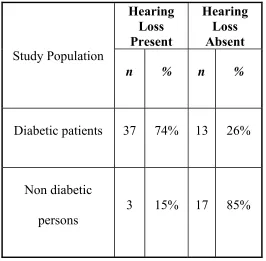
TABLE- 3: PRESENCE OF HEARING LOSS IN DIABETIC AND
NONDIABETIC PATEINTS
Study Population
Hearing Loss Present
Hearing Loss Absent
n % n %
Diabetic patients 37 74% 13 26%
Non diabetic persons
3 15% 17 85%
P valve = 0.001
In this study 37 (74%) diabetic patients had hearing loss. Whereas only 3 (15%) of the healthy individuals had hearing loss.
PROFILE OF HEARING LOSS IN DIABETIC PATIENTS
About 81% of the patients had sensori neural deafness. Only 4(8%) had conductive deafness in addition to sensori neural deafness.
Sensory Neural Hearing Loss in Various Frequencies
In the 37 patients with deafness, 30(81%) of them had hearing loss in all frequencies. And 6 (18.91%) had hearing loss only in the mid and high frequencies.
TABLE4:Sensory Neural Hearing Loss in Various Frequencies
Hearing loss severity
All frequency hearing loss
n
Mid/high frequency hearing loss
n
Mild (25-40db) 25 5
Moderate (40-55 db) 1 1
Severe (>55db)
Severity
In of heari (more th
y of hearin
n the 37 pa ing loss (81
han 55 db)
CHART
ALL FR MID/HIGH F
MILD
MODERAT
SEVERE
ng loss
atients who 1%). 2 with ) according 1: SEVER 0 EQUENCY RQUENCY ALL TE
o had heari h moderate g to WHO
RITY OF H
FREQ 10 5 11 FREQUENCY 25 1 4
ing loss, 30 e hearing l
classificati HEARING UENCIES 20 25 MID
0 of them h loss, and 5
ion
G LOSS IN
S
0 30
1 4
D/HIGH FRQUE
5
1
1
THE FOLLOWING FACTORS WERE ANALYZED FOR HEARING
LOSS IN DIABETIC PATIENTS
i) Gender of diabetic patients
ii) Age of diabetic patients
iii) Diabetic Age (duration between the date of diagnosis of diabetes and date of first hearing assessment)
iv) Glycosylated hemoglobin
v) Co morbidity relating to involvement of other organ systems in diabetes
a. Neuropathy
b. Nephropathy and
(i). Gender And Hearing Loss
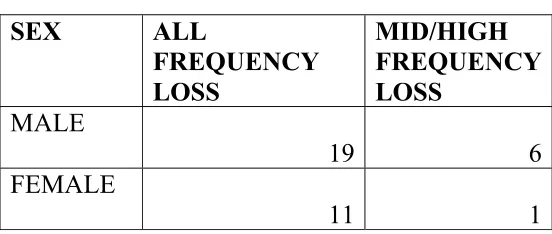
[image:39.612.171.444.277.371.2]In the study group, there were 32 males (64%) and 18 females (32%). In the 32 males, 19 had hearing loss in all frequencies, 6 had hearing loss only in mid and high frequencies. In females, 11 had all frequency loss while one had mid and high frequency loss
TABLE 5: DISTRIBUTION OF HEARING LOSS BASED ON GENDER
SEX TOTAL HEARING LOSS +
NORMAL
MALE
32 25 7
FEMALE
18 12 6
When analyzed using chi square, p value between these two groups ranged from 0.189- 0.990 and there is no significant difference in incidence of hearing loss according to gender.
TABLE 5 B: DISTRIBUTION OF FREQUENCY OF HEARING LOSS
BASED ON GENDER
SEX ALL FREQUENCY LOSS
MID/HIGH FREQUENCY LOSS
MALE
19 6
FEMALE
[image:39.612.168.444.540.657.2]CHAART – 2: D NO OF CASES DISTRIBU 0 5 10 15 20 25 MALE FEMALE UTION O BASED O MILD 23 7 OF SEVER ON GEND MODERA 1 1
(ii). Age of diabetic persons and hearing loss
Incidence of total hearing loss were analyzed with respect to age . Patients were grouped into three groups as 35-45 yrs, 46-55 yrs, > 55yrs, and performed the exercise of Pure tone Audiometry..There were 13 patients in the group of 35-45 yrs, 24 in the group of 46-55yrs, 13 patients in the group of > 55yrs
CHART - 2:AGE DISTRIBUTION
0 5 10 15 20 25
35 - 45 46 - 55 > 55
13
24
13
N
O
.O
F C
ASES
TABLE7: DISTRIBUTION OF HEARING LOSS IN DIFFERENT AGE GROUPS
Age
yrs Mild Moderate Severe
% of persons having hearing
loss
35 - 45 7 0 0 53%
46 - 55
15 3 1 79%
> 55
7 3 1 84%
In the age group of 35-45 yrs, only 7 (53%)patients had mild hearing loss. In the age group of 46-55yrs, 15 patients had hearing loss in the mild form, 3 had moderate hearing loss,and 1 had severe hearing loss. In the age group of greater than 55 yrs, 7 had mild hearing loss, 3 had moderate hearing loss, and one had severe hearing loss.Analysis through ANOVA – ONE WAY ANALYSIS showed it to be statistically significant. As the age increases the incidence of hearing loss also increased.
(iii). Diabetic age and hearing loss
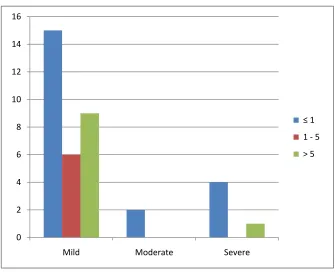
Incidence of hearing loss in diabetic patients were analyzed with respect to diabetic age less than 1yr, 1 - 5 yrs and between 5-10 yrs, since diabetic age in the study population ranging from 1 yr to maximum of 10 yrs.
In the patients with diabetic age of less than one year (27), 21(77.7%) had hearing loss. Out of them 15 had mild hearing loss, 2 had moderate hearing loss, and 4 had severe hearing loss.
In the group of patients with 1-5 yrs(11) of diabetic age, 6 had mild hearing loss. Patients with diabetic age above 5 yrs (12), 10 had hearing loss; 9 of them had mild hearing loss and 1 had severe hearing loss.
TABLE 8: Diabetic age and hearing loss
Diabetic Age Total cases n
Mild n
Moderate
n Severe
n
< 1 27 15 2 4
1 - 5 11 6 0 0
> 5 12 9 0 1
CHART – II DISTRIBUTION OF HEARING LOSS IN AMONG PATIENTS WITH DIFFERENT DIABETIC AGES
0 2 4 6 8 10 12 14 16
Mild Moderate Severe
≤ 1
1 ‐5
Distribution Of Hearing Loss In Various Frequencies
Patients with diabetic age <1 yr, 15 patients had all frequency loss and 6 patients had mid/high frequency loss. In patients with diabetic age from 1-5 yrs all had all frequency loss. In patients with diabetic age more than 5 yrs , 9 persons had all frequency loss while one patient had high frequency loss. But the diabetic age was not statistically associated with the frequency of hearing loss (p>0.05)as shown in the table 9
DISTRIBUTION OF HEARING LOSS IN VARIOUS FREQUENCIES
TABLE9
Diabetic Age All frequency Mid/high frequency
≤ 1 15(55.55%) 6(22.22%)
1 - 5 6(54.54%) 0
> 5 9(75%) 1(8%)
(iv). Glycosylated Hb and hearing loss
Glycosylated Hb (HbA1c) between < 7 and >7, since the goal of mean HbA1c < 7 as per ADA guidelines 2011. Among the fifty patients only 12 had HbA1C less than 7.Out of them, 7 had mild hearing loss, 1 had moderate hearing loss,1 had severe hearing loss. In the patients with poor control, 23 of them had mild hearing loss, 1 had moderate hearing loss, 4 had severe hearing loss.as shown in table10
TABLE10 GLYCOSYLATED HB AND HEARING LOSS
Severity of hearing loss Hba1c < 7 Hba1c >7
Mild 7 23
Moderate 1 1
Severe 1 4
Normal 3 10
Glycoslated Hb and frequency of hearing loss
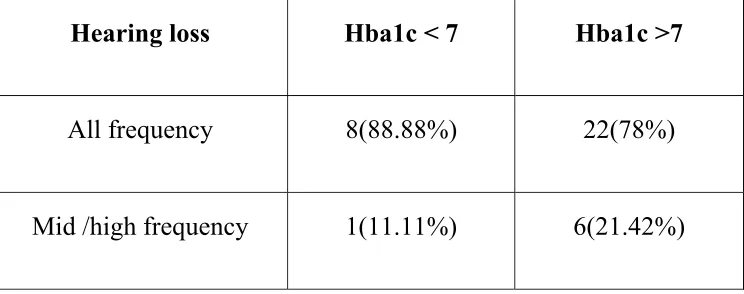
[image:47.612.122.494.307.454.2]In patients with good glycemic control, 8 persons had all frequency loss and 1 had high frequency loss. In patients with inadequate control, 22 had all frequency loss and 6 had high frequency loss. Frequency of hearing loss was also not associated with glycemic control(p>0.05)
TABLE 11 - GLYCOSLATED HB AND FREQUENCY OF HEARING
LOSS
Hearing loss Hba1c < 7 Hba1c >7
All frequency 8(88.88%) 22(78%)
(v). Fasting blood sugar and hearing loss
Patients were classifed into two groups based on fasting blood sugar control. There were 16 patients with FBS < 126 mg/dl; 32 patients with FBS > 126mg/dl. In the patients with adequate control of FBS, 12 patients had hearing loss while patients with inadequate control, 25 had hearing loss. There was no statistical significance among them based on the hearing loss.
TABLE12 - FASTING BLOOD SUGAR AND HEARING LOSS
FBS Total cases cases Mild Moderate cases Severe cases
< 126mg/dl 16 10 0 2
>126mg/dl 32 20 2 3
TABLE13 DISTRIBUTION OF HEARING LOSS BASED ON
FREQUENCY
FBS All frequency Mid/high frequency
< 126 12(100%) 0
>126 18(72%) 7(28%)
Usually hyperglycemia is associated with mid/high frequency hearing loss as shown in Table 13. 7 patients with inadequate glycemic control had high frequency loss
(vi). Postprandial Blood Sugar And Hearing Loss Among Diabetic Patients
TABLE 14 - POSTPRANDIAL BLOOD SUGAR AND HEARING LOSS
AMONG DIABETIC PATIENTS
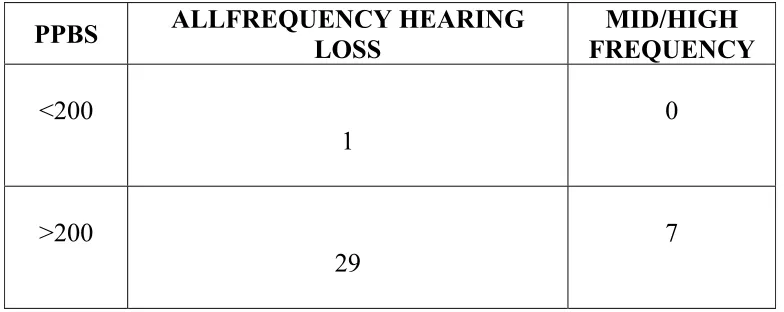
TABLE15 - FREQUENCY OF HEARING LOSS BASED ON
POSTPRANDIAL BLOOD SUGAR
PPBS ALLFREQUENCY HEARING LOSS FREQUENCY MID/HIGH
<200
1
0
>200
29
7
(vii). Hearing Loss and Chronic Complications:-
Patients that were included for the study did not have diabetic retinopathy or diabetic nephropathy.
PPBS TOTAL CASES HEARING LOSS + NORMAL
< 200 4 1 3
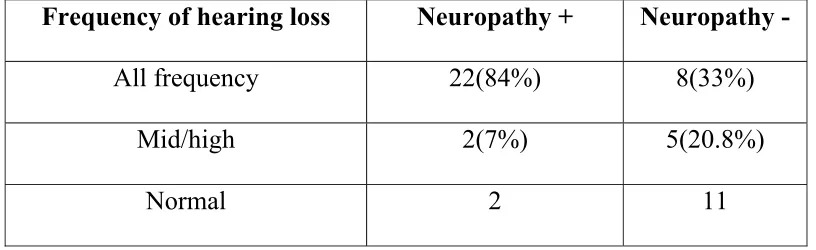
When assessed for diabetic neuropathy using vibration test and monofilament test, 26 patients had diabetic neuropathy while 24 did not have. When its correlation with hearing loss was studied, it was statistically significant(p<0.05).
[image:51.612.103.511.367.492.2]22 patients with diabetic neuropathy had all frequency loss and 2 patients had mid/ high frequency loss while in the patients without diabetic neuropathy 8 patients had all frequency loss.
TABLE 16 DIABETIC NEUROPATHY AND FREQUENCY OF
HEARING LOSS
Frequency of hearing loss Neuropathy + Neuropathy -
All frequency 22(84%) 8(33%)
Mid/high 2(7%) 5(20.8%)
Normal 2 11
Severity of hearing loss among diabetics with neuropathy
CHA
.
(viii).
W of the c frequen
CHA
ART 3 - SE
Threshold
When the h controls, a ncies, indic
ART 4- TH
0 2 4 6 8 10 12 14 16 18 20 M 2 EVERITY W
d Of Hear
hearing thr ll diabetic ating that d
HRESHO
Mild Mod
20
10
Y OF HEA
WITH NE
ring Loss A
reshold of patients h diabetic pa
OLD OF H
derate Se 1 4 1 ARING LO EUROPAT Among Di diabetic p had increas atients have HEARING evere 4 2 OSS AMO THY abetic Pat patients wa sed hearin e early hea
IN LOW Vibration Vibration ONG DIAB tients And as compare ng threshol aring loss FREQUE + ‐ BETICS d Controls
ed with tha ld in all th
ENCIES s
CHART 4:THRESHOLD OF HEARING IN MID FREQUENCY
CHART 5:THRESHOLD OF HEARING IN HIGH FREQUENCIES
0 10 20 30 40 50 60 70 80 90
1 3 5 7 9 11 13 15 17 19 21 23 25 27 29 31 33 35 37 39 41 43 45 47 49
control
cases
0 10 20 30 40 50 60 70 80 90 100
1 3 5 7 9 11 13 15 17 19 21 23 25 27 29 31 33 35 37 39 41 43 45 47 49
controls
DISCUSSION
Comparison with other Studies and Literature Review:-
Review of literature shows that hearing loss is more common in diabetics18. The incidence of hearing loss in diabetic patients in this study was 74% while it was about zero to 93% 11, 17.in various other studies. Many have tried to identify the cause, and based on their conclusions, the probable mechanisms are microangiopathy of the inner ear, neuropathy of the cochlear nerve, a combination of both, outer hair dysfunction and disruption of end lymphatic potential.
Elamin et al22 favors microangiopathic theory, which is supported by histopathological findings on temporal bones and inner ear. Thickening of capillary wall with secondary ischemia in the cochlea and the 8th cranial nerve
0 10 20 30 40 50 60 70 80 90 100
1 3 5 7 9 111315171921232527293133353739414345474951
controls
have been demonstrated in diabetic patients and experimental animal models by Durmus et al on 198023.This study demonstrates a significant hearing loss in diabetics in all the frequencies tested. This could be explained by microangiopathy of the vessels to the inner ear as proposed by Wackym.39 or due to the chronic nature of the disease as explained by De Espana15
The effect of age on auditory thresholds in diabetic subjects was
found to be clinically and statistically significant. This was similar to the results of De Espana (1995). He found a correlation between hearing levels and age of the subjects in the diabetic group15, and concluded that any hearing loss due to diabetes will be additional to that due to age alone. Similar conclusions were drawn by Axelson.41.These results were not similar to Kakarlupudi42 and Dalton43studies.There also few studies to suggest that persons with diabetes may experience hearing loss at earlier ages.46
There was also positive correlation between the duration of diabetes
Although many studies showed correlation with glycemic control and hearing loss, there was no significant association between the patients with good glycemic control (HbA1C) and poorly controlled diabetes in this study. This was similar to the results of the study by Weng et al in 2005.44There was also no correlation with blood glucose levels similar to the results of Durmus23. However post prandial blood sugar > 200 mg/dl was significantly associated with hearing loss.
secondary mechanisms to activation or dysregulation of several enzymes not directly involved in glucose metabolism.
Diabetic neuropathy was significantly associated with hearing loss
indicating there is associated auditory neuropathy. Frequency of hearing loss in auditory neuropathy can be of any type. This is depends on the site of dysfunction. The low frequency hearing loss in auditory neuropathy arise from the lesion of retrocochlear auditory afferent and efferent nerve and auditory brainstem. The high frequency hearing loss in auditory neuropathy arise from the lesion of cochlear outer hair cells47.
The incidence of hearing loss is as high as 75% in our population. And it is usually under recognized. With such high proportions of hearing loss, health care providers should consider providing referrals for early audiometric testing. Audiologists seeing middle-aged patients with unexplained hearing loss must also inquire about history of diabetes and family history of diabetes.
SUMMARY OF THE STUDY
From the analysis of hearing loss in diabetic patients, 37 (74%) diabetic patients were identified to have Sensori neural hearing loss. Only 4 patients had conductive deafness. Majority of them (81%) had mild degree of hearing impairment (26-40 db).When the threshold of hearing of diabetics compared with the controls , diabetics had increased threshold of hearing.
Out of the 37 diabetic patients with hearing loss, about 4/5th of them were identified to have hearing impairment at all frequencies and less than 1/5th had hearing impairment at mid/high frequency.
CONCLUSIONS
In this study, the auditory acuity of hyperglycemic and normal subjects were studied. The variables influencing the auditory acuity were statistically analyzed which revealed the following:
1. Incidence of hearing loss is common in diabetics when compared with normal subjects.
2. Diabetes mellitus type 2 raises auditory threshold in all frequencies between 250 Hz and 8000 Hz in all age groups in this study when compared with controls
3. The age and duration of diabetes affect auditory thresholds significantly in this study.
4. There was no association between the glycemic status (except postprandial blood sugar), sex, and other micro vascular complications..This also shows that hyperglycemia along with duration of the disease is responsible for the microvascular complications
5. Patients with peripheral neuropathy have statistically significant hearing loss of any frequency.
To conclude, auditory function of diabetic patients should be
screened early and regularly as hearing loss is one of the under
BIBLIOGRAPHY
1. International Diabetes Federation's 5th edition of the Diabetes Atlas, published on November 2011
2. P.Tong & Clive S. Cockram. Economics of care, International textbook of Diabetes Mellitus, 3rd edition. ISBN; 0 – 471 – 48655 – 8,2004;Vol 2; 1855 – 1859.
3. Shobhana R, Rama Rao P, Lavanya A, Williams R, Vijay V, Ramachandran A Expenditure on health care incurred by diabetic subjects in a developing country--a study from southern India Diabetes Res Clin Pract. 2000 Apr; 48(1):37-42.
4. Ramachandran A, Increasing expenditure on health care incurred by diabetic subjects in a developing country: a study from India. Diabetes Care. 2007 Feb; 30(2):252-6.
5. Várkonyi TT, Tóth F, Rovó L, Lengyel C, Kiss JG, Kempler P, Lonovics J. Impairment of the auditory brainstem functions in diabetic neuropathy. Diabetes Care. 2002 Mar; 25(3):631-2.
7. Fukushima Effects of type 2 diabetes mellitus on cochlear structure in humans. Arch Otolaryngol Head Neck Surg. 2006 Sep;132(9):934-8.
8. Malpas S, Blake P, Bishop R, Robinson B, Johnson RDoes autonomic neuropathy in diabetes cause hearing deficits? N Z Med J. 1989 Aug 23;102(874):434-5.
9. Costa OA. Inner ear pathology in experiental diabetes. Laryngoscope 1967;77: 68 – 75.
10.Sandor A. Friedman, MD; Robert H. Schulman, MD; Steven Weiss Hearing and Diabetic NeuropathyArch Intern Med. 1975;135(4):573-576.
11.B Nageris, T Hadar, M Feinmesser, J Elidan Cochlear
istopathologic analysis in diabetic rats. The American journal of otology (1998) Volume: 19, Issue: 1, Pages: 63-65
12.Tay HL, Ray N, Ohri R, Fronntko NJ. Diabetes mellitus and hearing loss. Clin Otolaryngol 1995; 20: 130-4]
13. Tomisawa H.Diabetic changes in the stria vascularis in humans--a study of PAS-stained temporal bone sections. Nihon Jibiinkoka Gakkai Kaiho. 2000 Nov;103(11):1227-37.
15.De España R Hearing and diabetes. . ORL J Otorhinolaryngol Relat Spec. 1995 Nov-Dec;57(6):325-7.
16.Kurien M, Thomas K, Bhanu TS Hearing threshold in patients with diabetes mellitus. J Laryngol Otol. 1989 Feb;103(2):164-8.
17.Rózańska-Kudelska M, Chodynicki S, Kinalska I, Kowalska I.Hearing loss in patients with diabetes mellitus type II. Otolaryngol Pol. 2002;56(5):607-10.
18.Natalie Bridge Aragão1 Linhares, Therezita Maria Galvão Castro2 Patury Peixoto, Mauricio Trinity Euclid Child3, Acta Otolaryngology v.28 n.2 - Pages 44-87 - St. Paul - Apr / May / June – 2010
19.Kopper H, Teixeira AR, Dorneles S. Cognitive Performance of a Group of Elders: Influence of Hearing, Age, Sex, and Education. Arq. Int. Otorrinolaringol. 2009;13(1):39-43
20.Thiago Hernandes Diniz; Heraldo Lorena GuidaHearing loss in patients with diabetes mellitusBraz. j. otorhinolaryngol. (Impr.) vol.75 no.4 São Paulo July/Aug. 2009
21.Celik O, Yalçin S, Celebi H, Oztürk A.Hearing loss in insulin-dependent diabetes mellitus. Auris Nasus Larynx. 1996;23:127-32. 22.A.Elamin, M Fadalallah, T Tuvemo. Hearing loss in children with
23.Durmus C, Yetiser S, Durmus O. Auditory brain stem evoked response in IDDM subjects.. Auditory brainstem evoked responses in insulin-dependent (ID) and non-insulin-dependent (NID) diabetic subjects with normal hearing.Int J Audiol 2004, Vol. 43, No. 1 , Pages 29-33
24..Tay HL, Ray N, Ohri R, Frootko NJ. Diabetes mellitus and hearing loss. Clin Otolaryngol Allied Sci. 1995 Apr;20(2):130-4. 25. Austin DF, Konrad-Martin D, Griest S, McMillan GP, McDermott
D, Fausti SDiabetes-related changes in hearing. Laryngoscope. 2009 Sep;119(9):1788-96.
26. Huang YM, Pan CY, Gu R, Cai XH, Yu LM, Qiu CYHearing
impairment in diabetics. Chin Med J (Engl). 1992 Jan;105(1):44-8.
27. Huang Y.Study on the hearing impairment in diabetic patients
Zhonghua Er Bi Yan Hou Ke Za Zhi. 1990;25(6):354-6, 384.
28.Mitchell P, Gopinath B, McMahon CM, Rochtchina E, Wang JJ, Boyages SC, Leeder SR. Relationship of Type 2 diabetes to the prevalence, incidence and progression of age-related hearing loss. Diabet Med. 2009 May; 26(5):483-8.
30.JAladag I, Eyibilen A, Güven M, Atiş O, Erkokmaz U. Role of oxidative stress in hearing impairment in patients with type two diabetes mellitus.Laryngol Otol. 2009 Sep;123(9):957-63. Epub 2009 Feb 9.
31.Raynor E, Robison WG, Garrett CG, Mcguirt WT, Pillsbury HC, Prazma J. Consumption of a high galactose diet induces diabetic like changes in the inner ear. Otolaryngol Head Neck Surg. 1995;113:748–54.
32.Lasisi OA, Nwaorgu OG, Bella AF. Cochleovestibular complications of diabetes mellitus in Ibedan, Nigeria. Int Congr Series. 2003;1240:1325–8.
33.Triana RJ, Suits GW, Garrison S, Prazma J, Brechtelsbauer B, Michaelis OE, et al. Inner ear damage secondary to diabetes mellitus. Arch Otolaryngol Head Neck Surg. 1991;117:635–40.
34. Ferrer JP, Biurrun O, Lorente J, Conget JI, de España R, Esmatjes
E, Gomis R. Auditory function in young patients with type 1
diabetes mellitus.Diabetes Res Clin Pract. 1991 Jan;11(1):17-22.
35. Aladağ I, Kurt S, Eyibilen A, Güven M, Erkorkmaz U.Early
evaluation of auditory dysfunction in patients with type 2 diabetes
mellitus. Kulak Burun Bogaz Ihtis Derg. 2008
36. Parving A, Elberling C, Balle V, Parbo J, Dejgaard A, Parving
HH.Hearing disorders in patients with insulin-dependent diabetes
mellitus. Audiology. 1990;29(3):113-21.
37.Salvenelli F, Miele A, Casale M, Greco F, D'Ascanio L, Firrisi L,
et al. Hearing thresholds in patients with diabetes. Int J
Otorhinolaryngol. 2004. p. 3
38.Kerr AG, Stephans D. Scott-Brown's Otolaryngology: Adult Audiology. 6th ed. Volume 2. Butterworth Heinemann; 1997. pp. 2/1/6–9.
39.Wackym PA, Linthicum FH., Jr Diabetes mellitus and hearing loss: Clinical and histopathological relationships. Am J Otol. 1986;7:176–82.
40.Krochmalska E, Lazarczyk B, Rogowski M, Rzewnicki I, Wasilewska A, Jakubczyk D. Evaluation of hearing in patients with diabetes]. Otolaryngol Pol. 1989;43(1):45-51.
41.Axelsson and S. E. Fagerberg Auditory Function in Diabetics1968, Vol. 66, No. 1-6 , Pages 49-64
43.Dalton DS, Cruickshanks KJ, Klein R, Klein BE, Wiley TL Association of NIDDM and hearing loss. Diabetes Care. 1998 Sep;21(9):1540-4.
44.Weng SF, Chen YS, Hsu CJ, Tseng FY Clinical features of sudden sensorineural hearing loss in diabetic patients. Laryngoscope. 2005 Sep;115(9):1676-80
45.Lisowska G, Namysłowski G, Morawski K, Strojek K.Cochlear dysfunction and diabetic microangiopathy. Scand Audiol Suppl. 2001 ;(52):199-203.
46.Kathleen E. Bainbridge, PhD, MPH; Howard J. Hoffman, MA; and Catherine C. Cowie, PhD, MPH Diabetes and Hearing Impairment in the United States: Audiometric Evidence from the National Health and Nutrition Examination Survey, 1999 to 2004 Annals of Internal MedicineJuly 1, 2008 vol. 149 no. 1 1-10
The eighth nerve function in diabetes mellitus of adult
PROFORMA
Name: Age /sex: Address:
Occupation: Income: Socio economic status:
Whether diabetic / not
Diagnosis: Type1/ Type2/ MODY Duration of illness:
When it was first diagnosed:
Symptoms at the time of presentation:
Any associated complications at the time of diagnosis: Microvascular
Macrovascular
Other comorbid illness HT /IHD / CKD Start of therapy: OHA/ insulin
Dosage of drugs:
Diabetic severity: insulin dep/ insulin not dep/ no DM Whether compliance good/ poor
On regular blood sugar check up:
Whether HBA1c done at any point of time:
Is there any hard of hearing at the time of diagnosis: yes/no Is there any hard of hearing at present: Y/N
Any previous history of: Ear discharge /tinnitus/ ear pain Any previous history of surgeries in the ear: Y/N
Any family history of deafness: Y/N Any chronic history of drug intake Y/N History of usage of hearing aid or not History of exposure to loud noises Y/ N H/o of trauma to ear Y/N
Examination
Wt Ht
General Pallor edema legs dermapathy fungal infections Periarthritis shoulder balanoprosthitis ulcers caries Dentures periodonitis
CVS
RS
PA
CNS truncal neuropathy/ amyotrophy/ sensory neuropathy PNS- vibration sense
Monofilament- Investigations
Recent blood sugar – post prandial urine – albumin
Fasting sugar
Bloodurea deposits
Serum creatinine
Serum cholesterol Retinopathy HBA1c
Audiogram result
MASTER CHART ‐ CONTROLS
FBS PPBS UREA CREAT CHOL
RETI NOPATHY UR INE ALBU M IN VIBRAT ION MON O FILA M ENT
HBAI 250‐1000 1000‐4000 4000‐8000
25 0 ‐ 10 00 MEAN 10 00 ‐ 40 00 MEA N 40 00 ‐ 80 00 MEA N AUDIOGRAM RESU LT
102 134 1 1 1 ‐ ‐ ‐ ‐ 5 R10L10 R0L0 R8L8 10 0 8 NORMAL
80 136 1 1 1 ‐ ‐ ‐ ‐ 6 R8L8 R10L10 R10L10 8 10 10 NORMAL
98 112 1 1 1 ‐ ‐ ‐ ‐ 5.5 R8L8 R8L8 R8L8 8 8 8 NORMAL
78 122 1 1 1 ‐ ‐ ‐ ‐ 4 R8L8 R0L0L0 R10L10 8 0 10 NORMAL
67 98 1 1 1 ‐ ‐ ‐ ‐ 6.1 R20L20 R25L20 R20L20 20 22.5 20 NORMAL
111 145 1 1 1 ‐ + ‐ ‐ 5 R0L0 R10L10 R10L10 0 10 10 NORMAL
78 122 1 1 1 ‐ ‐ + + 4.5 R25L35 R35L35 R35L35 30 35 35 MILD
85 132 1 1 1 ‐ ‐ ‐ ‐ 5 R8L8 R8L8 R10L10 8 8 10 NORMAL
110 143 1 1 1 ‐ ‐ + + 4.8 R40L35 R38L40 R40L40 37.5 39 40 MILD
68 110 1 1 1 ‐ ‐ ‐ ‐ 5.4 R0L0 R0L0 R0L0 0 0 0 NORMAL
97 126 1 1 1 ‐ ‐ ‐ ‐ 6 R8L8 R10L10 R10L10 8 10 10 NORMAL
79 128 1 1 1 ‐ ‐ ‐ ‐ 4.6 R8L8 R8L8 R8L8 8 8 8 NORMAL
89 132 1 1 1 + 1 ‐ ‐ 5 R8L8 R0L0L0 R10L10 8 0 10 NORMAL
74 120 1 1 1 ‐ ‐ ‐ ‐ 5.2 R15L18 R18L20 R20L20 16.5 19 20 NORMAL
89 132 1 1 1 ‐ ‐ ‐ ‐ 4 R18L18 R20L20 R20L20 18 20 20 NORMAL
67 100 1 1 1 ‐ ‐ ‐ ‐ 4.6 R10L10 R10L10 R10L10 10 10 10 NORMAL
61 104 1 1 1 ‐ ‐ ‐ ‐ 4.4 R10L10 R15L18 R15L20 10 16.5 17.5 NORMAL
69 108 1 1 1 ‐ ‐ + + 4 R28L30 R35L35 R40L40 29 35 40 MILD
74 124 1 1 1 ‐ ‐ ‐ ‐ 4 R18L18 R20L20 R20L20 18 20 20 NORMAL
MASTER CHART ‐ CONTROLS
AGE SEX FBS PPBS UREA CREAT CHOL
RET INOPATH Y UR INE ALBUMIN VIBRA TIO N MON O FILAM ENT
HBAI 250‐1000 1000‐4000 4000‐8000
25 0 ‐ 10 00 ME AN 10 00 ‐ 40 00 MEA N 40 00 ‐ 80 00 MEA N AUDIOGRAM RESU LT
47 1 102 134 1 1 1 ‐ ‐ ‐ ‐ 5 R10L10 R0L0 R8L8 10 0 8 NORMAL
49 1 80 136 1 1 1 ‐ ‐ ‐ ‐ 6 R8L8 R10L10 R10L10 8 10 10 NORMAL
55 1 98 112 1 1 1 ‐ ‐ ‐ ‐ 5.5 R8L8 R8L8 R8L8 8 8 8 NORMAL
60 2 78 122 1 1 1 ‐ ‐ ‐ ‐ 4 R8L8 R0L0L0 R10L10 8 0 10 NORMAL
57 1 67 98 1 1 1 ‐ ‐ ‐ ‐ 6.1 R20L20 R25L20 R20L20 20 22.5 20 NORMAL
49 2 111 145 1 1 1 ‐ + ‐ ‐ 5 R0L0 R10L10 R10L10 0 10 10 NORMAL
58 1 78 122 1 1 1 ‐ ‐ + + 4.5 R25L35 R35L35 R35L35 30 35 35 MILD
52 1 85 132 1 1 1 ‐ ‐ ‐ ‐ 5 R8L8 R8L8 R10L10 8 8 10 NORMAL
56 2 110 143 1 1 1 ‐ ‐ + + 4.8 R40L35 R38L40 R40L40 37.5 39 40 MILD
47 2 68 110 1 1 1 ‐ ‐ ‐ ‐ 5.4 R0L0 R0L0 R0L0 0 0 0 NORMAL
49 2 97 126 1 1 1 ‐ ‐ ‐ ‐ 6 R8L8 R10L10 R10L10 8 10 10 NORMAL
52 2 79 128 1 1 1 ‐ ‐ ‐ ‐ 4.6 R8L8 R8L8 R8L8 8 8 8 NORMAL
52 1 89 132 1 1 1 + 1 ‐ ‐ 5 R8L8 R0L0L0 R10L10 8 0 10 NORMAL
47 1 74 120 1 1 1 ‐ ‐ ‐ ‐ 5.2 R15L18 R18L20 R20L20 16.5 19 20 NORMAL
48 1 89 132 1 1 1 ‐ ‐ ‐ ‐ 4 R18L18 R20L20 R20L20 18 20 20 NORMAL
51 1 67 100 1 1 1 ‐ ‐ ‐ ‐ 4.6 R10L10 R10L10 R10L10 10 10 10 NORMAL
57 2 61 104 1 1 1 ‐ ‐ ‐ ‐ 4.4 R10L10 R15L18 R15L20 10 16.5 17.5 NORMAL
42 1 74 124 1 1 1 ‐ ‐ ‐ ‐ 4 R18L18 R20L20 R20L20 18 20 20 NORMAL