Dissertation submitted to
THE TAMIL NADU Dr. M.G.R MEDICAL UNIVERSITY, CHENNAI
In partial fulfillment
For the award of the degree of
MASTER OF PHARMACY
IN
PHARMACEUTICS
Submitted by
SUBHOJIT SAMANTA
REG NO: 26106309
Under the guidance of
Institutional guide Industrial guide
Mr.T.Akelesh, M.Pharm, DIH Mr.Deelip N.Muchlambe Assistant Professor Deputy Manager (F&D) Department of Pharmaceutics Uni-Sankyo Ltd
RVS College Of Pharmaceutical Sciences Hyderabad Sulur, Coimbatore.
DEPARTMENT OF PHARMACEUTICS,
RVS COLLEGE OF PHARMACEUTICAL SCIENCES,
SULUR, COIMBATORE-641402,
TAMIL NADU.
It gives me great pleasure and satisfaction to declare that the dissertation entitled
“
FORMULATION AND EVALUATION OF
FLOATING TABLETS OF CEFIXIME TRIHYDRATE
USING CHITOSAN
”
is a bonafide genuine research work carried out by me in the
Formulation and Development department of Uni
-Sankyo Ltd, Hyderabad,
under
the guidance
of Mr.T.Akelesh
(Institutional Guide), Asst. Professor, Dept. of
Pharmaceutics,
R.V.S College of Pharmaceutical Sciences,
Sulur, Coimbatore and
Mr. Deelip N. Muchlambe
(Industrial Guide), Deputy Manager, Formulation and
Development department of
Uni-sankyo Ltd
, Hyderabad.
Place: Coimbatore Mr. Subhojit Samanta,
Date: Reg. No: 26106309,
Department of Pharmaceutics ,
RVS College of Pharmaceutical
Sciences,
This is to certify that this dissertation thesis entitled
“
FORMULATION
AND EVALUATION OF FLOATING TABLETS OF CEFIXIME TRIHYDRATE USING CHITOSAN”
is a bonafide genuine research work carried out by
Mr.Subhojit Samanta (Reg.
No. 26106309)
in Partial fulfillment of the requirements for the award of degree in
Master of Pharmacy in Pharmaceutics,
of
The Tamilnadu Dr. M.G.R. Medical
University, Chennai
, in the Formulation and Development department of
Uni-Sankyo Ltd, Hyderabad
under my guidance and supervision to my fullest
satisfaction.
Place: Coimbatore Mr. T. Akelesh, M.Pharm, DIH
Date: Assistant Professor
Department of Pharmaceutics,
RVS College of Pharmaceutical Sciences,
This is to certify that this dissertation thesis
entitled
“
FORMULATION
AND EVALUATION OF
FLOATING TABLETS OF CEFIXIME TRIHYDRATE USING
CHITOSAN
”
is a bonafide genuine research work carried out by
Mr.Subhojit
Samanta (Reg. No. 26106309)
in Partial fulfillment of the requirements for the
award of degree in
Master of Pharmacy in Pharmaceutics,
of
The Tamilnadu Dr.
M.G.R. Medical University, Chennai
, in the Formulation and Development
department of
Uni-Sankyo Ltd, Hyderabad,
under the guidance of
Mr.T.Akelesh
(Institutional Guide), Asst. Professor, Dept. of Pharmaceutics
, R.V.S College of
Pharmaceutical Sciences,
Sulur, Coimbatore and
Mr. Deelip N. Muchlambe
(Industrial Guide), Deputy Manager, Formulation and Development department
of
Uni-sankyo Ltd
, Hyderabad.
Place: Coimbatore Dr. S. Umadevi, M.Pharm., Ph.D.,
Date: Professor and Head,
Department of Pharmaceutics,
RVS College of Pharmaceutical Sciences,
This is to certify that this dissertation thesis
entitled “
FORMULATION
AND EVALUATION OF
FLOATING TABLETS OF CEFIXIME TRIHYDRATE USING
CHITOSAN
”
is a bonafide genuine research work carried out by
Mr. Subhojit
Samanta (Reg. No. 26106309)
in Partial fulfillment of the requirements for the
award of degree in
Master of Pharmacy in Pharmaceutics,
of
The Tamilnadu Dr.
M.G.R. Medical University, Chennai
, in the Formulation and Development
department of
Uni-Sankyo Ltd, Hyderabad,
under the guidance of
Mr.T.Akelesh
(Institutional Guide), Asst. Professor, Dept. of Pharmaceutics,
R.V.S College of
Pharmaceutical Sciences
, Sulur, Coimbatore
and
Mr. Deelip N. Muchlambe
(Industrial Guide), Deputy Manager, Formulation and Development department
of
Uni-sankyo Ltd
, Hyderabad.
Place: Coimbatore Dr. R.Venkatanarayanan, M. Pharm,Ph.D
Date: Principal,
RVS College of Pharmaceutical Sciences,
It is great pleasure and honour for me to owe gratitude to my guide
Mr.T.Akelesh
,Assistant professor, RVS College of pharmaceutical sciences
for his
remarkable guidance, constant encouragement and every scientific and personal
concern throughout the course of investigation and successful completion of this
work.
I am very much thankful to
Dr
.
S.Umadevi,
Prof. and Head of the
Department of Pharmaceutics, RVS College of pharmaceutical sciences
for her
meticulous guidance, consistent encouragement, patience listening and
perspective criticism in shaping this dissertation. All the valuable advice given by
her will remain treasure.
I would like to thank
Dr.R.Venkatanarayanan
M.Pharm, Ph.D., Professor
and Principal of
RVS College of Pharmaceutical Sciences
,
for his valuable guidance
and cooperation in bringing out this project work.
I would like to thank
Uni-Sankyo, LTD
, for giving me an opportunity to
perform my project work in their organization which helped me to mould my
project work into a successful one.
I owe my thanks to
Mr
.
Deelip N. Muchlambe
, Deputy Manager,
Uni-Sankyo,
LTD
, Hyderabad, for providing me with the opportunity to carry out my
project work in formulation department.
Teaching and Non-teaching Staff members of
RVS College of pharmaceutical
sciences
, Coimbatore who encouraged to complete this work.
I express my sincere thanks to our beloved Chairman,
Dr. Kuppusamy,
RVS
educational society, Sulur, Coimbatore for providing all the facilities enabling me
to do a project of this magnitude.
I feel proud to express my hearty gratitude to all my classmates, project
mates, friends and my seniors.
Last but not the least I wish to express my deepest sense to respect and love
to my father, mother, sister and all my cousins for their constant support and
encouragement throughout.
CMC…………. ...Carboxy methyl cellulose
ºC...Degree centigrade
CGPS... ………….Controlled gas powered systems
DSC………...Differential scanning colorimetry
% ...Percent/ percentage
FTIR ...Fourier-transform infrared
GRDDS...Gastric retentive drug delivery system.
GRT ...Gastric retention time.
GIT …………...Gastro intestinal tract
G...Gram
HPMC ...Hydroxypropyl methyl cellulose
HEC…………...Hydroxy ethyl cellulose
hrs...Hours
mcg (∝g)...Microgram
mg ...Milligram
min ...Minute
n...Release exponent
NaHCO ... ...Sodium bicarbonate 3
nm ...Nanometer
r ...Correlation coefficient
rpm ...Revolutions per minute
SD ...Standard deviation
sec ...Second
T50% ...Time for 50% of drug release
USP...United States Pharmacopoeia
Table No.
Title Page No.
01 Marketed products of floating drug delivery system 19
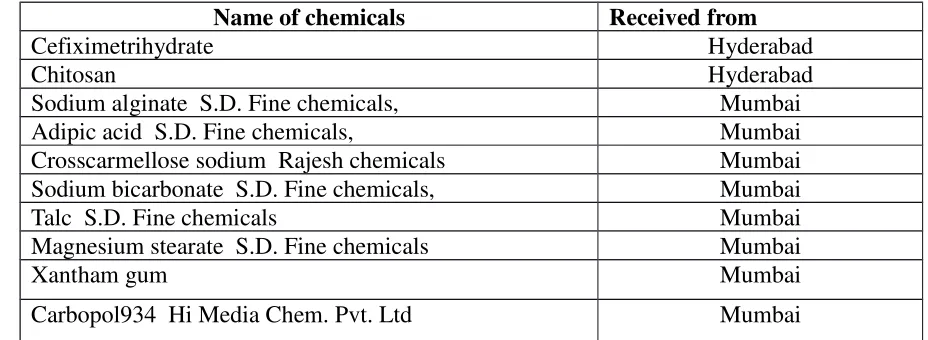
02 Chemical and Excipients used 51
03 List of instruments/equipments used 51
04 Standard calibration data of cefixime in methanol 53
05 Absorbance values for standard Cefixime in Hcl 54
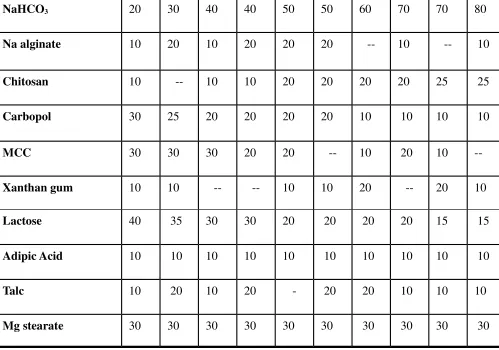
06 Preparation of Floating tablet of Cefiximetrihydrate 58
07 IP Standards for uniformity of weight 59
08 Precompressional data 66
09 Evaluation of post compressional parameters of tablet characteristics
74
10 Drug Content and Swelling Index Study 75
11 Floating ability of various CGPS cefixime tablet formulation 77
12 In-vitro % drug release data at the end of 12 hrs from CGPS 78
13 Dissolution kinetics 80
14 In-vitro release data of stability study of formulation F9 Cum. % Drug released ± S.D.
Figure No
Title Page No
01 Anatomy of stomach 3
02 Sites in G.I tract for absorption of drug from conventional dosage from stomach, duodenum and jejunum
6
03 Superporus hydro gel 12
04 Pictorial diagram for the floating tablet of hydrophilic swellable polymers
13
05 Pictorial diagram for the floating bilayer tablet of hydrocolloids 14 06 Pictorial diagram for multiple units of floating drug delivery
system using gas generation technique
15
07 Pictorial diagram for the osmosis controlled gastric floating device
16
08 Pictorial diagram of gastro-inflatable drug delivery device 17
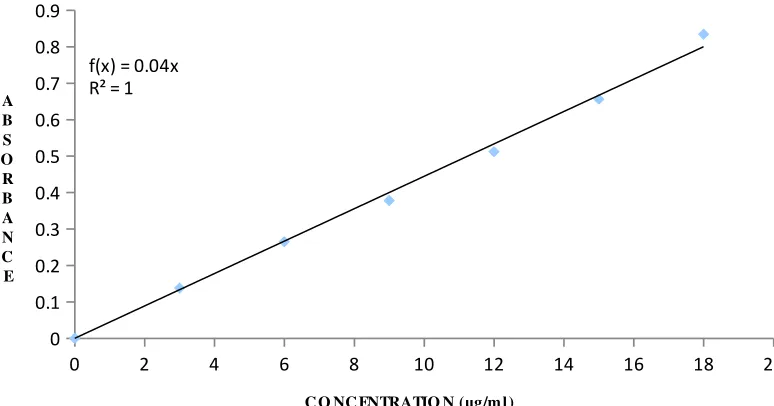
09 Standard calibration data of cefixime in 0.1 N HCL 53
10 Standard calibration data of cefixime in 0.1 N HCL 67
11 Differential scanning colorimetric study of pure drug cefixime 67
12 Differential scanning colorimetric study of F9 68
13 IR spectra of plain Cefixime Trihydrate 70
14 IR Spectra of F8 Formulation 71
15 IR Spectra of F9 Formulation 72
16 In vitro Buoyancy Study 76
17 Percent Drug Released Vs Time Plots of formulations F 1 to F5 79 18 Percent Drug Released Vs Time Plots of formulations F5 to F10 79 19 Cumulative percent release Vs Time (Zero order) of
Formulations F1, F2, F3, F4, and F5
81
20 Cumulative percent release Vs Time (Zero order) of Formulations F6, F7, F8, F9 and F10
81
21 Cumulative percent release Vs Time (First order) of Formulations F1, F2, F3, F4 and F5
82
22 Cumulative percent release Vs Time (First order) of FormulationsF6, F7, F8, F9 and F10
82
23 Cumulative percentage release Vs Square root of Time (Higuchi plot) of Formulations F1, F2, F3, F4, and F5
83
24 Cumulative percentage release Vs Square root of Time (Higuchi plot) of FormulationsF6, F7, F8, F9 and F10
83
25 Log Cumulative percent release Vs Log Time (peppas plot) of Formulations F1, F2, F3, F4 and F5
84
1 INTRODUCTION 1
2 OBJECTIVE OF THE STUDY 22
3 LITERATURE REVIEW 23
4 DRUG AND EXCIPIENT PROFILE 26
5 METHODOLOGY 51
6 RESULTS AND DISCUSSION 65
7 SUMMARY AND CONCLUSION 86
1. INTRODUCTION
In a country like India because of ever increasing population, the demand for health
care services is also increasing. With changing lifestyles and so-called “fast culture” good
health is almost deprived. In this tremendous speed of life, the health, as defined by World
Health Organization (WHO) is difficult to attain. With the up gradation of life style, the
concepts and severity of illness, diseases and disorders are also changing. The major
challenge faced by healthcare professionals in this view is that of gradation of the available
drug delivery systems. The ultimate goal of any drug delivery system is effective disease/
disorder management, minimum side effects and greater patient compliance in the cost
effective manner. The drug therapeutic indices could be maximized while indices of adverse
reactions or side effects could be minimized by regulating the drug release in body in a
well-defined controlled manner. This would eliminate the haphazard and uncontrolled blood
plasma profiles of drugs usually associated with conventional dosage forms1
.
There are numbers of potential limitations associated with conventional per oral dosage
forms2
, they are as follows:
1.The concentration of drug in plasma and hence at the site of action, fluctuates over
successive dosing intervals even at the steady state condition .Therefore it is not possible to
maintain constant therapeutic concentration of drug at the site of action.
2. The fluctuations of steady state concentration drug in plasma can subject the patient either
to under medication or over medication. For drugs with short biological half-lives (<2 hrs),
frequent doses would be required to maintain steady state plasma concentration.
These limitations, gives rise to the need for designing new drug delivery systems, which will
eliminate or reduce the cyclical plasma concentrations seen after frequent administration of
conventional drug delivery systems. The overall action of a drug molecule is dependent on its
inherent therapeutic activity and the efficiency with which it is delivered to the site of action.
An increasing appreciation of the latter has led to the evolution and development of novel
drug delivery systems (NDDS), aimed at performance enhancement of potential drug
molecules. A variety of approaches has been used to provide predictable, precise and
These approaches have provided a valuable tool to the pharmaceutical industry for
enhancing the efficiency of delivery of a number of drug molecules. This in turn has
offered enhanced commercial gains and extension of life cycle of products.
Various designations are used to describe the per oral NDD systems such as delayed
release systems, repeat action, prolonged release, sustained release, extended release,
controlled release, and modified release systems.
Per oral controlled release (CR) technology has following objectives:
• Reduction in frequency of administration and improved patient compliance
• Reduction in side-effect profiles of drug by maintaining blood levels within the
therapeutic range.
• Increased safety and efficacy of drug due to reduced fluctuations in blood levels.
• Maintenance of therapeutic drug concentration even during the night
Among these the reduction in frequency of drug administration has been the most sought
strategy in designing various per oral CR dosage forms. It is always advantageous to have
good insight of biopharmaceutical characteristics of the drug molecule, and its interplay with
various components of the biological system.
The ultimate goal of a drug delivery device, whether traditional or nove, should
therefore be to attain and maintain drug concentrations within the therapeutic window or
close to the average concentration, for the requisite duration, with minimum fluctuation.
Some of the parameters likely to have an important forbearing on designing of oral CR
formulations are given below:
Rational of controlled drug delivery system8,9
The basic rational for sustained/controlled drug delivery systems is to alter the
pharmacokinetics and Pharmacodynamics of pharmacologically active moieties by using
novel drug delivery systems or by modifying the molecular structure and or physiological
parameter inherent in a selected route of administration.
1. Reduction in fluctuation of drug blood levels about the mean.
2. Reduce the dosage frequency.
5. More consistent and prolonged therapeutic effect.
6. Decreased incidence and intensity of adverse effects and toxicity.
7. Better drug utilization.
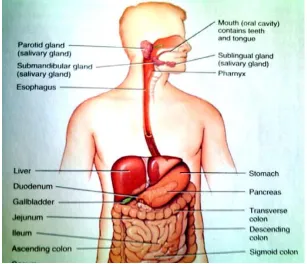
Basic gastrointestinal tract physiology
Fig-1 Anatomy of stomach
To comprehend the consideration taken in the design of the GRDDS and to evaluation their
performance, the relevant anatomy (shown in above diagram) and physiology of the GI tract
must be fully understood. The GI tract is essentially a tube about 9 m long that run from
mouth to the anus and includes throat (pharynx), oesophagus, stomach, small intestine, and
large intestine. The wall of GI tract has the same general structure through most of its length
from the oesophagus to the anus, with some local variation for each region.
The stomach is a j-shaped dilated portion of the alimentary tract situated in the epigastric,
umbilical and left hypochondriac region of the abdominal cavity. Its size varies according to
the amount distention: up to 1500 ml following a meal, after food has emptied, a `collapsed’
state is obtained with a resting volume of only 25-50 ml. The stomach is composed of the
following parts: fundus, above the opening of the oesophagus into the stomach; body, the
central part; and antrum. The pylorus is an anatomical sphincter situated between the most
terminal antrum and the duodenum. The fundus and body store food temporarily, secrete
digestive juice and propels chime, a milky mixture of food with gastric juice to the antrum.
The antrum grinds and triturates food particles and regulates the secretion of hydrochloric
Fasting gastric pH is specially steady and approximate 2, but there are short periods of
7 ± 6 min characterized by higher values. Food buffers and neutralizes gastric acid, the pH
rapidly falls back below 5 and then gradually decline to fasting state values over a period of
few hrs.
The pyloric sphincter has a diameter of 12.8 ± 7 mm in humans. The duodenal pH is
6.1; and its transit time is relatively short, less than 1 min. The small intestine has a large
surface area, which is comparable to the area of basketball, 463 m2 The pH of the small
intestine is 6-7 and its transit time is 3 ± 1 hrs, is relatively constant and is unaffected by
food. The colon has some absorption properties of water and ions, certain drug and
especially peptide molecule are also absorbed.
Physiological factors important for oral controlled drug delivery systems
51. Gastric emptying
The process of gastric emptying occurs during both fasted stated and fed state however,
the pattern of motility differs markedly in these two states. In the fasted state, it is
characterized by an inter digestive series of electrical events, which propagate both
through stomach as well as small intestine every 2-3 hrs. This activity is called as inter
digestive myoelectric complex (MMC), and is often divided into four consecutive phases.
Phase I: It is a quiescent period lasting from 40-60 min. with rare contractions.
Phase II: It is a period of similar duration consisting of intermittent action potentials gradually increases an intensity and frequency as phase progresses.
Phase III: It is short period of intense, large regular contractions lasting from 4-6 min. as it serves to sweep undigested materials out of stomach and down in small intestine, it is
termed as `housekeeper waves’. As the phase III of one cycle reaches the distal part of
small intestine, the phase III of next cycle begins in duodenum.
Phase IV: It is brief transitional phase that occurs between phase III and phase I of two consecutive cycles. In the fed state, the gastric emptying rate is slowed since the onset of
MMC is delayed. In other words, feeding results in a lag time prior to onset of gastric
Factors affecting gastric emptying time6
1. Volume: The resting volume of stomach is about 25-52ml. This volume is important for dissolution of dosage forms. As the volume is large, emptying is faster. Gastric emptying
of small volumes like 100 ml or less is governed by Migrating Myoelectric Complex (MMC)
cycle whereas large volumes of liquids like 200ml or more are emptied out immediately after
administration. Fluids at body temperature leave the stomach more rapidly than either
warmer or colder fluids.
2. Hormonal effects: Stress conditions increases gastric emptying rate whereas depression slows down gastric emptying time. Generally females have slower gastric emptying rate than
males. Age and obesity also affect gastric emptying.
3. Presence of food: Gastric emptying time differs in fasted state and in fed state. The calorific value of food affects the gastric emptying time.
4. Gastric secretions: Acids, pepsin, gastrin, mucus and other enzymes are the secretions of stomach. Normal adults produce a basal secretion up to 60ml with approximately 4mm mole
of hydrogen ions every hrs.
Factors affecting gastric residence time of dosage forms are
Size and Shape of dosage forms
Studies have revealed that gastric emptying of a dosage form in the fed state can also be
influenced by its size. Small-Size tablets leave the stomach during the digestive phase while
the large size tablets are emptied during the housekeeping waves.
Density
Dosage forms having a density lower than that of gastric fluid experience floating
behaviour and hence gastric retention. A density of < 1.0gm/cm is required to exhibit floating
property. However, the floating tendency of the dosage form usually decreases as a function
of time, as the dosage form gets immersed into the fluid, as a result of the development of
Concomitant administration of drugs
Concomitant administration of anti-cholinergic drugs, prokinetic agents affects the gastric
residence time of dosage forms.
Regional variability in intestinal absorption concept of absorption window9,10
The gastrointestinal tract (GIT) offers a varied environment capable of affecting the
absorption of per orally administered drugs. These changes are contributed by anatomical
features, physiological phenomenon, and nature of gastrointestinal milieu This can lead to
the variations in intestinal permeability of drug molecules, resulting in the phenomenon of
‘absorption window’ wherein the drug is preferentially absorbed only from a particular region of the GIT. Not all drugs candidates get uniformly absorbed throughout the GI tract.
Drugs exhibiting absorption from only a particular region of GI tract or showing difference in
absorption from various regions of GI tract are said to have regional variability in intestinal
absorption. Such drugs show ‘absorption window’ which signifies the region of GI tract from
where absorption primarily occurs. The below diagram gives the various sites in GIT from
[image:18.595.143.450.448.712.2]where the drug absorption takes place.
This absorption window is observed due to following factors6,9
1. Physicochemical factors a. pH dependent solubility
b. pH dependent stability
c. Degradation due to enzymes
2. Physiological factors a. Mechanism of absorption
b. Degradation by intestinal micro flora
1. Physico – chemical factors
pH-dependent solubility and stability: A drug experience a PH range of 1-8 across the
GIT, and needs to be in solubilised and stable form to successfully cross the biological
membranes. Most of the drugs are passively absorbed; in their un-ionized form and the
extent of ionization at different pH in different regions of GIT can significant alter the
absorption profile. pH dependent solubility, stability and ionization by changing the
physical properties of the drug in different portions of the GIT, can lead to regional
variability in absorption of drugs.
2. Physiological factors:
An orally administered drug experiences certain physiological phenomenon which can
contribute to absorption window.
Mechanism of absorption: Per orally administered drugs are absorbed both by passive diffusion as well as by non-passive means of absorption. Drugs absorbed by active and
facilitated transport mechanisms show higher regional specificity due to the prevalence of
these mechanisms only in a particular region of GIT.
Metabolic enzymes: Presence of certain enzymes in a particular region of GIT can also lead to regional variability in absorption of drugs that are substrates to those enzymes
intestinal metabolic enzymes (majorly, phase one metabolizers), like cytochrome p450
(eg, CYP3A), are abundantly present in the intestinal epithelium.
First-pass metabolism: Hepatic first-pass metabolism is another major contributory factor in reducing the bioavailability of orally administered drugs. A major portion of
metabolism. On the contrary, hepatic first-pass metabolism is of considerable interest in
regard of drugs whose therapeutic actions is dependent on their hepatic metabolism. It is a
well-accepted fact that it is difficult to predict the real in vivo time of release with solid,
oral controlled release dosage forms. Thus drug absorption in the gastrointestinal (GI)
tract may be very short and highly variable in certain circumstances.
“The aim of oral controlled release dosage form is not just to prolong the delivery of
drugs for more than 12hrs but to prolong the residence time in absorption region for
desired period of time.”
One of the most feasible approaches for achieving a prolonged and predictable drug
delivery profile in the GI tract is to control the gastric residence time (GRT).Dosage
forms with a It is evident from the recent scientific and patent literature that an prolonged
GRT, i.e Gastro retentive dosage forms (GRDFs) will provide us with new and important
therapeutic options. GRDF’s extend significantly the period of time over which the drugs
may be released. Thus, they not only prolong dosing intervals, but also increase patient
compliance over the existing controlled release dosage forms.
Applications of GRDDDS9,10
1. Delivery of sparingly soluble and insoluble drugs
Especially effective in delivery of sparingly soluble and insoluble drugs, as the
solubility of a drug decreases, the time available for drug dissolution becomes less adequate
and thus the transit time becomes a significant factor affecting drug absorption. To address
this, oral administration of sparingly soluble drugs is carried out frequently, often several
times per day.
2. Pharmacotherapy of the stomach
GRDFs greatly improve the pharmacotherapy of the stomach through local drug
release, leading to high drug concentrations at the gastric mucosa (eradication Helicobacter
pylori from the sub mucosal tissue of the stomach), making it possible to treat stomach and
duodenal ulcers gastritis and oesophagitis, reduce the risk gastric carcinoma and administer
3. Delivery of drugs with absorption window
GRDFs can be used as carriers for drugs with so-called absorption windows these
substances, for example antiviral, antifungal and antibiotic agents (sulphonamides,
quinolones, penicillin, cephalosporins, amino glycosides and tetracyclines, etc.) are taken up
only form very specific sites of the GI mucosa. In addition, by continually supplying the drug
to its most efficient site of absorption, the dosage forms allow foe more effective oral use of
peptide and protein drugs such as calcitonin, erythropoietin, vasopressin, insulin,
low-molecular-weight heparin, protease inhibitors and lutenising hormone-releasing hormone
analogues.
Formulation Approaches for Gastric Retentive Drug Delivery Systems (GRDDS)15,16
Over last three decades, various approaches have been pursued to increase the retention of
an oral dosage form in the stomach, which include
• Floating systems (low density approach),
• Swelling and expanding systems,
• Bioadhesive systems,
• Modified shape systems,
• High density systems, and
• Delayed release gastric emptying devices
• Super porous hydro gel systems
A. Floating systems (gas powered controlled drug delivery systems)
These systems are also known as hydro dynamically balanced systems (HBS) or floating
drug delivery systems (FDDDS). They have a bulk density lower than density of gastric
fluid, i.e. their bulk density is less than 1. The specific gravity of gastric fluid is
approximately 1.004-1.01g/cm, thus FDDS remains buoyant in stomach without affecting
gastric emptying rate for prolonged period of time, releasing the drug slowly at desired
rate. The improved controlled drug delivery system of the present invention is designed
to deliver effectively a drug to a patient over a specific time period (temporal control) and
from particular portion of the patients gastrointestinal tract (spatial control). The
therapeutic administration of a particular drug to a particular person with a particular
ailment.
Effect of sodium bicarbonate on drug release
The use of gas generating agents in floating formulations has been tried. The gas
generating component interacts with an acid source triggered by contact with water or
simply with gastric fluid to generate carbon dioxide that gets entrapped within the
hydrated get matrix of the swelling composition. The gas generating component such as
carbonates and bicarbonates may be present in amounts from about 5% to about 50%,
preferably from about 10% to about 30%, by weight of the composition. These salts may
be used alone or in combination with an acid source as a couple. The acid source may be
one or more of an edible organic acid, a salt of an edible organic acid or mixture thereof
e.g., citric acid or its salt sodium citrate or calcium citrate; maleic acid, fumaric acid.
Increasing the concentration of sodium bicarbonate decreases the floating lag time
because of the faster and higher CO2 generation. At higher concentration of effervescent
agents the coating of the tablets becomes less stable due to increase in the internal
pressure and thereby rupturing the polymer coating. This causes the sudden increase in
the drug release.
For the floating system, the ideal dosage form should be coated. The ideal coating
material should be highly impermeable for the dissolution medium the order to initiate
CO2 formation and should be highly permeable for generated CO2 in the wet state to
promote floating. Ichikawa M et al17
reported that sodium bicarbonate not only increases
the hydration in HPMC matrices, but also deviates drug release kinetics from matrix to
zero order. In present study, in acidic media the sodium bicarbonate reacts to generate
carbon dioxide. This might have contributed to the faster drug release in acidic media.
B. Swelling and expanding drug delivery system
To achieve gastro retention the most promising approach is that of creating a swelling and
expanding system. Any system will need to expand to a size large enough to be retained
in the (fasted) stomach, but to do so in a safe and reliable manner. It must not swell or
expand in the esophagus or in the intestine; if it is emptied prematurely from the stomach
(e.g. Problem could arise from the formation of an insoluble mass known to bezoars).
should have an ability to remain the stomach and withstand the mechanical force therein.
Last but not least, it will need to decrease in size after it has performed its function and
transit through the intestine in the normal way.
C .Bioadhesive Systems
These systems are used to localize a delivery device within the lumen and cavity of body
to enhance the drug absorption process in site specific manner. Various bioadhesive
polymers are used for achieving the effective bioadhesion. These polymers tend to form
hydrogen and electrostatic bonds at the mucus membrane-polymers boundary. Rapid
hydration contact with the mucoepithelial surface appears to favour adhesion.
D. Modified shape systems
These are non-disintegrating geometric shapes moulded from silastic elastomer or extruded
from polyethylene blends which extend the GRT depending on the size, shape and flexural
modulus of drug delivery system.
E. Mucoadhesive/bioadhesive drug delivery system
Bioadhesion is the phenomenon in which two materials, at least of which is biological are
held together by means of interfacial, such as adhesion between a polymer and biological
membrane. In the case of polymer attached to the mucin layer of a mucosal tissue, the term
mucoadhesion is used.
Bioadhesive drug delivery systems (BDDS) are used to localize a delivery device within the
lumen to enhance drug absorption in a site specific manner suitable polymers that can be used
to form mucoadhesive microsphere include soluble and insoluble, non-biodegradable and
biodegradable polymers.
F. Superporous hydro gel systems3
Although these are swellable systems, they differ sufficiently from the conventional; types to
warrant separate classification. With pore size ranging between 10 nm and 10 µm, absorption of water by conventional hydro gel is a very slow process and several hours may be needed to
reach an equilibrium state during which premature evacuation of the dosage form may occur.
pores. Moreover, they swell to a large size (swelling ratio – 100 or more) and are intended to
have sufficient mechanical strength to withstand pressure by gastric contraction.
This is achieved by co-formulation of a hydrophilic particulate material, Ac-Di-Sol
(crosscarmellose sodium). In vivo studies with dogs showed that under fasting condition, the
super porous hydro gel composite (i.e. containing Ac-Di-Sol) remained in the stomach for
2-3 hrs. This time increased to >24 hrs after feeding, even though the fed condition was
maintained only for a few hours. After several hours (> 30 hrs), fragmentation occurred and
the composite was rapidly cleared.
G. Delayed gastric emptying system
The use of passage-delaying excipients has been proposed as an attempt to develop a form
that exerts some influence on its own transit. Preliminary in vivo result depicts a major
problem related to the highly variable inter-subject reactions. Another analogue approaches
consist of using passage delaying drug, for example propantheline, which is generally
Recent Developments in Floating Drug Delivery Systems (FDDS)
3,7The concept of FDDS was described in the literature as early as in 1968; the method was
described for overcoming the difficulty of swallowing medicinal pills. The suggested method
was providing the pills having a density less than 1.0g/ml so that pill will float on water
surface. Since then several approaches have been used to develop an ideal floating delivery
system.
The various buoyant compositions include hollow microspheres (micro balloons), granules,
powders, capsules, tablets (pills), and laminated films. Most of the floating systems include
single unit systems, such as HBS and floating tablets. These systems are unreliable and
irreproducible in prolonging residence time in stomach when orally administered, due to their
`all or nothing’ emptying process. On the other hand, multiple unit dosage forms appear to
be effective in reducing inter-subject variability and lower the probability of dose dumping.
Based on mechanism of buoyancy, two distinctly types of systems have been utilized in the
development of FDDS. They are non-effervescent and effervescent types of systems. The
following figures demonstrate these various approaches.
[image:25.595.133.491.463.721.2]1. Intragastric floating tablet employing hydrophilic swellable polymers
2. Floating bilayer tablet containing hydrocolloids in the core
A bilayer tablet can also be prepared to contain one immediate release and other sustained
release layer. Immediate release layer delivers the initial dose whereas sustained release
layer absorbs gastric fluid and forms a colloidal get barrier on its surface. This results in
system with bulk density lesser than that of gastric fluid and allows it to remain buoyant in
[image:26.595.133.502.223.483.2]the stomach for an extended period of time.
Fig-5 Pictorial diagram for the floating bilayer tablet of hydrocolloids
3. Intragastric floating drug delivery device containing micro porous membrane and floatation chamber
The technology is comprised of encapsulation of a drug reservoir inside a micro porous
compartment with pores along its top and bottom surfaces. The peripheral walls of the drug
reservoir compartment are completely sealed to prevent any direct c contact of gastric
mucosal surface with undissolved drug. In stomach, the floatation chamber containing
entrapped air caused the delivery system to float over the gastric contents. Gastric fluid enters
through the pores, dissolves the drug and carries the dissolved drug for continuous transport
4. Multiple-Unit oral floating dosage system
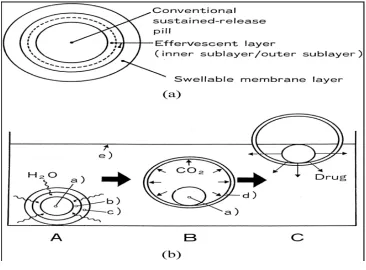
These buoyant delivery system uilize effervescent reactions between carbonate/bicarbonate
salts and citric/tartaric acid to liberate CO2which gets entrapped in the jellified hydrochloride
layer of the system, thus decreasing its specific gravity and making it float over chime. These
tablets may be either single layered wherein the CO2 generating components are intimately
mixed within the tablet matrix or they may be bilayer in which the gas generating
components are compressed in one hydrocolloid containing layer, and the drug in outer layer
for sustained release effect. Multiple unit type of floating pills as show in below picture that
generates CO2, have also been developed. These kinds of systems float completed within 10
[image:27.595.107.473.325.595.2]min and remain floating over an extended period of 5-6 hrs.
5. Intragastric osmosis controlled drug delivery system
Intragastric floating tablet that were hydrodynamically balanced in the stomach for an
extended period of time until the entire drug-loading dose was released. Tables were
comprised of an active ingredient, 0-80% by weight of inert material, and 20-75% by weight
of one or more hydrocollids such as methylcellulose, hydroxyl ethyl cellulose, hydroxyl
propyl methylcellulose, and sodium carboxy methylcellulose, which open contact with gastric
[image:28.595.118.462.259.454.2]fluid, provided a water impermeable colloid gel barrier on the surface of tablets.
Fig-7 Pictorial diagram for the osmosis controlled gastric floating device
6. Gastro-inflatable drug delivery device
These devices are osmotically controlled floating system containing a hollow deformable
unit that can be converted from a collapsed to an expanded position and returned to collapse
position after an extended period.
A deformable system consists of two chambers separated by an impermeable, pressure
responsive, movable bladder. The first chamber contains the drug and the second chamber
contains volatile liquid. The device inflates and the drug is continuously released from the
Fig-8 Pictorial diagram of gastro-inflatable drug delivery device
Advantages of FDDS6,7
1. Sustained drug delivery 2. Site-specific drug delivery 3. Pharmacokinetic advantages
Floating drug delivery offers several applications for drugs having poor
bioavailability because of the narrow absorption window in the upper part of the
gastrointestinal tract. It retains the dosage form at the site of absorption and thus enhances
the bioavailability.
Improvement of bioavailability of drugs having poor bioavailability, because of
restricted absorption in upper GI tract. Minimization of fluctuations in the plasma levels of
drugs due to variable gastric emptying. Improvement of the bioavailability of the drugs that
show pH dependent solubility, such as Verapamil (solubility decreases with increase in pH).
Therapeutic applications
FDDS is effective in the treatment of Helicobacter pylori, causative organism for
chronic gastritis and peptic ulcers. The eradication of which requires high concentrations of
Sustained release drug delivery
HBS systems can remain in the stomach for long periods and hence can release the drug over
a prolonged period of time. The problem of short gastric residence time encountered with an
oral CR formulation hence can be overcome with these systems. These systems have a bulk
density <1 as a result of which they can float on the gastric contents. These systems are
relatively large in size and passing from the pyloric opening is prohibited.
Site-specific drug delivery
Floating drug delivery system is particularly advantageous for drugs that are specifically
absorbed from stomach or the proximal part of the small intestine, e.g., riboflavin and
furosemide.
Absorption enhancement
Drugs that have poor bioavailability because of sites specific absorption from the upper part
of the gastrointestinal tract are potential candidates to be formulated as floating drug delivery
system, thereby maximizing their absorption. FDDS also serves as an excellent drug delivery
system for the eradication of Helicobacter pylori, which causes chronic gastritis and peptic
ulcers. The treatment requires high drug concentrations to be maintained at the site of
infection that is within the gastric mucosa. By virtue of its floating ability these dosage forms
can be retained in the gastric region for a prolonged period so that the drug can be targeted.
Limitations of FDDS
The residence time in the stomach depends upon the digestive state. Hence, FDDS should be
administered after the meal.16
The ability to float relies on the hydration state of the dosage form. In order to keep these
tablets floating in vivo, intermittent administration of water (a tumbler full, every 2 hrs) is
beneficial.
The ability of drug to remain in the stomach depends upon the subject being positioned
upright.
FDDS are not suitable for the drugs that have solubility or stability problems in the gastric
Drugs like nifedipine, which is well absorbed along the entire GIT and which undergoes
significant first pass metabolism, may not be desirable candidates for FDDS since the slow
gastric emptying may lead to the reduced systemic bio-availability.
Drugs that have multiple absorption sites in the gastrointestinal tract, and those that are not
stable at gastric pH are not suitable candidates to be formulated as floating dosage forms. One
drawback of hydro dynamically balanced systems is that, this system being a matrix
formulation consists of a blend of drug and low-density polymers. The release kinetics of
drug cannot be changed without changing the floating properties of the dosage form and vice
versa.
Marketed products of FDDS
The last three decades of intensive research work have resulted in the development of five
[image:31.595.120.506.414.580.2]commercial FDDS.
Table-1 Marketed products of floating drug delivery system
Product Name Use
Madopar Anti parkinsonism
Val release Sedative, hypnotic
Liquid Gaviscon Suppress gastrooeseophageal reflux & heart burn
Topalkan Antacid, Antipeptic
Need for the study
The improved controlled drug delivery system of the present invention is designed to deliver
effectively a drug to a patient over a specific time period (temporal control) and from
particular portion of the patients gastrointestinal tract (spatial control).The improved
controlled drug delivery system avoids dose dumping and results in the most therapeutic
administration of a particular drug to a particular person with a particular ailment.
It is well known to those skilled in the art that for ailments requiring multiple doses of a
particular drug, the blood levels of a drug need to be maintained above its minimum
effective level and below its minimum toxic level in order to obtain the desired therapeutic
effects, to avoid undesired toxic effects, and to minimize side effects .When the blood levels
of a drug are in this range, the drug is eliminated from the body at a particular rate. A
controlled drug delivery is usually designed to deliver the drug at this particular rate: safe
and effective blood levels are maintained for a period as long as the system continues to
deliver the drug at this rate. Controlled drug delivery results in substantially constant blood
levels of the active ingredient as compared to the uncontrolled fluctuations observed when
multiple doses of quick releasing doses forms are administered to a patient. Controlled
drug delivery results in optimum therapy and not only
reduces the frequency of dosing,
but may also reduce the severity and frequency of side effects.
The above basic concepts of controlled drug delivery are well known to those
skilled in the
art. Considerable efforts have been made in the last decades to develop new
pharmaceutically viable and therapeutically effective controlled drug delivery systems.
Attention has been focused particularly on orally administered controlled drug delivery
systems. Various pharmacokinetic advantages like, maintenance of constant
therapeutic level over a prolonged period of time and thus reduction in fluctuation in
therapeutic levels minimizing the risk of resistance especially in case of antibiotics. For the
present study cefixime is selected as drug candidate, it fulfills the following characteristics
which indicate its suitability for fabrication into the floating drug delivery system. Cefixime
is a very poorly soluble in water after its oral administration, it is slowly and
incompletely absorbed from the gastrointestinal tract, which resulting into the poor
systems for controlled release with increased gastric retention. The present development
study of Cefixime in the form of tablet or capsule which provides a combination of
spatial and temporal control of drug delivery to patients for effective therapeutic results.18, 19
1. Formulation of floating tablet containing Cefixime as a drug candidate which would
remain in stomach or upper part of GIT for prolonged period of time, therefore the
maximum drug release is maintained at desired site.
2. Cefixime having good absorption in GIT.
3. Cefixime having low pKa which remain unionized in stomach for better absorption.
4. For beta-lactum antibiotics the pharmacodynamic parameter that best correlates with
eradication is more than above the MIC (minimum inhibitory concentration). It means that
2. OBJECTIVES
In the present research work, we are designing Cefixime gas powered systems for controlled
release. It is an object of the present research topic to provide Pharmaceutical composition
in the form of tablets, which constitute an oral controlled drug delivery system.
1. Generates and entraps a gas in a hydrated matrix upon contact with an aqueous
medium or gastric fluids, and which retains a substantially monolithic form in the
stomach.
2. Provides increased gastric residence and hence longer period of the drug delivery system
in GI tract.
3. Delivers the drug at controlled rate such that the drug is delivered over period of time.
4. Shows increased absorption of drugs i.e. absorbed largely from the upper parts of
the GI tract as compared to other oral controlled drug delivery system.
5. Safe and effective blood levels are maintained for a period as long as the system continues
to the deliver the drug at this rate.
6. It not only reduces the frequency of dosing but may also reduce the severity and
3. REVIEW OF LITERATURE
Talwar et al15developed a once daily formulation for oral administration of ciprofloxacin. The formulation was composed of 69.9% ciprofloxacin base, 0.34%sodiumalginate, 1.03%
xanthan gum, 13.7% sodium bicarbonate and 12.1% cross linked polyvinyl pyrrolidone. The
viscolyzing agents initially and the gel forming polymer later formed a hydrated gel matrix
that entrapped the gas, causing the tablet to float and be retained in the stomach or upper part
of the small intestine (spatial control). The hydrated gel matrix created a tortuous diffusion
path for the drug, resulting in sustained release of the drug.
Baumgartner et al44 (2001) developed floating tablets of ciprofloxacin Hydrochloride offer a new possibility of treating the stomach infected with Helicobacter pylori. The objective of
this study was to select suitable materials such as polymers hydroxyl ethyl cellulose (HEC),
hydroxyl-propylcellulose (HPC), HPMCK4M and obtained controlled drug release for more
than 8hr from non disintegrated matrices plays an important role in prolonging gastric
residence time.
H.Zou, et al45 Developed a floating-pulsatile drug delivery system intended for chronopharmacotherapy. Floating pulsatile concept was applied to increase the gastric
residence of the dosage form having lag phase followed by burst release. To overcome
limitations of various approaches for imparting buoyancy, they generate the system which
consist of three different parts a core tablet containing the active ingredients, an erodible outer
shell and a top cover buoyant layer. The buoyant layer, prepared with methocel K4M,
Carbopol, 934P, and sodium bicarbonate, provides buoyancy to increase the tension of the
oral dosage form in the stomach. Developed formulations were evaluated for their buoyancy,
mass degree of swelling, weight variation, hardness, thickness, friability, dissolution,
pharmacokinetic parameters.
Krogel et al46developed floating-pulsatile drug delivery systems based on a reservoir system consisting of a drug-containing effervescent core and a polymeric coating. Preliminary studies
identified important core and coating properties for the two systems. For the floating system,
a polymer coating with a high elongation value and high water-and low CO2 permeability’s
was selected (Eudragit® RL: acetyltributyl citrate 20%, w:w), while for the pulsatile DDS, a
weak, semi permeable film, which ruptured after a certain lag time was best (ethyl cellulose :
controlled by the composition and hardness of the tablet core and the composition and
thickness of the coating. For the pulsatile system, a quick releasing core was formulated in
order to obtain a rapid drug
releaseaftertheruptureofthepolymercoating.Thelagtimepriortotherapid drug release phase
increased with increasing core hardness and coating level.
S.S.Badve et al 47developed a hollow calcium pectinate bead by simple process of acid-base reaction during ionotropic cross linking. Invivo studies by gamma scintiography determined
on rabbits showed gastro retention of beads up to5h.The floating beads provided expected
two-phase release pattern with initial lag time during floating in acidic medium followed by
rapid pulse release in phosphate buffer. This approach suggested the use of hollow calcium
pectinatemicroparticlesaspromisingfloating-pulsatiledrugdeliverysystem forsite and
time-specific release of drugs acting as per chronotherapy of diseases.
B.S.Dave, et al48optimized a gastroretentive drug delivery system of ranitidine hydrochloride. Guar gum, xanthan gum and hydroxyl propyl methyl cellulose were
evaluated for gel-forming properties. Sodium bicarbonate was in corporated as a
gas-generating agent. The effects of citric acid and stearic acid on drug release profile and floating
properties were investigated. Full factorial design was applied to systemically optimize the
drug release profile. The results of the full factorial design indicated that allow amount of
citric acid and a high amount of stearic acid favours sustained release of ranitidine
hydrochloride from a gastro retentive formulation. A theoretical dissolution profile was
generated using pharmacokinetic parameters of ranitidine hydrochloride. The similarity factor
was applied between the factorial design batches and the theoretical dissolution profile. No
significant difference was observed between the desired release profiles. These studies
indicate that the proper balance between a release rate enhancer and a release rate retardant
can produce a drug dissolution profile similar to a theoretical dissolution profile.
X. Xiaoqiang et al49studied three floating matrix formulations of phenoporlamine hydrochloride based on gas forming agent. Hydroxy propyl methylcellulose
K4MandCarbopol971P NF was used in formulating the hydro gel drug delivery system.
Incorporation sodium bicarbonate into matrix resulted in the tablet floating over simulated
gastric fluid for more than 6 hr. The dissolution profiles of all tablets showed non-Fickian
diffusion in simulated gastric fluid. Invivo evaluations of these formulations of
Yang et al50 developed as well able asymmetric triple-layer tablet with Floating ability using hydroxyl propyl methyl cellulose (HPMC) and poly (ethylene oxide) (PEO) as the
rate-controlling polymeric membrane excipients. Tetracycline and metronidazole were in
corporated into the core layer of the triple-layer matrix for controlled delivery, while bismuth
salt was included in one of the outer layers for instant release. The flotation was accomplished
by incorporating gas-generating layer consisting of sodium bicarbonate: calcium carbonate
(1:2ratios) along with the polymers.
Nur et al52 developed floating tablets of captoprilusing HPMC (4000and 15000cps) and carbopol934P. Invitro studies revealed that buoyancy of the tablet is governed by both the
swelling of the hydrocolloid particles and tablet porosity. A prolonged release from these
floating tablets was observed as compared with the conventional tablets and a 24hrs
controlled release from the dosage form of captopril was achieved.
Ozdemir et al51developed floating bilayer tablets with controlled release for furosemide. One layer contained the polymers HPMC 4000, HPMC 100 and CMC (for the control of the
drug delivery) and the drug. The second layer contained the effervescent mixture of sodium
bicarbonate and citric acid. The in vitro floating studies revealed that the lesser the
compression force the shorter is the time of onset of floating, Radiographic studies on 6
healthy male volunteers revealed that floating tablets were retained in stomach for 6 hours.
Nur et al 52 developed floating tablets of captopril using HPMC (4000 and 15000cps) and carbopol 934P. Invitro studies revealed that buoyancy of the tablet is governed by both the
swelling of the hydrocolloid particles and tablet porosity. A prolonged release from these
floating tablets was observed as compared with the conventional tablets and a 24hrs
controlled release from the dosage form of captopril was achieved.
Pentewar et al 68 developed a floating drug delivery system of cefixime trihydrate matrix tablet using polymer blends of different viscosity grades of HPMC. Gas producing agent used
was sodium bicarbonate. The effect of citric acid on the drug release was also investigated by
4. DRUG PROFILE
CEFIXIME TRIHYDRATE18,26
STRUCTURE
CHEMICAL NAME: (6R, 7R)-7-[(Z)-2-(2-aminothiazol-4-yl)-2- (carboxymethoxy) imino] acetyl] amino] 3-ethenyl-8-oxo-5-yhia-1-azabicyclo [4.2.0] oct-2-ene-2-carboxylicacid
trihydrates
CATEGORY: Antibacterial
MOLECULAR FORMULA: C16H15N5O7 S2 .3H2o
MOLECULAR WEIGHT: 507.50
DESCRIPTION: Cefixime is a semisynthetic, cephalosporin antibiotic for oral administration. Cefixime is the first member of third generation orally active cephalosporin.
MELTING POINT: 240°-250°
C with decomposition
PKa
: PKa1-2.10 -COOH of the cephem group
PKa
2-2.69 -NH2 of the amino- thiazol group
PKa
3-3.73 -COOH of the 7-side chain
SOLUBILITY: soluble in methanol and propylene glycol, slightly soluble in alcohol in acetone and in glycerin
WATER CONTENT: 9% to 12%
IDENTIFICATION: IR absorption spectrum of test samples must comply with cefixime standard
PHARMACOKINETICS:
ABSORPTION: Well absorbed from the gastrointestinal tract
BIOAVAILABILITY: 40 – 50%
DISTRIBUTION: Protein binding approximately 65%
HALFLIFE: 3 – 4hrs may range up to 9 hrs
Moderate renal impairment (creatinine clearance of 20ml/min to 40ml/min): Prolonged to 6.4 hours
Severe renal impairment (creatinine clearance of 5ml/min to 20ml/min): Increases to 11.5 hours
EXCRETION: Excretion no biologically active metabolites of cefixime have been identified
in plasma or urine in 24 hours. More than 10% of an administered dose is excreted via bile.
The serum half life of cefixime in healthy subject is 3 – 4 hours.
MECHANISM OF ACTION: Cefixime is a Beta-lactum antibiotic. Its action is by binding to specific penicillin- binding protein (PBPS) located inside the bacterial cell wall; It inhibits
the third and last stage of bacterial cell wall autolytic enzymes such as autolysins; It is
possible that cefixime interferes with an autolysin inhibitor. As like other cephalosporin,
bactericidal action of cefixime results from inhibition of cell-wall synthesis.
Cefixime is highly stable in the presence of beta-lactamase enzymes. As a result many
organisms resistant to penicillin’s and some cephalosporin due to the presence of
INDICATIONS AND USAGE:
To reduce the development of drug resistant bacteria and maintain the effectiveness of
Cefixime and other antibacterial drugs. Cefixime should be used only to treat or prevent
infections that are proven or strongly suspected to be caused by susceptible bacterial
It is indicated in the treatment of the following infections, when caused by susceptible strains
of the designed microorganisms:
Un complicated UTI caused by Escherchia coli and Proteus mirubillis
Otitis media caused by Haemophilus influenza(Beta-lactamase positive and negative strains), Moraxella (Branhamella), Catarrhalis, (Beta-lactamase positive) and
S.Pyrogenes
It is used to treat respiratory tract infections (Including Sinusitis, Otitis media, Pharyngitites, Tonsitities, Pnemonia ), Skin and Soft tissue infections.
ADVERSE REACTIONS:
Gastrointestinal: Symptoms of pseudo-membranous colitis may appear either during or after antibiotic treatment. Nausea and vomiting have been reported rarely.
Dyspepsia, Gastritis, and Abdominal pain have also occurred. As with sum Penicillins
and sum other Cephalosporins transient hepatitis and Cholestatic, Jaundice have been
reported rarely.
Hypersensitivity: Anaphylactic/ Anaphylactic reactions (including shock and fatalities), Skin rashes, Utricaria, Drug fever , Prurities, Angioedema, and Facial oedema,
Erythema multiform, Stevens- Johnson syndrome and Serum sickness like reactions. A
very serious allergic reaction to this drug is unlikely to occur.
HAEMIC AND LYMPATIC SYSTEM: Transient Thrombocytopenia, Leucopoenia, Neutropenia, and Eosinophilia, Prolongation in prothrombin time was seen rarely.
HEPATIC: Transient elevations in SGPT, SGOT, Alkaline phosphatase, Hepatitis, Jaundice.
CNS: Headache, Dizziness, Seizures.
OTHERS: Genital prurities, Vaginitis, Candidacies, Toxicepidermalnecrolysis.
DRUG INTERACTIONS: Cefixime interactions with several other types of drugs like Probenecid, Warafin, Live bacterial vaccines and Carbamazepine. Its medication may
decrease the effectiveness of combination type birth control pills. This can result in
pregnancy. You may need to use an additional form of reliable birth control while using
this medication. Cefixime medication may cause false positive results with certain
diabetic urine testing products (cupric sulphate type). This drug may also affect the
results of certain lab tests.
DOSAGE AND INDICATIONS:
Adult Dose:
1. Gonorrhoea: Uncomplicated, 400mg orally as one-time dose.
2. Gonorrhoea: Disseminated (after parenteral therapy), 400mg orally twice a day to
complete at least one week of therapy.
3. Active infective exacerbation of chronic obstructive pulmonary disease: 400mg
orally once a day or divided twice a day, depending on type and severity of
infection.
4. Bronchitis: 400mg orally once a day or divided twice a day; depending on type and
severity of infection.
5. Otitis media: 400mg orally once a day or divided twice a day, depending on type and
severity of infection.
6. Tonsilities: 400mg orally once a day or divided twice a day; depending on type and
severity of infection.
7. URINARY TRACT INFECTIOUS DISEASE: Uncomplicated: 400mg orally once a
day or divided twice a day; depending on type and severity of infection.
Paediatric dose (over 50kgor over 12 years of age consider as a adult)
8. Gonorrhoea: Uncomplicated,(6 months to 12 years of age) 8mg/kg/day orally as
one-time dose.
9. Gonorrhoea: Disseminated (after parenteraltherapy), (6 months to 12 years of age)
8mg/kg/day orally twice a day to complete atleast one week of therapy.
10.Active infective exacerbation of chronic obstructive pulmonary disease: (6 months to
12 years of age) 8mg/kg/day orally once a day or divided twice a day, depending on
type and severity of infection.
11.Bronchitis: (6 months to 12 years of age) 8mg/kg/day orally once aday or divided
twice a day; depending on type and severity of infection.
13.Tonsilities: (6 months to 12 years of age) 8mg/kg/day orally once a day or divided
twice a day; depending on type and severity of infection.
14.Urinary tract infectious disease: Uncomplicated :( 6 months to 12 years of age)
8mg/kg/day orally once a day or divided twice a day; depending on type and severity
of infection.
Haemodialysis: 75% of usual dose once a day
Peritonealdialysis: 50% of usual dose once a day
ADMINISTRATION:
Oral: May be given with or without food.
Oral: If suspension, shake well before measuring the dose
Overdose: Several Cephalosporins, shake well before measuring the dose in triggering
seizures, particularly in patients with renal impairment, when the dosage was not reduced. If
seizures associated with drug therapy, the drug should
CONTRAINDICATIONS: Cefixime is contraindicated in patients with known allergy to cephalosporin group of antibiotics.
EXCIPIENTS PROFILE
SYNONYMS:
Chitosan Ascorbate; Deacetylated Chitosan, Enzymatic Polychitosamine Hydrolisat,
HEP-30; Mono-Carboxymethylated Chitosan, N-Carboxybutyl Chitosan; N,O-Sulfated Chitosan;
Sulfated N-Acetylchitosan; Quitosano, Sulfated N-Carboxymethylchitosan; Sulfated
O-Carboxymethylchitosan, Trimethyl Chitosan Chloride.
STRUCTURE:
BIOLOGICAL SOURCE:
Chitosan is a sugar that is obtained from the hard outer skeleton of shellfish, including
crab, lobster, and shrimp. Chitosan, the partially deacetylated polymer of
N-acetyl-D-glucosamine, is water-soluble Chitin (“chiton”, greek) is the primary structural component of
the exoskeletons of crustaceans, molluscs, insects, some fungi and yeast. However, chitin is
not present in higher plants and higher animals. The role played by chitin is similar to the
roles played by cellulose in plants and collagen in higher animals. The annual biosynthesis of
renewable bioresource. The shell of selected crustacean was reported by Knorr (1984) to
consist of 30-40% protein, 30-50% calcium carbonate and calcium phosphate, and 20-30%
chitin. The main commercial sources of chitin are the shellfish waste such as shrimps, lobster,
crabs, squid pens, prawns and crawfish. Chitosan is found in nature, to a lesser extent than
chitin, in the cell walls of fungi. Chitin is economically feasible and ecologically desirable
because large amounts of shell wastes are available as a by-product of the seafood industry.
Production of chitosan from these is inexpensive and easy. Commercially, chitosan is
available in the form of dry flakes, solution and fine powder.
Crab/Shrimp shells ↓
Demineralization (dilute HCl) ↓
Deproteination (dilute NaOH) ↓
Decolourisation (dilute KMnO4) ↓
Chitin ↓
Deacetylation (concentrated NaOH) ↓
Chitosan
It is a linear polysaccharide composed of randomly distributed β-(1-4)-linked
D-glucosamine (deacetylated unit) and N-acetyl-D-glucosamine
CHEMISTRY
Chitin consists mainly of unbranched chains of beta-(1 →
4)-2-acetamido-2-deoxy-D-glucose (=N-acetyl-d-glucosamine). It is similar to cellulose, in which the C-2 hydroxyl
groups are replaced by acetamido residue. Chitin is practically insoluble in water, dilute
acids, and alcohol, with variation depending on product origin.
Chitosan is actually a denomination describing a series of polymers with different degree of
deacetylation and molecular weight. These two factors are very important for the
Physico-chemical properties of chitosan.
1. Description
Chitosan occurs as odourless. The pigment in the crustacean shells forms complexes with
chitin. Then, chitosan is a quite flabby powder or flake and its color varies from yellow to
white whereas spray-dried chitosan salts have smooth texture, fine powder and pale color.
2. Degree of Deacetylation:
The process of deacetylation involves the removal of a