UNIVERSITY OF SOUTHERN QUEENSLAND
DEPTH OF ANAESTHESIA CONTROL TECHNIQUES
AND HUMAN BODY MODELS
A Dissertation submitted by
Shahab Anna Abdulla
For the award of
Doctor of Philosophy
Abstract
The objective of this project is to develop patient dose-response models and to provide an adequate drug administration regimen for anaesthesia to avoid under- or over-dosing of patients. The controllers are designed to compensate for patients’ inherent drug response variability, to achieve the best output disturbance rejection, and to maintain optimal set point response.
To address this issue, this project uses four independent methods to investigate the control strategies for the regulation of hypnosis. Two medications are used in a thorough evaluation and comparison of controller performance.
A robust internal model controller (RIMC) based on the Bispectral Index (BIS) is investigated firstly. The controller compares the measured BIS with its input reference to provide the expected Propofol concentration, and then the controller manipulates the anaesthetic Propofol concentration entering the anaesthetic system to achieve the desired BIS value. This study also develops patient dose-response models. The performance of the RIMC is comprehensively compared with that of proportional-integral-derivative (PID) controller for the robustness, set-point changes, disturbances and noise in the measured BIS. Numerical simulations illustrate that the RIMC performed better than the PID controller. The robust performance of the two controllers is evaluated for a wide range of patient models by varying in patient parameters.
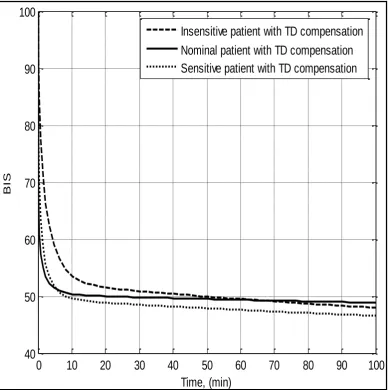
technique is used to identify and compensate for the time-delay problem and improve the overall response of the depth of anaesthesia. The proposed method is validated using measured BIS signals in simulation. The results showed that the proposed procedure improves the performance of the closed-loop system for reference tracking and overall stability. The proposed method also has approximately 15% less overshoot, a two minute shorter settling time, and is more robust to disturbance rejection.
The problem of non-linearity is identified in the depth of anaesthesia model and a deadbeat controller is designed in response to this problem. The proposed system is evaluated in simulation using Matlab and Simulink, and results are compared with a traditional PID control system and with an internal model control (IMC) controller. The results show that the proposed scheme has less over- and under-shoot, shorter settling time and is more robust to depth of anaesthesia disturbances. In addition, the proposed method is easy to implement.
Certification of Dissertation
I certify that the ideas, experimental work, results and analyses, software and conclusions reported in this dissertation are entirely my own effort, except where otherwise acknowledged. I also certify that the works is original and has not been previously submitted for any other award, except where otherwise acknowledged.
__________________________________ _____________ Shahab Anna Abdulla, Candidate Date
ENDORSEMENT
__________________________________ _____________ A/ Prof. Peng (Paul) Wen, Principle supervisor Date
Acknowledgements
I am highly grateful to my thesis advisors, Associate Professor Peng Wen for his endless commitment to directing research, and my appreciation to him for his insightful remarks, valuable comments and ideas for all these years. He has provided me excellent guidance to work enthusiastically and develop critical thinking abilities. I am extremely thankful to him for his invaluable suggestions and constant encouragement. He taught me many other things apart from technical matters, which will definitely assist me in achieving my future livelihood goals.
I would like to express my gratitude to A/Prof Yan Li for her, support, motivation, encouragement, advice, comments and discussions.
I am thankful to the Ministry of Higher Education and Scientific Research of Iraq who gave the opportunity to do my Ph.D. study at the USQ. In addition, a special thanks to my friends and colleagues at USQ especially Richard Landers and Salman Shahid for their support and encouragement.
Related Publications
During Dissertation Period
Abdulla, SA & Wen, P, 2011, "Robust internal model control for depth of anaesthesia," International Journal of Mechatronics and Automation, vol. 1, pp. 1-8, 2011.
Abdulla, SA & Wen, P, 2011, "Depth of anaesthesia patient models and control," in Complex Medical Engineering (CME), 2011 IEEE/ICME International Conference on, 2011, pp. 37-41.
Abdulla, SA & Wen, P, and Xiang, W, 2010, "The design and investigation of model based internal model control for the regulation of hypnosis," in Nano/Molecular Medicine and Engineering (NANOMED), 2010 IEEE 4th International Conference on, 2010, pp. 192-197.
Abdulla, SA & Wen, P 2010, "Depth of anesthesia control using internal model control techniques," presented at the 2010 IEEE/ICME International Conference on Complex Medical Engineering (CME2010), Gold Coast, Australia, 2010.
Abdulla, SA & Wen, P 2012, "The effects of time-delay on feedback control of depth of anesthesia," presented at the 2012 IEEE-EMBS International Conference on Biomedical and Health Informatics (BHI 2012), Hong Kong, Shenzhen, China, 2012.
Table of Contents
Abstract……….……. ii
Certification of Dissertation………..………... iv
Acknowledgments………...……..…… ..…. v
Related Publications during DissertationPeriod……..……….……….…….…. vi
Table of Contents……….……….…… vii
List of Abbreviations………..………..……….... x
List of Symbols… ………..……… xii
List of Tables……..………..………...……..…….….….xiii
List of Figures…..………..……….…….. … xiv
CHAPTER 1 ... 1
INTRODUCTION ... 1
1.1 ANAESTHESIA AND REGULATION IN OPERATION THEATRES ... 1
1.2 DEPTH OF ANAESTHESIA CONTROL AND MONITORING ... 4
1.3 PATIENT MODEL AND HYPOTHESES FOR DOACONTROL ... 7
1.4 RESEARCH OBJECTIVES ... 12
1.5 STRUCTURE OF DISSERTATION ... 14
CHAPTER 2 ... 18
LITERATURE REVIEW ... 18
2.1 BACKGROUND ... 18
2.2 FEEDBACK CONTROL OF ANAESTHESIA ... 19
2.3 PATIENT BODY DYNAMICS AND MODELS ... 23
2.3.3 Patient body dynamics ... 26
2.3.4 Models for control ... 26
2.4 CONTROL TECHNIQUES FOR DOA ... 27
2.4.1 Model based predictive control in DoA ... 28
2.4.2 Time-delay in DoA control ... 30
2.4.3 Deadbeat control in DoA ... 32
2.5 SUMMARY ... 34
CHAPTER 3 ... 35
HUMAN BODY AND MODELS ... 35
3.1 KINETICS AND DYNAMICS OF HUMAN BODY ... 35
3.2 PHARMACOKINETIC MODEL ... 37
3.3 PHARMACODYNAMIC MODEL ... 40
3.4 TIME-DELAY IN RESPONSE ... 41
3.5 INTRA-PATIENT UNCERTAINTY ... 42
3.6 INTER-PATIENT UNCERTAINTY ... 46
3.7 SUMMARY ... 50
CHAPTER 4 ... 51
DOA INTERNAL MODEL CONTROL USING SIMPLIFIED PATIENT MODEL ... 51
4.1 INTERNAL MODEL CONTROL TECHNIQUE... 51
4.2 PATIENT MODEL FOR IMCCONTROL ... 53
4.3 CONTROLLER DESIGN AND IMPLEMENTATION ... 56
4.4 SIMULATION AND RESULTS ... 60
4.5 CONCLUSIONS ... 72
CHAPTER 5 ... 73
SMITH PREDICTIVE CONTROL FOR PATIENT MODEL WITH TIME-DELAY ... 73
5.1 HUMAN BODY MODEL FOR DEPTH OF ANAESTHESIA CONTROL ... 73
5.1.1 Time-Delay estimation ... 78
5.1.2 Identifying the PK time-delay ... 82
5.2 SMITH PREDICTOR AND CONTROLLER DESIGN ... 83
5.3 PERFORMANCE EVALUATION IN SIMULATION ... 87
5.4 CONCLUSIONS ... 92
ROBUST DEADBEAT CONTROL FOR PATIENT MODEL WITH
UNCERTAINTIES ... 94
6.1 UNCERTAINTIES AND DISTURBANCES IN DOACONTROL ... 94
6.2 PATIENT MODEL WITH UNCERTAINTIES ... 95
6.3 ROBUST DEADBEAT CONTROL (RDC)TECHNIQUE ... 101
6.4 APPLICATIONS OF RDC TO DOACONTROL ... 104
6.5 SIMULATION AND RESULTS ... 106
6.6 CONCLUSIONS ... 111
CHAPTER 7 ... 112
MODEL PREDICTIVE CONTROL OF DOA ... 112
7.1 MODEL PREDICTIVE CONTROL TECHNIQUE ... 112
7.2 MODEL PREDICTIVE CONTROL DESIGN ... 117
7.2.1 Constraints ... 120
7.2.2 Time horizons ... 121
7.2.3 The simulation model of MPC ... 122
7.3 RESULTS AND DISCUSSION ... 123
7.4 CONCLUSIONS ... 134
CHAPTER 8 ... 135
CONCLUSIONS AND FUTURE WORK ... 135
8.1 REVIEW OF RESEARCH ... 135
8.2 GENERAL CONCLUSIONS ... 136
8.3 FUTURE WORK ... 139
List of Abbreviations
AEP Auditory Evoked Potential
ASA American Society of Anaesthesiologists BIS Bispectral Index
CEPOD Confidential Enquiry into Postoperative Deaths CMEC Cascade control with Modeling Error Compensation
CO Cardiac Output
Cp Alf Plasma Alfentanil Concentration
CV Controlled Variable
DoA Depth of Anaesthesia
EEG Electroencephalogram
EMG Electromyogram
FMA GFLC GPIDC
Fuzzy Modelling Algorithm Genetic Fuzzy Logic Controller
Genetic Proportional Integral Derivative Controller
HR Heart Rate
ICU IMC
Intensive Care Unit Internal Model Control
LOC Loss of Consciousness
LTI Linear Time Invariant MAP
MBPC
Mean Arterial Pressure
Model Base Predictive Control
MIMO Multiple Input-Multiple Output MPC Model Predictive Control NCS Networked control systems
NMB Neuromuscular Block
NONMEM NON linear Mixed Effect Models
PD Pharmacodynamics
PI Proportional-Integral Control
PID Proportional-Integral-Derivative Control PK
PKPD
Pharmacokinetics
Pharmacokinetic - Pharmacodynamic
PWM Pulse Width Modulator
RIMC Robust Internal Model Control SAP Systolic Arterial Pressure SISO Single Input-Single Output
SOFLC Self-Organizing Fuzzy Logic Control
SP Smith Predictor
List of Symbols
C50 drug concentration at 50% of maximal effect
Ce concentration of drug at the effect-site (propofol-µg/ml, Remifentanil-ng/ml)
Emax denotes the maximum effect achieved by the anaesthetic infusion
k 10 elimination rate constant (min−1)
k 12, k 21, k 13 & k 31, drug transfer rates between the peripheral and central compartments (min−1)
ke0 equilibration constant for the effect-site (min−1) degree of nonlinearity (dimensionless)
E the effect-site compartment
V1 volume of the central compartment (l) Vj (j = 2, 3) volume of the auxiliary compartments (l)
EC50 concentration of drug at half-maximal effect (vol.%) kij drug transfer rate constants between auxiliary and central compartments (min-1)
List of Tables
Table 1.1 Incidence of awareness during surgery 2
Table 1.2 Contemporary anaesthetic mortality rates 3
Table 1.3 BIS values and associated hypnotic states 6
Table 3.1 Pharmacokinetic parameter values 39
Table 3.2 Parameter estimaes from the NONMEM analysis 45
Table 3.3 Propofol PK parameter sets 46
Table 3.4a PD models 47
Table 3.4b PD models 48
Table 3.5 Propofol PK-PD Inter-patient variability 48
Table 3.6 Intra- and Inter-patient Variability 49
Table 4.1 Values of the parameters for the 15 patients Sets arranged in the decreasing order of their BIS sensitivity to Propofol infusion 63
Table 5.1 Values of the parameters for the 12 patients sets arranged in the decreasing order of their BIS sensitivity to propofol infusion 79
Table 6.1 Deadbeat coefficients and response times 102
Table 7.1 Model predictive controller constraints 121
Table 7.2 Nominal patient’s data for DoA parameters 126
List of Figures
Figure 1.1 Bispectral Index Scale and its meaning 7
Figure 1.2 Pharmacokinetic-pharmacodynamic models 9
Figure 1.3 Effect-site concentrations (ng/ml) 10
Figure 3.1 Human body modeling 37
Figure 3.2 Bolus vs infusion pharmacokinetic of propofol 43
Figure 4.1 Depth of anaesthesia model for internal model control 53
Figure 4.2 Pharmacokinetic compartments model 54
Figure 4.3 Block diagram of the Internal Model Control 57
Figure 4.4 Block diagram of the IMC structure 60
Figure 4.5 The block diagram of DoA model built in Simulink Simulink 61
Figure 4.6 Non-linear DoA model built in Simulink 62
Figure 4.7 Performance of the IMC controller 65
Figure 4.8 Performance of the PID controller 66
Figure 4.9 Performance of the IMC for two insensitive patients 67
Figure 4.10 Performance of the IMC for different patients 67
Figure 4.11 Performance of the PID for different patients 68
Figure 4.12 Performance of the PID for two insensitive patients 69
Figure 4.13 Parameters influence on the DoA and on 70
Figure 4.14 Performance of the IMC and PID controller 70
Figure 4.15 Performance of the IMC and PID controller 71
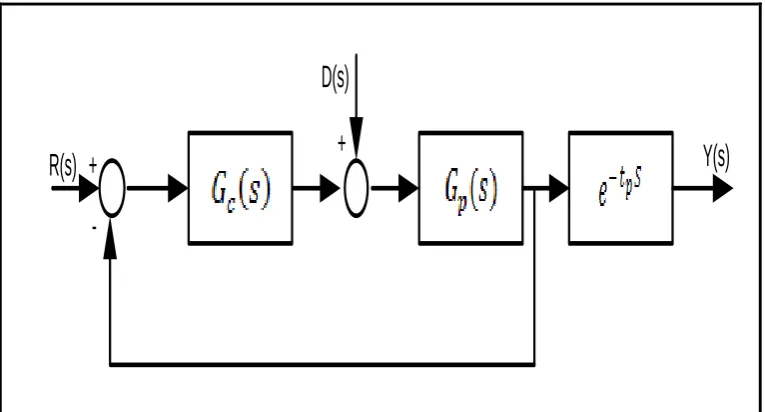
Figure 5.2 Feedback control system for SPC 78
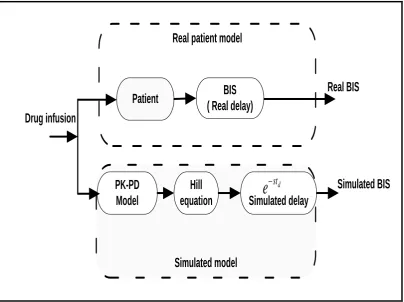
Figure 5.3 The representation of the real and simulated BIS 80
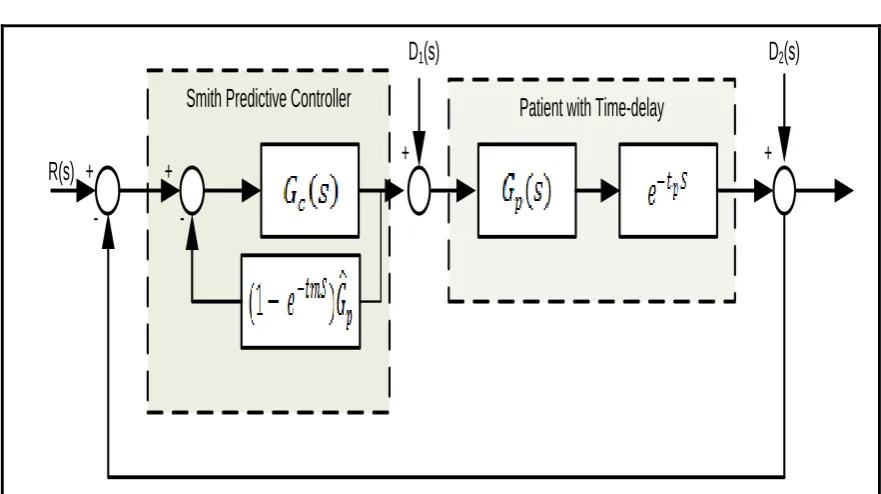
Figure 5.4 The block diagram of Smith predictive control 84
Figure 5.5 The control system structure with the Smith predictor 85
Figure 5.6 The equivalent block diagram by applying the Smith predictor 86
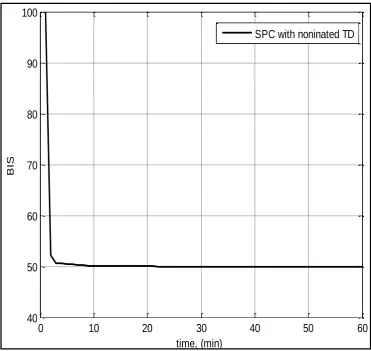
Figure 5.7 Smith predictor with nominated time-delay 88
Figure 5.8 Smith predictor without time-delay 89
Figure 5.9 Smith predictor with time-delay for three different patients 90
Figure 5.10 Smith predictor with time-delay for two different patients 90
Figure 5.11 Smith predictive control simulation’s block diagram 91
Figure 5.12 Performance of SPC for different patients 91
Figure 5.13 SPC for three different patients 92
Figure 6.1 The pharmacokinetic model 96
Figure 6.2 The pharmacodynamic model 100
Figure 6.3 Robust deadbeat control structures 102
Figure 6.4 Robust deadbeat control structure for DoA 104
Figure 6.5 Implementation of a robust deadbeat control structure for DoA 106
Figure 6.6 DoA robust deadbeat control response 107
Figure 6.7 DoA robust deadbeat control response for different values of K 107
Figure 6.8 Comparison of the performance of the Deadbeat with, IMC and PID controllers’ 108
Figure 6.9 DoA deadbeat control response for different patients 109
Figure 6.10 DoA deadbeat control response for changing patient’s parameters 110 Figure 7.1 Compartmental model of the patient 115
Figure 7.3 The basic concept of model predictive control 118
Figure 7.4 The model predictive control simulation design 123
Figure 7.5 The performance of the MPC for nominal patient 124
Figure 7.6 MPC controller performance for different R, and Q weights 125
Figure 7.7 The performance of MPC, IMC and PID controllers for sensitive Patient 127
Figure 7.8 The performance of MPC controllers for four insensitive patients 130 Figure 7.9 The performance of MPC controllers for sensitive patient number 2 131
Figure 7.10 The performance of MPC controllers for sensitive patient number 4 131
Figure 7.11 The Simulink model structure 132
Figure 7.12 The performance of MPC controllers for sensitive patient number 3 133
Chapter 1 Introduction
CHAPTER 1
INTRODUCTION
1.1 Anaesthesia and Regulation in Operation Theatres
Chapter 1 Introduction
Table 1.1: Incidence of awareness during surgery (Bruhn et al. 2006).
Author Year Sample Awareness
Hutchinson 1960 656 1.2
Harris 1971 120 1.6
McKenna 1973 200 1.5
Wilson 1975 490 0.8
Liu et al 1990 1000 0.2
Sandin 1997-1998 11785 0.15
Myles 1993-2000 10811 0.11
Sebel 2001-2002 19575 0.13
Ekman et al 2003 7826 0.18
Lennmarken& Sandin 2004 1238 0.9
Rungreungvanick 2005 150000 0.07
Brain monitors, such as the Bispectral Index monitor, can now be used to measure a patient’s brain response to anaesthesia. This information helps clinicians to adjust the amount of medication to improve recovery from anaesthesia; and it also helps clinicians to reduce the risk of patient awareness (Downey & Seagrave 2000; Foster, Bojak & Liley 2008; Furutani et al. 2010; Gaohua, Maekawa & Kimura 2006; Glass et al. 1997).
Chapter 1 Introduction
States, it is estimated that about 150 patients die each year from difficulties and complications due to anaesthesia (Wiklund & Rosenbaum 1997).
Table 1.2: Contemporary anaesthetic mortality rates adapted from (Brown 1992)
Study Year Total Cases Mortality Rate
Beecher Clifton Harrison Hatton Lunn Eichhorn 1948-1952 1952-1962 1967-1976 1977 1979 1976-1985 599,548 205,640 240,483 190,380 1,147,362 757,000
1:1,560 a 1:3,955 a 1:4,537 b 1:2,885 a 1:6,789 e 1:151,400 d
Eichhorn CEPOD CEPOD 1985-1988 1986 1986 244,000 486,000 486,000
0 d 1:185,056 e
1:185 c
a: All operation cases considered in calculation b: Cases included if death occurred in less than 24 hours
c: Cases included if some contribution by anaesthetic d: Only ASA physical status I and II patients included e: Only deaths directly attributable to anaesthetic included
CEPOD: Confidential Enquiry into Postoperative Deaths
Chapter 1 Introduction
changes in blood pressures or heart rate, lacrimation (the production of tears in the eyes), facial grimacing, muscular movements, spontaneous breathing, diaphoresis (sweating, especially sweating induced for medical reasons), and other signs that may predicate awareness.
However, they are not reliable indicators of changes in patients’ levels of consciousness. Although an anaesthetist can adjust recommended anaesthetic dosages based on individual patient characteristics, these adjustments cannot always account for variability in patient responses to anaesthesia or changes in anaesthetic requirements during the course of surgery (Bruhn 1999).
Anaesthetic under-dosing can cause intra-operative awareness, and explicit cognizance, resulting in postoperative psychological consequences. The need for a reliable technique for controlling the anaesthetic titration has prompted anaesthetists to overdose in order to prevent possible intra-operative awareness. However, anaesthetic overdosing prolongs the recovery period, which increases healthcare costs and the utilization of post-recovery care.
1.2 Depth of Anaesthesia Control and Monitoring
drug-Chapter 1 Introduction
response and the nominal model for which the controller was designed (Dumont, Martinez & Ansermino 2009).
The potent agents used in the practice of anaesthesia have narrow therapeutic margins, so accurate control of anaesthesia is of utmost importance. The significance of a robust controller is to provide an adequate drug administration regimen for the anaesthesia to avoid the under-or over-dosing of patients. The controller is designed to compensate for patients’ inherent drug response variability, to achieve better disturbance rejection, and to attain good set point response.
In the past, anaesthetists relied solely on clinical signs to assess the depth of anaesthesia because of the lack of a single widely accepted indicator for anaesthetic adequacy. Nowadays there are a number of monitoring tools available to quantify the EEG, in order to derive a surrogate measurement of hypnosis (Kissin 2000).
Chapter 1 Introduction
give a satisfactory indication of the level of drugs required, and further indicators must be considered.
More recently, Bispectral Index (BIS) monitoring systems have been gaining clinical
approval as a strong indicator of anaesthetic depth with respect to a variety of
anaesthetics (Rosow & Manberg 2001). In general, BIS monitor allows anaesthesia
professionals to access processed EEG information (Kreuer et al. 2001) as a measure
of the effect of certain anaesthetics on patients (Glass et al. 1997). The clinical
impact of BIS monitoring has been demonstrated in a variety of randomized
controlled trials, these trials have revealed the potential for BIS monitoring to
facilitate improvements in patient safety during anaesthesia care (Struys et al. 2004;
Struys et al. 2003). The range of BIS values are stated in Table.1.3 (Drummond
2000).
Table 1.3: BIS values and associated hypnotic states (Drummond 2000).
BIS value Hypnotic state 0 Depressed EEG
20 Profound anaesthetic level 40 Deep hypnotic level 60 Moderate hypnotic level 80 Sedated
100 Awake
Chapter 1 Introduction
shown in Figure 1.1. Lower values represent deep hypnotic states, while values between 90 and 60 usually represent sedation levels (Bibian 2006).
Low Probability of Explicit Recall 100
80
20 40 60
0 BIS
Awake
Light / Moderate Sedation
Deep Sedation
General Anaesthesia
Deep Hypnosis Increasing Burst Suppression
Isoelectric EEG
Memory Intact
Low Probability of Consciousness
Memory Function Lost
Light Hypnotic State
Moderate Hypnotic State
Deep Hypnotic State
Figure 1.1: Bispectral Index Scale and its meaning (Zikov et al. 2002)
1.3 Patient Model and Hypotheses for DoA Control
Chapter 1 Introduction
hypnosis, paralysis and analgesia (Yelneedi, Samavedham & Rangaiah 2009). Pharmacokinetic (PK) and pharmacodynamic (PD) modeling is the route of constructing mathematical model for the time course of dose to concentration (pharmacokinetics) and concentration to effect (pharmacodynamics) (Minto, & Schnider, 2008). Intravenous anaesthesia is concerned with the use of intravenous drugs to attain the desired effects throughout the induction of anaesthesia during surgery, and in the early postoperative period (Masui et al. 2009). The major medication classes used for enhancing general anaesthesia during surgery are the hypnotics, the analgesics, and the paralytics (Homer & Stanski 1985). These have given a guarantee of unconsciousness and the smooth progress of endotracheal intubation, which provides analgesia, and suppresses the hemodynamic and neuroendocrine responses to surgery (Homer & Stanski 1985; Manyam et al. 2006; Minto et al. 1997; Muñoz et al. 2004).
The main objectives are that the patient should speedily lose consciousness and experience no consciousness during the operation. The level of analgesia should closely follow the level of surgical stimulation to ensure hemo-dynamic stability; the medication effects should rapidly wear off at the end of the surgery so that the patient has no residual sedation, no residual muscle paralysis, and, ideally, no respiratory depression and no painful sensation from the surgery of trauma (Vanluchene et al. 2004).
Chapter 1 Introduction
), and the Hill equation (which defines the concentration–effect relationship) as
shown in Figure 1.2 and Figure1.3 (Bailey & Haddad 2005).
K e0
K 10
K 21
K 12
K 13
K 31
Compartment 1
Compartment 3
Compartment 2
Ce
Input
e max
e 50
C Effect E
C C
Figure 1.2: Pharmacokinetic-pharmacodynamic models
Chapter 1 Introduction
Effect-site concentration (ng/ml)
E
ff
e
c
t
(%
)
0 2 4 6 8 10
0 20 40 60 80 100
C50
Figure 1.3: Effect-site concentrations (ng/ml)
A combination of anaesthetics, with or without neuro-muscular blocking (NMB), are administered together to create the state of general anaesthesia. These medications, even, when taken within the same family, have different properties. Since they provide the actuators through which the patient's state can be regulated (i.e., allowing the control of the anaesthetic state), it is necessary to provide control engineers with some knowledge of the mechanisms of action of the most commonly used drugs (Bibian 2006).
Chapter 1 Introduction
three agents are commonly used with or without nitrous oxide: isoflurane, desflurane and sevoflurane. All these agents provoke a decrease in mean arterial blood pressure when administered to healthy subjects.
Intravenous anaesthetics: Intravenous anaesthetics can be classified into five families: Barbiturates (thiopental), Benzodiazepines (midazolam, diazepam, lorazepam), Phencyclidines (ketamine), Carboxylated imidazoles (etomidate), and Isopropylphenols (propofol). Compared with volatile agents, intravenous anesthetics (besides ketamine) do not provide analgesic effects-hence, they are defined as hypnotic rather than anaesthetic drugs. However, opioids and intravenous anaesthetics, when used in combination, are strongly synergistic both in terms of hypnosis and in terms of analgesia. Propofol has introduced in the early 1990s and has become the intravenous drug of choice in anaesthesia. Two particular characteristics of propofol are its fast redistribution and its metabolism. As a result it can be easily used in infusion schemes as it provides very fast emergence, without cumulative effect.
Chapter 1 Introduction
(Sreenivas, Lakshminarayanan & Rangaiah 2007). With the introduction of NMB medications in the early 1940, the risk of incomplete paralusis vanished. A growing number of intra-operative cases related to the use of NMB were reported.
The hypotheses to be addressed in this PhD thesis are:
1. Robust model based predictive control strategies can be developed to control nonlinear systems with input and state constraints to give nearest time optimal control.
2. These strategies will give improved or better performance than the existing strategies that consider input and state constraints.
3. Set point changes are often made during the surgical procedure. The controller should completely respond to these changes without any delay. In addition, disturbances occur during the operation depending on the strength of the surgical stimulus. The designed controller should guarantee the required anesthetic depth in the patient in spite of these disturbances.
4. Drug delivery constraints and the maximum amount of drug infused are most important for patient safety and these constraints should be explicitly included in the designed closed-loop feedback controller algorithm.
1.4 Research Objectives
Chapter 1 Introduction
strategies to ensure the robustness and stability of the system in the presence of nonlinearities such as parameter variations, disturbance rejection, noise suppression etc.
The mathematical model employed in recent studies on depth of anaesthesia control is a series combination of a linear PK model and a nonlinear PD model. A theoretical effect compartment is also attached to the central compartment to represent the time-lag between observed effect and central (plasma) concentration. The parameters used in the PK and PD models are the population mean values and the “patients” would have parameters that are different from the nominal values used in the controller design. The PK model parameters can be estimated approximately through covariate adjustments of weight, age, and sex, but it is impossible to estimate the PD parameters. Therefore, the designed controller should be robust and result in stable responses for all patients characterized by a range of PD parameters.
The following specific objectives are formulated to achieve the research aim. The objectives are to apply and evaluate the promising MBPC and IMC approaches for DoA regulation using the Bispectral Index as the controlled variable, to manipulate propofol (a new intravenous anaesthetic) infusion and also to verify DoA models via simulation and model validation methods.
Chapter 1 Introduction
parameter variations and disturbances. The new control methods can be used to control multivariable structures and will be very useful in the control of nonlinear systems, in particular DoA.
An automatic controller that infuses drugs based on the patient’s anaesthetic level will provide the following benefits:
1. It will reduce the anaesthetist’s workload during the surgery and allow him/her to monitor and deal with other critical aspects of the surgery (blood loss, sudden blood pressure change, etc.).
2. Better depth of anaesthesia will be achieved compared to manual administration because the controller variable is sampled more frequently leading to active adjustment of the delivery rate of the drug.
3. A well-designed automatic control system can tailor the drug dosage based on the patient’s response, which avoids both over-dosage and under-dosage of the drugs. Overall, these improve the patient’s rehabilitation and safety during and after the surgery.
1.5 Structure of Dissertation
This dissertation contains eight chapters addressing the importance of the processes involved in depth of anaesthesia control and a detailed description of the scope of the present work. The structure of the dissertation is given below:
Chapter 1 Introduction
chapter introduces anaesthesia regulation, and then mathematical model structure, anaesthetics, depth of anaesthesia monitoring, research hypotheses. A short discussion of depth of anaesthesia is presented to give the reader with basic background material.
Chapter 2 presents an extensive review of the various control strategies applied in clinical anaesthesia. This chapter also provides a complete overview of the modeling that is generally used in anaesthesia. In addition, some detailed control techniques for depth of anaesthesia is introduced.
Chapter 3 focuses on human body mathematical models and the medication delivery system. This chapter provides the effect of the time dealy on depth of anaesthesia response. It also describes intra and inter-patient uncertainties in human body model.
Chapter 4 investigates the internal model control technique in DoA. The first part focuses on the theoretical concepts of the depth of anaesthesia model and describes the internal model control. The second part of this chapter details the experimental and simulation work and discusses the results. This chapter covered three main elements:
1. The theoretical considerations are used to give a fundamental understanding of the patient mathematical model of depth of anaesthesia. 2. The experimental and simulation work includes a detailed explanation of
Chapter 1 Introduction
3. The last part of this chapter analyses the simulation results and compares the results with the performances of a PID controller.
Chapter 5 addresses a closed-loop depth of anaesthesia control system, which applies Smith Predictive Technique to identify and compensate the problem caused by time-delay. This chapter also includes the description of a human body model used in this study. This chapter coveres three main elements:
1. The overall time-delay can be considered into two parts. The first is from the instrumentation parts, representing the time-delay at the instrument devices. The second is related to the dynamic response of the patient time-delay.
2. The Smith Predictor Controller structure and the compensation of the time-delay.
3. The simulation and results using real data are then analysed and verified.
Chapter 6 investigates a PID-based robust deadbeat control technique in DoA control and proposes an application of the robust deadbeat technique to this system. This chapter comprises three main elements:
Chapter 1 Introduction
2. The basic structure of the robust deadbeat control system, the deadbeat controller coefficients, response times, the deadbeat controller design and derivation.
3. The robust deadbeat controller design for the depth of anaesthesia.
Chapter 7 describes the control of hypnosis using model predictive controller (MPC). The first part focuses on non-linear model predictive control to find the future optimal anaesthetic infusion sequence in order to minimize the desired output trajectory over a prediction horizon. The second part of this chapter details the simulation work as well analysing the results. This chapter coveres the following work:
1. A description of model predictive control technique, which focuses on the structure of the model predictive control.
2. A consideration of model predictive control design, which includes details of the constraints and the time horizons for depth of anaesthesia. 3. An analysis and evaluation of the simulation results.
Chapter 2 Literature Review
CHAPTER 2
LITERATURE REVIEW
2.1 Background
The aim of this chapter is to introduce the problems related to the mathematical models employed in DoA feedback control. It also addresses the significance of this research.
Chapter 2 Literature Review
anaesthesia that uses the BIS as the control variable to control the target blood concentration of the Propofol Target Controlled Infusion (TCI) system. The system was able to provide clinically sufficient anaesthesia in all patients, with enhanced accuracy of control. There was a tendency for more accurate control in those patients in whom the control algorithm incorporated effect-site steering (Absalom, & Kenny 2003). An algorithm was proposed for controlling the effect site concentration using a TCI method. The method limits the peak plasma concentration, thereby slowing the start of anaesthetic drug effect but potentially improving side effects. Simulation was used to observe the delay in time to peak effect for five types of anaesthetic drugs when the peak plasma concentration was limited by the algorithm (Van Poucke, Bravo & Shafer 2004). The control system was evaluated in 30 patient’s cases. This study clearly suggests the desirability of individual tuning of the controller parameters.
2.2 Feedback Control of Anaesthesia
Chapter 2 Literature Review
during surgery in patients who did not receive neuromuscular blocking drugs (Kenny & Mantzaridis 1999).
In recent years, there have been increasing reports on DoA control using fuzzy. This is because it is a simple and effective technique for controlling non-linear and uncertain processes, and for dealing with imprecise, qualitative terms such as ‘‘low’’, ‘‘medium’’, or ‘‘high’’, rather than precise measurements. Fuzzy rules are a core element and have more effects than other elements in a fuzzy system because they dominate the primary performance. However, the derivation of fuzzy rules is a common bottleneck in the application of fuzzy control (Nunes et al. 2005). For classifying DoA and model patients’ vital signs, Nunes et al (2005) developed a fuzzy relational classifier to classify a set of wavelet-extracted features from the AEP into different levels of DoA. They also developed a hybrid patient model using Takagi-Sugeno Kang fuzzy models (Nunes et al. 2005).
Chapter 2 Literature Review
clinical information (such as sweating, lacrimation and movement) using hierarchical architecture and self-organizing fuzzy logic for reasoning (Shieh, J. S., Linkens & Asbury 2005). In this study a computer screen-based simulator was developed to simulate the administration of intravenous and analgesic drugs. It merged on-line measurements (such as systolic arterial pressure (SAP) and heart rate (HR)) and non-numerical clinical signs (such as sweating, lacrimation and pupil response), using anaesthetists’ experience or self-organizing fuzzy logic control (SOFLC) algorithms to administer drugs into a patient.
Voss et al. (1987) developed an adaptive algorithm to control multi-input/multi-output physiological systems and this method has been implemented and tested. The algorithm is a self-tuning controller that determines the input based on the expected difference between the actual output and desired output at a time interval equal to or greater than the system dead time. The algorithm was used to simultaneously control mean arterial pressure and cardiac output (CO) in anesthetized dogs by the simultaneous computer-controlled infusion of sodium nitroprusside and dobutamine. The results demonstrated the feasibility of using a advance moving average controller for multivariable drug delivery, but they also indicated the need for further work before clinical applications are attempted (Voss, Katona & Chizeck 1987).
Chapter 2 Literature Review
nonlinear uncertain nonnegative and compartmental systems with nonnegative control inputs. The framework was developed Lyapunov-based and guarantees partial asymptotic set-point regulation, that is, asymptotic set-point regulation with respect to that part of the closed-loop system states associated with the plant. A numerical example involving the infusion of the anaesthetic drug Propofol for maintaining a desired constant level of consciousness for non-cardiac surgery has also been provided to demonstrate the implementation of the proposed approach (Haddad, Hayakawa & Bailey 2006). The aim of the controllers is to supply an adequate drug administration treatment for Propofol to evade under or over dosing of the patients. These controllers aim to compensate for the patient’s inherent drug response variability, to accomplish good output disturbance rejection, and to achieve good tracking to set point response (Dumont, Martinez & Ansermino 2009).
Janda et al. (2011) developed a closed-loop system to control the DoA and Neuromuscular Block (NMB) via the Bispectral Index and the Electromyogram (EMG) simultaneously, and evaluated the clinical performance of this combined system for general anaesthesia. The simultaneous closed-loop system using Propofol and Mivacurium was able to maintain the target values with a high level of precision in a clinical setting (Janda et al. 2011).
Chapter 2 Literature Review
Propofol and Remifentanil and maintains BIS values better than manual administration (Liu et al. 2011).
2.3 Patient body Dynamics and Models
Many models in anaesthesia are based on relations between variables such us drug plasma level and effect. Models can establish a relationship between variables but may not explain the physical basis for the relationship (Beneken & van Oostrom 1998).
2.3.1 Body and interaction to anaesthetic medicine
Pharmacokinetic/pharmacodynamic modelings have made a substantial contribution to depth of anaesthesia by providing an insight into the factors affecting the onset and offset of drug effect (Schwilden & Olkkola 1991).
Pharmacokinetic interactions occur when the administration of one drug alters the disposition of another, and hence alters the concentration of drug at the receptor site, leading to an altered drug response. These changes in drug concentration at the receptor site may be produced by an alteration of (a) drug absorption and uptake into the body, (b) drug distribution, (c) drug metabolism and (d) drug elimination or excretion by nonmetabolic routes (Kennedy & Van Riji 1998; Naguib et al. 1998).
Chapter 2 Literature Review
clearance, the two inter-compartmental clearances, the volumes of the central compartment, the shallow peripheral compartment, and the deep peripheral compartment.
Minto et al. (2008) described the influence of cardiac output on the disposition of intravenous drugs within the first few minutes after administration of the anaesthetic. They also calculated intravenous loading doses that allow for the delay between the concentration of the anaesthetic in the plasma and the rising concentration at the site of drug effect. A stable level of drug effect using computerized infusion pumps that target the site of drug effect rather than the plasma was also achieved and maintained. Importantly, to consider models of drug interaction, an understanding of how drug offset varies with duration of administration is required (Minto & Schnider 2008).
Copeland et al. (2008) determined whether general anesthesia affected the entire body and/or the local (heart and brain) pharmacokinetics of each regional anesthetic. Their secondary objectives were to determine whether anesthesia affected their blood binding, tissue concentrations, or the pharmacokinetics of the racemic regional drugs enantioselectively (Copeland et al. 2008).
2.3.2 Patient body kinetics
Chapter 2 Literature Review
and research in anaesthesia. They also elucidate the steps involved in developing a model and the various types of models that have proven useful (Beneken & van Oostrom 1998).
Patient pharmacokinetics can be described by a two, three, and four-compartment model. Adjusting pharmacokinetics to each patient should improve the accuracy of controlled infusion and help to extend the field of application for target-controlled infusion (Bouillon et al. 1999). The earliest information about the composition of the human body was based on chemical analyses of specific organs, and rarely of the whole body. Development and application of the classic two-compartment model of body composition have accelerated in recent years because of the association of excess body fat with increased risk for cardiovascular diseases (Ellis 2000).
Chapter 2 Literature Review
2.3.3 Patient body dynamics
A dynamic system is a system whose states are determined by the initial conditions and the temporal history of the inputs after the initialization. The temporal evolution of its states are mathematically formalized and written as differential equations for continuous and difference equation for discrete systems.
The purpose of a dynamic systems assumption is that the instantaneous configuration of a process is represented as a state in a space of states, the ”state space”. The temporal evolution of the process can be represented as the motion of the state in the state space, called orbit or trajectory. The element of the state space is defined by the number of state varaibles, which allows specifying uniquely the system’s behaviour at each point in-time. If the dimension is low enough, it can visualize the trajectory (De Feo 2001).
2.3.4 Models for control
The distribution of anaesthetic medications in the body depends on transport and metabolic processes (Bibian et al. 2003). Diverse models have been proposed for modeling the drug effect, such as experimental models, compartmental models and physiological models (Mahfouf, M., Asbury & Linkens 2003). The standard modeling paradigm that has been commonly used to describe the relationships between anaesthetic inputs and patient output indicators is that of compartment models (Bamdadian, Towhidkhah & Moradi 2008; Chilcoat 1980).
Chapter 2 Literature Review
that maintain the anaesthetic effect within reasonable margins. The model-based controller can, however, be used to estimate the drug requirement during a period of failure when no feedback is possible. This is done on the basis of the adapted pharmacokinetic-dynamic model (Schwilden & Olkkola 1991).
The compartmental model is widely used in controlling of drug administration. Also, the non-linear three-compartmental patient model was used for the disposition of the Propofol (Eshghi, Aliyari & Teshnehlab 2009).
2.4 Control Techniques for DoA
The closed-loop control in medication was pioneered by Bamdadian et al. (2008) and Caelen et al. (2006) who established through clinical experiments that this form of control is secure, helpful, effective and in many cases better than manual control (Bamdadian, Towhidkhah & Moradi 2008; Caelen et al. 2006).
Chapter 2 Literature Review
2.4.1 Model based predictive control in DoA
The concept of automated anaesthetic drug delivery has been investigated for 50 years (Steil & Rebrin 2005). However, despite many recent studies and clinical trials, no real clinical breakthrough has been achieved. New advances in nervous system monitoring technology have yielded a new set of real-time sensors to capture the effect of these drugs on the patient’s state (Steil & Rebrin 2005). As a result, automated feedback control of anaesthetic drug delivery to a pre-defined set point can potentially provide the patient with a titration specifically adjusted to his or her needs.
Propofol is a common intravenous anaesthetic drug, used for both induction and maintenance of general anaesthesia during surgical operations because of its favourable pharmacokinetic profile and its inhibition of post-operative nausea and vomiting. Many closed-loop feedback systems for Propofol infusion have been proposed in the literature. Frei et al. (1999) designed a model predictive control algorithm from rule based and physiological models were shown for the regulation of respiratory functions and cardiovascular activity. The controllers have been compared to manual operations on real patients, indicating higher quality anaesthesia for the set of patients handled by the controller (Frei et al. 1999).
Chapter 2 Literature Review
performed better compared to experiments on manual regulation of the hemodynamic variables (Rao, Aufderheide & Bequette 1999 or; 2003). Gentilini et al. (2002) developed a model predictive control approach for the regulation of analgesia by infusing Alfentanil with MAP as the controlled variable. The proposed control was successful in the clinical setting. This method confirmed the possibility of achieving better hemodynamic control with the drugs that contains opium (Gentilini et al. 2002). Hoeven et al. (2007) described a design of a model of control system for a gas composition of the inhaled breath during anaesthesia. The control system was used to create an artificial breathing pattern, and a mechanical lung is used as a model of the human lung. Fresh gas was added close to the lung to create a rapid response, and sensors measured the properties of the gas mixture passing into the lung (Hoeven van der et al. 2007). Nicolas et al. (2008) developed a model to represent a patient subjected to general anaesthesia considering only the DoA. The model was built using MATLAB/SIMULINK. The algorithm was improved to be able to switch between two internal models. The plant (the patient model) was exactly one of these two models, then, the algorithm was modified to integrate a Model Predictive Control law instead of constant one (Cardoso & Lemos 2008; Furutani et al. 2010).
Chapter 2 Literature Review
for optimal dosing of an Alfentanil infusion rate (output variable) under the condition of a hypnotic state defined according to BIS.(Luginbühl et al. 2006).
Sawaguchi et al developed a hypnosis control system, which administers Propofol to regulate the BIS. Their study discussed three functions. First, a feedback controller using a MPC method which accommodated the effects of time-delays. Second, it dealt with a parameter estimation function of individual differences. Third, it discussed with a risk control function for preventing undesirable states such as drug over-infusion or intraoperative arousal (Sawaguchi et al. 2008).
Yelneedi et al. (2009) also developed an advance control strategy for the regulation of hypnosis with Propofol. A reliable PK-PD model with associated parameters was obtained and the closed-loop response for four different types of control methods (model predictive control, internal model control, controller with modelling error compensation, and proportional-integral-derivative (PID) control) were compared. The performances of these controllers were considered alongside with the performance of the conventional PID controller. The developed, model-based controllers were robust to inter-patient variability, and better at handling disturbances and amount noise (Yelneedi, Samavedham & Rangaiah 2009).
2.4.2 Time-delay in DoA control
Chapter 2 Literature Review
and the existing monitors cannot dependably predict awareness in advance. However, a monitor should at least be able to detect a consciousness reaction. Zanner et al. (2009) showed that all currently available monitors need varying periods to determine a new index when reacting to changes in anaesthetic depth. The exact time-delay for the calculation of new index values is unknown (Zanner et al. 2009).
Several studies have been proposed in the literature investigating the effect of the time-delay during anaesthesia to improve intra-operative administration. Pilge et al. (2006) proposed a study based on the electroencephalographic analysis. Several parameters are used as a measure of the hypnotic component of anaesthesia. The time-delay of the tested indices limits the value in prevention of the recall of intra-operative events (Pilge et al. 2006).
The problem of time-delay estimation in depth of anaesthesia systems has been addressed with the focus on the practical applicability of methods. Four time-delay estimators have been described: a cross correlation method and three increasingly sophisticated interpretations of the phase spectrum, ranging from a point wise interpretation of the phase spectrum in terms of a delay to a Hilbert transform method (Müller et al. 2003). Muñoz et al. (2004) measured the time to peak effect of Propofol in children and adults. While this time is considerably longer in children, the finally calculated is particular to the model used to derive this parameter.
The obtained from the models of Kataria and the Paedfusor for Propofol in
Chapter 2 Literature Review
a more logical target than plasma. As a result, this reduces the delay to obtain a given drug effect and possibly also its variability, when compared with plasma concentration (Muñoz et al. 2004). Heyse et al. (2009) based on the available literature presented a method to compare monitors of the hypnotic component of anaesthesia (Heyse et al. 2009). Michel et al. (2001) worked on the monitoring of anaesthetic depth. The aim of their study was to compare the accuracy of this new index with the Bispectral Index (BIS), to predicted effect-site concentration of propofol, and hemodynamic measures and the time-delay (Struys et al. 2001). Ionescu et al. (2011) introduced the cross-correlation analysis to estimate the time-delay originating from instrumentation in intensive care unit of anaesthesia. The algorithm was tested on synthetic signals, ensuring its accuracy for online estimation purposes (Ionescu, Hodrea & De Keyser 2011).
2.4.3 Deadbeat control in DoA
The robust deadbeat control scheme is simpler and the performance is better (Wen & Lu 2008). In addition, this control scheme does not include any complicated math and calculation except the normalisation and look-up table. It is easily accepted by industrial designers (Emami-Naeini & Franklin 1982).
Chapter 2 Literature Review
the proposed improvements have been verified by simulations and experimental tests on a laboratory pulse width modulator (PWM) rectifier (Malesani, Mattavelli & Buso 1999).
A new approach for deadbeat control was presented by Zhang et al. (1999), in which the estimation of the disturbance was carried out with a repetitive predictor instead of a disturbance observer. Taking advantage of repetitiveness of the loads, it gave better performance at lower sampling frequency. Simulations and experiments confirmed the advantages of this method (Zhang, Kai et al. 1999).
A considered control approach is based on the combination of dead-beat control of inverter currents and space vector modulation. Simulations and experimental tests show that the intrinsic calculation delay of the dead-beat algorithm represents a serious hurdle for the accomplishment of an acceptable compensation quality. From the stability point of view, the effects of parameter mismatches on the system's performance are investigated by means of a complete eigenvalue analysis, which reveals the limits of the system's stability for different possible implementations of the considered control strategy (Malesani, Mattavelli & Buso 1998).
Chapter 2 Literature Review
2.5 Summary
Anaesthetists have succeeded in creating anaesthesia as a secure procedure. However, the present practice relies uniquely on secondary signs to warn the practitioner of either pharmacological toxicity or anesthetic inadequacy. On the other hand, much research into the closed-loop control of anaesthesia has not been adopted and yet not acknowledged for routine use.
In the past 15 years, serious advances have been made. In 1996, practitioners had access to monitors to measure the degree of anaesthesia-induced unconsciousness. Monitors, such as the BIS, are still considered by anesthetists to be nothing more than gadgets. In addition, the BIS sensor price discourages the use of monitors in everyday practice.
Chapter 3 Human Body and Models
CHAPTER 3
HUMAN BODY AND MODELS
3.1 Kinetics and Dynamics of Human Body
There are several methods for the modelling of a biological system for anaesthetic distribution, however the physiological mechanisms of drug circulation and drug effects are only partially known (Gentilini, et al. 2001). As a result, a first principle modeling is almost impossible. Therefore, one has to decide on approximate first principle physiological models (Bischoff 1975), black-box identification schemes (Jacobs 1988), and information based modeling. Each approache has certain drawbacks. In physiological models, parameters are uncertain as they collected from different sources where experiments may have been performed under different conditions (Bailey & Shafer 1991). Black-box models and knowledge based models suffer from poor extrapolation properties (Gentilini, et al. 2001).
Chapter 3 Human Body and Models
Compartmental models are formulated based on the minimum number of compartments that effectively fit observed data (Sadean & Glass 2009). Physiologically based models are the most realistic representation of drug kinetics, for the reason that the parameters relate directly to physiology, anatomy and biochemistry. Clearly all forms are experimental and the above definitions specify the approach of formulating the model rather than the resulting model. All formulations give a set of ordinary differential equations describing the explicit drug characteristics. The major two forms used in anaesthesia are compartmental and physiological models. The models have mismatches, which comprise individual differences in the pharmacokinetic-pharmacodynamic (PK-PD) parameter values and estimation error in the pharmacodynamic parameters. If the model is used in an open loop controller, these mismatches produce fluctuation of the BIS. The effects of these mismatches can attenuate in closed-loop systems. However, more accurate model improves the tracking ability and robust stability of the closed-loop control systems (Schnider et al. 1999). The PK is identified on the basis of input-output data
sequences. An input drug is administered and the time course is measured by
taking blood samples. The infusion time of the bolus is generally neglected and
therefore the response can be viewed as an approximation of an impulse
response. The blood (or more appropriately, plasma) compartments are used
as central compartment (compartment 1). The effect-site concentration is only
used to account for the time lag between drug concentration and drug effect
Chapter 3 Human Body and Models
2
1
3
E
max
E Model
12
k
10
k
13
k
31
k
21
k
0
e
k
1e
k
Input drug
Pharmacokinetics
Pharmacodynamics
Figure 3.1: Human body modeling
3.2 Pharmacokinetic Model
Chapter 3 Human Body and Models
The human body modeling is divided into a number of compartments to drive the PK model (Cardoso & Lemos 2008). In each part of these compartments, the drug concentration is homogeneous. The type of the anaesthetic is Propofol.
We consider a unified model that can deal with both bolus and continuous infusion and has the effect-site compartment.
The pharmacokinetic model is represented by the following equations:
[
̇ t ̇ t ̇ t
] [ t t t
] t (3.1)
where
[
]
[ ]
Chapter 3 Human Body and Models
parameters and are the clearance and volume of compartment i, respectively, given by functions of the patient’s age and weight, height and gender (Marsh et al. 1991) and can be calculated for Propofol as shown in Table 3.1:
Table 3.1: Pharmacokinetic parameter values (Niño et al. 2009).
in⁄
ei ht
b hei ht
a e a e
[ ] [ ⁄ ⁄ ⁄ ⁄ ⁄ ] [
] (3.2)
From equation (3.2) and Table 3.1, the parameters are calculated as follows:
[ ] [ ] [ ei ht hei h b a e ] [ ] (3.3)
where weight, height and age are kg, cm and years, respectively.
Chapter 3 Human Body and Models
[ b b ] [ ] [
] [
ei ht
ei ht hei h ⁄ ] (3.4)
A three-compartment model can describe the PK of Propofol well. Insertion of age and weight as covariates considerably improved the model. Adjusting PK for each person should improve the accuracy of the target-controlled infusion and may help to extend the field of application for target-controlled infusion Propofol of DoA for both induction and maintenance.
3.3 Pharmacodynamic Model
Pharmacodynamics (PD) means the description of the effect of the drug on the body. A PD model presented as a low-pass filter is used to relate the plasma Propofol concentration (represented by ) in the blood and the Propofol effect site concentration . This yields the following state space representation:
(3.5)
̇ ̇ (3.6)
where , .and
The amount of and are constants and represents the drug in the effect compartment. The constant in equation 3.6 is 0.456 in for Propofol
Chapter 3 Human Body and Models
small compartment has a negligible impact related to the central compartment (Shafer, S. et al. 1998).
where is:
(3.7)
The Hill equation is an equation used in biochemical characterization. It consists of a static model with one (or two) input and one output (the DoA).
The Hill equation (Bailey & Haddad 2005) is given by:
(3.8)
represent the conscious state without anaesthetic, which is assigned a value of 100; denotes the maximum effect achieved by the anaesthetic infusion; is the drug concentration at 50% of maximal effect and represents the patient’s sensitivity to the drug; and represents the steepness of the static nonlinearity. A very important advantage of continuous drug infusion for general anaesthesia is the opportunity to maintain a nearly constant rate of the effect concentration of the drug in use (Mahfouf, et al. 2005).
3.4 Time-Delay in Response
Chapter 3 Human Body and Models
accurately design and simulate a closed-loop system (Franklin, Powell & Emami-Naeini 1994).
The process of anaesthesia is nonlinear with time-delay. There are also some constraints in calculating administrative drug dosage which have to be included (Ionescu, De Keyser & Struys 2011). Drug concentration in the patient’s body is estimated and this estimation is used in the patient’s model for controlling the depth of anaesthesia (Rezvanian et al. 2011).
Propofol infusion to the BIS includes considerable time-delay. This delay is caused by the movement of Propofol from a three-way stopcock to the patient’s body in an intravenous fluid line and circulation of Propofol in blood vessels at the central compartment. The delay shown by the BIS monitor is between 15–60 s (Pilge et al. 2006; Zanner et al. 2009).
The BIS value BIS(t) was determined by the past value of the effect site concentration, as shown in equation 3.9, where is the time-delay.
t t (3.9)
3.5 Intra-patient Uncertainty
Chapter 3 Human Body and Models
bolus or infusion is used. The initial peak plasma concentration following a bolus administration is significantly over-predicted by the corresponding infusion model (see Figure 3.2) (Schüttler & Ihmsen 2000; Yelneedi, Lakshminarayanan & Rangaiah 2009).
P
la
sm
a
c
o
n
ce
n
tr
a
tio
n
[
m
g
/m
l]
Time, t (min)
10 0.12
Bolus
Infusion
Figure 3.2: Bolus vs infusion pharmacokinetic of propofol (Niño et al. 2009)
For small setpoint changes with/without disturbances, the controller will manage propofol infusion at a rate approximately 0.5 in ⁄ during steady state. Within this range the Propofol pharmacokinetics is expected to be accurately described by the infusion model. In some cases the controller must signal an increase in output infusion rates when the transients are above 1 in ⁄ (Dumont, Martinez & Ansermino 2009).
Chapter 3 Human Body and Models
infusion rates up to 0.5 in ⁄ , then the controller design has to take into account the difference between the bolus and infusion in the dynamic of PK models. This difference in bolus and infusion models creates a system uncertainty. Tables 3.4a and 3.4b show bolus infusion variation for individual cases (Bibian 2006). Another factor is the controller setpoint. The Hill saturation may be viewed as a gain that is dependent on the operating point of the system.
In PK-PD modeling, it is usual to distinguish between two different sorts of uncertainty, the first is the uncertainty originating from intra-patient variability (for instance the variability observed within one particular individual) and the second is uncertainty caused by inter-patient variability such as the variability observed between different persons (Bibian 2006). NON linear Mixed Effect Models (NONMEM) is a project group, from the University of California, San Francisco, Canada. One of the major advantages of NONMEM group is that inter-patient and intra-patient variability can be quantified.
Chapter 3 Human Body and Models
Schüttler et al. (2000) in their study spanning hundreds of patients and thousands of blood samples, provides the most up-to-date intra-patient variability which was found to be less than 20%. Their PK parameters are presented in the Table 3.2 and Table 3.3 (Schüttler & Ihmsen 2000).
Table 3.2: Parameter estimates from the NONMEM analysis (Schüttler & Ihmsen 2000).
Parameters estimation Value Units SE
Chapter 3 Human Body and Models
Table 3.3: Propofol P K parameter sets from (Schüttler & Ihmsen 2000).
PK parameters Value Units
⁄ i a e in
⁄ a e i a e in
⁄ en bo in
⁄ bo
in
⁄ a e ⁄ bo
⁄ bo
3.6 Inter-patient Uncertainty
Due to inter-patient pharmacodynamic variability, close-loop controllers have not been widely adopted clinically because control of anaesthetic concentration does not translate into control of anaesthetic effect (Bailey & Haddad 2005). Inter-patient variability (system uncertainty), non-linearity, and time-delays reveal the challenges inherent in biological systems (Niño et al. 2009).
From (3.6) and (3.8) it can be seen that the drug effect is a function of the pharmacokinetic parameters as well as the pharmacodynamic parameters. If these parameters are known, it is straightforward and uncomplicated to calculate the dose procedure needed to achieve the target BIS signal. Because of the uncertainties in the pharmacokinetic and pharmacodynamic parameters due to inter-patient variabi