DISSERTATION ON
“A STUDY TO ASSESS THE EFFECTIVENESS OF CALISTHENIC EXERCISES IN REDUCING STRESS AMONG NURSING STUDENTS IN A
SELECTED COLLEGE OF NURSING AT CHENNAI” M.Sc (NURSING) DEGREE EXAMINATION BRANCH – V MENTAL HEALTH NURSING
COLLEGE OF NURSING
MADRAS MEDICAL COLLEGE, CHENNAI -03.
A dissertation submitted to
THE TAMILNADU DR.M.G.R MEDICAL UNIVERSITY, CHENNAI-600 032.
In partial fulfillment of the requirement for the award of the degree of MASTER OF SCIENCE IN NURSING
“A STUDY TO ASSESS THE EFFECTIVENESS OF CALISTHENIC EXERCISES IN REDUCING STRESS AMONG NURSING STUDENTS IN A
SELECTED COLLEGE OF NURSING AT CHENNAI” Examination : M.Sc (N) Degree Examination
Examination Month and Year : _________________________
Branch and course : V- MENTAL HEALTH NURSING
Register No : 301631101
Institution : MADRAS MEDICAL COLLEGE,
COLLEGE OF NURSING.
Sd: ____________________ Sd: ___________________
Internal Examiner External Examiner
Date: ___________________ Date: __________________
CERTIFICATE
This is to certify that the dissertation titled “A study to assess the effectiveness
of calisthenic exercises in reducing stress among nursing students in a selected college of nursing at Chennai” is a bonafide work done by Mrs. P. Abirami, M.Sc Nursing II year Student, College of Nursing, Madras Medical College, Chennai-3
submitted to The Tamil Nadu Dr. M.G.R Medical University, Chennai, in partial
fulfillment of the requirement for the award of degree of Master of Science in Nursing
,Branch-V, Mental Health Nursing, under our guidance and supervision during the
academic year 2016 -2018.
Mrs.A.Thahira Begum, M.Sc (N)., M.B.A., M.Phil., Dr.R.Jayanthi, M.D., F.R.C.P.,(Glasg) Principal, Dean,
College of Nursing, Madras Medical College, Madras Medical College, Chennai-03.
“A STUDY TO ASSESS THE EFFECTIVENESS OF CALISTHENIC EXERCISES IN REDUCING STRESS AMONG NURSING STUDENTS IN A
SELECTED COLLEGE OF NURSING AT CHENNAI”
Approved by the dissertation committee on 11.07.2017
Research Guide
Mrs. A. Thahira Begum, M.Sc (N)., M.B.A., M.Phil., _____________________ Principal
College of Nursing, Madras Medical College, Chennai-03.
Clinical Specialty Guide
Mr. M. Nithyanantham, M.Sc (N)., ________________________ Reader Head of the department,
Department of Psychiatric nursing, Madras Medical College,
Chennai-03.
Medical Guide
DR.V.Venkatesh Mathan Kumar, M.D., Professor,
Institute of Mental health, Kilpauk,
Chennai -10.
A dissertation Submitted to
THE TAMILNADU Dr. M.G.R MEDICAL UNIVERSITY, CHENNAI–32.
In partial fulfillment of the requirement for the award of the degree of MASTER OF SCIENCE IN NURSING
ACKNOWLEDGEMENT
Without the blessing of God, his kindness, and support to overcome the adversities, this work is not possible. I thank with the almighty reverence for the blessing that has been bestowed up on me throughout the course of my study in this esteemed institution.
Thanks are gratitude, saying thank you is more than good manners. It is good spirituality.
I wish to express my sincere thanks to Dr. R. Jayanthi, M.D., F.R.C.P., (Glasg), Dean, Madras Medical College, Dr. Sudha shesayan, M.S., Vice Principal, Madras Medical College, Chennai, for providing necessary facilities and extending support to conduct this study.
I extend my humble thanks to Mrs. A. Thahira Begum, M.Sc (N)., M.B.A., M. Phil, Principal, College of Nursing, Madras Medical College, Chennai-3, for her guidance, and support to complete the study in a successful manner.
It’s my great at pleasure to express my gratitude to my teacher Mr. M.Nithyanantham, M.Sc (N)., (Ph.D). Reader, Vice principal I/C, HOD in Mental Health Nursing, College of Nursing, Madras Medical College, Chennai -03 for his constant guidance and support for completing this study in a successful manner.
I extend my sincere my thanks to Mr. K. Kannan, M.Sc (N)., M.B.A., Nursing Tutor, College of Nursing, Madras Medical College, Chennai -03 for his encouragement and support to complete my study successful.
I express my thanks to all the faculty members of the College of Nursing, Madras Medical College, Chennai.03 for their support and assistance in all the possible way to complete this study.
I deem it a great privilege to express my gratitude to Dr. V. Venkatesh Mathan Kumar., MD., Associate Professor, Institute of Mental
Health, Kilpauk, Chennai -10, for his support and guidance for this study.
I acknowledge my sincere thanks to Mr. A. Vengatesan, M.Sc., M.Phil., P.G.D.C.A., Ph.D. Former Deputy Director in statistics, Director of Medical Education, Chennai, for his valuable suggestion and guidance in statistical analysis of data for this study.
I extend my thanks to Mr. R. Ravi, M.A, B.L.I.Sc., Librarian, College of Nursing, Madras Medical College, Chennai-03 for his co-operation and assistance which helps to gain in-depth knowledge regarding this study.
My sincere thanks to my Study Participants of Baccalaureate nursing students residing at nurses home in RGGGH, Chennai, for their co-operation and support for this study.
My soulful and lovable thanks to my beloved husband Mr. M. Lakshmanan, B.Com., and my sweet daughter L.Umayal, and my grandmother N. Marayammal my parents Mr. R. Paramasivam, and Mrs. P. Valliammal and my in laws Mr. A.R. Muthukaruppan, and Mrs. M. Lakshmi, my sister Mrs. S. Jamunarani, my Brother Mr. P. Deivasigamani, and my uncle Mr. N. Shanmugam, B.Com., without their support and cooperation there could not be anything possible to complete my study successful.
My sincere thanks to my beloved well wishers Mr. Sivasubramaniyam, and Dr. K. Attiyannan, M.S (Ortho)., for their guidance in my life. My heartfelt thanks to my friends Mr. T. Maheshkumar, and Mr.N.Subramaniyam for their guidance, support and cooperation to complete this study successful.
ABSTRACT
Calisthenic exercises leads to an improvement in overall strength and energy to the body, in turn promoting overall health. Calisthenics also improves mental health, which in turn helps in treating depression, stress, anxiety and the like. Title: “A study to assess the effectiveness of calisthenic exercises in reducing stress among nursing students in a selected college of nursing at Chennai “Objectives: To assess the level of stress and find out the effectiveness of calisthenic exercises, associate the post test stress score with their selected demographic variables among nursing students. Methods and materials: A pre experimental design was chosen Non probability convenient sampling technique used to select the sample.60 nursing students were the sample. Perceived stress scale was used to assess the nursing students stress. Results: In pretest, the nursing students stress score was 23.12 after the administration of calisthenic exercise the post test stress score was 14.18 Difference is 8.94.It was statistically significant at p<0.001 level. Conclusion: Statistical significance was calculated by using chi square test and one way Anova-test, student paired t-test. After calisthenic exercise the stress level has reduced among nursing students. So calisthenic exercise has significant impact in reducing the stress among nursing students.
LIST OF CONTENTS Chapter
No TITLE Page No
I
Introduction
1.1 Need for the study
4
1.2 Statement of the Problem 6
1.3 Objectives of the study 6
1.4 Operational definitions 6
1.5 Hypothesis 7
1.6 Assumptions 7
1.7 Delimitations of the study 7
II
Review of Literature
2.1 Reviews of related studies
8
2.2 Conceptual framework 21
III
Research Methodology 3.1 Research Approach
24
3.2 Research Design 24
3.3 Variables in the study 25
3.4 Setting of the study 25
3.5 Population 25
3.6 Sample 26
3.7 Sample Size 26
3.8 Sampling Technique 26
3.9 Sampling Criteria 26
3.10 Development and description of the tool 26
3.11 Description of the instrument 27
3.12 Reliability of the Tool 28
3.13 Ethical Consideration 28
3.15 Data collection procedure 29
3.16 Plan for data analysis 32
IV Data analysis and interpretation 34
V Discussion 82
VI
Summary and Conclusion 6.1 Summary
86
6.2 Findings of the study 86
6.2 Implication 89
6.3 Recommendation 90
6.4 Limitation 91
6.5 Conclusion 91
Reference 92
LIST OF TABLES
Table No TITLE Page No
4.1 Demographic profile of nursing students 35
4.2 Each question wise pretest level of perceived stress scale score
51
4.3 Each question wise pretest percentage of perceived stress scale score
52
4.4 Pretest level of stress among nursing students 53 4.5 Each question wise posttest level of perceived stress
scale score
55
4.6 Each question wise posttest percentage of perceived stress scale score
56
4.7 Posttest level of stress among nursing students 57 4.8 Comparison of Pretest and Posttest Stress Score 59
4.9 Comparison of overall stress score before and after calisthenic exercises
62
4.10 Each question wise pretest and posttest percentage of stress
64
4.11 Effectiveness and generalization of calisthenic exercise 66 4.12 Association between the pretest level of stress score and
selected demographic variables
68
4.13 Association between posttest level of stress and demographic variables
72
4.14 Association between stress reduction score and demographic variables
LIST OF FIGURES
Figure
No TITLE
1.1 Conceptual framework model
3.1 Schematic representation of research design 4.1 Age distribution of Nursing students
4.2 Basic education of Nursing students
4.3 Religion distribution of Nursing students 4.4 Year of study distribution of Nursing students
4.5 Occupation of parents of Nursing students 4.6 Monthly family income of Nursing students
4.7 Medium of instruction in higher secondary of Nursing students 4.8 Percentage of marks obtained in higher secondary education
4.9 Type of family system of Nursing students 4.10 Residence of the Nursing students
4.11 Any problem in the family of nursing students
4.12 Average study time in a study
4.13 Leisure activities carried out in a day
4.14 Pretest level of stress score among nursing students
4.15 Posttest level of stress score among Nursing students
4.16 Box plot compares the students pretest and posttest stress score 4.17 Pretest and posttest level of stress score among nursing students
4.18 Association between posttest level of stress score and students age 4.19 Association between posttest level of stress score and year of study 4.20 Association between posttest level of stress score and medium of
instruction
4.21 Association between posttest level of stress score and students residence
LIST OF APPENDICES
APPENDICES TITLE
I Certificate of approval from institutional ethics committee
II Content validity certificates
III Permission letter from concern department IV Tool for data collection
V Informed consent form VI English Editing Certificate VII Tamil Editing Certificate
VIII Training Certificate for calisthenic exercises
IX Intervention
LIST OF ABBREVIATIONS
ABBREVIATION EXPLANATION
RGGGH Rajiv Gandhi Government General
Hospital
HOD Head of the Department
SD Standard Deviation
DF Degree of Freedom
WHO World Health Organization
ESV Effect Size Values
PSS Perceived Stress Scale
1
CHAPTER I
INTRODUCTION
“Being active can boost your feel good endorphins
And distract you from daily worries”
– Mayo clinic staff.
Health is a state of complete physical, mental and social well being and not merely an absence of any diseases or infirmities-WHO. This implies that disease in humans can occur due to physical, mental or psychological disturbances. In today’s fast growing society and increase in demands, stress is thought to play a major role in illness, causation of diseases and disabilities at all ages1.
Stress has been identified as a 20th century disease and has been viewed as a complex and dynamic transaction between individuals and their environments2. Stressors can be broadly defined as situations or events that have the potential to affect health outcomes3. Stress can be regarded as a psychological threat, in which the individual perceives a situation as a potential threat4.
Stress refers to a forceful interaction between the individual and the environment. In this interaction and boundaries related to work may be apparent as threatening to exceed the person’s resources and skills5.Stress is not equal with nervousness or anxiety but also provides the originality, abilities and energies; though it can cause tiredness and sickness, either physical or psychologically. Stress is a psychological factor that influences the academic performance6. Although every profession is effected by stress but the health professionals are more at risk to stress especially nursing profession7.
2
environment of a new organization. The students may face stressors like social, environmental, academic, emotional, personal, and family. These stressors might disturb the learning ability and academic performance of the students8. The most often reported stressors were failure and uncertainty related to performance and expectations for clinical practice9.
Negative insight towards nursing profession, disrespectful attitude towards nurses and embarrassing behaviour, lack of self-confidence, thinking mistakes, not able to state self and not able to manage time are combined sources of stress in nursing students also the theoretical training, as a result of the above mentioned problems, students have indicated to rapidity conflicts in their individual, household as well as practical lives10. The cause of stress connected to the student doesn’t want to contribute in the courses, study load, the anxiety of not being competent to grow up, low levels of course11.
Nursing students experience a high level of stress and anxiety throughout their education. In fact, nursing students experience more anxiety, especially test anxiety, than students from any of the healthcare disciplines12.
Nursing students face not only academic stress but stress at work during their training period. One focus of interest in research on stress at work is the sources of stress, or stressors, which interact and contribute to the onset of stress in organizational settings (Spielberg & Reheiser) 200513.
People who exercise regularly will tell you they feel better. Some will say it’s because chemicals called neurotransmitters, which are produced in the brain, are stimulated during exercise. Since it’s believed that neurotransmitters mediate people’s moods and emotions, they can make you feel better and less stressed14.
3
problem. Calisthenics are a great way to build muscle and improve your mood, all without stepping foot in a gym15.
Callisthenics are aerobic and dynamic exercises. They are rhythmic, smooth, enjoyable exercises that are easy to perform alone or in a group format, and can be modified according to subject’s fitness levels. A popular calisthenics is the jumping jack; it also works towards heart health and stress relief16.
Calisthenics derived from the Greek kalos, meaning beauty, and sthenos, meaning strength, calisthenics don’t necessarily require any exercise equipment. Calisthenics can act as a confidence and self-esteem booster17.
Calisthenic exercises are intended to increase body strength and flexibility with movements using only one’s body weight for resistance. The benefit both muscular, cardio vascular fitness and also improves psychomotor skill. Calisthenic exercises leads to an improvement in overall strength and energy to the body, in turn promoting overall health. These exercises have been known to improve mental health, which in turn helps in treating depression, stress, anxiety and the like. Calisthenic workout can help burn unwanted fat in the body, thus providing a fit physique18.
4
1.1 NEED FOR THE STUDY
The World Health Organization (WHO) has estimated that stress-related disorders will be one of the leading causes of disability by the year 202020.Nursing schools are now recognized as a stressful environment that often exerts a negative effect on the academic performance and psychological well-being of the students21 Studies from the United Kingdom and India have reported increasing levels of stress among nursing students.22, 23
A study was conducted in Brazil on 1st, 2nd, & 3rd year B.Sc nursing students to assess depression among students associated with their self esteem. There were 224 subjects included based on the data obtained. The study adopted a descriptive qualitative approach using psychometric resources, which includes tests, inventories, questionnaires and scales. The findings of the study concluded, highlighting 1 case of serious depression, 14 moderate depressions, 28 mild depression and 181 without signs of depression24.
5
than those of students in other years (p values were between 0.000 and 0.026)25.
The present descriptive cross-sectional study was conducted at College of Nursing, Maharishi Markandeshwar University, Mullana (Ambala) in the month of August 2011 using pretested self-administered questionnaire. Out of a total 400 students, 282 completed and returned the questionnaires, giving an overall response rate of 70.5%. One hundred and fourteen (40.4%) of the respondents were males, while 168 (59.6%) were females. The mean age of study subjects was 19.12 years, with a standard deviation of 1.5. The mean perceived stress score of all 282 students was 28.67 (SD = 5.32), with a median of 26 (IQR = 22-34). Female students significantly had more perceived stress score (31.33) than male students (26.01). The maximum mean PSS (29.66) was observed in the 2nd year students, and the least mean PSS (26.28) was found in the 3rd year students26.
A descriptive study completed to assess the level of stress among under graduate nursing students in selected college at Chidambaram, TamilNadu.181 nursing students were selected, the study results showed that overall stress level among nursing students were under mild stress (27.6%), moderate stress (69.6%), and high stress (28%) also the level of stress was significantly P (<0.05) influenced by the choice in selection of course among nursing students27.
6
The study concluded that regular calisthenics would reduce pain, disability and psychological strain28.
Based on the above reviews it confirmed that the under graduate nursing students are experienced a stress in their academic year in the same way calisthenic exercises improve the mood status of the individual. So the investigator felt that to conduct a study to reduce stress among nursing students by calisthenic exercises.
1.2 STATEMENT OF THE PROBLEM
“A study to assess the effectiveness of calisthenic exercises in reducing stress among nursing students in a selected college of nursing at Chennai”
1.3 OBJECTIVES OF THE STUDY
To assess the existing level of stress among nursing students before calisthenic exercises intervention.
To evaluate the post test level of stress among nursing students after calisthenic exercises intervention.
To determine the effectiveness of calisthenic exercises on stress among nursing students.
To find out the association between the level of stress in nursing students with their selected demographic variables.
1.4 OPERATIONAL DEFINITIONS Assess:
It refers to the evaluation of the existing level of stress among nursing students.
Effectiveness:
It refers to the significant reduction in the level of stress after regular performance of calisthenic exercises among nursing students. Calisthenic Exercises:
7
toe touch with bar and standing one leg toe raised applied on selected group of nursing students for stress management.
Stress:
It refers to the score obtained on psychological distress are academic and clinically, physical distress are head ache, malaise and sleep experienced by the students that demands exceed their personal and social resources the individual is able to mobilize.
Nursing Students:
In this nursing student refers to those who are undergoing four years in baccalaureate nursing programme as per the Indian Nursing Council regulations in selected college of nursing.
1.5 HYPOTHESIS
H1: There will be significant difference between pretest and posttest scores of students in reduction of stress through calisthenics exercise. H2: There will be significant association between the post levels of stress among nursing students with their selected demographic variables. 1.6 ASSUMPTIONS
The nursing student may have mild, moderate or high levels of academic stress.
Stress level may vary from individual to individual.
Calisthenic exercises on stress management will help nursing students to cope better with their day today life stressors.
The reduction in stress among the nursing students may show effective practical and preventive measures.
1.7 DELIMITATIONS OF THE STUDY
The setting of the study (selected college of nursing) is limited to the study.
The sample size is limited to 60 subjects.
8
CHAPTER II
REVIEW OF LITERATURE
This chapter explains in detail about the review of literature and conceptual framework used for the study. Review of literature is an extensive, exhaustive and systematic examination of publications relevant to research project. One of the most satisfying aspects of the literature review is the contribution it makes to the new knowledge, insight and general scholarship of the researchers.
Review of literature serves as the key step in research process. It helps in many ways starting from selection and formulation of problem, providing conceptual framework for the study, assess feasibility, providing methodology for comparison and replication, avoiding obstacles and making generalization.
The review of literature pertaining to the present study is aimed at assessing the effectiveness of calisthenic exercises in reducing stress among nursing students in a selected college of nursing at Chennai. This chapter consists of two parts
Part I 2.1 Literature related study Part II 2.2 Conceptual framework
2.1 The Review Of Literature Consists Of The Following Sections: 2.1.1. Review of literature related to stress.
2.1.2. Review of literature related to calisthenic exercises.
2.1.3. Review of literature related to effectiveness of calisthenic exercises on stress.
2.1.1. REVIEW OF LITERATURE RELATED TO STRESS
Studies indicate that nursing students may be more prone to stress than other students.
9
Modified Perceived Stress Scale (PSS) to assess the stress level of the participants. Descriptive and inferential statistics were used to analyze the data. The findings revealed that the overall stress level among nursing students, were under mild stress (27.6%), moderate stress (69.6%) and high stress (2.8%) also the level of stress was significantly (p<0.05) influenced by the choice in selection of course among nursing students. From this study, the researcher highlights that an effective intervention strategies have to be taught to the B.Sc. nursing students to relieve stress during their training period to promote stress free life26.
Seyed fatemi, Naiemeh, Tafreshi (2017) was conducted in 1991 to investigate the perception level and sources of stress across academic years among B.Sc nursing students, 94 students were recruited for the purpose. The findings of the study revealed that psychiatric problems were more prevalent in nursing students than the general population. Many items ranked as stressful among nursing students were also identified in general population. In addition, the study concluded that nursing students had the feelings of inadequacy, difficulty in relationship with faculty, were given multiple assignments, have to devote long hours to study and lacked free time, timely feedback and faculty response to student’s needs29.
10
Gibbons C, Dempster M, Montroy M (2014) a study was conducted at Saudi to determine rates and severity of depression, anxiety and stress among adolescent boys. The study recruited 1,723 male students out of which 59.4% had at least one of the three disorders, 40.7%had at least two and 22.6% had all the three disorders. Moreover >1/3rd of the participants (38.2%) had depression, while 48.9% had anxiety and 35.5% had stress. Further conclusion of the study was made that depression, anxiety and stress were strongly, positively and significantly correlated31.
Omigbodun O. (2014) conducted study in Hong Kong to assess stress and burn out among nursing students. The study recruited 158 students, 37 males and 121 females between the age of 18-26 which employed a cohort design using self administered questionnaires and Maslach burn out inventory. The results of the study revealed that students suffered greater levels of stress, and this was explained by emotion - oriented coping. The study concluded that undertaking a nursing program leads to increased levels of stress, burn out and psychological morbidity and is largely related to individual personality and coping traits32.
Brobeck E, Marklund B, Haraldson K, et al (2013) conducted study on specific stressors in children, for which 23 children age group between 8 – 12 years were recruited for the study. The findings of the study revealed 6 boys and 7 girls with stress related symptoms, further comparison was made between the sex, the study concluded that majority of girls were found to have more stress than boys. In the study more girls (41.2%) than boys (16.2%) rated their stressor as “it upset me a lot”33.
11
nursing stressful. Two Canadian studies in 1999 and 2001 showed approximately 37% of Canadian nurses fell within Karasek’s high stress job category34.
Boyce W.T(2011) conducted study was at U.S.A to found the mean score for current state of health amongst nurses was not significantly different from any other occupational group, but nurses had the highest mean number of self reported sickness and absenteeism. The study concluded that of all occupational groups compared with doctors, nurses have been found to score high in stress35.
Jones MC, Johnson DW (2011) conducted study was to found that short term sick leaves were associated with the combination of high demands and low decision latitude(high strain jobs) and low social support at work. Staff nurses who had high strain jobs felt significantly less empowered, less committed and less job satisfaction than nurses who reported less job strain36.
Peggy Blake Gleeson, Elizabeth J Protas (2011) conducted study was to determine the effects of stress, and reported that stress levels were significantly correlated with illness frequency (P=.001) and severity (P=.0001) and concluded that that stress is particularly important in illness because it has the potential to impair human functioning. Stressful life events put people at higher risk for depression, and life stressors play a significant role in precipitating 1st and 2nd episode of major depression37.
2.1.2. REVIEW OF LITERATURE RELATED TO CALISTHENIC EXERCISES:
12
(group 1 = hospital-based, group 2 = home-based). The study results confirmed that the exercise programme was completed by 73 participants (hospital-based = 34, home-based = 39). Mean age was 33.75 ± 5.77 years. After the 8-week exercise programme in the AS group, the home-based exercise group showed significant improvements in erythrocyte sedimentation rates. The hospital-based exercise group showed significant improvements in terms of the Bath AS Metrology Index and Hospital Anxiety and Depression Scale-Anxiety scores. This study concluded the positive effects of calisthenic exercises on neurologic and rheumatic chronic inflammatory processes associated with disability should not be underestimated38.
Chennamma D. Chilamur and N. Chandrappa (2015) investigated physical education is that phase of education which is concerned, first, with the organization and leadership of children in big-muscle activities to gain the development and adjustment inherent in the activities according to social standards and second, with the control of health or growth, continues naturally, associated with the leadership of the activities so that the educational process may go on without growth handicaps. Physical education should aim to improve the mass of students and to give them as much health strength and stamina as possible them to perform the duties that awards them after they leave the college39.
13
that more MVO2 is required with lower extremity calisthenics than upper extremity calisthenics40.
Aldwin C.M, and Revenson T.A (2011) conducted study was to review 101 reports of exercise training in heart failure patients and selected 9 trials for combined analysis. It included subjects with left ventricular ejection fractions less than 50%. They used exercise as the only intervention for at least 12 weeks, and obtained survival rate up for > 3 months after exercise training. The study concluded that this information provided on 395 exercise trained and 406 control patients, both mortality (-35%, 95% CI, -8 to -54) and the combined end patient’s death or hospital admission (-28%, -95%CI, -7 to -46) were significantly reduced in exercise-trained subjects41.
Peggy Blake Gleeson, Elizabeth J Protas (2011) conducted study was in Texas to compare the oxygen consumption (VO2) during calisthenic in middle – aged women (aged 43- 63 years) with and without coronary artery disease. Indirect caloriemetry was used to measure VO2 in 15 healthy women and 15 women with CAD, 4 exercises were performed for 3 minutes. Oxygen consumption was lowest for both the groups during knee extension and trunk flexion. Further the study concluded that both the groups demonstrated highest levels of VO2 during hip flexion exercise42.
14
exercised less than 3 times per week. The study concluded that regular exercise is associated with a delay in onset of dementia and Alzheimer disease43.
Dr Jaykishan Santhosi (2010) conducted a study was in India (nagpur) to find out the effects of calisthenics and yoga exercises on selected physical and physiological variables. The study was conducted on a total of 120 randomly selected male students between the ages of 18-22 years. They were divided into 4 groups - group1, group2, group3 and group4 as only calisthenic group, only yogasana group, combined group and control group respectively. The experimental group were given exercises for 1hour daily for 6 weeks for a period of 12 weeks. The study concluded that from the intra group comparison physical and physiological fitness is improved by the training of all calisthenic exercises selected and from inter group comparison, combined calisthenic and yoga both are best for improving physical and physiological fitness44.
Rasen J Bridgewater, M Margie H Sharpe (2010) conducted study was in Australia to assess the effectiveness of calisthenic exercises in early Parkinson disease. The effects of 12 weeks of twice weekly exercise were investigated in a group of 13 persons with Parkinson disease. They were compared with 13 non exercising parkinsonians. Exercise participation increased cardio pulmonary fitness and habitual activity level and marginally improved mood. Functional ability remained stable in exercise group, but decreased in control group. No change was noted in parkinsonian signs. The study concluded that exercises promote cardio pulmonary function, activity level, and mental functioning45.
15
70, with a body–mass index [BMI] range of 30–35). The patients were randomly selected and grouped into t'ai chi exercise (TCE) and conventional exercise (CE) groups. After receiving instruction in t'ai chi, the TCE group and the CE group practiced three times per week, including one practice session lasting up to 1 hour, for 12 weeks. After 12 weeks, hemoglobin A1C values of the TCE group did not decrease (8.9 ± 2.7% : 8.3 ± 2.2%; p = 0.064). BMI (33.5 ± 4.8 : 31.3 ± 4.2;
p = 0.038) and serum lipids, including triglyceride (214 ± 47 mg/dL : 171 ± 34 mg/dL; p = 0.012) and high density lipoprotein cholesterol (38 ± 16 mg/dL : 45 ± 18 mg/dL; p = 0.023) had significant improvements. Serum malondialdehyde tended to decrease from baseline (2.66 ± 0.78 μmol/L : 2.31 ± 0.55 μmol/L; p = 0.035), and C-reactive protein also decreased (0.39 ± 0.19 mg/dL : 0.22 ± 0.15 mg/dL;
p = 0.014). No improvements occurred in BMI, lipids, and oxidative stress profiles in the CE group46.
Jenkins,C.D (2009) conducted study was in New orleans to evaluate the impact of exercise training on mortality of 53 patients with CAD’s with high levels of psychosocial stress (PSS), and in 469 patients with low levels of psychosocial stress(LPSS).And compared them with 27 control patients with high PSS , who did not undergo formal exercise training. The study concluded that mortality was approximately 4 fold greater in patients with high PSS, than those with LPSS (22% VS 5%; P_.003) exercise training decreased the prevalence of PSS from 10% - 4% (P_.0001) and similarly improved peak oxygen with high and low PSS47.
2.1.3. REVIEW OF LITERATURE RELATED TO
EFFECTIVENESS OF CALISTHENIC EXERCISES ON STRESS. “Finding way to reduce stress can not only make one happier and healthier, it can help you live a longer and more productive life”
16
graduate nursing students in Nigeria by using simple random sampling technique and sample size 154.stress level assessed by structured questionnaire of PSS. The results also revealed that out of the 154 respondents 73% had low level stress and 81% had high level of stress. The investigator concluded half of respondents suffered from high level of stress48.
Evangelista AL, Evangelista RAGT, et al (2017) completed Effects of High Intensity Calisthenic Training on Mood and Affective Responses. The purpose of this study was to analyze affective and humor responses to high-intensity (HIIT) body work (calisthenic) training. Twenty-six healthy adult men who were recreationally active underwent an acute single session of HIIT body work training.Based on 8 sets of 20 sec of all-out supramaximal intensity and 10 sec of passive recovery period. The exercises used were the burpee, jumping jack, mountain climber, and squat and thrust. The subjects responded to the Profile of Mood States (POMS) and a feeling scale before and after the session. mood states before and after the HIIT whole body protocol. Fatigue (P = 0.03, ES = 0.48) was higher at the end of the session. The effect size showed a small magnitude of reduction in anger (ES = 0.27) and depression (ES = 0.24) as well as in tension (ES = 0.18), confusion (ES = 0.14), and vigor (ES = 0.13)49.
17
Valarmathi V, Tamil Selvaarasan and A. Judie (2016) Conducted study was to determine the effectiveness of aerobic dance movement therapy on academic stress among adolescents selected school at Kancheepuram district, Tamilnadu. Quasi experimental non equalent pre-test, post-test control group design was used. There are 268 students screened by the academic stress scale was developed by Dr.BalajiRao (2013) out of which 170 adolescents who had slightly stress, and moderate stress were selected 88 in study group and 82 in control group and the intervention was given for one month followed by the post test was conducted. The analysis revealed that comparison of post test of study and control group mean and SD value of adolescents academic stress was found to be statistically highly significant with t= 6.14 at p<0.0001**51.
C,Jefferson C,Roehrs T, et al (2015) conducted study to review 101 reports of exercise training in heart failure patients and selected 9 trials for combined analysis. It included subjects with left ventricular ejection fractions less than 50%. They used exercise as the only intervention for at least 12 weeks, and obtained survival rate up for > 3 months after exercise training. The study concluded that this information provided on 395 exercise trained and 406 control patients, both mortality (-35%, 95% CI, -8 to -54) and the combined end patient’s death or hospital admission (-28%, -95%CI, -7 to -46) were significantly reduced in exercise-trained subjects52.
18
No change was noted in parkinsonian signs. The study concluded that exercises promote cardio pulmonary function, activity level, and mental functioning53.
Stephan Gielen, Volker Adams, Sven Möbius-Winkler (2013) assesses the effects of regular physical exercise on local inflammatory parameters in the skeletal muscle of patients with chronic heart failure. 20 male patients with stable chronic heart failure (left ventricular ejection fraction 25 ± 2%; age 54 ± 2 years) were randomized to a training group (n = 10) or a control group (n = 10). At baseline and after six months, serum samples and vastus lateralis muscle biopsies were obtained. Serum tumor necrosis factor (TNF)-alpha, interleukin (IL)-6, and IL-1-beta levels were measured by enzyme-linked immunosorbent assay, local cytokine, and iNOS expression by real-time polymerase chain reaction. Exercise training significantly reduced the local expression of TNF-alpha, IL-1-beta, IL-6, and iNOS in the skeletal muscle of chronic heart failure patients. These local anti-inflammatory effects of exercise may attenuate the catabolic wasting process associated with the progression of chronic heart failure 54.
Armstrong RB (2009) conducted A study was in Greece on patients with low back pain, 20 subjects were recruited over a period of 8 months. The subjects were randomly assigned to exercise and control groups. The exercise group followed a 12 week of calisthenic exercise programme, whereas the control group received 12 week of passive modalities without any exercises. The outcome measures of both the groups are as follows; Effect size values (ESV) for exercise group were 2.34 for pain, 1.68 for disability, 2.01 for psychological strain and 0.06 for cortisol concentration. ESV for control group was 0.03, 0.03, 0.16 and 0.32 respectively. The study concluded that calisthenic exercise would decrease pain, disability and psychological strain55.
19
which indices of hostility, depression and overall psychosocial stress were decreased by 50 – 70%. Data from a recent randomized trial demonstrated that exercise training can decrease depressive symptoms as effectively as antidepressants. Stress has been linked to the onset of Illness and plays an etiological role in the disease process. It can worsen pain symptom and make the burden of disease harder to bear as well56.
Richard V. Milani, Carl J. Lavie, (2009) examined that Reducing Psychosocial Stress: A Novel Mechanism of Improving Survival from Exercise Training. We evaluated the impact of exercise training during cardiac rehabilitation on mortality in 53 patients with coronary artery disease with high levels of psychosocial stress and in 469 patients with coronary artery disease with low levels of psychosocial stress and compared them with 27 control patients with high psychosocial stress who did not undergo formal cardiac rehabilitation and exercise training. It reveals that mortality was approximately 4-fold greater in patients with high psychosocial stress than in those with low psychosocial stress (22% vs 5%; P = .003). Exercise training decreased the prevalence of psychosocial stress from 10% to 4% (P < .0001) and similarly improved peak oxygen uptake in patients with high and low psychosocial stress57.
20
The study concluded that regular calisthenics would reduce pain, disability and psychological strain58.
Eric B. Larson, MD, MPH; Li Wang, MS; James (2006) suggest that people with high levels of physical activity are less likely to develop dementia. All 1740 participants in this cohort study were 65 years of age or older and were cognitively intact at baseline. Over 6.2 years, the rate of dementia was 13.0 per 1000 person-years in those who exercised 3 or more times per week and 19.7 per 1000 person-years in those who exercised less than 3 times per week. It evidence that regular exercise is associated with a lower risk for dementia. However, the existing evidence does not prove that regular exercise is associated with a lower dementia risk59.
21
2.2: CONCEPTUAL FRAMEWORK
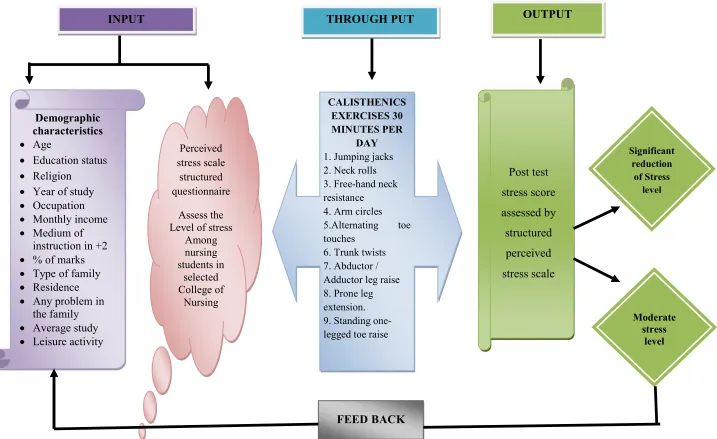
The conceptual framework selected for the study is based on Kenny's Open System Model. All the living system is open, in this there is continuous exchange of matter, energy and information. Open system has changing degree of interaction with the environment from which the system receives input and gives back output in the form of matter, energy and information.
The main concept of open system model is input, throughput, output and feedback. The study is undertaken to determine the effect of calisthenic exercises on stress among nursing students.
INPUT
Input can be matter, energy and information from the environment. In this present study the environment refers to college of nursing and refers to the collection of demographic variables from the samples such as age, religion, basic educational status, year of study, occupation of parents, monthly income, medium of the instruction in higher secondary education, percentage of marks obtained in higher secondary, types of family, residence, any problems in the family, average study time per day, leisure time activities carried out in a day and pre test level of stress among nursing students assessed by structured questionnaire of perceived stress scale.
THROUGHPUT
22
OUTPUT
After processing the input and throughput, the system returns to the output matter, energy and information in an altered state. In the present study significant changes happened in the level of stress of the samples.
FEEDBACK
23
FIGURE: 1 –MODIFIED CONCEPTUAL FRAMEWORK BASED ON J.W.KENNY, S OPEN SYSTEM MODEL
THROUGH PUT OUTPUT
INPUT Post test stress score assessed by structured perceived stress scale Demographic characteristics Age
Education status Religion
Year of study Occupation Monthly income Medium of
instruction in +2 % of marks Type of family Residence Any problem in
the family Average study Leisure activity
Perceived stress scale
structured questionnaire
Assess the Level of stress
Among nursing students in selected College of Nursing CALISTHENICS EXERCISES 30 MINUTES PER DAY
1. Jumping jacks 2. Neck rolls 3. Free-hand neck resistance 4. Arm circles 5.Alternating toe touches
6. Trunk twists 7. Abductor / Adductor leg raise 8. Prone leg extension. 9. Standing one-legged toe raise
24
CHAPTER -III
METHODOLOGY
This chapter consists of the research approach, research design, variables in the study, setting of the study, and the population, sample, sample size, sampling technique, selection criteria, development and description of tool, content validity, pilot study, reliability, data collection procedure and plan for data analysis.
3.1. RESEARCH APPROACH
The research approach is the most essential part of any research. The entire study is based on it. The research approach used in the study is applied form of research to find out a well programme, treatment, practice or policy as effective as possible. In this study effectiveness of calisthenic exercise in reducing stress among the nursing students was evaluated. Therefore a quantitative evaluation approach was essential to test the effectiveness of interventions.
Data collection period: The study was conducted for four weeks from to 02-01-2018 to 29 -01-2018.
3.2. RESEARCH DESIGN
The investigator has selected the pre-experimental design as suitable method for study (one group pre-test, post test).There was a manipulation for the subjects without a control group and randomization.
Table.1 Shows Research design
S.
No
Group
Pre-Test
Intervention
Post-Test
1 Stress among the nursing
students in College of Nursing
25
Key
O1 Pre test to assess the level of stress among the nursing students by perceived stress scale.
X Calisthenic exercises (30 minutes per day)
O2 Post test to assess the level of stress among the nursing students by perceived stress scale.
3.3 VARIABLES IN THE STUDY
Variables: A variable is a characteristic, which can be taken on different values. The categories of variables discussed in the present study were
Independent Variable: Calisthenic exercises for management of stress among nursing students.
Dependent variable: Level of stress among nursing students
Extraneous variables: Demographic variables such as age, religion, education, socio- economic status, personal habits, methods of recreation, rest and sleep.
3.4 SETTING OF THE STUDY
According to Polit and Hunger (1997), setting refers to the physical location and condition in which data collection takes place in the study. The setting was selected based on acquaintance of the investigator with the institution, feasibility of conducting the study, availability of the sample, Permission and proximity of the setting to investigation
The study was conducted to nursing students residing at Nurses Home, Rajiv Gandhi Government General Hospital, Chennai.3.
3.5 POPULATION
Target population: was the aggregate of cases about whom the researcher would like to make generalization. The nursing students residing in nurses home are target population.
26
Baccalaureate nursing students residing in nurses home were the accessible population for this study.
3.6 SAMPLE
All the Baccalaureate nursing students were included in the study and those who fulfilled the sampling criteria.
3.7 SAMPLE SIZE
The sample size was 60. 3.8 SAMPLING TECHNIQUE
Convenient Sampling technique will be used to select the 60 samples of nursing students residing in Nurses Home, RGGGH, Chennai.
3.9 SAMPLING CRITERIA
The study sample was selected by the following inclusion and exclusion criteria.
Inclusion criteria:
Those who are studying in Baccalaureate nursing programme. Those who are available and willing to participate in this study. Exclusion criteria:
Those who have already undergone calisthenic exercise programme.
Those who are having orthopaedic related problems. Those who are having any systemic illness.
3.10 DEVELOPMENT AND DESCRIPTION OF THE TOOL The tool used for the study was perceived stress scale.
The technique used for the study was structured questionnaire method.
27
Development of Tool:
Tool was selected after extensive literature review from the various text book, internet search, guidance and discussion with experts in the field of nursing, psychiatry and statistics. A structured questionnaire was used to collect data from the female Baccalaureate nursing students who were residing in Nurses Home, RGGGH, Chennai. Section A: Consists of demographic variables such as age, sex, education, socio-economic status, personal habits, and methods of recreation, rest and sleep.
Section B: Students stress assessment by perceived stress scale will be used on nursing students.
3.11 DESCRIPTION OF THE INSTRUMENT
Section-I: There is no score allotted for baseline variables. Section-II: Perceived stress scale which consists of 10 questions.
The investigator collected the data by questionnaire method. The items were assessed by the tool scores, the questions in the scale ask about your feelings and thoughts during the last month. The tool consists of 10 items in each case you will be asked to indicate how often you felt or thought a certain way. For each question choose from the following alternatives: 0-never, 1-almost never, 2- sometimes, 3-fairly often, 4- very often.
Determine the PSS score by following these directions:
First, reverse your scores for questions 4, 5, 7, & 8. On these 4 questions, change the scores like this: 0 = 4, 1 = 3, 2 = 2, 3 = 1, and 4 = 0. Now add up your scores for each item to get a total. Individual scores on the PSS can range from 0 to 40.
28
3.12 RELIABILITY OF THE TOOL
The reliability of an instrument is the degree of consistency with which it measures the attribute and it is supposed to be measuring over a period of time. The tool was a standardized one. Reliability of the tool was assessed by using Test retest method. Stress score reliability correlation coefficient value is 0.82.Hence the tool was reliable and was used in this study.
Content Validity
Data collection tool is an instrument that measures the variables of interest of the study accurately, precisely and sensitively.
Content validity of the tool was obtained from experts in the field of psychiatric nursing, psychiatry, psychology and statistical expert. The experts were an associate professor, psychiatrist and clinical psychologist. The experts were requested to check the relevance, sequence and adequacy of the content. There was uniform agreement of the tool which is adopted to conduct the study. Hence, the investigator precedes the same tool.
3.13. ETHICAL CONSIDERATION
The study objectives, intervention, data collection procedure approved by the Institutional Ethics Committee of Madras Medical College, Chennai. The nursing students were explained about the purpose and need for the study. They were assured that their details and answers will be used only for the research purpose. Further they were ensured that their details will be kept confidentially. Thus the
Level of stress Range of score
Low stress 0-13
Moderate stress 14-26 High perceived
stress
29
investigator followed the ethical guidelines, which were issued by the Institutional Ethics Committee after getting a written permission.
3.14. PILOT STUDY
Pilot study is a trail run for the main study to test the reliability, practicability and feasibility of the study.
The main objectives of the pilot study are to help the researcher to become familiar with the use of tool and to find out the difficulties in the main study. The investigator underwent calisthenic exercises training programme from stipulated and popular fitness centre by a therapist and obtained a certificate. The pilot study was conducted after getting ethical clearance and the permission from the Dean, Madras Medical College, Chennai, Principal, College of Nursing, Madras Medical College, and Warden, Nurses Home, RGGGH Chennai. It was conducted for a period of one week. Sample of 10 nursing students was selected by convenient sampling technique. Informed consent was obtained from them before collection of the data.
Data were collected from the nursing students by structured questionnaire was perceived stress scale before the implementation of calisthenic exercise. After completion of calisthenic exercise sessions, the nursing students were assessed their stress by using same scale. Pilot study samples are excluded in the main study.
3.15. DATA COLLECTION PROCEDURE
The entire data collection procedure was spread out over a period of four weeks from 02-01-2018 to 29-01-2018 .There are 160 nursing students were residing in the age group from 17 to 22 years, irrespective of caste, creed and religion. Initially the investigator approaches each nursing students after getting permission from the Dean, Madras Medical College, Chennai, Principal, College of Nursing, Madras Medical College, and Warden, Nurses Home, RGGGH Chennai.
30
were unable to attend due to their physical inability and 6 were not willing to participate in the study. The investigator selected 60 nursing students as per the inclusion and exclusion criteria. The nursing students were introduced with the whole programme after an introduction and then a written informed consent was obtained from them for willingness to participate in the study. They were assured that their responses and details will be kept confidential and will be used only for the research purpose. Before the tool perceived stress scale was administered some informal discussion were made with participants to establish rapport so that they would be relaxed.
The total 60 nursing students were divided into two groups. Each group contained 30 nursing students. Every day the 30 participants were gathered around 5.30AM in the common hall in the Nurses Home. In the first two days pre test questionnaire was administered to them and they were asked to give appropriate answers for all statements to find out the level of stress by structured scale before calisthenics.
31
SCHEDULE OF DATA COLLECTION PROCEDURE
Day Description of activity Duration
1
Consent of all the participants, Pretest level of stress assessment and introduction, need , purpose & importance
45 mts
2 Exercise 1. Jumping jacks Exercise 2. Neck rolls 30 mts 4 Exercise 3. Free-hand neck resistance Exercise 4.
Arm circles
30 mts
5 Exercise 5. Alternating toe touches, Exercise 6. Trunk twists
30 mts
6 Exercise 7. Abductor/adductor leg raise, Exercise 8. Prone leg extension
30 mts
7 Exercise 9. Standing one-legged toe raise 30 mts 8 Post test after 3 weeks of duration 4th week 45 mts
3.15.1. Intervention protocol:
Place Nurses Home, RGGGH, Chennai. Intervention Calisthenic Exercises
Tool Perceived stress scale Duration Four weeks
Frequency Twice a day
Time Morning 5.30 AM to 6.00 AM. Evening 5.30 PM to 6.00 PM.
Administered by The Investigator
32
3.16 PLAN FOR DATA ANALYSIS
The data analysis involved the use of statistical procedures to give an organization and meaning to the data. The collected data was analyzed by means of descriptive statistics, and inferential statistics. To compute the data, a data sheet was prepared by the investigator.
DESCRIPTIVE STATISTICS
Analysis of the baseline data was done by using frequency and percentage.
Stress among nursing students was analyzed by computing frequency, percentage, mean and Standard deviation.
INFERENTIAL STATISTICS
Paired “t” test was used to find out the effectiveness of calisthenic exercises in reducing stress among nursing students.
Chi-square analysis was used to determine the association between the level of stress and selected socio demographic variables among nursing students.
Procedure Exercise 1. Jumping jacks Exercise 2. Neck rolls
Exercise 3. Free-hand neck resistance Exercise 4. Arm circles
Exercise 5. Alternating toe touches Exercise 6. Trunk twists
Exercise 7. Abductor/adductor leg raise Exercise 8. Prone leg extension
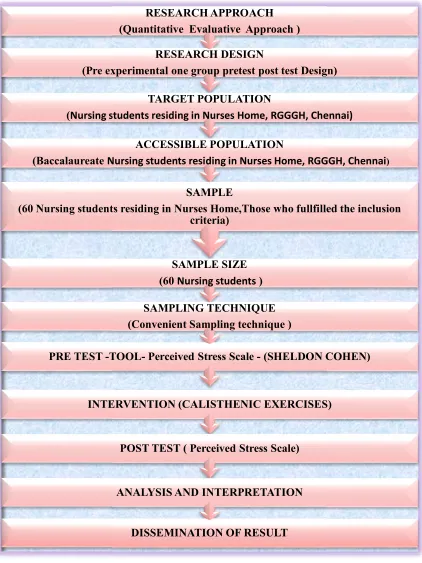
FIGURE: 2 SCHEMATIC REPRESENTATION OF RESEARCH INTERVENTION (CALISTHENIC EXERCISES) PRE TEST -TOOL
(60 Nursing students residing in Nurses Home
(Baccalaureate Nursing students residing in Nurses Home, RGGGH, Chennai (Nursing students residing in Nurses Home, RGGGH, Chennai)
(Pre experimental one group pretest post test Design)
33
FIGURE: 2 SCHEMATIC REPRESENTATION OF RESEARCH METHODOLOGY
DISSEMINATION OF RESULT ANALYSIS AND INTERPRETATION
POST TEST ( Perceived Stress Scale)
INTERVENTION (CALISTHENIC EXERCISES)
TOOL- Perceived Stress Scale - (SHELDON COHEN) SAMPLING TECHNIQUE
(Convenient Sampling technique ) SAMPLE SIZE
(60 Nursing students) SAMPLE
Nursing students residing in Nurses Home,Those who fullfilled criteria)
ACCESSIBLE POPULATION
Nursing students residing in Nurses Home, RGGGH, Chennai TARGET POPULATION
Nursing students residing in Nurses Home, RGGGH, Chennai) RESEARCH DESIGN
(Pre experimental one group pretest post test Design) RESEARCH APPROACH
(Quantitative Evaluative Approach )
FIGURE: 2 SCHEMATIC REPRESENTATION OF RESEARCH INTERVENTION (CALISTHENIC EXERCISES)
(SHELDON COHEN) fullfilled the inclusion Nursing students residing in Nurses Home, RGGGH, Chennai) Nursing students residing in Nurses Home, RGGGH, Chennai)
34
CHAPTER IV
DATA ANALYSIS AND INTERPRETATION
This chapter deals with the analysis and interpretation of the data obtained from 60 nursing students in selected college of nursing, Chennai. The collected data were tabulated and presented according to the objectives under the following orderly sections.
Section I
Distribution of nursing students’ data according to the socio demographic variables
Section II
Pretest level of stress among nursing students before administration of calisthenic exercise
Section III
Posttest level of stress among nursing students after administration of calisthenic exercise
Section IV
Assess the effectiveness of calisthenic exercise on stress among nursing students
Section V
35
SECTION I
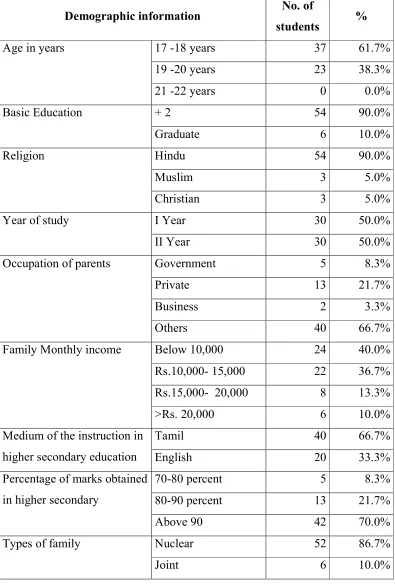
Table 4.1: Distribution of nursing students according to the socio demographic variables
Demographic information No. of
students %
Age in years 17 -18 years 37 61.7%
19 -20 years 23 38.3%
21 -22 years 0 0.0%
Basic Education + 2 54 90.0%
Graduate 6 10.0%
Religion Hindu 54 90.0%
Muslim 3 5.0%
Christian 3 5.0%
Year of study I Year 30 50.0%
II Year 30 50.0%
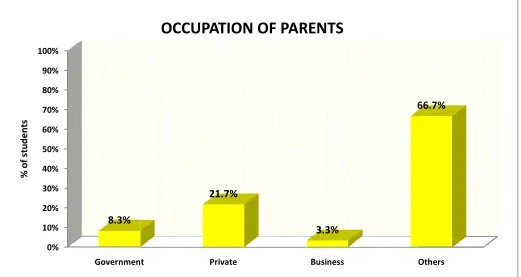
Occupation of parents Government 5 8.3%
Private 13 21.7%
Business 2 3.3%
Others 40 66.7%
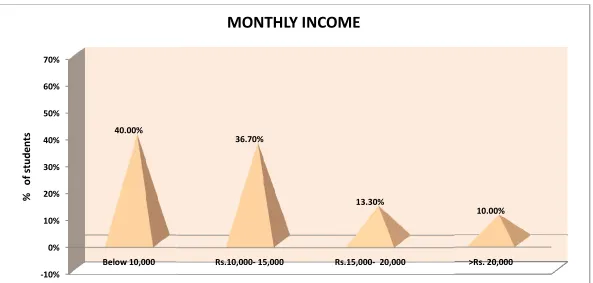
Family Monthly income Below 10,000 24 40.0%
Rs.10,000- 15,000 22 36.7%
Rs.15,000- 20,000 8 13.3%
>Rs. 20,000 6 10.0%
Medium of the instruction in higher secondary education
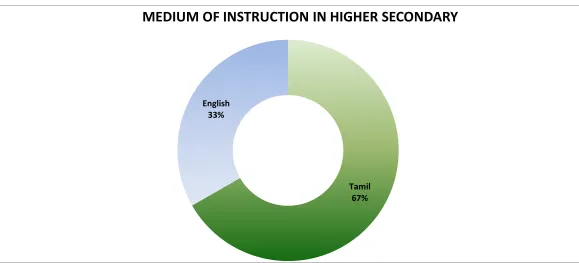
Tamil 40 66.7%
English 20 33.3%
Percentage of marks obtained in higher secondary
70-80 percent 5 8.3%
80-90 percent 13 21.7%
Above 90 42 70.0%
Types of family Nuclear 52 86.7%
[image:48.612.128.523.143.729.2]36
Extended 2 3.3%
Residence Rural 40 66.7%
Urban 14 23.3%
Semi urban 6 10.0%
Any problems in the family Nil 46 76.7%
Financial problem 14 23.3%
Others 0 0.0%
Average study time per day < 1 hours 20 33.4%
1-2 hours 29 48.3%
>2 hours 11 18.3%
Leisure activities carried out in a day
Exercise 4 6.7%
Gardening 0 0.0%
Playing 7 11.7%
Watching T.V 37 61.6%
Others 12 20.0%
The above table 4.1 shows the demographic information of nursing students those who are participated for the following study on “A study to assess the effectiveness of calisthenic exercises in reducing stress among nursing students in a selected college of nursing at Chennai”
Among 60 nursing students (61.7%) were 17 – 18 years of age group, (38.3%) were 19-20 years and none of them in the age group of 21 – 22 years.
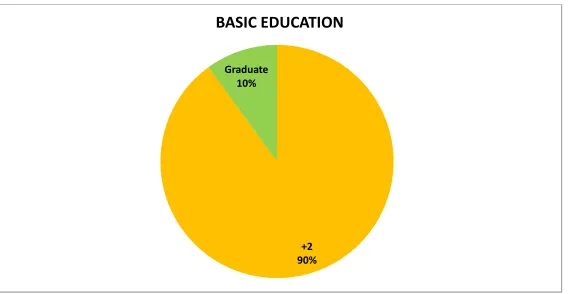
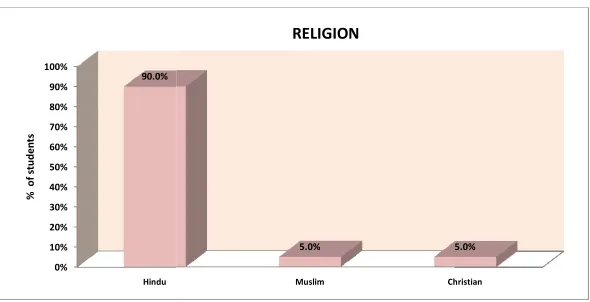
According to basic education (90%) had +2, (10%) had graduate. In religion (90%) were Hindu, (5%) were Muslim, and (5%) were Christian.
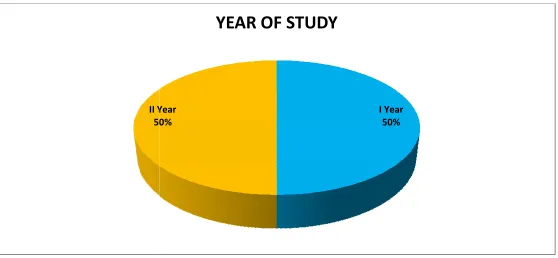
The year of study (50%) were from I year, (50%) were from II year.
37
In family monthly income (40%) of students family income was below 10,000, (36.7%) was Rs. 10,000-15,000, (13.3%) was Rs.15,000-20,000, (10%) was >Rs. 20,000.
Regarding medium of instruction in higher secondary education (66.7 %) were Tamil, (33.3%) were English.
In percentage of marks obtained in higher secondary (70%) were got above 90 percentage, (21.7%) were got 80-90 percentage, (8.3%) were got 70-80 percentage.
The type of family was (86.7%) were nuclear family, (10%) were joint family, (3.3%) were extended family.
Regarding residence (66.7%) was from rural, (23.3%) were from urban, (10%) were from semi urban.
Any problem in the family was (76.7%) didn’t have any problem in their family, (23.3%) had financial problem.
Among nursing students average study time per day was (48.3%) were studying 1-2 hours, (33.4%) were studying less than 1 hour, and (18.3%) were studying more than 2 hours.
Regarding leisure activities carried out in a day was (61.6%) were watching T.V, (20%) were involved other than exercise, gardening, playing, and watching T.V, (6.7%) were exercise, and none of them involved in gardening.
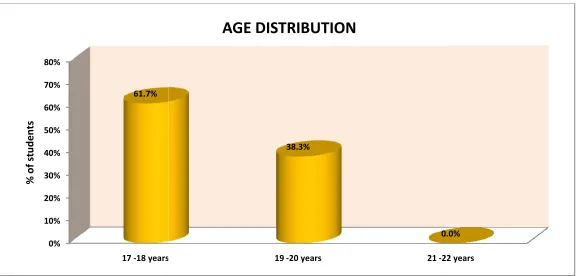
Fig 4.1. Simple cylinder diagram depicts distribution of nursing students according to their age.
Among 60 nursing students (61.7%) were 17 0%
10% 20% 30% 40% 50% 60% 70% 80%
17 -18 years 61.7%
%
o
f
st
u
d
e
n
ts
38
4.1. Simple cylinder diagram depicts distribution of nursing students according to their age.
Among 60 nursing students (61.7%) were 17 – 18 years of age group, (38.3%) were 19-20 years and none of them in the age group of 21 – 22 years.
18 years 19 -20 years 21 -22 years
38.3%
0.0%
AGE DISTRIBUTION
4.1. Simple cylinder diagram depicts distribution of nursing students according to their age.
20 years and none of them in the age group of 22 years
39
Fig 4.2 Pie diagram portrays distribution of nursing students according to their basic education.
The above diagram portrays that the majority of the nursing students were (90%) had +2, (10%) had graduate. +2
90% Graduate
10%
Fig 4.3 bar diagram identifies distribution of nursing stude
The above diagram identifies that the most of the nursing students 0%
10% 20% 30% 40% 50% 60% 70% 80% 90% 100%
Hindu 90.0%
%
o
f
st
u
d
e
n
ts
40
Fig 4.3 bar diagram identifies distribution of nursing students according to their religion.
The above diagram identifies that the most of the nursing students(90%) were Hindu, (5%) were Muslim, and (5%) were Christian.
Muslim Christian
5.0%
RELIGION
nts according to their religion.
(90%) were Hindu, (5%) were Muslim, and (5%) were Christian. Christian
Fig 4.4 Pie diagram states the distribution of nursing students according to their year of
The above diagram states the nursing students (50%) were from I year, (50%) were from II year according to their year of stud II Year
50%
41
Fig 4.4 Pie diagram states the distribution of nursing students according to their year of
The above diagram states the nursing students (50%) were from I year, (50%) were from II year according to their year of stud I Year
50% II Year
50%
YEAR OF STUDY
Fig 4.4 Pie diagram states the distribution of nursing students according to their year of study