REDUCING THE LEVEL OF DIARRHOEA AMONG CHILDREN IN
SELECTED PRIMARY HEALTH CENTRE AT
THIRUNELVELI DISTRICT
DISSERTATION SUBMITTED TO
THE TAMILNADU DR. M.G.R. MEDICAL UNIVERSITY
CHENNAI
IN PARTIAL FULFILLMENT FOR THE DEGREE OF
MASTER OF SCIENCE IN NURSING
REDUCING THE LEVEL OF DIARRHOEA AMONG CHILDREN IN
SELECTED PRIMARY HEALTH CENTRE AT THIRUNELVELI
DISTRICT
BY
Mrs. R.KAVITHA
DISSERTATION SUBMITTED TO
THE TAMILNADU DR. M.G.R. MEDICAL UNIVERSITY
CHENNAI
IN PARTIAL FULFILLMENT FOR THE DEGREE OF
MASTER OF SCIENCE IN NURSING
Affiliated to The Tamil Nadu Dr. M. G. R. Medical University,
K.R.Naidu Nagar, Sankarankovil, Tirunelveli District,
Tamil Nadu.
CERTIFICATE
This is a bonafide work of Mrs. R. Kavitha, M.Sc(N),(2013 – 2015 Batch) second year student of Sri. K. Ramachandran Naidu College of Nursing, Sankarankovil. Submitted in partial fulfillment for the ‘Degree of Master of Science in Nursing’ under The Tamil Nadu Dr.M.G.R. Medical University, Chennai.
SIGNATURE ____________________________
Prof. (Mrs). N. Saraswathi, M.Sc (N)., Ph.D (N).,
Principal, Head of the Department of Paediatric Nursing, Sri. K. Ramachandran Naidu College of Nursing,
Sankarankovil, Tirunelveli-627 753 Tamilnadu.
REDUCING THE LEVEL OF DIARRHOEA AMONG CHILDREN IN
SELECTED PRIMARY HEALTH CENTRE AT THIRUNELVELI
DISTRICT
APPROVED BY DISSERTATION COMMITTEE ON ___________________
PROFESSOR IN NURSING RESEARCH
Prof. (Mrs.). N. SARASWATHI, M.Sc (N)., Ph.D,___________________ Principal and Professor of Nursing,
Head of the Department in Paediatric nursing, Sri. K. Ramachandran Naidu College of Nursing, K.R.Naidu Nagar, Sankarankovil (TK),
Thirunelveli (Dist)-627753, Tamil Nadu.
CLINICAL SPECIALITY GUIDE
Prof.( Mrs). P.SUBBA LAKSHMI. M.Sc (N), ___________________ Head of the Department in Community health nursing
Sri. K. Ramachandran Naidu College of Nursing K.R.Naidu Nagar, Sankarankovil (TK),
Thirunelveli (Dist)-627753, Tamil Nadu.
MEDICAL GUIDE
Dr.RAJARATHINAM, MBBS, ___________________
Block Medical Officer, Primary Health Centre,
Karivalamvanthanallur, Sankarankovil (TK), Thirunelveli (Dist)-627753, Tamil Nadu.
DISSERTATION SUBMITTED TO
THE TAMILNADU DR.M.G.R.MEDICAL UNIVERSITY, CHENNAI
IN PARTIAL FULFILLMENT OF REQUIREMENT FOR THE DEGREE OF MASTER OF SCIENCE IN NURSING
The journey from the basic search for dissertation up to this bound book is solitary. In a project like this, the investigator requires assistance, encouragement and support from many. I am fortunate to have an abundance of all the requisites at every step.
First of all I wish to acknowledge my heartfelt gratitude to the LORD ALMIGHTY for shower His grace and my intense belief on Him helped me in each and every step translates my dreams in reality.
At the outset I express my heartful gratitude to Mr.R.Vivekanandan, chairman and Mrs.G.Prem Santha, Managing Trustee of Sri.K.Ramachandran Naidu College of Nursing for giving me a chance to uplift my professional life.
My earnest and genuine gratitude goes to Prof. Mrs. N. Saraswathi, M.Sc (N), Ph.D, Principal and Head of the Department of Pediatric Nursing, Sri.K. Ramachandran Naidu college of Nursing, for her valuable guidance, patience, source of inspiration, constant encouragement and enlightening ideas which enabled me to accomplish this task.
I am extremely grateful to Prof. Mrs.P.Subbalakshmi, M.Sc.(N), Coordinator of M.Sc (N) II year and Head of the Department of Community Health Nursing,
Lecturer and Mrs.S.Vijayalakshmi, M.Sc. (N), Lecturer, Department of Community Health Nursing, Sri.K.Ramachandran Naidu College of Nursing, for their guidance and suggestions for the completion of the study.
I extend my grateful thanks to the Medical officer and staff nurses in Vasudevanallur and karivalamvanthanallur primary health centre for their cooperation and help during my data collection procedure.
I extend my sincere thanks to all the Medical and Nursing Experts who have given their enlighten ideas in giving shape to the study in its early stage.
I express my sincere thanks to Mr. Senthilkumar, Professor of Biostatistics, for his expert guidance in statistical analysis.
I extend my warmest thanks to Mr.K. Raja Amirtha Pandian M.A, M.Phil, M.Ed. Lecturer in English for his patience and expertise in editing the content in English.
I extend my sincere thanks to all the children who participated in my study for their cooperation during the data collection.
I am indeed thankful to the Librarians of Sri. K. Ramachandran Naidu College of Nursing, and The Tamilnadu Dr. M.G. R. Medical University for their co-operation and their support extended in procuring the literature related to the study.
their measureless love, understanding, support, encouragement and special prayers in all my endeavors.
At the very outset, words are inadequate to express the affection, inspiration and devotion shown by my dear father Mr.K.Raja Gopal, my lovable mother Mrs.R.Muthammal, my dear brother Mr.R.Arun Rajesh M.E, and my family members for their immeasurable love, encouragement, and constant support throughout the study. This study would not have been possible without their co-operation and prayer.
A special bouquet of thanks to all my lovable friends who have helped me a lot to complete the study.
CHAPTERS TITLE PAGE No.
I INTRODUCTION 1-13
Background of the study 1
Need for the Study 4
Statement of the problem 6
Objectives of the study 6
Hypotheses 6
Operational Definitions 7
Assumption 8
Delimitations 8
Projected outcome 8
Conceptual frame work 10
II REVIEW OF LITERATURE 14-26
Review of related literature 14
III RESEARCH METHODOLOGY 27-38
Research Approach 27
Research design 27
Variables 28
Setting of the study 28
Population 29
CHAPTERS TITLE
No.
Sample size 29
Sampling technique 29
Criteria for sample selection 29
Development and description of the tool 30
Content validity 32
Reliability of the tool 32
Pilot Study 32
Data collection procedure 34
Plan for data analysis 36
Protection of human subjects 37
IV ANALYSIS AND INTERPRETATION OF
DATA 39-72
Organization of data 39
Presentation of data 41
V DISCUSSION 73-79
VI SUMMARY, CONCLUSION,
IMPLICATIONS, RECOMMENDATIONS AND LIMITATION
80-87
BIBILOGRAPHY
APPENDICES
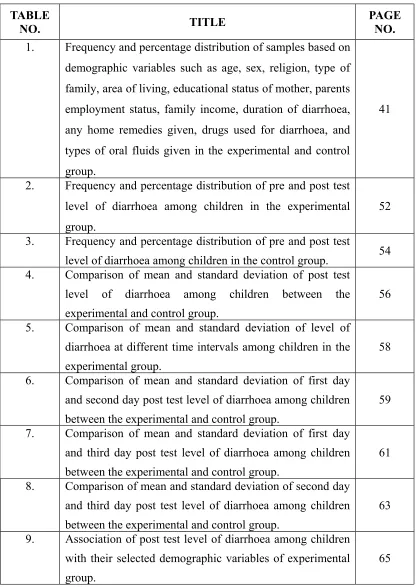
NO. TITLE NO. 1. Frequency and percentage distribution of samples based on
demographic variables such as age, sex, religion, type of family, area of living, educational status of mother, parents employment status, family income, duration of diarrhoea, any home remedies given, drugs used for diarrhoea, and types of oral fluids given in the experimental and control group.
41
2. Frequency and percentage distribution of pre and post test level of diarrhoea among children in the experimental group.
52
3. Frequency and percentage distribution of pre and post test
level of diarrhoea among children in the control group. 54 4. Comparison of mean and standard deviation of post test
level of diarrhoea among children between the experimental and control group.
56
5. Comparison of mean and standard deviation of level of diarrhoea at different time intervals among children in the experimental group.
58
6. Comparison of mean and standard deviation of first day and second day post test level of diarrhoea among children between the experimental and control group.
59
7. Comparison of mean and standard deviation of first day and third day post test level of diarrhoea among children between the experimental and control group.
61
8. Comparison of mean and standard deviation of second day and third day post test level of diarrhoea among children between the experimental and control group.
63
9. Association of post test level of diarrhoea among children with their selected demographic variables of experimental group.
[image:10.612.117.533.101.688.2]NO. NO. 10. Association of post test level of diarrhoea among children
with their selected demographic variables of control group. 69
NO. TITLE NO. 1. Conceptual Framework based on modified
Wiedenbach’s Helping Art of Clinical Nursing Practice Theory
13
2. Schematic representation of research design 27 3. Schematic representation of methodology 38 4. Percentage distribution of samples according to age in
years 46
5. Percentage distribution of samples based on sex 46 6.
Percentage distribution of samples based on religion 47 7. Percentage distribution of samples based on type of
family 47
8. Percentage distribution of samples based on area of
living 48
9. Percentage distribution of samples based on
educational status of mother 48
10. Percentage distribution of samples based on parents
employment status 49
11. Percentage distribution of samples based on family
income / month 49
12. Percentage distribution of samples based on duration
of diarrhoea 50
13. Percentage distribution of samples based on home
remedies 50
14.
Percentage distribution of samples based on drugs
given for diarrhoea 51
15. Percentage distribution of samples based on types of
oral fluids 51
16. Frequency and percentage distribution of pre and post test level of diarrhoea among children in the experimental group.
NO. TITLE NO. 17. Frequency and percentage distribution of pre and post
test level of diarrhoea among children in the control group.
55
18.
Comparison of post test level of diarrhoea among
children between the experimental and control group. 57 19. Comparison of mean and standard deviation of first
day and second day post test level of diarrhoea among children in the experimental group.
60
20. Comparison of improvement for level of diarrhoea between first day and second day post test in the experimental and control group.
60
21. Comparison of mean and standard deviation of first day and third day post test level of diarrhoea among children in the experimental group.
62
22. Comparison of improvement for level of diarrhoea between first day and third day post test in the experimental and control group.
62
FIGURE
NO. TITLE
PAGE NO. 23. Comparison of mean and standard deviation of
second day and third day post test level of diarrhoea among children in the experimental group.
64
24. Comparison of improvement for level of diarrhoea between second day and third day post test in the experimental and control group.
APPENDIX NO. TITLE
A Letter seeking permission for conducting the study
B Letter seeking experts opinion for content validity of the tool
E Certificate of English editing
F Informed consent
G Copy of the tool for data collection
H Steps of intervention
ABSTRACT
1. To assess the pre and post test level of diarrhoea among children in experimental and control group.
2. To find out the effectiveness of pomegranate skin decoction on reducing the level of diarrhoea among children in experimental and control group.
3. To compare the pre and post test level of diarrhoea among children in experimental group.
4.
To associate the post test level of diarrhoea among children in experimental group and control group with their selected demographic variables.The following hypotheses were set for the study,
All hypotheses were tested at 0.05 level of significance.H1: The mean post-test level of diarrhoea among children in experimental group was
significantly lower than the mean post-test level of diarrhoea in the control group.
H
2: The mean post-test level of diarrhoea among children was significantly lower thanthe mean pre-test level of diarrhoea in the experimental group.
H3: There was a significant association between post-test level of diarrhoea among children in experimental and control group with their selected demographic variables such as age, sex, religion, type of family, area of living, educational status of mother, parents employment status, family income, duration of diarrhoea, any home remedies given, drugs used for diarrhoea, and types of oral fluids.
experimental pre and post control group design. Non probability purposive sampling technique was adopted for this study.
The data collection tools were developed for generating the necessary data by using Modified Gorelick diarrhoea assessment scale to assess the level of diarrhoea. The content validity of the tool was established by two medical expert and four nursing experts. The reliability of the tool (r=0.8) was established by “test- re test” method. The pomegranate skin decoction was found to be reliable. Pilot study was conducted to find out the feasibility of the study and to plan for data analysis.
x The mean and standard deviation of level of diarrhoea during the pretest was 20.76 and 1.731, during the day I was 16.06 and 1.615, during the day II was 10.38 and 1.471, during the day III was 4.53 and 1.409 in the experimental group. The mean difference and calculated ‘t’ value between the pre test and day I was 4.70 and 9.532, between the day I and day II was 5.68 and 7.891, between the day II and day III was 5.85 and 5.310, and between the day I and day III was 16.23 and 2.612 at the 0.05 level of significance.
x
The calculated ‘t’ value between the post test level of diarrhoea among the experimental group and control group was 36.36.x
There was no significant association between the post test level of diarrhoea among children with their selected demographic variables in the experimental group and control group.Recommendation of the study were,
On the basis of the findings of the study, it is recommended that, the following studies can be undertaken to reduce the level of diarrhoea by using pomegranate skin decoction as a good remedy for children.
regard to administration of pomegranate skin decoction on reducing the level of diarrhoea among children.
3. A comparative study can be conducted by using pomegranate skin decoction on reducing the level of diarrhoea among children in urban and rural area.
4. The same study can be repeated by a true experimental design to assess the effectiveness of pomegranate skin decoction on reducing the level of diarrhoea among children.
Recommendation based on the suggestions of the study subjects,
1. The nurse educates the community regarding the pomegranate skin decoction on reducing the level of diarrhoea among children.
2. Conduct in-service education program and continuing education program for effective management regarding pomegranate skin decoction on reducing the level of diarrhoea among children.
3. Ensure and conduct workshops, conferences, seminars on pomegranate skin decoction on reducing the level of diarrhoea among children.
4. The research findings need to be publishing through conferences, seminars and publishing in nursing journal to the nursing staff.
5. The research findings help to building and strengthening the knowledge about the effects of pomegranate skin decoction on reducing the level of diarrhoea among children.
Conclusion
CHAPTER I
INTRODUCTION
“All that mankind needs for good health, and
Healing is provided in nature.
The challenge of science is to find it”.
Paracelsus, The Father of Pharmacology.
BACK GROUND OF THE STUDY
Good health is the bed rock on which social progress is built. A nation of healthy people can do those things which make life worthwhile and as the level of health inverses, so does the potential for happiness. An important of body structure and function that necessitates a modification of the children’s normal life and has persisted over an extended period of time. (L.C.Guptha, 2009)
Young children are more vulnerable than any other age group to the ill effects of unsafe water, insufficient quantities of water, poor sanitation and lack of hygiene. Globally 10.5 million children under the age of five die every year, with most of these deaths occurring in developing countries. Lack of safe water, sanitation and adequate hygiene contribute to the leading killers of children, including diarrhoeal diseases, pneumonia, neonatal disorders and under-nutrition. (IMNCI, 2011)
years of age, children with diarrhoea for 10-20 % of their first 3 years of age. (Terry kyle, 2013)
Diarrhoea is one the leading causes of morbidity and mortality in infants and young children. It is most commonly caused by gastrointestinal infections and kills around 4.6 million people, including 2.5 million children every year. The main cause of death from diarrhoea is dehydration which results from the loss of electrolytes in diarrhoeal stools. The strength of children to combat diseases is weaker than that of the adults and hence they are unable to tolerate strong medicine. (UNICEF, 2011)
Acute gastro enteritis, an inflammation of the mucus membranes of the stomach and intestines, is defined as diarrhoeal disease of rapid onset with or without accompanying manifestations such as nausea, vomiting, fever and abdominal pain. Most cases of gastro enteritis are self-limited; however, more severe or prolonged illness can result in dehydration with significant morbidity and mortality. (Nicki.L.Potts, 2007)
The clinical manifestations depend on the causative organism; such as rotavirus, norwalt, adenovirus, shigella, salmonella, camphylobacter, E.coli, clostridium difficile, giardia lambia, and entamoeba histolytica; however in general, signs and symptoms include diarrhoea, nausea, vomiting abdominal pain, weight loss, fever, dehydration and electrolyte imbalances. Diagnosis is based on the history, physical examination and laboratory studies focused on evaluating the child’s hydration status and identifying the causative agent. (Viswanathan, 2009)
underlying home treatment is the need to administer increased volumes of appropriate fluids as well as to maintain adequate caloric intake. Children with no dehydration and mild diarrhoea may be treated with 10 ml / kg of ORS to replace fluid lost with each stool. However most children who are not dehydrated dislike ORS they can be offered age- appropriate foods and additional fluids. (Hugger et al, 2005)
If the child is mildly dehydrated, 50 ml / kg of ORS should be given over 4-6 hours Losses from diarrhoea stools and emesis are replaced with an additional 10 ml / kg. Once the dehydration is corrected, the child can resume solid foods. Although there is controversy about which foods are best for refeeding, complex carbohydrate, lean meats, fluids and vegetables are well tolerated. (King et al, 2003)
The child with moderate dehydration should be given 100 ml / kg of ORS over 4-6 hours, with replacement of losses from diarrhea and vomit’s over these 4-6 hours. When the dehydration is corrected, feeding can be resumed. Severe dehydration requires IV therapy using isotonic solutions. The fluid is administered in boluses of 15-30 ml / kg every 20 minutes until hypovolemia is corrected. (Liao and Rossignol, 2000)
Diarrhoea can be corrected through inexpensive and simple means. Different home remedies are available for the treatment of diarrhoea such as carrot juice, pomegranate, blackberry, honey, garlic, orange juice, rice flour, ginger, turmeric etc. Herbal medicines are especially beneficial for small children when they suffer from diarrhoea or colic.
electrolyte secretion. All these activities may explain the benefits of using pomegranate skin extracts in the treatment of diarrhoeal disease. ( Palombo, 2006 )
World Health Organization initiated the diarrhoeal diseases control programme in 1980, approximately 4.6 million children died each year due to diarrhoea. In India at least 1.5- 2.4 million children under the age of five years die every year owing to acute diarrhoea. According to recent reports oral rehydration therapy may now be preventing about one million dehydration deaths. (WHO, 2011)
NEED FOR THE STUDY
Global estimation of number of deaths due to acute diarrhoeal diseases have shown a study decline from 4.4 million in the year 1990, 2.5 million in the year 2000, 1.9 million in the year of 2007 and 1.7 million in the year 2011.( World Health
Organization, 2012)
Acute gastro enteritis accounts for as many as 5 million deaths each year worldwide. In the United States, this illness is responsible for170,000 hospitalizations and 300 deaths in children younger than 5 years of age. (Ramaswamy and Jacobson,
2011)
National institute of cholera and enteric diseases reported that acute diarrhoeal disease rank amongst all infectious diseases as a killer in children below five years of age worldwide. Globally 1.6 billion episodes occur annually with an average of 2- 3 episodes per children per year. (NICED, 2008)
years. About 15 % under five mortality is diarrhoeal disease related. In India, acute diarrhoeal disease accounts for about 13% of deaths in under five years age group. During the year 2009, about 11.2 million cases with deaths were reported in India. (DALYs, 2009)
Voluntary health association of India reported that acute gastro enteritis is more common and more dangerous in young children, especially between 6 months to 2 years and especially in malnourished children. About 60-70 % of the children with acute gastro enteritis die because of severe dehydration. (Voluntary health association
of India, 2007)
A study was conducted and found that diarrhoea remains public health problem in the world and diarrhoea due to bacterial infections is one of the main causes of childhood morbidity and mortality especially in developing countries. ( Katouli et al, 2007 )
In Tamil Nadu diarrhoeal disease causes a heavy economic burden on the health services. Diarrhoea was associated with approximately 9.5 % of all hospitalization of under five children. The incidence of diarrhoea in Tamil Nadu is 3.5 % per child per year.
pomegranate skin extract in controlled doses shortened the duration of rotavirus diarrhoea and decreased the requirement for rehydration solutions. (Subotina M.D et al, 2008 )
Diarrhoea is more common in under five children. The researcher felt that a study to prevent diarrhoea among children is important to improve their health condition. There are only few studies conducted in this area. So the researcher selected this problem for research study which is intended to find the effectiveness of pomegranate skin decoction on reducing the level of diarrhoea among the children.
STATEMENT OF THE PROBLEM
A study to assess the effectiveness of pomegranate skin decoction on reducing the level of diarrhoea among children in selected primary health centre at Thirunelveli district.
OBJECTIVES
1. To assess the pre and post test level of diarrhoea among children in experimental and control group.
2. To find out the effectiveness of pomegranate skin decoction on reducing the level of diarrhoea among children in experimental and control group.
3. To compare the pre and post test level of diarrhoea among children in experimental group.
4.
To associate the post test level of diarrhoea among children in experimentalgroup and control group with their selected demographic variables.
HYPOTHESES
H01 Mean post- test level of diarrhoea among children in experimental group will be significantly lower than the mean post- test level of diarrhoea in control group.
H02 Mean post- test level of diarrhoea among children in experimental group will be significantly lower than their mean pre- test level of diarrhoea in experimental group.
H03 There will be a significant association between the post- test level of diarrhoea among children in experimental group and control group with their selected demographic variables.
OPERATIONAL DEFINITION
ASSESSIt is the systematically and continuously collecting, validating and communicating patient’s data regarding the diarrhoea before and after administration of pomegranate skin decoction among children by using modified Gorelick diarrhoea assessment scale.
EFFECTIVENESS
Effectiveness means the result, outcome or change. In this study effectiveness means the reducing the severity of diarrhoea after administration of pomegranate skin decoction among children aged 1-5 years in experimental group.
POMEGRANATE SKIN DECOCTION
container. 5ml was given twice daily for 1-3 years of age children and 8ml was given twice daily for 4-5 years of age children respectively for three days.
DIARRHOEA
In this study, it refers to loose, greenish yellow colour stool, with pungent or mild foul smell and passing of watery or loose stool 3 to 6 times per day.
CHILDREN
In this study, it refers to both male and female children between 1-5 years of age with mild and moderate diarrhoea.
ASSUMPTIONS
x Severity of diarrhoea is differ from children to children.
x Pomegranate skin decoction is one of the remedy helps to reduce the severity
of diarrhoea in children.
DELIMITATIONS
¾ The study is delimited to the period of 4 weeks.
¾ The study is delimited to Vasudevanallur PHC.
¾ The study is delimited to those who are willing to participate.
¾ The study is delimited to age group of 1 – 5years children.
¾ The sample size is 60 only.
PROJECTED OUTCOMES
The finding of the study will help the nurses to plan for the administration of pomegranate skin decoction in order to reduce the severity of diarrhoea among the children.
CONCEPTUAL FRAMEWORK
Conceptual framework helps to stimulate research and extensive knowledge. (Polit, 1990).
The conceptual framework for research study presents the measure on which the purpose of study is based. The framework provides the perspective from which the investigator views the problems.
The study is based on the concept that the effectiveness of pomegranate skin decoction on reducing the level of diarrhoea among the children. The investigator adopted the modified Ernestine Widenbach’s helping art of clinical nursing theory as a base for developing conceptual framework.
Ernestine Widenbach’s proposes helping art of clinical nursing theory in 1964 for nursing, which describes a desired situation and a way to attain it. It directs action towards the explicit goal. This theory has 3 factors
x Central purpose. x Prescription x Realities
Central Purpose
In the study the central purpose is to assess the pomegranate skin decoction on reducing the level of diarrhoea among the children.
Prescriptions
Realities
The five realities are identified by Widenbach are agent, recipient, goal, means, activities and framework.
Agent: The agent is one who has personal attributes, capacities, capabilities, commitment and competence to provide demonstration. In this study the researcher is the agent. It refers to the plan for administering pomegranate skin decoction.
Recipient: The recipient is the children who had received an investigator intervention. In this study children who received pomegranate skin decoction were the recipients.
Goal: The goal is to direct actions and suggests the reason for taking those actions. The study goal is to reduce the severity of diarrhoea after the administration of pomegranate skin decoction among the children.
Means: The means are the activities used by the investigator to achieve the goal. In this study, “pomegranate skin decoction” was administered to reduce the severity of diarrhoea among the children.
Framework: The framework refers to the facilities in which nursing is practised. In this study, framework refers to Vasudevanallur and Karivalamvanthanallur Primary Health Centre.
The conceptualization of nursing according to this theory consists of three steps as follows.
Step I : Identifying the need for help. Step II : Ministering the need for help.
Step I: Identifying the need for help.
This step involves determining the need for help. The children are identified as based on the inclusive and exclusive criteria. Purposive sampling technique was used to assess the level of diarrhoea in experimental and control group by using modified Gorelick diarrhoea assessment scale.
Step II: Ministering the need for help.
This refers to provision of needed help. In the study after the selection of samples, investigator administered a pomegranate skin decoction to the experimental group children according to the age group 1-3 years received 5 ml and 4-5 years received 8 ml twice a day for the period of 3 days. But the control group did not received the pomegranate skin decoction.
Step III: Validating that the need for help was met.
CHAPTER-II
REVIEW OF LITERATURE
The review of literature in the research report is a summary of current knowledge about a particular practice problem and includes what is known and not known about the problem. The literature is reviewed to summarize knowledge for use in practices or to provide a basis for conducting a study. (Burns, 1997)
The review of literature is organized under the following sections.
Section A: Studies related to prevalence and risk factors of diarrhoea among children.
Section B: Studies related to the treatment of diarrhoeal problem among children.
Section C: Studies related to pomegranate skin decoction.
Section D: Studies related to the effect of pomegranate skin decoction on reducing the level of diarrhoea among children.
SECTION A: STUDIES RELATED TO PREVALENCE AND RISK FACTORS OF DIARRHOEA.
Laura M Lamberti (2012) conducted a systematic review to generate estimates of duration and severity outcomes of diarrhoea for individuals 0-59 months, 5-15 years, and 16 years, and for 3 severity indexes: mild, moderate, and severe. The results showed that among children under-five, 64.8% of diarrhoeal episodes are mild, 34.7% are moderate, and 0.5% are severe. On average, mild episodes last 4.3 days, and severe episodes last 8.4 days and cause dehydration in 84.6% of cases and among older children and adults, 95% of episodes are mild; 4.95% are moderate; and 0.05% are severe. Among individuals 16 years, severe episodes typically last 2.6 days and cause dehydration in 92.8% of cases.
children in Benin city, Nigeria. Overall prevalence of diarrhoea was 22.4% (males: 32.7% and female: 15.3%). Bivariate analysis showed significant relationship of diarrhoea with gender, age, area of living, type of family, duration of diarrhoea, literacy of mother, and religion. Therefore, intervention measures are warranted emphasizing on modifiable risk factors such as area of living, type of family to reduce the level of diarrhoea.
Narayan K et al (2010) did a cross sectional study on prevalence and trends in acute gastro enteritis (AGE) in Lagos State Nigeria. The study examined the trends in the
prevalence of AGE in Lagos state Nigeria. A sample of 1000 subjects was taken from a
population consisting of children between the ages of 9 months to 5 years spread across the
20 Local Government Areas of the state. Fifty questionnaires were distributed in each local
government area. Employing statistical tools such as ANOVA, chi-square that Duncan
multiple range test, it was found that prevalence of AGE diffuse across age groups with the
age range 9 months-5 years having the highest prevalence.
D N Guptha et al (2010) conducted a cohort study of rural children below 4 years of age was subjected to bi-weekly surveillance using locally resident workers to detect diarrhoeal episode. Faecal samples from active diarrhoea cases were collected before administration of antimicrobials and processed in the laboratory for established enteric pathogens. Examination of faecal leucocytes, RBC and occult blood tests were
also undertaken. Overall incidence of diarrhoea was 1.7 episodes./child/year and that
leucocyte count (>10/hpf). However, abdominal pain occurred more frequently in blood dysentery than mucoid diarrhoea.
Maria clotildes (2010) the prospective cohort, community-based study that was performed in two periurban slums of Salvador, Brazil. Eighty-four children younger than 40 months were randomly selected and visited every other day for one year. The chi-square test was used to evaluate the occurrence of diarrhoea and its associated factors. During the surveillance period, 232 diarrhoea episodes were identified, resulting in an incidence rate of 2.8 episodes/child/year. In average (mean value of 84 children), each child suffered 11.1 days of diarrhea per year, yielding an average duration of 3.9 days per episode. The highest incidence rates were found among children under one year old. Early weaning, male sex, malnutrition, is having a mother younger than 25 years or who considered her child malnourished, missed immunizations and previous pneumonia were associated factors for suffering diarrhoeal episodes. The rates of incidence and duration of diarrhoea that we found are in accordance to those reported by others. Additionally, our results reinforce the importance of environmental and health-related associated factors to the onset of diarrhoea.
collected from children (less than 5 years old), suffering from diarrhoea and attending the Yemeni-Swedish Hospital (YSH) in Taiz, Yemen, from November 2006 to February 2008. Rotavirus was detected by enzyme linkage immune sorbent assay (ELISA) on stool specimens of children. Genotypes of Rotavirus were characterized by reverse transcriptase-polymerase chain reaction (RT-PCR) and poly acrylamide gel electrophoresis (PAGE). The results showed that 358 (45.2%) were Rotavirus-positive and the most prevalent genotypes were G2P[4] (55%), followed by G1P[8] (15%). In addition, Rotavirus was found through the whole year; however, higher frequency during the summer season (53.4%) and lower frequency during the winter season (37.1%).
Edward A et al (2009) a study was conducted from serum samples of 215 farm-resident children and 396 non-farm-resident children living in a defined rural Wisconsin population. Antibodies to Campylo bacter jejuni and Escherichia coli O157:H7 lipopolysaccharide (O157 LPS) immunoglobulin G were measured, and the incidence of clinic visits for diarrhoeal illness was determined. Risk factors were assessed in a telephone interview. There were 363 children (59%) with C. jejuni antibodies (seropositive for 2 immunoglobulin classes) and 86 (14%) withϑ O157 LPS antibodies. Increasing age and farm residence were independently associated with C. jejuni seropositivity by multivariate analysis. O157 LPS antibodies were independently associated with increasing age, female sex, manure contact, and sheep contact. The incidence of clinically recognized diarrhoea was similar among children with and without antibodies to C. jejuni and O157 LPS, but the clinic visit rate for diarrhoea was 46% lower among farm-resident children. These results are consistent with reduced occurrence of clinical illness from repeated antigenic stimulation in a farm environment.
Cascon J et al (2006) matched case-control study was conducted in the Maternal and Child Health Clinic (MCH) in Ifakara, Tanzania, during the rainy
season in order to elucidate the risk factors for and etiology of diarrhoeal diseases in
children under 5 years of age. Cases (103) and controls (206) were matched for sex
and age group. Precoded questionnaires with demographic details, clinical history,
and physical signs were completed. Stools samples were collected for bacterial,
parasitological, and viral studies. A high number of siblings (odds ratio [OR],
0.86; P = 0.027), the number of siblings surviving (OR, 0.82; P = 0.007), the birth
order (OR, 0.85; P = 0.018) and the distance from the house to the water source (OR,
0.33; P = 0.011) were associated with the risk of diarrhoea. There were high rates of
entero pathogen isolates in stool samples from children without diarrhoea
(52.23%) .Shigella species were the only enteropathogen statistically related with
diarrhoea (OR, 2.90; P < 0.029). Enterotoxigenic, enteropathogenic, and
enteroaggregative strains of Escherichia coli were not related with diarrhea, and
neither were Giardia lambliaor Salmonellaspecies.
same class of pathogen identified from stool on both days 1–3 and days 15–17, indicating that persistent infection was uncommon. However, a different persistent diarrhoea.
Webb A et al (2005) conducted a study on acute gastro enteritis in children. The most important complication of gastro enteritis is dehydration. The amount of weight loss as percentage of normal body weight provides the best estimate of degree of dehydration. Clinical signs are not present until the child has lost as least 4% of their body weight. The best signs for identifying dehydration include decreased peripheral perfusion, abdominal skin turgor and an abnormal respiratory pattern. Fluid replacement is the main stay of management and most infants and children can be rehydrated safely with ORS. Antiemetics and antidiarrhoeals drugs are not indicated in children with AGE.
SECTION B: STUDIES RELATED TO THE TREATMENT OF DIARRHOEAL PROBLEM AMONG CHILDREN.
previous episodes. This was because culturally, the parents wait one or two days before visiting the health facility, using their own remedies in the mean while. 77% of children with diarrhoea had received antibiotics, although this is not advised under DDCP (Diarrhoeal Disease Control Programme) but local medical practitioners give these, which reflects on their scanty knowledge of DDCP and (4.8%) were referred and had received I/V fluids.
Robert E Black (2010) conducted a systematic review of efficacy and effectiveness studies and used a standardized abstraction and grading format and performed meta-analyses for all outcomes with 2 data points. The estimated effect on diarrhoea mortality was determined by applying the standard Child Health Epidemiology Reference Group rules for multiple outcomes and identified 13 studies for abstraction. Zinc supplementation decreased the proportion of diarrhoeal episodes which lasted beyond 7 days, risk of hospitalization, all-cause mortality and diarrhoea mortality. Using diarrhoea hospitalizations as the closest and most conservative possible proxy for diarrhoea mortality, zinc for the treatment of diarrhoea is estimated to decrease diarrhoea mortality by 23%. Zinc is an effective therapy for diarrhoea and will decrease diarrhoea morbidity and mortality when introduced and scaled-up in low-income countries.
concluded that rice water was recommended to reduce the level of diarrhoea among under five children.
Zhang et al (2008) conducted a study to observe the effect of tender-coconut water as guide in children with dehydration. Sixty samples with moderate and severe dehydration were enrolled for study. They were randomly divided into experimental group and control group. The control group did not receive tender-coconut. The children were assessed by dehydration scale, activities, general appearance, were determined before and after administration of tender-coconut water. The study concluded that the children who received TC water show the improvement than the control group children. (p<0.01).
Westerdahi et al (2008) performed a randomized trail study to investigate the effects of butter milk on acute gastro enteritis among under five children. There were 84 samples selected randomly and assigned to experimental group (n=42) and control group (n=42). The experimental group was received butter milk 3 times per day. The control group did not receive butter milk. Compared to the control group, the children in the experimental group had a significant reduction in acute gastro enteritis (p=0.01). The study concluded that 72% of the children experienced improvement in the experimental group.
Ferreira.G (2008) leads an experimental study in Mangalore on effectiveness of lactobacillus therapy on diarrhea among the toddler. Eighty samples were randomly selected, 40 were assigned to experimental group and 40 were control group. The level of diarrhoea was assessed in both groups before the intervention. Lactobacillus therapy was provided for experimental group twice daily for 4 days. On the 4th day
score level of diarrhea was 7.80 in the experimental group. Where as 17.70 (p<0.05) for the control group. The study concluded that lactobacillus therapy was effective in reduction of diarrhoea.
SECTION C: STUDIES RELATED TO POMEGRANATE SKIN DECOCTION.
Aviram Dornfeld L (2011) conducted a study to assess the effectiveness of pomegranate skin decoction On reducing the peptic ulcer. The research has been conducted on 60 patients. They were randomly divided in to experimental group & control group. The experimental group received pomegranate skin decoction for one week on empty stomach. During this period, the control group received no intervention. The study results showed significant difference between the experimental group than the control group (p<0.01).
Davidson MH (2010) performed a randomized trail study to investigate the effects of pomegranate skin decoction on breast cancer among the 40 years old females. There were 44 samples selected randomly and assigned to experimental group (n=22) and control group (n=22). The experimental group received pomegranate skin decoction 20ml twice a day for 15 days. The control group did not receive pomegranate skin decoction. Compared to the control group the experimental group had a significant improvement in the health condition. The study concluded that 68% of the females experienced improvement in the experimental group.
received the pomegranate decoction. The result showed that significant reduction in experimental group than the control group.
Jurenka JS (2009) conducted a study to determine the effect of pomegranate skin decoction on reducing the athrosclerosis in old people. The sample population of the study included both male and female above 50 years. Totally 90 samples were selected by simple random sampling and randomly placed in to experimental group and control group. The experimental group received pomegranate skin decoction for one month’s twice a day. The results of pre and post test were evaluated by “analysis of covariance method”. The study results revealed that pomegranate skin decoction reduce the arthrosclerosis among old people.
SECTION D: STUDIES RELATED TO THE EFFECT OF POMEGRANATE SKIN DECOCTION ON DIARRHOEA AMONG CHILDREN.
Chithralekha P L (2012) conducted a study on effect of pomegranate skin decoction on diarrhoea and dehydration among 40 children with diarrhoea, selected by purposive sampling method, was conducted in CBM homeo hospital, Alappuzha. It was found that there was a significant reduction in diarrhoea and dehydration after administration of pomegranate skin decoction (p<0.05). Administration of pomegranate skin decoction was independently effective among children in reducing diarrhoea and dehydration (p<0.05).
Paired 'T' test was used to assess the effect of pomegranate skin extraction both the group. In the experimental group 'T' value is significantly higher than the tabulated value at 5%, 'Ȥ2' test was used to assess the difference between experimental and
control group, this shows significantly higher than the tabulated value at 5%
Albin A Raja (2010) conducted an experimental study to assess the effectiveness of pomegranate skin extraction among toddler to reduce the level of diarrhoea. One sixty samples were randomly assigned to the experimental group (n=80) and control group (n=80). Pomegranate skin extraction given to the experimental group for four days. The outcome was measured by the activity of the child, general appearance, and frequency of diarrhoea, consistency of stool and smell of stool. The results revealed that pomegranate skin extraction was effective in reducing the level of diarrhoea.
Ataserver A et al (2009) attempted a single blind randomized controlled trial to prevent and minimize the complications of diarrhoea among pre school children. There were 80 samples selected. The experimental group received pomegranate peel extraction to prevent seasonal diarrhoea and the control group received the medical care but not pomegranate peel extraction. The primary outcome measured the incidence of diarrhoea. The secondary outcome measured the complication of diarrhoea. Results from this study were contributed to the incidence of diarrhoea and complications in the experimental group significantly lower than the control group.
the treatment group 8 of 20 (40%) children were diarrhoea-free 48 hours after admission to the hospital, compared with 1of 20 (5%) in the control group (p<0.001). The administration of pomegranate skin extract in controlled doses shortened the duration of rotavirus diarrhoea and decreased the requirement for rehydration solutions.
Kaur U (2008) conducted a study on effect of pomegranate peel extraction on diarrhoeal disease among under five children. This was a randomized, experimental prospective study in a tertiary hospital conducted from January 2009 to June 2010. The sample was made up of 44 participants. Intervention given for only experimental group children for 3 days. Pomegranate peel extraction significantly reduced the level of diarrhoea. There were differences in the level of diarrhoea in the experimental group (P=.157) when compared with the control group. He reported that pomegranate peel extraction is very useful in stopping diarrhoea.
Van sleuwen AN et al (2008) conducted a study to evaluate effect of pomegranate peel extract to reduce the level of diarrhoea among under five children. In experimental group 20 children was received 5ml of pomegranate peel extract for three days. The control group children do not received pomegranate peel extract. Finding indicated that the mean pre test level of diarrhoea was significantly lower than the mean post test level of diarrhoea in the experimental group.
CHAPTER-III
Research methodology refers to the techniques used to structure a study and to gather and analyze information in a systematic fashion. (Polit and Hungler) Methodology includes the steps, procedures and strategies for gathering and analyzing the research investigation.
This chapter provides a brief description of the method adopted for the study. It includes research approach, research design, setting of the study, population, sample, sample size, sampling technique and criteria for selection of samples, development and description of interventions, pilot study, plan for data analysis and interpretation of subject.
RESEARCH APPROACH
Quantitative research approach was used for this study. In this the researcher lays out in advance the steps to be taken to maximize the integrity of the study and then follows those steps as faithfully as possible.(Polit and Hungler)
RESEARCH DESIGN
The research design used in this study was quasi experimental pre and post test control group design.
GROUP PRE
TEST INTERVENTION POST TEST
Experimental O1 X O2,O3,O4
[image:47.612.123.525.522.583.2]Control O1 - O5,O6,O7
Figure: 2 Schematic representation of the research design
KEY
x O1- Pre test level of diarrhoea among experimental group.
x X- Administration of pomegranate skin decoction.
x O1-Pre test level of diarrhoea among control group.
x O5, O6, O7 -Post test level of diarrhoea among control group.
VARIABLES
Independent variables:
Pomegranate skin decoction. Dependent variables:
Diarrhoea.
SETTING OF THE STUDY
The setting of the study refers to the area where the study was conducted. The experimental study samples were selected from Vasudevanallur Primary Health Centre at Thirunelveli district. It is situated 18 kilometers away from our college. The Primary Health Centre covering 42,078 populations. In outpatient department daily 250 patients are getting treatment, among them 40 patients were children. The control study samples were selected from Karivalamvanthanallur Primary Health Centre at Thirunelveli district. It is situated 6 kilometers away from our college. The Primary Health Centre covering 38,593 populations. In outpatient department daily 220 patients are getting treatment, among them 35 patients were children. The distance between the two Primary Health Centre is 12 kilometers.
POPULATION
The Population of the study was 1-5 years old children who were having mild and moderate diarrhoea.
The study samples were both male and female children aged between 1-5 years who fulfilled the inclusive criteria.
SAMPLE SIZE
The sample size comprises of 60 children with mild and moderate diarrhoea. Experimental group consist of 30 children with mild and moderate diarrhoea and control group consists of 30 children with mild and moderate diarrhoea.
SAMPLING TECHNIQUE
The non probability purposive sampling technique was used for this study as per the availability of the children aged 1-5 years with mild and moderate diarrhoea; the researcher used purposive sampling technique to draw the samples based on inclusive criteria and assigned each samples to experimental and control group by using Modified Gorelick diarrhoea assessment scale. The investigator selected 30 children who had the mild or moderate diarrhoea for experimental group in Vasudevanallur Primary Health centre and selected 30 children who had the mild or moderate diarrhoea for control group in Karivalamvanthanallur Primary Health centre and excluded the children who had severe diarrhoea.
CRITERIA FOR SAMPLE SELECTION
The sample was selected on the basis of inclusion criteria.
INCLUSION CRITERIA
x Age group between 1-5 years of children. x Both male and female children.
x Children who had mild and moderate diarrhoea. x Parents who were willing to participate in the study.
x Children with severe diarrhoea. x Infants and children above five years.
x Parents who were not willing to participate in the study. x Mentally retarded children.
x High risk children like severe dehydration, cardiac diseases, respiratory
distress syndrome etc.
DEVELOPMENT AND DISCRIPTION OF THE TOOL
Data collection tools are the devices that a researcher uses to collect the data. A search for literature was made for the purpose of locating appropriate tool. Treece and Treece (1986) state that instruments selected should be a vehicle that obtains data for drawing conclusions pertinent to the study and add to the body of knowledge in a discipline.
The tool was developed after extensive review of literature, internet search and expert’s advice helped the investigator to select suitable scale for reducing the level of diarrhoea among children aged 1-5 years.
The tool comprised of two sections. Section A: Demographic Data
This section consist of demographic variables of children including age, sex, religion, type of family, area of living, educational status of mother, employment status of mother, family income, duration of diarrhoea, home remedies given, treatment given, medication given and types of oral fluid.
This section consists of 15 questions to assess the level of diarrhoea. Each statement had four responses. Normal-0, Mild-1, Moderate-2, Severe-3. The total score was 45.
SCORING PROCEDURE AND INTERPRETATION
Modified Gorelick Diarrhoea assessment scale was used to assess the level of diarrhoea among children aged between 1-5 years.
Category Score
Normal bowel pattern 0
Mild diarrhoea 1-15
Moderate diarrhoea 16-30 Severe diarrhoea 31-45
DESCRIPTION OF INTERVENTION
Pomegranate skin extract are known to have antispasmodic effects, delay gastrointestinal transit, gut motility, stimulate water absorption, reduce electrolyte secretion.
Consent was obtained from parents of each children and reassurance was given that the collected data would be kept confidential.
Explained the action of pomegranate skin decoction.
three hours of time. 5ml was given twice a day for 1-3 years of age children and 8ml was given twice a day for 4-5 years of age children.
Pomegranate skin decoction was given morning and evening at 6 hours intervals for three days.
VALIDITY
The content validity of the tool was established on the basis of opinion of the medical expert and four nursing expects in the field of community health nursing. Tool was modified as per the suggestions of all the experts and the tool was finalized.
RELIABILITY
Reliability of the tool (Modified Gorelick Diarrhoea assessment scale) was tested by “test-retest” method by using Karl Pearson correlation coefficient reliability method. The reliability score obtained was r=0.8. Hence the tool was considered highly reliable for proceeding with this study. .
PILOT STUDY
It was the rehearsal for the main study. The researcher got permission from Principal and the Research ethical committee of Sri. k. Ramachandran Naidu College of nursing and the HOD of community health nursing. A formal permission was obtained from the Block medical officer of Rayagiri primary health centre at Thirunelveli district. The pilot study was conducted in Rayagiri primary health centre for the period of one week (23.02.2015 to 28.02.2015) from 9 am to 6 pm.
assessed the level of diarrhoea by using Modified Gorelick diarrhoea assessment scale. According to the Modified Gorelick diarrhoea assessment scale, the investigator selected the children aged 1-5 years who had the mild and moderate diarrhoea and excluded the children who had severe diarrhoea. Then the investigator selected the sample by purposive sampling technique, 3 samples were in experimental group and 3 samples were in control group.
Consent was obtained from each sample and reassurance was provided that the collected data would be kept confidential. Then the researcher explained about the action of pomegranate skin decoction to the parents of each child. According to the age group of children aged 1 to 3 years received 5 ml of pomegranate skin decoction and children aged 4 to 5 years received 8 ml of pomegranate skin decoction twice daily at 6 hours interval for 3 days respectively for the experimental group. No intervention was given to the control group.
Post-test were assessed after one hour by using Modified Gorelick diarrhoea assessment scale for the experimental group and control group. The experimental group showed that significant reduction in the level of diarrhoea and the children became normal. The control group showed that there was no significant reduction in the level of diarrhoea. The study was found to be feasible and hence the same procedure was decided to be followed in the main study. The samples selected for the pilot study was not included in the main study.
PROCEDURE FOR DATA COLLECTION
collection in their premises was obtained from the medical officer of the primary health centre, Vasudevanallur. Good rapport was maintained and brief introduction was given about the study and got oral consent from the parents.
Phase- I: Selection of samples
In Vasudevanallur primary health centre daily 250 patients were attending the OPD among them 40 patients were children out of this 5-7 children were having diarrhoea. The investigator selected 3-4 samples per day by using modified Gorelick diarrhoea assessment scale. On the basis of children who attending the OPD the investigator assessed the level of diarrhoea by using modified Gorelick diarrhoea assessment scale. Among them the investigator selected the children with mild and moderate diarrhoea by using non probability purposive sampling technique, 30 samples were selected from Vasudevanallur Primary Health Centre were assigned to experimental group.
In Karivalamvanthanallur primary health centre daily 220 patients were attending the OPD among them 35 patients were children out of this 4-6 children were having diarrhoea. On the basis of children who attending the OPD the investigator assessed the level of diarrhoea by using modified Gorelick diarrhoea assessment scale. Among them the investigator selected the children with mild and moderate diarrhoea by using non probability purposive sampling technique, 30 samples were selected from Karivalamvanthanallur Primary Health Centre were assigned to control group.
Phase- II: Administration of pomegranate skin decoction
diarrhoea was assessed by Modified Gorelick diarrhoea assessment scale then the investigator administered pomegranate skin decoction 5ml for 1-3 years of age children and 8ml for 4-5 years of age children twice daily at 6 hours interval for three days.
For the control group pre test level of diarrhoea was assessed by using Modified Gorelick diarrhoea assessment scale similar to the experimental group and no intervention was given.
Phase-III: Post test for experimental and control group
In experimental group, on first day evening after one hour administration of pomegranate skin decoction first observation on post test level of diarrhoea was assessed by using Modified Gorelick diarrhoea assessment scale, 2nd and 3rd day post
test level of diarrhoea was assessed in the evening by using Modified Gorelick diarrhoea assessment scale after one hour administration of pomegranate skin decoction in home setup for three days. In control group, on first day evening first observation on post test level of diarrhoea was assessed by using Modified Gorelick diarrhoea assessment scale, 2nd and 3rd day post test level of diarrhoea was assessed in
the evening by using Modified Gorelick diarrhoea assessment scale in home setup for three days. There was a significant reduction in the level of diarrhoea in the experimental group than the control group.
PLAN FOR DATA ANALYSIS
After the data collection the collected data were organized, tabulated, summarized and analyzed according to the objectives of the study analyzed by using both descriptive and inferential statistics.
x Frequency and percentage distribution were used to analyze the demographic
data.
x Frequency and percentage distribution were used to assess the level of
diarrhoea of the children.
x Mean and standard deviation were used to assess the effectiveness of
pomegranate skin decoction on reducing the level of diarrhoea among children.
Inferential Statistics
x Paired “t” test was used to compare the pre and post test level of diarrhoea
among experimental group.
x Unpaired “t” test was used to compare the effectiveness of pomegranate skin
decoction on reducing the level of diarrhoea between experimental group and control group among children.
x Chi-square test was used to associate the post test level of diarrhoea among
children with their selected demographic variables of experimental and control group.
PROTECTION OF HUMAN RIGHT
Ethical clearance was given by the Principal, Research and ethical committee of Sri.k.Ramachandran Naidu college of nursing and got permission from the Block medical officer of the Vasudevanallur primary health centre and Karivalamvanthanallur primary health centre. The consent of each children parent was obtained before data collection. Assurance was given to the study participants regarding the confidentiality of the data collection. The participants were assured that there was no harm caused to them during the course of study by participating in the
RESEARCHAPPROACH
(QuanƟtaƟve approach)
RESEARCHDESIGN
Quasi experimental pre and post test control group design
POPULATION Children Aged 1Ͳ5 Years
with M TARGETPOPULATION
Diarrhoeal children with mild and moderate diarrhoea.
ACCESSIBLEPOPULATION
Diarrhoeal children who aƩending OPD in
Vasudevanallur & karivalam PHC at Thirunelveli,Dt
district. DEMOGRAPHC DATA 1. Age 2.Sex 3.Religion. 4. Type of family
5 Area of living
6.EducaƟonal status
of mother
7. Parents educaƟon
8.Family income
SAMPLESIZEANDSAMPLINGTECHNIQUE
60 Mild Ͳ Moderate diarrhoea children by purposive sampling
technique. PRETEST EXPERIMENTAL GROUP n=30 n=30 CONTROL GROUP n= 30 INTERVENTION Pomegranate skin decocƟon
decocƟonBalloon blowing
exercise
NOINTERVENTION
POST TEST
ANALYSIS AND INTERPRETATION
DESCRIPTIVE AND INFERENTIAL STATISTICS
FINDINGS
DATACOLLECTION PROCEDURE
CHAPTER– IV
CHAPTER-IV
ANALYSIS AND INTERPRETATION
Data analysis is the systematic organization and synthesis of research data, and the testing of research hypothesis is using those data. (Polit & Hungler, 2003)
This chapter deals with the analysis and interpretation of collected data from the 60 children aged 1-5 years with mild and moderate diarrhoea in selected Primary health centre at Thirunelveli District.
Analysis is the method of organizing, shorting and scrutinizing data in such a way that research question can be answered. (Polit 2005)
Descriptive and inferential statistics were used to analyze data on the basis of the objectives of the study.
ORGANIZATION OF DATA
The data has been tabulated as follows Section – A: Analysis of demographic data.
¾ Frequency and percentage distribution of samples based on demographic
variables such as age, sex, religion, type of family, area of living, educational status of mother, parents employment status, family income, duration of diarrhoea, any home remedies given, drugs used for diarrhoea, and types of oral fluids given in the experimental and control group.
Section –B: Analysis of the level of diarrhoea among children of experimental and control group.
¾ Frequency and percentage distribution of pre and post test level of diarrhoea
among children in the experimental group.
¾ Frequency and percentage distribution of pre and post test level of diarrhoea
among children in the control group.
Section –C: Comparison of the level of diarrhoea among children between the experimental and control group.
¾ Comparison of post test level of diarrhoea among children between the
¾ Comparison of mean and standard deviation of pre and post test level of
diarrhoea among children in the experimental group.
¾ Comparison of mean and standard deviation of first day and second day post
test level of diarrhoea among children in the experimental group.
¾ Comparison of mean and standard deviation of first day and third day post
test level of diarrhoea among children in the experimental group.
¾ Comparison of mean and standard deviation of second day and third day post
test level of diarrhoea among children in the experimental group.
Section –D: Association of post test level of diarrhoea among the experimental group with their selected demographic variables.
¾ Association of post test level of diarrhoea among children with their selected
demographic variables of experimental group.
PRESENTATION OF DATA
SECTION A –ANALYSIS OF DEMOGRAPHIC DATA OF DIARRHOEAL CHILDREN.
Table:1 Frequency and percentage distribution of samples based on demographic variables such as age, sex, religion, type of family, area of living, educational status of mother, parents employment status, family income, duration of diarrhoea, any home remedies given, drugs used for diarrhoea, and types of oral fluids given in the experimental and control group.
S. No
Demographic variable
Experimental Group
Control Group Total
f % f % f %
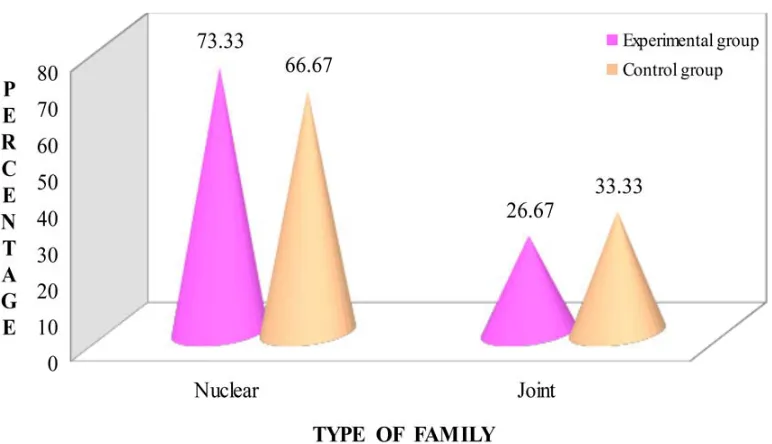
1. Age in years 1-3 years 4-5 years 18 12 60 40 16 14 53.33 46.67 34 26 56.67 43.33 2. Sex Male Female 17 13 56.67 43.33 14 16 46.67 53.33 21 39 35 65 3. Religion Hindu Christian Muslim 18 2 10 60 06.67 33.33 15 11 4 50 36.67 13.33 33 13 14 55 21.67 23.33 4. Type of family
Nuclear Joint 22 8 73.33 26.67 20 10 66.67 33.33 42 18 70 30 5. Area of living
Urban Rural _ 30 _ 100 _ 30 _ 100 _ 60 _ 100
6. Education of the mother Primary
Secondary Hr secondary Graduate and above
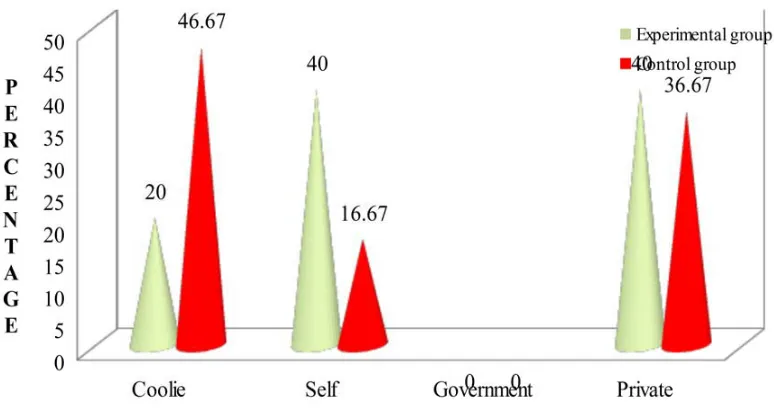
7. Parents employment Coolie Self Government Private 6 12 _ 12 20 40 _ 40 14 5 _ 11 46.67 16.67 _ 36.67 20 17 _ 23 33.33 28.33 _ 38.34
8. Family income / Month Below 3000 Rupees Rs3001-5000 Rs5001-7000 Above 7000 2 8 16 4 06.67 26.67 53.33 13.33 6 9 9 6 20 30 30 20 8 17 25 10 13.33 28.33 41.67 16.67 9. Duration of diarrhea
1 Day 2-3 Days Above 3 days
2 22 6 06.67 73.33 20 5 17 8 16.66 56.67 26.67 7 39 14 11.67 65 23.33 10. Any home remedies
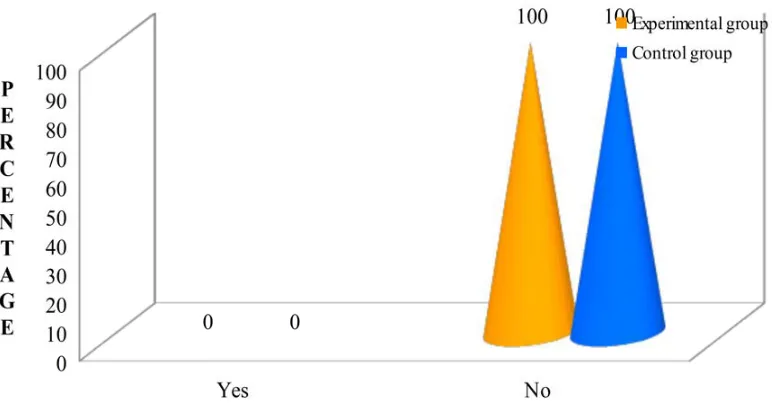
Yes No _ 30 _ 100 _ 30 _ 100 _ 60 _ 100 11. Any drugs for diarrhea
Yes No 3 27 10 90 4 26 13.33 86.67 7 53 11.67 88.33 12. Type of oral fluids
Table 1 depicts the frequency and percentage distribution of demographic variables such as age, sex, religion, type of family, area of living, educational status of mother, parents employment status, family income, duration of diarrhoea, any home remedies given, drugs used for diarrhoea, and types of oral fluids given in the experimental and control group.
While considering the age, majority of children 18 (60%) were between the age group of 1-3 years, and 12 (40%) children were between the age group 4-5 years in the experimental group. Whereas 16 (53.33%) children were between the age group of 1-3 years, and 14(46.67%) children were between the age group of 4-5years in the control group.
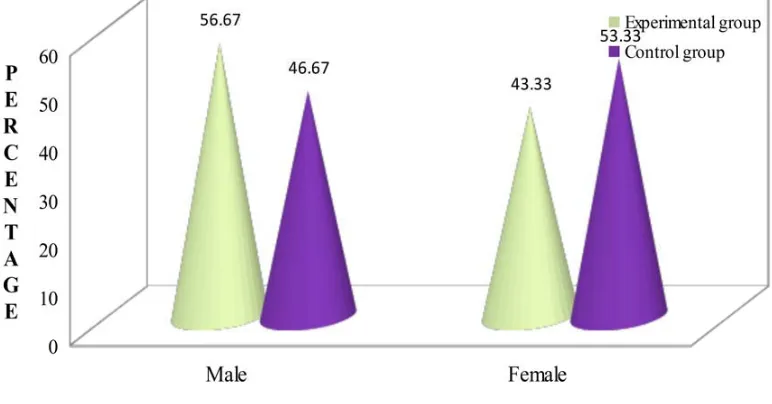
With respect to sex, 17 (56.67%) were male children and 13 (43.33%) were female children in the experimental group. Whereas 14 (46.67%) were male children, and 16 (53.33%) were female children in the control group.
With regard to religion, majority of children 18 (60%) were Hindu, 2 (6.67%) were Christian, and 10 (33.33%) were Muslim in the experimental group. Whereas 15 (50%) were Hindu, 11 (36.67%) were Christian, and 4 (13.33%) were Muslim in the control group.
With regard to area of living all the children 60 (100%) in experimental and control group were belongs to rural area and none of them from urban area in the experimental and control group
With respect to educational status of mother, 4 (13.33%) were in primary education, 14 (46.67%) were in secondary education, 11 (36.67%) were in higher secondary education and 1 (03.33%) were in graduate in the experimental group. Whereas 8(26.67%) were in primary education, 13 (43.33%) were in secondary education, 7 (33.33%) were in higher secondary education and 2 (06.67%) were in graduate in the control group.
With regard to parents employment status, 6 (20%) were coolie, 12 (40%) were self employed, 12 (20%) were private employed and none of them were government employed