City, University of London Institutional Repository
Citation: O'Leary, Neil (2011). Optic Nerve Head Image Analysis for Glaucoma
Progression Detection. (Unpublished Doctoral thesis, City University London)This is the unspecified version of the paper.
This version of the publication may differ from the final published
version.
Permanent repository link: http://openaccess.city.ac.uk/1154/
Link to published version:
Copyright and reuse: City Research Online aims to make research
outputs of City, University of London available to a wider audience.
Copyright and Moral Rights remain with the author(s) and/or copyright
holders. URLs from City Research Online may be freely distributed and
linked to.
City Research Online: http://openaccess.city.ac.uk/ [email protected]
1
Optic Nerve Head Image
Analysis for Glaucoma
Progression Detection
N
EIL
O’L
EARY
PhD Thesis
2
Contents
List of Tables ... 5
List of Figures ... 7
Acknowledgements ... 17
Declaration ... 18
Keywords ... 19
Abstract... 20
List of Abbreviations and Terms ... 21
1. Background and Aims ... 22
1.1 Glaucoma ... 22
1.1 Diagnostic Technology in Glaucoma ... 36
1.2 Confocal Scanning Laser Tomography ... 41
1.3 Glaucoma Progression... 54
1.3.1 Heidelberg Retina Tomograph Progression Detection Algorithms... 56
1.3.2 Assessing the Performance of Change Detection Algorithms ... 61
1.4 Objectives ... 62
2. Glaucomatous Progression in Series of Stereoscopic Photographs and Confocal Scanning Laser Tomograph Images ... 64
2.2 Methods ... 66
2.2.1 Patients ... 66
2.2.2 Selection Criteria for Study ... 68
2.2.3 Stereo Optic Disc Photography and Grading ... 68
2.2.4 Confocal Scanning Laser Tomography ... 70
2.2.5 Statistic Image Mapping ... 70
2.2.6 Topographic Change Analysis ... 71
2.2.7 Linear Regression of Rim Area ... 71
2.2.8 Analysis: Measures of Change and Sliding Scale ... 72
3
2.5 Discussion ... 82
3. Trend Detection in Series of Univariate Measurements ... 89
3.1 Trend Detection Techniques ... 94
3.2 Data ... 98
3.2.1 Real Data ... 98
3.2.2 Simulated Data ... 100
3.2.2.1 Linear Trend and Stable Data ... 101
3.2.2.2 Measurement Noise Distribution ... 102
3.2.2.3 Measurement Variability Levels ... 104
3.2.2.4 Changes in Within-Series Variability ... 105
3.3 Performance Measures of Change Detection Techniques ... 109
3.3.1 Statistical Power ... 110
3.3.2 ROC and Partial ROC Analysis ... 110
3.3.3 Imaging Follow-up Period ... 112
3.3.4 Students t-Distribution for RA Series Test Statistic ... 112
3.4 Results ... 113
3.5 Discussion ... 123
4. Assessment of Quality in HRT Images ... 128
4.1 Measurements of Image Variability ... 134
4.1.1 Real Data ... 134
4.1.2 Simulated Data ... 136
4.2 Measurements of Image Characteristics ... 141
4.2.1 Image Frequency Analysis ... 141
4.2.2 Image Gradient Analysis ... 145
4.2.3 Subjective Assessment ... 147
4.3 Results ... 148
4.4 Discussion ... 157
5. Simulation of Series of Optic Nerve Head Images ... 162
5.1 Methods ... 165
5.1.1 Data ... 165
4
5.1.2.1 Within Examination Eye Movements ... 168
5.1.2.2 Within Examination Head Movements ... 169
5.1.2.3 Between Examination Movement ... 169
5.1.2.4 Device Noise ... 171
5.1.2.5 Noise Follow-up Time Dependence ... 172
5.1.2.6 Implementation ... 172
5.1.3 Simulation Testing ... 173
5.1.3.1 Local within examination variability ... 173
5.1.3.2 Local between examination variability ... 173
5.1.3.3 Global within examination variability ... 173
5.1.2.4 Global between examination variability ... 173
5.1.2.5 Clinical measure of variability: Neuroretinal rim area variability of mean topographies ... 174
5.1.2.6 Correlation in the spatial distribution of topographic variability between real and simulated series ... 175
5.2 Results ... 176
5.3 Discussion ... 186
6. Conclusion and Further Work ... 192
APPENDIX A: Linear Regression Permuted Test Statistics ... 195
APPENDIX B – Image Transformation Details ... 198
7. Bibliography ... 202
List of Publications ... 229
Manuscripts ... 229
Conference Presentations: Published Abstracts ... 229
5
List of Tables
Table 2.1: The summary of stereophotograph assessment of progression in the study with the proportion of assessments reached by consensus and the proportion requiring adjudication.
74
Table 3.1 Real no-change RA data: the α-level (p-value cut-off) of the hypothesis test of negative change over time for each change detection test given a
fixed/anchored percentage of falsely flagged progressing rim area series at fifth and final examination.
114
Table 3.2 Power levels for three change detection methods of detecting change at
medium trend of RA deterioration (-0.012mm2/year) at 7th visit after 3 years of follow-up in different noise scenarios. Total RA decrease during this follow-up period: 0.036mm2. Entries are colour coded: red corresponds to lower power values, yellow to moderate power values and green to higher power values.
115
Table 3.3 Power levels for three change detection methods of detecting change at
high trend of RA deterioration (-0.021mm2/year) at 7th visit after 3 years of follow-up in different noise scenarios. Total RA decrease during this follow-follow-up period: 0.063mm2. Entries are colour coded: red corresponds to lower power values, yellow to moderate power values and green to higher power values.
116
Table 3.4 Power levels for three change detection methods of detecting change at
medium trend of RA deterioration (-0.012mm2/year) at 13th (and final) visit after 6 years of follow-up in different noise scenarios. Total RA decrease during this follow-up period: 0.072mm2. Entries are colour coded: red corresponds to lower power values, yellow to moderate power values and green to higher power values.
6
Table 3.5 Power levels for three change detection methods of detecting change at
high trend of RA deterioration (-0.021mm2/year) at 13th (and final) visit after 6 years of follow-up in different noise scenarios. Total RA decrease during this follow-up period: 0.126mm2. Entries are colour coded: red corresponds to lower power values, yellow to moderate power values and green to higher power values.
118
Table 4.1 Instrument guidelines categorising MPHSD (courtesy of Heidelberg Engineering, Heidelberg, Germany).
131
Table 4.2 Agreement between the subjective assessments of the image quality of HRT mean topography and reflectance image pairs by 6 observers (A – F). Quality assessments were made over a subset of 28 image pairs. Agreement is quantified by use of linearly weighted κ values. Observers were asked to repeat their quality assessments on the same (but reordered) subset (1 – 2). Within observer agreements are in indicated by the italic font. The strength of agreement is indicated by colour - red represents the lowest agreement and green the highest.
154
Table 5.1: Summary of differences (bias and 95% limits of agreement (LoA))
between the simulated and real image series for global, regional and local measures of variability: mean of within examination pixel height standard deviation
(MPHSDw), mean of between examination pixel height standard deviation (MPHSDb), RA CV and NCC of PHSDw. maps.
7
List of Figures
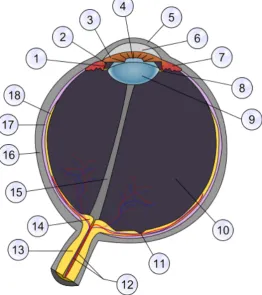
Figure 1.1 Schematic anatomy of the eye. Numbers indicate main or notable features. Important ocular features and those most relevant to glaucoma and ocular imaging include, 2: posterior chamber, 3: iris, 4: pupil, 5: cornea, 6: anterior
chamber (aqueous humour), 9: lens, 10: vitreal chamber (vitreous humour), 11: fovea, 12: retinal blood vessels, 13: optic nerve, 14: optic nerve head or optic disc,
16: sclera, 18: retina.
23
Figure 1.2 Retinal nerve fibre schematics showing (a) exit configurations of retinal nerve fibres leaving the optic nerve head related to the eccentricity of their starting point and (b) the arcuate-path configuration of retinal nerve fibres across the retina. (Images from(Khurana, 2007)
26
Figure 1.2 Schematic of the ONH and optic disc and relationship to the RNFL. 26
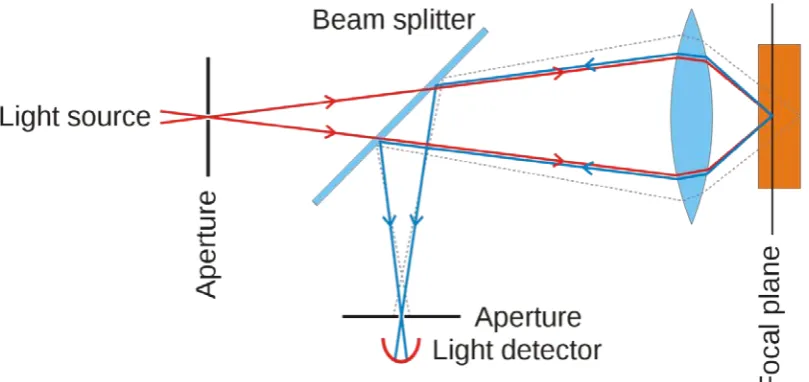
Figure 1.4 Principles of confocal scanning showing the placement of
apertures/pinholes in front of the light source/laser and the detector. With an infinitesimally small aperture any light returning from planes posterior or anterior to the focal plane is rejected.
43
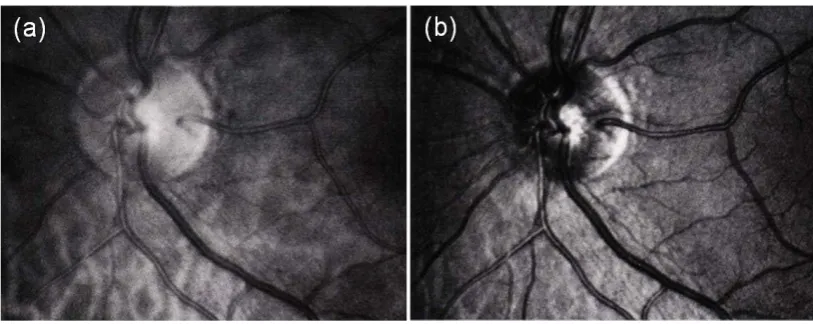
Figure 1.5 Examples of ONH scans of the same eye with a scanning laser
ophthalmoscope system in (a) non-confocal and (b) confocal modes. (Images from (Plesch et al., 1990)
44
Figure 1.6 Principles of CSLT. (a) “Stack” of confocal scanning laser
ophthalmoscope images at incremental focal depths (false colour representation of reflectance intensity). Measurements in the z-axis are referred to as axial and those in the x and y axes are referred to as transverse. (b) The set of axial reflectance values at a given transverse coordinate
�𝑥
𝑖,
𝑦
𝑗�
is known as a z-profile. (c) The axial location of each z-profile maximal reflectance at coordinate�𝑥
𝑖,
𝑦
𝑗�
iscalculated and denoted
𝑧
𝑖𝑗. (d) Axial locations are mapped to a topographic heightimage. (e) CSLT three-dimensional representation of (d).
8
Figure 1.7 Comparison of 10° x 10° HRT Classic topography (a) and reflectance images (c) and 15° x 15° HRT II mean topography (b) and mean reflectance images (d). Images have transverse spatial sampling of 256 x 256 (HRT Classic) and 384 x 384 (HRT II) ensuring that transverse spatial sampling intervals are consistent. (Images from Moorfields Eye Hospital clinic database).
47
Figure 1.8 HRT II topography and reflectance images of glaucomatous eye (a) & (c) and normal eye (b) & (d). (Images from Moorfields Eye Hospital clinic database).
48
Figure 1.9 (a) HRT topography with manually delineated optic disc boundary (contour line) and (b) illustration of the derivation of topography optic disc, neuro-retinal rim and cup areas from the reference ring and contour line.
49
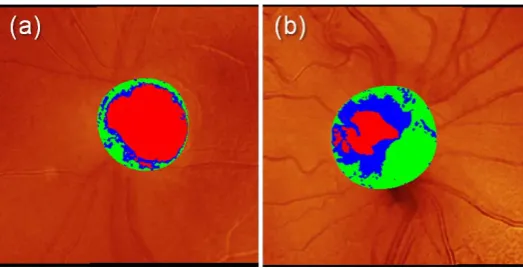
Figure 1.10 HRT II topography images for eyes in Figure 1.8 with overlay of manually delineated optic disc area and colours indicating neuroretinal rim (green and blue) and cup (red). (Images from Moorfields Eye Hospital clinic database).
51
Figure 1.11 Sample HRT Classic topography images series for a sample eye over four visits. TCA outputs are displayed in the top row with statistically significant negative (red) and positive (green) change overlaid. For the same series, overlaid stereometric parameters, rim area and cup area, within the outlined optic disc are shown in the bottom row (colours as per Figure 1.10). A progressive inferior cupping of the optic disc is evident and corresponds with the inferior ‘cluster’ of red pixels in the TCA map. (Images from Moorfields Eye Hospital clinic database)
59
Figure 2.1 Selection criteria applied to stereophotograph and HRT progression study and the resulting sample sizes.
67
Figure 2.2 ROC curves for HRT progression algorithms using stereophotograph-assessed glaucomatous change as the reference standard for TCA, SIM and RALR. Areas under the ROC curves are 0.62 for SIM, 0.61 for TCA and 0.66 for RALR.
75
Figure 2.3 Area proportional Venn diagrams representing the agreement of TCA, SIM and RALR with stereophotograph assessment. Equal rates of identified progression mean that the circles in each diagram are equal in area.
9
Figure 2.4 Area proportional Venn diagrams representing the agreement of TCA, SIM and ordinary RALR with each other in determining glaucomatous
progression. Equal rates of identified progression mean that the circles are equal in area.
77
Figure 2.5 Case 1. A Single baseline (April 1998) and D single final follow-up (April 2005) photographs from stereophotograph pairs, with excavation and
rim-narrowing indicated supero-temporally and supero-nasally (arrows). B Baseline HRT mean image (April 1998). Final follow-up HRT mean image (April 2005) with C TCA (progression flagged) and E SIM (progression flagged) outputs (the dark red pixels represent the largest cluster of pixels within disc). F Output for RALR (red sectors represent significant p-values for negative trend of RA).
78
Figure 2.6 Case 2. A Single baseline (August 1998) and D single final follow-up (August 2005) photographs from stereophotograph pairs with excavation indicated infero-temporally (arrow). B Baseline HRT mean image (August 1998). Final follow-up HRT mean image (August 2005) with TCA C (no progression flagged) and SIM E (no progression flagged) outputs (dark red pixels represent largest cluster of pixels within disc). F Output for RALR at (red sector and centre represent significant p-value for negative trend of RA).
79
Figure 2.7 Case 3. A Single baseline (October 1998) and D single final follow-up (August 2005) photographs from stereophotograph pairs with excavation indicated infero-temporally (arrow). B Baseline HRT mean image (October 1998). Final follow-up HRT mean image (August 2005) with TCA C (no progression flagged) and SIM E (no progression flagged) outputs (dark red pixels represent largest cluster of pixels within disc). F Output for RALR (green centre represents no significant p-values for negative trend of RA).
80
Figure 2.8 Case 4. A Single baseline (July 1998) and D single final follow-up (July 2005) photographs from stereophotograph pairs with no observed change. B Baseline HRT mean image (July 1998). Final follow-up HRT mean image (July 2005) with TCA C (progression flagged) and SIM E (progression flagged) outputs (dark red pixels represent largest cluster of pixels within disc). F Output for RALR (red
10
sector and centre represent significant p-value for negative trend of RA).
Figure 3.1 (a) Low, (b) medium and (c) high levels of RA measurement noise
𝜀
𝑖 with normal, Laplace and hyperbolic probability distributions. Within each level, these distributions have all been adjusted to have equal variances. Shapeparameters of the hyperbolic distributions are consistent with those fitted to observed RA measurement error distributions.
104
Figure 3.2 Box-whisker plots showing the spread of normally distributed
measurement variability at each follow-up examination for stable series. Each panel represents a scenario of measurement variability with the following average magnitudes and its change across the follow-up period: (a) uniform low noise, (b) uniform medium noise, (c) uniform high noise, (d) medium increasing noise, (e) medium decreasing noise, (f) medium noise with an outlier present, and (g) medium noise with autocorrelation.
107
Figure 3.3 Example of ROC curve and the dark grey PAUC within a region of the ROC curve with false positives ≤ 0.2
111
Figure 3.4 (a) HRT Classic data: Percentage of falsely flagged progressing series at fifth and final examination for the p-value cut-off of each change detection test (b) HRT II data: Percentage of falsely flagged progressing series at fifth and final examination for the p-value cut-off of each change detection test.
113
Figure 3.5 Changes with follow-up period of PAUC values (false positive rate < 20%) for the three change detection methods for the three indicated noise distributions in series of a medium trend of RA deterioration (-0.012mm2/year). The seven scenarios of noise pattern over time are (a) low uniform noise, (b) medium uniform noise, (c) high uniform noise, (d) medium increasing noise, (e) medium decreasing noise, (f) medium noise with an outlier measurement and (g) medium noise with autocorrelation. See Figure 3.2 for illustration of noise patterns.
120
Figure 3.6 Changes with follow-up period of PAUC values (false positive rate < 20%) for the three change detection methods for the three indicated noise distributions in series of a high trend of RA deterioration (-0.021mm2/year). The seven scenarios of noise pattern over time are (a) low uniform noise, (b) medium
11
uniform noise, (c) high uniform noise, (d) medium increasing noise, (e) medium decreasing noise, (f) medium noise with an outlier measurement and (g) medium noise with autocorrelation. See Figure 3.2 for illustration of noise patterns.
Figure 3.7 Two-hundred randomly sampled permutation distributions of OLS linear regression test-statistics with the parametric Student’s t-distribution (3 degrees of freedom) overlaid for 4 scenarios of noise pattern: (a) medium uniform noise, (b) medium increasing noise, (c) medium noise with an outlier and (d) medium noise with autocorrelation. These distributions are for stable simulated series Laplace measurement noise at 5th RA measurement (2 years). The average p-value for the two-sample Kolmogorov-Smirnov test is for (a) 0.78, (b) 0.81, (c) 0.81 and (d) 0.82.
122
Figure 3.8 Two-hundred randomly sampled permutation distributions of OLS linear regression test-statistics with the parametric Student’s t-distribution (11 degrees of freedom) overlaid for 4 scenarios of noise pattern: (a) medium uniform noise, (b) medium increasing noise, (c) medium noise with an outlier and (d) medium noise with autocorrelation. These distributions are for stable simulated series hyperbolic measurement noise at 13th RA measurement (6 years). The average p-value for the two-sample Kolmogorov-Smirnov test is for (a) 0.52, (b) 0.50, (c) 0.53 and (d) 0.54.
122
Figure 4.1 MRI scans of patient with intractable nocturnal seizures. (a) Coronal image using 1.5-T magnet MRI showing questionable curvilinear focus of high signal intensity (arrows). Abnormal signal intensity was missed at first review of images. (b) Coronal image using 3-T MRI showing curvilinear band of high signal intensity (arrows) white matter without apparent mass effect. (Reproduced from (Phal et al., 2008))
129
Figure 4.2 Example output of image quality assessment by HRT software of the constituent images in a HRT mean topography.
130
Figure 4.3 Sample mean topographies (a) and (d) with respective PHSD maps (b) and (e). PHSD distributions (c), (f) are also displayed. MPHSD values are 15µm and 30µm for (a) and (b) respectively.
12
Figure 4.4 Sample HRT Classic topography displayed in three dimensions with reflectance intensity colour mapping. Misalignments due to translations
�𝑡𝑥
,
𝑡𝑦
,
𝑡𝑧�
along and rotations(
∅
,
𝜌
,
𝜃
)
about the(
𝑥
,
𝑦
,
𝑧
)
axes are shown. Measurements and translations in the𝑧
-axis are referred to as axial and those in the𝑥𝑦
plane as transverse.137
Figure 4.5 The simulation schematic with three different, random misalignment and noise sets applied to a seed single topography to produce three simulated single topographies for two sample eyes. In this example each set applied is
identical for both eyes and this is the case across all seed topographies in the analysis.
139
Figure 4.6 The relationship of MPHSD of a 256 x 256 ‘flat’ image with different levels of morphologically independent noise added. Boundary points where MPHSD values are produced corresponding with the minimum MPHSD observed in real data (10µm) are indicated.
140
Figure 4.7 Fourier analysis example of (a) an image with periodic vertical stripes, (b) photograph of Pádraig Mac Piarais in side profile, (c) telescope image of the M91 galaxy, (d) power spectrum of (a), (e) power spectrum of (b), (f) power spectrum of (c). The brighter the points in (d), (e) and (f) indicate the higher amplitude of a given frequency - lower frequencies are located towards the centre of these images and higher frequencies towards the edges. Note that log scales for the intensity are used for (d), (e) and (f) as the proportions of frequency
components at the centre (representing the average of the signal) and at key characteristic frequencies are much higher than elsewhere.
143
Figure 4.8 Fourier analysis, example of (a) single topography image, (b) single reflectance image, (c) magnitude of frequency spectrum of single topography image, (d) magnitude of frequency spectrum of single reflectance image, (e) RASD (dashed lines) with solid vertical lines representing the centroid for the reflectance and topography images. The position of each RASD centroid is also marked on images (c) and (d).
13
Figure 4.9 Gradient analysis, example of (a) mean real topography PHSD map, (b) mean simulated topography PHSD map, (c) average GM map of constituent real single topography images, (d) GM map of seed single topography image, (e) average GM map of constituent real single reflectance images. For real data, cross-correlation coefficients are 0.41 between maps (a) and (c) and 0.25 between maps (a) and (e). For simulated data, cross-correlation coefficients are 0.64 between maps (b) and (d). Note: Grey-scale maps have equal ranges across rows of this Figure but not along columns.
146
Figure 4.10 (a) Distribution of the MPHSD values for all 74 HRT Classic baseline mean topographies. (b) Distribution of the MPHSD values for a subset of 28 randomly selected topographies from all 74 HRT Classic mean topographies.
148
Figure 4.11 MPHSD values compared to inter-quartile range (IQR) values for PHSD distributions.
149
Figure 4.12 (a) Series RA standard deviation values plotted against series-averaged MPHSD values. (b) The magnitude of difference of individual RA measurements from the series RA best available estimator (BAE) - as calculated by the series average RA measurements – as a fraction of series RA standard deviation plotted against MPHSD values as a fraction of series-averaged MPHSD values. Areas of a higher density of points are represented by darker shading.
150
Figure 4.13 MPHSD values for real and simulated mean topographies. The
minimum observed MPHSD (10µm) in real mean topographies is plotted as a lower bound for simulated mean topography MPHSD. Pearson’s sample correlation coefficient
𝑟
: 0.79 (p<0.001), MPHSD real – MPHSD simulated mean: 7.6 µm, standard deviation: 13.7 µm.151
Figure 4.14 Fourier metrics of constituent single images compared to MPHSD values. Pearson’s
𝑟
correlation coefficients are for (a) 0.74, (b) 0.93, (c) 0.69, (d) -0.55, (e) 0.58 and (f) 0.58.152
Figure 4.15 Measure of the average GM of constituent single images compared to MPHSD values. Pearson’s
𝑟
correlation coefficients are for (a) 0.95, (b) -0.51 and (c)14
0.85.
Figure 4.16 Distributions of (a) averaged measure of the NCC of real mean topography PHSD maps and GM maps for each constituent single topography (b) averaged measure of the NCC of real mean topography PHSD maps and GM maps for each constituent single reflectance image and (c) averaged measure of the NCC of multiple simulated mean topography PHSD maps and GM maps for single seed topographies. Means of distributions are 0.375, 0.25 and 0.56 for (a), (b) and (c) respectively.
153
Figure 4.17 Subjective observer assessed panel scores of image quality of mean topography and reflectance image pairs compared to (a) MPHSD, (b)
reflectance/topography image combined RASD centroid measurement and (c) reflectance/topography image combined mean GM. Coloured points on figures
correspond to those examples in Figure 4.18. Pearson’s
𝑟
correlation coefficients are for (a) 0.81 (b) 0.81 and (c) 0.28.155
Figure 4.18 Examples of reflectance-topography image pairs (a)-(b), (c)-(d), (e)-(f) and (g)-(h) presented to experienced Heidelberg Retina Tomograph operators with mean panel scores (rounded to nearest category) and standard deviation of scores across all observers. MPHSD values and manufacturer supplied categories for these values are displayed. Coloured symbols are used to represent these examples in Figure 4.15. (SD: standard deviation).
156
Figure 5.1 Schematic of simulation: HRT single and mean topography formation formed from a single scan volume of CSLO optical sections. Processes are
represented by grey boxes with intermediate data states by white boxes and initial and final data states by rounded boxes.
167
Figure 5.2 Bland-Altman plots showing series-wise, agreements between (a) average within examination MPHSD (MPHSDw) for real and simulated mean topography data and (b) agreement of between examination (MPHSDb) for real and simulated mean topography data. The mean difference (bias) of average MPHSDw is 3.5µm (95% limits of agreement: -20.9µm to 28.8µm). The mean difference of MPHSDb is 2.0µm (95% limits of agreement (LoA): -5.4µm to 9.3µm). Uniform 95%
15
LoA illustrate only approximate limits of agreement as heteroscedasticity of this data is apparent.Dashed lines indicate statistically significant linear proportional bias for MPHSDb and the significant linear proportional increase of the widths of the 95% LoA for MPHSDw and for MPHSDb.
Figure 5.3 Bland-Altman plots showing series-wise agreement between RA CV for real and simulated data (%). Mean difference between values for real and simulated data is -2.1% (95% limits of agreement (LoA): -17.6% to 13.4%). No proportional effects are found on the bias or LoA.
179
Figure 5.4 Distributions of maximal NCC of pixel standard deviation maps
between real and simulated data (a) within examination (PHSDw) averaged over all pair-wise comparisons and (b) between examination (PHSDb). (c) The series
average NCC values of all pair-wise pixel standard deviation maps between mean topographies in the same series. Value extremes are interpreted as follows: -1: perfectly negatively correlated, 0: uncorrelated, 1: perfectly positively correlated.
180
Figure 5.5 Benchmarking of PHSDw NCC values between real and simulated data: Bland-Altman plot showing agreement of average NCC for real/real PHSDw map comparisons and average NCC for real/simulated PHSDw map comparisons. Solid lines represent a uniform bias of 0.052 and 95% limits of agreement of 0.039 to 0.065. The dashed line represents the statistically significant linear proportional bias.
181
Figure 5.6 Qualitative display of within examination, local variability for real and simulated pairs. (a) Real mean reflectance image. (b) Corresponding simulated mean reflectance image. (c) Real mean topography (mean of within examination pixel height standard deviation (MPHSDw) 20µm). (d) Corresponding simulated mean topography (MPHSDw 22µm). (e) Log of pixel height standard deviation (PHSDw) maps of real mean topography – darker areas represent areas of higher variability. (f) Log of PHSDw maps of corresponding simulated mean topography. Maximal normalised cross correlation of these two maps (e) and (f) is 0.55.
182
16
Figure 5.7 Qualitative display of within examination, local variability for real and simulated pairs. (a) Real mean reflectance image. (b) Corresponding simulated mean reflectance image. (c) Real mean topography (mean of within examination pixel height standard deviation (MPHSDw) 17µm). (d) Corresponding simulated mean topography (MPHSDw 16µm). (e) Log of PHSDw maps of real mean topography - darker areas represent areas of higher variability. (f) Log of PHSDw maps of corresponding simulated mean topography. Maximal normalised cross correlation of these two maps (e) and (f) is 0.37.
Figure 5.8 Qualitative display of between examination, local variability for real and simulated pairs. (a) Real series-average mean reflectance image. (b) Corresponding simulated series-average mean reflectance image. (c) Real series-average mean topography (mean of between examination pixel height standard deviation (MPHSDb) 39µm). (d) Corresponding simulated series-average mean topography (MPHSDb 38µm). (e) Log of PHSDb maps of real mean topography series - darker areas represent areas of higher variability. (f) Log of PHSDb maps of corresponding simulated mean topography series. Maximal normalised cross correlation of these two maps (e) and (f) is 0.51.
184
Figure 5.9 Qualitative display of between examination, local variability for real and simulated pairs. (a) Real series-average mean reflectance image. (b) Corresponding simulated series-average mean reflectance image. (c) Real series-average mean topography (mean of between examination pixel height standard deviation (MPHSDb) 9µm). (d) Corresponding simulated series-average mean topography (MPHSDb 9µm). (e) Log of PHSDb maps of real mean topography series - darker areas represent areas of higher variability. (f) Log of PHSDb maps of corresponding simulated mean topography series. Maximal normalised cross correlation of these two maps (e) and (f) is 0.73.
17
Acknowledgements
This thesis would not have been possible without the guidance, inspiration and
encouragement of my supervisors, Professor David Crabb and Professor David
Garway-Heath, who have been so generous with their time and moved me to seek
interesting research questions. I would also like to thank Dr. Tuan Ho for his
unselfish support and advice.
I would like to acknowledge that my PhD benefited from being registered as a
visiting research fellow at the glaucoma research unit in Moorfields Eye Hospital
where I was able to receive further guidance at research meetings. Furthermore, the
generous and unrestricted bursaries and awards from Moorfields Eye Hospital
Special Trustees, Heidelberg Engineering, City University and the Worshipful
Company of Lightmongers supported my research, attendance at international
conferences and publication costs over a four year period.
I would also like to heartily thank my friends and colleagues at City University and
Moorfields Eye Hospital for the many discussions and helpful feedback and for
making my time in London a happy one.
Finally I thank my parents, family and Neasa for their unwavering support and
love throughout all my studies.
18
Declaration
This thesis has been completed solely by the candidate, Neil O’Leary. It has not
been submitted for any other degrees, either now or in the past. Where work
contained has been previously published, this has been stated in the text. This
grants powers of discretion to the University Librarian to allow the thesis to be
copied in whole or in part without further reference to the author. This permission
covers only single copies made for study purposes, subject to normal conditions of
20
Abstract
Glaucoma is a leading cause of visual disability across the world and when
diagnosed the glaucoma patient will spend the rest of their life receiving treatment in managed clinical care. In the glaucoma clinic, retinal and optic nerve head (ONH) imaging can be used to help the clinician to manage patient treatment
appropriately. By providing high resolution images of the optic nerve head
structures and identifying changes therein related to disease onset and progression, an objective measure can be obtained as to how well or badly treatment is
preventing further disease damage. This thesis contributes to the field of glaucoma progression detection by the analysis of clinical imaging data using confocal scanning laser tomography (CSLT). Primarily it is an investigation of how best to appraise and optimise current algorithms which aim to detect these glaucomatous structural changes in the optic nerve head. This is done by addressing how the performance of these methods can be best assessed in the absence of a gold standard for glaucomatous structural progression.
Glaucoma expert assessment of photographs of the optic disc is the current clinical standard of assessing glaucomatous damage evident in the ONH. This is used in this thesis to act as a reference standard by which these algorithms can be
compared. In addition, the statistical principles underpinning trend detection techniques are also investigated along with the performance of these techniques to detect trends in CSLT data in the presence of different types of measurement noise and image quality. A new computer model is developed and validated to simulate stable series of CSLT images, with realistic variability, which can be used to
21
List of Abbreviations and
Terms
α-level AGIS AUC CSLO CSLT CSM CV GM HRT IOP MRI MPHSD NCC NTG OCT OHT OLS ONH P-DIST PAUC PHSD Power RA RALR RASD RGC ROC RHO P-DIST SIM SLO SLP T-DIST TCAstatistical significance level (p-value cut-off) Advanced glaucoma intervention study
Area under the receiver operating characteristic curve Confocal scanning laser ophthalmoscopy
Confocal scanning laser tomography Cup shape measure
Coefficient of variation Gradient magnitude
Heidelberg retina tomograph Intraocular pressure
Magnetic resonance imaging
Mean pixel height standard deviation Normalised cross-correlation
Normal tension glaucoma Optical coherence tomography Ocular hypertension
Ordinary least squares Optic nerve head
Permutation distribution
Partial area under the partial receiver operating characteristic curve Pixel height standard deviation
Probability of detecting change at a given level of statistical significance
Neuroretinal rim area Rim area linear regression
Radial-averaged spectrum density Retinal ganglion cell
Receiver operating characteristic
Permutation distribution of Spearman’s rank correlation coefficient Statistic image mapping
22
1. Background and Aims
This chapter gives an introduction to glaucoma, a brief description of its nature,
prevalence and its risk factors. The clinical means to detect and monitor this disease
are discussed. Confocal scanning laser tomography, the focus of this thesis, is
introduced as a technology which can contribute to clinical decision making by
assisting in glaucoma detecting and monitoring.
1.1 Glaucoma
The glaucomas are a group of optic neuropathies, collectively referred to as
glaucoma, that have in common a progressive degeneration of retinal ganglion cells
(RGC) and their axons. They result in distinct damage to the optic nerve head
(ONH) and peripheral vision loss. The mechanism of this RGC degeneration is
intrinsically linked with intraocular pressure (IOP) and often associated with
increased IOP. Glaucoma leads to distinctive changes in the shape or morphology of
the ONH (Figure 1.1) called ‘cupping’. This damage to the ONH causes losses to the
visual field, which is “that portion of space in which objects are simultaneously
visible in the steadily fixating eye” (Spector, 1990). The resulting damage to the
visual field is irreversible; though loss can be transitory in the early stages of
glaucoma. If untreated, the damage to the affected visual field will most likely
intensify and spread until eventually complete loss of vision can occur. It has been
estimated that in the year 2000 that at least 67 million people suffered from
glaucoma with an a resulting estimated 7 million suffering blindness in both eyes
(Quigley, 1996), making it the second leading cause of world blindness (Resnikoff et
23
longevity of the population, an increased figure of 80 million has been predicted for
2020 with 11 million cases of blindness from glaucoma (Quigley and Broman, 2006).
Furthermore, as the World Health Organisation’s definition of blindness is based on
central vision loss only, the disabling effects of peripheral vision loss are often
under-estimated until later stages of the disease have been reached (Quigley, 1996).
There is no cure for glaucoma but once detected, appropriate clinical intervention
and treatment can help to slow further progression of vision loss – sight cannot be
restored but may be maintained making earlier detection all the more important.
Our understanding of the causes, mechanisms and manifestations of glaucomatous
damage has been shaped by what is measured and how these measurements are
made. Currently three measured features are considered crucial to the recognition of
glaucoma, the ONH, the visual field and IOP. Previously it was believed that
glaucoma was caused solely by elevated IOP and definitions for glaucoma
historically relied on this belief. ‘Normal’ IOP was defined as that which was within
2 standard deviations of the mean IOP found in the general population of 15.5
mmHg (Colton and Ederer, 1980). Ocular hypertension (OHT) is a condition in
which IOP is above this upper limit (greater than 21 mmHg) and historically it
became mistakenly synonymous with pre-glaucoma or glaucoma without damage
(Phelps, 1977). The association between OHT and glaucoma is now known to be
multi-factorial and complex. The prevalence of OHT patients with glaucomatous
visual field damage has been reported as approximately 10% (Sommer et al., 1991),
though an increased prevalence of glaucoma was shown with increased IOP. In
addition, an estimated 10% of untreated OHT patients developed glaucomatous
optic nerve or visual field damage within an average follow-up period of 5 years
(Kass et al., 2002). It is now understood that glaucoma can occur in eyes with
24
glaucomatous damage and that some eyes are more susceptible to the effects of IOP
and sustain damage at a lower level. Still, as IOP is the only treatable risk factor for
[image:25.595.191.454.155.451.2]glaucoma, the reduction of IOP remains central to glaucoma treatment.
Figure 1.1 Schematic anatomy of the eye. Numbers indicate main or notable
features. Important ocular features and those most relevant to glaucoma and ocular
imaging include, 2: posterior chamber, 3: iris, 4: pupil, 5: cornea, 6: anterior chamber
(aqueous humour), 9: lens, 10: vitreal chamber (vitreous humour), 11: fovea, 12:
central retinal blood vessels, 13: optic nerve, 14: optic nerve head or optic disc, 16:
sclera, 18: retina. (Public domain image from http://commons.wikimedia.org [User:
Rhcastillhos])
To understand IOP and its importance in glaucoma, it is crucial to consider the
dynamics of the aqueous humour, the clear watery fluid secreted into the posterior
chamber that circulates through the anterior chamber (Figure 1.1). This fluid is
25
contained in the rear chamber. The function of aqueous humour is to supply
nutrients to the lens and cornea, dispose of the eye's metabolic waste and help
maintain eye shape by regulating IOP. To maintain an IOP the inflow of newly
produced aqueous humour is balanced by an outflow by drainage between the iris
and cornea (Figure 1.1), primarily (80-90%) through a sponge like substance known
as the trabecular meshwork, the remaining fluid outflow occurs independently
through uveoscleral drainage.
Glaucoma is also better understood once the basic principles have been established
of how the eye receives and converts light information into neuronal signals to send
to the brain. As light enters the eye, it is transmitted and refracted to the retina
where it stimulates two different types of photoreceptor cells, called cones and rods,
which produce electrical signals when activated. Rods become active at low levels of
illuminance while cones are active at high levels and so enable human vision to
operate over a wide range of stimulus intensities. The RGCs process the signals
from these photoreceptors before refining and relaying them to the brain through
their axons which exit the eye via the ONH. In humans there are over a million
RGCs. The centre of the retina (macula) has a higher concentration of RGCs and
cones, where vision resolution is best (Rabbetts, 1998, Purves, 2004). These axons
comprise the innermost layer of the retinal nerve fibre layer (RNFL). In mammals
the axons of RGCs are guided to the ONH during embryonic development in a
process called pathfinding (Oster et al., 2004). These axons converge on the ONH
and exit the eye to the brain, passing through the lamina cribrosa - a mesh-like
structure of collagen fibres (Figure 1.2). This convergence and exit forms the
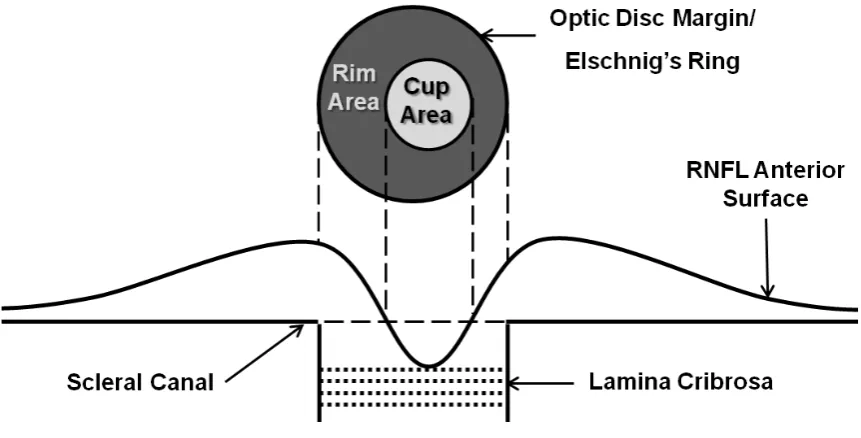
papillary structure of the ONH consisting of a rim of neural tissue and a central
26
Figure 1.2 Retinal nerve fibre schematics showing (a) exit configurations of retinal
nerve fibres leaving the optic nerve head related to the eccentricity of their starting
point and (b) the arcuate-path configuration of retinal nerve fibres across the retina.
(Images from(Khurana, 2007)
Figure 1.3 Schematic of the ONH and optic disc and relationship to the RNFL.
Glaucoma can be divided into various sub-categories depending on its aetiology
and the mechanism of damage (Allingham and Shields, 2005). Glaucoma is defined
as secondary or primary depending on whether the glaucoma is associated with
27
be broadly categorised further into open-angle glaucoma, closed-angle glaucoma or
congenital. Primary open angle glaucoma (POAG) and primary closed angle
glaucoma (CAG) are the most prevalent of the glaucomas and their descriptions will
follow. Normal tension glaucoma (NTG) is a subdivision of POAG and is
characterised by an IOP equal to or below 21 mmHg and thus POAG and NTG
appear to represent a continuum of glaucomas with considerable overlap of
causative factors. Outside Japan, more than 30% of newly diagnosed cases are NTG
(Sommer et al., 1991, Dielemans et al., 1994, Mitchell et al., 1996). The condition may
be under-diagnosed in Western countries because of the nature of case-finding for
glaucoma. In Japan NTG is the most prevalent form of Glaucoma (Shiose et al.,
1991). In CAG the iris is pushed against the trabecular meshwork, sometimes
sticking to it and closing off the drainage angle. This angle closure can be an acute
condition - occurring abruptly and resulting in a large and sudden rise in IOP. CAG
may account for up to 50% of glaucoma worldwide as it has a higher prevalence
amongst Asians. Congenital glaucoma is a rare glaucoma typically characterised by
the improper development and consequent dysfunction of the eye's aqueous
drainage channels.
This thesis focuses on POAG; The 2010 American Academy of Ophthalmology
Preferred Practice Pattern (American Academy of Ophthalmology Glaucoma Panel,
2010) defines POAG as “a chronic ocular disease process that is progressive,
generally bilateral, but often asymmetric.” According to their guidelines, it is
associated with the following characteristics:
1) Evidence of optic nerve damage from either, or both, of the following:
28
b) Reliable and reproducible visual field abnormalities considered a valid
representation of the subject's functional status
2) Adult onset
3) Open anterior chamber angles
4) Absence of other known explanations (i.e., secondary glaucoma) for progressive
glaucomatous optic nerve change
POAG is the most common form of glaucoma in European, African and North
American populations and the second most common form in Asia. To summarise
recent studies the prevalence was reported at 1.5-2.4% in Caucasians, 6-8% in
Afro-Caribbean’s and 1.7-2.0% in Chinese populations (Tielsch et al., 1991, Klein et al.,
1992, Coffey et al., 1993, Dielemans et al., 1994, Leske et al., 1994, Mitchell et al.,
1996, Wolfs et al., 2000, Foster et al., 2000, Friedman et al., 2004b, Wang et al., 2010).
Whereas CAG is often an acute disease, POAG is normally a chronic disease,
resulting in slow progressive damage to the ONH and deterioration of the visual
field.
The debilitating effects of glaucoma in everyday visual function are worth
considering in light of its prevalence. Though central vision is preserved until the
latter stages glaucoma, there is emerging evidence that glaucomatous patients, even
with relatively modest visual field defects, may be at increased risk of falls and
accidents (Turano et al., 1999, Szlyk et al., 2005, Haymes et al., 2007, Ramulu, 2009).
It has also been reported that glaucomatous field defects impact self-assessed
disability (Nelson et al., 2003, Noe et al., 2003) and, more recently, objective
measures of performance in laboratory-based studies have shown the difficulty
29
Glaucoma will affect an individual’s quality of life when visual field loss makes an
individual unable to drive safely, and several studies of varying experimental
design have shown that certain glaucomatous visual field defects are not compatible
with safe driving (Johnson and Keltner, 1983, McGwin et al., 2004, Haymes et al.,
2007, Haymes et al., 2008). These considerations make understanding glaucoma
with a view to detecting and treating glaucoma earlier even more compelling.
Glaucomatous neuropathy preferentially damages RGC axons at the vertical poles
of the ONH and is influenced to a variable extent by the level of IOP. Though RGC
death occurs by apoptosis, the pathogenesis of this is not wholly understood.
Underlying theories for axonal loss can be can be grouped by mechanisms of direct
mechanical effects or those which are vascular related - through ischemia. These
mechanisms are believed to act in combination rather than one acting at the
exclusion of the other. The mechanicaltheorysuggests that IOP acts directly on the
lamina cribrosa and, as axons leave the eye through its complex connective tissue, a
resulting shearing force is applied. This force causes either direct damage to the
axons or disruption to the transportation of neurotrophic factors (Quigley and
Addicks, 1980) necessary for survival, can lead to morphological changes in the
RGC such as shrinking (Morgan, 2002) and eventually to the death of the cell
(Crawford et al., 2000). The lamina cribrosa is less well supported at its inferior and
superior margins, offering an explanation for the characteristic damage seen in
glaucoma in these locations (Quigley and Addicks, 1981). Furthermore, animal
models of short-term IOP increase show corresponding increased pressure
gradients across the lamina cribrosa. Histology has shown the laminar structure is
not restored to its original state when the IOP is reduced (plastic deformation) and
that this structure becomes more easily deformed at the re-application of increased
30
can affect blood flow in the ONH may also be a factor in glaucomatous damage.
Changes within the microcirculation of the ONH capillaries are responsible for
axonal loss. Glaucomatous damage can be greater in eyes when the difference
between systemic blood pressure and IOP (perfusion pressure) is low (Sommer, 1996).
Perfusion pressure is an important determinant of ocular blood flow (Hayreh, 2001)
and it has been reported to be lower in POAG patients than in OHT patients when
other factors were controlled (Kerr et al., 1998). In glaucoma, RGC apoptosis and
loss of axons, along with the deformation of the lamina cribrosa leads to
characteristic morphological changes of the ONH. Neuroretinal rim decreases in
size (narrowing its surface area) with parallel enlargement of the cup (widening its
surface area) and thus these morphological changes are of particular interest for
evaluating disease state.
The term optic disc is often used interchangeably with ONH but in this thesis, to help
with clarity, it is used to refer to the anterior surface and anterior features of the
ONH or that portion of the ONH which is clinically visible by ophthalmoscopy
(Jonas et al., 1999). Understanding the features of the optic disc (Figure 1.3) is
important for glaucoma assessment. Optic disc area and relative rim area have large
between-individual variation. This physiological variability makes glaucoma
identification from these features alone difficult. A healthy neuroretinal rim is
typically widest in the inferior optic disc region, and then in the superior, nasal and
finally temporal regions, termed the ‘ISNT’ rule (Jonas and Garway-Heath, 2000).
As outlined, glaucomatous damage to the rim is more or less likely in different
regions and this depends on the stage of the disease. Most frequently, the disease
starts with loss in the inferotemporal and superotemporal regions, followed by the
temporal region and lastly in the nasal region (Hitchings and Spaeth, 1977,
31
associated with the disease (Drance, 1989) and occur in about 4-7% of glaucomatous
eyes. This occurrence is not useful for identifying glaucoma alone due to their
occurrence in other optic nerve diseases such as drusen (Hitchings et al., 1976).
Diffuse or localised loss of RNFL occurring in glaucoma can also be evident as
visible defects in the RNFL which are not present in healthy eyes (Quigley et al.,
1992, Jonas and Schiro, 1994). Other features such as vascular changes, peripapillary
atrophy and optic disc pallor are also associated with glaucoma. Therefore,
examination of the optic disc and surrounding regions is of importance in both
diagnosis and detection of progressive damage as will be discussed further.
Risk factors are factors which predispose an individual to disease and are clinically
useful to assess the risk of POAG based on the unique characteristics of the patient.
POAG risk factors can be separated along demographic and clinical lines though it
is likely that a combination of factors increase an individual’s risk. It is worth noting
that the appearance of the optic disc is not considered a risk factor because its
characteristics are part of the definition of glaucoma. Many risk factors have been
identified but only a smaller number have strong evidential support (Friedman et
al., 2004a). One of the strongest risk factors is elevated IOP, and several studies have
demonstrated that the prevalence of POAG increases progressively with higher
levels of IOP (Pohjanpelto and Plava, 1974, Sommer et al., 1991). It has been
suggested that the overall risk of developing POAG is five times higher with IOP>21
mmHg (Leske, 1983). More recently, a large population study of OHT patients
showed higher baseline IOP to remain a leading risk factor for development of
POAG (Gordon et al., 2002). Population-based studies of prevalence and incidence
of POAG have shown consistently that age is one of the most important risk factors
(Tielsch et al., 1991, Klein et al., 1992, Coffey et al., 1993, Dielemans et al., 1994,
32
these studies reported prevalence rates roughly doubling for each decade after 40.
Studies into racial risk factors show that being of African, African-American or
Afro-Caribbean origin puts one at a four-fold increased risk of developing POAG
over white patients when averaged across age groups (Tielsch et al., 1991, Leske et
al., 2004, Girkin, 2004a). Less data are available regarding POAG in other racial
groups though results suggest that those from the Indian sub-continent have higher
prevalence rates (Ramakrishnan et al., 2003), while those of Hispanic origin likely
have intermediate prevalence of POAG between those of African descent and
whites (Quigley et al., 2001).
A positive family history of the disease also gives an individual a higher risk of
developing POAG, though the disease does not usually exhibit Mendelian
inheritance. Studies in families with and without cases of glaucoma led to the
conclusion that IOP and the aqueous outflow facility are multi-factorial in
determination and that POAG is probably multi-factorial also (Armaly, 1968).
Evidence of a genetic background comes from studies indicating that the prevalence
of POAG in first-degree relatives of POAG patients is 7-10 times higher than in the
general population (Becker et al., 1960, Perkins, 1974). There is also a high
concordance rate for POAG between monozygotic twins (Goldschmidt, 1973). More
recent advances in genetics have led to the mapping of glaucoma genes, however,
these genes only account for a small portion of diagnosed glaucoma: a mutation in
one of these genes, labelled MYOC, is found in 3-5% of late-onset POAG (Stone et
al., 1997). Ethnic risk factors are also significant as has been discussed.
Further risk factors for POAG include myopia and diabetes (Leske, 1983, Wilson et
al., 1987), while another study reports a relationship between elevated blood
33
glaucoma can be found in (Allingham and Shields, 2005). As IOP is the only
treatable risk factor with strong evidence, most treatments of glaucoma focus on
reducing IOP and its fluctuation. As glaucomatous neuropathy cannot be reversed,
and due to the chronic nature of POAG, treatments can often be considered within
the overall context of disease management. Treatments can be broken down into
medication, laser surgery and incisional surgery.
The management of POAG usually involves some form of topical and occasionally
orally administered treatments that enhance aqueous outflow or reduce aqueous
production or both. Prostaglandin analogues are the most commonly prescribed
medication for glaucoma and work by increasing uveoscleral outflow (Allingham
and Shields, 2005), beta-blockers inhibit aqueous secretion and were commonly
used in initial medical management but their use in has declined recently in favour
of prostaglandin analogues. Other treatments such as cholinergic agents cause
ciliary muscle contraction which stretches the trabecular meshwork (Krieglstein,
2000), carbonic anhydrase inhibitors inhibit aqueous production, adrenergic
agonists also inhibit aqueous production and increase trabecular outflow
(Allingham and Shields, 2005). As the actions of the various groups of drugs are
different, combinations of these agents can be applied to achieve a target IOP.
Topical medicines containing combinations of treatments are often prescribed to
patients who require more than one type of drug for control of their glaucoma. This
can help to reduce the burden of self-administered treatment on the patient. These
treatments, in isolation or combined with others, have side effects (local to the eye
and systemic) of varying severity (Detry-Morel, 2006). The overriding goal of
medical treatment is to use the least number of medications necessary to achieve a
34
Laser surgery targeting the trabecular meshwork is known as trabeculoplasty. The
two most common methods, Argon laser trabeculoplasty and the newer procedure
selective laser trabeculoplasty both reduce IOP by improving aqueous humour
outflow and differ in the type of laser used. Both treatments apply laser energy,
usually to one half of the angle of the trabecular meshwork at a time. Selective laser
trabeculoplasty is a potentially repeatable procedure because of the lack of
coagulation damage to the trabecular meshwork, as shown in one study (Kramer
and Noecker, 2001). Both treatments are simple, cost-effective and, once performed,
do not depend on the compliance of the patient to self-administer medication. Laser
trabeculoplasty has been shown to be at least as effective as medical treatment (The
Glaucoma Laser Trial Research Group, 1990). Other studies have shown that the
effects of laser trabeculoplasty are not always long-lasting however; IOP tends to
rise over time in many patients (Schwartz et al., 1985).
The most common incisional surgery performed in adults for glaucoma is
trabeculectomy. This filtering procedure involves the removal of small part of the
trabecular meshwork, specifically of a block of limbal tissue beneath the scleral flap.
This creates a passageway for aqueous to escape from inside the anterior chamber of
the eye to a pocket created between the conjunctiva and the sclera. Studies have
shown trabeculectomy to be more effective than medical and laser treatments at
lowering IOP and in preserving visual function in the long-term (Burr et al., 2005).
Other surgical techniques, tube-shunt surgery or drainage implant surgery involve
the placement of a tube or glaucoma valves to facilitate aqueous outflow from the
anterior chamber. Laser and incisional surgeries carry with them low but significant
rates of adverse risks such as infection, post-operative transient IOP increases,
35
(Allingham and Shields, 2005). In the last decade some clinical trials have reported
on the effects of treatment over long term patient follow-up.
The Early Manifest Glaucoma Trial (Heijl et al., 2002) compared the effects of
lowering IOP using trabeculoplasty combined with medical treatment against no
treatment or later treatment. The study showed treatment significantly delays
further visual field deterioration with rates of detected further visual field
deterioration of 41% in the treated group and 51% in the other group in a median
follow-up period of 5 years. The Advanced Glaucoma Intervention Study (AGIS)
(Advanced Glaucoma Intervention Study Investigators, 2000) examined the
association of visual field deterioration and control of IOP by surgical intervention
by both argon laser trabeculoplasty and trabeculectomy. After 5 years of follow-up,
the study found a significant relationship between IOP reduction and a lower
estimate of visual field loss. The Collaborative Initial Glaucoma Treatment Study
has shown that patients randomised to either medical treatment or trabeculectomy
at the start of clinical management had similar rates of further visual field damage
(Musch et al., 2009). The Ocular Hypertension Treatment Study has demonstrated
that, over a follow-up time of 5 years, the rate of conversion to POAG in OHT
patients receiving topical glaucoma medication was roughly half of that in those
receiving no treatment (Kass et al., 2002). It is worth noting that definitions of ‘visual
field deterioration’ in these studies differed, making comparison between their
outcomes difficult. Weinreb and Khaw (Weinreb and Khaw, 2004) provide further
consideration of these and other clinical trials. These studies support the view that
lowering IOP reduces the rates of further damage in visual fields and damage to the
ONH but this view should be tempered by the potential risks and side-effects of
treatment. The success of any treatment will be limited by how reliably and early a
36
1.1 Diagnostic Technology in Glaucoma
Preservation of visual function in glaucomatous patients relies on early detection
and appropriate treatment. Detection depends on recognising the early clinically
measurable manifestations of glaucoma. A diagnosis of glaucoma no longer relies
on the presence of elevated IOP alone and the additional assessment of the visual
field and the ONH are now integral to giving a reliable diagnosis. Though these
assessments are complementary and a diagnosis is formed in consideration of all
factors, these are subsequently discussed individually to give an insight on their
operating principles and performance.
Elevated IOP, along with subject age, remain the most important single risk factors.
In addition, the periodic fluctuation of IOP or diurnal variation throughout the day is
another feature which may present a more complex aspect to the risk of
glaucomatous damage from IOP (Newell and Krill, 1964). In normal individuals,
diurnal variation of IOP typically ranges from 3-6 mmHg with diurnal variations
greater than 10 mmHg suggestive of glaucoma - even diurnal IOP fluctuations of
greater than 30 mmHg have been reported for some glaucomatous eyes (Newell and
Krill, 1964, Sultan et al., 2009). In clinical assessment, tonometry is used to measure
IOP. This technology measures how much force is required to deform and flatten
(applanate) an area of the cornea and can be categorised into those methods which
are contact or non-contact. Contact tonometers have been shown to have better
between-observer agreement (Tonnu et al., 2005b) and of these, the Goldmann
applanation tonometer is considered the gold standard for measuring IOP (Sultan et
al., 2009). Non-contact tonometers, using an ‘air-puff’ to deform the cornea, are
more portable than contact tonometers and do not require local anaesthesia of the
37
systematic underestimation or overestimation (Tonnu et al., 2005a, Kotecha et al.,
2005). Thick corneas require more applanation force and give artefactually high
measured IOP and conversely patients with thin corneas may also have higher IOP
than that measured by tonometry (Yagci et al., 2005). This discrepancy can be as
much as 10 mmHg between eyes with the same true IOP which are at upper and
lower extremes of the distribution of central corneal thickness measurements
(Kohlhaas et al., 2006).
Assessing visual function in glaucoma has become central to the management of
glaucoma. Loss of sensitivity in the visual field is a correlate with the loss of or
damage to signal carrying RGC axons and dendrites and ultimately determines how
much effective functional loss a patient has suffered and what the patient can see
(Heijl, 2000). Perimetry is the technique used to measure the sensitivity (or extent) of
the visual field. The technique can therefore help address the real impact of
glaucomatous damage on the patient, e.g. changes in the quality-of-life and
fitness-to-drive. Automated perimetry, typified by the commercially available Humphrey
Field Analyzer (Carl Zeiss Meditec, Dublin, CA), normally measures the central
25-30º of the visual field and this has become a clinical standard. This is performed by
presenting light stimuli of varying differential intensity at various retinal locations
while the patient fixates on a central target. The location and intensity of stimuli
observed by the patient are recorded based on responses from the patient (Heijl and
Patella, 2002).Various strategies are used to present stimuli and their intensities
depending on the level of accuracy and speed of testing required in clinical
assessment. A full threshold algorithm, steps stimulus intensity in fixed increments
until a final sensitivity value is recorded for each test location. Alternatively another
testing strategy, known as The Swedish Interactive Thresholding Algorithm, has
38
examination time (Bengtsson et al., 1997, Heijl and Patella, 2002). Perimetry
technology can detect large fixation errors, and can estimate false positive and false
negative events based on the timing of responses with respect to stimulus
presentation. These can be used to give a measure of the reliability of the test. The
output from the machine includes a map of the visual field and summary values of
the whole field indicating if the field has localised or overall low sensitivity and if
this deviates from a set of age matched healthy visual fields - this is especially useful
because the variability between visual fields of healthy subjects is less than that of
their ONH morphologies. Variability can be caused by the following factors:
changes in pupil size, refractive error, ocular media opacities, eyelid artefacts,
subject learning, fatigue and fixation errors (Henson, 2000).
Examination of the ONH is a crucial adjunct to visual field assessment.
Ophthalmoscopy is an integral clinical tool for optic disc examination but, apart
from summary subjective findings, provides no permanent record of the appearance
of the optic disc. Optic disc photography provides a high-resolution permanent
record of optic disc appearance. Monoscopic and stereoscopic photographs can be
taken with the latter having the added advantage of providing an appreciation of
the depth of the optic disc morphology to the clinician. Assessment by trained
observers of optic disc photographs alone has been shown to have moderate
diagnostic accuracy in differentiating healthy and glaucomatous eyes (Wollstein et
al., 2000, Greaney et al., 2002) - of note is the large disagreement between observers
(Abrams et al., 1994, Reus et al., 2010, Denniss et al., 2011). The ability to detect
changes in the optic disc morphology in follow-up assessments depends on the
reproducibility of the method employed; if the method is highly reproducible then
small changes in the disc can be detected. However, patients are not always
39
problematic (Garway-Heath, 2000). Flicker-chronoscopy and stereo-chronoscopy
(Goldmann and Lotmar, 1977, Barry et al., 1998) improve the identification of small
changes between two photographs, but a false-impression of change can be
generated by magnification error and parallax (Garway-Heath, 2000). Assessment of
simultaneous and sequential stereoscopic optic disc photographs has been
demonstrated to be capable of detecting progressive glaucomatous changes
(Sommer et al., 1979, Pederson and Anderson, 1980, Odberg and Riise, 1985) but
again this determination is often subject to large variation depending on the
observer (The European Glaucoma Prevention Study Group, 2003, Jampel et al.,
2009). Planimetry is the term given to measurements made from photographic
images. Some camera and software systems enable viewing of digitised optic disc
photographs (Yogesan et al., 1999, Shuttleworth et al., 2000). This facilitates
quantitative planimetric assessment of the optic disc but is limited by subjective
interpretations of the boundaries of the optic disc and neuroretinal rim
(Garway-Heath et al., 1999).
Scanning laser polarimetry (SLP), optical coherence tomography (OCT) and
confocal scanning laser tomography (CSLT) form a triad of established
semi-automated imaging technologies capable of measuring the posterior segment of the
eye and providing quantitative measures of the morphology of structures therein.
Unlike optic disc photographs, which require expert training to obtain and examine,
these imaging modalities have the advantage of offering relatively easy image
acquisition and automated quantification of posterior features, which can help in
identifying obvious or suspicious glaucomatous features. Imaging of the RNFL
provides surrogate measures by which we can measure the true anatomical changes
which accompany the deterioration of the visual field. Both SLP and OCT imaging
40
SLP as typified by the commercially available GDx (Carl Zeiss Meditec, Dublin, CA)
is based on the principle of measuring a retardation of backscattered light passing
through the presumed form birefringent RNFL (Dreher and Reiter, 1992, Zhou and
Knighton, 1997). This retardance is measured around the ONH and can then be
translated to the thickness of the scanned RNFL at these locations using a linear
conversion factor derived from a histological animal model (Weinreb et al., 1990).
The GDx has evolved since its first clinical introduction, and fundamental to each
principal stage has been how the scanning system has compensated for the
birefringent properties of the cornea which would otherwise distort the retardance
readings from the RNFL (Greenfield et al., 2000). The more recent of these
approaches, variable corneal compensation and later enhanced corneal
compensation rely on estimating the individual’s corneal birefringence and
compensating for this. Variable corneal compensation uses a variable retarder
aligned with the fast axis of corneal polarisation to do this (Zhou and Weinreb,
2002). This technology shows promise in separating normal and glaucomatous eyes
(Reus and Lemij, 2004, Tannenbaum et al., 2004). Enhanced corneal compensation
adds retardance bias along the slow axis of corneal polarisation, measures the
combination of the RNFL and the bias retarder, and extracts from this the RNFL
retardance (Zhou, 2006). Theoretically, as the corneal retardance can be better
estimated and thus removed, the enhanced corneal compensation mode can
improve the signal to noise ratio of the RNFL retardance and thus lead to more
accurate and less variable RNFL thickness measurements. Cross sectional studies
have shown the diagnostic accuracy of the enhanced corneal compensation mode to
be higher (Mai et al., 2007a), produce less frequent atypical retardation patterns