B
y
S t e p h a n u s S u p a d i
A Thesis submitted in partial fulfilment for
the degree of Master of Arts in Demography
M.A. Program in Demography,
Development Studies Centre,
Australian National University,
Canberra,
D E C L A R A T I O N
Except where otherwise indicated, this thesis is my own work.
Stephanus Supadi
It is a pleasure to acknowledge certain forms of indebtedness
during the work on this thesis. I wish to express my thanks to the
Australian Government’s Colombo Plan Scholarship scheme; to the
Australian Development Assistance Bureau (ADAB); and to my own
Department of Manpower and Transmigration for granting me permission
to attend this course.
I am most grateful to Dr. S.K. Jain, my supervisor, for his
invaluable advice and comments at every stage of the study. I am
also indebted to the lecturers of the M.A. Demography Program,
Dr. S.K. Jain, Dr. D.W. Lucas, and Dr. P.F. McDonald, for their help
and understanding during the duration of the course. Special thanks
are extended to Dr. D.W. Lucas and Dr. D.T. Rowland for offering
valuable comments and criticisms.
Computing would not have been possible without the advice
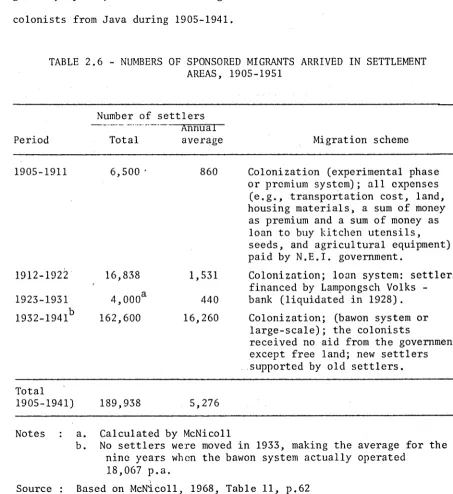
and assistance of Miss M. Grimwood, Mr. B. Pearce, Ms. A. Sandilands
and others in the computer center.
I would like to express my gratitude to Mrs. P. Ashman,
secretary, and Miss T. Shcrlaimoff, research assistant, who have
been a real help in many respects. Appreciation is also extended
to (Sr) Borromeo, who assisted with the English; and to Mrs. J.
Gordon for skilfully typing the final version of the thesis.
Finally, sincere gratitude is expressed particularly to my
wife, Dien, for affectionate encouragement and continuing support.
A B S T R A C T
The thesis is a study of internal migration in Indonesia
focussing on out-migration from Java and Bali to the Other Islands.
The analysis is in three main parts:
1) The flow and volume of out-migration from, as well as in-
migration into Java and Bali, based on the 1930, 1961 and
1971 Censuses.
2) The flow and volume of the government-sponsored migrants
(colonists and transmigrants).
3) The characteristics of out-migrants in general based in 1971
Census; the characteristics of people in Java and Bali; and
the characteristics of transmigrants (based on some case
studies).
The following conclusions were reached: First, an examination
of the stream and volume of transmigrants and out-migrants shows that
there is a relationship between those two groups of migrants. Second,
from the demographic point of view out-migration has no significant
effect in reducing the population pressure in Java-Bali, and third,
the characteristics of out-migrants are slightly superior (particularly
in education and occupation) to that of both transmigrants and people
in Java-Bali.
The findings indicate that the government-sponsored migration
stimulates spontaneous and voluntary migrants. Therefore the policy
of transmigration should be emphasized as a stimulator in attracting
other people rather than as a direct means in redistributing population.
Furthermore, policy should aim at tho success rather than the quantity
TABLE OF CONTENTS
Page
ACKNOWLEDGEMENTS ... ii
A B S T R A C T ... iii
CHAPTER 1. INTRODUCTION ... 1
1.1 The movement of population in Indonesia.. 1
1.2 The movement of population in Java and Bali ... 3
1.3 Socio-economic situation in Java and Bali ... 6
1.4 Present study and its importance .. .. 8
1.5 Sources of data ... 10
1.6 Definitions ... 12
1.7 Limitations of the study ... 13
1.8 Organization of the s t u d y ... 14
CHAPTER 2. ESTIMATES OF INTERNAL MIGRATION ... 15
2.1 Internal migration in Indonesia .. .. 15
2.2 Out-migratlon from Java and Bali .. .. 16
2.2.1 Total out-migration... 16
2.2.2 Transmigration ... 24
2.3 In-migration into Java and Bali .. .. 37
CONTENTS ( C o n t i n u e d )
P ag e
CHAPTER 3. CHARACTERISTICS ... 47
3 . 1 A g e - s e x a n d m a r i t a l s t a t u s ... 47
3 . 2 R u r a l a n d u r b a n r e s i d e n c e ... 54
3 . 3 E d u c a t i o n ... 58
3 . 4 O c c u p a t i o n ... 64
3 . 5 F e r t i l i t y ... 73
3 . 6 C a u s a t i v e f a c t o r s ... 75
CHAPTER 4. SOME IMPLICATIONS OF OUT-MIGRATION FROM JAVA-BALI ... 84
4 . 1 S o c i a l a n d d e m o g r a p h i c i m p l i c a t i o n s . . 84
4 . 2 I n t e r n a l m i g r a t i o n a n d r e g i o n a l d e v e l o p m e n t ... 86
CHAPTER 5 . SUMMARY AND CONCLUSION ... 91
APPENDICES ... 1 0 3 - 1 0 9 a
LIST OF TABLES
Table Title Page
1.1 Number of households in the Second National
S u r v e y ... 12
2.1 Life time migration in Indonesia, 1971
2.2 Migrants b o m in Java, Bali and Lombok living
in Other Islands, 1930 ... 17a
2.3 Distribution of Java-bom population in
Outer Provinces, 1961 ... 20
2.4 Migrants b o m in Java and Bali living in
Other Islands, 1971 ... 21
2.5 Java-bom living in Sumatra, Kalimantan,
Sulawesi and Maluku ... 23
2.6 Numbers of sponsored migrants arriving in
settlement areas, 1905-1941 26
2.7 Number of transmigrants moved to Other
Islands, 1951-1970 ... 35
2.8 Outer Island-bom people in the province of
Java, Bali and Lombok, 1930 38
2.9 Outer Island-born people in the Provinces of
Java and Bali, 1971 ... 41
2.10 Distribution of Outer Island-bom people in
the Province of Java, 1930, 1961 and 1971 . . . . 42
2.11 Number of net migrants and net migration rate
from and to Java-Bali for each province, life
LIST OF TABLES (continued)
Table Title Page
2.12 Effectiveness of net m i g r a t i o n ... 45
3.1 Age-sex distribution: recent out-migrants
from Java and Bali, 1971 ... 48
3.2 Age-sex distribution: people in Java and
Bali, 1 9 7 1 ... 49
3.3 Age-sex distribution: recent out-migrants
in and outside Sumatra, 1971 ... 50
3.4 Percentage distribution of recent out-migrants
by marital status, age and sex ... 51
3.5 Percentage distribution of people in Java and
Bali by marital status, age and sex, 1971 .. .. 52
3.6 Percentage distribution of recent out-migrants
in and outside Sumatra by marital status, age
and sex ... 53
3.7 Percentage distribution of all out-migrants by
urban and rural in Other Islands, 1 9 7 1 ... 55
3.8 Percentage distribution of migrants by urban
rural destination and total and recent migrants.. 57
3.9 Percentage distribution of recent out-migrants
by education attainment and sex, 1971 ... 58
3.10 Percentage distribution of people in Java and
Bali by education and sex, 1971 59
3.11 Percentage distribution of recent out-migrants
in and outside Sumatra by education attainment,
LIST OF TABLES (continued)
Table Title Page
3.12 Percentage distribution of recent out-migrants
by education qualification and sex, 1971 .. .. 62
3.13 Percentage distribution of people in Java and
Bali 10 years and over by education
qualification and sex, 1971 64
3.14 Per cent distribution of recent out-migrants by
occupation and sex, 1 9 7 1 ... 65
3.15 Per cent distribution of people in Java and
Bali by occupation and sex, 1 9 7 1 ... 66
3.16 Per cent distribution of recent out-migrants
in and outside Sumatra by occupation and sex,
1 9 7 1 ... 67
3.17 Per cent distribution of recent out-migrants by
type of industry, age and sex, 1971 68
3.18 Percentage distribution of people in Java and
Bali 10 years and over by type of industry and
sex, 1971 70
3.19 Per cent distribution of recent out-migrants in
and outside Sumatra by type of industry and
sex, 1 9 7 1 ... 71
3.20 Percentage distribution of the out-migrants and
people in Java-Bali by employment status, 1971.. 72
3.21 Average number of children born alive of women
in Java-Bali and the Other Islands, by age
LIST OF TABLES (continued)
Table Title Page
3.22 Average number of children b o m alive of
out-migrants by age group, 1971 74
3.23 Percentage distribution of migrants
according to the reasons for change of
r e s i d e n c e ... 77
A.1 Java-Bali b o m migrants live in Outer Islands
by Regency, 1 9 7 1 ... 103
B Java and Bali b o m migrants in Outer Islands
by urban and rural, 1971 108
C.l Labour force participation rate among
out-migrants, 1971 109
C.2 Labour force participation rate of people in
LIST OF MAPS
Map
Page
Map
2.1 Out-migration from Java, Bali and Lombok,
based on birth place data, 1930 ... 17b
2.2 Out-migration from Java, based on birth
place data, 1961 ... 20a
2.3 Out-migration from Java and Bali, based on
birth place data, 1971 ... 21a
2.4 Net migration rate of Java-Bali b o m in the
Other Islands and vice versa ...
A. 2 Java-Bali b o m migrants in Other Islands
by regency, 1971 ... 107a
C H A P T E R
1
I N T R O D U C T I O N
1.1 The movement of population in Indonesia
The Indonesian Archipelago consists of thousands of islands
spreading from Sabang in Northern Sumatra to Merauke in West Irian.
Therefore it is not surprising that the sea-ways as well as road
ways have played an important role in Indonesia’s transportation
system for the last few centuries. According to Indonesian
history the movement of people from one place to another or from
one island to another has been a common occurrence.
Some people moved to another place temporarily, but others
left their home and settled down in new places permanently. The
Moluccas, for example, have been a centre of trade for centuries
(N.I.D., 1920:205). Therefore it is possible that people from the
eastern part of Indonesia made contact with the Moluccas a long time
ago and that some of them mingled with the indigenous people of the
islands. Another example is the population movement in North Sumatra
before the twentieth century. Cunningham (1958:84) wrote: "When
planters (Western people) came to the East of Sumatra, in the middle
of the nineteenth century, they found this area primarily peopled by
Karo - and Simelungun - Bataks as well as the coastal Malays."
Unfortunately there has not been any further information about the
The acceptable evidence on the internal migration in Indonesia
has its origin in 1905 when a group of Javanese left for Lampung from
Java. (More detailed explanation will be given in Chapter 2). But
this movement was initiated by the Dutch Colonial Government. The
information on the movement of people on a nation wide scale was
collected for the first time in the Population Census of 1930. Due
to the difficulty of transportation during the Second World War, not
many people migrated voluntarily to other islands. On the contrary,
the population movement was forced and arranged by the Japanese
mainly for defence purposes (Nitisastro, 1964:75). After the gain
of Independence in 1945 and with the improvement in transportation
between the islands the number of in and outmigrants must have
increased. Unfortunately no reliable data on this population
movement were obtained until 1961. The two post independence
population censuses in Indonesia, i.e., the 1961 and 1971 censuses,
collected information on the migrants.
Since the beginning of the twentieth century people have
manifested their interest in studying internal migration in Indonesia.
Some of them paid attention just for their own interest and some
limited their studies to one or two ethnic groups. For example:
Cunningham (1958) was interested in portraying and analysing the
migration of Batak people into East Sumatra before 1950, while
Naim (1975) focussed his attention on the out-movement of the
Miningkabau from their homeland in West Sumatra. Unlike Naim who
used the census data for his study, Cunningham went into the field
Hugo ( 1 9 7 5 : 1 6 - 1 8 ) w r o t e t h a t m i g r a t i o n r e s e a r c h i s b a s i c a l l y
o f t h r e e t y p e s i n I n d o n e s i a . The most i m p o r t a n t m i g r a t i o n r e s e a r c h
i s on t r a n s m i g r a t i o n , i . e . , t h e r e s e t t l e m e n t o f p e o p l e from I n n e r
I n d o n e s i a ( J a v a , B a l i , Lombok) t o o t h e r l e s s d e n s e l y p o p u l a t e d
i s l a n d s , c h i e f l y S u m a t r a , K a l i ma nt a n and S u l a w e s i . A s e c o n d m a j o r
theme o f m i g r a t i o n r e s e a r c h h a s been t h e h i g h l y m o bi l e e t h n i c g r o u p s ,
such as t h e Bu g in e se . The t h i r d s t r a n d o f r e s e a r c h h a s b ee n t h a t
c o n c e r n e d w i t h r u r a l - u r b a n m i g r a t i o n and u r b a n i z a t i o n .
R e c e n t l y , due t o t h e s e r i o u s p o p u l a t i o n p r o bl em i n I n d o n e s i a ,
t h e m i g r a t i o n from and i n t o J a v a - B a l i h a s been a t t r a c t i n g t h e
a t t e n t i o n o f t h e I n d o n e s i a n a u t h o r i t i e s . In t h i s s t u d y , however ,
emph asi s w i l l be o n l y on o u t m i g r a t i o n from J a v a and B a l i , b o t h
from t r a n s m i g r a t i o n and v o l u n t a r y m i g r a t i o n v i e w p o i n t s .
1.2 The movement o f p o p u l a t i o n i n J a v a - B a l i
S i m i l a r t o t h e movement o f p o p u l a t i o n i n I n d o n e s i a i n g e n e r a l ,
t h e movement o f p e o p l e i n J a v a - B a l i h a s been o c c u r r i n g f o r t h e l a s t
few c e n t u r i e s ( K e y f i t z and N i t i s a s t r o , 1 9 6 4 : 7 3 ) . B a l i h a s be en
c o n s t a n t l y i n t o u c h w i t h J a v a s i n c e t h e e a r l i e s t t i m e s due t o t h e
l o c a t i o n o f t h e two i s l a n d s . The c h i e f waves o f e m i g r a t i o n from
J a v a t o B a l i t o o k p l a c e i n t h e n i n t h c e n t u r y , a f t e r t h e f a l l o f t h e
Hindu kingdom i n C e n t r a l J a v a , and a g a i n i n t h e s i x t e e n t h c e n t u r y ,
a f t e r t h e f a l l o f t h e Hindu kingdom i n E a s t J a v a , ( N . I . D . , 1 9 2 0 : 2 3 9 ) .
K e y f i t z and N i t i s a s t r o ( 1964: 73) s a i d t h a t t h e s p r e a d o f Moslem
r e l i g i o n i n Bant en was f o l l o w e d by m i g r a t i o n o f J a v a n e s e from Demak.
I t i s b e l i e v e d t h a t t h e movement o f p e o p l e from Madura I s l a n d t o
However, the data to substantiate this population movement before
the twentieth century are not available.
The main information on internal migration during the earlier
decades of this century is from the census data. Within the island
of Java there was movement of population from the densely populated
regions of Central and East Java to the neighbouring regions with
lower population densities. Besuki was the region that received
many inmigrants, while the regions of outmigration were Kedu and
Yogyakarta in Central Java and Madura, Kediri, and Madiun in East
Java (Nitisastro, 1970:87). During the Second World War many people
moved to the cities or to the regions with better conditions and
security, for example: migration from Yogyakarta to Banyuwangi.
Some of them migrated to the villages as refugees and later returned
to their own places after the Independence.
The other interesting population movement within Java was
migration that occurred in West Java. Unlike the other population
movements, this kind of migration was carried out by the system of
transmigration. In 1951, three new settlement areas were opened
in Banten Residency: Cibogo in Lebak Regency, and Träte and
Pamengkang in Serang Regency (Sjamsu, 1960:80). In the same year,
there were 114 families of 402 people who moved from East Priangan,
e.g. Garut and Cirebon, to these new areas. This movement, then,
was called local transmigration since the places of origin and
destination were in the same Region. In the subsequent years,
there were 154 families or 682 people in 1952, 1010 families or
3,868 people in 1953, and 21 families or 80 people in 1954, re-settled
C o o p e r a t i v e s : u n p u b l i s h e d d a t a ) . However, t h e s e m i g r a t i o n p r o j e c t s
f a i l e d t o t a l l y ( S o e d i g d o , 1 9 6 5 : 1 6 8 ) . I t i s known t h a t t h e s e m i g r a n t s
came from E a s t P r i a n g a n , an a r e a t h a t has r e l a t i v e l y f e r t i l e s o i l .
They were moved f o r s e c u r i t y r e a s o n s . T h e r e f o r e , when t h e c o n d i t i o n s
i n t h e i r p r e v i o u s a r e a s became b e t t e r , t h e y l e f t t h e i r s e t t l e m e n t
a r e a s and r e t u r n e d t o t h e i r p r e v i o u s p l a c e s .
S i n c e 1930 t h e g r ow th o f t h e c i t i e s i n J a v a had be en s l o w e r
compared w i t h t h a t i n t h e O u t e r p a r t o f J a v a . T h i s was c a u s e d by t h e
r a p i d growth o f i n d u s t r i e s and a d m i n i s t r a t i o n i n t h e O u t e r p a r t o f
J a v a (McNicoll and Mamas, 1 9 7 3 : 3 1 - 3 3 ) . I f t h e r e was a r a p i d growth
i n J a v a , i t was n o t i c e d o n l y a f t e r t h e I n d e p e n d e n c e due t o t h e
economic and s e c u r i t y r e a s o n s ( K e y f i t z and N i t i s a s t r o , 1 9 6 4 : 7 5 ) .
Between 1961 and 1971 t h e o n l y two towns which grew v e r y f a s t were
J a k a r t a and S u r a b a y a ( J o n e s , 1 9 7 5 : 2 ) .
In J a v a , b e s i d e s B e s u k i , t h e R e s i d e n c y o f J a k a r t a r e c e i v e d many
m i g r a n t s d u r i n g t h e e a r l i e r d e c a d e s o f t h i s c e n t u r y . Most o f t h e
m i g r a n t s came from t h e s u r r o u n d i n g r e g i o n s i n West J a v a : Bogor,
Bandung, and C i r e b o n ( N i t i s a s t r o , 1 9 7 0 : 8 7 ) . The r e a s o n i s t h a t
J a k a r t a h a s been a c e n t r e o f t h e a d m i n i s t r a t i o n f o r a l on g t i m e .
From t h e economic p o i n t o f v i e w , McNicoll and Mamas ( 1 9 73 :3 2) s a i d
t h a t t h e gover nment e x p e n d i t u r e was c e n t e r e d i n t h a t R e s i d e n c y .
A c c o r d i n g t o t h e 1971 Cen su s, a p p r o x i m a t e l y 60 p e r c e n t o f J a k a r t a ’ s
p o p u l a t i o n was l o c a l l y b o r n , t h e r e m a i n i n g 40 p e r c e n t b e i n g b o m
o u t s i d e J a k a r t a . Almost h a l f o f t h e p o p u l a t i o n b o m o u t s i d e J a k a r t a
had b een b o m i n West J a v a , a n o t h e r 31 p e r c e n t i n C e n t r a l J a v a
( i n c l u d i n g Y o g y a k a r t a ) and a much s m a l l e r p r o p o r t i o n ( l e s s t h a n 7 p e r
c e n t ) i n E a s t J a v a . A f u r t h e r 19 p e r c e n t o f m i g r a n t s t o J a k a r t a
came from a r e a s o f I n d o n e s i a o u t s i d e J a v a ( J o n e s , 1 9 7 5 : 5 ) . R e l a t i v e l y
a few p e o p l e from E a s t J a v a moved t o J a k a r t a b e c a u s e t h e y p r e f e r r e d t o
1.3 Socio-economic situation in Java and Bali
In Java, there is rich volcanic soil which makes possible an
intensive cultivation of rice and other crops. The most fertile
soils are found around young volcanoes: on the slopes, at the bases,
and in the basins of the rivers that receive water and mud from these
volcanoes. With an even warm temperature and a relatively plentiful
rainfall aided by a complex system of irrigation, it is possible to
grow rice and crops throughout the year. Bali on the other hand is
located between Lombok Strait and Bali Strait, extending from
longitudes 114°241 to 115°42' east and lying between the latitudes
8°04’ and 8°50' south. It is because of the two volcanoes, Mount
Agung and Mount Batur, that the soil in Bali is very fertile.
The rivers that contain mineral properties from the active volcanic mountains in Java and Bali make their soil fertile.
McNicoll and Mamas (1973:26) cited a statement given by the Asian Development Bank that a high proportion of land area in Java and Bali can support wet rice cultivation, and an extensive irrigation system
permits 25 per cent of rice land to be double-cropped. Unfortunately,
only a few parts in the other islands have any such benefits. The
main occupation of the people in those two islands is agriculture, particularly in rice cultivation, for rice forms their staple food. The life of the inhabitants who live near the north coast of Java
depends mostly upon fishing.
Land has a high value in Java and Bali. In connection with the
role of land in Java, Pelzer (1948:165) wrote: "Since Indonesian
e s p e c i a l l y o f sawah (wet r i c e - f i e l d ) , i s o f t h e g r e a t e s t i m p o r t a n c e ;
w i t h o u t l a n d t h e J a v a n e s e v i l l a g e r h a s no s o c i a l s t a n d i n g " . T h i s
e m p h as is i s r e f l e c t e d i n t h e s t r u c t u r e o f t h e J a v a n e s e d e s a
( a d m i n i s t r a t i v e v i l l a g e ) , which i n c l u d e s a number o f c l a s s e s b a s e d
on l a n d o w n e r s h i p . T h e i r way o f l i f e depends more o r l e s s on n a t u r e ,
i . e . , r a i n , s o i l e t c . S i n c e t h e y can do l i t t l e a b o u t n a t u r e , t h e y
h a v e a s t a t i c r a t h e r t h a n dynamic way o f t h i n k i n g ( S o e d i g d o , 1 9 6 5 : 5 5 ) .
In 1817 R a f f l e s (19 65: 163 ) w r o t e : " I n a c o u n t r y l i k e J a v a ,
where t h e s t r u c t u r e o f s o c i e t y i s s i m p l e , and t h e wants o f t h e p e o p l e
a r e few, where t h e r e i s no a c c u m u l a t i o n o f c a p i t a l and l i t t l e d i v i s i o n
o f p r o f e s s i o n s , i t can n o t be e x p e c t e d , t h a t m a n u f a c t u r i n g s k i l l s h o u l d
be a c q u i r e d , t h a t m a n u f a c t u r i n g e n t e r p r i s e be e n c o u r a g e d , t o any
g r e a t e x t e n t " . The s i t u a t i o n h a s changed s i n c e . R e c e n t l y t h e o t h e r
o c c u p a t i o n a l s e c t o r s , such as m i n i n g , commerce and i n d u s t r i e s , have
b ee n i m p r o v i n g . In 1 9 6 0 ’s Hawkins ( 1962: 76 ) s a i d t h a t a l t h o u g h J a v a
r e m a i n s p r i m a r i l y an a g r i c u l t u r a l economy, a c o n s i d e r a b l e d e g r e e o f
c o m m e r c i a l i z a t i o n h a s t a k e n p l a c e , and t h e r e a r e some b e g i n n i n g s o f
i n d u s t r i a l i z a t i o n .
The o t h e r i s l a n d s o f I n d o n e s i a a r e o v e r t h i r t e e n t i m e s l a r g e r
t h a n J a v a and B a l i i n a r e a , b u t t h e p o p u l a t i o n o f J a v a and B a l i i n 1971
was a l m o s t t w i c e as l a r g e as t h a t o f t h e o t h e r i s l a n d s . The p o p u l a t i o n
d e n s i t i e s o f J a v a and B a l i i n 1971 wer e 563 and 377 p e r s o n s p e r s q u a r e
k i l o m e t e r r e s p e c t i v e l y , which were v e r y h i g h as compared w i t h t h e
p o p u l a t i o n o f t h e O t h e r I s l a n d s , such as Sumat ra and K al i mant an which
h a d a d e n s i t y o f 38 and 9 p e r s o n s . O b v i o u s l y , t h i s f a c t becomes a
p r o b l e m and i n d i r e c t l y i t h a s an e f f e c t on b o t h s o c i a l and economic
increase in job opportunities, the number of unemployed will rise.
Similarly, due to the surplus in the number of labour force, the
level of wages has a tendency to decrease. Hawkins (1962:75) said:
"The large rural overpopulation, especially in Java, Madura, and Bali,
therefore, contributes to the low wage structure of the country".
For example, the daily wages paid in 1971/72 on public works projects
in provincial Central Java, the Special Region of Yogyakarta and Bali,
were the lowest among the wages in the other provinces (Arndt, 1972:
89-90).
In the social aspect it is worth noting that the Javanese
character that still exists very strongly, particularly in rural areas,
is "gotong-royong" (cooperative-work). For example, if a member of a
society builds a house or holds a traditional ceremony, usually his
relatives or his neighbours will give some help voluntarily.
Similarly, in Bali, such a system still exists in the society.
Daroesman (1973:29) described Bali as the land of "gotong-royong".
They carry on "gotong-royong" in almost every level of work. Even
if they live far from their birth-place, e.g. Sumatra, this character
is still continued (Soedigdo, 1965:56).
1.4 Frcsent- study and its importance
As mentioned earlier, population distribution within Indonesia
is such that the islands of Java and Bali are overpopulated and the
so-cnlled Outer Islands arc underpopulated. If the disparity in the
population density and the level of economy between the Islands is
too high, it can cause a lot of problems. A popular conception of
land/man and resources/man ratio to decline, with the consequence
that the per capita output of the land drops; "welfare" declines
accordingly (Swasono, 1969:7). Similarly, Wertheim (1958-59:184)
wrote: "Symptoms of overpopulation are to be found not only in the
low average level of living, but also in the social system itself,
rightly described by Clifford Geertz as one of shared poverty".
Many attempts and policies have been tried to solve the problem
of overpopulation in Java and Bali. From the demographic view point,
outmigration has been carried out officially since the beginning of
this century, followed by the family planning program that has been
pushed hard during the last decade. In this study, however, emphasis
will be put only on the first policy. Besides the outmigration that
was encouraged by the Government and known as "transmigration",
discussion will also include the other type of migration that was
arranged and financed by the migrants themselves, i.e. the "voluntary
migration".
People believed that from the demographic point of view the
migration to the other islands had only small effect in solving
population pressure in Java and Bali. (Further clarification is
given in Chapter 2). The function of transmigration, should not
only be considered from the demographic view point, but also in
relation to the economic matters (Iskandar, 1970:57). Therefore,
transmigration can be described as the population redistribution and
the movement of labour force to other islands. Migrants, usually
less productive in their places of origin, provide the labour force
in the new settlement areas. Gunadi (1970:65) classified them as
surplus labour, and mentioned that without them the production in
Most migrants to other islands lived in rural areas (World
Population Year, 1974:45). In the new areas, only a few of them
received irrigated lands. In their previous lands, in Java and
Bali, they cultivated the prepared soil they inherited from their
ancestors. But in the new settlement areas, they had to work hard
to prepare their soil before they could cultivate paddy or other
crops. Besides working hard, they sometimes had to face a lot of
new problems, e.g., the adapting to norms and values to the local
people. These are the reasons why until today the results of the
transmigration program continue to be favorably and unfavorably
evaluated. After a few years in the new places, some of the migrants
found a better living than they had in their places of origin.
Swasono (1969:118) wrote that the living standard of settlers, who
usually came from the most depressed areas, had improved, and was
higher than the average level of subsistence of people in Java.
In contrast, many of them are still in economic difficulties despite
the fact that they have lived-in the new areas for many years. It
is because of such findings that it has been argued that the
implementation of the transmigration program is not more than the
movement of poverty from one place to another (Brotokusumo, 1970:207).
From the above illustration, one conclusion can be drawn: the
system of the implementation of transmigration should be checked.
This study, therefore, is designed to study the outmigration from
Java and Bali from both demographic and economic view points.
1.5 Sources of data
Data resources in this study can be classified into three basic
types: Censuses, the National Sample Surveys and the transmigration
1 . 5 . 1 Censuses
The m a j o r d a t a u s e d i n t h i s s t u d y a r e t h e 1930, 1961 and t h e
1971 C e n s u s e s . As i n t h e 1930 and 1961 P o p u l a t i o n C e n s u s e s , t h e
1971 Census a l s o employed t h e c o m b i n a t i o n o f de j u r e and de f a c t o
methods o f e n u m e r a t i o n . The de j u r e method was u s e d f o r e n u m e r a t i o n
e x c e p t f o r p e r s o n s w i t h o u t a p e r m a n e n t r e s i d e n c e , such as h om e l e s s
p e r s o n s , crews o f I n d o n e s i a n s h i p s s a i l i n g i n I n d o n e s i a n w a t e r s , and
m o b i l e o r f l o a t i n g h o u s e s ( S u h a r t o , 1 9 7 6 : 7 8 ) . In t h e s e s i t u a t i o n s
t h e de f a c t o method was u s e d . The 1930 Ce ns u s, c o n d u c t e d by t h e
Dutch Government, a s k e d some q u e s t i o n s c o n c e r n e d w i t h i n t e r n a l
m i g r a t i o n , i . e . , p l a c e o f r e s i d e n c e , p l a c e o f b i r t h and t h e e t h n i c
o r i g i n . T h e r e f o r e t h i s d a t a can g i v e some i n f o r m a t i o n on t h e
d i r e c t i o n and m a g n i t u d e o f i n t e r n a l m i g r a t i o n . The 1961 Census
gave l e s s i n f o r m a t i o n on i n t e r n a l m i g r a t i o n . Among t h e t h r e e
C e n s u s e s , t h e 1971 Census gave t h e most i n f o r m a t i o n on i n t e r n a l
m i g r a t i o n b e c a u s e more d e t a i l e d q u e s t i o n s were a s k e d . These w e r e:
p l a c e o f b i r t h , w h e t h e r t h e r e s p o n d e n t e v e r l i v e d i n a n o t h e r p r o v i n c e ,
p r o v i n c e o f p r e v i o u s r e s i d e n c e , and t o t a l y e a r s l i v e d i n p r e s e n t
p r o v i n c e . Alt ho ugh t h r e e Cens us es w i l l be u s e d i n t h i s s t u d y ,
e mp has is w i l l be p u t on a n a l y s i n g t h e 1971 Census d a t a .
1 . 5 . 2 . T h e N a t i o n a l S u rv ey
The Second N a t i o n a l S o c i o - e c o n o m i c Sur vey h e l d d u r i n g November
1964 t o F e b r u a r y 1965 c o v e r e d a l l I n d o n e s i a e x c e p t E a s t N u s a t e n g g a r a ,
Maluku, West I r i a n and J a k a r t a Raya. T h i s s u r v e y c o l l e c t e d i n f o r m a t i o n
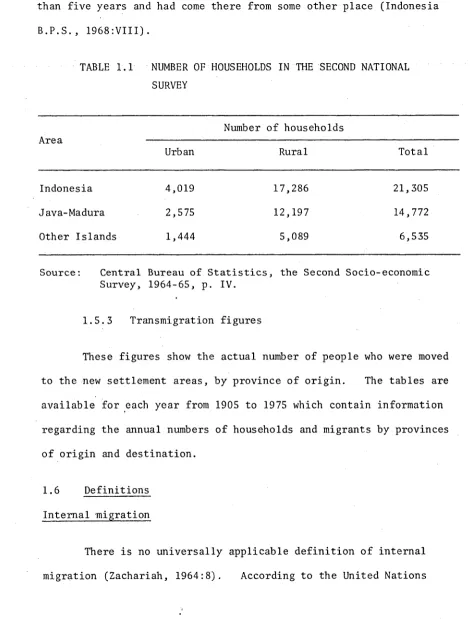
from s e l e c t e d h o u s e h o l d s t h r o u g h o u t I n d o n e s i a ( s e e T a b l e 1 . 1 ) . I t
was r ema rk ed t h a t t h e b e s t a v a i l a b l e d a t a on m i g r a t i o n i n I n d o n e s i a a r e
a g e , s e x , p r e v i o u s p l a c e o f r e s i d e n c e , and m a r i t a l s t a t u s o f m i g r a n t s ,
t h e s u r v e y a l s o c o l l e c t e d i n f o r m a t i o n on t h e r e a s o n s f o r t h e
movement. A c co r di ng t o t h i s s u r v e y , m i g r a n t s were d e f i n e d as t h o s e
who had r e s i d e d i n t h e same v i l l a g e , c i t y o r m u n i c i p a l i t y f o r l e s s
t h a n f i v e y e a r s and had come t h e r e from some o t h e r p l a c e ( I n d o n e s i a
B . P . S . , 1968 : VI11) .
TABLE 1.1 NUMBER OF HOUSEHOLDS IN THE SECOND NATIONAL
SURVEY
Number o f h o u s e h o l d s Area
Urban Rur al T o t a l
I n d o n e s i a 4 , 019 17, 286 21, 305
J av a- Ma du r a 2, 575 12, 197 14,772
O t h e r I s l a n d s 1, 444 5, 08 9 6, 53 5
S o u r c e : C e n t r a l Bu re au o f S t a t i s t i c s , t h e Second S o c i o - e c o n o m i c S u r v e y , 1 964- 65, p. IV.
1 . 5 . 3 T r a n s m i g r a t i o n f i g u r e s
Thes e f i g u r e s show t h e a c t u a l number o f p e o p l e who were moved
t o t h e new s e t t l e m e n t a r e a s , by p r o v i n c e o f o r i g i n . The t a b l e s a r e
a v a i l a b l e f o r each y e a r from 1905 t o 1975 which c o n t a i n i n f o r m a t i o n
r e g a r d i n g t h e a n nu a l numbers o f h o u s e h o l d s and m i g r a n t s by p r o v i n c e s
o f o r i g i n and d e s t i n a t i o n .
1. 6 D e f i n i t i o n s
I n t e r n a l m i g r a t i o n
Th er e i s no u n i v e r s a l l y a p p l i c a b l e d e f i n i t i o n o f i n t e r n a l
[image:23.551.40.510.165.784.2]( 1 95 8 : 4 6 ) i n t e r n a l m i g r a t i o n i s d e f i n e d as m i g r a t i o n w i t h i n a g i v e n
s t a t e , which c o n s i s t s o f movement bet wee n d i f f e r e n t p a r t s o f t h a t
s t a t e .
L i f e - t i m e i n - m i g r a t i o n : t h e number o f p e r s o n s e nu m e r a t e d i n a g i v e n
a r e a a t a p a r t i c u l a r c e n s u s , who were b or n o u t s i d e t h e a r e a o f
e n u m e r a t i o n b u t w i t h i n t h e n a t i o n a l b o u n d a r i e s ( Z a c h a r i a h , 1 9 6 4 : 8 ) .
L i f e - t i m e o u t - m i g r a t i o n : t h e number o f p e r s o n s b o m i n a g i v e n a r e a
and e nu m e r a t e d o u t s i d e t h e a r e a b u t w i t h i n t h e n a t i o n a l b o u n d a r i e s i n
a g i v e n c e n s u s ( Z a c h a r i a h , 1 9 6 4 : 8 ) .
T r a n s m i g r a t i o n : t h e movement o f p e o p l e from t h e d e n s e l y - p o p u l a t e d
i s l a n d s o f J a v a , B a l i and ( s i n c e 1973) Lombok t o new a g r i c u l t u r a l a r e a s
op ened by t h e gover nment i n o t h e r a r e a s o f I n d o n e s i a ( J o n e s , 0 : 1 ,
no d a t e ) .
1 . 7 L i m i t a t i o n s o f t h e s t u d y
As m e n t i o n e d e a r l i e r t h e emphasi s i n t h i s s t u d y i s on o u t m i g r a t i o n
from J a v a - B a l i t o t h e O t h e r I s l a n d s . Mor eover , t h e a n a l y s e s a r e m a i n l y
b a s e d on p l a c e o f b i r t h ( l i f e t i m e m i g r a t i o n d a t a ) . The r e a s o n s a r e :
(1) t o f i n d a b e t t e r r e s u l t by co mpar ing t h e c e n s u s d a t a w i t h t h e
t r a n s m i g r a t i o n d a t a , s i n c e t h e t r a n s m i g r a t i o n d a t a c o n s i s t o f t h e
number o f t r a n s m i g r a n t s who wer e m o s t l y b o m i n J a v a - B a l i ; (2) u n l i k e
t h e 1971 c e n s u s , t h e 1930 c e n s u s r e c o r d e d m i g r a n t s b a s e d o n l y on t h e i r
p l a c e s o f b i r t h . T h i s s e c o n d p o i n t can be s e e n from a s t a t e m e n t w r i t t e n
in V o l k s t c l l i n g 1930 ( 19 36 - VTTT: 4 6) : "However, in o r d e r t o g e t some
i d e a o f t h e e x t e n t o f t h i s movement o f t h e p e o p l e , a l l n a t i v e s were
s p e c i a l l y n o t e d who a t t h e t i m e o f t h e ce ns u s were found o u t s i d e t h e
D i s t r i c t i n which t h e y were b o r n o r , i n t h e O t h e r I s l a n d s , o u t s i d e
F o l l o w i n g t h i s i n t r o d u c t o r y c h a p t e r t h e s t r e a m s and e s t i m a t e s
o f m i g r a n t s a r e d i s c u s s e d i n C h a p t e r 2. A n a l y s e s o f t h e c h a r a c t e r i s t i c s
o f o u t m i g r a n t s a r e u n d e r t a k e n i n C h a p t e r 3. The f i r s t s e c t i o n o f t h a t
c h a p t e r examines t h e a g e - s e x and m a r i t a l s t a t u s o f o u t m i g r a n t s . T hi s
i s f o l l o w e d by t h e s u b s e q u e n t s e c t i o n s d i s c u s s i n g r u r a l and u r b an
r e s i d e n c e s , e d u c a t i o n , o c c u p a t i o n , f e r t i l i t y , and c a u s a t i v e f a c t o r s .
C h a p t e r 4 d e a l s w i t h some i m p l i c a t i o n s o f o u t m i g r a t i o n from J a v a and
B a l i . T h i s C h a p t e r p r e s e n t s two s e p a r a t e s e c t i o n s : s o c i a l and
d emogra phic i m p l i c a t i o n s ; and o u t m i g r a t i o n and r e g i o n a l d e v el o p me nt .
C H A P T E R 2
ESTIMATES OF INTERNAL MIGRATION
T h i s c h a p t e r i s an a t t e m p t t o f i n d t h e n e t l i f e t i m e m i g r a t i o n
among t h e m a j o r i s l a n d s w i t h i n I n d o n e s i a b a s e d on t h e 1971 C e ns u s,
p a r t i c u l a r l y t h e n e t m i g r a t i o n b e t we e n J a v a and Sumat ra i s l a n d s .
S e c o n d l y , t h e c h a p t e r a n a l y s e s t h e s t r e a m s o f o u t - m i g r a t i o n from J a v a -
B a l i t o t h e O t h e r I s l a n d s and i t s t r e n d from p e r i o d t o p e r i o d . F i n a l l y ,
t h e c h a p t e r a l s o a n a l y s e s t h e p r o p o r t i o n o f t h e number o f o f f i c i a l
t r a n s m i g r a n t s t o t h a t o f o u t - m i g r a n t s b a s e d on t h e c e n s u s by compar ing
t h o s e two gr ou ps o f m i g r a n t s i n a g i v e n p e r i o d .
2.1 I n t e r n a l m i g r a t i o n i n I n d o n e s i a
I n t e r n a l m i g r a t i o n b r i n g s p e o p l e t o a community from o t h e r p l a c e s
( i n - m i g r a t i o n ) and a l s o t a k e s them away from a community t o l i v e i n
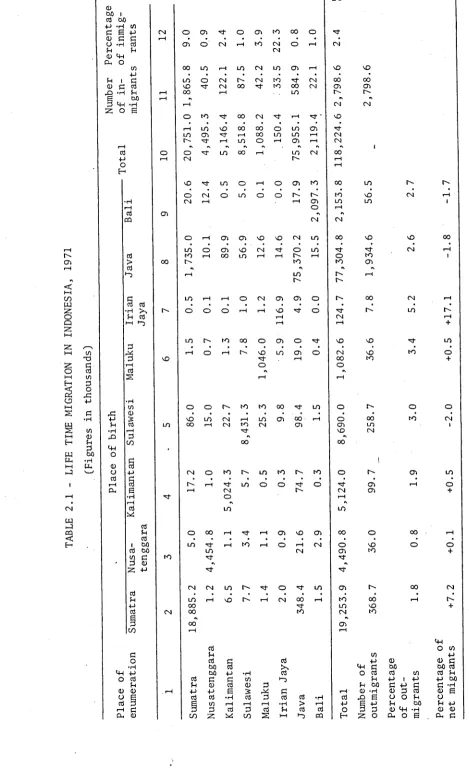
o t h e r p l a c e s ( o u t - m i g r a t i o n ) . T a b l e 2. 1 shows t h e s i t u a t i o n o f l i f e
t i m e m i g r a t i o n i n I n d o n e s i a i n 1971 by i s l a n d . I n t h i s T a b l e , I n d o n e s i a
i s d i v i d e d i n t o e i g h t g r o u p s o f i s l a n d s . Also N u s a t e n g g a r a c o v e r s b o t h
E a s t and West N u s a t e n g g a r a p r o v i n c e s . I t can be s e e n t h a t a bo u t
2 , 7 9 8 , 6 0 0 p e o p l e were e n u m e r a t e d o u t s i d e t h e i s l a n d o f t h e i r b i r t h .
T h i s f i g u r e i s 2 . 3 8 p e r c e n t o f t h e t o t a l p o p u l a t i o n o f I n d o n e s i a . The
i s l a n d s t h a t r e c e i v e d many i n - m i g r a n t s were S u m a t r a , J a v a and K a l i m a n t a n ,
w h i l e i s l a n d s t h a t l o s t a b i g number o f o u t - m i g r a n t s were J a v a , Sumat ra
and S u l a w e s i .
The e f f e c t o f i n t e r n a l m i g r a t i o n can be s e en more c l e a r l y i n n e t
m i g r a t i o n , which i s t h e d i f f e r e n c e b et wee n t h e i n - m i g r a t i o n and o u t
m i g r a t i o n (Bogue, 1 9 5 9 : 3 8 7 ) . By s u b t r a c t i n g t h e number o f i n - m i g r a n t s
i n column 10 ( T a b l e 2 . 1 ) from t h e number o f o u t - m i g r a n t s from e a c h
T A B L E 2 . 1 - L I F E T I M E M I GRA TI ON I N I N D O N E S I A , 1 9 7 1 CJ) X)
s
(1)
P O X X G •H if) CD G W) •H Uh
G G CM
CD 4h
a. o
G 00 to a LO CM LO a rH vO X
X . . . . . . • • •
G i G LO O cm CM to G" CM oo 00
cd g G X G" CM 00 G- CO 00 CM a a
X -r- G a OO rH LO
r-E b£ i— r r\ * r
P 4- ■H r-H CM CM
z c E
O to G- 00 CM G" a G X
t-H LO X 00 oo o LO a G
LO a G- a 00 LO LO i— t CM
t"" G- a LO o rH a rH CM
1— •N ^ o *\ r r r 1
a: o O G- LO 00 rH LO CM 00
+- rH CM t'" rH
C rH
E-X G' LO O rH o a to oo LO
O CM O LO o o r^ r-^ to X CM rH
•H CM a rH a LO LO 1
rH o rH
G CTl r r
cn CM CM
O a a a X X CM LO oo X X 00
LO O a x CM G O LO G G CM a
G to a 00 LO rH a i—1 O to i
> oo to to a
G •s r\ r r
•g »—< LO rH
G LO a a o CM a a o r-- oo CM rH
G G . . • . • • . • • •
•H X r^ o o O a a VO G- o G r- LO
b-G b-G rH CM a
a X) a rH +
LO X to oo o a O G vO vO G LO
P . . . • • •
X a o rH X LO a o CM vO to o
p X G" rH oo to +
r-H O o
_G •> r>
IS l—t a
•H
if) o o r- to to 00 G LO O r- o o
X <D • . . • • . . • • •
+-> £ X LO c m a LO a oo rH o 00 CO CM
g G LO OO .— I CM to CM a a LO 1
•H !-1 G" X CM
X P r r
CO 00 OO
4h ,
O
CD ci
o +-> CM O to LO to to o a LO
G G . . • . . . •
pH ro C" rH G" LO o o G o G a rH o
a E rH CM CM a +
•H G" O rH
r-H r
G LO LO
a
G
G O oo a G" a a vO a 00 o 00 a
G . . . .
i bO LO G" a to a o a CM o vO o o
G bfl LO CM a to +
G G tO G- G
' P CD r rs
Z X G- G
CM CM LO X G- o G LO a b- oo CM
G . . . .
G LO rH X X r—i CM oo rH to oo a t"
-X 00 G LO X +
G CM 00 to CM to
[§ 00 a
CO rH rH
X
G o cn
G G if) X
O G G G 4-> 0 0 G
•H bQ G X 4-1 G bO bO G
4h X bO G -H G O G G if) G G
O G G G G cn G X 1 X X bO
G G (D G 0 P G bO G X G G -H
CD (D a G G E 5 X G rH 0 *H 0 P G 0 E
O P G G •H G p G G •H G X E CJ O G O
cd p E H) rH rH 1—1 •H > rH X E x G bO G X
I— G P P G P G G G G o P P 0 4h -h 0 0
a CD co z X CO 2 a G> CQ X Z o CL, O E CG G
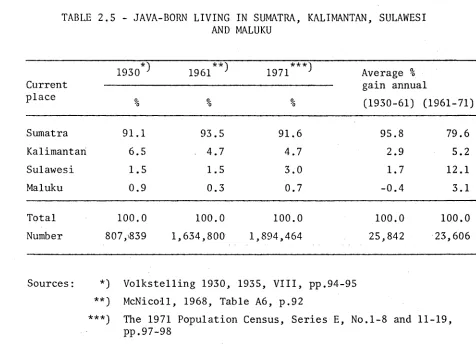
[image:27.551.48.517.13.783.2]found. For example, the island of Sumatra had a gain of 1,865,800
people, who were b o m in other islands and had a loss of 368,700 people
who lived in other islands. Therefore Sumatra had a net gain of
1,497,100 persons, that represented a gain through migration of 7.2 per
cent of the total population enumerated in this island. Next to
Sumatra, Irian Jaya had a net gain of 25,700 migrants (17.1 per cent of
the total population in Irian Jaya), Kalimantan: 22,400 persons (0.5 per
cent), Maluku: 5,600 persons (0.5 per cent) and Nusatenggara: 4,500
(0.1 per cent).
Islands that had a net loss of migrants were Java: 1,349,700
persons (1.8 per cent of the total population enumerated in Java),
Sulawesi: 171,200 persons (2.0 per cent) and Bali: 34,400 persons (1.6
per cent).
From these figures, it can be seen that the big stream of internal
migration in Indonesia has been the movement of people from Java to
Sumatra. Among those who migrated to Sumatra most of them lived in the
provinces of Lampung, North Sumatra and South Sumatra. Secondly, there
were about 258,700 Sulawesi born people mostly from South Sulawesi, who
lived in other islands.
2.2 Out-migration from Java and Bali
2.2.1 Total' out-migration
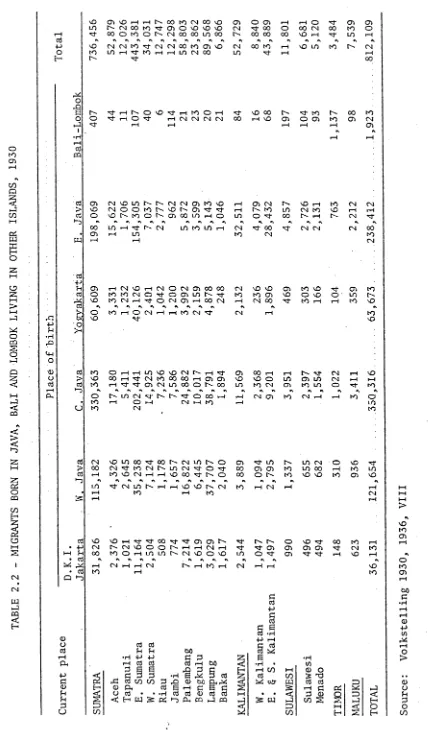
The Dutch colonial Census in 1930 showed that over 800,000
persons born in Java, Bali and Lombok were living outside these islands
at the time of census. This number represented 1.9 per cent of the
total population of Java, Bali and Lombok in 1930 (Volkstelling 1930,
1936:95). Among those living in Outer Islands, 736,456 were in Sumatra,
52,729 in Kalimantan, 11,801 in Sulawesi, and 11,123 in other islands
TABLE 2 . 2 -MIGRA NT S B O R N I N J A V A , B A L I AND L O M B O K L I V I N G I N OTHER I S L A N D S , 1 9 3 0
lO O l v O H H N O O t O N M v O 0 3 O 0 3 r H r H O TO 03 03
LO N M C O t O ^ - O l O v O O v O CM TO" 00 o 0 0 CM 00 NO O
r H TO" o o o N O O f ^ - o a o o o o u o o o r - oo oo 0 0 lO i—1 TO LO i—1
TO •N # \ r \ r \ r \ r x r \ # s # \ r \ r \ r, r r r r r\ r\ *>
P lO C M C M N O - T O - C M C M O O N O Oi lO CM 0 0 NO r H lO LO NO CM
O no L O r H T t N O r H r H L O C M O O LO TO" r H r H
E—1 r - TO" 00
PC
o
r Q
6 r ^ TO"i —l t " ^ O L O T O " r H N O O r H TO" lO 00 TO" NO h - 0 0 NO
O o TO" r H O TO" i—1 CM CM CM CM oo r H LO 0 3 O 0 3 N3 03 CM
- J •TO* r H i—( r H r H r H 0 3
i r\ *
• H r H r H
i—( TO CQ
TO O 3 C M \ O L J 0 N N ( N f M ( ^ N 0 \ O r H 0 3 CM LO r H NO CM CM
> lO ( N O O t O N v O N C n r t T O ' r H no LO CM NO o r H r H
TO O O N ^ O N f f l O O l / l H O LO O TO oo C - r H h - CM TO
*“ 3 *\ r r r r r r r r r r •\ r r\ rv r r.
oo l / l i—1 TO" t'"' CM UO NO LO r H CM TO" 00 TO" CM CM CM 0 0
• 03 r H LO NO CM NO
m r H r H CM
TO p
TO 0 3 r H C M L O r H C T O O C T O O O O O O O CM lO lO 0 3 NO lO TO 0 3 NO
TO o N O N O C M O T O - O C T l L O t ^ T O " NO NO 03 lO O lO O LO
P i lO NO CM r H TO" O CM 0 3 H 0 0 CM i—1 CM 0 0 TO" NO r H r H NO LO
TO •V r r r r r r r r r •V r
£ o N O i —( O C M H i —I N O C M T O " CM r-H NO
X b l lO TO" LO
P O
to > *
• H r Q
4h
O
<u TO NO o h i—i l o l o l o cm h To 03 0 0 r H r H c - to- CM iTO LO
o > lO go 1—1 TO" (TO NO oo oo r H 0 3 0 3 LO lO O LO 0 3 LO CM r H r H
TO TO NO r H T O " T O 0 3 ( M L 0 0 0 O r ^ 0 0 LO NO CM 0 3 NO LO O TO NO
r—1 •“ 3 •3 r r r c\ r r r. r.
Cu O N lO I M T O ' N N T O ' O O O i—I r H CM 0 3 NO CM r H r H NO o
• NO r H O r H CM r H NO r-H LO
u NO CM NO
TO CM v O i O O O T O - O O N M L O N O 0 3 TO" LO r^. LO CM o LO TO
> oo c t o t o n o c m c^ l o c m t o o t o" 0 0 0 3 0 3 NO LO 0 0 r H NO LO
TO r H N O O N h h v O O O T O " N O 0 0 O t - - NO lO lO NO 0 3 LO
*“0 r *\ •» *> n r
LO TO" CM LO H H lO LO N CM NO r H CM r H r H
r H NO r H NO CM
r H r H
TO vO v D r H T O T O " 0 O T O T O ' O 3 O 3 t ^ TO c - o lO TO" 0 0 NO rTO
• P CM t ^ C M v O O O r ^ r H r H C M r H TO" TO" 0 3 0 3 0 3 0 3 TO CM NO
1—1 TO 0 0 N O O r H L O L O C ^ C M L O O L O LO O TO" 03 TO" TO" r H lO r H
• TO * r r r r r r\ r r\ r ». r r
^ PC r H ( M i —1 r H CM N H N3 H CM r H r H LO
• TO NO r-H NO
a •to
P TO P P TO
p e
»H
(D -M r H
CD TO TO TO TO
TO TO TO txO a 3x
r H • H P P T O P Z E • H
Ph r H TO TO TO r H U ) < • H • C/0
p g B TO3 p TO r H CO t—1 CD O
P < TO P P -h E p c P TO z TO CO £ ' P
C cx r P T O C O C O P p o c D W ) PhPC 3X o£r w TO TO P>
(D H < D Ph TO £ h To E TO z r H TO CX 3X P I
TO O T O • • - H TO TO <D TO TO HH • • < P CD S P <
TO ^ h W ä C ^ T O P f f i i - l W - J 2= W r J co 2 r^i r J fro
P < P> HH to; O
u CO 3 2 CO (to H S
[image:29.551.54.497.48.779.2]F
IG
U
R
E
2
.1
-O
U
T
M
I&
R
A
T
I
O
N
F
R
O
M
J
A
V
A
,
B
A
L
I
A
N
D
L
O
M
B
O
K
o ro cn<
»—
<
O
UJu
<
_ l CL X\—
cr CDz
o
Q
LU CO<
IDcn u co cn a) co cn > (D ~ o
H cn
cn xJ
P
£
o I aJ cn
o
O cn o o cn o O cno O
t- o
received almost 450,000 migrants (more than 30 per cent of the
population) from Java, Bali and Lombok. The main reasons of the
migration flow to East Sumatra were the expansion of the state
agriculture in the Government of Sumatra's East Coast and the gradual
reduction .in the number of Chinese estate coolies (Volkstelling 1930-
VIII, 1936:46). The areas of out-migration to the East Coast of
Sumatra were residencies of Kedu and Banyumas in Central Java, the
Government of Yogyakarta and Surakarta, and Kediri and Madiun in East
Java.
The immigration into Lampung is also of significance; over a
quarter of the people enumerated there were born in Java. Many of them
migrated voluntarily to Lampung owing to the close location between
Sumatra and Java islands, but some of them were sponsored migrants.
People regarded the sponsored migrants as "colonists". Java born
inhabitants of Lampung came mostly from Banten in West Java and Kedu
in Central Java. In other parts of Sumatra, such as Palembang, the
West Coast, and Aceh, the places of birth of migrants were distributed
more evenly among residencies in Java. Besides Sumatra, the other Outer
Island residency that received many migrants from Java, Bali and Lombok
was South/East Kalimantan. Among more than 40,000 migrants from Java,
Bali and Lombok living in this region, two-thirds came from East Java,
especially from Surabaya and Kediri. Figure 2.1 shows the flow of
migration from Java, Bali and Lombok to the other islands in 1930.
The 1961 Census gives only little information on the inter-
provincial migratory movements in Indonesia. Data available in this
Census have been compiled and interpreted by McNicoll (1968). His
paper is significant as it uses statistics on place of birth from the
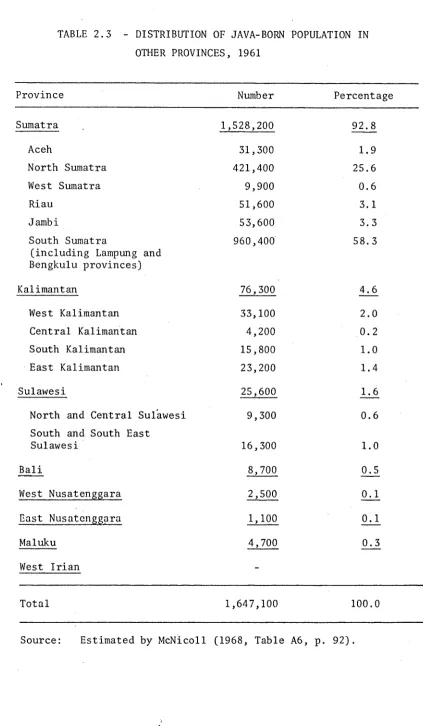
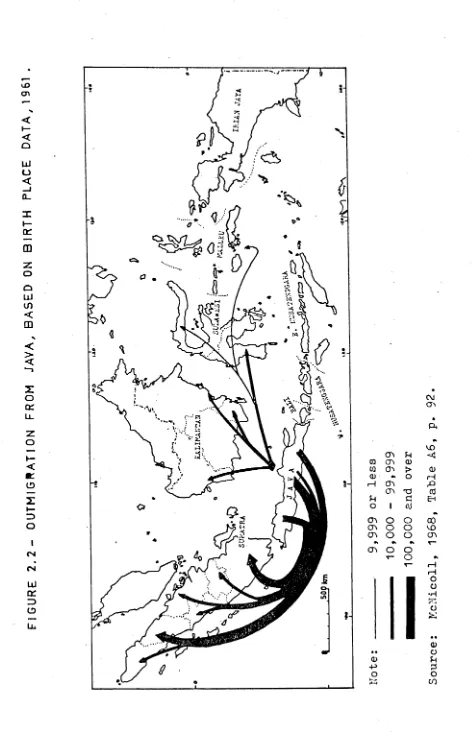
1 9 7 6 : 5 6 ) . A c c o r d i n g t o McNicoll ( 1 9 6 8 : 5 3 ) , o f t h e J a v a - b o m l i v i n g
i n r u r a l a r e a s o f t h e O u t e r I s l a n d s i n 1961, 9 2 . 8 p e r c e n t l i v e d i n
S u m a t r a , 4 . 4 p e r c e n t i n K a l i m a n t a n , 1 . 6 p e r c e n t i n S u l a w e s i , and
1 . 2 p e r c e n t i n N u s a t e n g g a r a and Maluku. Most o f t h o s e who were i n
S u ma t ra l i v e d i n Lampung ( 4 6 . 8 p e r c e n t ) , N o r t h S umat ra ( 2 7 . 9 p e r c e n t ,
and So ut h Su mat ra ( 1 5 . 3 p e r c e n t ) . The p l a c e o f o r i g i n o f t h e s e m i g r a n t s
r e v e a l e d t h a t 6 7 2, 0 0 0 came from C e n t r a l J a v a , 290 ,000 from E a s t J a v a ,
2 30 , 00 0 from West J a v a i n c l u d i n g J a k a r t a , and 57 , 00 0 from t h e S p e c i a l
Regi on o f Y o g y a k a r t a . B e s i d e s t h e m i g r a t i o n t o t h e r u r a l a r e a s i n O u t e r
I s l a n d s , McNicoll a l s o e s t i m a t e d t h e m i g r a t i o n t o b o t h r u r a l and u r b an
a r e a s . These a r e shown i n T a b l e 2 . 3 and F i g u r e 2 . 2 .
U n l i k e t h e above two C e n s u s e s , t h e 1971 Census p r o d u c e d a more d e
t a i l e d a n a l y s i s o f i n t e r - p r o v i n c i a l m i g r a t i o n movements. In a d d i t i o n , t h e
1971 Census c o n t a i n e d t h r e e q u e s t i o n s r e l a t i n g t o m i g r a t i o n : p r o v i n c e o f
b i r t h , p r o v i n c e o f l a s t r e s i d e n c e and d u r a t i o n o f r e s i d e n c e i n t h e c u r r e n t
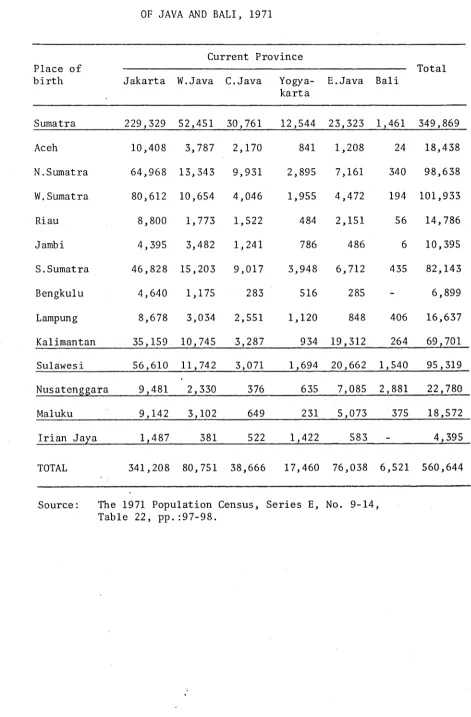
p r o v i n c e . T a b l e 2 . 4 shows t h e number o f m i g r a n t s from t h e p r o v i n c e o f
o r i g i n - J a v a and B a l i - t o t h e O t h e r I s l a n d s ( Appendice s A . l and A . 2 show
t h e J a v a - B a l i - b o m m i g r a n t s l i v i n g i n t h e O t h e r I s l a n d s by r e g e n c y ) .
U n l i k e t h a t o f T a b l e 2 . 1 , t h i s T a b l e does n o t t a k e i n t o a c c o u n t e i t h e r t h e
J a v a - b o m p e o p l e who l i v e d i n B a l i o r t h e B a l i - b o m p e o p l e who l i v e d i n
J a v a . By 1971, t h e number o f p e o p l e from J a v a and B a l i l i v i n g o u t s i d e
t h o s e i s l a n d s had r i s e n t o a l m o s t two m i l l i o n o r a b o u t 2 . 4 p e r c e n t o f
t h e c u r r e n t p o p u l a t i o n o f t h e p r o v i n c e s . Among t h o s e l i v i n g o u t s i d e J a v a
and B a l i i n 1971, 8 9 . 7 p e r c e n t l i v e d i n S u ma t ra and 4 . 6 p e r c e n t i n
K a l i m a n t a n . C e n t r a l J a v a d o m i n a t e d as a p r o v i n c e o f o r i g i n o f m i g r a n t s
( 4 7 . 2 p e r c e n t ) , f o l l o w e d by E a s t J a v a ( 2 5 . 9 p e r c e n t ) , West J a v a ( 1 6 . 4
p e r c e n t ) , Y o g y a k a r t a ( 6 . 4 p e r c e n t ) , J a k a r t a ( 2 . 1 p e r c e n t ) , and B a l i
( 2 . 0 p e r c e n t ) . F i g u r e 2 . 3 shows t h e o u t - m i g r a t i o n f low t o t h e O t h e r
I s l a n d s . I t i s s e e n t h a t t h e t h r e e m a j o r o u t - m i g r a n t movements were t o
t h e p r o v i n c e s o f No rt h S u m a t r a , Sout h Sumat ra and Lampung. The Census
a l s o r e v e a l e d t h a t of. t h e t o t a l o u t - m i g r a n t s , a l m o s t h a l f o f them moved
TABLE 2.3 - DISTRIBUTION OF JAVA-BORN POPULATION IN
OTHER PROVINCES, 1961
Province Number Percentage
Sumatra 1,528,200 92.8
Aceh 31,300 1.9
North Sumatra 421,400 25.6
West Sumatra 9,900 0.6
Riau 51,600 3.1
Jambi 53,600 3.3
South Sumatra
(including Lampung and Bengkulu provinces)
960,400 58. 3
Kalimantan 76,300 4.6
West Kalimantan 33,100 2.0
Central Kalimantan 4,200 0.2
South Kalimantan 15,800 1.0
East Kalimantan 23,200 1.4
Sulawesi 25,600 1.6
North and Central Sulawesi 9,300 0.6
South and South East
Sulawesi 16,300 1.0
Bali 8,700 0.5
West Nusatenggara 2,500 0.1
East Nusatenggara 1,100 0.1
Maluku 4,700 0.3
West Irian
-Total 1,647,100 100.0
[image:33.551.59.482.52.778.2]F IG U R E 2 .2 -O U T M IG R A T IO N F R O M J A V A , B A S E D O N BI R TH P L A C E DATA,1961
cn u
co cn (u
CO O '' >
O) - o
h cr*
<x\ T3
P Cl
O I 03
CT\ O O
0 ^ 0 0
Ch O O
cr\ o o
T- O
II
(D 4-> O CM CT> Pi \Dc no
[image:34.551.48.520.32.767.2]CM o <0* LO lO t o o
t o CM O - rH oo CM r-H lO r - c - 00 r - LO
TO »V *v *\
P LO 00 t o o r—i CM •O'
O LO r-H cr* LO P p
H c
-r\ rH
c - LO rH c - P f '- p •H r-H LO •O' CM LO t o LO i—1 lO 03 O' LO CT* p
cd r\ r\ r\
0Q o i-H •O'
CM r-H
rH e' er*
rH cd t o 00 t o 03 LO o oo
> LO oo 00 LO cr* r ^ r -Cd rH t o CM LO t o o o
CO X r r\ r\ r r\ r\ r\
Q r - Of rH lO LO 00 t o
Z • rH •O' CM
< PJ O'
►J CO p
o3
CC P
UJ u o LD o p •O' 00 o *
X cd LO oo t o oo LO t o o
E» p : t o 1—1 t o p •O' O*
o cd *\ r •*
X 00 CM CM
z 0 0 r-H
t—1 X O rH
H X
CO DC
z P
p 1 00
>
P PP
—3 o Cd lO 00 •O' CM CM CM lO
> r - t o 00 •O' •O' r>> LO
1—1 PJ cd cn O* ■O' o •O' CM
_3 CD l_D r n r\ •s r
< < LO r-H LO CM CM LO
CO - 3 . r - CM P
CX CJ oo
a z
<
<
> cd rH LO 00 •O' LO LO LO
< > LO lO LO lO LO r - o*
t o cd O ' LO lO o - 00 o LO
• o r n r r\
z i—1 rH CM Tp t o
*—1 • cr* P rH
z S= CM
2
o
CQ
CO cd LO c - t o CM 03 o o
■ g
. 4_) 00 00 LO •O' LO 03 to
P fH O r-H t o h - •O' LO r
-• cd r\ *r r r\
2 X PC CM CM t o r-H
CD • cd t o
t—1 Q X>
s
O'
• cd cd
CM fH fH
cd cd
w 00 oo
P) <1) oo oo
00 O c e
< cd 0) (D
H rH p p C Oj
Oh cd cd cd X
to to P •H cd
p cd 3 3 C to 's
c fH Z Z TO CD 3
CD P 6 S PC n
fn cd P p •H cd 3 cd
h e to to P p r—H •H
3 5 CD cd cd 3 Oj fH
CD CO 3= P4 PS to s P
LO 03 c
-*3
t " -LO cr* cr* oo vO 00 t o lO cm cr* *> vO o LO 00 ■o-•O' r •O' CM o r H lO •V •O' CM O* lO lO cr* CM t o lO IQ r J g o
E - S
F IG U R E 2.3 -O U T M IG R A T IO N F R O M J A V A A N D B A L I , B IR T H P L A C E D A T A , 1 9 7 1
0 4 fH
CO 0 4 0>
to 0 4 >
CD
o
1—1 0 4
0 4 TO
Jh £
o
1 CÖ0 4
o
o
0 4
o
o
0 4
o
o
*
0 4