Research Report DFE-RR041
Investigating the use of
Parental Responsibility
Measures for School
Attendance and
Behaviour: Final
Report
Kathryn Crowther & Sally Kendall
This research report was written before the new UK Government took office on 11 May 2010. As a result the content may not reflect current Government policy and may
make reference to the Department for Children, Schools and Families (DCSF) which has now been replaced by the Department for Education (DFE).
CONTENTS
Page
EXECUTIVE SUMMARY... i
1 INTRODUCTION ...1
2 EARLY INTERVENTION STRATEGIES ...7
3 USAGE OF THE PRAB MEASURES – SURVEY AND NATIONAL DATA
ANALYSIS ...14
4 LOCAL AUTHORITY MODELS OF PRACTICE ...22
5 EXPERIENCE OF LOCAL AUTHORITIES, SCHOOLS, PARENTS AND
PUPILS IN THE USE OF THE PRAB MEASURES ...44
6 IMPACT OF THE PRAB MEASURES ...75
7 CONCLUSIONS AND RECOMMENDATIONS ...103
ANNEX A: PROFILE OF CASE STUDY AUTHORITIES
ANNEX B: METHOD AND STUDY ISSUES
ANNEX C: PARENT AND PUPIL PROFILE AND CASE STUDY EXAMPLES
ANNEX D: STRAND 1: NATIONAL DATA ANALYSIS TABLES
i
EXECUTIVE SUMMARY
1. This report presents the findings from the research Investigating the Use of Parental Responsibility Measures for School Attendance and Behaviour. The study was undertaken by York Consulting LLP on behalf of the then Department for Children, Schools and Families (DCSF).
2. The overarching aims of the research were to:
• review national patterns of usage of the four main parental responsibility measures (Parenting Contracts, Parenting Orders, Penalty Notices and Fast Track) and corresponding national patterns of
attendance/exclusions across Local Authorities (LAs);
• formulate a sense of LAs’ experience of implementing the measures, including any issues (facilitators, barriers etc.) around their
implementation;
• examine in-depth the use of the measures in a selection of LAs and the impact of those measures on attendance and behaviour at a school level and across the LA; and
• recommend how parental responsibility measures should be best applied in the future, in order to improve attendance and behaviour.
Context
3. The DfE currently supports four measures, introduced in February 2004
following the Anti-social Behaviour Act 2003, which were intended to encourage parents/carers1 to engage with schools and LAs in addressing their children’s2 poor attendance and behaviour. These measures are:
• Parenting Contracts (for attendance and behaviour) – are voluntary, written agreements between a parent and either a school or LA, and provides support to the parent;
• Parenting Orders (for attendance and behaviour) – impose
requirements on parents to attend parenting course/counselling for three months;
• Penalty Notices (for attendance and behaviour) – are used as an
alternative to court action against parents who fail to ensure their child’s regular attendance. They can also be used for excluded children found in a public place; and
• Fast Track to Attendance – is a non statutory time-focused attendance case management intervention, specifying clear actions for
improvement. If a pupil’s attendance continues to be an issue, prosecution procedures are initiated.
1 Throughout this report “parent” refers to the parents or carer of a child
2 Compulsory school age (5-16) and registered at a maintained school, academy or pupil referral
4. These measures provide a balanced package of support and sanctions to engage and promote parents’ responsibility for addressing their children’s poor attendance and/or behaviour in schools.
5. Local Authorities also have powers under Section 444 of the Education Act 1996 to prosecute parents if they fail to secure their children’s regular school attendance.
Methodology
6. The research used a multi-method approach in order to capture implementation and effectiveness issues related to the use of the measures and provide an indication of the impact of their use on pupils and families.
7. The research involved the following key strands:
• Strand 1: National Data Analysis – a statistical exploration and analysis of aggregate LA level data to find evidence of factors associated with LAs’ use of the PRAB measures and association between use of the measures and outcomes on attendance and exclusions;
• Strand 2: Local Authority Survey – a survey of all LAs to gather experiences and views on using the PRAB measures. In total 84 responses were received from 150 Local Authorities, representing a response rate of 56%; and
• Strand 3: Case study Research – in-depth fieldwork in ten LAs involving schools, Attendance Service officers, and case-studies of 46 parents and 14 pupils who had been involved in one or more PRAB measure.
Usage of the PRAB Measures
8. The use of all Parental Responsibility for Attendance and Behaviour (PRAB) measures has increased nationally since 2004-05, the first year of data
collection on use of the measures. Between 2004 and 20083 all LAs used one or more of the PRAB measures and use increased by nearly four-fold from 21,225 in 2004-05, to 77,873 in 2007-08.
9. Between 2004 and 2008, Fast Track was the most commonly used PRAB measure, accounting for 45% of total usage of all measures in 2007-08. This was followed by Parenting Contracts for attendance, accounting for 27% of total usage of all measures in 2007-08. LAs were least likely to use Parenting
Contracts for behaviour and Penalty Notices for behaviour, which accounted for less than 4% of total usage of all measures in 2007-08.
10. The data analysis also identified the following key findings:
• between 2004/05 and 2007/08, there was a significant growth in LAs’ use of Fast Track, Penalty Notices and Parenting Contracts for attendance; and
iii
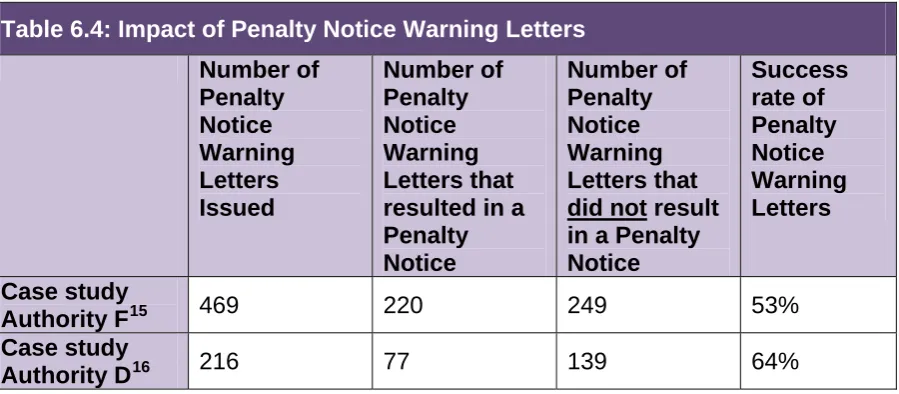
• the use of Parenting Contracts for behaviour has increased nationally since 2004/05, showing the greatest growth in usage of all PRAB
measures. However, the use of Parenting Contracts for behaviour is still significantly lower than the use of Parenting Contracts for attendance, with nearly eight times more Parenting Contracts for attendance being issued in 2007/08.
LA Characteristics Influencing the Use of the PRAB Measures
11. The data analysis strand of the research aimed to identify LA variables and characteristics that could potentially influence, directly or indirectly, the use of PRAB measures. It was recognised from the outset that there are many factors that may influence the use of the measures. The data analysis explored
whether there were potential links between, for example, eligibility for free school meals or rates of special educational needs (SEN) and use of the PRAB measures.
12. Statistical evidence from DfE data collections assists in understanding the potential relationship between the usage and growth in the PRAB measures at a LA level and particular LA characteristics. In terms of PRAB usage, the statistical evidence suggests that;
• LAs with higher rates of secondary aged persistent absentees in 2007-08 were more likely to use Fast Track in 2007-2007-08;
• the greater the proportion of secondary pupils who are eligible for free school meals in a LA, the higher the usage of Fast Track and Penalty Notices for attendance; and
• the higher the rate of fixed-term exclusions in 2006-07 in a LA, the greater the likelihood that a LA has used Penalty Notices for the presence of an excluded pupil in a public place during school hours.
13. In terms of the relationship between the growth in use of the PRAB measures over time and LA characteristics, the statistical evidence suggests that.
• greater growth in the usage of Parenting Contracts for attendance in a LA between 2006-07 and 2007-08 was associated with authorities with higher percentages of pupils with SEN; and
• greater growth in the usage of Fast Track in LAs between 2006-07 and 2007-08 was associated with LAs with higher rates of secondary pupils eligible for free school meals and lower rates of primary school
14. The potential relationship between pupil eligibility for free school meals and the use of the PRAB measures was also evident through the case study research. Pupils from more than half (26) of the 46 case study families were eligible for free school meals. This compares to a national average of free school meal eligibility of 16% for primary and 13% for secondary4 (2007-08 data). Average free school meal eligibility across the ten case study authorities was 18% for primary and 15% for secondary5.
Early Intervention Strategies
15. A range of early intervention strategies were employed at both a LA and school level to address attendance and behavioural issues. Support was offered to parents and pupils, both prior to, and alongside, the use of the PRAB measures.
16. Early intervention strategies most frequently utilised by LA and school staff included: school-based interventions; Attendance/Behaviour Panels; the
Common Assessment Framework (CAF); and targeting of specific pupil cohorts and other agency/service involvement. CAF in particular was seen as an
effective preventative approach to addressing underlying issues of poor attendance and behaviour and in drawing in support from other agencies.
Models of Practice
17. Models of practice in the use of the PRAB measures were explored through the case study research. There was variability in how the PRAB measures were used and how their use was embedded within wider approaches to addressing attendance and behavioural issues, at both a LA and school level.
18. Case study authorities most commonly (seven out of the ten case study LAs) operated a centrally-based team structure to address attendance issues. In this approach officers are based within a central LA team with responsibility for a number of schools (e.g. secondary and feeder primaries). Other case study LAs operated school-based (two LAs), and locality-based team (one LA) models of delivery.
19. Only four of the ten case study LAs were using the behaviour measures (specifically Parenting Contracts). There were two models of delivery for
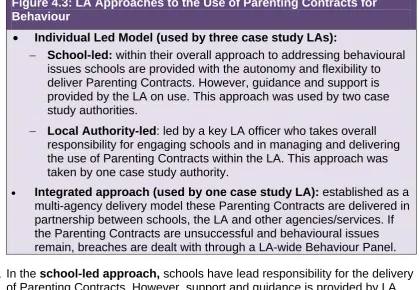
operating the behaviour measures: individual-led or an integrated approach. In the individual-led model, a dedicated LA officer is responsible for promoting and raising awareness of the behaviour measures in schools (this was seen in three case study authorities). The school then implements the measure (Parenting Contracts) with support provided by the LA. In the integrated approach, the behaviour measures are promoted and managed through a multi-agency team and LA-wide Behaviour Panel (one case study authority). LA structures
underpinning the use of the behaviour measures were generally less clearly defined than for attendance measures, reflecting their lower usage.
v
20. The case study research identified three overarching delivery models in the use of the attendance measures. Each delivery model provides a structured
approach to the use of the attendance measures, but with varying triggers for their use and flexibility within each model. The three models identified were:
• Prescriptive Delivery Model (Model A): provides clearly structured processes for addressing attendance issues. There are well defined attendance and referral triggers for the use of the attendance
measures, with definite timescales and actions to facilitate improvements in attendance;
• Discretionary Delivery Model (Model B): there are some attendance triggers for the use of the PRAB measures, however there is greater flexibility in the timescales and triggers for their use and a greater focus on providing additional family support where required; and
• Holistic Delivery Model (Model C): focused on early intervention, the priority within this model is to address underlying family issues that may lead to poor attendance. There is autonomy in the use of the
attendance measures and decisions on use are taken within a wider understanding of individual family circumstances, particularly in relation to the use of more punitive or legal measures.
21. Most LAs either used the Discretionary Model (five out of the ten) or the
Prescriptive Model (four of the ten), with one LA adopting a Holistic Model. In practice, case study LAs’ approaches to the use of the attendance measures are not restricted within the parameters of these three delivery models. All had flexibility for professionals to take into account: the presence of underlying family issues; the level of parental and pupil engagement; staff capacity; the availability of resources; and the ages of pupils.
22. Case study authorities with a Prescriptive Delivery Model were more likely to consistently use the attendance measures at specific attendance triggers, points of intervention, or decision points. Whereas, case study authorities that operated a Discretionary or Holistic Model of delivery demonstrated much greater autonomy in use, based on professionals’ understanding of individual family circumstances.
Barriers and Challenges in the Use of the PRAB Measures
23. At LA level, staff workload, resource issues, and access to appropriate support for families were identified as the main barriers to using the attendance and behaviour measures.
LA Level Barriers and Challenges
use of the measures. Interviewees identified the challenges associated with efficiency savings and staff retention issues, resulting in increased caseloads, which limited officers’ opportunities to undertake more preventative and issue-focused work.
25. Staff capacity and resource issues were also identified as the main barriers by case study interviewees, which were felt to significantly hinder the use of the behaviour measures. The case study research identified that there were often limited structures in place to support the use of the behaviour measures, with usage primarily directed by one officer at the LA. Although there were examples of school-led approaches helping to improve take-up and therefore building capacity in delivery, there were significant challenges in ensuring consistency of use and raising awareness of the behaviour measures across all schools within the case study LAs.
26. Professionals’ ability to access support for families and funding for that support was identified as a further key challenge in the effective use of the measures (both attendance and behaviour). Over a third of survey respondents indicated that accessing appropriate support for families was a barrier to use of the PRAB measures. This was further supported through the case study research which found that delays in the development of local
Parenting Strategies and the limited availability of parenting support in LAs was directly impacting on use of Parenting Contracts (for both attendance and behaviour). Attendance officers were also less likely to suggest the use of Parenting Orders to magistrates for this reason.
27. Other additional barriers were identified by the survey and case study research, but were not identified as overarching barriers across both research strands:
28. A key barrier cited by interviewees across the case study authorities were concerns about court disposals. Inconsistencies in disposals, namely low fines arising from prosecutions under Section 444.1/1a, were felt by attendance officers across all case study authorities to undermine the potential impacts of legal intervention. Additionally, the survey findings suggested that over a third (36%; 31/84) of survey respondents felt that other measures for supporting attendance and behaviour were more effective.
School-Level Barriers and Challenges
29. Specific barriers relating to the use of the PRAB measures at a school level were identified through the survey and case study research. These included: concerns about how use of the measures might impact on relationships with parents; limited awareness and confidence in the use of the measures amongst staff; and data inaccuracies (evidence regarding unauthorised absence).
vii
interviewees felt that it was most likely to be an issue for higher performing schools and primary schools that had good relationships with parents.
31. The survey data identified that school staff confidence (29%) and lack of staff training (27%) were felt to be barriers in the use of the PRAB
measures. The perception at a case study level was that ownership and leadership of the measures at LA level by attendance officers had impacted on school engagement in the use of the PRAB measures. Case study stakeholders suggested that this resulted in a lack of confidence and awareness of the
measures, leading to poor school engagement and reluctance to use some of the PRAB measures.
32. Data inaccuracies at a school level were identified by both survey and case study respondents as impacting negatively on the effective use of the attendance measures. This was less of an issue for survey respondents with less than a fifth reporting that accurate data was a barrier. However, case study stakeholders reported that data inaccuracies hindered the ability of LAs to progress attendance cases to prosecution. Inaccuracies in registers, the impact of part-time timetables and pupils’ involvement in alternative educational
provision impacted on the ability of the attendance officers to collect accurate and sufficient evidence to support progression to prosecution. For example, the ability to issue Penalty Notices for attendance is reliant on Local Authorities being able to meet the criteria for issue, a process which is dependent on
effective register completion. The existence of such inaccuracies was viewed by LA stakeholders as significantly hindering the ability of the LA to progress cases to prosecution.
33. Difficulties faced by schools and LAs in the effective monitoring of the behaviour measures was identified through the case study research. There was limited evidence through the case study research that LAs have established approaches to evaluate the impacts of the behaviour measures, above ad hoc or qualitative feedback obtained from the schools and staff members involved. Monitoring of use across schools was generally sporadic and viewed as a time consuming process.
Reasons for Non-usage of the Behaviour Measures
34. The behaviour measures are the least commonly used of the PRAB
measures. National data showed that in 2007-08 over 60% (95) of LAs had not used Parenting Contracts for behaviour; and over nine-tenths (138) of LAs had not used Penalty Notices for behaviour and no LA had used a Parenting Order for behaviour since this measure was introduced in 2004. The survey and case study research therefore sought to explore reasons for non-usage of these measures.
35. Parenting Orders for behaviour: Lack of resources and funding constraints were identified as the main reason for non-usage of this measure by survey respondents with a third (28/84) indicating that this was the case. Lack of usage was also linked to uncertainty as to whether the measure would be a useful tool to address behaviour problems, with nearly a third of survey respondents
identified by survey respondents included: the existence of alternative strategies (29%; 25/84); the complexity and time taken to implement the measure (26%; 22/84); and a lack of appropriately trained staff at a school/LA level to deliver the measure (20%; 17/84).
36. Penalty Notices for behaviour: The key reasons identified by survey
respondents for non-usage were similar to Parenting Orders for behaviour. A quarter of survey respondents (21/84) indicated that the measure was not used because of resource/funding constraints and uncertainty about the usefulness of the measure. Other reasons for non-usage included: a reluctance to use the measure before understanding the experience of other LAs (13%; 11/84); the complexity and time taken to implement the measure (13%; 11/84%); and the existence of alternative strategies (12%; 10/84).
LA Plans for the Future Use of the Behaviour Measures
37. Only a small number of survey respondents said they planned to use Parenting Orders for behaviour in the near future, with just over one-tenth of respondents (9/81) indicating that they planned to use the measure in the next six months.
38. The case study research suggested that a lack of strategic direction by LAs was the predominant reason for non-usage, with limited evidence that LAs have considered the future use of Parenting Orders at a strategic level.
39. There was, however, evidence to suggest a potential increase in the use of Penalty Notices for behaviour, with over two-fifths of survey respondents indicating that they were planning to use this measure in the next six months.
Triggers and Criteria for Using the Measures
40. Persistent absence was identified as the key trigger for the use of the attendance measures. However, LAs used different attendance levels, ranging from 90% to below 80%, as triggers for using the attendance measures.
41. Triggers for the use of the attendance measures were directly linked to the overall delivery model established by LAs. Case study authorities that had established a prescriptive delivery model had specifically identified a process that encouraged the early identification of attendance issues. The level and type of intervention and the trigger point for the use of attendance measures was explicit and with little ambiguity in when attendance measures should be used. For example, this may involve a LA defining an attendance level at which the Fast Track process would begin for all pupils. There was much greater
autonomy for officers in the triggers for the use of the attendance measures in the discretionary and holistic delivery model authorities.
42. The main triggers for the behaviour measures were exclusion or those at risk of exclusion. Although there was some evidence of triggers used,
ix
LAs’ and Schools’ Experience of the PRAB Measures
43. Findings from the LA survey and the case study research show that the attendance measures were felt to be most effective when used as a form of early intervention in addressing emerging problems of poor attendance or behaviour or when used at the primary school level.
44. The management and delivery processes established by LAs also directly influenced the overall effectiveness of the PRAB measures. Where the
measures were deemed to be most effective, the following factors were present:
• access to appropriate pre-intervention and early intervention support, which were integral to addressing underlying reasons for poor attendance;
• strong ownership and commitment at a school level, which were
important in the early identification of attendance and behaviour issues, and ensuring that the use of the PRAB measures is a partnership approach between LAs and schools;
• availability of clear and concise guidance and information
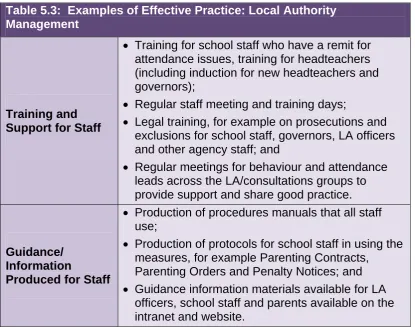
materials for school staff on the measures, which were also viewed as central to effective implementation. Additionally, the role of LAs in raising awareness of guidance and the criteria for using the measures and disseminating good practice was critical;
• the nature of the intervention/process: a time-focused process and procedures that were clear to parents, pupils, schools and LA staff ensured that cases did not drift;
• effective LA management, through ongoing monitoring and evaluation and seeking alternatives for addressing embedded attendance issues;
• establishment of quality assurance or gate-keeping processes by
LAs, to support the use of the legal measures, for example using multi-agency panels to ratify decisions on legal intervention; and
• effective legal support and liaison with courts through increasing the awareness of magistrates, strong LA legal support and the identification of dedicated Attendance Officers with responsibility for the use of the legal measures.
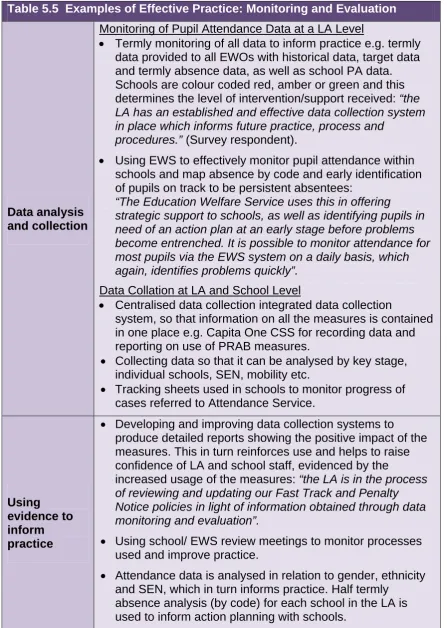
45. The establishment of systems to support data collection and analysis were viewed by survey respondents as being key areas of effective practice in the monitoring and evaluation of the measures.
46. The support and engagement of parents were viewed by case study stakeholders as being central to the effective delivery of Parenting
Impact of the PRAB Measures
47. The study drew on the DCSF statistical analysis of LA level data and the survey and case study research to identify the impact of the PRAB measures on
improving attendance/persistent absence and on reducing exclusions. In particular, the impact assessment was informed by the individual case studies (with parents and pupils) conducted across the ten case study authorities. Interviews were undertaken with 46 parents and 14 pupils (representing 46 cases in total) who were involved in PRAB attendance or behaviour measures.
48. Analysis was undertaken to identify any statistical relationship between the use of the PRAB measures and the rate and change of absenteeism at LA level. The relationships found in the research are complex and interpretation is challenging when looking to ascertain the direction of causality or understand the reasons for the existence of the relationship. The findings presented
therefore should be interpreted as evidence of association rather than causality.
Improving Attendance
49. The survey and the case study research suggest that the attendance measures, when used as part of a wider integrated LA approach to addressing irregular attendance and persistent absence, can be successful.
Parenting Contracts
50. The impact of Parenting Contracts for attendance was found to be varied, but generally positive across Local Authorities. More than three-quarters (76%) of survey respondents reported that they were ‘very successful’ or ‘fairly successful’ in improving attendance amongst pupils. The case study research also suggested that Parenting Contracts can contribute to addressing
underlying issues for pupils’ poor attendance and play a key role in raising parental awareness about pupils’ attendance issues. In our case study families, 20 pupils were involved in Parenting Contracts. On average, pupil attendance three months prior to the issuing of a Parenting Contract was 48%. This increased to 78% three months after use.
51. Parenting Contracts were perceived to have limited impact where parents were not willing to engage, or in addressing more entrenched or severe attendance issues.
Penalty Notices
52. Penalty Notices as an early intervention approach were associated in some circumstances with improving pupils’ attendance in the short-term, but these positive impacts were more difficult to sustain over the longer-term. Over three-quarters (79%) of survey respondents viewed Penalty Notices as being ‘very successful’ or ‘fairly successful’ in improving attendance.
xi
53. Penalty Notices were less effective in circumstances where there were underlying family issues or where attendance issues were more
entrenched. In such cases, a Penalty Notice may boost attendance in the short term, but underlying issues at a pupil or family level are likely to directly impact on the ability for improvements in attendance to be maintained.
54. There was limited evidence from this research that Penalty Notices for
unauthorised holiday are effective in discouraging families from taking holidays in term time.
Fast Track
55. Fast Track was viewed as being the most effective measure in achieving long-term, sustainable impacts on attendance, if used as an early
intervention approach with less entrenched cases. Nearly all (92%) of LA survey respondents felt that Fast Track was either ‘fairly’ or ‘very successful’ in
improving pupils’ attendance.
56. As an early intervention approach, the Fast Track process itself was often sufficient to facilitate an improvement in attendance, preventing the need for progression to prosecution. For example, eight of the 17 Fast Track cases from our case study families had not proceeded to prosecution. In these circumstances the Fast Track process had a positive impact due to the clear legal consequences of non-compliance and because the process alerted
parents to the severity of their child’s attendance issues. In case study LAs that had established a prescriptive delivery model, placing families in the Fast Track process was often sufficient to facilitate an improvement in pupils’ attendance.
Parenting Orders
57. Evidence of the impact of Parenting Orders for attendance was mixed across LAs. A third (33%) of survey respondents viewed the measure as ‘fairly successful’ in improving pupils’ attendance, with no respondents indicating that the measure was ‘very successful’. Conversely, nearly half (46%) of survey respondents felt that the measure was ‘not very successful’ or ‘not at all successful’ in improving attendance. The perceptions of case study
stakeholders regarding the impact of Parenting Orders were disparate and locally-held evidence on their impact was minimal.
58. Where Parenting Orders were felt to have an impact, their compulsory nature and the warning of further severe legal intervention, for example a Section 444.1a prosecution, were viewed by LA officers involved in the case-studies as facilitators in achieving positive impacts. Improved parental discipline, the development of parenting skills and improved relationships between pupils and parents, were also highlighted as positive impacts achieved through the Orders.
Improving Behaviour - Reducing Exclusions
60. The impact or contribution of the behaviour measures to reducing
exclusions is difficult to conclude from the research due to low usage and awareness across LAs. There was no statistical evidence to suggest a link between use of the behaviour measures and either the rates of permanent or fixed-term exclusions, or the growth or fall of exclusions in LAs. There was, however, some qualitative evidence from the survey and the case study research to highlight the potential contribution of the behaviour measures on reducing exclusions and improving behaviour.
61. The contribution of Parenting Contracts for behaviour in achieving positive impacts on parents’ relationship with school was reported through the survey and case study strands of the research. Two-thirds (66%) of survey
respondents who had used Parenting Contracts for behaviour reported that they were a ‘fairly successful’ measure, with no respondents indicating that the measure was ‘very successful’.
62. For schools and a number of families interviewed, Parenting Contracts for behaviour were used as a means of addressing relationship issues between the school and the parent. Even if Parenting Contracts for behaviour were not successful in achieving significant or sustained impacts for pupils,
improvements in the relationship between parents and schools were generally sustained.
Impact of Warnings/Pre-action
63. A focus of the research was on exploring the impact of warnings or pre-action on pupils’ attendance.
64. Penalty Notice warning letters were found to contribute to positive impacts on pupils’ attendance. In particular, they were perceived to contribute to
improvements in attendance for pupils who have less entrenched attendance issues and for whom there are no specific issues or reasons underpinning their low attendance. Survey respondents and case study stakeholders reported the benefits of these ‘warning letters’ in addressing broken weeks of attendance and punctuality issues. The threat of the fine was often considered to be sufficient to improve attendance without a Penalty Notice being issued.
Impact of Prosecution
65. The case study research explored the impact of prosecution on improving pupil attendance through exploring the perceptions of LA and school stakeholders.
66. The case study research suggests that prosecution can be beneficial in improving pupils’ attendance. More than half (9/17) of the Fast Track cases involved in the case study research had resulted in prosecution. The average attendance of these pupils prior to Fast Track was 24%, whereas their average attendance three months after prosecution increased to 68%. However,
xiii
67. Parental concern about prosecution appeared to be a contributing factor in improving pupils’ attendance. For example families in Fast Track interviewed during our research, who had not been prosecuted, noted that their fear of prosecution had played a significant role in improving their children’s
attendance. Furthermore, in those Fast Track cases who were prosecuted, the court experience itself helped to improve pupils’ attendance. The parents we spoke to found court to be a highly stressful experience and the impact on their children’s attendance appeared to be greatest when parents did not want to repeat the experience.
68. The impact of prosecution was more limited when parents or pupils had no fear of prosecution or where there was an embedded culture of non attendance. In these circumstances, prosecution (in some cases, but not all) might result in an immediate improvement in attendance but these improvements were not
generally maintained over the longer-term.
69. LA officers interviewed during the case study research felt that the potential impact of prosecution was often limited by poor outcomes, primarily the low levels of fines imposed by magistrates.
Impact on Families
70. The types and characteristics of families involved in the PRAB measures were extremely varied. The potential effectiveness of the PRAB measures was directly influenced by the characteristics and needs of individual families. One specific PRAB measure may achieve positive impacts for one family, but have little or no impact on another family in similar circumstances, so it is important that LAs have a range of measures that can be used. Similarly, for some families, use of an attendance measure may have a long-term impact on attendance, whereas for others only short-term impacts may be achieved.
71. For those pupils with less entrenched attendance issues, there is evidence to suggest that involvement in a specific attendance measure can contribute to improvements in a pupil’s attendance. For example, issuing a Penalty Notice for pupils with broken weeks of attendance, or who are consistently late, can be sufficient to improve attendance over the longer-term.
72. For those pupils with more entrenched attendance issues the research suggests that it is very rarely the case that a PRAB measure can be used in isolation to achieve a positive and sustainable impact on a pupil’s attendance. It is instead more realistic to suggest that in some circumstances one or more PRAB measures can be used with families, in partnership with other forms of school and LA intervention, to achieve positive impacts.
73. The sustainability of impacts achieved through the use of the PRAB measures is directly influenced by family circumstances. The case study research
Disengaged: There is likely to be a culture of non attendance for the pupil and within the family as a whole. Older siblings may have been poor attendees, as may parents. There are likely to be other prominent family issues evident and there is likely to be involvement from other services. The pupil is more likely to be in the older age group (Year 10/11).
Waiverers: Pupils in this cohort of families have cycles of poor attendance and family engagement with attendance service officers and compliance with the measures also tends to be cyclical. Although there are attendance issues, these are generally not severe enough to prosecute. Involvement in the attendance measures will have a short-term impact, but impacts are unlikely to be sustained over the longer-term.
Fearful: For this cohort of families there may be a lack of awareness about the severity of their child’s non attendance prior to intervention. There is concern at both a pupil and parent level about the threat of prosecution and this faciliates a change in a pupil’s attendance through involvement in the attendance measures.
Recommendations
R1: The DfE should ensure that Local Authorities and schools using Parenting Contracts meet all the requirements in Section 19 of the Anti-social Behaviour Act 2003, and make more accurate PRAB data returns to the Department, as currently variations exist.
R2: The majority of LAs have developed networks and contacts to share practice on their use of the PRAB measures. However, more could be done in this area to provide additional opportunities for sharing practice through the use of locally developed forums or meetings focusing on the use in particular of the behaviour measures.
R3: Local authorities should improve their monitoring and evaluation processes to measure the impact of the behaviour measures. Monitoring and evaluation processes, although effective in some LAs, are not consistent across all areas. Strengthening these processes will give authorities a much greater knowledge and awareness of the impact of the measures which will help strengthen their evidence based practice.
R4: Local authorities and schools should consider how the behaviour measures can be used to provide early intervention to reduce the need for exclusions. Local authorities need to consider how the measures can be embedded within wider LA strategies, increasing awareness and use. Schools need to be able to see the benefits of the behaviour measures, how they are distinct or could
1 INTRODUCTION
1.1 This report presents the findings for the research investigating the use of Parental Responsibility Measures for School Attendance and Behaviour (PRAB). This study was undertaken by York Consulting LLP on behalf of the then Department for Children, Schools and Families (DCSF).
1.2 The overarching aims of the research were to:
• review national patterns of usage of the four main parental responsibility measures (Parenting Contracts, Parenting Orders, Penalty Notices and Fast Track), and corresponding national patterns of
attendance/exclusions across Local Authorities;
• formulate a sense of Local Authorities’ (LA) experience of implementing the measures, including any issues (facilitators, barriers etc.) around their implementation;
• examine in-depth the use of the measures in a selection of Local Authorities and the impact of those measures on attendance and behaviour at a school level and across the LA; and
• recommend how parental responsibility measures should be best applied in the future, in order to improve attendance and behaviour.
1.3 The research was conducted in three stages which informed this report:
• Stage 1: a survey of all 150 Local Authorities on their use of Parental Responsibility Measures for Attendance and Behaviour (PRAB);
• Stage 2: an analysis of national data exploring the use of PRAB measures; and
• Stage 3: case-studies focusing on the use of the PRAB measures in ten Local Authorities. This included 40 schools, 46 parents and 14 pupils.
Context
1.4 The Department for Education (formerly the DCSF) currently supports four measures, introduced in February 2004 following the Anti-social Behaviour Act 2003, which were intended to encourage parents/carers6 to engage with schools and Local Authorities in addressing their children’s7 poor attendance and behaviour in school. These measures are:
• Parenting Contracts (for attendance and behaviour);
6 Throughout this report “parent” refers to the parents or carer of a child
7 Compulsory school age (5-16) and registered at a maintained school, academy or pupil referral
unit
• Parenting Orders (for attendance and behaviour);
• Penalty Notices (for attendance and behaviour); and
• Fast Track case management for attendance.
1.5 These measures provide a balanced package of support and sanctions to change the behaviour of parents who may be unable or unwilling to address their child’s problematic attendance and/or behaviour issues. Local
Authorities also have the power to prosecute parents under Section 444 of the Education Act 1996 and this is explored in paragraph 3.25 below.
1.6 The measures can only be used by Local Authorities and schools for compulsory school aged pupils who are registered at a maintained school, Pupil Referral Unit or academy. A brief description of the focus of each of the measures is provided below.
Parenting Contracts (for attendance and behaviour)
1.7 Introduced in February 2004, Parenting Contracts are voluntary, written agreements between a parent and either a school or LA. The parent agrees to comply with the requirements and the LA/governing body agrees to provide support to the parent. Such support should be tailored to meet the needs of the parent and may include parenting classes or referral to other agencies for support.
Parenting Orders (for attendance and behaviour)
1.8 Parenting Orders for attendance are ancillary orders obtained from the courts following a successful prosecution of a parent by a LA for failing to ensure that their child attended school regularly.
1.9 Parenting Orders for behaviour are civil orders obtained from the courts via an application by either a school or LA and are civil proceedings.
Penalty Notices (attendance and exclusion)
1.11 Penalty notices are fines imposed on parents and were introduced for
attendance in February 2004 as an alternative to court action against parents who fail to ensure their child’s regular attendance which is an offence under Section 444 of the Education Act 1996.
1.12 Penalty Notices can also be issued when a parent has failed to ensure that their excluded child is not in a public place during school hours under provisions in Section 105 of the Education and Inspections Act 2006. This power came into effect in September 2007.
1.13 Where LAs wish to use Penalty Notices, they must draw up a local Code of Conduct and must consult all schools in the area. The Code will set out the details and conditions for issuing notices. The LA administers the scheme.
Fast Track to Attendance
1.14 Fast Track was introduced in 2004 as a ‘time-focused case management’ non-statutory intervention to ensure that schools and LAs are able to deal with non attendance quickly and effectively. Fast Track involves a school/LA specifying to a parent what actions and improvements in attendance need to take place over a set timeframe (usually 12 weeks). If the pupil’s attendance continues to be an issue, prosecution proceedings are then initiated.
Methodology
1.15 The research was designed as a multi-method approach in order to capture implementation and effectiveness issues related to the use of the measures and provide an indication of the impact of use on pupils and families.
1.16 The full methodology is set out in Annex B: Method and Study Issues and comprised:
• Strand 1: National Data Analysis – involving a statistical exploration and analysis of aggregate LA level data to find statistical evidence of factors associated with LAs’ use of the PRAB measures and
association between the use of the measures and outcomes on attendance and exclusions;
• Strand 2: Local Authority Survey – a census survey to gather LAs’ experiences and views on using the PRAB measures; and
• Strand 3: Case study Research – in-depth fieldwork in ten LAs and 40 schools, involving 46 parents and 14 pupils who had been involved in one or more PRAB measure.
1.17 Detailed fieldwork was undertaken across the ten case study authorities. Fieldwork involved repeat visits to these Local Authority areas to visit up to four schools (primary and secondary), consultations with key stakeholders and to access any locally collated evaluation data on the impact of the PRAB measures. The geographical spread of the ten areas involved included:
• two London Boroughs;
• two LAs in Yorkshire and The Humber; and
• one LA in the East, the North-East, the North-West, the South-West, the East and the West Midlands.
1.18 The case study authorities were selected to reflect a range of experiences of using the PRAB measures. Annex A: the Profile of Case study Authorities provides relevant profile information on the selected case study authorities.
1.19 Eight of the ten LAs were visited between June and July 2009 and repeat visits were undertaken between October and December 2009. The
stakeholders consulted within each LA included:
• Attendance Service officers: Head of Attendance Service, Education Welfare Officers, Attendance Advisors, Attendance Improvement Officers, Locality Managers and others;
• school staff: Headteachers, Deputy and Assistant Headteachers, Attendance Officers, Learning Mentors, Pastoral Support Managers and Learning Support Assistants;
• other stakeholders: Legal Officers, Family Support Officers, School Nurses, Parenting Officers, Data Officers; and
• parents and pupils directly involved in the PRAB measures.
1.20 On average, four schools and ten LA stakeholders were involved in each of the ten case study authorities. In total 46 parents and 14 pupils were
consulted. Further details on the parents and pupils involved in the research are provided in Annex C: Parent and Pupil Profile and Case Study
Examples.
1.21 The analysis has involved detailed assessments for each of the 10 case- study areas triangulating findings across school, LA consultations and family consultations, along with any additional LA evidence.
1.23 In total 84 responses were received from 150 Local Authorities, representing a response rate of 56%. This is a good response rate considering the length and complexity of the survey. There were, however, a number of
methodological challenges in undertaking the survey; and these are detailed in Annex B: Method and Study Issues.
1.24 Statistical significance testing was not conducted on the survey data due to small sample size. Further details of the significance testing undertaken on the national data for Strand 1 of the research can be found in Annex B: Method and Study Issues.
Issues Influencing the Research
1.25 A number of issues influencing the direction and delivery of the research should be taken into consideration when interpreting the findings (see Annex B: Method and Study Issues for further information).
1.26 Maintaining LA engagement in the case study research and engaging pupils in the research were key challenges faced. In order to compensate for the latter problem, a greater number of parents were engaged in the research than originally planned.
Maintaining Engagement: Differential Levels of Engagement
1.27 The engagement of the majority of Local Authorities in the research has been excellent. However, capacity issues within a number of LAs meant that some of those initially selected as case-studies were unable to participate in the research; and this resulted in the selection of alternative Local Authorities. In other instances it resulted in delays in case study activity, or reductions in the amount of time Local Authorities were able to allocate to support the
research.
Engagement of Pupils in the Research
1.28 Pupils were difficult to engage in the research. The research team used various strategies for engagement, in particular adopting a very flexible approach to undertaking interviews in locations chosen by the pupils. However, due to issues faced by many of the pupils involved in the PRAB measures and the transient and chaotic lifestyles of some, it was only possible to engage a small number of pupils in the research.
1.29 A much greater number of parents were involved in the research. As the PRAB measures are focused on parents taking responsibility for addressing their children’s poor behaviour and attendance in school, we feel that the limited involvement from pupils has not negatively impacted on the research findings.
Report Structure
1.30 This report draws on evidence from all three strands of the research; the national data analysis; the Local Authority survey; and case study research.
1.31 In Section 2, Early Intervention Strategies we provide an overview of the strategies used by schools and LAs, either in conjunction with, or as an alternative to the use of the PRAB measures, to address attendance and behaviour issues.
1.32 In Section 3, the Usage of the PRAB Measures we describe the frequency of use of the PRAB measures across LAs and discuss any defining
characteristics of those LAs that are using the measures. Reasons for non-usage are also discussed, in addition to LAs’ use of prosecutions and Education Supervision Orders (ESOs).
1.33 In Section 4, Models of Practice we provide an overview of the models of practice established by Local Authorities and schools in the use of the PRAB measures. We describe the triggers and criteria for the use of the measures, the training and support established for officers and outline LA approaches to monitoring and evaluation.
1.34 Section 5, Experience of Local Authorities, Schools, Parents and Pupils in the Use of the PRAB Measures describes the effectiveness of the
measures, when used as both a wider package of support and as individual measures in addressing issues with attendance and behaviour. It outlines the factors and context for delivery which have been found to be most effective. This section also provides an overview of some of the barriers and
challenges in the use of the measures which are currently limiting effectiveness.
1.35 Section 6, Impact of the PRAB measures explores the qualitative and quantitative evidence of impact of the measures on improving attendance, persistent absence levels and reducing exclusions.
1.36 Section 7 presents the conclusions and recommendations.
1.37 In the annexes we include the following additional information:
• Annex A: The Profile of Local Areas;
• Annex B: Method and Study Issues;
• Annex C: Parent and Pupil Profile and Case study Examples;
• Annex D: Strand 1 National Data Analysis Tables; and
2 EARLY INTERVENTION STRATEGIES
Key Messages
1. The key early intervention strategies identified by survey respondents, which were used alongside, or as an alternative to the PRAB measures were: working with parents (identified by 89% of respondents); use of the Common Assessment Framework (CAF) (identified by 87% of respondents); the use of Behaviour and Attendance Partnerships (identified by 80% of respondents); and the use of Behaviour and Attendance Consultants (identified by 76% of respondents).
2. The CAF in particular was viewed by both survey respondents and case study stakeholders as being an effective approach to addressing
underlying issues of poor attendance and behaviour and in drawing in support from other agencies.
2.1 This section of the report provides an overview of the early intervention strategies employed by Local Authorities and schools either in conjunction with or instead of the of the PRAB measures. This section covers the following key areas:
• Use of Early Intervention Strategies;
• School-based Interventions for Attendance and Behaviour;
• Attendance /Exclusion Panels;
• Targeting Specific Cohorts of Pupils; and
• Other Agency/Service Involvement.
Use of Early Intervention Strategies
2.2 The survey and case study research found that a range of early intervention strategies were employed at both LA and school level to address attendance and behavioural issues. This support is being offered both prior to, and alongside, the use of the PRAB measures.
2.3 Early intervention strategies most frequently identified through the case study research included: school-based interventions; Attendance/Behaviour Panels; targeting of specific pupil cohorts; the Common Assessment Framework (CAF) and other agency/service involvement. Survey respondents noted using the following support and approaches (see Table E:7 in Annex E) as an alternative to PRAB measures; and or alongside their use:
• early-intervention work with parents e.g. meetings, warning letters (reported by 89% of survey respondents);
• Common Assessment Framework (reported by 87% of survey respondents);
• using school partnerships to address issues of attendance and behaviour (reported by 80% of survey respondents); and
• behaviour and attendance consultants (reported by 76% of survey respondents).
2.4 Reasons for LAs and schools valuing alternative strategies (other than PRAB measures) included the greater focus on supportive and preventative
measures, rather than punitive action. The CAF in particular was seen as an effective preventative approach to addressing underlying issues of poor attendance and behaviour in drawing in support from other agencies. The case study research provides some useful examples of how the CAF is being used to complement the use of the PRAB measures (see Figure 2.1).
Figure 2.1: Use of CAF
Case Study, Authority J: This LA uses a Social Inclusion Panel (SIP) for all cases that require a multi-agency response. All cases referred to this panel must have a CAF which is used by the SIP as the basis for their decision making.
The use of the CAF is integral to the LA’s holistic delivery model, ensuring that there is a full understanding and assessment of a pupil before
decisions are made on the appropriateness of legal intervention.
“In the past we would go to court and then find out a whole load of issues that were affecting the young person. That doesn’t happen anymore.”
(EWS Lead)
Case Study, Authority G: the Attendance Service produced an
assessment tool based on the CAF windscreen of need to analyse families’ levels and severity of need. This is then used to assess levels of risk/need within the family. All EWOs are trained to use CAF and the assessment sheets. As part of the referral process to the Attendance Service, schools are asked whether they have completed a CAF pre-assessment checklist to ensure that they are identifying any other additional needs (apart from attendance). Through supervision and undertaking case file audits
Attendance Service Managers could also identify where officers might have implemented CAF, where a CAF was not carried out, and also where they may not have asked the relevant CAF-related questions.
9
2.6 Interestingly, three-quarters of survey respondents indicated that they were working with the police to identify anti-social behaviour as an alternative approach to the use of the behaviour measures (see Table E:7 in Annex E), although no further details were provided. This emphasises the potential link between Anti-Social Behaviour Teams and the use of the behaviour
measures, although there was no evidence of such links in the case study authorities.
2.7 The case study research found that there was some crossover in the strategies used by schools in particular to address poor attendance and behaviour. For example, meetings with parents, pastoral support, multi-agency meetings and the use of alternative provision or reduced timetables were used to address both poor attendance and behaviour.
School-based Interventions for Attendance and Behaviour
2.8 The case study research suggests that schools were generally given autonomy to develop their own approaches to addressing attendance and behaviour issues prior to LA intervention. Overall responsibility for
attendance and behaviour usually lay with a member of the senior
management team (commonly headteachers in primary schools and deputy or assistant headteachers in secondary schools).
2.9 The case study findings also showed that schools generally identified a specific member of staff to monitor attendance on a daily basis and some had appointed attendance officers e.g. to undertake first day contact, initial family visits etc. The types of early intervention support offered at a school level included:
• first day contact (used across all case study schools), for example automated phone calls and text messages, and telephone contact by attendance officers;
• school absence letters – used when levels of attendance were becoming a ‘cause for concern’;
• informal meetings and/or telephone calls with parents to discuss the reasons for a pupil’s poor attendance;
• awareness raising about the importance of attendance at a school level, for example through assemblies, parents’ evenings, the use of
attendance mascots in primary schools, and newsletters after; and
• attendance initiatives, for example using incentives for 100%
attendance and presenting trophies for the best attendance in a form group.
Figure 2.2: School-based Interventions
Absence Letters
Traffic Light Letters (Case Study, Authority E)
Two primary schools in this area send ‘traffic light’ letters to parents in September informing them of their child’s attendance during the previous year. The schools send the letters out on coloured paper, which makes it easy for the pupils to understand. Pupils with
attendance over 95% are sent green letters, those between 90-95% are sent yellow letters and those below 90% are sent red letters.
“The coloured letters have worked very well and have helped to create a bit of
competitiveness between pupils, because it is visual. It is another piece of awareness raising and it can be a good early notice for parents about their child’s attendance.”
(Primary School Attendance Lead, Area E)
Awareness Raising about Attendance
Attendance Mascots (Case Study, Authority F)
In this area two mascots have been developed for use in primary schools; andSAM
(School Attendance Matters) and ODO (Odd Days Off). The mascots are used to promote the importance of attendance in all primary schools in the LA. This is achieved through conducting assemblies using scenarios to highlight differences between SAM and ODO. For example, SAM goes to school on his birthday, plays with his friends and shares sweets in the class. ODO on the other hand is shown not attending school and is sat at home looking lonely. The mascots also represent the brand for School Attendance Matters in the authority, for example calendars featuring scenes of the mascots are distributed to schools and some schools have a SAM mascot to give to the class with the best attendance.
Attendance Incentives
Schools in this area (Case Study, Authority E) use incentives to encourage and promote attendance. The LA supports these initiatives by providing prizes for schools to use. Schools run competitions on a weekly, half-termly, termly, and annual basis. For example:
• at the primary level, the class that achieves the best attendance during the week is awarded ten minutes extra playtime;
• each pupil achieving 100% attendance over a four-week period could be eligible for tickets to ‘Dancing on Ice’; and
• competitions over a ten-week period: each time a pupil achieves 100% attendance for a week they are entered into a prize draw and are eligible for prizes which include iPods and game consoles.
“The use of incentives to promote attendance helps to keep it on the agenda and ensure that pupils are very aware of the need for good attendance. The prizes, particularly tickets for events at the primary school level, help to create a buzz of excitement in the school.”
11
Attendance Panels
2.11 Schools and LAs use Attendance Panels to address attendance issues were common across the case study authorities. These panels were also referred to as Attendance Clinics and School Attendance Meetings.
2.12 Attendance Panels were used by schools to address underlying issues leading to pupils’ poor attendance and are generally implemented following other types of school-led intervention. Triggers for engagement with an Attendance Panel varied across schools and LAs. Some case study
authorities (and schools) had defined clear triggers for the use of Attendance Panels (e.g. for all pupils whose attendance is less than 90%), in other LAs a more flexible approach was taken, with schools choosing to implement Attendance Panels when other forms of school-led intervention were not successful in improving attendance.
2.13 Attendance Panels are generally attended by school staff, parents, pupils (if of secondary age), a LA Attendance Service representative (if deemed appropriate), and, in some instances, other professionals (e.g. Connexions personal advisors). In some schools staff reported inviting an Attendance Service representative (i.e. EWO or Attendance Improvement Officer) to the meetings to convey the seriousness of the attendance issue to parents. Attendance Panels may also help to identify family issues which previously had not come to light. This may be at a parental level (e.g. housing issues, mental health issues etc) or at a pupil level (e.g. bullying, negative peer influences etc.) leading to the involvement of other services to provide support.
2.14 As discussed previously, in half (five) of the case study authorities
Attendance Panels were used to draw up and agree Parenting Contracts. In two of these areas the Education Welfare Service are also involved in these meetings. Two case study authorities reported that they could also choose to issue a Penalty Notice warning letters at this meeting.
Example: Attendance Panel (Case Study)
School Attendance Meetings (SAMs) are informal meetings that the parent, year co-ordinator and pupil (if in secondary school) attend to discuss the reasons behind low attendance and to see what support can be offered to help attendance improve. Having a EWO attend the meeting is optional, but most of the time schools like the EWO to be present to emphasise the seriousness of the attendance issue. At the meeting schools have the option of using an informal Parenting Contract to set targets. In some schools, parents are told that their child must not have any unauthorised absence for the next four to six weeks and that any illness must be
Behaviour Panels
2.15 There was some evidence of behaviour panels being used by LAs although it is worth noting that this was not explored extensively in the case study
research, due to the focus of the research into the behaviour measures being focused on a small number of LAs. However, one case study authority had established a LA wide behaviour panel. The purpose of the panel was to deal with breaches of Parenting Contracts for behaviour. Prior to referral to the LA behaviour panel it was expected that schools would have utilised a range of strategies to address the pupils’ poor behaviour, for example, through the use of a pastoral support programme with clear targets, the offer of a voluntary contract with parents and further evidence that the school had attempted to work with the parents to address pupils’ poor behaviour.
Targeting Specific Cohorts of Pupils
2.16 Some case study authorities and schools were specifically employing strategies to target pupils who they considered to be most at risk of escalating attendance issues.
2.17 In some case study areas, this targeting was used as an early intervention approach to addressing attendance issues. For example, a LA may decide to target pupils in primary schools with emerging attendance issues. In one of the case study LAs (Area E), a primary school was monitoring pupils’
attendance at nursery. If attendance was low or there was evidence of patterns of poor attendance, the school would start to monitor the pupils’ attendance closely when the child entered reception. The EWO would also meet with the parents to discuss the importance of school attendance and any issues that the family may have.
2.18 Attendance Services in all case study LAs targeted schools and pupils with higher levels of need. The specific targeting of Persistent Absence (PA) schools and PA pupils to provide support, in conjunction with the use of the attendance measures, was evident across all case study areas.
Example: ‘Hit Squads’ (Case Study, Authority F)
13
2.19 There was evidence of schools specifically targeting those pupils at risk of exclusion. Schools had numerous strategies for addressing behavioural issues and therefore for ensuring that they had strategies in place for
targeting pupils at risk of exclusion. For example, a secondary school in one of the case study authorities had a traffic light system in place, which was used prior to a pastoral support plan as an early intervention approach to addressing behavioural issues. The parents would be actively involved in this process as soon as a pupil’s behaviour was highlighted as a cause for
concern.
2.20 As the green stage, the pupil may be displaying some disruptive behaviour and the pupil’s form tutor would be responsible for monitoring behaviour. This would involve setting individual targets for the pupil and then allowing a half term for improvements to be seen. If the pupil’s behaviour did not improve, the pupil would then be escalated to amber, at which point the pupil’s Head of Year would be responsible for monitoring behaviour. If there were no improvement after this, the pupil would be escalated to the red stage and their behaviour would be overseen by one of the schools behaviour improvement managers.
Other Agency/Service Involvement
2.21 As part of their early intervention support, drawing in support from other agencies and services was common practice across all case study authorities. This approach was most evident for LAs that had established prescriptive and holistic delivery models. However, there was also evidence of prescriptive authorities also bringing in support for families where this was needed.
2.22 Links to specific officers or services to support families within Attendance Service teams was common. Links to Parenting Support Advisors (PSAs) and other parenting workers or support were also common across local areas.
Example: Parenting Expert (Case Study, Authority H)
The Parenting Expert works in partnership with the Attendance Service. She has an early intervention role and will attend initial assessments with the EWO to explore whether parenting might be an issue. This approach works well as the Parenting Expert has an extremely informal approach and just explains her role to the parents and how she might be able to help them. The Parenting Expert is used to signpost families to Parenting
3 USAGE OF THE PRAB MEASURES – SURVEY AND NATIONAL DATA ANALYSIS
Key Messages
1. The use of all PRAB measures for attendance and behaviour has increased nationally since 2004.
2. Fast Track was the most commonly used measure by Local Authorities, with a substantial growth in usage since 2004.
3. The use of Penalty Notices and Parenting Contracts for attendance has increased significantly across Local Authorities, quadrupling between 2004 and 2008.
4. Local Authorities were least likely to use Parenting Contracts and Penalty Contracts for behaviour. No LA has used a Parenting Order for behaviour.
5. Resource and funding constraints were identified as the main reasons for non-usage of Parenting Orders and Penalty Notices for behaviour, with limited evidence that LAs are planning to use these measures in the near future.
3.1 This section provides an overview of the use of the PRAB measures across Local Authorities. It discusses the frequency of use nationally and the defining characteristics of LAs which influence (or not) the use of the measures. Reasons for non-usage and low usage of particular PRAB
measures are also discussed. This PRAB data is drawn from DfE data on the use of the measures and responses from the LA survey conducted by this research.
Frequency of Use of the PRAB Measures
15
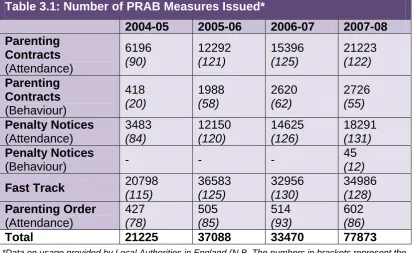
Table 3.1: Number of PRAB Measures Issued*
2004-05 2005-06 2006-07 2007-08
Parenting Contracts (Attendance) 6196 (90) 12292 (121) 15396 (125) 21223 (122) Parenting Contracts (Behaviour) 418 (20) 1988 (58) 2620 (62) 2726 (55) Penalty Notices (Attendance) 3483 (84) 12150 (120) 14625 (126) 18291 (131) Penalty Notices
(Behaviour) - - -
45
(12)
Fast Track 20798
(115) 36583 (125) 32956 (130) 34986 (128) Parenting Order (Attendance) 427 (78) 505 (85) 514 (93) 602 (86)
Total 21225 37088 33470 77873
*Data on usage provided by Local Authorities in England (N.B. The numbers in brackets represent the number of LAs using the measure in that year)
3.3 Fast Track was the most commonly used measure by Local Authorities
between 2004 and 2008. Fast Track accounted for 45% of the total usage of the PRAB measures in 2007-08. Parenting Contracts for attendance were the next most frequently used measure, accounting for 27% of total usage in 2007-08, followed by Penalty Notices for attendance. Local Authorities were least likely to use Parenting Contracts and Penalty Notices for behaviour, accounting for less than 4% of total usage in 2007-08.
3.4 Since 2004 there has been a substantial growth in LAs’ use of Fast Track. While the rate of growth in usage has been substantial since 2004, the rate has not been as high as it has for Penalty Notices and Parenting Contracts for attendance. The number of Fast Track cases in 2007-08 (34,986) reflects a reduction from a peak of 36,583 cases in 2005-06.
3.5 The use of Penalty Notices for attendance and Parenting Contracts for behaviour have increased significantly across LAs, quadrupling
between 2004-05 and 2007-08. The number of Penalty Notices for