FORMULATION AND EVALUATION OF CAPECITABINE
IMMEDIATE RELEASE TABLETS
Dissertation submitted to
THE TAMILNADU DR. M.G.R. MEDICAL UNIVERSITY, CHENNAI-32
In partial fulfillment for the award of the degree of
MASTER OF PHARMACY
IN
PHARMACEUTICS
Submitted by
Register no: 26111008
UNDER THE GUIDANCE OF
DR. R.Kumaravel Rajan, M.Pharm., PhD. Mr. Amarnath, Mpharm. (Institutional Guide) (Industrial Guide)
DEPARTMENT OF PHARMACEUTICS C.L.BAID METHA COLLEGE OF PHARMACY
(An ISO 9001-2000 certified institute) THORAIPAKKAM, CHENNAI-600097
THE CERTIFICATE
This is to certify that the dissertation work entitled “FORMULATION AND EVALUATION OF CAPECITABINE IMMEDIATE RELEASE TABLETS”
submitted to THE TAMILNADU DR. M. G. R. MEDICAL UNIVERSITY, CHENNAI-32 for the award of degree of Master of pharmacy in Pharmaceutics is a
bonafide research work done by Register No: 26111008 under my Guidance in the Department of Pharmaceutics, C. L. Baid Metha College of Pharmacy, Chennai-600 097 during the academic year 2012-2013.
Prof. Dr. Grace Rathnam, M.pharm., PhD.,
Principal.
THE CERTIFICATE
This is to certify that the dissertation work entitled “FORMULATION AND EVALAUTION OF CAPECITABINE IMMEDIATE RELEASE TABLETS”
submitted to THE TAMILNADU DR. M. G. R. MEDICAL UNIVERSITY, CHENNAI-32 for the award of degree of Master of Pharmacy in Pharmaceutics is
a bonafide research work done by Register No:26111008 under the guidance of DR. R.Kumaravel Rajan, Mpharm., PhD., Assistant professor, Department of
Pharmaceutics, C. L. Baid Metha college of Pharmacy, Chennai-600 097 during the academic year 2012-2013.
Place: Chennai -97 Prof. Dr. GRACE RATHNAM, M. Pharm., Ph.D., Date: Principal & HOD,
DECLARATION
I hereby declare that the thesis entitled “FORMULATION AND EVALUATION OF CAPECITABINE IMMEDIATE RELEASE TABLETS” has been originally carried
out by me under the supervision and guidance of Mr. R.Amarnath., (Industrial guide) and DR. R.Kumaravel Rajan, Mpharm., PhD, (Institutional Guide) Asst. Professor, Department of Pharmaceutics, C.L. Baid Metha college of Pharmacy,Chennai-97, during the academic year 2012-2013
Place: Chennai-97 Reg. No.. 26111008
Date: Department of Pharmaceutics,
C.L.Baid Metha college of Pharmacy,
List of Abbreviations
API Active pharmaceutical Ingredient
CI Compressibility Index
FTIR Fourier transformer infrared spectroscopy HPLC High Performance Liquid Chromatography HPMC Hydroxy Propyl Methyl Cellulose
HR Hausner Ratio
IP Indian Pharmacopoeia
IR Immediate release
MCC Microcrystalline cellulose
PEG Poly ethylene glycol
RH Relative Humidity
RPM Rotations per minute
SSG Sodium starch glycolate
USP United States Pharmacopoeia
Nomenclature
% Percentage
µg/ml Microgram/millilitre
Conc Concentration
gm/cc Gram/cubic centimetre
Hr Hour
Kg/cm2 Kilogram/square centimetre
Min Minute
Mm Millimetre
Mg Milligrams
Ng Nanogram
List of tables
S.No. Table Page no
1. List of Super disintegrants 15
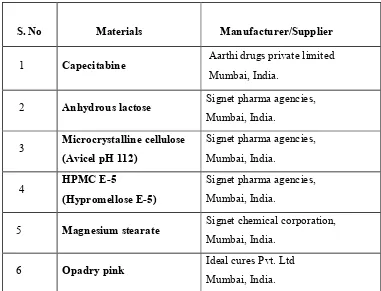
2. List of Materials and Suppliers 52
3. List of Instruments and Suppliers 53
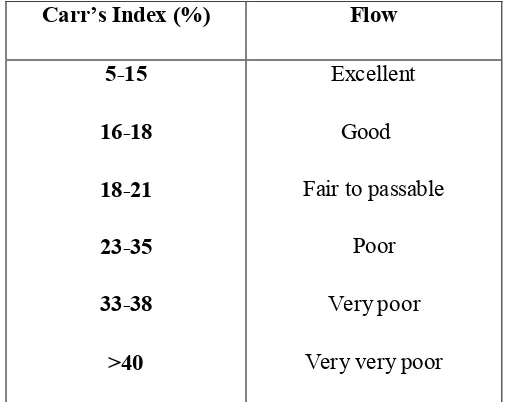
4. Angle of repose and corresponding flow properties 55 5. Carr’s Index and corresponding flow properties 56 6. Hausner ratio and corresponding flow properties 57 7. Acceptance criteria of flow properties 58 8. Composition of Capecitabine ImmediateRelease tablets 61 9. Weight variation for solid dosage forms (USP) 62
10. Dissolution conditions 64
11. Flow program 66
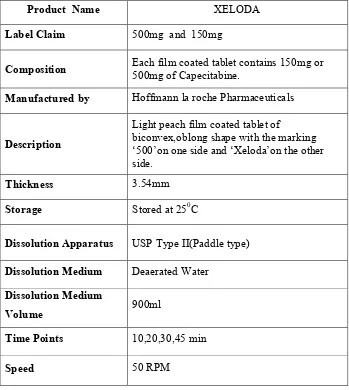
12 Innovator product details 72
13. Results of physical characterisation of the drug 73
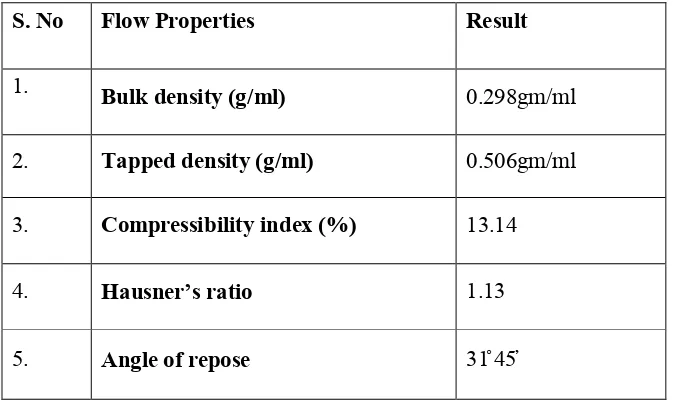
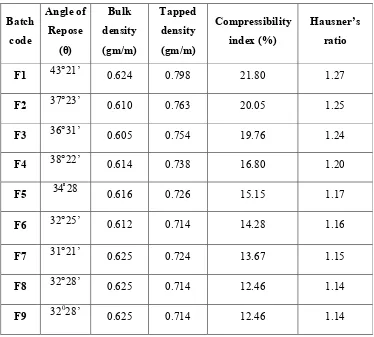
14. Flow properties of API 73
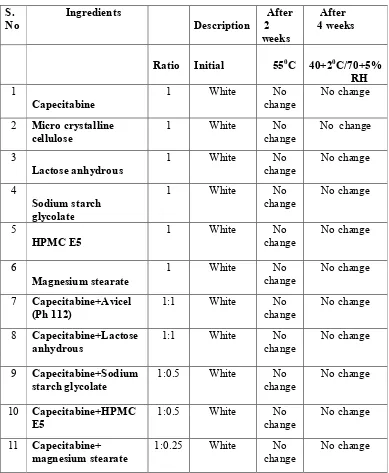
15. Drug –Excipient compatibility studies 74 16. Results of flow properties of lubricated blend 76
17. Evaluation of tablets 79
18. % of drug release of Capecitabine (F2 to F9) and Innovator 82 19. In vitro dissolution profile of Capecitabine IR tablets (F2) 83 20. In vitro dissolution profile of Capecitabine IR tablets (F3) 84 21. In vitro dissolution profile of Capecitabine IR tablets (F4) 85 22. In vitro dissolution profile of Capecitabine IR tablets (F5) 86 23. In vitro dissolution profile of Capecitabine IR tablets (F6) 87 24. In vitro dissolution profile of Capecitabine IR tablets (F7) 88 25. In vitro dissolution profile of Capecitabine IR tablets (F8) 89
26. Release kinetics data 91
27. Similarity and Differential factor calculation 93
28. Dissolution Efficiency `94
29 Stability Study data (Accelerated) of trail F-8 95
List of figures
Fig. no. Title of figure Page no.
1. Mechanism of Disintegration by Wicking and Swelling 17 2. Mechanism of tablet disintegration by deformation 18
3. Plan of work-schematic representation 37
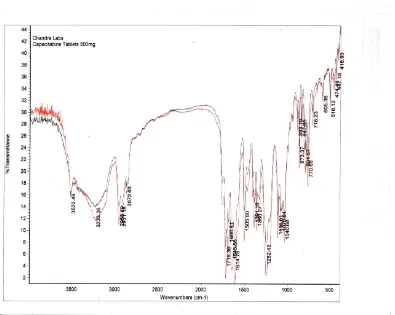
4. FTIR spectrum of Capecitabine 75 5. FTIR spectrum of Capecitabine prepared formulation 75 6. HPLC chromatogram for Capecitabine standard 77 7. HPLC chromatogram for Capecitabine blank 77 8. HPLC chromatogram for Capecitabine sample 78
9. Weight variation profile 80
10. Hardness profile 80
11. Thickness profile 81
12. Friability profile 81
13. In vitro dissolution profile of Capecitabine IR tablets (F2) 83 14. In vitro dissolution profile of Capecitabine IR tablets (F3) 84 15. In vitro dissolution profile of Capecitabine IR tablets (F4) 85 16. In vitro dissolution profile of Capecitabine IR tablets (F5) 86 17. In vitro dissolution profile of Capecitabine IR tablets (F6) 87 18. In vitro dissolution profile of Capecitabine IR tablets (F7) 88 19. In vitro dissolution profile of Capecitabine IR tablets (F8) 89 20. Comparision of dissolution profiles of formulated batches 90 21. Comparision of optimised batch with innovator sample 90
22. Formulation F8-Zero order kinetics 91
23. Formulation F8-First order kinetics 92
24. Formulation F8-Higuchi model 92
CONTENTS
Chapter No.
Title Page
no.
1. Introduction 1
1.1 Immediate Release (IR) Preparations 1 1.2 Current technologies in oral drug delivery 2
1.3 Excipients used in tablets 2
1.4 Tablet manufacturing methods 5
1.5 Film coating 8
1.6 Immediate Release Preparations 13 1.7 Biopharmaceutics Classification System 18
1.8 Cancer 20
2. Literature Review 29
3. Aim and Objective 36
4. Plan of work 37
5. Drug and Excipient profile 38
5.1 Drug profile 38
5.2 Excipient profile 42
6. Materials and Methods 52
6.1 Materials
6.1.1 Materials 52
6.1.2 Instruments 53
6.2 Methods
6.2.1 Preformulation studies 54
6.2.2 Preparation of tablets 59
6.2.3 Evaluation parameters 62
6.2.4 Release kinetics 66
6.2.5 Similarity and Dissimilarity factor 70
6.2.6 Dissolution Efficiency 71
6.2.7 Stability study 71
Chapter No.
Title Page
no.
7. Results and Discussion 73
7.1 Physical characterisation 73
7.2 API characterisation 73
7.3 Drug and Excipient compatibility studies 74
7.4 Flow properties 76
7.5 Assay (by HPLC) 77
7.6 Results of evaluation of tablets 79
7.7 In vitro dissolution studies 82
7.8 Determination of release kinetics 91
7.9 f1 & f2 calculation 93
7.10 Dissolution Efficiency 94
7.11 Stability studies 94
8. Summary 100
9 Conclusion 101
ACKNOWLEDGEMENT
It is a great time for me to acknowledge those without whom, this work would not have been fruitful.
It gives me an immense pleasure in expressing my deep sense of gratitude to my respected guide DR. R.Kumaravel Rajan, Mpharm., PhD., Assistant professor, C.L. Baid Metha college of pharmacy for his remarkable guidance, constant encouragement and every scientific and personal concern throughout the course of investigation and successful completion of this work.
I would like to express my immense gratitude to my industrial guide Mr.R.Amarnath., M.Pharm., Head-R&D, NATCO PHARMA LTD,Kothur,
Hyderabad, for providing the great opportunity to carry out the project in NATCO PHARMA LTD, for his valuable guidance and support in each and every aspect of the
project.
It is great pleasure and honor for me to owe gratitude to Dr. Grace Rathnam M.Pharm, Ph.D. principal for all her support and for giving a valuable guidance and
scientific support to carry out this work.
I would like to thank NATCO PHARMA LTD, for giving me an opportunity to perform my project work in their organization which helped me to mould my project work into a successful one.
I owe my special thanks to Mr.Bala Krishna.,M.Pharm., and Mr.Chaitanya.,M.pharm., for their advice and cooperation in bringing out this
project.
I feel proud to express my hearty gratitude and appreciation to all my Teaching and Non-teaching Staff members of C.L.Baid Metha College of Pharmacy who encouraged to complete this work.
I feel proud to express my hearty gratitude to all my classmates. Also I want to thank all of those, whom I may not be able to name individually, for helping me directly or indirectly.
Last but not the least I wish to express my deepest sense to respect and love to my parents, Pratheep.Yarlagadda and Jitendra for their constant support and encouragement throughout.
1 1. INTRODUCTION
1.1 Immediate Release (IR) Preparations:1, 2
The Oral route of administration still continues to be the most preferred route due to its manifold advantages including ease of administration, accurate dosage, self-medication, versatility and most importantly patient compliance. Therefore, oral solid dosage forms are more popular.
These preparations are primarily intended to achieve faster onset of action for drugs such as analgesics, antipyretics, and coronary vasodilators. It is designed to disintegrate and release their medicaments with no special rate controlling features. Other advantages include enhanced oral bioavailability through transmucosal delivery and pregastric absorption, convenience in drug administration to dysphasic patients, especially the elderly and bedridden, and new business opportunities.
Conventional IR formulations include fast disintegrating tablets and granules that use effervescent mixtures, such as sodium carbonate (or sodium bicarbonate) and citric acid (or tartaric acid), and superdisintegrants, such as sodium starch glycolate, croscarmellose sodium and crospovidone. Current technologies in fast-dispersing dosage forms include modified tableting systems, floss or Shear form technology, which employs application of centrifugal force and controlled temperature and freeze-drying.
2 Advantages of immediate release drug delivery system:
Release the drug immediately. More flexibility in adjusting the dose.
It can be prepared with minimum dose of drug. There is no dose dumping problem
Immediate release drug delivery systems can be used in both initial stage and final stage of disease.
1.2 Current technologies in oral drug delivery:3
Over the last 3 decades, many novel oral drug therapeutic systems have been invented along with the appreciable development of drug delivery technology. Although these advanced DDS are manufactured or fabricated in traditional pharmaceutical formulations such as Tablets, Capsules, Sachets, Suspensions, Emulsions, and Solutions, they are superior to the conventional oral dosage forms in terms of their therapeutic efficacies, toxicities, and stabilities.
Based on the desired therapeutic objectives, oral DDS may be assorted into three categories:
• Immediate-release preparations, • Controlled-release preparations and • Targeted- release preparations.
1.3 Excipients used in tablets4
Excipients are inert substances used as diluents or vehicles for a drug. In the pharmaceutical industry many exciepients are used. All of these must meet certain criteria as follows:-
They must be physiological inert.
3 They must be free of any bacteria considered to be pathogenic or otherwise
objectionable.
They must be not interfere with the bioavailability of the drug.
They must be commercially available in the form and purity commensurate to pharmaceutical standards.
Cost must be relatively inexpensive.
To assure that no excipient interferences with the utilization of the drug, the formulator must carefully and critically evaluate combinations of the drug with each of the contemplated excipients and must ascertain compliance of each ingredient with existing standards and regulations.
The screening of drug-excipients and excipient-excipient interactions should be carried out routinely in preformulations studies.
1.3.1 Fillers (Diluents)
Tablet fillers of comprise a heterogeneous group of substances. Since they often comprise the bulk of the tablet, selection of a candidate from this group as a carrier for a drug is of prime importance.
1.3.2 Binders
Binders are the glue that holds powders together to form granules. They are the adhesives that are added to tablet formulations to provide the cohesiveness required for that bonding together of the granules under compaction to form a tablet. The quantity used and the method of application must be carefully regulated, since the tablet must remain intact when swallowed and then release its medicament.
1.3.3 Lubricants
4 In selecting a lubricant, the following should be considered:
Lubricants markedly reduce the bonding properties of many excipients. Over blending is one of the main causes of lubrication problems.
Lubricants should be added last to the granulation and tumble-blended for not more than 10 min.
Lubricant efficiency is a function of particle size; therefore, the finest grade available should be used and screened through a 100-300 mesh screen before use.
Examples of lubricants commonly used are magnesium stearate, talc, starch.
1.3.4 Disintegrants
Disintegrants are used in tablet preparation to break the tablet faster. But some of the disintegrants are also having property of enhancing solubility of insoluble drug. Bioavailability of a drug depends in absorption of the drug, which is affected by solubility of the drug in gastrointestinal fluid and permeability of the drug across gastrointestinal membrane. The drugs solubility mainly depends on physical – chemical characteristics of the drug. However, the rate of drug dissolution is greatly influenced by disintegration of the tablet.
The drug will dissolve at a slower rate from a non disintegrating tablet due to exposure of limited surface area to the fluid. The disintegration test is an official test and hence a batch of tablet must meet the stated requirements of disintegration.
5 1.4 Tablet manufacturing methods:5,6
There are three basic methods of manufacturing: Direct Compression Dry granulation Wet granulation
Fluidized bed granulation Granulation:
Introduction:-
Granulation process has been widely used in the pharmaceutical industry for the preparation of material for tableting. Other process which involves the granule formation includes microencapsulation, multi-particulate system for modified release mechanism and to prepare granules to be used by patient directly. Primarily granules are prepared to improve flow and compression characteristics of the blend but there are many other reasons and sometimes multiple reasons for granulation such as-
Improving flow properties of the mix and hence the uniformity of the dose Increasing the bulk density of a product
Facilitating metering or volumetric dispensing Controlling the rate of drug release
Decrease dust generation and reduce employee exposure to drug product Improving product appearance
Reasons for Granulation
1) To prevent segregation of the constituents of the powder mix
Segregation (or demixing) is primarily due to differences in the size or density of the components of the mix.
6 An ideal granulation will contain all the constituents of the mix in the correct proportion in each granule and segregation of the ingredients will not occur.
2) To improve the flow properties of the mix
Many powders because of their small size irregular shape and surface characteristics are cohesive and don’t flow well. Poor flow will often result in a wide weight variation with in the final product owing to variable fill of tablet dies etc.
3) To improve the compaction characteristics of the mix
The granulation of toxic materials will reduce the hazard associated with the generation of toxic dust that may arise when handling powders.
1.4.1 Direct Compression
This method is used when a group of ingredients can be blended and placed in a tablet press to make a tablet without any of the ingredients having to be changed. This is not very common because many tablets have active pharmaceutical ingredients which will not allow for direct compression due to their concentration or the excipients used in formulation are not conducive to direct compression.
Granulation is the process of collecting particles together by creating bonds between them. There are several different methods of granulation. The most popular, which is used by over 70% of formulation in tablet manufacture is wet granulation. Dry granulation is another method used to form granules.
1.4.2 Wet granulation:
7 then sized to obtained granules. The liquid added binds the moist powder particles by a combination of capillary and viscous forces in the wet state. More permanent bonds are formed during subsequent drying which leads to the formation of agglomerates.
Important steps involved in the wet granulation
Mixing of the drug(s) and excipients Preparation of binder solution
Mixing of binder solution with powder mixture to form wet mass. Coarse screening of wet mass using a suitable sieve (6-12 screens). Drying of moist granules.
Screening of dry granules through a suitable sieve (14-20 screens). Mixing of screened granules with disintegrant, glidant and lubricant. Compression of lubricated granules to tablet.
1.5 Tablet coating 7, 8
Coated tablets are defined as the tablets covered with one or more layers of mixture of various substances such as natural or synthetic resins, gums, inactive and insoluble filler, sugar, plasticizer, polyhydric alcohol, waxes, authorized coloring material coating may also contain active ingredient. Substances used for coating are usually applied as solution or suspension under conditions where vehicle evaporates.
The purpose of tablet coating:
1. Cover the unpleasant taste, odor and color
2. Physical and chemical protection in medicine from environment (light, moisture, and air)
3. Control of drug release as in enteric coating or sustained release 4. Improve the appearance of tablets
8 6. Easing the process of blistering
Basic principles of tablet coating:
Insulation which influences the release pattern as little as possible and does not markedly change the appearance.
Modified release with specific requirements and release mechanism adapted to body function in the digestive tract.
Color coating which provides insulation or is combined with modified release coating.
Types of tablet coating process:
1. Sugar coating 2. Film coating 3. Enteric coating
4. Controlled release coating 5. Specialized coating 6. Compressed coating 7. Electrostatic coating 8. Dip coating
9. Vacuum film coating 1.5.1 Film coating:
Film coating is deposition of a thin film of polymer surrounding the tablet core. Conventional Pan Equipment’s may be used but now a day’s more sophisticated equipment’s are employed to have a high degree of automation and coating time.
Advantages of film coating:
It is a less time consuming technique. Not much labor is required.
It has no adverse effects on disintegration of tablets.
9 It protects the drug from atmosphere changes such as light, air, and
moisture
Coating is resistant to cracking and chipping.
Film coating of tablets does not increase the weight of the tablet. No water proof coating is required before the actual film coating. The tablets become elegant.
Ideal film coating materials:
Solubility in solvents of choice for coating preparation.
Solubility required for the intended. Use, e.g.; free water solubility, slow water solubility or pH-dependent solubility.
Capacity to produce an elegant looking product.
Stability in the presence of heat, light, moisture, air and the substrate being coated, the film properties should not change with aging.
Essentially no color, no taste or odor.
Compatibility with common coating solution additives.
Non-toxicity with no pharmacological activity, and ease of application to the particles or tablets.
Resistance to cracking and provision of adequate moisture, light, odor or drug sublimation barrier when desired.
No bridging or filling of these de bossed tablets surface by the film former. Ease of printing procedure on high-speed equipment.
Process description:
Film coating is deposition of a thin film of polymer surrounding the tablet core. Conventional pan equipment’s may be used but now a day’s more sophisticated equipment’s are employed to have a high degree of automation and coating time. The polymer is solubilized in to solvent. Other additives like plasticizer and pigments are added. Resulting solution is sprayed on to a rotated tablet bed. The drying conditions cause removal of the solvent, giving thin deposition material around each tablet core.
Process details:
10 air capacity. Fluidized bed equipment has made considerable impact where tablets are moving in a stream of air passing through the perforated bottom of a cylindrical column. With a smaller cylindrical insert, the stream of cores is rising in the center of the device together with a spray mist applied in the middle of the bottom. For fluidized bed coating, very hard tablets (hardness>20N) have to be used.
Basic process requirement for film coating:
The fundamental requirements are independent of the actual type of equipment’s being used and include adequate means of atomizing the spray liquid for application to the tablet core, adequate mixing and agitation of tablet bed, sufficient heat input in the form of drying air to provide the latent heat of evaporation of the solvent. This is particularly important with aqueous-based spraying and good exhaust facilities to remove dust and solvent laden air.
Materials used in film coating
1. Film formers (which may be enteric or non-enteric) 2. Solvents
3. Plasticizers 4. Colorants
5. Opaquent extenders
6. Miscellaneous coating solution components I. Film formers: This may be enteric or non-enteric Enteric Materials:
Cellulose acetate phthalate Acrylate polymer
Hydroxy propyl methylcellulose phthalate Polyvinyl acetate phthalate
Non-enteric material:
Hydroxy propyl methylcellulose Ethyl cellulose
11 Povidone
Sodium carboxyl methyl cellulose Polyethylene glycols
Acrylate polymer . II. Solvents
Mostly solvents are used either alone or in combination with water, methanol, iso-propanol, chloroform, acetone, methylene chloride etc. Water is more used because no environmental and economic considerations.
III. Plasticizers:
Commonly used plasticizers are castor oil, PG, glycerin, lower molecular weight (200-400 series) PEGS, surfactants etc. For aqueous coating PEGS are more used while castor oil and spans are primarily used for organic-solvent based coating solution.
IV. Colorants:
These make the dosage form aesthetic and help manufacturers to control product during manufacturing and is a means of identification for user. Most common colorants in use are certified FD & C or D & C colorants.
V. Opaquant-Extenders:
Most commonly used materials are titanium dioxide, Silicate (talc & aluminum silicates), carbonates (magnesium carbonates), Oxides (magnesium oxide) & Hydroxides (aluminum hydroxides).
VI. Miscellaneous coating solution components
Flavors, sweeteners, surfactants, antioxidants etc. may be incorporated into the coating solution.
Coating equipments:
Most of the coating processes use one of three general types of equipment’s. The standard Coating pan
12 Important Parameters in Tablet Coating Process:-
Tablet coating is a complex process that is affected by many variables. Some of those variables can be evaluated or controlled, others can’t. Here are some of the parameters you should check when evaluating coating process to determine the source of defective coated tablets.
1. Control: Many problems occur in coating when you can’t control every important parameter, such as temperature, pan pressure, spray rates, and atomization pressure. But, the tablet’s surface temperature can be measure with additional tools (out from the coating equipment) by using infra-red thermometer (laser thermometer).
2. Tablet quality: Tablets must have the proper porosity, surface, hardness, and moisture content. You can’t have consistent coating without consistent tablet quality.
3. Waiting period: Most tablets cannot be coated immediately after they’ve been compressed. The energy within the tablets is still fairly high and they are still warm. In addition, tablet hardness changes over 24 to 48 hours. Let the tablets rest at least that long before you coat them meanwhile you can check the uncoated tablet for assay, dissolution or other specification by quality control. After the QC released the tablet, then you can start the coating process.
Parameters in Film Coating Tablet Process
4. Batch size: Variation in batch size changes the required pan speed, gun geometry, spray rates, and temperature. The more your batch sizes vary the more quality issues that will arise in the coating process. Usually, the greater batch size or the greater number of tablets in pan coating the pan speed to spin faster. Vice versa, if the number of tablets or the smaller the batch size, pan speeds spin also reduced.
13 6. Spray gun calibration: We should calibrate or check the calibration of the guns every time you change products. This means checking the gun’s overall condition and its filter, nozzle alignment, and needle condition.
7. Spray Gun Position/Geometry: Geometry refers to the gun-to-gun alignment, gun-to-tablet bed alignment, and distance from the gun to the end of the pan. Furthermore, make sure all the guns are pointed in exactly the same direction and are maintaining the same spray pattern. Make certain that the tubing and connections are tight and do not interfere with alignment.
8. Gun nozzles: The spray gun nozzles must be kept clean and free of product buildup. Use a flashlight during coating to look into the cabinet and check the nozzles.
9. Pan loading: A visual inspection is critical when coating tablets that are friable or that chip or break easily. That’s why, while loading the tablets, we can search for tablets that are broken, capped, chipped, or covered with black speck and check for any defects that occur. We can also check the tablets during initial pan rotation, or after preheating.
10. Cleaning: Each component of the spraying system should be cleaned and dried before re-installing it after a product changeover. In tablet coating, small changes in almost any parameter can lead to big differences in results. The more consistent you make operations, and the tablet, the less you must rely on the skill of the operator. Coating may be something of an art, but you’ll get better results when you apply a little science to it.
1.6 Immediate release preparations:
1.6.1 Mechanism of drug release:9
14 comes in to contact with an aqueous medium, there is an abrupt change from a glassy to rubbery state associate with swelling process with time, water infiltration deep in to a case increasing the thickness by the gel layer. The outer layer becomes fully hydrated and starts dissolving or eroding. When water reaches the center of the system and the concentration of drug falls below the solubility value, the release rate of the drug begins to reduce. At the same time an increase in thickness of the barrier layer with time increases the diffusion path length, reducing the rate of drug release.
1.6.2 Super disintegrants in immediate release:10
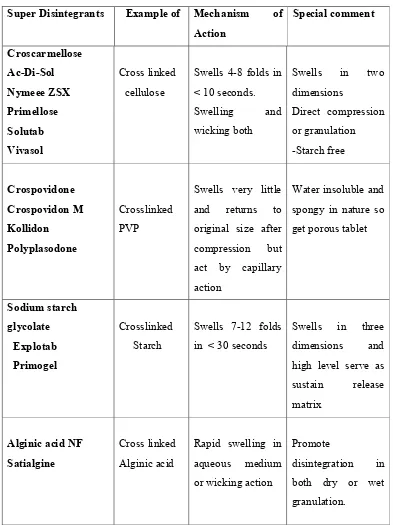
15 Table 1: List of Super Disintegrants
Super Disintegrants Example of Mechanism of Action Special comment Croscarmellose Ac-Di-Sol Nymeee ZSX Primellose Solutab Vivasol Cross linked cellulose
Swells 4-8 folds in < 10 seconds. Swelling and wicking both
Swells in two dimensions
Direct compression or granulation -Starch free Crospovidone Crospovidon M Kollidon Polyplasodone Crosslinked PVP
Swells very little and returns to original size after compression but act by capillary action
Water insoluble and spongy in nature so get porous tablet
Sodium starch glycolate Explotab Primogel Crosslinked Starch
Swells 7-12 folds in < 30 seconds
Swells in three dimensions and high level serve as sustain release matrix
Alginic acid NF Satialgine
Cross linked Alginic acid
Rapid swelling in aqueous medium or wicking action
Promote
[image:28.612.120.513.72.597.2]16 1.6.3 Mechanism Of Tablet Disintegration:11
Disintegrants, an important excipient of the tablet formulation, are always added to tablet to induce breakup of tablet when it comes in contact with aqueous fluid and this process of desegregation of constituent particles before the drug dissolution occurs, is known as disintegration process and excipients which induce this process are known as disintegrants. [Shangraw RF, et, al., 1980].
The tablet breaks to primary particles by one or more of the mechanisms:
capillary action (Wicking) swelling
Due to deformation Due to release of gases
Capillary action (Wicking)
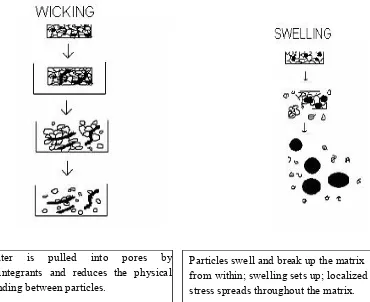
Effective disintegrants that do not swell are believed to impart their disintegrating action through porosity and capillary action. Tablet porosity provides way for the penetration of fluid into tablets. The disintegrant particles (with cohesiveness and compressibility) themselves act to enhance porosity and provide these capillaries into the tablet. Liquid is drawn up or leak into these ways by capillary action and rupture the inter-particulate bonds causing the tablet to break into small particles
Swelling
17
Figure-1: Mechanism of Disintegration by Wiciking and Swelling12
Due to deformation:
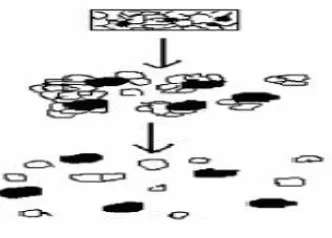
Starch grains are generally thought to be “elastic” in nature that is the grains that are deformed under pressure will return to their original shape when that pressure is removed. But, with the compression force involved in tabletting, these grains are permanently deformed and are said to be “Energy Rich” with these energy being released upon exposure to water, i.e. the ability for starch to swell is higher in “Energy Rich starch” grains than in starch grains that have not been deformed under pressure. It is believed that no single mechanism is responsible for the action of most disintegrants. But rather, it is more likely the result of inter-relationships between these major mechanisms
Particles swell and break up the matrix from within; swelling sets up; localized stress spreads throughout the matrix. Water is pulled into pores by
18 Particles swell to precompression size and break up the matrix
Figure-2: Mechanism of tablet disintegration by deformation
Due to release of gases:
Carbon dioxide released within tablets on wetting due to interaction between bicarbonate and carbonate with citric acid or tartaric acid. The tablet disintegrates due to generation of pressure within the tablet. This effervescent mixture is used when we needs to formulate very rapidly dissolving tablets or fast disintegrating tablets.
1.7 Biopharmaceutics Classification System:
The Biopharmaceutics Classification System is a guide for predicting the intestinal drug absorption provided by the U.S Food and Drug Administration.
This system restricts the prediction using the parameters solubility and intestinal permeability. The solubility classification is based on a United States Pharmacopoeia (USP) aperture. The intestinal permeability classification is based on a comparison to the intravenous injection. All those factors are highly important because 85% of the most sold drugs in the United States and Europe are orally administered.
19 Class I - high permeability, high solubility
Those compounds are well absorbed and their absorption rate is usually higher than excretion.
Class II - high permeability, low solubility
The bioavailability of those products is limited by their solvation rate. A correlation between the in vivo bioavailability and the in vitro solvation can be found.
Class III - low permeability, high solubility
The absorption is limited by the permeation rate but the drug is solvated very fast. If the formulation does not change the permeability or gastro-intestinal duration time, then class I criteria can be applied.
Class IV - low permeability, low solubility
Those compounds have a poor bioavailability. Usually they are not well absorbed over the intestinal mucosa and a high variability is expected.
The drugs are classified in BCS on the basis of following parameters: 1. Solubility
2. Permeability 3. Dissolution
The class boundaries for these parameters are:
1. Solubility class boundaries- It is based on the highest dose strength of an immediate release product. A drug is considered highly soluble when the highest dose strength is soluble in 250 ml or less of aqueous media over the pH range of 1 to 7.5. The volume estimate of 250 ml is derived from typical bioequivalence study protocols that prescribe administration of a drug product to fasting human
20 2. Permeability class boundaries- It is based indirectly on the extent of
absorption of a drug substance in humans and directly on the measurement of rates of mass transfer across human intestinal membrane. Alternatively non-human systems capable of predicting drug absorption in humans can be used (such as in-vitro culture methods). A drug substance is considered highly permeable when the extent of absorption in humans is determined to be 90% or more of the
administered dose based on a mass-balance determination or in comparison to an intravenous dose.
3. Dissolution class boundaries- An immediate release product is considered rapidly dissolving when no less than 85% of the labeled amount of the drug substance dissolves within 15 minutes using USP Dissolution Apparatus 1 at 100 RPM or Apparatus 2 at 50 RPM in a volume of 900 ml or less in the following media: 0.1 N HCl or simulated gastric fluid or pH 4.5 buffer and pH 6.8 buffer or simulated intestinal fluid.
1.8 Cancer:13, 14
21 in tumor-related symptoms and eventual death of the patient unless the neoplasm can be eradicated with treatment. There are over 200 different known cancers that afflict humans.
Cancer is a leading cause of death group worldwide and accounted for 7.4 million deaths (around 13% of all deaths) in 2004. Deaths from cancer worldwide are projected to continue rising, with an estimated 11.5 million deaths in 2030.
Classification:15
There are five broad groups that are used to classify cancer 1. Carcinomas:
These are characterized by cells that cover internal and external parts of the body, such as lung, breast and colon cancer.
2. Sarcomas:
These are characterized by cells that are located in bone, cartilage, fat, connective tissue, muscle and other supportive tissues.
3. Lymphomas:
These are cancers that begin in the lymph nodes and immune system tissues. 4. Leukemias:
These are cancers that begin in the bone marrow and often accumulate in the blood stream.
5. Adenomas:
These are cancers that arise in the thyroid, the pituitary gland, the adrenal gland and other glandular tissues.
Risk factors for cancer:16
• Tobacco use • Alcohol use
22 • Overweight and obesity
• Physical inactivity
• Chronic infections from helicobacter pylori, hepatitis B virus (HBV), hepatitis C virus (HCV) and some types of human papilloma virus (HPV)
• Environmental and occupational risks including ionizing and non-ionizing radiation
Detection17
Cancer can be detected in a number of ways, including the presence of certain signs and symptoms, screening tests or medical imaging. Once a possible cancer is detected it is diagnosed by microscopic examination of a tissue sample. The chances of surviving the disease vary greatly by the type and location of the cancer and the extent of disease at the start of treatment. Physicians use information from symptoms and several other procedures to diagnose cancer. Imaging techniques such as X-rays, CT scans, MRI scans, PET scans, endoscopy and ultrasound scans are used regularly to detect where a tumor is located and what organs may be affected by it. Biopsies and various bio marker tests were also used to detect specific cancers
Treatment:
. Cancer treatment depends on the type of cancer, the stage of cancer, age, health status and additional personal characteristics. The treatment of most cancer patients requires a skillful interdigitation of multiple modalities of treatment. Each of these forms of treatment carries its own risks and benefits.
Cancer is usually treated with
Chemotherapy Radiation therapy
Surgery Biological therapy Hormone therapy
23 One of the greatest challenges of therapeutics is to adjust dose to achieve a therapeutic, but nontoxic, outcome. While it is customary to base dose on body surface area for individual patients, this practice is not based on solid data. Dose adjustment based on renal function or on pharmacokinetic monitoring does help meet specific targets such as desired drug concentration in plasma or area under the concentration-time curve (AUC), a measure of tissue exposure to the agent in question.
1.8.1 Cancer Chemotherapy:18
Cancer chemotherapy strives to cause a lethal cytotoxic event or apoptosis in the cancer cell that can arrest a tumor's progression. The attack is generally directed toward DNA or against metabolic sites essential to cell replication. For example, the availability of purines and pyrimidines, which are the building blocks for DNA or RNA synthesis. The ultimate goal of chemotherapy is a cure (that is, long-term, disease-free survival). A true cure requires the eradication of every neoplastic cell. If a cure is not attainable, then the goal becomes control of the disease (stop the cancer from enlarging and spreading) to extend survival and maintain the best quality of life. Earlier diagnosis of cancer lead to increased cure rates. In advanced stages of cancer, the likelihood of controlling the cancer is far from reality and the goal is palliation (that is, alleviation of symptoms and avoidance of life-threatening toxicity). This means that chemotherapeutic drugs may be used to relieve symptoms caused by the cancer and improve the quality of life, even though the drugs may not lengthen life.
Indications for treatment:
Chemotherapy is indicated when neoplasms are disseminated and are not amenable to surgery.
24 Chemotherapy given prior to the surgical procedure in an attempt to shrink
the cancer is referred as neoadjuvant chemotherapy.
Chemotherapy given in lower doses to assist in prolonging a remission is known as maintenance chemotherapy.
Dosage factors:19
One of the main factors limiting the ability of chemotherapy to achieve cure is the problem of effective dosing. For chemotherapy, therapeutic selectivity is dependent on the difference between the dose- response curves of normal and tumor tissues. At present, there are three main approaches to dose-intense delivery of chemotherapy:
By dose escalation where by the doses of the anticancer agents are increased.
To administer anticancer agents in a dose-intense manner by reducing the interval between treatment cycles.
Sequential scheduling of either agents or of combination regimens. Each of these strategies is presently being applied to a wide range of cancers, and in general, such dose-intense regimens have significantly improves clinical outcomes.
1.8.2 Antineoplastic agent20
Antineoplastic agents are the drugs used in the treatment of cancer. The two key aspects of cellular life are
DNA synthesis and mitosis to produce new cells. Cell differentiation which produces specialized cells.
25 In cancer cell, this regulatory process is aberrant; they produce over production of growth factor and avoid apoptosis which continue to multiply in an unregulated manner. The unregulated growth causes damage to DNA, resulting in mutations to genes, that encode from protein controlling cell division.
1.8.3 Classification
Antineoplastic agents are classified according to their mechanism of action into: Alkylating agents
Antimetabolites Antibiotics Plant products Enzymes Hormones Immunotherapy
Monoclonal Antibodies Radiotherapeutic Agents Cytoprotective Agent
The present drug capecitabine comes under the Antimetabolites class as pyrimidine analogue.
Antimetabolites:
They are structurally related to normal compounds that exist within the cell. They generally interfere with the availability of normal purine or pyrimidine nucleotide precursors, either by inhibiting their synthesis or by competing with them in DNA or RNA synthesis. Their maximal cytotoxic effects are in S-phase. Pyrimidine analogues:
26 The structural modification of these metabolites may be on the pyrimidine ring. The possible mechanisms of action are
Inhibition of kinases or enzyme involved in biosynthesis of pyrimidine. Incorporation into DNA or RNA leading to miscoding.
Inhibition of DNA polymerase.
1.8.4 Breast cancer21
Breast cancer is a type of cancer originating from breast tissue, most commonly from the inner lining of milk ducts or the lobules that supply the ducts with milk. Cancers originating from ducts are known as ductal carcinomas, while those originating from lobules are known as lobular carcinomas. Breast cancer occurs in humans and other mammals. While the overwhelming majority of human cases occur in women, male breast cancer can also occur.
Breast cancer, like other cancers, occurs because of an interaction between the environment and a defective gene. Normal cells divide as many times as needed and stop. They attach to other cells and stay in place in tissues. Cells become cancerous when mutations destroy their ability to stop dividing, to attach to other cells and to stay where they belong.
The management of primary breast cancer has undergone a remarkable evolution as a result of major efforts at early diagnosis and the implementation of combined modality approaches incorporating systemic chemotherapy as an adjuvant to surgery and radiation therapy.
1.8.5 Colorectal cancer22,23
27 Most colorectal cancer occurs due to lifestyle and increasing age with only a minority of cases associated with underlying genetic disorders. It typically starts in the lining of the bowel and if left untreated, can grow into the muscle layers underneath, and then through the bowel wall. Screening is effective at decreasing the chance of dying from colorectal cancer. Localized bowel cancer is usually diagnosed through sigmoidoscopy or colonoscopy.
Cancers that are confined within the wall of the colon are often curable with surgery while cancer that has spread widely around the body is usually not curable and management then focuses on extending the person's life via chemotherapy and improving quality of life.
Signs and Symptoms:
The symptoms and signs of colorectal cancer depend on the location of tumor in the bowel and whether it has spread elsewhere in the body. The classic warning signs
Worsening constipation Blood in stool
Weight loss Fever
Loss of appetite Nausea or Vomiting
While rectal bleeding or anemia are high risk features in those over the age of 50. Causes
Greater than 75-95% of colon cancer occurs in people with little or no genetic risk. Other risk factors include older age, male gender, high intake of fat, alcohol or red meat, obesity, smoking and a lack of physical exercise.
29
2. Literature Review
M. R. Chorawala24 et al., (2012) explained that the management of cancer involves surgery, radiotherapy and chemotherapy. Development of chemoresistance is a persistent problem during the chemotherapy treatment. Cytotoxic drugs that selectively, but not exclusively, target actively proliferating cells include such diverse groups as DNA-alkylating agents, anti-metabolites, intercalating agents and mitotic inhibitors. Resistance constitutes a lack of response to drug-induced tumour growth inhibition Attempts to overcome resistance involves the use of combination drug therapy using different classes of drugs with minimally overlapping toxicities to allow maximal dosages, necessary for bone marrow recovery. Adjuvant therapy with p-glycoprotein inhibitors and in specific instances, the use of growth factor and protein kinase C inhibitors are newer experimental approaches that may also prove effective in delaying onset of resistance. Gene knockout using antisense molecules may be effective way of blocking drug resistance.
30 Biljana Govedarica26 et al., (2011) Paracetamol (PAR) crystals exhibit poor compressibility, flow ability. To improve the mechanical strength of tablets several kinds of “Paracetamol for direct compression” are present on the market. Current research demonstrated the best tablet properties with coated Paracetamol Furthermore, coated Paracetamol in combination with both investigated super disintegrants such as Vivasol® and Polyplasdone® XL-10 shows faster disintegration time and dissolution rate in comparison to Paracetamol for direct compression. Eventually, the major advantages of the formulation with coated Paracetamol for industrial production are decrease of friability and superiority in terms of flowability, compressibility, quick disintegration and dissolution.
Nansri Saha Ghosh27 et al., (2011) The “objective” of this project work was to formulate a stable safe and effective film coated Immediate release solid dosage form of “Ranitidine HCl” that spontaneously release the drug when expose into GIT for producing anti-ulcer effect. One of the major steps in formulation development activity is the development of “Film coating formulation and process” using hydroxyl propyl methyl cellulose (HPMC-2208) and starch acetate film former.
31 Shirsand SB29 et al., (2010) studied the fast disintegrating tablets of Prochlorperazine Maleate was designed with a view to enhance patient compliance by direct compression method. In this method crospovidone (3%w/w) and croscarmellose sodium up to 5%w/w in combination were used as super disintegrants.
Narasimhan30 (2009) reported a serious hand-and-foot syndrome in black patients treated with Capecitabine. It is one of the well-known adverse events associated with Capecitabine,a prodrug of 5-Fluorouracil (5-FU).HFS,also known as erythrodysesthesia, manifests as acral erythema with swelling and dysesthesia of the palms and plantar aspects of the feet and in the absence of dosage reduction or stoppage of the drug, progresses to moist desquamation and ulceration with serious infections and loss of function. In black patients, we observed that Capecitabine given in the recommended dosage leads to hyper pigmentation of the palms and soles, followed by a distinct keratoderma like thickening not seen in white patients.
Abhay Gupta31 et al., (2009) the correlation between disintegration and dissolution for Immediate release tablets containing a high solubility drug and to identify formulations where disintegration test, instead of the dissolution test, may be used as the acceptance criteria based on International Conference on Harmonization guidelines.
32 scanning calorimetry (DSC), and X-ray diffractometry (XRD) were performed to identify the physicochemical interaction between drug and carrier, hence its effect on dissolution. IR spectroscopy, XRD, and DSC showed change in the crystal structure towards amorphous one of Furosemide (FRMD). Dissolution of Furosemide improved significantly 1:2 solid dispersion indicated increase in dissolution 5.40 fold. From this study it was concluded that the solubility and dissolution of model drug Furosemide was increased due to solid deposition of drug upon surface of hydrophilic and strongly swelling super disintegrants which enhanced the wettability and dispersibility of poorly water soluble drug Furosemide which is prerequisite step for poorly water soluble drug.
Sekar33 et al., (2009) developed immediate release tablets of Telmisartan which is anti –Hypertensive drug of BCS class-2 by using Crospovidone as a intragranular and extragranular level of addition to increase the rate of drug release from the dosage form to increase dissolution rate and hence its bioavailability. It was found that Immediate release tablets with proper hardness disintegration time and with increase rate of dissolution can be made using polyplasdone XL-10.
Rai K34 et al., (2009) developed immediate release tablets of Raloxifen hydrochloride by wet granulation method. Raloxifen was formulated as Immediate release tablets by using different binders like ethyl cellulose, HPMC and various disintegrants like crospovidone and croscarmellose sodium .The optimized formula shows good in vitro drug release of 87% within 45 minutes.
33 Pani36 et al., (2008) developed immediate release tablets of Nateglinide and were formulated by using various proportions of different super disintegrants such as croscarmellose sodium, sodium starch glycolate, kyron by non-aqueous wet granulation technique. It was indicated that the Immediate release tablets of Netaglinide can be formulated by using optimum concentration of kyron, sodium starch glycolate and croscarmellose sodium. Good correlation was established between in vitro dissolution time and rate for each of three super disintegrants at that concentrations were studied.
Mallikarjuna Settee C37, et al., (2008) Aceclofenac fast dispersible tablet have been prepared by wet granulation method. Effect of super disintegrants such as croscarmellose sodium, sodium starch glycolate and Crospovidone on wetting time, disintegration time, drug content, in vitro release. The disintegration time and dissolution parameters increased with the increase in level of sodium starch glycolate.
Babu38 et al., (2007) have prepared solid dispersions of Piroxicam in five super disintegrants namely primogel, microcrystalline cellulose, crospovidone, pregelatinized starch, croscarmellose sodium and with water soluble carriers polyvinyl pyrolidone and polyethylene glycol. Solid dispersions of Piroxicam in super disintegrants gave a marked enhancement in its dissolution rate and dissolution efficiency. Solid dispersion in super disintegrants could be used as an effective and efficient technique for enhancing the dissolution rate of Piroxicam a poorly soluble drug.
Honary39 et al., (2007) has studied the effect of film coating solution containing different grades of HPMC (E5,E15 and E50) with and without polyethylene glycol (with various molecular weights), for the characterization of pharmaceutical products.
34 glutaraldehyde. Poly (ethylene oxide) was grafted with polyacrylamide by free radical polymerization using ceric ammonium nitrate as a redox initiator. Capecitabine, an anticancer drug, was successfully loaded into microspheres by changing experimental variables such as grafting ratio of the graft copolymer, ratio of the graft copolymer to chitosan, amount of cross linking agent and percentage of drug loading in order to optimize process variables on drug encapsulation efficiency, release rates, size and morphology of the microspheres. A 24 full factorial design was employed to evaluate the combined effect of selected independent variables on percentage of drug release at 5 h (response). Grafting, interpenetrating network formation and chemical stability of the Capecitabine after encapsulation into microspheres was confirmed by Fourier infrared spectra (FTIR). Differential scanning calorimetry (DSC) and X-ray diffractometry (XRD) studies were made on drug-loaded microspheres to investigate the crystalline nature of drug after encapsulation. Results indicated amorphous dispersion of Capecitabine in the polymer matrix. In vitro release studies were performed in simulated gastric fluid (pH 1.2) for the initial 2 h, followed by simulated intestinal fluid (pH 7.4) until complete dissolution. The release of Capecitabine was continued up to 10 h.
Eric Beyssac41 et al., (2006) The drug studied was Acetaminophen in the form of Immediate release (IR) tablets. The second purpose was to establish a level A in vitro/in vivo correlation that could predict the bioavailability of a drug instead of using difficult, time-consuming and expensive in vivo bioequivalence studies. The artificial digestive system was used to estimate the availability of Acetaminophen IR tablets for absorption in fasted and fed states. The same study was performed in vivo under similar conditions. Compared to USP II method, the novel in vitro model demonstrated a high level of efficacy in mimicking the behavior of Acetaminophen IR tablets in vivo in fasted and fed states.
35 Prakash K43et al., (2005) studied on formulation and evaluation of Metronidazole fast dispersible tablets using some disintegrants such as potato starch, pregelatinised starch, sodium starch glycolate and microcrystalline cellulose. Starchpaste (10%) was used as binding agent and concluded that dispersible tablets of Metronidazole prepared using primojel as disintegrant showed rapid disintegration, dissolution rates compared to other formulations.
Stan forth44et al., (2004) studied the microcrystalline cellulose excipient having improved compressibility whether utilized in direct compression dry granulation or wet granulation and possess excellent disintegrating and dissolution properties when exposed to gastrointestinal fluid.
Mira Jivraj45 et al., (2000) studied that many formulation scientists ranked microcrystalline cellulose as the most useful filler for direct compression. It reveals that the popularity ascribed to its excellent compactibility at low pressures, high dilution potential and superior disintegration properties. This study concluded that as a result of its low bulk density, microcrystalline cellulose has a high dilution potential.
Tang46 (2000) has studied the effect of film coating on the release of Chloramphenicol maleate tablets and was observed that film coating of aqueous solution of hydroxylpropyl methyl cellulose improves the dissolution profile. It was found that the increased dissolution rate is due to the easy penetration of solvent into the HPMC, which helps in wetting of core tablet.
36 3. Aim and Objective
The object of the present research is to produce a generic tablet which was robust, stable and of an acceptable formulation when compared to the reference original product, thereby fulfilling the requirements of essential similarity to the innovator or reference product.
The investigation is concerned with development of Capecitabine Immediate release dosage (IR) form, which can be used for the treatment of colorectal carcinoma and breast cancer.
The Immediate Release tablet dosage form of Capecitabine prepared by Direct compression and Wet Granulation technique to compare and evaluate the in vitro drug release profile of the formulation. Another object of the investigation is to include the super disintegrant with different concentration as the intra-granular and extra-intra-granular agent to facilitate the drug release.
37 4. Plan of Work:
The present research work relates to development of immediate release tablets of Capecitabine by direct compression and wet granulation methods using HPMC, SSG, MCC and Lactose anhydrous and comparision of the in vitro dissolution profile of Capecitabine with that of the innovator Xeloda.
4.1. The schematic representation for Plan of Work:
Figure No 3: Plan of work-schematic representation Preformulation Studies:
API characterization
Compatibility studies (For drug & Excipients)
Preparation of Tablets:
Direct Compression and wet granulation of Tablets
Evaluation of physical parameters:
Weight variation
Thickness
Hardness
Friability
Disintegration
Drug Content Uniformity test etc.
In vitro Evaluation by dissolution profile.
Selection of Optimized Formulation
38 5. Drug and Excipient profile
5.1 Drug profile: 48, 49
Name : Capecitabine
Structure :
IUPAC Name : Pentyl[1-(3,4-dihydroxy-5-methyltetrahydrofuran-2-yl)-5-fluoro-2-oxo-1H pyrimidin-4-yl]carbamate
Molecular Formula
: C15H22FN3O6
Molecular Weight
: 359.35
Melting point LogP
: :
110-121° C 0.4
Solubility : It is soluble in water (26mg/ml) Category : Antineoplastic.
39 Dose : The usual starting dose is 2,500 mg/m2
/day in two divided doses, 12 hours apart. One cycle includes two weeks of treatment followed by one week without treatment. Cycles can be repeated every three weeks.
BCS : Class Type III (High solubility, Low permeability)
Pharmacokinetics:
Absorption:
Readily absorbed through GI tract (approximately 70%). Time to reach peak plasma concentration for Capecitabine is approximately 1.5 hours and for 5-fluorouracil is 2 hours. Food decreased peak plasma concentration is 60% and area under curve is 35% for Capecitabine and decreased peak plasma concentration (cmax) 4.3% and area under curve 21% for 5-fluorouracil.Food delayed Tmax is 1.5hours.
Protein binding:
Less than 60% protein binding (mainly albumin).
Metabolism:
Metabolized by thymidine phosphorylase to fluorouracil.
Elimination:
40 Mechanism of Action:
Capecitabine is a prodrug that is selectively tumour-activated to its cytotoxic moiety, fluorouracil, by thymidine phosphorylase, an enzyme found in higher concentrations in many tumors compared to normal tissues or plasma. Fluorouracil is further metabolized to two active metabolites, 5-fluoro-2'-deoxyuridine 5'-monophosphate (FdUMP) and 5-fluorouridine triphosphate (FUTP), within normal and tumour cells. These metabolites cause cell injury by two different mechanisms. First, FdUMP and the folate cofactor, N5-10-methylenetetrahydrofolate, bind to thymidylate synthase (TS) to form a covalently bound ternary complex. This binding inhibits the formation of thymidylate from 2'-deaxyuridylate. Thymidylate is the necessary precursor of thymidine triphosphate, which is essential for the synthesis of DNA, therefore a deficiency of this compound can inhibit cell division. Secondly, nuclear transcriptional enzymes can mistakenly incorporate FUTP in place of uridine triphosphate (UTP) during the synthesis of RNA. This metabolic error can interfere with RNA processing and protein synthesis through the production of fraudulent RNA.
Indications and usage:
Capecitabine is a nucleoside metabolic inhibitor with anti-neoplastic activity. It is used in the treatment of
Adjuvant colon cancer Stage III Dukes' C - used as first-line monotherapy. Metastatic colon rectal cancer
- First line as monotherapy when treatment with fluoro pyrimidine monotherapy alone is preferred.
Metastatic breast cancer
-as monotherapy, if the patient has failed paclitaxel based treatment, and if anthracycline based treatment has either failed or cannot be continued for other reasons.
41 Adverse reactions: Most common adverse reactions are
Cardiovascular : EKG changes, myocardial infarction, angina. Dermatological : Hand and foot syndrome.
Gastrointestinal : Diarrhea, Nausea, stomatitis.
Hematological : Neutropenia, anemia and thrombocytopenia Hepatic : Hyperbilirubinemia.
Drug interactions:
Anticoagulants : May interact with warfarin and increase bleeding risk.
Phenytoin :. May inhibit cytochrome CYP2C9 enzyme, and therefore increase levels of substrates such as Phenytoin and other substrates of CYP2C9
Leucovorin : The concomitant use of Leucovorin is not recommended. Leucovorin increased the toxicity of Capecitabine without any apparent advantage in response rate.
Pharmacodynamics:
42 5.2Excipient profile:
5.2.1 Hydroxypropyl Methyl Cellulose (HPMC): 50
Non-proprietary names:
IP : Hydroxypropylmethlcellulose BP : Hypromellose
Ph Eur : Methylhydroxypropylcellulosm USP : Hypromellose
Synonyms
Benecel MHPC; E464; Hydroxypropyl Methylcellulose; HPMC; Methocel; methylcellulose Propylene glycol ether; methyl hydroxypropylcellulose; Metolose; Tylopur.
Chemical Name and CAS Registry Number
Cellulose hydroxypropyl methyl ether [9004-65-3] Molecular structure:
Functional Category:
43 Description:
Hypromellose is an odorless and tasteless, white or creamy-white fibrous or
granular powder.
Applications in Pharmaceutical Formulation or Technology:
Hypromellose is widely used in oral, ophthalmic and topical pharmaceutical formulations. In oral products, HPMC is primarily used as a tablet binder (1), in film-coating,(2–7) and as a matrix for use in extended-release tablet formulations.(8–12) Concentrations between 2% and 5% w/w may be used as a binder in either wet- or dry-granulation processes. Hypromellose at concentrations between 0.45–1.0% w/w may be added as a thickening agent to vehicles for eye drops and artificial tear solutions. Hypromellose is also used as an emulsifier, suspending agent, and stabilizing agent in topical gels and ointments. As a protective colloid, it can prevent droplets and particles from coalescing or agglomerating, thus inhibiting the formation of sediments. In addition, hypromellose is used in the manufacture of capsules, as an adhesive in plastic bandages, and as a wetting agent for hard contact lenses. It is also widely used in cosmetics and food products.
Incompatibilities:
Hypromellose is incompatible with some oxidizing agents. Since it isotonic, hypromellose will not complex with metallic salts or ionic organics to form insoluble precipitates.
Stability and Storage Conditions
44 Hypromellose powder should be stored in a well-closed container, in a cool, dry place.
Safety:
Hypromellose is generally regarded as a nontoxic and nonirritating material, although excessive oral consumption may have alaxative effect.
5.2.2 Sodium starch glycolate: 51
Non proprietary name:
BP: Sodium starch glycolate;
USPNF: Sodium starch glycolate. Synonyms:
Explotab, Primogel
Functional category:
Tablet and capsule disintegrant. Chemical names:
Sodium carboxymethyl starch CAS Registry Number:
9063-38-1 Structure: