City, University of London Institutional Repository
Citation
: Bhatia, T., Enoch, J. ORCID: 0000-0002-4614-6676, Khan, M., Mathewson, S.,
Heymann, D., Hayes, R. and Dar, O. (2019). Setting targets for HIV/AIDS-What lessons can be learned from other disease control programmes?. PLoS Medicine, 16(2), e1002735.. doi: 10.1371/journal.pmed.1002735
This is the published version of the paper.
This version of the publication may differ from the final published
version.
Permanent repository link:
http://openaccess.city.ac.uk/id/eprint/22976/Link to published version
: http://dx.doi.org/10.1371/journal.pmed.1002735
Copyright and reuse:
City Research Online aims to make research
outputs of City, University of London available to a wider audience.
Copyright and Moral Rights remain with the author(s) and/or copyright
holders. URLs from City Research Online may be freely distributed and
linked to.
COLLECTION REVIEW
Setting targets for HIV/AIDS—What lessons
can be learned from other disease control
programmes?
Tazeem BhatiaID1‡, Jamie EnochID2‡, Mishal KhanID2, Sophie MathewsonID3,
David Heymann1,2,3, Richard HayesID2‡*, Osman Dar1,2,3‡
1 Public Health England, London, United Kingdom, 2 London School of Hygiene & Tropical Medicine,
London, United Kingdom, 3 Chatham House Centre on Global Health Security, London, United Kingdom
‡ TB and JE share first authorship; RH and OD are joint senior authors. *[email protected]
Summary points
• Our analysis of experience from programmes targeting malaria, leprosy and TB shows the importance of drawing broadly on research and implementation expertise, and civil society more broadly, when setting targets for HIV control. The engagement of stake-holders from the highest burden settings, including affected populations, is crucial, to ensure that disease control efforts uphold human rights and tackle HIV-related stigma and discrimination.
• An appropriate balance is needed between ambitious, galvanising global targets that drive funding and political/public engagement, and targets that reflect the complexities and local epidemiological variations in disease profile. Ethical issues and unintended consequences need to be considered when setting targets—particularly around local effects and opportunity costs of having foregone other areas of disease control and pub-lic health. Intermediate and adaptable targets are needed that allow for course correc-tions to programmes.
• Overly burdensome reporting requirements for individual local programmes and coun-tries should be avoided, as well as potential for overlapping and sometimes conflicting targets both within and across vertical disease programmes. Process targets should be distinguished from outcome targets, which should be measurable and based on high-quality data.
• Retention of expert healthcare worker skills and specialist services is vital, while moving towards integrated health systems if effective disease control programmes are to be main-tained. Target development should seek areas of programme delivery where an opportu-nity to codevelop targets and integrate services exists. Global efforts to move to universal health coverage (UHC), for example, could be factored in when developing targets.
• Sustaining investment and continuing political interest in the end phase of any elimina-tion or eradicaelimina-tion strategy, once incidence and prevalence are low, are critical to achieve success. Equity- and access-based service delivery targets become increasingly important as the elimination strategy nears its end and should be factored into planning.
a1111111111 a1111111111 a1111111111 a1111111111 a1111111111
OPEN ACCESS
Citation: Bhatia T, Enoch J, Khan M, Mathewson S,
Heymann D, Hayes R, et al. (2019) Setting targets for HIV/AIDS—What lessons can be learned from other disease control programmes? PLoS Med 16(2): e1002735.https://doi.org/10.1371/journal. pmed.1002735
Published: February 4, 2019
Copyright:©2019 Bhatia et al. This is an open access article distributed under the terms of the
Creative Commons Attribution License, which permits unrestricted use, distribution, and reproduction in any medium, provided the original author and source are credited.
Funding: This work was supported by funds from
UNAIDS (http://www.unaids.org/en). RH receives support from the MRC UK (https://mrc.ukri.org/) and DFID (https://www.gov.uk/government/ organisations/department-for-international-development)–MRC Grant Reference MR/ K012126/1. The funders had no role in preparation of the manuscript or decision to publish (however, UNAIDS staff provided feedback on drafts).
Competing interests: I have read the journal’s
• Achieving disease elimination and/or eradication is only possible with sufficient invest-ment in research to develop new prevention tools such as vaccines, point-of-care diag-nostics, and treatments to counteract the effects of increasing drug resistance and the challenging latency period of diseases; public health infrastructure upgrades that address wider determinants of health; and health and surveillance systems that allow for equita-ble delivery and access to services.
Introduction
Over the last four decades, efforts to address the global HIV pandemic have required multidis-ciplinary and multisectoral approaches adapted to different contexts [1]. The complex epide-miology of HIV and the breadth of scientific, societal, and political stakeholders involved in the global response have posed challenges in terms of coordination, harmonisation, and fund-ing. Concerted advocacy and successive global strategies to prevent and control HIV have had a major influence on the global availability of political and financial support and on national response strategies [2]. However, the campaign against HIV highlights both the importance of globally agreed definitions and the challenges of developing a common understanding of over-arching goals, targets, and measures of progress.
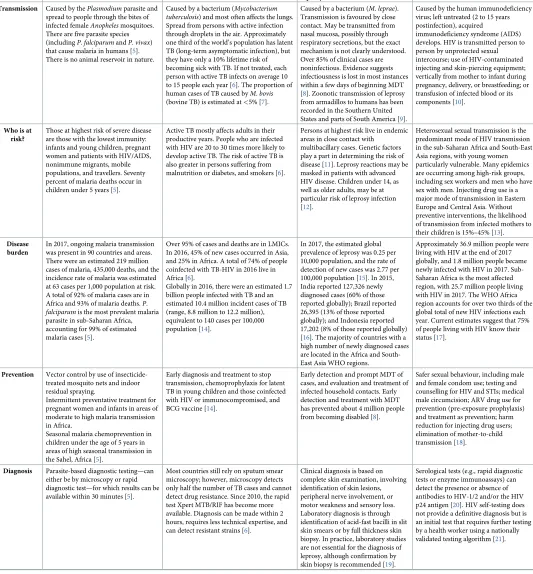
[image:3.612.201.575.512.698.2]As future global targets for the control of HIV are considered [3], we aim in this article to identify relevant lessons from control programmes for three other global infectious diseases— malaria, leprosy, and tuberculosis (TB). These were chosen because they have been the subject of international control efforts, with varying levels of success, and because they illustrate many of the problems faced by HIV control. These three programmes have faced challenges in reach-ing clear definitions of the concepts essential to epidemic control (Table 1), in sustaining polit-ical will and resources, and in meeting the needs of hard-to-reach subgroups. In the following sections, we briefly summarise epidemiological comparisons between these diseases and HIV (seeTable 2) and then analyse the evolution of each disease control programme from the
Table 1. Essential terms and concepts for defining goals and targets to limit infectious disease epidemics [4]. Control Nonspecific term for reduction of disease incidence, prevalence, morbidity, and/or
mortality to a locally acceptable level as a result of deliberate efforts; continued intervention measures are required to maintain the reduction.
Elimination of transmission A reduction to zero of the transmission of infection caused by a specific pathogen in a defined geographical area, with minimal risk of reintroduction, as a result of deliberate efforts; continued actions to prevent re-establishment of transmission may be required.
Verification The process of documenting elimination of transmission.
Elimination as a public health problem
Defined by achievement of measurable global targets set in relation to a specific disease. When reached, continued actions are required to maintain the targets and/or to advance the interruption of transmission.
Validation The process of documenting elimination as a public health problem.
Eradication The permanent reduction to zero transmission of a specific pathogen as a result of deliberate efforts, with no more risk of reintroduction.
Certification The process of documenting eradication.
Extinction Eradication of a specific pathogen so that it no longer exists in nature or the laboratory.
https://doi.org/10.1371/journal.pmed.1002735.t001
Foundation); RH has served on a grants committee at the UK Medical Research Council.
Abbreviations: ACT, artemisinin-based
combination therapy; ART, antiretroviral therapy; ARV, antiretroviral; BCG, bacille Calmette-Gue´rin vaccine; DDT, dichlorodiphenyltrichloroethane; DOTS, Directly Observed Treatment, Short Course; G2D, grade 2 disability; GMEP, Global Malaria Eradication Campaign; HVTN, HIV Vaccine Trials Network; ITN, insecticide-treated bednet; LLIN, long-lasting insecticide-treated bednet; LMIC, low-or middle-income country; MDG, Millennium Development Goal; MDR TB, multidrug-resistant TB; MDT, multidrug therapy; PEPFAR, United States President’s Emergency Plan for AIDS Relief; PLHIV, person living with HIV/AIDS; RBM, Roll Back Malaria; SDG, Sustainable Development Goal; SMART, Specific, Measurable, Achievable, Relevant, Time-bound; TB, tuberculosis; UHC, universal health coverage; UNAIDS, Joint United Nations Programme on HIV/AIDS; UNGASS, UN General Assembly Special Session; USSR, Union of Soviet Socialist Republics; WHA, World Health Assembly.
Provenance: Not commissioned; externally peer
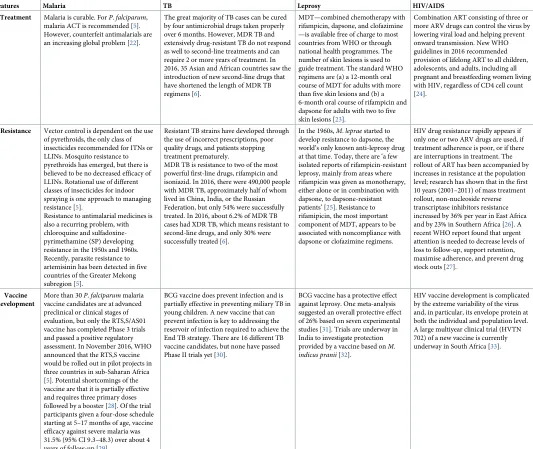
Table 2. Epidemiological comparison of the four diseases considered.
Features Malaria TB Leprosy HIV/AIDS
Transmission Caused by thePlasmodiumparasite and spread to people through the bites of infected femaleAnophelesmosquitoes. There are five parasite species (includingP.falciparumandP.vivax) that cause malaria in humans [5]. There is no animal reservoir in nature.
Caused by a bacterium (Mycobacterium tuberculosis) and most often affects the lungs. Spread from persons with active infection through droplets in the air. Approximately one third of the world’s population has latent TB (long-term asymptomatic infection), but they have only a 10% lifetime risk of becoming sick with TB. If not treated, each person with active TB infects on average 10 to 15 people each year [6]. The proportion of human cases of TB caused byM.bovis (bovine TB) is estimated at<5% [7].
Caused by a bacterium (M.leprae). Transmission is favoured by close contact. May be transmitted from nasal mucosa, possibly through respiratory secretions, but the exact mechanism is not clearly understood. Over 85% of clinical cases are noninfectious. Evidence suggests infectiousness is lost in most instances within a few days of beginning MDT [8]. Zoonotic transmission of leprosy from armadillos to humans has been recorded in the Southern United States and parts of South America [9].
Caused by the human immunodeficiency virus; left untreated (2 to 15 years postinfection), acquired
immunodeficiency syndrome (AIDS) develops. HIV is transmitted person to person by unprotected sexual intercourse; use of HIV-contaminated injecting and skin-piercing equipment; vertically from mother to infant during pregnancy, delivery, or breastfeeding; or transfusion of infected blood or its components [10].
Who is at risk?
Those at highest risk of severe disease are those with the lowest immunity: infants and young children, pregnant women and patients with HIV/AIDS, nonimmune migrants, mobile populations, and travellers. Seventy percent of malaria deaths occur in children under 5 years [5].
Active TB mostly affects adults in their productive years. People who are infected with HIV are 20 to 30 times more likely to develop active TB. The risk of active TB is also greater in persons suffering from malnutrition or diabetes, and smokers [6].
Persons at highest risk live in endemic areas in close contact with
multibacillary cases. Genetic factors play a part in determining the risk of disease [11]. Leprosy reactions may be masked in patients with advanced HIV disease. Children under 14, as well as older adults, may be at particular risk of leprosy infection [12].
Heterosexual sexual transmission is the predominant mode of HIV transmission in the sub-Saharan Africa and South-East Asia regions, with young women particularly vulnerable. Many epidemics are occurring among high-risk groups, including sex workers and men who have sex with men. Injecting drug use is a major mode of transmission in Eastern Europe and Central Asia. Without preventive interventions, the likelihood of transmission from infected mothers to their children is 15%–45% [13].
Disease burden
In 2017, ongoing malaria transmission was present in 90 countries and areas. There were an estimated 219 million cases of malaria, 435,000 deaths, and the incidence rate of malaria was estimated at 63 cases per 1,000 population at risk. A total of 92% of malaria cases are in Africa and 93% of malaria deaths.P. falciparumis the most prevalent malaria parasite in sub-Saharan Africa, accounting for 99% of estimated malaria cases [5].
Over 95% of cases and deaths are in LMICs. In 2016, 45% of new cases occurred in Asia, and 25% in Africa. A total of 74% of people coinfected with TB-HIV in 2016 live in Africa [6].
Globally in 2016, there were an estimated 1.7 billion people infected with TB and an estimated 10.4 million incident cases of TB (range, 8.8 million to 12.2 million), equivalent to 140 cases per 100,000 population [14].
In 2017, the estimated global prevalence of leprosy was 0.25 per 10,000 population, and the rate of detection of new cases was 2.77 per 100,000 population [15]. In 2015, India reported 127,326 newly diagnosed cases (60% of those reported globally); Brazil reported 26,395 (13% of those reported globally); and Indonesia reported 17,202 (8% of those reported globally) [16]. The majority of countries with a high number of newly diagnosed cases are located in the Africa and South-East Asia WHO regions.
Approximately 36.9 million people were living with HIV at the end of 2017 globally, and 1.8 million people became newly infected with HIV in 2017. Sub-Saharan Africa is the most affected region, with 25.7 million people living with HIV in 2017. The WHO Africa region accounts for over two thirds of the global total of new HIV infections each year. Current estimates suggest that 75% of people living with HIV know their status [17].
Prevention Vector control by use of insecticide-treated mosquito nets and indoor residual spraying.
Intermittent preventative treatment for pregnant women and infants in areas of moderate to high malaria transmission in Africa.
Seasonal malaria chemoprevention in children under the age of 5 years in areas of high seasonal transmission in the Sahel, Africa [5].
Early diagnosis and treatment to stop transmission, chemoprophylaxis for latent TB in young children and those coinfected with HIV or immunocompromised, and BCG vaccine [14].
Early detection and prompt MDT of cases, and evaluation and treatment of infected household contacts. Early detection and treatment with MDT has prevented about 4 million people from becoming disabled [8].
Safer sexual behaviour, including male and female condom use; testing and counselling for HIV and STIs; medical male circumcision; ARV drug use for prevention (pre-exposure prophylaxis) and treatment as prevention; harm reduction for injecting drug users; elimination of mother-to-child transmission [18].
Diagnosis Parasite-based diagnostic testing—can either be by microscopy or rapid diagnostic test—for which results can be available within 30 minutes [5].
Most countries still rely on sputum smear microscopy; however, microscopy detects only half the number of TB cases and cannot detect drug resistance. Since 2010, the rapid test Xpert MTB/RIF has become more available. Diagnosis can be made within 2 hours, requires less technical expertise, and can detect resistant strains [6].
Clinical diagnosis is based on complete skin examination, involving identification of skin lesions, peripheral nerve involvement, or motor weakness and sensory loss. Laboratory diagnosis is through identification of acid-fast bacilli in slit skin smears or by full thickness skin biopsy. In practice, laboratory studies are not essential for the diagnosis of leprosy, although confirmation by skin biopsy is recommended [19].
Serological tests (e.g., rapid diagnostic tests or enzyme immunoassays) can detect the presence or absence of antibodies to HIV-1/2 and/or the HIV p24 antigen [20]. HIV self-testing does not provide a definitive diagnosis but is an initial test that requires further testing by a health worker using a nationally validated testing algorithm [21].
1950s onwards, focusing on the stated global control strategy, specific targets, and major global events or initiatives (seeS1 Tableand Figs1–4). Finally, we discuss how experience from these programmes may inform the setting of future goals and targets for HIV.
Malaria
In 1955, the World Health Assembly (WHA) adopted a Global Malaria Eradication Cam-paign (GMEP) involving indoor spraying with dichlorodiphenyltrichloroethane (DDT) and
Table 2. (Continued)
Features Malaria TB Leprosy HIV/AIDS
Treatment Malaria is curable. ForP.falciparum, malaria ACT is recommended [5]. However, counterfeit antimalarials are an increasing global problem [22].
The great majority of TB cases can be cured by four antimicrobial drugs taken properly over 6 months. However, MDR TB and extensively drug-resistant TB do not respond as well to second-line treatments and can require 2 or more years of treatment. In 2016, 35 Asian and African countries saw the introduction of new second-line drugs that have shortened the length of MDR TB regimens [6].
MDT—combined chemotherapy with rifampicin, dapsone, and clofazimine —is available free of charge to most countries from WHO or through national health programmes. The number of skin lesions is used to guide treatment. The standard WHO regimens are (a) a 12-month oral course of MDT for adults with more than five skin lesions and (b) a 6-month oral course of rifampicin and dapsone for adults with two to five skin lesions [23].
Combination ART consisting of three or more ARV drugs can control the virus by lowering viral load and helping prevent onward transmission. New WHO guidelines in 2016 recommended provision of lifelong ART to all children, adolescents, and adults, including all pregnant and breastfeeding women living with HIV, regardless of CD4 cell count [24].
Resistance Vector control is dependent on the use of pyrethroids, the only class of insecticides recommended for ITNs or LLINs. Mosquito resistance to pyrethroids has emerged, but there is believed to be no decreased efficacy of LLINs. Rotational use of different classes of insecticides for indoor spraying is one approach to managing resistance [5].
Resistance to antimalarial medicines is also a recurring problem, with chloroquine and sulfadoxine-pyrimethamine (SP) developing resistance in the 1950s and 1960s. Recently, parasite resistance to artemisinin has been detected in five countries of the Greater Mekong subregion [5].
Resistant TB strains have developed through the use of incorrect prescriptions, poor quality drugs, and patients stopping treatment prematurely.
MDR TB is resistance to two of the most powerful first-line drugs, rifampicin and isoniazid. In 2016, there were 490,000 people with MDR TB, approximately half of whom lived in China, India, or the Russian Federation, but only 54% were successfully treated. In 2016, about 6.2% of MDR TB cases had XDR TB, which means resistant to second-line drugs, and only 30% were successfully treated [6].
In the 1960s,M.lepraestarted to develop resistance to dapsone, the world’s only known anti-leprosy drug at that time. Today, there are ‘a few isolated reports of rifampicin-resistant leprosy, mainly from areas where rifampicin was given as monotherapy, either alone or in combination with dapsone, to dapsone-resistant patients’ [25]. Resistance to rifamipicin, the most important component of MDT, appears to be associated with noncompliance with dapsone or clofazimine regimens.
HIV drug resistance rapidly appears if only one or two ARV drugs are used, if treatment adherence is poor, or if there are interruptions in treatment. The rollout of ART has been accompanied by increases in resistance at the population level; research has shown that in the first 10 years (2001–2011) of mass treatment rollout, non-nucleoside reverse transcriptase inhibitors resistance increased by 36% per year in East Africa and by 23% in Southern Africa [26]. A recent WHO report found that urgent attention is needed to decrease levels of loss to follow-up, support retention, maximise adherence, and prevent drug stock outs [27].
Vaccine development
More than 30P.falciparummalaria vaccine candidates are at advanced preclinical or clinical stages of evaluation, but only the RTS,S/AS01 vaccine has completed Phase 3 trials and passed a positive regulatory assessment. In November 2016, WHO announced that the RTS,S vaccine would be rolled out in pilot projects in three countries in sub-Saharan Africa [5]. Potential shortcomings of the vaccine are that it is partially effective and requires three primary doses followed by a booster [28]. Of the trial participants given a four-dose schedule starting at 5–17 months of age, vaccine efficacy against severe malaria was 31.5% (95% CI 9.3–48.3) over about 4 years of follow-up [29].
BCG vaccine does prevent infection and is partially effective in preventing miliary TB in young children. A new vaccine that can prevent infection is key to addressing the reservoir of infection required to achieve the End TB strategy. There are 16 different TB vaccine candidates, but none have passed Phase II trials yet [30].
BCG vaccine has a protective effect against leprosy. One meta-analysis suggested an overall protective effect of 26% based on seven experimental studies [31]. Trials are underway in India to investigate protection provided by a vaccine based onM. indicus pranii[32].
HIV vaccine development is complicated by the extreme variability of the virus and, in particular, its envelope protein at both the individual and population level. A large multiyear clinical trial (HVTN 702) of a new vaccine is currently underway in South Africa [33].
Abbreviations: ACT, artemisinin-based combination therapy; ART, antiretroviral therapy; ARV, antiretroviral; BCG, bacille Calmette-Gue´rin vaccine; HVTN, HIV Vaccine Trials Network; ITN, insecticide-treated bednet; LLIN, long-lasting insecticide-treated bednet; LMIC, low- or middle-income country; MDR TB, multidrug-resistant TB; MDT, multidrug therapy; SP, sulphadoxine-pyrimethamine; STI, sexually transmitted infection; TB, tuberculosis; XDR TB, extensively drug-resistant tuberculosis.
[image:5.612.42.575.92.541.2]treatment of malaria [34]. Eradication was defined as the ‘global extinction’ of the parasite [35].
The GMEP succeeded in eliminating malaria from many parts of the world [34], but in sub-Saharan Africa, where mortality is highest, eradication was deemed technically unfeasible and was finally abandoned in 1969. In retrospect, it was clear that the humanitarian appeal of the campaign and subsequent urgency had led to an oversimplification and standardisation of the programme. In the ‘consolidation phase’, the improvements in malaria control could not be maintained without well-developed public health infrastructure. The continued high expen-diture in an environment of greatly reduced transmission and disease incidence was difficult to defend. And finally, increasing resistance both of vectors to DDT and the parasites to chlo-roquine sealed the GMEP’s fate [34]. These lessons are relevant to attempts to end any disease, including HIV/AIDS.
The following two decades saw a resurgence of the disease due to de-skilled and under-resourced programmes, compounded by political instability from multiple conflicts and post-colonial turmoil. The Roll Back Malaria (RBM) initiative of the 1990s was the first sign of renewed international interest [36].
In October 2007, the Bill & Melinda Gates Foundation, endorsed by WHO, announced a renewed ambition to eradicate malaria. However, most technical experts agree that malaria elimination and subsequent eradication cannot be achieved with existing tools but will require the development of new tools and approaches [37,38].
[image:6.612.119.574.75.280.2]Malaria elimination, defined as a state in which interventions have interrupted endemic transmission within a geographic area with minimal risk of re-establishment [35], may be realistic for Asia, southern America, and parts of Africa. South Africa is aiming to eliminate malaria before 2020 [39]. Elimination is a particularly attractive target for combating drug resistance in Southeast Asia. But will this process be time limited or will sustained suppres-sion through control efforts be required indefinitely [35]? Socioeconomic and environmen-tal development in Europe and North America allowed for the relaxation of control measures there. The development of a highly effective vaccine that can interrupt transmis-sion and decrease the risk of transmistransmis-sion from mosquitoes, or gene editing of female
Fig 1. Major goals and targets for malaria. MDG, Millennium Development Goal; WHA, World Health Assembly.
mosquitoes so that they can carry only male-producing eggs may be important parts of a solution [40].
As a result of scaling up malaria control efforts, between 2000 and 2015, the world saw an estimated 37% reduction in incidence and a 60% decline in mortality rates [41], thus realising Millennium Development Goal (MDG) 6. However, the WHA target to reduce the global bur-den of malaria by 75% by 2015 [42] and the RBM target to reduce deaths to near zero by the end of 2015 have not been attained [43]. In 2017, there were 219 million cases of malaria glob-ally, 92% of them in Africa, of which 99% werePlasmodium falciparumwhere the incidence rate in 2016 was 206 cases per 1,000 population at risk [5].
The recent Global Technical Strategy for malaria 2016–2030 [44] advocates a combination of control measures for highly endemic regions (reducing mortality by 90% and incidence by 90% compared with 2015), investment in malaria elimination in 35 countries with low malaria incidence [45], preventing re-establishment in malaria free countries, and research into devel-oping novel interventions. Given the shortfall in financial resources (in 2017, US$3.1 billion were invested, half the minimum US$6.5 billion estimated to be required) [5], investment in shrinking the malaria map should not be at the expense of funding for countries with the high-est burden of disease.
Leprosy
Both leprosy and HIV/AIDS are chronic rather than acute infectious diseases, requiring long-term management and treatment, and disproportionately affecting marginalised groups. How-ever, leprosy differs from HIV in that multidrug therapy (MDT) cures leprosy infection and can be discontinued, while HIV requires lifelong treatment to suppress, not cure, infection.
[image:7.612.118.576.473.685.2]A surge in funding for MDT rollout, shortened treatment regimens, and changing case defi-nitions of leprosy led to a considerable decrease in recorded leprosy prevalence by the end of the 1980s [46]. Amid global progress and optimism, the WHA passed a resolution in 1991 seeking to ‘eliminate leprosy as a public health problem by 2000’, defining elimination as reduction of prevalence to less than 1 in 10,000 globally. The 1/10,000 target was chosen arbi-trarily, with limited consultation [47]; it was thought that attaining this prevalence would
Fig 2. Major goals and targets for leprosy.
eventually interrupt leprosy transmission, but it was not supported by evidence (e.g., from modelling) [48].
At the global level, the prevalence target of 1/10,000 was achieved by the end of 2000, with all but six countries reaching the target nationally by 2005. (Success in achieving the target was contingent on the use of the whole world population—including populations with very few leprosy cases, e.g., in Northern Europe—as the denominator.) However, particularly in coun-tries with a significant disease burden such as India and Brazil, continuing high numbers of new cases detected indicated that MDT had not interrupted transmission as anticipated [49]. Since 2005, declines in both prevalence and incidence rates have largely stalled [50], and many countries with a national prevalence below 1/10,000 continue to have high incidence subna-tionally [51]. Arguably, attaining the global target has represented an advance in leprosy con-trol rather than elimination [52]. In 2017, the estimated global prevalence of leprosy was 0.25 per 10,000 population, and the rate of detection of new cases was 2.77 per 100,000 population [15].
Leprosy elimination efforts have been complicated by the disease’s long latent period (of up to 20 years), the lack of a single diagnostic tool enabling early detection, and the complex and varied clinical presentation. From an operational perspective, recent declines in case detection and case identification activities in high-endemic settings have negatively affected diagnosis and treatment coverage [53]. Indeed, there is evidence that pressure to achieve the elimination target at the national level may have led to less active case finding, diagnosis, and reporting, thus artificially resulting in lower prevalence figures [54].
A 2003 independent evaluation of the Global Alliance for the Elimination of Leprosy rec-ommended a leprosy control approach focused on rehabilitation and preventing nerve dam-age, rather than elimination [55]. WHO officially abandoned the elimination target of 1/ 10,000 in 2007, and newer targets in WHO’s five-yearly plans have shifted towards prevention of secondary disability, with targets for the reduction of grade 2 disabilities (G2D, defined as visible deformity or damage present in the hands and feet, or severe visual impairment). How-ever, despite the 2011–2015 WHO plan’s target of reducing the rate of G2D by 35% [56], there was no decrease in G2D between 2010 and 2013 [50].
The 2016–2020 strategy includes targets around reducing G2D and discrimination, under-pinned by 23 performance indicators, six guiding principles, and three pillars [57]. It is instructive for HIV control to compare the complexity of the current leprosy control targets with the simple elimination target chosen in 1991. The advocacy and resources behind the 1/ 10,000 prevalence target put leprosy firmly on the global health agenda and helped detect and cure many cases. The no-cost delivery of MDT to endemic countries meant that, at the global level, the elimination programme was highly equitable (although some individuals had poor outcomes) [58]. However, the perception that elimination was imminent, even as transmission continued, resulted in reduced funding for leprosy programmes in the 2000s and the loss of specialist leprosy services, as diagnosis and management of leprosy became integrated into peripheral health services [59]. The elimination target also became politically charged, leading to tensions between civil society organisations and global or national leprosy programmes [55]. Furthermore, elimination rhetoric may have reduced scientific interest in leprosy, despite significant evidence gaps [50]. For example, theInternational Journal of Leprosyceased publi-cation in 2005 [60], while research and development on vaccines has largely stalled (although a new clinical trial of a candidate vaccine was launched in India in 2017) [61].
who had ceased to be counted as cases. Leprosy demonstrates the misalignment between achieving a high-level target and implementation, in which efforts often did more to control than to end leprosy.
TB
Following the Second World War, industrialised countries witnessed rapid declines in TB incidence of approximately 10% per year [62] associated with socioeconomic development, including reductions in overcrowding and improved living conditions, nutrition, and hygiene [63]. Effective TB control was further aided by the advent of chemotherapy, universal access to healthcare in many countries, and TB-specific vertical programmes.
By the early 1960s it had become clear that a vertical programme approach was too costly for low-income countries. From the mid-1960s there was a move to integrate TB service deliv-ery into general health services, with the hope of increasing coverage and reducing costs [63].
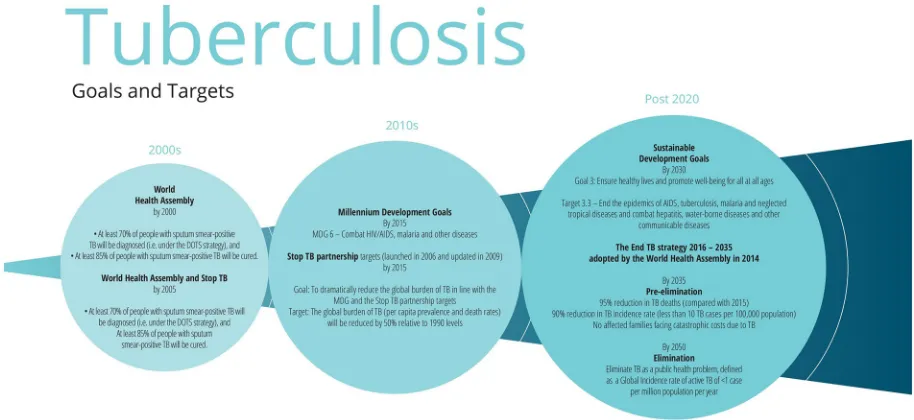
The early 1990s witnessed a sharp rise in TB notifications linked to the advent of the HIV epidemic and dissolution of the former Union of Soviet Socialist Republics’ (USSR) structures. In 1993, WHO declared a ‘global TB emergency’ [64], and targets were set for the turn of the millennium that aimed at reducing TB incidence by 5%–10% annually [65]. A new Directly Observed Treatment, Short Course (DOTS) strategy was launched, focussing primarily on increasing cure rates and improving case detection. A vertical DOTS-based strategy was widely promoted, with specialist managerial functions implemented at central, regional, and district levels and delivery carried out through primary healthcare infrastructure [66]. Although drug-resistant TB was recognised at this point, the DOTS strategy assumed that increasing adher-ence and cure rates would prevent the spread of multidrug-resistant TB (MDR TB), and access to MDR TB treatment was limited.
[image:9.612.119.576.448.658.2]The targets for 2000 were met in 2005 due to improvements in living conditions and DOTS in China, India, and Indonesia, the countries with the highest burden of disease then and now [14], but many countries did not meet them. The Global Plan to Stop TB, 2006–2015 set bold
Fig 3. Major goals and targets for TB. DOTS, Directly Observed Treatment, Short Course; MDG, Millennium Development Goal; TB,
tuberculosis.
new targets to halve the prevalence and death rates of TB by 2015 (as compared with the esti-mated prevalence in 1990).
By 2015, with active TB incidence falling by an average of 1.5% per year since 2000, the MDG to ‘halt and reverse TB incidence’ was met globally [67]. Globally, TB mortality has fallen by 47% between 1990 and 2015, and the prevalence was almost half that of the 1990 estimate [67]. However, there is considerable variation in outcomes between countries, and with the growth of populations, the absolute number of new TB infections globally has grown, hence the current approach to target high-burden countries, similar to the US President’s Emergency Plan for AIDS Relief (PEPFAR) approach to HIV [68].
In 2014, the WHA approved the WHO End TB strategy, 2016–2035, which sought to reduce annual incidence of active TB to less than 10 cases per 100,000 population by 2035. This would mean that, of the 8.5 billion people expected to be alive in 2035, the number of new cases of active TB would need to be fewer than 900,000 [69], as compared with the estimated 10.4 million new TB cases in 2016, equivalent to 140 cases per 100,000 population [14]. The decline in active TB incidence has never been more than 1%–2% per year at the global level [70]. To meet this target, the strategy ambitiously assumes that the incidence rate falls at 10% annually between 2015 and 2025 through the optimisation of current tools and significant progress in achieving the Sustainable Development Goals (SDGs), and then declines further at an average of 17% annually with the advent of new technologies including a vaccine, new drug treatments for active and latent disease, and point-of-care diagnostics [71]. Modelling studies suggest that achieving the SDGs would have the most significant impact on the incidence of active TB, but most of our efforts still focus on improving drugs and technologies [72]. Key challenges include preventing, diagnosing, and treating MDR TB. In 2016, approximately 22% of MDR TB patients were enrolled in second-line treatment, while treatment success is only 54% globally. But also important is the large, global reservoir of latent TB infection. Even if transmission were completely interrupted from now onwards, reactivation and relapse would still generate more than 10 active cases per 100,000 in 2050 [69]. Active TB incidence could be brought down quickly with the discovery of a vaccine to prevent infection and a postinfection vaccine that could neutralise the reservoir of latent infection [69].
Achieving global TB control requires high-incidence countries to have systems and strate-gies to be able to accurately diagnose and deliver treatment early, universal healthcare cover-age, and social protection to achieve high cure rates of active TB and MDR TB, coupled with the necessary social and economic development to sustain achievements. In short, the End TB Strategy elimination targets cannot be achieved without both rapid and substantial progress towards the SDGs [73,74], and the development of a simple and effective mechanism for man-aging latent infection.
HIV
Early in the HIV/AIDS epidemic, there were limited targets at the global level. These have since developed into increasingly numerous, complex target frameworks. This section briefly summarises different HIV targets at the global level, omitting the many specific national- and community-level targets.
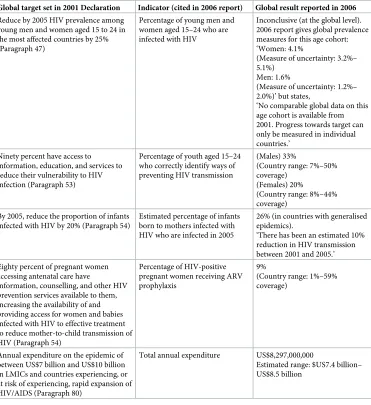
demonstrating that only the target on increasing HIV/AIDS funding for low- and middle-income countries (LMICs) had been achieved, while there were significant gaps in progress towards the prevention and epidemiological targets (Table 3).
Thanks in large part to pressure from activists to expand access to antiretroviral therapy (ART), quantitative targets for ART coverage began with WHO’s commitment to enrol 3 mil-lion people on treatment by 2005. Later, the Joint United Nations Programme on HIV/AIDS’s (UNAIDS’s) 15 by (20)15 initiative aimed to scale up and sustain ART coverage for 15 million people, a target reached ahead of schedule in March 2015; this was heralded as fulfilment of the MDG to ‘halt and reverse’ the epidemic [79].
UNAIDS’ 2011–2015 strategy set ambitious targets beneath a broader vision statement of the Three Zeros—zero new HIV infections, zero AIDS-related deaths, and zero discrimina-tion—which continues to frame the AIDS response [80]. The year 2014 saw the development of the Fast Track strategy [81], setting out 10 targets, one of which was the ‘90-90-90’ target for 2020, which remains a significant marker of progress for countries. The 90-90-90 target aims for 90% of persons living with HIV/AIDS (PLHIV) to be diagnosed, 90% of diagnosed people to be on ART, and 90% of people on ART to have a fully suppressed viral load. Globally, UNAIDS estimates that 75% of PLHIV knew their HIV status at the end of 2017. Their esti-mates also suggest that 79% of diagnosed PLHIV were accessing treatment, and 81% of PLHIV in treatment were virally suppressed [82]. The Fast-Track strategy has a particular focus on the 30 countries with the highest number of new infections, with each country defining its own approach and 2020 milestones alongside the global targets.
The relative granularity of this approach contrasts with the more high-level 2015 SDG on HIV (3.3): ‘By 2030, end the epidemics of AIDS. . .’, with the target indicator (3.3.1): ‘Number of new HIV infections per 1,000 uninfected population, by sex, age and key populations’ [83,84]. Like the MDG target, the epidemiological measure defining the epidemic’s end is not explicitly stated.
[image:11.612.155.576.74.270.2]Targets set in the UNAIDS 2016–2021 strategy [85] and the 2016 Political Declaration on Ending AIDS [86] demonstrate the difficulty of evaluating progress against complex targets
Fig 4. Major goals and targets for HIV/AIDS. ART, antiretroviral therapy; GFATM, Global Fund to Fight AIDS, Tuberculosis and
Malaria; LMIC, low- or middle-income country; MDG, Millennium Development Goal; PEPFAR, US President’s Emergency Plan for AIDS Relief; UNAIDS, Joint United Nations Programme on HIV/AIDS.
when high-quality data are not available. For example the target in the 2016 Declaration, ‘Ensure that at least 30% of all service delivery is community-led by 2020’ (Fast Track Commit-ment 7 [87]) is challenging to monitor. The 2017 report on the 2016 Declaration by the UN Secretary General [88] captures examples of good practice in community-led service delivery but does not include quantitative data on global progress towards this target.
[image:12.612.203.574.88.493.2]Several targets today are sensitive to the significant variation in the burden of HIV among different subpopulations, recognising inequalities in vulnerability to HIV. For example, the 2016 Political Declaration includes a commitment to reduce the number of new HIV infec-tions among adolescent girls and young women to below 100,000 per year (Commitment 5). This demonstrates that targets are seeking to respond to structural drivers of the epidemic, even if the available data suggest progress is too slow to address these; for example, in 2016,
Table 3. Targets set in the UNGASS 2001 declaration of commitment on HIV/AIDS.
Global target set in 2001 Declaration Indicator (cited in 2006 report) Global result reported in 2006
Reduce by 2005 HIV prevalence among young men and women aged 15 to 24 in the most affected countries by 25% (Paragraph 47)
Percentage of young men and women aged 15–24 who are infected with HIV
Inconclusive (at the global level). 2006 report gives global prevalence measures for this age cohort: ‘Women: 4.1%
(Measure of uncertainty: 3.2%– 5.1%)
Men: 1.6%
(Measure of uncertainty: 1.2%– 2.0%)’ but states,
‘No comparable global data on this age cohort is available from 2001. Progress towards target can only be measured in individual countries.’
Ninety percent have access to information, education, and services to reduce their vulnerability to HIV infection (Paragraph 53)
Percentage of youth aged 15–24 who correctly identify ways of preventing HIV transmission
(Males) 33%
(Country range: 7%–50% coverage)
(Females) 20%
(Country range: 8%–44% coverage)
By 2005, reduce the proportion of infants infected with HIV by 20% (Paragraph 54)
Estimated percentage of infants born to mothers infected with HIV who are infected in 2005
26% (in countries with generalised epidemics).
‘There has been an estimated 10% reduction in HIV transmission between 2001 and 2005.’
Eighty percent of pregnant women accessing antenatal care have
information, counselling, and other HIV prevention services available to them, increasing the availability of and providing access for women and babies infected with HIV to effective treatment to reduce mother-to-child transmission of HIV (Paragraph 54)
Percentage of HIV-positive pregnant women receiving ARV prophylaxis
9%
(Country range: 1%–59% coverage)
Annual expenditure on the epidemic of between US$7 billion and US$10 billion in LMICs and countries experiencing, or at risk of experiencing, rapid expansion of HIV/AIDS (Paragraph 80)
Total annual expenditure US$8,297,000,000
Estimated range: $US7.4 billion– US$8.5 billion
Abbreviations: ARV, antiretroviral; LMIC, low- or middle-income country; UNGASS, UN General Assembly Special Session.
there were 360,000 new HIV infections among adolescent girls and young women, only a 17% decline since 2010 [89].
As discussed above, many process targets relating to funding provision, ART coverage, and elimination of vertical HIV transmission have been achieved in several countries. However, there has been more limited progress towards impact targets, for example, around the reduc-tion of incidence or expanding access to combinareduc-tion prevenreduc-tion among key populareduc-tions. This highlights the inherent ambition of ‘Ending AIDS as a public threat’, given current rates of progress towards the constituent targets. Paradoxically, there is a risk that insufficiently nuanced rhetoric implying the end is in sight may deprioritise HIV, even while data illustrate that renewed financing and political will are critical to achieving progress towards an aspira-tional ‘end of AIDS’.
Discussion
Several important lessons emerge from our analysis that should be considered in developing future goals and targets for HIV control.
Engagement of stakeholders as well as multidisciplinary scientific expertise
Scientific advancement and an enabling environment to implement effective interventions are fundamental to the realisation of global targets for disease control. Alongside these factors, a strong political, social, and economic commitment is necessary at all levels of society to achieve success. Expertise from biomedical sciences, social sciences and economics, national pro-gramme delivery, patient/carer representatives, and civil society more broadly is necessary when setting new targets for disease control. National TB elimination programmes, for exam-ple, have only had sustained success in industrialised countries that saw rapid socioeconomic development and also addressed wider determinants of health. At the global level, the equitable engagement of political stakeholders is also crucial. For malaria, only three sub-Saharan Afri-can countries were present as full members at the WHA when the GMEP was adopted [34]. Global control strategies should, therefore, consult fully on target setting with national stake-holders from high-burden settings.
Balance between ambition and caution when setting targets
high-incidence areas. There are therefore clear ethical considerations and consequences to be explored when setting ambitious goals and targets—particularly around their local effects and the opportunity costs of foregoing other areas of public health.
Avoiding burdensome reporting and conflicting targets
In recent decades, the expansion of donor-driven disease programmes has led to a constant stream of so-called SMART (Specific, Measurable, Achievable, Relevant, Time-bound) targets and logframes (logical frameworks) to monitor projects and estimate impact [91]. There is a clear utility in employing these methods to develop intermediate and adaptable targets that allow for course corrections to programmes, and these can help address inequalities by includ-ing harder-to-reach subpopulations. However, a balance needs to be struck to avoid overly burdensome reporting requirements and the potential confusion of overlapping and some-times conflicting targets both within and across vertical disease programmes. Linked to this is a clear need to consciously distinguish between process and outcome targets. As seen with HIV control, the achievement of process targets does not necessarily translate to a decrease in new infections or mortality.
Retention of specialist skills
The experience with malaria and TB control in the 1970s and 1980s demonstrated a need to ensure retention of expert skills and specialist services while moving towards integrated health systems. The success of TB and HIV programmes are often intimately linked, with TB elimina-tion in many settings dependent on adequate prevenelimina-tion and treatment of HIV [92]. Disease control programmes should therefore look for opportunities to jointly develop targets and integrate services and strategies where appropriate. The End TB strategy, for example, already predicates future achievement of its 2050 TB target on universal health coverage (UHC), social protection, and a range of SDG-related milestones, although relevant progress indicators have not been framed around these [71,93].
Sustaining investment and political commitment as incidence falls
Finally, sustaining any elimination or eradication strategy in the end phase, as the cost per case averted increases, will require prolonged investment and continuing political buy-in. At present, 1.8 million people continue to be infected with HIV each year [17], and achiev-ing elimination will only be possible with sufficient investment in research to develop vac-cines, point-of-care diagnostics, and treatments; infrastructure upgrades that address wider determinants of health; and health and surveillance systems that allow for equitable delivery and access to services. For diseases like HIV that disproportionately affect marginalised groups, equity-based service delivery targets become even more important as the elimina-tion strategy nears its end. Human rights-based approaches that explicitly seek to tackle stigma related to HIV and give key populations a stronger voice to influence policy will be vital to ensure that equitable progress is made to control disease across all sectors of affected populations [94].
Supporting information
S1 Table. Major global events or initiatives that influenced progress in disease control efforts.
Acknowledgments
A summary of this work was presented at a UNAIDS workshop in Glion, Switzerland, in Octo-ber 2017. The authors are grateful for the helpful feedback provided by workshop participants.
References
1. Piot P, Abdool Karim SS, Hecht R, Legido-Quigley H, Buse K, Stover J, et al. Defeating AIDS—advanc-ing global health. Lancet 2015; 386(9989):171–218.https://doi.org/10.1016/S0140-6736(15)60658-4 PMID:26117719
2. Yu D, Souteyrand Y, Banda MA, Kaufman J, Perrie¨ns JH. Investment in HIV/AIDS programs: does it help strengthen health systems in developing countries? Global Health. 2008; 4:8.https://doi.org/10. 1186/1744-8603-4-8PMID:18796148
3. Ghys PD, Williams BG, Over M, Hallett TB, Godfrey-Faussett P. Epidemiological metrics and bench-marks for a transition in the HIV epidemic. PLoS Med. 2018; 15(10):e1002678.https://doi.org/10.1371/ journal.pmed.1002678PMID:30359372
4. WHO. Generic Framework for Control, Elimination and Eradication of Neglected Tropical Diseases Geneva: World Health Organisation; 2015 [cited 2019 Jan 17].https://www.who.int/neglected_ diseases/resources/NTD_Generic_Framework_2015.pdf
5. WHO. Malaria Factsheet. Geneva: World Health Organisation; 2018 [cited 2019 Jan 17].https://www. who.int/news-room/fact-sheets/detail/malaria
6. WHO. Tuberculosis Factsheet. Geneva: World Health Organisation; 2018 [cited 2019 Jan 17].https:// www.who.int/news-room/fact-sheets/detail/tuberculosis
7. Michel AL, Mu¨ller B, van Helden PD. Mycobacterium bovis at the animal–human interface: A problem, or not? Vet Microbiol. 2010; 140(3):371–81.https://doi.org/10.1016/j.vetmic.2009.08.029PMID:19773134
8. WHO SEARO. Leprosy Factsheet. New Delhi: World Health Organisation Regional Office for South-East Asia; 2018 [cited 2019 Jan 17].http://www.searo.who.int/entity/leprosy/topics/fact_sheet/en/
9. da Silva MB, Portela JM, Li W, Jackson M, Gonzalez-Juarrero M, Hidalgo AS, et al. Evidence of zoo-notic leprosy in Para´, Brazilian Amazon, and risks associated with human contact or consumption of armadillos. PLoS Negl Trop Dis. 2018; 12(6):e0006532.https://doi.org/10.1371/journal.pntd.0006532 PMID:29953440
10. AVERT. How do you get HIV? Brighton, UK: AVERT; 2018 [cited 2019 Jan 17].https://www.avert.org/ hiv-transmission-prevention/how-you-get-hiv
11. Sauer MED, Salomão H, Ramos GB, D’Espindula HRS, Rodrigues RSA, Macedo WC, et al. Genetics of leprosy: Expected and unexpected developments and perspectives. Clin Dermatol. 2015; 33(1):99– 107.https://doi.org/10.1016/j.clindermatol.2014.10.001PMID:25432815
12. Butlin CR, Saunderson P. Children with leprosy. Lepr Rev. 2014; 85(2):69–73. PMID:25255609
13. AVERT. Prevention of Mother-to-Child Transmission (PMTCT) of HIV. Brighton, UK: AVERT; 2018 [cited 2019 Jan 17]. https://www.avert.org/professionals/hiv-programming/prevention/prevention-mother-child
14. WHO. Global Tuberculosis Report. Geneva: World Health Organisation; 2017 [cited 2019 Jan 17]. https://www.who.int/tb/publications/global_report/gtbr2017_main_text.pdf
15. WHO. Weekly Epidemiological Record. Geneva: World Health Organisation; 2018 [cited 2019 Jan 17]. http://apps.who.int/iris/bitstream/handle/10665/274289/WER9335.pdf
16. WHO. Weekly Epidemiological Record. Geneva: World Health Organisation; 2016 [cited 2019 Jan 17]. http://apps.who.int/iris/bitstream/10665/249601/1/WER9135.pdf
17. WHO. HIV/AIDS: Key Facts. Geneva: World Health Organisation; 2018 [cited 2019 Jan 17].http:// www.who.int/en/news-room/fact-sheets/detail/hiv-aids
18. UNAIDS. HIV Prevention. Geneva: UNAIDS; 2018 [cited 2019 Jan 17].http://www.unaids.org/en/ topic/prevention
19. WHO. Diagnosis of Leprosy. Geneva: World Health Organisation; 2018 [cited 2019 Jan 17].https:// www.who.int/lep/diagnosis/en/
20. Kyei GB, Powderly WG. 174—Retroviruses and Retroviral Infections. In: Cohen J, Powderly WG, Opal SM, editors. Infectious Diseases ( Fourth Edition): Elsevier; 2017. p. 1483–92.e1.
22. WHO. Global Plan for Artemisinin Resistance Containment. Geneva: World Health Organisation; 2011 [cited 2019 Jan 17].https://www.who.int/malaria/publications/atoz/artemisinin_resistance_ containment_2011.pdf
23. WHO. WHO recommended MDT regimens. Geneva: World Health Organisation; 2018 [cited 2019 Jan 17].https://www.who.int/lep/mdt/regimens/en/
24. WHO. Consolidated Guidelines on the Use of Antiretroviral Drugs for Treating and Preventing HIV Infection: Recommendations for a Public Health Approach. 2nd edition. Geneva: World Health Organi-sation; 2016 [cited 2019 Jan 17].https://www.ncbi.nlm.nih.gov/books/NBK374311/
25. WHO. MDT and drug resistance. Geneva: World Health Organisation; 2018 [cited 2019 Jan 17].http:// www.who.int/lep/mdt/resistance/en/
26. Gupta RK, Jordan MR, Sultan BJ, Hill A, Davis DHJ, Gregson J, et al. Global trends in antiretroviral resistance in treatment-naive individuals with HIV after rollout of antiretroviral treatment in resource-lim-ited settings: a global collaborative study and meta-regression analysis. Lancet 2012; 380(9849):1250– 8.https://doi.org/10.1016/S0140-6736(12)61038-1PMID:22828485
27. WHO. Global report on early warning indicators of HIV drug resistance: technical report. Geneva: World Health Organisation; 2016 [cited 2019 Jan 17].http://apps.who.int/iris/bitstream/handle/10665/ 246219/9789241511179-eng.pdf
28. The Lancet. What next for the malaria RTS,S vaccine candidate? Lancet 2015; 386(10005):1708. https://doi.org/10.1016/S0140-6736(15)00733-3
29. WHO. Summary of the “Malaria Vaccine: WHO Position Paper—January 2016”. Geneva: World Health Organisation; 2016 [cited 2019 Jan 17].https://www.who.int/immunization/policy/position_papers/ malaria_pp_jan2016_summary.pdf
30. Usman MM, Ismail S, Teoh TC. Vaccine research and development: tuberculosis as a global health threat. Cent Eur J Immunol. 2017; 42(2):196–204. Epub 08/08.https://doi.org/10.5114/ceji.2017.69362 PMID:28867962
31. Setia MS, Steinmaus C, Ho CS, Rutherford GW. The role of BCG in prevention of leprosy: a meta-anal-ysis. Lancet Infect Dis. 2006; 6(3):162–70.https://doi.org/10.1016/S1473-3099(06)70412-1PMID: 16500597
32. Narayan P. World’s first leprosy vaccine, developed in India, to go on trial. Times of India. 2016 [cited 2019 Jan 17]. https://timesofindia.indiatimes.com/india/Worlds-first-leprosy-vaccine-developed-in-India-to-go-on-trial/articleshow/53788765.cms
33. Bekker L-G, Gray GE. Hope for HIV control in southern Africa: The continued quest for a vaccine. PLoS Med. 2017; 14(2):e1002241.https://doi.org/10.1371/journal.pmed.1002241PMID:28245236
34. Trigg PI, Kondrachine AV. Commentary: malaria control in the 1990s. Bull World Health Organ. 1998; 76(1):11–6. PMID:9615492
35. Cohen JM, Moonen B, Snow RW, Smith DL. How absolute is zero? An evaluation of historical and cur-rent definitions of malaria elimination. Malar J. 2010; 9(1):213.https://doi.org/10.1186/1475-2875-9-213 PMID:20649972
36. WHO. Rolling Back Malaria. Geneva: World Health Organisation; 1999 [cited 2019 Jan 17].https:// www.who.int/whr/1999/en/whr99_ch4_en.pdf
37. Tanner M, Greenwood B, Whitty CJM, Ansah EK, Price RN, Dondorp AM, et al. Malaria eradication and elimination: views on how to translate a vision into reality. BMC Med. 2015; 13(1):167.https://doi.org/ 10.1186/s12916-015-0384-6PMID:26208740
38. Mendis K, Rietveld A, Warsame M, Bosman A, Greenwood B, Wernsdorfer WH. From malaria control to eradication: The WHO perspective. Trop Med Int Health. 2009; 14(7):802–9.https://doi.org/10.1111/ j.1365-3156.2009.02287.xPMID:19497083
39. WHO. Eliminating Malaria. Geneva: World Health Organisation; 2016 [cited 2019 Jan 17].http://apps. who.int/iris/bitstream/handle/10665/205565/WHO_HTM_GMP_2016.3_eng.pdf
40. Greenwood B, Targett G. Do we still need a malaria vaccine? Parasite Immunol. 2009; 31(9):582–6. https://doi.org/10.1111/j.1365-3024.2009.01140.xPMID:19691561
41. Cibulskis RE, Alonso P, Aponte J, Aregawi M, Barrette A, Bergeron L, et al. Malaria: Global progress 2000–2015 and future challenges. Infect Dis Poverty. 2016; 5(1):61. https://doi.org/10.1186/s40249-016-0151-8PMID:27282148
42. WHO. World Malaria Report. Geneva: World Health Organisation; 2015 [cited 2019 Jan 17].https:// www.who.int/malaria/publications/world-malaria-report-2015/report/en/
44. WHO. Global Technical Strategy for Malaria 2016–2030. Geneva: World Health Organisation; 2015 [cited 2019 Jan 17].http://www.who.int/malaria/areas/global_technical_strategy/en/
45. WHO. World Malaria Report. Geneva: World Health Organisation; 2014 [cited 2019 Jan 17].http:// www.who.int/malaria/publications/world_malaria_report_2014/report/en/
46. Fine PEM. Leprosy: what is being “eliminated”? Bull World Health Organ. 2007; 85(1):2.https://doi.org/ 10.2471/BLT.06.039206PMID:17242748
47. Fine PE. An important perspective on the recent history of leprosy-and its implications for the current Global Strategy. Lepr Rev. 2016; 87(2):146–51. PMID:30212038
48. Tiwari A, Richardus JH. Investment case concepts in leprosy elimination: A systematic review. Lepr Rev. 2016; 87(1):2–22. PMID:27255054
49. Lockwood DN, Suneetha S. Leprosy: too complex a disease for a simple elimination paradigm. Bull World Health Organ. 2005; 83(3):230–5. PMID:15798849
50. Chaptini C, Marshman G. Leprosy: a review on elimination, reducing the disease burden, and future research. Lepr Rev. 2015; 86(4):307–15. PMID:26964426
51. Blok DJ, De Vlas SJ, Richardus JH. Global elimination of leprosy by 2020: are we on track? Parasit Vec-tors. 2015; 8(1):548.https://doi.org/10.1186/s13071-015-1143-4PMID:26490878
52. Richardus JH, Habbema JDF. The impact of leprosy control on the transmission of M. leprae: is elimina-tion being attained? Lepr Rev. 2007; 78(4):330. PMID:18309706
53. Smith WC, Brakel W, Gillis T, Saunderson P, Richardus JH. The missing millions: a threat to the elimi-nation of leprosy. PLoS Negl Trop Dis. 2015; 9.https://doi.org/10.1371/journal.pntd.0003658PMID: 25905706
54. Lockwood DN, Shetty V, Penna GO. Hazards of setting targets to eliminate disease: lessons from the leprosy elimination campaign. BMJ. 2014; 348.https://doi.org/10.1136/bmj.g1136PMID:24508610
55. Rinaldi A. The Global Campaign to Eliminate Leprosy. PLoS Med. 2005; 2(12):e341.https://doi.org/10. 1371/journal.pmed.0020341PMID:16363908
56. WHO SEARO. Enhanced global strategy for further reducing the disease burden due to leprosy (Plan period: 2011–2015). New Delhi: World Health Organisation Regional Office for South-East Asia; 2009 [cited 2019 Jan 17].http://www.searo.who.int/entity/global_leprosy_programme/documents/ enhanced_global_strategy_2011_2015.pdf
57. WHO. Global Leprosy Strategy 2016–2020. Geneva: World Health Organisation Regional Office for South-East Asia; 2016.
58. Neira M. Disease Elimination and Eradication: Lessons Learnt from Leprosy. Geneva: World Health Organisation; 2002 [cited 2019 Jan 17].https://www.who.int/lep/resources/Neira_Lessons.pdf
59. Raffe SF, Thapa M, Khadge S, Tamang K, Hagge D, Lockwood DNJ. Diagnosis and Treatment of Lep-rosy Reactions in Integrated Services—The Patients’ Perspective in Nepal. PLoS Negl Trop Dis. 2013; 7(3):e2089.https://doi.org/10.1371/journal.pntd.0002089PMID:23505585
60. Scollard D. Leprosy research declines, but most of the basic questions remain unanswered. Int J Lepr Other Mycobact Dis. 2005; 73(1):25. PMID:15898836
61. Kumar S. India resurrects forgotten leprosy vaccine. Science 2017; 356(6342):999.https://doi.org/10. 1126/science.356.6342.999PMID:28596321
62. Glaziou P, Sismanidis C, Floyd K, Raviglione M. Global Epidemiology of Tuberculosis. Cold Spring Harb Perspect Med. 2015; 5(2):a017798-a.https://doi.org/10.1101/cshperspect.a017798PMID:25359550
63. Raviglione MC, Pio A. Evolution of WHO policies for tuberculosis control, 1948–2001. Lancet 2002; 359 (9308):775–80. PMID:11888605
64. Nakajima H. Tuberculosis: a global emergency. World Health. 1993; 46(4):3.
65. Dirlikov E, Raviglione M, Scano F. Global Tuberculosis Control: Toward the 2015 Targets and Beyond. Ann Intern Med. 2015; 163(1):52–8.https://doi.org/10.7326/M14-2210PMID:25915859
66. Kochi A. The global tuberculosis situation and the new control strategy of the World Health Organiza-tion. Tubercle. 1991; 72(1):1–6.https://doi.org/10.1016/0041-3879(91)90017-M. PMID:1882440
67. WHO. Global Tuberculosis Report. Geneva: World Health Organisation; 2015 [cited 2019 Jan 17]. http://www.who.int/tb/publications/global_report/gtbr15_main_text.pdf
68. WHO. Use of high burden country lists for TB by WHO in the post-2015 era. Geneva: World Health Organisation; 2015 [cited 2019 Jan 17]. https://www.medbox.org/epidemiology/use-of-high-burden-country-lists-for-tb-by-who-in-the-post-2015-era/toolboxes/preview
70. Centis R, D’Ambrosio L, Zumla A, Migliori GB. Shifting from tuberculosis control to elimination: Where are we? What are the variables and limitations? Is it achievable? Int J Infect Dis. 2017; 56:30–3.https:// doi.org/10.1016/j.ijid.2016.11.416PMID:27916675
71. WHO. WHO End TB Strategy. Geneva: World Health Organisation; 2014 [cited 2019 Jan 17].https:// www.who.int/tb/post2015_strategy/en/
72. Carter DJ, Glaziou P, Lo¨nnroth K, Siroka A, Floyd K, Weil D, et al. The impact of social protection and poverty elimination on global tuberculosis incidence: a statistical modelling analysis of Sustainable Development Goal 1. Lancet Glob Health. 2018; 6(5):e514–e22.https://doi.org/10.1016/S2214-109X (18)30195-5PMID:29580761
73. Lo¨nnroth K, Raviglione M. The WHO’s new End TB Strategy in the post-2015 era of the Sustainable Development Goals. Trans R Soc Trop Med Hyg. 2016; 110(3):148–50. Epub 02/16.https://doi.org/10. 1093/trstmh/trv108PMID:26884490
74. WHO. Global Tuberculosis Report. Geneva: World Health Organisation; 2016 [cited 2019 Jan 17]. http://apps.who.int/medicinedocs/en/d/Js23098en/
75. UNAIDS. UN Secretary-General presents progress report on AIDS response. Geneva: UNAIDS; 2010 [cited 2019 Jan 17].http://www.unaids.org/en/resources/presscentre/featurestories/2010/june/ 20100609gaaidsreview
76. United Nations. Declaration of Commitment on HIV/AIDS. New York City: United Nations General Assembly Special Session on HIV/AIDS 2001 [cited 2019 Jan 17].http://www.unaids.org/en/ aboutunaids/unitednationsdeclarationsandgoals/2001declarationofcommitmentonhivaids
77. Heywood M. The unravelling of the human rights response to HIV and AIDS and why it happened: an activists’ perspective. AIDS Today: Tell no lies and claim no easy victories International HIV/AIDS Alli-ance; 2014 [cited 2019 Jan 17].http://www.aidsalliance.org/assets/000/001/014/ESSAY1_
MarkHeywood_original.pdf?1412944701
78. United Nations. Declaration of Commitment on HIV/AIDS: five years later—Report of the Secretary-General. New York City: United Nations General Assembly; 2006 [cited 2019 Jan 17].http://www. unaids.org/sites/default/files/sub_landing/files/20060324_sgreport_ga_a60737_en.pdf
79. UNAIDS. How AIDS changed everything—MDG 6: 15 years, 15 lessons of hope from the AIDS response. 2015 [cited 2019 Jan 17].http://www.unaids.org/en/resources/documents/2015/MDG6_ 15years-15lessonsfromtheAIDSresponse
80. UNAIDS. UNAIDS 2011–2015 Strategy: Getting to Zero. Geneva: UNAIDS; 2011 [cited 2019 Jan 17]. http://www.unaids.org/en/resources/documents/2010/20101221_JC2034_UNAIDS_Strategy
81. UNAIDS. 90–90–90: An ambitious treatment target to help end the AIDS epidemic. Geneva: UNAIDS; 2014 [cited 2019 Jan 17].http://www.unaids.org/sites/default/files/media_asset/90-90-90_en.pdf
82. UNAIDS. UNAIDS warns that progress is slowing and time is running out to reach the 2020 HIV targets. Geneva: UNAIDS; 2018 [cited 2019 Jan 17].http://www.unaids.org/en/resources/presscentre/ pressreleaseandstatementarchive/2018/july/miles-to-go
83. Inter-Agency and Expert Group on Sustainable Development Goal Indicators. Final List of proposed Sustainable Development Goal indicators. 2016 [cited 2019 Jan 17].https://sustainabledevelopment. un.org/content/documents/11803Official-List-of-Proposed-SDG-Indicators.pdf
84. The Lancet HIV. HIV on the fast-track to sustainability. Lancet HIV. 2016; 3(1):e1.https://doi.org/10. 1016/S2352-3018(15)00249-0PMID:26762984
85. UNAIDS. UNAIDS 2016–2021 Strategy: On the Fast-Track to end AIDS. Geneva: UNAIDS; 2015 [cited 2019 Jan 17].http://www.unaids.org/en/resources/documents/2015/UNAIDS_PCB37_15-18
86. United Nations. Political Declaration on HIV and AIDS: On the Fast Track to Accelerating the Fight against HIV and to Ending the AIDS Epidemic by 2030. New York City: United Nations General Assem-bly; 2016 [cited 2019 Jan 17]. http://www.unaids.org/en/resources/documents/2016/2016-political-declaration-HIV-AIDS
87. UNAIDS. Fast-track commitments to end AIDS by 2030. Geneva: UNAIDS; 2016 [cited 2019 Jan 17]. http://www.unaids.org/sites/default/files/media_asset/fast-track-commitments_en.pdf
88. United Nations. Reinvigorating the AIDS response to catalyse sustainable development and United Nations reform—Report of the Secretary-General. United Nations General Assembly: New York City; 2017 [cited 2019 Jan 17].http://www.unaids.org/sites/default/files/media_asset/20170601_SG_ Report_on_HIV.pdf
89. Dabis F, Bekker L-G. We still need to beat HIV. Science. 2017:eaao4197.https://doi.org/10.1126/ science.aao4197PMID:28729351
91. UK Department for International Development. DFID How to note: guidance on using the revised Logical Framework: UK Government; 2013 [cited 2019 Jan 17].https://www.gov.uk/government/ publications/dfid-how-to-note-guidance-on-using-the-revised-logical-framework
92. Raviglione MC. The new Stop TB Strategy and the Global Plan to Stop TB, 2006–2015. Bull World Health Organ. 2007; 85(5):327.https://doi.org/10.2471/06.038513PMID:17639210
93. WHO. Framework towards TB elimination in low-incidence countries. Geneva: World Health Organisa-tion; 2014 [cited 2019 Jan 17].https://www.who.int/tb/publications/Towards_TB_Eliminationfactsheet. pdf
![Table 1. Essential terms and concepts for defining goals and targets to limit infectious disease epidemics [4].](https://thumb-us.123doks.com/thumbv2/123dok_us/1332049.87057/3.612.201.575.512.698/table-essential-concepts-defining-targets-infectious-disease-epidemics.webp)