2
nd
EUCARPIA Workshop on
Implementing Plant-Microbe Interactions
in Plant Breeding
December 6
th2019
Universitäts- und Forschungszentrum Tulln
Konrad Lorenz-Str. 24
3430 Tulln an der Donau, Austria
[image:1.420.103.321.209.418.2]Coleman-Derr and Tringe Advantages of symbiont-based approaches to crop improvement
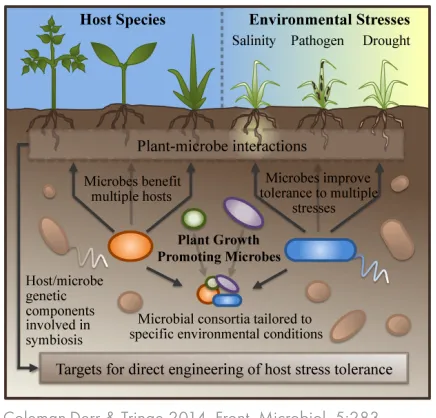
FIGURE 1 | Advantages of symbiont-based approaches to improving
stress tolerance in crops.Plant-growth promoting microbes are capable
of conferring benefits to multiple species of plant hosts, and of offering improved tolerance to multiple stresses simultaneously. Inoculations with combinations of PGPM can be tailored to specific environmental
conditions. Dissection of plant–microbe interactions during symbiosis has the potential to reveal both the microbial and host genetic components responsible for improved stress tolerance; these may serve as targets for plant-breeding/genetic-engineering based approaches to improving stress tolerance in the host.
under natural environmental conditions. These microbes can add genetic flexibility to the adaptation of comparatively sessile and longer-lived plants (Barrow et al., 2008). The concept of “habitat-specific symbioses,” put forth byRodriguez et al. (2008), is one of the most intriguing discoveries pertaining to microbial contribu-tions to stress tolerance made in recent years. Their research found that salt, drought, and disease resistance were each individually conferred by specific fungal symbionts that had been harvested from coastal, arid, and agricultural environments, respectively. Furthermore, they found that these beneficial effects could be conferred on different plant host species, including both mono-cots and dimono-cots. These insights suggest that the foundation for the growth-promoting effects of microbial symbionts is based on the co-evolution of the association between plant and microbe under adverse environmental conditions (Rodriguez et al., 2008). For the purposes of developing novel biotechnological agents for use in agriculture, this study supports the idea that the optimal place to look for PGPM that confer resistance to a specific environmental stress is in soils where that stress is a regular phenomenon.
to have measurable effects on host fitness (Friesen et al., 2011). Two recent studies found that more than 25% of bacteria iso-lated from cultivated crops had plant growth promoting activities (Hassan et al., 2010;Marasco et al., 2012). While the identifica-tion of microbial endophytes has been challenging in the past due to the frequent lack of plant–host symptoms, localized colo-nization, intimate integration with plant cellular structures, and lack of cultivability, recent advances in genomic technologies have helped make this process faster and cheaper (Berg et al., 2013). A recent technique for selective depletion of chloroplast and mitochondrial-derived 16S amplicons allows for vastly increased resolution of bacterial endophyte populations derived from within plant tissues (Lundberg et al., 2013). While in the past whole-genome sequencing of candidate symbionts was only possible for cultivable species, it is now possible to obtain draft genomes of microbial endophytes in a high-throughput fashion using single-cell sorting coupled with next-generation sequencing technologies (Woyke et al., 2006). Understanding the genomic content of these PGPMs will enable us to better understand the mechanisms behind the conferred stress-tolerances, as well as cultivate them Coleman-Derr & Tringe 2014. Front. Microbiol. 5:283
Content
Description 3
Location 5
Programme 6
Abstracts 8
List of participants 18
Description
The workshop aims to strengthen a network among plant breeders and scientist of different disciplines to explore the use of plant-microbe interactions in plant breeding.
In recent years, plant-associated microbes have received considerable attention in research for their ability to improve crop productivity and yield stability. Benefits include improved nutrient uptake and resistance against biotic and abiotic stresses. Influences of crop management, soil parameters and climat-ic effects are well documented. Knowledge on plant genetclimat-ic determinants for beneficial interactions with individual microbes (incl. biologicals) and entire communities is growing rapidly. Several reports indicate that not only the host species but also the host genotype play a significant role in driving microbial community composition and activity, selecting for and against particular mem-bers of the microbial community. However, to what extent genetic factors are responsible for shaping beneficial plant microbiomes is still poorly understood. Similarly, seed or plant microbiome manipulation via the introduction of bio-logicals offers great promise, but still suffers from variable outcomes due to in-sufficient knowledge of the factors involved for a successful integration. In con-clusion, there are still many uncertainties on how to implement this knowedge into plant breeding and seed multiplication programmes.
The Workshop is organised by the EUCARPIA Working Group on Plant-Mi-crobe Interactions of the Section Organic and Low-Input Agriculture and will continue to discuss the potential and limitations of implementing the growing knowledge on plant-microbe interactions in plant breeding in order to improve stress resistance, plant nutrition, plant health and general adaptability, and links between upstream disciplines and breeding. This shall foster the dialogue between the different disciplines in order to develop advanced breeding strat-egies for the future.
Session I: Genetic determinants of plant-microbe interactions
Keynote: Dr. Davide Bulgarelli
(Royal Society of Edinburgh Research Fellow at Dundee University)
Session II: Integration of plant-microbe interactions into breeding
On behalf of the Organizing Committee:
Pierre Hohmann 1, Friederike Trognitz 2, Monika Messmer 1
1 Department of Crop Sciences, Research Institute of Organic Agriculture (FiBL), Frick, Switzerland
2 AIT Austrian Institute of Technology GmbH, Tulln, Austria
Supported by:
Location
The workshop is taking place at Universitäts- und Forschungszentrum Tulln, Konrad Lorenz-Str. 24, 3430 Tulln an der Donau, Austria.
Parken: Zufahrt über G.-Mendel-Str.
Südumfahrung
Frauenhofener Straße
Dr. Karl Landsteiner Straße Staasdorfer Straße Königstetter Straße Bahnhof FH Rotes Kreuz Studenten-wohnheim Rosenheim Psychosoz. Betreuungs-zentrum Landwirtsch. Fachschule IFA Donau-klinikum Tulln EVN Bezirksleitung Tulln TFZ Kindergarten Tulln Zentrum Alter Ziegelweg Konrad Lorenz-Straße
Ludwig van Beethovenstraße
Gregor-Mendel-Straße UFT „Baumschule“ Parkplatz Haupteingang Anfang/Ende Fahrverbot Kreisverkehr
Richtung Wien Nord / Krems
Richtung Wien West (Riederberg) Richtung St. Pölten
Richtung Klosterneuburg
Frauentorgasse
Egon Schiele Gasse
Technopark
Fahrverbot
„Anker“
Zufahrt zum UFT über Gregor-Mendel-Straße
Jakob-Schefzig Gasse
Zufahrt zum UFT Zufahrt zu
FH und IFA Zufahrt zum UFT Zufahrt zum TFZ A A B C
Anfahrtsplan Campus Tulln Technopol
Unternehmen am Standort:
Universitäts- und Forschungs-zentrum Tulln (UFT):
TFZ – Technologie- und Forschungszentrum Tulln Interuniversitäres Department
für Agrarbiotechnologie (IFA):
Fachhochschule Wr. Neu-stadt, Standort Tulln (FH):
Südumfahrung
Frauenhofener Straße
Dr. Karl Landsteiner Straße Staasdorfer Straße Königstetter Straße Bahnhof FH Rotes Kreuz Studenten-wohnheim Rosenheim Psychosoz. Betreuungs-zentrum Landwirtsch. Fachschule IFA Donau-klinikum Tulln EVN Bezirksleitung Tulln TFZ Kindergarten Tulln Zentrum Alter Ziegelweg Konrad Lorenz-Straße
Ludwig van Beethovenstraße
Gregor-Mendel-Straße UFT „Baumschule“ Parkplatz Haupteingang Anfang/Ende Fahrverbot Kreisverkehr
Richtung Wien Nord / Krems
Richtung Wien West (Riederberg) Richtung St. Pölten
Richtung Klosterneuburg
Frauentorgasse
Egon Schiele Gasse
Technopark
Fahrverbot
„Anker“
Zufahrt zum UFT über Gregor-Mendel-Straße
Jakob-Schefzig Gasse
Zufahrt zum UFT Zufahrt zu
FH und IFA Zufahrt zum UFT Zufahrt zum TFZ A A B C
Anfahrtsplan Campus Tulln Technopol
Unternehmen am Standort:
Universitäts- und Forschungs-zentrum Tulln (UFT):
TFZ – Technologie- und Forschungszentrum Tulln Interuniversitäres Department
für Agrarbiotechnologie (IFA):
Fachhochschule Wr. Neu-stadt, Standort Tulln (FH):
Bahnhof Tulln
Universitäts-‐ und Forschungszentrum Tulln (UFT)
Universität für Bodenkultur
Konrad Lorenz-‐Str. 24, 3430 Tulln an der Donau (Zufahrt über Gregor-‐Mendel-‐Str.)
Südumfahrung
Frauenhofener Straße
Dr. Karl Landsteiner Straße Staasdorfer Straße Königstetter Straße Bahnhof FH Rotes Kreuz Studenten-wohnheim Rosenheim Psychosoz. Betreuungs-zentrum Landwirtsch. Fachschule IFA Donau-klinikum Tulln EVN Bezirksleitung Tulln TFZ Kindergarten Tulln Zentrum Alter Ziegelweg Konrad Lorenz-Straße
Ludwig van Beethovenstraße
Gregor-Mendel-Straße UFT „Baumschule“ Parkplatz Haupteingang Anfang/Ende Fahrverbot Kreisverkehr
Richtung Wien Nord / Krems
Richtung Wien West (Riederberg) Richtung St. Pölten
Richtung Klosterneuburg
Frauentorgasse
Egon Schiele Gasse
Technopark
Fahrverbot
„Anker“
Zufahrt zum UFT über Gregor-Mendel-Straße
Jakob-Schefzig Gasse
Zufahrt zum UFT Zufahrt zu
FH und IFA Zufahrt zum UFT Zufahrt zum TFZ A A B C
Anfahrtsplan Campus Tulln Technopol
Unternehmen am Standort:
Universitäts- und Forschungs-zentrum Tulln (UFT):
TFZ – Technologie- und Forschungszentrum Tulln Interuniversitäres Department
für Agrarbiotechnologie (IFA):
Fachhochschule Wr. Neu-stadt, Standort Tulln (FH):
Südumfahrung
Frauenhofener Straße
Dr. Karl Landsteiner Straße Staasdorfer Straße Königstetter Straße Bahnhof FH Rotes Kreuz Studenten-wohnheim Rosenheim Psychosoz. Betreuungs-zentrum Landwirtsch. Fachschule IFA Donau-klinikum Tulln EVN Bezirksleitung Tulln TFZ Kindergarten Tulln Zentrum Alter Ziegelweg Konrad Lorenz-Straße
Ludwig van Beethovenstraße
Gregor-Mendel-Straße UFT „Baumschule“ Parkplatz Haupteingang Anfang/Ende Fahrverbot Kreisverkehr
Richtung Wien Nord / Krems
Richtung Wien West (Riederberg) Richtung St. Pölten
Richtung Klosterneuburg
Frauentorgasse
Egon Schiele Gasse
Technopark
Fahrverbot
„Anker“
Zufahrt zum UFT über Gregor-Mendel-Straße
Jakob-Schefzig Gasse
Zufahrt zum UFT Zufahrt zu
FH und IFA Zufahrt zum UFT Zufahrt zum TFZ A A B C
Anfahrtsplan Campus Tulln Technopol
Unternehmen am Standort:
Universitäts- und Forschungs-zentrum Tulln (UFT):
TFZ – Technologie- und Forschungszentrum Tulln Interuniversitäres Department
für Agrarbiotechnologie (IFA):
Fachhochschule Wr. Neu-stadt, Standort Tulln (FH):
Bahnhof Tulln
Universitäts-‐ und Forschungszentrum Tulln (UFT)
Universität für Bodenkultur
Konrad Lorenz-‐Str. 24, 3430 Tulln an der Donau (Zufahrt über Gregor-‐Mendel-‐Str.)
Südumfahrung
Frauenhofener Straße
Dr. Karl Landsteiner Straße Staasdorfer Straße Königstetter Straße Bahnhof FH Rotes Kreuz Studenten-wohnheim Rosenheim Psychosoz. Betreuungs-zentrum Landwirtsch. Fachschule IFA Donau-klinikum Tulln EVN Bezirksleitung Tulln TFZ Kindergarten Tulln Zentrum Alter Ziegelweg Konrad Lorenz-Straße
Ludwig van Beethovenstraße
Gregor-Mendel-Straße UFT „Baumschule“ Parkplatz Haupteingang Anfang/Ende Fahrverbot Kreisverkehr
Richtung Wien Nord / Krems
Richtung Wien West (Riederberg) Richtung St. Pölten
Richtung Klosterneuburg
Frauentorgasse
Egon Schiele Gasse
Technopark
Fahrverbot
„Anker“
Zufahrt zum UFT über Gregor-Mendel-Straße
Jakob-Schefzig Gasse
Zufahrt zum UFT Zufahrt zu
FH und IFA Zufahrt zum UFT Zufahrt zum TFZ A A B C
Anfahrtsplan Campus Tulln Technopol
Unternehmen am Standort:
Universitäts- und Forschungs-zentrum Tulln (UFT):
TFZ – Technologie- und Forschungszentrum Tulln Interuniversitäres Department
für Agrarbiotechnologie (IFA): Fachhochschule Wr. Neu-stadt, Standort Tulln (FH): Südumfahrung
Frauenhofener Straße
Dr. Karl Landsteiner Straße Staasdorfer Straße Königstetter Straße Bahnhof FH Rotes Kreuz Studenten-wohnheim Rosenheim Psychosoz. Betreuungs-zentrum Landwirtsch. Fachschule IFA Donau-klinikum Tulln EVN Bezirksleitung Tulln TFZ Kindergarten Tulln Zentrum Alter Ziegelweg Konrad Lorenz-Straße
Ludwig van Beethovenstraße
Gregor-Mendel-Straße UFT „Baumschule“ Parkplatz Haupteingang Anfang/Ende Fahrverbot Kreisverkehr
Richtung Wien Nord / Krems
Richtung Wien West (Riederberg) Richtung St. Pölten
Richtung Klosterneuburg
Frauentorgasse
Egon Schiele Gasse
Technopark
Fahrverbot
„Anker“
Zufahrt zum UFT über Gregor-Mendel-Straße
Jakob-Schefzig Gasse
Zufahrt zum UFT Zufahrt zu
FH und IFA Zufahrt zum UFT Zufahrt zum TFZ A A B C
Anfahrtsplan Campus Tulln Technopol
Unternehmen am Standort:
Universitäts- und Forschungs-zentrum Tulln (UFT):
TFZ – Technologie- und Forschungszentrum Tulln Interuniversitäres Department
für Agrarbiotechnologie (IFA): Fachhochschule Wr. Neu-stadt, Standort Tulln (FH):
Bahnhof Tulln
Universitäts-‐ und Forschungszentrum Tulln (UFT)
Universität für Bodenkultur
Konrad Lorenz-‐Str. 24, 3430 Tulln an der Donau (Zufahrt über Gregor-‐Mendel-‐Str.)
Tulln
Donau
Programme
9:00 – 9:30 Registration & coffee
9:30 Welcome note
Session 1
9:40 –10:10 Keynote: Defining the host genetic
determinants of the barley rhizos-phere microbiota
Davide Bulgarelli (Dundee Univ.)
10:10 – 10:25 Effect of different Serendipita species on Fusarium wilt in a susceptible and tolerant tomato cultivar
Negar Ghezel Sefloo, …, Karin Hage-Ahmed
10:25 – 10:40 Influence of bacteria inoculation of the gene expression during soybean germination
Friederike Trognitz, …, Angela Sessitsch
10:40 – 10:55 Genetically determined respon-siveness to beneficial microbiomes in the rhizosphere can suppress phytonematodes
Ahmed Elhady, …, Holger Heuer
10:55 – 11:10 Genetic differences in barley govern the receptiveness to priming agent
Abhishek Shrestha, …, Adam Schikora
Session 2
11:10 – 11:40 Keynote: Strategies for molecular
resistance breeding and directions for enabling beneficial plant-microbe interactions
Martin de Vos (KeyGene N.V.)
11:40 – 11:55 Breeding for priming triggered leaf rust resistance in barley
Gwendolin Wehner, …, Frank Ordon
11:55 – 12:40 Lunch break
12:45 – 13:00 Innovative biofertilizers improving yielding of horticultural crops and soil fertility
Sas Pasz L., …, Krzysztof Weszczak
13:00 – 13:15 Heritability of root rot resistance of pea assessed on naturally infested field soil
Lukas Wille, …, Pierre Hohmann
13:15 – 13:30 Insights of a WUR workshop on Breeding for Diversity
Guusje Bonnema, … Liesje Mommer 13:30 – 14:15 Flash talks (3 minutes each)
1. Caroline Schneider & Mirjam Seeliger, INOQ
2. Maurico Dimitrov, KeyGene
3. Szilvia Bencze,ÖMKi
4. Jaderson Armanhi & Bárbara Bort Biazotti, University of Campinas
5. Ulf Feuerstein, DSV
6. Céline Hamon, Vegenov
7. Anurag Chaturvedi, Université de Lausanne
8. Michelle Carkner, University of Manitroba
9. Shree Pariyar, Forschungszentrum Jülich
10. Abco de Buck, Louis Bolk Institute
Abstracts
Defining the host genetic determinants of the barley rhizosphere microbiota
Davide Bulgarelli
Plant Sciences, School of Life Sciences, University of Dundee at the James Hutton Institute. Invergowrie DD2 5DA, Scotland, United Kingdom
My group uses barley (Hordeum vulgare) as a model to gain novel insights into the functional significance of plant-microbiota interactions in the rhizosphere and devise novel strategies to enhance sustainable crop production.
We previously demonstrated that Elite varieties and wild barley ancestors host distinct microbiotas, possibly representing a footprint of plant domestication on the microbial communities inhabiting the rhizosphere. We recently extended these lines of investigation by characterising the microbiota of a bi-parental pop-ulation between an elite variety and a wild barley ancestor. By combining 16S rRNA gene sequencing profiles, as ‘quantitative traits’, with thousands of SNPs in the barley genome we compiled a map of the plant loci shaping the rhizos-phere microbiota. Strikingly, we did not observe a linear relationship between number of loci and bacteria putatively controlled by them. Rather, our data sug-gest that microbial community assembly in the barley rhizosphere is controlled by a few major alleles with a major effect. In particular, we identified a single locus on barley chromosome 3H significantly associated with the recruitment of several, phylogenetically unrelated, bacteria. We produced isogenic barley lines harbouring contrasting alleles at the locus of interest and we demonstrated that the introgression of wild barley genes into a modern variety on chromosome 3H is sufficient to shape, at least in part, the rhizosphere microbiota.
Here I will discuss the experiments that led us to these discoveries and their implications for basic science and translational agriculture.
Effect of different Serendipita species on Fusarium wilt in a susceptible and tolerant tomato cultivar
Negar Ghezel Sefloo, Constanze Hauser, Anna Marie Hallasgo, Krzysztof Wieczorek, Siegrid Steinkellner and Karin Hage-Ahmed
Institute of Plant Protection, Department of Crop Sciences, University of Natural Resources and Life Sciences, Vienna, 3430 Tulln, Austria
Endophytic fungi from the family Serendipitaceae have recently gained increasing attention due to their growth-promoting and bioprotective properties. The ma-jority of studies were conducted with the most prominent representatives, such as Serendipita indica and S. vermifera. However, due to their origin, they might be critical for application in Europe. To date, little is known about other mem-bers of this family, such as S. williamsii and S. herbamans, which are of European origin. To test their biocontrol and growth-promoting potential, a susceptible and tolerant tomato cultivar (Kremser Perle and Micro-Tom, respectively) was inoculated with S. williamsii, S. herbamans, S. indica or S. vermifera and challenged with the soilborne pathogen Fusarium oxysporum f. sp. lycopersici (Fol) in green-house experiments. Furthermore, in vitro assays on the direct inhibitory effects of Serendipita spp. against Fol were performed. Negative effects of Fol on the phe-nological growth in the susceptible cultivar were alleviated by all four applied
Serendipita spp. Apart from these similar effects on biometric parameters, disease
Influence of bacteria inoculation of the gene expression during soybean germination
Friederike Trognitz, Oscar Gonzales Lopez, Angela Sessitsch
AIT Austrian Institute of Technology GmbH, Center for Health & Bioresources, Bioresources Unit, Konrad-Lorenz-Straße 24, 3430 Tulln, Austria
Many plants are reproduced through seeds. Seeds are adapted to survive for a period under unfavorable conditions. Longevity depends on the plant species, storage conditions but is also linked to certain microbial activities. To test the effect of bacterial seed endophytes germination, we isolated endophytes from different soybean varieties with different germination abilities. Isolates were tested on soybean for germination improvement under cool conditions and bio-control activity in vitro. Several strains had a positive effect on seedling growth at 12° C. Two strains were selected for further analysis on the transcriptome on soybean, and of the two strains showed more biocontrol activities against
Rhizoctonia solani and Fusarium oxysporum, whereas the other one had plant
growth-promoting abilities. For the transcriptome experiment, the seeds were inoculated with either of the strains and kept for 24 and 48 hours at 18° C. The change in the plant gene expression due to bacterial inoculation was analyzed. Both strains had a different effect on the plant. The biocontrol strain influenced plant gene regulation already after 24 hours at 18° C and differential regulated genes belong to the defense pathway like FLS2, WRKY33, CDPK and PR1. After 48 hours genes involved in germination were up-regulated like genes involved in phytohormone production of auxin and cytokinin, whereas genes for ethylene and abscisic acid production were down-regulated. Inoculation with the plant growth-promoting strain resulted after 48 hours in the up- or down-regulation of only 500 genes, whereas 2000 genes were differentially expressed when inoc-ulated with the biocontrol strain.
Applying both strains in a field trial, we found higher seed weight per 100 seeds compared to the control treatment and a higher oil content in the seeds, but no change in the protein content. Future tests are needed on different varieties to prove the findings.
Genetically determined responsiveness to beneficial microbiomes in the rhizosphere can suppress phytonematodes
Ahmed Elhady, Shimaa Adss, Johannes Hallmann, Holger Heuer
Department of Epidemiology and Pathogen Diagnostics, Julius Kühn-Institut – Federal Research Centre for Cultivated Plants, Braunschweig, Germany
Genetic differences in barley govern the receptiveness to priming agent
Abhishek Shrestha1, Ahmed Elhady1, Shimaa Adss1, Gwendolin Wehner 2,
Chris-toph Böttcher 3, Holger Heuer1, Frank Ordon 2 and Adam Schikora1
1 Julius Kühn-Institut, Federal Research Centre for Cultivated Plants (JKI), Institute for
Epidemiology and Pathogen Diagnostics, Messeweg 11/12, 38104 Braunschweig, Germany
2 Julius Kühn-Institut, Federal Research Centre for Cultivated Plants (JKI), Institute for Resistance
Research and Stress Tolerance, Erwin-Baur-Str. 27, 06484 Quedlinburg, Germany
3 Julius Kühn-Institut, Federal Research Centre for Cultivated Plants (JKI), Institute for Ecological
Chemistry, Plant Analysis and Stored Product Protection, Königin-Luise-Straße 19, 14195 Ber-lin, Germany
Priming crop plants for enhanced resistance using biocontrol agents is an effi-cient disease management strategy, since it results in robust resistance and high-er yield. The beneficial effects of the bacthigh-erial quorum sensing (QS) molecules e.g. N-acyl homoserine lactones (AHL) on resistance and plant growth have been shown in different plant species. Here, we present the effects of the AHL, oxo-C14-HSL, on the priming capacity of barley. We demonstrated that barley primed with Ensifer meliloti, expresses enhanced resistance against Blumeria
graminis. We also showed that the capacity to induce priming varies among
dif-ferent barley genotypes. Among a set of barley genotypes, we identified “prima-ble” genotypes that had better ability to enhance resistance and “non-prima“prima-ble” genotypes that were non-responsive to oxo-C14-HSL and therefore, did not have any ability to enhance resistance. This suggests that appropriate genetic compo-nent is required for AHL-induced priming. We further showed that priming for enhanced resistance in barley involves stronger activation of the barley ortholog of the MPK6, regulation of defense-related PR1 and PR17b genes and remode-ling of the cell wall structure. Noticeable was the stronger accumulation of lignin upon priming after a chitin challenge. Interestingly, the global metabolomic changes in barley during priming are rather subtle and specific. Identification of these metabolites is important as it opens doors to study the mechanisms and understand the relation between the plant genomic background and the prim-ing agent. This understandprim-ing would further increase the efficacy of primprim-ing
Heritability of root rot resistance of pea assessed on naturally infested field soil
Lukas Wille1,2, Monika M. Messmer1, Bruno Studer 2, Pierre Hohmann1
1 Plant Breeding, Department of Crop Sciences, Research Institute of Organic Agriculture
(FiBL), Frick, Switzerland
2 Molecular Plant Breeding, Institute of Agricultural Sciences, ETH Zürich, Zurich, Switzerland
Innovative biofertilizers improving yielding of horticultural crops and soil fertility.
Sas Paszt L., Paweł Trzciński, Anna Lisek, Beata Sumorok, Edyta Derkowska, Sławomir Głuszek, Krzysztof Górnik, Mateusz Frąc, Michał Przybył, Krzysztof Weszczak
Research Institute of Horticulture, Konstytucji 3 Maja 1/3, 96-100 Skierniewice, Poland
To obtain high yields in intensive horticultural and agricultural production, high levels of mineral fertilization combined with the application of chemical plant protection products are commonly used. This results in a loss of the biological potential and erosion of soils, which leads to deterioration in the quality and fertility of cultivated soils. An alternative to such production is the use of microbially-enriched biofertilizers, biostimulators and composts. The aim of the study was to evaluate the effects of the applied microbial bi-oproducts on the growth and yield and develop innovative technologies for improving the quality of soils of selected species of horticultural plants. We have developed innovative consortia of beneficial microorganisms on the basis of the resources collected in SYMBIO BANK of the Department of Mi-crobiology, Research Institute of Horticulture in Skierniewice. The results of the experiments demonstrated a positive influence of the microbial method of cultivating fruit and vegetable crops with the use of beneficial microorgan-isms, a compost based on biochar and humic acids on the vegetative growth and yielding of plants and the occurrence of beneficial groups of microorgan-isms in the rhizosphere of those plants. Moreover, the application of beneficial microorganisms positively affected the germination of vegetable seeds and seedlings emergence. Due to vegetable seeds treatments with beneficial mi-croorganisms, the dynamics of root and hypocotyl growth at the early stages of plant development was improved as well as further growth of plants was stimulated. The application of beneficial microorganisms also positively in-fluenced photosynthetic activity monitored by chlorophyll a fluorescence in leaves. As a result of the application of beneficial microorganisms and bioferti-lizers in cultivation significantly higher yields of the tested vegetable and fruit species were achieved, with better storage and processing qualities compared to conventional production. The use of beneficial microorganisms in cultiva-tion of horticultural plants will multiply their positive impact on the yield
potential of horticultural plants and improve the quality of soils. Widespread use of the innovative bioproducts in organic cultivation of vegetables and fruit will help improve the quality of soils and increase the profitability of horticul-tural farms by reducing production costs.
Acknowledgement:
Publication financed (co-financed) by the National Centre for Research and Development under the BIOSTRATEG program, contract number
Workshop “Breeding for diversity”
Guusje Bonnema1, Peter Bourke1, Jochem Evers 2, Thomas Kuyper 3 and
Liesje Mommer 4.
1 Plant Breeding, Wageningen University & Research
2 Centre for Crop Systems Analysis, Wageningen University & Research
3 Soil Biology, Wageningen University & Research; 4)Plant Ecology and Nature Conservation,
Wageningen University & Research
On 30 Oct 2019, scientists and representatives from breeding companies and the Dutch government gathered to discuss the opportunities to do plant breeding for crop mixtures, during the workshop ‘Breeding for Diversity’ on the Wagen-ingen UR campus,
www.pe-rc.nl/breeding-for-diversity.
Crop diversification is one of the cornerstones in building sustainable, circular agricultural systems. One of the most promising strategies is mixed cropping – growing different crops and/or genotypes together. Currently, several initiatives are exploring the agronomic and economic benefits at the farm level. However, we do not know what traits make different crop species/genotypes a ‘winning team’, as the genotypes that perform best in monocultures may not be suita-ble for mixtures. By understanding crop complementarity and identifying these traits, the Dutch breeding sector will be equipped with the tools needed to breed for circular agriculture and catalyse this radical change. We aim to provide a scientific basis for developing ‘winning teams’, based on both above and below-ground plant traits, including interactions with soil biota. We aim to build a 3D modelling tool that allows efficient testing of multiple genotype combinations that differ in key traits.
The challenges associated with breeding for such diverse systems were present-ed by WUR scientists and brepresent-eding companies, and subsequently discusspresent-ed in groups. In a short presentation I will summarize the outcome of the workshop in terms of opportunities, challenges and priorities in the domain of breeding for diversity.
Breeding for priming triggered leaf rust resistance in barley
Gwendolin Wehner1, Karolin Pohl 2, Nina Bziuk 2, Kornelia Smalla 2, Adam
Schikora 2 and Frank Ordon1
1 Julius Kühn-Institut (JKI), Institute for Resistance Research and Stress Tolerance, Erwin-Baur-Str.
27, 06484 Quedlinburg, Germany
2 Julius Kühn-Institut (JKI), Institute for Epidemiology and Pathogen Diagnostics, Messeweg
11/12, 38104 Braunschweig, Germany
Leaf rust (Puccinia hordei) is one of the major diseases of barley (Hordeum vulgare L.) leading to yield losses up to 60%. Resistance genes Rph1-Rph26 are known but most of these have been overcome, meanwhile. In this respect, priming may offer an op-portunity to enhance resistance to P. hordei. During quorum sensing in populations of many Gram-negative bacteria, single cells produce N-acyl homoserine-lactones (AHL). Those molecules are known to induce resistance in plants. The present study aims therefore at the detection of genotypic differences in the response of barley to AHL, followed by the identification of genomic regions involved in prim-ing capacity of barley, which is one of the most important cereal crops, worldwide. A diverse set of 200 spring barley accessions was treated with bacteria, i.e. a re-paired Ensifer meliloti natural mutant strain expR+ch producing substantial amount of the AHL oxo-C14-HSL and a transformed E. meliloti strain carrying the lactonase gene attM from Agrobacterium tumefaciens which inhibits AHL accumulation. Af-ter three bacAf-terial inoculations, plants at the three-leaf stage were infected with P.
hordei strain I-80. 12 days after infection scoring of the diseased leaf area and the
List of participants
Name Institution Email Country
Adam, Eveline Saatzucht Gleisdorf GmbH [email protected] Austria
Armanhi, Jaderson University of Campinas [email protected] Brazil
Bencze, Szilvia ÖMKi, Research Institute of Organic Agriculture
[email protected] Hungary
Bonnema, Guusje Plant Breeding, Wageningen University and Research
[email protected] Netherlands
Bort Biazotti, Barbara University of Campinas [email protected] Brazil
Bulgarelli, Davide University of Dundee [email protected] United Kingdom
Carkner, Michelle K. University of Manitoba [email protected] Canada
Chaturvedi, Anurawg Université de Lausanne [email protected] Switzerland
De Bruyne, Erik SESVanderHave NV/SA [email protected] Belgium
de Buck, Abco Louis Bolk Instituut [email protected] Netherlands
de Vos, Martin KeyGene N.V. [email protected] Netherlands
Elhady, Ahmed Julius Kühn-Institut (JKI) [email protected] Germany
Faist, Hanna AIT Austrian Institute of Technology [email protected] Austria
Farrar, Kerrie Aberystwyth University [email protected] United Kingdom
Feuerstein, Ulf Deutsche Saatveredelung AG [email protected] Germany
Górnik, Krzysztof Research Institute of Horticulture [email protected] Poland
Gottlieb, Shayin S. Pivot Bio [email protected] USA
Hage-Ahmed, Karin University of Natural Resources and Life Sciences, Vienna (BOKU)
[email protected] Austria
Hamon, Céline Vegenov [email protected] France
Hauser, Thure Pavlo University of Copenhagen [email protected] Denmark
Hohmann, Pierre Research Institute of Organic Agriculture FiBL
[email protected] Switzerland
Keijzer, Peter Louis Bolk Instituut [email protected] Netherlands
Kolb, Steffen Leibniz Centre for Landscape Research – ZALF
[email protected] Germany
Liedschulte, Verena Philip Morris International [email protected] Switzerland
Mathew, Suni Anie University of Turku [email protected] Finland
Mikó, Péter ATK [email protected] Hungary
Moreau, Philippe Euralis Semences [email protected] France
Pariyar, Shree Forschungszentrum Jülich [email protected] Germany
Persyn, Antoine VIB [email protected] Belgium
Rasche, Frank University of Hohenheim [email protected] Germany
Ravanbakhsh, Mohammad-hossein
Utrecht University [email protected] Netherlands
Robbins, Chanz Université de Lausanne [email protected] Switzerland
Rocha Dimitrov, Mauricio KeyGene [email protected] Netherlands
Sas-Paszt, Lidia Research Institute of Horticulture [email protected] Poland
Schlaeppi, Klaus University of Bern, Institute of Plant Sciences
[email protected] Switzerland
Schneider, Carolin Inoq GmbH [email protected] Germany
Schrey, Silvia D. Forschungszentrum Jülich [email protected] Germany
Seeliger, Mirjam INOQ GmbH [email protected] Germany
Shrestha, Abhishek Julius Kuehn-Institut [email protected] Germany
Spaner, Dean University of Alberta [email protected] Canada
Stocker, Franz Technical University of Graz [email protected] Austria
Temme, Nora KWS SAAT SE & Co.KGaA [email protected] Germany
Trognitz, Friederike AIT Austrian Institute of Technology [email protected] Austria Trzciński, Paweł Research Institute of Horticulture [email protected] Poland
Wehner, Gwendolin Julius Kühn-Institut [email protected] Germany
Wille, Lukas Research Institute of Organic Agriculture FiBL & ETH Zürich