City, University of London Institutional Repository
Citation
:
Aitken, L. M., Williams, G., Harvey, M., Blot, S., Kleinpell, R., Labeau, S.,Marshall, A., Ray-Barruel, G., Moloney-Harmon, P. A., Robson, W., Johnson, A. P., Lan, P. N. and Ahrens, T. (2011). Nursing considerations to complement the Surviving Sepsis
Campaign guidelines. Critical Care Medicine, 39(7), pp. 1800-1818. doi: 10.1097/CCM.0b013e31821867cc
This is the unspecified version of the paper.
This version of the publication may differ from the final published
version.
Permanent repository link: http://openaccess.city.ac.uk/3282/
Link to published version
:
http://dx.doi.org/10.1097/CCM.0b013e31821867ccCopyright and reuse:
City Research Online aims to make research
outputs of City, University of London available to a wider audience.
Copyright and Moral Rights remain with the author(s) and/or copyright
holders. URLs from City Research Online may be freely distributed and
linked to.
City Research Online: http://openaccess.city.ac.uk/ [email protected]
NURSING CONSIDERATIONS TO COMPLEMENT THE SURVIVING SEPSIS
CAMPAIGN GUIDELINES
Authors:
Leanne M Aitken, RN, PhD, FRCNA
Research Centre for Clinical and Community Practice Innovation, Griffith University,
Nathan, Queensland, Australia
Intensive Care Unit, Princess Alexandra Hospital, Woolloongabba, Queensland,
Australia
Ged Williams, RN, MHA
Gold Coast Health Services District, Gold Coast, Queensland, Australia
Clinical Professor, Research Centre for Clinical and Community Practice Innovation,
Griffith University, Gold Coast, Queensland, Australia
Maurene Harvey, RN, MPH
Consultants in Critical Care, Inc, Glenbrook, NV, USA
Stijn Blot, RN, CCRN, MNSc, PhD
General Internal Medicine and Infectious Diseases, Ghent University Hospital, Ghent,
Belgium
Faculty of Medicine and Health Sciences, University Ghent, Ghent, Belgium
Faculty of Healthcare, University College Ghent, Ghent, Belgium
Ruth Kleinpell, RN, PhD
Center for Clinical Research & Scholarship, Rush University Medical Center,
Chicago, IL, USA
Sonia Labeau, RN, MNSc
Faculty of Healthcare, University College Ghent, Ghent, Belgium
Andrea Marshall, RN, PhD
Faculty of Nursing and Midwifery, University of Sydney, NSW, Australia
Gillian Ray-Barruel, RN, Grad Cert ICU Nursing, BA (Hons)
Nursing Practice Development Unit, Princess Alexandra Hospital, Woolloongabba,
Queensland, Australia
Patricia A. Moloney-Harmon, RN, MS, CCNS, FAAN
Children’s Services, Sinai Hospital of Baltimore, Baltimore, MD, USA
Wayne Robson, RN, MSc
Patient Safety Programme Lead - Nottingham University Hospitals, UK
Alexander P Johnson, RN, MSN, ACNP-BC, CCNS, CCRN
Advocate BroMenn Medical Center, Normal, Illinois
Nguk Lan Pang, RN, MSc
KK Women’s and Children’s Hospital, Singapore
Tom Ahrens, RN, DNS, FAAN
Barnes-Jewish Hospital, St. Louis, MO, USA
Corresponding author
Dr Leanne Aitken
Professor of Critical Care Nursing
Griffith University & Princess Alexandra Hospital
Postal Address:
Nursing Practice Development Unit, Princess Alexandra Hospital
Ipswich Road, Woolloongabba QLD 4102, Australia
fax: +61 7 3176 7356
email: [email protected]
Financial support
This project was conducted under the auspices of the World Federation of Critical Care
Nurses (WFCCN), and no sponsorship or funding was received for this project.
NURSING CONSIDERATIONS TO COMPLEMENT THE SURVIVING SEPSIS
CAMPAIGN GUIDELINES
ABSTRACT
Objective: To provide a series of recommendations, based on the best available evidence, to
guide clinicians providing nursing care to patients with severe sepsis.
Design: Modified Delphi method involving international experts and key individuals in
subgroup work and electronic-based discussion among entire group to achieve consensus.
Methods: We used the Surviving Sepsis Campaign Guidelines (SSC) as a framework to
inform the structure and content of these guidelines. We used the Grades of Recommendation,
Assessment, Development and Evaluation (GRADE) system to rate the quality of evidence
from high (A) to very low (D) and to determine the strength of recommendations, with grade1
indicating clear benefit in the septic population and grade 2 indicating less confidence in the
benefits in the septic population. In areas without complete agreement between all authors a
process of electronic discussion of all evidence was undertaken until consensus was reached.
This process was conducted independently of any funding.
Results: Sixty-three recommendations relating to the nursing care of severe sepsis patients are
made. Prevention recommendations relate to education, accountability, surveillance of
nosocomial infections, hand hygiene and prevention of respiratory, central-line related,
surgical site and urinary tract infections, while infection management recommendations
related to both control of the infection source and transmission based precautions.
Recommendations related to initial resuscitation include improved recognition of the
deteriorating patient, diagnosis of severe sepsis, seeking further assistance and initiating early
resuscitation measures. Important elements of hemodynamic support relate to improving both
tissue oxygenation and macrocirculation. Recommendations related to supportive nursing care
management. Pediatric recommendations relate to the use of antibiotics, steroids,
vasopressors and inotropes, fluid resuscitation, sedation and analgesia and the role of
therapeutic end points.
Conclusion: Consensus was reached regarding many aspects of nursing care of the severe
sepsis patient. Despite this, there is an urgent need for further evidence to better inform this
area of critical care.
Keywords
Sepsis, severe sepsis, septic shock, nursing care, guidelines, Surviving Sepsis Campaign
Acknowledgements
We acknowledge and appreciate the input of R. Phillip Dellinger M.D. during the inception of
this project, particularly as it related to his experience with the development of the Surviving
Sepsis Campaign Guidelines for the Management of Severe Sepsis and Septic Shock. We
thank Gordon Speed for his review of the document in relation to comprehensiveness, logical
BACKGROUND
Sepsis, including severe sepsis and septic shock, continues to be a major healthcare problem
internationally. Although mortality related to severe sepsis and septic shock have reduced
slightly in the past decade, it remains above 20% (1, 2). As part of the response to optimize
care for this group of patients evidence-based clinical practice guidelines have been published
by the Surviving Sepsis Campaign (SSC) to facilitate clinicians to improve the outcomes of
patients with sepsis and septic shock (3, 4).
Although the SSC Guidelines (4) provide a comprehensive review of the medical
management of patients with sepsis and septic shock, they are frequently silent on the nursing
care that is essential for optimal outcome of these patients. Expert nursing knowledge and
skill is required for both the identification of the deteriorating patient as a result of newly
developed sepsis and the ongoing implementation of competent care for the known severe
sepsis patient. The World Federation of Critical Care Nurses (WFCCN), as the premier
organization for critical care nurses worldwide, consequently formed an international group of
interested experts in the area to provide guidance for nursing care of severe sepsis patients.
This care is provided by every registered nurse, as well as many of the advanced practice
nurses (e.g. Nurse Practitioner, Clinical Nurse Specialist or Consultant) who practice in the
acute hospital setting. Internationally, advanced practice nursing roles vary in scope,
education and authorization. Although the scope and requirements for some of these roles are
designated by legislation, for example, the scope of practice of the nurse practitioner, many of
the roles are professional extensions of the registered nurse role. Given this variation in
nursing roles from one region or country to another, we have not attempted to limit the
recommendations contained within this document to care provided only by registered nurses,
Most of these recommendations relate to the adult septic patient, with the majority of
interventions not tested in the pediatric patient. Despite this, many of the recommendations
are likely to be applicable to the pediatric setting. Throughout the document we have
identified where specific information confirming or denying application to patients in specific
age groups exists. Recommendations specific to the pediatric septic patient are contained
within section IV late in the document.
While this document is designed to provide guidance for every nurse who cares for
patients with severe sepsis, we have also provided recommendations regarding practice in
areas of joint responsibility with other members of the healthcare team. For example, nurses
frequently influence which central venous catheters or endotracheal tubes are purchased and
used, as well as provide care related to the device following insertion. In addition, although
most nurses do not order drugs, they do participate in protocol development and often
advocate for the timely ordering and administration of medications important to patient
outcomes in severe sepsis. Consequently, it is essential that nurses are familiar with the best
available evidence.
Of note, this document is not designed to provide information regarding strategies for
implementation to ensure practice is based on these recommendations. Rigorous and
comprehensive implementation and evaluation strategies are essential, but constitute a
separate body of knowledge and as such are not reviewed in this document. Clinicians are
encouraged to become familiar with appropriate strategies prior to implementing the
recommendations outlined throughout this document.
The aim of this review is therefore to provide a series of recommendations, based on the
best available evidence, to guide clinicians providing nursing care to patients with severe
METHODS
Sepsis, including severe sepsis and septic shock, has been well defined in the literature and
inform these guidelines (Table 1). These guidelines for nursing care are designed to augment,
not to replicate or replace, the current SSC Guidelines (4) and have been developed using the
following methodology:
WFCCN formed a team to develop guidelines for the nursing care of patients with
sepsis; the organization appointed a coordinator (LMA) and an organizational sponsor
(GW)
Known experts in the field of sepsis care were invited to contribute to the guidelines
Authors worked in sub-groups of two or three; wherever possible these authors
represented different geographical regions of the world
The broad structure of the SSC guidelines (4) was used to inform the structure and
content of these guidelines for nursing care
An additional section relating to prevention of infection and subsequent sepsis was
added in recognition of the pivotal role that nurses provide in this area
Each sub-group of authors undertook searches to locate any published literature that
informed the nursing care of patients with severe sepsis
Authors searched the literature referred to in the SSC guidelines (4), with searches
expanding based on the section topics
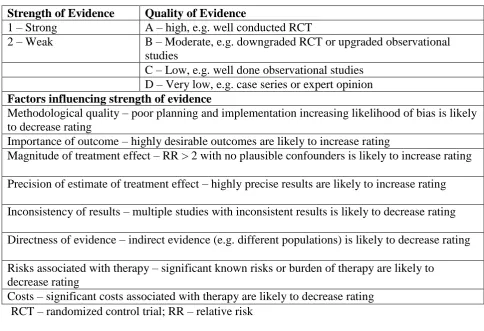
Analogous to the SSC guidelines (4), the Grades of Recommendation, Assessment,
Development and Evaluation (GRADE) system (5), was used to rate the quality of the
evidence (Table 2)
Initial discussion of relevance and quality of the evidence was undertaken
All recommendations were reviewed by the coordinator as well as an independent
reviewer (GRB), queries were discussed electronically with the sub-group, then with
the entire author team where necessary
The evidence supporting each recommendation, as outlined in the rationale, and the
associated level of recommendation, was then forwarded to all authors who
confirmed, or not, their support for each recommendation based on the rationale and
summary of evidence in line with the GRADE system (5)
Every recommendation that did not receive 100% agreement for the grade of support
was subject to email discussion and exploration of additional evidence until consensus
by all members of the author team was achieved.
This project was conducted under the auspices of the WFCCN, and no sponsorship or funding
was received for this project. All authors report no conflict of interest with respect to the
I. INFECTION PREVENTION
A. Education
1. We recommend interactive, multifaceted, longitudinal educational programs and
educational outreach to enhance guideline implementation. Traditional education
approaches, such as incorporated passive education and information dissemination
through conferences, web sites and didactic lectures, are often not effective (grade 1A).
2. We recommend educational initiatives to reduce healthcare-associated infection rates
(grade 1C).
Rationale. Education is generally considered as a first step to increase awareness of a
problem and as crucial for processes of change. A systematic review found that interactive,
multifaceted, longitudinal educational programs and educational outreach enhance guideline
implementation (6). More specifically, a systematic review that investigated the effect of
education on the reduction in infection rates concluded that the implementation of educational
interventions may considerably reduce healthcare associated infections (7).
B. Accountability
1. We suggest the promotion of a culture of patient safety and individual accountability
(grade 2D).
Rationale. Recent trends have seen a transition from accepting healthcare-associated
infection as an inevitable outcome of admission to the Intensive Care Unit (ICU) (8) towards
personal accountability and a goal of zero tolerance in relation to hospital-acquired infections
(9, 10). A systematic review of 30 reports of nosocomial infection found that at least 20%
hospital-acquired infection has been a lack of accountability of all levels of hospital staff (9). This
attitude is shifting, with recognition that hospital management, as well as every healthcare
worker, is responsible and accountable for ensuring patient safety including infection
prevention and control (9, 10). Educating and empowering nurses to ensure infection control
guidelines are followed by all staff has the potential to positively impact on hospital-acquired
infections (12, 13).
C. Surveillance of nosocomial infections
1. We recommend a continuous surveillance program for the detection of nosocomial
infection (grade 1B).
Rationale. Local surveillance systems (eventually integrated in a national surveillance
program) allow benchmarking of nosocomial infection data and are therefore essential to
guide and evaluate interventions to reduce infection rates. Surveillance systems combined
with appropriate feedback contribute to reduced nosocomial infection risk (14-19).
D. Hand hygiene
1. We recommend hand antisepsis, irrespective of the use of gloves, between caring for
different patients or between different care activities for the same patient, immediately
before and after each episode of direct patient contact, and after any activity or contact
that potentially results in hands becoming contaminated (grade 1B).
2. We recommend hand antisepsis by means of an alcohol-based hand rub (grade 1A).
3. We recommend hand washing with soap and water when hands are visibly soiled (grade
4. We recommend the use of gloves when contact with blood or other potentially infectious
materials, secretions, mucous membranes and non-intact skin could occur (grade 1D).
Rationale. Adequate hand antisepsis has proven to result in reduced infection rates (20,
21). The use of alcohol-based hand rub is particularly effective; in contrast with hand
washing, it kills susceptible bacteria more rapidly and to a greater extent, is less time
consuming, and skin health is better preserved when moisturizers are added. Hand
disinfection after glove removal is necessary because gloves may have imperceptible defects
or may be torn during use, resulting in contamination of hands. Hand washing is necessary
when hands are visibly dirty because alcohol-based hand rub is ineffective in the presence of
organic material. However, after hand washing, the use of alcohol-based hand rub remains
mandatory (20, 21).
As a rule of thumb, a first step towards adequate hand hygiene consists of avoiding direct
contamination of hands. The use of non-sterile, well fitting gloves is recommended whenever
the risk of contamination exists. Gloves must be changed between separate tasks on one
patient (when going from a dirty/contaminated to a clean body site) and in between different
patients (20-22).
E. Site-specific considerations
Most healthcare associated infections in the ICU are related to the use of therapeutic devices.
These include ventilator-associated pneumonia (VAP), catheter-related bloodstream infection
(CR-BSI), surgical site infection (SSI), and urinary tract infection (UTI) (23, 24).
E1. Prevention of respiratory infections
The development of pneumonia in patients mechanically ventilated with an artificial
airway may affect 10–48% of patients (25-27). VAP is associated with a higher mortality rate,
and significantly longer ICU length of stay and hospital costs (24, 27). However, VAP is
often preventable, and application of practices such as education strategies (28, 29) and
ventilator bundles (30, 31) have contributed to a reduction in VAP incidence. Strategies to
prevent VAP should be considered in all patients with severe sepsis (32).
1. We recommend head-of-bed elevation 30–45° for all critically ill and mechanically
ventilated patients (grade 1B). Special attention should be given to maneuvers in which it
is difficult to achieve a 30° head-of-bed elevation, such as during bed bath or changing
sheets. In such circumstances we recommend backrest elevation of at least 10° should be
maintained.
Rationale. Aspiration of upper airway secretions is a common event even in normal
healthy adults (33). Semi-recumbent position in mechanically ventilated patients has been
associated with lower levels of aspiration into the lower airways (34-36) and lower VAP
incidence than the supine position (37-39). In patients receiving enteral nutrition, head-of-bed
elevation is especially effective in reducing the risk of VAP (37). However, the feasibility of
maintaining head-of-bed elevation in daily practice has been questioned by some authors (40,
41). Van Nieuwenhoven et al (41) achieved average head-of-bed elevation of only 28° despite
a target of 45°, while Song et al (40) achieved head-of-bed elevation >30° in 43.4% of
2. We recommend the use of an endotracheal tube with subglottic secretion drainage in
patients expected to require mechanical ventilation for more than 72 hours (grade 1A).
Rationale. Impaired gag reflex leads to pooling of secretions in the posterior part of the
oropharynx (42), with microaspiration of subglottic secretions leading to VAP. Subglottic
secretion drainage is accomplished through use of a specially designed endotracheal or
tracheotomy tube with a separate dorsal lumen that opens directly above the endotracheal tube
cuff. Subglottic secretions drainage appears to be effective in preventing VAP (relative risk
[RR] 0.51, 95% confidence interval [95% CI] 0.37–0.71) in patients expected to be
mechanically ventilated for more than 72 hours (43).
3. We suggest the use of a silver-coated endotracheal tube be considered (grade 2A).
Rationale. In multicenter randomized controlled trials, a silver-coated endotracheal tube
was demonstrated to reduce bacterial airway colonization as well as VAP in patients intubated
24 hours or more (44, 45). More studies that confirm the current findings are required.
4. We suggest the use of an endotracheal tube with a polyurethane cuff (grade 2B).
Rationale. In a single center randomized controlled trial, an endotracheal tube with a
polyurethane cuff was shown to significantly reduce early onset post-operative pneumonia in
cardiosurgical patients (46). More studies that confirm this result are required.
5. We recommend endotracheal cuff pressure be maintained at least 20 cm H2O, but not
Rationale. Inadequate cuff pressure is a risk factor for microaspiration of oropharyngeal
secretions and subsequent pneumonia. One observational study among intubated patients not
receiving antibiotic therapy showed that a persistent intracuff pressure below 20 cm H2O was
an independent predictor of VAP (RR 4.2, 95% CI 1.1–15.9) (47). Cuff pressure should be
maintained at the lowest pressure above 20 cm H2O that prevents cuff leak.
6. We suggest heat and moisture exchangers (HME) should be changed between patients,
every 5–7 days, or as clinically indicated (grade 2C).
Rationale. Humidification of inspired air to prevent mucosal injury may be achieved by
using a heated humidifier, a heated humidifier with a heated-wire circuit, or passively using a
HME. There are insufficient data to demonstrate a benefit in VAP reduction for any
humidification device (48). No benefit in infection rates or functionality of ventilator circuits
has been demonstrated when HMEs are changed every day compared to 5–7 days (49, 50).
7. We recommend ventilator circuits should not be changed routinely, except between
patients (grade 1B).
Rationale. There is no evidence that routine ventilator circuit changes can reduce the
incidence of VAP (25, 51). New ventilator circuits should be used for each patient, and circuit
changes performed only if the circuit becomes visibly soiled or damaged (32).
8. We recommend the aspiration of endotracheal secretions in response to clinical signs, i.e.
in the patient’s condition that may be due to respiratory secretions, in intubated patients
(grade 1C).
Rationale. Critically ill patients mechanically ventilated via a tracheal tube frequently
require removal of tracheobronchial and upper airway secretions due to increased mucus
production and a decreased ability to clear secretions (52, 53). Secretion removal may reduce
infectious, respiratory and tube patency complications (54-56).
Suctioning should only be performed when necessary, using the lowest possible suction
pressure, take no longer than 15 seconds, use continuous rather than intermittent suctioning;
the suction catheter should occlude less than half the lumen of the endotracheal tube and be
inserted no further than the carina; hyperoxygenation should be provided before and after
suctioning, and saline lavage should be avoided (55, 57).
The optimum frequency of endotracheal suctioning has not been clearly determined, but
should be in response to clinical signs (56). There is insufficient evidence to recommend the
benefits of either an open or closed suctioning system (57).
9. We recommend regular mouth care and oral cavity assessment be provided to all critically
ill and intubated patients (grade 1C).
Rationale. Colonization of the oropharynx by pathogens is a potential risk factor for the
development of VAP (58-60). Critical illness contributes to changes in the oral flora, and an
increase in gram-negative flora that includes more virulent organisms may occur (61, 62).
Providing regular oral care, incorporating oral cavity assessment, is an important part of
providing comfort to the critically ill patient (63) and is also demonstrated to contribute to a
mucus membranes and lips, and barriers to mouth care delivery (63). The use of a designated
oral care protocol, in association with an education program for nurses in its importance in
preventing VAP, can increase compliance and assessment of mouth care (68).
10.We recommend the use of chlorhexidine-based antiseptic for oral care in intubated
patients (grade 1A).
Rationale. Chlorhexidine is widely used and investigated in the oral care of intubated
patients (69-72). Chlorhexidine effectively decontaminates the oropharynx (73, 74), and its
use in oral care has been proven to decrease dental plaque (75) and incidence of respiratory
infections (76), and substantially decrease the incidence of VAP (77-79). The optimal
concentration of chlorhexidine solution (0.12%, 0.2% or 2%) remains undetermined. The
optimum frequency for oral care with chlorhexidine has not been demonstrated. In general, a
frequency of 3–4 times daily is proposed (69, 80, 81). The benefit of tooth brushing in
critically ill patients as a component of oral care protocols has demonstrated efficacy but
additional research is indicated (65, 66). Tap water is not recommended for oral care in the
critically ill (63).
E2. Prevention of central line-related bloodstream infections (CR-BSI)
1. We recommend the implementation of a central line care bundle including staff education,
creation of a catheter insertion cart, implementation of a checklist to ensure adherence to
evidence based guidelines, empowering nurses to stop catheter insertion procedures when
a guideline violation is observed, and daily assessment of possible catheter removal (grade
Rationale. A bundle approach to central venous catheter (CVC) insertion and care (12, 13,
82, 83) has proven to be effective in substantially reducing the rate of CR-BSI. Nurses play a
key role in preventing CR-BSI through the activities outlined above.
2. We recommend the use of maximal sterile barriers during CVC insertion (grade 1A).
Rationale. During the CVC insertion procedure, all healthcare personnel involved must
wear a mask, cap, sterile gown, and sterile gloves and the patient is to be covered with a large
sterile drape (84-88). Use of maximal sterile barrier precautions during CVC insertion have
led to reduced infection rates (87, 89, 90).
3. We recommend the use of a chlorhexidine-based antiseptic for skin preparation before
insertion and subsequent catheter care (grade 1A).
Rationale. As the risk of CR-BSI increases with the density of microorganisms at and
around the insertion site (21), site antisepsis is crucial in the prevention of infection. Aqueous
chlorhexidine (2%) solution has consistently been found to be superior to both 10% povidone
iodine and 70% alcohol for preventing CR-BSI (91-93).
4. We suggest the replacement of administration sets every 96 hours (grade 2A), except
when used for the administration of blood, blood products or lipids, in which case sets
must be changed within 24 hours (grade 1A).
Rationale. A Cochrane systematic review found no increase in the risk for CR-BSI when
When a fluid that enhances microbial growth is infused (lipid emulsions, blood products)
more frequent changes of administration sets are indicated because these products have been
identified as independent risk factors for CR-BSI in both adults and neonates (95-100).
5. We recommend the use of minocyclin-rifampin impregnated catheters (grade 1B).
Rationale. Studies have repeatedly demonstrated a significant reduction in CR-BSI with
the use of impregnated CVCs in comparison with standard catheters (101-104); this reduction
in infection rates has been greatest with minocycline-rifampin coated CVCs when compared
to other impregnated CVCs (105). Minocycline-rifampin impregnated CVCs are approved for
use in the pediatric population by the Food and Drug Administration (USA); however, studies
have not been conducted in children.
E3. Prevention of surgical site infections (SSI)
1. We recommend that antimicrobial prophylaxis be administered within one hour before
incision to maximize tissue concentration. Two hours are allowed for the administration
of vancomycin and fluoroquinolones (grade 1A).
Rationale. In 2003, the Surgical Infection Prevention Guideline Writers Workgroup
meeting reviewed the various guidelines for antimicrobial prophylaxis in surgery (106). On
the basis of published evidence, the workgroup concluded that infusion of the first
antimicrobial dose should begin within 60 minutes before incision, and when a
fluoroquinolone or vancomycin is indicated the infusion should begin within 120 minutes
2. We recommend that only hair that will interfere with the operation be removed, and that,
if hair removal is necessary, it should be removed by using electric clippers (grade 1B).
Rationale. Although several authors have reported pre-operative hair removal is
associated with increased SSI rates (108-111), a Cochrane systematic review compared a
variety of hair removal methods (depilatory cream, razors, clippers) versus no hair removal
and reported no difference in SSI rates among patients who had hair removal prior to surgery
and those who did not (112). The same review found that shaving led to statistically
significantly more SSIs compared with clipping or depilatory cream (112). The increased
infection risk associated with the technique of shaving is attributed to the formation of
microscopic cuts in the skin that later act as foci for bacteria (108). Although the use of
depilatories has been associated with a lower SSI risk than shaving or clipping (113, 114) they
can produce hypersensitivity reactions (114).
3. We recommend that blood glucose levels be controlled during the immediate
post-operative period for patients undergoing cardiac surgery: controlled blood glucose level
(lower than 200 mg/dL) on post-operative day 1 and post-operative day 2, with procedure
day being post-operative day 0 (grade 1C).
Rationale. Increased glucose levels (>200 mg/dL) in the immediate post-operative period
(≤48 hours) are associated with increased SSI risk (115, 116). One study found that patients
with a blood glucose level more than 300 mg/dL within 48 hours of surgery had more than
three times the likelihood of a wound infection (117). Regular monitoring of glucose levels
responsibility, therefore nursing education should stress the importance of glucose control in
preventing SSI.
4. We recommend the identification and treatment of infections remote to the surgical site
before elective surgery (grade 1B).
Rationale. Concurrent remote site infections are considered to increase SSI risk
(118-120). Therefore, whenever possible, all infections remote to the surgical site should be
identified and treated before elective operation, and elective operations on patients with
remote site infections should be postponed until the infection has resolved (108).
E4. Prevention of urinary tract infections (UTI)
1. We recommend that all attempts should be made to limit the duration of urinary
catheterization (grade 1C).
Rationale. The urinary tract is the most prevalent source of nosocomial infection and there
are several recommendations to prevent or reduce the incidence of UTI (121). Duration of
catheterization is the most important risk factor for developing UTI (121). Post-operative
urinary catheterization >2 days is associated with an increased likelihood of UTI and 30-day
mortality, as well as a decreased likelihood of discharge to home (122). Nurses should
advocate for prompt removal of urinary catheters (123) and discourage long-term
catheterization, if possible.
2. We recommend that a sterile, continuously closed drainage system be maintained (grade
Rationale. Closed urinary drainage systems are pivotal in preventing UTI (21, 123). The
risk of infection reduces from 97% using open systems to 8–15% when sterile closed systems
are used (124-126). Errors in maintaining sterile closed drainage and opening the closed
drainage system have been well documented to predispose patients to infection (124,
126-129).
3. We recommend regular perineal hygiene measures (grade 1C).
Rationale. Most episodes of UTI are caused by the patient’s own flora (121). Daily
cleansing of the urethral meatus using soap and water or perineal cleanser is recommended
(123, 130).
4. We suggest the maintenance of unobstructed urine flow (grade 2C).
Rationale. Reflux of urine is associated with infection; therefore, drainage bags should be
positioned below the level of the bladder at all times to prevent urine back-flow and
unobstructed urine flow should be maintained (21, 131, 132).
II. INFECTION MANAGEMENT
A. Infection source control issues
1. We recommend prompt removal of intravascular catheters and subsequent catheter tip
culturing in patients with proven bloodstream infection associated with severe sepsis as
Rationale. Prompt removal of contaminated invasive devices is a cornerstone in the
management of device-related infection. Failure to remove the catheter was demonstrated to
be an independent predictor of mortality in an epidemiological study on CR-BSI (OR 0.22,
95% CI 0.10–0.86) (133). If the catheter is removed for suspected CR-BSI, guidewire
exchange is acceptable in circumstances where catheter insertion is problematic as this
reduces the risk for mechanical complications (134). If, however, the catheter tip culture
appears to be positive, the newly inserted catheter should be replaced a second time because
bacterial contamination can be expected and guidewire exchange on itself was shown to be an
independent risk factor for the development of CR-BSI in an observational study (OR 4.59,
95% CI 2.28–9.3) (133).
B. Transmission-based precautions
1. We recommend transmission-based precautions for patients who are known or suspected
to be infected or colonized with infectious agents including certain epidemiologically
important pathogens (grade 1A).
Rationale. Standard precautions are required for all patients. In addition, patients
colonized or infected with epidemiologically important pathogens, including
methicillin-resistant Staphylococcus aureus; vancomycin-methicillin-resistant enterococci, glycopeptide-methicillin-resistant
Staphylococcus aureus, extended-spectrum beta-lactamase producing Enterobacteriaceae,
multidrug-resistant non-fermenting Gram-negative bacteria, and Clostridium difficile, may
pose a potential threat to patients in their vicinity (135), and require additional precautions to
prevent cross-infection. There are three categories of transmission-based precautions: contact,
droplet and airborne precautions (136). For diseases with multiple routes of transmission,
Transmission-based precaution categories and the particular measures they include are described in detail
elsewhere (136).
III. INITIAL RESUSCITATION
As the SSC Guidelines (4) for initial resuscitation (six-hour resuscitation bundle) are
operational only from the point that severe sepsis/septic shock is diagnosed, the processes that
lead to early diagnosis are pivotal. Many of the processes that support compliance with the
six-hour resuscitation bundle such as recording and interpreting clinical observations, seeking
further assistance, and initiating early resuscitation measures are often the domain of nurses.
The role of the nurse in initial resuscitation will vary according to the clinical area concerned.
On a general ward nurses will be responsible for monitoring clinical observations, and giving
antibiotics and fluid challenges, whereas in a critical care area nurses may be also be involved
in monitoring hemodynamic status and administering vasoactive agents. The nurse’s role in
initial resuscitation does not end when medical staff arrive on the scene. Successful
resuscitation depends on collaborative integration of the skills and expertise of all members of
the multidisciplinary team.
A. Recognizing deterioration and diagnosing severe sepsis
1. We recommend that all staff with a direct responsibility for patient care (including nursing
assistants and health care assistants) be educated to recognize the Systemic Inflammatory
Response Syndrome (SIRS) criteria and signs of severe sepsis or septic shock (grade 1C).
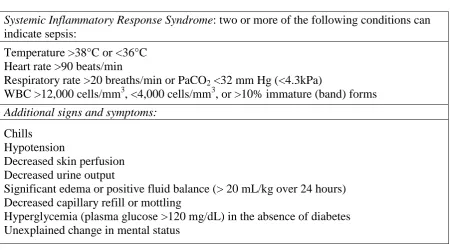
Rationale. All staff with a direct responsibility for patient care, including the taking of
vital signs, must be able to recognize the clinical findings of SIRS and sepsis (Table 3). The
medical officer, but the clinical review leading to diagnosis will usually be facilitated by a
nurse who recognizes signs and symptoms indicative of the onset of SIRS and/or sepsis (137).
Nurses therefore play a pivotal role in the early identification of deteriorating patients and
prompt management of sepsis to enhance recovery (138). Numerous studies have
demonstrated the relationship between nursing and failure-to-rescue (139, 140). The effect on
patient outcomes of providing sepsis education for all nurses including nursing assistants is
inconclusive. A national sepsis education program in Spain for medical and nursing staff
marginally improved guideline compliance and hospital mortality rates (44.0% vs. 39.7%; P =
.04) but did not demonstrate sustained improvement after one year (141). However a more
recent multi-national performance improvement study demonstrated sustained improvement
in both compliance and patient mortality at two years (142).
2. We recommend the use of early warning systems (EWS) to assist in the early recognition
of sepsis in order to promote prompt treatment to enable best patient outcomes (grade 1C).
3. We suggest the use of sepsis screening tools to assist in the early recognition of sepsis in
order to promote prompt treatment to enable best patient outcomes (grade 2C).
Rationale. Early diagnosis of sepsis is linked to improved outcomes and survival from
sepsis. The recognition of patient deterioration and diagnosis of sepsis relies on the detection
of abnormalities in physiological data. The collection and documentation of clinical
observations is an important nursing role (143, 144). Despite this, there is evidence that
clinical observations sometimes are performed poorly or not at all, are not documented, are
not interpreted correctly, or are not reported when abnormalities are found (145). Early
warning systems (EWS), also known as ‘Track and Trigger’ systems, have been promoted to
(146), however, the evidence of their effectiveness is inconclusive (147, 148). Additional
verification of the usefulness of EWS is needed in order to recommend consistent use in
clinical care.
The addition of sepsis screening tools have been recommended in promoting early
recognition of patients at risk for developing or those who have SIRS criteria, indicating the
early onset of severe sepsis (146, 149). Sepsis screening can be added to observation charts or
EWS charts, prompting nurses to use a sepsis screening tool if the patient triggers one or more
of the SIRS criteria of temperature, heart rate and respiratory rate (149). One study reported a
decrease in mortality of one-third following the introduction of a three-step sepsis screening
tool (150).
B. Seeking further assistance
1. We suggest that communication tools (e.g. SBAR, RSVP) be used to improve
communication and promote prompt identification and treatment of patients with
suspected or confirmed sepsis (grade 2D).
Rationale. Summoning medical assistance is crucial in implementing the resuscitation
bundle, and communication delays can result in poorer outcomes for patients with severe
sepsis. There is evidence that nurses and medical staff do not always communicate effectively
with each other (145, 151). Communication between disciplines can be improved by using
structured communication tools such as SBAR (Situation, Background, Assessment,
Recommendations) (152, 153), RSVP (Reason, Story, Vital signs, Plan) (154) and EWS (155)
that incorporate objective, unambiguous language to convey patient information. Sepsis
to ensure the nurse cogently relays the message that the patient meets the consensus definition
for severe sepsis and needs immediate attention to implement the resuscitation bundle.
C. Initiating early resuscitation measures
1. We suggest that the initial resuscitation of patients with sepsis be provided through the use
of rapid response systems (grade 2B).
Rationale. Early recognition of sepsis can improve patient outcomes if a rapid response is
initiated (156, 157). Early goal-directed therapy (EGDT) and the SSC guidelines have
demonstrated efficacy in improving mortality outcomes in severe sepsis (4, 158, 159). Despite
this, compliance with the six-hour resuscitation bundle is poor, ranging from 19–52% (160,
161). A number of studies have explored the poor uptake of EGDT and suggest barriers to
implementation include inadequate facilities (162) and inadequate numbers of nurses (163).
Nurses must be able to recognize signs of severe sepsis and be knowledgeable about the
six-hour bundle components in order to begin prompt implementation of therapy. The focus
then should be on identifying patients eligible for EGDT (those not responding to fluid
resuscitation and/or having a lactate >4 mmol/L) and arranging prompt transfer to a higher
level of care area such as the High Dependency Unit and Intensive Care Unit to ensure timely
treatment for severe sepsis. Table 5 outlines additional strategies for integrating the SSC
guidelines in nursing practice (138).
2. We suggest the provision of adequate resources to enable prompt identification of patients
Rationale. A recent UK survey of acute medical units found that only 12% appeared to
have the minimum facilities to comply with the six-hour resuscitation bundle (162). Carrying
out EGDT can be labor intensive and may require a minimum of two nurses in the initial
phase (164), although some clinical settings can incorporate EGDT into their regular clinical
duties without the allocation of additional staff (165). Recommended resources include
arterial blood gas monitors, and laboratory facilities for measuring lactate levels as serum
lactate has been demonstrated to be an independent predictor of mortality in patients with
severe sepsis (166). Hand-held lactate monitors should be available in non-critical care areas
to help identify those with cryptic shock (raised lactate in the absence of hypotension) who
may otherwise be overlooked.
3. We recommend that adequate nurse staffing levels be ensured to provide quality patient
care and improved patient outcomes (grade 1B).
Rationale. The impact of registered nurse staffing levels on patient outcomes is well
documented, with lower nurse-patient ratios being associated with higher rates of pneumonia
(167-171), shock, UTI (169), upper gastrointestinal bleeding, deep vein thrombosis, cardiac
arrest and failure-to-rescue, as well as infection (172) and sepsis (167, 168, 170, 173-176).
Nurse-to-patient ratios in ICUs in the USA and some parts of Europe typically range from 1:1
to 1:3 depending on patient acuity levels, while in countries such as Australia, New Zealand,
and the UK, ratios are 1:1 due to not having personnel such as respiratory therapists to assist
in the management of acute and critically ill patients. Nurse-to-patient ratios of one nurse
caring for one or two patients (>1:2) versus one nurse caring for three or more patients (<1:2)
in the ICU have been found to be associated with increased risk of post-operative pulmonary
4. We suggest that nurses be empowered to initiate the six-hour resuscitation bundle. All
nurses should be trained to take blood, cannulate, and administer intravenous fluids via
standing orders for hypotension and/or raised lactate (grade 2C).
5. We suggest that the ‘Sepsis Six’ approach be promoted in non-critical care areas in order
to promote early identification and treatment of severe sepsis (144) (grade 2D).
Rationale. Although the nurse may identify signs of severe sepsis, he/she may be unable
to initiate the resuscitation bundle interventions such as giving antibiotics and fluid boluses
without a specific physician order. Standing order sets and established protocols have been
utilized to facilitate early implementation of the bundle components (177).
In the United Kingdom poor uptake of EGDT in emergency departments (178) led to a
change in focus of education to concentrate on care that could be delivered by staff without
specialist skills and equipment in the first hour following diagnosis. This has been called the
‘Sepsis Six’ and includes six crucial interventions in sepsis resuscitation including starting
high-flow oxygen, obtaining blood cultures, administering antibiotic therapy, starting
intravenous fluid resuscitation, obtaining lab work including hemoglobin and lactate levels,
and measuring hourly intake and output (144, 159, 179) (Table 4). Nurses play an important
role in each of these interventions. High-flow oxygen therapy is not currently included in the
SSC guidelines (4), but is universally recommended as being an important aspect of
resuscitation of the critically ill and should be initiated by nurses (180, 181). Many nurses
perform venipuncture and can rapidly obtain blood for cultures and venous lactate
assessment, or can ensure equipment is available promptly if they are unable to perform
As a medical officer may not be always readily available, some hospitals have introduced
measures to empower nurses to administer fluid challenges for hypotensive patients via
standing orders or patient group directions to reduce delays in patients receiving fluid
resuscitation (182). Protocol-directed care in the areas of fluid and vasopressor therapy is
becoming more commonplace and has been shown to be safe (177, 183). In the UK and the
USA, advanced practice nurses independently prescribe medications and can initiate orders
for sepsis management, thus helping to facilitate early resuscitation measures (184, 185).
Including nurses who are able to prescribe antibiotics, fluids and vasopressors on critical care
outreach teams and rapid response system teams may also reduce delays in implementing the
six-hour bundle.
EGDT incorporates blood transfusion for some patients and is recognized as a serious
threat to patient safety; nurses play an important role in ensuring that patients who require
transfusion receive blood in a safe manner guided by best evidence recommendations (186,
187).
6. We recommend that supplies of commonly used, ready-mixed antibiotics be available in
all acute wards and departments (grade 1D).
Rationale. Usually it is nurses who administer antibiotics after a medical officer has
prescribed them. Unfortunately antibiotic administration can be delayed up to six hours in
some patients with bloodstream infection (188, 189). Reasons for such delays include lack of
intravenous access and the prescribed antibiotic not being available (188). Measures such as
having commonly used antibiotics and ready-mixed antibiotics available, as well as training
7. We suggest the institution of tracking systems including the use of daily sepsis rounds in
critical care areas (grade 2C).
Rationale. Use of check sheets to monitor patients for signs of sepsis, or automated
computer-based sepsis alert programs (191), can enhance identification of patients with
sepsis.
8. We suggest ER nurses should liaise with medical colleagues and pre hospital staff to
facilitate diagnosis and initial treatment of severe sepsis en route to hospital, and to
promote ‘alerting’ of ERs that a patient with severe sepsis is expected (grade 2D).
Rationale. This system is already common practice for patients with acute coronary
syndrome and major trauma, and may help to identify those patients eligible for EGDT (192).
9. We suggest further research on technology to aid the detection of sepsis (grade 2D).
Rationale. Technology that alerts nurses performing clinical observations and calculation
of EWS such as Sepsis alert, Biosign, Vitalpac, etc. is currently being developed by many
different biotechnology companies. Evidence of the benefit of this trend is yet to be
confirmed.
IV. HEMODYNAMIC SUPPORT
Hemodynamic monitoring techniques continue to develop and hemodynamic therapies for
severe sepsis are essentially supportive care, aimed at improving both macro and
practice guideline published in 2004 (193). Despite these excellent practice guidelines,
questions remain in terms of the nursing care of septic patients with hemodynamic
disturbances.
Complicating the care of patients with severe sepsis is the multimodal nature of the
hemodynamics of sepsis. For example, in the early phase of sepsis, patients present with a
relative hypovolemia that may be somewhat managed by restoring blood volume, i.e.
restoring macrocirculation. However, as sepsis progresses, a disturbance that centers on the
microcirculation is usually detected. At this point, the macrocirculation becomes
hyperdynamic. Further treatment of the macrocirculation does little to address the problem of
the microcirculation, e.g. microcirculatory clotting, cellular dysoxia, cell stunning (194). The
treatment for this latter stage is unclear.
Two key areas are developing in the management of the hemodynamics of severe sepsis
(194). One focus is on improving tissue oxygenation, both in the macro and microcirculation.
Hence, tissue oxygenation end points, such as central venous oxygen saturation (ScvO2),
tissue oxygenation (StO2) and lactate are taking on increased importance. The second focus of
treatment centers on improving macrocirculation, moving toward measuring flow rather than
pressure.
A. Improving tissue oxygenation
1. We suggest continuous measurement of tissue oxygenation vs. intermittent measurement
(grade 2D).
Rationale. Central venous catheter use is associated with trends in mortality reduction as
long as resuscitation bundle compliance exists (142). Continuous measurement of tissue
efficacy in relation to periodic central line sampling. While the cost of continuous ScvO2
monitoring technology is higher than the cost of processing intermittent samples, several
factors mitigate this disadvantage. These factors include reduced nursing time with
continuous measurement, avoidance of clinician exposure to blood and improved ability to
detect changes with continuous monitoring. Preliminary data suggest continuous ScvO2
monitoring may be more cost-effective for institutions overall (195).
2. We suggest consideration of non-invasive monitoring of tissue oxygenation when central
venous access is less desired or unavailable (grade 2D).
Rationale. Newer technology allows non-invasive monitoring of tissue (peripheral
vascular) oxygenation, specifically near infrared spectroscopy. StO2 is a continuous,
transcutaneous measurement of tissue oxygenation via an electrode proximal to the thumb.
Data suggest that StO2 may be a better marker than gross hemodynamics at revealing
information regarding the microcirculation. Donati et al. showed that StO2 was responsive to
identifying the impact of activated protein C, unlike gross measures of hemodynamics (196).
Leone et al. indicated StO2 values below 78% were correlated with lower survival rates (197).
However, both of these studies were limited in both sample size and phase of sepsis utilized.
One of the main values of StO2 is its non-invasive application. Situations involving severe
sepsis in which central venous catheter insertion is less desirable or inappropriate should be
considered for StO2 monitoring. StO2 measurement can be obtained via an easy-to-use,
transcutaneous application. While not definitive at this point, some data suggest that
below-normal values may identify sepsis earlier (198), predict development of organ dysfunction
(199), and serve as an ScvO2 alternative. However, outcome data using StO2 is still lacking.
3. We suggest consideration of point-of-care lactate values as a quicker alternative to
traditional serum lactate as appropriate (grade 2D).
Rationale. Degree of blood lactate elevation correlates directly with morbidity and
mortality in severe sepsis (200, 201), and high correlation has also been shown between
central laboratory and point-of-care values. Early detection of elevated lactate facilitates early
recognition and treatment in addition to being a more accurate triage tool than vital signs
(201). Howell et al. indicated lactate would predict 28-day outcome better than traditional
monitoring parameters such as blood pressure (201). Elevated lactate, specifically type A
lactic acidosis, is one of the few indicators of hypoxia. Lactate can be at dangerous levels
while normal monitoring parameters like vital signs remain within normal limits. Using
point-of-care lactate as the catalyst to implementation of a sepsis algorithm an 18% reduction in
mortality and four-day reduction in length of stay was achieved (202, 203). We suggest that
point-of-care lactate measurement be considered to accelerate the clinician’s knowledge of
the danger a patient faces if serum lactate laboratory results exceed turnaround times of
approximately one hour (200, 201).
B. Improving macrocirculation
1. We suggest use of stroke volume or stroke volume variation (SVV) as a key resuscitation
measure, independent of whether a central line can be placed (grade 2D).
Rationale. Improving blood flow is the key strategy during resuscitation. Secondary
markers such as blood pressure, CVP, and PCWP have been used as surrogates for blood flow
More direct measures of blood flow, for example, stroke volume, offer more precise
evaluation of the effectiveness of therapies such as fluids and inotropes (194). Although CVP
is recommended as a resuscitation endpoint in the SSC Guidelines (4), clinicians must be
aware of the limitations of treating right atrial pressure. Independent of sepsis, it is recognized
that the usefulness of CVP is limited in clinical decisions regarding fluid management, due to
inability to predict blood volume or preload in response to fluid resuscitation (205). Since
CVP was in both the intervention group and the control group in the original early
goal-directed therapy paper (158), one could argue that it was the added advantage of the ScvO2 in
the intervention group that was associated with improved outcomes, not improving CVP. The
parameter that changes before ScvO2 is stroke volume. In the perioperative setting, measuring
stroke volume has clearly shown to improve patient outcome (183, 206-213). Stroke volume
optimization (SVO) has been shown to be a much better metric of preload responsiveness
compared to CVP, blood pressure and urine output. Even though data from the pulmonary
artery catheter enables computation of a stroke volume estimate (CO/HR), more direct
measurements of stroke volume are made possible by such innovations as the esophageal
Doppler, non-invasive Doppler and pulse contour techniques. A growing body of literature
supports the efficacy of SVO and SVV in sepsis (214, 215). While the theoretical principle is
clear, outcome studies using stroke volume and SVV for patients with sepsis are ongoing.
2. We suggest insertion of a peripherally-inserted central catheter (PICC) in the event that
subclavian central venous access cannot be obtained in patients with severe sepsis who
meet the criteria for central line placement (grade 2D).
Rationale. Enhanced catheter flow rates, hemodynamic monitoring, and power injection
advantages include the insertion capability of advanced practice nurses or trained registered
nurses. CVP accuracy has been found to be similar when compared with a traditional central
venous catheter (216). However, the ability of PICC to allow for ScvO2 measurement is
perhaps its most distinct advantage compared to peripheral lines.
V. OTHER SUPPORTIVE NURSING CARE
All critically ill patients, including the patient with severe sepsis, should receive
accepted standards of fundamental nursing care. While no evidence specifically links many
components of fundamental nursing care to the outcomes of patients with severe sepsis, these
aspects of care have been shown to improve outcomes in all critically ill patients and a brief
review follows. Many have been shown to reduce the risk of infection and therefore may
decrease the risk of sepsis.
A. Nutrition therapy
Critical illness is often associated with a hypermetabolic state and increased nutritional
requirements. Malnutrition in the critically ill is not uncommon (217) and is associated with
an increase in morbidity and mortality (218). Although the traditional emphasis of nutritional
support has been on caloric intake this has evolved to nutrition as a therapy where the
metabolic response to stress may be attenuated, cellular injury may be prevented, and the
immune response may be favorably modulated (219). Extensive guidelines provide
recommendations for nutrition therapy for the critically ill (217, 220-222) and have been
shown to improve the provision of enteral nutrition (223). Consequently, incorporating such
guidelines into the care of patients with severe sepsis is recommended.
2A).
Rationale. Critical illness is associated with intestinal mucosal atrophy with loss of barrier
function and potential microbial translocation. Early initiation of enteral nutrition may prevent
intestinal mucosal atrophy. In addition, enteral nutrition can reduce the need for parenteral
nutrition with substances that enhance bacterial growth (e.g. lipid emulsions) and as such
reduce the risk of CR-BSI. Enteral nutrition, when compared to parenteral nutrition, has been
shown to reduce the risk for infectious complications by 30–40% (224, 225). A similar
reduction has also been found with early, compared to delayed enteral nutrition (226). Despite
the benefits of enteral nutrition, caution should be exercised in patients not yet resuscitated
from septic shock where gut perfusion may be compromised. Caution should also be taken in
using immune-modulating enteral formulations (supplemented with agents, such as arginine,
glutamine, nucleic acid, omega-3 fatty acids, and antioxidants) in patients with severe sepsis
(219).
B. Eye care
1. We suggest daily assessment of the ability of the ICU patient to maintain eyelid closure
(grade 2D).
2. We suggest at least weekly assessment of ICU patients for iatrogenic ophthalmologic
complications and prompt referral for suspicion of these (grade 2D).
3. We recommend the maintenance of eyelid closure for intensive care patients (grade 1B).
Rationale. These recommendations apply to all critically ill patients, including those with
impact on the protective mechanisms of the eye resulting in an increased risk of injury such as
corneal dehydration, abrasion, perforation and infection (227). The incidence of corneal
abrasion varies widely but may affect up to 60% of intensive care patients (228-230). A
variety of eye care methods have been described and tested with evidence that a range of
methods reduce the incidence of corneal damage (227, 230-232), but there is insufficient
evidence to recommend any single method as being superior. Daily assessment of the
patient’s ability to maintain eyelid closure should be undertaken. Nurses could also be trained
to perform weekly ophthalmologic examinations, using fluorescein drops and a cobalt blue
pen torch (231), as early detection of iatrogenic ophthalmologic complications will facilitate
timely referral to ophthalmology specialists and potentially improve patient outcomes.
C. Pressure ulcer prevention and management
1. We recommend the implementation of a pressure ulcer prevention and treatment bundle
including risk assessment, skin assessment, nutrition, repositioning and use of support
surfaces (grade 1D).
Extensive recommendations for both the prevention and treatment of pressure ulcers have
been developed and contain specific recommendations for the critically ill (233, 234).
Critically ill patients are susceptible to the development of pressure ulcers because of
increased risks such as impaired circulation, use of inotropic drugs, decreased mobility,
disturbed sensory perception, and underlying disease processes (235). The patient with severe
sepsis often experiences significant hemodynamic compromise and therefore is particularly at
risk for the development of pressure ulcers. Although variable, the incidence of pressure
ulcers in the critically ill has been reported to be between 5.2–20% with a prevalence rate of
the incidence. Assessment of risk factors is one such strategy, but the predictive validity of
risk assessment scales is problematic and there is little evidence for a valid risk assessment
tool in the critically ill (237-239).
Special considerations related to prevention include: use of special support surfaces for
patients who cannot be turned regularly; slow, gradual turns, while assessing patient tolerance
for the procedure, may reduce the effect on hemodynamic and oxygenation compromise;
more frequent small shifts in position will allow some reperfusion in patients who cannot
tolerate major shifts in body position; lateral rotation therapy may be considered; patients
receiving lateral rotation therapy will continue to require regular turns and skin assessment
(233). Shear injury is a potential consequence of lateral rotation therapy. Bolster pads may
prevent sacral shearing in these patients (233).
Special considerations related to management of pressure areas in severe sepsis patients
include: positioning to minimize pressure on affected area; inspect pressure ulcer and
surrounding area with every dressing change; if there is evidence of shear injury change
lateral rotation support to a support system with improved pressure redistribution, shear
reduction, microclimate control, and without rotation (234). Documentation of pressure ulcer
staging and treatment is essential for continuity of care; however, two recent systematic
reviews revealed that a multitude of pressure ulcer grading scales currently exist, with
insufficient evidence to recommend a specific classification system (240, 241). The role of
ICU mobilization of critically ill patients has also been advocated for the promotion of skin
VI. PEDIATRICS
Sepsis remains an urgent issue among pediatric patients. Worldwide, it affects a large
pediatric population and is the most common cause of death in infants and children (243). Severe
sepsis accounts for more than 4,300 deaths annually (244).
Sepsis tends to peak at two primary times in the child’s life and correspond to significant
times in the maturity of the immune system (245). The first peak is in the neonate with an
incidence of 4.3 per 1000 neonates. Sixty percent of cases occur in the first five days with an
overall mortality of approximately 20%. The second peak is at about two years of age.
In 2002, the International Pediatric Sepsis Consensus Conference participants modified the
adult SIRS criteria and associated definitions for children (246). SIRS is defined as the presence
of at least two of the following conditions, one of which must be abnormal temperature or
leukocyte count. The conditions include:
core temperature of >38.5oC or <36oC
tachycardia, defined as a mean heart rate >2 standard deviations (SD) above normal
for age in the absence of external stimulus, chronic drugs, or painful stimuli; or
otherwise unexplained persistent elevation over a 30-minute to 4-hour time period, or
for children >1 year of age, bradycardia, defined as a mean heart rate <10th percentile for age in the absence of external vagal stimulus, -blocker drugs, or congenital heart
disease; or otherwise unexplained persistent depression over a 30-minute time period
mean respiratory rate >2 SD above normal for age or mechanical ventilation for an
acute process not related to underlying neuromuscular disease or general
anesthesia
leukocyte count elevated or depressed for age (not secondary to
chemotherapy-induced leukopenia) or the presence of >10% immature neutrophils (246).
polymerase chain reaction test) infection caused by any pathogen or a clinical syndrome
associated with a high probability of infection. Evidence of infection includes positive
findings on clinical exam, imaging, or laboratory tests (e.g. white blood cells in a normally
sterile body fluid, perforated viscus, chest radiograph consistent with pneumonia, petechial or
purpural rash, or purpura fulminans) (246).
Sepsis is defined as SIRS in the presence of or as a result of a suspected or proven infection
(246). Severe sepsis is defined as sepsis plus one of the following:
cardiovascular organ dysfunction;
acute respiratory distress syndrome;
≥2 other organ dysfunctions (respiratory, renal, neurologic, hematologic, hepatic)
(246).
There are developmental differences in the hemodynamic response to sepsis in children when
compared to adults. A decrease in cardiac output is associated with mortality in children with
septic shock (247). Based on this developmental difference, reaching a therapeutic end point of a
cardiac index (CI) of 3.3-6.0 L/min/m2 may result in better survival (247). In addition, oxygen delivery is the major determinant of oxygen consumption in children as opposed to oxygen
extraction, so the therapeutic endpoint of an oxygen consumption of greater than 200
mL/min/m2 may also be associated with a better outcome (247).
A. Fluid resuscitation
1. We suggest intravascular volume expansion is achieved with fluid boluses of 20 mL/kg of
Rationale. As much as 200 mL/kg may be administered in the first hour of resuscitation,
although the average is 40–60 mL/kg. Fluid replacement should be directed towards perfusion,
central venous pressure, echocardiographic determination of end-diastolic volume, pulmonary
capillary wedge pressure/end-diastolic volume and cardiac output (247).
B. Vasopressors/inotropes
1. We suggest vasopressors/inotropes are implemented if clinical signs of shock continue in
spite of adequate volume replacement, as identified in the SSC guidelines (4) (grade 2C).
Rationale. An important point to remember about these medications is that since septic shock
is a dynamic process, the medication used and the infusion dose may require adjustment over
time, based on the need to maintain organ perfusion as well as the pharmacokinetics and the
pharmacodynamics of the child’s response to the drug. Perfusion and function of the liver and
kidney are often changed in the child with severe sepsis, causing changes in the medication
pharmacokinetics with higher concentrations observed. Therefore standard infusion doses may
need to be adjusted.
For ongoing therapy, the use of inotropes, vasopressors, and vasodilators will differ.
Dobutamine may be useful for pediatric patients with low cardiac output states (248).
Vasopressin can increase MAP, SVR, and urine output in children with vasodilatory septic shock
and lack of response to catecholamines. However, the safety and effectiveness of vasopressin in
children with septic shock have not been well demonstrated (249). Occasionally, children alter
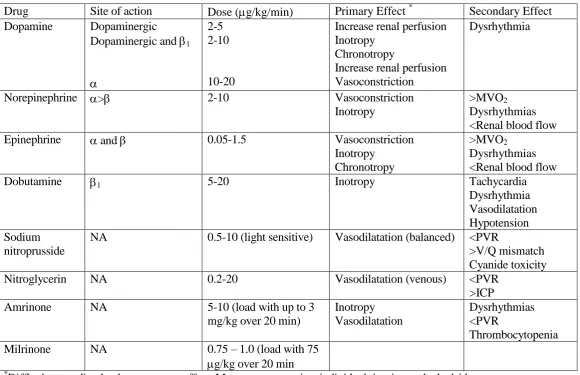
their hemodynamic requirements from vasopressor to inotrope or vice versa (247). Table 6
presents a summary of the pharmacologic therapy used in the treatment of pediatric septic shock