ii University of Southern Queensland
Faculty of Health, Engineering and Sciences
Developing an Activity-Based User Interface for Remote
Experimentation for Science Education in Schools
A dissertation submitted by
Mr. Ryan Burtenshaw
(Associate Degree in Power Engineering)
In fulfilment of the requirements for
BENH – Bachelor of Engineering (Honours) Major Computer Systems Engineering
iii
Abstract
As technology continues to expand at an exponential rate our lives become infinitely more connected and complex, this creates an opportunity however, in the form of more highly skilled professional roles on offer. To help address the projected demand in future roles, as well as Australia’s deteriorating graduation rate this project will aim to design, develop and evaluate a web-based user interface. The outcomes of this project were two fold; technical work to create the interface and integrate it with pre-existing remote experiments, as well as research based outcomes concerning the various teaching methods, motivations and
requirements. As such the evaluation methods for both outcomes will derive a degree of completeness with validation occurring through both the functionality and feel but also in regards to any research results generated. The interface, known as the User Centered Activity System (UCAS) is beginning user testing currently and consists of the base pages required to access and complete activities. It is hoped that this interface will impart the requisite
knowledge required for STEM (Science, Technology, Engineering and Mathematics)
iv University of Southern Queensland
Faculty of Health, Engineering and Sciences ENG4111/ENG4112 Research Project
Limitations of Use
The Council of the University of Southern Queensland, its Faculty of Health, Engineering & Sciences, and the staff of the University of Southern Queensland, do not accept any responsibility for the truth, accuracy or completeness of material contained within or associated with this dissertation.
Persons using all or any part of this material do so at their own risk, and not at the risk of the Council of the University of Southern Queensland, its Faculty of Health, Engineering & Sciences or the staff of the University of Southern Queensland.
This dissertation reports an educational exercise and has no purpose or validity beyond this exercise. The sole purpose of the course pair entitled “Research Project” is to contribute to the overall
v University of Southern Queensland
Faculty of Health, Engineering and Sciences ENG4111/ENG4112 Research Project
Certification of Dissertation
I certify that the ideas, designs and experimental work, results, analyses and conclusions set out in this dissertation are entirely my own effort, except where otherwise indicated and acknowledged.
I further certify that the work is original and has not been previously submitted for assessment in any other course or institution, except where specifically stated.
R. Burtenshaw
vii
Acknowledgements
Many thanks to Dr. Alexander Kist, the supervisor of this project, for the continued guidance and knowledge, these thanks extend out towards the RALfie team most of which have been
developing this project for many years.
Thanks to my family, Glenda and Narelle for the constant support and understanding, and to Lynnette and William who have given me a lifetime of encouragement and wisdom.
viii
TABLE OF CONTENTS
PAGES
Abstract iii
Acknowledgements vii
List of Figures xi
Glossary of Terms xii
Chapter 1 – Introduction
1.1 Overview 1
1.2 Problem Analysis 1
1.3 Project Aims 2-3
1.4 Research Objectives 3-4
1.5 Design Objectives 4
1.6 Conclusions 5
Chapter 2 – Literature Review
2.1 Introduction 6
2.2 STEM Education 7
2.2.1 Necessity for STEM Learning 7-9
2.2.2 Education Requirements 10
2.3 Learning Methodologies 10
2.3.1 Active Learning 11-12
2.3.2 Problem Based Learning 12-13
2.3.3 Authentic Learning 13
2.4 Remote Learning Technologies 13-14
2.4.1 Design of Remote Laboratories 14-15
2.4.2 Remote Laboratories as a Teaching Tool 15-16
2.5 Gamification 16-18
2.5.1 Effect of Gamification 18-20
2.5.2 Addition of Gamification Elements 20-21
2.6 Interface Design 21-22
2.7 Conclusion 23
Chapter 3 – Methodology
3.1 Introduction 24
3.2 Research Outcomes 24-25
3.3 Development Modelling 26
3.3.1 AGILE Model 26-27
3.4 System Topology 27
ix
3.4.2 Future System Topology Integrations 30
3.5 Project Architecture 30-31
3.5.1 Design Imperatives 31-32
3.5.2 Gamification Imperatives 32
3.5.3 Applications Utilised 32-33
3.6 Conclusion 34
Chapter 4 – Design and Analysis
4.1 Introduction 35
4.2 Project Outcomes 35-36
4.3 Design Validation 38
4.3.1 Interface Design Validation 38-39
4.3.2 Gamification Integration 40-41
4.3.3 Detailed Design Evaluation 42-45
4.3.4 Database Design 48-50
4.3.5 Future Completed Design Features 50
4.4 Consequential Effects 51
4.4.1 Legal 51-52
4.4.2 Ethical 52-53
4.4.3 Sustainability 53
4.5 Safety 53-54
4.5.1 Risk Assessment 54-55
4.6 Resource Constraints 56
4.7 Conclusion 56
Chapter 5 – Results and Discussion
5.1 Introduction 57
5.2 Results Analysis Methodology 57
5.3 Future Developments/Results 58
Chapter 6 – Conclusions
6.1 Introduction 59
6.2 Research Conclusions 60
6.3 Future Work & Recommendations 61
Chapter 6 – Conclusions
6.1 Introduction 59
6.2 Research Conclusions 60
6.3 Future Work & Recommendations 61
x Appendices
Appendix A – Project Specification 65
Appendix B – Detailed Coding Information 66-70
Appendix C – Additional Workflow Diagrams 71-74
xi
TABLE OF FIGURES
PAGE
Chapter 2 – Literature Review
Figure 2.1 –University participation rates in Australia 8
Figure 2.2 – International comparisons of educational attainment 9
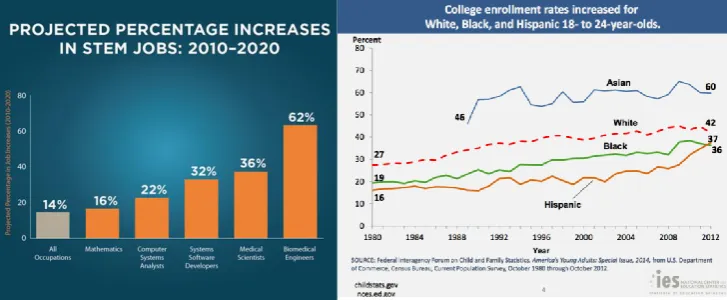
Figure 2.3 (left) – showing the projected increase in stem learning required for the US 9 Figure 2.4 (right) – showing current trending in college enrolment rates in the US 9 Figure 2.5 – Average retention rates associated with active vs. passive learning 12
Figure 2.6- Basic overview of a remote access laboratory 15
Figure 2.7 – Example of gamification framework with descriptions 17
Figure 2.8 (left) – showing distribution of users in study, sorting by character traits 19 Figure 2.9 (right) – comparison average mark when compared to standard delivery 19 Chapter 3 – Methodology
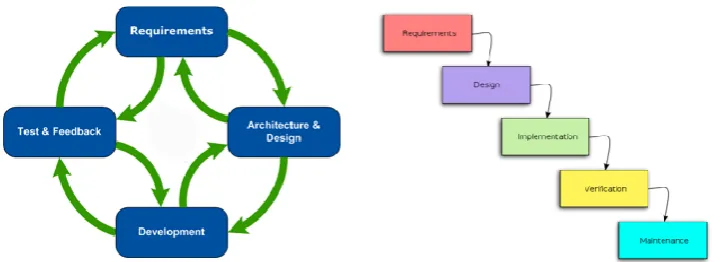
Figure 3.1 & 3.2 - Basic developmental models illustrating Agile and Waterfall methodologies
27
Figure 3.3 – Workflow diagram of basic user interaction of a physical experiment 28
Figure 3.4 - Basic illustration of the UCAS System topology 28
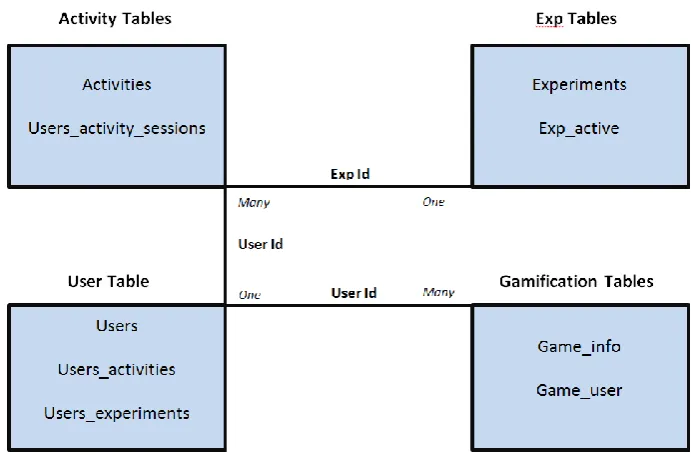
Figure 3.5 – Basic overview of relational database 29
Figure 3.6 – Integrating the extended libraries Bootstrap and jQuery 31 Chapter 4 – Design and Analysis
Figure 4.1 – Current UCAS Login Page 37
Figure 4.2 – Current UCAS Home/Activity Page 37
Figure 4.3 – Alternate Colour Scheme for UCAS with Gamification elements 39
Figure 4.4 – Early release of the activity selection page 39
Figure 4.5 – Early release of the Maker Process page 40
Figure 4.6 – Example of simple switch code used in conjunction with a case 43 Figure 4.7 – Intermeshing of HTML and PHP coding languages in a single document 43 Figure 4.8 – JavaScript function followed by the reference made in HTML 43
Figure 4.9 – Current Progress on external activity integration 46
xii
GLOSSARY OF TERMS
Beta Testing A testing process software goes through prior to a commercial release
Compiling The process of turning one coding language into another that can be read by a computer
Host-side Also referred to as ‘browser-side’ or ‘client-side’, this term refers to the side the code is compiled on and is in reference to the user side. HTML is compiled client-side and is interpreted by the internet browser application
Server-side Referring to code being compiled on the server side, such is the case with PHP Relational
Database
An organization of databases (tables holding information) that all are related to one another in at least one way, this allows for information to be cross referenced and retrieved between tables
SQL Structured Query Language, a coding language with a sole purpose of maintaining, modifying and managing data in a relational database management system.
User The physical person using the software, also referred to as a ‘client’ or ‘player
DOCUMENT SPECIFIC TERMS
Builder This term refers to the process by which a user uploads the functional and descriptive details of an activity using the UCAS.
Maker Similar to the Builder, this is a process that allows users to create physical STEM experiments at home and share with the wider community of users online.
Activity In regards to this document, an activity is a learning goal which contains a specific purpose. Also referred to as ‘quest-based’ in terms of gamification.
1
CHAPTER 1 - INTRODUCTION
1.1 Overview
As the technology sector exponentially grows, it opens up new possibilities and becomes a much larger part of everyday life innovating communication and entertainment on a world wide scale. In a more complex and entertainment rich world, the onus of learning has, more and more, been passed onto teaching staff. To help accommodate for this, as well as the influx in technical positions that will arise in future years, the University of Southern Queensland (USQ) has created its own remote resource to foster interest and develop practical skills in the largest growing fields; namely science, technology, engineering and mathematics (STEM). To this end, this research contained in this project will endeavour to gauge potential gains, as well as losses, which could be sought from a student undertaking a learning activity using remote resources. These studies, focussing on education, learning, and user accessibility, will also underpin the design and creation of an online learning space that will allow users to access and share experiments that are relatable to real world experiences. This process will be supported by the Remote Access Laboratories for Fun, Innovation and Education (RALfie) team and the associated staff, students, and community members dedicated to its development.
1.2 Problem Analysis
2
1.3 Project Aims
The physical work of the project will come in the form of a designed, developed and validated user interface. This interface, currently known as the User Centered Activity System (UCAS), will be developed through standard web based coding languages and practices. The main purpose of this development is too provide an easy to use and visually appealing platform that would allow user access to remote experiments and activities, many of which are currently underutilised within the USQ’s Remote Access Laboratory (RAL). From this it can be concluded that a major aim of this work is the implementation of two web pages that are to form the basis of access that is user authentication and activity selection. Further project aims, derived more from research and the design imperatives set down by the RALfie team, include user incentives, higher level user upload and the enforcing of user roles. One such role, called the ‘Maker’, requires a set of user inputs for the creation of a new experiment or activity, information that would need to be validated and stored by the system.
Further functional processes required by this project include integration with pre-existing infrastructure and applications. This includes the integration of existing activities, physical experiments, and software (or web) based coding standards already in existence. The Integration of these elements, such as the RAL (a mostly physical device) with the UCAS (primarily web based application), can be made possible with the help of a digital medium. Most often in web page creation a digital database is used to hold, store and cross reference information between systems. It is imperative this medium can be accessed and updated quickly and efficiently, this is aided through the use of correct database design. The interface and associated functionality behind it are expected to go through numerous testing and validation phase, which will help gauge its effectiveness, usability and essentially help guide and polish development.
3 will be evaluated and validated in regards to its functionality and ease of use, and could utilise user testing results to refine the process. The core aim in this project is the creation of interface that integrates access for remote experimentation, to understand the underlying driving purpose behind this goal research must be conducted in parallel with any physical work being completed.
1.4 Research Objectives
Research material was required to establish the current emerging trends in education, user interfacing, and remote technologies; this would help to identify and alleviate any potential problems or required parts in the design and development, and to cement a firm understanding of main purpose and aims, as well as any ramifications. Material was first sought to confirm initial hypothesis concerning the current state of Australian Higher Education, and to gain a better understanding of future trends of employment and structure of Australian workplaces. An important step during research is to establish known correlations associated with these subjects and also to search for and make reference any reliable information which may be contradictory. Due to the nature of the work in the education sector, it seemed prudent to understand the current state of STEM education, especially in regards to the necessity for a certain amount of practical work in the subject fields, as well as its presence in schools. Further comparative study of case studies and closed experiments would build the basis for the argument that such practical work can not only benefit students greatly but is also an essential part of understanding higher level concepts. Research has also delved into the ethical and safety issues present on an application that has the potential to reach everyone on the World Wide Web. Validation of research outcomes will come initially though derived knowledge and constraints, required for the design phase of this project. The validity of these implementations will be tested during the development cycle where theorised requirements will be integrated into the interface. This evaluation will progress later in the project as the interface undergoes user testing and feedback. The research objectives will be considered complete when integrations of researched standards (or derived norms) and the interface are finalised and reflect the overarching purpose of the UCAS.
4 of students in primary, secondary and tertiary education. The research into education methods also takes a comparative view of both practical and theoretical teaching styles, and is to be evaluated on its effectiveness on students or developing professionals. It was deemed necessary to identify current norms and strategies involved in the creation of a usable and appealing web-based application. With specific importance placed upon functional elements required to drive the main utilities and processes of the UCAS, whilst considering the placement and overall visual appeal of its use. Further research comprised of studies down into the possible positive outcomes of the integration of ‘game-like’ elements, also known as gamification. The research allowed a very distinct definition and categorization of the current major gamification elements which can be used for the purpose of engaging and pleasing users through intrinsic and extrinsic reward systems. Research and study into the hardware and software components that help drive the remote technologies is continuous and ongoing, services and technologies are being released everyday which can be utilised easily to streamline processes and make it even easier to learn and share experiences on huge scale. Sufficient research is important to stay abreast of standards and preferences that are vital to producing the framework needed for good design practice.
1.5 Design Objectives
5
1.6 Conclusions
6
CHAPTER 2 – LITERATURE REVIEW
2.1 – Introduction
The following literature review fulfilled a requirement to establish a base of knowledge on key subjects, as well as test initial hypotheses raised in regards to the current state of higher education in Australia, select education methodologies, teaching tools, and the driving need for their reform. The review of current standards in design, interfacing and teaching pedagogy were necessary to aid in modelling design and understanding concepts associated with the user interface being constructed. Research into current trends relating to current education standards, styles and effectiveness of STEM (Science, Technology, Engineering, and Mathematics) teaching was used to highlight the changes in preferred learning style that are being adopted by current students.
7
2.2 STEM Education
Interests and innovations in STEM subject fields have increased exponentially over the last decade and will continue to expand as more important and convenient technologies are discovered. Highlighted within this review is the need for further student interest to be generated in said fields, according to projections of highly skilled professionals required over the next ten years. Furthermore studies into similarly placed overseas countries aim to confirm and underpin the needs of the future Australian workplace. In addition, to emphasise the dire need this country faces in coming years, current trends in depreciating tertiary education completion numbers in Australian students will be investigated.
Much of the STEM subject matter also has specific educational requirements that need to be adhered to create a positive learning experience. These teaching obligations will be resourced from existing documents and studies on the subject and will aid in outlining the STEM learning environment whilst exploring its appropriateness at the primary and secondary schooling level. The further research found in the proceeding sections will aid in drawing conclusions on the inherent necessity for added interest in STEM field research and study, especially in the next decade.
2.2.1 Necessity for STEM Learning
8 Comparative analysis of trends found in Australian and the United States of America show many similarities in projection analysis, show a much heightened needs for highly skilled workers, in some cases a much larger increase in the same STEM positions mentioned above (up to 64%, see Figure 2.3) [34][35]. And although the graduation rate of The US shows small growth (less than 10% per year), this does not meet the projected requirement, unless intervention occurs there will be a seemingly insurmountable amount of jobs to be filled. In both countries reviews, a request for more involvement of STEM subject matter in primary and secondary education was deemed necessary to bolster numbers of tertiary completions. It was concluded that to help ‘inject’ STEM disciplines into standard pedagogy, alternative teaching methods would have to be utilised. This process, itself, could create potential problems due to the insufficient knowledge of education necessities and qualifications which may be held by some primary and secondary education professionals.
9 Figure 2.2 – International comparisons of educational attainment [20]
[image:20.595.117.481.420.570.2]10
2.2.2 Educational Requirements
The application of teaching methods most often requires a tested and well thought out framework for learning, a set of rules or constraints that are vital to the information being imparted. Teaching STEM centred material requires an applied learning environment [12], the subject matter covered is most often interdisciplinary and focuses on problem solving activities that can be related to real life. This environment helps to develop constructive communication skills as well as the students’ abilities to think laterally, work in a team and share information. Outcomes of this process rely heavily on the positive interactions of students and the continued guidance of knowledgeable teaching staff. Through this process the students become engaged by their interest and interactions [14], which is a key to instilling meaningful knowledge of the STEM subjects. Failures in these requirements could lead to incorrect information being relayed to young minds and a change in any participants
2.3 Learning Methodologies
11
2.3.1 Active Learning
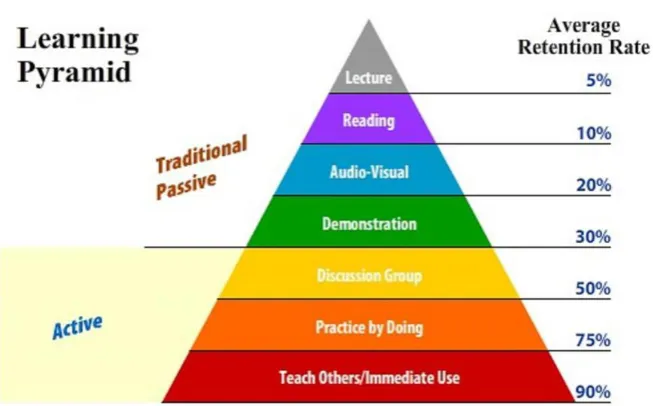
Active Learning is a method of teaching that guides the student into thinking for themselves rather than relies on teaching staff producing full lectures of information, which are considered passive, for each student to attempt to memorize. This method is mainly concerned with prompting the student to access higher level thinking to solve problems and understand concepts [4]. As outlined Bonwell, C. and Eison, J. [5] this can be achieved a number of ways; such as a group discussion which can be analytical or opinionated, an interactive game or a short written exercise, each different ways of stimulating healthy discussion and interest [5]. These mid-lecture moments allow this learning technique to create a sense of purpose and community in the classroom and strengthen bonds between students. Active learning at its core is about short bursts of learning, originally recorded over 3 decades ago Bonwell, C. and Eison, J. [5] observed that nearly half of students lost interest in a lecture after 20 minutes, whilst the whole class seemed unresponsive and passive at 35 minutes, more recent studies have shown this window of interest has actually shrunk in recent years, attributing it to the technological methods of distraction and procrastination now at our fingertips. This difference of learning styles and the associated retention rates generally thought to be applicable are illustrated in Figure 2.5.
12 failing of active learning [8], even more experienced and older students have shown resistance to new material that contradicts a pre-existing self-perceived notion [27]. Given these empirical results, coupled with the deteriorating number of Australian students attending universities, it is seemingly a practical choice to explore alternate teaching and learning methods that could possibly contribute positively to a student’s knowledge, as well as engage their attention and impart interest in the subject material.
[image:23.595.126.453.240.443.2]
Figure 2.5 – Average retention rates associated with active vs. passive learning <http://www.survivalandmedical.co.uk/services/training/>
2.3.2 Problem Based Learning
13 primarily to provide a service to students, when investing in subjects such as medicine and engineering it has become the teaching imperative to include problem centric styles of learning, to increase understanding and the use of higher level critical thinking of the students involved.
2.3.3 Authentic Learning
Another form of learning utilised within this project is referred to as authentic learning, it can be considered a form of active learning as it is student focused and non-traditional [28], but follows a constructivist approach. Constructivism is a teaching theory that stipulates human interaction; by exchanging ideas, points of view, and meaningful knowledge, students are unknowingly being actively engaged in the learning process [29]. Teaching staff using authentic learning as a tool direct their students to work in groups, often interdisciplinary in nature, to discuss and solve problems more readily associated with the real world [28]. This provides obvious benefits to the students’ ability to solve problems, stimulating higher order cognitive processes and instilling effective communication skills, but is also much more effective at equipping students with practical abilities that can be utilised in future careers. There are, however, pre requisites that need to be reached for authentic learning to be a positive experience; firstly all students involved require a fundamental understanding of content (of their given field), due to the necessary exchange of correct information that is essential in this process, also facilitators are required to play an active role in lending focus and direction to the tasks [28]. Failures in the active learning process can come in the form of a lack of activity direction, knowledge or appropriate guidance and moderation, which can cause a breakdown of communication between participants and essentially become meaningless. The success of active learning lies within its ability to stimulate productive thought and interaction, whilst imparting practical and meaningful lessons.
2.4 Remote Learning Technologies
14 theoretical knowledge and comparable to real world actions. Remote assisted learning helps to bridge the gap for students who live or work remotely; by giving them the opportunity to access experiments from remote locations, it can bolster their theoretical knowledge and give true to life experiences. In this vein the University of Southern Queensland (USQ) has built the Remote Assistance Laboratory (RAL) with the main purpose of providing a quality and meaningful experience for its external students [1]. For remote technologies to work as expected and fulfil purposeful educational goals it is important to understand both concept and design of such a system. This research will help define the physical and software based properties that exist currently in remote technology, as well as outline any constraints or requirements this technology may impose, in regards to both research and physical project outcomes.
2.4.1 Design of Remote Laboratories
15 Figure 2.6- Basic overview of a remote access laboratory [15]
The idea of a remotely driven experiment was conceived in the early 1990s. Since then, numerous papers have been written and published on the pedagogy and associated effectiveness of remote learning as a teaching tool, with new advancements in technology remote learning has never been more popular, illustrated by the majority of the western population now owning personal computers, not to mention a myriad of other devices as well as the improvements in live streaming and scientific observation equipment. Universities, all over the world, are being driven to adapt to these new technological advancements and innovations to be more accommodating to their external students and take a larger role in shaping their critical thinking and real life relatable skills [14]. This modernization of teaching and teaching tools is now becoming a necessity in many universities, with Kist, A. and Basnet, B. of USQ, finding “In the Faculty of Engineering and Surveying 76% of the students are not located on campus and study via distance education” [18].
2.4.2 Remote Laboratories as a Teaching tool
16 inclinations, “a preference for aural material was correlated with a feeling of immersion in the remote lab” [19]. Further case studies have yielded similar results, finding certain remote access laboratories that actively engage students (through motivational means) while delivering all required learning objectives of the subject [18]. Conclusions were drawn in regards to the quality of the experiment, as well as the interface it is built upon, the interface design over all else, was deemed as having a greater impact on a student’s enjoyment and understanding of a task than the actual functionality it was built upon.
The remote labs main function is to allow students to undertake simulated and real time physical experiments from a remote location. For this to be a positive influence certain requirements need to be met [5], [14]. In an education sense it is required to engage students to participate and find meaningful development through completing experiments that fall within a certain curriculum [16]. The technology must be secure, have the ability to differentiate users, and it would be beneficial if it came at a very low cost to the community, thus increasing accessibility and widening the potential user base. There are also requirements of the user; they must have the minimal abilities to access and use the interface, as well as the relevant background information on the subject that will allow them to complete the learning activity and gain a meaningful experience. Evaluation of this project as a teaching aid will be reviewed based upon its functionality, similarities to standard teaching tools and user feedback.
2.5 Gamification
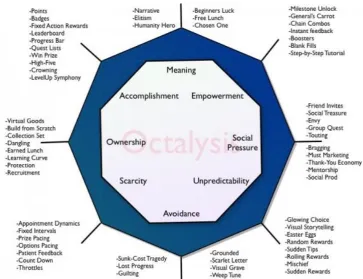
17 Figure 2.7 – Example of gamification framework with descriptions
<http://www.yukaichou.com>
The term gamification was first used to describe the ‘game-full’ nature of non-game experiences in 2004. As such arguments currently exist about the term that is of a rhetorical nature. These arguments surround the term being a misrepresentation of gaming and are held by many gaming industry professionals and advocates. The claims are illustrative of the process, currently undertaken for gamification, which includes taking small pieces of a whole experience (a video game) and trying to build an experience around it [23]. Counter arguments exist for the use of the process as a teaching tool; these describe gamification as a simple mechanic employed to aid in solving problems [23]. Other words have been suggested to aid in the description of the term, namely “gamefullness” and “pointsification”, and although these terms seem to give a better description to the process they have not replaced the term in common use. Until a new terminology is agreed upon by the greater research and professional community, Gamification will continue to be seen as a term not satisfactorily derived.
18 the above framework of gamification. Possible inclusions for design factors are complementary to these elements and may come in the form of a progress bar (to gauge user growth), level progression (which may engage long term users) or quest based lists.
2.5.1 Effect of Gamification
The effect of gamification elements can be quantified to a certain extent by investigating the emotional, behavioural, and psychological responses users have towards the material. Although some of these responses will be dependent upon the person (in terms of social and psychological factors) [23], it is the only process that can be followed to produce meaningful insights into the outcome of gamified material. The human emotional response can be characterised by a change in a individuals feelings these tend to promote changes in physiology as well (crying, laughing etc.) and can drive a person in certain circumstances to trigger a behavioural response. A behavioural response is quite similar to an emotional response but more akin to a knee jerk reaction, such as a startle from a fright. A common human response, psychological responses arise within the mind and focus on areas such as memory, attitude, motivation, and enjoyment [24]. Users (or players) motivations are said to fall into two groups, intrinsic, or those created internally, or extrinsic which rely on external stimuli. Intrinsic characteristics of a player may include his/her willingness to help others, express themselves creatively, and non-competitive social aspects of the process; whilst extrinsic motivations include the receiving the points or awards, competitive social activities and team based activities that are goal orientated [21]. At the introduction of a gamification element to system a user of the system becomes a ‘player’ and the immersion of the process is considered the most important factor in contributing to the motivations and overall effectiveness of gamification, in terms of a teaching delivery method.
19 classes illustrate the most widely seen personality traits especially in regards to gaming, that is the extrinsic seeking user who derives satisfaction from completion, awards, and bragging rights and the intrinsically motivated social user who is happiest when communicating, helping and co-operating. The study gauged aspects such as retention rates and overall mark movements using a series of pre and post-use tests (in addition to the initial psychological survey), which were then compared with the students marks and marking averages until the point the study began. It can be seen from Figure 2.9 that the noticeable increase in overall marks occurred in 13 of the 14 classes.
Figure 2.8 (left) – showing distribution of users in study, sorting by character traits [21]
Figure 2.9 (right) – comparison average mark when compared to standard delivery [21]
20 own devices. Some have been accused of trying to sell game-based incentives, which are intrinsically worthless, to customers in return for real money or customer loyalty, starting the argument gamification can be used for persuasion and exploitation [22]. This point is moot in relation to the majority of academics projects or endeavours as they are not aimed at profiting and are run for entirely academic purposes.
2.5.2 Addition of Gamification Elements
Adding elements of gamification requires careful analysis of the medium and content to create a positive experience for the users. By using researched methodologies on the selection of game elements, the risk of over (or under) gamification [22] of a system can be reduced, this helps make sure the requisite information attempting to be conveyed is not obstructed or too minimal and unappealing. Yohannis, A. described the nature of game to be characteristic to nine elements; player, environment, rule, challenge, interaction, goal, emotional experience, quantifiable outcomes and negotiable consequences [21], [24]. By aiming for a suitable number of these elements, making sure not to outweigh the functional and/or educational characteristic components of the system, an effective method for self-directed learning can be created [22], [25].
A more simplified view of gamification principles was set out by Harami, J. in a recent review of gamification related to peer reviewed literature, gamification was described by its possible outcomes, namely; motivational affording of the user drives psychological and emotional outcomes [24]. Another commonly encountered annotation found across numerous literature findings is the demographic direction; the users age, environment, and ability to receive meaningful information from different forms of media [23], [26] can have an impact on their ability to be engaged and learn, thus systems need to be tailored to reach their distinct or indistinct target audience [25]. In the principles of gamification set out by Harami, J. there is stipulation that gamification material should not exceed or overshadow the core material, and that a good mix of elements is required to produce the correct outcomes. The key principle in nearly all arguments is the immersion of the player into a functionally built and gamified system; by motivating a form of self-directed learning a productive and profound learning environment can be created.
21 field that users seem to favour socialising and achieving whilst engaging in gaming. Due to this it is seemingly beneficial to cater to these markets to some extent. Further recommendations have been derived based on the addition of gamification elements, in that the elements themselves should never be used as the ‘core’ experience. Outlined also were the negative effects which may occur from over saturation of gaming elements, which had the possibility to overshadow any other core elements. Conclusions on the use of gamification can be drawn in regards to its seemingly positive effect as a teaching aid and motivating tool, though nearly all research materials outline the requirement for further research, testing and validation to occur within the field.
2.6 Interface Design
Interfacing fundamentals mainly refer to interface design as a combination of aesthetical and functional validation and is considered to be one of the main determining factor in user satisfaction [31]. Aesthetics refers to an individual’s perception of something and whether they find it to be visually satisfying. It is concerned mainly with the areas of shape, composition as well as the physical properties they possess. Aesthetics does not exist as a shared experience, it is subjective (meaning different for each person), and thusly when issues of aesthetics arise certain care must be taken to ensure consideration is given to individual thought process [33]. The main elements outlined across research and case studies to do with aesthetic appeasement are the strategic choice of colour, text, typography and the composition these elements form [32], along with a requirement to retain an amount of consistency through all parts of the interface. Each element chosen (button, colour, text) and displayed to the user must be purposeful and possess a meaningful quality (action, information, encouragement, suggestion), which should fall in line with the object itself. This designing of elements must be purposeful, with full appreciation of the target demographic or culture. [31] [32]
22 functionality in the interface should not be visible, users should not be alerted to any background operations unless they are required to be. System processes that may take time (more than a few seconds) need to be communicated with the user to avoid frustration, thereby changing the emotional and behaviour responses the user may have towards the interface in the future. At the core of all these elements is simplicity, a user interface should not be visually crowded and the selection progression for one page to the desired next should be easy to understand and control. [32]
Research into interface evaluation has been thorough yet varied, due to the subjective and ever changing nature of aesthetics and functionality. Recent studies into the subject show comparative analysis of varied user interfaces. Qanber, M., et all, in 2012 used an international standard for the evaluation of software quality, the ISO 25010 [31]. This method compared a number of defined characteristics required in an application and evaluates through a series of tests relating to the comparative value, taking into account very common aspects of human bias that can affect perception [31]. This evaluation method relies more on mathematical means to derive a percentage of compliance with the standard document. Standards like the ISO 25010 exist as a formal evaluation method based around the strict principles of design; the information gained from such a venture will be narrow but the quality and quantity of the results are straight forward and easy to understand and implement.
23
2.7 Conclusion
24
CHAPTER 3 – METHODOLOGY
3.1 Introduction
The information collected in the previous chapter drives the influence of the user interface, with the help of real world practices and physical based work the methodology shapes the design and development practices and outlines key milestones. This chapter will outline the tools and processes that will be utilised during this project creation as well as any technical constraints or research based guidelines that may be applicable. This information will also help guide the creation of system topology documents, which can aid in the understanding of the system, and the required factors for its integration. The purpose of the methodology is to justify the design choices being made and outline the constraints of the project set down by the research.
3.2 Research outcomes
25 Research driven design factors continued to be formed over the course of the literature review, and were based primarily upon being intrinsically and aesthetically pleasing to the user, this included ease of navigation of the interface, potential gratifying elements, and the overall ‘look and feel’ of its use, and were based upon predetermined and tested guidelines of user-interfacing. Elements that would help in transforming this interface into an enjoyable experience were also studied and considered in turn to maximise engagement without overshadowing required learning checkpoints and material with academic merit. During research and consolidation with the RALfie team, three potential elements of gamification were chosen to be included, these were the awarding of achievements or badges, the gaining of user experience or points, both of which would lead to the process of role progression, allowing users to become architects of their own learning activities. As outlined in the previous chapter, this selection was done with care and the full knowledge of the potential adverse ramifications of inappropriate use of gamified material, which is in regards to the potential negative, bias or fleeting responses from the user.
26
3.3 Development Modelling
Whilst overviewing the developmental styles and constraints of the project, in regards to time and resources, it became apparent consideration into a developmental methodology and plan would be of benefit. This development model would carry the project from the initial requirement specification through the design and development phases to final testing and feedback. The model in question would also have to meet certain levels of flexibility, allowing the functions that comprise the interface to be rigorously tested, designed, and developed all within a fixed period of time. This flexibility in the process will also allow for easier gauging of the overall development progress, and motivates direction interaction and feedback from stakeholders. Comparative analysis of developmental models, supported by suggestions made by the supervising lecturer, Dr. Alexander Kist, resulted in the AGILE methodology being selected as the most prolific and fitting model.
3.3.1 AGILE Methodology
The Agile process is essentially a set of practices that utilises iterative and incremental methods to produce a quality product whilst still having the flexibility to change design aspects as the project progresses. Using this development model divides the project into functional blocks, which combine to form the finished product; these blocks are worked on in turn taken from design, through development as well as testing, before being shown to the major stakeholders for review. The benefit of this process is the ability to adapt to change and produce work much more in line with the requirements due to the fact that the development process is occurring at the same time the testing feedback can be sought, all requirements as outlined by the preceding research and suggestions by the RALfie team. The agile method can be repeated as many times as necessary to the reach the desired level of consensus, and suits this projects overall length, purpose and required process and functionality whilst the modular nature of the development under this model facilitates a wider range of flexibility and versatility in the final product.
27 Figure 3.1 & 3.2 - Basic developmental models illustrating Agile and Waterfall methodologies
<http://www.myglobalit.com>
3.4 System Topology
Topology refers to the arrangement of components that communicate via physical and logical means to form a collaborative system that holds purpose. Creating system topologies helps to map data and work flow and help to characterise the nature and functionality of the system. Due to the requirements of this project to be fully documented for the prosperity of any future stakeholders or developers and to outline the relational values between all components of the UCAS, it was deemed important to document all forms of network topology.
[image:38.595.112.473.88.219.2]28
3.4.1 System Design
[image:39.595.111.484.336.401.2]Figure 3.3 (below) illustrates the general interaction that will occur between the user and the system, note the isolated responses between the interface and the user, this illustrates a distinct separation between the user and any potential back ground information and processes. After the user connects physically to a gateway and accesses the interface, the interface queries a relational database for information regarding a certain experiment, it is then either modified or displayed to the user through the means of the interface. Once connection to the experiment can be made the graphical interface can relay messages of input and response, whilst transmitting and receiving meaningful data from the experiment.
[image:39.595.110.478.512.702.2]Figure 3.3 – Workflow diagram of basic user interaction of a physical experiment
29 Figure 3.4 (above) is a more expanded illustration of the system topology showing potential logical connections with dotted lines. It clearly shows the basic background functions that need to occur to access a physical or virtual experiment from the UCAS, the database system being used is that of a relational one, this keeps each database relatable to one another helping provide informational integrity while being able to connect and cross-check information by utilising independent identification information regarding each experiment or activity. One table in this database holds the information on the location and accessibility of experiments, once accessed the experiment will begin and information regarding the direction and goal of the experiment is shown, along with any supplementary input from the experiment, such as measurements, video or audio feeds. The activity is completed in real time and the user results are fed back to the interface as well as saved with the user’s personal information. At any point the user can also decide to access help files, either via collaborative means or through the experiment itself, this is shown as an intended workflow diagram in Figure A.1 (Appendix A).
30
3.4.2 Future System Topology Integrations
By developing this interface, and its constituent relational database, within a well-structured topology, it was easy to create allowances for future elements and functions that existed outside of the ability of this project and the strict time constraints. These elements included in the structure were those pertaining to the constructivist processes; these processes allowed users to become part of the learning experience by encouraging user input. The processes are currently known as the ‘Builder’ process, where users are invited to create their own learning activity, either based on a current existing physical experiment, pure research, or one of their own. A second level building process also has a base within the UCAS, called the ‘Maker’ system, users fulfilling the correct requirements to access this role are, with the help of the RALfie team, able to construct and host, real life physical experiments from their home networks, a process that has the potential to allow massive growth in the community. The foundations of these functions, including relational tables, roles and interface web pages, can be found within the UCAS development repository and associated database, consult Appendix B for future intended workflows of these processes.
3.5 Project Architecture
31 in time with user commands allowing new information to be introduced into the interface when it becomes available.
Figure 3.6 – Integrating the extended libraries Bootstrap and jQuery
Additional developer resources were utilised to help in the construction of this web based interface, namely Bootstrap and jQuery. Bootstrap is a library of pre-generated content, which is mainly concerned with keeping the overall system interesting (through its use of buttons, badges and other related content) and responsive, that is be able to be read and compiled correctly by any web browser. This functionality in Bootstrap allows web pages to be accessed from any personal computer or device capable of accessing the internet, and with recent innovations in mobile technology this type of immersion has never been more necessary. Used for simplifying scripting in HTML, jQuery is a free JavaScript library that eases the creation of animations, events and navigation procedures within a web document. Both libraries can be accessed either from hosting locally or through external sources.
3.5.1 Design Imperatives
32 The main requirement at play within the project architecture was the ability of the interface to display a current list of online learning activities available for the user. Detailed further in Chapter 4.3, the UCAS completes this task by sourcing from and related tables of activity and experiment information, refined and filtered by the availability and access requirements. During the design phase of this project considerations must be made in regards to the physical and software components already in use. These components will be researched to evaluate their use and operation and to suit any functional components or design elements that are required to be created. This is principally in regards to the communication of the two systems (hardware based RAL and the software based UCAS) to ensure fast, secure and safe exchanges are being made.
3.5.2 Gamification Imperatives
Mentioned in previous chapters, user response to gamified material is subjective, through careful design and the discrete application of gratifying elements a user can become immersed in a learning activity, with purposeful goals, information and awards with little realisation and a very minimal chance of negative impact. These elements will be stored in database tables associated with their descriptive values, methods of achievement, as well as a method to store records of gained awards for each user. To counter the trend of gamified elements becoming less impactful with repetition, progressive user goals were implemented, namely the idea user progression through roles or ‘levels’, which provides the user with both short term and long term goals within the UCAS. These user progressions are achieved through a series of instantaneous gratifications, whether it be earning experience points in STEM subject fields or awards based on academic achievement within the UCAS, it all adds to the progression of the user, both inside the system and in the real world.
3.5.3 Applications Utilised
Numerous applications were utilised during the design, development and testing phases of this project, these tools were used to create visual and functional elements of the UCAS and the supporting systems.
33
MySQL An open-source relational database management system, also known as an RDBMS
PHPMyAdmin An open source tool which interfaces with a relational database management system to give the user a graphical view of administration with the ability to make changes to the scheme, without relying on SQL commands (though you still can use them). It essentially interprets the relational database scheme into a visual interface, allowing quicker and more concise creating of tables, relationships and user rights.
Apache A webserver application that essentially allows users to create a local website on their personal network, allowing them to serve web pages, it supports popular languages such as PHP, HTML and Python. Typically a webserver application processes requests via Hypertext Transfer Protocol (HTTP) much like any standard webpage served by a host on the World Wide Web would.
Git A form of distributed version software which allows many members of a group to access online project information simultaneously. Git focuses on speed and data integrity and supports work in the majority distributed workflows.
Repository A storage location with all current and previously held information, in this projects case the repository is held online and aids in the storing and maintaining of the project documents.
34
3.6 Conclusion
35
CHAPTER 4 – DESIGN AND ANALYSIS
4.1 Introduction
The aim of this chapter is to detail the essential design factors, constraints and developmental pathways that guided the construction of the UCAS and critically analyse its intended use and functionality. This will include dissection methods of coding and functionality to illustrate the purpose and context of technical elements within the system. The methods of data acquisition and storage will be detailed in regards to their ability to support and integrate two functionally different systems. Of importance within design analysis, the potential consequential effects of this application will be also be detailed and mitigating factors will be discussed. Analysis of this project will occur based on comparisons to standards, derived methodologies, and overall outcome achievement.
4.2 Project Outcomes
The desired outcome of the User Centred Activity System (UCAS) is to provide an interface where users can access STEM based learning material in the form of remote experiments and activities. This allows users to engage in an active and self-driven learning experience assisted by design implementations that appeal to the user, through gratifying elements and purposeful goals and achievements. Development plans include engaging the users help to build upon the existing material with homemade physical experiments as well as related activities and information. It is the hope of USQ’s Remote Access Laboratory that this interface will provide an easy method for users to share these projects and through this process gain a higher level of understanding whilst adding to the educational base for other users to learn from. Project outcomes will describe the project in terms of its achievable results, outlined in Chapter 1, and give reasoning as to the success or failure or each component and any validation information that is pertinent.
36 again when preliminary Beta testing begins in the near future, testing will gauge opinionated and empirical data concerning appeal, usability and perceived academic quality. The UCAS was able to remain simplistic yet function through the continued research attained and guidance given on the subject of interface design. This guidance and support, from the RALfie team, also aided in the well thought out and detailed design of a the relational database, which allows information regarding any part of the interface, from users credentials to the current states of remote experiments, to be help and updated dynamically and safely. This safety is in regards to data integrity, which is helped to be enforced with strict rules or constraints on available input into the tables, eg. Integer values only. Flexibility of the database was retained, however, from building meaningful and function relations between tables and considering future developments and revisions of the interface and what they might require. This process of design and development was also aided by the AGILE development methodology, the functional blocks of code can begin simplistic and with continued testing and development, could be polished then combined into a more complex and robust algorithm. This methodology also allowed the progress for future developments to occur whilst not affecting functionality vital to the construction and purpose of the project.
37 Figure 4.1 – Current UCAS Login Page
[image:48.595.114.482.461.678.2]38
4.3 Design Validation
During the validation process, each facet of the project’s published works had to be detailed for the propriety of future developers, stakeholders, and for the critiquing of methodology that may lead to a more polished and well-rounded system. These details will cover technical depth information regarding the design, with respects to the coding and structure of the interface, this includes aesthetic, design based choices, as well as the integration of outside applications and supplementary elements. Focus will be made on the aforementioned constraints of access and coding standards used to employ a method of mutual access and will describe how each process is handled and how successfully it was carried out. Perceived failures and achievements of interface, gamification and architecture design and development will be derived through critical analysis of the current standards and preferred practice, this will be underpinned or contradicted based on the knowledge derived from the research phase of this project.
4.3.1 Interface Design Validation
Validating an interface is usually in regards to how visually appealling and functional it is, the two determinants of good interface design. The final colour schemes decided upon (Figure 4.1 and 4.2) were done to target two demographics, tertiary and primary students. Both function exactly the same but Figure 4.3mirrors the USQ colour scheme, whilst the latter aims at the younger demographic and is thusly based after the RALfie colour scheme. The composition of elements and their function purpose remains simplistic and driven towards a single purpose. Compared to older revisions of the UCAS (Figure 4.4) it can be easily seen that many elements have been refined to improve user accessibility, much of the unnecessary information was removed from each page, it was then restructured in a way that was more meaningful to the user. This composed of creating a typographical hierarchy, the most important information regarding each activity is kept at the top, the proceeding data is printed underneath in a smaller print, while least important factors on the page, access time and descriptive clusters, are given a measure of transparency in line with their addition to the page information.
39 enticing to the user whilst adding the required meaningful information to be enticing to potential users also. The activity selection page load seamlessly and does not show any information which is not meaning or accessible, compare to earlier designs which listed unavailable experiments even though they could not be accessed. With the help of JavaScript, the table can actively refresh its contents periodically, to keep the list up to date with availabilities, this process occurs in under a second and is largely unnoticeable to users. If these load times increase with increased traffic and use, it is imperative to ensure users are communicated the short delay.
[image:50.595.118.483.266.435.2]
Figure 4.3 – Alternate Colour Scheme for UCAS with Gamification elements
[image:50.595.120.485.507.722.2]40 Figure 4.5 – Early release of the Maker Process page
4.3.2 Gamification Integration
41 The awarding nature of gamification can also aid in building of the communication and interaction skills between users of the system, who may be interested in sharing scores, experiences and ultimately helping one another. The structure and restriction of the gamified material also aids in the limitation of repetition of gamified elements within the system, limiting gratifications to give them a real sense of weight and purpose. To support this seemingly vital feature that will ensure the long life and use of this system a medium supporting user communication should be considered before public release.
42
4.3.3 Detailed Design Evaluation
The development of the UCAS required the integration of different coding languages and developmental styles that provided the required functionality. The design evaluation will aim to detail and dissect the coding methods and processes, related to current standards, used in the creation of the UCAS, whilst providing recommendations and pointing out potential shortcomings. The current release of the UCAS contains all the functional elements that are a necessity of the activity interface; that is the login page to obtain user identity and a main homepage, containing access points to currently available activities. Once coding and integration is completed these external activities will return back to the UCAS to summarise details of the completion and any points or awards that may have been earned. The key functional components of the aforementioned interface, described in previous chapters, can be found in the proceeding chapter showing components broken down into their specific coding functions. Conventions of naming were kept simple and were use throughout the design and coding process to add more meaning to functions and variables, terms like ‘act’, ‘exp’, ‘user’ and ‘game’ were key words used to communicate a connection with the associated aspect of activities, experiments, users and gamification with the database.The coding languages found in the majority of modern websites on the World Wide Web are HTML5, PHP and JavaScript and the success in which they are used are based upon their developer’s ability to combine these complementing styles to give the preferred effect.
43 Figure 4.6 – Example of simple switch code used in conjunction with a case
[image:54.595.116.485.554.675.2]Figure 4.7 – Intermeshing of HTML and PHP coding languages
44 Another staple of modern web design is the Hypertext Processor, known as PHP, this language is utilised to run procedural driven processes within the majority of web pages active. Through simple integration of PHP ‘tags’ (See Figure 4.7) the language can be easily integrated into HTML documents at any point. It is also flexible, in that is can process code as a function, an object or in a simple string of code where it is needed, adding to this flexibility is the ability to use HTML within PHP tags, utilising the ‘echo’ function, which prints text held within it, the same as standard HTML code.
Procedural PHP is required for accessing and updating of the database, it can be utilised to handle errors, manipulate or strip data before or after storage. Through the use of the ‘mysqli’ function, contained within PHP, a developer can set interactions with a database through the use of standard Subject Query Language (SQL). Further processes used consistently through the UCAS are the implementation of conditional loops; this aids in the sorting of information and performing repetitive tasks. The same can be said for case statements, which aid in error handling, filtering and conventional choice based coding selections through the use of a simple branching ‘if-then-else’ structure, common in many procedural or construction based coding languages which can greatly improve coding and data integrity, and is can be made easily readable. The process based coding techniques, coupled with database access form the basis of the list access and filtering steps, which queries for a list of activities only selecting those which are accessible and appropriate for the user. This filtering system of conditional statements has the easy ability to be extended upon in future releases, increasing the functionality when more user requirements are established and can be enforced. Currently the activity is checked for availability (through its applicable experiment, if necessary), before being evaluated based on currently user achieved pre-requisites, which may come in the form of experience level required or a previous activity in a series being completed. This process also fits within the specification for good interfacing, in regards to the keeping an interface uncluttered and unoccupied by inaccessible links or error messages.
45 base code and supports a more modular system approach. The current UCAS release would benefit from the streamlining of service through collection and turning commonly used code into functions, this is especially true when considering the repetitiveness of such processes such as activity list access, sorting and refining.
48
4.3.4 Database Design
The database underpinning UCAS is a series of tables linked by unique identifiers, known as the primary keys. This distinctive element is unique to a line of data within a table, and as such, can usually be used to reference or retrieve that table record. This ability to cross-reference information through constant relations forms the basis of data retrieval and control within the project. Good relational database design aids creation in the continued integrity of the information and keeping user load times short by separating non-specific or non-required information into separate tables whilst keeping it connected and relatable. As such it is important to decide upon the restrictions or rules surrounding database input early in the design periods. By restricting the column variable to a certain value and length (eg. An integer no bigger than ten) it aids in helping protect data and eliminate input of undesirable or malicious code to be input into the database. This case is especially true when using the ‘text’ type in database creation, when allowing the user to input text of any kind it is important to consider and implement an extended form of error handling to prevent any discriminate or indiscriminate acts of data corruption. The three predominant tables of the UCAS are User, Activity and Experiment, these tables hold the bulk of the hard-corded and dynamic information which is required in the functionality and descriptive values associated with the interface.
The users table contains information of both a descriptive and functional nature, concerning individual and distinct user identities. Upon authorisation into the UCAS, a new line is created in the users table, along with a unique id, which is tied to the google login information. This creates a system, with the help of externally linked tables, which can retain ownership and track a user’s progress in a variety of ways. This tracking can be done through the access and completion times associated with activities, which can aid in the validation of activities and to gauge users overall access
![Figure 2.1 –University participation rates in Australia [20]](https://thumb-us.123doks.com/thumbv2/123dok_us/148732.25876/19.595.120.485.362.530/figure-university-participation-rates-in-australia.webp)
![Figure 2.6- Basic overview of a remote access laboratory [15]](https://thumb-us.123doks.com/thumbv2/123dok_us/148732.25876/26.595.118.482.70.121/figure-basic-overview-remote-access-laboratory.webp)
![Figure 2.8[21] Figure 2.9](https://thumb-us.123doks.com/thumbv2/123dok_us/148732.25876/30.595.119.481.283.406/figure-figure.webp)