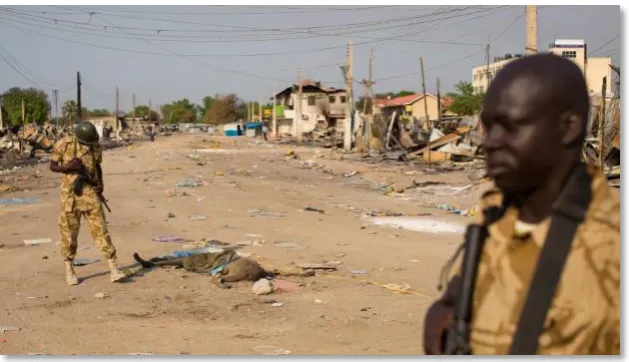
Need to know: information literacy, refugee
resettlement and the return from the state of exception
A thesis submitted in partial fulfilment
of the degree of Doctor of Philosophy
Wendy Richards
BA (Hons First) UQ, MEd UNSW
Faculty of Business, Education, Law and Arts
University of Southern Queensland
Certification of thesis
I confirm that:
the ideas, results, analyses and conclusions set out in this thesis are entirely the work of the candidate, Wendy Richards, except where otherwise indicated and acknowledged
the work is original and has not been previously submitted for assessment in any other course or institution, except where specifically stated
to the best of the candidate's knowledge and belief, the thesis contains no material previously published or written by another person except where due acknowledgement and reference are made in the thesis to that work.
Candidate: Wendy Richards
Signature ...
Date ...
Principal supervisor: Dr Robert Mason
Signature ...
Date ...
Associate supervisor: Dr Anna Hayes
Signature ...
Abstract
Academic research has developed a considered understanding of displaced
communities undergoing resettlement within a refugee receiving country, in areas such as language, literacy, education, employment and housing, gendered identities and past trauma. However, little attention has been paid to the role of information literacy, defined here as those practices, attributes and skills which enable social subjects to obtain the knowledge needed for effective social agency.
The questions guiding the research discussed here concern the effects of information literacy upon newly-arrived communities. How do refugee entrants from differing cultural, language and literacy backgrounds engage with the digitally mediated, text-dense and English language-based information environments of the Global North? What are the risks for new communities of information poverty and social exclusion through information practices that are less able to satisfy the demands of present-day information capitalism?
This research draws on a qualitative, multifocal case study of interviews with resettled members of the South Sudanese community in south-east Queensland and with workers from government and non-government settlement agencies conducted in 2013. The aim of the research is to contribute findings on information literacy in resettlement to academic debates on refugee displacement, resettlement and
belonging, as well to enhance the policies and practices which guide Australia’s approach to humanitarian protection.
Acknowledgements
Many people have contributed to this project and to each of them I owe much in the way of thanks.
I am deeply grateful to the South Sudanese community members in south-east Queensland who took part in this project for the generosity with which they shared with me their experiences of displacement and resettlement. Their stories, insights and reflections were a great gift which enabled this project to take place. Thank you also to the community members in South Sudan who gave me their time during my visit there. I hope I have done their generosity justice.
My particular thanks go to Paul Mabior Garang and Ajak Deng Biar for supporting the project at its inception and to Paul for the many hours and ways in which he facilitated its progress in the community. We travelled a long road and learnt a great deal together.
I am also indebted to the many settlement agency workers in the region who responded so wholeheartedly to the research and spent time discussing their
experiences and concerns with me. Their understanding of settlement and generosity in sharing this with me made the project possible. I hope the research findings can contribute to the ways in which settlement is undertaken and go some way to repaying their kindness.
I enjoyed greatly the support of my principal academic supervisor, Dr Robert Mason, and my associate supervisor, Dr Anna Hayes, in the Faculty of Arts at USQ. My sincere thanks to them both for the clear guidance and unfailing encouragement they offered me, as well as the many engaging conversations we had as the project unfolded. Their input was truly invaluable. Thank you also to Dr Celmara Pocock at USQ for the many valuable insights and personal encouragement along the way.
My colleagues among the postgraduate students at USQ shared the highs of doctoral research as well as those moments when perspective is overtaken by moments of late-night doubt. I wish them all every success.
My personal thanks go to Jo Smith and Margaret Irwin, who rescued me at pivotal moments with cups of tea that only old and cherished friends can rustle up. David and Tess Minogue provided many much-appreciated reminders of real life: thank you both.
Contents
Certification of thesis ... i
Abstract ... iii
Acknowledgements ... v
Acronyms ... xiii
List of illustrations ... xv
PART 1 INTRODUCTION 1 Overview of the research and Australia’s role in refugee resettlement 1.1 Introduction ... 1
1.2 Global population displacement and refugee protection ... 2
1.3 What is resettlement? ... 3
1.4 Australia’s role in international refugee resettlement ... 4
1.5 Australia’s refugee resettlement process ... 7
1.6 Australia’s settlement services framework ... 8
1.6.1 Humanitarian Settlement Services ... 9
1.6.2 Complex Case Support Program ... 9
1.6.3 Adult Migrant English Program ... 10
1.6.4 Settlement Grants Program ... 10
1.6.5 Translating and interpreting services ... 11
1.6.6 Implications of these services for this research ... 11
1.7 Settlement service provision ... 11
1.8 Recent reviews of settlement services ... 12
1.9 Situating the research ... 13
1.9.1 Situating the research within scholarly disciplines ... 13
1.9.2 The genesis of the research ... 14
1.10 Definitions of terms used in the dissertation ... 14
1.10.1 Information literacy ... 14
1.10.2 Refugee settlement ... 15
1.10.3 Research participants ... 16
1.11 Structure of the dissertation ... 16
2 Refugee studies, information science and the ‘state of exception’ 2.1 Introduction ... 17
2.2 Refugee studies ... 17
2.2.1Employment and the labour market ... 18
2.2.2 Education participation ... 18
2.2.3 Health and wellbeing ... 18
2.2.4 Gender and family life ... 19
2.2.5 Refugee diasporas ... 19
2.2.6 Theoretical frameworks within refugee settlement studies ... 20
2.2.7 Summary of review of refugee settlement studies ... 20
2.3 Information science ... 21
2.3.1 Definitions of ‘information’ and ‘information literacy’ ... 22
2.3.2 The context of globalised information capitalism ... 23
2.3.3 Information economies within the Global North and South ... 23
2.3.4 Research into ‘everyday information’ ... 24
2.3.5 Information science and resettling communities ... 25
2.3.6 Information literacy and communication practices ... 26
2.3.7 Summary of review of information science ... 26
2.4 Implications of existing research for this study ... 27
2.5.1 Agamben, sovereign power and the citizen’s exclusion ... 28
2.5.2 Critiques of Agamben’s theorising ... 30
2.6 Return from abandoned exception ... 33
2.7 ‘Information relationship’ and the return from the state of exception ... 35
3 Research methodology 3.1 Introduction ... 37
3.2 Conducting research with refugees ... 37
3.2.1 Contextual challenges for research into displaced populations ... 37
3.2.2 Challenges relating to research design and methods ... 39
3.2.3 Ethical considerations in research with refugee communities ... 41
3.2.4 Summary of research considerations for this study ... 42
3.3 Situating this study methodologically ... 42
3.3.1 Using qualitative research with refugee communities ... 42
3.3.2 The methodological framework for this study ... 43
3.4 Design and conduct of the research ... 44
3.4.1 Case study research ... 44
3.4.2 An intersectional case study design ... 45
3.4.3 Research stages, cohorts and fieldwork ... 45
3.4.4 Community and agency engagement and support ... 46
3.4.5 Sampling of research participants ... 47
3.4.6 Participant interviews and document analysis ... 48
3.4.7 Ethics and informed consent ... 49
3.4.8 Ethics and reciprocity... 49
3.4.9 Data analysis ... 50
3.5 About the research participants ... 51
3.5.1 The Dinka of South Sudan ... 51
3.5.2 Research participants ... 53
3.5.3 Managing confidentiality ... 54
3.6 Conclusion to Part 1 ... 55
PART 2 RESEARCH FINDINGS 4 Information environments of civil war, refugee protection and South Sudan 4.1 Introduction ... 56
4.2 Information, civil war and displacement: ‘You are excommunicated. That’s it’ ... 56
4.3 Information and refugee administration: ‘And they say, okay, he’s alive’ ... 67
4.4 Information infrastructure in the new South Sudan: ‘… they use their networks’ ... 74
5 Language, literacy and connectedness within settlement and the diaspora 5.1 Introduction ... 81
5.2 Information priorities: ‘the basics’ and beyond ... 81
5.3 A foreign information world: ‘Where to begin?’ ... 83
5.4 Engaging with information: ‘… a roller coaster of information sharing’ ... 86
5.5 Information and the diaspora: ‘… I left my people in the war’ ... 92
5.6 The mobile phone: an ‘explosion’ of information ... 94
5.7 Information and remittances: ‘… you have gone to heaven’ ... 97
5.8 Orality and the collectivity of information ... 99
5.9 Reading versus speaking: ‘It’s not that real’ ...103
6 Settlement strategies and information relationships 6.1 Introduction ...108
6.2 Agencies’ work: ‘… everything under the sun’ ...108
6.3 Agencies’ information methods: a ‘multiplicity of channels’ ...110
6.4 Establishing information relationships: ‘…we’re across their whole life’ ...119
6.7 Paperwork: ‘What am I going to do with this?’ ...132
7 Reframing information: culture, status, gender and trust 7.1 Introduction ...139
7.2 Cultural expectations: ‘Did they got it? That’s the question’ ...139
7.3 Status, allegiance and legitimacy: ‘… this man is right’ ...144
7.4 Gendering information: ‘You know you are a girl’ ...151
7.5 Thresholds of difference: ‘Are you one of us?’ ...154
7.6 Trust and fear: ‘… that deep shelter, that protection’ ...159
7.7 Conclusion to Part 2 ...164
PART 3 CONCLUSION 8 Information relationships and the return from the state of exception 8.1 Introduction ... 166
8.2 Agamben and the exiled Other ... 166
8.3 Information, displacement and humanitarian protection ... 168
8.4 Information, settlement and the diaspora ... 170
8.5 Information relationships: connecting with state ... 173
8.6 Information reframed: culture, status, gender and trust ... 176
8.7 Conclusion: information and the return from the state of exception ... 179
Appendix A Interview guides ...181
Appendix B Details of interviews and personal communications ...183
Acronyms
AMEP Adult Migrant English Program
DIAC Department of Immigration and Citizenship DIBP Department of Immigration and Border Protection
DIMIA Department of Immigration and Multicultural and Indigenous Affairs DOI Department of Industry
HSS Humanitarian Settlement Services SGP Settlement Grants Program
TIS Translating and Interpreting Service
List of illustrations
Figure 1 South Sudan ... 51
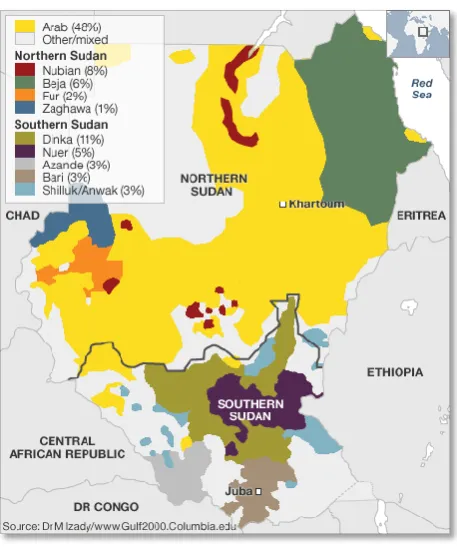
Figure 2 Sudan and South Sudan language groups ... 52
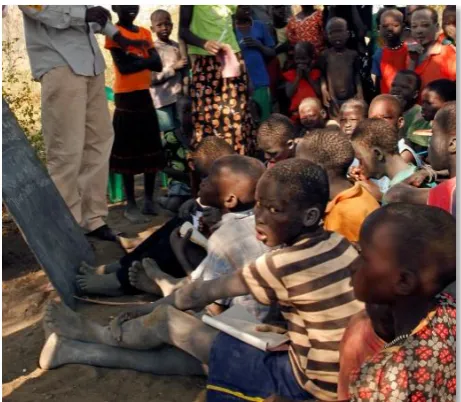
Figure 3 Malek Secondary School, Bor, December 2012 ... 61
Figure 4 School age children in Bor cattle camp, December 2012 ... 61
Figure 5 Primary school in Bor cattle camp, December 2012 ... 61
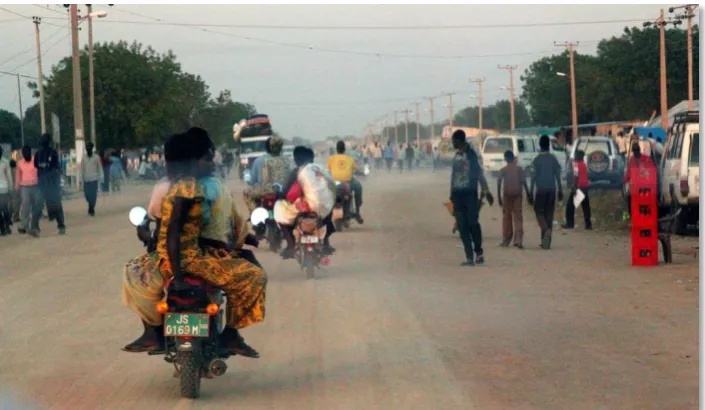
Figure 6 A main street in Bor, December 2012 ... 75
Figure 7 Power distribution in Bor market area, December 2012 ... 76
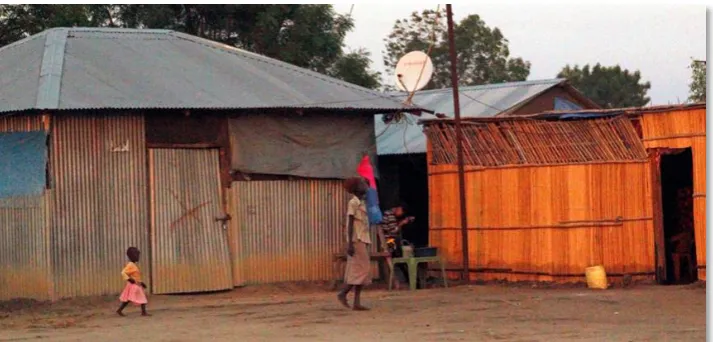
Figure 8 Roads, power, housing and telecommunications infrastructure in Bor, December 2012 ... 76
1 Overview of the research and Australia’s role in refugee
settlement
1.1 Introduction
Within refugee settlement research internationally, little attention has been paid to the role of information literacy. As a medium for social agency, information literacy
constitutes those practices, beliefs and skills which enable social subjects to engage with the information worlds around them and obtain the knowledge needed for productive social life. Yet, despite this inattention, the effects of information literacy pose questions for the methods international refugee protection regimes use in resettling those who have been displaced and for whom there is no other durable solution to their circumstances. In this context, the research discussed in this dissertation attempts to answer three questions generally not considered in contemporary discussions of statelessness:
What part does information literacy play in how refugee receiving states of the Global North resettle those who have sought protection outside their country of origin?
How do refugee entrants from differing socio-cultural and historical backgrounds engage with the digitally mediated and text-dense information environments of Northern states, which are also based in unfamiliar languages and literacies?
What risks are posed for newly emerging refugee communities of information poverty and social exclusion, through lack of information practices that meet the demands of contemporary globalised information production?
The research discussed in this dissertation explores these questions by considering South Sudanese resettlement within the Australian state of Queensland from the point of view of information literacy, as well its implications within the interconnections of the South Sudanese diaspora. Its aim is to contribute new concepts and findings relating to information literacy within refugee resettlement to two fields of scholarship, refugee studies and information studies, but also to enhance policies and practices within Australia’s approach to humanitarian protection.
The research is set within Agamben’s theorising on the excluded Other, who is exiled by sovereign decree into a liminal state of exception beyond the law, such as the refugee camp, and whose abandonment is simultaneously essential to the law’s
definition. The research findings draw on interviews with South Sudanese community members and settlement agencies conducted in Australia, as well as on personal
communication with community members living in East Africa. It develops the concept of ‘information relationship’ to show how information, as a relational practice, plays a pivotal role in refugee resettlement. The research argues that information, in this relational form, provides the means for the return of the refugee from Agambenian exclusion to the subject position of citizen. However, as the research findings demonstrate, while participation in the information relationships necessary for settlement does lead to a re-incorporation for the displaced Other within the status of citizen, this is experienced as partial, contingent and a paradoxical production of both connection and exclusion.
populations. Australia’s participation in refugee resettlement will be outlined, as well as the federal government’s programs for meeting its international humanitarian
obligations. The chapter will then set out the disciplinary areas of the research, as well as the definitions of key terms that will be used in the dissertation, in preparation for a more detailed literature review and methodology discussion in later sections. The chapter will conclude by outlining the structure of the dissertation itself.
1.2 Global population displacement and refugee protection
While the history of movement by displaced peoples recognised as refugees stretches back to the late seventeenth century with the flight of Huguenot Protestants from France, the modern day development of an international refugee protection regime began with the creation of the League of Nations at the close of World War I. The mechanisms for responding to populations in flight also evolved along with the history of the nation-state and the global power relations and ideologies associated with this historically new form of sovereignty over territory and mobility. Following the displacement of over 30 million people as a result of World War II, the international community acknowledged the need for a framework for protection and resettlement of uprooted communities under the aegis of the United Nations. This led to the establishment of the United Nations High Commissioner for Refugees (UNHCR) at the onset of the Cold War in the early 1950s.
The legal concept of ‘refugee’ drafted under the 1951 Convention Relating to the Status of Refugees and its 1967 Protocol sits at the centre of the protocols, legislative acts and states’ policies concerning displaced people that, since then, have contributed to this framework. The state-centred thinking behind emerging international refugee law during this post-war period predicated Convention refugee status on asylum claimants being outside their country of origin and unable to avail themselves of their state’s protection. ‘Protection’ in this context was not related to a state’s failure to provide its citizens with material assistance but to the loss for the displaced of the status of ‘citizen’. Citizenship permits residence within a state’s boundaries and participation in the rights, privileges and obligations of its laws. Thus, the relationship between state territory, state sovereignty and membership of the state’s body politic underpinned conceptualisations of the category ‘refugee’ during the latter half of the twentieth century and the
international community’s response to mass displacement.
This response developed a ‘vast and complex network of institutionalized assistance’ (Harrell-Bond 1992, p. 7) made up of host governments, the UNHCR and those UN agencies and non-government entities charged with providing support. This network of assistance is funded internationally by donor governments and philanthropic institutions. The role of the UNHCR has been to establish and oversee international treaties relating to displaced populations, as well as implement measures to improve the conditions of refugees and support governments in repatriation or resettlement. The UNHCR’s role relates directly to the purposes of the 1951 Convention, which recognises the refugee’s ‘right to remain and right to return, the principle of non-refoulement, and the right of first asylum’, as well as sets the ‘minimum standards of treatment for refugees and … determination procedures and eligibility criteria’ for attaining refugee status (Barnett 2002, p. 247).
and/or the UNHCR for protection. The UNHCR will register asylum seekers (partly to prevent involuntary repatriation, or ‘refoulement’), who thereby acquire the status of refugee. However, while refugee status is based on the idea of loss of membership of the body politic within the country of origin, refugee law ‘does not guarantee attainment of membership elsewhere’ (Aleinikoff 1992, p. 124). The Convention cannot direct how signatory states adjudicate refugee status determinations and has no mechanisms for monitoring their compliance with its principles. The Convention relies on
non-refoulement as its central instrument for protection, resulting in adjudication of who is a refugee, ‘upon which all the protections of the Convention turn’, being left to the interpretations of state authorities (Aleinikoff 1992, p. 124).
In the decades following the drafting of the 1951 Convention, refugee flows into Europe and North America emerged primarily from regions within the Communist Bloc, while asylum determinations during this period reflected the geopolitics of the Cold War. In South America, for example, asylum claims from communist Cuba and Nicaragua were more likely to be accepted in the United States than those from non-communist regimes, such as El Salvador, as flight from a non-communist country was valued as an endorsement of the tenets of liberal democracy (Ashutosh & Mountz 2012).
However, by the mid-1970s, large scale refugee movements began emerging from countries within the Global South, in Africa, South-East Asia and South America, with the collapse of colonial regimes and the effects of their legacies, as well as neo-colonial interventions by external powers and internal struggles for control over newly
independent nation-states. The economic interests of Northern states, which dominated international ‘trade, investment and intellectual property regimes’, contributed to the South’s conflict over resources and populations and to the forced migrations which followed (Castles 2003, p. 18). During this period, global refugee numbers began to rise as the number of countries with refugee outflows increased (Hugo 2001).
This increase marked a shift in the paradigmatic refugee figure from ‘white, male and anti-communist’ (Chimni 1998, p. 351) to a racialised and mendicant Other which threatened national stability, drained public resources and posed ‘a problem for development’ (Malkki 1995, p. 506). Asylum claims were increasingly deemed a
spurious camouflage for economic migration, while the category ‘refugee’ fragmented to also mean ‘asylum seekers, spontaneous arrivals, quota refugees [and] people in refugee like situations’ (Chimni 2000, p. 254). Refugees were seen as an exception to the ‘normal state-citizen-territory trinity’ and were therefore a ‘source of instability’ that only reterritorialisation would remove (Haddad 2003, p. 11). Northern responses to the growing numbers of refugees in countries marked as the ‘developing world’ have since become increasingly punitive and restrictive and operationalised within a discourse of threat and national security (Voutira & Dona 2007). Northern states’ interests are prioritised within these responses through a combination of ‘entry restrictions in the North and “containment” measures in the South’ (Castles 2003, p. 18).
1.3 What is resettlement?
eligible for resettlement. Signatories to the 1951 Convention and associated protocols are not legally bound to accept refugees for resettlement within their territories. Refugee resettlement is a voluntary process overseen by the UNHCR, with the aim of sharing responsibility among signatory states. In 2012, 27 of the 145 states who are Convention signatories took part in UNHCR-coordinated resettlement and accepted a quota of refugees (UNHCR 2013, p. 18). The UNHCR selects and recommends refugees for resettlement within signatory states, employing criteria such as security conditions in the country of first asylum, trauma following torture and violence, medical needs, the risk of sexual or gender-based violence, the well-being of children and the elderly and family reunification. Resettlement is recommended where voluntary repatriation or local integration is not possible (Karlsen 2011). The UNHCR does not give reasons for a determination that a refugee does not qualify for resettlement and there is no right of appeal against this decision.
The means for reterritorialising those who have been forced into the liminal state of between-borders was built into the UNHCR’s mandate, which in the post-war period of mass European displacement meant a ‘permanent’ solution through facilitated resettlement in countries such as the United Kingdom, the United States, Canada and Australia. However, with the shift to refugee flows from source countries within the Global South, a discourse of ‘durable’ solutions emerged. Voluntary return to the country of origin became the most desirable solution, followed by absorption within the country of first asylum. Under this reconfiguration of agreed solutions to large-scale
displacement, resettlement within a third country (usually a Northern state) became the least desirable aim (Harrell-Bond & Voutira 1992).
As a consequence, resettlement occurs relatively rarely when compared with the numbers who are displaced. It is estimated that less than 1 per cent of the world’s refugees are resettled ‘in any given year’ (Karlsen et al. 2011, p. 8). In 2012, 45.2 million people worldwide were considered forcibly displaced, the highest number since 1994, of whom 15.4 million were designated refugees. Most refugees flee to
neighbouring countries in their region of origin. Thus, the majority of refugees are hosted in countries of asylum within the major refugee generating regions. The burden of hosting refugees is carried largely by developing countries, which in 2012 hosted 81 per cent of the world’s displaced peoples. In that year, Pakistan, Ethiopia and Kenya ranked as the top three refugee host countries relative to economic capacity, while more than half of all refugees came from five countries: Afghanistan, Somalia, Iraq, Syria and Sudan. Of the total population of refugees globally in 2012, 88,600 were resettled within 22 countries, the majority of whom (66,300) were accepted by the United States. The UNHCR defines a ‘protracted refugee situation’ as one in which 25,000 or more refugees of the same nationality have been resident outside their country of origin for at least five years in an asylum country. In 2012, around 6.4 million refugees living in 25 countries were estimated to be in a total of 30 protracted situations (UNHCR 2013, pp. 313).
1.4 Australia’s role in international refugee resettlement
Convention. This greater role also marked a change in Australia’s migration policy more broadly, by extending migration categories to include groups beyond those from
Northern European countries. The ethnic, cultural and religious discrimination that had formed the foundation of earlier immigration policies and practices gradually began to reduce (Hugo 2001).
By the mid-1970s, Australia had begun accepting annual quotas of Convention refugees under the UNHCR resettlement program. Government and immigration authorities also formulated a more comprehensive response to the nation’s part in the international protection regime. Resettlement moved beyond the offshore processing of UNHCR-designated refugees to include onshore processing of asylum claims received from those fleeing conflict in Vietnam, Cambodia and Laos and arriving on Australian territory largely by boat. Between 1976 and 2000, 309,780 refugee and humanitarian settlers were accepted into Australia, with annual totals peaking in the early 1980s at the height of the Indochinese exodus (Hugo 2001). Overall, more than 750,000 displaced people have received assistance under the Australian Humanitarian Program since World War II, via its offshore (resettlement) and onshore (asylum and protection) program components (DIAC 2011b).
In the decades since it began experiencing refugee flows within its immediate region, Australia has adapted its settlement policies as humanitarian crises have emerged locally and globally. Its administrations added the capacity to respond to asylum seekers who did not fit the Convention definitions of ‘refugee’ with the Fraser government’s Special Humanitarian Program in 1981, which recognised those who were ‘subject to human rights abuses and had family or community ties with Australia’ (Karlsen et al. 2011, p. 3). This capacity to respond to both Convention refugees and those in a refugee-like situation is the basis of the annual refugee resettlement program overseen by the federal government today. The Woman at Risk and Emergency Rescue visa subclasses were also introduced in this period, while, for the first time, onshore protection visa grants were included under the Humanitarian Program (DIAC 2011b).
By the 1990s, a ‘comprehensive refugee system was in place within the
immigration portfolio’ (Karlsen et al. 2011, p. 3). Under the Keating government, the program for responding to humanitarian crises was set apart from the main migration program. The later Howard government brought offshore and onshore protection under the one program area and introduced the practice of allocating annual quotas for onshore places. During this period, the onshore and offshore humanitarian programs were
numerically linked, such that each granting of a protection visa onshore deducted a place from a component of the offshore resettlement program, a practice which is unique to Australia (RCOA 2011(a)). This linking effectively blurred the distinction between Australia’s ‘legal obligations as a [Convention] signatory’, which are met through processing asylum claims made onshore, and its ‘voluntary contribution to the sharing of international responsibility for refugees for whom no other durable solution is available’, which is addressed through resettlement of refugees living offshore in countries of first asylum (RCOA 2011(a), n.p.). This linkage also contributed to the developing ‘myth of two classes of refugees’, which contrasts those who wait to enter legitimately via a refugee camp with those who arrive illegitimately by ‘jumping the queue’ (RCOA 2008, p. 10).
developed a temporary safe haven category for displaced Kosovars and East Timorese. Australia currently accepts approximately 13,000 humanitarian entrants annually (Harte et al. 2011, p. 326), of which around 6,000 are Convention refugees, and is among the ‘top three resettlement countries’ globally (Karlsen 2011, pp. 2, 4). In 2007, of the main refugee receiving countries, the United States accounted for 64 per cent, Canada 15 per cent and Australia 13 per cent (Spinks 2009, p. 4). However, when asylum applications are considered on a per capita basis, Australia’s share of the total number of asylum applications received internationally is small, making its overall contribution to the international refugee protection regime relatively ‘modest’ (Karlsen et al. 2011, p. 7).
In the late 1990s, Australia began focusing on resettling refugees from countries on the African continent, with over 70 per cent of resettlement places allocated to Africa in 200304 (Karlsen et al. 2011, p. 5). Intakes from African source countries peaked between 2001 and 2007 (DIAC 2007 in Harte et al. 2011, p. 326). More recently, the focus of Australia’s resettlement program has been spread relatively evenly between Asia, the Middle East and Africa, with a third of the offshore program allocated in 200809 to each region (Karlsen et al. 2011).
Australia’s earlier refugee resettlement program focused on placing new
humanitarian arrivals in major cities located on the continent’s coastal fringe. The 2003 review on settlement programs by the federal immigration agency argued that
‘Australian governments should also be paying more attention to strategies for dispersing new arrivals more evenly throughout Australia, and especially to promote settlement in rural and regional Australia’ (DIMIA 2003, p. 322). In recent years, however, and in particular following the 2003 government review, increasing support has been given to resettling unlinked humanitarian entrants in these areas ‘in order to address the demand for less skilled labour in regional economies and to assist
humanitarian entrants to achieve early employment’ (DIMIA 2003, p. 9). Apart from the employment potential for new humanitarian arrivals and the labour force this provides for local employers, regional settlement is believed to build local economic capacity while also increasing ‘cultural diversity and vitality’ (DIAC 2009). In 2009, ‘around 20 per cent’ of humanitarian arrivals had been directly settled in regional locations, with priority given to those with no pre-existing links with family or community in Australia (DIAC 2009).
1.5 Australia’s refugee resettlement process
The Australian resettlement process offshore begins when a displaced person applies for resettlement to an overseas post of the federal immigration authority (in 2014, the Department of Immigration and Border Protection). The majority of applicants are initially referred to these posts by the UNHCR, who has already deemed them to be suitable for resettlement. The immigration authorities assess the application for resettlement and include in this review health and character criteria, the need for resettlement, capacity to adjust to life in Australia, existing linkages with community here, the settlement policy priorities of the day and places available under the
Humanitarian Program at the time an application is assessed (DIAC 2011b; Hugo 2001). Although the UNHCR recommends refugees for resettlement, the decision to grant a visa under this program rests with Australia.
The offshore program currently has two components: the Refugee Program and the Special Humanitarian Program. Five offshore visa sub-classes are available to refugee applicants under the Refugee and Humanitarian visa class (Class XB): 200 Refugee; 201 In-country special humanitarian; 202 Special Humanitarian Program; 203 Emergency rescue and 204 Woman at risk. Visa sub class 202 enables the entry of immediate family members under the Special Humanitarian Program, through sponsorship by relatives already resident here. Australia has one of the few women at risk programs within international protection and resettlement, in recognition of the threats women and girls face in countries of first asylum (Karlsen et al. 2011; RCOA 2008).
The support that is provided to refugees on arrival in Australia has evolved in the decades since World War II from the provision of basic accommodation and assistance to a broader and more targeted range of services. This increasing specialisation of services has been shaped by the greater diversity of arriving populations from the 1970s and framed within policies that moved from ‘assimilation, through integration, to multiculturalism’ (Spinks 2009, p. 1). The assimilation policies of the post-war period required new arrivals to ‘learn English, adopt Australian cultural practices and become indistinguishable from the Australian‐ born population’ (Koleth 2010, p. 2). By the early 1970s, with the ending of the White Australia Policy in 1973 and as diversity within the community increased, government policy moved towards integration, in which migrants could settle in Australian society without losing their national identities. By the late 1970s, the term
'multiculturalism' had come to refer to the ‘demographic reality of cultural diversity, a set of policies and policy orientations, as well as a concept which articulates a normative ideal or ideals about society’ which supported the appreciation of cultural diversity as part of Australia’s nation building and social cohesion (Koleth 2010, p. 2).
The Galbally Report of 1978 marked a turning point in settlement policy thinking by outlining a series of principles for service delivery that included equal access to programs, maintenance of culture, specialist as well as generalist service provision and the encouragement of self-help and self-reliance. The report’s ‘rights-based focus’ also helped align settlement policy with Australia’s international refugee protection
obligations (RCOA 2008, p. 22).
entrants’ capacity to adapt culturally. In 2007, Kevin Andrews, the then Minister for Immigration and Citizenship, announced his decision to reduce the African refugee intake because of ‘high levels of community concern’ about their ‘difficulty in successfully settling in Australia’ (Spinks 2009, p. 12).
This period also saw the introduction of competitive tendering for funded settlement contracts, which replaced the earlier grants-based funding offered to non-government organisations and community groups and allocated on the basis of the federal government’s assessments of community needs. This move to a purchaser-provider model enabled commercial as well as not-for-profit participation in settlement service delivery, which changed the settlement environment through the introduction of new players into the sector. Competitive tendering was linked by refugee advocates to negative pressures on agency collaboration, an ‘emphasis on lowest cost-per-unit service provision [and] oscillations between excess and inadequate capacity’ (RCOA 2008, p. 23). The new tendering regime was also linked to failures in addressing service needs that fell outside the terms of contracts
Assessments of resettlement applications, visa granting and delivery of settlement services to humanitarian entrants previously came under the one national agency
(formerly the Department of Immigration and Citizenship). Under the recently-elected Abbott federal government, these responsibilities have been separated. Applications for a refugee protection visa and a place in the Humanitarian Program are administered by the new Department of Immigration and Border Protection, while the new Department of Social Services provides settlement services to humanitarian arrivals.
1.6 Australia’s settlement services framework
Migrants to Australia can access many of the services available to Australian citizens and permanent residents provided by the government, non-government and private sectors, as part of their efforts in building a new life here. However, the majority of government-funded settlement programs come within a framework of services
designated for refugees and humanitarian entrants only. The aim of these programs is to assist new humanitarian arrivals to ‘participate in Australian society as quickly as possible… [and] … to integrate as peacefully and harmoniously as possible’ (Spinks 2009, p. 4). Eligibility for these services is limited to those humanitarian entrants who are within the first five years of settlement.
Australia’s resettlement framework contains programs that focus on particular aspects of the process refugees undergo in building new lives in an unfamiliar world and are designed to support individuals, families and emerging communities from the point of arrival. Holders of four of the five refugee and humanitarian visa sub classes are eligible to receive all of these services. However, the Special Humanitarian Program visa sub class provides more limited access. Humanitarian entrants under this visa class are proposed (or ‘sponsored’) by individuals already living in Australia, who have
1.6.1 Humanitarian Settlement Services
The primary vehicle for delivering settlement support to humanitarian entrants is the Humanitarian Settlement Services (HSS), set up in 2011 following a national review and stakeholder consultation to revise and expand its predecessor settlement program. The HSS provides intensive, casework-based support (also known as ‘primary settlement’) to new humanitarian entrants on arrival and during the initial settlement period of six months. Under certain circumstances, this support can be extended to one year. The program’s aim is to ‘equip clients with the skills and knowledge they need to commence their settlement journey, participate in the economic and social life of Australia and chart their future pathways’ (DIAC 2011a, p. 7).
HSS services are tailored to refugee clients’ knowledge and support needs and include on-arrival reception and induction, support with finding accommodation, information and referrals to specialist and mainstream service providers and an onshore orientation program. Caseworkers help new arrivals find accommodation and provide them with an initial food and household goods package. New arrivals are supported in registering with Medicare, Centrelink, health services and English language training providers, setting up a bank account, undertaking an initial health assessment and enrolling their children in school. New arrivals are also given referrals to local employment agencies to begin the process of entering the labour market.
As part of settlement, HSS clients may also take part in the Onshore Orientation Program, a nationally standardised model for providing new arrivals with skills and understanding ‘across a range of core competencies [needed to] successfully continue their settlement journey beyond the initial period’ of six months (DIAC 2011a, p. 7). Orientation and information sessions, delivered to groups and individuals, begin within the first six weeks of arrival and focus on topics such as personal safety, child protection laws, household budgeting, maintaining a home, the role of the tenant, the private rental market and Australian workplace culture. Participation in the Onshore Orientation Program is voluntary and is available to all humanitarian entrants fifteen years and over. The program operates under the National Orientation Framework, which sets out the principles for the design and delivery of orientation by service providers across the country. Clients are deemed to have completed the program once they demonstrate
proficiency in each of the program’s core competencies, which include finding information and accessing services, as well as managing appointments, transport, money and a tenancy and engaging with employment, education and Australian law (DIAC 2011a).
The Onshore Orientation Program builds on the five-day Australian Cultural Orientation (AUSCO) Program delivered offshore to refugee visa holders under the Humanitarian Program who are preparing to move to Australia. The AUSCO Program is available to visa holders over the age of five years and aims to ‘enhance settlement prospects [and] create realistic expectations’ of life in Australia (DIAC 2011a, p. 28). The AUSCO program is delivered in-country by the International Organization for Migration on behalf of the Australian immigration authorities.
1.6.2 Complex Case Support Program
2009, p. 7). Program clients can have critical needs that require access to services such as mental health (including torture and trauma services), physical health, family violence intervention and grief or family relationship counselling. Support is also given in
managing accommodation, financial and legal problems. Referrals of refugee clients for complex case support can be made by settlement service providers, government agencies and community organisations, as well as doctors, teachers, police officers and school counsellors. Individuals who have entered under the Humanitarian Program and are in need of complex case support may also refer themselves to the program (DIBP 2014a).
1.6.3 Adult Migrant English Program
The broader orientation strategy of Australian settlement services also includes the Adult Migrant English Program (AMEP). AMEP has been providing English-language classes to eligible adult migrants and refugees since 1948 and is one of the longest continual programs in migrant settlement. It provides free functional-English language tuition and basic language skills needed to deal with everyday social and work environments.
Eligible refugee entrants have a legislated entitlement to English language training for up to 510 hours, which can be extended to 700 hours. The pattern of study under AMEP is at the discretion of the client. Students may undertake classes on a full-time or part-time basis and may stop and re-start their attendance, depending on their circumstances. Delivery is by face-to-face classroom tuition, distance learning, a home-based tutor scheme and self-paced e-learning. AMEP also includes a two week settlement course, 200 hours of vocational English and an orientation with Australian workplace culture and practices. AMEP is currently delivered at over 250 locations across Australia in major city centres and regional and rural areas.
1.6.4 Settlement Grants Program
The Settlement Grants Program (SGP) has a ‘broader target’ than the HSS program, which concentrates on the period of immediate arrival (DIAC 2012, p. 1). Established by the federal government in 2006, SGP provides generalist services in orientation and participation to eligible clients from the humanitarian entrant stream in their first five years of arrival, as well as to ethno-specific communities and family migrants with low English language proficiency, including those in rural and regional areas (DIAC 2012). The program’s focus is on increasing eligible clients’ capacity to become ‘self reliant and participate equitably in Australian society as soon as possible after arrival’ (DIBP 2013, n. p.). The program builds on the orientation provided in the first six months under HSS and can take both a casework and a broader community-development perspective on the needs of settling humanitarian entrants. SGP implements projects in three areas: ‘assisting new arrivals to orient themselves to the new community; helping new communities to develop; and promoting social participation and integration’ (Spinks 2009, p. 7).
1.6.5 Translating and interpreting services
The Translating and Interpreting Service (TIS) National is a federally-funded service set up to enable communication between speakers and non-speakers of English within Australia. TIS National has access to over 2,400 contracted interpreters throughout Australia, speaking more than 160 languages and dialects (RCOA 2013). TIS National interpreter services are available twenty-four hours a day, seven days a week. TIS National services are free of charge to non-English speaking refugee entrants for communicating with private medical practitioners and their staff, pharmacies, agencies providing casework and emergency services, Members of Parliament, local government authorities and trade unions (RCOA 2013). The federal immigration agency also
provides a free personal document translating service for new settlers within the first two years of arriving in Australia (DIBP 2014b). The Oncall translation and interpreting service is used by agencies, such as health services, as an internal mechanism within their programs when engaging with new arrivals.
1.6.6 Implications of these services for this research
The framework of settlement services provided for refugee entrants by the Australian government outlined above is designed to help new arrivals establish themselves with housing, employment, education, access to health facilities and an understanding of cultural and legal norms. These services also ensure that newly-arrived communities are provided with income support prior to employment, as well as support in gaining paid work. Settlement services aim to increase English language proficiency among newly-arrived refugee non-English speakers, as well as help families negotiate the cultural changes in gender roles and intergenerational relationships that can follow resettlement.
These programs of support for humanitarian entrants are also the context for the research discussed within this dissertation. This study seeks to understand how the information environments within which these services are located and operate affect the settlement process, from the perspective of new refugee arrivals but also of workers within settlement agencies.
1.7 Settlement service provision
The Australian federal government’s range of settlement services under the programs outlined above is provided by government and non-government agencies and community organisations on a competitive tender basis, following the move in recent years by federal governments to apply competition policies to the settlement sector. Contracts for settlement services operate generally for between one and three years. Contracts are awarded on the basis of service providers’ specialist knowledge of the needs of humanitarian arrivals and ability to provide case management, orientation support and advice and referrals to related services. The tendering process also assesses providers’ capacity to form partnerships with local organisations such as fire and rescue services, police services, legal aid centres, child protection agencies, tenancy advocacy groups and local councils. Providers of settlement services may use community support workers, who come from communities into which new arrivals are being settled, as well as local volunteers to help build links with the surrounding community. Funding and
Contracted settlement service providers operate in most Australian states and territories. In 2011, 18 Humanitarian Settlement Services providers were at work in 24 contract regions across Australia. These providers supported approximately 8,200 clients, for an expenditure of $75 million through contracts and a further $4 million on program support and administration (Richmond 2011, p. 6). In the federal budget of 201314, funding allocations for the Settlement Grants Program were $45.5 million, while the Adult Migrant English Program was to receive $264.5 million (RCOA n. d., pp. 1, 2). The Humanitarian Program was to provide 20,000 places, an increase in commitment from the 13,000 places of earlier years (RCOA n. d., p. 1).
Refugee settlement is also supported by refugee advocacy groups, such as the Refugee Council of Australia (RCOA), which acts as the national peak body for refugees and their supporters. RCOA promotes the adoption of ‘flexible, humane and practical policies towards refugees and asylum seekers’, with research, advocacy, policy analysis and community education, and has ‘more than 180 organisational and 700 individual members’ (RCOA 2014, n. p.). The Settlement Council of Australia (SCOA) acts as the peak body for settlement agencies working with migrants and refugees across the country, via a network of providers, to ‘create cohesion’ within the settlement process and improve collaboration and planning within the sector (SCOA 2014, n. p.).
1.8 Recent reviews of settlement services
A number of reviews of the settlement process and its programs and outcomes have been conducted over the last decade on behalf of the federal government. A review in 2003 found that refugee entrants’ support needs were being met effectively, with few gaps in service provision and a high level of satisfaction among clients (Urbis Keys Young 2003). However, the review findings also identified a lack of common understanding within the settlement sector of what constitutes initial settlement needs, divisions
between agencies that prevented integrated service delivery, some duplication of services and a lack of continuity between initial settlement services and those provided in the longer term. The review noted systemic difficulties for agencies in delivering services caused by inadequate or incorrect information on resettlement movements provided by overseas immigration posts, the short notice often given to providers about new arrivals and the uneven flow of humanitarian entrants. These had placed pressure on settlement areas such as accommodation and prevented effective long term planning.
The RCOA submission to the federal government in 2008 described Australia’s resettlement program as ‘among the most sophisticated and comprehensive in the world’, with highly-regarded service delivery, coordination across providers and responsiveness to refugee communities’ needs (RCOA 2008, p. 21). The review also raised concerns about the use of competitive tendering for funding, the underestimation of costs for service provision, poor linkages between primary and longer term settlement services in some contract regions and tensions between cyclical funding, which produces short term projects, and the length of the settlement process itself (RCOA 2008).
A review conducted in 2011 on behalf of the then Department of Immigration and Citizenship into settlement outcomes found that issues such as English language
indicators such as migration category, income, employment, education, communication skills and health and wellbeing (pp. 1, 5). Successful settlement outcomes were defined by the Department in terms of ‘social participation, economic well-being, independence, personal well-being and community connectedness’ (DIAC 2012, p. 6). The review noted that this definition was framed in terms of ‘systemic outcomes’, which contrasted with the views of humanitarian entrants participating in the review, who defined
settlement in terms of ‘life outcomes’, such as personal happiness and community connectedness (Australian Survey Research Group 2011, p. 64).
The Richmond review in 2011 of the primary settlement service, the HSS Program, found a number of systemic problems in delivery but that the program generally was ‘well managed and delivered effectively by professional and committed’ service providers (Richmond 2011, p. 7). The review noted the evolution in philosophy and objectives of settlement services over recent decades from a largely welfare to a wellbeing model. Currently, the philosophy for HSS services includes ‘individual skills enhancement, understanding and acceptance of rights and responsibilities and an overall settlement services goal of client self-sufficiency’ (p. 7). However, the significant changes in government policies, operational practices and business models over recent years have meant that there are now ‘many different values and philosophies’ at work in the settlement sector (p. 7).
1.9 Situating the research
1.9.1 Situating the research within scholarly disciplines
The question of information literacy’s role within newly-arrived refugee communities and across their global diasporas sits between the interdisciplinary research areas of refugee studies and information science. Within refugee studies, research into refugee settlement has examined numerous aspects of the settlement experience for a variety of new populations in areas such as education, employment, health, literacy and language, seeking to document the many structural and cultural pressures placed upon
humanitarian arrivals. Information science has explored the socio-economic history and politics of information, as well as global developments in information technology and inequities in information access. Scholars within this field have also focused on
educational and cognitive issues associated with information seeking in settings such as classrooms and libraries, along with everyday information practices in the home, workplace and community.
While there are relevant conceptual and methodological approaches in both fields, there is limited research focused directly on the question at the core of the research undertaken here: how do Sub-Saharan African refugee men and women, in particular those from a primarily oral culture such as the Dinka of South Sudan, obtain the information they deem necessary for settlement within the daunting and foreign information landscape of a new country? Equally as importantly, how do these new settlers access and act upon the information they need to maintain familial, cultural and socio-economic relationships with their home country and across the diaspora? In
attention to refugee settlers’ encounters with alien systems of information exchange. Further, while questions of class, race and gender have been considered in some areas of both disciplines, a body of work focusing on how information access for refugees is filtered intersectionally through these differences is yet to emerge. The review of relevant literature within these two fields, discussed later in this dissertation, highlights the interdisciplinarity of the research questions set out at the beginning of this chapter and thus the challenges of finding an established ground upon which to develop conceptual answers.
1.9.2 The genesis of the research
The genesis for this study lies in my role in community development with the South Sudanese community which has been settling in south-east Queensland since the late 1990s. My work in resource development and publication with marginalised
communities and as a training facilitator and grant writer led to my becoming involved in a series of community development projects initiated from within the South Sudanese community. Over time, I was contracted for projects which produced a collection of memoirs of displacement and resettlement written by community members (Richards forthcoming (a), (b), 2011, 2010), a speakers bureau through which community members engaged with high schools and community groups with narratives of displacement and a website and online forum to increase connectedness across the diaspora. I was also engaged to design and deliver training in organisational governance suitable for African-Australian community organisations, as well as resource development for a project on mentoring for African-Australian youth (Richards 2012). These projects were completed over a four-year period between 2009 and 2012.
As I worked with community members on these projects and also helped with a number of organisational and institutional difficulties they encountered along the way, I began to see patterns in the community’s engagement with systems and practices around them. I initially understood these to be related to literacy and the tensions between this and their culture of orality. However, over time I began to see that engaging with information was at the heart of many of these problems, even while this was influenced by questions such as literacy and language. From my experience in an earlier career in government policy and programming, I could see that some of these difficulties relating to information were not being directly addressed explicitly within the settlement sector. This led me to consider a formal research project in the form of a doctoral dissertation, with the support of the South Sudanese community, which could contribute both to scholarly understanding of the role of information in the rebuilding of life after overwhelming displacement and to incorporation of these issues within the support provided to new arrivals by settlement agencies.
1.10 Definitions of terms used in the dissertation
1.10.1 Information literacy
focus of this research is on ‘everyday information’ and not on technical or specialist information associated with settings such as education or the workplace.
By making ‘information practice’ the initial unit of analysis and tracing how these practices operate within and across the private and public spheres of settlement, we can begin to uncover the complexities of refugee arrivals’ information literacy in their immediate sociocultural contexts and from their perspectives.
Information practice can be viewed as textual, involving reading and writing which is mediated via print and screen-based modalities. Oral information practice involves speaking face-to-face or via technology (in particular, the mobile phone), while embodied information practice engages with cultural and physical environments using sensory experience. The meaning-making and affective dimensions of information practice can include trust, legitimacy and authority, notions of truth and misinformation and ideologies surrounding knowledge formation.
The term ‘information relationship’ will be developed as a new concept within this area of research and will be explored more fully in Chapter 2, as part of the review of relevant scholarly literature.
1.10.2 Refugee settlement
Terms such as ‘refugee’, ‘refugee arrivals’, ‘refugee entrants’, ‘humanitarian entrants’ and ‘newly-arrived refugees’ are used to denote people who have arrived in Australia via the offshore component of the Humanitarian Program under the visa class XB, outlined under section 1.5 above. These arrivals are included in these terms as they entitled to some or all of the settlement services discussed earlier in this in this chapter. These terms do not include those who have sought asylum onshore within Australian territory.
‘Settlement’ and ‘settlement period’ are defined as the first six months to five years following arrival, in line with the Australian federal government’s humanitarian entrant settlement support programs.
‘Settlement agency’ and ‘settlement sector’ are used to describe those government, non-government and community organisations that provide federally-funded settlement programs, such as the HSS, SGP and AMEP services discussed earlier, to humanitarian entrants. These terms also include those agencies, such as Centrelink and health and education services, which do not provide direct settlement support under these programs but engage with refugee entrants from the point of arrival. Although the settlement sector, as a federally-funded sphere of targeted service delivery, does not include entities such as banks, finance institutions and real estate agents, these organisations provide important resources needed during settlement. Distinctions between federally-funded direct
settlement services, those not directly funded but crucial to settlement and those provided in the normal course of commercial business are made, where necessary, in the discussion.
Humanitarian refugees resettled in Australia become permanent residents as part of the resettlement process. Their status as permanent residents entitles them to receive ‘most of the rights and entitlements’ of a citizen (DIBP 2014 (c)), except in the
arrangements regarding travel to and from the country and in voting in elections. As permanent residents, they may seek to obtain citizenship after a government-designated waiting period. In this discussion, the term ‘citizen’ will be used to denote the
1.10.3 Research participants
The terms ‘South Sudan’ and ‘South Sudanese’ are used to denote the country of South Sudan and its peoples after the establishment of the Republic of South Sudan in July 2011. The terms ‘south Sudan’, ‘south Sudanese’ and ‘Sudan’ are used to describe the period, people and events before its declaration as a sovereign state.
The terms ‘clan’, ‘clan members’ and ‘community’ denote those members of the South Sudanese community who took part in the study. The terms ‘agency worker(s)’ and ‘agency’ and agencies’ describe the settlement service workers who also took part in the study.
1.11 Structure of the dissertation
The dissertation which follows is structured in three parts. Part 1 includes a review in Chapter 2 of scholarship within refugee studies and information studies. This chapter goes on to situate the research within Agamben’s theorising on the state of exception and from there to develop the concept of ‘information relationship’. Chapter 3 provides a discussion of the qualitative case study methodology used in the study, followed by a description of those members of the South Sudanese community and settlement sector agencies who were interviewed during the research.
Part 2 contains four chapters which discuss in detail the findings of the research. The first chapter in this part, Chapter 4, outlines the information environments of protracted civil war, refugee protection and the nascent South Sudan which community participants reflected on as the context for their responses to information practices they encountered following arrival. These information environments continued to play a part in their lives as a constitutive component of the South Sudanese diaspora. Chapter 5 explores the information environments of refugee settlement within the Northern governmentality of contemporary Australian life. The chapter focuses on community participants’ experiences of information as they engaged in settling here while
connecting across the diaspora, in the context of language, literacy and orality. Chapter 6 explores how agencies developed practices which enabled them to build information relationships which connected new arrivals with the state, as part of their contracted service delivery. This chapter also considers the role of technologies such as paper, telephony and digital media in the construction of these relationships. Part 2 concludes with Chapter 7, which discusses how culture, trust and emotion filter and form refugee arrivals’ experiences with information during settlement.
The dissertation concludes with Part 3, which discusses how information
2
Refugee studies, information science and the ‘state of
exception’
2.1 Introduction
The question at the heart of the research conducted here concerns the role that
information literacy plays in the settlement experiences of refugee entrants into Australia under the federal government’s refugee resettlement programs and in the context of services provided by agencies and enterprises across the community. As outlined in the previous chapter, this question sits within the interdisciplinary areas of research
undertaken by scholars of refugee displacement and information science.
This chapter reviews research findings and conceptual developments within these fields of investigation that are relevant to this question. The discussion explores how refugee studies and information science have included information literacy as a factor affecting refugee resettlement and thus an issue for academic research. It then moves to consider the theoretical possibilities offered by Giorgio Agamben’s work on the
constitution of the ‘state of exception’ for developing a conceptual framework for answers to the research question under investigation here. The chapter concludes by proposing the concept of ‘information relationship’ as a means of understanding how information literacy plays a role in re-establishing the displaced refugee, exiled and exceptionalised by sovereign decree, within the protections provided by the state.
2.2 Refugee studies
The field of refugee studies has expanded in recent decades as displacement and forced migration have increased globally, resulting in an extensive cross-disciplinary body of academic and public policy work (Black 2001). This work has examined the role of refugee law within the development of protection regimes, as well as the relationship between refugee and human rights law, humanitarianism as implemented by
international agencies and refugee protection solutions. Questions at the global scale, such as discourses shaping the ‘refugee’ label and the geopolitics of shifts in refugee flows and states’ responses, are also considered within this field of inquiry.
A significant research strand within refugee studies has explored refugee
countries, in response to the federal government’s focus in the early 2000s on African humanitarian resettlement (Harte et al. 2011).
2.2.1 Employment and the labour market
Case studies of refugee employment in Australia have found higher rates of
unemployment and under-employment, longer periods of joblessness (Colic-Peisker 2009; Tilbury & Colic-Peisker 2006) and overrepresentation in the secondary labour market’s low paid and low status occupations (Colic-Peisker & Tilbury 2006; Dunlop 2005). These employment conditions render refugee arrivals vulnerable to labour market fluctuations (RCOA 2010), a situation that is compounded by their lack of understanding of Australian systems of industrial rights and entitlements (Human Rights and Equal Opportunity Commission 1999). Labour market participation is shaped by employers’ attitudes to visible difference and the mediation of these attitudes by employment agencies contracted to support refugee job seekers (Colic-Peisker & Tilbury 2007; Ho & Alcorso 2004). Employment access is also affected by lack of recognition of overseas qualifications, language barriers and under-servicing of refugee clients by job networks (Abdelkerim & Grace 2011; RCOA 2012; Torezani et al. 2008).
2.2.2 Education participation
Research into education following arrival has highlighted the impact of interrupted schooling on refugee students’ capacity to engage with the learning cultures of student-centred, problem-based pedagogies within the Global North (Brown et al. 2006; Naidoo 2009; Turner 2009). Students and teachers are grappling with missed cognitive
development, lack of age-appropriate literacy and numeracy, inexperience with print and multi-modal texts and limited general knowledge (Cranitch 2010). Gendered
expectations of education are intersecting with cultural differences in teaching and learning to inhibit the access of women and girls at all educational levels (Harris 2009, 2011; Hewagodage & O'Neill 2010). Families are reporting difficulties in establishing connectedness to schooling (Department of Education and Early Childhood
Development 2011) and confusion about educational pathways and their role in institutional learning (Gifford et al. 2009). Studies have outlined the problems facing refugee young people transitioning into high school (Cassity & Gow 2005) and the lack of knowledge about refugee students’ responses to tertiary education (Earnest et al. 2010).
2.2.3 Health and wellbeing
health outcomes for groups within refugee communities, such as older people (Atwell et al. 2007), women (Palmer et al. 2009; Hashimoto-Govindasamy & Rose 2011) and young people (Gifford et al. 2007; McMichael & Gifford 2009) have also been highlighted.
2.2.4 Gender and family life
Research has documented the gendered nature of settlement and its effects within family life. Family separation caused by men resettling before their wives and children
compounds bereavement and loss and increases depression (McMichael & Ahmed 2003). Parenting practices are culturally and legally redefined following arrival, placing stress on intergenerational relationships (Ochocka & Janzen 2008; Renzaho & Vignjevic 2011). The discursive practice of labelling refugee women as resilient can justify
reducing support, since refugee women thus defined are capable of ‘fending for themselves’ (Pulvirenti & Mason 2011, p. 44). Changing family roles and gender identities pose particular problems for women, as Australian laws and norms around domestic violence offer protection within the family but can generate new cultural tensions in relationships (Marlowe 2012; Ndungi wa Mungai & Pease 2009; Pittaway et al. 2009). Rape in war, survival sex and responsibilities for children born of rape as elements within women’s identities ‘reverberate through communities’, posing ‘major challenges’ for settlement (Pittaway et al. 2009, p. 143). Women’s occupational security is limited by large families and lack of extended kin to support childcare (Manderson et al. 1998), as well as lower education, language and literacy levels than men, whose work identities are culturally prioritised.
2.2.5 Refugee diasporas
With over 42 million people currently forcibly displaced worldwide (UNHCR 2013), scholars have argued for the importance of a translocal lens in research into forced migration to foreground the growing mobilities of people, objects, documents and money across borders (Gill et al. 2011; Levitt & Schiller 2004). A translocal lens also brings into view disparities in the relationship between mobility, power and gender (Boyle 2002; Urry 2000). Migration is experienced at multiple scales of body, home, neighbourhood and distant homeland (Dyck & Mclaren 2004), leading to polycentricity in identity and practice
(Blommaert et al. 2005(a), (b); Vertovec 2004(a)).
Research into migrant diasporas has examined the hybrid association between place, culture and identity (Gehrmann 2012; Tazreiter 2012), the construction of community as co-presence in virtual space (Aly 2012; Zhao & Elesh 2008) and the enactment of simultaneous attachment to multiple homelands (Urban 2008). Diasporic life has been shown to generate a form of virtual intimacy, as well as pressures in managing family-work balance across global distances (Wilding 2009; Wilding & Baldassar 2009). Much attention has been focused on the role of technology, which provides a creative emotional and informational ‘third space’ for constructing diasporic community (Bernal 2006; Hafkin 2006; Kvasny & Hales 2009; Leong & Gong 2012; Panagakos & Horst 2006; Parham 2004; Vertovec 2004(b)). Digital and communications technologies connect residents post-displacement and in refugee camps (Leung 2010, 2011) and enable them to maintain but also resist family and community obligations (Horst 2006).
Remitting across all migration categories has generated an economic