VOLUME 19 ISSUE 89 OCTOBER 2015 ISSN 1366-5278
Development of processes allowing near real-time
refinement and validation of triage tools during the
early stage of an outbreak in readiness for surge:
the FLU-CATs Study
Sudhir Venkatesan, Puja R Myles, Gerard McCann, Antonis A Kousoulis,
Maimoona Hashmi, Rabah Belatri, Emma Boyle, Alan Barcroft,
real-time refinement and validation of
triage tools during the early stage
of an outbreak in readiness for surge:
the FLU-CATs Study
Sudhir Venkatesan,
1
†
Puja R Myles,
1
†
Gerard McCann,
2
Antonis A Kousoulis,
2
Maimoona Hashmi,
2
Rabah Belatri,
2
Emma Boyle,
2
Alan Barcroft,
2
Tjeerd Pieter van Staa,
3
Jamie J Kirkham,
4
Jonathan S Nguyen Van Tam,
1
Timothy J Williams
2
and Malcolm G Semple
4
*
1
Division of Epidemiology and Public Health, University of Nottingham,
Nottingham, UK
2
Clinical Practice Research Datalink, Medicines and Healthcare products
Regulatory Agency, London, UK
3
University of Manchester, Manchester, UK
4
Institute of Translational Medicine, University of Liverpool, Liverpool, UK
*Corresponding author
†Joint first authors
Declared competing interests of authors:SV, PRM, GMcC, AAK, MH, RB, EB, AB, TPvS, JJK, JSNVT, JSW and MGS were in receipt of grants from the National Institute for Health Research (NIHR), both for the conduct of this study and others. In addition, PRM reports grants from F. Hoffman La Roche outside the submitted work, and TPvS has participated in expert meetings with GlaxoSmithKline and Boehringer (not related to flu) and has provided methodological advice to Laser (including an observational study on the incidence of flu). The Clinical Practice Research Datalink is a joint venture between the UK Medicines and Healthcare products Regulatory Agency and NIHR.
Venkatesan S, Myles PR, McCann G, Kousoulis AA, Hashmi M, Belatri R,et al. Development of processes allowing near real-time refinement and validation of triage tools during the early stage of an outbreak in readiness for surge: the FLU-CATs Study.Health Technol Assess2015;19(89).
ISSN 1366-5278 (Print)
ISSN 2046-4924 (Online)
Impact factor: 5.116
Health Technology Assessmentis indexed in MEDLINE, CINAHL, EMBASE, The Cochrane Library and the ISI Science Citation Index.
This journal is a member of and subscribes to the principles of the Committee on Publication Ethics (COPE) (www.publicationethics.org/).
Editorial contact: [email protected]
The full HTA archive is freely available to view online at www.journalslibrary.nihr.ac.uk/hta. Print-on-demand copies can be purchased from the report pages of the NIHR Journals Library website: www.journalslibrary.nihr.ac.uk
Criteria for inclusion in theHealth Technology Assessmentjournal
Reports are published inHealth Technology Assessment(HTA) if (1) they have resulted from work for the HTA programme, and (2) they are of a sufficiently high scientific quality as assessed by the reviewers and editors.
Reviews inHealth Technology Assessmentare termed‘systematic’when the account of the search appraisal and synthesis methods (to minimise biases and random errors) would, in theory, permit the replication of the review by others.
HTA programme
The HTA programme, part of the National Institute for Health Research (NIHR), was set up in 1993. It produces high-quality research information on the effectiveness, costs and broader impact of health technologies for those who use, manage and provide care in the NHS. ‘Health technologies’are broadly defined as all interventions used to promote health, prevent and treat disease, and improve rehabilitation and long-term care.
The journal is indexed in NHS Evidence via its abstracts included in MEDLINE and its Technology Assessment Reports inform National Institute for Health and Care Excellence (NICE) guidance. HTA research is also an important source of evidence for National Screening Committee (NSC) policy decisions.
For more information about the HTA programme please visit the website: http://www.nets.nihr.ac.uk/programmes/hta
This report
The research reported in this issue of the journal was funded by the HTA programme as project number 11/46/22. The contractual start date was in January 2013. The draft report began editorial review in June 2015 and was accepted for publication in August 2015. The authors have been wholly responsible for all data collection, analysis and interpretation, and for writing up their work. The HTA editors and publisher have tried to ensure the accuracy of the authors’report and would like to thank the reviewers for their constructive comments on the draft document. However, they do not accept liability for damages or losses arising from material published in this report.Should the study progress further, the full report will be published in the HTA journal.
This report presents independent research funded by the National Institute for Health Research (NIHR). The views and opinions expressed by authors in this publication are those of the authors and do not necessarily reflect those of the NHS, the NIHR, NETSCC, the HTA programme or the Department of Health. If there are verbatim quotations included in this publication the views and opinions expressed by the
interviewees are those of the interviewees and do not necessarily reflect those of the authors, those of the NHS, the NIHR, NETSCC, the HTA programme or the Department of Health.
© Queen’s Printer and Controller of HMSO 2015. This work was produced by Venkatesanet al.under the terms of a commissioning contract issued by the Secretary of State for Health. This issue may be freely reproduced for the purposes of private research and study and extracts (or indeed, the full report) may be included in professional journals provided that suitable acknowledgement is made and the reproduction is not associated with any form of advertising. Applications for commercial reproduction should be addressed to: NIHR Journals Library, National Institute for Health Research, Evaluation, Trials and Studies Coordinating Centre, Alpha House, University of Southampton Science Park, Southampton SO16 7NS, UK.
Editor-in-Chief of
Health Technology Assessment
and
NIHR
Journals Library
Professor Tom Walley Director, NIHR Evaluation, Trials and Studies and Director of the HTA Programme, UK
NIHR Journals Library Editors
Professor Ken Stein Chair of HTA Editorial Board and Professor of Public Health, University of Exeter Medical School, UK
Professor Andree Le May Chair of NIHR Journals Library Editorial Group (EME, HS&DR, PGfAR, PHR journals)
Dr Martin Ashton-Key Consultant in Public Health Medicine/Consultant Advisor, NETSCC, UK
Professor Matthias Beck Chair in Public Sector Management and Subject Leader (Management Group), Queen’s University Management School, Queen’s University Belfast, UK
Professor Aileen Clarke Professor of Public Health and Health Services Research, Warwick Medical School, University of Warwick, UK
Dr Tessa Crilly Director, Crystal Blue Consulting Ltd, UK
Dr Peter Davidson Director of NETSCC, HTA, UK
Ms Tara Lamont Scientific Advisor, NETSCC, UK
Professor Elaine McColl Director, Newcastle Clinical Trials Unit, Institute of Health and Society, Newcastle University, UK
Professor William McGuire Professor of Child Health, Hull York Medical School, University of York, UK
Professor Geoffrey Meads Professor of Health Sciences Research, Faculty of Education, University of Winchester, UK
Professor John Norrie Health Services Research Unit, University of Aberdeen, UK
Professor John Powell Consultant Clinical Adviser, National Institute for Health and Care Excellence (NICE), UK
Professor James Raftery Professor of Health Technology Assessment, Wessex Institute, Faculty of Medicine, University of Southampton, UK
Dr Rob Riemsma Reviews Manager, Kleijnen Systematic Reviews Ltd, UK
Professor Helen Roberts Professor of Child Health Research, UCL Institute of Child Health, UK
Professor Helen Snooks Professor of Health Services Research, Institute of Life Science, College of Medicine, Swansea University, UK
Professor Jim Thornton Professor of Obstetrics and Gynaecology, Faculty of Medicine and Health Sciences, University of Nottingham, UK
Please visit the website for a list of members of the NIHR Journals Library Board: www.journalslibrary.nihr.ac.uk/about/editors
Editorial contact: [email protected]
Abstract
Development of processes allowing near real-time
refinement and validation of triage tools during the
early stage of an outbreak in readiness for surge:
the FLU-CATs Study
Sudhir Venkatesan,
1†Puja R Myles,
1†Gerard McCann,
2Antonis A Kousoulis,
2Maimoona Hashmi,
2Rabah Belatri,
2Emma Boyle,
2Alan Barcroft,
2Tjeerd Pieter van Staa,
3Jamie J Kirkham,
4Jonathan S Nguyen Van Tam,
1Timothy J Williams
2and Malcolm G Semple
4*1Division of Epidemiology and Public Health, University of Nottingham, Nottingham, UK 2Clinical Practice Research Datalink, Medicines and Healthcare products Regulatory Agency,
London, UK
3University of Manchester, Manchester, UK
4Institute of Translational Medicine, University of Liverpool, Liverpool, UK
*Corresponding author [email protected]
†Joint first authors
Background:During pandemics of novel influenza and outbreaks of emerging infections, surge in health-care demand can exceed capacity to provide normal standards of care. In such exceptional circumstances, triage tools may aid decisions in identifying people who are most likely to benefit from higher levels of care. Rapid research during the early phase of an outbreak should allow refinement and validation of triage tools so that in the event of surge a valid tool is available. The overarching study aim is to conduct a prospective near real-time analysis of structured clinical assessments of influenza-like illness (ILI) using primary care electronic health records (EHRs) during a pandemic. This abstract summarises the preparatory work, infrastructure development, user testing and proof-of-concept study.
Objectives:(1) In preparation for conducting rapid research in the early phase of a future outbreak, to develop processes that allow near real-time analysis of general practitioner (GP) assessments of people presenting with ILI, management decisions and patient outcomes. (2) As proof of concept: conduct a pilot study evaluating the performance of the triage tools‘Community Assessment Tools’and‘Pandemic Medical Early Warning Score’to predict hospital admission and death in patients presenting with ILI to GPs during inter-pandemic winter seasons.
Design:Prospective near real-time analysis of structured clinical assessments and anonymised linkage to data from EHRs. User experience was evaluated by semistructured interviews with participating GPs.
Setting:Thirty GPs in England, Wales and Scotland, participating in the Clinical Practice Research Datalink.
Participants:All people presenting with ILI.
Main outcome measures:Study outcome is proof of concept through demonstration of data capture and near real-time analysis. Primary patient outcomes were hospital admission within 24 hours and death (all causes) within 30 days of GP assessment. Secondary patient outcomes included GP decision to prescribe antibiotics and/or influenza-specific antiviral drugs and/or refer to hospital–if admitted, the need for higher levels of care and length of hospital stay.
Data sources:Linked anonymised data from a web-based structured clinical assessment and primary care EHRs.
Results:In the 24 months to April 2015, data from 704 adult and 159 child consultations by 30 GPs were captured. GPs referred 11 (1.6%) adults and six (3.8%) children to hospital. There were 13 (1.8%) deaths of adults and two (1.3%) of children. There were too few outcome events to draw any conclusions regarding the performance of the triage tools. GP interviews showed that although there were some difficulties with installation, the web-based data collection tool was quick and easy to use. Some GPs felt that a minimal monetary incentive would promote participation.
Conclusions:We have developed processes that allow capture and near real-time automated analysis of GP’s clinical assessments and management decisions of people presenting with ILI.
Future work:We will develop processes to include other EHR systems, attempt linkage to data on influenza surveillance and maintain processes in readiness for a future outbreak.
Study registration:This study is registered as ISRCTN87130712 and UK Clinical Research Network 12827.
Funding:The National Institute for Health Research Health Technology Assessment programme. MGS is supported by the UK NIHR Health Protection Research Unit in Emerging and Zoonotic Infections.
ABSTRACT
NIHR Journals Library www.journalslibrary.nihr.ac.uk
Contents
List of tables xi
List of figures xiii
List of abbreviations xv
Plain English summary xvii
Scientific summary xix
Chapter 1Introduction 1
Triage tools for influenza 1
CURB-65 1
Pandemic Medical Early Warning Score 2
Department of Health Community Assessment Tools 3
Work underpinning this study 6
Justification of this study 7
Chapter 2Methods 9
Phase 1: set-up of the study, development of the technology and feasibility 10
Developing the real-time surveillance system 10
Eligibility criteria 14
Recruitment of general practitioners 15
Data linkages, validation of primary outcome measures, influenza surveillance data
and expansion of study to other electronic health record systems 15
Automation of data extraction, analysis and reporting 15
Evaluating user experience 15
Phase 2: pilot study, data collection, extraction and statistical analysis 16
Aim 16
Population and recruitment 16
Design 16
Predictor variables 16
Outcome variables 16
Statistical analysis (planned and actual) 17
Chapter 3Ethics and consent 19
Chapter 4Results 21
Phase 1: set-up of the study, development of the technology and feasibility 21
Development of real-time analysis and reporting 21
Data linkage 22
General practitioner participation and user experience 22
Phase 2: pilot study data collection, extraction and statistical analysis 25
The association between Community Assessment Tools criteria and outcomes of interest 28
Outcome 1: decision to treat with influenza-specific antiviral drugs 31
Outcome 2: decision to treat with antibiotics 32
Monthly data findings 32 Comparison of Pandemic Medical Early Warning Score with Community Assessment
Tools (adults only) 33
Automated weekly and monthly report generation 34
Chapter 5Discussion 37
Lessons learnt 37
Phase 1 37
Phase 2 37
Chapter 6Conclusions 41
Acknowledgements 43
References 45
Appendix 1List of Read codes used to identify potential influenza cases in
Hospital Episode Statistics data 49
Appendix 2Influenza-related Read codes used by general practitioners for patient assessment prior to an admission to hospital with a discharge diagnosis
of influenza and chosen to trigger Local Eligibility Patient Identification Software 51
Appendix 3Stata algorithms for data management and analysis‘do files’ 53
Appendix 4Semistructured interview guide used to evaluate general practitioner
user experience of study technological interface 85
Appendix 5Covariate code lists 87
Appendix 6FLU-CATs Data Handbook 101
Appendix 7FLU-CATs protocol 107
CONTENTS
NIHR Journals Library www.journalslibrary.nihr.ac.uk
List of tables
TABLE 1 Pandemic Modified Early Warning Score (reproduced with author’s
permission) 2
TABLE 2 General characteristics of GPs (participating in FLU-CATs Study) who
were interviewed 22
TABLE 3 Completeness of data entry and clinical variables by age group 26
TABLE 4 Descriptive analysis of clinical measurements by age group 28
TABLE 5 Descriptive analysis of distribution of CATs criteria by age group 29
TABLE 6 Key themes emerging from free-text comments under‘nature of other
clinical concern’, where available, presented in order of frequency for adults 29
TABLE 7 Key themes emerging from free-text comments under‘nature of other
clinical concern’, where available, presented in order of frequency for children 30
TABLE 8 Association between CATs criteria and outcomes of interest in children 30
TABLE 9 Association between CATs criteria and outcomes of interest in adults 31
TABLE 10 Distribution of comorbidities by age group 32
TABLE 11 Distribution of treatments and vaccinations by age group 33
List of figures
FIGURE 1 Paediatric Community Assessment Tool for children aged<16 years 4
FIGURE 2 Adult Community Assessment Tool for adults aged≥16 years 5
FIGURE 3 Architecture of the real-time surveillance system 9
FIGURE 4 Screenshot of LEPIS pop-up window indicating an eligible patient 10
FIGURE 5 Sample data collection form for adult female 11
FIGURE 6 Sample GP summary screen 14
FIGURE 7 Sample screenshots of the weekly automated spreadsheet 34
List of abbreviations
AUROC area under receiver operator characteristic
CAT Community Assessment Tool
CI confidence interval
CPRD Clinical Practice Research Datalink
eCRF electronic case report form
EHR electronic health record
FLU-CIN Pandemic Influenza Clinical Information Network
GP general practitioner
HES Hospital Episode Statistics
HSCIC Health and Social Care Information Centre
ILI influenza-like illness
ISAC Independent Scientific Advisory Committee
IT information technology
LEPIS Local Eligibility Patient Identification Software
MHRA Medicines and Healthcare products Regulatory Agency
NIHR National Institute for Health Research
ONS Office for National Statistics
OR odds ratio
PCRN Primary Care Research Network
PDF portable document format
PHE Public Health England
PMEWS Pandemic Medical Early Warning Score
RCGP Royal College of General
Practitioners
Plain English summary
S
evere pandemics of influenza (flu) and other new infections are rare but inevitable events. When these widespread outbreaks of disease occur, health-care capacity in communities and hospitals can be overwhelmed. Doctors then need to make difficult decisions about who should be admitted to hospital and who can safely be allowed to stay at home.To do this fairly, most doctors feel that the same type of patient assessment should be used across the wider community. This process is called triage.
The ethical principle of triage is‘to do most for most’. This does not mean treating everybody equally. It means using scarce resources for those people most likely to benefit from treatment.
Triage tools should help doctors identify which people are most likely to benefit from treatment in hospital and which people can safely be managed at home.
The difficulty in designing triage tools for a future pandemic is that the nature of disease caused by a new pathogen (bacteria or virus) is unknown until that pandemic occurs. A further difficulty is that disease often can affect children and adults quite differently. A one-size-fits-all tool is unlikely to work.
This study developed processes that capture information from general practitioner consultations of people with flu-like illness and their electronic health record, and links this information to the hospital record if the patient is admitted to hospital.
Scientific summary
Background
During pandemics of novel influenza and outbreaks of other emerging infections, surge in health-care demand can exceed capacity to provide normal standards of care. During surge, workload pressures may limit the time available for clinical decision-making and health-care worker absence because of personal sickness, or caring for dependants, may limit the skill mix. Imaging and laboratory services may also be limited. Health-care workers who are unfamiliar with clinical assessment and admission decision-making may be asked to fulfil‘gatekeeper’roles. In such exceptional circumstances, triage tools may aid decisions in identifying people who are most likely to benefit from higher levels of care.
Provisional UK Emergency Planning Guidance published in 2007 suggested the use of the CURB-65 pneumonia score and the Pandemic Medical Early Warning Score (PMEWS) for hospital triage of adults, but did not address the needs of children. Recognising this gap, a‘toolkit’of national guidance was developed in 2008 by the Department of Health for the UK, which included the newly developed Community Assessment Tools (CATs) for both children and adults in primary and secondary care, and matched hospital care pathways. The validity and utility of using triage tools in the community to aid management decisions during a pandemic remains untested. Both PMEWS and CATs were developed specifically with this purpose in mind and so we aimed to capture the criteria that would allow validation of these tools in this study.
The validity and utility of triage tools needs to be assessed in a large community-based prospective study of patients presenting with influenza-like illness (ILI), to give confidence to general practitioners (GPs) who may be asked to use such tools in the event of surge, and policy-makers who may need to recommend their use to GPs. Validation of a triage tool for use in an outbreak of a novel disease requires rapid research during the early phase of that outbreak. Rapid research should allow refinement and validation of triage tools so that in the event of surge a valid tool is available.
Objectives
1. In preparation for conducting rapid research in the early phase of a future outbreak To develop information technology (IT) infrastructure and processes that allow near real-time analysis of GP assessments of people presenting with ILI, and GP management decisions and patient outcomes. 2. As proof of concept and to test processes To conduct a pilot study evaluating the performance of the
triage tools‘CATs’and‘PMEWS’in predicting hospital admission and death in patients presenting with ILIs to GPs during inter-pandemic winter seasons.
3. To conduct a prospective near real-time analysis of structured clinical assessments for ILI using primary care electronic health records (EHRs) during a pandemic.
Methods
Aim
The overarching study aim is to conduct a prospective near real-time analysis of structured clinical assessments of ILI using primary care EHRs during a pandemic. This report covers the preparatory work, that is, IT infrastructure development, user testing and pilot study as‘proof of concept’.
Design
The proof-of-concept study involved setting up and piloting a prospective near real-time analysis of structured clinical assessments and anonymised linkage to data from EHRs. User (GP) experience was evaluated by semistructured interviews. Processes were also developed for retrospective validation of outcome events using Hospital Episode Statistics (HES) and Office for National Statistics (ONS) mortality data.
Setting
Thirty GPs in England, Wales and Scotland participating in the Clinical Practice Research Datalink (CPRD) using the Vision®version 3.01 (In Practice Systems Ltd, London, UK) EHR.
Participants
All people presenting with ILIs to participating GPs.
Interventions None.
Main outcome measures
Study outcome is proof of concept through demonstration of data capture, appropriateness of data definitions and near real-time analysis. Primary patient outcomes are hospital admission within 24 hours and death (all causes) within 30 days of GP assessment. Secondary patient outcomes included GP decision to prescribe antibiotics and/or influenza-specific antivirals and/or refer to hospital, need for higher levels of care if admitted, and length of hospital stay.
Data sources
Linked anonymised data from a study-specific web-based structured clinical assessment and primary care patient EHRs. Retrospective validation of hospital admission was planned using HES, and mortality data validation was planned using ONS data.
Results
In the 24 months prior to April 2015, data from 704 adult and 159 child consultations to 30 GPs were captured. Influenza activity during these two winter seasons was low. GPs decided to refer 11 (1.6%) adults and 6 (3.8%) children to hospital. There were 13 (1.8%) deaths among adults and 2 (1.3%) among children. There were too few outcome events from which to draw any conclusions regarding the performance of the triage tools; however, the data captured allowed testing of almost all analytical algorithms and demonstrated proof of concept.
Data relating to each GP consultation were uploaded on to the CPRD database every night. The CPRD team then collated these data and sent weekly data to researchers based at the Universities of Nottingham and Liverpool. Additionally, on a monthly basis, the CPRD team sent background data (comorbidities, prescriptions, death, etc.) sourced from the EHRs for all patients with captured consultations. Each subsequent data instalment comprised the cumulative data acquired since the initiation of the study. Validation of outcome events with HES and ONS data was not possible for inclusion in this interim report because of a moratorium on provision of this data by the Health and Social Care Information Centre.
SCIENTIFIC SUMMARY
NIHR Journals Library www.journalslibrary.nihr.ac.uk
Six participating GPs agreed to be interviewed about their user experience. The main finding that emerged from these interviews was that the Local Eligibility Patient Identification Software (LEPIS) and web-based electronic Case Report Forms (eCRFs) were easy to use. The simplicity of the eCRFs encouraged GPs to participate in the study despite there not being any financial incentive for participation.
The GPs reported that the triage process of the consultation was quite easy to conduct and did not interfere with the routine GP consultation. Several GPs felt that a monetary incentive, even if small, would be necessary to increase GP participation in the study unless there was a statutory requirement to
systematically collect data on all possible influenza cases during a pandemic. All interviewed GPs agreed that the FLU-CATs eCRF, with a few modifications, was ready to be used in a pandemic scenario. However, the setting up of the LEPIS system to enable data collection for the study was fraught with technical difficulties and not compatible with other EHR systems in use in the UK. Both these points are important limitations that would prevent a rapid national level rollout beyond the 650 plus practices currently using the Vision®EHR platform. Any decision aid based on the validated criteria could better be delivered separately on an open web-based platform or mobile phone‘app’.
Lessons learnt from the data analysis included that up to 74% of some clinical measurements (blood pressure in adults in this instance) were not recorded as part of GP’s routine assessment of an adult person presenting with ILI. We would question the utility and adoption of triage tools that depend upon a clinical measurement that is not used in the routine assessment of ILI for use in a time-pressured pandemic situation.
Conclusions
The use of EHRs linked to study-specific data capture forms increased the comprehensiveness, validity and usability of data; pre-prepared analytical processes allowed near real-time analysis of GP assessments, management decisions and patient outcomes on a weekly basis. The processes are dynamic and should allow refinement of triage criteria in the early stages of a future outbreak.
Future work
We will test the effect of minimal remuneration on recruitment in future seasons, develop processes to include other EHR systems, attempt linkage to data on influenza surveillance and maintain processes in readiness for a future outbreak.
Study registration
This study is registered as ISRCTN87130712 and UK Clinical Research Network 12827.
Funding
Chapter 1
Introduction
A
surge in health-care demand can exceed capacity to provide normal standards of care during pandemics of severe influenza and other emerging infections. Surge is recognised in historic reports of influenza pandemics and current government guidance.1,2In such exceptional circumstances triage tools may aid decisions in identifying people who are most likely to benefit from higher levels of care. Triage tools have value only if they can reliably identify individuals who benefit from higher levels of care, thus maximising outcome for a limited health-care resource and allowing other essential health-care activity to continue. Practitioners and policy-makers require confidence in the evidence behind triage criteria, and reassurance that a triage tool is valid for use in a particular situation. However, it is, by definition, impossible to establish the relationships between the presenting clinical characteristics and outcome for a novel pathogen causing disease in a heterogeneous population of varying age and comorbidities without conducting rapid research during the early phase of that outbreak. Validation of a triage tool for use in a novel disease requires rapid research during the early phase of that outbreak. Rapid research should allow refinement and validation of triage tools so that in the event of surge a valid tool is available.In 2009, during the early phase of the A/H1N1pdm2009 pandemic, health-seeking behaviour due to perceived risk of influenza increased quite out of proportion to influenza-like illness (ILI) activity in the community.3This placed exceptional pressure on primary health-care services and interfered with capacity to deliver both routine and emergency care to previously accepted standards. In England, the National Pandemic Flu Service, which relied upon clinical algorithms, was introduced in mid-July 2009 in order to relieve pressure on primary care services.4Later in the same outbreak, ILI in some regions exceeded the capacity of secondary care to continue some routine and specialist services.
In either situation, workload pressures may limit the time available for clinical decision-making, and health-care worker absence due to personal sickness or caring for dependants may limit the skill mix. Access to imaging and laboratory services may also be restricted. Health-care workers who are unfamiliar with clinical assessment and admission decision-making may be asked to fulfil‘gatekeeper’roles.5 Together, these factors place increased reliance and emphasis on core clinical history-taking and examination skills for triage decisions, which may be devolved to less-experienced staff.
Triage tools for influenza
Provisional guidance6suggested the use of the CURB-65 pneumonia score7and the Pandemic Medical Early Warning Score (PMEWS)8for hospital triage of adults in the UK. Importantly, neither score was ever intended for use in children. Most children can benefit from access to adult critical care facilities and general intensive care units when there is no paediatric intensive care unit capacity. Recognising this gap, a‘toolkit’of national guidance was developed in 2008 in the UK, which included newly developed Community Assessment Tools (CATs) for both children and adults in primary and secondary care, and matched hospital care pathways.2None of the recommended triage tools was validated in the context of a novel influenza outbreak at the onset of the A/H1N1pdm2009 outbreak.
CURB-65
Pandemic Medical Early Warning Score
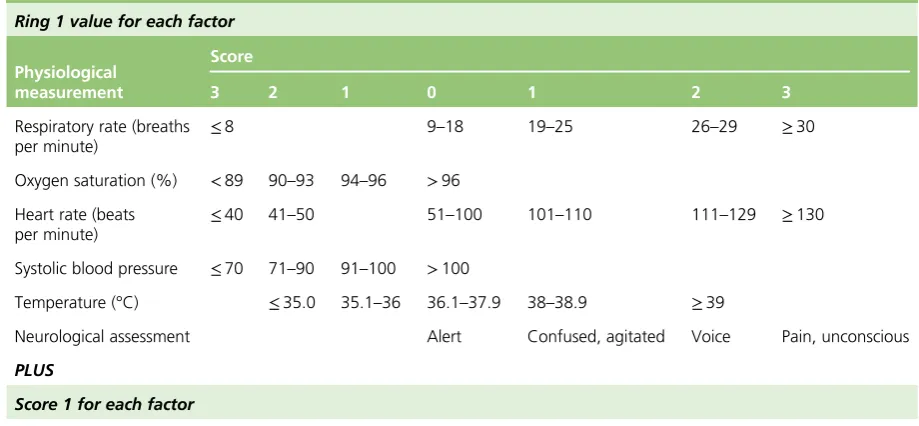
[image:26.595.76.536.277.490.2]Challenet al.11proposed the PMEWS as a clinical triage tool to aid hospital admission decisions for adults in a pandemic situation. The PMEWS score attributes an ordinal value to ranges of physiological measurements (respiratory rate, oxygen saturation, heart rate, systolic blood pressure, temperature and neurological assessment) and patient characteristics (age, social factors, chronic disease and performance status) to generate a score of between 0 and 20 (Table 1). They validated PMEWS in adults presenting to hospital with community-acquired pneumonia and found that it was better than CURB-65 for predicting the need for admission and higher levels of care, but had limited ability to predict mortality. CURB-65 and PMEWS pose problems for use in primary care: CURB-65 is reliant on a contemporaneous serum urea value, PMEWS could be computationally complicated for some, and both are designed for use only with adults. Many people presenting with ILI are children. Other severity scoring tools exist but these are not suitable for use in primary care because of a greater dependence upon laboratory or radiological investigations.
TABLE 1 Pandemic Modified Early Warning Score (reproduced with author’s permission)
Ring 1 value for each factor
Physiological measurement
Score
3 2 1 0 1 2 3
Respiratory rate (breaths per minute)
≤8 9–18 19–25 26–29 ≥30
Oxygen saturation (%) <89 90–93 94–96 >96
Heart rate (beats per minute)
≤40 41–50 51–100 101–110 111–129 ≥130
Systolic blood pressure ≤70 71–90 91–100 >100
Temperature (°C) ≤35.0 35.1–36 36.1–37.9 38–38.9 ≥39
Neurological assessment Alert Confused, agitated Voice Pain, unconscious
PLUS
Score 1 for each factor
l Age>65 years
l Social isolation or living alone/no fixed abode
l Chronic disease or respiratory, cardiac, renal, immunosuppressed, diabetes mellitus l Performance statusa>
2
Total P MEWS=
a Assessing performance status: normal activity without restriction, 1; strenuous activity limited, can do light, 2; limited activity but capable of self-care, 3; limited activity, limited self-care, 4; confined to bed/chair, no self-care, 5.
INTRODUCTION
NIHR Journals Library www.journalslibrary.nihr.ac.uk
Department of Health Community Assessment Tools
In 2009, the Department of Health in England published a package of care that included paediatric and adult CATs and patient pathways for use by the national health services of the UK nations in a severe pandemic event, in primary and secondary care, and matched hospital care pathways.12CATs were
developed to help non-specialist front-line staff identify, when resources are limited, which sick children and adults are most likely to benefit from interventions and levels of care that are available only in hospitals. CATs were developed by paediatric and adult expert clinical development groups drawing on evidence that supports the recognition of severe influenza and severe pneumonia in the community in adults and children in resource-limited settings, severe chronic obstructive pulmonary disease in adults, potentially serious feverish illness in children and severe bronchiolitis in infants.5,13–22Clinicians were warned not to use the CATs and the pathways unless the local situation precluded normal admission and discharge processes.
FIGURE 1 Paediatric Community Assessment Tool for children aged<16 years. © Crown Copyright, Department of Health, 2009, reproduced under Open Government Licence for public sector information.
INTRODUCTION
NIHR Journals Library www.journalslibrary.nihr.ac.uk
Work underpinning this study
Goodacreet al.23conducted an evaluation of the discriminatory value of the CURB-65 score, PMEWS and CATs for predicting severe illness or mortality in 481 patients (346 aged<16 years) presenting to hospital with suspected pandemic influenza. Initially they were unable to draw any conclusions regarding their clinical utility in a pandemic situation because of insufficient numbers of adults and a low incidence of severe outcome. In a later analysis of the same data, sensitivity, specificity and area under receiver operating characteristic (AUROC) values were reported for adults using these three triage tools with caveats regarding the power of the study.24
In another study, PMEWS scores were calculated from a retrospective data enquiry of 300 adult patients with suspected pandemic influenza, who were assessed in the community by Ambulance Service
emergency-care practitioners. AUROC curves suggest that PMEWS scores discriminate between decision to
‘treat and leave’and‘transfer for hospital assessment’.25
The UK Pandemic Influenza Clinical Information Network (FLU-CIN) characterised polymerase chain reaction-confirmed pandemic influenza disease in a cohort of 1520 people [1040 adults, 480 children (aged<16 years)] admitted to hospital.26FLU-CIN compared the clinical validity and utility of CATs, PMEWS and CURB-65 as predictors for interventions that are normally available only in hospital, higher levels of care and death using AUROC curve comparisons with 95% confidence intervals (CIs).27CATs showed the best predictive performance for level 2/3 admissions in both adults [AUROC: CATs 0.77 (95% CI 0.73 to 0.80); CURB-65 0.68 (95% CI 0.64 to 0.72); PMEWS 0.68 (95% CI 0.64 to 0.73), comparison of AUROCs;p<0.001] and children [AUROC: CATs 0.74 (95% CI 0.68 to 0.80); CURB-65 0.52 (95% CI 0.46 to 0.59); PMEWS 0.69 (95% CI 0.62 to 0.75);p<0.001].
Although the FLU-CIN cohort is limited to patients admitted to hospital with severe influenza and its
complications, the data show that these triage tools are capable of predicting higher levels or care and/or death in children and adults. However, the FLU-CIN analysis did not include assessment of triage tools in primary care.
Appropriate use of such triage tools in the community could expedite referral to hospital and, when scores are high, immediate admission to level 2/3 care. Prompt admission and allocation of higher levels of care may be associated with improved patient outcomes. Another study26by FLU-CIN found that delayed admission to hospital (≥4 days after symptom onset) was significantly associated with increased likelihood of admission to critical care and death.
Morbidity and mortality rates were low during the influenza A/H1N1pdm2009 pandemic compared with some previous influenza epidemics, such as that in 1989–90.28The use of antiviral therapy was generally low in the FLU-CIN cohort despite it being widely available at the time. A more severe pandemic may be associated with a greater acceptance of antiviral therapy, and this may impact upon need for higher levels of care and death. Consequently, criteria threshold values may need to be adjusted to optimise the receiver operating characteristic curve for each criterion and the AUROC curve for the various triage tools.
The validity and utility of using triage tools in the community to aid management decisions during a pandemic remains untested. Both PMEWS and CATs were developed with this purpose in mind and so we aimed to capture the criteria that would allow validation of these tools in this study.
INTRODUCTION
NIHR Journals Library www.journalslibrary.nihr.ac.uk
Justification of this study
The validity and utility of triage tools need to be assessed, in a large community-based prospective study of patients presenting with ILI, to give confidence to general practitioner (GPs), who may be asked to use such tools in the event of surge, and policy-makers who may need to recommend their use to GPs. The routine use of electronic health records (EHRs) by GPs and existing permissions to access anonymous data for research purposes presents an opportunity to study GP assessments, management decisions and patient outcomes. Anonymous linkage of this GP-derived data to Hospital Episode Statistics (HES) data for hospital admissions and Office for National Statistics (ONS) data for causes of death permits a validation of the GP-derived data. Together, these processes should allow for the assessment and comparison of the validity and utility of triage tools in the community in relation to patient relevant outcomes (hospital admission, length of stay, higher levels of care and death).
The Health Protection Agency timeline for the UK 2009 pandemic showed only 12 weeks between identification of person-to-person transmission in the UK (first week of May) and peak influenza activity (last week of July) in the first pandemic wave. Prospective data collection with near real-time iterative and cumulative analysis is the only method for validating triage criteria and tools against a novel pathogen in such a short time.
As pandemics are unpredictable and infrequent, limited but potentially useful information will be gained from prospective feasibility and pilot work conducted in primary care during seasonal influenza while A/H1N1pdm2009 is still circulating. It would not be possible to conduct such a study properly during a pandemic without prior permissions, preparation of processes, feasibility and testing performance with a pilot. The UK National Institute for Health Research (NIHR) recognised the need to fund and support the rapid set-up of relevant research studies and ensure that these studies are successfully conducted so that their findings can inform the ongoing care of patients during an outbreak. This will require some changes to the usual processes undertaken by the Clinical Research Network, as well as the reprioritisation of both national and local resources in what may well be a challenging environment in terms of increased demands for patient care and falling staff numbers because of illness. Consequently, the Clinical Research Network has an urgent public health plan in place to ensure that urgent public health studies can be set up and delivered quickly and effectively. The Clinical Research Network’s urgent public health risk process will be activated at the request of the Department of Health. The FLU-CATs Study is one of the portfolio of studies that have been identified and granted the relevant research approvals in advance of an outbreak.29
Conducting this study in real-time during the early stages of a pandemic, when the characteristics of the novel virus are not fully understood, is important as it allows refinement and validation of triage tools against the novel pathogen in preparation for possible surge. This cannot be done until a novel virus emerges. Dame Deirdre Hine has recommended that population-based studies be established that, in the early stages of a future pandemic, can measure the severity of the pandemic and support decision-making.30
If the behaviour of the virus is markedly different in terms of severity between the first and subsequent waves, or evolves to cause severe disease in a particular organ system (as happened in the 1918–19 pandemic) then triage criteria may need to be adapted to reflect the consequent changes in health-care demand and clinical presentation.
The objective of this study was to establish processes now, in advance of a future pandemic, to validate the community triage tools capable of assisting hospital referral decisions for people of all ages for use if health-care demands exceeded health-care capacity (surge).
The development of a triage tool has three distinct phases (set-up, pilot and implementation). It is
Chapter 2
Methods
T
he study was conducted in primary care settings in the UK. These are community settings in which medical care is provided by GPs. The study was restricted to those GPs whose practices participate in the Clinical Practice Research Datalink (CPRD).The study is made possible by consistent routine use by GPs of EHRs, an autonomous software agent that sits beside that system, and anonymised patient-specific linkage to external data sources.Figure 3outlines the source and flow of information. In principle, any of the electronic patient management systems in use could be used. We chose the Vision®version 3.01 (In Practice Systems Ltd, London, UK) platform because of the established linkage with CPRD. CPRD is the governmental centre, jointly funded by NIHR and the Medicines and Healthcare products Regulatory Agency (MHRA), which aims to provide anonymised health-care records for data services, interventional and observational research.31CPRD has ethical and regulatory approval to use anonymised patient data collected in over 650 participating GP practices and for linked–anonymised data access to individual patient data in the NHS England HES and mortality data in the ONS data set for approved purposes.
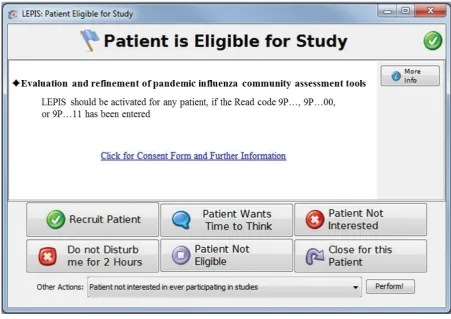
[image:33.595.63.512.424.750.2]Eligible patients for the study were identified using Local Eligibility Patient Identification Software (LEPIS). LEPIS was developed for use with the electronic patient records software Vision®by researchers at Kings College London. LEPIS is an autonomous software agent that sits in the software background during a GP–patient consultation. It is remotely programmable by secure Ethernet to identify eligible patients using any combination of demographic features, Read codes and medications. LEPIS silently monitors the GP’s data entry for all consultations. When an eligible patient is identified, a pop-up window appears on the screen offering the opportunity to recruit that patient into a study. If recruited, LEPIS then‘pipes’the patient data to study specific processes. Further details of LEPIS are provided elsewhere.32
Phase 1: set-up of the study, development of the technology
and feasibility
This phase involved development of systems and feasibility testing. The information technology (IT) solution was deployed over 6 months between March and September 2013: in the UK this is not an endemic influenza season, and it occurred during an inter-pandemic period. Processes included set-up and validation of processes; optimisation of the clinical record entry screen; GP acceptability testing; establishing data-return format; check completeness of data returns; develop data clean-up algorithms; development of definitions, evaluation of completeness and validation of study outcomes using retrospective CPRD, HES and ONS data; and testing of LEPIS.
Developing the real-time surveillance system
Eligible patients for the study were identified during GP consultations using LEPIS loaded on participating GPs’computers. LEPIS monitors the consultation record for entry of any eligible diagnostic Read code (seeAppendix 1). When a participating GP enters a relevant diagnostic Read code, a pop-up window appears prompting them to consider recruiting the patient; not recruiting; or suspending further
recruitment prompts for a period of time (Figure 4). If recruited, a form appears for structured entry of data related to the consultation (i.e. signs and symptoms, physiological measurements and decisions relating to treatment or hospital referral). The linkage between the LEPIS and Vision®systems enabled automatic triggering of tailor-made data entry forms based on age and sex for men, women and children
[image:34.595.80.532.432.751.2](age<16 years), with additional conditional questions relating to pregnancy status if female and age>12 years. These forms are the electronic case report forms (eCRFs) for the study. The eCRFs were designed to encourage both positive and negative reporting. The eCRFs underwent revision after the first winter season to record if the GP actively decided not to make an assessment because the GP considered the feature to be grossly normal or abnormal. This important feature avoids bias in the analysis of data that might otherwise be considered missing at random, when, in reality, the data are missing because the
FIGURE 4 Screenshot of LEPIS pop-up window indicating an eligible patient.
METHODS
NIHR Journals Library www.journalslibrary.nihr.ac.uk
GP considered the feature to be grossly normal or abnormal. This addresses one challenge of collecting data from routine consultation records, when many clinicians record only a limited number of important negative or positive features based on their personal practice.
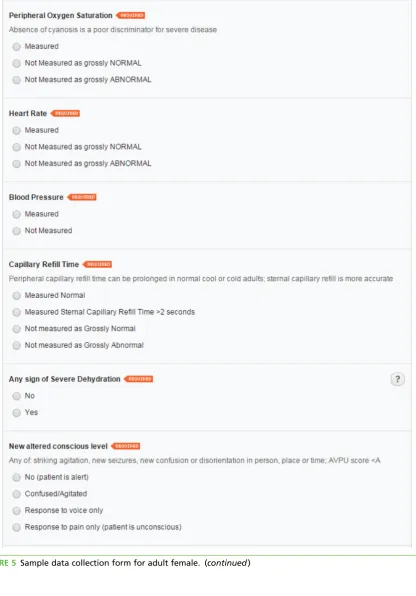
Age- and gender-specific eCRFs were developed. Patients aged<16 years are classified as‘children’and patients aged≥16 years are classified as‘adults’. Data collection forms for female patients>12 years include a query on pregnancy status. A screenshot of a sample female adult LEPIS form is provided (Figure 5). The data collection form for children is identical to that for adults, except for three questions that are absent in the children’s form–blood pressure measurement, social isolation status and premorbid performance status–as these criteria are used only in the adult PMEWS triage tool.
Sociodemographic and relevant medical history data were extracted by a background process from the routine EHR to minimise GP workload.
[image:35.595.70.504.302.759.2]The flagging system and web-based data collection form was user-tested by GPs at five practices. Sample web-based forms can be viewed at www.cprd.com/flucats/ (accessed 5 August 2015); these will be maintained for the duration of the study.
FIGURE 5 Sample data collection form for adult female. (continued)
METHODS
NIHR Journals Library www.journalslibrary.nihr.ac.uk
Data entry checks were incorporated in the eCRF so that measurement values could be entered only if they were within physiologically plausible ranges. To further minimise duplication of tasks, after the completion of each form, GPs are presented with a summary of their assessment along with any decisions made (to treat with antivirals and/or antibiotics, and referral to hospital). This can be cut and pasted, or downloaded in text or portable document format (PDF) for entry into the patient’s EHR. A screenshot of a sample GP summary generated following the submission of the data collection form is shown inFigure 6.
Eligibility criteria
All people (any age, any sex) presenting with ILI (regardless of date at onset of disease and prior medical history) to GPs participating in CPRD are eligible for this study. The challenge was to identify a set of Read codes that LEPIS would monitor and pop up to prompt GPs to recruit people with ILI, while not
[image:38.595.90.528.231.724.2]overburdening the GPs with irrelevant prompts.
FIGURE 6 Sample GP summary screen.
METHODS
NIHR Journals Library www.journalslibrary.nihr.ac.uk
Eligible Read codes were identified by systematic analysis of the CPRD database using a‘reverse engineering’process. First, we identified patients of any age admitted to hospital in the winter of
2010–11, who had a diagnosis of‘influenza’,‘an influenza-related condition’or‘complication of influenza’ in the HES data set, and extracted their CPRD/HES linked data. To identify these patients, we searched for terms such as‘influenza’,‘influenza-like illness’and‘acute respiratory infection’(seeAppendix 1for initial list of eligible Read codes) in the Read-coded clinical terms dictionary. Next, the output was restricted to patients who had visited their GP in the 7 days prior to admission. Then we queried the CPRD data to list all Read codes used by GPs in these consultations that preceded the hospital admission. A total of 831 different Read codes were recorded for these GP consultations. Many of these consultations were unrelated to ILI. These Read codes were reviewed for relevance by PM and MGS, without sight of their frequency, to yield a shortlist of 39 codes. These codes were then listed by frequency and reviewed by the study steering group (seeAppendix 2). We decided to use all of these codes at least initially as a previous consultation with GPs suggested that GPs prefer syndromic codes for ILI to reflect the diagnostic
uncertainty in the absence of laboratory confirmation of influenza. It is our intention to refine the LEPIS trigger list at an interim analysis during the final phase of the study, that is, during a pandemic.33
Recruitment of general practitioners
General practitioners from practices that were already contributing to the CPRD were invited to participate in the study by the CPRD team initially by post and followed up electronically. Further recruitment of CPRD GPs was conducted via the NIHR Primary Care Research Networks (PCRNs), and by CPRD and investigator activities at regional and national meetings of GP research groups. GP practices were required to install the LEPIS software on their practice computer system and were given remote IT support. GPs were briefed on the eligible Read codes so that they had the option of proactively triggering the LEPIS pop-up window. No monetary incentives were provided to GPs for participation in the study. Following correspondence with the Royal College of General Practitioners (RCGP), they were sent certificates to include in their continuing professional development portfolios.
Data linkages, validation of primary outcome measures, influenza surveillance data and expansion of study to other electronic health record systems
The study protocol included plans to validate the primary and secondary outcome events using HES data for‘hospital admission within 24 hours of the consultation’and ONS data for the outcome‘death
(all causes) within 30 days of the consultation’. In addition, at the request of NIHR reviewers, the feasibility study scope was expanded to explore linkages with Public Health England (PHE) data sets for data on microbiology and virology. The feasibility study also explored options for expansion of the study-specific technological infrastructure to all CPRD and non-CPRD GP practices in the event of a pandemic.
Automation of data extraction, analysis and reporting
Algorithms or‘do files’were developed and tested using Stata version 13 (StataCorp LP, College Station, TX, USA) to automate data linkage, extraction, analysis tasks and reporting to facilitate timely production of weekly and monthly reports on the incidence, progression and outcomes of pandemic influenza or a similar pandemic caused by a respiratory virus manifesting as ILI (seeAppendix 3for‘do files’).
Evaluating user experience
Feedback on the ease of use of the study flagging and data collection system was obtained from
Coding was conducted systematically, taking each interview initially in turn and then subsequently moving back and forth across the data set. In order to establish consistency in coding, and thereby enhance dependability and credibility, the transcripts were independently double-coded by two of the authors (SV and PRM). Initial themes were reviewed and refined further, and a revised thematic table of candidate themes was produced.
Phase 2: pilot study, data collection, extraction and
statistical analysis
This phase involved data collection, extraction and statistical analysis from cases of ILI presenting to GPs. This pilot phase has run over two consecutive winter periods: 2013–14 and 2014–15 during an
inter-pandemic period. We developed an automated weekly statistical evaluation of performance of triage criteria and tools. This phase is expected to continue to run in subsequent winter periods in a small number of practices as a maintenance process to ensure viability of processes as core systems continue to evolve and as EHR systems change.
Aim
To investigate the predictive performance of the triage tools CATs and the PMEWS for hospital admission and death in patients presenting with ILI to primary care, using a novel near real-time data collection, collation, linkage and analysis process.
Population and recruitment
Patients of all ages presenting to study GPs during the reporting period 19 March 2013 to 31 March 2015 (data upload 13 April 2015) with ILI were eligible for inclusion in the study and no exclusion criteria were applied. LEPIS was activated. Patient recruitment was determined by individual GP convenience rather than a specific sampling protocol. We estimated a minimum sample size of 1000 patients, assuming an event rate of 5% (based on the UK mortality and need for interventions in hospitalised influenza patients during the 2009 A/H1N1pdm2009 pandemic26) to test the hypothesis that the triage tools being tested would have an AUROC value of>0.05, demonstrating the ability of the tools to discriminate between patients who experienced an outcome of interest and those who did not.35,36
Design
Open cohort study involving follow-up for 30 days after the initial consultation for ILI.
Predictor variables
These include criteria from both the adult and child CATs (seeFigures 1and2) and the adult PMEWS (seeTable 1). Covariates that were extracted from the routine EHRs included patient sociodemographic characteristics (age, sex), comorbidities associated with an increased influenza risk (cardiovascular disease, chronic liver disease, neurological conditions, chronic renal disease, chronic respiratory disease, diabetes, immunosuppressive conditions), previous prescriptions of statins, antibiotics, influenza-specific antivirals, inhaled and oral corticosteroids, history of seasonal influenza vaccination, pneumococcal vaccination andHaemophilus influenzae type Bvaccination. The detailed code list for disease covariates is provided inAppendix 5.
Outcome variables
There were two primary outcome variables to be collected from the GP EHR: hospital admission within 24 hours of GP assessment (binary categorical variable, coded as yes/no) and death (from all causes) within 30 days of GP assessment (binary categorical variable, coded as yes/no). Secondary outcome variables included‘any need for augmented level of care (admission to high-dependency units or intensive care units coded as a binary categorical variable)’, length of hospital stay [three binary categorical variables were created using different thresholds of stay,<48 hours (yes/no),≥6 days (yes/no),≥12 days (yes/no)], GP decision to refer to hospital (binary categorical variable, coded as yes/no), GP decision to prescribe antibiotics (binary categorical variable, coded as yes/no) and GP decision to prescribe influenza-specific antivirals (binary categorical variable, coded as yes/no).
METHODS
NIHR Journals Library www.journalslibrary.nihr.ac.uk
Statistical analysis (planned and actual)
A descriptive analysis of patient sociodemographic and clinical characteristics was conducted. The planned analyses included an investigation of the association between each CATs criterion and the various outcome measures. Each was investigated, in turn, using univariate logistic regression analysis. In addition, a
Chapter 3
Ethics and consent
T
he CPRD has been granted generic ethics approval for observational studies that make use of only anonymised data and linked anonymised NHS health-care data (Multiple Research Ethics Committee ref. 05/MRE04/87). All CPRD studies require scientific approval from the MHRA Independent Scientific Advisory Committee (ISAC). The ISAC was established by the Secretary of State for Health in February 2006 to review the scientific merit of proposals for research using data from the CPRD as well as the Yellow Card Scheme database.The clinical assessment data collection tool (or eCRF) was structured to capture evidence-based criteria recognised in national guidance. The study processes did not require the practitioner to make any change in their normal assessment; only to record the assessment in a structured manner. ISAC deemed that this was a non-interventional study and was exempt from the requirement for patient consent as (1) it involved the development and testing of an IT infrastructure for structured recording of the routine patient
Chapter 4
Results
Phase 1: set-up of the study, development of the technology
and feasibility
The general architecture of the real-time surveillance system is given inFigure 2. Data relating to each captured ILI GP consultation were uploaded on the CPRD database every night. The CPRD team then collated these data and sent weekly data to researchers based at the Universities of Nottingham and Liverpool. Additionally, on a monthly basis, the CPRD team sent background data (comorbidities, prescriptions, death, etc.) sourced from the routine electronic primary care record for all patients with captured ILI consultations. Each subsequent data instalment comprised the cumulative data acquired since the initiation of the study. The weekly and monthly data sets are described in detail in theFLU-CATs Data Handbook(seeAppendix 6).
The Health and Social Care Information Centre (HSCIC) has responsibility for processing NHS England HES and linked ONS data since 1 April 2013. The study had permission to obtain 3-monthly HES and ONS linked data (as described inData linkage) through existing agreements with HSCIC. HSCIC announced a delay in issue of HES data on 21 January 2014 for technical reasons and later imposed a moratorium on release of linked–anonymised data. As of 1 August 2015, CPRD has not received linked–anonymised HES data from HSCIC despite CPRD and the study investigators satisfying UK permissions. The retention of HES data by HSCIC has impacted on many research studies including FLU-CATs. It is anticipated that these validation analyses will be carried out as soon as the HES and ONS data are released to the researchers prior to the final phase of the study during a pandemic.
Development of real-time analysis and reporting Three distinct stages of work were required:
1. Data cleaning and management Some data management of the weekly data as provided by CPRD was necessary to enable analyses. Most of the consultation-specific data collected via the web-based forms were provided as string variables, and data management mainly involved converting them to numeric variables or date variables where appropriate. These tasks have been automated and tested for accuracy in Stata 13 to enable an analyst to complete these usually labour- and time-intensive tasks in
<10 minutes once the data are received.
2. Analyses After cleaning, the following analyses were planned: descriptive analysis involving tabulation and summarising of the data; logistic regression analyses (unadjusted and adjusted) to investigate the association between each of the triage criterions and the primary outcomes; and an assessment of the predictive performance of different triage tools using AUROC curve comparisons. All analytical tasks have been automated using Stata 13 and can be completed in<1 hour by an analyst.
3. Reporting Automated analyses and reporting mechanisms have been set up within Stata to report key findings from the weekly and monthly data sets. Findings currently being reported include frequency tables and charts, and results of unadjusted and adjusted logistic regression analyses. Weekly data set findings are reported in a Microsoft Excel®version 2010 (Microsoft Corporation, Redmond, WA, USA) spreadsheet and monthly findings in a Microsoft Word®version 2010 (Microsoft Corporation,
Redmond, WA, USA) rich text format (RTF) document. This task has been semi-automated in Stata 13 to facilitate the production of weekly and monthly reports in Word and PDF format for policy-makers.
‘do files’are contained in theFLU-CATs Handbook(seeAppendix 6). All‘do files’have been tested and validated with each of the weekly and monthly data uploads since the first weekly data tranche was received on 14 July 2014. The April 2015 data set (13 April 2015 tranche of weekly data) was the last tranche of data that was analysed at the time of preparation of this report. All findings presented in this report relate to the FLU-CATs data as of April 2015. Detailed results are provided below (seePhase 2: pilot study, data collection, extraction and statistical analysis).
Continuous weekly testing of these three processes has allowed us to reduce data management, analytical and reporting times to 1 day. By adapting the CPRD EHR structure we have also eliminated a separate electronic data entry step and streamlined data collation while maintaining data security.
We currently do not have sufficient data to report results from the AUROC analyses, even although we have recruited 863 eligible patients so far because influenza activity has been low and very few of our patients have progressed to the outcomes of interest.
Data linkage
A‘do file’was written to extract relevant variables (hospital admission, need for augmented level of care, length of stay and death) from HES and ONS data. This‘do file’has been tested by the CPRD team using historic HES and ONS data sets. CPRD have confirmed that the‘do file’is automated to periodically extract HES data for patients with FLU-CATs GP consultations. However, as of April 2015, no HES or ONS linked data have been received from HSCIC since January 2014. The HES/ONS data received in January 2014 related to the HES period up to the third quarter of 2013 and preceded the first winter influenza season that this study included. Therefore, validation of the few observed outcome events using the FLU-CATs pilot study data has not been possible.
Linkage to PHE data sets was explored and abandoned because of inability to anonymously link patients in CPRD with PHE records with confidence, mostly due to virology requests from primary care not including sufficient unique patient identifiers. As an alternative solution, linkage is being explored at a practice and patient level in collaboration with the RCGP Research and Surveillance Centre.
General practitioner participation and user experience
As of April 2015, a total of 30 GP practices participated in the FLU-CATs Study, although at any one time only 25 GP practices were actively recruiting. There were a total of 704 adult FLU-CATs consultations (702 single consultations and two repeat consultations) and 159 single consultations for children.
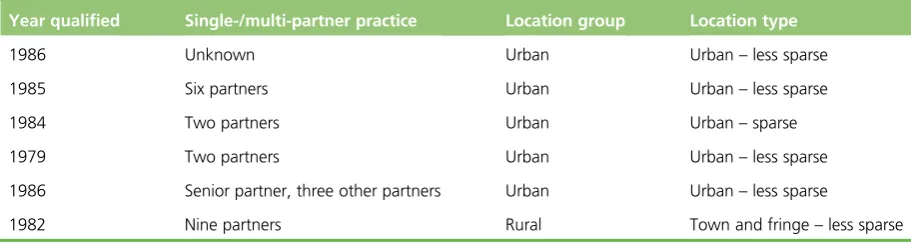
[image:46.595.79.535.601.723.2]All 30 participating GPs were invited to be interviewed to evaluate the user experience. A total of six GPs agreed to be interviewed (Table 2). The interviews are summarised below.
TABLE 2 General characteristics of GPs (participating in FLU-CATs Study) who were interviewed
Year qualified Single-/multi-partner practice Location group Location type
1986 Unknown Urban Urban–less sparse
1985 Six partners Urban Urban–less sparse
1984 Two partners Urban Urban–sparse
1979 Two partners Urban Urban–less sparse
1986 Senior partner, three other partners Urban Urban–less sparse
1982 Nine partners Rural Town and fringe–less sparse
RESULTS
NIHR Journals Library www.journalslibrary.nihr.ac.uk
The purpose of conducting these interviews was to explore GPs’experiences and views of being involved in a real-time influenza surveillance research project in order to help inform future consultations. GPs who participated in the FLU-CATs Study were sent invitation letters by CPRD: 11 GPs returned expressions of interest, of which six were interviewed over telephone. Each interview lasted between 10 and 20 minutes. A payment of £40 (based on the PCRN recommended rate of £80 per hour) was made to the GPs for their participation in the qualitative interviews.
The main finding that emerged from these interviews was that the LEPIS trigger pop-up and FLU-CATs data collection forms were easy to use. The simplicity of the eCRFs encouraged GPs to participate in the study despite there not being any financial incentive for participation. However, the setting up of the LEPIS system to enable data collection for the study was fraught with technical difficulties. Although the support from CPRD in resolving any technical issues surrounding LEPIS installation was appreciated by the GPs, technical difficulties persisted for some and this reduced patient recruitment. The FLU-CATs process was quite easy to conduct and did not interfere with the routine GP consultation. All interviewed GPs agreed that the FLU-CATs system, with a few modifications, was ready to be used in a pandemic scenario.
1. Introduction to, and involvement with, the FLU-CATs Study:
i. Of the six GPs interviewed, three were introduced to the FLU-CATs Study through the research networks (NIHR PCRN and other local research networks), one through a research coordinator and one directly by CPRD. The remaining GP did not remember exactly how he/she was introduced to the study but thought that it might have been through an e-mail.
2. Lack of financial incentive as a barrier to participation:
i. One GP said that the lack of financial incentive for the GPs’participation in the FLU-CATs Study was