FORMULATION AND EVALUATION OF ESCITALOPRAM
OXALATE IMMEDIATE RELEASE TABLETS
A Dissertation submitted to
THE TAMILNADU DR. M.G.R. MEDICAL UNIVERSITY, CHENNAI
In the partial fulfillment of the requirement for the award of degree of
MASTER OF PHARMACY IN
PHARMACEUTICS
Submitted by
ARAVAPALLI V S A KUMAR
(Reg. No.261211351)
Under the guidance of
Prof.DR.N.NARAYANAN., M.Pharm., Ph.D Director & HOD
Department of Pharmaceutics Jaya College of Paramedical Sciences
College of Pharmacy Thiruninravur Chennai – 602024.
Prof. A. MAHESWARAN., M. Pharm., PGDBM., (Ph. D).,
Principal,
Jaya College of Paramedical Sciences,
College of Pharmacy,
Thiruninravur,
Chennai - 602 024.
CERTIFICATE
This is to certify that this dissertation entitled “FORMULATION AND
EVALUATION OF ESCITALOPRAM OXALATE IMMEDIATE RELEASE
TABLETS” submitted by Aravapalli V S A Kumar (261211351) in partial fulfillment of
the requirement for the award of degree of Master of Pharmacy in Pharmaceutical Analysis
by The Tamil Nadu Dr. M.G.R. Medical University, Chennai, is a bonafide record work done
by him during the year 2013 – 2014.
Date:
Place: Chennai
DR.N. NARAYANAN, M.Pharm., Ph.D.,
Director & HOD,
Department of Pharmaceutics
Jaya College of Paramedical Sciences,
College of Pharmacy,
Thiruninravur,
Chennai - 602 024.
CERTIFICATE
This is to certify that this dissertation entitled “FORMULATION AND
EVALUATION OF ESCITALOPRAM OXALATE IMMEDIATE RELEASE
TABLETS” submitted by Aravapalli V S A Kumar (261211351) in partial fulfillment of
the requirement for the award of degree of Master of Pharmacy in Pharmaceutical Analysis
by The Tamil Nadu Dr. M.G.R. Medical University, Chennai, is a bonafide record work done
by him during the year 2013 – 2014 under my guidance.
Date:
Place: Chennai
ACKNOWLEDGEMENT
With immense pleasure and respects, I record my deep sense of gratitude to Prof.A.Maheswaran, M.Pharm., PGDBM., MBA., (Ph.D), Principal, Jaya College of Paramedical Sciences, College of Pharmacy, Chennai, for his valuable suggestions.
I express my sincere thanks to Prof.A.Kanagaraj M.A., M.Phil., Chairman, Mrs.K.Vijayakumari M.A., B.Ed., Secretary, Mr.Navaraj, Vice Chairman , Jaya College of Paramedical Sciences, College of Pharmacy, Chennai, for providing necessary facilities to carry out works during academic study.
It is my profound duty to thank DR. N. NARAYANAN, M.Pharm., Ph.D, Director &
HOD, Department of Pharmaceutics, Jaya College of Paramedical Sciences, College of Pharmacy, Chennai, for his unstained guidance and valuable suggestions. It is my pleasure and privilege to express heartfelt thanks to him for showing care in my endeavour.
Words seldom sufficient to express my gratitude and feelings to M.P.Rao.A, HR – Dept., Aurobindo Pharma Ltd, Chitkul, Andhra Pradesh, for granting me
the opportunity to carry out my project work.
My sincere thanks to Mr.Hari Babu, for his support throughout my academic carrier. I would like to thank Non Teaching Staff of Jaya College of Pharmacy for their support in my project.
Words can’t express my sincere gratitude and obligation to my dear batch mate and to all other batch mates who directly helped during my work. I would like to thank my friends who directly or indirectly helped during my work.
Above all, I humbly submit my dissertation work, into the hands of almighty, who is the source of all wisdom and knowledge for the successful completion of my thesis.
“I deeply grateful to my family members, staffs and my friends for their Love,
Encouragement and guidance”
Chapter 1
Chapter 2
Chapter 3
Chapter 4
Chapter 5
Chapter 6
Chapter - 8
LIST OF TABLES
Table.No. TITLES PAGE No.
1. Excipients with their functions in tablet formulation 11
2. Classification of diluents 12
3. Classification of binders 14
4. List of superdisintegrants 16
5. Uses of microcrystalline cellulose 24
6. Uses of sodium starch glycolate 29
7. Uses of colloidal silicon dioxide 32
8. List of Materials 44
9. List of Equipments and Instruments 45
10. Organoleptic characteristics 47
11. Relation of properties with HR&CI 49
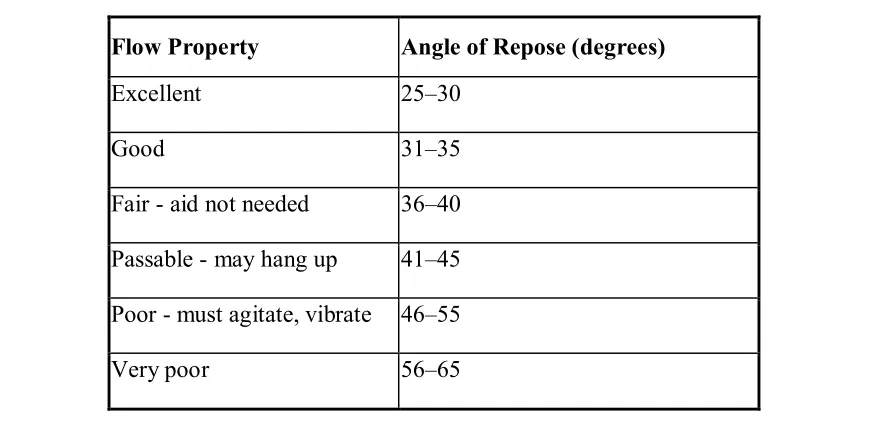
12. Flow properties & corresponding angle of repose 50
13. Flow properties of API 51
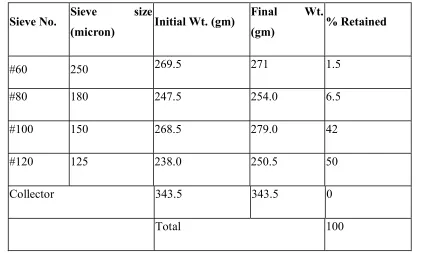
14. Results of sieve analysis 52
15. Compilation of ECS studies 54
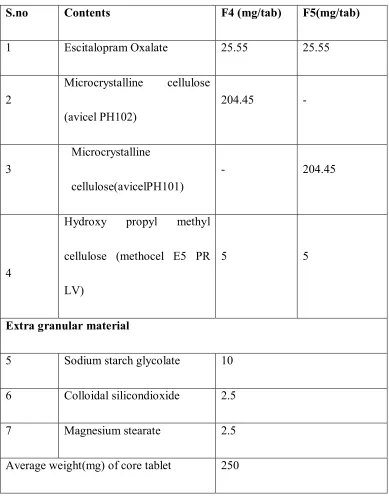
16. Compilation of Escitalopram oxalate by DC stratergy 59
17. Parameters for DC stratergy 59
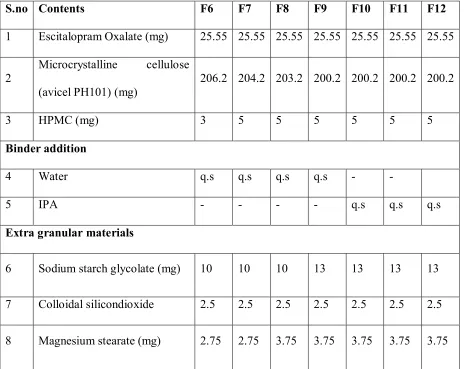
18. Compilation of Escitalopram oxalate by granulation 61
19. Parameters for Dry granulation stratergy 62
21. Parameters for wet granulation stratergy 65
22. Results of physical evaluation tablets 73
23. Results of physical evaluation tablets 73
24. Drug excipient compatibility studies 74
25. Standard calibration curve 76
26. Reference tablet dissolution data 77
27. Dissolution profile of F1 75
28. Dissolution profile of F2 76
29. Dissolution profile of F3 79
30. Dissolution profile of F4 80
31. Dissolution profile of F5 81
32. Dissolution profile of F8 82
33. Dissolution profile of F9 83
34. Dissolution profile of F9-1 Month 84
35. Dissolution profile of F10 85
36. Dissolution profile of F11 86
37. Dissolution profile of F12 88
Abbreviations
GLOSSARY OF ABBREVIATIONS
F = Formulation
API = Active pharmaceutical ingredient
HPMC = Hydroxypropylmethylcellulose
Mg.stearate = Magnesium Stearate.
IPA = Iso Propyl Alcohol
h = Hour
n = Diffusion coefficient
Sec = Second
UV = Ultra violet
W/w = Weight by weight
µg = microgram
IR = Immediate release
IP = Indian Pharmacopoeia
BP = British Pharmacopoeia
USP = United States Pharmacopoeia
oC = Degree centigrade
FT-IR = Fourier TransformInfra-Red
M = Molarities
µg = Microgram
mg = Milligram
ml = Milliliters
min = Minutes
Abbreviations
N = Normality
NMT = Not More Than
NLT = Not Less Than
PPM = Parts PerMillion
RPM = Revolutions Per Minute
RH = Relative Humidity
VF = VolumetricFlask
w/w = Weight by weight
# = Sieve number
Conc. = Concentration
DC = Direct compression
CI = Car’s index
HR = Hausner’s ratio
CONENTS
S.No. CONTENTS PAGE No.
1. ABSTRACT 1
2. AIM AND OBJECTIVE 2
3. INTRODUCTION 4
4. DRUG &POLYMER PROFILES 18
5. LITERATURE REVIEW 38
6. EXPERIMENTAL WORK 44
7. INVESTGATINAL REPORTS 73
8. RESULTS AND DISCUSSION 97
9. CONCLUSION 102
ABSTRACT
Page I
ABSTRACT
Escitalopram Oxalate is a class of drug with selective serotonin (5-HT) reuptake
inhibitor (SSRIs). SSRIs are broad spectrum antidepressants that are effective for
major depressive disorder and several anxiety disorders. The main objective of the
present study was to develop a pharmaceutically equivalent, stable, cost effective
and quality improved formulation of immediate release tablets of Escitalopram
Oxalate using different concentration of superdisintegrants like croscarmellose
sodium and sodium starch glycolate. Preformulation studies were performed prior
to formulation. The tablets were compressed using microcrystalline cellulose,
colloidal silicon dioxide, talc, magnesium stearate and opadry white was used for
coating the tablets. The tablets were formulated by wet granulation with non
aqueous binder and the fabricated tablets were evaluated for various micromeritic
properties like bulk density, tapped density, compressibility index, Hausner’sratio,
angle of repose and post compression characteristics like thickness, hardness,
friability, disintegration time and drug release. Croscarmellose sodium was used
as the disintegrant in the formulation of immediate release tablets of Escitalopram
Oxalate. The stability studies were carried out for the optimized batch for six
months. The results of the present study showed that among all the formulations,
F12 was better in all terms of preformulation and post compression parameters
and showed comparably a good dissolution profile like that of the marketed
product(cipralex).
Keywords: EscitalopramOxalate; antidepressants; wet granulation; stability
Aim & Objective
[Type text] Page - 2
-AIM AND OBJECTIVE OF STUDY
The aim of this work is to develop a stable and robust formulation of the drug
Escitalopram Oxalate, which is an orally administered tablet with Antidepressant and Anxiolytic
activity.
The tablet produced should be a stable, bioequivalent to the Innovator sample (Cipralex).
To achieve this goal, various trials were performed and evaluated with respect to various
quality parameters such as bulk density, sieve analysis, drug uniformity and dissolution.
Objectives of the present study are
To design and develop an oral tablet dosage form comprising Escitalopram Oxalate API characterization.
Conducting Excipient Compatibility Studies.
Formulation development of tablets via selecting suitable tablet manufacturing method and different excipients.
Quality control of formulated tablets
1. Testing for weight variation, hardness, thickness, friability, disintegration time
etc.
2. In vitro-dissolution study.
Aim & Objective
[Type text] Page - 3
- Stability study of optimized formulation as per ICH guidelines of storage conditions for three months at 40 ºC/75 % RH, 30 ºC / 65 % RH and 25 ºC /60 % RH.
Introduction
Page 4
1. INTRODUCTION
Drugs are not generally given as pure chemical drug substances but are formulated as
finished dosage forms (drug products) such as tablets, capsules, ointments, etc, before being
administered to patients for therapy. Among these, tablets are the ruling dosage forms in the
market. Formulated drug products usually include the active drug substance and selected
ingredients (excipients) that make up the dosage form. Drug products are designed to deliver
drug for local or systemic effects.1-2
Over the last hundred years tablet manufacturers have developed materials and processes
that can produce compressed tablet containing precise amount of an active pharmaceutical
ingredient (API) at high speed and at relatively low cost. The development in the field of API,
excipients, and tableting machinery during the past decade has made tablet manufacturing a
science and tablets the most commonly used dosage form3
1.1. Solid Dosage Forms4
Solid dosage forms are widely prevalent due to their age-old application. Especially,
oral solid formulations hold a high potential as they serve to be most convenient for the
administration of drugs. These have been developed into a wide range of formulations from
conventional dosage forms to targeted drug dosage forms. Oral route is the most convenient and
commonly used method of drug delivery. More than 50% of drug delivery systems available in
the market are oral drug delivery systems. They offer convenience and ease of administration,
Introduction
Page 5
Pharmaceutical oral solid dosage forms have been used widely for decades mainly due
to their convenience of administration and their suitability for delivery of drugs for systemic
effects. The most commonly used pharmaceutical solid dosage forms today include granules,
pellets, tablets and capsules.
These dosage forms are designed either for improving the physical and mechanical
properties of materials during manufacture and/or for providing a desired drug delivery system.
The tabletsand capsules can be made directly from powders or from granules and pellets, or
from film coated multiple units.
1.1.1 TABLETS5-10
Tablet is defined as a compressed solid dosage form containing medicaments with or
without excipients. According to the Indian Pharmacopoeia pharmaceutical tablets are solid, flat
or biconvex dishes, unit dosage form, prepared by compressing a drug or a mixture of drugs,
with or without diluents. They vary in shape and differ greatly in size and weight, depending on
amount of medicinal substances and the intended mode of administration. It is the most popular
dosage form and 70% of the total medicines are dispensed in the form of tablet. All
medicaments are available in the tablet form except where it is difficult to formulate or
Introduction
Page 6
1.1.2 ADVANTAGES OF TABLETS
1. They are unit dosage form and offer the greatest capabilities of all oral dosage form for the
greatest dose precision and the least content variability.
2. Cost is lowest of all oral dosage form.
3. Lighter and compact.
4. Easiest and cheapest to package and strip.
5. Easy to swallowing with least tendency for hang-up.
6. Sustained release product is possible by enteric coating.
7. Objectionable odour and bitter taste can be masked by coating technique.
8. Suitable for large scale production.
9. Greatest chemical and microbial stability over all oral dosage form.
10. Product identification is easy and rapid requiring no additional steps when employing an
embossed and/or monogrammed punch face.
1.1.3 DISADVANTAGES OF TABLETS
1. Difficult to swallow in case of children and unconscious patients.
2. Some drugs resist compression into dense compacts, owing to amorphous nature, low density
Introduction
Page 7
3. Drugs with poor wetting, slow dissolution properties, optimum absorption high in GIT may
be difficult to formulate or manufacture as a tablet that will still provide adequate or full drug
bioavailability.
4. Bitter tasting drugs, drugs with an objectionable odor or drugs that are sensitive to oxygen
may require encapsulation or coating. In such cases, capsule may offer the best and lowest cost.
1.1.4 CLASSIFICATION OF TABLETS
Basing on the route of administered or the function, the tablets are classified as follows
(A) Tablets ingested orally
1. Compressed tablet, e.g. Paracetamol tablet
2. Multiple compressed tablet
i) Layered Tablets
ii) Compression coated Tablets
3. Repeat action tablet
4. Delayed release tablet, e.g. Enteric coated Bisacodyl tablet
5. Sugar coated tablet, e.g. Multivitamin tablet
6. Film coated tablet, e.g. Metronidazole tablet
Introduction
Page 8
(B) Tablets used in oral cavity
1. Buccal tablet, e.g. Vitamin-C tablet
2. Sublingual tablet, e.g. Vicks Menthol tablet
3. Troches and lozenges
4. Dental cones
(C) Tablets administered by other route
1. Implantation tablet
2. Vaginal tablet, e.g. Clotrimazole tablet
(D) Tablets used to prepare solution
1. Effervescent tablet, e.g. Dispirin tablet (Aspirin)
2. Dispensing tablet, e.g. Enzyme tablet (Digiplex)
3. Hypodermic tablet
4. Tablet triturates e.g. Enzyme tablet (Digiplex)
1.1.5 EXCIPIENTS USED IN TABLETS
In addition to active ingredients, tablet contains a number of inert materials known as additives
Introduction
Page 9
1.2. Definition of excipients
Excipients play a key role in transforming pharmacologically active substances into
dosage forms, medicinal products and devices which are acceptable to the patient.
The International Pharmaceutical Excipients Council (IPEC) defines excipients as
Pharmaceutical excipients are any substance other than the active drug or prodrug that has been
appropriately evaluated for safety and is included in a drug delivery system to either:
1. Aid processing of the system during manufacture.
2. Protect, support or enhance stability, bioavailability or patient acceptability.
3. Assist in product identification.
4. Enhance any other attribute of the overall safety and effectiveness of the drug product
during storage or use.
Salient features of excipients
1. It should not accelerate the chemical and/or physical degradation of API(S).
2. It should not interfere with the biological availability of active ingredient.
3. It should be compatible with all the adjuvant present in the formulation.
4. It should be physiologically inert.
5. It should not interfere with the disintegration or dissolution of the active ingredient.
6. It should be colorless and tasteless.
7. It should be relatively cost effective and available in desired time.
8. It should show batch-to-batch reproducibility of physical and physico-mechanical
Introduction
Page 10
1.3.Formulation design and selection of excipients:
The final composition of a product will be influenced by a range of factors, both objective
and subjective. Many of the factors are interrelated. The final formulation will be a balance of
all the factors. The choice of final product, e.g. hard gelatin capsule, tablet, coated tablet will
often be dictated by factors outside the control of the formulator, via:
Company policy
Market research
Competitor products
Dose
Production preferences
Costs
Different excipients are
1. Diluents
2. Binders and adhesives
3. Disintegrents
4. Lubricants
5. Antiadherants
Introduction
Page 11
Table 1: Excipients with their functions in tablet formulation5, 8, 11
EXCIPIENT FUNCTION
Diluents or
Fillers
Diluents make the required bulk of the tablet when
the drug dosage itself is inadequate to produce
tablets of adequate weight and size.
Binders or
Granulating
agents or
Adhesives
Binders are added to tablet formulations to add
cohesiveness to powders, thus providing the
necessary bonding to form granules, which under
compaction form a cohesive mass or a compact
which is referred to as a tablet.
Disintegrants A disintegrant is added to most tablet formulations
to facilitate a breakup or disintegration of the tablet
when placed in an aqueous environment.
Lubricants Lubricants are intended to reduce the friction during
tablet formation in a die and also during ejection
from die cavity.
Antiadherents Antiadherents are added to reduce sticking or
adhesion of any of the tablet granulation or powder
to the faces of the punches or to the die wall.
Glidants Glidants are intended to promote the flow of tablet
granulation or powder mixture from hopper to the
Introduction
Page 12
1. Diluents: Diluents are fillers used to make required bulk of the tablet when the drug dosage
itself is inadequate to produce the bulk. Secondary reason is to provide better tablet properties
such as improve cohesion, to permit use of direct compression manufacturing or to promote
flow.
Carbohydrate substances such as sugars, starches and celluloses may also function as
binders during wet granulation process whereas when used in direct compression system, they
serve as the diluent. The inorganic diluents, do not exhibit binding properties when used in wet
granulation and direct compression. Tablet diluent or filler may also be classified on the basis of
their solubility in water as soluble and insoluble.
Table 2: Classification of diluents11, 12
INSOLUBLE TABLET FILLERS OR
DILUENTS
SOLUBLE TABLET
FILLERS OR DILUENTS
Starch
Powdered cellulose
Microcrystalline cellulose
Calcium phosphates
Lactose
Sucrose
Mannitol
Sorbitol
Commonly used tablet diluents
1. Lactose-anhydrous and spray dried lactose
Introduction
Page 13
3. Hydrolyzed starch-Emdex and Celutab
4. Microcrystalline cellulose-Avicel (PH 101,PH 102 and PH 200)
5. Dibasic calcium phosphate dehydrate
6. Calcium sulphatedihydrate
7. Mannitol
8. Sorbitol
9. Sucrose- Sugartab, DiPac, Nutab
10. Dextrose
2. Binders and Adhesives13
Binder is one of an important excipient to be added in tablet formulation. In simpler
words, binders or adhesives are the substances that promote cohesiveness. It is utilized for
converting powder into granules through a process known as Granulation.
Purpose of Granulation14
Powders/Granules intended for compression into tablets must possess two essential
properties: flow property and compressibility.
Flow property/Fluidity is required to produce tablets of a consistent weight and uniform
strength. Compressibility is required to form a stable, intact compact mass when pressure is
Introduction
Page 14
proceeding for granulation process. Granules so formed should possess acceptable flow
property and compressibility. Some drugs exhibit poor fluidity and compressibility. In such
cases binders have to be added for improving flow property and compressibility.
Other reasons for Granulation process are to improve appearance, mixing properties, to
avoid dustiness, to densify material, to reduce segregation, in general to either eliminate
undesirable properties or to improve the physical and chemical properties of fine powders.
In wet granulation and dry granulation/slugging methods binders are added in
solution/suspension form and in dry form respectively.
In direct compression, binders possessing direct compressibility characteristics are used. Binder
when used in liquid form gives better binding action as compared to when used in dry form.
Table 3: Classification of binders15
SUGARS NATURAL BINDERS SYNTHETIC/SEMISYNTHETIC POLYMERS
Sucrose Acacia Methyl Cellulose
Liquid
Glucose
Tragacanth Ethyl Cellulose
-- Gelatin Hydroxy Propyl Methyl Cellulose ( HPMC)
-- Starch Paste Hydroxy Propyl Cellulose
-- Pregelatinized Starch Sodium Carboxy Methyl Cellulose
-- Alginic Acid Polyvinyl Pyrrolidone (PVP)
Introduction
Page 15
-- -- Polyvinyl Alcohols
-- -- Polymethacrylates
3. DISINTEGRANTS13
Disintegrants are added to a tablet formulation to facilitate its breaking or disintegration
when it contacts water in the GIT. Disintegrants, an important excipient of the tablet
formulation, are always added to tablet to induce breakup of tablet when it comes in contact
with aqueous fluid and this process of desegregation of constituent particles before the drug
dissolution occurs, is known as disintegration process and excipients which induce this process
are known as disintegrants. The objectives behind addition of disintegrants are to increase
surface area of the tablet fragments and to overcome cohesive forces that keep particles together
in a tablet.
Mechanism of TabletDisintegration11
The tablet breaks to primary particles by one or more of the mechanisms listed below
i. By capillary action
ii. By swelling
iii. Because of heat of wetting
iv. Due to disintegrating particle/particle repulsive forces
v. Due to deformation
Introduction
Page 16
vii. By enzymatic actionExample: Starch- 5-20% of tablet weight. Starch derivative – Primogel
and Explotab (1-8%) Clays- Veegum HV, bentonite 10% level in colored tablet only Cellulose,
Cellulose derivatives- Ac- Di-Sol (sodium carboxy methyl cellulose)
Superdisintegrants16
As days passes, demand for faster disintegrating formulation is increased. So,
pharmacist needs to formulate disintegrants i.e. superdisintegrants which are effective at low
concentration and have greater disintegrating efficiency and they are more effective
intragranularly. Superdisintegrants swells up to ten fold within 30 seconds when contact water.
But have one drawback that it is hygroscopic therefore not used with moisture sensitive drugs.
Superdisintegrants act by swelling and due to swelling pressure exerted in the outer direction or
radial direction, it causes tablet to burst or the accelerated absorption of water leading to an
enormous increase in the volume of granules to promote disintegration.
Table 4: List of superdisintegrants
List of super
disintegrants
Example of
Super disintegrants
Mechanism
of Action
Special Comment
Crosscarmellose®
Ac-Di-Sol® Nymce
ZSX® Primellose®
Solutab® Vivasol®
Crosslinked cellulose -Swells 4-8 folds
in < 10 seconds.
-Swelling and
wicking both.
-Swells in two dimensions.
-Direct compression or
Introduction
Page 17
CrosspovidoneCrossp
ovidon M®
Kollidon®
Crosslinked PVP -Swells very little
and returns to
original size after
compression but
act by capillary
-Water insoluble and
spongy in nature so get
Drug and Polymer Profile
Page 18
2. DRUG PROFILE
2.1.Escitalopram oxalate
Escitalopram oxalate is an Antidepressant and also act as anxiolytic drug. Escitalopram oxalate
is chemically designated as
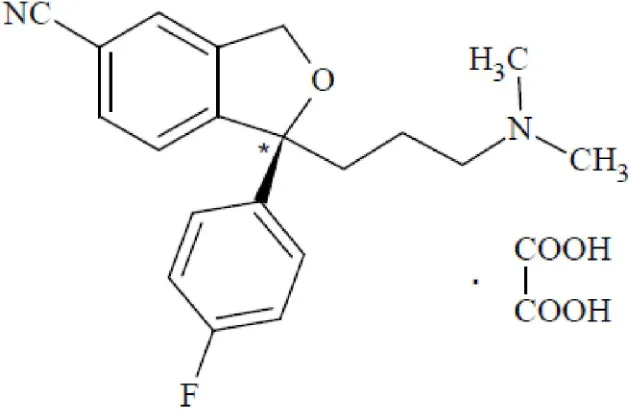
[image:36.612.125.440.262.471.2](1S)-1-(3-dimethylaminopropyl)-1-(4-fluorophenyl)-3H-2-benzofuran-5-carbonitrile oxalate, and it has the following chemical structure:
Fig 1: Structural Formula of Escitalopram Oxalate
The empirical formula is C20H21FN2O.C2H2O4, representing a molecular weight of 414.4.
DESCRIPTION
Drug and Polymer Profile
Page 19
SOLUBILITY
Soluble in dimethyl formamide, dimethylsulfoxide, sparingly soluble in methanol and slightly
soluble in dichloromethane.
CLINICAL PHARMACOLOGY
Mechanism of Action: Escitalopram is a selective inhibitor of serotonin (5-HT) re-uptake with
high affinity for the primary binding site. It also binds to an allosteric site on the serotonin
transporter, with a 1000 fold lower affinity. Escitalopram has no or low affinity for a number
of receptors including 5-HT1A, 5-HT2, DA D1 and D2 receptors, α1-, α2-, β-adrenoceptors,
histamine H1, muscarine cholinergic, benzodiazepine, and opioid receptors. The inhibition of
5-HT re-uptake is the only likely mechanism of action explaining the pharmacological and
clinical effects of Escitalopram.
Pharmacokinetics:
Absorption :
Escitalopram is rapidly absorbed, with peak serum concentrations attained about 3–4
hours after dosing. The pharmacokinetic profile of escitalopram is linear. The absolute
bioavailability of Escitalopram is approximately 80%, implying limited first-pass metabolism,
and co-administration of food does not affect the kinetics of escitalopram. Mean steady state
concentrations following 10 mg/day are approximately 50 nmol/l.
Distribution :
Escitalopram is widely distributed, with an apparent volume of distribution of about 20 l/kg.
Drug and Polymer Profile
Page 20
Indicating a low potential for drug displacement interactions.
Metabolism
Escitalopram is metabolized by cytochrome P450 (CYP) enzymes to
demethylEscitalopram, and further to barely detectable levels of didemethyl metabolite. By
inference from results with racemic citalopram, the propionic acid derivative is a
pharmacologically inactive metabolite, possibly formed by the action of monoamine oxidases.
In addition, an N-oxide metabolite and glucuronides of citalopram have been identified. All of
these derivatives are therapeutically inactive. The metabolism of escitalopram to
desmethylescitalopram is mediated in parallel by three CYP isozymes: CYP3A4, 2C19 and
2D6 whereas only CYP2D6 mediates further demethylation to the didemethyl metabolite.
Elimination
The escitalopram elimination half-life is about 30 hours, consistent with once-daily
dosing, and the plasma clearance following oral administration is about 0.6 l/min .The
pharmacokinetics is linear in the investigated dose range. The renal clearance values of
escitalopram and it’sdemethyl metabolite are 2.7 and 6.9 l/h, respectively, corresponding to
excretion of about 8% and 10% of the dose in urine.
Drug Interactions:
Contraindications: Hypersensitivity to escitalopram or to any of the excipients. Concomitant
treatment with non-selective, irreversible monoamine oxidase inhibitors (MAO-inhibitors) is
contraindicated due to the risk of serotonin syndrome with agitation, tremor, hyperthermia etc.
Drug and Polymer Profile
Page 21
reversible non-selectiveMAO-inhibitor linezolid is contraindicated due to the risk of onset of a
serotonin syndrome.
Mechanism of action
The inhibition of serotonin (5-hydroxytryptamine; 5-HT) reuptake is the only mechanism of
action explaining the pharmacological and clinical effects of escitalopram. Escitalopram is a
selective inhibitor of serotonin reuptake, with high affinity for the primary binding site on the
SERT protein, where conventional selective serotonin reuptake inhibitors (SSRIs) and the
serotonin–noradrenaline reuptake inhibitors (SNRIs) venlafaxine and duloxetine bind.
Escitalopram also binds to the allosteric site on SERT, which decreases the dissociation rate of
escitalopram from the primary site, i.e. it appears to have a stabilising, or self-potentiating,
effect on the escitalopram– transporter complex. This allosteric binding has led to escitalopram
being described as an ASRI, an allosteric serotoninreuptake inhibitor The impact of
R-citalopram on esR-citalopram SERT binding. Pharmacological, functional and behavioural
experiments have established that escitalopram (the S-enantiomer of citalopram) has a greater
activity and an earlier onset of effect than its racemic parent, citalopram. The R-enantiomer,
having negligible uptake-inhibiting effect in itself has recently been shown unexpectedly to
inhibit the effect of the S-enantiomer on the SERT protein via an allosteric mechanism that
decreases the time that S-citalopram occupies the primary site.In other words, one enantiomer
appears to counteract the activity of the other at the same target a unique property among
antidepressants.A recent in vitro study provided further evidence of R-citalopram’s allosteric
effects at the human SERT (hSERT), by indicating that it produced a conformational change in
the transporter protein. Moreover, in vitro binding studies showed that R-citalopram attenuated
Drug and Polymer Profile
Page 22
sites, although to a lesser degree) with hSERT, but had no effect on the association rate of
fluoxetine, which has no affinity for the SERT allosteric sites.
Excipients Profile
2.2. Microcrystalline Cellulose24
Synonyms: AvicelpH ,cellulose gel, crystalline cellulose, E460.
Chemical Name: Cellulose
Empirical Formula and Molecular Weight: (C6H10O5)n ≈36 000 where n ≈ 220.
Structural Formula:
Fig 2:Structural Formula of MCC
Functional Category: Adsorbent, suspending agent, tablet and capsule diluent, tablet
disintegrant.
Drug and Polymer Profile
Page 23
Microcrystalline cellulose is purified, partially depolymerized cellulose that occurs as a
white, odorless, tasteless, crystalline powder composed of porous particles. It is commercially
available in different particle sizes and moisture grades that have different properties and
applications.
Typical Properties
Angle of repose: 49°
Density (bulk): 0.32 g/cm3
Density (tapped): 0.45 g/cm3
Density (true): 1.512–1.668 g/cm3
Flowability: 1.41 g/s
Melting point: Chars at 260–270°C
Moisture content: Typically less than 5% w/w. However, different grades may contain
varying amounts of water. Microcrystalline cellulose is hygroscopic.
Particle size distribution: Typical mean particle size is 20–200 μm. Different grades may
have a different nominal mean particle size.
Solubility: Slightly soluble in 5% w/v sodium hydroxide solution, practically insoluble in
water, dilute acids, and most organic solvents.
Specific surface area: 1.06–1.12 m2/g
Drug and Polymer Profile
Page 24
Microcrystalline cellulose is widely used in pharmaceuticals, primarily as a binder/diluent in
oral tablet and capsule formulations where it is used in both wet-granulation and
direct-compression processes. In addition to its use as a binder/diluent, microcrystalline cellulose also
has some lubricant and disintegrant properties that make it useful in tableting. Microcrystalline
cellulose is also used in cosmetics and food products.
Table 5: Uses of microcrystalline cellulose
Use Concentration (%)
Adsorbent 20–90
Antiadherent 5–20
Capsule binder/diluents 20–90
Tablet disintegrant 5–15
Tablet binder/diluents 20–90
Stability and Storage Conditions: Microcrystalline cellulose is a stable though hygroscopic
material. The bulk material should be stored in a well-closed container in a cool, dry place.
Incompatibilities: Microcrystalline cellulose is incompatible with strong oxidizing agents.
2. 3.Hydroxy Propyl Methyl Cellulose (Methocel E-5) 25
Synonyms: Hydroxypropyl methylcellulose, HPMC, methylcellulose propylene glycol ether,
methyl hydroxypropylcellulose.
Drug and Polymer Profile
Page 25
Empirical Formula and Molecular Weight: CH2CH(OH)CH3, calculated on a dried basis.
Molecular weight is approximately 10,000–1,500,000.
Structural Formula
Fig 3: Structural Formula of HPMC(E5)
Where R is H, CH3, or CH3CH(OH)CH2
Functional Category: Coating agent, film-former, rate-controlling polymer for sustained
release, stabilizing agent, suspending agent, tablet binder, viscosity-increasing agent.
Description: Hypromellose is an odorless and tasteless, white or creamy-white fibrous or
granular powder.
Typical Properties
Acidity/alkalinity: pH = 5.5–8.0 for a 1% w/w aqueous solution.
Drug and Polymer Profile
Page 26
Auto ignition temperature: 360°C
Density (bulk): 0.341 g/cm3
Density (tapped): 0.557 g/cm3
Density (true): 1.326 g/cm3
Melting point: Browns at 190–200°C, chars at 225–230°C. Glass transition temperature is
170–180°C.
Moisture content: Hypromellose absorbs moisture from the atmosphere; the amount of water
absorbed depends upon the initial moisture content and the temperature and relative humidity
of the surrounding air.
Solubility
Soluble in cold water, forming a viscous colloidal solution, practically insoluble in chloroform,
ethanol (95%), and ether, but soluble in mixtures of ethanol and dichloromethane, mixtures of
methanol and dichloromethane, and mixtures of water and alcohol. Certain grades of
hypromellose are soluble in aqueous acetone solutions, mixtures of dichloromethane and
propan-2-ol, and other organic solvents.
Specific gravity: 1.26
Applications in Pharmaceutical Formulation or Technology
Hypromellose is widely used in oral, ophthalmic and topical pharmaceutical formulations. In
oral products, hypromellose is primarily used as a tablet binder, in film-coating, and as a
Drug and Polymer Profile
Page 27
suspending and thickening agent in topical formulations. Hypromellose is also used as an
emulsifier, suspending agent, and stabilizing agent in topical gels and ointments.
Stability and Storage Conditions
Hypromellose powder is a stable material, although it is hygroscopic after drying solutions are
stable at pH 3–11. Increasing temperature reduces the viscosity of solutions. Hypromellose
undergoes a reversible sol–gel transformation upon heating and cooling, respectively. The gel
point is 50–90°C, depending upon the grade and concentration of material. Hypromellose
powder should be stored in a well-closed container, in a cool, dry place.
Incompatibilities
Hypromellose is incompatible with some oxidizing agents. Since it is nonionic, hypromellose
will not complex with metallic salts or ionic organics to form insoluble precipitates.
2.4.Sodium starch glycolate
Synonyms: Carboxymethyl starch, sodium salt; carboxymethylamylumnatricum; Explosol;
Explotab; Glycolys; Primojel; starch carboxymethyl ether, sodium salt; Tablo; Vivastar P.
Drug and Polymer Profile
Page 28
Structural Formula
Fig 4: Structural Formula of Sodium Starch Glycolate
Functional Category: Tablet and capsule disintegrant.
Description: Sodium starch glycolate is a white to off-white, odorless, tasteless, free-flowing
powder. The PhEur 2005 states that it consists of oval or spherical granules, 30–100 mm in
diameter, with some less-spherical granules ranging from 10–35 mm in diameter.
Typical Properties
Acidity/alkalinity: pH = 5.0–7.0 in aqueous dispersions.
Density (bulk): 0.529 g/cm3
Density (tapped): 0.819 g/cm3
Density (true): 1.543 g/cm3
Particle size distribution: NMT 2% retained on a #200 (73.7 μm) mesh and not more than
Drug and Polymer Profile
Page 29
Solubility: Insoluble in water, although sodium starch glycolate rapidly swells to 4–8 times its
original volume on contact with water. Practically insoluble in acetone, ethanol and toluene.
Specific surface area: 0.81–0.83 m2/g
Applications in Pharmaceutical Formulation or Technology
Sodium starch glycolate is used in oral pharmaceutical formulations as a disintegrant for
capsules, tablets and granules.
In tablet formulations, sodium starch glycolate may be used in both direct-compression and
wet-granulation processes. When used in wet granulations, the sodium starch glycolate should
be added in both the wet and dry stages of the process (intra- and extra granularly) so that the
wicking and swelling ability of the disintegrant is best utilized. sodium starch glycolate at
concentrations up to 5% w/w may be used as a tablet disintegrant, although normally 2% w/w
is used in tablets prepared by direct compression and 3% w/w in tablets prepared by a
wet-granulation process.
Table 6: Uses of sodium starch glycolate
Use Concentration (%)
Disintegrant in capsules 10–25
Drug and Polymer Profile
Page 30
Stability and Storage Conditions
Sodium starch glycolate is a stable though hygroscopic material.
A model tablet formulation prepared by direct compression, with sodium starch glycolate as a
disintegrant, showed no significant difference in drug dissolution after storage at 30°C for 14
months.
sodium starch glycolate should be stored in a well-closed container in a cool, dry place.
Incompatibilities
The efficacy of disintegrants, such as sodium starch glycolate, may be slightly reduced in tablet
formulations prepared by either the wet-granulation or direct-compression process that contain
hygroscopic excipients such as sorbitol.
Sodium starch glycolate is not compatible with strong acids or with soluble salts of iron and
some other metals such as aluminum, mercury, and zinc.
2.5. Colloidal Silicondioxide26
Synonyms: Aerosil, Cab-O-Sil, Cab-O-Sil M-5P, colloidal silica, fumed silica, fumed silicon
dioxide, SAS, silica colloidalisanhydrica, silica sol, silicic anhydride, silicon dioxide colloidal,
silicon dioxide fumed, synthetic amorphous silica, Wacker HDK.
Chemical Name: Silica
Empirical Formula and Molecular Weight: SiO2 and 60.08
Drug and Polymer Profile
Page 31
Functional Category: Adsorbent, anticaking agent, emulsion stabilizer, glidant, suspending
agent, tablet disintegrant, thermal stabilizer, viscosity-increasing agent.
Description:
Colloidal silicon dioxide is submicroscopic fumed silica with a particle size of about 15 nm. It
is a light, loose, bluish-white-colored, odorless, tasteless, amorphous powder.
Typical Properties
Acidity/alkalinity pH: 3.8–4.2 (4% w/v aqueous dispersion) and 3.5–4.0 (10% w/v aqueous
dispersion) for Cab-O-Sil M-5P
Density (bulk): 0.029–0.042 g/cm3
Melting point: 16000C
Particle size distribution: Primary particle size is 7–16 nm. Aerosil forms loose agglomerates
of 10–200 mm.
Refractive index: 1.46
Solubility: Practically insoluble in organic solvents, water, and acids, except hydrofluoric acid,
soluble in hot solutions of alkali hydroxide. Forms a colloidal dispersion with water. For
Aerosil, solubility in water is 150 mg/L at 258C (pH 7).
Specific gravity: 2.2
Drug and Polymer Profile
Page 32
Applications in Pharmaceutical Formulation or Technology:
Colloidal silicon dioxide is widely used in pharmaceuticals, cosmetics, and food products. Its
small particle size and large specific surface area give it desirable flow characteristics that are
exploited to improve the flow properties of dry powders in a number of processes such as
tableting and capsule filling. Colloidal silicon dioxide is also used to stabilize emulsions and as
a thixotropic thickening and suspending agent in gels and semisolid preparations. With other
ingredients of similar refractive index, transparent gels may be formed. The degree of viscosity
increase depends on the polarity of the liquid (polar liquids generally require a greater
concentration of colloidal silicon dioxide than nonpolar liquids). Viscosity is largely
independent of temperature. However, changes to the pH of a system may affect the viscosity
in aerosols, other than those for inhalation, colloidal silicon dioxide is used to promote
particulate suspension, eliminate hard settling, and minimize the clogging of spray nozzles.
Colloidal silicon dioxide is also used as a tablet disintegrant and as an adsorbent dispersing
agent for liquids in powders. Colloidal silicon dioxide is frequently added to suppository
formulations containing lipophilic excipients to increase viscosity, prevent sedimentation
during molding, and decrease the release rate. Colloidal silicon dioxide is also used as an
adsorbent during the preparation of wax microspheres, as a thickening agent for topical
preparations, and has been used to aid the freeze-drying of nanocapsules and nanosphere
suspensions.
Table 7: Uses of colloidal silicon dioxide.
Use Concentration (%)
Drug and Polymer Profile
Page 33
Emulsion stabilizer 1.0–5.0
Glidant 0.1–1.0
Suspending and thickening agent 2.0–10.0
Stability and Storage Conditions:
Colloidal silicon dioxide is hygroscopic but adsorbs large quantities of water without
liquefying. When used in aqueous systems at a pH 0–7.5, colloidal silicon dioxide is effective
in increasing the viscosity of a system. However, at a pH greater than 7.5 the viscosity
increasing properties of colloidal silicon dioxide are reduced, and at a pH greater than 10.7 this
ability is lost entirely since the silicon dioxide dissolves to form silicates. Colloidal silicon
dioxide powder should be stored in a well-closed container.
Incompatibilities:
Incompatible with diethylstilbestrol preparations.
2.6. Magnesium Stearate27
Synonyms: Magnesium octadecanoate, octadecanoic acid, magnesium salt, stearic acid,
magnesium salt.
Chemical Name: Octadecanoic acid magnesium salt
Empirical Formula and Molecular Weight: C36H70MgO4, 591.34
Structural Formula: [CH3(CH2)16COO]2Mg
Drug and Polymer Profile
Page 34
Description:
Magnesium stearate is a very fine, light white, precipitated or milled, impalpable
powder of low bulk density, having a faint odor of stearic acid and a characteristic taste. The
powder is greasy to the touch and readily adheres to the skin.
Typical Properties
Crystalline forms: High-purity magnesium stearate has been isolated as a trihydrate, a
dihydrate, and an anhydrate.
Density (bulk): 0.159 g/cm3
Density (tapped): 0.286 g/cm3
Density (true): 1.092 g/cm3
Flash point: 250°C
Flowability: Poorly flowing, cohesive powder.
Melting range: 126–130°C
Solubility: Practically insoluble in ethanol, ethanol (95%), ether and water, slightly soluble in
warm benzene and warm ethanol (95%).
Drug and Polymer Profile
Page 35
Applications in Pharmaceutical Formulation or Technology
Magnesium stearate is widely used in cosmetics, foods, and pharmaceutical formulations. It is
primarily used as a lubricant in capsule and tablet manufacture at concentrations between
0.25% and 5.0% w/w. It is also used in barrier creams.
Stability and Storage Conditions
Magnesium stearate is stable and should be stored in a well-closed container in a cool, dry
place.
Incompatibilities
Incompatible with strong acids, alkalis, and iron salts. Avoid mixing with strong oxidizing
materials. Magnesium stearate cannot be used in products containing aspirin, some vitamins,
and most alkaloidal salts.
2.7.Isopropyl alcohol
Synonyms: Alcohol isopropylicus, dimethyl carbinol, IPA, isopropanol,
petrohol,2-propanol,sec-propyl alcohol; rubbing alcohol.
Chemical Name: Propan-2-ol
Drug and Polymer Profile
Page 36
Structural Formula
Fig 5: Structural Formula of IPA
Functional Category: Disinfectant, solvent.
Description: Isopropyl alcohol is a clear, colorless, mobile, volatile, and flammable liquid
with a characteristic, spirituous odor resembling that of a mixture of ethanol and acetone; it has
a slightly bitter taste.
Typical Properties
Antimicrobial activity Isopropyl alcohol is bactericidal, at concentrations greater than 70% v/v
it is a more effective antibacterial preservative than ethanol (95%). The bactericidal effect of
aqueous solutions increases steadily as the concentration approaches 100% v/v. Isopropyl
alcohol is ineffective against bacterial spores.
Boiling point 82.48°C
Dielectric constant D20 = 18.62
Flash point 11.78C (closed cup); 138C (open cup).
Melting point _88.58
Solubility Miscible with benzene, chloroform, ethanol (95%), ether, glycerin, and water.
Soluble in acetone; insoluble in salt solutions.Forms an azeotrope with water, containing
Drug and Polymer Profile
Page 37
Specific gravity 0.786
Viscosity (dynamic) 2.43 mPa s (2.43 cP) at 208C
Applications in Pharmaceutical Formulation or Technology
Isopropyl alcohol is used in cosmetics and pharmaceutical formulations, primarily as a
solvent in topical formulations. It is not recommended for oral use owing to its toxicity,
Although it is used in lotions, the marked degreasing properties of isopropyl alcohol may limit
its usefulness in preparations used repeatedly. Isopropyl alcohol is also used as a solvent both
for tablet film-coating and for tablet granulation, where the isopropyl alcohol is subsequently
removed by evaporation. It has also been shown to significantly increase the skin permeability
of nimesulide from carbomer 934.Isopropyl alcohol has some antimicrobial activity and a 70%
v/v aqueous solution is used as a topical disinfectant. Therapeutically, isopropyl alcohol has
been investigated for the treatment of postoperative nausea or vomiting.
Stability and Storage Conditions
Stability and Storage Conditions Isopropyl alcohol should be stored in an airtight container in a
cool, dry place.
Incompatibilities
Incompatible with oxidizing agents such as hydrogen peroxide and nitric acid, which cause
Literature Review
Page 38
3. LITERATURE REVIEW
1. SrinivasGangula et.Al17 worked on identification, synthesis and spectral
characterization of impurities in process development of Escitalopram, identified, synthesized
(starting from racemic substrates), developed robust analytical methods and characterized the four
process related impurities present in escitalopram particularly those are close to 0.10%. The
characterization of these compounds is based on LC–MS, IR and NMR spectral data followed by
their independent syntheses in order to meet the regulatory requirements as per ICH guidelines.
2. Patrick Crowley18 identified the Drug Excipient interactions, although considered
pharmacologically inert, excipients can initiate, propagate or participate in chemical or physical
interactions with drug compounds, which may compromise the effectiveness of a medication.
Excipients may also contain impurities or form degradation products that in turn cause
decomposition of drug substances. Here interactions are necessary prerequisite to the
development of dosage forms that are stable and of good quality.
3. N. Dogan and T.H.Mchugh19worked on the Effects of Microcrystalline Cellulose on
Functional Properties of Hydroxy Propyl Methyl Cellulose Microcomposite Films, investigate the
use of nanosize MCC fillers for the purpose of preparing edible microcomposite films. It was
shown that through the incorporation of fillers such as MCC, edible film mechanical properties
can be significantly improved without reducing film barrier properties. These findings are
expected to have a significant impact on the food industry by enabling them to manufacture edible
films with improved tensile strengths, while maintaining their elongation and water vapor
Literature Review
Page 39
well as their compatibility with the matrix affect the microstructure and overall functional
properties of films. These results will allow food scientists to envision a new generation of
composite edible films and barriers and not be restricted to emulsified and bilayer films for
current and new applications.
4. Hareesha chamarthi20worked on Formulation and evaluation of oro dispersible tablet of
Escitalopram oxalate by super disintegrates addition method, direct compression method is useful
for the preparation for oro dispersible tablet of Esitalopram oxalate. crosscarmellose sodium and
crosspovidone mixture is useful for this preparation.
5. Ngoc Do, Jason Hansell, and Thomas P. Farrell21worked on Modulating Dissolution
Profiles of Immediate Release Tablets Using Methocel E5 LV and a Direct Compression Process,
The drug release rate of tablets depends on several formulation variables such as the concentration
and viscosity of the polymers as well as the concentration and water solubility of the drugs. The
purpose of this study was to investigate the ability of singleMethocel premium cellulose ether, E5
LV grade to modulate the dissolution profiles of immediate release tablets prepared by different
types of compression methods. The dissolution rate of all tablets decreases with increasing
concentration of Methocel E5 LV. The slow-down effect of Methocel E5 LV also depends on the
water solubility characteristics of the drug – i.e. lower water solubility drugs had slower
dissolution rates at the highest METHOCEL E5 LV concentrations. Film coating with Opadry II
Literature Review
Page 40
6. Rohokale BS, Jadhav VM, Kadam VJ22worked related to the studies in optimization of
non aqueous film coating parameters. At lower spray rate un-uniform coating was reported and at
high rate white spot, sticking and picking problem was recorded. Variation in atomization air
pressure affect over quality of coating process because at high atomization air pressure small
droplet was formed and at low atomization air pressure big droplet was formed. As distance
between tablet bed and spray gun increased disturbed spray spray pattern was observed even at
minimum distance sticking & white spot over tablet noted. At low inlet air temperature rough
surface, sticking, picking & white spot was observed and at high temperature white spot & rough
surface observed. As pan DP reduced spray was disturbed. Higher RPM of pan increase the
mixing and distributions of spray over the tablet. At high % solid content create problem like
roughness over tablet.
7. Suresh Pareek, ChetanRajsharad, Ashok Mohanty&Aditi Golatkar23worked on
theEffect of solvents on tablet coating. The film coating of Pharmaceutical dosage forms is done
by dispersing the polymers, plasticizers, opacifier Lubricant & pigments or Ready to use film
coating material like Instacoat in the solvent system. The solvent system could be Organic,
Aqueous or a combination of Organic and Aqueous. The most commonly used organic solvents
are IPA and Methylene chloride. The Instacoat coating material used for conducting various
coating trials proved to the effect in different type of solvent system. It proved to be very coat
effective in case of aqueous coating. The final product finish was also much better in case of
aqueous coating in White colour. In case of Indigo carmine, the colour shade of the finish product
Literature Review
Page 41
8. Sanil Kumar Ramachandra Nair,2012Escitalopram Oxalate is a class of drug with
selective serotonin (5-HT) reuptake inhibitor (SSRIs). The tablets were compressed using
microcrystalline cellulose, colloidal anhydrous silica, croscarmellose sodium, talc, magnesium
stearate and opadry white was used for coating the tablets. The tablets were formulated by direct
compression. Croscarmellose sodium was used as the disintegrant in the formulation of
immediate release tablets of Escitalopram Oxalate. The stability studies were carried out for the
optimized batch for six months. The results of the present study showed that among all the
formulations, F4 was better in all terms of preformulation and post compression parameters and
showed comparably a good dissolution profile like that of the marketed product.
9. Ramesh Kannuri1*, HareeshaChamarthi2 ,2012 developed Orally disintegrating
tablets of escitalopram Oxalate. Orally disintegrating tablets offers a solution for paediatrics,
geriatrics; psychiatric or mentally ill people and those have difficulty in swallowing
tablets/capsules resulting in improved patient compliance. The aim is to formulate Orally
disintegrating tablets of escitalopram oxalate using different ratios of Superdisintegrants
LHPC-21, Kyron and Crospovidone, while Microcrystalline cellulose, Mannitol, Prosolv ODT used as
fillers. Tablets were prepared by direct compression method. The tablets were evaluated for
hardness, thickness, friability, and weight variation and disintegration time, dispersion times and
%drug release studies were performed. Tablets containing Crospovidone, Kyron as disintegrants
and Mannitol as filler were disintegrate rapidly below 20 sec and 100% drug release below 5mins.
10. Suneetha.A,2011A simple, specific, accurate and precise RP-HPLC method was
developed and validated for the determination of escitalopram oxalate in tablet dosage forms. A
hypersil BDS C8, 5- column having 250x4.6mm internal diameter in isocratic mode with mobile
Literature Review
Page 42
7.0±0.05) was used. The flow rate was 1.5ml/min and effluents were monitored at 226nm. The
retention time of escitalopram oxalate was 8.45 min. The linearity range is 250-1500-g/ml with
coefficient of correlation 0.9999. The method was validated in terms of accuracy, precision,
repeatability. The percentage recovery for escitalopram oxalate was found to be 99.0%. The
proposed method was successfully applied for quantitative determination of escitalopram oxalate
in single dosage form for routine analysis.
11. Patel, JigarA, et al. prepared immediate release tablets using a suitable diluents and
super-disintegrants. Faster disintegration of the tablet administrated orally minimizes absorption
time and improves its bioavailability in less time. Immediate Release tablet of Antibiotic drug is
formulated using dry granulation using super disintegrantcroscarmellose sodium. One of the
important studies included in the present investigation is of study on process parameter effect on
performance of the Immediate Release tablets. The effect of selected process parameters on
critical properties of immediate release (IR) tablets were studied, like effect of disintegration time,
friability, dissolution profile. The optimized formulation F5 was evaluated for in vitro drug
release in pH 5.0, 6.8 for 60min using BP type II dissolution apparatus at 50 rpm. Hence
Antibiotic drug can be successfully formulated as an immediate release tablet by dry granulation
method.
12. B.G.Shiyaniet al., 2009 compares the disintegrants efficiency of the 3
superdisintegrants(Ac-Di-Sol, Polyplasdone XL and Explotab) and also to compare disintegrant
properties disintegrant efficiency of agar (AG) and gellan gum (GG) with treated agar (TAG) and
treated gellan gum (TGG) by formulating metoclopramide HCl immediate release tablets by
direct compression method. In the present investigation, the attempted first time reporting TGG as
Literature Review
Page 43
&hydration capacity of disintegrants. While efficiency of disintegrants in tablets compared by
various test like disintegration time, dissolution test, wetting time & maximal water uptake study
of metoclopramide HCl immediate release tablets.
13. Biljana Govedarica,2011,Paracetamol (PAR) crystals exhibit poor compressibility, poor
flowability and its tablets show a tendency to cap. To improve the mechanical strength of tablets
several kinds of “Paracetamol for direct compression” are present on the market. Current research
demonstrated the best tablet properties with coated paracetamol, Furthermore, coated paracetamol
in combination with both investigated superdisintegrants such as Vivasol® and Polyplasdone®
XL-10 shows faster disintegration time and dissolution rate in comparison to paracetamol for
direct compression. Eventually, the major advantages of the formulation with coated paracetamol
for industrial production are decrease of friability and superiority in terms of flowability,
Experimental Work
Page 44
4.Materials and Equipment
4.1.List of Materials Used
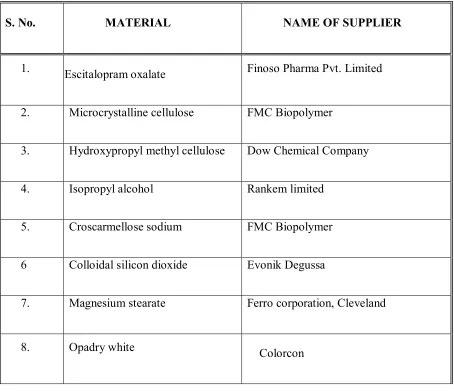
The materials and their supplier names which are used in the formulation development of
[image:62.612.87.541.257.648.2]Escitalopram oxalate Immediate Release tablets are listed below.
Table 8: List of Materials used
S. No. MATERIAL NAME OF SUPPLIER
1.
Escitalopram oxalate Finoso Pharma Pvt. Limited
2. Microcrystalline cellulose FMC Biopolymer
3. Hydroxypropyl methyl cellulose Dow Chemical Company
4. Isopropyl alcohol Rankem limited
5. Croscarmellose sodium FMC Biopolymer
6 Colloidal silicon dioxide Evonik Degussa
7. Magnesium stearate Ferro corporation, Cleveland
8. Opadry white
Experimental Work
Page 45
4.2. List of EquipmentsThe following are the list of equipments used for the formulation
development.
Table 9: List of Instruments used
S.No. Name of Instrument Manufacturer
1 Automatic tablet dissolution apparatus USP II Electro lab
2 Digital Vernier calipers Fischer scientific
3 Friability tester Electrolab
4 Tablet hardness tester Dr Schleunizer tablet tester
8m
5 Halogen Moisture Analyzer Sartorious MA 100
6 Electro magnetic sieve shaker Electrolab
7 Tap Density Apparatus Electrolab
8 Mini roll compactor Chamunda
9 Electronic weighing balance SartoriousPrecision balance
10 17 station rotatory tabletting machine Cadmach
11 Coating machine Neocota
12 Rapid dryer Retsch
13 Moisture Content ( KF Titrino ) Metrohm
14 UV – Spectrometer Shimadzu
15 High pressure liquid chromatographic apparatus Azulent
Experimental Work
Page 46
4.3.PREFORMULATION STUDY
Preformulation study was an investigation of physical and chemical properties of a drug
substance alone and when combined with excipients. It was the first step in the rational
development of dosage forms.
4.3.1. Objective /Purpose of Preformulation study:-
Pre-formulation studies on active pharmaceutical ingredients (API), inactive ingredients
(Excipients), and their combinations were carried out to serve following purposes:
i) To Finalize specifications of active pharmaceutical ingredients (API)
ii) To Study the compatibility between active and inactive ingredient
iii) Characterization of reference product.
4.3.2. Scope:-
The use of preformulation parameters maximizes the chances in formulating an
acceptable, safe, efficacious and stable product.
4.3.3. Class: - Preformulation study can divide in to two Subclasses.
4.3.3.1API characterization,
Experimental Work
Page 47
4.3.3.1. Active pharmaceutical ingredient (API) characterization:-
Organoleptic Evaluation:-These are preliminary characteristics of any substance which is
useful in identification of specific material. Following physical properties of API were
studied.
a) Color
[image:65.612.154.470.313.565.2]b) Odor
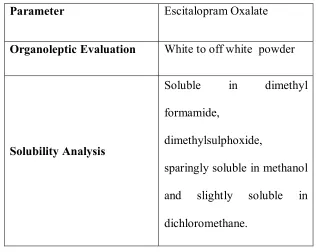
Table 10: Organoleptic and Solubility Analysis of Escitalopram Oxalate
Parameter Escitalopram Oxalate
Organoleptic Evaluation White to off white powder
Solubility Analysis
Soluble in dimethyl
formamide,
dimethylsulphoxide,
sparingly soluble in methanol
and slightly soluble in
dichloromethane.
Loss on drying:-1.5g of sample of Escitalopram Oxalate was accurately weighed and the
powder was kept in a moisture balance apparatus for 5 min at 105ºC and the moisture content
Experimental Work
Page 48
Bulk density:-
Bulk density was determined by pouring gently 25 gm of sample (Escitalopram Oxalate) into
100 ml graduated cylinder. The volume occupied by the sample was recorded. Bulk density
was calculated as:
Tapped density:-
Tapped density was determined by using Electro lab density tester, which consists of a
graduated cylinder mounted on a mechanical tapping device. An accurately weighed sample
of powder was carefully added to the cylinder. Typically, the initial volume was noted, and
the sample is then tapped (500, 750 or 1250 tapping) until no further reduction in volume is
noted or the percentage of difference is not more than 2%.
A sufficient number of taps should be employed to assure reproducibility for the material in
question.
Volume was noted and tapped density is calculated using following formula.
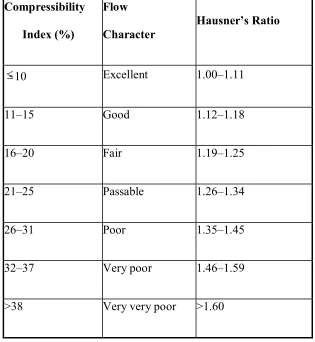
Compressibility Index and Hausner ratio:-
In recent years the compressibility index and the closely related Hausner ratio have
become the simple, fast, and popular methods of predicting powder flow characteristics.
Bulk density = weight of sample in gram /volume occupied by the sample sample