DISSERTATION
on
PREVALENCE OF FALLS AND ASSOCIATED FACTORS IN ELDERLY POPULATION
submitted in partial fulfillment of requirements for
MD DEGREE EXAMINATION BRANCH-XVI GERIATRIC MEDICINE
THE TAMIL NADU DR. M.G.R. MEDICAL UNIVERSITY CHENNAI
MADRAS MEDICAL COLLEGE CHENNAI – 600003
CERTIFICATE
This is to certify that the dissertation titled “PREVALENCE OF
FALLS AND ASSOCIATED FACTORS IN ELDERLY
POPULATION” is a bonafide work done by Dr. GEETHA . J, Post Graduate Student, Department of Geriatric Medicine, Madras Medical College, Chennai – 600003, in partial fulfillment of the university rules and regulations for the award of MD DEGREE in GERIATRIC MEDICINE BRANCH-XVI, under our guidance and supervision, during the academic period from April 2012 to April 2015.
Prof. Dr. R. VIMALA, MD, Dean,
MMC and RGGGH, Chennai – 600003.
Prof. Dr. S. SIVAKUMAR , MD, DTRD, Professor and Head,
Department of Geriatric Medicine, MMC and RGGGH,
DECLARATION
I solemnly declare that the dissertation titled “PREVALENCE OF
FALLS AND ASSOCIATED FACTORS IN ELDERLY
POPULATION” was done by me at Madras Medical College, Chennai – 600003, during the period June 2014 to August 2014 under the guidance and supervision of Prof. Dr. S. SIVAKUMAR, MD, DTRD, to be submitted to The Tamil Nadu Dr. M.G.R. Medical University towards the partial fulfillment of requirements for the award of MD DEGREE in GERIATRIC MEDICINE BRANCH-XVI.
Place : Chennai Date : 24/09/2014
Dr.GEETHA. J ,
MD GERIATRIC MEDICINE, Post Graduate Student, Department of Geriatric Medicine,
ACKNOWLEDGEMENT
I thank Prof. Dr. R.VIMALA, MD, Dean, Madras Medical College, for having permitted me to conduct the study and use the hospital resources in the study.
I express my heartfelt gratitude to Prof.Dr.S.SIVAKUMAR, MD,DTRD Professor and Head, Department of Geriatric medicine, for his inspiration, advice and guidance in making this work complete.
I am extremely thankful to Prof. Dr.G.S.SHANTHI , MD, Associate Professor, Department of Geriatric medicine for guiding me during the period of study.
I am extremely thankful to Dr.S.DEEPA, MD, Assistant Professor, Dr. K.UMAKALYANI, MD Assistant professor,Dr.M.SENTHILKUMAR, MD, Assistant professor, and Dr.D.THANGAM, MD, Assistant Professor, Department of Geriatric medicine, for guiding me academically and professionally during the period of study.
TABLE OF CONTENTS
1. INTRODUCTION 1
2. AIMS OF THE STUDY 3
3. REVIEW OF LITERATURE 4
4. MATERIALS AND METHODS 64
5. RESULTS 68
6. DISCUSSION 97
7. LIMITATIONS 102
8. CONCLUSION 103
9. BIBLIOGRAPHY 104
10. ANNEXURES
PROFORMA
INFORMATION SHEET
CONSENT FORM
ETHICAL COMMITTEE APPROVAL FORM
TURNITIN DIGITAL RECEIPT
ANTI-PLAGIARISM REPORT
PREVALENCE OF FALLS AND ASSOCIATED FACTORS IN ELDERLY POPULATION
AUTHOR: PROF.S.SIVAKUMAR, DR.J.GEETHA.
DEPT. OF GERIATRIC MEDICINE, MADRAS MEDICAL COLLEGE.
INTRODUCTION: Fall is an important clinical marker of frailty, as evidenced by its association with other functional problems, such as incontinence, and high mortality rate. Usually falls in elderly are multifactorial in origin, resulting from an interaction between impaired stability and hazards and demand of the environment. Falls are major focus of geriatric medicine because they are common among elderly and have complex interacting causes, serious consequences and require multiple disciplines for effective management.
OBJECTIVES: To determine the prevalence of Falls and associated factors in elderly population
assessment tools like TUG,4 Stage Balance Test, 30 Second Chair Stand Test were done.
RESULTS: Prevalence of falls in elderly attending outpatient department is 34.5%, out of which males contribute 44% and females 55%. Extrinsic causes for falls – 42% and intrinsic cause-57%. Major risk factors for falls- visual impairment- 33%; arthritis-50%; age>80- 8.5%; polypharmacy- 36.5%;slow gait speed-18%
CONCLUSION: Falls in elderly are multifactorial in origin. Prevalence of falls in elderly ≥ 65 years attending outpatient department in tertiary care hospital is
34.5%.Prevalence of falls is increased in females when compared to males. Visual impairment, lower limb arthritis, incontinence, depression, age >80, polypharmacy are important risk factors for fall.Impaired balance, decreased gait speed , decreased lower limb muscle strength are important predictors of falls in elderly. Increase in number of risk factors increases fall risk in elderly
1
INTRODUCTION
In elderly, falls and impaired balance constitute major clinical problems. Falls and its consequences are a cause of considerable rates of morbidity and mortality in elderly. In older adults, unintentional injuries constitute fifth leading cause of death. Falls constitute about 67% of these deaths in elderly.
Falls are more common in elderly. They have compound interacting causes leading to serious effects and require multiple disciplines for efficient management. Hence falls are considered as major focus in elderly. Unstable gait and falls are important concerns in older adults because they lead to injury, restricted activities of daily living, increase in health care utilisation and death due to its consequences.
2
with ageing. Common precipitators of nursing home placement includes repeated falls and instability among elderly. Many studies have described epidemiology of falls among elderly in diverse settings and rates may differ significantly among them. With increasing age, the rate of falls and associated complications also increases steadily. The type of injury sustained by an elderly is determined by the way in which a person falls.
Wrist fractures in elderly result from backward or forward falls on an extended hand. Wrist fractures are common than hip fractures among older adults of 65 – 75 years, while hip fractures dominate in ages thereafter. This may be due to slowed reflexes and inability to protect their hip by ‘breaking the fall’ with wrist in individuals > 75 years of age.
3 AIM OF THE STUDY
• To determine prevalence of Falls in elderly.
• To determine associated factors for Fall in elderly population.
.
4
REVIEW OF LITERATURE
DEFINITION
Fall is defined as an unintentional event in which a person comes to rest on the floor or ground that are not caused by loss of consciousness, stroke, seizure, or overwhelming force.
EPIDEMIOLOGY OF FALLS: FALLS IN COMMUNITY:
Every year, about 33 % of adults living in the community aged >65 years and 50% of elderly aged > 80 years sustain a fall.[2, 3,4]. Recurrent falls occur in half of these individuals. Falls occur more frequently in elderly women than in men. But, above the age of 75 years, this gender difference in prevalence of falls decreases. [5]. In elderly persons aged above 65 years, unintended injury form the sixth most important cause of mortality. Majority of these deaths among persons over 85 years of age, are due to falls and fall related problems [6].The rates of death due to falls are higher in males eventhough, injury due to falls are common in females .
5
joint, or severe head injury.[9]. Among community-living elderly persons, fracture occurs in 5% of falls and hip fracture occurs in 1% of falls. In persons aged above 75 years, lower limb fractures are common than the fractures of upper limb. Soft tissue injuries like hemarthroses , disarticulation of joint , sprains, and hematomas occurs in 5% of falls requiring medical attention. Minor injuries due to falls occur in 30% - 50% of elderly persons.
Inability of individual to get up after fall has occurred is potentially serious effect of fall. It has been reported in many studies that after an episode of fall, nearly 50% elderly are unable to get up without assistance. Some of the associated factors include age >80, reduced upper and lower limb strength,, impaired balance, arthritis of joints, and increased dependence in activities of daily living (ADL). Inability of elderly individuals to get up after a fall are at increased risk for complications like pressure sores, dehydration, pneumonia and rhabdomyolysis.
6
dependency has been reported by many patients [12]. The fear of falling has been related with restriction in instrumental activities of daily living (IADL), poor vision ,necessitating help to climb stairs, poor performance on tests of balance and poor self-related health.[13,14]. Self-efficacy shows greater association with functioning in instrumental and basic activities of daily living , greater-level physical and social activities than does self-reported fear of falling.[15]. The most common hazardous effect of falling is restriction of functioning and activity either due to fear of falls or physical impairment from injury due to falls. In a national survey, 18% of limited activity days amongst older adults are due to falls and their sequlae.[16]
Falls has been related with greater risk of nursing home placement, hospitalisation and even death.[17-19]. These may be accounted for by increasing age, ADL disabilities and chronic disorders. Independent predictors of nursing home placement includes non injurious as well as injurious falls and falls with serious injury are more common[20].
NURSING HOME
7
agitation, depression, and immobility has been associated with the use of physical restraints in nursing homes to avoid high-risk individuals from falls.[22]. The use of physical restraint for immobilization results in decreased stability of vasomotor system and reduced muscle strength, mass and joint elasticity, thereby contributing to falls and injuries.[23] .Even though several restraint reduction programs have caused rise in falls , discontinuation of such restraints has not led to increase in fall injuries.[24,25].
CLINICAL PRESENTATION OF FALLS:
Nearly 50% of falls are associated with medical illness,
thus emphasize the significance of vigilant medical evaluation. Various
interacting cause of falls are syncope, accident, dizziness or vertigo, drop
attacks, drug associated and definite illness and finally orthostatic
hypotension.
ACCIDENTAL:
Unintentional fall or Accidental fall take place in less
than 50% of falls and most of the falls are due to slip or trip. Other
causes include imbalance, misplaced step, legs give way, or knock over.
Several elderly persons attributed fall to hastening or not looking to
where they go; nevertheless these elderly needs screening for impaired
8
environment may be done by an occupational therapist. , like identifying
cluttered surrounding and hazard that have to to be altered.
DROP ATTACK
Drop attack can be explained as a unexpected fall with no loss of consciousness and without caution.
Causes of drop attack includes
- orthostatic hypotension
- medication-induced asterixis
- Meniere’s disease
- impaired postural feedback
- cervical cord impingement due to stenosis or other compressive
lesions.
Vertebrobasilar insufficiency must be considered in the occurrence of 5
Ds –
- Dysarthria
- Dizziness
- Dysequilibrium.
- Dysphagia
9 VERTIGO AND DIZZINESS
Unsteadiness , dizziness are common complaints among older
adults. Dizziness is often multifactorial and about 85% of persistently
giddy elderly have multiple diagnosis: Orthostatic hypotension
,vestibulopathies, polypharmacy , cerebrovascular disease and
cardiovascular disease, primary gait disorders, cervical spondylotic
changes, poor vision , anxiety are some of
the commonest. Poor balance in the flow of stimulus from injured
mechanoreceptors in cervical spine occurs in cervical spondylosis ,
thereby causing dizziness. Vertigo can be due to central or peripheral
causes and probably an uncommon precipitant of falls in older adults.
ORTHOSTATIC HYPOTENSION
Blood pressure alterations may constitute a main part in the
aetiology of falls. Postural hypotension can be identified by measuring
heart rate and blood pressure in supine posture , within one minute in
sitting posture and then within three minutes in the standing posture.
Orthostatic hypotension is diagnostic when there is a fall of greater than
20 mmHg in systolic blood pressure or 10 mmHg fall in diastolic blood
pressure. When an elderly individual develops syncope and falls within 2
hours after a meal, it may be due to Postprandial hypotension. It may be
due to greater release of vasodilatory peptides from gut and can be
10 DRUGS
The medications precipitating falls include antihypertensives, hypoglycaemics, diuretics, antipsychotics , sedatives and anticholinergic
effects from antidepressants. Cardiovascular medications commonly
contributing to falls include digoxin and type IA antiarrhythmics,
nitrates, calcium channel blockers, ACE inhibitors and beta blockers.
Psychotropic medications like tricyclic antidepressants, anticonvulsants ,
benzodiazepines and , selective serotonin reuptake inhibitors (SSRI) may
precipitate falls in older adults. A meta-analysis study showed an
association between falls and use of psychotropic medications. Recurrent
falls are common in older adults taking multiple drugs .
PHYSIOLOGY OF BALANCE AND GAIT BALANCE
Balance is an ability to retain the centre of gravity of a body within its base of support with negligible postural sway. Balance is
a compound process which is dependent on the combination of
vestibular , visual , proprioceptive, neuromuscular responses and central
organization that manage muscle activities. Any change in the posture of
the body , regardless of its movement with reference to base are detected
by special senses. While in upright position, change in the orientation
are sensed by cutaneous and proprioceptive sensors in the foot. Linear
11
sway-related angular and linear acceleration of head are detected by
vestibular apparatus. Vestibular input becomes essential when the plane
of support is uneven or in movement and proprioception is predominant
when the plane is fixed and in level . Ability to maintain upright
position is related with postural sway in the anterior-posterior direction.
In normal older subjects , both anterior/posterior sway velocity and area
are increased. Spontaneous falls can be correlated with increase in
anterior/posterior sway but a improved predictor is mediolateral sway .
Postural reactions controlling centre of mass are slowed and difficulty in controlling lateral instability occurs in older adults. Elderly
individuals who had sustained a fall often have trouble in controlling
their compensatory stepping movements.
In healthy elderly, Peripheral sensation forms significant afferent
control means of balance while standing . The factors correlated with
increased sway are reduced near visual acuity, slow response time and
decreased lower limb muscle strength. Some elderly individuals maintain
good postural control and it indicates that age-related change have
simply insignificant effect and impaired balance is principally the
consequence of pathology.
Disequilibrium syndromes can be identified by assessment of
arising, standing, turning and the reaction to perturbation. There are 4
12
movement related with cerebellar disorders; bradykinesia ; sensory
deprivation, loss of proprioception; apraxia.
Disease-related balance disorders like Parkinson’s disease , cognitive impairment are also common in elderly. Most important is the
slowness of central organization due to Alzheimer’s or cerebrovascular
accidents. This is often not recognized in its early stages and is
diagnosed when the patient attends falls clinic. Balance also depends on
attention and cognitive process and might be affected by depression as
well as anxiety. Even healthy older adults require more attention to
recover balance when compared with young adults. With ageing and
cognitive impairment, the capacity to execute dual or multiple task is
challenged.
GAIT
Gait may be is defined as the pattern of limb movement during locomotion over solid plane. Human locomotion is dependent on
superior command and centres for control in forebrain and brainstem .
During usual walking, an internally cued, well learned motor act–the
supplementary motor area of the frontal cortex engage in significant
firing preceding gait ignition. The preliminary action represent sub
movement selection of program, which is sent to the primary motor
13
the phasic activity generated by basal ganglia , which provides a
insignificant sign to produce submovement and to initiate the
supplementary motor area to plan subsequently . The sequence of
activation, is different when movement occur in reaction to exterior cues.
In this situation the basal ganglia -supplementary motor area pathways
could be bypassed with sensory information from surroundings feeding
directly into pre-motor area (PMA) through optical, acoustic and
propioceptive pathway, with the pre-motor area later activates the
primary motor cortex area. The pedunculopontine nucleus (PPN), region
close to the nucleus cuneiformis beneath the cerebellar peduncle receive
afferent links from the basal ganglia, cerebellum ,motor cortex and
project to the brainstem reticular nuclei. The information for gait are
then passed beside the non-pyramidal pathways in ventral spinal cord.
Parkinson’s disease have an effect on gait by irregular cueing from
the basal ganglia due to a disorder in inner rhythm formation such that
supplementary motor area is not switched off on time, thereby leading to
features of Parkinson’s disease like bradykinesia, freezing and gait
ignition failure and hence Parkinson’s disease patients appear to depend
a lot on undamaged sensory/ pre-motor area pathway to start their
activities .
14
owing to decreased step length. Decline in walking speed occurs in
around 15% in one decade for self selected walking speed and 20% for
maximum gait speed.The principal restraining feature preventing elderly
walking at a equal pace compared with the young people is the natural
decline in lower limb strength due to ageing.
Abnormalities in gait are common in older adults. Factors affecting gait in older adults includes medical, social and physiological aspects. These risk factors individually or in combination predispose older adults to balance and gait abnormality. Physiological factor consists
of muscle function as well as position control, neural control that are
decreased by ageing or degenerative process. Ageing changes in
neuromuscular system includes decline in both type I and II muscle
fibres, , the loss of cross-sectional muscle mass, decline in the conduction
speed in sensory as well as motor nerves with decrease in proprioception
, prolonged contraction and relaxation time are the contributors of gait
alterations in elderly. With ageing , there is arrangement of cross-links
and decrease in elastic fibres thereby leading to stiffer joint capsules
plus ligaments which affects the quality of gait and mobility.
Medical factor consists of previous falls, using psychotropic medications, cardiopulmonary, musculoskeletal, psychological , visual ,
15
contributors to reduced mobility in elderly. They include dependence in
activities of daily living (ADL), use of assistive devices , low level of
physical activity and lack of social support.
PATHOGENESIS COMMUNITY
Fall occurs when environmental demands or hazards exceeds an individual’s ability to maintain postural stability. Postural instability are caused by specific diseases like normal pressure hydrocephalus [NPH],high cervical myelopathy and Parkinson’s syndrome. In older adults, diseases of central nervous system constitute for small proportion of falls.
CLASSIFICATION
The pathogenesis of falls can be explained by several classification schemes. Nutt et al.,[26] has devised 4 categories of balance and gait disorder
(1)lower-level disorder - owing to problems in sensory system or power
(2)middle-level disorder, relating brainstem or spinal cord
(3)higher-level disorder, involving basal ganglia, corticospinal tracts or cerebellum
16
Another system classified falls into 4 categories:
(1)extrinsic factors - trips, slip or misplaced center of gravity
(2)intrinsic factors- cognitive, or sensory impairments , poor mobility and balance
(3)falls from non bipedal stance - while using an assistive device or falling out of bed
(4)unclassified falls (7%).[27]
Even though several classification schemes have been used to classify falls, many of these systems do not explain multi factorial aetiology of falls.
ETIOLOGY
The multi factorial etiology of falls can be addressed by epidemiologic form of host, activity, and environmental factor. The postural strength require input from central integrative, effector neuromuscular mechanism and sensory components in a well integrated way[28] is contributed by host factors. These components are further influenced by circulatory, cardiac , metabolic respiratory, and other condition . Fall etiology can be explained by situational and predisposing factor.
Host , activity and environmental factor during fall constitute situational factors.
FIGURE 1 : ETIOLOGY
17
Host , activity and environmental factor during fall constitute situational
FIGURE 1 : ETIOLOGY OF FALLS
RISK FACTORS
FIGURE 2 : RI
A fall occurs when a person’s center of gravity move from their base of support
There are several classification scheme to describe falls. Falls can also be
18
RISK FACTORS FOR FALLS
A fall occurs when a person’s center of gravity move their base of support and no attempt is made to regain
There are several classification scheme to describe falls. Falls can also be A fall occurs when a person’s center of gravity move away
classified by direct reason postural hypotension
FIGURE 3: INTERACTING RISK FACTORS
Falls are often due to interactions of multiple factors. individual character
pharmacologic factor
elderly postural response to challenge activities like transfer or walking
Major risk factor for falls includes cognition and altered mobility. Risk factor pattern and preventive intervention varies in el
19
direct reason which includes balance or gait disorder postural hypotension, drop attacks, giddiness or environmental factors
FIGURE 3: INTERACTING RISK FACTORS
Falls are often due to interactions of multiple factors.
characters, in combination with behavioural as well as factor , alters resting balance or can have an eff
postural response to challenge caused by surroundings, or transfer or walking.
Major risk factor for falls includes cognition and altered mobility. Risk factor pattern and preventive intervention varies in el
balance or gait disorder, environmental factors.
FIGURE 3: INTERACTING RISK FACTORS
Falls are often due to interactions of multiple factors. Inherent , in combination with behavioural as well as , alters resting balance or can have an effect on by surroundings, or by
20
to their mobility capacity. Active elderly sustain falls and injury for diverse reason than elderly who have difficulty in standing and walking , who might fall for diverse reasons . Risk factors for adverse falls also differs from factors contributing to falls due to other causes. An older adult with impaired cognition and mobility until an individual develops diarrhoea, leading to dehydration and dizziness. There occurs overlap between risk factors for fall and factors contributing to other geriatric giants. Falls in dynamic elderly might harm themselves at the time of challenging actions . Elderly who have restricted mobility might fall out of chairs as well as bed or may still be let down by care givers.
21
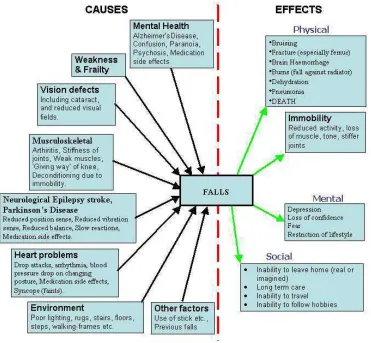
FIGURE 4 : CAUSES AND EFFECTS OF FALLS
22
mental and attitudinal characteristics. The risk factors for fall injury includes fall direction , low body weight and osteoporosis.
Balance dysfunction may result from impairment in peripheral sensory receptors for input, central nervous system structures that process input and, plan motor output ; and effector organs to carry out movement. In many elderly , there occurs overlapping of defects across the system thereby resulting in unsteadiness and falls.
The 3 major sensory system for balance includes : visual , somato- sensation, and vestibular function. Position of the body can be determined by visual functions like visual acuity, contrast sensitivity, adaptation in the dark, depth perception , and peripheral vision. Bifocal glasses can decrease visual acuity in significant region in front of the foot during walking. With aging, visual functions are affected by diseases like cataracts, macular degeneration and glaucoma. Dark adaptation can be reduced by medication leading to miosis or constriction of pupil.
23
FIGURE 5: CONSEQUENCES OF FALLS
.
24
system detect the posture of head in relation to gravity, monitor linear as well as angular acceleration of the head, synchronize head and eye movements to preserve gaze and visual field stability while in motion.. With aging, Vestibular system is impaired can occur and can be affected by head trauma or ischemia. In older adults, vestibular conditions like Meniere disease and benign paroxysmal vertigo are common.
The central nervous system has various components that contributes to balance. There are central pattern generators which includes structures in the spinal cord and brain stem .The brain structures controlling balance includes frontal cortex, cerebellum, motor cortex, basal ganglia,, and other areas. Balance can be affected by deterioration of brain region as in cerebellar degeneration and in the basal ganglia in Parkinson disease . The perfusion of brain determines the process controlled by it and hence inadequate levels of brain perfusion can affect processing of balance and gait. Therefore, syncope or presyncope leads to transitory cerebral hypoperfusion and falls. Example includes postural hypotension, critical aortic stenosis, tachyarrythmias and bradyarrhythmias.
25
frontal lobes and significant white matter tracts that connects frontal lobes and subcortical regions. This ischemia manifests radiologically as leukoaraiosis or white matter disease. This has been related with definite pattern of cognitive decline which involves slowing of psychomotor activities, inattention and decreased functions of execution like sequencing as well as visual spatial organization. These cognitive dysfunction leads to alteration in walking, particularly extremely uneven length and time of step and thereby causing falls. Therefore a promising theory of alteration in balance and gait owing to atypical nonamnestic cognitive function and mobility due to regional microvascular disease of brain has been emerging. This situation might manifest as uneven walking pattern and can amplified by incorporating stress on movement and cognition.
26
Tasks that concurrently stress cognition and mobility, constitute part of a promising theoretical approach to balance evaluation and are termed “dual tasking.” Increased fall risk occurs in elderly , whose performing capacity worsens significantly when they were asked concurrently and solve cognitive problems.
There is loss of righting reflex in some central nervous system diseases like extrapyramidal disease and some form of multisystem atrophy. Sedation, reduce attentiveness and attention. Therefore drowsiness and sedative medication increase fall risk in elderly. Psychological factors such as fear of falling and risk preferences are less specific but potentially important.
27
from lifting to clear obstacle with tripping and stumbling. Recently , there is an evidence that decrease vitamin D level can cause weakness of muscles and thereby falls . Reduced testosterone level can cause falls in elderly males less than 80 years. The range of movement is reduced in arthritis and also produces pain thereby leading to alteration in step and weight bearing . Fatigue, which may be widespread or restricted to muscle, contributes to instability. Malformations deform weight bearing surface of the foot and produces pain. Therefore acute condition like overworked muscles or chronic diseases related to exhaustion like anemia or congestive cardiac failure may enhance fall risk.
Any diseases affecting central nervous system leads to instability and thereby causing unexpected falls. Any disease which causes reduction in cerebral perfusion such as decrease in oxygen carrying ability, hypoxia or hypotension can cause light-headedness, instability, giddiness and falls .Toxic or metabolic abnormalities owing to infection, medication, or dyselectrolemia can present as instability and falls due to inattention. Instability can also be due to recent onset neurological defects like stroke. Older adults with predisposing subclinical stability disorder may have increased susceptibility to precipitating factors.
28
part of the body and as a whole. While standing, individual appears as a long tall column which rest on a small base of support. The most important task of mobility is to dislocate and restore the column when there is change in base of support. Therefore evaluation of balance include 2 major condition,
(1) static balance- the stability of fixed column above a steady base of support
(2) dynamic balance - the control of column and supporting structure while in motion .
The most important and characteristic dynamic balance task is walking. During walking, one leg supports the body, which is alternated by other leg that swing from back to in front of the body. Walking can be categorized by the pattern of steps which uses spatial factors like step length, step width and stride length .
29
movement of trunk and gait. Walking is also influenced by any modification in body segment and joints.
30
Stability is dependent on the complex execution of central integration, sensory, and musculoskeletal effector component. Predisposition to falls occur when the physiological changes which occur with aging are coupled with impairments and disease processes that affects these components. [29]. Auditory , visual, vestibular, and proprioceptive systems are most important sensory modality accountable for identifying hazards and orient the elderly in space.
31
detecting and interpreting auditory stimulus. It also helps in localizing and orienting the elderly in space, while there is impairment of other sensory modalities . Hearing loss is present in more than 50% of elderly persons .[34]. Spatial orientation during position changes is provided by proprioceptive system.
The proprioceptive system include apophyseal joint mechanoreceptor, posterior column, various central nervous system associations and peripheral nerves. Peripheral neuropathy due to various causes is common among older adults. Cervical degenerative disease includes rheumatoid arthritis or spondylotic changes, whiplash injuries are the predisposing factors for cervical disorders in elderly. The central nervous system channel input from a variety of sensory modalities to the efferent component of musculoskeletal system. Several central nervous system disease contributes to unsteadiness and falls due to their multiple connections and complexity. The central nervous system diseases related to greater fall risk includes normal pressure hydrocephalus, stroke and Parkinson’s disease.
32
of white matter and gait disorders , even in the lack of impairment in cognition.[35] .Fall risk in an individual is also increased in some impairment inside the musculoskeletal system which includes muscles, joints as well as bones. Diseases associated with falling includes hemiparesis, myopathies and arthritis. The risk of falling in arthritis occurs due to several mechanisms such as periarticular muscle weakness of muscles, compromise in proprioception owing to worsening of joint mechanoreceptors as well as pain. The risk of falling is significantly increased in ankle, hip and knee weakness[36].
The postural stability is maintained by alternating flexion and extension of lower limb muscles. Elderly individuals with weakness of ankle dorsiflexion, tends to fall backwards with minimum dislocation.
Smaller posterior base of support also predisposes elderly persons to fall backward. Foot abnormality provides inaccurate proprioceptive information and adversely affects gait pattern . Many systemic illness gives rise to instability by
-impairment of neurologic, sensory , musculoskeletal functions - decrease in cerebral oxygen carrying capacity or perfusion - Confusion.
33
Compromise in cerebral blood flow occurs in Postural hypotension resulting in instability [37]. In community living elderly above age of 65 years, prevalence of orthostatic hypotension ranges from 10% to 30%. Orthostatic hypotension has multiple factors. The causative factor for Postural hypotension include changes in autonomic function with ageing, reduced renin-angiotensin reaction to erect position, reduced baroreceptor sensitivity, salt along with water depletion as well as decreased venous and lymphatic return. Other contributing factors include effects of disease like Parkinson’s disease or diabetes, and use of medication like neuroleptics, antidepressants ,antihypertensive, diuretics as well as nitrates. Orthostatic hypotension is considered when an individual falls during movement from lying or sitting to standing position.
Postprandial hypotension is an additional defect occuring in changes in blood pressure. The probable aetiology can be due to lack of ability to compensate for splanchnic blood pooling following food.
34
and tranquilizer.[38,39]. Both tricyclic antidepressants and selective serotonin reuptake inhibitors (SSRIs) are concerned in falls and hip fracture.[40]. Furosemide , type 1A antiarrhythmics, in addition to digoxin are some the of drugs related to falls in elderly[41]. Any changes in the dosage and quantity of drugs can also contribute to falls in elderly. [42]. Alternatively , data suggest that postural unsteadiness, is mainly widespread presentation of adverse drug reaction in elderly.[43,44].
SITUATIONAL FACTORS
In the older adults, fall is considered as a nonspecific presentation of acute disease. Falls can be precipitated in acute febrile illnesses and chronic disease exacerbation by temporarily impairing stability. Reduction in cerebral blood flow and unconsciousness occur in some cardiac dysrhythmias, thereby resulting in fall in the elderly. Syncopal and nonsyncopal falls are contributed by Carotid baroreceptor hypersensitivity. Drop attack is one type of fall. Drop attack refer to abrupt loss of postural tone with no loss of consciousness.
35
falls occur during usual, nonhazardous activities like walking, varying position, or during performance of fundamental actions of daily living. Some of the falls in elderly take place during dangerous actions such as climbing on ladders or participation in sports.
Among community- dwelling older adults, ecological factors rise give to most of the falls. It is difficult to ascertain the role of environmental factors. More than seventy percentage of falls by elderly living in community take place at their residence. 10% falls take place on staircase, with descending more hazardous than ascending.[45]. Environmental risks consist of lifting heavy items and negotiate obstacle, poor lighting and smooth floor, [46] .Other potential hazards include Slippery or improperly fitting shoes. Patterns on the walls or floor, can either disfigure or lead to improvement in visual acuity.[47]
36
FIGURE 7: INDIVIDUAL RISK FACTORS FOR FALLS
37 NURSING HOMES
IMMEDIATE CAUSES
In nursing home residents, occurrence of impairment is high in elderly living in community and this explains higher frequency of falls .Increased risk of fall occurs in nursing home residents due to greater quantity of impairments and disease acquired by them.[48].
SITUATIONAL FACTORS
38
Bed rail which can be climbed above, chairs that are either low or spongy and beds that are either too low or high can be dangerous. Furniture may also be hazardous contributing to falls. Many studies have shown that falls are likely, but are not unavoidable in nursing home surroundings. The impact of falls can be minimized by implementing structured and standardized security program[50].
RISK FACTORS FOR FALL INJURY
39
of the fall that increases probability of fractures include height of the fall, rigidity of the landing surface, decreased body mass index (BMI) and height of the fall[63–65].
FIGURE 8 : FALL AND FALL RELATED INJURIES
EVALUATION AND MANAGEMENT
40
appropriate fall-related morbidity like fear, inability to get up and serious injury. The Quality
Indicators for Assessing Care of the Elderly (ACOVE) project is an evidence-based approach in managing and preventing falls.[65-67]. Eventhough aetiology and risk factor for falls are same in the community residents and nursing home inhabitants, the incidence and modifiability of causative risk factors might vary among them.
COMMUNITY
Identification of the possible contributing factors forms the initial step in assessing elderly who had a fall or who are at danger for falling
.[68,69]. The subsequent components of assessment affords additional information :
(1) Careful evaluation of predisposing risk factor and disease; (2) Balance and gait evaluation; and
41 RISK FACTOR ASSESSMENT Risk factor assessment includes
- History
- Visual screening - Hearing screening - Review of medications - Balance assessment - Gait assessment
FALL EVALUATION
FIGURE 9: EVALUATION OF FALLS
HISTORY AND EXAMINATION The fall
examination intended at identif to falls. In older adults,
be nonspecific
42 FALL EVALUATION
FIGURE 9: EVALUATION OF FALLS
HISTORY AND EXAMINATION
fall risk evaluation begin with history and physical examination intended at identification of risk factors which predisposes to falls. In older adults, the signs and symptoms of specific diseases may
or vague. For example, elderly with vest
43
impairment can complain of unsteadiness or giddiness and patients with non vestibular disorders may present with vertigo and hence careful evaluation of all causative factors is important. Fall risk can be decreased by ameliorating many causative factor as possible.
44
Impairment in Vestibular function is often not easy to diagnose from simple medical test. If an elderly complain of vertigo, instability with specific head positions or in the dark , then vestibular contribution to loss of stability must be thought . Dix–Hillpike maneuver can be done to provoke vertigo if vestibular problems are suspected . Selected patients should be referred to otolaryngology for full vestibular testing or to audiology for whole hearing assessment.
45
of muscle weakness. Any arthritis or musculoskeletal system disorder can cause risk of falls in elderly. Elderly patients with arthritis of knee joint might complain of falls for the reason that their “knee gave out.”
Older adults with distal weakness will complain of frequent tripping and with proximal muscle weakness will complain of complexity reaching in and out of the chairs, as well as while climbing stairs. Foot problems affecting gait pattern and reduction in proprioception have to be recognized. Among community dwelling older persons, orthostatic hypotension have not been recognized as a recurrent factor increasing risk for falls. So any change in blood pressure with posture change have to be a part of fall risk factor evaluation. Older adults might complain of vague sensations or light headedness on posture change, prolonged standing, or walking, even though several persons with considerable postural hypotension might not be symptomatic and are not aware of drop in blood pressure. Some of these persons can have associated disease like diabetes or Parkinson’s disease .[PD]
46
complaints, reduced concentration, or lack of interest. The most important part of fall risk evaluation includes careful medication review. The assessment includes direct recording of all prescribed medications, and verification of dosage and time of each drug. In addition, Over-the-counter drugs like nonsteroidal anti-inflammatory agents, sedative-hypnotics and cold preparations must be ascertained. Medication side effects including fatigue, weakness, confusion, postural hypotension or light headedness should also be elicited from the patient.
If an elderly give a history of “just going down” or falls with head turn or look up, then Carotid hypersensitivity have to be suspected. Carotid sinus massage should be performed , if there is no indication of cerebrovascular disease or cardiac conduction defect, if carotid sinus syndrome is suspected, and if the process is judged secure inolder adults. Carotid sinus syndrome may be defined as more than a 3-s sinus pause or when there is more than 5 mmHg decrease in systolic blood pressure. INVESTIGATIONS
47
should be measured. Lab investigation have to be supported by history and physical examination. Falls among community living elderly are a nonspecific manifestation of an acute disease in approximately 10% of cases. Potentially useful tests like chest x-ray, urine analysis and blood cultures, electrocardiogram, cardiac enzymes should also be done.
When focal abnormality are prominent on neurologic examination, brain imaging with computed tomography or magnetic resonance imaging is necessary. Cervical spine films might be supportive in elderly with lower extremity spasticity, impairment in gait, and hyperreflexia indicative of cervical spondylosis. Lateral measurement of spinal canal of less than 12mm is indicative of major encroachment on the cervical cord . Holter monitoring is not necessary for regular assessment of nonsyncopal falls.
BALANCE AND GAIT EVALUATION
48
49 REVIEW OF FALL SITUATION
Another part of fall assessment is cautious re-evaluation of fall situation. Intrinsic factors for fall includes vertigo, or unsteadiness, feelings of light headedness, recent drug, principally focusing on latest changes, postural hypotension, previous alcohol use , symptom of acute disease or dysrhythmias. Accurate explanation of movement during fall is important .[73]. Detailed history regarding circumstances of fall should be elicited. The goal of intervention for falls occurring during usual and comparatively safe activities requires improvement in safety and efficiency of the manoeuvre at the time of falls. Falls occurring while performing more hazardous activities can be prevented by substitution of safer activities or avoidance .
Environmental facts that have to be ascertained include
- Obstacles in immediate vicinity of the fall
- floor or ground surface;
- the volume and intensity of lighting;
- Footwear, includes fit ,heel height, type of sole;
- objects being carried;
50
Home safety assessment and cautious re-evaluation of particular fall circumstances can disclose corrective environmental hazard.
INTERVENTIONAL STUDIES
Assessment of Risk factor without intervention does not appear to be effective. Attention to the subsequent factor are mostly helpful:
- Balance, transfer, strength, and gait training;
- environmental adaptation;
- Reduction in drugs , principally psychoactive medication;
- postural hypotension, and other cardiovascular and medical problems;
- management of visual deficits
MINIMIZATION OF MEDICATIONS
Multiple drugs have been associated with increased fall risk in the
elderly. Strongest relations happen by means of polypharmacy and
psychotropic drugs. The strongest evidence supports withdrawal of
psychotropic medication, as a distinct intervention and as a part of
multifactorial and multicomponent intervention. Dose reduction should
be considered if discontinuation of high-risk drug is impossible due to
medical circumstances. Even though most of the clinicians consider that
51
than tricyclic antidepressants, it has been said that SSRIs enhance risk
of falls similar to tricyclic antidepressants. Decrease use of
psychotropic drugs as a distinct intervention , and
evaluation, modification ,and discontinuation of drug as part of a
multiple factor intervention has been found to be efficient in reducing
falls.
EXERCISE PROGRAM
A variety of exercise type have been investigated,
both group and individual exercises, which can be used alone or in
combination are strength training, balance training , flexibility , tai chi,
and cardiovascular, survival, and fitness instruction . Many studies have
said that exercise, in the type of resistance guidance and balance, gait,
and coordination training, is useful in decreasing fall events. Exercise
should also be incorporated as part of a multicomponent or
multifactorial intervention for preventing falls in elderly and can be
considered as a distinct intervention. Exercise may be further useful when
used with other intervention. Many exercise programs were related to less
falls in multicomponent and multifactorial studies. Exercise programs
have to be initiated with care since various studies have revealed that
exercise might enhance the fall rates in elderly with restricted
52 TREATING VISUAL IMPAIRMENT
Age related changes includes change in visual acuity, macular
degeneration, cataracts, glaucoma, and other situation that may have a
consequence on fall risk. When the patient has visual problems , their
vision should be evaluated , and treatable visual abnormality have to be
corrected. Accordingly a study showed , no evidence that referring
community living elderly for visual correction was efficient in
decreasing the number of falls..
MANAGING POSTURAL HYPOTENSION
Postural hypotension is related to increased risk for falls in elderly.
It mainly occur due to use of concomitant drugs, dehydration, and
autonomic neuropathy. Several multifactorial fall prevention programs
useful for prevention of falls incorporated drug reduction and
simplification to alter postural blood pressure, specific strategy like
elastic stockings, hydration, abdominal binders, and drugs(e.g.,
fludrocortisone and midodrine). Management of orthostatic hypotension
have to be integrated as a part of multiple factors intervention among
53
MANAGING HEART RATE AND RHYTHM ABNORMALITIES
The major cardiovascular diseases related to falls are vasovagal
syndrome, carotid sinus hypersensitivity, bradyarrhythmias and
tachyarrhythmias. It can be explained by 2 mechanisms. been proposed.
The first is temporary unconsciousness with memory loss and the patient
has no remembrance of episode of syncope; and this occurs with postural
hypotension and carotid sinus hypersensitivity. About 70% of falls in
elderly are unnoticed and they might present with a details of a fall and
not syncope. The other projected method is , of transitory hypotensive
situations, owing to primary hypotension or hypotension due to
arrhythmias. Thus an elderly person with impairment of gait and balance ,
falls without syncope . syncope. Bradycardia can be treated by cardiac
pacing. .
VITAMIN D SUPPLEMENTATION
Vitamin D deficiency is widespread in elderly and it
causes impairment of muscle power and functions of neuromuscular
system . Several meta-analyses and RCTs have revealed use of vitamin
D supplementation in prevention of falls is different from its
consequence on bone strength. Many studies have revealed its use even in
elderly with normal serum vitamin D levels. Since vitamin D is harmless
and economical, elderly with supposed vitamin D deficiency have to be
54
addition , vitamin D should be supplemented at desired levels in all
elderly.
MANAGING FOOT AND FOOTWEAR PROBLEMS
Foot problems are frequent in elderly and are related to impairment
in balance and performance. Severe foot problems like moderate or
severe bunions, toe deformity, ulcer or distorted nail influence elderly to
fall. In addition, foot posture alertness is considerably decreased in
elderly. The form and state of footwear might also give rise to the fall
risk in elderly. Footwear that is illfitting, has worn soles, has high heels,
or is not laced or buckled when worn has been related to increased fall
risk. Shoes with low heel height and high surface contact area might
decrease fall risk.
MODIFICATION OF HOME ENVIRONMENT
Environmental hazard are any items or situation in the
surroundings that increases fall risk in elderly . It can be inside the
residence and ground or can be away from residence . Identification and
alleviation of ecological hazard has been elective constituent of several
fall preventive programs. Screening of residence surroundings with
follow-up for alterations by a healthcare expert is an efficient targeted
55
home risk assessment by skilled persons, elimination or alteration of
identified risk, setting up of security devices like handrail on staircase and
clutch bar on bathrooms, and increasing lights.
PROVIDING EDUCATION AND INFORMATION
Many fall prevention programs consist of instructive
and health promoting mechanisms. Educating the patient and caregiver
may be considered as primary and secondary preventive methods and is
significant for carrying out and continued utilization of fall preventive
strategies. Several useful programs consists of opportunity for elderly to
access fall prevention resources and to implement particular activities so
as to sustain or improve health or put up fall prevention skill .
PREVENTION AND THERAPY
Prevention of falls includes
- Primary prevention
- Secondary prevention
Falls can be prevented by assessing the risk factors and
appropriate interventions are required – multifactorial risk assessment and
56
FIGURE 10 : FALL PREVENTION
FIGURE 11 : PREVENTION OF FALLS IN COMMUNITY
57
58
59
For instance , fall prevention interventions carried out by qualified physiotherapist consists of , recommendation and teaching the suitable use of Assistive devices, training in muscle-strengthening and balance training , transfer and gait training, and a home safety assessment with recommendation for adjustment and alteration.[75]. Treatment of osteoporosis is important for the preventing fall-related fractures. Fall assessment is suggested for the elderly who had hip fracture.[76]. One of the severe effects of falls among older adults are hip fractures. Hip fractures can be prevented by additional padding through the utilization of hip protectors[77]. These devices were recently shown to decrease the hazard of hip fracture in frail mobile elderly and develop self-efficacy in high risk community living elderly .[78]
NURSING HOME
60 RISK FACTOR ASSESSMENT
Among nursing home residents, medical assessment intended at identification all the risk factors contributing to fall , forms the cornerstone of evaluation[79]. The fall risk is increased with increased amount of impairments and hence eliminating or ameliorating risk factors may decrease risk of falls.[80]. Among elderly living in nursing homes, , careful examination of risk factors is essential since the nature of disease and amount is more severe in elderly living in nursing homes than those living in the community. Among nursing home residents with impaired cognition, presentations are vague and therefore their history is often not reliable. [81]
INVESTIGATIONS
61
BALANCE AND GAIT EVALUATION
Evaluation of balance and gait among elderly living in nursing homes has same part as those living in community. Several validated and reliable assessment tools have been developed for use among frail elderly in hospitals and in nursing homes. [82]
REVIEW OF FALL SITUATIONS
62 PREVENTION AND THERAPY
The strong association between falling and medications needs repeated review of prescriptions and alteration. The main aim is to decrease the dosage and Quantity of drugs taken by elderly living in nursing homes.. Decreasing the use of psychotropic drugs and educating the workers to carry out safe transfer can prevent falls in nursing homes residents.
ENVIRONMENTAL ASSESSMENT
63 FALL CLINICS
Falls constitute one of the components of geriatric
syndrome and therefore , fall clinics have been created. In-depth
examination and assessment of fallers are done so that significant
physiological and pathological problems may be addressed and
appropriate intervention planned. In fall clinics , the diagnostic precision
and outcome of interventions is significantly greater than in
non-specialized clinics.
EXERCISE
There are identified optimistic effect of exercise which
includes decline in cognitive impairment, , reduce dysphoria and
behavioural disorder, improve function, decrease falls, fall related
injuries and fear of faling, reverses sarcopenia, slow loss of bones,
decrease frailty, decrease pain, enhance sleep, reduce constipation and
incontinence, , get better glycaemic control and quality of life. Therefore
exercise is often prescribed by primary care physician. The norm for a
minimal effective exercise dose would associate to a twice-weekly
64
Intensity and incidence of exercise is dependent on fitness of the
patient. A fit eldery can execute 30–60 minutess of moderate activity 5–
7 days per week. Ill fit elderly have to do moderate activity which will
enhance heart rate 55–69% . Activity less than 10 minutes might be
allowed with steady rise. In view of devastating facts on the efficiency of
moderate-high intensity balance training, clinicians can advise a simple
balance training- For example, join dancing or Tai chi group exercise or
have the person stand on one leg holding on to a stable object and then
shut their eyes four times on each leg.
SUMMARY
65
programs is to reduce the risk factors for falls and injuries with no compromise in mobility or function.
66
MATERIALS AND METHODS STUDY CENTRE:
Madras Medical College and Rajiv Gandhi Government General Hospital, Chennai
ETHICAL COMMITTEE APPROVAL:
Ethical committee clearance obtained from Institutional Ethical Committee of MADRAS MEDICAL COLLEGE held on 3.06.2014 STUDY DESIGN:
Hospital based Cross sectional study
PERIOD OF STUDY:
3 months
STUDY POPULATION:
200patients
INCLUSION CRITERIA:
Age ≥65 years of age
EXCLUSION CRITERIA:
1. Patients with acute illness
67 3. Patients with severe dementia 4. Patients with severe depression
5. Patients with previous history of stroke and lower limb muscle weakness
DETAILS OF THE STUDY:
This study includes 200 elderly patients attending geriatric outpatient department in RGGGH,chennai. Patients were selected according to inclusion and exclusion criteria. Relevant history like h/o falls, polypharmacy, associated comorbid conditions were obtained. Cardiovascular, Neurological and Musculoskeletal examinations, vision and hearing screening was done. To assess balance and to test lower limb muscle strength, Fall risk assessment tools like TUG,4 Stage Balance Test, 30 Second Chair Stand Test were done.
68 RESULTS
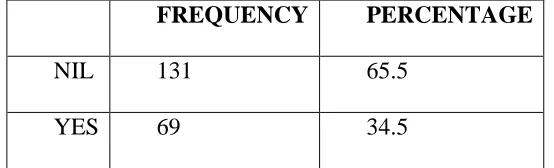
[image:79.595.178.455.224.308.2]PREVALENCE OF FALLS- TOTAL[ out of 200 patients 69 (34.5%) had falls.]
TABLE 1 : PREVALENCE OF FALLS
FREQUENCY PERCENTAGE
NIL 131 65.5
YES 69 34.5
FIGURE 12 : PREVALENCE OF FALLS
Among 200 elderly patients aged ≥ 65 years, 69 patients had falls. In our study , the Prevalence of falls among elderly attending geriatric out patient department was 34.5%.
65.5 34.5
[image:79.595.112.544.381.646.2]PREVALENCE OF FALLS
[image:80.595.201.431.246.366.2]Falls may be due to extrinsic or intrinsic causes. In our study, 30 patients had fall due to extrinsic cause and 39 patients had fall due to intrinsic cause.
TABLE 2 : EXTRINSIC AN
YES
TOTAL
FIGURE 13 : EXTRINSIC AND INTRINSIC RISK FACTORS
Our study included 200 elderly patients
had intrinsic causes and 43% of patients had extrinsic causes for
57%
69
PREVALENCE OF FALLS -- EXTRINSIC AND INTRINSIC
[image:80.595.128.561.437.693.2]Falls may be due to extrinsic or intrinsic causes. In our study, 30 patients had fall due to extrinsic cause and 39 patients had fall due to
TABLE 2 : EXTRINSIC AND INTRINSIC RISK FACTORS
FALLS FREQUENCY PERCENT
NIL 131 65.5
YES-E 30 15.0
YES-I 39 19.5
TOTAL 200 100.0
13 : EXTRINSIC AND INTRINSIC RISK FACTORS
study included 200 elderly patients ≥ 65 years. 57% of patients
had intrinsic causes and 43% of patients had extrinsic causes for
43% EXTRINSIC AND INTRINSIC
Falls may be due to extrinsic or intrinsic causes. In our study, 30 patients had fall due to extrinsic cause and 39 patients had fall due to
D INTRINSIC RISK FACTORS
13 : EXTRINSIC AND INTRINSIC RISK FACTORS
65 years. 57% of patients had intrinsic causes and 43% of patients had extrinsic causes for
70
falls. Falls due to extrinsic causes contributed to 15% and falls due to intrinsic causes of contributed to 19.5%.
AGE WISE DISTRIBUTION OF FALLS
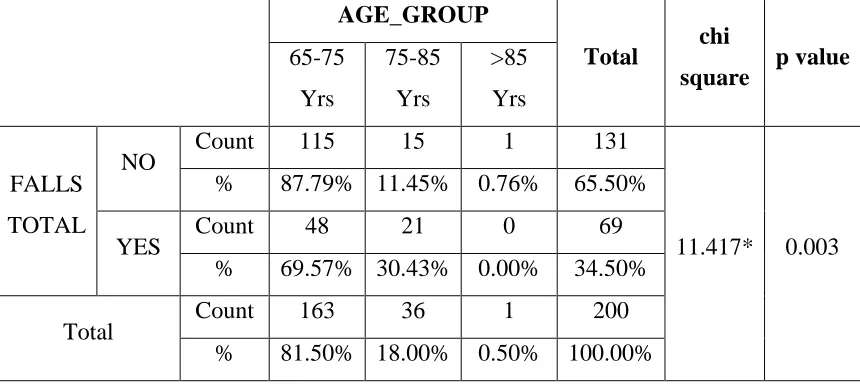
[image:81.595.109.539.338.532.2]In our study population, 163 patients were aged between 65-75 years ; 36 patients were aged between 65-75-85 years ; 1 patient above 85 years of age
TABLE 3 : AGE WISE DISTRIBUTION OF FALLS
AGE_GROUP
Total chi
square p value
65-75 Yrs
75-85 Yrs
>85 Yrs
FALLS TOTAL
NO Count 115 15 1 131
11.417* 0.003 % 87.79% 11.45% 0.76% 65.50%
YES Count 48 21 0 69
% 69.57% 30.43% 0.00% 34.50%
Total Count 163 36 1 200
% 81.50% 18.00% 0.50% 100.00% *Significant at p<0.01
71
PERCENTAGE DISTRIBUTION OF AGE GROUPS
[image:82.595.110.544.245.516.2]In our study group, 82% of patients were aged between 65-75 years; 18% were aged between 75-85 years and 1% above 85 years of age.
FIGURE 14 : PERCENTAGE DISTRIBUTION OF AGE GROUPS
82%
18%
1% 0%
10% 20% 30% 40% 50% 60% 70% 80% 90%
65-75 Yrs 75-85 Yrs Above 85 Yrs
Percentage distribution of Age groups
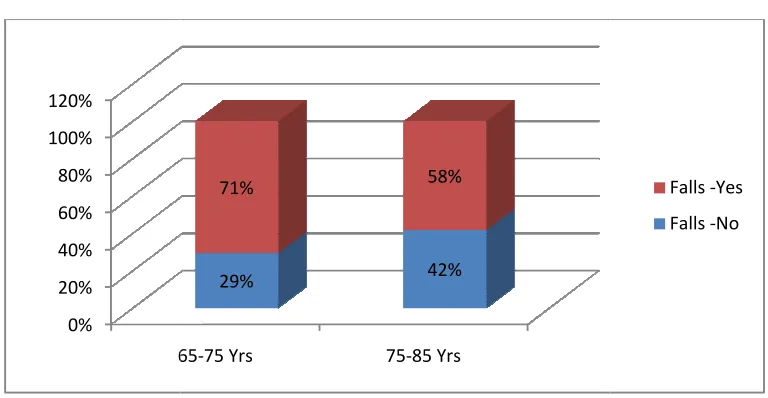
FIGURE 15 : AGEWISE DISTRIBUTION OF FALLS
SEX WISE DISTRIBUTION OF FALLS
Our study population included 100 male patients and 100 female patients
FIGURE 16 : GENDER DISTRIBUTION
0% 20% 40% 60% 80% 100% 120%
65
72
15 : AGEWISE DISTRIBUTION OF FALLS
SEX WISE DISTRIBUTION OF FALLS
Our study population included 100 male patients and 100 female
FIGURE 16 : GENDER DISTRIBUTION
65-75 Yrs 75-85 Yrs
29% 42%
71% 58%
15 : AGEWISE DISTRIBUTION OF FALLS
Our study population included 100 male patients and 100 female
Falls -Yes Falls -No
[image:83.595.126.511.509.764.2]