NATURAL POLYMERS
A dissertation Submitted toThe Tamil Nadu Dr. M.G.R. Medical University
Chennai - 600 032
In partial fulfillment for the award of Degree of
MASTER OF PHARMACY
(Pharmaceutics)
Submitted by
L.LAKSHMIKANDTH
(Register No: 26116007)Under the Guidance of
Mr. K. SUNDARAMOORTHY,
B. Sc
., M. Pharm., Professor, Department of PharmaceuticsADHIPARASAKTHI COLLEGE OF PHARMACY
(ACCREDITED BY “NACC” WITH A CGPA OF 2.74 ON A FOUR POINT SCALE AT “B” GRADE)
CERTIFICATE
This is to certify that the research work entitled“STUDIES ON FORMULATION
AND CHARACTERIZATION OF ACYCLOVIR SUSTAINED RELEASE MATRIX
TABLETS BY USING NATURAL POLYMERS’’ submitted to The Tamil Nadu
Dr.M.G.R. Medical University, Chennai in partial fulfillment for the award of the Degree of the Master of Pharmacy (Pharmaceutics) was carried out by L.LAKSHMIKANDTH (Register No. 26116007) in the Department of Pharmaceutics under my direct guidance and supervision during the academic year 2012-2013.
Place: Melmaruvathur Mr. K. SUNDARAMOORTHY, B. Sc., M.Pharm,
Date: Professor, Department of Pharmaceutics, Adhiparasakthi College of Pharmacy,
This is to certify that the dissertation entitled “STUDIES ON FORMULATION
AND CHARACTERIZATION OF ACYCLOVIR SUSTAINED RELEASE MATRIX
TABLETS BY USING NATURAL POLYMERS” the confide research work carried out by L.LAKSHMIKANDTH (Register No. 26116007) in the Department of Pharmaceutics, Adhiparasakthi College of Pharmacy, Melmaruvathur which is affiliated to The Tamil Nadu Dr. M.G.R. Medical University, Chennai, under the guidance of Mr.K.SUNDARAMOORTHY, B.Sc., M.Pharm., Professor, Department of Pharmaceutics, Adhiparasakthi College of Pharmacy, during the academic year 2012-2013.
Place: Melmaruvathur Prof., (Dr.) T. VETRICHELVAN, M. Pharm., Ph.D.,
Date: Principal,
Adhiparasakthi College of Pharmacy,
Dedicated
To
My beloved Parents
ACKNOWLEDGEMENT
First and foremost, I wish to express my deep sense of gratitude to His Holiness
ARULTHIRU AMMA for his ever growing Blessings in each step of the study.
I wish to express my sincere thanks to our respected Vice-President,
THIRUMATHI V. LAKSHMI BANGARU ADIGALAR, ACMEC Trust, Melmaruvathur, for
her excellence in providing skillful and compassionate spirit of unstinted support for carrying out
this research work.
I would like to thank God for showing his blessings upon me by providing me this
opportunity to excel one step further in life.
I wish sincere thanks to Mr. K. SUNDARAMOORTHY, B.Sc., M.Pharm, Professor,
Department of pharmaceutics, Adhiparasakthi College of Pharmacy, Melmaruvathur, as Guide,
who with his dynamic approach boosted my moral, which helped me to a very great extent in the
completion of this dissertation.
I wish to extend my sincere thanks to Prof., Dr. T. VETRICHELVAN, M. Pharm., Ph.
D., Principal, Adhiparasakthi College of Pharmacy, Melmaruvathur, for providing invigorating and
conducive environment to pursue this research work with great ease.
I express my thanks to Prof.(Dr.) S.SHANMUGAM, M.Pharm., Ph.D.,
Mr.T.AYYAPPAN, M.Pharm., Assistant Professor, Department of Pharmaceutics,
Mr.K.ANANDAKUMAR, M.Pharm, Assistant Professor, Department of Pharmaceutical
Analysis and non-teaching staffs
Mrs. S. KARPAGAVALLI, D. Pharm., and Mr. M. GOMATHI SHANKAR, D. Pharm.,
I gratefully forward my affectionate thanks to my father MR.
V . C .LAKSHMANAN, my b e l a t e d mother Mrs. L . G E E T H A V A N I , brother,
and my uncles for their frequent prayers, which has sustained me a lot in the
successful completion of my project work.
I am thankful to my colleague, my Dear Friends, for being a great source of help
whenever I needed and for sharing their ideas and extending support during the course of study.
Finally, I can hardly find any words enough to express gratitude to My Parents, my ever
loving, affectionate Family members especially brother, sister-in-law and Relatives whose
tremendous encouragement, support, prayer, and love which has proved to be a real source of
inspiration, and will remain so for the life to come, without which it would have been impossible
for me to achieve this success.
Above all “Thank you” to the Almighty, who has given me this opportunity to extend my
gratitude to all those people who have helped me and guided me throughout my life. I bow my head
in complete submission before him for the blessings poured on me.
CHAPTER
TITLE
PAGE
NO.
1 Introduction
1.1 Sustained Release drug delivery system 1
1.2 Fundamentals for a drug to be suitable for design of
Sustained release dosage form.
6
1.3 Factors influencing of sustained release products 6
1.4 Properties relevant to Sustained Release Drug
formulations
7
1.5 Polymers used in Sustained Release Pharmaceutical
Dosage Forms
10
1.6 Principle behind Sustained drug release 11
1.7 Matrix Systems 17
1.8 Factors influencing selection of polymer 21
1.9 Tablets 21
1.10 Introduction of Antiviral 25
1.11 Viruses and Their Characteristics 25
1.12 Stages of Viral Infection 26
1.13 Viral classification 27
1.13.1 Viral Duration and Severity 27
1.14 Viral Life Cycle 28
2 Need and objectives
2.1 Need of the present work 31
2.2 The objectives of this study 33
3 Plan of work 34
4 Review of Literature 36
5 Materials
5.1 Raw material used 39
5.5 Excipients profile 53
6 Experimental work
6.1 Preformulation studies 59
6.2 Formulation of sustained release matrix tablet of Acyclovir 66
6.3 Evaluation of sustained release matrix tablet of Acyclovir 68
6.4 Stability studies 72
7 Results and discussion
7.1 Preformulation parameters 74
7.2 Evaluation of sustained release matrix tablet 91
7.3 Kinetic studies 105
7.4 Stability study 110
8 Summary and conclusion 115
9 Future prospects 117
FIGURE
NO. CONTENTS
PAGE NO.
1 Plasma concentration Vs time profile from conventional multiple and
single doses of sustained release drug delivery formulations 4
2 Osmotically controlled release systems 16
3 Drug release mechanism of matrix tablet 19
4 Pathology of viral life cycle 28
5 Various classes of anti-viral agents against the virus life cycle 29
6 Structure of Acyclovir 41
7 Mechanism of Acyclovir 43
8 Structure of Xanthan gum 58
9 Structure of Sodium Alginate 50
11 Structure of Chitosan 52
12 Schematic representation of compatibility studies 62
13 λmax observed for Acyclovir in Distilled Water 75
14 Standard graph of Acyclovir in Distilled Water 77
15 λmax observed for Acyclovir in 0.1N HCl 77
16 Standard graph of Acyclovir in 0.1N HCl 79
17 λmax observed for Acyclovir in Phosphate buffer pH 7.4 79
18 Standard curve of Acyclovir in Phosphate buffer pH 7.4 81
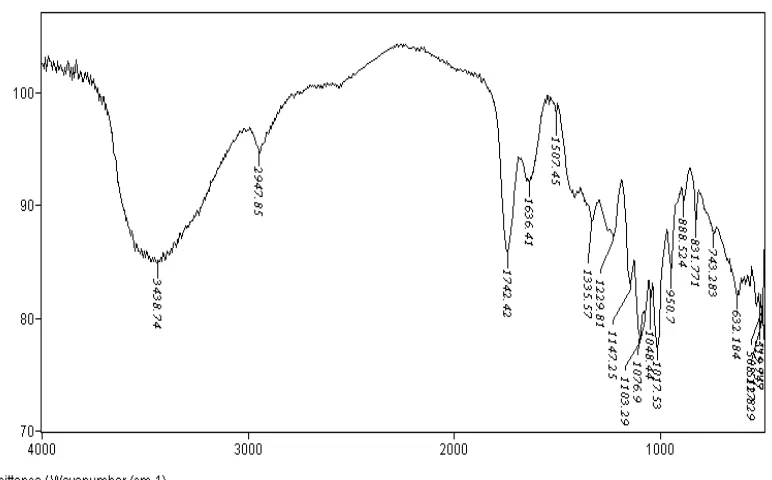
19 FTIR Spectrum of pure drug Acyclovir 82
20 FTIR Spectrum of Acyclovir with Xanthan Gum 83
21 FTIR Spectrum of Acyclovir with Sodium Alginate 84
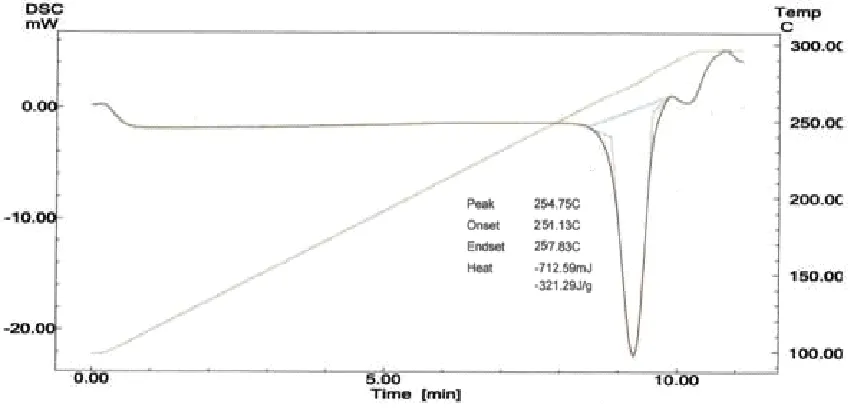
24 DSC Curve of Acyclovir with Xanthann Gum 86
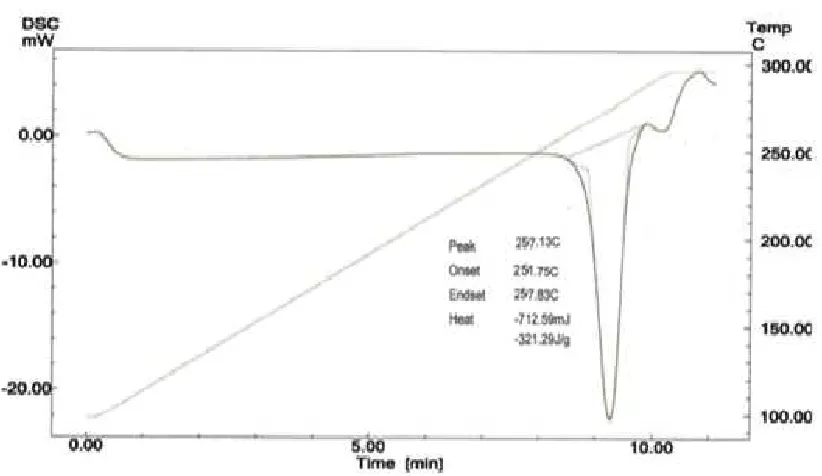
25 DSC Curve of Acyclovir with Sodium Alginate 86
26 DSC Curve of Acyclovir with Chitosan 87
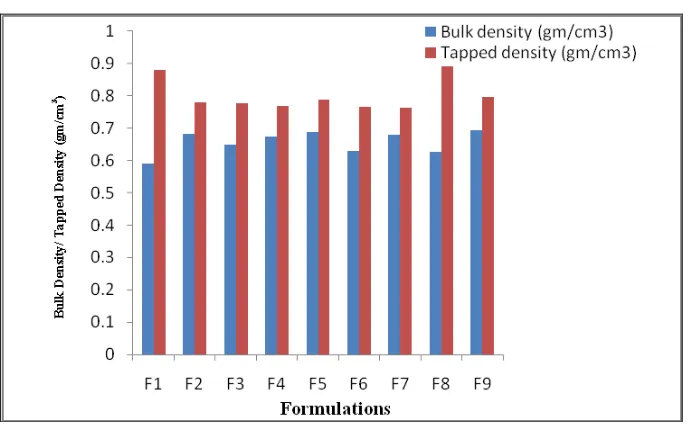
27 Comparison of Physical Characteristics of Bulk density and Tapped
density for formulations F1 to F9 89
28 Comparison of Physical Characteristics of Carr´s index for formulations
F1 to F9 89
29 Comparison of Physical Characteristics of Hausner’s ratio for
formulations F1 to F9 90
30 Comparison of Physical Characteristics of Angle of repose for
formulations F1 to F9 90
31 Comparison Study of Tablets Thickness & Hardness for Formulations
F1to F9 92
32 Comparison Study of Tablets Friability for Formulations F1to F9 93
33 Comparison Study of Tablets of Drug Content for Formulations F1to F9 94
34 In-vitro Drug Released profile curve for formulations F1 to F3 96
35 In-vitro Drug Released profile curve for formulations F4 to F6 98
36 In-vitro Drug Released profile curve for formulations F7 to F9 100
37 In-vitro Drug Released profile curve for formulations F1, F4, andF7 100
38 In-vitro Drug Released profile curve for formulations F2, F5, and F8 101
to F9
41 Best fit model (Zero) of formulation F1 105
42 Best fit model (Zero) of formulation F2 106
43 Best fit model (Peppas) of formulation F3 106
44 Best fit model (Peppas) of formulation F4 107
45 Best fit model (Peppas) of formulation F5 107
46 Best fit model (Peppas) of formulation F6 108
47 Best fit model (Zero) of formulation F7 108
48 Best fit model (Zero) of formulation F8 109
49 Best fit model (Zero) of formulation F9 109
50
Comparisons of Hardness before and after stability period at room
temperature (25
0
C ± 2
0
C / 60% RH ± 5%)
111
51
Comparisons of drug content before and after stability period at room
temperature (250 C ± 2
0
C / 60% RH ± 5%)
room temperature (25 C ± 2 C / 60% RH ± 5%)
53
Comparisons of Hardness before and after stability period at
Accelerated temperature (40
0
C ± 2
0
C / 75% RH ± 5%)
112
54
Comparisons of drug content before and after stability period at
Accelerated temperature (40
0
C ± 2
0
C / 75% RH ± 5%)
113
55
Comparisons of in vitro-drug released before and after stability period
at Accelerated temperature (400 C ± 20 C / 75% RH ± 5%)
113
56
Comparisons of drug content before and after stability period at Room
temperature and Accelerated temperature
114
57
Comparisons of in vitro drug released before and after stability period
at Room temperature and Accelerated temperature
TABLE
NO.
CONTENTS PAGE
NO.
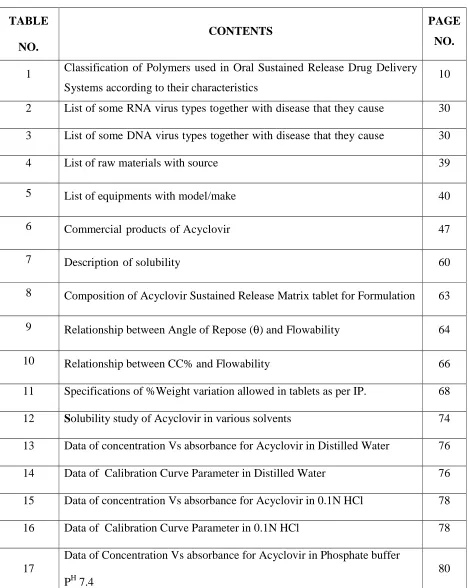
1 Classification of Polymers used in Oral Sustained Release Drug Delivery Systems according to their characteristics
10
2 List of some RNA virus types together with disease that they cause 30
3 List of some DNA virus types together with disease that they cause 30
4 List of raw materials with source 39
5 List of equipments with model/make 40
6 Commercial products of Acyclovir 47
7 Description of solubility 60
8 Composition of Acyclovir Sustained Release Matrix tablet for Formulation 63
9 Relationship between Angle of Repose (θ) and Flowability 64
10 Relationship between CC% and Flowability 66
11 Specifications of %Weight variation allowed in tablets as per IP. 68
12 Solubility study of Acyclovir in various solvents 74
13 Data of concentration Vs absorbance for Acyclovir in Distilled Water 76
14 Data of Calibration Curve Parameter in Distilled Water 76
15 Data of concentration Vs absorbance for Acyclovir in 0.1N HCl 78
16 Data of Calibration Curve Parameter in 0.1N HCl 78
17
Data of Concentration Vs absorbance for Acyclovir in Phosphate buffer
PH 7.4
80
18 Data of Calibration Curve Parameter in Phosphate buffer PH 7.4 80
[image:13.595.66.534.128.716.2]22 FTIR peaks of functional groups (cm-1) 85
23 Data of DSC thermogram parameters 87
24 Flow properties of powder blend for Formulations F1 to F9 88
25 Physico-Chemical Characterization for Formulations F1 to F9 91
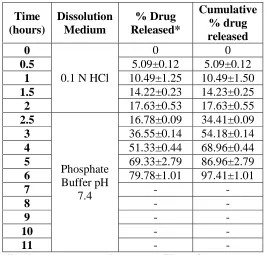
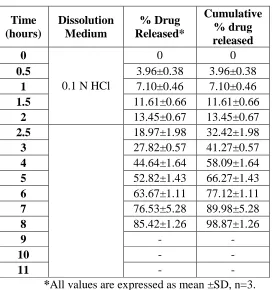
26 In-vitro drug released profile of formulation F1 94
27 In-vitro drug released profile of formulation F2 95
28 In-vitro drug released profile of formulation F3 95
29 In-vitro drug released profile of formulation F4 96
30 In-vitro drug released profile of formulation F5 97
31 In-vitro drug released profile of formulation F6 97
32 In-vitro drug released profile of formulation F7 98
33 In-vitro drug released profile of formulation F8 99
34 In-vitro drug released profile of formulation F9 99
35 Comparative study of In-vitro drug released profile for formulations
F1 to F9 102
36 Different drug release mechanisms of kinetic model 104
37 In-vitro Release Kinetic models for Acyclovir sustained release Matrix tablets of formulations F1 to F9
105
38
Stability study of formulation F9 of sustained release Acyclovir tablets at
room temperature (25
0
C ± 2
0
C / 60% RH ± 5%) and Accelerated
temperature (400 C ± 20 C / 75% RH ± 5%)
% ---- Percentage
< ---- Less Than
> ---- More Than
°C ---- Degree Celsius
µg ---- Microgram
µg/ml ---- microgram per milliliter
ADME ---- Absorption, Distribution, Metabolism, Excretion
AUC ---- Area Under Curve
BP ---- British Pharmacopoeia
CAS ---- Chemical Abstract Service
CC ---- Carr’s Compressibility Index
cm ---- Centimeter
CNS ---- Central Nervous System
CMV ---- Cyto-megalo virus
DSC ---- Differential Scanning Calorimeter
DDS ---- Drug Delivery System
DNA ---- Deoxyribo Nucleic Acid
ER ---- Extended Release
EP ---- European Pharmacopeia
F ---- Formulation
FTIR ---- Fourier Transform-Infra Red Spectroscopy
gm ---- Grams
g/cm3 ---- gram per centimeter cube
HCl ---- Hydrochloric acid
HIV ---- Human immunodeficiency virus
hrs ---- Hours
ICH ---- International Conference on Harmonization
IP ---- Indian Pharmacopoeia
kg/cm2 ---- kilogram per centimeter
KBr ---- Potassium Bromide
LSC ---- Loose surface crystal
M ---- Molarity
mg ---- Milligram
ml ---- Milli liter
mm ---- Millimeter
MW ---- Molecular Weight
Mp ---- Melting point
N ---- Normality
nm ---- Nanometer
N.M.T --- Not More Than
NDDS ---- Novel Drug Delivery System
RH ---- Relative Humidity
RNA ---- Ribo Nucleic Acid
rpm ---- Revolutions per Minute
S. No. ---- Serial Number
S.D. ---- Standard deviation
SR ---- Sustained Release
T ---- Time
TBD ---- Tapped bulk density
USP ---- United State Pharmacopoeia
USPNF ---- United State Pharmacopoeia and National Formulary
UV-VIS ---- Ultraviolet-Visible
Vs ---- Versus
W/v ---- weight/volume
λ ---- Wavelength
Adhiparasakthi College of Pharm Adhiparasakthi College of Pharm Adhiparasakthi College of Pharm
Adhiparasakthi College of Pharmacy, Melmaruvathuracy, Melmaruvathuracy, Melmaruvathuracy, Melmaruvathur Page Page 1111 Page Page
1.1SUSTAINED RELEASE DRUG DELIVERY SYSTEM (Bankar G.S and
Rhodes C.T., 2009; Brahmankar D.M and Jaiswal S.B., 2005; Chein Y.W., 2002)
The goal of a sustained release dosage form is to maintain therapeutic blood or
tissue levels of the drug for an extended and specified period of time. This is generally
accomplished by attempting to obtain "zero-order" release from the dosage form.
Zero-order release constitutes drug release from the dosage form which is independent of the
amount of drug in the delivery system (i.e. a constant release rate). Sustained-release
systems generally do not attain this type of release and usually try to mimic zero-order
release by providing drug in a slow first-order fashion (i.e., concentration release
dependent). Systems that are designated as prolonged release can also be considered as
attempts at achieving sustained-release delivery.
The term “Controlled- release drug product”has been used to describe various types
of oral extended release rate dosage forms, including sustained release (SR), sustained
action, prolonged action, long action, and retarded release. These terms for extended
release dosage forms were introduced by drug companies to reflect a special design for
producing an extended release (ER) dosage form or used as a marketing term In the last
two-three decades interest in sustain release drug delivery systems is remarkably
increasing. This has been due to various factors .
Adhiparasakthi College of Pharm Adhiparasakthi College of Pharm Adhiparasakthi College of Pharm
Adhiparasakthi College of Pharmacy, Melmaruvathuracy, Melmaruvathuracy, Melmaruvathuracy, Melmaruvathur Page Page Page Page 2222 Developing new drug entities.
Expiration of international patents
Discovery of new polymeric materials suitable for prolonging the drug release.
Need of therapeutic efficacy and safety achieved by sustained release drug delivery.
The subject of sustain release has been reviewed by various authors. Several books
have been published on it. These reviews and books provide not only the mechanisms and
technology of production of dosage forms but also the information on clinical evidence and
performance.
There are many definitions of sustained release but the simplest definition is “Any
drug or dosage form or medication that prolongs the therapeutic activity of drug’’. The
overall objective is that, once the drug-carrier material has been injected or otherwise
implanted or taken orally into the body, the drug is released at a predetermined rate for
some desired period of time. Controlled release technology is relatively new field and as a
consequence, research in this field has been extremely fertile and has produced many
discoveries.
Non-immediate release delivery systems may be divided conveniently into 4
categories,
A. Sustained release
a) Controlled release
Adhiparasakthi College of Pharm Adhiparasakthi College of Pharm Adhiparasakthi College of Pharm
Adhiparasakthi College of Pharmacy, Melmaruvathuracy, Melmaruvathuracy, Melmaruvathuracy, Melmaruvathur Page Page Page Page 3333
B. Delayed release
C. Site- specific release
D. Receptor release
Sustained- release systems includes any drug delivery system that achieves slow
release of drug over an extended period of time
Delayed – release systems are those that use repetitive, intermittence dosing of a
drug from one or more immediate release units incorporated into a single dosage forms to
make delayed action. Example: Repeat- action tablets and capsules, enteric coated tablets
where timed release achieved by a barrier coating..
Controlled release systems are those systems which are successful maintaining
constant drug levels in blood or target release (i.e.) release rate of drug occurs in controlled
manner.
Prolonged released systems only extends the duration of action and drug release
that achieved by conventional drug delivery.
Site specific and receptor release refers to targeting of drug directly to a certain
biological location. In the case of site- specific release, the target is a certain organ or
tissue, for receptor release, the target is the particular receptor for a drug within an organ or
Adhiparasakthi College of Pharm Adhiparasakthi College of Pharm Adhiparasakthi College of Pharm
Adhiparasakthi College of Pharmacy, Melmaruvathuracy, Melmaruvathuracy, Melmaruvathuracy, Melmaruvathur Page Page Page Page 4444
Figure.1 Plasma concentration Vs time profile from conventional multiple and single doses
of sustained release drug delivery formulations.
Control release system differs from Sustain release systemwhich simply prolongs the
drug release and hence plasma drug levels for an extended period of time (i.e. not
necessarily at a predetermined rate). Thus the chief objective of most products should be
controlled delivery to reduce dosing frequency to an extent that once daily dose is sufficient
Adhiparasakthi College of Pharm Adhiparasakthi College of Pharm Adhiparasakthi College of Pharm
Adhiparasakthi College of Pharmacy, Melmaruvathuracy, Melmaruvathuracy, Melmaruvathuracy, Melmaruvathur Page Page Page Page 5555
1.1.1 Advantages of sustained release drug delivery system(Bankar G.S and Rhodes
C.T., 2009; Chein Y.W., 2002)
Some advantages are as follows
1. Reduction in dosing frequency.
2. Reduction in GI irritation and other side effects.
3. Avoidance of night time dosing.
4. Reduced fluctuation in circulating drug levels.
5. Increased patient convenience and compliance.
6. More uniform effect.
7. Maximum utilization of drug.
8. Reduction in health care cost through improved therapy.
9. Improve bioavailability of some drugs.
1.1.2 Disadvantages sustained drug delivery system
1. Decreased systemic availability in comparison to immediate release conventional
dosage form.
2. Poor in vitro-in vivo correlation.
3. Higher cost of formulation.
4. Possibility of dose dumping.
5. Retrival of drug is difficult in case of toxicity, poisoning, or hypersensitivity
Adhiparasakthi College of Pharm Adhiparasakthi College of Pharm Adhiparasakthi College of Pharm
Adhiparasakthi College of Pharmacy, Melmaruvathuracy, Melmaruvathuracy, Melmaruvathuracy, Melmaruvathur Page Page Page Page 666 6
1.2 FUNDAMENTALSFORADRUGTOBESUITABLEFORDESIGNOFORAL
SUSTAINEDRELEASEDOSAGEFORM (Bandyopadhyay A .K., 2008)
Some characteristics make a drug more suitable for extended release dosing, such as-
1. Moderate unit dose
2. Elimination half-life between 2 to 8 hours.
3. Broader therapeutic index.
4. Significant extent of absorption in GIT.
5. Minimal first-pass clearance.
6. Optimum solubility characteristics
1.3FACTORS INFLUENCING OF SUSTAINED RELEASE PRODUCTS
(Bandyopadhyay A .K., 2008)
Oral sustained release drug delivery is the most widely utilized route of
administration among all the routes that have been explored for the systemic delivery of
drugs via various pharmaceutical products in different dosage forms. Irrespective of their
mode of delivery (immediate, sustained or controlled release) and the design of dosage
forms (either solid or liquid) they must be developed within the intrinsic characteristics of
GIT physiology. A number of variables such as drug properties, route of delivery, target
sites, duration of therapy, the disease state and patient variables must be considered. The
formulation and performance of sustained release products are greatly influenced by the
Adhiparasakthi College of Pharm Adhiparasakthi College of Pharm Adhiparasakthi College of Pharm
Adhiparasakthi College of Pharmacy, Melmaruvathuracy, Melmaruvathuracy, Melmaruvathuracy, Melmaruvathur Page Page Page Page 7777
1.4PROPERTIES RELEVANT TO SUSTAINED RELEASE DRUG
FORMULATIONS (Banker G.S and Rhodes C.T., 2009; Robinson J.R and
Lee V.H.L., 1987)
During design of sustained release delivery systems, variables such as the route of
drug delivery, the type of delivery system, the disease being treated, the patient, the length
of therapy and the properties of the drug, are considered. These properties are classified as,
A) Physicochemical and
B) Biological properties
These properties have the greatest effect on the behavior of the drug in the delivery
system and in the body. There is no clear-cut distinction between these two categories since
the biological properties of a drug are a function of its physicochemical properties. By
definition, physicochemical properties are those that can be determined from in vitro
experiments and biological properties will be those that result from typical pharmacokinetic
studies of the absorption, distribution, metabolism, and excretion (ADME) characteristics of
a drug and those resulting from pharmacological studies.
A) Physicochemical Properties
a) Dose Size
b) Aqueous Solubility and pKa
c) Partition Coefficient
Adhiparasakthi College of Pharm Adhiparasakthi College of Pharm Adhiparasakthi College of Pharm
Adhiparasakthi College of Pharmacy, Melmaruvathuracy, Melmaruvathuracy, Melmaruvathuracy, Melmaruvathur Page Page 8Page Page 888 e) Molecular Size and Diffusivity
f) Drug Protein Binding
B) Biological Properties
a) Absorption
b) Distribution
c) Metabolism
d) Elimination and Biological Half-Life
e) Margin of Safety (Toxicity).
A. Physiochemical properties
a) Dose size: For orally administered drugs, there is an upper limit to the bulk size of
the dose to be administered. In general, a single dose of 0.5 – 11.0 gm for conventional
dosage form is considered maximal.
b) Aqueous Solubility: Extremes in aqueous solubility are under desirable in the
preparation of a SR product. For drug with low water solubility, it will be difficult to
incorporate into a SR formulation. The lower limit of solubility for such product has
been reported to be 0.1 mg/ml.
c) Partition Co-efficient: drug that are very lipid soluble or water soluble i.e. extremes
in partition co-efficient, will demonstrate either low flux in to the tissues or rapid flux
followed by accumulation in the tissues. Both extremes are undesirable for a SR system
Adhiparasakthi College of Pharm Adhiparasakthi College of Pharm Adhiparasakthi College of Pharm
Adhiparasakthi College of Pharmacy, Melmaruvathuracy, Melmaruvathuracy, Melmaruvathuracy, Melmaruvathur Page Page Page Page 999 9
d) Drug Solubility: since most oral SR systems, by necessity are designed to release
their contents over much of the length of the GIT, drugs which are unstable in the
environment of the intestine might be difficult to formulate into prolonged release
systems.
E.g.: Propanthdine and Probanthine.
B. Biological properties
a) Absorption: Drugs that are slowly absorbed or absorbed with variable absorption
rate are poor candidates for SR systems. For oral dosage forms the lower limit on the
absorption rate constant is in the range of 0.17 to 0.23 hr -1(assuming GI transit time
of 8-12 hr -1).
b) Metabolism: Drugs that are significantly metabolized, especially in region of small
intestine, can show decreased bioavailability from SR dosage forms, because less total
drug is presented to enzymatic process during a specific period. This allows more
complete conversion of drug to its metabolite.
c) Therapeutic Index: Drugs with a narrow therapeutic range which require precise
control over the blood levels of the drug are unsuitable for SR dosage forms.
d) Half Life: The biological half life and duration of action of drug obviously plays a
major rule in considering a drug for SR systems. Drugs with a very short half life
(>2 hr) require large amounts of drug to maintain sustained effects and drugs with
Adhiparasakthi College of Pharm Adhiparasakthi College of Pharm Adhiparasakthi College of Pharm
Adhiparasakthi College of Pharmacy, Melmaruvathuracy, Melmaruvathuracy, Melmaruvathuracy, Melmaruvathur Page Page Page Page 10101010
1.5 POLYMERS USED IN SUSTAINED RELEASE PHARMACEUTICAL
DOSAGE FORMS (Jain N.K., 2008)
Polymers are complex and giant molecules known as macromolecules consisting of
many repeating units and are formed by process called as polymerization. In general,
polymers Can be classified into 3 categories as follows
Polymer Classification
Natural Synthetic Semi-synthetic
Xanthum Gum, Chitosan, Polymethacrylate Derivatives Cellulose, HPMC. Sodium Aliginate.
Table1. Classification of Polymers used in Oral Sustained Release Drug Delivery Systems
according to their characteristics.
S. No. Polymer
Characteristics Material
1. Insoluble, inert Polyethylene, Polyvinyl chloride, Methyl
acrylates-methacrylate copolymer.
2. Insoluble, erodible
Carnauba wax, Stearyl alcohol, Stearic acid,
Polyethylene glycol. Castor wax, Polyethylene
glycol, Monostearate triglycerides.
3. Hydrophilic
Methylcellulose (400cps, 4000cps),
Hydroxypropylmthylcellulose (HPMC), Sodium
Adhiparasakthi College of Pharm Adhiparasakthi College of Pharm Adhiparasakthi College of Pharm
Adhiparasakthi College of Pharmacy, Melmaruvathuracy, Melmaruvathuracy, Melmaruvathuracy, Melmaruvathur Page Page Page Page 111111 11
1.6PRINCIPLE BEHIND SUSTAINED DRUG RELEASE (Bankar G.S and Rhodes
C.T., 2009; Brahmankar D.M and Jaiswal S.B., 2005; Robinson J.R and Lee V.H.L.,
1987)
Dissolution and diffusion controlled systems have classically been of primary
importance in oral delivery of medication because of their relative ease of production and
cost compared with other methods of sustained or controlled delivery.
The classification of such systems is as follows:
1. Diffusion controlled systems.
2. Dissolution controlled systems.
3. Dissolution and Diffusion controlled systems.
4. Osmotically controlled systems.
5. Ion exchange systems.
1. Diffusion Controlled Systems
Diffusion systems are characterized by the release rate being dependent on its
diffusion through an inert membrane barrier. Usually this barrier is an insoluble polymer.
In general two types of sub classes of diffusion systems are recognized they are
a. Reservoir devices.
Adhiparasakthi College of Pharm Adhiparasakthi College of Pharm Adhiparasakthi College of Pharm
Adhiparasakthi College of Pharmacy, Melmaruvathuracy, Melmaruvathuracy, Melmaruvathuracy, Melmaruvathur Page Page Page Page 121212 12
a. Reservoir devices
Reservoir devices are characterized by a core drug reservoir surrounded by a
polymeric membrane..
Advantages
1. Zero order delivery is possible.
2. Release rate variable with polymer type.
Disadvantages
1. Potential toxicity if system fails.
2. System must be physically removed from implant sites.
3. Difficult to deliver high molecular weight compounds.
4. Generally increased cost per dosage units.
b. Matrix Devices
It contains of drug dispersed homogeneously throughout a polymer matrix. In this
model, drug in the outside layer exposed to bath solution is dissolved first and then diffuses
out of the matrix. The following equation describe the rate of release of drug dispersed in
Adhiparasakthi College of Pharm Adhiparasakthi College of Pharm Adhiparasakthi College of Pharm
Adhiparasakthi College of Pharmacy, Melmaruvathuracy, Melmaruvathuracy, Melmaruvathuracy, Melmaruvathur Page Page 13Page Page 131313 Dm/dh = Codh – Cs/2.
Where, dm = Change in the amount of drug released per unit area.
dh = Change in the thickness of the zone of matrix that have been
depleted of drug.
Co = Total amount of drug in unit volume of matrix.
Cs = Saturated concentration of drug within the matrix.
Advantages
1. Can deliver high molecular weight compounds.
2. Easier to produce than reservoir devices.
Disadvantages
1. Removal of remaining matrix is necessary for implanted systems.
2. Cannot obtain zero order release.
Diffusion Rate Modifications
Modification of the following will change the rate of diffusion
(a) Thickness of the separating layer,
(b) Porosity
(c) Partition coefficient,
(d) Modification of the diffusion co-efficient.
(e) Modification of efficient molecular size.
(f) Modification of viscosity.
Adhiparasakthi College of Pharm Adhiparasakthi College of Pharm Adhiparasakthi College of Pharm
Adhiparasakthi College of Pharmacy, Melmaruvathuracy, Melmaruvathuracy, Melmaruvathuracy, Melmaruvathur Page Page Page Page 141414 14
2. Dissolution-controlled Systems
Drug with a slow dissolution rate will demonstrate sustaining properties, since the
release of the drug will be limited by rate of dissolution. This being the case, SR
preparations of drugs could be made by decreasing their dissolution rate. This includes
preparing appropriate salts or derivatives, coating the drug with a slowly dissolving
material, or incorporating it into a tablet with a slowly dissolving carrier.
The dissolution process at steady state, is described by Noyes-Whitney equation,
dc/dt = KDA(Cs-C) = D/h A(Cs-C)
Where,
dc/dt = Dissolution rate.
KD = Diffusion co-efficient
A = surface area of the dissolving solid
Cs = Saturation solubility of the solid.
C = Concentration of solute in bulk solution.
H = Thickness of diffusion layer.
Principles of dissolution rate modification
The following are may affect dissolution rate modification of
(a) Solubility,
(b) Specific area,
Adhiparasakthi College of Pharm Adhiparasakthi College of Pharm Adhiparasakthi College of Pharm
Adhiparasakthi College of Pharmacy, Melmaruvathuracy, Melmaruvathuracy, Melmaruvathuracy, Melmaruvathur Page Page 15Page Page 151515 (d) Dissolution
(e) Crystallographic modification.
3. Dissolution and Diffusion - Controlled release system
Normally, therapeutic systems will never be dependent on dissolution only or
diffusion only. In practice, the dominant mechanism for release will over shadow other
processes enough to allow classification as either dissolution rate limited or diffusion
controlled.
The mechanism of release from simple erodible slabs, cylinders and spheres has
been described by Hopenberg are described as
Mt/M = 1 - (1- Kot/Co a)n
Where, n = 2 for cylinder and
n = 1 for a slab.
a = Radius of sphere or cylinder or half height of a slab.
Mt = Mass of drug release at time t
M = Mass released infinite time.
Advantages
1. Easier to produce than reservoir devices.
2. Can deliver high – molecular weight compounds.
Adhiparasakthi College of Pharm Adhiparasakthi College of Pharm Adhiparasakthi College of Pharm
Adhiparasakthi College of Pharmacy, Melmaruvathuracy, Melmaruvathuracy, Melmaruvathuracy, Melmaruvathur Page Page 16Page Page 161616
Disadvantages
1. Difficult to control kinetics owning to multiple process of release.
2. Potential toxicity of degraded polymer must be considered.
4. Osmotically controlled systems
This device is fabricated as tablet that contains water soluble osmotically active
drug, of that was blended with osmotically active diluents by coating the tablet with a
cellulose triacetate barrier which functions as a semi permeable membrane. A laser is used
to form a precision orifice in the barrier, through which the drug is released due to
development of osmotic pressure difference across the membrane, when this was kept in
water.
Adhiparasakthi College of Pharm Adhiparasakthi College of Pharm Adhiparasakthi College of Pharm
Adhiparasakthi College of Pharmacy, Melmaruvathuracy, Melmaruvathuracy, Melmaruvathuracy, Melmaruvathur Page Page Page Page 17171717
5. Ion Exchange Systems
These are salts of cationic or anionic exchange resins or insoluble complexes in
which drug release results from exchange of bound drug ions that are normally present in
GI fluids.
1.7MATRIX SYSTEMS (Bankar G.S and Rhodes C.T., 2009; Brahmankar D.M and
Jaiswal S.B., 2005; Robinson J.R and Lee V.H.L., 1987)
Easy to manufacture
Versatile, effective, low cost.
Can be made to release high molecular weight compounds.
Since the drug is dispersed in the matrix system, accidental leakage of the total
drug component is less likely to occur, although occasionally, cracking of the
matrix material can cause unwanted release.
1.7.1 Different types of Matrix tablets
1) Hydrophilic matrices
2) Hydrophobic matrices
Adhiparasakthi College of Pharm Adhiparasakthi College of Pharm Adhiparasakthi College of Pharm
Adhiparasakthi College of Pharmacy, Melmaruvathuracy, Melmaruvathuracy, Melmaruvathuracy, Melmaruvathur Page Page 18Page Page 181818
1) Hydrophilic Matrices
. The matrix tablet may be prepared by direct compression of the blend of active
ingredient and certain hydrophilic carriers, or from a wet granulation containing a drug and
hydrophilic matrix materials. The hydrophilic matrix requires water to activate the release
mechanism and enjoys several advantages, including ease of manufacture and excellent
uniformity of matrix tablets. Drug release is controlled by a gel diffusion barrier that is
formed and/or tablet erosion. The effect of formulation and processing variables on drug
release behavior from compressed hydrophilic matrices has been studied by a number if
investigators and can be summarized as follows:
The matrix building material with fast polymer hydration capacity is the best choice
to use in the hydrophilic matrix tablet formulations.
Generally, reduced particle size of hydrophilic polymer ensures rapid hydration and
gel formation, leading to good controlled release.
For Some hydrophilic matrix building materials, PH may affect the viscosity of the
Adhiparasakthi College of Pharm Adhiparasakthi College of Pharm Adhiparasakthi College of Pharm
Adhiparasakthi College of Pharmacy, Melmaruvathuracy, Melmaruvathuracy, Melmaruvathuracy, Melmaruvathur Page Page 19Page Page 191919
Figure.3 Drug release Mechanism of Matrix tablet.
Viscosity characteristics of polymers are of great importance in determining the
final release properties of the matrix tablet. Generally, the drug release rate is
slower for a higher viscosity grade polymer.
Commonly, water-soluble excipients in the matrix tablet can increase drug release..
2) Hydrophobic Matrices (Fat-Wax matrix tablets)
The drug can be incorporated into a fat-wax granulation by spray congealing in
air, blend congealing in an aqueous media with or without the aid of surfactant and spray
drying technique. The mixture of active ingredients, waxy materials and fillers can also be
Adhiparasakthi College of Pharm Adhiparasakthi College of Pharm Adhiparasakthi College of Pharm
Adhiparasakthi College of Pharmacy, Melmaruvathuracy, Melmaruvathuracy, Melmaruvathuracy, Melmaruvathur Page Page Page Page 202020 20 Enteric materials such as cellulose acetate phthalate, polyvinyl acetate phthalate,
methacrylate copolymers, zein, and shellac may be used to prepare matrix tablets with
somewhat a similar release mechanism. The surface erosion of the fat-wax matrix depends
upon the nature and percent of fat-wax materials and extenders in the matrix. Other factors
such as drug particle size and drug concentration affect release of the drug from the tablet
matrix.
3) Plastic Matrix Tablet
. Commonly used plastic materials are polyvinyl chloride, polyethylene, polyvinyl acetate/
vinyl chloride copolymer, acrylate/methyl methacrylate copolymer, ethyl cellulose,
cellulose acetate. Plastic matrix tablets, in which the active ingredient in embedded in a
tablet with coherent and porous skeletal structure, can be easily prepared by direct
compression of the drug with plastic material. Drug solubility in the dissolution medium
and in the matrix has the release factors can be summarized as follows:
The release rate increases as the solubility increases.
The release rate increases as the drug concentration increases.
It is possible to modify release rate by inclusion of hydrophilic or hydrophobic
additives to the matrix. The decrease in the release rate on addition of hydrophobic
substance may be due to decreased wettability of the matrix.
The release rate from plastic matrix tablets could be decreased by exposure to the
Adhiparasakthi College of Pharm Adhiparasakthi College of Pharm Adhiparasakthi College of Pharm
Adhiparasakthi College of Pharmacy, Melmaruvathuracy, Melmaruvathuracy, Melmaruvathuracy, Melmaruvathur Page Page Page Page 212121 21
1.8 FACTORS INFLUENCING SELECTION OF POLYMER
(Rowe R.C., et al., 2003)
Generally rheological behavior and possible interactions with the drug and other
components of the dosage form are major factors to be considered. Other factors are,
a) Physicochemical Compatibility
The physicochemical type of polymers and other ingredients in the system must be
mutually compatible. Knowledge of charge on the particle surface is helpful in anticipating
changes in the stability character.
b)Biological Compatibility
It is obvious that certain polymeric agents will be removed from consideration
depending on the route of administration or application. The vulnerability of materials of
natural organ to microbiological attack is often cited.
1.9 TABLETS (Bankar G.S and Rhodes C.T., 2009; Lachman L, et al., 1991)
Tablets remain popular as dosage forms because they are advantageous to both the
manufacturer and the patient.
1.9.1 Advantages of tablet dosage form
They are a unit dose form.
Their cost is lowest.
They are in general the easiest and cheapest to package and ship of all oral dosage
Adhiparasakthi College of Pharm Adhiparasakthi College of Pharm Adhiparasakthi College of Pharm
Adhiparasakthi College of Pharmacy, Melmaruvathuracy, Melmaruvathuracy, Melmaruvathuracy, Melmaruvathur Page Page Page Page 22222222 Product identification is potentially the simplest and cheapest, requiring no
additional processing steps when employing as embossed or monogrammed punch
face.
They may provide the greatest ease of swallowing.
They are better suited to large-scale production
They have the best combined properties of chemical mechanical and microbiologic
stability of all the oral forms.
1.9.2 Disadvantages of tablets
Some drugs resist compression into dense compacts.
Drugs with poor wetting, slow dissolution properties, intermediate to large dosages,
optimum absorption high in the gastrointestinal tract, or any combination of these
features may be difficult or impossible to formulate and manufacture as a tablet.
Bitter – tasting drugs that are sensitive to oxygen or atmospheric moisture may
require encapsulation or entrapment prior to compression, or the tablets may require
coating. In such cases, the capsule may offer the best and lowest cost approach.
1.9.3 Formulation of tablets
. The first group contains those that help to impart satisfactory processing
characteristics to the formulation. These include diluents, binders, glidants and lubricants.
The second group of added substances help to give additional desirable physical
characteristics to the finished tablet is disintegrants, colors, flavors and sweetening agents
Adhiparasakthi College of Pharm Adhiparasakthi College of Pharm Adhiparasakthi College of Pharm
Adhiparasakthi College of Pharmacy, Melmaruvathuracy, Melmaruvathuracy, Melmaruvathuracy, Melmaruvathur Page Page Page Page 23232323 Tablet ingredients maybe divided conveniently in to following categories.
Diluents
Binders.
Disintegrants
Lubricants and glidants
Organoleptic agents.
a) Diluents
In the single dose, the active ingredient in small and an inert substance is added to
increase the bulk to make the tablet a practical size for compression like dicalcium
phosphate, calcium sulfate, lactose, cellulose, kaolin, etc. Certain diluents such as mannitol,
lactose, sorbitol, and inositol, when present in sufficient quantity, disintegration in the
mouth by chewing.
b) Binders
Agents used to impart cohesive qualities to the powdered material are referred
to as binders or granulators. Materials commonly used as binders include starch, gelatin
and sugars such as sucrose, glucose, dextrose, molasses and lactose. Natural and
synthetic gums that have been used include acacia, sodium alginate and extract of
Adhiparasakthi College of Pharm Adhiparasakthi College of Pharm Adhiparasakthi College of Pharm
Adhiparasakthi College of Pharmacy, Melmaruvathuracy, Melmaruvathuracy, Melmaruvathuracy, Melmaruvathur Page Page Page Page 242424 24
c) Disintegrant
A disintegrant is added to most tablet formulations a break up or disintegration of
the tablet when it contacts water in the gastrointestinal tract.. Tablet fragmentation may be
critical to the subsequent dissolution of the drug and to the attainment of satisfactory drug
bioavailability. Starch USP and various starch derivatives are the most common
disintegrating agents.
d) Lubricants and glidants
Lubricants are included in formulations to reduce wear and friction in the
equipment during operation. Some of the lubricants also aid in the enhancing the flow
properties of the powders during mixing. Lubricants include calcium stearate, magnesium
stearate, mineral oil (light), polyethylene glycol, sodium stearyl fumarate, purified stearic
acid, talc, vegetable oil (hydrogenated) and zinc stearate.
Glidants are the substances that improve the flow characteristics of a powder
mixture. These materials are always added in the dry state just prior to compression (i.e.
during lubrication step). Colloidal silicon dioxide is most commonly used glidants and
generally used in low concentration of 1% or less and Talc is also used.
e) Organoleptic agents
The use of colors and dyes in tablet making has served three purposes over the
years, distinguishing off- color drugs, product identification, and production of a more
Adhiparasakthi College of Pharm Adhiparasakthi College of Pharm Adhiparasakthi College of Pharm
Adhiparasakthi College of Pharmacy, Melmaruvathuracy, Melmaruvathuracy, Melmaruvathuracy, Melmaruvathur Page Page 25Page Page 252525 dissolve in the mouth.. The use of sweeteners is primarily limited to chewable tablets to
exclude or limit the use of sugar in the tablet
1.10. Introduction to Antiviral: (Don A. Ballington., 2005)
There are fewer medications to treat viral infections than there are for bacterial
infections. Part of the difficulty is that antibiotics often disrupt a cellular process that is unique
to the bacterium being treated. This allows dosing of the medication without causing toxicity to
the patient. However, because viruses use the cellular processes of the host to function and
replicate, medications that block the life cycle of the virus are often toxic to the patient. Thus,
the antiviral have been formulated to search and destroy the virus cell lodged in its host cell
without interfering with the host cell's normal function. Antiviral are among the drugs of
choice for the following conditions. Cytomegalovirus (CMV) retinitis
Genital herpes
Herpes simplex
Herpes simplex keratitis
Herpes zoster (shingles)
Influenza prophylaxis
Organ transplantation
Varicella (chicken pox)
1.11. Viruses and Their Characteristics:
A virus is a minute infection agent which is much smaller than a bacterium. Unlike a
bacterium, a virus does not have all the components of a cell and thus it is able to replicate
Adhiparasakthi College of Pharm Adhiparasakthi College of Pharm Adhiparasakthi College of Pharm
Adhiparasakthi College of Pharmacy, Melmaruvathuracy, Melmaruvathuracy, Melmaruvathuracy, Melmaruvathur Page Page 26Page Page 262626 humans, replicate by using the host cells' metabolic processes. A virus can infect a spectrum
of cells including animal, plant, or bacteria cells. Most common viruses are spread by one of the
following routes.
Direct contact
Ingestion of contaminated food and water
Inhalation of airborne particles
The individual virus particle, a virion, consists of nucleic acid (nucleoid), either
deoxyribonucleic acid (RNA) (but not both), and a protein shell (capsid) that
surrounds and protects the nucleic acid. Depending on the virus, the capsid may be converted
with spikes that attach to the host cell. Binding of the spikes to membrane receptors simulates a
process whereby the cell engulfs the virus. A virus without an envelope covering the capsid is
called a naked virus.
1.12. Stages of Viral Infection:
Within the body, viral infection takes place at the cellular level and in the following
stages.
1. The virus attaches to a cell receptor
2. The cell membrane indents and closes around the virus (endocytosis) and thus the
virus penetrates the cell
3. The virus escapes into cytoplasm
Adhiparasakthi College of Pharm Adhiparasakthi College of Pharm Adhiparasakthi College of Pharm
Adhiparasakthi College of Pharmacy, Melmaruvathuracy, Melmaruvathuracy, Melmaruvathuracy, Melmaruvathur Page Page 27Page Page 272727
1.13. Viral Classification:
Viral infections are classified in two ways. The first classification i s the duration or
length of time they have been present in the body as well as their severity. The second
classification measures the extent of the infections within the body or the parts of the body that
are affected.
1.13.1. Viral Duration and Severity:
With the classification of duration and severity there are three categories:
acute, chronic, and slow. An acute viral infection quickly resolves with no latent
infection. Examples include the common cold, influenza, and various other
respiratory tract infections. A chronic viral infection has a protected course with long
periods of remission interspersed with reappearance, such as the herpes virus infection. A
slow viral infection maintains a progressive course over months or years, with
cumulative damage to body tissue, ultimately ending in the host's death. Examples
of this type of destructive viral infection include human immunodeficiency virus (HIV)
Adhiparasakthi College of Pharm Adhiparasakthi College of Pharm Adhiparasakthi College of Pharm
Adhiparasakthi College of Pharmacy, Melmaruvathuracy, Melmaruvathuracy, Melmaruvathuracy, Melmaruvathur Page Page Page Page 282828 28
1.14. Viral Life Cycle: (Ilango K., 2005)
Viral life cycle varies with species, but they all share a general petten can be
sequenced as follows:
Virus
Adsorption
Penetration
Uncoating
Transcription
Reverse transcriptase
Translation
Assembly
Release
Adhiparasakthi College of Pharmacy, Melm Adhiparasakthi College of Pharmacy, Melm Adhiparasakthi College of Pharmacy, Melm
Adhiparasakthi College of Pharmacy, Melmaruvathuraruvathuraruvathuraruvathur Page Page 29Page Page 292929 General approaches for treating the virus infection by antiviral agents are:
Figure 5: Various classes of anti-viral agents against the virus life cycle
a) Interference of virus attachment to the host
b) Inhibition of virus associated enzymes
c) Inhibition of transcription process
d) Inhibition of translation process
e) Interference with viral regulatory process
f) Interference with glycosylation, phosphorylation, etc.,
g) Interference with viral assembly of viral protein
Adhiparasakthi College of Pharmacy, Melmaruvathur Adhiparasakthi College of Pharmacy, Melmaruvathur Adhiparasakthi College of Pharmacy, Melmaruvathur
Adhiparasakthi College of Pharmacy, Melmaruvathur Page Page Page Page 303030 30
Table 2: List of some RNA virus types together with disease that they cause
RNA Viruses
Virus Disease
Picornaviruses Polio, Hepatitis A
Rhinovirus Commen cold, Pneumonia
Togavirus Rubella, Encephalitis
Flavirus Yellow fever, Dengue fever, St.Louis encephalitis
Bunyaviruses Encephalitis, Hemorrhagic fever
Rhabdoviruses Vesicular stomatitis
Myxoviruses Mumps, Measles
Reoviruses or Rotaviruses Diarrhea
Arenaviruses Lymphatic choriomeningitis
Retroviruses Human immunodeficiency syndrome (HIV)
Table 3: List of some DNA virus types together with disease that they cause
DNA Viruses
Virus Disease
Herpes viruses Herpes, Cold sores
Papovaviruses Polyoma, warts
Adenoviruses Respiratory complications
Poxvirus Smallpox
NEED
NEED
NEED
NEED
AND
AND
AND
AND
Adhiparasakthi College of Pharmacy, Melmaruvathur Adhiparasakthi College of Pharmacy, Melmaruvathur Adhiparasakthi College of Pharmacy, Melmaruvathur
Adhiparasakthi College of Pharmacy, Melmaruvathur Page Page Page 31Page 313131
Herpes simplex virus (HSV) is a member of family of herpes viridae, a DNA virus.
There are two types of Herpes Simplex Viruses (HSV). viz HSV type 1 and type 2. HSV type
1 is the herpes virus that is usually responsible for cold sores of the mouth, the so called “fever
blisters”. HSV type 2 is the one that most commonly causes genital herpes. The infection
causes painful sores on the genitals in both men and women.. Currently the treatments
available for herpes simplex are conventional tablets and topical gel for application on
outbreaks. The drugs that are commonly used for herpes simplex are Acyclovir, Valaclovir
and Famciclovir.
Acyclovir, the first agent to be licensed for the treatment of herpes simplex virus
infections, is the most widely used drug for infections such as cutaneous herpes, genital
herpes, chicken pox, varicella zoster infections. Acyclovir is currently marketed as capsules
(200 mg), tablets (200, 400 and 800 mg) and topical ointment. Oral acyclovir is mostly used as
200 mg tablets, five times a day. In addition, long term administration of acyclovir (6 month
or longer) is required in immune compromised to patient with relapsing herpes simplex
infection. The presently available conventional therapy is associated with a number of
drawbacks such as highly variable absorption and low bioavailability (10–20%) after oral
administration. Furthermore, with increase in dose, there is decrease in bioavailability.
Moreover, because the mean plasma half life of the drug is 2.5 hours, five times a day
administration is required. In order to make oral therapy of acyclovir more patients
Adhiparasakthi College of Pharmacy, Melmaruvathur Adhiparasakthi College of Pharmacy, Melmaruvathur Adhiparasakthi College of Pharmacy, Melmaruvathur
Adhiparasakthi College of Pharmacy, Melmaruvathur Page Page Page Page 32323232 compliant there is a need of using different approaches like matrix tablets, nanoparticle and
polymeric films.
Among the many techniques used for modulating the drug release profile, the most
commonly used method is embedment of the drug into a polymer matrix.
The matrix may be formed by either dissolving or dispersing the drug uniformly in the
polymer mass. Such polymer matrices can give
Desirable release profiles,
Cost effective manufacturing method and also
Broad regulatory acceptance.
Hence, in the present work, an attempt is made to develop sustained-release matrix tablets
of Acyclovir, with the use of various natural polymers for their sustaining effect. Direct
compression technique is used for tablet formulation along with the addition of suitable
Adhiparasakthi College of Pharmacy, Melmaruvathur Adhiparasakthi College of Pharmacy, Melmaruvathur Adhiparasakthi College of Pharmacy, Melmaruvathur
Adhiparasakthi College of Pharmacy, Melmaruvathur Page Page Page Page 33333333 To design of sustained release matrix tablet of Acyclovir that will help in
releasing only small quantities of drug over a prolonged period of time.
To study the effect of polymers and polymer concentration on release profiles of
sustained release matrix tablet of Acyclovir formulations.
To study the different types of Schemes on release profiles of sustained release matrix
tablet of Acyclovir formulations.
To carry out Concurrent Process validation of the selected process of sustain release
matrix tablet of Acyclovir
To perform stability studies as per ICH guidelines.
PLAN
PLAN
PLAN
PLAN
OOOOF
F
F
F
Adhiparasakthi College of Pharmacy, Melm Adhiparasakthi College of Pharmacy, Melm Adhiparasakthi College of Pharmacy, Melm
Adhiparasakthi College of Pharmacy, Melmaruvathuraruvathuraruvathuraruvathur Page Page Page Page 343434 34
3. PLAN OF WORK
Literature survey.
Selection and procurement of suitable drug candidate and excipients.
Pre-formulation studies.
Characterization of drug
• Melting point determination
• Solubility determination
• UV spectra (λmax)
• IR spectra
• Loss on drying
• Standard carve of Acyclovir
• Percentage purity of drug
Identification and Drug polymer interaction study.
Fourier transform Infra-Red (FTIR) spectroscopy
Differential Scanning Calorimeter (DSC)
Physical Characterization of Powdered blend
• Bulk density
• Tapped density
• Carr’s index
• Hausner’s ratio
Adhiparasakthi College of Pharmacy, Melm Adhiparasakthi College of Pharmacy, Melm Adhiparasakthi College of Pharmacy, Melm
Adhiparasakthi College of Pharmacy, Melmaruvathuraruvathuraruvathuraruvathur Page Page Page 35Page 353535
Formulation of Sustained release matrix tablet of Acyclovir
Evaluation of Sustained release matrix tablet of Acyclovir
• Appearance
• Dimensions ( Thickness and Diameter)
• Hardness
• Percent friability
• Weight variation test
• Drug content of Acyclovir (assay)
• In-vitro dissolution studies
• Kinetic of In-vitro Drug Release
Stability studies.
Result and discussion
REVIEW
REVIEW
REVIEW
REVIEW
OOOOF
F
F
F
Adhiparasakthi Col Adhiparasakthi Col Adhiparasakthi Col
Adhiparasakthi College of Pharmacy, Melmaruvathur lege of Pharmacy, Melmaruvathur lege of Pharmacy, Melmaruvathur lege of Pharmacy, Melmaruvathur Page 36
Basak S.C., et al., (2006): Monolithic matrix tablets of Ambroxol Hydrochloride
were formulated as sustained release tablets employing Hydroxy Propyl Methyl Cellulose
polymer, and the sustained release matrix tablets containing 75mg Ambroxol hydrochloride
were developed using different drug polymer ratios of Hydroxy Propyl Methyl
Cellulose.Tablets were prepared by direct compression. Formulation was optimized on the
basis of acceptable tablet properties and in vitro drug release.
Chandria M., et al., (2009): The present investigation attempt has been madeincrease
therapeutic efficacy, reduce frequency of administration and improve patient Compliance,
by developing sustained release matrix tablets of Zidovudine, were developed by using
drug polymer ration kollidon SR, HPMC k15M and HPMC K100M as matrix former
lubricated formulation were compressed by direct compression and wet granulation
method. Compressed tablets were evaluated for uniformity of weight, content of active
ingredient, friability, hardness, thinkess, in-vitro dissolution, and swelling index, all
formulation showed compliance with pharmacopeial standards.
Ghosh S., et al., (2009):The objective of the study was to develop matrix tablets
for oral controlled release of Aceclofenac. Matrix tablets of Aceclofenac, using various
viscosity of hydrophilic polymer HPMC in two different proportions, hydrophobic polymer
ethyl cellulose and Guar gum were prepared by wet granulation method and subjected to in
vitro drug release studies. The drug release from all HPMC matrix tablets followed various
release kinetics, formulation no - F7 followed Higuchi kinetics. Furthermore, the results of
Adhiparasakthi Col Adhiparasakthi Col Adhiparasakthi Col
Adhiparasakthi College of Pharmacy, Melmaruvathur lege of Pharmacy, Melmaruvathur lege of Pharmacy, Melmaruvathur lege of Pharmacy, Melmaruvathur Page 37
controlled release comparable with market sustained release formulation (Aeroff-SR
tablets).
Kabir A.K.L, et al., (2009): Objective of this study was to develop a sustained
release matrix tablet of Acyclovir using hydroxypropyl methylcellulose (HPMC K15M and
HPMC K100M CR in various proportions as release controlling factor by direct
compression method. The results of dissolution studies indicated that the formulations F-2
and F-3 could extend the drug release up to 24 hours. From this study, a decrease in release
kinetics of the drug was observed when the polymer concentration was increased. Kinetic
modeling of in vitro dissolution profiles revealed the drug release mechanism ranges from
diffusion controlled or Fickian transport to anomalous type or non-Fickian transport, which
was only dependent on the type and amount of polymer used. The drug release followed
both diffusion and erosion mechanism in all cases.
Saptarshi D., et al., (2010): An attempted was to formulate the oral sustained
release metformin hydrochloride matrix tablets by using hydroxyl methyl cellulose
polymer (HPMC) as
rate controlling factor and to evaluate drug release parameters as per various release kinetic
models. It is observed that the basic goal of therapy in the development of metformin
hydrochloride release dosage form is to increase bioavailability; reduce risk of
hospitalization, deliver drug at a near constant rate for approximately 12hrs; independent
of food intact and gastrointestinal pH. The dry granulation technique was used to compress
the tablet as powder showed the poor flowability; wet granulation technique was not
Adhiparasakthi Col Adhiparasakthi Col Adhiparasakthi Col
Adhiparasakthi College of Pharmacy, Melmaruvathur lege of Pharmacy, Melmaruvathur lege of Pharmacy, Melmaruvathur lege of Pharmacy, Melmaruvathur Page 38
drug products with limited water solubility has been a challenge to the pharmaceutical
industry. Aceclofenac (BCS Class II drug) is a non steroidal anti-inflammatory drug. There
is no official dissolution medium available in the literature. In the present study, parameters
such as solubility, medium pH, surfactant type, dissolution behavior of formulations, and
influence of sink conditions, stability, and discriminatory effect of dissolution testing were
studied for the selection of a proper dissolution medium.
Yadav I.K. et al., (2010): The objective of the present study was to develop the
oral sustained release matrix tablets of Aceclofenac using hydrophilic and hydrophobic
polymers. Aceclofenac is a non steroidal anti-inflammatory agent used in symptomatic
treatment of rheumatoid arthritis, osteoarthritis and ankylosing spondylitis and its
biological half life is 4 hrs. Controlled release formulations of Aceclofenac (200 mg) were
prepared by direct compression method. The drug release from optimized formulations F1,
F4 and F7 was extended for a period of 12 hrs. The kinetic treatment to optimized
formulations showed that the release of drug follows zero order model and Super Case II
transport fo