FORMULATION AND EVALUATION OF FLOATING
BILAYER TABLET OF METFORMIN HYDROCHLORIDE
AND GLIMEPIRIDE
Dissertation submitted to
The Tamilnadu Dr.M.G.R. Medical University
Chennai - 600 032
In partial fulfillment for the degree of
MASTER OF PHARMACY
IN
PHARMACEUTICS
By
Reg. No: 26102206
DEPARTMENT OF PHARMACEUTICS
PERIYAR COLLEGE OF PHARMACEUTICAL SCIENCES FOR GIRLS
TIRUCHIRAPPALLI - 620 021
MAY 2012
Ms. N.Pavala Rani, M.Pharm., Ph.D.,
Lecturer,
Department of Pharmaceutics,
Periyar College of Pharmaceutical Sciences for Girls,
Tiruchirappalli – 620 021.
CERTIFICATE
This is to Certify that the dissertation entitled
“FORMULATION AND EVALUATION OF FLOATING BILAYER
TABLET OF METFORMIN HYDROCHLORIDE AND
GLIMEPIRIDE”
submitted by
Ms. P. RAJALAKSHMI [Register
Number: 26102206
] for
the award of the degree of
“MASTER OF
PHARMACY”
is a bonafide research work done by her in the
Department of Pharmaceutics, Periyar College of Pharmaceutical
Sciences for Girls, Tiruchirappalli under my guidance and direct
supervision.
Place : Tiruchirappalli
Date :
(MS.N.PAVALA RANI)
Prof. Dr. R. Senthamarai, M.Pharm., Ph.D.,
Principal,
Periyar College of Pharmaceutical Sciences for Girls,
Tiruchirappalli – 620 021.
CERTIFICATE
This is to Certify that the dissertation entitled
“FORMULATION
AND EVALUATION OF FLOATING BILAYER TABLET OF
METFORMIN HYDROCHLORIDE AND GLIMEPIRIDE”
done by
Ms.P.RAJALAKSHMI [Register Number: 26102206]
for the award
of the degree of
“MASTER OF PHARMACY”
under The
Tamilnadu Dr. M.G.R Medical University, Chennai is a bonafide
research work performed by her in the Department of Pharmaceutics,
Periyar College of Pharmaceutical Sciences for Girls, Tiruchirappalli.
The work was performed under the guidance and supervision of
Ms.N.PAVALA RANI, M.Pharm., Ph.D.,
Lecturer,
Periyar College
of Pharmaceutical Sciences for Girls, Tiruchirappalli.
This dissertation is submitted for acceptance as project for partial
fulfillment of the degree of
“MASTER OF PHARMACY”
in
Pharmaceutics
, of The Tamilnadu Dr. M.G.R Medical University,
during May 2012.
Place : Tiruchirappalli
ACKNOWLEDGEMENT
Though words are seldom sufficient to express gratitude and feelings, it
somehow gives an opportunity to acknowledge those who helped me during the
tenure of my study. The work of dissertation preparation was a daunting task and
fascinating experience.
I deem it is a matter of great privilege to express my deepest sense of gratitude
and in obtrusive to my guide
Ms.N.Pavala Rani, M.Pharm., Ph.D.,
Lecturer,
Department of Pharmaceutics, Periyar College of Pharmaceutical Sciences for Girls,
Tiruchirappalli. It is my foremost duty to express my sincere indebtness to her
constant help, affection and valuable guidance during the course of present
investigation.
It is my privilege and honour to extend my profound gratitude and express my
debtedness to
Prof. Dr. R.Senthamarai, M.Pharm., Ph.D.,
Principal, Periyar
College of Pharmaceutical Sciences for Girls, Tiruchirappalli for her moral support to
complete my project work and have always propelled me to perform better.
I express my sincere thanks to
Prof. Dr. A.M.Ismail, M.Pharm., Ph.D.,
Vice
Principal and Dean (P.G), Periyar College of Pharmaceutical Sciences for Girls,
Tiruchirappalli for providing me support with constant encouragement in successful
completion of this project.
I submit my sincere thanks to most respected
Dr. K. Veeramani, M.A., B.L.,
Honorable chairperson, Periyar College of Pharmaceutical Sciences for Girls,
Tiruchirappalli for providing all infra structural facilities to carry out this work during
my studies.
I submit my cordial thanks to respected
Thiru. Gnana Sebastian,
Correspondent, Periyar College of Pharmaceutical Sciences for Girls, Tiruchirappalli
I
express
my
heartful
thanks
to
my
respected
Prof. T.N.K. Suriyaprakash, M.Pharm., (Ph.D),
Head, Department of
Pharmaceutics, Periyar College of Pharmaceutical Sciences for Girls, Tiruchirappalli
for providing facilities and his remarkable support during my project work.
I extend my heartfelt thanks to all the Staff members of Periyar College of
Pharmaceutical Science for Girls, Tiruchirappalli, for their constant help to make my
project successful.
I express my heartful thanks to Lab Assistant
,
Department of Pharmaceutics
for the co-operative and unending help in my project work.
I express my sincere thanks to Library Staff members for their kind
co-operation and help during my references. I offer my warmest acknowledgement to the
Non–teaching staffs for helping me in the project to sharp in proper way.
CONTENTS
CHAPTER
NO
TITLE PAGE
NO
1. INTRODUCTION
1.1
Sustained Drug Delivery system
1.2
Hydrophilic Polymer Matrix System
1.3
Bilayer Tablet
1.4
Gastric Retentive Drug delivery system
1.5
Diabetes Mellitus
1
3
7
9
18
2. LITERATURE
REVIEW
24
3. PROFILES
3.1 Drug profile
3.2 Excipients profile
29
35
4. AIM
AND
OBJECTIVE
51
5.
PLAN OF WORK
53
6.
MATERIALS AND METHODS
6.1 List of Materials Used
6.2 List of Equipments Used
6.3 Preparation of Reagents
6.4 Absorption maxima and Standard Plots
55
56
57
58
7. PREFORMULATION
STUDIES
63
8. FORMULATION
AND
EVALUATION
8.1 Formulation Development
8.2 Evaluation Parameter
65
73
9.
RESULTS AND DISCUSSIONS
87
10.
SUMMARY AND CONCLUSION
128
LIST OF TABLES
TABLE
NO
TITLE PAGE
NO
1
Blood – Glucose targets for people with Diabetes
21
2
Comparison Type 1 & Type 2 DM
23
3
Marketly available drug of Metformin HCl
31
4
Marketly available drug of Glimepiride
34
5
Pharmaceutical Applications of Sodium Bicarbonate
41
6
Applications of Talc
50
7
List of Materials Used
55
8
List of Equipments Used
56
9
UV Absorbance of Metformin HCl in pH 1.2 Stimulated Gastric
Fluid
59
10
UV Absorbance of Glimepiride in pH 1.2 Stimulated Gastric Fluid
61
11
Formulation of Trial batch of Metformin HCl SR – HPMC E-15
68
12
Formulation of Trial batch of Metformin HCl SR – HPMC E-5
68
13
Formulation of Trial batch of Metformin HCl SR – HPMC K4M
69
14
Formulation of Trial batch of Glimepiride IR
70
15
Percentage of Polymer Used
71
16
Formulation of Floating Bilayer tablet of Metformin HCl SR &
Glimepiride IR
72
17
Flow properties and Corresponding Angle of Repose
75
18
Official Limits for Carr’s index
77
19
Flow properties and Corresponding Hausner’s Ratio
78
20
Weight Variation Specification (IP Limits)
79
21 Parameters
for
in-vitro
Dissolution study
82
22
Stability Storage Conditions
86
23
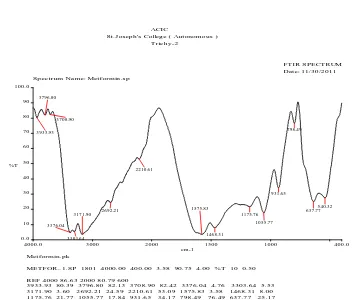
IR Spectral Assignment of Glimepiride
89
24 IR
Spectral
Assignment of Metformin HCl
90
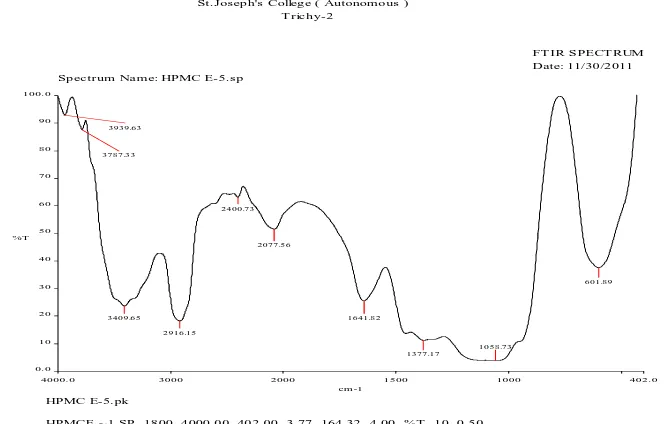
25 IR
Spectral
Assignment of HPMC E-5
91
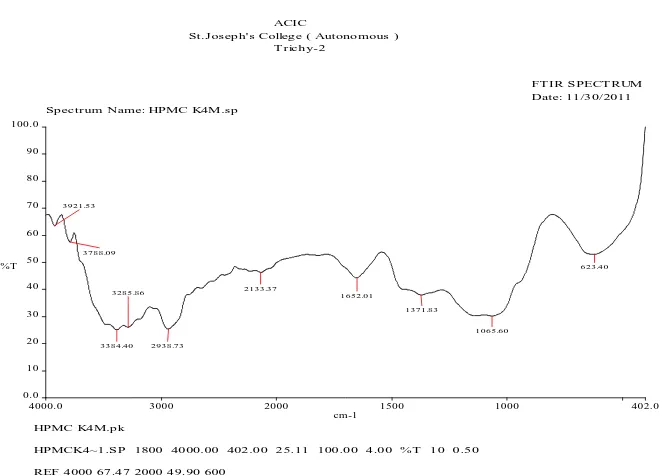
26 IR
Spectral
Assignment of HPMC K4M
92
27 IR
Spectral
Assignment
of Physical mixture-I
93
28 IR
Spectral
Assignment
of Physical mixture-II
94
29 IR
Spectral
Assignment
of Physical mixture-III
95
30 IR
Spectral
Assignment
of Physical mixture-IV
96
31
Precompression Parameters of Floating Metformin HCl SR
97
32 Physico-Chemical
Characteristics of Floating Metformin HCl SR
98
33
Determination of Swelling index for Floating Metformin HCl SR
98
34
In vitro
drug release of Floating Metformin HCl SR
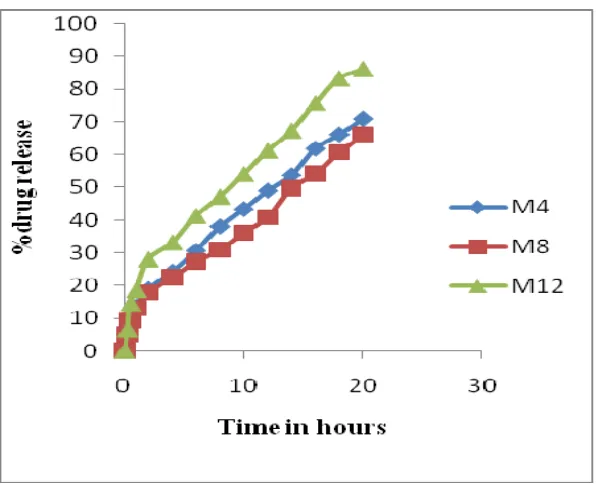
100
35
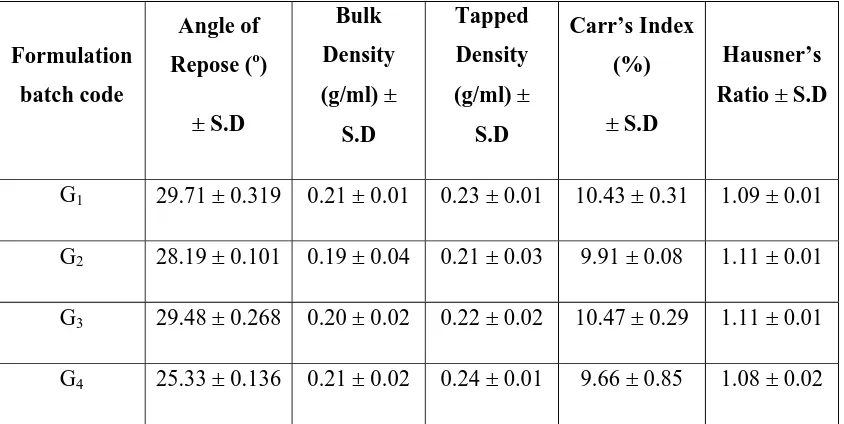
Precompression Parameters of Glimepiride IR Trial Batch G1-G4
102
36 Physico-Chemical
Characteristics of Glimepiride IR Trial Batch
G1-G4
103
37
Dissolution profile of Trial Batch G1-G4
104
38
Precompression Parameters of Floating Bilayer tablet of
Metformin HCl SR & Glimepiride IR
106
39 Physico-Chemical
Characteristics of Floating Bilayer tablet of
Metformin HCl SR & Glimepiride IR
107
40
Determination of Swelling index for Floating Bilayer tablet of
Metformin HCl SR & Glimepiride IR
113
41
Dissolution study of Floating Bilayer tablet of Metformin HCl SR
& Glimepiride IR
115
42
Descriptive Statistics of Regression & parameters of the
Mathematical Models for Dissolution Data of floating Bilayer
tablet of Metformin HCl SR & Glimepiride IR
123
43
Stability study for Floating Bilayer tablet
125
44 Comparative
in vitro
Dissolution profile of floating Bilayer tablet
of Metformin HCl SR & Glimepiride IR (C3) before & after
storage at 40°C/75%RH
LIST OF FIGURES
FIGURE NO
TITLE
PAGE NO
1
Mechanism of Drug Release from Hydrophilic Matrix
System
7
2
Bilayer tablet
8
3 Anatomy
of
Stomach
14
4
Intra Gastric Bilayer Floating Tablet
17
5
Absorption maxima and UV spectrum of Metformin HCl
58
6
Standard plot of Metformin HCl
60
7
Absorption maxima and UV spectrum of Glimepiride
61
8
Standard plot of Glimepiride
62
9
IR Spectral Assignment of Glimepiride
89
10 IR
Spectral
Assignment of Metformin HCl
90
11 IR
Spectral
Assignment of HPMC E-5
91
12 IR
Spectral
Assignment of HPMC K4M
92
13 IR
Spectral
Assignment
of Physical Mixture-I
93
14 IR
Spectral
Assignment
of Physical Mixture-II
94
15 IR
Spectral
Assignment
of Physical Mixture-III
95
16 IR
Spectral
Assignment
of Physical Mixture-IV
96
17
Determination of Swelling index for Floating Metformin
HCl SR
99
18
In vitro
drug release profile of Floating Metformin HCl
101
19
In vitro
drug release profile of Glimepiride IR
105
20
Floating Lag time of formulation C3
108
21
Swelling index of floating Bilayer tablet
114
22
In vitro
drug release profile of Floating Bilayer tablet of
Metformin HCl SR & Glimepiride IR
116
23
Zero order drug release Kinetic Model of Formulation C3
117
24
First order drug release Kinetic Model of Formulation C3
117
25
Higchi Model drug release Kinetic Model of Formulation
C3
118
26
Peppas Model of Formulation C3
118
27
Zero order drug release Kinetic Model of Formulation C6
119
28
First order drug release Kinetic Model of Formulation C6
119
29
Higchi Model drug release Kinetic Model of Formulation
C6
120
30
Peppas Model of Formulation C6
120
31
Zero order drug release Kinetic Model of Formulation C7
121
32
First order drug release Kinetic Model of Formulation C7
121
33
Higchi Model drug release Kinetic Model of Formulation
C7
122
34
Peppas Model of Formulation C7
122
ABBREVIATIONS
ABBREVATIONS EXPANSION
HPMS
Hydrophilic Polymer Matrix system
US FDA
United State Food And Drug Administration
HPMC
Hydroxy Propyl Methyl Cellulose
GRDDS Gastro
Retentive Drug Delivery System
DF Dosage
Form
CR-DFS
Controlled Release Dosage Form
HBS
Hydrodynamically Balanced System
GI Gastric
intestine
GRT
Gastric Residence Time
MMC
Migrating Myoelectric Complex
FDDS
Floating Drug Delivery System
IDF
International Diabetes Federation
IDDM
Insulin Dependent Diabetes Mellitus
NIDDM Non-Insulin
Dependent Diabetes Mellitus
OHA
Oral Hypoglycemic agents
DM Diabetes
Mellitus
HCl Hydrochloride
SR Sustained
Release
INTRODUCTION
1
1.1
Sustained Drug Delivery system
1,2There has been 60 years of research and development experience in the
sustained drug release area since the patent, and a number of strategies have been
developed to prolong drug level in the body. With many drugs, the basic goal of
therapy is to achieve a steady-state blood or tissue level that therapeutically effective
and non-toxic for an extended period of time.
In the recent past, controlled release concept and technology have received
increasing attention in the face of growing awareness to toxicity and ineffectiveness
of drugs when administered or applied by conventional methods. Thus drugs applied
in the form of tablets, capsules, injectables and ointments etc., usually produce wide
range of fluctuations in drug concentration in the blood stream and tissues with
consequent undesirable toxicity and poor efficiency. This factor as well such as
repetitive dosing and unpredictable absorption led to the concept of controlled drug
delivery systems or therapeutic systems
3. A dosage form that one or more drugs
continuously in a pred pattern for a fixed period of time, either systematically or to a
specified target organ is a controlled drug delivery system. The event of drug delivery
system brings rate controlled delivery with fewer side effects, increased efficacy and
constant delivery. The primary objective of controlled drug delivery systems is to
ensure safety of drugs as well as patient compliance.
The goal of any drug delivery systems is to provide a therapeutic amount of
drug to the proper site in the body to achieve promptly and then maintain the desired
drug concentration. Two aspects are most important to drug delivery, namely spatial
placement and temporal delivery of a drug
4. Spatial placement related to targeting
INTRODUCTION
2
1.1.2Requirements for sustained drug release
4Design of sustained release products is normally a very difficult task because
of interplay of the physical-chemical-biological properties of the drug, the patient
disease state and technological limitations in fabrication of the final dosage form.
Depending upon the drug, disease state, route of administration, but before a final
decision is made to proceed with the dosage form; all these factors must be
considered.
1.1.3Advantages of Sustained Release Dosage Form
5i.
Frequency of drug administration is reduced.
ii.
The Patient compliance can be improved, and drug administration can be
made more convenient.
iii.
blood level oscillation characteristic of multiple dosing of conventional
dosage forms is reduced, because a more even blood level is maintained.
iv.
Implicit in the design of sustained release forms, is that the amount of drug
administered can be reduced, thus maximizing availability with a minimum
dose.
v.
The safety margin of high-potency drugs can be increased, and the incidence
of both local and systemic adverse side effects can be reduced in sensitive
patients.
1.1.4 Disadvantages
i.
Administration of sustained release medication does not permit the prompt
termination of therapy.
ii.
The physician has less flexibility in adjusting dosage regimens. This is fixed
INTRODUCTION
3
iii.
Sustained release forms are designed for the normal basis of average drug
biologic half-lives. Consequently, disease states that alter drug disposition,
significant patient variation, so forth are not accommodated.
iv.
Economically more costly processes and equipment are involved in
manufacturing many sustained release forms.
1.2. Hydrophilic Polymer Matrix System (HPMS)
Hydrophilic Polymer Matrix System (HPMS) are widely used in oral
controlled drug delivery because they make it easier to a desirable drug-release
profile, as they are cost effective and have abroad US FDA acceptance. It consists of
hydrophilic polymer, drug and other excipients distributed throughout the matrix
6.
This dynamic system is dependent on polymer wetting, hydration and dissolution for
controlled release of drug. At the same time, other soluble excipients (or) drug
substance will also wet, dissolve and diffuse out of the matrix, whereas insoluble
excipients (or) drug substances will be held in place until the surrounding polymer,
excipients (or) drug complex erodes (or) dissolves away.
Matrix controlled release tablet are relatively simple system that are more
forgiving of variations in ingredients, production methods and end-use conditions
when compared to coated controlled release tablets of other systems. This results in
more uniform release profiles with a high resistance to drug dumping. Hydrophilic
matrix systems are relatively easy to formulate with existing conventional equipments
and processing method
5. One goal of this study was to develop uncoated HPMC
INTRODUCTION
4
1.2.1 Advantages of hydrophilic matrix system
¾
Generally regarded as a safe excipient
¾
Simple concept
¾
Erodable – reducing ghost matrices
¾
Easy to manufacture by
Direct compression
Wet granulation
Roller compaction
¾
Possible to obtain different release
1.2.2 Disadvantages
¾
Need optimal rate controlling polymers
¾
Scale of problems
¾
Release of drug depends upon penetration of water and diffusion of drugs
through hydrated matrix
¾
If outer matrix layer erodes, complication in drug release profile takes place.
These matrix tablets are resistant to dose dumping due to simple nature of
formulation by hydrophilic colloid matrices are being robust they are unaffected by
variation in ingredients. An important factor for modified release is the ability of
hydrophilic polymers to readily hydrate and form a gel.
INTRODUCTION
5
and tolerant of most formulation variables and under very controlled conditions yield
consistent properties of reproducible performance.
Evidence suggests that the chemistry of HPMC encourages a strong tight gel
formation compared to other . As a result, drug release rates have been sustained
longer with HPMC than with equivalent levels of hydroxyl methylcellulose, ethyl
cellulose (or) carboxyl methylcellulose. In addition, it was found that kinetics of
initial hydration of cellulose ether is quite fast and relatively independent of
substitution. Kinetics of gel growth is very similar for all substitution types of HPMC,
observed apparent differences in swelling behavior are attributed to differential
expansion of the glossy core
7.
Polymer chemistry plays a significant role since gel strength is controlled by
polymer viscosity of concentration. Because HPMC is available in a wide range of
molecular weights, effective control of gel viscosity is easily provided. It is the
polymer most widely used in the formulation of solid, liquid semisolid and even
controlled release dosage forms as gel forming agent. Water penetration, polymer
swelling, drug dissolution and diffusion, matrix erosion from these dosage forms are
controlled by the hydration of HPMC, which forms a gel barrier through which drug
diffuses.
1.2.3 Mechanism of drug release from hydrophilic matrix system
8INTRODUCTION
6
becomes fully hydrated and states dissolving or eroding. When water reaches the
center of the system and the concentration of drug fells below the solubility value, the
release rate of drug begins to reduce. At the same time, an increase in thickness of the
barrier layer with time increases the diffusion path length, reducing the rate of drug
release. Drug release kinetic associated with these gel – layer dynamic, range initially
from Fickian to annomalous (Non – Fickian) and subsequently from quasi – Constant
( near Zero order ) to constant.
In general, two major factors control the drug release from swelling controlled
matrix system. They include
The rate of aqueous medium infiltration into the matrix, followed by a
Relaxation process (ie.,hydration,gelation,swelling).
The rate of matrix erosion.
As a result of these simultaneous processes, two front are evident, a swelling
front, where the polymer get hydrated, and an eroding front. The distance between
these two fronts are called diffusion layer thickness. Diffusion layer thickness
depends on the selective rate at which the swelling and eroding fronts move in
relation to each other. If the polymer gets slowly, solvent can penetrate deep into the
glassy matrix the dissolving the drug; there for gel layer thickness and it stability are
council in controlling drug release.
INTRODUCTION
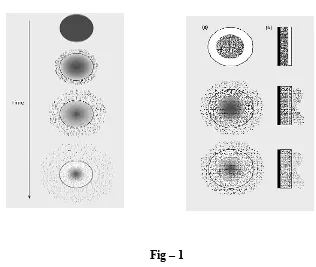
[image:18.612.148.464.135.402.2]
7
Fig – 1
Mechanism of Drug Release from Hydrophilic Matrix System
The mechanism by which drug release controlled in matrix tablet is dependent
on many variables, however the main principle is that the water soluble polymer
present throughout the tablet hydrates on the outer tablet surface to form a gel lager.
Throughout the life of the ingested tablet, the rate of drug release is deferment by
diffusion (if soluble) through the gel and by the rate of tablet erosion (if insoluble).
1.3BILAYER TABLET
9,10:
A type of multilayered tablet in which instead of single tablet two layers were
INTRODUCTION
8
Fig – 2
Bilayer Tabletting
3.2Advantage
11•
A new platform technology for decreasing the chemical incompatibility.
•
Release of one drug as immediate and another drug as sustained.
•
Two layers are visible, so unbinded tablets can be easily detected.
•
Less coating material is required.
3.3 Rationale for Development of Bilayer Tablet Technology:
º
Patient convenience
º
Patient Adherence.
º
Monotheraphy was prevented & Reduces pill burden
º
Combination of incompatabile drugs.
º
Ease of manufacture
º
Elegance to the product
º
Improved product stability.
º
Release of both the drugs starts immediately
º
Least probability of developing drug resistence used to treat different
ailments at the same time in with one pill such as Hypertension, Heart
disease, Hyperlipidemia, obesity & Diabetes.
INTRODUCTION
9
A new platform technology for decreasing the mechanical shear on double
compressed products which can lead to decrease in unknown/process related
impurities
4.1Introduction of Gastric Retentive Drug Delivery system
12Drug delivery systems are becoming increasingly sophisticated as
pharmaceutical scientists acquire a better understanding of the physicochemical and
biological parameters to their performance. Despite tremendous advancements in
drug delivery, the oral route remains the preferred route for the administration of
therapeutic agents because the low cost of therapy and ease of administration lead to
high levels of patient compliance.
Dosage forms that can be retained in the stomach are called gastro retentive
drug delivery systems(GRDDS). The oral route is considered as the most promising
route of drug delivery. Effective oral drug delivery may depend upon the factors such
as gastric emptying process, gastrointestinal transit time of dosage form, drug release
from the dosage form and site of absorption of drugs. Most of the oral dosage forms
possess several physiological limitations such as variable gastrointestinal transit,
because of variable gastric emptying leading to non-uniform absorption profiles,
incomplete drug release and shorter residence time of the dosage form in the stomach.
This leads to incomplete absorption of drugs having absorption window especially in
the upper part of the small intestine, as once the drug passes down the absorption site,
the remaining quantity goes unabsorbed
12. The gastric emptying of dosage forms in
INTRODUCTION
10
can deliver drugs in higher concentrations to the absorption site (i.e. upper part of the
small intestine). All the above requirements can be met and effective delivery of the
drugs to the absorption window, for local action and for the treatment of gastric
disorders such as gastro-esophageal reflux, can be achieved by floating drug delivery
systems (FDDS).
NEED FOR GASTRIC RETENTIVE DRUG DELIVERY SYSTEMS:
To prolong the drug release and to reduce the variable gastric emptying
process. After oral administration, such a DF would be retained in the stomach and
release the drug there in a controlled and prolonged manner, So that the drug could be
supplied continuously to its absorption sites in the upper gastro retentive dosage form
can remain in the gastric region for several hours and hence significantly prolong the
gastric residence time of drugs
13. Prolonged gastric retention improves
bioavailability, reduces drug waste, and improves solubility of drugs that are less
soluble in a high pH environment. It is also suitable for local drug delivery to the
stomach and proximal small intestines. Gastro retention helps to provide better
availability of new products with suitable therapeutic activity and substantial benefits
for patients. This mode of administration would best achieve the pharmacokinetic and
pharmacodynamic advantages of CR-DFs of these drugs.
The need for gastro retentive dosage forms (GRDFs) has led to extensive
efforts in both academia and industry towards the development of such delivery
systems. These efforts resulted in GRDFs that were designed, in large part, based on
the following approaches.
(a)
Low density form of the DF that causes buoyancy in gastric fluids.
(b)
High density DF that is retained in the bottom of the stomach.
INTRODUCTION
11
(d)
Slowed motility of the gastrointestinal tract by concomitant administration of
drugs or pharmaceutical excipients.
(e)
Expansion by swelling or unfolding to a large size which limits emptying of
the DF through the pyloric sphincter.
The current review deals with the gastro retentive approaches that has recently
become leading methodologies in the field of controlled and site specific drug
delivery system.
Advantages of floating drug delivery system
1.
The HBS formulations are not restricted to medicaments, which are
principally absorbed from the stomach. Since it has been found that these are
equally efficacious with medicaments which are absorbed from the intestine
e.g. Chlorpheniramine maleate.
2.
The HBS are advantageous for drugs absorbed through the stomach e.g.
ferrous salts and for drugs meant for local action in the stomach and treatment
of peptic ulcer disease
14e.g. antacids.
3.
The efficacy of the medicaments administered utilizing the sustained release
principle of HBS has been found to be independent of the site of absorption of
the particular medicaments.
4.
Administration of a prolonged release floating dosage form tablet or capsule
will result in dissolution of the drug in gastric fluid. After emptying of the
stomach contents, the dissolve drug available for absorption in the small
intestine. It is therefore expected that a drug will be fully absorbed from the
floating dosage form if it remains in solution form even at alkaline PH of the
intestine.
5.
When there is vigorous intestinal movement and a short transit time as might
INTRODUCTION
12
circumstances it may be advantageous to keep the drug in floating condition in
stomach to get a relatively better response.
6.
Gastric retention will provide advantages such as the delivery of drugs with
narrow absorption windows in the small intestinal region.
7.
Many drugs categorized as once-a-day delivery have been demonstrated to
have suboptimal absorption due to dependence on the transit time of the
dosage form, making traditional extended release development challenging.
Therefore, a system designed for longer gastric retention will extend the time
within which drug absorption can occur in the small intestine
8.
Certain types of drugs can benefit from using gastro retentive devices. These
include:
¾
Drugs acting locally in the stomach;
¾
Drugs those are primarily absorbed in the stomach;
¾
Drugs those are poorly soluble at an alkaline pH;
¾
Drugs with a narrow window of absorption;
¾
Drugs absorbed rapidly from the GI tract; and
¾
Drugs those degrade in the colon.
Disadvantages of floating drug delivery systems
1)
There are certain situations where gastric retention is not desirable. Aspirin
and non-steroidal anti-inflammatory drugs are known to cause gastric lesions,
and slow release of such drugs in the stomach is unwanted.
2)
Thus, drugs that may irritate the stomach lining or are unstable in its acidic
environment should not be formulated in gastro retentive systems.
3)
Furthermore, other drugs, such as isosorbide dinitrate, that are absorbed
INTRODUCTION
13
Factors affecting the floating drug delivery system
•
Nature of meal – feeding of indigestible polymers or fatty acid salts can
change the motility pattern of the stomach to a fed state, thus decreasing
the gastric emptying rate and prolonging drug release.
•
Caloric content – GRT can be increased by four to 10 hours with a meal
that is high in proteins and fats.
•
Frequency of feed – the GRT can increase by over 400 minutes when
successive meals are given compared with a single meal due to the low
frequency of MMC
15.
•
Gender – mean ambulatory GRT in males (3.4±0.6 hours) is less
compared with their age and race matched female counterparts (4.6±1.2
hours), regardless of the weight, height and body surface).
•
Age – elderly people, especially those over 70, have a significantly longer
GRT.
•
Posture – GRT can vary between supine and upright ambulatory states of
the patient.
•
Concomitant drug administration – anticholinergics like atropine and
propantheline, opiates like codeine and prokinetic agents like
metoclopramide and cisapride; can affect floating time.
•
Biological factors – diabetes and Crohn’s disease, etc.
Biological aspects of GRDFS:
Role of GI tract: Stomach
INTRODUCTION
14
surface area very little absorption takes place from the stomach. It provides barrier to
the delivery of drugs to small intestine.
Fig.3
Anatomy of Stomach
The stomach is divided into three anatomical regions. I)Fundus ii) Body and
iii) Pylorus (or antrum). The proximal stomach consisted of Fundus and body, which
serves as a reservoir for ingested materials, whereas the distal region (pylorus) is the
major site of mixing motions, acting as a pump to propel gastric contents for gastric
emptying. Gastric emptying occurs both in fasting as well as fed states
16.
INTRODUCTION
15
interdigestive myoelectric cycle or migrating myoelectric complex (MMC), which is
further divided into four phases.18,19
Phase I
:
Period of no contraction.
Phase II
:
Period of intermittent contraction.
Phase III
:
Period of regular contractions at the maximal frequency
that migrate distally.
Phase IV
:
Period of transition between phase III and phase I.
Phase III has a housekeeping role and serves to clear all indigestible materials
from the stomach and small intestine. Consequently, a controlled-release
gastrointestinal drug delivery system must be capable of resisting the house keeping
action of phase III. Studies revealed that in the fed state, the gastric emptying rate is
slowed since the onset of MMC is delayed. It can be concluded that feeding results in
a lag time before onset of gastric emptying cycle.
Approaches to gastric retention
17A number of approaches have been used to increase the GRT of a dosage form in
stomach by employing a variety of concepts. These include –
a)
Floating Systems
b)
Bio/Muco-adhesive Systems
c)
Swelling and Expanding Systems
d)
High Density Systems
e)
Incorporation of Passage Delaying Food Agents
f)
Ion Exchange Resins
INTRODUCTION
16
Floating Systems:
Floating Drug Delivery Systems
(FDDS) have a bulk density lower than
gastric fluids and thus remain buoyant in the stomach for a prolonged period of time,
without affecting the gastric emptying rate. While the system is floating on the gastric
contents, the drug is released slowly at a desired rate from the system. After the
release of the drug, the residual system is emptied from the stomach. This results in
an increase in the GRT and a better control of fluctuations in the plasma drug
concentrations. Floating systems can be classified into two distinct categories,
noneffervescent and effervescent systems.
Effervescent system:
These are matrix types of systems prepared with the help of swell able
polymers such as methyl cellulose and chitosan and various effervescent
compounds.eg,sodium bicarbonate ,citric acid and tartaric acid.
They are formulated in such a way that when in contact with the acidic gastric
contents,co
2is liberate and gas entrapped in swollen hydrocolloids which provides
buoyancy to the dosage forms.
Non-effervescent system
These system use a gel forming or swell able cellulose type hydrocolloids and
matrix-forming polymers like polyacrylate, polycarbonate, etc.
The formulation method of this system is thoroughly mixing the drug and the
gel forming hydrocolloid. After oral administration this dosage form swells in
contact with gastric fluids and attains the bulk density of < 1.
The air entrapped within the swollen matrix imparts buoyancy to the dosage
INTRODUCTION
17
FLOATING BILAYER TABLET
These are also compressed tablet as shown in Fig 3 and containing two layer i.e.,
i. Immediate release layer and
ii. Sustained release layer.
Fig 4
INTRODUCTION
18
1.5 DIABETES MELLITUS
18,19Diabetes mellitus is a metabolic disorder characterized by high blood sugar
(glucose) level or hyperglycemia, glycosuria, hyperlipemia, negative nitrogen balance
sometimes ketonemia. The above symptoms results in defect of insulin secretion or
action or both. A wide spread pathological change is thickening of capillary basement
membrane, increase in vessel wall matrix and cellular proliferation resulting in
vascular complications like lumen narrowing, early atherosclerosis, sclerosis of
glomerullar capillaries, retinopathy, neuropathy and peripheral vascular
insufficiency. Diabetes mellitus consists of group of disorders involving distinct
pathogenic mechanism with hyperglycemia as the common effect. Regardless of the
cause, the disease is associated with insulin deficiency, which may be total or partial
or relative when viewed in respect of co-existing insulin resistance. Diabetes is a
major medical and economical problem. Hence, in order to treat this highly prevalent
condition, many pharmaceutical preparations have emerged in the recent past which
are termed as Antidiabetic agents.
Diabetes mellitus is the commonest endocrine disorder also now recognized
serious global health problem. It affect more than 100 million of the people
worldwide.
The INTERNATIONAL DIABETES FEDERATION (IDF) estimates the
total number of people in India with diabetes to be around 50.8 million in 2010, rising
to 87.0 million by 2030. In more developed societies, the prevalence of Diabetes
mellitus has reached about 6% and even more alarmingly, among obese white
adolescents 4% had diabetes and 25% had abnormal glucose tolerance. Some 90% of
diabetic individuals have Type 2 diabetes mellitus when compared to Type 1 diabetes
mellitus
20. Diabetes is a chronic illness that requires continuing medical care and
INTRODUCTION
19
risk of long-term complications.The lifestyle modification, diet and exercise of
moderate intensity are used to improve insulin sensitivity and are recommended as an
integral part of treatment of Type 2 diabetes
21. When the lifestyle modification, diet
and exercise fails to maintain the adequate glyceamic control, oral hypoglycemic
agents are introduced as a treatment approach.
Diabetes Mellitus can be categorized into several types but the two major types are
Ö
Type 1 Diabetes Mellitus
Also known as Insulin dependent diabetes mellitus (IDDM) or
juvenile-onset diabetes.
Ö
Type 2 Diabetes Mellitus
Non-insulin dependent diabetes mellitus (NIDDM) or maturity- onset
diabetes.
Type 2 Diabetes would affect about 98% persons above 45 years of age.
Type 2 diabetes is caused by two primary metabolic defects:
Progressive pancreatic
β
-cell dysfunction and insulin resistance.
β
-Cell
dysfunction superimposed on insulin resistance leads to hyperglycemia and
subsequently to type 2 diabetes. Typically, at the time of diabetes diagnosis, nearly
50% of
β
-cell function has been lost and less than 60% of normal insulin sensitivity is
present.
INTRODUCTION
20
Oral Anti Diabetic agents
22:
Sulphonylureas
– insulin secretagogues that target
β
–cell dysfunction.
Metformin
– a biguanide that reduces hepatic glucose production and improves insulin
sensitivity.
Thiazolidinediones
– insulin sensitizers that lower peripheral insulin resistance
β
-glucosidase inhibitors
– intestinal enzyme inhibitors that slow carbohydrate absorption; and
Meglitinides
– rapid but short-acting,
INTRODUCTION
21
Table no: 1
Blood-glucose
targets
for people with Diabetes
Parameter
Normal
Goal
Action suggested if
Pre-prandial Fasting
Glucose
<110 mg/dl
80-120 mg/dl
<80 or >140 mg/dl
postprandial Glucose
<140 mg/dl
<140 mg/dl
>180 mg/dl
Bedtime
<120 mg/dl
100-140 mg/dl
<100 or >160 mg/dl
HbA1c
≤
6%
< 6.5 %
>8 %
Insulin is also important in type 2 DM when blood glucose levels cannot be
controlled by diet, weight loss, exercise and oral medications.
Insulin is indicated in the following situations:
1)
When diet and oral hypoglycemic drugs fail to control hyperglycemia and
achieve therapy targets
2)
Diabetes during pregnancy when diet alone is inadequate
3)
When oral hypoglycemic drugs are contraindicated
INTRODUCTION
22
Combination therapy:
It was always beneficial to switch over the patients on combination therapy,
when there is high secondary failure associated with monotherapy and devastating
long term consequence of poor glycemic control. Areasonable goal of treatment is to
maintain good glycemic control through combination therapy so as to keep HbA1c
value below 7% for a particular patient. Initiation of combination drug therapy at low
dosages can minimize the side effects associated with high dose therapy of either
agent, yield additive clinical benefits, and possibly curtail cost of treatment. For many
drugs, 50% of the dosage needed to achieve the maximal therapeutic effect will
INTRODUCTION
23
Table no: 2
Comparison of Type 1 & type 2 DM
23Parameters
Type 1
Type 2
Age of onset
<40 years
>50 years
Classical symptoms
Usually present
Few or none
Duration of symptoms
weeks
Months/years
Body weight
Normal/low
Obese usually
History of weight loss
yes
No
Prone to ketoacidosis
yes
No
Insulin levels
Very low
Low/Normal/High
Insulin resistance
Absent
Present
Rapid death without
insulin
yes No
Presence of
autoantibodies
yes No
Diabetic complications at
diagnosis
No 10-20%
Family history of diabetes
No
Yes
Presence of other auto
immune disease
Yes No
Complications Microvascular,
Macrovascular
LITERATURE REVIEW
24
24
Biswajit Biswal et al., (2011) were studied on designing floating Bilayer tablet
of Trimetazidine Dihydrochloride by dry granulation method. The formulated tablets were evaluated for weight variation, hardness, friability, drug content, floating lag time, total buoyancy time and in vitro release studies. He reported that the combination of low viscosity polymer and high viscosity polymer would increase the release rate.
25
Rubina Reichal et al., (2011) were developed the floating tablet of Glimepiride
by direct compression technique by using various viscosity grades of HPMC k4M, HPMC K100 and Carbopol 934P to prolong the gastric residence time and to increase the drug bioavailability.
26
Gaur et al., (2011) were designed the floating tablet of Metformin HCl by
optimizing gas generating agent to improve the buoyancy time. He found that increasing concentration of sodium bicarbonate results in bursting effect.
27
Padmavathy et al., (2011) were studied on formulating floating tablet of
Oflaxacin using HPMC by wet granulation technique. She reported that the drug release rate decreased as the concentration of high viscosity polymer increased.
28
Pramod patil et al., (2011) were fabricated floating tablet of Oflaxacin by wet
granulation method. He concluded that HPMC K100 shows decrease in floating lag time & increase the duration of floating time. This is due to high viscosity polymer HPMC K100 maintains the integrity of the tablet for longer duration.
29
Sivabalan et al., (2011) were designed floating Glipizide tablet by direct
compression technique. He found that by combining the polymer like HPMC, EC (ethyl cellulose) and MCC (microcrystalline celluose) shows better in vitro
LITERATURE REVIEW
25
30
Garg shiv kumar et al., (2011) were studied on Gastroretentive floating tablet
of Aceclofenac by using HPMC K4M, HPMC K15M by direct compression method. He found that drug release rate decreased in order of HPMC K grade < HPMC E grade with increasing macromolecular weight, the degree of entanglement of the polymer chain increase. So, the mobility of the macromolecules in the fully swollen system decreased this leads to decreased drug diffusion and decreased drug release with increase in molecular weight.
31Madhu soodan Sharma et al., (2011) designed the floating tablet of
Cefpodoxime proxetil by employing different viscosity grades of HPMC K4M,K15M,K100M at different drug to polymer ratio. He reported that the different viscosity grades in different ratio would effect the drug release.
32
Laxmi goswami,et al., (2011) fabricated Bilayer Floating Tablet of Metformin
HCl and Pioglitazone was done by direct compression using polymers like hydroxyl propyl methyl cellulose(HPMC),Carbopol, Polyvinylpyrrolidone to facilitate immediate release of pioglitazone and sustained release of Metformin HCL. The formulated tablets remain buoyant over a period of 12-20 hrs and released more than 80% of drug in study period.
33
Dinesh kumar et al., (2010) formulated the Bilayer tablet of Raniditine by
direct compression method. HPMC K100, HPMC K4M, HPMC E-15 were used as gel forming agents and sodium bicarbonate are used as gas generating agent. The formulated tablets were evaluated for weight variation, drug content, floating lag time and duration of floating. The results shows that good floating property and sustained release character.
34
Ajay Bagherwal et al., (2010) studied on formulating Ciprofloxacin HCl
LITERATURE REVIEW
26
35
Borkar et al., (2010) studied the effects on viscosity of polymer in formulating
Bilayer gastroretentive floating drug delivery system of Cefpodoxime proxime. From the study it was concluded that the drug release decrease with increase in concentration of polymer. To overcome an initial burst effect, the high viscosity HPMC polymer used. High viscosity polymer give prolonged floating and drug release when compared to low viscosity polymer.
36
Mohammed asif et al., (2010) fabricated on gastroretentive dosage form of
Fluvastatin sodium. He concluded that viscosity was the major effect affecting the release and floating property. On increasing the concentration of hydrogel polymer it decreases the release rate.
37
Rajashree masareddy et al., (2010) were designed floating matrix tablet of
Riboflavin by direct compression method using HPMC K4M and Carbopol 971P mixture. The studies revealed that combination of low viscosity and high viscosity polymer the was found to better for formulating sustained release.
38
Margret chandira et al., (2010) were formulated gastroretentive drug delivery
system of gastro prokinetic drug Itopride HCl employing polymers like HPMC K100M, HPMC K15 & Carbopol934P. she proved that drug release rate was decreased as the viscosity of the polymer increased.
39
Barhate et al., (2010) were optimized floating Bilayer tablet of Famotidine by
wet granulation technique. He concluded that drug release rate deponds on the combination of low viscosity and high viscosity.
40
Anilkumar shinde et al., (2010) were studied on formulating floating tablet of
LITERATURE REVIEW
27
41
Dalavi et al., (2009) fabricated on Gastroretentive drug delivery system of an
antiretroviral agent Zidoviduine and evaluated on statistical analysis. His studies confirmed that the formulation which contains high polymer concentration, were able to keep their integrity and show better control on in vitro release studies, with a desired slower release rate for a prolonged period of time.
42
Selimreza et al., (2009) designed in formulating theophylline loaded
gastroretentive floating tablet by employing HPMC K4M & HPMC K15 and gas generating agent. He reported that increase in amount of floating agent cause the decrease in floating time and high amount of hydrophilic polymers would favoured for formulating Sustained release.
43
Swati jagdale et al., (2009) were studied on formulating the gastroretentive
drug delivery system of propranolol HCl various polymers like HPMC KM, HPMC E-15, HPC in various proportions. He found that low viscosity polymers increase the floating lag time but decrease the release rate. The high viscosity polymer HPMC K4M gave good release rate when compared to HPMC E-15.
44Ravikumar et al., (2009) studied on designing effervescent floating tablet of
Famotidine by direct compression technique. His studies confirms that the formulation in combination of different viscosity grades of HPMC polymer shows better release and it is suitable for formulating SR formulations.
45
Kshirsagar et al., (2009) were studied on effect of different viscosity grade
HPMC polymers on gasteoretentive drug delivery of Metformin HCl. He reported that viscosity of polymer increases in the formulation the release decreases, which may be due to increased strength of the gel matrix of the HPMC.
46
Shailesh et al., (2008) studied on designing gastric floating matrix tablet by
LITERATURE REVIEW
28
47
Patil et al., (2008) designing floating tablet of Amlodipine besylate by
incorporating different grades of polymers. His study reveals that by combining HPMC K100M & HPMCK15M the release rate was prolonged.
48
Tanwar et al., (2007) formulated famotidine floating tablet by using two
different grades of Methocel K100 and Methocel K15M. He found that Methocel K100 were found it is suitable for floating technique due to its prolonged action.
DRUG AND EXCIPIENTS PROFILE
29
3.1 DRUG PROFILE
3.1.1 Metformin hydrochloride 49,50,51
Chemical Structure
Category
Antidiabetic (Biguanides)
Chemical name
1,1-Dimethylbiguanide hydrochloride
Empirical formula
C4H11N5, HCL
Molecular Weight
165.63 g/mol
Description
Nature
White to off white crystalline powder; hygroscopic.
Solubility
Freely soluble in water 300mg/ml at 2°C.
DRUG AND EXCIPIENTS PROFILE
30
pKa
The pKa of Metformin is 12.4
pH
The pH of a 1% aqueous solution of Metformin Hydrochloride is 6.68
Storage
Protected from light and moisture
Pharmacokinetic data
Bioavailability
50-60%
Metabolism
None
Half life
Plasma half life: 1.5-3 hours Elimination half life: 6.2 hours
Distribution
654-358 L
Excretion
Active renal tubular secretion.
Pharmacological action
DRUG AND EXCIPIENTS PROFILE
31
are mediated by the initial activation by Metformin of AMP-activated protein kinase (AMPK), a liver enzyme that plays an important role in insulin signaling, and the metabolism of glucose and fats. Activation of AMPK is required for Metformin inhibitory effect on the production of glucose by liver cells.
Clinical benefits of Metformin hydrochloride
Metformin hydrochloride is effective in the treatment of polycystic ovary disease. Its ability to lower insulin resistance in these women can result in ovulation and possibility for pregnancy.
Dose
250-1000 mg
Table No - 3
Marketly available drug of Metformin hydrochloride
Brand name Dose Company name
Atformin 500mg Active HL
Bigesens 500mg Zydus carila
G-red SR tab 250mg Orchid
Formin 500mg Alkem
DRUG AND EXCIPIENTS PROFILE
32
3.1.2 Glimepiride 7,50,51
Chemical Structure
Category
Antidiabetic (Sulfonylurea)
Chemical name
1-[[4-[2-(3-Ethyl-4-methyl-2-oxo-3-pyrroline-1-carboxamido)-ethyl]phenyl]sulphonyl]-3-trans-(4-methylcyclohexyl)urea
Empirical formula
C24H34N4O5S
Molecular Weight
460.62
Description
Nature
White crystalline powder
Solubility
DRUG AND EXCIPIENTS PROFILE
33
Storage
Store in a well closed containers, at a temperature not exceeding 25°C
Pharmacokinetic data
Bioavailability
Completely (100%) absorbed following oral administration.
Metabolism
Hepatic metabolism. glimepiride is completely metabolized by oxidative biotransformation
Half life
5-7 hours
Distribution
19.8 ± 12.7 L [Single Dose]
37.1 ± 18.2 L [Multiple Dose]
Excretion
Hepatic (biliary excretion)
Pharmacological action
DRUG AND EXCIPIENTS PROFILE
34
Clinical benefits of Glimepiride
Best achieving the hypoglycemic effect.
Dose
1-2 mg/day
Table No : 4
Marketed available Glimepiride
Brand name Dose Company name
Amaryl-fc tab 1mg Sanofi Aventis
Azulix 1mg Torrent
Chempride 1mg chemch Glimtide 1mg Orchid
DRUG AND EXCIPIENTS PROFILE
35
3.2 Execipients profile52
3.2.1 Hydroxy Propyl Methyl Cellulose (HPMC)
Chemical structure
Molecular Formula
[C6H7O2(OH)3-(OCH3)-(OCH3CH(OH)-CH3)]n
Synonym
Methyl hydroxyl propyl cellulose, Methyl cellulose, Propylene glycol ether.
Chemical name
Cellulose 2-hydroxy propyl methyl ether.
Non Proprietary Name
BP : Hypermellose
DRUG AND EXCIPIENTS PROFILE
36
Molecular Weight
Approximately 86,000.
Category
Tablet binder, film former, coating agent, suspending agent, stability agent.
Description
White (or) Yellowish white fibrous (or) granular powder, almost odorless, hygroscopic after drying.
Solubility
Soluble in mixtures of ethanol & methylene chloride, practically insoluble in hot water, acetone, ethanol, toluene & ether. It swells in cold water forming an opalescent viscous colloidal solution.
Properties
¾ Resistance to salting out: HPMC is nonionic cellulose ether and it is not a
polyelectrolyte. The aqueous solution of HPMC is comparatively stable even in the presence of metal salts or organic electrolytes. However, when
the concentration of electrolytes exceeds a certain limit, gelation and precipitation may result.
¾ Surface activity: An aqueous solution of HPMC has a high surface
activity and functions as a protective colloid agent, emulsion stabilizer and dispersant.
¾ Thermal gelation: An aqueous solution of HPMC will gel or precipitate
when heated to a certain temperature, but it reverts to the original solution state on Subsequent cooling. The temperature at which gelation or precipitation occur depends on the type of HPMC, its concentration and the rate of heating.
¾ pH stability: The viscosity of an aqueous solution of HPMC is hardly
DRUG AND EXCIPIENTS PROFILE
37
in the range of3.0~11.0. Therefore, the solution viscosity tends to keep stable during prolonged storage.
¾ Water retention: HPMC is a high effective water retention agent. Its
pharmaceutical grade product can be widely used in food, cosmetics and many other fields.
¾ Film forming: HPMC provides a strong, flexible and transparent film
having a good barrier property against oil and grease. In food application, this property is often utilized for water retention and oil adsorption.
¾ Cohesiveness (Binding property): HPMC, as a high performance binder,
can also be used for molding food and medicine.
Specific Properties
Melting point
190-200°
Acidity/Alkalinity
5.5-8.0 for 1% w/w aqueous solution
Specific Gravity
1.26
Density
0.25-0.71 g/cm3.
Viscosity grades
DRUG AND EXCIPIENTS PROFILE
38
Grades Viscosity (cps)
HPMC K4M 4000
HPMC E-5 5
HPMC E-15 15
Application
Uses Concentration (%)
Extended release Matrix formulation 15-35 Tablet Binder 2-6 Tablet film coating 2-20
• HPMC was used in the treatment of tear deficiency. • It was a versatile and non-creative granulating agent.
• It swells in water & in virtually in all GIT fluids and it may expect to retard disintegration & dissolution time of drugs in the resulting tablets when wet granulation is employed.
Stability & Storage
Bulk material is stored in an air tight container and in cold & dry place. Increase in temperature decrease the viscosity of the solution.
Safety
DRUG AND EXCIPIENTS PROFILE
39
3.2.2 Sodium Bicarbonate
Chemical structure
NaHCO3
Synonym
Sodium Hydrogen Carbonate, Monosodium carbonate, Sodium Acid Carbonate.
Chemical Name
Carbonic acid monosodium salt
Non-Proprietary Name
BP : Sodium Bicarbonate USP : Sodium Bicarbonate
Molecular Weight
84.01
Category
Alkalizing agent, Therapeutic agent.
Description
Odorless, white, Crystalline powder with a saline, slightly alkaline taste.
Solubility
DRUG AND EXCIPIENTS PROFILE
40
Typical properties
Acidity/ Alkalinity
pH=8.3 for a freshly prepared 0.1M aqueous solution at 25°C, alkalinity increases on standing, agitation or heating.
Density
0.869-2.173 g/cm3
Freezing point depression
0.381°C
Melting point
270°C
Moisture content
Below 80% relative humidity, the moisture content is less than 1%w/w. Above 85% relative humidity, sodium bicarbonate rapidly absorbs excessive amounts of water and may start to decompose with loss of carbon dioxide.
Osmolarity:
1.39%w/v aqueous solution is isotonic with serum.
Refractive index
1.3344
Applications
DRUG AND EXCIPIENTS PROFILE
41
Table No : 5
Pharmaceutical application of Sodium Bicarbonate
Uses Concentration (%)
Buffer in tablets 10-40 Effervescent tablet 25-50 Isotonic injection/infusion 1.39
3.2.3 Citric acid
Chemical structure
Synonym
2-hydroxypropane-1,2,3-tricarboxylic acid monohydrate.
Chemical Name
2-Hydroxy-1,2,3-propanetricarboxylic acid monohydrate
Nonproprietary Names
BP : Citric acid monohydrate
DRUG AND EXCIPIENTS PROFILE
42
Molecular Weight
210.14
Category
Acidifying agent; antioxidant; buffering agent; chelating agent; flavor enhancer.
Description
It is colorless or translucent crystals or as a white crystalline, efflorescent powder. It is odorless and has a strong acidic taste. The crystal structure is Orthorhombic.
Solubility:
Soluble 1 in 1.5 parts of ethanol (95%) and 1 in less than 1 part of water; sparingly soluble in ether.
Typical Properties
Acidity/alkalinity:
pH = 2.2 (1% w/v aqueous solution)
Dissociation constant:
pKa1 : 3.128 at 25°C; pKa2 : 4.761 at 25°C; pKa3 : 6.396 at 25°C.
Density:
1.542 g/cm3
Heat of combustion:
DRUG AND EXCIPIENTS PROFILE
43
Heat of solution:
-¼16.3 kJ/mol (-¼3.9 kcal/mol) at 25°C
Hygroscopicity:
At relative humidities between about 65% and 75%, citric acid absorbs insignificant amounts of moisture, but under more humid conditions substantial amounts of water are absorbed.
Melting point:
100°C (softens at 75°C)
Viscosity (dynamic):
6.5 mPa s (6.5 cP) for a 50% w/v aqueous solution at 25°C.
Stability and Storage Conditions
Citric acid loses water of crystallization in dry air or when heated to about 40°C. It is slightly deliquescent in moist air. Dilute aqueous solutions of citric acid may ferment on standing.
The bulk monohydrate or anhydrous material should be stored in airtight containers in a cool, dry place.
Safety
DRUG AND EXCIPIENTS PROFILE
44
3.2.4 Povidone
Chemical structure
Molecular Formula
C6H9NO
Synonyms
Kollidon; plasdone; poly[1-(2-oxo-1-pyrrolidinyl)ethylene]; polyvidone; polyvinylpyrrolidone;pvp; 1-vinyl-2- pyrrolidinone polymer
Chemical name
1-ethenyl-2-pyrrolidinone homopolymer
Non proprietary name
Bp : povidone
Usp : povidone
Molecular weight
2500-3000000
Category
DRUG AND EXCIPIENTS PROFILE
45
Description
Povidone occurs as a fine, white to creamy-white coloured, odourless or almost odourless ,hygroscopic powder. Povidones with k- values equal to or lower than 30 are manufactured by spray- drying and occur as spheres.
Solubility
Freely soluble in acids, chloroform, ethanol, ketones, methanol, and water; practically insoluble in ether, hydrocarbons, and mineral oil. In water, the concentration of a solution is limited only by the viscosity of the resulting solution, which is a function of the k-value.
Typical Properties
Density (bulk) : 0.29-0.39g/cm3 Density (tapped) : 0.39-0.54g/cm3 Density (true) : 1.180g/cm3
Melting point:
Softness at 1500c
Moisture content:
Povidone is very hygroscopic, significant amounts of moisture being absorbed at low relative humidities.
Stability &storage
Povidone may be stored under ordinary conditions without under going decomposition or degration. However, since the powder is hygroscopic, it should be stored in an airtight container in a cool, dry place.
Safety
DRUG AND EXCIPIENTS PROFILE
46
3.2.5 Magnesium Stearate
Chemical Structure
Synonym
Stearic acid Magnesium salt, Magnesium Octadecanoate metallic stearate.
Chemical Name
Octadecanoic acid Magnesium salt.
Non-Proprietary Name
BP/ USPNF : Magnesium stearate
Molecular formula
C36H10MgO4
Molecular Weight
591.27.
Category
DRUG AND EXCIPIENTS PROFILE
47
Description
Fine, White precipitated, milled, impalable powder of low bulk density having a faint characteristic odor and taste, poorly flowing cohesive powder, greasy to touch and adheres to skin.
Solubility
Insoluble in ethanol (95%) & water. Soluble slightly in warm benzene & hot alcohol.
Properties
Density
1.03-1.08 g/cm3.
Melting point
361 K / 88°C
Storage & Stability
Magnesium Stearate is non-toxic following oral administration while inhalation is harmful.
Applications
Magnesium Stearate is primarily used as lubricant in tablet & capsule manufacturing at 0.25-5% concentration.
DRUG AND EXCIPIENTS PROFILE
48
3.2.6 Talc