FORMULATION AND EVALUATION OF LOSARTAN
POTASSIUM SUSTAINED RELEASE FLOATING TABLETS
Dissertation Submitted to
THE TAMILNADU Dr.MGR MEDICAL UNIVERSITY, CHENNAI, TAMILNADU.
In partial fulfillment of the requirement for the award of degree of
MASTER OF PHARMACY
In
PHARMACEUTICS
by
MEKANABOINA GANGADHAR
(Reg.No. 26114506)
UNDER THE GUIDANCE OF
Mrs. M.VANI, M.Pharm.,
Assistant Professor
Department of Pharmaceutics
K.K COLLEGE OF PHARMACY,
GERUGAMBAKKAM, CHENNAI- 600122
TAMIL NADU
DEDICATED
TO
MY
BELOVED PARENTS,
TEACHERS,
&
MY
CERTIFICATE
This is to certify that the dissertation entitled
“FORMULATION AND
EVALUATION OF LOSARTAN POTASSIUM SUSTAINED RELEASE
FLOATING TABLETS” is a bonafide and genuine research work carried out at
the
Department
of
Pharmaceutics,
K.K.College
of
pharmacy
by
MEKANABOINA GANGADHAR, M.Pharm., during the year 2012-2013 under
the supervision of Mrs. M.Vani, M.Pharm., Asst.Prof.
Department of
Pharmaceutics, K.K. College of Pharmacy, Chennai-600122.
This dissertation is
submitted for partial fulfillment of the requirement for the award of degree of
Master of Pharmacy (Pharmaceutics), by the Tamil Nadu Dr. M.G.R Medical
University, Chennai-32.
PRINCIPAL
DIRECTOR
Prof. A. Meena, M.Pharm., (Ph.D.,)
Prof. Dr.V.Vaidhyalingam,M.Pharm.,Ph.D.,K.K. College of Pharmacy,
K.K. College of Pharmacy,
CERTIFICATE
This is to certify that the dissertation entitled “FORMULATION AND
EVALUATION OF LOSARTAN POTASSIUM SUSTAINED RELEASE
FLOATING TABLETS” is a bonafide and genuine research work carried out by
MEKANABOINA GANGADHAR, M.Pharm., during the year 2012-2013 under
the supervision of Mrs. M.Vani, M.Pharm., Asst.Professor, Department of
Pharmaceutics, K.K. College of Pharmacy, Chennai-600122. This dissertation
submitted in partial fulfillment for the award of degree of Master of Pharmacy
(Pharmaceutics), by The Tamil Nadu Dr.M.G.R Medical University, Chennai-32.
Prof. Dr. K. Senthilkumaran, M.Pharm., Ph.D.,
Head of the Department,
Department of Pharmaceutics
K.K. College of Pharmacy,
CERTIFICATE
This is to certify that the Dissertation entitled “FORMULATION AND
EVALUATION OF LOSARTAN POTASSIUM SUSTAINED RELEASE
FLOATING TABLETS” is a bonafide and genuine research work carried out at
Department of Pharmaceutics, K.K .College of Pharmacy, Chennai-600122, by
MEKANABOINA GANGADHAR, M.Pharm., during the year 2012-2013 under
my supervision. This Dissertation submitted in partial fulfillment for the award of
degree of Master of Pharmacy (Pharmaceutics), by The Tamil Nadu Dr.M.G.R
Medical University, Chennai-32
Mrs. M.VANI, M.Pharm.,
Assistant Professor,
Department of Pharmaceutics,
ACKNOWLEDGEMENT
The satisfaction and euphoria that come along with successful completion of any work would be incomplete unless we mention the names of the people who made it possible, whose constant guidance and encouragement served as a beam of light and crowned out the efforts.
First of all, it is by the love and blessings of Lord Almighty, my parents that I am able to complete my investigation studies successfully and I present this piece of work which I am eternally indebted.
First and foremost, I wish to express my deepest gratitude to respected Prof. K. R. Arumugam, M.Pharm., Chairman, K. K. College of Pharmacy, Chennai for his help and support.
I now take this opportunity to express sincere thanks to Mrs. A. Meena, M.Pharm., (Ph.D.,) Principal, K.K. College of Pharmacy, for her support and constant encouragement throughout my project work.
I wish to express my deep gratitude to Prof. Dr. V. Vaidhyalingam, M.Pharm., Ph.D., Director, K.K. College of Pharmacy for his hearty cooperation & valuable guidance throughout these two years of my M.Pharm course.
I owe a debt of gratitude to Prof. Dr. K. Senthilkumaran, M.Pharm., Ph.D., Head,
Department of Pharmaceutics, K.K. College of pharmacy, for his valuable guidance and providing facilities during the course of my work.
I owe a debt of gratitude to my Research Guide Mrs. M.Vani, M.Pharm., Asst. Professor Department of Pharmaceutics for spending her valuable time for giving me knowledge, encouragement and helping me for successful completion of my research work.
I am deeply indebted to the teaching staff of the department who was always a source of knowledge and inspiration to me, especially Mrs. Rajarajeswari Hariharan, M. Pharm., Ms. P. Kavitha, M.Pharm., Mrs. Laura, M.Pharm., for their prompt assistance and cooperative attitude.
I express my special thanks to my colleagues Sujitkumar, Srikar, Muralikrishna, Narendra, Ravindra, Hemanth, Balaji, and for their support, encouragement and moral strength that they always showered on me.
I would like to express my heartfelt gr atitude to my mother Mrs.M.Sujatha,
father Mr.M.Nageswara Rao for their encouragement throughout my life.
The completion of this dissertation is not only fulfillment of my dreams but also the dreams of my parents who have taken a lot of pain for me in completion of higher studies successfully, with their full hearted co -operation, love and moral support.
A word of thanks to all those gentle people associated with this work directly
or indirectly whose names have been to unable to mention here.
MEKANABOINA GANGADHAR
LIST OF TABLES
S.NO
TITLE
PAGE NO.
1
CLASSIFICATION OF HYPERTENSION
21
2
TYPICAL TESTS PERFORMED IN HYPERTENSION
24
3
EXPERIMENTAL PROPERTIES OF LOSARTAN
29
4
USES OF SODIUM BICARBONATE
36
5
SOLUBILITY OF SODIUM BI CARBONATE
38
6
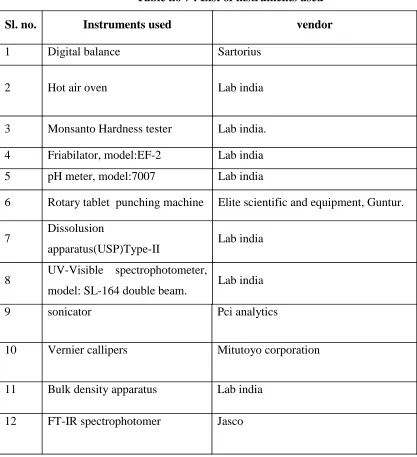
LIST OF MATERIALS USED
47
7
LIST OF EQUIPMENTS USED
48
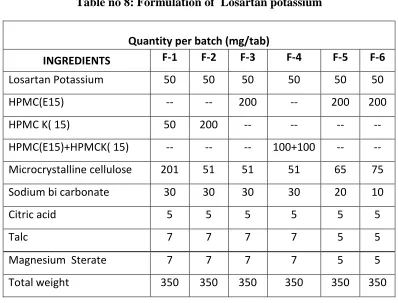
8
FORMULATION OF LOSARTAN POTASSIUM
51
9
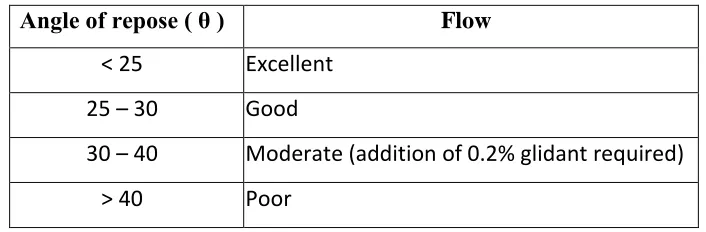
COMPARISON BETWEEN ANGLE OF REPOSE AND
FLOW PROPERTIES
52
10
FL OWABILITY ACCORDING TO HAUSNER"S RATIO
52
11
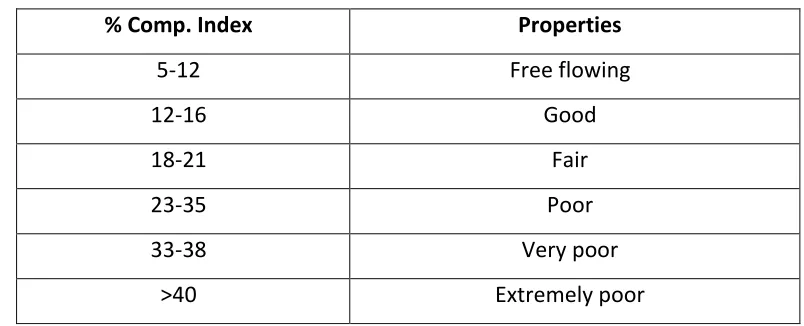
PROPERTIES OF COMPRESSIBILITY INDEX
53
12
WEIGHT VARIATION LIMITS
13
DRUG-EXCIPIENTS PHYSICAL IN COMPATABILITY STUDIES
57
14
ABSORBANCE FOR CALIBRATION CURVE OF LOSARTAN
POTASSIUM
60
15
DATA FOR ANGLE OF REPOSE
62
16
DATA FOR BULK DENSITY AND TAPPED DENSITY
63
17
DATA FOR HAUSNER'S RATIO AND COMPRESSIBILITY
66
18
DATA FOR WEIGHT VARIATION
66
19
DATA FOR HARDNESS
67
20
DATA FOR FRIABILITY
68
21
DATA FOR THICKNESS
69
22
DATA FOR FLOATING LOG TIME AND TOTAL
FLOATING TIME
70
23
DATA FOR DRUG CONTENT
71
24
DISSOLUTION PROFILE - F1
72
25
DISSOLUTION PROFILE-F2
26
DISSOLUTION PROFILE F-3
74
27
DISSOLUTION PROFILE F-4
75
28
DISSOLUTION PROFILE F-5
76
29
DISSOLUTION PROFILE F-6
77
30
CUMULATIVE PERCENTAGE OF OF ALL THE
FORMULATION(F1-F6)
78
LIST OF FIGURES
FIG NO
FIGURE NAME
PAGE NO
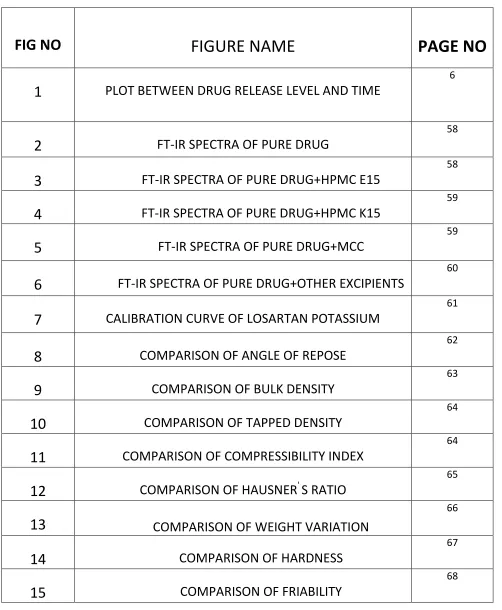
1
PLOT BETWEEN DRUG RELEASE LEVEL AND TIME
6
2
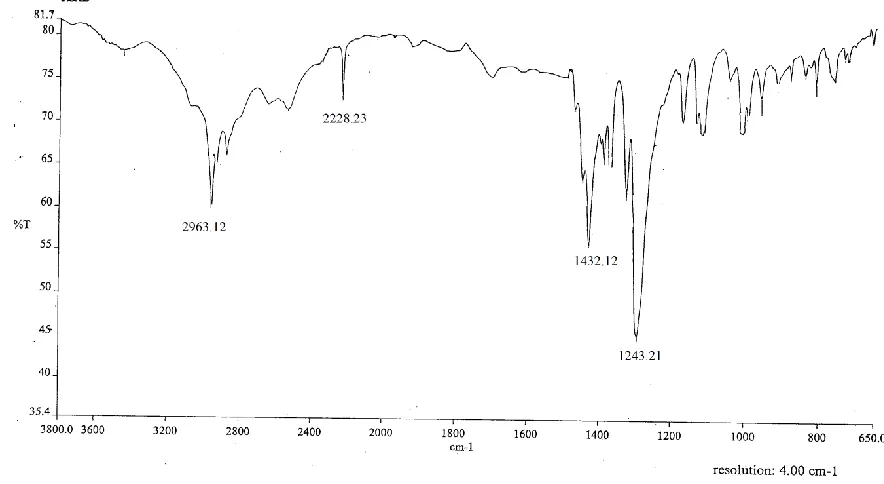
FT-IR SPECTRA OF PURE DRUG
58
3
FT-IR SPECTRA OF PURE DRUG+HPMC E15
58
4
FT-IR SPECTRA OF PURE DRUG+HPMC K15
59
5
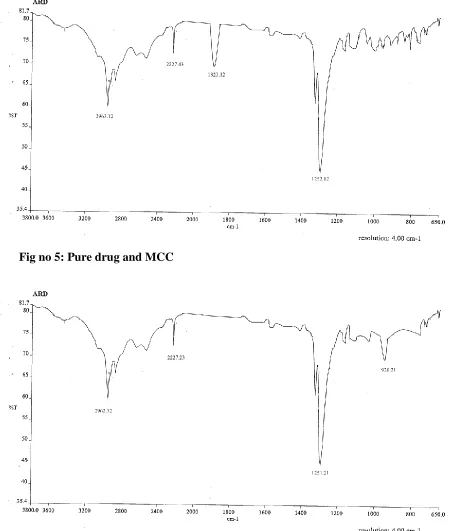
FT-IR SPECTRA OF PURE DRUG+MCC
59
6
FT-IR SPECTRA OF PURE DRUG+OTHER EXCIPIENTS
60
7
CALIBRATION CURVE OF LOSARTAN POTASSIUM
61
8
COMPARISON OF ANGLE OF REPOSE
62
9
COMPARISON OF BULK DENSITY
63
10
COMPARISON OF TAPPED DENSITY
64
11
COMPARISON OF COMPRESSIBILITY INDEX
64
12
COMPARISON OF HAUSNER
'S RATIO
65
13
COMPARISON OF WEIGHT VARIATION
66
14
COMPARISON OF HARDNESS
67
15
COMPARISON OF FRIABILITY
16
COMPARISON OF THICKNESS
69
17
COMPARISON OF FLOATING TIME
70
18
COMPARISON OF DRUG CONTENT
71
19
DISSOLUTION PROFILE F-1
72
20
DISSOLUTION PROFILE F-2
73
21
DISSOLUTION PROFILE F-3
74
22
DISSOLUTION PROFILE F-4
75
23
DISSOLUTION PROFILE F-5
76
24
DISSOLUTION PROFILE F-6
77
25
CUMULATIVE PERCENTAGE OF DRUG RELEASE OF ALL
THE FORMULATIONS(F1-F6)
LIST OF ABBREVIATIONS
Sl. no.
Abbreviation Full form
1. Mcc Micro crystalline cellulose
2. Abs Absorbance
3. ACE Angiotensin converting enzyme
4. Avg Average
5. API Active Pharmaceutical Ingredient
6. AT Angiotensin
7. ARB Angiotensin receptor blocker
8. No. Number
9. BCS Bio-pharmaceutical classification system
10. BP British Pharmacopoeia
11. Cm Centimetre
12. Cps Centipoise
13. CR Controlled release
14. ER Extended release
15. et.al. and others
16. FTIR Fourier Transform Infra-red
Spectrophotometer
17. G Gram(s)
18. g/mol Gram/mole
19. g/cc Gram/cubic centimetre
20. G.I.T Gastrointestinal Tract
21. Hr Hour(s)
22. HPMC Hydroxy propyl methylcellulose
23. IP Indian Pharmacopoeia
25. JP Japanese Pharmacopoeia
26. KPa Kilo Pascal
27. log P Partition coefficient
28. mcg/µg Microgram(s)
29. Mg Milligram(s)
30. min(s) Minutes
31. ML Millilitre(s)
32. MPa milli pascal
33. NaOH Sodium hydroxide
34. Nm Nanometer
35. oC Degree centigrade
36. % Percentage
37. q.s. Quantity sufficient
38. Rpm Revolutions per minute
39. SD Standard deviation
40. SR Sustained release
41. TDT Tablet dissolution tester
42. USP United States Pharmacopoeia
43. % Percentage
44. % w/v Percentage weight/volume
45. % w/w Percentage weight/weight
S.NO
INDEX
PAGE NO
1
INTRODUCTION 12
AIM AND OBJECTIVES 263
PLAN OF WORK 274
DRUG PROFILE 285
EXCIPIENT PROFILE 326
LITERATURE REVIEW 437
METHODOLOGY 47INTRODUCTION
Tablets may be defined as solid pharmaceutical dosage forms containing drug substances with or without suitable diluents and prepared either by compression or molding methods. They have been in widespread use since the latter part of 19th century and their popularity continues. The term compressed tablet is believed to have been first used by 'John Wyeth and Philadelphinn'. During the same period molded tablets were introduced to be used as Hypodermic tablets for injections.
Tablets remain popular as a dosage form because of the advantages, afforded both to the manufacturer[eg. simplicity & economy of preparation, stability and convenience in packing, shipping, and dispensing] and the patient[eg .accuracy of dosage, compactness, poor stability, blendness of taste and ease of administration].
Although tablets are more frequently discoid in shape, they also may be round, oval, oblong, cylindrical or triangular. They may differ greatly in size and weight depending on the amount of drug substance present and the intended method of administration.
Tableting Formulations1 :
In the tablet- pressing process, it is important that all ingredients be fairly dry, powdered or granular, somewhat uniform in practice size, and freely flowing. Mixed partical sieved powders can segregate during manufacturing operations due to different densities, which can result in tablets with poor drug or active pharmaceutical ingredients(API) content uniformity but granulation should prevent this. Content uniformity ensures that the same API dose is delivered with each tablet.
Small amounts of lubricants are usually added as well. The most common of these is magnesium sterate; however, other commonly used tablet lubricants include stearic acid, stearin, hydrogenated oil, and sodium stearyl fumarate. These help the tablets once pressed, to be more easily ejected from the Die.
Types of Tablets:
Tablets are classified according to their route of administration or function. The following are the 4 main classification groups:
1. Tablets ingested orally
a) Compressed tablets.
` b) Multiple compressed tablets.
c) Multi layered tablets.
d) Sustained action tablets.
e) Enteric coated tablets.
f) Sugar coated tablets.
g) Film coated tablets.
2. Tablets used in the oral cavity, Buccal tablets
a) Sublingual tablets .
b) Lozenge tablets and torches .
c) Dental cones.
3. Tablets administered by other routes
a) Implantation tablets .
b) vaginal tablets .
4. Tablets used to prepare solutions
a) Effervescent tablets, Molded tablets or tablet triturates(TT)
b) Dispersible tablets(DT)
c) Hypodermic tablets(HT)
Compressed tablets :
Multiple compressed tablets:
These tablets are prepared to separate physically or chemically incompatible ingredients or to produce repeated action prolonged action products. To avoid incompatibility, the ingredients of the formation except the incompatible materials are compressed into a tablet then incompatible substance along with necessary excipients are compressed in to a tablet.
Multi layered tablets:
These tablets contains of two or more layers of compressed successively in the same tablet. The color of each layer may be the same or different. The tablets having layers of different colors are known as "multicolored tablets".
Method of preparation of granules and tablets:
The manufacture of granulation of tablet compression may follow one or a combination of 3 established methods:
Direct compression:
In direct compression method the raw materials are size reduced and the required excipients are added and directly compressed. A few crystalline substances can be directly compressed into tablets. Tablets development of lower strength drugs may follow two processes either by traditional alcoholic or aqueous wet granulation technique or via the simple direct compression mode with marginally faster dissolution rates. Dosage strength with 1-10 mg per 100 or 150 mg tablet is considered suitable drug candidates for direct compression.
Wet granulation:
This is Most widely used ant the mist general methods of the tablet preparation. Its popularity is due to the greater possibility that granules will meet all physical requirements for the compression of good tablets. Most powders cannot be compresses directly into tablets because the lack of proper characteristics of binding or together into a compact entity. The donor processes ordinarily lubricated and disintegrating properties. Wet granulation is the process in which the liquid is added to powder equipped with any type of agitation that will produce agglomeration or granules.
Dry granulation:
means of a tablet press or specially designed machinery, followed by milling and screening, prior to final compression into tablet. When the initial blend of powders forced is into dies of large capacity tablet press and is compacted by means of flat faced punches, the compacted masses are called "slugs" and the process is referred to as "slugging". On a large scale, "Compression granulation".
Excipients used in tablet formation:
Excipient means any component other than active pharmaceutical ingredient(s) intentionally added to the formation of a dosage form. Many guidelines exist to aid in selection of nontoxic excipients such as IIG(Inactive Ingredient Guide), GRAS(Generally Regarded as Safe). Handbook of pharmaceutical Excipients and other. While selecting excipients for any formulation following things should be considered wherever possible:
keep the excipients to a minimum in number, minimize the quantity of each excipient and multifunctional excipients may be given preference unifunctional excipients. Excipients play a crucial role in design of the delivery system, determining its quantity and performance. Excipients though usually regarded as nontoxic there are examples of known excipient induced toxicities which include renal failure and death from diethylene glycol, osmotic diarrhoea caused by ingested mannitol, hypersensitivity reactions from lanolin and cardiotoxicity induced by propylene glycol.
INTRODUCTION2
FIG:1 Plot Between Drug Release Level & Time
The design of oral sustain drug delivery system should be primarily aimed to achieve the more predictability and reproducibility to control the drug release, drug concentration in the target tissue and optimization of the therapeutic effect of a drug by controlling its release in the body with lower and less frequent dose.
Classification modified release drug delivery system:
A.Delayed release.
B. Sustained release
Controlled release.
Extended release.
C)Site specific targeting
D)Receptor targeting
A) Delayed Release:These systems are those that use repetitive, intermittent dosing of a drug from one or more immediate release units incorporated into a single dosage form. Examples of delayed release systems include repeat action tablets and capsules and enteric-coated tablets where timed release is achieved by a barrier coating.
B) Sustained release: During the last two decades there has been remarkable increase in interest in sustained release drug delivery system. This has been due to various factor such as the prohibitive cost of developing new drug entities, expiration of existing international patents, discovery of new polymeric materials suitable for prolonging the drug release, and the improvement in therapeutic efficiency and safety achieved by these delivery systems. Now-a-days the technology of sustained release is also being applied to veterinary products. These systems also provide a slow release of drug over an extended period of time and also can provide some control, whether this be of a temporal or spatial nature, or both, of drug release in the body, or in other words, the system is successful at maintaining constant drug levels in the target tissue or cells.
Controlled release: These system include any pharmaceutical dosage forms that achieves slow release of drug over an extended period of time.
C) Site specific targeting:These system refers, targeting a drug directly to a certain biological location. In this case the target is adjacent to or in the diseased organ or tissue.
D) Receptor targeting:These system refer, targeting of a drug directly to a certain biological location. In this case the target is the particular receptor for a drug within an organ or tissue. Site specific targeting and receptor targeting systems satisfy the special aspect of drug delivery and are also considered to be sustained drug delivery systems.
Potential advantages and disadvantages of sustained release dosage forms Advantages:
Avoid patient compliance problems.
Minimize or eliminate local side effects.
Minimize or eliminate systemic side effects.
Obtain less potentiation or reduction in drug activity with chronic use.
Minimize drug accumulation with chronic dosing.
Improve efficiency in treatment.
Cure or control condition more promptly.
Reduction in fluctuation of blood drug level.
Improve bioavailability of some drugs.
Make use of special effects, e.g. sustained-release aspirin for morning relief of arthritis by
dosing before bedtime.
Constant blood levels achieved with desired effect and this effect is maintained for an
intended period of time.
Drugs susceptible to enzymatic inactivation or by bacterial decomposition can be protected
by encapsulation in polymer system suitable for SR.
For drugs having specific window for absorption increased bioavailability can be attained by
localizing the SR in that particular region of the GIT.
Economy
DISADVANTAGES OF SUSTAINED RELEASE DOSAGE FORMS: They are costly. Increased variability among dosage units
Dose dumping
Challenges: Dose dumping:Dose dumping is a phenomenon where by relatively large quantities of drug in a sustained release formulation is rapidly released, introducing potential toxic quantities of the drug into the systemic circulation. Dose dumping can lead to facialities in case
of potent drug, which have a narrow therapeutic index.
eg; Phenobarbital.
Limited choice of selecting desired dose in the unit. In conventional dosage forms, dose adjustments are much simpler e.g. tablet can be divided into two fractions. In case of sustained release dosage forms, this appears to be much more complicated. Sustained release property may get lost, if dosage form is fractured.
Poor In- Vitro In - Vivo correlation:
‘Absorptionwindow’ becomes important and may give rise to un-satisfactory drug absorption
in in-vivo despite excellent in in-vitro release. Patient variation
The time period required for absorption of drug, released from the dosage form may vary among individuals. Co-administration of other drugs, presence or absence of food and residence time in gastrointestinal tract is different among patients. This also gives rise to variation in clinical response among the patient.
Criteria to be met by drug proposed to be formulated in sustained release dosage forms.
a) Desirable half-life.
b) High therapeutic index
c) Small dose
d) Desirable absorption and solubility characteristics.
e) Desirable absorption window.
f) First pass clearance
Floating drug delivery system 1. Single unit floating dosage form
a. Non-effervescent systems: 5,11
The most commonly used excipients in non-effervescent FDDS are gel forming or highly swellable cellulose type hydrocolloids, polysaccharides and matrix forming polymers such as polycarbonate, polyacrylate, polymethacrylate and polystyrene., which swells in contact with gastric fluids after oral administration and maintains a relatve integrity of shape, bulk density of less than unity. The air entrapped by the swollen polymer confers buoyancy to these dosage forms.
i. Colloidal gel barrier system: 11This system incorporates a high level (20-75%w/w) of one or more gel-forming, highly swellable, cellulose type hydrocolloids (e.g. Hydroxy ethyl cellulose, hydroxy propyl cellulose, hydroxy propyl methyl cellulose , sodium carboxymethyl cellulose) polysaccharides and matrix forming polymers such as polycarbophil, polyacrylates and polystyrene, incorporated either in tablets or in capsules. When coming in contact with gastric fluid, the hydrocolloid in the system hydrates and form colloidal gel barrier around its surface. This gel-barrier control the rate of fluid penetration into the device and consequent release of the drug. As the exterior surface of the dosage form goes into the solution, the gel layer is maintained by the adjacent hydrocolloid layer becoming hydrated. The air trapped in by the swollen polymer maintains a density less than unity and confers buoyancy to these dosage forms.
The HBS must comply with 3 major criteria:
1) It must have sufficient structure to form a cohesive gel barrier.
2) It must maintain an overall specific density lower than that of gastric contents. 3) It should dissolve slowly enough to serve as a reservoir for the delivery system.
ii. Microporouscompartmentsystem:
This technology is based on the encapsulation of a drug reservoir inside a microporous compartment with apertures along its top and bottom walls. The peripheral wall of the drug reservoir compartment is completely sealed to prevent any direct contact of gastric mucosal surface with the un-dissolved drug. In stomach, the floatation chamber containing entrapped air causes the delivery system to float over the apertures, dissolves the drug and carries the dissolved drug for continuous transport across the intestine for absorption.
b. Effervescent systems:11
A drug delivery system can be made to float in the stomach by incorporating a floating chamber, which may be filled with vaccum, air or inert gas. The gas in the floating chamber can be introduced either by the volatilization of an organic solvent or by the effervescent reaction between organic acids and bicarbonate salts.
i. Volatile liquid containing systems:11
The GRT of a drug delivery system can be sustained by incorporating an inflatable chamber which contains a liquid e.g. ether, cyclopentane that gasifies at body temperature to cause the inflatation of the chamber in the stomach. These devices are osmotically controlled floating systems containing a hollow deformable unit that can convert from a collapsed to an expanded position and returns to collapsed position after an extended period. The deformable system consists of two chambers separated by an impermeable, pressure-responsive, movable bladder. The first chamber contains the volatile liquid. The device inflates and the drug is continuously released from the reservoir into the gastric fluid. The device may also consists of a bioerodible plug made up of PVA, polyethylene etc. that gradually dissolves causing the inflatable chamber to release gas and collapse after a predetermined time to permit spontaneous ejection of the inflatable system from the stomach.
ii. Gas-generating systems :6,11
entrapped in the gellified hydrocolloid layer of the system, thus decreasing its specific gravity and making it to float over chyme. These tablets may be either single layered wherein the carbondioxide generating components are intimately mixed within the tablet matrix, or they may be bilayered in which the gas generating components are compressed in hydrocolloid containing layer and the drug in other layer formulated for a SR effect.
2. Multiple unit floating dosage form a. Non-effervescent system
i. Alginate beads: 11 Spherical beads of approximately 2.5mm in diameter can be prepared by dropping a sodium alginate solution into aqueous solution of calcium alginate. The beads are then separated, snap frozen in liquid nitrogen and freeze-dried at 400c for 24 hours, leading to the formation of a porous system, which can maintain a floating force for 12 hours.
ii. Hollow microspheres: 6 Hollow microspheres are considered as one of the most promising buoyant systems as they possess the unique advantages of multiple unit systems as well as better floating properties, because of the central hollow space inside the microsphere. The general techniques involved in their preparation include simple solvent evaporation and solvent diffusion and evaporation. Polymers such as polycarbonate, eudragit S and cellulose acetate are used in the preparation of hollow microspheres and the drug release can be modified by optimizing the amount of polymer-plasticizer ratio. Hollow microspheres floated with drug in their outer polymer shelf can also be prepared by a novel emulsion solvent-diffusion method. The ethanol/dichloromethane solution of the drug and an enteric acrylic polymer was poured into an agitated solution of poly vinyl alcohol that was thermally controlled at 400C. The gas phase is generated in the dispersed polymer droplet by the evaporation of dichloromethane formed an internal cavity in the microsphere of the polymer with drug. The microballoon floated continuously over the surface of an acidic dissolution media containing surfactant for more than 12 hours.
b. Gas-generating systems: 11 Multi unit types of floating pills, which generate CO2 have also
diffusion of water through the outer swellable membrane layer. These kinds of systems float completely within 10min and remain floating over extended periods of 5-6 hours.
c. Ion-exchange resin system: 5The system consisted of resin beads, which were loaded with the bicarbonate and a negatively charged drug that was bound to the resin. The resultant beads were then encapsulated in a semipermeable membrane to overcome rapid loss of CO2. Upon arrival in
the acidic environment of stomach, an exchange of chloride and bicarbonate ions took place. As a result of this reaction, carbondioxide was released and trapped in the membrane, thereby carrying beads towards the top of gastric contents and producing a floating layer of resin beads.
Bio/Mucoadhesive systems2
Bioadhesive drug delivery systems (BDDS) are useful as a delivery device within the lumen to enhance drug absorption in a site-specific manner. This approach involves the use of bioadhesive polymers, which can adhere to the epithelial surface in the stomach. Gastric mucoadhesion does not tend to be strong enough to impart the dosage forms the ability to resist the strong propulsion forces of the stomach wall. The continuous production of mucous that is lost through peristalitic contractions and the dilution of the stomach contents also seem to limit the potential of mucoadhesion as a gastroretentive force. Some of the most promising excipients that have been used commonly in these systems include polycarbophil, carbopol, lectins, chitosan and gliadin etc. The adhesion of the polymers with the mucous membrane may be mediated by hydration, bonding or receptor mediated.
Swelling systems3
Swelling systems are also referred to as plug type systems. The presence of polymers in the systems promotes their swelling to a size that prevents their passage through pyloric sphincter resulting in prolonged GRT. However, a balance between the rate and extent of swelling and the rate of erosion of the polymer is crucial to achieve optimum benefits and to avoid unwanted side effect
High density system12
capable of withstanding its peristalitic movements. 2.6-2.8g/cm3 acts as a threshold density after which such systems can be retained in the lower part of the stomach.
Expansive gastroretentive dosage form12
This is a class of gastroretentive systems capable of expanding in stomach. The expanded structure is trapped in stomach for prolonged period leading to sustained drug release and subsequent controlled absorption in stomach and intestine. These systems are administered perorally in the form of capsule bearing the dosage form in folded and compact configuration. When exposed to gastric environment capsule shell breaks and the dosage form attains its expanded structure, which is retained in stomach for longer time.
Raft forming systems3, 4
Raft forming systems have received much attention for the delivery of antacids and drug delivery for gastrointestinal infections and other disorders. The mechanism involved in the raft formation includes the formation of a viscous cohesive gel in contact with gastric fluids, wherein each portion of the liquid swells forming a continuous layer called a raft. This raft floats on gastric fluids because of the low bulk density created by the formation of CO2. Usually, the system
contains a gel forming agents and alkaline bicarbonates or carbonates responsible for the formation of CO2 to make the system less dense and able to float on the gastric fluids. This floating rafts impedes the reflux of acids and food by acting as a physical barrier. The raft has a pH value higher than that of the stomach contents so that in the event of gastric reflux, the wall of the esophagus is not subjected to irritation by HCl.
Suitable drug candidates for gastroretention.4
In general, appropriate candidates for CR-GRDF are molecules that have poor colonic absorption but are characterized by better absorption properties at the upper parts of the GIT:
Narrow absorption window in GI tract, e.g. Riboflavin and Levodopa.
Primarily absorbed from stomach and upper part of GI tract e.g. Calcium.
supplements, Chlorodiazepoxide and Cinnarazine.
Drugs that act locally in the stomach e.g. Antacids and Misoprostol.
Drugs that degrade in the colon e.g. Ranitidine HCl and Metronidazole.
Factors affecting floating drug delivery system3,5,7
1. Density of dosage form: Dosage forms having a density lower than that of gastric fluid experience floating behavior and hence gastric retention. Density <1.0g/cm3 is required to exhibit floating property.
2. Size of dosage form: The size of the dosage form is another factor that influences gastric retention .The mean gastric residence times of non-floating dosage forms are highly variable and greatly dependent on their size, which may be small, medium and large units. In fed conditions, the smaller units get emptied from the stomach during the digestive phase and the larger units during the house keeping waves. In most cases, the larger the size of the dosage form the greater will be the gastric retention time because the larger size would not allow the dosage form to quickly pass through the pyloric sphincter into the intestine. Dosage form units with a diameter more than 7.5mm are reported to increase GRT compared with those with diameter of 9.9mm.
3. Food intake and nature of food: Food intake, the nature of the food, caloric content and frequency of feeding has a profound effect on the gastric retention of dosage forms. The presence or absence of food in the stomach influences the GRT of the dosage forms. Usually, the presence of food increases the GRT of the dosage form and increases drug absorption by allowing it to stay at the absorption site for a longer time. Usually fats tend to form an oily layer on the other gastric contents. As such, fatty substances are emptied later than other. Also, increased acidity and osmolality slow down gastric emptying.
4. Stress: stress appears to cause an increase in gastric emptying rate, while depression slows it down.
5. Shape: Tetrahedron and ring-shaped devices with a flexural modulus of 48 and 22.5 kilo pounds per square inch (KSI) are reported to exhibit a better GRT and 90%-100% retention at 24hour compared with other shapes.
7. Sex: women and elderly have a slower gastric emptying rate than men and young people respectively.
8. Posture: In a comparative study in humans by Gansbeke et al; the floating and non-floating systems behaved differently. In the upright position, the floating systems floated to the top of the gastric contents and remained for a longer time, showing prolonged GRT. But the non-floating units settled to the lower part of the stomach and underwent faster emptying as a result of peristaltic contractions and the floating units remained away from the pylorus. However, in supine position, the floating units are emptied faster than non-floating units of similar size. A study by Mojaverian et al., showed that effect of posture on GRT found no significant difference in mean GRT for individuals in upright, ambulatory and supine state.
9. Shape: Tetrahedron and ring-shaped devices with a flexural modulus of 48 and 22.5 kilo pounds per square inch (KSI) are reported to exhibit a better GRT and 90%-100% retention at 24hour compared with other shapes .
10. Concomitant drug administration: Anticholinergics like Atropine and Propantheline, opiates like Codeine and prokinetic agents like Metoclopramide and Cisapride affect the FDDS
11. Biological factors: Diabetes and crohn's disease also affect the FDDS.
Advantages of gastro retentive drug delivery system4,7
1. Enhanced bioavailability: The bioavailability of Riboflavin CR-GRDF is significantly enhanced in comparison to the administration of non-GRDF CR polymeric formulation.
2. Enhanced first-pass biotransformation: In a similar fashion to the increased efficacy of active transporters exhibiting capacity limited activity, the pre-systemic metabolism of the tested compound may be considerably increased when the drug is presented to the metabolic enymes (Cytochrome P450, in particular CYP3A4) in a sustained manner, rather than by a bolus input.
4. Targeted therapy for local ailments in the upper GIT: The prolonged and sustained administration of the drug from GRDF to the stomach may be advantageous for local therapy in the stomach and small intestine as in the case of H.pylori induced peptic ulcer.
5. Reduced fluctuations of drug concentration: Continuous input of the drug following CR-GRDF administration produces blood drug concentrations within a narrow range compared to the immediate release dosage forms. Thus, fluctuations in drug effects are minimized and concentration dependent adverse effects that are associated with peak concentrations can be prevented. This feature is of special importance for drugs with a narrow therapeutic index.
6. Extended time over critical (effective) concentration: The sustained mode of administration enables extension of the time over a critical concentration and thus enhances the pharmacological effects and improves the clinical outcomes.
7. Site specific drug delivery: A floating dosage form is a feasible approach for drugs which have limited absorption sites in upper small intestine
8. Minimized adverse activity at the colon: Retention of the drug in the GRDF at the stomach minimizes the amount of drug that reaches the colon. Thus, undesirable activities of drug in the colon may be prevented as in the case of β-lactam antibiotics.
9. Administration of a prolonged release floating dosage form tablets or capsules will result in dissolution of the drug in gastric fluid. After emptying of the stomach contents, the dissolved drug available is for absorption in the small intestine. It is therefore expected that a drug will be fully absorbed from the floating dosage form if it remains in solution form even at alkaline pH of the intestine.
10. When there is vigorous intestinal movement and a short transit time as might occur in certain type of diarrhea, poor absorption is expected under such circumstances and it may be advantageous to keep the drug in floating condition in stomach to get a relatively better response.
11. Many drugs categorized as once-a-day delivery have been demonstrated to have suboptimal absorption due to dependence on the transit time of the dosage form making traditional extended release development challenging. Therefore, a system designed for longer gastric retention will extend the time within which drug absorption can occur in small intestine.
Limitations of Floating drug delivery system11,12
bioadhesive polymer or alternatively by prescribing the dosage form to be taken up with a glass full of water (200-250ml).
2. FDDS are not suitable candidates for drugs with stability or solubility problem in stomach.
3. Some drugs like nifedipine, which is well absorbed along the entire GI tract and undergoes extensive first pass metabolism may not be suitable for FDDS as the slow gastric emptying limits the systemic bioavailability.
4. Drugs with irritant effect on gastric mucosa also limit the applicability of FDDS.
5. In case of bioadhesive systems, which form electrostatic and hydrogen bonds with the mucus, the acidic environment and the thick mucus prevent the bond formation at the mucus polymer interface. High turnover rate of the mucus may further aggravate the problem.
6. For swellable systems, the maintenance of their size larger than the aperture of resting pylorus for required period of time is the major rate limiting factor.
7. Above all, any dosage form designed to stay in stomach during the fasting state should be capable of resisting the house keeper waves of phase-III contractions of MMC.
Applications of floating drug delivery systems6,8
1. Sustained drug delivery: HBS systems can remain in the stomach for long periods and hence can release the drug over a prolonged period of time. The problem of short gastric residence time encountered with an oral CR formulation hence can be overcome with these systems. These systems have a bulk density of less than1 as a result of which they can float on the gastric contents. These systems are relatively large in size and passing from the pyloric opening is prohibited. Recently sustained release floating capsules of nicardipine hydrochloride were developed and were evaluated in vivo. The formulation compared with commercially available MICARD capsules using rabbits. Plasma concentration time curves showed a longer duration for administration (16hours) in the sustained release floating capsules as compared with conventional MICARD capsules (8hours).
3. Absorption enhancement: Drugs that have poor bioavailability because of site-specific absorption from the upper part of the gastrointestinal tract are potential candidates to be formulated as floating drug delivery systems, there by maximizing their absorption. A significant increase in the bioavailability of floating dosage forms (42.9%) could be achieved as compared with commercially available LASIX tablets (33.4%) and enteric coated LASIX-long product (29.5%).
4. Medopar HBS – containing L-dopa and benserazide-here drug was released and absorbed over a period of 6-8 hour and maintain substantial plasma concentration in Parkinson's patients.
5. Cytotech- containing misoprostol, a synthetic prostaglandin-E1 analog, for prevention of gastric ulcers caused by NSAID´s. As it provides high concentration of drug within gastric mucosa, it is used to eradicate pylori.
6. 5-Flurouracil has been successfully evaluated in patients with stomach neoplasm.
5 Hypertension:
Hypertension (HTN) or high blood pressure, sometimes called arterial hypertension, is a chronic medical condition in which the blood pressure in the arteries is elevated. Blood pressure involves two measurements, systolic and diastolic, which depend on whether the heart muscle is contracting (systole) or relaxed between beats (diastole). Normal blood pressure at rest is within the range of 100-140mmHg systolic (top reading) and 60-90mmHg diastolic (bottom reading). High blood pressure is said to be present if it is persistently at or above 140/90 mmHg. Hypertension is classified as either primary (essential) hypertension or secondary hypertension; about 90–95% of cases are categorized as "primary hypertension" which means high blood pressure with no obvious underlying medical cause. The remaining 5–10% of cases (secondary hypertension) are caused by other conditions that affect the kidneys, arteries, heart or endocrine system.
Table no 1: Classification of hypertension
Signs and symptoms:
Hypertension is rarely accompanied by any symptoms, and its identification is usually through screening, or when seeking healthcare for an unrelated problem. A proportion of people with high blood pressure reports headaches (particularly at the back of the head and in the morning), as well as lightheadedness, vertigo, tinnitus (buzzing or hissing in the ears), altered vision or fainting episodes.
On physical examination, hypertension may be suspected on the basis of the presence of hypertensive retinopathy detected by examination of the optic fundus found in the back of the eye using ophthalmoscopy.
Classification
Systolic pressure Diastolic pressure
mm Hg KPa MmHg KPa
Normal 90–119 12–15.9 60–79 8.0–10.5
Prehypertension 120–139 16.0–18.5 80–89 10.7–11.9
Stage 1 hypertension 140–159 18.7–21.2 90–99 12.0–13.2
Stage 2 hypertension ≥160 ≥21.3 ≥100 ≥13.3
Secondary hypertension:
Some additional signs and symptoms may suggest secondary hypertension, i.e. hypertension due to an identifiable cause such as kidney diseases or endocrine diseases. For example, truncal obesity, glucose intolerance, moon facies, a "buffalo hump" and purple striae suggest Cushing's syndrome.
Hypertensive crises:
Severely elevated blood pressure (equal to or greater than a systolic 180 or diastolic of 110 sometime termed malignant or accelerated hypertension) is referred to as a "hypertensive crisis", as blood pressures above these levels are known to confer a high risk of complications. People with blood pressures in this range may have no symptoms, but are more likely to report headaches (22% of cases) and dizziness than the general population. Other symptoms accompanying a hypertensive crisis may include visual deterioration or breathlessness due to heart failure or a general feeling of malaise due to renal failure.
In pregnancy
Hypertension occurs in approximately 8-10% of pregnancies.Most women with hypertension in pregnancy have pre-existing primary hypertension, but high blood pressure in pregnancy may be the first sign of pre-eclampsia, a serious condition of the second half of pregnancy and puerperium. Pre-eclampsia is characterised by increased blood pressure and the presence of protein in the urine.
In infants and children:
Failure to thrive, seizures, irritability, lack of energy, and difficulty breathing can be associated with hypertension in neonates and young infants. In older infants and children, hypertension can cause headache, unexplained irritability, fatigue, failure to thrive, blurred vision, nosebleeds, and facial paralysis.
Complications:
Hypertension is the most important preventable risk factor for premature death worldwide. It increases the risk of ischemic heart disease strokes, peripheral vascular disease, and other cardiovascular diseases, including heart failure, aortic aneurysms, diffuse atherosclerosis, and pulmonary. Hypertension is also a risk factor for cognitive impairment and dementia, and chronic kidney disease. Other complications include:
Hypertensive nephropathy.
Cause:
Primary hypertension
Primary (essential) hypertension is the most common form of hypertension, accounting for 90– 95% of all cases of hypertension. Hypertension results from a complex interaction of genes and environmental factors. Numerous common genes with small effects on blood pressure have been identified as well as some rare genes with large effects on blood pressure but the genetic basis of hypertension is still poorly understood. Several environmental factors influence blood pressure. Lifestyle factors that lower blood pressure, include reduced dietary salt intake, increased consumption of fruits and low fat products (Dietary Approaches to Stop Hypertension (DASH diet)), exercise, weight loss and reduced alcohol intake.
Secondary hypertension
Secondary hypertension results from an identifiable cause. Renal disease is the most common secondary cause of hypertension.
Hypertension can also be caused by endocrine conditions, such as Cushing's syndrome, hyperthyroidism, hypothyroidism, acromegaly, Conn'ssyndrome or hyperaldosteronis m hyperparathyroidism and pheochromocytoma.
Pathophysiology:
In most people with established essential (primary) hypertension, increased resistance to blood flow (total peripheral resistance) accounting for the high pressure while cardiac outpu tremains normal.
Pulse pressure (the difference between systolic and diastolic blood pressure) is frequently increased in older people with hypertension. This can mean that systolic pressure is abnormally high, but diastolic pressure may be normal or low a condition termed isolated systolic hypertension. The high pulse pressure in elderly people with hypertension or isolated systolic hypertension is explained by increased arterial stiffness, which typically accompanies aging and may be exacerbated by high blood pressure.
Many mechanisms have been proposed to account for the rise in peripheral resistance in hypertension. Most evidence implicates either:
Abnormalities of the sympathetic nervous system
These mechanisms are not mutually exclusive and it is likely that both contribute to some extent in most cases of essential hypertension. It has also been suggested that dysfunction and vascular inflammation may also contribute to increased peripheral resistance and vascular damage in hypertension.
Diagnosis
Table no 2: Typical tests performed in hypertension
Renal Microscopic urinalysis, proteinuria, serum BUN (blood urea nitrogen) and/or creatinine
Endocrine Serum sodium, potassium, calcium, TSH (thyroid-stimulating hormone).
Metabolic Fasting blood glucose, total cholesterol, HDL and LDL cholesterol, triglycerides
Other Hematocrit, electrocardiogram, and chest radiograph
Prevention:
For the primary prevention of hypertension:
Maintain normal body weight for adults (e.g. body mass index 20–25 kg/m2).
Reduce dietary sodium intake to <100 mmol/ day (<6 g of sodium chloride or <2.4 g of sodium per day).
Engage in regular aerobic physical activity such as brisk walking (≥30 min per day, most
days of the week).
Limit alcohol consumption to not more than 3 units/day in men and not more than 2 units/day in women.
Management:
Lifestyle modifications
The first line of treatment for hypertension is identical to the recommended preventative lifestyle changesand includes: dietary changes physical exercise, and weight loss.
Medications
Several classes of medications, collectively referred to as antihypertensive drugs, are currently available for treating hypertension.
AIM AND OBJECTIVE
AIM AND OBJECTIVES
Losartan Potassium is an angiotensin-receptor blocker (ARB) that may be used alone or
with other agents to treat hypertension. The aim of study is to formulate and evaluate of
sustained release floating tablet of losartan potassium .To study the effect of polymers on the
release of Losartan potassium, different polymers are used to attain floating sustained drug
release and give maximum therapeutic effect for prolonged period of time when taken orally, to
design a formulation of solid dosage of Losartan potassium tablets with better stability of high
product quality.
The objectives of the present work include:
1. Drug-polymer interaction studies.
2. Preparation of Losartan Potassium sustained release floating tablets using different polymers
by direct compression technique.
3. Evaluation of floating tablets for pre and post compression parameters.
4. Physical parameters like hardness, friability, weight variation, drug content uniformity.
PLAN OF WORK
The plan of the research work has been scheduled as:
1.API and excipients characterization to prepare solid oral dosage form of losartan potassium.
2.preformulation studies:
compatability studies.
solubility.
Angle of repose.
Bulk density.
Tapped density.
Compressibility index.
Hausner ratio.
3.Development of sustained released floating Tablets by direct compression method.
4.Evaluation of the formulated tablets for their physio chemical characteristics such as:
Hardness.
Thickness.
Friability.
weight variation.
Floating log time.
Content uniformity.
5.In- vitro dissolution study of the prepared tablets of Losartan potassium.
DRUG PROFILE
Description:
Losartan is an angiotensin-receptor blocker (ARB) that may be used alone or with other agents to treat hypertension.
Categories:
• Antihypertensive Agents.
• Angiotensin II Receptor Antagonists.
• Antiarrhythmic Agents.
• Angiotensin II Type 1 Receptor Blockers.
• Anti-Arrhythmia Agents.
Structure of Losartan Potassium
Molecular Formula: C22H23ClN6O•K ½C4H404
Chemical Name: 2 - Butyl - 4 - chloro - 1 - [[2′ - (1H - tetrazol - 5 - yl)[1,1′ - biphenyl] - 4 - yl] - methyl] - 1H - imidazole - 5 - methanol monopotassium salt
State: solid
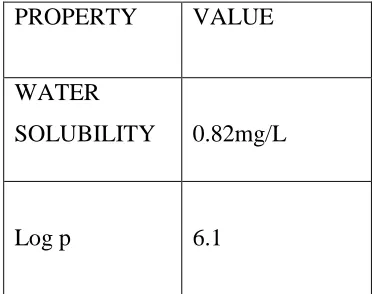
Experimental properties :
Table no:3
PROPERTY VALUE
WATER
SOLUBILITY 0.82mg/L
Log p 6.1
Molecular weight: Average: 422.911g/mol
Pharmacology: Indications
May be used as a first line agent to treat uncomplicated hypertension, isolated systolic hypertension and left ventricular hypertrophy. May be used as a first line agent to delay progression of diabetic nephropathy. Losartan may be also used as a second line agent in the treatment of congestive heart failure, systolic dysfunction, myocardial infarction and coronary artery disease in those intolerant of ACE inhibitors.
Pharmacodynamics
angiotensin II. Angiotensin II increases blood pressure by increasing total peripheral resistance, increasing sodium and water reabsorption in the kidneys via aldosterone secretion, and altering cardiovascular structure. Angiotensin II binds to two receptors: AT1 and type-2 angiotensin II receptor (AT2). AT1 is a G-protein coupled receptor (GPCR) that mediates the vasoconstrictive and aldosterone-secreting effects of angiotensin II. Studies performed in recent years suggest that AT2 antagonizes AT1-mediated effects and directly affects long-term blood pressure control by inducing vasorelaxation and increasing urinary sodium excretion. Angiotensin receptor blockers (ARBs) are non-peptide competitive inhibitors of AT1. ARBs block the ability of angiotensin II to stimulate pressor and cell proliferative effects. Unlike ACE inhibitors, ARBs do not affect bradykinin-induced vasodilation. The overall effect of ARBs is a decrease in blood pressure.
Mechanism of action:
Losartan competitively inhibits the binding of angiotensin II to AT1 in many tissues including vascular smooth muscle and the adrenal glands. Losartan is metabolized to its active metabolite, E-3174, which is 10 to 40 times more potent than losartan and acts as a non-competitive AT1 antagonist. Inhibition of angiotensin II binding to AT1 inhibits its AT1-mediated vasoconstrictive and aldosterone-secreting effects and results in decreased vascular resistance and blood pressure. Losartan is 1,000 times more selective for AT1 than AT2. Inhibition of aldosterone secretion may increase sodium and water excretion while decreasing potassium excretion. Losartan is effective for reducing blood pressure and may be used to treat essential hypertension, left ventricular hypertrophy and diabetic nephropathy.
Absorption:
Well absorbed, the systemic bioavailability of losartan is approximately 33%.
Volume of distribution:
34 L [losartan]
12 L [active metabolite]
Protien binding: 99.7%, primarily to albumin.
Metabolism:
to be 4- to 8-fold higher than losartan and E-3174 is considered the main contributor to the pharmacologic effects of this medication.
Route of elimination:
After single doses of losartan administered orally, about 4% of the dose is excreted unchanged in the urine and about 6% is excreted in urine as active metabolite. Biliary excretion contributes to the elimination of losartan and its metabolites.
Half life:
The terminal t1/2 of losartan is 2 hours and that of E-3174 is 6-9 hours.
Clearence:
600 ml/min [Healthy volunteers after IV administration]
Renal cl=56 ± 23 ml/min [Hypertensive adults given 50 mg once daily for 7 days]
Renal cl=53 ± 33 ml/min [Hypertensive children (6-16 years old) given 0.7 mg/kg once daily for 7 days]
Toxicity: 14
EXCIPIENT PROFILE
MICROCRYSTALLINE CELLULOSE35
Nonproprietary NamesBP:
JP: Microcrystalline cellulose. Microcrystalline cellulose.
PhEur: Cellulosum microcsristallinum. USPNF: Microcrystalline cellulose.
Synonyms:
BP:Microcrystalline cellulose. JP: Microcrystalline cellulose.
PhEur: Cellulosum microcristallinum. USPNF: Microcrystalline cellulose.
Functional Category:
Adsorbent; suspending agent; tablet and capsule diluent; tablet disintegrant.
Description:
Microcrystalline cellulose is purified, partially depolymerized cellulose that occurs as a white, odorless, tasteless, crystalline powder composed of porous particles. It is commercially available in different particle sizes and moisture grades that have different properties and applications.
Typical Properties:
Angle of repose: 490 for Ceolus KG; 34.40 for Emcocel 90M.
Density (bulk): 0.337 g/cm3; 0.32 g/cm3 for Avicel PH-101; 0.29 g/cm3 for Emcocel 90M; 0.29 g/cm3 for VivaPur 101.
Density (tapped): 0.478 g/cm3; 0.45 g/cm3 for Avicel PH-101; 0.35 g/cm3 for Emcocel 90M.
Density (true): 1.512–1.668 g/cm3 Flowability: 1.41 g/s for Emcocel 90M.
Moisture content: typically less than 5% w/w. However, different grades may contain varying amounts of water. Microcrystalline cellulose is hygroscopic.
Applications:
Microcrystalline cellulose is widely used in pharmaceuticals, primarily as a binder/diluent in oral tablet and capsule formulations where it is used in both wet-granulation and direct-compression processes. In addition to its use as a binder/diluent, microcrystalline cellulose also has some lubricant and disintegrant properties that make it useful in tableting. Microcrystalline cellulose is also used in cosmetics and food products.
Magnesium stearate36 Non proprietary names:
BP: Magnesium stearate
JP: Magnesium stearate
PhEur: Magnesii stearas
USPNF: Magnesium stearate
synonyms:
Magnesium octadecanoate; octadecanoic acid, magnesium salt; stearic acid, magnesium salt.
Chemical Name and CAS Registry Number:
Octadecanoic acid magnesium salt [557-04-0]
Empirical Formula and Molecular Weight:
C36H70MgO4 591.34
The USPNF 23 describes magnesium stearate as a compound of magnesium with a mixture of solid organic acids that consists chiefly of variable proportions of magnesium stearate and magnesium palmitate (C32H62MgO4). The PhEur 2005 describes magnesium
Structural Formula:
[CH3 (CH2)16COO]2Mg
Functional Category
Tablet and capsule lubricant.
Applications in Pharmaceutical Formulation or Technology:
Magnesium stearate is widely used in cosmetics, foods, and pharmaceutical formulations. It is primarily used as a lubricant in capsule and tablet manufacture at concentrations between 0.25% and 5.0% w/w. It is also used in barrier creams43
Talc:37 Synonyms:
Altalc; E553b; hydrous magnesium calcium silicate; hydrous magnesium silicate; Luzenac Pharma; magnesium hydrogen metasilicate; MagsilOsmanthus; Magsil Star; powdered talc; purified French chalk; Purtalc; soapstone; steatite; Superiore.
Chemical Name: Talc
Functional Category:
Anti-caking agent;glidant; diluent andlubricant.
Description:
Talc is a very fine, white to greyish-white, odourless, impalpable, unctuous, crystalline powder.
Typical Properties:
Specific gravity: 2.7–2.8
Specific surface area: 2.41–2.42 m2/g
Solubility:
It is practically insoluble in dilute acids, alkalis, organic solvents and water.
Applications:
Stability and Storage Conditions:
Talc is a stable material and may be sterilized by heating at 160oC for not less than 1 hour. Talc should be stored in a well-closed container in a cool, dry place.
Incompatibilities: It is incompatible with quaternary ammonium compounds.
Safety:
Talc is regarded as an essentially nontoxic material. Inhalation of talc causes irritation and may cause severe respiratory distress in infants.
SODIUM BICARBONATE: 38 Nonproprietary Names:
• BP : Sodium bicarbonate
• JP : Sodium bicarbonate
• PhEur : Natrii hydrogenocarbonas
• USP : Sodium bicarbonate
Synonyms:
Baking soda; E500; Effer-Soda; monosodium carbonate; Sal de Vichy; sodium acid carbonate; sodium hydrogen carbonate.
Chemical Name and CAS Registry Number:
Carbonic acid monosodium salt [144- 55-8]
Empirical Formula and Molecular Weight: NaHCO3 84.01
Applications: Sodium bicarbonate is generally used in pharmaceutical formulations as a source of carbon dioxide in effervescent tablets and granules. It is also widely used to produce or maintain an alkaline pH in a preparation.
Tablets may also be prepared with Sodium bicarbonate alone since the acid of gastric fluid is sufficient to cause effervescence and disintegration. Sodium bicarbonate is also used in tablet formulations to buffer drug molecules that are weak acids, thereby increasing the rate of tablet dissolution and reducing gastric irritation. The effects of tablet binders, such as polyethylene glycols, Microcrystalline cellulose, silicified Microcrystalline cellulose, pregelatinized starch, and povidone, on the physical and mechanical properties of Sodium bicarbonate tablets have also been investigated. Additionally, Sodium bicarbonate is used in solutions as a buffering agent for Erythromycin, Lidocaine, local anesthetic solutions, and total parenteral nutrition solutions. In some parenteral formulations, e.g., in Niacin parenteral formulation, Sodium bicarbonate is used to produce a sodium salt of the active ingredient that has enhanced solubility. Sodium bicarbonate has also been used as a freeze-drying stabilizer and in toothpastes. Recently, Sodium bicarbonate has been used as a gas-forming agent in alginate raft system and in floating, controlled-release oral dosage forms of Furosemide and Cisapride Tablet formulations containing Sodium bicarbonate have been shown to increase the absorption of Paracetamol, and improve the stability of Levothyroxine. Sodium bicarbonate is used in food products as an alkali or as a leavening agent, e.g. baking soda.
Table no 4: Uses of sodium bicarbonate
Use Concentration (%)
Buffer in tablets 10-40
Effervescent tablets 25-50
Use Concentration (%) Buffer in tablets 10–40 Effervescent tablets 25–50 Isotonic injection/infusion 1.39
Description:
Sodium bicarbonate occurs as an odorless, white, crystalline powder with a saline, slightly alkaline taste. The crystal structure is monoclinic prisms. Grades with different particle sizes, from a fine powder to free-flowing uniform granules, are commercially available.
Typical Properties:
Acidity/alkalinity: pH = 8.3 for a freshly prepared 0.1 M aqueous solution at 25°C; alkalinity increases on standing, agitation, or heating.
Density (bulk): 0.869 g/cm3
Density (tapped): 1.369 g/cm3
Density (true): 2.173 g/cm3
Freezing point depression: 0.381°C (1% w/v solution)
Melting point: 270°C (with decomposition)
Moisture content: below 80% relative humidity, the moisture content is less than 1% w/w. Above 85% relative humidity, sodium bicarbonate rapidly absorbs excessive amounts of water and may start to decompose with loss of carbon dioxide.
Osmolarity: 1.39% w/v aqueous solution is isoosmotic with serum.
Solubility:
Table no 5: Solubility of sodium bicarbonate.
Solvent Solubility At 200C unless otherwise stated
Ethanol(95%) Practically insoluble
Ether Practically insoluble
Water 1 in 4 at 1000C
1 in 10 at 250C
1 in 12 at 180C
Solvent Solubility at 20°C unless otherwise stated Ethanol (95%) Practically insoluble Ether Practically insoluble 1 in 11 1 in 4 at 100°Ca 1 in 10 at 25°C Water 1 in 12 at 18°C
Stability and Storage Conditions:
passed through the solution in its final container, which is then hermetically sealed and autoclaved. The sealed container should not be opened for at least 2 hours after it has returned to ambient temperature, to allow time for the complete reformation of the bicarbonate from the carbonate produced during the heating process.Sodium bicarbonate is stable in dry air but slowly decomposes in moist air and should therefore be stored in a well-closed container in a cool, dry place.
Incompatibilities:
Sodium bicarbonate reacts with acids, acidic salts, and many alkaloidal salts, with the evolution of carbon dioxide. Sodium bicarbonate can also intensify the darkening of salicylates. In powder mixtures, atmospheric moisture or water of crystallization from another ingredient is sufficient for Sodium bicarbonate to react with compounds such as boric acid or alum. In liquid mixtures containing bismuth subnitrate, Sodium bicarbonate reacts with the acid formed by hydrolysis of the bismuth salt. In solution, Sodium bicarbonate has been reported to be incompatible with many drug substances such as Ciprofloxacin, Amiodarone, Nicardipine, and Levofloxacin.
Safety:
Sodium bicarbonate is used in a number of pharmaceutical formulations including injections and ophthalmic, otic, topical, and oral preparations. Sodium bicarbonate is metabolized to the sodium cation, which is eliminated from the body by renal excretion, and the bicarbonate anion, which becomes part of the body’s bicarbonate store. Any carbon dioxide formed is eliminated
via the lungs. Administration of excessive amounts of Sodium bicarbonate may thus disturb the body’s electrolyte balance, leading to metabolic alkalosis. When used as an excipient, Sodium
bicarbonate is generally regarded as an essentially nontoxic and nonirritant material. LD50 (mouse, oral) : 3.36 g/kg LD50 (rat, oral) : 4.22 g/kg Handling Precautions Observe normal precautions appropriate to the circumstances and quantity of material handled. Eye protection and gloves are recom