Human-directed dog aggression;
A systematic review
Thesis submitted in accordance with
the requirements of the
University of Liverpool
for the degree of
Master of Philosophy
By
Jennifer Newman
2
DECLARATION
I declare that, other than where otherwise acknowledged, this thesis and the
work it entailed is of my own composition, it has not been submitted for any
other degree or professional qualification.
3
Abstract
Human-directed dog aggression is a worldwide issue with major public health and animal welfare implications. Consequences for the target of aggression range from fear and minor injury, to life threatening injury and death, and for the dog impaired freedoms, restricted interactions and ultimately euthanasia. The systematic review undertaken here aimed to identify and assimilate all robust evidence regarding factors that affect the risk of human-directed dog aggression. Such information is vital for the development of sound preventive strategies.
Multiple electronic literature databases were interrogated in order to identify all evidence for risk factors of human-directed dog aggression. The search strategy was designed to minimise the risk of publication and language biases, specificity was sacrificed for sensitivity.
The threshold for acceptance of evidence was predetermined at a moderate level; any study that provided evidence with a low risk of confounding and bias and a moderate probability that any relationship identified was causal would reach the final review. Appraisal examined methodological quality, study design, selection process, measurement of outcome and exposures, and type and quality of analysis. All stages of appraisal were undertaken blind to the study findings.
On assimilating the evidence identified, no robust evidence for any risk factors of human-directed dog aggression was identified. Eight studies provided a moderate level of somewhat conflicting evidence. Amongst those studies appraised as failing to reach the moderate level of acceptable
evidence, the majority were excluded as a result of multiple limitations. It is vital that future research is undertaken to a high methodological standard in order that it provides robust evidence for the effect of any risk factor
4
Contents
[image:4.595.114.525.161.771.2]Abstract ... 3
Table of Figures & Tables ... 11
Chapter One: Introduction & Literature review ... 12
1. Introduction ... 13
1.1. Dog-human relationships ... 14
1.1.1. Domestication of the dog ... 14
1.1.1.1. Archaeological evidence ... 14
1.1.1.2. Genetic evidence ... 15
1.1.1.3. The process of domestication ... 16
1.1.1.4. The dog in modern society ... 17
1.1.2. Health benefits of dog ownership ... 17
1.1.2.1. Dog ownership and exercise ... 18
1.1.2.2. Pet ownership and cardiovascular health ... 19
1.1.2.3. Dog ownership and psychosocial health ... 20
1.1.2.4. Early dog ownership and atopy ... 21
1.1.2.5. Assistance dogs ... 22
1.1.2.6. Security ... 23
1.1.3. Motivation for dog ownership ... 23
1.1.3.1. Dogs as a status symbol ... 23
1.1.3.1.1. The “Status Dog” ... 24
1.2. Risks associated with the human-canine relationship ... 25
1.3. Human-directed dog aggression ... 26
1.3.1. The impact of human-directed dog aggression on people ... 28
1.3.1.1. Fatalities ... 28
5
1.3.1.3. Aggression where no physical injury occurs ... 32
1.3.1.3.1. Cognitive bias in interpretation of behaviour ... 32
1.3.1.4. Psychological implications ... 33
1.3.2. The impact of human-directed dog aggression on dogs ... 34
1.3.2.1. Euthanasia ... 35
1.3.2.2. Restricted activities ... 35
1.3.2.3. Relinquishment ... 36
1.3.2.4. Emotional state causing aggression ... 36
1.4.4. Legislative ... 38
1.4.4.1. Legislation affecting all dogs within a jurisdiction ... 38
1.4.4.1.1. Control of free-roaming dogs ... 38
1.4.4.1.2. Restraint of dogs ... 39
1.4.4.1.3. Licensing and Identification ... 39
1.4.4.1.4. Training ... 40
1.4.4.2. Breed Specific Legislation ... 40
1.4.4.2.1. Prohibition of specific breeds or types of dog ... 41
1.4.4.2.2. Management restrictions of specific breeds ... 42
1.4.4.2.3. Behaviour testing of specified breeds ... 43
1.4.4.3. Legislation affecting individual dogs considered to pose heightened risk ... 44
1.5. Risk factors for aggression ... 45
1.6. Factors which affect the consequences of aggression ... 46
1.6.1. Anatomical conformation of dog ... 47
1.6.2. Bite inhibition ... 47
Chapter Two: Introduction - The Systematic Review ... 48
2. The Systematic review ... 49
2.1. Identifying an acceptable standard of evidence ... 50
6
2.1.2. Identification of evidence ... 56
2.1.2.1. Language and location bias ... 56
2.1.2.2. Database selection ... 57
2.1.2.3. Publication bias ... 57
2.1.3. Appraisal of evidence ... 58
2.1.4. Compilation of findings. ... 58
2.2. Time scale for systematic review ... 59
2.3. Systematic reviews and observational studies ... 60
2.4. Systematic reviews and animals ... 61
2.4.1. Systematic reviews and human-directed dog aggression ... 61
Chapter Three: Methodology of human-directed dog aggression systematic review ... 64
3. Systematic review methodology ... 65
3.1. Identifying research questions ... 65
3.1.1. Evidence grading system utilised in systematic review ... 68
3.2. Search strategy ... 70
3.2.1. Search equation ... 70
3.2.2. Database selection ... 70
3.2.3. Unpublished work ... 72
3.3. Appraisal ... 73
3.3.1. Initial appraisal ... 73
3.3.2. Translation ... 74
3.3.3. Initial appraisal of relevant literature ... 74
3.4. Formal appraisal... 74
3.4.1. Round table discussion ... 75
3.5. Assimilation of robust evidence base ... 76
Chapter Four: Results of human-directed dog aggression systematic review ... 77
7
4.1.1. Publications retrieved ... 78
4.1.2. Unpublished work ... 79
4.1.3. Formal appraisal... 80
4.1.4. Risk factors investigated ... 82
4.1.4.1. Factors relating to the dog ... 83
4.1.4.2. Factors related to the owner ... 84
4.1.4.3. Factors related to owner-dog interaction ... 85
4.1.4.4. Factors related to the target of aggression ... 86
4.1.4.5. Factors related to the circumstances of the aggressive event ... 87
4.1.5. Studies meeting inclusion criteria ... 88
4.1.5.1. Non-specific observational studies ... 89
4.1.5.1.1. An epidemiological study of dog bites among postmen in central Taiwan ... 89
4.1.5.1.2. Which dogs bite? A case control study ... 89
4.1.5.1.3. Risk factors for dog bites to owners in the general veterinary caseload ... 90
4.1.5.1.4. National survey of owner directed aggression in English Springer Spaniels ... 91
4.1.5.2. Studies of heritability ... 91
4.1.5.2.1. The genetic contribution to canine personalit ... 91
4.1.5.2.2. Direct genetic, maternal and litter effects on behaviour in German Shepherd dogs in Sweden ... 92
4.1.5.3. Studies of the effect of diet on aggression ... 92
4.1.5.3.1. Effect of dietary protein content and tryptophan supplementation on dominance aggression, territorial aggression, and hyperactivity in dogs ... 92
4.1.5.3.2. Effect of dietary protein content on behaviour in dogs ... 93
4.2. Narrative systematic Review ... 93
4.2.1. Summary of findings ... 93
4.3. Evidence regarding dog related factors ... 97
8
4.3.2. Does the age of a dog affect the risk of it exhibiting human-directed dog
aggression? ... 99 4.3.3. Do the sex and neuter status of a dog affect risk for human-directed dog
aggression? ... 100 4.3.4. Does the breed of a dog affect the risk of it exhibiting human-directed dog aggression? ... 102 4.3.5. Are there genetic determinants of risk for human-directed dog aggression? .. 104 4.3.6. Does the behavioural history of the dog affect risk of human-directed
9
4.7.1. Does geographic location or degree of urbanisation affect risk of
human-directed dog aggression? ... 119
4.8. Summary of findings and key areas for future research ... 120
Chapter Five: Appraisal of methodological issues ... 123
5. Appraisal of methodological issues ... 124
5.1. Study design ... 124
5.1.1. Case studies and series ... 124
5.1.2. Sample size ... 124
5.2. Selection ... 125
5.2.1. Convenience sampling ... 125
5.2.2. Registries ... 126
5.2.2.1. Registered dog population ... 127
5.2.2.2. Reported dog bites... 127
5.2.3. Medically attended bites ... 128
5.2.4. Randomisation ... 129
5.2.5. Control selection ... 130
5.3. Measurement... 130
5.3.1. Outcome definition ... 131
5.3.2. Outcome measurement ... 133
5.3.3. Study factor measurement ... 133
5.3.4. Blinding ... 134
5.4. Confounding ... 134
5.5. Analysis ... 135
Chapter Six: General discussion ... 136
6. Discussion... 137
6.1. Findings of the review ... 137
10
6.1.2. Youngsters in the home ... 138
6.1.3. Heritability of aggression ... 139
6.1.4. Husbandry and risk ... 140
6.2. The systematic review ... 141
6.3. Minimisation of publication biases ... 143
6.4. Design priorities in future research ... 145
6.5. Conclusion ... 146
Appendix ... 147
11
Table of Figures & Tables
Table 1: Canadian Task Force on the Periodic Health Examination: Levels of evidence ... 52
Table 2: United States Preventive Services Taskforce, levels of evidence ... 53
Table 3: Oxford Centre for Evidence Based Medicine; Levels of Evidence ... 54
Table 4: Scottish Intercollegiate Guidelines Network (SIGN) Levels of evidence... 55
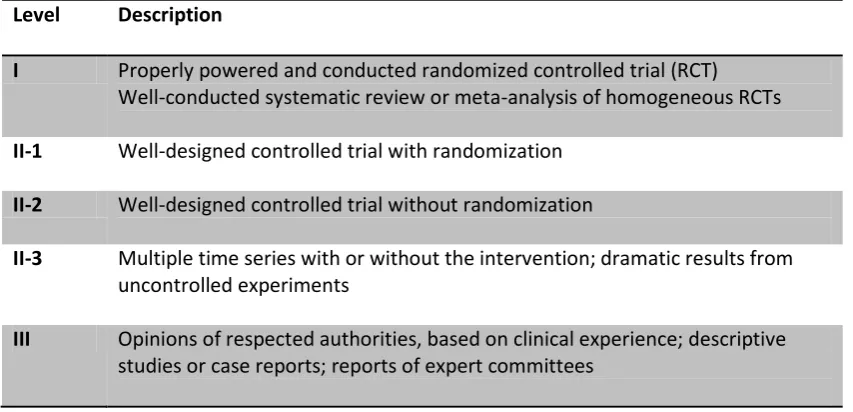
Table 5: The hierarchy of evidence utilised in this systematic review, amended from SIGN ... 69
Table 6: Electronic citation databases utilised in identifying published work ... 72
Table 7: Investigated factors primarily related to the dog ... 83
Table 8: Investigated factors primarily related to the owner ... 84
Table 9: Investigated factors related to owner-dog relationship and interaction ... 85
Table 10: Investigated factors related to the target of aggression ... 86
Table 11: Investigated factors related to the circumstances of the event ... 87
Table 12: General observational studies reaching the inclusion standard of systematic review ... 95
Table 13: Studies of diet and hereditability reaching the inclusion standard of systematic review .... 96
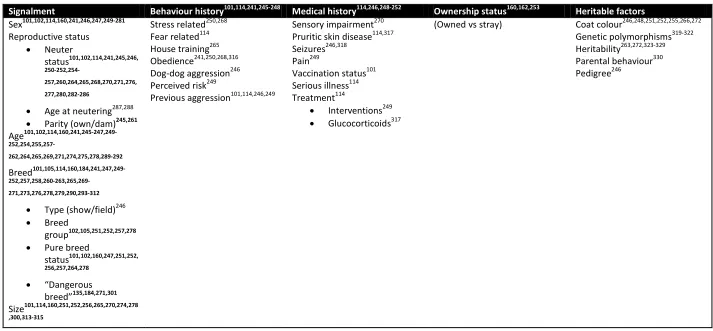
Table 14: Summary of current evidence base for risk factors of human-directed dog aggression ... 122
Table 15: Studies reaching formal appraisal and reasons for their exclusion. ... 148
Figure 1: Ladder of Aggression by Kendal Shepherd ... 27
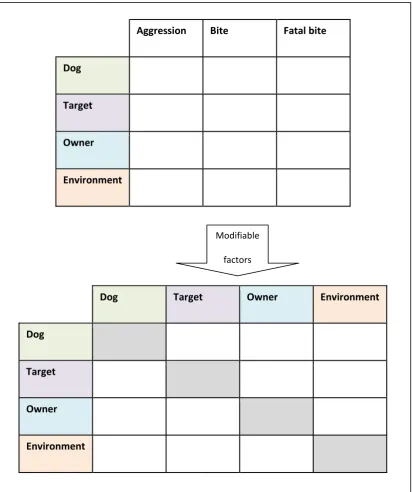
Figure 2: Conceptual framework for examining the interactions between parties and risk factors generated. ... 67
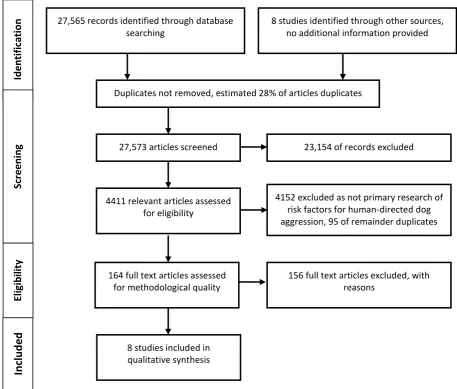
Figure 3: PRISMA diagram summarising the screening and appraisal process ... 81
12
Chapter One
13 1. Introduction
Human-directed dog aggression is a worldwide issue, with major public
health and animal welfare implications. In order for preventative measures to
be identified, be they legislative, behavioural, genetic or social, the factors
which make dog aggression directed towards people more likely to occur
need to be identified in a reliable manner. The systematic review described
in this thesis sought to identify all available robust evidence of factors which
affect the risk of human-directed dog aggression.
This thesis will outline: man’s association with the dog, the issue of
human-directed dog aggression, the methodology and findings of the systematic
review undertaken and will evaluate common limitations of studies
investigating human-directed dog aggression. Hence, the principal aim of the
work presented in this thesis is to systematically identify and review the
current robust evidence base of risk factors for human-directed dog
aggression, highlighting the areas where further research is a priority and
areas where improvements in research methodology might be focused in the
14 1.1. Dog-human relationships
1.1.1. Domestication of the dog
There is little dispute that the closest relative of today’s domestic dog (Canis familiaris) is the grey wolf (Canis lupis), with no other canid sharing closer genetic lineage.1-3 The archaeological record suggests that man’s
domestication of the dog can be dated to 10,000-17,000 years ago1,4-8 and
possibly as far as 30,000 years.9 The former coincides with a key stage
within human development, with man beginning the transition from hunter
gatherer to more settled agriculture, a time associated with the domestication
of many species.10,11
1.1.1.1. Archaeological evidence
One of the earliest identified remains of a tamed canid in Europe was of a
five month old puppy, unearthed at the Mesolithic Star Carr site in Yorkshire,
England. These remains have been carbon dated to approximately 10,000
years ago.12 Remains of very similar size and morphology, found close to
various coastal sites near historical shipping routes and carbon dated to the
same period, suggest that at that time the genetic diversity amongst these
early European domesticated canids was minimal, with perhaps one litter
being distributed around Europe and further afield by sailors.10
A notable finding from this time was of elderly human and juvenile canid
remains buried together at Ein Mallaha, an Eastern Mediterranean
15 domesticated Arabian Wolf, the manner of burial suggested the wolf’s
significance to the human and his kin.12
1.1.1.2. Genetic evidence
Vila et al. examined the mitochondrial DNA (mtDNA) of modern day wolves
and dogs representing 67 modern breeds.2 The molecular distance found by
Vila suggested that the point of divergence of the dog and wolf from their
common ancestor was nearer 100,000 years ago, far earlier than the
archaeological record suggests. This work also suggested that divergence
occurred in multiple geographical sites and was not, as previously
suggested, a single point divergence.
More recently similar studies have suggested that divergence occurred
approximately 16,000 years ago from a small group of founders.13 Genomic
methods of estimation of the time of divergence suggest that this may have
occurred as recently as 10,000 years ago.8 However this estimate does not
take account of the continued backcrossing occurring between the early dog
and wolves. Backcrossing will lead to significant underestimation using both
mtDNA and genomic methods for estimation of the time of divergence.8,14
Taking this into account the work above estimated that even a small amount
of continued back crossing could move the time of divergence nearer 30,000
years ago.8
Whilst the limited number of lineages identified by mtDNA evidence suggests
that domestication resulted from a relatively small number of discrete
16
familiaris suggests a large number of ancestors are likely to have been involved.14 This supports the theory that backcrossing contributed
significantly to the development of the modern day dog, and its
phenotypically diverse breeds.8,14
1.1.1.3. The process of domestication
Vigne describes the process of domestication as involving a number of
stages; with an intensification of the relationship between animals and
humans, commensalism, human control of the wild animal, followed by
control and extensive breeding of the now captive animal.11 Intensive
breeding, with man artificially exerting selection pressure for desired
characteristics, then results in the development of a domesticated species.
Vigne’s theory supports Coppinger’s suggestion that domestication of the
wolf began by those least afraid of humans having a shorter “flight distance”
and thus being able to live more closely to human camps, and thereby
benefit from their food waste and shelter.15
Lindsay proposed that early in the process of domestication wolves existed
in a mutualistic relationship with groups of human hunter-gatherers, living in
a niche close to settlements but not within them.16 This mutualism developed
an environment in which further co-evolution could occur, selecting for those
phenotypic features which conferred an advantage to dogs whilst living
closely with humans.16,17
The archaeological and genetic evidence appears contradictory, with
17 millennia. However, it is likely this is a reflection of the process of evolution of
the dog, from a common canid ancestor, and its subsequent speciation and
domestication. Selection pressure exerted by the protodog’s developing
relationship with man resulted in the morphological changes seen in
archaeological remains and ultimately today’s breeds of dog.
1.1.1.4. The dog in modern society
Dogs fulfil numerous roles within the human community. To early man, the
main purpose for owning dogs is thought to have been their hunting prowess
and the protection they conferred against other predators.12 To twenty-first
century humans, dogs continue to fulfil these roles for some, and in addition
are companions, confidants, and a member of the family, to others the dog is
a work partner, an assistant, a status symbol, perhaps even a weapon.18-22
These diverse, human-appeasing, roles fulfilled by dogs engender differing
expectations, attitudes and husbandry.
Although related to the wolf by a common ancestor, dogs have evolved over
the past millennia to depend to varying extents on their relationship with
man. For the dog, the human-canine relationship routinely provides the
biological essentials of shelter, nourishment and warmth. In addition humans
offer companionship and stimulation, something these family animals require
in order to thrive.
1.1.2. Health benefits of dog ownership
The impact of dog, and other companion animal, ownership upon human
18 have been conflicting reports of benefit to human health via various
outcomes,23-39 and of consequent reduced consumption of health care
resources.40-42
Before the question of the affect of pet dog ownership on human health can
be understood, we must first consider that health is far more than the
absence of disease. The World Health Organisation (WHO) defines health as
“a state of complete physical, mental, and social well-being and not merely
the absence of disease or infirmity.”43
With this in mind, it can be foreseen
that any affect of ownership on an isolated disease outcome may not be
reflected in the overall effect on health, and likewise that any positive effect
on health may reflect the interaction of psychosocial factors with somatic
disease. These interactions create a complex situation for analysis with
many potential confounders.
1.1.2.1. Dog ownership and exercise
Cross-sectional studies have suggested that dog owners tend to be more
physically active than non-owners,23-25 and that this relationship persists
when socio-demographic, socio-environmental and physical factors are
controlled for.27 Prospective work by Cutt et al. found that acquiring a dog
was associated with an increase in recreational walking greater than in those
who did not acquire a dog (p<0.05), however this work also identified a
number of lifestyle factors and changes which were associated with acquiring
a dog and may act as confounders to the relationship with walking.26
Although the effect of acquisition was reduced when socio-demographic
19 Whilst studies have repeatedly found an association between a moderate
increase in walking and dog ownership,23-26 others have found that a
significant proportion of owners do not walk their dogs.28 It has been
suggested that owners who do not identify that their dog has a social support
role are less likely to walk with their dog.44
1.1.2.2. Pet ownership and cardiovascular health
Work carried out in the mid 1970s by Friedmann et al., reported to be the first
study of its kind, found that one year survival following myocardial infarction
was significantly higher in patients who reported owning a pet at the time of
their initial admission, as compared to those who did not.29 The authors of
this study considered that the exertional capacity required in order to own a
dog may have confounded this relationship. However, when the 80% of the
pet owners who were dog owners were removed from the analysis the
significance of the relationship persisted. The authors concluded that the
effect on mortality was likely to reflect personality and social differences in
those choosing to own pets, rather than an increase in exercise or a direct
effect of ownership.29
Whilst much of the work in this area examines the effect of pet ownership on
health, without distinguishing between species owned; work undertaken in a
randomly selected subset of the study population of the Cardiac Arrhythmia
Suppression Trial (CAST) examined the effect of cat and dog ownership, in
addition to psychosocial factors, on 1 year survival post myocardial
infarction.39 Friedmann and Thomas found that dog ownership was
20 cat ownership was associated with an increase in mortality at one year
(p=0.03).39 Further analysis however revealed that social support
confounded this relationship and the negative effect of cat ownership was
ameliorated when this was taken into account, whilst the beneficial
association with dog ownership persisted independently.39 These findings, in
common with others, identify that there are differences in the psychosocial
and physiological impacts of dog ownership as compared to ownership of
other companion animals.39,45-47
1.1.2.3. Dog ownership and psychosocial health
Dogs are commonly considered friends or members of the family,48-50 with
the owner-pet relationship fitting the evolutionary attachment system of the
parent-child bond.51 Dogs impart security and well being, providing
companionship and social support, pleasure in recreation and
relaxation.18,22,47-50
During childhood especially, it is thought that the perceived unconditional
love and non-judgemental affection, derived from the pet-human bond, is
particularly beneficial to psychological well being.52,53
An owner’s relationship with their pet dog may mirror some aspects of
human relationships known to have positive benefits to health.54 Ownership
of a pet, and especially a dog, appears to attenuate the physiological and
psychological effects of stress.37,42,55 This stress attenuating effect has also
21 Levinson is noted as the first to document the beneficial effect of the
presence of a dog on child communication, and their beneficial influence on
building rapport in the psychotherapy setting.58 Attachment to a pet during
childhood and early adolescence has been noted to be associated with
positive emotional functioning59 and improved self esteem,59,60 both
important aspects of socio-emotional development.61
At the other extreme of life, a longitudinal study of non-institutionalised older
adults, found that the ability to perform activities of daily living of pet owners
deteriorated at a slower rate than in those not owning a pet, after controlling
for other factors.62
1.1.2.4. Early dog ownership and atopy
There is contention over the affect of dog ownership during early childhood
on the incidence of later atopy and asthma. A number of studies have found
a, possibly exposure-dose dependent,32,35 reduction in the incidence of both
childhood atopy and asthma in those exposed to pets during infancy.32-35
With ownership of a single dog or cat associated with a slight increase in
atopy whilst ownership of two or more dogs is associated with a significant
reduction in atopy.32,35 It has been suggested that this effect may be
confounded by selection for pet ownership,33,35,63 likewise this may explain
the finding of an inverse relationship between current pet ownership,
sensitisation and symptoms of hay fever, with families where children have
become sensitised no longer owning pets.34 This may also have a role in the
finding that the negative association was only present in those without a
22 1.1.2.5. Assistance dogs
Increasingly the role of canine companions in improving the quality of life for
those with physical or mental impairment is recognised and actively nurtured.
Wartime Germany, 1916-17, saw what are thought to be the first guide dogs
for the blind, with dogs being taught to lead soldiers blinded in the trenches.
News of this spread to Switzerland and thence the United States where The
Seeing Eye organisation was established in 1928.64 In the United Kingdom,
the Guide Dogs for the Blind Association was established in 1934.65 Over the
intervening decades dogs have also been trained to assist those with a
diverse range of physical impairments, including hearing loss,66 epilepsy67
and diabetes mellitus.68
In common with dogs kept as pets, in addition to fulfilling their role in
reducing the physical impact of their owner’s impairment and thus reducing
the consequent physical disability; assistance dogs confer both
companionship and confidence, reducing social handicap and reliance on
others for personal care, whilst increasing community integration and
independence.38,66,69-71 Although a recent systematic review found sound
scientific evidence of these effects to be sparse,72 as a result of recognition
of this aspect of the role of assistance dogs the past two decades have seen
the broadening of assistance dog programs to include provision of
psychiatric assistance dogs, and in the development of animal assisted
23 1.1.2.6. Security
Dogs are utilised in a number of military and law enforcement roles;
protection, detection and reassurance, maintenance of public order,
assistance of armed officers with non lethal apprehension and restraint of
assailants, searching for persons, property and contraband substances.75-78
1.1.3. Motivation for dog ownership
Humans can be considered to be intrinsically or extrinsically motivated.79
Intrinsic aspirations are described as those relating to meaningful
relationships, personal growth and community contributions, and external
aspirations as relating to the acquisition of wealth and self image.79,80
Intrinsically motivated individuals have been described as gaining from the
journey towards their goals whilst extrinsically motivated individuals focus on
the attainment of the goal.81 These motivations are found in all aspects of life
including our relationships with companion animals.20
1.1.3.1. Dogs as a status symbol
Where motivation for dog ownership is driven by external reward, such as
acclaim from others or alteration in personal identity within a community, this
is often at the expense of acknowledgement of the dog’s innate personality
and needs as a canid.20 Reward from these relationships is measured in
terms of gain for the human, owner control of the animal, its conformation to
the role imposed upon it and its affect on the status of the owner within their
community.20 These dogs are in effect, although perhaps not consciously,
24 Extrinsic motivations applied to dog ownership result in a diverse range of
expectations of the dog, in part dictated by the cultural environment to which
the owner relates. Dogs fulfilling these extrinsic expectations range from the
track greyhound, through those dogs sought for their appearance and
conformation to breed standard, to the small dog carried everywhere and
treated as a toy.
For the dog, the restriction of activities and limitations of normal canine
behaviour and expression imposed by the role that they are placed into may
be considerably detrimental to their mental and physical health and
welfare.20,21,82 This is in contrast to the intrinsically motivated owner who
values their dog for its innate personality, nurtures their freedom and values
a bidirectional relationship with the animal.20
1.1.3.1.1. The “Status Dog”
Within some cultural environments, a dog’s physically dominating
appearance is considered to add to the owner’s status,83,84
and in this
context dogs are usually seen as representing socially undesirable
sub-cultures.21,84 This issue is commonly perceived within inner city, socially
deprived, urban environments,22,81 the “pariah status” of certain types of dog
is thought to encourage their ownership within this social environment.84
“Status dog” as a term is today used by some parties interchangeably with
“Weapon dog.” These dogs are felt to be used to intimidate others and in
some cases as weapons. Whether these dogs are in fact at greater risk of
biting is not known; even in the absence of physical injury, the fear they
25 these dogs may provide not only a symbol of status within their community
but companionship.21
Kasser et al79-81,85 suggested that early deprivation and uninvolved parenting
are associated with external motivation and the latter with dissatisfaction and
mental health problems.81-83,87 These descriptions were originally related to a
study of the life aspirations of college students, however can be extrapolated
to the dog owner’s motivations.20
This theory is in keeping with the opinion
expressed by Grant regarding the problem of “status dogs” within UK cities
as a consequence of a greater societal problem,86,87 and also reflects the
findings of the Marmot Report.88
1.2. Risks associated with the human-canine relationship
Whilst there are undoubted mutual benefits, the human-canine relationship
introduces risks to both parties. These include some factors (such as those
related to a deprived socio-cultural environment) where both humans and
their canine companions are exposed to the same suboptimal conditions.
Other risks are less specific to the shared environment.
Living within a human dominated environment results in a range of risks for
the dog, from restricted liberties, inappropriately altered diet and
interactions,82 through neglect and other forms of abuse and injury towards
the dog.21 Misunderstanding of the needs and behaviours of a dog may
result in further compromise of their environment and welfare.82
From a human perspective, the risks associated with canine-human
26 although other risks are also posed including accidental injury through
tripping over the dog or its belongings,89 and zoonotic risks.90,91 The latter
also frequently transmitted by bite injuries. Aggressive canine-human
interactions can result in injury, fear and even death. This issue is further
explored below.
1.3. Human-directed dog aggression
Aggression forms a normal component of every animal’s repertoire of
behaviours;82 however, for the dog living within a human environment,
human-directed dog aggression has major public health and animal welfare
implications; as a consequence aggression is considered by most to be
unacceptable in this context.
Expressed aggression is usually the end stage of the dog’s attempts to
express discomfort at a situation.82,92,93 The expression of emotions which
may culminate in a dog expressing overt aggression and biting have been
described hierarchically, this sequence of escalation is illustrated in
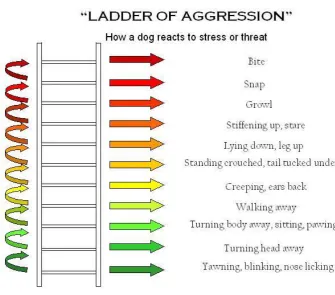
Shepherd’s Ladder of Aggression94
(Figure 1).
There are instances where the escalation illustrated by Shepherd’s Ladder of
Aggression is not seen, notably where a bite is the result of predatory
behaviour, when the emotions and behaviour of the dog differ to those seen
in fearful or stressful situations. 95
It is those behaviours at the peak of Shepherd’s hierarchy that are generally
considered acts of aggression.92,93 This can range in severity from a raised
27 resulting in injury of the target, usually by biting, and in extreme cases life
[image:27.595.151.487.142.437.2]threatening bite injuries.
Figure 1: Ladder of Aggression by Kendal Shepherd, Reproduced with permission from the BSAVA Manual of Canine and Feline Behavioural Medicine. © BSAVA94
There are various methods used to describe aggression.96 Historically man
attempted to infer motivation to the aggressive dog, defining the dog as
dominantly aggressive when he was aggressive in situations interpreted as a
challenge to the pack hierarchy or territorially aggressive when faced with a
threat to the dog’s domain.97,98
However, as the field of ethology has grown,
so has the understanding of the dog, and indeed the wolf, as a family
animal.99 This, in addition to a growing awareness of our limited knowledge
of what motivates an individual dog, has led to the increasing use of the
target or circumstances of aggression as a descriptor, and not the inferred
28 aggression, owner-directed and stranger-directed aggression. The
relationship between instigator and target being key to the likely factors
leading to aggression and potentially the manner in which it developed and
can be managed.100
1.3.1. The impact of human-directed dog aggression on people
Human-directed dog aggression is directly responsible for considerable worldwide morbidity and a small annual mortality rate. The number of people
injured by dogs annually is difficult to quantify, with many incidents going
unreported, even where this is obligatory,101-104 and multiple potential biases
affecting which bites are reported to authorities or presented for medical
treatment.88,104-106
In addition to the public health issues, human-directed dog aggression
carries implications to the welfare of dogs.107 For all of these reasons many
parties are keen to reduce the occurrence and consequences of aggressive
acts.
1.3.1.1. Fatalities
Fatalities as a direct result of acts of human-directed dog aggression are rare occurrences. Across England and Wales, during the decade to 2008 there
was an average of 2.2 registered deaths per annum attributed to dog bites or
strikes.108 However, as the Office of National Statistics acknowledge, these
figures are not entirely accurate, with for example only one of those four
deaths registered in 2008 occurring during that year.109 Children are
29
Indirect deaths, as a result of human-directed dog aggression, result largely from the infective consequences of bite injuries. The most common
pathogens implicated in bite wound infections include Pasteurella spp.,
Streptococcal spp. and Staphylococcal spp.111
Whilst not currently present in the United Kingdom, rabies virus is a notable
potential pathogen responsible for considerable additional indirect mortality
worldwide. The World Health Organisation (WHO) estimates that 55,000
people die as a result of rabies virus infection each year,112 the vast majority
of these deaths occur in Asia and Africa where transmission of the rabies
virus from a dog is thought to be the almost exclusive source of infection.112
Dog-human transmission of rabies virus is extremely rare outwith these
areas,111 with most rabies deaths in the United States, Europe and
Australasia resulting from infection via other vectors.111,112
Incidents of human-directed dog aggression resulting in the loss of life are of
great public and political concern. Identifying modifiable factors which will
enable their rate of occurrence to be reduced is a priority. However these
incidents are by far outnumbered by non life-threatening bite injuries and
deaths from other causes across all age groups. For example compared to
the annual average of 2.2 deaths attributable to dog bites or strikes; 30
people drowned in the bath in England and Wales during 200531 and, despite
a falling trend, road traffic collisions accounted for 2946 deaths in Great
30 It is not clear whether factors which predispose to increased risk of a minor
bite are the same as those which predispose to increased risk of a life
threatening bite injury.
1.3.1.2. Bites
Whether or not a dog has bitten would intuitively seem indisputable; however
this is not as well differentiated as at first appears with definitions and
perceptions of bite varying. Guy et al. defined a bite as “the upper or lower
teeth making contact with the victim’s skin with sufficient pressure to cause a
visible injury such as an indentation, welt, scrape or bruise, puncture or tear
in the skin. A dog mouthing a person’s skin without applying sudden
pressure is not considered a bite.” 114
This definition does not however
implicitly identify the act as aggressive. A puppy in play for example may
perform an act which would meet these criteria for bite, without any
aggressive intent.115
Within the scope of bite injury fall both the limb threatening, disfiguring,
wounds with extensive tissue loss and the minor abrasion with no skin
penetration. The injury imparted by a given dog in a given situation is
dependent on factors intrinsic both to the dog and the target of aggression.
Physics alone would suggest that a large muscular dog is able to generate a
greater bite force than a small dog,116,117 this is likely to at least in part
underlie the finding that owners are more likely to tolerate aggression in a
31 The rate of bite injuries as a result of human-directed dog aggression is
unknown; many do not result in presentation to any medical or law
enforcement authority.102,105,119,120 For the UK, we are able to crudely
estimate the number of injuries requiring hospital admission, and to a lesser
degree of certainty Emergency Department attendance, from data collected
by the NHS and made available as Hospital Episode Statistics (HES).121
Annual admissions for NHS care in England attributed to being bitten or
struck by a dog, coded as W54 using the 10th edition of International
Classification of Disease (ICD10), have risen over the past decade. The
most recent figures, for the year ending April 2011, indicate that there were
5,409 emergency admissions and a total of 10,690 occupied bed days
attributed to these injuries.121
An estimated 1 in 5 dog bites to adults and 1 in 4 dog bites to children result
in attendance for medical treatment in the United States.122,123 Owing to the
interaction of socially disparate health care seeking behaviour,88 perception
of risk and other psychosocial factors,124,125 those attending for treatment are
not likely to be representative of all bite injuries.88,104,105,119 As a result, even if
Emergency Department and Minor Injury Unit attendances were accurately
recorded, this data would not be definitive in determining who is at greatest
risk of being bitten.
Amongst those receiving medical attention for dog bite injuries, as in the
case of fatalities as a result of dog bite injuries,110 children are over
represented.119,126 However, studies which attempt to capture all bites, and
32 incidence in children,105,122 nor do they find an increased severity of injury in
children, although more injuries were to the head.105 Amongst reported bites,
those to children are more likely to have resulted in no injury than those to
adults.105 These findings, and the differences in distribution of bites identified
in the hospital attending as compared to general populations,105,119,122,126
support the hypothesis that bitten children are more likely to be presented to
hospital or reported to authorities than bitten adults, regardless of their
degree of injury.105,106
1.3.1.3. Aggression where no physical injury occurs
Aggression does not inevitably involve physical injury. The dog has a
repertoire of expressions of aggression, from the raising of a lip, snarl and
growl to a snap and ultimately a bite.92 This escalation provides the potential
for de-escalation and thereby reinstatement of the emotional equilibrium and
prevention of bite incidents.92 The difficulty in this obvious strategy of bite
prevention is in the recognition, by both owner and the target of aggression,
of the early stages of the escalation.127 Recognition of these non-injurious
expressions of aggression by all parties is thus potentially crucial in forming
strategies to reduce dog bite injuries.126
1.3.1.3.1. Cognitive bias in interpretation of behaviour
The incidence of non-injurious aggressive acts is likely impossible to quantify
in any meaningful manner. There is, in addition, inherent difficulty in
establishing whether what has been perceived by the target, or an observer,
was in reality aggression or an alternative behaviour misinterpreted.95,126,128
33 perceiving a non-aggressive act as aggressive are likely to be similarly
affected emotionally as where the act truly was aggressive. This is
recognised for example in the United Kingdom legislation; where section 3 of
the Dangerous Dogs Act 1991 legislates for a dog causing “reasonable
apprehension” that it may injure a person.129
Perception of the purpose for which a dog was acquired, and subsequently
owned, is likely to have a bearing on an individual’s interpretation of the risk
a given dog poses, and further the human reaction to the behaviour exhibited
by that dog.130 Observer perception of the circumstances of any situation will
be the consequence of interplay between perceived and real motivation,
emotional state, behaviour, knowledge and the environment, both physical
and cultural.131,132 An act of aggression by a dog perceived to be friendly
and playful is for instance less likely to be reported to authorities than the
same act by a dog perceived to be kept for intimidation or guarding.130
These issues have the potential to introduce considerable cognitive bias into
studies designed to identify the existence of a relationship between factors
such as the use, breed and size of dog and the risk it poses for
human-directed dog aggression.
1.3.1.4. Psychological implications
Even where no physical injury has occurred, the psychological morbidity
resulting from dog aggression, and perceived threat,84 can be profound and
34 anticipatory fear of dogs, transmission of phobias to dependents and in some
cases the development of post-traumatic stress related symptoms.133-135
1.3.1.5. Financial implications
The physical and psychological cost of human-directed dog aggression is
mirrored by monetary and societal costs. At the tip of the iceberg are those
bites attending for emergency medical attention; Weiss estimated this cost to
be US $102.4 million within the United States in 1998,119 this excluded follow
up care and indirect costs. In England, the Department for the Environment
Food and Rural Affairs (Defra) estimated the cost to the National Health
Service of dog attacks on people was £3.3 million in 2009.136
Non-medical costs include household liability claims, which in the United
States cost on average $26,166 per claim and $413 million in total in
2010.137 Professional liability claims in the United States have been
estimated to be in the region of $10 million per annum and ancillary costs,
including damage to belongings and lost income at $25 million.138
1.3.2. The impact of human-directed dog aggression on dogs
Whilst the more evident direct consequences of human-directed dog
aggression are to the human recipient of the aggression, there are also
considerable implications to the dog. These range from the relatively minor,
such as restriction to lead, to more extreme restrictions to the dog’s activities
resulting from impoundment, through to euthanasia.107,120 Aggression itself
35 1.3.2.1. Euthanasia
Human-directed aggression, especially where it results in serious injury, may
lead to owners choosing, or being compelled, to euthanise their dog.95,97,118
A level of aggression which would lead one owner to euthanise may be
tolerated by others. How large the risk and how incompatible that risk is with
family life is likely to be determined by many factors, some relating to the dog
and the perceived predictability of the aggression and others to the owner’s
home situation and ability to adapt and respond to their dog’s behavioural
changes and needs.118
1.3.2.2. Restricted activities
Where a dog is considered aggressive the owner may voluntarily restrict its
activities to avoid the potential for aggressive interactions. Whilst this may
reduce the risk of subsequent incidents it also restricts the dog’s interactions
with others, which may be detrimental to the welfare of the dog,140 and prove
counterproductive by increasing the social conflict and fear experienced by
the dog.82,107
Where a dog has bitten and is subject to court proceedings their activities are
likely to be restricted by kennelling with limited interactions, exercise and
ability to express themselves. Kennelling poses significant challenges to the
psychological and physiological health of the dog, with the potential to
compromise welfare.141,142 If a dog is returned to its owner following court
proceedings, the court judgement will often continue to restrict activity and
36 1.3.2.3. Relinquishment
Aggression is frequently cited as a reason for owners relinquishing dogs to
welfare and rescue organisations143-145 and also for the failure of adoptions
from such organisations.146,147
Dogs considered aggressive are less likely to be offered for adoption within
rehoming facilities 148 more likely to spend a prolonged period waiting to be
adopted,149 more likely to be returned following adoption147 and are
frequently euthanised.148,150
1.3.2.4. Emotional state causing aggression
In addition to the consequences of aggressive behaviour, the factors that
result in a dog becoming aggressive may have welfare implications for the
dog themselves.86,107 For example a dog that is fearful and continues to be
exposed to the stimulus causing that fear, or is subjected to aversive
handling in response to its exhibited fear.92
1.4. Strategies to prevent the consequences of aggression
1.4.1. Education
There is an increasing trend to educate children in an attempt to develop
awareness and understanding of canine behaviour, with the prime intention
being to reduce the incidence of bite related injuries.120 A number of projects
exist attempting to teach children how to approach a dog safely and how to
interpret canine behaviour.151,152 From those that have been evaluated, these
37 body language and behaviour in the short term,126,153-156 however the impact
on receipt of bite injuries has not been established.
The other focus for educational intervention is in educating owners regarding
interpretation of canine behaviour and the management of their dogs. This
type of intervention assists owners in recognising the escalation of arousal
and factors which may be leading to it,157,158 thereby enabling timely action
and removal of the stimulus before the dog has reached a level of arousal
which may lead to harm.
1.4.2. Behavioural
The nature of appropriate behavioural approaches for both the prevention
and management of aggression is a subject of some debate.82,95,100,158 This
in part originates from the partisan nature of animal behaviour science.
One approach, recommended by some clinical behaviourists, requires that
the emotions underlying aggressive behaviour are identified and addressed
before effective management of the consequent exhibition of aggression is
likely to be effective.95
1.4.3. Physical
Restraint of a dog by use of a lead, and physical limitation on the location
and nature of its interactions is one manner of attempting to prevent
aggressive interactions. Most dogs are walked on the lead a proportion of the
time,159 however when this limits all interactions it may be detrimental to the
38 Dogs may be muzzled in order to attempt to prevent biting.100 Whilst it
provides a physical barrier; muzzling does not address the emotions
underlying the aggressive behaviour nor the expression of aggression in
other ways, which may be equally psychologically, if not physically,
damaging to the target of aggression and the dog themselves.
1.4.4. Legislative
A range of legislative strategies have been used in attempts to reduce the
occurrence and consequences of human-directed dog aggression.
Legislation generally targets dogs and their owners in one of three ways:
I. All dogs within the jurisdiction.
II. A designated subset of dogs considered to pose greatest risk, as a
result of their breed or type, irrespective of the individual dog’s
behaviour.
III. Those dogs that individually are considered to pose a heightened
risk.
1.4.4.1. Legislation affecting all dogs within a jurisdiction
1.4.4.1.1. Control of free-roaming dogs
Regulations aimed at the control of free roaming dogs provide the powers to
remove dogs found without an owner in a public place. Whilst the majority of
bite incidents occur on private property,104,105 and are caused by owned
dogs,104,160-163 control of dogs in public places has the potential to
39 In the United Kingdom environmental protection legislation164 regulates the
seizure and disposal of stray dogs, unclaimed dogs are held for a minimum
of seven days prior to being euthanised or where possible rehomed. In other
jurisdictions this period is shorter still, with for example the Republic of
Ireland holding dogs for five days165 and some States in the United States for
three days.120 In some jurisdictions stray dogs may be shot on sight in an
attempt to control rabies outbreaks.166
1.4.4.1.2. Restraint of dogs
In order to control dogs in public places, and facilitate the removal of
unrestrained dogs, many jurisdictions have regulations governing the control
of all dogs, regardless of their behaviour, in public places. In England and
Wales these powers are conferred by Dog Control Orders Regulations167,168
which form part of the Clean Neighbourhoods and Environment Act 2005,169
and provide local authorities with the ability to enforce restriction of dogs to
lead, exclude dogs, or limit the number that may be walked together, in
specific areas.
1.4.4.1.3. Licensing and Identification
Where licensing or registration of dogs is compulsory the primary benefit is in
identification of lost or straying dogs and as a means of revenue generation,
in effect a tax on dog ownership, offsetting the costs of enforcing control of
the dog population within a jurisdiction.120 Regardless of local dog licensing
legislation, owned dogs in most jurisdictions must be identified, usually by
40 Currently within the United Kingdom, only Northern Ireland has dog licensing
legislation170 with a compulsory annual fee and requirement for display of
identifying disc on the dog’s collar, similarly in the Republic of Ireland all
dogs must be licensed.165 In the remainder of the United Kingdom all dogs
must wear a collar and identifying tag.171
Other jurisdictions utilise licensing to ensure vaccination status of dogs,
especially against rabies virus. This acts to encourage both individual and
herd immunity to rabies, and enables rapid tracing of a dog’s ownership and
vaccination status in the event that it bites.120
1.4.4.1.4. Training
In Switzerland legislation passed in 2008 requires all prospective dog owners
to undergo training in the theoretical aspects of responsible dog ownership,
and in addition all dog owners to undergo practical training with their dog
during the first year of ownership.157 This legislation is aimed at improving
animal welfare, with the compulsory training covering the fundamental needs
of the dog, in addition to interpretation of canine behaviour, and also
reducing injury by encouraging responsible ownership, training and
socialisation of the dog.
1.4.4.2. Breed Specific Legislation
Breed specific legislation attempts to identify and regulate those dogs posing
greatest risk to public health. This type of legislation targets dogs of a
specified type or breed regardless of the behavioural history of the individual
41 There are many critics of this form of legislation,120,172 including a joint
lobbying group of 19 welfare and veterinary organisations, trade unions and
regulatory bodies formed by the British Veterinary Association (BVA)173 the
American Society for the Prevention of Cruelty to Animals (ASPCA)174 and
the Humane Society of the United States.175 In response to the Consultation
on Dangerous Dogs, undertaken by the United Kingdom Department for
Environment Food and Rural Affairs during spring 2010, 12% of respondents
considered the current legislation protected the public from dangerous
dogs.176
One of the major issues with enforcement of breed specific legislation is in
the identification of those dogs to which it applies.120 This is compounded in
several jurisdictions by the inclusion of dogs which are either not recognised
as a breed or represent cross breeds, for example the Pit Bull Terrier and
Ban Dog in the British177 and Irish178 legislation respectively.
1.4.4.2.1. Prohibition of specific breeds or types of dog
In the United Kingdom, Section 1 of the Dangerous Dogs Act 1991(DDA
1991) is targeted at the prohibition of dogs considered to be fighting type;
specifically the Pit Bull Terrier, Japanese Tosa, Dogo Argentina and the Fila
Braziliero.129
Ownership of all four types of dog has been prohibited since November
1991, unless the dog is registered via the exemption scheme. Dogs were
initially permitted exemption provided their owners complied with restrictions
42 their owners maintained adequate third party insurance, and a fee was paid
for entry onto the Index of Exempted Dogs.129 The Dangerous Dogs
(Amendment) Act 1997 gave courts discretion on sentencing, and re-opened
the Index of Exempted Dogs for those prohibited dogs which the courts
considered would not pose a risk to the public.177 Only courts can direct that
a dog can be placed on the list of exempted dogs.
At the time that the DDA was enacted in 1991, it was estimated that there
were around 10,000 Pit Bull Terriers in the UK and less than half a dozen of
the other banned types.179 It is widely believed that the numbers of these
dogs present in the United Kingdom today are considerably greater than at
the time that the DDA was enacted. During the year to December 2011 the
Metropolitan Police Status Dogs Unit seized 579 dogs for Section 1 offences,
i.e. they were thought to belong to a banned type, and a further 71 dogs for
Section 3 offences that were also thought to be Pit Bull Terriers.180
1.4.4.2.2. Management restrictions of specific breeds
In addition to regulations governing control of all dogs, some jurisdictions
impose more stringent controls on specific groups of dogs, identifying them
as dangerous whilst not prohibiting their ownership.
The current Irish legislation for example, the Irish Control of Dogs
Regulations 1998,178 imposes lead and muzzle restrictions on 10 cited
breeds and their crosses, and the “Ban Dog,” a cross breed. These breeds
43 limitation on the number of Greyhounds that may be walked together by one
person and restricts them to a lead in public places.
1.4.4.2.3. Behaviour testing of specified breeds
Dutch legislation prohibiting specific breeds (Regeling Agressieve Dieren
(RAD) 1993) was repealed in 2008, in part as a result of an evaluation of the
legislation and dog bite incidents by Cornelissen and Hopster.105 The current
legislation requires that previously prohibited Pit Bull Terriers, Pit Bull cross
breeds and Rottweilers undergo a temperament test. Dogs found to be
aggressive by this test are now euthanised.181 The repealed legislation,
enacted in 1993, was similar to the UK DDA 1991 and required that these
dogs were euthanised regardless of their behaviour.
There are difficulties with behaviour testing in order to determine the danger
posed by a dog. Van der Borg et al. found that the Socially Acceptable
Behaviour test used in the Netherlands was likely to be unable to detect
aggression where it was not associated with fear, and recommended
alterations to the manner in which the test findings were applied.181
Similar legislation has been enacted in several other jurisdictions, in Lower
Saxony, Germany, for example, ownership, management and breeding of 14
breeds was restricted in 2000.182 Exemption from these restrictions was
possible if dogs were able to demonstrate that they displayed no exceptional
or inappropriate aggression during a standardised behaviour test. This
44 significant difference between breeds restricted by the legislation and Golden
Retrievers,183,184 which were not restricted.183,184
1.4.4.3. Legislation affecting individual dogs considered to
pose heightened risk.
Many jurisdictions have laws which may be enforced if an individual dog is
considered dangerous. In the United Kingdom, Section 3 of the Dangerous
Dogs Act 1991 provides powers to deal with any dog considered
dangerous.129 This Act created a new offence of a dog being dangerously out
of control in a public place (Section 3(1) DDA 1991) or private place where it
is not permitted to be (Section 3(3) DDA 1991). The Act does not require a
dog to have caused injury to be considered dangerously out of control; it
regards this to have occurred if there were “grounds for reasonable
apprehension that it would injure any person.”
Whilst the DDA 1991 is criminal law and therefore requires a level of proof
beyond all reasonable doubt, section 3(5) of the Act also clarifies the
application of the civil law. The Dogs Act 1871 applies on both public and
private property, including the private home of the dog and by virtue of it
being civil law requires a lower standard of proof.185 The application of these
laws is intended to encourage the safe control of all dogs.
In Scotland the Control of Dogs (Scotland) Act 2010 aimed to move away
from breed specific legislation and focus on the responsibilities of dog
ownership.186 The Act was designed to enable early intervention where dogs
45 and dog behaviour before a dog becomes dangerous. The Act introduced a
new strategy whereby a Dog Control Notice can be issued by an authorised
officer, these notices are able to impose a range of conditions including;
restriction to lead, muzzling, neutering and completion of training by both the
owner and dog.
The Control of Dogs (Scotland) Act 2010 also extended criminal liability of
Section 3 of the Dangerous Dogs Act 1991,129 to include all locations
including private property where the dog is allowed to be.186 A similar
extension to legislation in England was one of the key matters on which
public and professional opinions were sought during consultations held by
the Department for Environment Food and Rural Affairs in the spring of 2010
and 2012.176,187 Other proposals discussed during these consultations
included; extension or abolition of the list of breeds prohibited by section 1 of
the DDA 1991,176 the introduction of compulsory micro chipping of
puppies176,187 and third party insurance for all dog owners.176
1.5. Risk factors for aggression
Many factors conspire to make establishing which dogs are most at risk of
biting, and conversely which people are most at risk of being bitten, a
complex task. Much of the data on which statements of risk and legislation
are based is derived from case series of the recipients of bite injuries or bite
related fatalities or cases referred to behaviourists. By virtue of their design
these studies are not capable of determining a causal association as they
46 Before it is possible to devise effective preventative strategies aimed at
reducing the incidence and impact of human-directed dog aggression, it is
crucial to identify reliably which factors are associated with an increase, or
decrease, in the risk of aggressive acts occurring.
Many studies are cited in the lay and professional literature suggesting
factors which are either protective or increase the risk of a dog biting, or of
an individual receiving a bite injury. However, the majority of these cited
studies are descriptive and as such provide little evidence of the sequence of
causality nor, as they lack an appropriate denominator or comparator group,
do they provide evidence for a specific factor’s role in the escalation of risk in
an individual dog or human.
The interaction between individuals, relationships and their environment is
complex. Several individual and combined relationships may interplay in the
formulation of a high risk situation for acts of human-directed dog
aggression. The simplest situation to unravel is perhaps where a dog bites its
owner within their own home with no other individuals present. Even in this
situation however there are factors outwith the two individuals and their
relationship to consider.
1.6. Factors which affect the consequences of aggression
There are a number of factors, which do not affect the likelihood of an
aggressive act occurring but may have significant affect on the
consequences of that act. These include the manner and effectiveness of
47 restraint. The owner’s response to aggression has the potential to alter the
risks of injury, be it psychological or physical, and potentially to alter the risk
of escalation of aggression.
1.6.1. Anatomical conformation of dog
There are clear differences in the mechanics involved in the bite of a small
dog, the toy breeds for example, as compared to one from a large breed
such as a Greyhound or Neapolitan Mastiff. The jaw size and musculature of
these contrasting breeds confers the potential for increased risk of tissue
damage from the larger dog.116,117
Within two dogs of comparable size the jaw musculature may have a
profound effect on the potential to generate force.
1.6.2. Bite inhibition
Dogs are generally considered to bite in an attempt to stop the actions of
their target, to remove the source of their distress or in defence. Once the
perceived threat ceases, the majority of dogs will stop their attack and
withdraw.188 However in some cases biting continues despite cessation of
the activity which precipitated the attack.
Historically, dogs bred for hunting live prey or fighting were selected for their
tenacity and ability to continue fighting despite injury. This trait has been
suggested to be reflected in modern terrier breeds which share a similar
tenacity and persistence in biting.188 This prolonged post-exposure arousal
period, disproportionate to any stimulus, has the potential to cause greater
48
Chapter Two
49 2. The Systematic review
The systematic review is considered the gold standard for establishing the
current robust evidence base.189-194 The systematic review process seeks to
objectively answer a specific research question, whilst minimising bias by
identifying all available relevant evidence, critically appraising that evidence
and identifying those studies which both answer the research question and
are of a robust methodological standard.192,195
Whilst a traditional literature review provides an overview of empirical work,
its construction has the potential to introduce a high level of bias, with the
subjective opinion of the author determining what is included and excluded.
A systematic review involves an objective, reproducible process, utilising
explicit methodology, whilst evaluating all available evidence regarding the
subject under investigation.192,195
In addition to the minimisation of bias via the use of explicit methodology;
systematic reviews have a number of advantages to the researcher, clinician,
policy maker and consumer.194 The systematic review provides a readily
accessible and digestible summary of the current evidence base.192,194,195
The systematic review is increasingly used within, and forms the cornerstone
of, evidence based health care, forming the foundation for example of the
National Institute of Clinical Excellence196 (NICE) and Scottish Intercollegiate
Guidelines Network189 (SIGN) treatment guidelines. Although it is secondary
evidence, the systematic review is considered to be at the peak of the
50 The term meta-analysis is often used interchangeably with systematic
review,195 however, strictly meta-analysis is a statistical technique for
quantatively combining the findings of equivalent studies, and thus to be
reliable needs to be preceded by a sound systematic review.197
The systematic review process aims to reduce the effect of inclusion and
publication bias by identifying all available literature.195,197 The process
requires impartiality and objectivity. Objectivity is ensured by the appraisal
process focusing on methodology and analysis, with the results of studies
being considered only after a decision on inclusion, based on the strength of
the evidence provided, has been reached.197
In order to further safeguard objectivity it isrecommend that a systematic
review is undertaken by researchers with sufficient distance from the subject
matter so as to retain objectivity. This avoids preconceptions of the “correct”
findings introducing bias, reducing the objectivity of the review, and thus
reliability of the systematic review. 198-200
2.1. Identifying an acceptable standard of evidence
The systematic review process seeks to objectively appraise the quality of
studies and so requires that a threshold level of evidence is pre-determined.
192,195
Typically this is set very high, including only high quality randomised
controlled trials (RCTs).191 However, when studying risk factors and
especially studies of human-animal interaction, for logistical and ethical