City, University of London Institutional Repository
Citation
:
Baxter, J. (2017). Listening to women after birth: their perceptions of postnatal support and the potential value of having a postnatal debriefing session with a midwife. (Unpublished Doctoral thesis, City, University of London)This is the accepted version of the paper.
This version of the publication may differ from the final published
version.
Permanent repository link:
http://openaccess.city.ac.uk/17911/Link to published version
:
Copyright and reuse:
City Research Online aims to make research
outputs of City, University of London available to a wider audience.
Copyright and Moral Rights remain with the author(s) and/or copyright
holders. URLs from City Research Online may be freely distributed and
linked to.
City Research Online: http://openaccess.city.ac.uk/ [email protected]
Listening to women after birth: their perceptions of
postnatal support and the potential value of having a
postnatal debriefing session with a midwife
Jackie Baxter
A thesis submitted to City, University of London for the
degree of Doctor of Philosophy
City, University of London
School of Health Sciences
TABLE OF CONTENTS
TABLE OF CONTENTS 2
LIST OF TABLES 7
LIST OF FIGURES 8
ACKNOWLEDGEMENTS 10
ABSTRACT 11
DECLARATION 12
CHAPTER 1: INTRODUCTION (COMMENTARY) TO THE
STRUCTURED THESIS 13
1.1 Background to the thesis, rationale and importance of the topic 13
1.2 Overall aims of the thesis 16
1.3 Overview of the component studies and how they form the
structure of the thesis 16
1.3.1 Case study 16
1.3.2 Critical review of the literature 18
1.3.3 Dissemination artefact 19
1.3.4 Birth Reflections research project 19
1.4 Personal interest 19
1.5 Support for women during the postnatal period 20
1.6 The use and contemporary relevance of the doctoral work 21
1.7 Chapter summary 22
CHAPTER 2: CASE STUDY: WOMEN’S EXPERIENCES OF
HOSPITAL POSTNATAL CARE 23
2.1 Introduction and background 23
2.2 Aims and objectives 24
2.3 Postnatal care in hospital 25
2.3.4 Dissatisfaction with postnatal care 39
2.4 Local context of the case study 41
2.5 Methodological approach and research design 41
2.5.1 Introduction 41
2.5.2 Case study research 42
2.5.3 Rationale for the data sources accessed 44
2.5.4 Data Sources 47
2.5.5 Quantitative analysis 51
2.5.6 Qualitative analysis 52
2.6 Quantitative findings 53
2.6.1 External comparisons 53
2.6.2 Internal comparison HCC X 2 years 65
2.7 Qualitative findings 67
2.7.1 Lack of professional support 67
2.7.2 An uncomfortable environment 75
2.8 Discussion 79
2.9 Strengths and limitations 84
2.9.1 The constituent studies 84
2.9.2 The case study overall 86
2.9.3 Interpretation of findings 89
2.10 Conclusion 91
2.11 Chapter summary 92
CHAPTER 3: CRITICAL REVIEW OF THE LITERATURE 94
3.1 Introduction 94
3.2 Background 95
3.3 Definition: what ‘debriefing’ means 101
3.4 Historical background and origins of debriefing 102
3.5 Debriefing in the maternity services 103
3.6 Psychological trauma following childbirth 104
3.7 Scope, research question and objectives 106
3.8 Methods of the review 107
3.8.1 Search strategy used to identify the studies 107
3.8.2 Inclusion/exclusion criteria and types of studies included 108
3.8.3 Identification of the studies 109
3.8.6 Meta-ethnography 113
3.9 Findings 117
3.9.1 In-depth critique of the included studies 117
3.9.2 Summary of the included studies following the in-depth critique of the
literature 122
3.9.3 Introduction to the findings of the critical review of the literature 127
3.9.4 The provision of postnatal debriefing 127
3.9.5 Aspects of providing the services 132
3.9.6 Women’s perceptions of postnatal debriefing 137
3.9.7 Midwives’ perceptions of postnatal debriefing 144
3.10 Discussion 148
3.10.1 Strengths and limitations 154
3.11 Conclusion 154
3.12 Chapter summary 156
3.13 Dissemination artefact 157
CHAPTER 4: BIRTH REFLECTIONS STUDY 158
4.1 Introduction 158
4.1.1 Aims and objectives 160
4.2 Background 162
4.2.1 Section summary 165
4.3 Women’s need for support following birth and during the
postnatal period 166
4.3.1 Introduction 166
4.3.2 Women’s experiences of receiving support in general maternity care in
England 168
4.3.3 What support do women need from health professionals in the early
postnatal period? 169
4.3.4 Continuity of care 173
4.3.5 Effectiveness of professional postnatal support 174
4.3.6 Environment where support is provided 176
4.3.7 Postnatal support needs in relation to the actual birth experience/how
the birth experience impacts on postnatal feelings and support needs. 178
4.3.8 Section summary 184
4.4 Methodology 187
4.4.1 Introduction 187
4.4.2 Mixed methods 187
4.4.3 Research approach 189
4.4.4 Phase one: Quantitative 197
4.4.5 Phase Two: Qualitative 204
4.4.6 Validity and reliability 210
4.4.7 Ethical considerations 214
4.5.1 Introduction 218
4.5.2 Demographics 219
4.5.3 Post-traumatic stress following birth 220
4.5.4 Women’s experiences of labour and birth 224
4.5.5 Women’s expectations of labour and birth 228
4.5.6 Freetext comments 232
4.5.7 Evaluation of the Birth Reflections service 235
4.5.8 Conclusion 245
4.6 Interview findings 247
4.6.1 Introduction 247
4.6.2 Giving birth is traumatic/horrific 248
4.6.3 Making sense through the blur 260
4.6.4 Professional behaviour 269
4.6.5 The need to attend a birth reflections-type service 283
4.6.6 Lasting emotions linked to the birth process 292
4.6.7 Conclusion 297
4.7 Discussion 298
4.7.1 Introduction 298
4.7.2 Reasons why women choose or do not choose to attend the Birth
Reflections service 298
4.7.3 The expectations of women prior to attending a birth reflections
session 304
4.7.4 Women’s perceptions about what a birth reflections service is 305 4.7.5 Lasting emotions following birth: the perception of having had a
traumatic birth experience 308
4.7.6 The concept of a negative birth experience 312
4.7.7 The overlap between a negative birth experience and traumatic
feelings 313
4.7.8 Reflexivity 319
4.7.9 Strengths and limitations 326
4.7.10 Implications for practice 328
4.8 Chapter summary 331
CHAPTER 5: CONCLUSIONS AND RECOMMENDATIONS OF
THE THESIS 336
5.1 Introduction 336
5.2 Case study: contribution to the evidence base 337
5.3 The critical review of the literature: contribution to the evidence
base 338
5.4 The main research study: contribution to the evidence base 340
5.5 The need for supportive care during childbirth 342
5.7.1 The need for improved support for women from professionals on the
hospital postnatal ward 346
5.7.2 The offer of a postnatal debriefing meeting 348
5.7.3 Screening for PTS symptoms 349
5.8 Future research 350
5.8.1 Postnatal debriefing 350
5.8.2 Maternity care environment 351
5.8.3 Emotional safety 352
5.8.4 Routine screening for PTS symptoms 352
5.9 Final conclusion of the thesis 353
REFERENCES 356
APPENDIX A: SCANNED COPY OF STRUCTURED PHD ROUTE
GUIDELINES 376
APPENDIX B: CAESAREAN SURVEY QUESTIONNAIRE 378 APPENDIX C: ASPECTS OF CARE HIGHLIGHTED IN THE CASE
STUDY WITH DEFINITIONS OF THE ANALYSIS FROM THE HCC
2007 SURVEY 389
APPENDIX D: QUALITATIVE ANALYSIS – CODES FROM
WOMEN’S COMMENTS 391
APPENDIX E: LITERATURE REVIEW – TABLES 403
List of tables
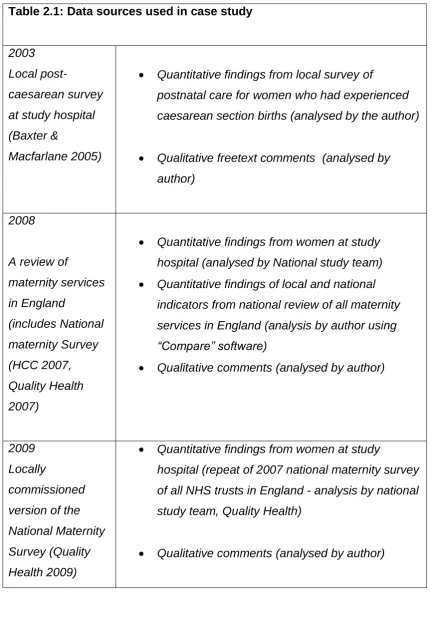
Table 2.1: Data sources used in case study 46
Table 2.2 Comparison of the views of women about issues relating to
their postnatal hospital stay between 2007 and 2009 66
Table 2.3 Quantity of data provided by the respondents as comments 67
Table 3.1 Search terms derived through the use of the PICo model 108
Table 3.2 Results of searches of the electronic databases 110
Table 4.1 Demographic and obstetric characteristics of the sample 220
Table 4.2 Mean IES scores compared across demographic variables 223
Table 4.3 Women’s experiences of labour and birth 225
Table 4.4: Regression of women’s experiences against IES scores
and demographic/obstetric characteristics 227
Table 4.5 Cross tabulation whether expectations of labour were met
with other variables 231
Table 4.6 Women’s evaluation of matters relating to the Birth
Reflections service 236
List of Figures
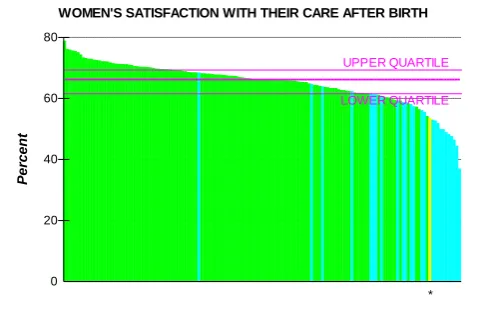
Figure 2.2a Women’s satisfaction with their care after birth in
England. Source HCC 2007 54
Figure 2.2b Women’s satisfaction with their care after birth within
London. Source HCC 2007 55
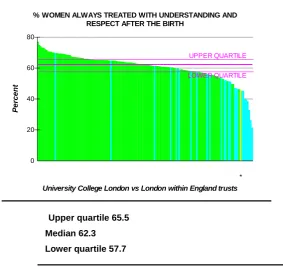
Figure 2.3a Women always treated with understanding and respect
after the birth in England. Source HCC 2007 56
Figure 2.3b Women always treated with understanding and respect
after the birth within London. Source HCC 2007 56
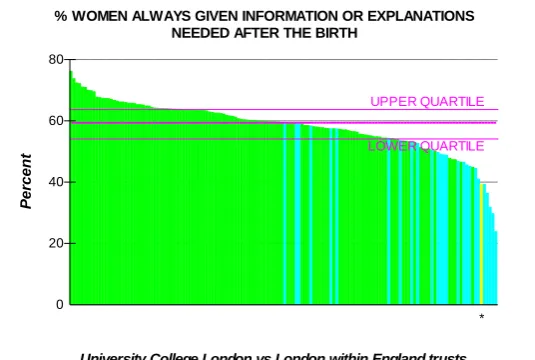
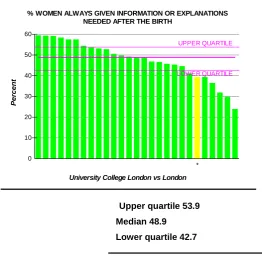
Figure 2.4a Women always given information or explanations needed
after the birth within England. Source HCC 2007 57
Figure 2.4b Women always given information or explanations needed
after the birth within London. Source HCC 2007 58
Figure 2.5a Extent that women were given information on their
recovery after birth within England. Source HCC 2007 59
Figure 2.5b Extent that women were given information on their
recovery after birth within London. Source HCC 2007 59
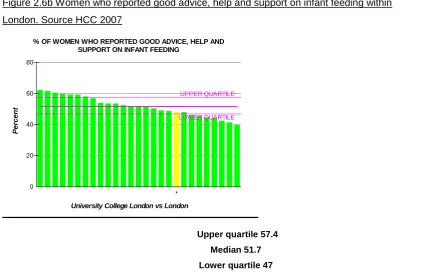
Figure 2.6a Women who reported good advice, help and support on
infant feeding within England. Source HCC 2007 60
Figure 2.6b Women who reported good advice, help and support on
infant feeding within London. Source HCC 2007 61
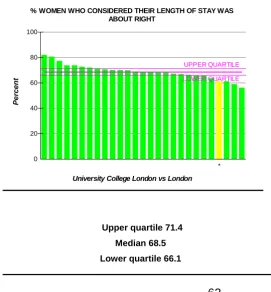
Figure 2.7a Women who considered their length of stay was about
right within England. Source HCC 2007 62
Figure 2.7b Women who considered their length of stay was about
right within London. Source HCC 2007 62
Figure 2.8a Women who considered their length of stay was too long
Figure 2.8b Women who considered their length of stay was too long
within London. Source HCC 2007 64
Figure 3.1 Process of selecting the studies to include in the review 118
Figure 4.1 Visual representation of research design 192
Figure 4.2 PTS symptoms 221
Figure 4.3 Type of birth vs PTS symptoms 222
Figure 4.4 How feel about birth by PTS symptoms 229
Acknowledgements
It is important to acknowledge the key people who have made this work
possible.
Firstly, this thesis would not have been created without the women who
participated in the various surveys. I thank them all. Becoming a mother is a
life-changing experience. These women generously gave their time when they were
busy with their babies and adjusting to their new roles.
I would also like to acknowledge my two supervisors, Professors Christine
McCourt and Susan Ayers. I was privileged to have been supported by these
two inspirational people who provided their expertise and guidance with this
work. Our discussions were invaluable at every stage. I thank them both also for
their unending generosity with their availability and time.
Finally there are two other people I would like to mention and thank. Professor
Alison Macfarlane has been a supportive presence throughout this work and
provided me with constant encouragement. Patricia Jarrett was also amazing
with the help she gave me during the short period of time when she was part of
Abstract
This thesis examines women’s experiences of postnatal care in hospital and on
postnatal debriefing. The objectives were to determine what postnatal debriefing
is; to understand reasons why some women attend such services; identify the views of women and staff towards this and finally explore women’s feelings
about their birth experience to identify possible links between this and the need
for women to talk to a professional.
A case study utilised secondary data sources to identify women’s experiences
of care on the postnatal ward. This was followed by a critical literature review of
postnatal debriefing which adopted meta-ethnography to analyse the varied
research papers retrieved. The literature review was published in a peer-review
journal. Finally the fourth research component followed a sequential mixed
methods approach. This included a survey to a convenience sample of 447
women following birth and qualitative interviews with 16 women.
The findings of the case study showed that women felt unsupported on the
hospital postnatal ward and the environment unconducive to recovery. The
critical review of the literature showed that postnatal debriefing enabled women
to have their birth experiences validated by talking and being listened to and
being provided with information. Results from the main research study show
that women with a high Impact of Events Score (IES) are more likely to want to
talk following their birth experience and more likely to rate their experience of
birth more negatively compared with those with those with a low IES. Five themes were identified in the qualitative analysis that illuminated women’s
reasons for needing to talk about their birth experience. Women found the
postnatal debriefing service of value. Maternity providers should consider offering a postnatal debriefing service to help meet women’s postnatal support
Declaration
I grant powers of discretion to the University Librarian to allow the thesis to be
copied in whole or in part without further reference to the author. This
permission covers only single copies made for study purposes, subject to
Chapter 1: Introduction (Commentary) to the structured
thesis
This introductory chapter provides the rationale for the work, the context within
which the thesis is situated and the aims and content of the thesis.
1.1 Background to the thesis, rationale and importance of
the topic
This thesis considers the views of women in relation to their recent maternity care experience. In particular it highlights women’s support needs following
birth, during the postnatal time period. The perceptions of women to one aspect
of emotional support, postnatal debriefing, are identified and form the focus of
the later chapters.
The thesis results from a structured doctoral programme at City University
which included four key components: a case study, a critical review of the
literature, an original piece of research and a dissemination artefact. Firstly, a case study was conducted about women’s experiences of hospital based
postnatal care. This was followed by the second component, a critical review of
the literature. This was on postnatal debriefing. The findings of this literature review were subsequently published in “Midwifery” international journal and this
work is submitted as another component, the dissemination artefact. The final
requirement of the structured doctoral programme was a primary research project. This comprised of a mixed methods study about women’s experiences
of a Birth Reflections (BR) service and reasons why women may or may not
attend.
guidelines informed the structure and study components of the thesis. The
overall structure will be explained in section 1.3 of this introductory chapter.
The national debate for improvements in postnatal care provision in the United
Kingdom (UK) is ongoing and now even more important than ever. The findings
presented and discussed in this thesis highlight the need for support by women
postnatally, as well as during labour and birth.
This thesis was first worked on in 2008 when the first published national
guideline for postnatal care “Routine postnatal care of women and their babies”
(National Institute for Health and Clinical Excellence 2006) highlighted the
important value postnatal care provides women. Around the same time two
major national surveys of the maternity services were undertaken, incorporating
the views of women (Health Care Commission 2007, Redshaw et al 2007). Both
surveys identified negative aspects of practice during the postnatal period.
It had been known for some time that inpatient postnatal maternity wards fail to
meet the needs of women (Maternity Services Advisory Committee 1985,
Garcia et al 1997). More recently, and when the case study was being planned,
there was a surge of evidence in the midwifery press highlighting the
increasingly difficult environment within NHS hospital postnatal wards
(Marchant 2006, Wray 2006a, Dykes 2005, Ockleford et al 2004).
Similar findings were identified at the first study hospital within this thesis,
University College London Hospitals NHS Foundation Trust (UCLH). In 2003 an
evaluation was conducted of the skill mix in the postnatal wards. The findings revealed statistically significant differences in women’s experiences and
satisfaction with care (Baxter and Macfarlane 2005). The study involved 442
women who gave birth by caesarean section during two defined time periods.
There was a 68 per cent response rate. However after the changes in skill mix
there were still 22 per cent of women who reported overall care at night being
poor or very poor. As an experienced midwife practising in this clinical area
There became the clear need to further improve care for women in this area,
both locally and at national level. Postnatal care aims to promote maternal and
infant physical and psychological health, enhance birth recovery and support
infant feeding (Bick et al 2015). Quality postnatal care holds the key to hidden
potential. Recognising the importance of ensuring that care is satisfying for
women and babies and the fact that limited work had been carried out to date in
this area was the first step.
For the first two years, when the case study was being conducted, the doctoral
programme was supported within my position as the Research and
Development Midwife. Following a staffing consultation in 2010 this post was
discontinued. This led me to moving to a new post as the Divisional Clinical
Governance Midwife at Buckinghamshire Healthcare NHS Trust. As the
structured doctoral programme involves undertaking a series of four
independent studies relevant to continuing professional practice (case study,
critical review of the literature, original piece of research and a dissemination
artefact), I was able to move my research focus at this time.
Part of my new position included managing the established “Birth Reflections”
service. This service offered women the opportunity of revisiting the hospital
after they had returned home to meet with a midwife and discuss their birth
experience. This opportunity had been withdrawn in London following the
publication of a national clinical guideline in 2007 which identified there was no
evidence of benefit for routine postnatal debriefing (NICE 2007). Following this,
postnatal debriefing services had been disbanded in London. However the
NICE postnatal care guideline recommended the need for women to be offered
the opportunity of discussing their birth experience (NICE 2006). Discovering
this established service, still running outside London, and seeing women
seemingly benefitting from attending, I was curious to find out more about its
benefits for women and why they attended. For this reason this became the
literature review and the research project. Another change in professional
position in November 2013 found me back in London at another large teaching
hospital where I was appointed as a Full time Supervisor of Midwives. In this
role I set up a birth reflections-type service. This was fashioned on the
Buckinghamshire model. This was at the time I was completing the data
collection and analysis for an exploratory mixed methods research (MMR) study
which set out to gain a greater understanding of the nature of postnatal
debriefing and possible reasons why women attend the service. It was
anticipated using two research methods would enable the gathering of different
types of data to provide optimal understanding on this topic.
1.2 Overall aims of the thesis
As discussed in section 1.1 above the original aim of this thesis was to improve
the quality of care for women on the hospital postnatal ward. Since that time the
direction of focus of this thesis has changed. Whilst postnatal debriefing is
situated within the more global topic area of postnatal care the above
overarching broad aim still applies. However secondary aims have also been introduced. These are to carry out a case study of women’s experiences of
hospital postnatal care, to perform a critical review of the literature on postnatal
debriefing and finally to undertake a research project on postnatal debriefing.
Further aims and objectives of each component of this thesis, which is based on
the guidelines of the structured doctorate (Appendix A), are given in the
respective sections below.
1.3 Overview of the component studies and how they form
the structure of the thesis
This was about women’s experiences of care on the hospital postnatal ward
and the first element of the structured doctorate. It was conducted between
2008 and 2010. This came about following earlier research mentioned in
section 1.1 which identified that 22 per cent of respondents to a survey
considered their care on the postnatal ward as being either poor or very poor.
There was the consequent need to understand reasons for this. The overall aim of this case study was to review women’s experiences of care on the hospital
postnatal ward at an inner London teaching hospital. The objectives were:
To identify the experiences of women receiving care on the postnatal
ward at a NHS Foundation Trust Hospital in inner London.
To identify possible reasons why some women are dissatisfied with their
experience of care on the hospital postnatal ward at the study hospital.
By situating this case study within the wider United Kingdom literature, to
compare the experiences of women receiving postnatal care at a specific
NHS Foundation Trust hospital with the experiences of women
nationally.
To conduct a longitudinal study of postnatal care within an NHS
Foundation Trust hospital over time to see whether the service is
improving.
This case study was pragmatic in that it utilised secondary data to identify women’s experiences of postnatal care on the postnatal ward at the study
hospital. Gaining a wealth of understanding of the views of women to hospital
based postnatal care proved of great value in which to situate the context of the
later birth reflections study. This focused on another aspect of postnatal care
provision, albeit in relation to labour and birth. Postnatal debriefing is also a
The findings of the case study showed that women following birth perceived
there was a lack of support and care on the hospital postnatal ward at the study
hospital. In addition the qualitative analysis identified the environment of the
postnatal ward to be unconducive to recovery following birth according to the
participants. These findings concurred with other results and provided further
evidence to the ongoing need to review how postnatal care in hospital is
provided for mothers and babies nationally. Whilst a planned action research
study to improve postnatal care in hospital did not go forward due to a change of position the study was reframed to consider women’s postnatal support
needs in relation to their emotions and how the birth experience left them
feeling. There was a strong likelihood that if women in the case study were left
feeling unsupported in relation to physical and practical aspects of care that
emotional aspects of support would also have gone unrecognised. Moving to
another NHS trust and seeing how some women received support in this way
through an established postnatal debriefing service was the impetus for
researching postnatal debriefing.
1.3.2 Critical review of the literature
The main aims and objectives of the critical review of the literature were to
undertake an analysis of the application of postnatal debriefing, to describe
current practice in offering debriefing services to postpartum women and to
identify the perceptions of women in accessing these services. This was
undertaken throughout 2011. The literature review confirmed that women and
midwives perceived it was good for women, following birth, to talk and be
listened to by a health professional. However there was, at the time when the
main research study was being planned, limited and divergent evidence on the
effects of postnatal debriefing. The findings of the critical literature review,
together with the fact that little research has been undertaken in this area,
consequently contributed to informing the subsequent research project on
postnatal debriefing.
1.3.3 Dissemination artefact
This is a shortened version of the critical review of the literature described
above. This was published in Midwifery journal in February 2014
1.3.4 Birth Reflections research project
The main aims of the research project were to determine the reasons why
certain groups of women accessed (or did not use) a postnatal debriefing
service and to provide a rich description of their perception of the service. In addition the study also planned to explore women’s feelings about their birth experience more generally following birth. Exploring women’s feelings in this
way it was felt might determine possible reasons why women have the need to
attend a postnatal debriefing session i.e. there could be an association between
the birth experience and the need to talk following birth.
Ethical approval for the research project was granted in August 2013. Following
this a postal survey was administered. Data collection for the qualitative strand
of this MMR study continued throughout 2014. This was concurrent with
analysis. The final report was completed in August 2015.
1.4 Personal interest
This doctorate has been informed by both my clinical experience and time spent
as a research midwife within an NHS clinical facility. I have practised as a
clinical midwife in a variety of settings and positions, both in the UK and
particular interest in postnatal care and have regularly practised clinically in this
sphere of practice. In 2003 I was a relative newcomer to research. My only
previous research experience had been in 1999 when I completed an MSc
programme at the University of Surrey and undertook a small research study.
This study used both quantitative and qualitative approaches to investigate the
experiences of women undergoing HIV testing during pregnancy. This was at a
time when treatment options for those who were HIV positive did not exist. The
fieldwork was undertaken at a different hospital in outer London where there
was high ethnic diversity in the population. The study was published (Baxter
and Bennett 2000). This being my first research project set my ongoing
direction and my preference for mixed methods approaches. In my mind there is
more than one way of seeing the world. Using different approaches provides the
opportunity of collecting more data and gaining a stronger dataset to answer a
research question.
When I commenced the doctoral programme in October 2008 I was working as
a research and development midwife in an inner London teaching hospital. In
this role I undertook research activity, including primary studies as well as
supporting colleagues with their own projects. This doctorate has been a long
personal journey. The structured pathway has allowed me to change direction
although remaining with the same overall topic of postnatal care.
1.5 Support for women during the postnatal period
Support became a theme throughout the thesis. A key finding of the case study on women’s experiences of hospital based postnatal care was that women were
found to lack professional support on the hospital postnatal ward. When
undertaking the analysis as part of the main Birth Reflections study the
importance of women feeling supported during labour and birth came through
strongly. Additionally during the process of this thesis it became clear to me that
three reasons a literature review of the evidence relevant to professional
support in relation to postnatal care has been included to provide a context for
this.
1.6 The use and contemporary relevance of the doctoral
work
The separate elements of research activity undertaken within this structured
doctorate have been utilised as the thesis has developed. Following data
analysis the findings of the case study were presented to both the management
and clinical teams. The head of midwifery and I worked together on a proposed
new model of care for women on the postnatal ward.
The research undertaken within this thesis on postnatal debriefing has also
played a role in relation to clinical practice. The critical review of the literature on
postnatal debriefing was published in the Midwifery Journal in February 2014. In
addition both the findings of this literature review and those of the main Birth
Reflections study have helped to support the development of a new birth
reflections service at Imperial College Healthcare NHS Trust, where I was
employed at the time this thesis was first submitted.
All sections of this work that took place within a structured doctoral programme
are of relevance today. The importance of reviewing postnatal care provision is
listed as a key principle in a recently published report of a review of the
maternity services in England (NHS England 2016). Both aspects of care
provision covered in this thesis: postnatal care in hospital and postnatal
debriefing, will be of assistance to the transformation teams within the maternity
services as the work recommended by the authors of the National Review
progresses (NHS England 2016).
Chapter 5 sets out the implications of the separate studies for future research
and practice development. Together these findings highlight a need for
improved support for women following birth postnatally. This thesis has shown
that some women may be supported emotionally through a postnatal debriefing
session with a health professional. There is therefore the need to consider
whether all women are provided with the routine offer of a postnatal debriefing
meeting. This work has also identified potentially a high proportion of women
with high post-traumatic stress (PTS) symptoms so there is a consequent need
to also consider the possibility of screening women following birth in this regard.
Finally the findings of the critical review of the literature and the birth reflections
study should contribute to the interventions in future randomised controlled trials
(RCT) in relation to the nature of what happens at a postnatal debriefing
session.
1.7 Chapter summary
This introductory chapter has explained the background to the thesis and
rationale for undertaking this work. The main aims of the individual elements
within the structured doctorate have been given. The linkages between these
have also been shown. Finally this chapter introduced the importance of
professional support in relation to postnatal care. This phenomenon was
continually highlighted throughout the various stages of the thesis. The next chapter is dedicated to the case study of women’s experiences of postnatal
Chapter 2: Case study: Women’s experiences of
hospital postnatal care
2.1 Introduction and background
This case study is about women’s experiences of hospital postnatal care. It is
pragmatic in nature and uses previously collected data from three separate
surveys to explore issues raised by women. Both quantitative and qualitative
research approaches were used.
In 2002 a significant number of women who gave birth by caesarean section at
the study hospital reported that they felt neglected on the postnatal wards.
There was a shortage of midwives and a high number of women following
caesarean section needing additional care. In order to address this nurses and
nursery nurses were recruited and added to the staffing skill mix. As mentioned
in chapter 1 above a formal evaluation was conducted and statistically
significant findings in terms of satisfaction and care experience were reported
when comparing views of care before and after the introduction of additional
staff (Baxter and MacFarlane 2005). The freetext comments made by the
women respondents who completed the questionnaires were not fully analysed
at the time but indicated that some aspects of care on the hospital postnatal
ward were found to be lacking.
In 2007 a national maternity care satisfaction survey was undertaken by the
previous health care regulator, Health Care Commission (HCC) (HCC 2007).
This provided each NHS Trust in England access to data and information about
their own maternity service. This survey identified that postnatal care in the
less favourable than other aspects of maternity care, both locally and nationally.
The HCC later offered hospital trusts the opportunity of commissioning a repeat
survey in 2009. This opportunity was taken up at the study hospital (Quality Health 2009). This allowed me access to three separate data sets of women’s
views of postnatal care at one NHS Foundation Trust. The rationale for
undertaking this work was to further clarify reasons why women find postnatal
care in hospital more problematic and less favourable compared with antenatal
care and care provision during labour.
The three studies mentioned above formed the basis of this case study. These
are the locally conducted caesarean survey and the two surveys undertaken by
the Healthcare Commission.
2.2 Aims and objectives
The overall aim of this case study was to review women’s experiences of care
on the hospital postnatal ward at an inner London teaching hospital. The
objectives were:
To identify the experiences of women receiving care on the postnatal
ward at a NHS Foundation Trust Hospital in inner London.
To identify possible reasons why some women are dissatisfied with their
experience of care on the hospital postnatal ward at the study hospital.
By situating this case study within the wider United Kingdom literature, to
compare the experiences of women receiving postnatal care at a specific
NHS Foundation Trust hospital with the experience of women nationally.
To conduct a longitudinal study of postnatal care within an NHS
2.3 Postnatal care in hospital
Postnatal care is the term used for the care provided to women and their babies after they have given birth. This time period has been referred to as the “lying-in” or postpartum period. Traditionally, in the United Kingdom, care at this time
has been administered by midwives. This commences when a woman is in
hospital immediately following birth and extends to the community setting where
women are visited in their homes by midwives. More recently some women
receive a mixture of home visits and postnatal clinic appointments.
2.3.1 Definition: what is postnatal care?
As mentioned above the “lying-in” period is a historical term utilised to describe this time period in a woman’s life. Calder used the two terms, puerperium and
lying-in period, interchangeably (Calder 1912). During the puerperium the
mother recovers from the effects of the pregnancy and labour through three
processes: cicatrisation or the healing of wounds; involution and lactation
(Calder 1912).
When considering the early regulations for midwifery practice Calder
understood these rules applied to the time when a woman was in labour and
extending to ten days after (Calder 1912). It is of interest that almost one
hundred years since this book was written, midwives in the UK, are still using
this definition and continue to visit women for up to ten days following the birth.
More recently, Marchant (2006) in her commentary paper in anticipation of the
launch of the national postnatal care guideline which was published by the
National Institute of Care Excellence (NICE) in 2006, discussed the difference
between puerperium and postnatal period. According to this author the former
how this state is viewed with regard to the need for care and support,
management and professional responsibility (Marchant 2006).
The National Institute for Health and Clinical Excellence’s (NICE) clinical
guideline on postnatal care that was current at the time of the case study (NICE
2006) defined postnatal care as care provided for women and babies following
birth, which includes physical observation of a mother and her baby, screening
of the baby, support with infant feeding and the provision of ongoing information
(NICE 2006). This document described care for women and babies to receive
as appropriate to their individual needs. A key component of this was the
provision of information. The premise of the guideline was that most women
experience an uncomplicated recovery following birth. However according to
this key policy document, based upon the best available evidence, the overall
aim of care at this time is to identify and address any deviation from expected
recovery.
2.3.2 Historical background
Towards the end of the nineteenth century social reformers in England,
including Florence Nightingale and Zepherina Veitch, campaigned for improved
living conditions and health for poor women (Donnison 1988). This was against
a backdrop of high rates of maternal and infant deaths in the first few weeks
after childbirth and no formal recognition of the midwife (Marchant 2010).
Zepherina Veitch was one of the most influential women to promote the
education of midwives. Her work with, Louisa Hubbard, the proprietor and editor of the women’s journal, “Work and Leisure”, led to the establishment of the Trained Midwives’ Registration Society, a forerunner to The Royal College of
Midwives (Cowell and Wainwright 1981). This activity led to the eventual passing of the Midwives’ Act in 1902 in England. This act provided for the
regulation of midwives in England. It set the education standards for midwives
midwives (Donnison 1988).The newly formed Central Midwives’ Board was
responsible for regulations which set out specific standards and tasks to be
undertaken by certified midwives. This included postpartum care and clinical
observations.
The rationale for the tasks expected to be undertaken by the new certified
midwives was set out in text books at the time, written by medical practitioners.
This was primarily led by concern over risk of illness and death following
childbirth (Calder 1912, Berkeley 1924, Longridge 1906) as opposed to the
need for recovery and restoration to normal health (Marchant 2010). Marchant
(2010) emphasised that this is still an issue in the 21st century.
Two levels of postnatal care or midwifery support is apparent from practice at
this time: firstly support that is based on technical skills i.e. undertaking physical
observations, and more practical aspects of care such as help with washing and
eating. As mentioned above in the early 1900s the prospect of death from
disease or blood loss was ever present. The new certified midwives were therefore required to undertake women’s observations, including temperature,
pulse and respiratory rate. The midwives were also required to undertake
palpations of the uterus, observations of the blood loss and lochia, observations
of the breasts and provide support with breastfeeding as well as observe
bladder and bowel function (Calder 1912). It is also of interest that the need to
observe psychological well-being was also stipulated at this time (Marchant
2010).
As well as the need to attend to technical aspects of care provision, discussed
in the previous paragraph, women at the start of the 20th century also required
care following birth in the form of social support (Marchant 2010). This included
aspects of practical support such as helping with hygiene through the use of bed baths and irrigation of a woman’s genital area; encouraging bed rest;
attending to dietary needs and even cooking on occasions and helping with
ability to help improve living conditions on behalf of an individual woman by
notifying the relevant authority when conditions were found to be lacking
(Marchant 2010). It is possible these more practical aspects of care provision were given by an untrained “monthly nurse” leaving the certified midwife to
attend to the technical aspects of care discussed above.
In his text book, "Lectures on Midwifery for Junior Students and Midwives”
Calder (1912) provided guidance on the management of the puerperium. The
list included measuring the maternal pulse and temperature, observing and
providing support for pain, monitoring urinary and bowel activity, observing the
lochia (vaginal loss) and measuring the involution of the uterus (Calder 1912).
The importance of asepsis was also stressed in this book with the need to ensure pads were scorched prior to application on a woman’s perineum. In
addition the importance of rest and sleep at this time was also advocated by this
author (Calder 1912).
2.3.3 Postnatal care in the 21st century
The care of postpartum women is not too dissimilar in today’s age to what
occurred historically, described in the above section. This is despite significant
changes in public health, a reduction in maternal mortality through the use of
antibiotics and utero-tonics and changes to the role of women in society more
generally. Midwives in the UK provide this aspect of care to women, initially in a hospital postnatal ward. This is extended to the woman’s home and/or at a postnatal clinic facility. Midwives undertake regular observation of a woman’s
physical condition, including temperature, pulse and blood pressure, as well as
her vaginal loss and the condition of her breasts. As in the historical context, the
role of midwives in postnatal care in the 21st century is also a practical one
Although not based on evidence there are rules that govern the time periods in
which a midwife in the UK should visit a woman in the postnatal period. In the Midwives’ Rules in 1998 it was specified that the midwife should visit a woman
for not less ten days following birth or more than 28 days (UKCC 1998). The
wording was changed in the 2004 version of this document which advises the need for midwives to visit women for “not less than ten days and for such longer periods as the midwife considers necessary” (NMC 2004 p7).
i) Research evidence
Research into the timing and content of routine postnatal care only commenced
in the early 1990s (Bick 2010). The House of Commons Select Committee in
1992 reviewed all areas of maternity care, including antenatal, intrapartum and
postnatal. In relation to postnatal care the report noted that this aspect of
maternity care was poorly evaluated and researched. The report also
considered that postnatal care was delivered in inappropriate and fragmented
ways and it also highlighted the need to improve managerial arrangements for
postnatal care by making effective use of resources (House of Commons 1992). Further emphasising the need for research in this area, the “Changing
Childbirth” report, the following year, recommended the need to undertake
research more broadly in postnatal care. This it was envisaged should include
redesigned postnatal services as well as the impact of continuity of care
schemes (Department of Health 1993).
To this end the Audit Commission in the late 1990s undertook a survey of the
maternity services in England and Wales. This aimed to make
recommendations for improving the economy, efficiency and effectiveness of
services. The report was aimed at managers and purchasers of maternity
services and reviewed the extent and direction of the changes that were
occurring in response to policy (Audit Commission 1997). Thirteen NHS Trusts
and 12 commissioning bodies were included in this study. Although not all
sample from all geographical areas. In addition general practitioners (GP) were
included and there was a national sample drawn for a specific survey of women.
Two key recommendations were provided. Firstly there was the need to involve
women in the decision about how long they remain in the hospital after birth.
The second recommendation was to clarify the objectives of postnatal care and
set standards (e.g. breastfeeding). This report also found that women need time
following birth to recover, both physically and emotionally, in order to establish
feeding and form relationships with their partner and their new baby. The report also identified that recovery from birth is hampered by a woman’s own health
problems. Therefore the report recommended the need to ensure that care at
this time is properly planned and delivered. Another important finding from this
report was the importance of there being a good environment on the postnatal
ward. It was identified that facilities on the postnatal ward can contribute to the
recovery of mothers from the birth experience and their overall sense of
well-being. This includes safety and security, quality of the food and privacy when
feeding. Finally this report also made further recommendations in relation to
research. This was to research into effective postnatal care for mothers and
babies to help the service develop cost effective postnatal care.
In response to the calls for the content of postnatal care to be reviewed and
evaluated, since the 1990s, some observational studies on specific aspects of
postnatal care have been conducted. These highlight the role of the midwife in
relation to physical observations (e.g. uterine blood loss and involution) (Cluett
et al 1995, Cluett et al 1997, Garcia et al 1994, Marsh and Sargent 1991,
Montgomery and Alexander 1994, Takahashi 1998). There have also been studies undertaken on the role of the midwife and women’s psychological
well-being, including postnatal depression (Davies et al 2003, Lavender et al 1998,
Webster et al 2003). In addition some RCTs of postnatal care interventions
have been conducted (e.g. MacArthur et al 2002 and Twaddle et al 1993).
is of interest that these findings have not since been adopted with policy makers
(Bick 2010).
Whilst there are pockets of interest within the overall topic of postnatal care that
have been researched (e.g. attachment and separation, breastfeeding and
postnatal depression) the area of postnatal care in general remains under
researched nearly 20 years since the need was raised. There remains a lack of
understanding about the constituents of postnatal care, both in relation to
physical support as well as more practical aspects, including the transfer of
information and advice for new parents to gain confidence in caring for their
baby (Marchant 2006, Wray 2006a).
More recently Wray (2006b) has also identified a need to reassess postnatal
care. In a paper on her personal reflections of undertaking observations as part
of a research study on a postnatal ward, Wray raised the notion of postnatal
care becoming deficient in its purpose (Wray 2006b). This paper also included
her personal opinion based on her work experience as a midwife in this area.
She saw care in the postnatal ward as being undervalued. Following birth on
the postnatal ward women were unsupported by staff who themselves were
busy and frequently relocated to labour ward. Wray considered that this could
be related to the naturalistic nature of mothering and assumptions that women
should know what to do as soon as a baby is born. In addition, from a historical
perspective Wray recognised that the organisation and delivery of care in this
area had not changed much since its inception at the beginning of the twentieth
century.
ii) Maternal morbidity
Research studies, both in the UK and Australia, have identified high levels of
physical and psychological morbidity among women following childbirth (for
example Brown and Lumley 1998, Glazener et al 1993, Glazener et al 1995 and
administered a postal survey to women between six and seven months
following birth. The aim was to describe prevalence of physical and
psychological maternal morbidity. One thousand, three hundred and thirty six
women responded (62.2%). This study identified 94% of women experienced
one or more health problems following birth. These included tiredness,
backache, sexual problems, haemorrhoids and perineal pain.
Other researchers in Scotland also set out to describe the prevalence, as well
as possible causes, of postnatal maternal morbidity at three different time
points: one week following birth in relation to their time whilst still in the hospital after the birth; eight weeks and 12 – 18 months after birth. Seventy six per cent
of the sample (n=1249) reported at least one health problem. These
researchers also compared differences according to parity and method of birth.
Primigravid women were more likely to experience certain problems, including
painful perineum and vaginal loss compared with women who had given birth
before. In addition women who had a vaginal assisted birth were more likely to
report painful perineum, stitches breaking down, constipation and piles
(Glazener et al 1993, Glazener et al 1995).
The first large comprehensive survey in the UK was undertaken in 1987 at a
hospital in the West Midlands to determine health problems among women after
childbirth (MacArthur et al 1991). The original aim of this work was in relation to
the after effects of epidural anaesthesia in labour. The authors at this time
considered the need to assess possible long term outcomes of the use of
epidural anaesthesia. However during the planning of the proposed study they
recognised the need of broadening the objectives. The study was consequently
extended into a more general investigation of the prevalence of long term health
problems following childbirth and their associations with a range of social,
obstetric and anaesthetic circumstances and procedures. The authors
highlighted that the research literature up until this point had been sparse on
on postnatal health as well as encompassing the original questions concerning
the long term effects of epidural anaesthesia (MacArthur et al 1991).
Data sources used in this large survey were case notes of the female
respondents and completed survey forms. The individual women responded to
the survey between nine years and 13 months after giving birth. The results
showed that morbidity was widespread. Forty seven per cent of the 11,701
women who responded to the survey (39%) reported experiencing one or more
new health problems lasting for more than six weeks since the birth. Most
frequent symptoms reported by the respondents included backache (14%),
headaches and migraines (3.6%), musculo-skeletal (8.2%), stress incontinence
of urine (10.6%), haemorrhoids (5.3%) and depression, anxiety and extreme
fatigue was experienced by 12.2% of all respondents.
Other reported findings included a powerful association between backache and
epidural anaesthesia and higher levels of fatigue among women who were
unmarried, breastfeeding and who gave birth to twins (MacArthur et al 1991). In
response to these striking findings the authors made urgent recommendations
for further study in this area to assist in addressing the issues faced by women
(MacArthur et al 1991).
Some of the postnatal morbidity identified in the literature is caused as a direct
consequence of the birth process itself (e.g. stress incontinence, perineal pain)
whilst other conditions may be related to the impact of caring for the new baby
(Bastos and McCourt 2010, MacArthur et al 2003).
The findings on the proportions of women who experience postnatal morbidity are striking. This highlights how women’s health can be impaired following
childbirth. However it is of interest that relatively few studies have been
conducted on this topic, both physical and psychological, and fewer still studies
have looked at this from the perspectives of the women themselves (Bastos and
One study that did consider the perspectives of the women themselves was
undertaken by Bick and MacArthur in the early nineties in the UK. These
researchers recognised the need to find more information about how the
symptoms were experienced by the women, including the frequency, the impact
on their lives and the severity. A postal survey was sent to a sample of women
between six and seven months after the birth. Interviews were also conducted
with all the women who experienced symptoms as well as a random sample of
those who did not. It was reported the response rate to the survey was 80%
after 1667 questionnaires were posted. The paper reported on four key
symptoms reported by the women. These were backache (46%), headache
(20%), extreme tiredness (41%) and stress incontinence (72%). Extreme
tiredness measured the highest both in terms of symptom severity and on the
effect of activities the women were able to undertake. Seventy five per cent of
those who reported this symptom said it affected their lives. In addition this was
the third least likely symptom to be reported to a medical practitioner by women
in this sample. The authors of this study concluded that the health needs of
women are not being met. They suggested that many women consider the
various symptoms to be natural consequences of childbirth and accept them
rather than seeking help (Bick and MacArthur 1995). It seems these women
may well be suffering in silence.
The findings of the study by Bick and MacArthur concur with other studies that
raise the important issue that a high proportion of women reporting symptoms of
postnatal morbidity do not seek medical consultation. In this study 46% of
respondents who had one or more symptom said they consulted a doctor, whilst
86% of those who reported having stress incontinence did not consider the
need to consult a doctor.
As the authors to these studies and elsewhere comment, maternal morbidity is
frequent and under-recognised (Bick and MacArthur 1995, Brown and Lumley
phenomenon comes from a large evaluation of a new model of midwifery care.
The researchers undertook a survey. This included a question on type and level
of postnatal symptoms they experienced two and 12 weeks after birth (McCourt
and Page 1996). This study included women from diverse social groups and
those who were at both low and high risk of obstetric complications. The
findings showed that many women experienced a wide range of problems
postnatally, many of which were more significant at 12 weeks following birth.
For example 30% reported leaking urine and around half reported perineal or
caesarean wound pain at 12 weeks (Bastos and McCourt 2010, McCourt and
Page 1996).
These findings that a significant number of women experience morbidity in this
way influenced the development of further studies, as mentioned in the section above, on redesigned models of midwifery care to improve women’s
experiences of postnatal care. At least four studies were conducted in the UK
but only one showed significant findings in relation to outcomes. This study was
conducted in the West Midlands of England. Women in the intervention arm
were randomised to additional support from a midwife during three home visits:
at 10 days; 28 days; and 10-12 weeks following birth (MacArthur et al 2002).
Significant differences were found in maternal mental health outcomes at four and 12 months following the birth. In addition secondary outcomes of women’s
views of care were more positive in the intervention group or did not differ
between groups. However, there were no differences in physical health
outcomes.
As mentioned above, this is the only RCT conducted to date which has provided
evidence that this model could be effective in providing improved support for
women from a midwife in the extended postnatal period. This highlights the
potential role of the midwife in relation to public health. This is done by
preventing morbidity and responding effectively to problems that women
experience (Bastos and McCourt 2010). However further studies are awaited to
practice and only within an RCT the authors justified the findings and
consequent need to introduce into the NHS (Bick 2010).
High rates of postnatal morbidity have also been recognised in other European
countries. A survey was conducted in France and Italy which identified high
numbers of affected women at five and 12 months following birth. It is of interest
that the prevalence of symptoms was higher numbers for most symptoms at 12
months compared with five months after birth. These authors also considered
the social situations women were in at the time. They found associations with
between financial problems or a difficult relationship with the partner and the woman’s own wellbeing (Saurel-Cubizolles et al 2000) This study raises further
concern about the effect of long term conditions on the lives and well-being of
women and families.
This high rate of maternal morbidity further highlights the importance of effective
postnatal care. It is clear that it is common for women to experience a number
of health problems at this time. Some studies highlight the fact that many
women do not report their symptoms to a health professional (Bastos and
McCourt 2010, MacArthur et al 1991, MacArthur et al 2003). There is therefore
the need to encourage women to report any difficulties they experience. When
reported they need to be taken seriously by midwives and other health
professionals (Bastos and McCourt 2010). However it has been recognised that
many of the issues would not be detected during the currently defined
“postnatal period” (Bick 2010). Common conditions that impacted on women’s
well-being identified in these studies included backache, urinary incontinence,
headaches and fatigue (Bick and MacArthur 1995).
iii) Policy directives
Becoming a mother is a life-changing event and the transition is not always
smooth (Dyer 1963, LeMasters 1957). The findings of the Impact study
discussed above they have not been tested widely in practice despite calls to
introduce this practice into the NHS (Bick 2010).
The findings of the Impact study have been used to inform various policy
documents, including the National Service Framework for Children, Young
People and Maternity Services (DoH 2004). It recognised that new mothers
have much to learn following the birth of a baby and that it is essential that
services promote high quality care to meet the needs of parents and children
which includes the need for instilling confidence and providing support among
new parents (Department of Health 2004). This confirmed the need to ensure
the provision of support for women and families following birth. The focus was
on high quality care designed around the needs of individual women. This
report highlighted the value placed on maternity care in relation to the health
and development needs of babies and growing children. It also recommended
the need to increase the time period during which midwives are involved in the
postnatal care of women. This was subsequently extended to between six and eight weeks after birth and reflected in the Midwives’ Rules (NMC 2004).
The RCT study by MacArthur et al (2002) also influenced the recommendations
made in a new national clinical guideline on postnatal care in 2006 (National
Institute for Health and Clinical Excellence 2006). This guideline utilised
evidence from clinical and cost-effective care to develop recommendations for
practice for mothers and babies for the first six to eight weeks following birth.
Key areas included planning the content and delivery of care and the need for a
documented, individualised care plan; maternal health; infant feeding and
maintaining infant health. The need to share important information with women about their own and their babies’ health was also a key message from this
guideline.
“Maternity Matters”, built on the national service framework, setting out the
context and vision for the maternity services. This also stressed the importance
of Health 2007). As with previous reports the importance of women being given
choice in relation to their maternity care was recognised. This document also
stressed the importance of using resources effectively and fairly to promote
health and to reduce inequalities and deliver care that is both of high quality and the safest. Where postnatal care was concerned “Maternity Matters” proposed
that women have the choice to have their postnatal care following transfer
home, either in their homes or at polyclinics. However this has posed concern
that those most vulnerable risk missing out on valuable aspects of care
provision (Bick 2008).
There are currently changes to the maternity workforce and professional boundaries are altering. There is mention in “Maternity Matters” about the key
role maternity support workers (MSW) play in the maternity services (Sandall et
al 2007). Sandall and colleagues (2007) undertook a large scoping study of the
role of MSWs in maternity care. Whilst the value of their presence in the
maternity wards was highlighted (e.g. breastfeeding support) there were some
concerns raised about the risks of boundaries becoming blurred and these
support workers might inadvertently undertake midwifery duties they are not
trained for (Sandall et al 2007). There is therefore an urgent need to ensure
training is undertaken and appropriate tasks undertaken by this new workforce
to ensure that women receive care of the highest and safest standard (DoH
2007).
As mentioned above there is a dearth of research evidence on the content of
postnatal care. Therefore the prospect of a national clinical guideline in this area
should have been acknowledged with open arms by professionals providing
postnatal care. However, while most clinical guidelines created by the National
Institute of Health and Clinical Excellence (NICE) use quantitative forms of
evidence, including randomised controlled trials (RCT) and systematic reviews,
the NICE Postnatal Care guideline was based on varying forms of evidence,
including different types of study design. This, the authors stated, was due to
of published evidence available on the population group relevant to the
guideline (NICE 2006). In the absence of RCTs observational studies, surveys
and expert formal consensus results were utilised. Whilst there were some
RCTs included in the evidence review, it appears the findings and
recommendations made in this national clinical guideline have primarily been
made through expert opinion and lower grade research evidence.
One on-going concern since the publication of the postnatal care national
guideline is the fact that many of the recommendations have not been adopted
in mainstream practice. This contrasts with behaviour nationally following the
publication of other NICE guidelines (e.g. intrapartum care and antenatal care)
where at the time of publication of the new or revised guideline current practice
is compared by maternity units at local level with the findings of the newly
published guideline and adaptations are made to reflect the new evidence.
2.3.4 Dissatisfaction with postnatal care
Dissatisfaction with postnatal care is not a recent phenomenon. The period in
hospital immediately following birth has become a neglected phase (Bick et al
2002, House of Commons 1992, Wray 2003). There is an ongoing failure to meet women’s needs during this time: they are left with undiagnosed morbidity
(Glazener et al 1995, MacArthur et al 1991) and feeling unsupported (Garcia et
al 1998, Ball 1994, Bhavnani and Newburn 2010, House of Commons 1992,
Maternity Services Advisory Committee 1985, Singh and Newburn 2000, Wray
2003).
There are many reasons why women have felt unsupported when on the
hospital postnatal ward. These include receiving insufficient rest despite being
tired (Beake et al 2005, McLachlan et al 2008, Wray 2006a), experiencing
insufficient help with breastfeeding (Brown et al 2005, Dykes 2005, Ruchala and