A STUDY ON
RATHTHA MOOLAM
Dissertation Submitted To
THE TAMIL NADU DR.M.G.R Medical University
Chennai – 32
In Partial fulfillment for The Award of Degree of
DOCTOR OF MEDICINE (SIDDHA)
(Branch – I – Pothu Maruthuvam)
DEPARTMENT OF POTHU MARUTHUVAM
Government Siddha Medical College
ACKNOWLEDGEMENT
I am extremely greatful to my Lord almighty who empowered me with
his blessings and grace to complete my dissertation work successfully
It is my pleasure and privilege to acknowledge the blessings and
encouragement of my parents and my brothers without which the
completion of this study would not have been possible.
I take this opportunity to express gratitude and acknowledgement to the
Vice-chancellor, The Tamilnadu Dr.M.G.R medical university, Chennai, and
The Director, The Joint director, Directorate of Indian Medicine and
Homeopathy, Chennai.
I would be very thankful to Dr.M. Dhinakaran M.D(s) principal GSMC,
Palayamkottai, and Dr.R.Devarajan M.D(s) Vice principal GSMC
Palayamkottai, for having permitted to make use of the facilities available in
this institution to bring out the dissertation a successfully one.
I am really indepted to Dr.K.R.Revathy M.D (s)., Former Vice Principal
& Head, P.G.Department of Pothu Maruthuvam, Government Siddha Medical
college, palayamkottai for his valuable guidance and encouragement in
selecting this topic.
It is my privilege to record my deep sense of gratitude to Dr.A.Prema
M.D(s)., Head, Post Graduate Department of Pothu Maruthuvam,
providing basic infrastructural needs for use patients admitted in the ward,
without her constant and authertic support, this study would not have seen
the light of day
I express my gratitudes Late.Dr.D.Gnanadoss, M.D.(s), Lecturer for
their valuable guidance and encouragement in all aspect from time to time
I express my thanks to Dr.S.Mohan M.D(s)., Lecturer, P.G.Maruthuvam
Branch for his valuable guidance
I express my gratitudes to Dr.S.Chitra M.D(s)., Assistant Lecturer,
P.G.Maruthuvam Branch for his valuable guidance.
My sincere thanks to Dr.S.Justus Antony M.D(s)., for his guidance and
support during this study.
I would like to thank Dr..MariaJoseph, M.D.,(s).,Prof. And H.O.D. of
U.G. Aruvai Maruthuvam Department for his valuable guidance.
My sincere thanks to Dr.R.Sankara Narayanan M.D(s)., for his
guidance and support during this study.
I owe special gratitude to Dr.M.R.Vairamuthu Raja M.B.B.S.,M.D.,
Professor, Former Modern Medicine Department, Government Siddha Medical
college for his valuable guidance in modern aspect of approach to this study.
I owe special gratitude to Dr.Arumuga Pandian @ S. Mohan
M.B.B.S.,M.D., Professor, Modern Medicine Department, Government Siddha
Medical college for his valuable guidance in modern aspect of approach to this
I express my thanks to Dr.J. Joseph Doss M.B.B.S., P.hD., Former
Head of the Department and Mr.M.Kalaivannan M.Sc., M.Phil., Lecturer
and staffs of pharmacology Department for their keen co-operation in elicting
the pharmacological evaluation of the trial medicine
I sincerely thanks my colleagues and PG and UG Students other
staff members who helped me during this whole study period.
I also thanks to Mrs. N. Nagaprema M.Sc., M.phil., Head of the
Department and staffs of Biochemistry Department for their cooperation in
eliciting the Biochemical analysis of the trial medicine
I express my thanks to librarian Mrs.T.Poonkodi M.A., M.L.I.S., for
permitting me to utilize the college library for my dissertation work.
I would devote my cheery thanks to my father Mr.B.Govindhan,
mother Mrs.G.Shantha and my family members for their unvarying pleasant
encouragement during the whole study period.
Finally I express my deep thanks to Selwyn’s Broad Band Net Café
INTRODUCTION
Greatest religions, Peerless culture, glorious history celebrated sages, reputed philosophers, immense natural wealth. The list goes on endless. But everything become absolute what is the current scenario? Is our spirit still alive?
So many years ago, some people with enormous and supernatural power in themselves lived. They are named as siddhars. Siddhars act as scientist, social physician, chemist etc. The great scientist of the past provided an indigenous sysem called ‘Siddha system of Medicine’
Siddha system, has curative, preventive Rehabilitation and rejunevation aspects of its own kind which were absent in other systems.
Siddha or Tamil system of medicine evolved not from the laboratories but from the medical experiences of man right from the first homosapien to the present.
The concepts of this system is exactly co-incidental with the present man needs. For e.g WHO defines health as ‘health is a state of complete physical, mental & social well being and not merely an absence of disease’.
According to Thirumoolar,
"ÁÚôÀÐ ¯¼ø§¿¡ö ÁÕó¦¾ÉÄ¡Ìõ
ÁÚôÀÐ ¯Ç§¿¡ö ÁÕó¦¾ÉÖõ
ÁÚôÀÐ þÉ¢§¿¡ö šá ¾¢Õì¸
ÁÚôÀÐ º¡¨Å ÁÕó¦¾ÉÄ¡§Á"
- ¾¢ÕÁó¾¢Ãõ
They are,
"¿¡Ê Àâºõ ¿¡¿¢Èõ ¦Á¡Æ¢Å¢Æ¢
ÁÄãò¾¢ÃÁ¢¨Å ÁÕòÐ ÅáԾ§Á"
Among these Naddi is very specific and unique feature as it gives a total indication of internal health of an individual.
In this fast changing congested, mechanical world the faulty life style of man causing him various diseases one such is piles. Piles is common in both men & women. Those exposed to improper dietary habits, sedentary life style etc., have a greater incidence of piles.
Yugi muni classified the moola noigal into 21 types. “Raththa moolam” comes under the 21 types of moola noigal. It brings unbearable sufferings to the victims as the day-to-day activities become painful. So the author Select raththa moolam for his dissertation work.
The author gave the extract of elaborate collections on Raththa moolam in both siddha & Modern Aspects.
The author hope that work is unique in it’s way to tackle this chronic ailment. Also I assure this hard work done with dedication would pave new ideas & approach for the further research on Raththa moolam.
Raththa moolam or Bleeding piles is a vascular disorder that cause mainly bleeding per rectum during defaecation. It affects people in their active period of life and cause severe embarrassment both physically and mentally. It is the tale of woe, the patients narrate and the direct observations of their sufferings have prompted the present study on this disease.
The prime objective of the present study is to alleviate the sufferings of Raththa moolam patients by administering the most efficacious, easily available with affordable cost effective drugs in the Siddha system of medicine. The study would involve trial and observation of the action on Raththa Moola Nei (Agathiyar Vaidhya Vallathi - 600) for the disease. This drug would be given internally.
The objective of the present study is to explore the udal thathuvam and udal koorugal aspects of anal canal found in Siddha texts. Other motivation the study is to explore the various ideas present in different Siddha texts and to bring about, an integrated definition, aetiology, classification, pathology, symptomatology, prognosis, prophylaxis, dietetics, etc., of the disease.
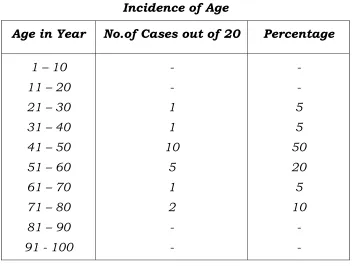
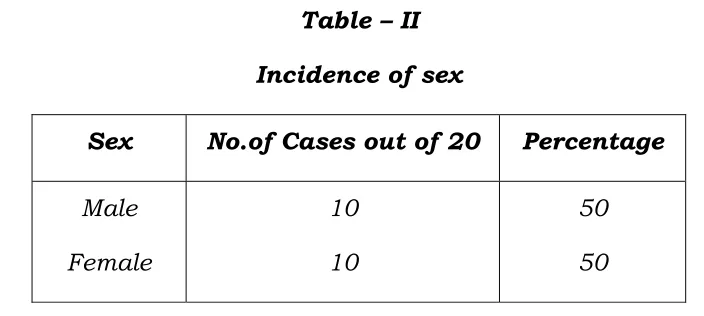
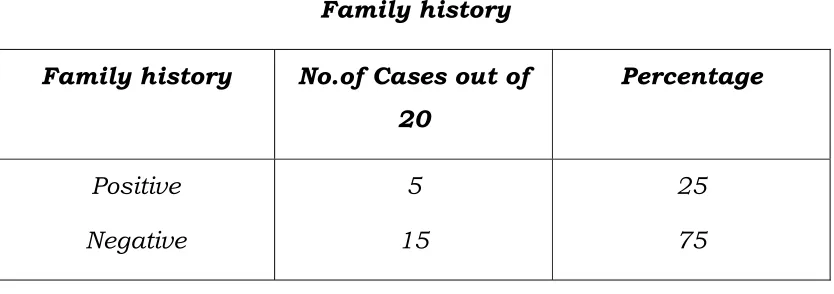
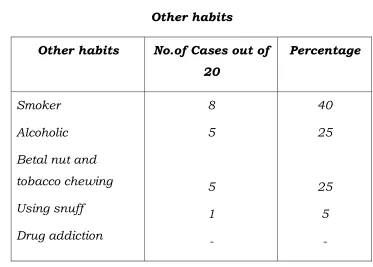
The present study also aims at clinical observation and the incidence of the disease in relation to age, sex, occupation, food and other habits, paruvakaalam and nilam.
Making a comparative study of the Siddha and the modern aspects of the disease is also an other important objective of the present study.
Bio Chemical analysis of trial drugs to findout the various constituents of each drug.
Pharmacological analysis to study the action of trial drug.
Since the most common disease in the modern society is Raththa Moolam, number of sufferers may be increasing day by day. So the author had selected this disease for this dissertation work.
20 patients of either sex were selected as both In-patients and out-patients and they were administered with the trial drug Raththa Moola Nei– 4gm twice daily during the whole study period.
The trial drugs were subjected to biochemical and pharmacological studies.
SIDDHA ASPECT
Introduction
Vatham, Pitham and kabam are the three vital humours of the human body.
The human body is governed by these three important factors called ‘Trithathu’ or ‘Uyir thathu’ or three humours.
In Siddha system of medicine, diseases are due to the vitiation of the vital humours.
According to Yugi vaidhya sinthamani, Raththa moolam is one among the twenty-one types of moola noigal.
In siddha, “moolam” means the area moolathaaram or the root.
Moolaathara area has been given maximum importance in Siddha systems as it is the energy center of the body, the Kundalini. Although there are other moolaathaara areas in the body this area is foremost energy center. This is explained as follows:
ghq;fhd Fz;lypf;Fs; %ynkhd;W ghug;gh fz;lj;jpy; %ynkhd;W ~~Nghq;fhd GUtika %ynkhd;W
Gfohd tpe;JtpNy %ynkhd;W thq;fhd rj;jpapNy %ynkhd;W
kUtp epd;w guhguj;jpy; %ynkhd;W Njq;fhk ypijahWq; fz;lQhdp
NrHe;J epd;w Kk;%y NahfpahNk||
- rl;l Kdp Qhdk;
THATHUVAM ASPECTS:
Moolaathaara area is situated in the akkini mandalam and vatha area that is below the navel. So predominating boothams out of the Pancha boothams are vayu,aahaayam and theyu. Theyu is for akkini mandalam and the rest for the vatha area. This structure makes this area having more kinetic (due to vayu) and thermal energies (due to theyu) to facilitate the normal acts of micturition, defaecation and parturition. To control defaecation and to carry-out, kanmavidayam, visarkkam, the bootham involved is neer. The kanmenthiriyam involved here in Eruvai.
Vayu and aahayam together constitute vatham. Vatham in the body manifests as ten types. The types directly concerned with moolaathaara area are abanan, pranan and dhevathathan. Abanan is a vayu having theyu predominance in its structure. In relation to malaasayam it effectively expels faeces since it has both kinetic (due to being a vayu) and metabolic thermal energies (due to theyu). Prana Vayu takes its course via Moolaathaara area and it takes saaram from here and disperses to all the tissues of the body in addition to its main function of respiration. Dhevathathan relates the mental state of a human being with the lower gastrointestinal tract. It normally resides in the rectum and is responsible for anxiety, anger, quarelling and laziness.
Theyu in malaasayam manifests as moolakkini. Moolakkini, a kind of akkini in the body gives the required metabolic thermal energy to malaasayam to facilitate the normal act of visarkkam.
In the ten naadis the malaasaya naadi is Guhu. Suzhumunai naadi also has its base in the moolathaaram. These naadis carryout coherent action of other systems in normal acts of digestion, absorption and defaection. This is given in Siddha text as,
~~Njwntd;why; FFntd;w euk;G jhDk;
nrayhf Kd;nrhd;d Kf;Nfhzpy;epd;W
NfhzhFk; mq;Fepd;W ehHNghNy
nfhLikalh me;euk;G Nky;Nghl;lhf
mghdj;jpy; Kd;dhstha; mq;Nf epHf;Fk;
fhUjpfk; csg;ig euk;gpjhNk
jhndd;w euk;ngy;yhk; ,irthf
Jz;L Nghy; Njfj;Js;Ns
md;dkJ cz;gjw;Fk; njfpg;gjw;Fk;||
- NjiuaH euk;G #j;jpuk; - 150
UDAL KOORUGAL ASPECT:
The udal koorugal aspect of the gastrointestinal tract and particularly that of rectum described in Siddha are as follows. The total length of the gastrointestinal tract is thirty two muzham. The continuous peristalysis is mentioned as “milthb epw;Fklh Flypy;
jhDk;” and the spindle like shape of the intestine occurring during
intestine in addition to digested food there are irai, kirumi and puzhukkal corresponding to micro organisms and parasites.
In the lowermost region, i.e. the anal canal there is a special apparatus to open and close the canal whenever necessary. This is mentioned as “Thaazhpaazh”. This relates to the anal sphincters at the end of the anal canal. These things are mentioned in the verse as follows:
~~$wNt Kg;gj;jpuz;L Kok; Fly;jhDk; Kiwahf Mapuj;J vl;L miwAkhFk; miwnad;why; EiuaJNghy; Fkpopahf
milthb epHf;Fklh Flypy; jhDk; fk;gj;jp yiwapl;lhg; NghNyae;j
fUq;Flypy; ,jdsTk; Mapuj;jp vl;L Mjhuk; MWf;Fk; FUehbf;Fk;
miwmiwaha; Flyiz Nghy;epd;W miwahf ,lg;gf;fk; ryg;igf;Fs;Ns
tyg;ghfk; Fly;ehsk; rq;fpNdhNl itutDk; rq;fpdpAk; mq;Nf epd;W
tsHf;Fklh rq;fijAk; cwthb Ropapy;te;J mq;FepHf;Fk; %yj;jpy; Foy;jhndd;Nw
xspahd mf;Foy;jh diwAk;g+l;b fjtpy; jhg;ghspl;lhg;Ngh yilg;gl;lhg;Nghy;
mlthf mjd; topaha; kyk;jhd; NghFk; mq;ftHfs; Jz;Lfly; ehsj;NjhNl
Nrhlhd; mf;Foypy; miwfs; Njhd;Wk; nrhFrhd fpUkpapiu GOf;fnsy;yhk;
<f;fs; nkha;j;jhg;NghNy ae;j euk;gpy; Rw;wp ,Uf;Fklh ve;jpuj;jpd; fUtp ghrk;||
CONTROL BY NARAMBU:
In Therayar narambu soothiram, nine narambugal are held responsible for deglutition, digestion, absorption and defaecation. Out of these one narambu is held responsible solely for the purpose of visarkkam. This narambu divides into four branches in the moolaathaaram and supplies large intestine, urinary bladder, sukkilaasayam, kaariral and suvaasapai. This narambu in association with other thathuvams such as ten vayus carry out the act of visarkkam. The verse is,
~~fhZk; Kg;gj;jpuz;L Kok; jhDk;
%yhjhuj;jpy; ,jnohd;wha; ehYk; nrd;W
Nrhwhd xhpjo;jhd; Rf;fpyj;jpy; nrd;W
nrd;W kyryhjpfis js;spg; NghLk;
nghwpahd %d;wp jOk; gtsg; igapy;
NrHe;J KJf;fpizaJ Nghy; ,iufs; #o;e;J
nfhz;lhb mq;fpUf;Fk; ,jo;%d;whNy
xd;whd Fly; euk;Gjpusha; epd;W
Cf;fKs;s fhhPuy; jd;dpy; jhkiu
E}y; tisak; Nghy; NkhjpepHf;Fk;
epHf;Fke;j euk;gJTk; Rthrg;igapy;
jz;lJf;Fk; cwthr;R kyj;ijg;Nghf;Fk;
Nguhd jrthAtpd; ngyj;jhNy
,Oj;Jj; js;Sklh kyj;ijj; jhNd||
MOOLA NOIGAL
Moola noigal are diseases that occur in and around Moolaathaaram. They include a wide variety of ano rectal diseases. They are also called Adimulai noi, Arippu noi and Mulai noigal.
Yugi munivar in YUGI VAIDHYA SINTHAMANI describes twenty one types of Moola noigal, of which Raththa Moolam is one among them.
“rdpg;ghd %yj;jpd; ngaNu njd;dpy;
rkurkhk; ePH %yQ; nrz;L %yk;
Kdpg;ghd Kis %yk; rpw;W %yk;
%Hf;fkhk; twz;%yk; uj;j%yk;
jpdpg;ghd rP %yk; Mop %yk;
jpzpahd jkufkh %yj;NjhL
tdpg;ghd thjnkhU gpj;j %yk;
tifahd rpNyl;Lkj;jpd; %ykhNk.
tifahUe; njhe;jkh %yj;NjhL
tsHfpd;w tpid%y Nkf%yk;
gifahFk; Fk;gTj;jpukh %yj;NjhL
glHfpue;jp %yj;NjhL Fjkh %yk;
gifahFk; Gw%yQ;rUf;F %yk;
nghUfpd;w rt;thF %yj;NjhL
jifahf %ykJ ,Ugj; njhd;W
jz;ikaha;r; Rw;wpajpd R≥jhNd
- A+fp itj;jpa rpe;jhkzp
These are,
1. Neer Moolam
3. Mulai Moolam
4. Siru Moolam
5. Varal Moolam
6. Raththa Moolam
7. Seezh Moolam
8. Aazhi Moolam
9. Thamaraga Moolam
10. Vali Moolam
11. Azhal Moolam
12. Aiya Moolam
13. Thontha Moolam
14. Vinai Moolam
15. Mega Moolam
16. Pavuththira Moolam
17. Granthi Moolam
18. Kutha Moolam
19. Pura Moolam
20. Churukku Moolam
21. Chavvu Moolam
THERAYAR describes ten types of moola Noigal, of which Raththa Moolam is not included. The types are
1. Seezh Moolam 6. Sathai Moolam
2. Pun Moolam 7. KaduppuMoolam
3. Thee Moolam 8. Veluppu Moolam
4. Neer Moolam 9. Kaatru Moolam
5. Mulai Moolam 10. Peru Mulai Moolam
ANUBAVA VAIDHYA DEVA RAGASIYAM classifies Moolam
into six types. It includes Raththa Moolam one among the six types. The six types:
1. Vatha Moolam
2. Pitha Moolam
3. Kaba Moolam
4. Thontha Moolam
5. Thiri dosha Moolam
6. Raththa Moolam
JEEVA RATCHAMIRTHAM classifies Moolam into four types. It
1.Sagasa Moolam
Here the tendency to have haemorrhoids lie in the genetic code itself. It is the only text in which the author has quoted of direct evidence for a hereditary role in Moola noigal.
2. Uththarasa Moolam ( Uththarasam – usual natural)
3. Shutka Moolam ( Shutka – shrinking)
4. Aarthira Moolam (Aarthiram – discharge)
Agathiar in AGATHIYAR PARIPOORANAM describes nine types of Moolam. He includes Raththa Moolam one among them. The types are (NAVA Moolam)
1. Ul Moolam 6. Moola Paandu
2. Pura Moolam 7. Vali Moolam
3. Raththa Moolam 8. Azhal Moolam
4. Seezh Moolam 9. Aiya Moolam
5. Mulai Moolam
VAIDHYA SARA SANGIRAGAM and AAVIYALIKKUM AMUTHA
MURAI CHURUKKAM also accept Agathiar’s classification.
CEGA RAASA SEKARAM classifies Moolam into twenty types.
1. Vatha Moolam 11.Ulaththu Moolam
2. Pitha Moolam 12.Athisaara Sura Moolam
3. Kaba Moolam 13.Thosha Thontha Moolam
4. Vatha Pitha Moolam 14.Vatha Raththa Moolam
5. Pitha Vatha Moolam 15.Vatha Kerppa Moolam
6. Pitha Kaba Moolam 16.PithaVatha Thontha Moolam
7. Seda Vatha Moolam 17.PithaKaba Thontha Moolam
8. Sada Vatha Moolam 18.Kanda Moolam
9. Kaba Sala Moolam 19.Raththa Moolam
RATHTHA MOOLAM
Many siddhars have dealt about Raththa Moolam. Among them the author has taken Raththa Moolam for dissertation study from
Yugi Vaidhya Sinthamani. As the name indicates the main
symptom of the disease is bleeding per rectum.
EYAL (DEFINITION) :
Literally Raththa means blood and Moolam means the anorectal region. To say it correctly Raththa Moolam is a disease characterized by bleeding per rectum while defaecation, weakness, giddiness, headache, palpitation and constipation.
NOI VARUM VAZHI (AETIOLOGY)
The various causes for all Moola Noigal are elaborately described by Yugi Munivar. Although the text does not mention causes separately for each type, collectively within two verses it deals psychological, karmic, intrinsic and extrinsic factors of aetiology for all Moola noigal. With this and other Siddha texts we can say the causes of the disease as,
I. Karmic and psychological causes
II. Due to wrong diets and acts
III. Due to maintaining wrong postures in Yogasanas
IV. Due to deranged Varma nilai
The Karmic and Psychological causes include,
Chiding the elders
Doing harm to others
Indulging in rape
Living a luxurious life when neighbours and relatives are in hunger.
Always quarrelling with others.
These basically vitiates the pitham and later, causes derangement of vatham and eventually lead to Raththa moolam. This is explained in Yugi Vaidhya Sinthamani as follows,
~~Kidahf %j;Njhiu itjyhYk;
Nkhrq;fs; gz;zpNa fw;gopj;Jk;
epidthf epidtpnyhd;Wk; thf;fpnyhd;Wk;
NeHe;jgb nrhy;Yfpd;w ePl;Lew;Fk;
gidahf guNjrp ge;JthNdhH
grpj;jpUf;f cz;lNjhH ghjfHf;Fk;
jidahfr; rkhjhde; jtpHf;fpd;NwhHf;Fk;
rz;lhs %yk; te;J rdpf;Fe; jhNd||
- a+fp itj;jpa rpe;jhkzp.
The other intrinsic causes of wrong Diets and Acts include,
Exposure to excessive cold
Exposure to excessive heat
Excessive heat in the body itself due to Sexually Transmitted Diseases.
Indulging excessively in sexual act
Here Yugi munivar suggest two more psychological causes. They include,
Always having an angry mood
Anxiety and depression due to heavy loss in business etc.
This is given in Yugi Munivar Vaidhya Sinthamani as,
~~jj;ijah kjpfkhq; FsphpdhYk;
jhpahj tow;rpahy; fpue;jpahYk;
Gj;ijahk; nghUe;jhj c\;zj;jhYk;
GzHr;rpahw; Nfhgj;jhH rypg;gpdhYk;
fj;ijahk; ntFfhuk; Ntz;lyhYk;
fbdhkh Kg;ghYk; fhuj;jhYk;
nkhj;ijahk; ntFjdq;fs; NghdjhYk;
%yk; te;Jw; gj;jp KidAe; jhNd||
- a+fp itj;jpa rpe;jhkzp.
Maintaining Wrong Yogic Postures:
During Practice of Yogasanas maintaining sitting and pelvi straining postures predispose to vitiated vatham, pitham and moolakkini leading to Moola noigal.
Aetiology due to Deranged Varma Nilai:
cr;rptHkk; (nfhz;ilf; nfhy;yp):
Neuhdnew;wp eLtjpypUe;J
mtutH ifajpdhy; vl;Ltpuy; NkNy
mse;J ghHj;jhy; jyKdf;F njhpatUk;
mj;jyj;jpy; Kwpe;jpbNyh Fzj;ijf; NfNs
Nky;kyHe;J typf;Fkg;gh taH nghUKk;
nghUkpNa rpWePnuhL Ngjp fl;Lk;
fo;l;lkg;gh rd;dpNahL rPjKz;lhk;
jg;ghJ ehopifjhd; mWtJf;Fs;………..,
If Saathiyam,
NgRNk njhz;Z}Wehs; fope;j cld; jiyfpWf;fk;
gdp FspUk; tapwjpNy Ngjpfl;Lk;
Kf;fpakha; %y Neha; gjdkhFk;..
-Rg;gpukzpaH tHk mtjpepjhdk; - 500.
SIDDHA PATHOLOGY:
The human body is made of ninety six thathuvams. Alterations in any thathuvam result in pathological states. Raththa moolam results basically from derangements of Vatham and Pitham. This is best illustrated in the verse,
~~mdpy gpj;j njhe;jkyhJ %yk;tuhJ||.
-Neha;ehly; Neha; Kjdhly; jpul;L – I
Since vayu and aahaayam constitute vatham and thee constitutes pitham, immediately these two humours derange.
Vatham in the body manifests as ten vayus. Among them those having connections with the anal canal is abanan, pranan and dhevathathan gets derangements. Simultaneously with the vayus, naadis having connections with the moolaathaaram i.e. Guhu and Suzhumunai along with other thathuvams produce systemic manifestations.
Pitham in the body manifests as five type viz Anal, Ranjagam, Prasagam, Aalosagam and Saathagam. All these are affected in Raththa Moolam.
Kabam deranges very lately if the patient is left untreated for days together to produce kaba disease such as sobai etc.
Humoral or Tridosha Pathology
Panchaboothams are manifested in the body as three vital forces,
Vatham
Pitham
Vatham:
Structurally it is the combination of vayu and Aahaaya boothams. So it is affected in Raththa moolam. Normally it carries out respiration, circulation of blood, locomotion, carrying sensory signals and motor signals to and from the brain, micturition, defaecation, parturition, sensation of hearing, sight, taste etc.
It is located in idakalai, abanan, faeces, spermatic cord, pelvic bones. Skin, hairs, nerves and muscles. It has ten types.
1. Pranan(Uyirkaal)
This controls knowledge, mind and the five sense organs, which are useful for breathing and digestion.
2. Abanan (Keezh Nokku Kaal)
This is responsible for all downward movements such as passing of urine, stools, semen, menstrual flow etc.
3. Samanan (Nadukkaal)
This aids in proper digestion.
4. Vyanan (Paravukaal)
This is responsible for all movements of allparts of the body.
5. Uthanan (Mel Nokku kaal)
Responsible of all upward visceral movements such as vomiting, eructation and nausea.
6.Nagan
Responsible for opening and closing the eyes.
7. Koorman
8. Kirukaran
Responsible for salivation, nasal secretion and appetite.
9. Dhevathathan
Responsible for laziness, sleeping and anger.
10. Thananjeyan
Produces bloating of the body after death. It escapes on the third day after death bursting out of the cranium.
In Raththa moolam primarily affected vayus are
1. Abanan
2. Pranan
3. Dhevathathan
These deranged vayus affect seven thathus and malams. Due to this, the symptoms produced in Raththa moolam are,
Pain in the umbilicus
Splashing of blood during defaecation
Feeling of weekness in the limbs
Head ache
Pitham:
It is the life manifestation of thee bootham in the body. It is the metabolic thermal life force of the body. It carries out digestion, absorption, metabolism, colouration of blood etc.
Pitham is located in Prana vayu, bladder, Moolakini, Heart, Umbilical region, abdomen, Stomach, Sweet saliva, blood eyes and skin.
1. Analpitham
It promotes appetite and helps in digestion
2. Ranjagam
It gives colour to the blood.
3. Prasagam
It gives complexion to the skin
4. Aalosagam
It brightens the eyes.
5. Saathagam
It controls the whole body. It has the property of fulfillment.
The primarily deranged pithams are:
1. Ranjaga pitham
2. Prasaga pitham
3. Aalosaga pitham
4. Saathaga pitham
Symptoms are produced when these deranged pithams affect the seven thathus and malams. These symptoms include
i. Skin becoming pale in colour
ii. Veluppu noi
iii. Eye becoming yellow in colour
iv. Giddiness and emaciation
Veluppu is due to the derangement of Ranjagam. Paleness of the skin due to the derangement of Prasagam Yellow colouration of the eyes is due to derangement of Aalosagam. Giddiness and emacitation are due to the derangement of saathagam.
Kabam:
Kabam has neer and prithivi boothams. It is responsible for coordination and defence mechanisms of the body.
Kabam is located in samana vayu, semen, suzhumunai, blood, phlegm, bone marrow, nose, chest, nerve, bone, brain, eyes and joints.
1. Avalambagam
2. Kilethagam
Lies in the stomach, makes the food moist, soft and helps in digestion.
3. Pothagam
Responsible for identifying taste.
4. Tharpagam
Present in the head and responsible for the coolness of both eyes.
5. Santhigam
Responsible for the lubrication and free movements of the joints, it is situated in the joints.
Initially in Raththa moolam, kabam is not deranged but in untreated cases all the five types of kabam are affected. This causes pathologic changes in the thathus leading to Sobai noi.
When thathuvams including vatham, pitham, kabam and deranged they affect seven udal thathus viz Saaram, Senneer, Oon, Kozhuppu, Enbu, Moolai, Sukkilam (or) Suronitham and udalthees. They affect three malams and inturn produce various symptoms according to the severity and site of ailment.
Thirumoolar Karukkidai vaidhyam – 600 describes the pathology of Raththa moolam. Suppression of appetite and defaecation leads to derangement of vayu. This vayu enters kundalini area. Here the vayu combines with theyu and causes formation of moola mulaigal. When excess vayu exerts pressure on them, they bleed on straining ie., while defaecation. Thid is given as
“fhaj;jpy; %yq; fz;l tpjq;NfS
ghnahj;j jPgdk; ghpe;Nj alf;fpDk;
khia kaf;f kyj;ij alf;fpDk;
XAw;w Fz;lypf;Fs; GFk; thANt
ThA GFe;J kyj;Njhl ghdj;ij
NjAitf; $l;bj; jpul;b RUf;fpLk;
NjAk; kyk; thpd; RUf;fp Kd;Nd
epd;NwA KisNgh yghd dpUf;FNk
,Uf;FQ; rpy%y nkO kz;lyk; Nghy
kWf;fuzk; nfhz;L tUQ;rpy %yk;
cWf;fpa thAth Yjpuk; jhd; $bj;
jWf;fp tpOf;fhl;Lk; jhd; nuj;j %yNk.”
-jpU%yH fUf;fpil itj;jpak - 600
Agasthiyar Gunavagada Thirattu, Pathinen Siddhar Aruli Chaitha Naadi, Aathma Ratchamirtham,
Agasthiyar - 12000 and various other Siddha texts have the same
verses for the pathology of Raththa moolam.
So whatever may be the aetiological factor in Raththa moolam, the basically affected boothams are vayu and theyu. This causes pathological changes in other thathuvams such as seven thathus, udal thee, and in malam to give rise to the symptoms of Raththa moolam.
Murkurigal (Preliminary Symptoms and Signs)
Vitiated vayu gives consistency and dark colour to the faeces. This leads to constipation. In addition to this there is increased moolaakkini, derangement of spermatogenesis, borborygmus and diarrhoea. These symptoms occurs before the actual disease symptoms sets in. These are mentioned in the verse given below,
~~fhzg;gh thAthYq; fdj;j tghdd; wd;idg;
g+zg;gh kyj;ijf; fl;bg; Gifnadf; fWf;fp ehSk;
Njhzg;gh Kisiag; Nghyr; RUf;fpKd; kye;jhd; tPoy;
Mzg;gh tghde; jd;id mOj;jNt ,Uf;Fk; ghNu||.
- rpj;j kUj;Jtk;
%yNk naOe;jNghJ %yj;jpy; fdy;jhd; kPWk;
%yNk naOe;jNghJ Kidtpe;J ehrkhFk;
%yNk naOe;jNghJ Koq;fNt apiur;ryhFk;
%yNk naOe;jNghJ Kfpypy;yhf; fopr;ry; jhNd||.
- jpU%yH fUf;fpil itj;jpak; - 600
Faeces get a hard consistency which become white in colour and their passage in the anus gets blocked as if there is a bud of lotus. Then the pile mass protrudes like a lotus flower with the active play of vayu. Bleeding per rectum occurs like honey drops from the lotus flower. General malaise, physical and mental fatigue also develop. The disease is an irritating crual disorder of human being and the affected persons looks like an afraid serpent due to heavy thunder. In brief symptoms include.
Hard consistency and white coloured faeces
Constipation
Protruding pile mass
Bleeding per rectum
Malaise
Physical and Mental fatigue
Anxiety and fear
This is given in the verse as..
~~kykpWfpj; jioANkAQ; RNtj ikapd;
tifik nadf; Foy;filj; jhkiu Nghy;
gykpjkh nahUNtis aghdQ; Rw;wpg;
gJk Kfpo; tphpaikjpg; gpurk; Nghyr;
ryrnydg; nghrp FUjpj; jpy;iy nghq;fj;
js;shb trkopaj; jsHTz;lhf;fp
epytukw; wpltQiu AQw;W ikah
ePrj;Jt %yFz epiyik jhNd.
nfhba nghy;yhj %y Fzj;ij
nad; nrhy;Ntd; ghe;j
natiuAq; frq;fr; nra;J
FbnfL khW nra;Aq;
nfhz;lt ehAk; nfa;J
KbtjdhNy ngad;W
nkhope;jdH jioe;j E}NyhH||.
-NjiuaH Nrfug;gh
Kuri Gunangal ( Signs and Symptoms)
According to Yugi Vaidhya Sinthamani, the clinical features are
~~Nrjpaha; njhg;Gs; jdpy; typj;J nehe;J
rpWfjpHNghw; gPwpl;L uj;jk; tPOk;
Nkjpaha; Nkdptw;wp ntSj;Jg; NghFk;
kpff;if fhyre;JNk Nrhif ahFk;
khjpaha; khHgpsf;Fe; jiyNehAz;lh
kaf;Fe;jhd; kpFjpaha; js;spg; NghFk;
ehjpaha; fz;zpuz;Lk; kQ;rs; Nghyhk;
eypAk; uj;j%yj;jpdd;G jhNd||.
- a+fp itj;jpa rpe;jhkzp Pain in the umbilicus
Spurting out of blood during defaecation
Emaciation
Pallor
Feeling of weakness in the limbs
Sobai
Head ache
Giddiness and
Yellowish colouration of eyes.
~~njhg;GSk; type;J nehe;J Jsq;fplh apuj;jk;|| tPo;e;J
mg;nghOJs;s %ykwpaNt ntspapy; js;Sk;
jg;gplh Nkdptw;wpj; jWfplh J}Nl nrd;W
,g;gb uj;j%y nkhd;Wjh dpak;gyhNk||.
- Fzthflk; Pain in the umbilicus
Bleeding per rectum
Protrution of the pile mass
Emaciation
According to Aaviyalikkum Amutha Murai Churukkam, the symptoms are
Loss of appetite
Lower abdominal discomfort
Constipation
Pain around umbilicus
Bleeding per rectum
Drowsiness
Anaemia and
Breathlessness
According to Cega Rasa Sekaram the symptoms are,
~~,Uf;Fk; rpy%y nkO kz;lyk; Nghy
kWf; fuzq;nfhz;L tsUQ; rpy%yk;
KWf;fpa thAthy; cjpue;jhd; $l;bj;
jWf;fp tpof; fhl;Le;jhd; uj;j %yNk||.
Swelling of pile mass
Bleeding per rectum
According to Athma Retchamirtham Entra Vaidhya
saara sangiragam the symptoms are,
Consuming foodstuffs with bitter and sour tastes
Body becoming warm
Loss of appetite
Lower abdominal discomfort
Constipation
Pain around the umbilicus
Bleeding per rectum
Protrution of the pile mass
Irritation and burning sensation in the anus
Anaemia
According to Veerama munivar aruli cheitha
Nasakanda Venba,
Pain in the umbilicus
Spurting out of blood during defaecation
Emaciation
Pallor
Weakness in limbs
Sobai
Chest pain
Head ache
Giddiness
According to Thirumoolar Karukkidai Vaidhyam - 600 the symptoms are,
Bleeding per rectum
Piniyarai Muraimai (Diagnosis)
Diagnosis is arrived at by porial Arithal, Pulanal Arithal, Vinathal and confirmed by En-Vagai thervugal viz.
Naa (Tongue examination)
Niram (Colour of the body)
Mozhi (Speech)
Vizhi (Eye examination)
Sparisam (Palpation)
Malam (Motion examination)
Moothiram (Urine examination)
Naadi (Pulse)
In porial Arithal, Pulanal Arithal and vinathal, Patient’s name, Age, Sex, Occupation, Income, His thinai (environment), Complaints, its duration, Past history, Habits are recorded. The patients are mostly from sedantary works, they live mostly in a hot environment. The diagnosis is confirmed by the following envagi thervugal.
1. Naa
Niram
Because vatham and pitham are affected the colour of the body is as in vathapitha thontham i.e. Slight dark yellowish in colour. The colour change is due to veluppu noi which ensures after a long course of Raththa moolam.
2. Mozhi
Due to the affection of vatham and pitham patients look anxious and the person’s speech reflects his anxiety.
3. Sparisam
Body is said to stay in ushnam or hyperthermic state. This is due to the combined attraction of vatham and pitham. Other features of sparisam are usually normal.
4. Vizhi
Vizhi has a pale or yellow colouration due to loss of blood every episodes of defaecation. This is attributed to vatha pitha thontham. Othere features of vizhi are normal.
5. Malam
6. Moothiram
i. Neerkuri : The amount is usually normal. But when
veluppu and Sobai develop, the amount is reduced. There is no-froth. The colour is usually light reddish yellow.
ii. Neikuri : Due to the vatha pitha thontham involvement
the neikuri is paumbil mothiram.
7. Naadi
Naadi pareetchai or pulse reading reflects humour involved and inturn the disease out of ten areas of naadi pareetchai, radial pulse reading is convenient to detect the accurate humour involvement.
In Raththa moolam, the normal 1:1/2:1/4 mathirai pettern or gait pattern of hen, turtle and frog of vatha, pitha and kabam respectively are affected giving rise to elevated mathirai of vatham and pitham than normal. This is often said in vallathi naadi as gait patterns of animals having speedy and force full gait patterns such as cock for pitham. This is given in the verse as follows,
“jhndd;w thjkJ NfhopNghy
rhtiyg; Nghy; gpj;jkJ jhz;Lkhfpy;
Nfhndd;w thjgpj;j njhe;jpg;ghFk;.”
- ty;yhjp ehb
“thjnkDk; ehbaJ Njhd;wpy;
rPjke;jnkhL tapW nghUky; jpul;rp thA
rPjKWq; fpuhzp kNfhjuk; ePuhik
jpus; tha;T #iytyp fLg;G jPiu
ePjKWq;fp UkpFd;kk; mz;lthjk;
epiyAk; ePHf;fphp ruq;fs; je;JNkfk;
Ngjfkh Kjugpzp %yNuhfk;
NgrntF gpzpfSNk nghUs jhNk.”
- rjf ehb
According to Gunavagada Noin Saaram, vatha pitham and kabam are reduced from their normal status in moola noigal. This is given in the verse as
“%tU ke;jkhdhy; Kisj;jpL %ynky;yhk;”
- Fzthfl Nehapd; rhuk;
Also in Vallathi Naadi, it is said that pithathil vatham is the diagnostic naadi for moola noigal.
“tz;zKld; gpj;jj;jpy; thjk; te;jhy;
tUkhW gPdprq;fs; kz;ilf; Fj;J
fz;Zklh gTj;jpuq;f siuahg;Gz;lhe;
jg;ghJ et%yQ; rhUe; jhNd.”
- ty;yhjp ehb
“fhe;jYz;lhk; gpj;jnkhd;W thjq; fhyhk;
fjpj;njOe;j ehbalh mk;ik Nghy Fz;Zk;
the;jpAz;lhk; ke;jpf;F tapw;nwhpg;G
tskhf Ruq;fhZk; fz;Zk; fhe;Jk;
CHe;JtpLk; ghz;lhF khrdj;jpy;
Cw;wNjhH %ykhk; Gz;ZkhFk;.”
-uj;d RUf;f ehb
From all these, the conclusion is that most of the siddhars says vathapitha naadi is the charecteristic pathological naadi for moola noigal which include Raththa moolam.
Prognosis
If there is definite cure for any disease, the following conditions should be fulfilled.
1. Vatha naadi should not be reduce to a very low extent
2. Pitham and kabam should not get mixed.
3. Normal Udal anal should not be reduced
4. Vatham and kabam should not go hard in hand
- Soothamuni Naadi
In most of the cases of Raththa moolam these conditions are met and hence the prognosis is good.
“NrUthjQ; rpwe;jNjhH gpj;jKk;
$Wk;ehTq; Fjpf;Fk; kz;^fk;Nghy tpUe;jhY tpsq;fg; gijj;jpby;
NrUnkk GuQ;NrHtJ Kz;ikNa. cz;ikthj Kiuf;Fk; gpj;jKld;
cz;ikkhj; jpiunahd;WNk kPwpby; cz;ikahK nyhlq;fp alq;fpLk;
cz;ikahq; fhyd;Tly; nfhz;L NghtNj.
-rl;lKdp ehb
Above all, according to yugi vaidhya sinthamani it is a curable disease. So if early treatment is started to pacify the deranged vatham and pitham, it can be cured. Complication in this disease occur when kabam gets involved. So arresting the involvement of kabam makes the prognosis better.
Noi kanippu Vivatham (Differential Diagnosis)
Raththa moolam should not be confused with othere types of moola noigal and other diseases such as soolai which also have symptoms like bleeding per rectum. These include
1. Mulai moolam
Mulai moolam has protrusion of pile mass in the anus resembling germinating turmeric. In mulai moolam, the lower abdomen has a hard consistency which is not present in Raththa moolam. Both have bleeding per rectum, constipation and pain arount anus
Permanent irreducible pile mass is present in the anus resembling karunai tuber and this is not present in Raththa moolam. Besides this, there is no splashing of blood as in Raththa moolam, hence, there is only discharge of blood and mucus. Mucus discharge is not present in Raththa moolam although both the condition have constipation.
-Yugi vaidhya sinthamani
3. Aazhi moolam
Here there is an external solitary pile mass which looks like dioscorial tuber. Besides this, there is discharge of blood mucus and pus, these are not present in Raththa moolam.
-Yugi vaidhya sinthamani 4.Varal moolam
In varal moolam the bleeding is not like a splash but like drops of blood while defaecation. Both diseases have constipation, emaciation, anxiety, anger and malaise.
-Yugi vaidhya sinthamani 5. Azhal moolam
Here no splash of blood is present, but only discharge of blood and pus. There are tiny pile masses like seeds or rice are in abdomen and anus. These are not present in Raththa moolam.
-Yugi vaidhya sinthamani 6. Thamaraga moolam
7. Churukku moolam
There is an abscess like mass in the anus which is not present in Raththa moolam. Besides this, there is discharge of blood and mucus. Both diseses have veluppu noi.
8. Raththa Soolai
There is constipation, loss of appetite, belching, distension of stomach and severe stabbing pain in the chest which are not present in Raththa moolam, Raththa Soolai patients notices blood with faeces.
-Thanvanthiri Vaidhyam – Soolai Nithanam 9. Vali Raththaazhal noi
There is body pain, haemorrhage in dark colour occassionally with froth, hard stools like faecal pellets of goat which are not present in Raththa moolam but both conditions have bleeding per rectum.
Complications
MODERN ASPECTS
THE RECTUM
The rectum is a slightly dilated part of the large gut. It leads from the pelvic colon and terminates in the anal canal. It extends from the recto-sigmoid junction in front of the third piece of sacrum to the ano-rectal junction 3.75 cms in front and slightly below the tip of the coccyx. In the upper part, it has the same diameter (4cm) as that of the sigmoid colon, but in the lower part it is dilated to form the rectal ampulla.
Mucosal folds
The mucous membrane of an empty rectum shows two types of folds, longitudinal and transverse.
Functional parts of Rectum
The rectum has two functional parts. The upper part (related to the peritoneum) develops from the Lindgut and lies above the middle fold of the rectum. It acts as a faecal reservoir which can freely distend anteriorly.
The lower part (devoid of peritoneum) develops from the cloaca and lies below the middle fold. It is empty in normal individuals, but may contain faeces in cases of chronic constipation, or after death.
Arterial Supply
1. The superior rectal artery is the continuation of the inferior mesenteric artery, supplies the entire internal aspect of the rectum and upper half of the external aspect.
3. Inferior rectal arteries, branches of pudental arteries supply the posterior part of rectum and anal canal.
Venous Drainage:
1. Superior rectal vein
2. Middle rectal veins.
Lymphatic drainage
1. Lymphatic from more than the upper half of the rectum pass along the superior rectal vessels to the inferior mesenteric nodes after passing through the pararectal and sigmoid nodes.
2. Lymphatics from the lower half of the rectum pass along with the middle rectal vessels to the internal iliac nodes.
Nerve Supply
The rectum is supplied by both sympathetic (L1,2) and
parasympathetic (S2,3,4) nerves through the superior rectal (interior
mesenteric) and inferior hypogastric plexus.
THE ANAL CANAL
The anal canal is the terminal part of the large intestine and is approximately 38mm long and 12.5mm to 19mm in diameter. It starts at the anorectal junction and decends posterio-inferiorly between the ano coccygeal ligament and the central perineal tendon in the median plane and it ends at the anus. In the upper part of the anal canal the mucous membrane is arranged in 6 to 10 vertical folds, the anal columns.
Commencement:
Direction:
Downwards and backwards
Termination:
It terminates by opening to the exterior of anal triangle of perineum. The terminal opening has got subcutaneous musculature called corrugator cutis ani.
Relations:
Anteriorly
In the case of male:
1. Perineal body
2. Bulb of the penis
In the case of female
1. Back of the vagina
2. Perineal body.
Posteriorly:
1. Tip of the coccyx
2. Ano coccygeal ligament
Laterally:
1. Ischio-rectal fossa
2. Levator ani and fascia covering it.
Ischio rectal fossa helps in the dilatation of the anal canal during defaecation.
Interior:
Pectinate line:
Hilton’s line:
It is also reffered to as the inter-sphincteric groove as it is the dividing line between the external and internal sphincters. Internal haemorrhoids occur above this line. Whereas external haemorroids occur below it.
Ano rectal ring:
The anorectal ring marks the junctions between the rectum and the anal canal. It is formed by the joining of puborectalis muscle, the deep external sphincter, conjoint longitudinal muscle and the highest part of the internal sphincter.
Musles:
1. Internal sphincter ( Consisting of smooth muscle fibres)
2. External sphincter ( Formed by striated muscle)
a) Subcutaneous part
b) Superficial part
c) Deep part
Arterial supply:
It is supplied by inferior rectal branches of the internal pudental arteries. It anastomoses with its fellow and with the superior, middle rectal and perineal arteries.
Venous drainage:
1. Submucosal plexus of veins:
Above the Hilton’s line, it pierces the muscular wall and ends in the superior rectal vein and thus reaches the portal system.
2. Perimuscular plexus of veins:
Its efferents drain into the superior rectal vein above and the middle rectal veins at the sides.
Lymphatic drainage :
1. Lymphatics below the level of the Hilton’s line wind around the root of thigh both medially and laterally and reach the superficial inguinal nodes. They never follow blood vessels.
Lymphatics above the level of the Hilton’s line of the anal canal and rectum ends in sacral and internal iliac nodes.
Nerve supply :
Below the Hilton’s line, the anal canal is supplied by the inferior rectal nerve and is pain sensitive. Above the Hilton’s line, the anal canal and rectum are supplied by the autonomic nerves.
They reach the gut as plexus along the superior rectal artery and middle rectal arteries. They consist of both sympathetic from lumbar 1 and 2 and parasympathetic (S3 and S4 segments) fibres.
PHYSIOLOGY OF DEFAECATION
Normally the faecal content do not pass beyond the sigmoid colon, and the rectum remains empty. The desire for defaecation is felt only when the rectum is loaded with faecal matter. Usually a pressure of 20 – 25cm H2O in the rectum is sufficient to elicit the
desire to defaecate. There are two anal sphincters, and internal sphincters, and an external sphincter, both of which act in concert. The internal anal sphincter is innervated by both sympathetic and parasympathetic nerves. The external anal sphincter has somatic innervation derived from the pudental nerve and is under voluntary as well as reflex control.
Though both anal sphincters exhibit basal tone and contractions, the internal sphincter is stronger than external one. Distension of the sigmoid colon and the rectum produces reciprocal effects on these sphincters (eg) relaxation of the internal sphincter and contraction of the external sphincter.
Distension of the rectum contracts the external sphincter (simultaneously relaxing the internal sphincter) probably by a reflex, which is initiated by stretch receptors in the rectum.
Defaecation act and reflex
When faeces enter the rectum following a colonic movement, the rectal distension activates the receptor mechanism, provoking the sensation of evacuation. This stimulation initiates a reflex relaxation of the internal sphincter, but contraction of external sphincter. If the situation is not favorable to defaecation, voluntary contraction of the external sphincter further aids this reflex contraction and the urge to defaecate is thus differed.
and other muscles. Mass contraction of the distal bowel occurs together with increase in the intra abdominal pressure. Further the rectosigmoid muscle descends and pulls apart the pelvic floor, which causes the anal canal to assume a furnel shape while relaxing both the sphincters. The increased intra-rectal pressure now expel the faeces forcefully from the bowel. After evacuation, the pelvic floor is elevated with concomitant contractions of the sphincters which helps to eliminate the remaining faecal matter in the anal canal.
HAEMORRHOIDS
Synonyms :
Piles
Definition :
These are dilated veins within the anal canal in subepithelial region formed by radicles of superior and middle and inferior rectal veins.
Classification :
i. Internal haemorrhoids :
It is above the Hilton’s line. It is covered by mucous membrane. It is bright red or purple in colour.
ii. External haemorrhoids:
It is below the Hilton’s line, and is covered by the skin.
iii. Intero – external haemorrhoids:
The two varieties may co-exist and the condition is called intero -external haemorrhoids.
INTERNAL HAEMORRHOIDS
Internal haemorrhoids are the varicosities of the internal haemorrhoidal plexus. These are
a) Vascular haemorrhoids :
In this type of internal haemorrhoids there is extensive dilatation of the terminal superior haemorrhoidal venous plexus. It is commonly found in younger individuals particularly men.
b) Mucosal
For practional purposes internal haemorrhoids can be divided into three degrees.
First Degree
Haemorrhoids are those in which hypertrophy of the internal haemorrhodial plexus remains entirely within the anal canal as the muscosal suspensory ligaments remain intact. Patients in this stage usually present with rectal bleeding and discomfort or irritation. Bleeding is bright red and occurs during defaecation as splash in the pan. It may continue for months of years.
Second Degree
Piles will descend so that they prolapse during defaecation but spontaneous reduction takes place afterwards. They may be small skin tag, some mucous discharge, soreness and irritation.
Third Degree
In third degree haemorrhoids, they remain prolapsed after defaection and require manual replacement. The mucosa underlying such haemorrhoids undergoes squamous metaplasia. Mucous discharge and pruritus-ani becomes obvious.
Secondary haemorrhoids occur between the three primary one’s, the most common being the mid – posterior position. There may be a large skin tag.
Aetiology
1. Hereditary
2. Morphological
In quadrupeds gravity does not retard return of venous blood from the rectum. Consequently venous valves are not required. In mass, the weight of the column of blood unassisted by valves produces a high venous pressure in the lower rectum, unparalleled in the body.
3. Anatomical
1. The collecting radicles of the superior haemorrhoidal vein lie unsupported in the very loose submucous connective tissue of the anorectum.
2. These veins pass through muscular tissue and are unable to be constricted by its contraction during defaecation.
3. The superior rectal veins being tributaries of the portal vein, have no valves.
4. Chronic Constipation
This causes straining while passing stools. When contraction of the rectum occurs, the veins are obstructed.
5. Frequent purgation
Frequent occurrence of dysentery and diarrhoea all cause congestion and favour the development of piles.
6. Straining at micturition
May occur in enlarged prostate or stricture urethra.
7. Presence of tumours
Eg. Gravid uterus, uterine fibroids, ovarian cysts.
8. Loss of Sphincter
9. Occupational
Heavy manual labours as porters, prolonged standing and sitting as in train drivers, traffic policemen etc.
10. Habitual over eating
With resultant obesity and portal congestion.
Pathology
Internal haemorrhoids are frequently seen in three positions at 3, 7 and 11 o’ clock with the patient in the Lithotomy position. This distribution has been ascribed to the arterial supply of anus where there are two subdivisions of the right branch of superior rectal artery, the left branch remains single, but this is now known to be atypical. In between these three primary haemorrhoids, there may be smaller secondary haemorrhoids. Each principal haemorrhoid can be divided into three parts.
1. The pedicle is situated at the ano-rectal ring. As seen through a proctoscope, it is with pale pink mucosa occasionally a pulsating artery can be felt in this portion.
2. The internal haemorrhoid, which commences just below the ano rectal ring is bright or purple, and covered by mucous membrane, it is of variable size.
Clinical features
Constipation
Longstanding constipation leads to the development of piles states and hence it is the commonest and prominent in the clinical history.
Pain and Tenesmus
This is marked feature is most of the piles cases. But in bleeding piles is less prominent. This occurs during the defaecation process in longstanding cases it becomes troublesome while maintaining day-to-day activities.
Discharge
Mucous discharge is present in selected cases during the bowel movements than that of fistula cases were the watery discharge is a prominent feature through out the day, but this is not a phenomenon in bleeding piles.
Bleeding
Bleeding is a remarkable prominent symptom, which brings the patient to the physician’s table. Notable amount of fresh blood is present during defaecation process, which is often referred as “Splashing of the pan”.
Protrution of pile mass
In the longstanding cases of internal haemorrhoids protrution becomes a common aspect which sometimes need manual correction.
Anaemia
Examination
Position of the patient :
i. Left lateral position (simi’s position) is the most popular position for ano rectal examination.
ii. Knee – elbow position is particularly suitable for palpating the prostate and seminal vesicle.
iii. The dorsal position, with the patient lying semi-recumbent and his knees flexed, is the preferable when it is desired to make examination of the interior of the pelvis in an ill patient. When alteration of posture is contraindicated.
iv. The Lithotomy position is suitable for bimanual examination and to view the position of the pilemass.
Inspection :
There may be no evidence of internal haemorrhoids. In more advanced cases, redundant folds or tags of skin can be seen in the positions of one or more of the three primary haemorrhoids. When the patient strains, internal haemorrhoid may come into view transiently or if they are of the third degree, they remain prolapsed.
Palpation:
No evidence of internal haemorrhoids can be reported in Palpation. In protruded and complicated cases, pain can be felt while palpation.
Digital examination:
By introducing the gloved finger into the anal canal and rectum the following structures can be palpated.
Posteriorly : Sacrum, coccyx and anococcygeal body.
Anteriorly :
Male Female
Rectovesical pouch Pouch of Douglas
Base of Bladder Vagina
Seminal Vesicles Cervix
Vas deferens Urogenital diaphragm
Prostate Perineal body
Bulb of penis
Bimanual examination :
The examination of the contents of the pelvis can be conveniently examined during rectal examination by planning another hand on the abdomen. This gives a better idea of the size, shape and nature of any pelvic mass.
Abdominal examination :
In case of annular carcinoma at the upper part of the rectum an indistinct lump may be felt at the left side of the abdomen. Descending colon loaded with hard faces. Palpable Liver is the associated pathological condition, any swelling if there is any jaundice, and hard subcutaneous nodules within the abdomen can be examined.
Barium enema & Barium meal
It is carried out in selected cases to rule out carcinomatus status.
Blood for Bleeding time and clotting time
Motion for occult blood.
To rule out upper gastro – intestional disorders and carcioma of colon and rectum .
Proctoscopy
With the patient in the left lateral or ‘Knee – elbow’ position, the lubricated and warm proctoscope is gently inserted into the rectum. The instrument is introduced at first in the direction of the axis of the anal canal (ie) upwards and forwards toward the patient’s umbilicus, upto the upper end of the anal canal, then the instrument is directed posteriorly to enter into the rectum proper. Now the obturator is withdrawn and the interior of rectum and anal canal is seen with the help of a good light. The internal piles can be seen if present. The piles will prolapse into the proctoscope as this instrument is being withdrawn. Note the position of the piles as determined by the disposition of the branches of the superior haemorrhoidal artery. There is one branch on the left side and two, on the right side. Thus, there are three primary piles, viz., left lateral, right posterior and right anterior situated at 3,7 and 11 o’ clock positions respectively, the patient being in the lithotomy position.
Sigmoidoscopy :
The growth can be taken for biopsy and smear may be taken from ulcer for bacteriological examination through this instrument.
Bleeding per anus
Bleeding per anus can be classified into two groups. Of which one is painful and other is painless condition.
Bleeding per Anum with pain:
1. Fissure in ano
2. Fistula in ano
3. Carcinoma of the anal canal
4. Ruptured perianal haematoma
5. Ruptured anorectal abscess
6. Complicated Portal Hypertension
7. Injury etc.
Bleeding per anus without pain
1. Blood alone - Polyp, Villous adenoma and diverticular disease.
2. Blood during defeacation – Haemorrhoids
3. Blood with mucous – Ulcerative colitis, crohn’s disesase, Intussusception, ischemic colon etc.
4. Blood mixed with stool - Carcinoma of the colon.
Bleeding per anum other than Haemorrhoids
Classification:
1. Defects of Blood vessels
a. The vascular purpuras
b. . Hereditary haemorrhagic telangiectasis
2. Disorders of Blood platelets
3. Defects of the clotting mechanism
a. Hereditary b. Accquired.
The above mentioned conditions are less common
Heamorrhagic disorders due to defects in the clotting mechanism
Haemophilia
Haemophilia A is the most common of this group of disease; it has an incidence of 1 in 10,000 of the population and occurs in all ethnic groups. Transmission is by and X linked recessive pattern and thus haemophilia A is a disorder of males. All the daughters of a haemophilic will be carriers but all the sons will be normal and will not transmit the disease. Fifty percent of the daughters of carrier mother will be carriers, and 50% of their sons will be haemophilics.
When haemophilic patient have piles, it will promote prolonged bleeding.
Cirrhosis of Liver
Collateral circulation occurs in the distal rectum and can cause bleeding. Haemorrhagic tendencies are found in advanced liver failure and are largely due to insufficiecy of coagulation factors.
Portal hypertension raises the venous pressure in the portal vessels. The connection between the portal veins and caval systems in the haemorrhoidal plexus of the rectum dilate, causing haemorrhoids.
Differential Diagnosis
Fissure - in – ano
An enlarged ulcer in the long axis of the lower anal canal. Acute anal fissure is a deep tear through the skin of the anal margin extending into the anal canal. There is inflammatory induration or oedema of its edges. There is accompanying spasm of the anal sphincter muscle.
Chronic anal fissure is charaterised by inflammed indurated margins and a base consisting of either scar tissue or the lower border of the internal sphincter muscle. Sharp, agonising pain starting during defaecation, often overwhelming in intensity and lasting an hour or more. Bleeding is usually slight and consists of bright streaks on the stools. A slight discharge may present in fully established cases.
Ano-rectal abscess
These are three types: a. Perianal