A process evaluation of the Essential
Skills for those Serving sentences in
the Community (ESSC) pilot
Mae’r ddogfen yma hefyd ar gael yn Gymraeg. This document is also available in Welsh.
© Crown Copyright Digital ISBN: 978-1-4734-8379-8
SOCIAL RESEARCH NUMBER: 03/2017
A process evaluation of the Essential Skills for those Serving
sentences in the Community (ESSC) pilot
Evelyn Hichens / Carney Green
Daniel Murray / Carney Green
Dr Paul Gray / MMU
Dr Hannah Smithson / MMU
Richard McHugh / MMU
Views expressed in this report are those of the researcher and not necessarily those of the Welsh Government
For further information, please contact: Sara James
Knowledge and Analytical Services Welsh Government
Cathays Park Cardiff
CF10 3NQ
Tel: 0300 025 6812
Table of contents
List of tables ... 2
List of figures... 3
Glossary ... 4
1. Introduction ... 5
2. Key findings and recommendations ... 7
3. Methodology ... 15
4. Qualitative research findings ... 22
5. Quantitative research findings ... 41
Reference section ... 50
Annex A: Literature review of best practice search terms ... 54
Annex B: Literature review of best practice– Detailed findings ... 55
Annex C: Retrieval and matching of data on ESSC provision recipients and non-recipients ... 65
Annex D: Fieldwork Tools ... 67
Annex E: Learning activities offered by level ... 83
List of tables
Table 1.1: Evaluation timescales ... 6 Table 3.1: ESSC pilot region and corresponding NPS/CRC delivery region with delivery
providers ... 18 Table 3.3: Survey distribution numbers – offender managers ... 19 Table 3.4: Total number of responses by stakeholder group ... 20 Table 5.1: Number of offenders with an Essential Skills need compared to the number of
List of figures
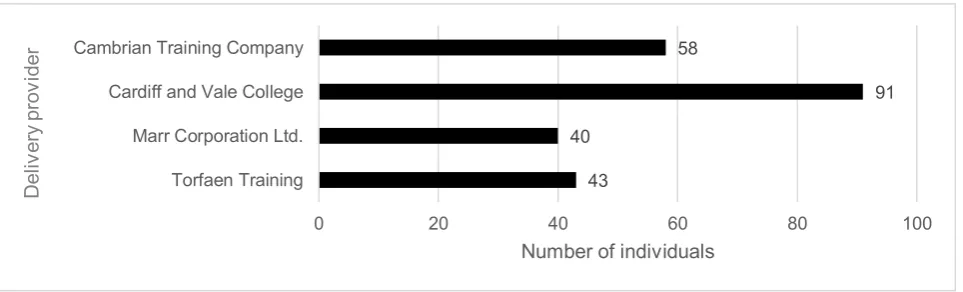
Figure 5.1: Number of individuals who started learning activities with each delivery provider
(2015-16) ... 41
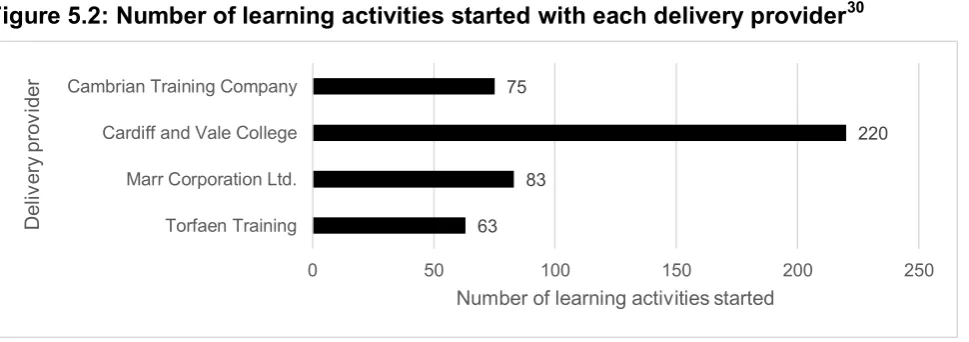
Figure 5.2: Number of learning activities started with each delivery provider ... 42
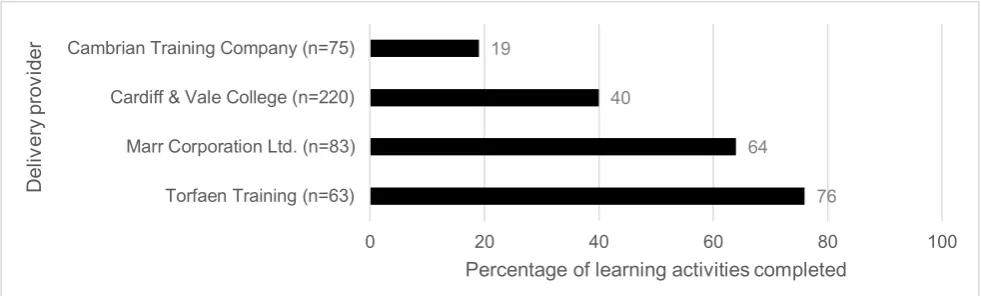
Figure 5.3 Proportion of learning activities completed by offenders, by delivery provider ... 44
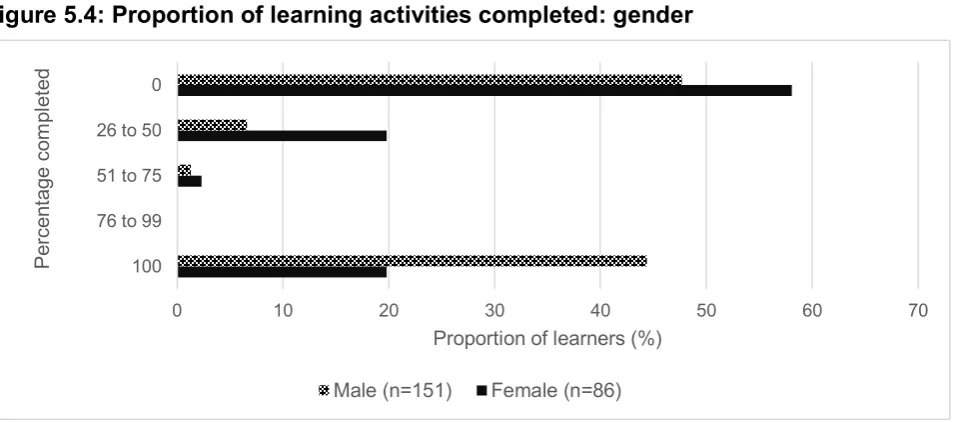
Figure 5.4: Proportion of learning activities completed: gender ... 45
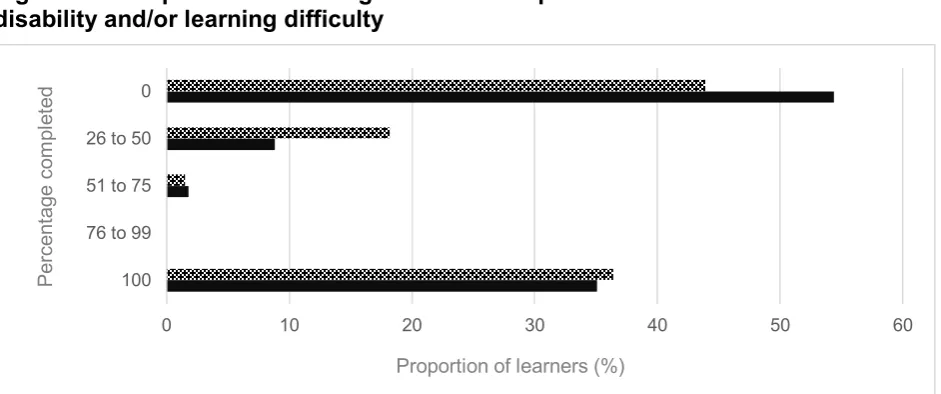
Figure 5.5: Proportion of learning activities completed: learners with and without a disability and/or learning difficulty ... 46
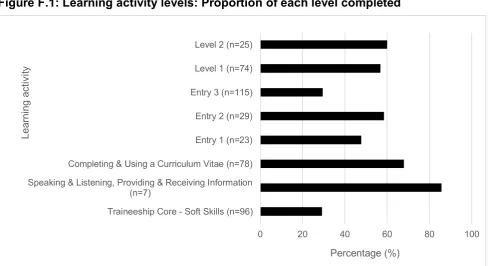
Figure F.1: Learning activity levels: Proportion of each level completed ... 85
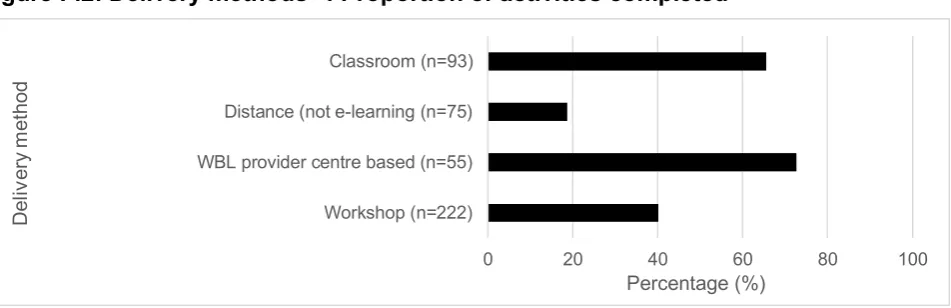
Figure F.2: Delivery methods: Proportion of activities completed ... 86
Glossary
Acronym/Key word Definition
ACE Adult Community Education
BKSB Basic and Key Skill Builder
CEUs Credit Equivalent Units
CRC Community Rehabilitation Company
CSCS Construction Skills Certification Scheme
DBS Disclosure and Barring Service
DOB Date of Birth
DWP Department for Work and Pensions
EOI Expression of Interest
ESP Employability Skills Programme
ESSC Essential Skills for those Serving sentences in the Community
ETE Education, Training & Employment
ILP Individual Learning Plan
IOM Integrated Offender Management
LLWR Life Long Learning Record
MMU Manchester Metropolitan University
MOJ Ministry of Justice
MoU Memorandum of Understanding
NDelius National Delius
NI National Insurance
NOMS National Offender Management Service
NPS National Probation Service
NTfW National Training Federation for Wales
OASys Offender Assessment System
OCN Open College Network
OLASS Offenders’ Learning and Skills Service PPOs Prolific and other Priority Offenders’
SfEW Skills for Employment Wales
WBL Work Based Learning
WEST Wales Essential Skills Toolkit
1.
Introduction
1.1 The way offenders are managed in the community in Wales has changed since the UK Government’s (2013) publication of Transforming rehabilitation: A Strategy for Reform1, principally through the opening up of the market to a range of rehabilitation providers. From 2014 the existing National Probation Service (NPS) Wales, was tasked with managing offenders identified as posing a high risk of serious harm, and the newly created Community Rehabilitation Company (CRC) Wales, became
responsible for offenders posing a medium to low risk of serious harm to the public. Alongside these changes, there were also developments in the way Essential Skills for offenders were delivered in the community. Between 2009 and March 2015, Essential Skills training for offenders under statutory supervision in the community, either on a community order or on a post-custody licence, was funded by the Welsh Government under a Memorandum of Understanding (MoU) with the National Offender Management Service (NOMS). This arrangement also applied to Essential Skills training for offenders serving prison sentences. NOMS commissioned the Wales Probation Trust to manage delivery of the provision and they in turn subcontracted to Essential Skills providers who delivered the assessment and learning in probation offices across Wales under contract to the Trust.
1.2 This changed in April 2015, when the Welsh Government launched the Essential Skills for those serving sentences in the community (ESSC) Pilot. At that point, the Welsh Government began directly commissioning the Essential Skills provision and contract with the network of Work Based Learning (WBL) providers. The WBL network is made up of organisations who have been awarded contracts to deliver Apprenticeships, Traineeships and Jobs Growth Wales programmes, as part of its Work Ready Strand for those 18 or over, unemployed and receiving benefits from the Department for Work and Pensions (DWP).
Evaluation objectives
1.3 The purpose of this evaluation was to understand the operation of the new
approach to delivering Essential Skills training to offenders in the community, and to provide recommendations, based on robust evidence (gathered through quantitative and qualitative research, and a review of best practice elsewhere), to inform future Welsh Government employability skills provision.
1.4 The research aimed to:
provide evidence on best practice
set out how the project operated in practice, and whether this was as planned
explore and understand changes in participation rates, and,
inform longer term decisions regarding the best delivery model.
Evaluation timescales
1.5 The evaluation began in March 2016. Key areas of research, and their corresponding timescales, are provided in Table 1.1.
Table 1.1: Evaluation timescales
Key evaluation stages Timescales
Theory of change review March and April 2016
Literature review of best practice March and April 2016
Qualitative research (one-to-one) interviews and online survey of offender managers and training providers
May and June 2016
Review and analysis of management data June and July 2016
Source: Carney Green, 2016
1.6 Details of the research methodology are provided in Section 3.
Structure of the report
1.7 The remainder of this report is structured as follows:
Section 2: Key findings and recommendations
Section 3: Methodology
Section 4: Qualitative research findings
2.
Key findings and recommendations
Best practice
2.1 There are relatively few examples of evaluations of schemes delivering Essential Skills training to offenders. Despite this, the literature review highlighted a number of factors relating to best practice. Those most relevant to the ESSC pilot and the delivery of future provision included:
the importance of delivering bespoke and tailored provision for each client;
the need to use robust and appropriate assessment tools; and
for Essential Skills to be part of a holistic package of support for offenders. 2.2 The qualitative research for this evaluation revealed that some elements of best
practice identified from the literature review were happening across Wales under the pilot. There were examples of trainers tailoring provision to offenders and as part of the contract, service providers were required to use the Wales Essential Skills Toolkit (WEST) or an equivalent Welsh Government-approved tool to assess the needs of offenders.
2.3 The qualitative fieldwork also identified examples of a variety of approaches across Wales to deliver Essential Skills in order to meet the needs of offenders with
Essential Skills needs. Practices identified as particularly effective included:
initial communication sessions where delivery providers informed offender managers of the Essential Skills offer;
development of relationships between trainers and offender managers from the outset – this was an important enabler in building trust, and helped to improve the speed at which the pilot was implemented;
arranging Essential Skills appointments for learners on the same days that they were required to visit National Probation Service (NPS) or Community Rehabilitation Company (CRC) offices to access other support services in order to limit the number of journeys that they needed to make;
changing the examining/awarding body to allow individual units rather than full qualifications to be delivered;
rapport developed between trainers and learners;
changes in the time sessions were run; and
the creation of bespoke and tailored learning materials.
Implementation and delivery
2.4 The pilot required trainers to support learners to work towards, and where possible achieve, Entry Level 1 to Level 2 in: communication, application of number, and ICT; and Entry Level 3 to Level 2 in employability skills2. Analysis of data collected by Welsh Government from training providers, however, showed that 40 per cent of learning activities were not qualifications-focused.
2.5 In most cases, Essential Skills training was delivered within NPS/CRC offices. Two providers delivered training from Work Based Learning (WBL) provider centres. 2.6 The evaluation highlighted numerous challenges with the implementation of the
pilot; these were often related to the involvement of new delivery providers. This resulted in delays to the provision starting, as it took time for the new offer to be communicated between delivery providers and offender managers, and for procedures to be put in place.
2.7 Generally, communication was not viewed to be effective. For example, the evaluation found that NPS/CRC offender managers did not have a clear
understanding of the pilot’s eligibility criteria, and there was confusion amongst them about the geographical availability of Essential Skills provision, and therefore where offenders could be referred.
2.8 It was also evident that there were disparities between what offender managers expected delivery to involve (e.g. in relation to one-to-one or group sessions), what some recalled from the time when delivery was under the management of the Wales Probation Trust, and what providers planned to deliver.
2.9 NPS/CRC offender managers felt that they had not had the opportunity to feed into the specification for the pilot, nor the opportunity for involvement in the
implementation plan for Essential Skills, which could have helped improve understanding regarding what providers planned to deliver and what offender managers felt most suited their clients. This concern was felt most strongly in relation to the NPS high-risk clients. In addition, providers were reported to have
2 Entry Level qualifications are at a lower level than Level 1 qualifications. A Level 1 qualification is
equivalent to NVQ Level 1 or a GCSE D-G; a Level 2 qualification is equivalent to NVQ Level 2 or a GCSE A*-C; a Level 3 qualification is equivalent to NVQ Level 3 or A-level. More detail is provided on the Qualifications Wales website at:
limited prior experience of working with offenders, and this resulted in providers being un-prepared to offer an approach which met the specific needs of the learners.
2.10 The financial model was viewed as a factor which constrained what providers could deliver; the delivery of one-to-one sessions or smaller group sessions was viewed as not/less financially viable than larger group sessions.
2.11 Delivering Essential Skills at NPS/CRC offices was viewed as appropriate, particularly when planned along with other support provision in order to minimise the number of trips an offender had to make to the office. However, the geographic location of provision and distance required to travel for some offenders was viewed as a barrier to engagement, and accessibility was therefore not seen as universal. Some NPS/CRC offices did not have any provision in-house, and where it was available in-house there were examples of provision petering out over the course of the pilot. This contrasted with what the Welsh Government expected providers to deliver, as it was made clear that provision should be available in each probation office within their delivery region.
Participation rates
2.12 The quantitative data analysis showed a reduction (44 per cent) in the number of learning activities commenced during the pilot, compared to the previous year (2014/15). The data also demonstrated high variance between the number of learners who started learning activities with each delivery provider (ranging from 1 to 91) within the current pilot.
2.13 The key reasons identified from stakeholder feedback for lower recorded
participation in the ESSC pilot compared to the Wales Probation Trust managed programme were:
NPS and CRC were still going through internal organisational change during the implementation of the ESSC pilot.
A chronological gap in provision, between the training managed by the Wales Probation Trust and delivery of the pilot as overseen by the Welsh Government, left offender managers wary of the new provision and
removed the possibility of a seamless transition to Essential Skills provision.
feel confident referring this cohort to the provision. The finding, from the quantitative analysis, that those commencing learning activities tended to be less prolific offenders, with shorter offending histories (and therefore less likely to be managed by NPS) supports this.
Four NPS/CRC business/team managers reported that their offender managers did not feel that a group setting was always suitable for their clients, and asked for one-to-one sessions to be delivered, but reported that in most cases this need was unable to be met by providers. The provider specification did not state whether the provision was to be delivered in a group or one-to-one setting.
The financial contract for delivery providers meant they were only paid for learners with whom they directly engaged. Therefore, in order to maximise their financial return, it was better for them to deliver to larger groups. This meant that provision was less likely to be available in smaller NPS/CRC offices.
Almost a third of survey respondents were unsure how the Welsh Language needs of learners were identified in order to inform the delivery of Essential Skills, and therefore were unsure whether the Welsh Language needs of the client group were being met.
2.14 Whilst the provider contract stated that the NPS, CRC and WBL providers would seek to develop consistent working practices to ensure there was agreement on a Wales-wide basis on the sharing of appropriate information on offenders, the most frequently cited weakness of the pilot by survey respondents was a lack of
communication.
2.16 The qualitative research found that stakeholders were critical of the suitability of the pilot’s eligibility criteria. The criteria were seen to be too constraining, e.g. those in employment (who could be on zero-hour contracts) and some overseas nationals were ineligible although stakeholders felt that within these groups, a high proportion had an Essential Skills need.
2.17 The data records for the pilot did not include details of referrals to Essential Skills provision. It was therefore not possible for this analysis to identify where offenders had been referred to ESSC provision, but had not been offered training, or had not taken it up. This is an important gap in the data. Analysis of NOMS National Delius (NDelius) revealed that there were nearly 2,700 offenders serving sentences in the community with an Essential Skills need, yet the number commencing ESSC provision during the pilot period represented less than one tenth of this number. There could be many reasons why those with an Essential Skills need did not receive provision. Without details about whether these offenders had been deemed suitable for provision, or had been referred, it is not possible to infer the relative contributions of low referral rates, low take up or other factors, to the low rate of provision.
Recommendations
2.18 Based on the key findings discussed above, a number of recommendations for the future delivery of Essential Skills to offenders have been developed:
1. The evaluation revealed evidence that in some areas, Essential Skills were delivered alongside other types of support for offenders. This practice should be extended such that ESSC is considered holistically as part of the wider package of support which is made available to offenders via
NPS/CRC offender managers. Support should be sequenced around the prioritisation of offender needs and therefore emphasis should be placed on the appropriate timeliness of referrals. This should be led and coordinated by the offender manager.
3. The evaluation revealed some examples where delivery providers awarded contracts under the pilot, were already familiar with work with offenders. For future programmes, delivery providers should either have prior experience of delivering Essential Skills training to offenders, or should be clearly
informed of the needs of this group prior to tendering for the work (this could be in the form of a workshop with representation from offender managers). By delivery providers gaining an in-depth understanding of the needs of the cohort (e.g. data showed the cohort to be of a very low skill level, with the highest qualification for three quarters of those that started a learning activities to be Pre-Entry Level), it should result in more effective delivery approaches which meet their needs.
4. For future programmes, where possible, there should be a period of overlap whereby the new providers are appointed to deliver ESSC whilst the
previous provision is still being delivered. This would allow a business/team manager lead-in period, where delivery providers could work with, and build relationships with, office managers to plan delivery and agree information sharing protocols.
5. The practice of allowing flexibility in the provision of ESSC, revealed in places through this study, should be encouraged wherever possible, to enable support to be tailored to the individual or the needs of specific groups (e.g. the delivery of women-only sessions).
6. Future programmes need a clear and robust approach for identifying the Welsh language needs of learners and ensure that provision is available through the medium of Welsh so the needs of Welsh speaking learners are met.
7. To review the eligibility requirement around employment. Although those not in employment should be prioritised, the ESSC eligibility criteria did not consider the type of job the individual was undertaking, or type of contract they held (i.e. it could be a zero-hour contract). Essential Skills training could enable an individual to progress within the employment market or gain a more permanent role.
NPS/CRC and the Welsh Government to agree assessment and referral processes for future programmes.
9. For future programmes, the funding mechanisms for the delivery of
Essential Skills should be reviewed, to increase the accessibility of ESSC across Wales and within regions. The design of contracts should not discourage providers from making provision in numerous and more
convenient locations (for learners), or from engaging with smaller groups. 10. Future programmes should explore the possibility of trainers having greater
involvement in the referral and retention processes. If their payment is triggered by the number of beneficiaries to whom they deliver Essential Skills training, they should have a greater level of involvement in supporting engagement and retention.
11. Building on the good practice identified in some areas, where trainers and learners were able to develop a rapport, future programmes delivering ESSC should encourage delivery providers to provide drop-in taster
sessions for offenders in NPS/CRC offices. This would enable providers to be involved at an earlier stage and have some responsibility regarding the number of offender referrals, rather than being the sole responsibility of offender managers. This could help to ensure that the Essential Skills offer is clear to offenders and could help to improve offender motivation (a barrier to take up, that the study identified).
12. Feedback tools and processes for NPS/CRC offender managers and delivery providers, needs to be improved for future programmes. Whilst there were examples of good practice, the processes in the ESSC pilot programme were not consistent across the regions, and were not efficient. For future provision, the possibility of an online tool being developed for trainers to record feedback should be explored. It would be beneficial if the information recorded could be synchronised with NDelius, so that the same information does not have to be recorded twice.
many resulted in an enrolment. It would be beneficial for recording referrals to be a contractual requirement of offender managers. This would provide NPS and CRC management staff with greater oversight on how the project is being delivered, as well as providing strategic stakeholders the
3.
Methodology
3.1 This report is the final output of the process evaluation. The research is based on a literature review, qualitative information gathered from interviews and an online survey and quantitative data from analysis of anonymised administrative records for offenders whose records indicated an Essential Skills need and actual training recipient enrolments. Offenders’ views and the impact on their
employment/offending outcomes were out of scope and not explored. The following sections describe the methodological approach to the evaluation.
Approach
3.2 The scope of the research was to assess how successfully the new approach to delivering ESSC was implemented and delivered. The evaluation was not intended to quantify the impact of the pilot’s activities and outcomes.
Theory of change
3.3 As a first step in evaluation fieldwork activities, a theory of change review was undertaken. This involved a review of documentation about the pilot and consultation with key stakeholders involved in its development and delivery. It included engagement with representatives from the Welsh Government, the National Offender Management Service (NOMS), CRC, and NPS. These
discussions informed the evaluation team’s understanding of: the background to developing the pilot; its rationale; the different activities and outcomes required to achieve the programme’s long term goals; indicators of success and best practice; and what was expected to change and to what degree. The details of this theory of change guided the creation of the fieldwork tools for the remainder of the
evaluation.
3.4 The findings from the theory of change review can be found in Section 4. Secondary research
Review of and analysis of management data
3.6 Since the Welsh Government took direct control of the ESSC provision in April 2015, the Lifelong Learning Wales Record (LLWR)3 has been used to record the Essential Skills training that has been subsequently delivered under the pilot. The LLWR dataset that was provided to the evaluation team contained data relating to 237 individuals that commenced learning activities between 1st April 2015 and 31st March 2016 across all of Wales. As well as containing data at the individual level, the LLWR dataset also contained data at a learning activity level. Between 1st April 2015 and 31st March 2016, a total of 447 learning activities were started by the 237 learners.
3.7 This evaluation also compared the records of offenders where a potential need for an Essential Skills intervention was identified but, for various reasons, they were not recorded as having enrolled on ESSC provision. This involved comparing learner records from the LLWR dataset to all NPS Wales and Wales CRC cases that had a current Probation Order (as of 23/06/16) where any of the following eight variables - three from the Offender Assessment System (OASys4) and five from NDelius - were identified. Annex C sets out details of the data extraction and matching procedures.
Problems with reading (OASys)
Problems with writing (OASys)
Problems with numeracy (OASys)
Learning difficulties and/or disability (NDelius)
Reading/literacy concerns (NDelius)
Numeracy concerns (NDelius)
Language/communication concerns (NDelius)
Skills screening concerns (NDelius)
3.8 223 of the learners in the LLWR dataset were identified in the NOMS NDelius dataset. The characteristics of these 223 learners were compared with the
3 The Lifelong Learning Wales database is a live administrative dataset held by the Welsh Government. It is
used to manage and monitor the provision of publicly funded post-16 learning. Post-16 learning providers are required to regularly submit data on learners in Wales via the LLWR.
4 OASys is an assessment tool used by NOMS to assess the likelihood of the risk of reoffending and the risk of
characteristics of the 2,698 offenders in the NOMS NDelius dataset that, despite exhibiting a potential need for Essential Skills provision, were not recorded as having enrolled on ESSC provision.
3.9 These two datasets - the LLWR dataset and the NOMS NDelius dataset - enabled the evaluation team to a) profile the ESSC provision upon which offenders were enrolled in 2015-16, and look at how those that were enrolled on courses
‘performed’ (in terms of completions, qualifications gained etc.), and b) investigate if there were any differences between those that were recorded as having enrolled on ESSC provision and those that were not, despite exhibiting a potential need for an Essential Skills intervention. However, due to numbers of enrolled learners being so low, and in the light of the finding from the qualitative research - that offenders managers had not fully understood or made use of the provision - it was felt that to finding from an analysis of the relationship between offender characteristics and likelihood of commencing provision, would not be reliable or informative
Qualitative research
3.10 The qualitative research consisted of two elements, one-to-one interviews and an online survey. A summary of these approaches is provided below, with
supplementary information (fieldwork tools) available in Annex D. One-to-one interviews
Table 3.1: ESSC pilot region and corresponding NPS/CRC delivery region with delivery providers
NPS/CRC delivery region
ESSC pilot delivery region Delivery provider
North Wales Region 1(Anglesey, Gwynedd, Conwy) Grwp Llandrillo Menai
Region 2 (Denbighshire, Flintshire, Wrexham)
Dyfed Powys Region 4 (South West and Mid Wales – Carmarthenshire, Pembrokeshire, Ceredigion and Powys)
Cambrian Training
South Wales 1 Region 7 (South East Wales and Valleys – Vale of Glamorgan and Cardiff)
Cardiff and Vale College
South Wales 2 Region 3 (South West and Mid Wales – Swansea and Neath Port Talbot)
T2 Group (Also known as Marr Corporation)
Region 6 (South East Wales and Valleys – Merthyr Tydfil, Rhondda, Cynon, Taff, Bridgend)
Skills Academy Wales (Pembrokeshire College)
Gwent Region 5 (South East Wales and Valleys – Caerphilly,
Blaenau Gwent, Torfaen, Newport, Monmouthshire)
Torfaen Training
Source: Carney Green, 2016
This table is based on background documents provided to the evaluation research team.
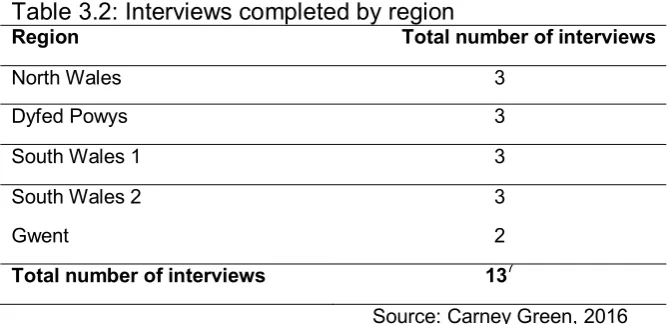
3.12 NPS/CRC delivery region business/team managers were invited to take part in one-to-one telephone interviews5, as was a representative from each delivery provider6. The number of completed interviews by the stakeholder group and NPS/CRC delivery region is shown in Table 3.2. For the rest of the report, we will refer to the stakeholders that we spoke to via the one-to-one interviews as follows – NPS business/team managers, CRC business/team managers, and delivery leads. Table 3.2: Interviews completed by region
Region Total number of interviews
North Wales 3
Dyfed Powys 3
South Wales 1 3
South Wales 2 3
Gwent 2
Total number of interviews 137
Source: Carney Green, 2016
5 NPS and CRC leads for Wales helped to identify the business/team manager/most appropriate person to
speak to for each region.
6 The evaluation team was not able to interview one of the six delivery provider representatives.
7 14 stakeholder groups were represented, but 13 interviews were completed as one CRC business/team
[image:20.595.44.379.515.677.2]3.13 Prior to the interview taking place, interviewees were provided with an information sheet outlining the purpose of the evaluation, and the discussions were informed by a semi-structured topic guide (see Annex D for both tools).
Online survey
3.14 In addition to the one-to-one interviews, an online survey was created for completion by offender managers and Essential Skills trainers (referred to as ‘trainers’) in order to gain a more in-depth understanding of the operational delivery of the pilot.
3.15 The survey was reviewed by the evaluation steering group and two offender managers, one from NPS and one from CRC. Their feedback informed the redrafting of the survey before it was officially launched.
3.16 One lead manager for NPS and one for CRC Wales were identified to support the distribution of the survey. On 31 May 2016, prior to the survey going live, these leads sent an information sheet8 outlining the purpose of the evaluation and the online survey to their regional managers and asked that they distributed it to their offender managers. This same approach was used to distribute the links to the online survey when it went live on the 10 June, 20169. Each regional business/team manager was asked to report on the number of offender managers to whom the survey link was sent (Table 3.3).
[image:21.595.40.535.572.636.2]3.17 A limitation of this approach was that it relied on stakeholders sending out the information rather than the researchers directly sending the links to offender managers. There was not a centralised contact database accessible to the evaluation research team to enable direct links to be sent.
Table 3.3: Survey distribution numbers – offender managers
North Wales Dyfed Powys South Wales 1 South Wales 2 Gwent Total
NPS 49 23 52 83 30 237
CRC 40 29 45 85 30 229
Total 89 52 97 168 60 466
Source: Carney Green, 2016
This table was based on responses from regional business/team managers from NPS and CRC
3.18 Delivery leads were asked in interview to provide contact details for those
responsible for delivering the ESSC provision. The evaluation team were provided
with contact details for 12 trainers10. Each trainer was directly sent the information sheet and the link to the online survey (with the same timescales as for the offender managers). Of the 12, nine trainers were successfully contacted. Three of the contacts no longer had active email accounts11.
3.19 The initial deadline for responses was the 20 June 2016. However, by this date the response rate was low and therefore it was decided for the deadline to be extended to the 24 June, and subsequently the 5 July. Reminders were sent out on the 20 June and 30 June, informing offender managers and trainers that the deadline had been extended.
3.20 The total number of responses received was 43, representing a 9.2 per cent response rate. Informal discussions with stakeholders highlighted that the likely reason for this low response rate was the poor awareness of the pilot by offender managers. Therefore, although offender managers were encouraged to complete the survey, even if they had not been involved in the pilot, this did not always occur. Care should be taken when interpreting the findings of a survey which had such a poor response rate. The findings cannot be assumed to be representative of all offender managers and trainers.
3.21 Of the 43 responses, ten stated that they had not had any involvement in the pilot. A breakdown of responses by stakeholder group is shown in Table 3.4.
Table 3.4: Total number of responses by stakeholder group
Stakeholder group Number of responses
NPS Office Manager 1
NPS Offender Managers 12
CRC Offender Managers 18
Trainers 12
Source: An evaluation of the ESSC pilot survey Carney Green, 2016 Base = all (43) survey respondents,
This table is based on the responses to two questions in the survey – Please tick which title most accurately represents your position (options: office manager, offender manager, delivery trainer, or other); and Please can you state the organisation you work for and describe your specific role?
3.22 Most regions were represented in the survey responses, with the possible exception of Region 6. A total of 14 respondents stated unknown when they were asked what
10 Delivery provider leads were not able to provide contact details for all tutors involved in the delivery of
provision as they had moved on to other organisations and they were unable to provide their contact details.
11 The research team tried to make further contact with these tutors through phone calls and additional contact
4.
Qualitative research findings
4.1 This chapter draws on evidence from:
Literature review of best practice;
Theory of change interviews;
One-to-one interviews with NPS and CRC business/team managers12, and delivery leads13; and
A survey of NPS/CRC offender managers and trainers.
Best practice for delivery Essential Skills training to offenders serving sentences in the community
4.2 In order to inform the future delivery of Essential Skills training to offenders in the community and to identify areas of best practice to triangulate with the evaluation findings, a review of contemporary specialist UK and international literature was undertaken. Section 4.3 below presents a short summary of this review, with the full assessment provided in Annex B. Further details on the process for undertaking the review can be found in Section 3, Methodology.
4.3 Although the review revealed limited examples of evaluations of similar schemes, a number of factors relating to best practice and the delivery of Essential Skills were identified, including:
There is a need to deliver an integrated and client centred (bespoke) approach (Clinks, 2014a; Employability Scotland, 2012; Wilson, 2014; Canton, Hine and Welford, 2011).
The importance of utilising robust and appropriate assessment tools in establishing baseline needs, setting targets across the client group, and ensuring ongoing review (Employability Scotland, 2012; Canton et al, 2011; Molnar and Hopkins, 2006), as well as utilising the same assessment tool across organisations (Employability Scotland, 2012).
A holistic support offer has been seen to generate positive outcomes, for example alongside skills and employment support it is beneficial to include supplementary support in the areas of: substance use; housing;
12 CRC and NPS leads will hereafter be referred to as ‘leads’ unless a distinction is required between the two
organisations.
esteem; family support; accessing documentation and identification; and debt management (Clinks, 2014; Wilson, 2014).
There is a need to ‘sequence’ support – other issues must be addressed first in order to support positive employment outcomes (Big Lottery Fund (Arrivo Consulting), 2013).
A holistic partnership enables organisations to collaboratively focus their efforts in the provision of employment and training opportunities, and this has been seen as integral to positive outcomes (Clinks, 2014a; Halsey, Martin, and White, 2006).
It is important that strong working relationships between employers and the public sector are developed to support ex-offender employability (Clinks, 2014a; A Fairer Chance, 2011; Canton, Hine and Welford, 2011).
Social enterprise can be used as a means to transcend employability barriers for ex-offenders (Clinks, 2014a). It is also seen as means to meet both economic and social objectives (ibid).
For offenders to have the choice whether they engage in Essential Skills provision (Canton, Hine and Welford, 2011). Mandation is likely to heighten resistance to engagement, and therefore offender managers should utilise creative approaches to achieve client buy-in as an alternative to mandation.
Theory of change review
4.4 The following section presents a summary of the findings from the theory of change review. All findings within this section are based upon documentation about the pilot and consultation with senior stakeholders involved in its development and delivery. The review demonstrates the changes in the way Essential Skills were delivered to offenders in the community through the ESSC pilot.
Skills and employment policy
4.5 Skills is a key policy area devolved to the Welsh Government. Level 2 Essential Skills attainment for all adults is a key skills aspiration for the Government as outlined in its policy on skills, and its skills implementation plan14.
14 Welsh Government (2014) Policy statement on skills, available:
Background to the ESSC pilot
4.6 As set out in paragraph 1.1, prior to the ESSC pilot, NOMS was contracted through a Memorandum of Understanding (MoU) Agreement to provide Essential Skills provision up to and including Level 2 to offenders under supervision in the
community. It was delivered at the NPS offices by external providers across all of Wales, drawn from an approved provider list within each locality. NOMS finished managing the contract on 31 March 2015, and on the 1 April 2015 the Welsh Government directly commissioned the Essential Skills provision and contracted with the Work Based Learning (WBL) network, as part of the Work Ready Strand15. 4.7 The delivery of the pilot began on 1 April 2015 and was originally intended to run
until August 2016. However, it was decided that the pilot would finish at the end of March 2016, in line with the end of the Work Ready Programme (end of the WBL contracts for that delivery cycle) with provision to be incorporated into a new adult employability programme from September 2016.
4.8 Six providers from the WBL framework were commissioned to:
Deliver Essential Skills to offenders serving their sentences in the
community up to Level 2 within all NPS and CRC offices throughout Wales; and
Conduct an assessment of offenders referred using a Welsh Government approved assessment tool, following screening by NPS/CRC.
4.9 The Essential Skills Wales suite of qualifications provides a single ladder of progression, spanning six levels (Entry levels 1,2, and 3 and Levels 1,2,3)16 and comprising qualifications in:
Essential Application of Number Skills (Entry 1 to Level 3)
Essential Communication Skills (Entry 1 to Level 3)
Essential Digital Literacy Skills (Entry 1 to Level 3)
Essential Employability Skills (Entry 3 to Level 3)
4.10 The Essential Skills Wales qualifications are intended for use in a range of settings. They focus on the practical application of these skills, especially learners’ capacity Skills Implementation Plan, available: http://gov.wales/docs/dcells/publications/140714-skills-implementation-plan-en.pdf.
15 The Work Ready programme supported people aged 18 or over who were unemployed and receiving
benefits from the DWP. It focused on supporting people get into work or onto further learning.
to transfer their knowledge and understanding between contexts and purposes. Providers had access to a database called the Database of Approved Qualifications in Wales (DAQW)17 which listed all appropriate qualifications under the Work Ready strand which they were allowed to use.
4.11 As part of the Essential Skills Wales suite of qualifications, Essential Skills for Work and Life qualifications were also offered to learners. The strength of these Essential Skills for Work and Life qualifications is their flexibility, as learners can choose combinations of units in communication, numeracy and (more recently) digital literacy at different levels to build qualifications of different sizes. These are ideal qualifications for those prisoners serving short sentences or for those on remand. 4.12 Providers’ payment was based on the number of hours recorded delivering learning
activities to learners. A formula was used to calculate the number of Credit Equivalent Units (CEUs) fundable for each learning activity based on the hours entered. One CEU was fundable for every six hours recorded (e.g. if 24 hours was recorded then four CEUs would be fundable). In addition, a centre-based18 uplift of 1.3 was fundable for the centre-based delivery. Attainments were funded at ten per cent of the base CEU value (excluding any uplift).
4.13 Offenders that are under the supervision of NPS or CRC have an offender manager who has a statutory responsibility to ensure that they comply with the requirements of their sentence. This involves monitoring progress against an agreed sentence plan. Where a need was identified, Essential Skills should have been part of the sentence plan but it should not have been mandatory for individuals to engage in this element. The Welsh Government does not subscribe to mandation in any form where it results in a sanction.
4.14 Senior stakeholders consulted described that, other than the management of the contract, they envisaged the delivery approach to be similar to that delivered under the management of NOMS. However, a few changes in delivery were noted:
It was intended that provision would be delivered in NPS and CRC offices, as previously. However, the Welsh Government and NOMS agreed for some activities to be delivered in other sanctioned buildings (this was agreed on a case-by-case basis).
17 The Database of Approved Qualifications in Wales (DAQW) was replaced by a new system: Qualifications in
Wales (QiW) in April 2016.
18‘Centre-based hours are when a trainer is present to provide specific guidance, lectures, tutorials or
Although group work was encouraged, providers in different areas used various approaches (a mixture of one-to-one and group work sessions). Pilot rationale
4.15 Policy on skills and employment in Wales highlights a need to increase skill levels of the unemployed and employed. Transforming Rehabilitation19 and the reform of probation offered an opportunity for the Welsh Government to also explore changes in the delivery of Essential Skills to offenders. This provided the opportunity to pilot a new approach; exploring whether the delivery of Essential Skills to offenders effectively sat within existing Welsh Government delivery structures; and to understand how it could be integrated into the Welsh Government’s wider adult skills programme (which is available to all non-employed adults).
4.16 The Welsh Government wants to ensure that delivery of Essential Skills to offenders is aligned with the strategic approach for skills and employment in Wales, since skills policy is a devolved function. As described previously, the Welsh Government sought to operate innovative and cost effective delivery models. The ESSC pilot effectively offered a more direct approach to the Welsh Government’s management of the contract, and directly commissioning services through its WBL framework, rather than the contract being managed by NOMS.
4.17 By directly commissioning services through the WBL framework, provision for offenders managed in the community became more aligned with the Welsh Government’s general skills provision for adults. This sought to create a more consistent approach to the delivery of learning for non-employed individuals across Wales, which would, in principle, offer the potential to deliver a more streamlined and joined-up approach to accessing Essential Skills and progression.
Eligibility/referrals
4.18 The target group for the pilot was non-employed offenders, who required Essential Skills support up to and including Level 2, serving sentences in the community under the supervision of the NPS or CRC. To be eligible, individuals had to be aged 18 years or over, and resident in Wales. It was NPS/CRC’s role to refer offenders who required Essential Skills support up to and including Level 2, to providers. 4.19 NPS/CRC were to undertake an initial assessment of offender support needs, which
covered skills and employment, as part of the Offender Assessment System
19 https://www.gov.uk/government/publications/transforming-rehabilitation-a-strategy-for-reform (see paragraph
(OASys)20. If the system flagged that that an offender may have an Essential Skills need then the NPS/CRC offender managers would determine an Essential Skills need and confirm eligibility for learning. Offender managers were then required to complete an Essential Skills referral form. This was devised and signed off by the Welsh Government and NOMS, and was in place prior to the commencement of the pilot in April 2015.
4.20 Once referred to the provision, the trainers were then required to undertake a full Essential Skills assessment using the Wales Essential Skills Toolkit (WEST) or an equivalent Welsh Government-approved tool to determine an individuals’ skill level and development need. Following initial assessment, all offenders should have been issued with an Individual Learning Plan (ILP). The learner should then be assessed and progress reviewed as necessary to ensure the learner was progressing towards the required achievement.
4.21 Consultation with senior stakeholders highlighted that there was variation in how Essential Skills needs were identified and assessed. For example, one respondent described how they originally used a screening tool, however they subsequently became aware that trainers either did not require or use it, and therefore they also ceased using it.
4.22 Although engagement with Essential Skills provision is not mandatory for offenders it was expected that the availability of Essential Skills provision would be flagged at court and encouraged as part of the offender’s sentence or as part of their licence conditions on release from custody.
Engagement
4.23 Delivery providers were given flexibility in the delivery of Essential Skills providing approval was sought from the Welsh Government via the AskWBL enquiry line. Pending risk assessment from NPS/CRC and approval, flexible methods of delivery would be approved e.g. delivery in a gym environment.
4.24 Wales was divided into seven delivery regions. The Expression of Interest (EOI) letter sent out to providers outlined how providers should ensure that Essential Skills was delivered within each probation office.
4.25 Originally it was intended that Essential Skills would be delivered in groups. One senior stakeholder spoke of how teaching offenders in a group helped to create a
20 OASys is an assessment tool used by the NOMS to assess the likelihood of the risk of reoffending and the
more effective learning environment, where offenders could learn to behave
appropriately with one another and with a tutor in a class situation. It was also found to be more financially efficient.
4.26 Provision was available to leaners as long as they were under the supervision of CRC or NPS in Wales. If, once the supervision had finished, the individual required additional learning support, they would be referred by the trainer to mainstream Essential Skills provision in the community.
Vision for successful delivery
4.27 Senior stakeholder consultees were asked to describe what ‘success’ would look like in terms of the delivery of the ESSC pilot. Responses are summarised below:
A robust set of outcomes whereby offenders achieved Essential Skills qualifications and moved a step closer to gaining employment.
It would support the seamless progression onto other skills programme, particularly as part of the rationale was to align it with the wider skills provision delivered by the Welsh Government.
Ultimately, the goal was for the pilot to contribute towards a reduction in reoffending.
4.28 The ideal scenario would be offenders successfully completing their community sentence or licence period and being employment-ready.
4.29 Senior stakeholder consultees felt that the following factors needed to be implemented in order for success to be achieved:
For NPS/CRC and the delivery providers to have a clear understanding of the pilot and what it was trying to achieve.
For clear processes to be in place from the outset.
For there to be clear referral mechanisms.
The need for clear understanding around mandation.
For the delivery providers to have good relationships with external
Performance monitoring
4.30 Performance was measured against:
Percentage of all leavers achieving qualifications/units of qualifications (target: 50% of all participants).
Percentage of leavers who progress into employment (20%).
Percentage of leavers who progress into further learning (20%). 4.31 Each provider had to comply with the recording and supporting evidence
requirements specified for the Work Ready programme. However, one senior stakeholder consultee described that, although there were targets, performance against these did not affect providers’ overall outcome performance (e.g. the delivery of the existing adult skills programme, apprenticeships and traineeships). This decision was made as providers were reluctant to take on the contract if it could affect their overall performance linked to payment.
4.32 In order to monitor the progression of offenders, delivery providers were required to contact them at three months (after they had finished engaging with Essential Skills training) to find out their destination (e.g. further training, employment etc.).
4.33 The provider statement of arrangement for the contract stated that the NPS, CRC and WBL providers would seek to develop consistent working practices to ensure there was agreement on a Wales-wide basis on the sharing of appropriate
information on offenders, with particular regard to:
Processes to receive referral information at each location.
Support whilst engaged in learning.
Feedback of information to Offender Managers (e.g. attendance and qualifications gained).
Client destinations.
Information and signposting.
Survey and interview findings
4.35 The section below presents the findings from the one-to-one interviews with CRC and NPS business/team managers and delivery leads and the online survey of offender managers and trainers. It covers: stakeholders’ understanding of the pilot’s background and rationale; implementation; eligibility and referrals; delivery; and monitoring, reporting and information sharing.
ESSC background and rationale
4.36 Whilst the stakeholders understood that the pilot was focused on the delivery of Essential Skills, with some mention of its links to desistance, their responses indicated that they did not have a clear or detailed understanding of the pilot’s rationale. Some stakeholders indicated they did not know why the management of the provision had changed, and had subsequently resulted in new providers (in most cases) delivering Essential Skills.
‘Well it isn't broken, why are you changing it? Why are you fixing it when it's working for us now?’
CRC business/team manager 4.37 In contrast, the survey findings showed that, although some respondents were
unsure of the rationale and aims of the pilot, operational staff appeared to have a greater level of understanding of its rationale. Survey respondents referred to Essential Skills provision being focused on the delivery of literacy, numeracy, and ICT tuition (three of the learning areas specified in the delivery contract as set out paragraph 4.9), although the latter was less frequently mentioned. A high proportion of respondents (16) referred to the importance of improving Essential Skills in order to support offenders finding employment in the future.
4.38 A number of stakeholders said that the main priority for offender managers was to prevent reoffending and ensure the safety of the public. As Essential Skills training was seen as one of a number of potential contributing factors/activities to reducing reoffending, its importance was recognised (other factors stated by business/team managers included finding employment and further training opportunities).
4.39 There was not a clear consensus from the business/team managers on whether the pilot should be incorporated into the wider adult employability skills provision.
Implementation
4.40 As the pilot was launched, the contract for the Essential Skills provision was freshly let by the Welsh Government. Most of the providers that were contracted had not previously delivered Essential Skills provision for offenders. However, in Dyfed Powys, the newly-commissioned providers subcontracted the ESSC delivery to the organisations that had previously delivered the contract.
4.41 The majority of the stakeholders mentioned that the initial implementation period was very lengthy, and felt that this resulted in a gap in provision. Business/team managers described how this gap was detrimental to the pilot moving forward, as it resulted in offender managers feeling let down and being sceptical of the new provision. This was referred to as ‘missing the boat’ by one business/team
manager, who identified this delay as one of the contributing factors to low referral numbers (see eligibility and referrals). In Dyfed Powys, where the delivery was sub-contracted back to the previous providers, the implementation timescales were seen to be shorter.
4.42 The business/team managers and delivery leads identified a number of factors contributing to the delay in delivery. These included:
the time required to communicate the new Essential Skills offer between providers, office managers and offender managers;
Wi-Fi provision not being available in NPS/CRC offices, as some providers had planned to used internet-based learning materials; and
a disconnect between what providers had been commissioned to deliver and what offender managers wanted/felt was required to meet the needs of their clients.
4.43 The latter factor seemed to be the most significant barrier, and resulted in offender managers being wary of referring their offenders to the provision.
commented that one-to-one provision was not obtainable due to the delivery
contract’s funding mechanisms, which resulted in this approach not being financially viable. The funding scheme used was also highlighted as a weaknesses of the pilot, identified by five survey respondents (four were trainers).
4.45 There were also some references made - by two business/team managers (one NPS and one CRC) and two delivery leads – to the unsuitability of launching a pilot during a period of organisational change, referring to the replacement of the Wales Probation Trust, which originally managed the delivery of Essential Skills in the community, with NPS and CRC.
‘I think timing of this project wasn’t great.’
NPS business/team manager
‘I think the main challenge was, it wasn’t really a priority for the Probation Service… They kind of said that, at the time, they were going through these massive changes.’
Delivery lead
4.46 The geographic availability of provision was directly referred to as being ‘sporadic’ and ‘fractured’ by two stakeholders. There were some references to providers pulling out due to the financial challenges, with one provider stating that ‘it never got off the ground’. This was reported by stakeholders to have led to confusion for offender managers regarding what was available and what services they could refer their clients to, and was identified as a reason for a lower number of starts
compared to previous years (see Section 5).
4.47 In interview, stakeholders gave mixed opinions on the effectiveness of the communication by the Welsh Government and delivery providers at the implementation stage. Respondents to the survey were negative: a lack of
communication, clarity and understanding of the offer (nine respondents) were the most frequently cited weaknesses of the pilot.
outset was an important enabler in building trust, and helping to reduce the gap in provision timescales.
Eligibility and referrals
4.49 Linked to the largely poor communication around the changes in Essential Skills provision, survey respondents from NPS and CRC did not generally appear to have a clear understanding of the pilot’s eligibility criteria, with a high proportion stating they were unaware of the criteria (this tended to be offender managers that had indicated that they had no involvement with the pilot).
4.50 The general consensus from stakeholders in interview was one of concern regarding the suitability of the eligibility criteria, as they were viewed to be too constraining. For example, one delivery lead did not feel it was appropriate for offenders in employment to be ineligible for the provision, as it meant that offenders holding zero hour contracts or working part time (and therefore having infrequent levels of employment) would be classed as ineligible. An NPS business/team manager felt that overseas nationals should be eligible for provision, as a high proportion of this group had Essential Skills needs21. This business/team manager also stated that offenders needed a National Insurance (NI) number, but that not all offenders had one.
4.51 Survey respondents referred to screening tools (with some specifically citing First Move, as identified in the theory of change, and Basic and Key Skill Builder (BKSB22), questionnaires and assessments when asked how they assessed the Essential Skills needs of offenders. However, when asked in interview about the effectiveness of the initial assessment process there were mixed responses from lead stakeholders regarding how this process had been undertaken by offender managers; some indicated these tools were not always successful (i.e. did not identify suitable offenders, or resulted in eligible offenders not being referred) or screening did not even take place. This was reiterated through the survey findings; when asked whether they thought eligible participants were effectively identified, 25 out of 43 respondents said no23. Three trainers felt this was partly due to the referral being the responsibility of the offender manager, without any involvement from the
21The Welsh Government WBL contracts, through which this pilot was delivered, operate under strict eligibility
criteria, complying with ESF rules which restrict access to people who are “an ineligible overseas national and those in part or full time employment”.
22 BKSB Initial Assessment is a fully interactive and self-marking assessment that allows the delivery provider
to determine a learner’s current level of ability from Pre-Entry to Level 2.
23 When asked ‘Do you think that eligible participants are effectively identified?’ 9 respondents answered ‘Yes’,
trainers. Other reasons cited by survey respondents included: Essential Skills being viewed as a low priority/not viewed seriously (two CRC offender managers); and offender managers being constrained by large caseloads and work pressures (CRC offender manager).
‘Initial identification relies on the offender manager: / (i) knowing what service we were offering / (ii) knowing the skill levels of the offenders they were
working with - the initial skills checker (that we didn't see being used anyway!)’ Trainer (survey respondent)
4.52 During the one-to-one interviews, all NPS leads spoke of concerns that the needs of their clients were not fully considered during the development of the Essential Skills pilot.
‘It didn’t’ feel like that had really been thought through, in terms of our clientele.’
NPS business/team manager ‘The previous delivery was so much better; this delivery has been, basically, appalling, non-existent, it hasn’t been fit-for-purpose at all, so we can’t
engage.’
NPS business/team manager
4.53 Stakeholders were not sure whether the Welsh language needs of the client group were met. For example, one delivery lead described how they did not have Welsh speaking tutors and therefore would not have been able to respond to this need if required.
4.54 Similarly, 12 survey respondents did not provide a response or were unsure how Welsh Language requirements were identified when asked. However, there were some references to offender Welsh language needs being identified by survey respondents: at induction (four respondents), on their referral form (three respondents), within the offender’s Individual Learning Plan (ILP) (two
respondents), by the tutor (two respondents), and on NDelius (two respondents). 4.55 23 of the survey respondents referred to the use of the Joint NPS and CRC
Enrolment
4.56 Although individuals may have been identified as having an Essential Skills need by offender managers, NPS/CRC described how this did not always result in an
enrolment, as the individual offenders may have decided not to engage. Survey respondents were asked to provide reasons why eligible offenders may not have wished to receive Essential Skills training. Reasons most commonly provided included: they did not feel they needed it or lacked motivation (12 respondents); they did not want to work in a group setting (five respondents); they led a chaotic lifestyle (five respondents); and they had issues around confidence/fear of taking part (four respondents)24. Business/team managers and delivery leads also referred to offenders having negative experiences of education, as well as attendance being voluntary (and therefore could not be enforced).
4.57 One delivery lead described how they had been able to offer some taster sessions to offenders before they committed to enrolling onto the training. They felt that more taster sessions could have helped to increase enrolment numbers, as they helped to illustrate to the offenders the importance of Essential Skills and what they could gain by taking part. However, the lead described how this would have been more viable if there had been more money available in the delivery contract.
4.58 When asked what happened if eligible offenders did not want to receive training, the trainers and offender managers described how they were signposted to other
support services (11 survey respondents), and were continually reoffered the provision throughout their community order (seven survey respondents). 4.59 16 survey respondents said they were unsure how the level of
engagement/attendance of the pilot compared to the previous contract delivered under NOMS. Survey respondents identified the biggest barrier to engagement as lack of transportation or cost of transportation to the delivery location (eight
respondents), particularly for those living in rural areas. An NPS business/team manager described how offender managers and trainers would try to overcome this barrier by limiting the number of times the offender had to travel to the office per week, for example organising other support meetings on the same day as the Essential Skills provision. They also described how the reimbursement of travel expenses helped to overcome barriers. However, a different NPS business/team manager spoke of how the process of reimbursement involved direct payment into
an offender’s bank account. This was not viewed to be a suitable approach, as not all offenders had access to a bank account.
4.60 Other barriers to enrolment/attendance that were cited by survey respondents included: childcare and carer responsibilities (seven respondents); finding employment (five respondents); and health problems (four respondents). To overcome barriers to engagement, the majority of survey respondents referred to the importance of the offender manager encouraging and conducting motivational activities.
Delivery of Essential Skills
4.61 The Essential Skills offer, as described by business/team managers and delivery leads, appeared to differ throughout Wales, although respondents (to both one-to-one interviews and the survey) most commonly referred to the provision of
numeracy and literacy skills training. Contractually, delivery providers could deliver a suite of qualifications covering communication skills, application of number, digital literacy skills, and employability skills. However, business/team managers and delivery leads also spoke of additional activities being delivered, including: citizenship, health and safety training, Construction Skills Certification Scheme (CSCS) card training; and craft-based workshops.
4.62 Delivery leads referred to the importance of meeting the needs of offenders. For example, one delivery lead referred to tailoring the learning materials to the specific interests of offenders to keep them engaged. This included creating bespoke
worksheets and activities around learners’ hobbies or jobs that they had shown interest in pursuing. There was also an example of active citizenship through charity-focused activities; one provider organised for learners to create a Marie Curie daffodil craft wall. Learners had to follow instructions on how to create the daffodils whilst also learning about ways of helping other people. The wall was in reception where visitors could donate to charity.
4.63 Two NPS business/team managers also spoke of how the providers in their region delivered women-only drop-in sessions and found this to be effective. The women received support from each other and the provision was delivered in an “informal and friendly atmosphere”. This, combined with taking into account childcare
4.64 The rapport that the tutor developed with the learners was identified as an important factor for effective practice, with the strength of delivery seen to be dependent on individual tutors, rather than the approach of delivery organisations as a whole. 4.65 Most respondents described how the pilot delivered group/classroom-based
activities, with only a limited number of respondents mentioning that trainers had facilitated one-to-one sessions. It was not always deemed appropriate for learners to attend group sessions due to their offending needs, and therefore one-to-one sessions were requested by offender managers. However, it was explained that this need was not met on most occasions.
4.66 The majority of survey respondents said provision was delivered from joint NPS/CRC offices (22 respondents). However, the geographic provision across Wales was described by one CRC business/team manager as ‘fractured’ and by stakeholders in interview as not consistent across the regions. This differed from what was set out in the tender documentation for providers which stated that they should ensure that Essential Skills is delivered within each probation office.
4.67 A stakeholder in Dyfed Powys described how, compared to the other regions, it had a small caseload but covered over 50 per cent of the geographic area of Wales. Lots of the region is rural, and due to small caseloads it was not financially viable for the providers to deliver out of all offices. As a result, the provision was not
accessible for all offenders.
4.68 Stakeholders commented that the inconsistent geographic provision of Essential Skills training was due to the funding mechanisms used for the pilot, and this was identified as a major barrier to delivery by NPS/CRC leads. Providers were paid based on the number of learning hours delivered to offenders, as well as learner completion/achievements. Therefore, providers were seen as being financially ‘penalised’ for poor or irregular learner attendance. One of the delivery leads
expressed the view that a main weakness of the pilot was that the trainers were not involved in referring offenders to the provision, this being the role of the offender managers. Stakeholders reported feeling that small caseloads and poor
engagement led to providers pulling out as it was not financially viable to provide a service, or focusing on delivering provision in offices with larger caseloads.