City, University of London Institutional Repository
Citation
:
Zhang, J. & Baden-Fuller, C. (2010). The Influence of Technological Knowledge Base and Organizational Structure on Technology Collaboration. Journal Of Management Studies, 47(4), pp. 679-704. doi: 10.1111/j.1467-6486.2009.00885.xThis is the accepted version of the paper.
This version of the publication may differ from the final published
version.
Permanent repository link: http://openaccess.city.ac.uk/13998/
Link to published version
:
http://dx.doi.org/10.1111/j.1467-6486.2009.00885.xCopyright and reuse:
City Research Online aims to make research
outputs of City, University of London available to a wider audience.
Copyright and Moral Rights remain with the author(s) and/or copyright
holders. URLs from City Research Online may be freely distributed and
linked to.
THE INFLUENCE OF TECHNOLOGICAL KNOWLEDGE BASE AND ORGANIZATIONAL STRUCTURE ON TECHNOLOGY COLLABORATION
JING ZHANG
Assistant Professor Iowa State University Department of Management
Ames, IA 50011 United States Tel: +1 515 294 7650 Email: [email protected]
CHARLES BADEN-FULLER
Professor
City University London Cass Business School
106 Bunhill Row London, EC1Y 8TZ
United Kingdom Tel.: +44 20 7040 8652 E-mail: [email protected]
Acknowledgements:
THE INFLUENCE OF TECHNOLOGICAL KNOWLEDGE BASE AND ORGANIZATIONAL STRUCTURE ON TECHNOLOGY COLLABORATION
ABSTRACT
This study investigates how an incumbent company’s internal characteristics influence its
propensity to form learning alliances. A firm may be reluctant to enter a research alliance when it
has deep knowledge in a certain technological field due to concerns about knowledge leakage
and the low possibility of being able to learn much from collaboration. On the contrary, when the
firm has a broad knowledge base, it may have high propensity to enter alliances due to more
self-confidence in its ability to learn fast from partners. In addition, we argue that when a firm
concentrates its R&D at a central location, this neutralizes the positive and negative influences of
the two knowledge base features on alliance formation. We tested and found support for the
hypotheses using a database of 1,550 alliances undertaken by 78 large incumbent pharmaceutical,
chemical and agro-food companies active in the biotechnology sector during 1993 to 2002.
Keywords:
INTRODUCTION
Collaborative activity has long been seen as beneficial to technological development (Ettlie &
Pavlou, 2006; Quinn, 2000). Alliances allow complementary assets to be exploited (Das & Teng,
2000; Tsang, 2000); but more importantly, alliances provide invaluable opportunities for firms to
learn or access new knowledge in a more effective way (Ahuja, 2000; Baum et al., 2000; Dyer &
Nobeoka, 2000; Grant & Baden-Fuller, 2004). The latter perspective of organizational learning is
particularly useful in explaining research collaboration by large incumbent firms in industries
that experience technological revolution (Rothaermel, 2001). For instance, in the
biopharmaceutical sector, many incumbent pharmaceutical companies build up their
biotechnological knowledge base through working with new biotech firms (NBFs) or universities
(Pangarkar, 2009; Rothaermel & Boeker, 2007; Rothaermel & Deeds, 2006).
Past writers have stressed that technology (research) collaboration can also bring dangers.
Apart for the obvious danger that the costs of making collaboration outweigh the value of the
knowledge, the main concern is competition within cooperative relationships. A firm may enter
alliances primarily to learn a partner’s know how in order to become a more effective competitor
(Hamel, 1991), and hence the partner that is slow in the learning race finds itself in a great
disadvantage in either gaining benefits from the collaboration or competing against its winning
partner in the market place (Ireland, Hitt & Vaidyanath, 2002; Teece, 1986). This means that
research partnerships are not unambiguously welcome.
In unpicking the dimensions of the value equation, some prior studies framed the problem
as one of learning about knowledge. There are three major groups of studies examining the
effects of quantity or magnitude of a firm’s knowledge base, for instance the number of research
pipelines (Higgins & Rodriguez, 2006), on alliance behavior. While some studies have found a
positive effect (e.g., Kinder, 2003; Quinn, 2000), some found a negative one (Harrigan, 1985;
Pisano, 1990), and some did not find a constant effect at all (e.g., Mol, 2005). The second group
has focused on the different types of knowledge to be transferred or created in the learning
process, such as tacit versus explicit knowledge (Dhanaraj et al, 2004; Inkpen & Wang, 2006;
Nielsen & Nielsen, 2009), ambiguous knowledge (Simonin, 1999), and embedded knowledge
(Tsang, 2000). Although these studies have described the learning process, they have not
explained why a firm allies with other organizations. The third group has studied the question of
who allies with whom by examining the relationships of knowledge features between alliance
partners. They have focused on similarity of firms’ technological knowledge (e.g., measured by
patent cross-citation by Rothaermel and Boeker, 2007) and similarity of firms’ knowledge
processing methods (e.g., measured by compensation practice by Lane and Lubatkin, 1998).
However, thus far “few studies explicitly account for a firm’s knowledge structuration within
organizational boundaries” (George, Kotha and Zheng, 2008: 1451) in alliance formation
research. In other words, the literature has paid little attention to the features of a firm’s
knowledge base in its propensity to form alliances. As a result, we still do not have a good
understanding of why some firms have more alliances than the others.
To fill this research gap, in this study we compare the value of the two opposing logics –
alliances as beneficial or detrimental — by examining two important firm knowledge features:
depth and breadth. We propose that when a firm’s technological knowledge is deep (Wang &
von Tunzelmann, 2000), collaboration may be discouraged, due to the greater risks of knowledge
a firm possesses broad knowledge, it may seek for more alliances. There are two reasons: first,
broad knowledge may be associated with architectural knowledge, which is hard for the partners
to steal (Brusoni et al., 2001); and second, such broadness may increase the firm’s absorptive
capacity, enhancing the ability to integrate knowledge from its partners into a novel use in new
product development (Cohen & Levinthal, 1990).
The technological knowledge of the firm can be categorized along another dimension:
whether it is centralized into a single division at a single place or dispersed among many
different units in different locations. Previous studies have suggested that organizational
structure (centralized or decentralized) can have an impact on firm’s search and innovation
activities (Ambos et al., 2008; Siggelkow & Levinthal, 2003), especially in turbulent and
complex environments (Siggelkow & Rivkin, 2005; Volberda, 1996), and that centralized R&D
may generate innovation that has a broader and larger impact on the subsequent technological
evolution (Argyres & Silverman, 2004). However, the linkage between R&D organization and
alliances has been overlooked.
We know that organizational structure may influence decision making process including
external technology collaboration (Fredrickson, 1986); and we also know that alliances are a
very powerful and popular tool for search and innovation (Ahuja, 2000; Baum et al., 2000; Dyer
& Nobeoka, 2000; Grant & Baden-Fuller, 2004), so we explore in this study whether a firm’s
alliance behavior could be a very important mechanism through which organizational structure
affects firm’s search and innovation activities. In our exploration, we not only examine the direct
effect of R&D organizational structure on alliance formation; but more importantly, we focus on
propensity to form alliances. We argue that when a firm’s R&D is centrally located, the more
efficient communication between labs and tighter control by headquarters may reduce concerns
about problems such as knowledge leakage and innovation appropriation associated with deep
knowledge bases, thus tending to alleviate the negative effect of knowledge depth on alliance
formation. Likewise, centralized R&D facilities will also tend to reduce the positive effect of
knowledge breadth on alliance formation. The main reason is that since both broad knowledge
and centralized R&D structure act to increase firms’ absorptive capacity and in-house
development capability, they may substitute for each other in order to reduce the costs and risks
involved in alliances. We conclude that a centralized R&D structure plays a role of a “cushion”
that buffers any strong influences of firm knowledge features on alliance formation.
THEORETICAL DEVELOPMENT AND HYPOTHESES
Learning Alliances and the Firm’s Technological Capability Development
Over the past two decades there has been a global proliferation of strategic alliances. The
research on understanding the motivations of alliance formation has also developed substantially
in this period. Since Teece’s seminal work in 1986, alliances have been regarded as one of the
most effective mechanisms for firms to access specialized complementary assets (by e.g., Das &
Teng, 2000). This would explain the growth in alliance formation between large incumbent
companies possessing strong marketing resources and new technological firms with distinctive
technological competencies (often related to a new product) designed to benefit both partners in
the product commercialization process. However, in recent years, more and more researchers
have suggested another important explanatory factor for the growth in strategic alliances – as
learning theory suggests that incumbent companies attempt to learn new knowledge from their
alliance partners and internalize the knowledge to build up their own internal competencies.
Although access to both complementary assets and organizational learning opportunities
can drive alliance formation, they may work differently in different types of alliances.
Rothaermel (2001) noted that “organizational learning motivates exploration alliances, while
access to complementarities motivates exploitation alliances” (p. 690). Exploration alliances
focus on the upstream stages of research and technological innovation, while exploitation
alliances are market-oriented alliances in the downstream commercialization stage (Koza &
Lewin, 1998). Colombo et al. (2006) confirmed Rothaermel’s argument from a large sample of
Italian high-tech firms.
Since this study focuses on research alliances, we apply the organizational learning
perspective to explain alliance formation. The literature on open innovation suggested that, in a
dynamic environment, firms use a wide range of external actors as partners (including suppliers,
customers, consultants and universities etc) to help them achieve and sustain innovation
(Chesbrough, 2003; Laursen & Salter, 2006). Incumbent companies may pursue external
knowledge acquisition to replenish their research pipelines (Higgins & Rodriguez, 2006). For
instance, although Merck & Co. has long led the way in such fields as atherosclerosis and
cardiovascular disease, alliances have enabled it to increase its effectiveness in the area of
diabetes, obesity, neuroscience and oncology - areas where patients’ needs are projected to surge
in the coming decades. Taking the example of their research in oncology, Merck & Co. allied
with seven partners in the 10 years from 1995, and has announced nine oncology programs and
2005). Such “learning alliances” can allow firms to accelerate their technological capability
development while at the same time minimizing their exposure to technological uncertainties
(Grant & Baden-Fuller, 2004).
Previous empirical studies on strategic alliances have analyzed many firm-specific
determinants of alliance formation. They have highlighted the influences of such variables as
firm size, level of R&D expenses, prior outcomes of firms’ innovative activities and firms’ social
capital as accumulated from their network of prior collaborative relations (e.g., Ahuja, 2000;
Belderbos et al., 2004; Colombo et al., 2006; Fritsch & Lukas, 2001; Hagedoorn, Link &
Vonortas, 2000; Tether, 2002). Despite the length of the list, we need a better appreciation of the
role of cumulated knowledge and its dimensions. Since learning is a cumulative and
path-dependent process (Cohen & Levinthal, 1990), we expect the characteristics of a firm’s existing
knowledge base to influence its future learning behavior, and so its motivation to form learning
alliances. The next section explores how these characteristics operate.
Two Dimensions of Technological Knowledge Base: Depth and Breadth
Describing a firm’s existing technological knowledge base is not easy, as research is a complex
activity (Collins, 1985). One can think of fields of technological knowledge as mapping onto a
multi-dimensional landscape (Kauffman et al., 2000). Drawing from George, Kotha and Zheng
(2008), we define the depth of a technological knowledge base as its level of expertise within a
technological territory. Deep knowledge allows a firm to understand casual linkage of the old
components within the territory (March, 1991). It also enables the firm to make new
combinations from old components, as the firm understands the limitations of existing
not only provides expertise in solving one specific type of question, but also supports its
engagement in exploring new applications of the technology (George et al., 2008). Hence we
argue (like others) that knowledge depth is a critical measure that reflects both a firm’s
technological capability and its desire to explore new technological knowledge applications.
Breadth of technological knowledge base refers to the range of technological knowledge
areas that have to be investigated to develop particular subjects (Wang & von Tunzelmann,
2000). As a measure, breadth captures the extent to which knowledge is adjacent and relevant to
the research in question. A firm with a broad knowledge base is familiar with many territories on
the technological knowledge landscape, and is thus capable of exploring more paths and into
new regions (Kauffman et al., 2000). As with the measure of knowledge depth, studies have also
found that firms with “broad” knowledge seek to improve their positions with further search
(Brusoni et al., 2001), and breadth is thus another dimension of a firm’s technological knowledge
base that influences its exploration for new technological development, which can be seen as
“orthogonal” to the depth dimension.
Depth of Technological Knowledge Base and Alliance Formation
When an incumbent company’s technological knowledge base in a particular area is deeper than
its competitors, it is more attractive to potential partners, and hence the opportunities it has of
forming alliances are increased (Ahuja, 2000). Most firms find that making their knowledge
deeper is difficult, since technological uncertainties combine to raise the hurdles that firms must
overcome (Mitchell & Singh, 1992), so alliances are an attractive resolution to this challenge.
Just as PhD students find it attractive to work with leading scholars, so accumulated
acquire greater knowledge through partnerships (Arora & Gambardella, 1990; Baum et al., 2000;
Stuart, 1998).
From the point of view of an incumbent company with a substantial technological
knowledge base, deep knowledge may exert a contradictory influence on its willingness to enter
into a research alliance, and redeployment of internal resources or outright acquisitions may
often seem a better option than external alliances (Rothaermel & Deeds, 2004). Since
technological knowledge is a key competitive asset of a firm in R&D intensive industries,
knowledge sharing may undermine competitive advantages and industry position (Conner &
Prahalad, 1996; Inkpen & Tsang, 2007). Except in a few cases, such a well-endowed firm may
stand to learn much less from its partners than its partners can learn from it (Ahuja, 2000;
Larsson et al., 1998). Such alliances can carry an increased risk of opportunism (Williamson,
1985), and De Carolis (2003) has provided empirical evidence about the negative effects on a
firm’s performance of being imitated by its rivals. Moreover, innovative activities at the
explorative stage may be harder to appropriate fairly between the partners because of the tacit
nature of the knowledge both employed and generated during technological collaborative
processes (Colombo et al., 2006; Pisano, 1990; Teece, 1986). Finally, collaboration can distract
management attention (Perry-Smith & Shalley, 2003), incur alliance transaction costs (Gulati,
1995) and create isomorphic pressure for innovative firms (Dimaggio & Powell, 1983). Given
the relatively limited benefits of collaboration and the relatively high costs of forming linkages,
it is likely that a firm possessing a deep technological knowledge base will be less inclined to use
alliances, even though its high levels of endowments may make it attractive to many partners.
H1: For incumbent companies, the depth of a technological knowledge base is
negatively related to the likelihood of forming research alliances.
Breadth of Technological Knowledge Base and Alliance Formation
A broad technological knowledge base supports incumbent companies when they use research
alliances. First, firms with a broad technological knowledge base are better able to monitor
changes in technology market and discover-recognize new opportunities that deserve exploration
(George et al., 2008). Such firms are also better more able to assess the value of new
technological projects offered by the prospective partners, and thus have more incentive to invest
in exploring new technological opportunities with partners (Arora & Gambardella, 1990).
Second, firms with a broad knowledge base may gain more from alliance learning. Cohen and
Levinthal (1990) argued that knowledge broadness increases “absorptive capacity” and facilitates
the innovative process by enabling organizations to make novel associations and linkages. In an
industry experiencing radical technological innovation (such as biotechnology), since the new
technological knowledge is dispersed in industrial networks, firms need to collaborate with
others to explore the opportunities fully (Powell et al., 1996). A broad knowledge base allows the
firm to build up architectural knowledge competence, integrating and linking dispersed
knowledge from partner firms together into a coherent whole (Henderson & Cockburn, 1994).
Finally, firms with a broad technological knowledge base may gain optimal economical
performance where they can replenish their broad product lines to realize the economics of scope
Strategic alliance literature has provided empirical evidence supporting the value of
broad technological knowledge bases in the setting up of research alliances. We note here the
work of Henderson (1994) with cardiovascular drug discovery sector data, Orsenigo, Pammolli
and Riccaboni (2001) with biotech industry data, Brusoni et al. (2001) with aircraft engine
control systems data, and Mowery, Oxley and Silverman (1996) with cross-sectional data. All of
them have found that established multi-technology R&D intensive firms are very capable of
absorbing new knowledge and techniques generated outside their firm boundaries, despite the
fact that major technological discontinuities and breakthroughs initially result in the growth of
specialized technology producers. The mechanisms described above suggest the positive impact
of breadth in an existing knowledge base on the formation of research alliances.
But do firms with a strongly broad knowledge base have diminished incentives to
forming an alliance on competitive grounds? Broad knowledge is likely to be difficult to
replicate because it encompasses knowledge about how components of systems interact, and
tends to reside in informal communication channels and “information filters” shared by local
R&D groups (Henderson & Clark, 1990; Lave & Wenger, 1991). Moreover, in a “learning race”,
firms with a broad knowledge base can learn at a faster rate than their partners (Hamel, 1991), as
their strong absorptive capacity increases their capabilities in building linkages between new
knowledge and their existing knowledge base. Therefore, firms with a broad knowledge base
have more confidence that they face lower levels of challenge that their knowledge may be
replicated by their partners, and that the likely positive effects in alliances will outweigh any
negative ones.
H2: For incumbent companies, the breadth of a technological knowledge base is
R&D Organizational Design and Alliance Formation
Different R&D activity locations are associated with different attitudes to technological
knowledge and hence research alliances. The literature has suggested that organizational
structure influences the R&D development path (Argyres, 1996; Argyres & Silverman, 2004).
When R&D is centrally controlled and located in a single place, corporate managers are likely to
be concerned with its technological evolution (Galunic & Eisenhardt, 2001). In contrast, when
R&D is decentralized across different divisions, perhaps in different locations, the managers
making alliance decisions may be more locally based, and the technological development based
on the alliances may be more influenced by the specific demands of the existing context, perhaps
ignoring the long term technological development goals of the wider firm (Chacar & Lieberman,
2003). Moreover, in a decentralized structure, there may be substantial coordination costs that
impede optimal working, even where managers wish to pursue the collective interest. Such
managers have to collect the necessary information and make a guess as to the loss of short term
benefits (as potential alliance failure may lead to lower personal rewards). The difficulties of
coordination are a well known problem stemming from physical separation (Kogut & Zander,
1992). Overall the literature seems to suggest that a centralized R&D organizational structure
may encourage more research alliances aimed at exploring new technological opportunities
(Zhang, Baden-Fuller & Mangematin, 2007).
Moving beyond the direct effect of the R&D structure on alliance formation, this study
focuses on the moderating role of R&D structure on the negative/positive relationship between a
firm’s knowledge depth/breadth and its propensity to form alliances. First, we predict that a
formation. As aforementioned (compared with a decentralized structure), in a centralized R&D
structure the corporate managers will tend to be more alert and ready to act on new technological
opportunities in the market. The literature has also suggested that centralized R&D management
may be better placed to prevent leakages of important knowledge to partners during the learning
process, owing to the richer alliance experience it has accumulated from managing a portfolio of
alliances (Dunning, 1994) and its better internal communication (Jansen et al., 2005). Corporate
managers are also more likely to be experienced in designing alliance contracts that succeed in
securing innovation appropriation from learning alliances (Baden-Fuller et al., 2006; Reuer &
Tong, 2005). Therefore, compared with managers in a decentralized R&D organization,
corporate managers in centralized R&D organizations will have less concern about losing their
technological competence and more confidence in their ability to gain from alliances, which are
particular concerns when the firm has deep knowledge base. The deeper the technological
knowledge base of the company, the more such concerns the managers may have, and thus the
more valuable a centralized R&D structure can become in alleviating them.
H3a: The negative relationship between an incumbent company’s technological
knowledge depth and its propensity to form alliances is weaker in a centralized
R&D structure than in a decentralized structure.
Second, we predict that a centralized R&D structure may also lessen the positive effect of
a firm’s technological knowledge breadth on its propensity to form alliances. The alliance
literature has argued that a firm’s in-house development capability may substitute for research
alliances where there are concerns about knowledge leakage and innovation appropriation
(Ahuja, 2000; Eisenhardt and Schoonhoven, 1996). Therefore, a firm that has strong in-house
that a centralized R&D may facilitate internal communication between researchers (Argyres &
Silverman, 2004), increasing the absorptive capacity of the research team as a whole, thus
contributing further towards stronger in-house development capabilities. Thus, a centralized
R&D structure and a broad technological knowledge base may substitute to each other in their
positive effects on alliance formation.
H3b: The positive relationship between an incumbent company’s technological
knowledge breadth and its propensity to form alliances is weaker in a centralized
R&D structure than in a decentralized structure.
METHODS
Research Setting
The research context is that of large incumbent pharmaceutical, chemical and agro-food
companies active in the biotechnology sector in Europe, Japan and North America. Three
considerations motivated the choice of biotechnology sector as the setting of the study. First, this
sector has been identified as one of the sectors subject to radical technological innovation
(Higgins & Rodriguez, 2006; Hopkins et al., 2007), and as having a high level of research
intensity making it an ideal context to analyze research activities (Katila & Ahuja, 2002). Second,
biotechnology consists of a set of scientific principles and associated techniques (e.g., cell and
molecular biology, genomics, proteomics and microarray technology) that provide firms with
new research solutions and productive activities across several technological areas, including
pharmaceuticals, chemical, agriculture, food and industrial and environmental applications (BIO,
2004). Hence, we may observe variation in the profiles of incumbent companies’ technological
knowledge base. Third, as new technological knowledge in the biotechnology sector is dispersed
among incumbent companies, new biotechnology firms (NBFs) and universities/research
institutes, the sector is characterized by very high levels of alliance activity (Powell et al., 1996).
The literature has found that the major motivation behind incumbent companies entering
alliances with NBFs is to replenish their research pipelines (De Carolis, 2003; Hopkins et al.,
2007): on average, such companies spend appropriately 14% of their R&D budget externally
(Myers & Baker, 2001). Although some studies have observed the impact of alliances on
innovation performance in this sector (e.g., Rothaermel, 2001; Rothaermel & Deeds, 2004), few
studies have examined how and why the alliances are formed.
Population-Sample
As indicated above, the research-subjects of this study are the large pharmaceutical (human
therapeutics and diagnostics), chemical and agro-food companies that actively use biotechnology
knowledge in their R&D. We identified a population which consists of 78 companies most active
in terms of U.S. biotechnology patent applications as retrieved by the Derwent Biotechnology
Abstract (DBA) database. The DBA covers all biotechnology patent applications since 1981, and
provides 12 technology classes and 30 sub-classes in the biotechnology sector (see Appendix).
We classified the companies into the three industries according to their SCI codes retrieved from
the database of “Business & Company Resource Center”. The pharmaceutical companies are
those in the industry group 283 “Drugs”, the agro-food companies are those in the group 287
“Agricultural Chemicals”, and the chemical companies are those in the rest of the sub-groups
under the SIC code 28 “Chemicals and Allied Products”, which includes six sub-groups such as
We believe our “population-sample” has covered most incumbent companies active in
biotechnology area: as our sample includes 61 pharmaceutical companies, compared to prior
major studies by Rothaermel (2001) and Rothaermel and Deeds (2004) which identified 32 large
and 59 incumbent pharmaceutical firms respectively, we believe it demonstrates extensive
coverage, at least in the pharmaceutical area. These 78 firms are also good representatives of
incumbent companies in terms of their substantial R&D investment levels that average over $33
millions a firm and over $1,000 per employee.
Dependent Variable: New Alliances
The dependent variable is the number of new research alliances formed by each sample firm in
each year. We used the online industry database BioCentury, which reports and classifies
biotechnological firms’ press releases, to retrieve firm alliance data from 1993 to 2002. This
database offers comprehensive coverage of U.S. and foreign companies actively involved in
biotech R&D, and is highly reputed and considered as reliable among industrial practitioners,
although little used by academic researchers because of its high fees. We included the alliances
of all a sample firm’s divisions and subsidiaries by referring to the U.S., UK and Ireland,
Continental Europe, and Asia editions of Who Owns Whom and the Directory of Corporate
Affiliations. 1993 was adopted as the starting year because the biotechnology industry has
mushroomed since 1992, with U.S. revenues increasing from $8 billion in 1992 to $39.2 billion
in 2003 (BIO, 2004).
We first collected data on both research and commercialization alliances
(commercialization alliance becomes one control variable in data analysis), identifying 3,158
partners were involved: only two organizations joined in more than 20 alliances (27 and 24
respectively), 23 organizations joined in 10-20 alliances, 405 organizations joined in 2-9
alliances, and 612 organizations appeared only once. We cleaned the database by deleting the
alliances in which both parties were in our sample list (such as the alliance between Merck and
SmithKline Beecham in 1996), in order to keep only NBFs as alliance partners, so the
motivations for our focal firms entering alliances were comparable. (Two large incumbents may
form an alliance for purposes that are different from learning from NBF partners: such as sharing
risks (Ohmae, 1989), entering new markets and technologies (Kogut, 1991) and collectively
monopolizing a drug market (Porter & Fuller, 1986).) We also excluded the alliances where the
partners were research institutes or universities. The remaining alliances are those between big
incumbents and biotechnology companies. Cleaning the database excluded 226 alliances
involving 52 focal firms and 23 alliances involving 16 universities/research institutes. It left
2,909 alliances which are comparable based on having the same (organizational learning)
alliance motivation, the focus of our study.
In the second step, we separated research alliances from commercialization alliances. For
the 2,552 alliances in the pharmaceutical industry, we followed Koza and Lewin’s notion and
Rothaermel’s (2001) and Rothaermel and Deeds’s (2004) empirical work in coding alliances
focusing on basic research, drug discovery and pre-clinical trials as research alliances, and those
targeting towards drug development, clinical trials, manufacturing, FDA approval and marketing
and sales as commercialization alliances. For the 357 alliances in the chemical and agro-food
industries, we followed prior literature (e.g., Mitchell & Singh, 1992) in classifying them into
research alliances if they were based on research contracts or to the commercialization group if
coding using second researchers to examine about 50 percent of the data points; and we found
the inter-rater reliability was 0.92 - well above the conventional 0.70 cut-off point (Cohen &
Cohen, 1983). Our classification of the 2,909 alliances revealed 1,550 research alliances – which
became the final pool used in the data analysis, and 1,359 commercialization alliances – which
were included as one control variable in the models.
Independent Variable: Technological Knowledge Base
For more than a decade, scholars have used patent data as a proxy measure for a firm’s stock of
knowledge (e.g., De Carolis & Deeds, 1999; Hall, Jeffe & Trajtenberg, 2001; Henderson &
Cockburn, 1994; Zucker, Darby & Armstrong, 2002). It was particularly true in the
biotechnology sector (e.g., De Carolis, 2003; Foltz, Barham & Kim, 2002; Gittelman & Kogut,
2003; Rothaermel & Deeds, 2004). As innovative firms create temporary monopolies based on
proprietary inventions protected by patents, and biotechnology is clearly a vital competence for
innovation in our sample firms, biotechnology patents play a central role in their strategies (De
Carolis, 2003). Since by definition a patent describes both a technical problem and a solution to
that problem (Walker, 1995); analyzing patent data can provide a consistent chronology of firms’
knowledge accumulation (Shan, Walker & Kogut, 1994). In our study, patents are especially
appropriate to measure the features of firm knowledge, because the DBA classes allow us to
classify the knowledge embodied in a patent to knowledge classes very easily, and this
classification can be used to indicate both depth and breadth.
For both the depth and breadth variables, we composed data for the years 1992 through to
2001, a one year lag before the dependent variable. In approaching the use of patent data we paid
knowledge stock variables are calculated on a lagged basis using the “permanent inventory
method” (Ahuja, 2000), which has been broadly used as a reasonable approach for the
fast-moving biotechnology industry. We take a 5-year window of prior patents for each firm and each
year as a method of roughly assessing the currency of a firm’s stock of knowledge, a method
consistent with prior research (e.g., Ahuja, 2000; Rothaermel & Deeds, 2004). Thus the stock of
knowledge for any firm in year 1992, for instance, is calculated as the sum of the patents granted
to the firm in the years between 1988 and 1992 (the DBA covers data since 1981) depreciated at
an annual rate of 20% (Henderson & Cockburn, 1994). The 5-year window for patenting
attenuates any annual fluctuations, and thus captures a firm’s patenting propensity more
accurately. In addition, it is reasonable to believe that a firm’s decision to entering alliances is
based on the stock of its knowledge base (De Carolis & Deeds, 1999; Grant & Baden-Fuller,
2004).
We measured the depth of the knowledge base by following prior studies (e.g., Cantwell
& Piscitello 2000; Patel & Pavitt, 1991; Soete, 1987). The patterns of firm technological
knowledge depth can be compared on the basis of a number of different indicators. Generally,
knowledge depth is a measure of concentration, and is computed in two steps. In the first step,
the Revealed Technological Advantage (RTA) is computed as follows:
it it i it t it it it P P P P RTA (1)
where P is the number of patents held by firm i in technology class t. In other terms, Eq.(1) is the
ratio of the share of firm i patents falling in technology class t, over the share of all patents
a value above unity indicates an area of relative strength and a value below unity an area of
relative weakness. The definition of the index implies that its value is necessarily null or positive
but is not bound by an upper limit. In the second step, we compute the coefficient of variation of
all the firm’s RTA measures:
RTA RTA
Depth (2)
Eq.(2) says that the depth of the firm’s knowledge base is high when the firm has
developed a high relative technological advantage in one or few technology classes, whereas a
vector of equal RTA values would produce a relatively low measure of depth 1.
We measured the breadth of knowledge base by counting the number of technological
sub-classes in DBA classification (see Appendix) in which the firm has been granted patents in
the 5-year window.
Independent Variable: R&D Organizational Structure
We followed the previous studies in measuring the centralization of R&D organizational
structure (Argyres, 1996; Argyres & Silverman, 2004) using data collected from various sources.
The Directory of American Research and Technology (1991-1998), which contains information
on the sizes of the technical staffs of R&D laboratories and the way they are organized, was the
primary information source for American sample firms. For those firms that did not release such
information, we estimated the size of each lab based on the number of R&D fields listed for the
lab, which is highly correlated with staff numbers (Argyres & Silverman, 2004). Enlightened by
corporate to divisional researchers was greater than 1; otherwise, the structure was categorized as
“decentralized”. A centralized structure is typically characterized by a relatively large corporate
lab located at corporate headquarters (with single reporting lines), and relatively small (or even
no) divisional labs elsewhere. By contrast, a decentralized structure has large divisional labs –
often located within separately incorporated division(s) – and a relatively small central lab.
These firms generally appear to have grown largely by acquisition 2. Essentially, the R&D
structure of all firms remained constant over the years 1991-1998 (the period covered by the
directory). We checked company annual reports, and 10-K statements and company histories
when available, and found similar result for the years 1999-20013. Hence, the dummy variable
centralization was constant over the research years 1992-2001 for each firm. We used the
Directory of European Research and Development in various years, and a Classified Directory of
Japanese Periodicals to collect information about the European and Japanese firms, again
verifying the data from company annual reports and 10-K statements, company histories when
available, and newspapers and magazines articles. The measure is principally based on the nature
of the definition, as aforementioned. To check the validity of the data, we compared ours with
those of Argyres and Silverman (2004). 75% of the American firms in our sample had
centralized R&D, a figure that was close to the 70% ratio in their research, supporting our
measurement to some extent. 83% of the European firms in our sample were categorized as
having centralized R&D structures, as were 70% of the Japanese firms.
Control variables
We introduced a number of control variables in line with previous researchers’ methods. The
first was R&D intensity, measured by the ratio of R&D expenditure to the number of employees
number of its employees, as a control to reflect a firm’s capability as well as its incentive to form
alliances (Ahuja, 2000). Previous research provided inconsistent findings: while some studies
found positive impacts (e.g., Powell & Brantley, 1991), some found no influence (e.g., Shan et
al., 1994).
We controlled for national effects by adding two dummies Europe and Japan, while
keeping U.S. companies as the reference group. There has been much debate about the relative
efficiency and institutional structures of European versus U.S. firms in this industry, and recently
the gap has been narrowed. Both industries have similar approaches to biotechnology. In contrast,
Japanese firms have a different context and philosophy, and had no major biotech product
approved by FDA (BIO, 2004) before 2003. There appears to be no real equivalent in Japan of
the vibrant independent emerging U.S. and European biotechnology firm, and one would
therefore expect Japanese firms to have fewer opportunities to form alliances, even if they had
the motivation.
To control for firm heterogeneity, we included two one-period-lagged variables, one is
the dependent variable, and the other is the number of Commercialization alliances (Heckman &
Borjas, 1980).
It is believed that alliance behavior is a high market-pull process. The signal of strong
market demand and growth stimulates investment by incumbent companies through partnering
with NBFs. Literature has found that when equity markets are relatively hot, investors are overly
optimistic about the potential of young firms (Ritter, 1984). Moreover, new firms tend to
mushroom in a hot market, providing plenty of technology offers for big incumbent firms. To
called “stock market”. It is the average of the yearly average value of the NASDAQ
Biotechnology Index (NASBOT) and NASDAQ Biotechnology Bloomberg Index (NASBOZ)
stock market indexes from year 1992 to 2001.
Finally, we controlled for industrial sector influences by including a dummy variable
Pharmaceuticals, with the other industries (such as chemicals and agricultural food) being kept
as the reference group. Incumbent companies in different industries face a variety of
opportunities provided by different prospective alliance partners. The existence of different IPR
regimes and the role of regulators in muting or intensifying competition, are two important
forces that affect the rewards available to alliance firms (Teece, 1986). In addition, the
technological achievements in some sectors have higher intrinsic growth rates than in others
(Park, Chen & Gallagher, 2002). For instance, pharmaceutical companies have the highest value
added in the biotech industry over this period (McNamara & Baden-Fuller, 2007), with the
annual number of new biotech drug approvals increasing from 7 in 1993 to 37 in 2003, and sales
from US$7 billion in 1993 to US$28.4 billion in 2003. We predict that, in such sectors, firms are
more likely to be active in forming alliances to seek supernormal economic rents.
RESULTS
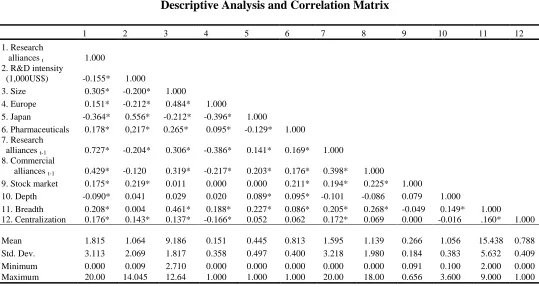
Table 1 shows the descriptive statistics and correlations for all variables, showing that the typical
firm formed about two research alliances each year. We first used a Poisson regression to test the
hypotheses, because our dependent variable is counts of alliances, which takes only discrete
non-negative integer values (McCullagh & Nelder, 1989). Moreover, our dependent variable included
regression can ensure that such zero values are incorporated into a model, rather than being
implicitly truncated as they are in the OLS regression (Katila & Ahuja, 2002).
---
Insert Table 1 about here
---
We also applied negative binomial models to test the same models. Like Poisson
regression, the negative binominal model treats the dependent variable as a count variable, but
allows for a direct measure of heterogeneity (See Cameron & Trivedi, 1986). Estimating
heterogeneity not only relaxes the stringent Poisson assumption of equal mean and variance in
the error term, but also accounts for omitted variable bias (Walker et al., 1997). There were no
substantial differences to our results, and we therefore report our results using only negative
binomial models.
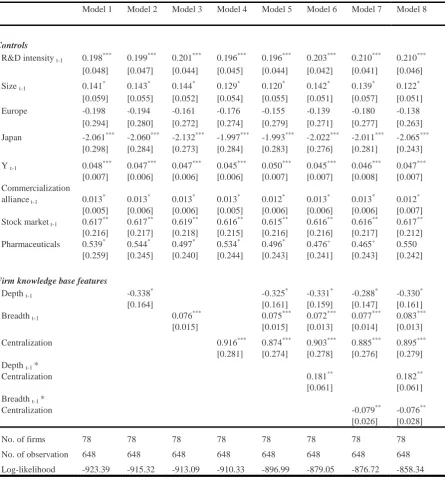
Table 2 depicts our main statistical results. Using the usual style of reporting, model 1
shows the effect of using the control variables without any of the independent variables; and
models 2, 3 and 4 show the effect of introducing each of the independent variables depth,
breadth and centralization separately. In each case, our independent variables add explanatory
power. Model 5, with all three independent variables together, shows that the results are robust.
Hypotheses H1 and H2 argued that the two dimensions of knowledge - depth and breadth
- should have opposing effects on the propensity of incumbent firms to form alliances. Depth
should decrease the likelihood of making an alliance, whereas breadth should increase this
variables bear different signs (although it should be noted that the breadth effect seems to be
stronger than the depth effect).
Our theorizing also predicts that the organization of R&D within the firm (centralization)
should also influence the results. This theorizing stressed that centralization should appear as an
interaction effect. Models 6 and 7 show how this interaction term influences each dimension of
knowledge separately; and Model 8 shows how they work together. The results are even clearer
than before. Not only do the depth and breadth of knowledge base continue to work in opposite
directions (as forecasted in H1 and H2), but centralization moderates both effects in a manner
that H3a and H3b predicted. Centralized R&D structure alleviates the negative (positive)
relationship between technological knowledge depth (breadth) and alliance formation. Although
the directions of the two relationships remain unchanged, their magnitude is reduced when the
R&D activities are more centrally organized.
---
Insert Table 2 about here
---
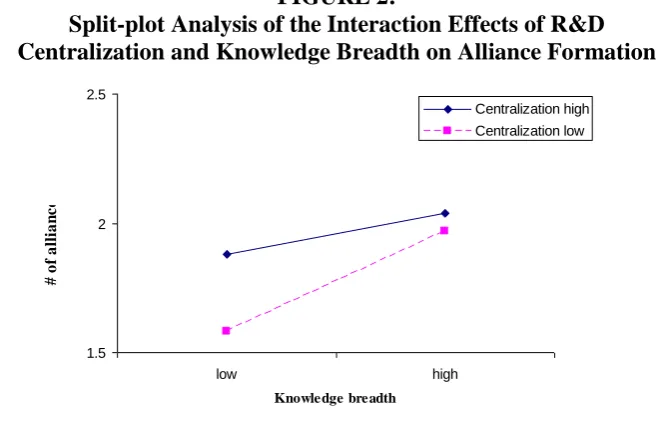
To better understand the nature of the statistical results, we graphically display the
interaction in Figure 1 and Figure 2, in which the vertical axis represents the new alliances. We
use 1 standard deviation below and above the mean as the range for knowledge depth (breadth)
and centralization, and we constrain the other variables to their mean values (Aiken & West,
1991). The figures indicate that overall knowledge depth (breadth) has negative(positive)
impacts on alliance formation; but the impacts are weakened when centralization is high than
--- Insert Figure 1 and Figure 2 Here ---
Controls and Robustness
Our models involving the control variables show some interesting insights. R&D intensity and
firm size show significantly positive effects, although the influence of the former is both much
stronger and more consistent. Market competitive dynamics (the stock market) also shows
positive effect on alliance activity. The results support most studies in the technology
management field (e.g., Arora & Gambardella, 1994; Dyer & Singh, 1998; Kinder, 2003; Quinn,
2000). The dummy coefficient for Europe does not appear to be significant, suggesting that the
European context did not skew results. However, the Japanese dummy is significant and negative,
as expected. Model 8 in Table 2 shows that those firms active in applying biotechnology to the
pharmaceutical sector seem to be not more active in forming alliances than those firms operating
in chemical, agricultural and food sectors, which justifies, to some extent, our method of mixing
companies across industries. Finally the consistent and positive effects of the lagged dependent
variable and the lagged variable commercialization alliance suggest the path-dependent nature of
a firm’s research alliance strategy.
Some robustness tests were undertaken. First, we were concerned that Japanese firms
might not release alliance information as completely as their counterparts in Europe and U.S.,
but the BioCentury staff confirmed that Japanese firms were as active and open as their European
and U.S. counterparts. We then tried first excluding the 32 Japanese firms from our sample, and
second adding the product items of country dummies and the knowledge base variables into the
We also performed additional robustness checks on the other controls. For instance, we
changed the measure of firm size from the log value of the number of employees to the log value
of fixed assets, and the measure of R&D intensity from the ratio of R&D expenditure to the
number of employees to the log value of R&D expenditure or the ratio of R&D expenditure to
the value of fixed assets. We modified the models by excluding the lagged dependent variable,
since this variable might absorb too much of the effects of firm features, and thus lead to the
coefficients for the firm’s knowledge base being non-significant. Finally, we controlled for all
the other timing factors by adding year dummies to change random-effect models to
year-fixed-effect models. None of these changes produced significant changes in the results: in sum, our
results are robust to a satisfactory level.
DISCUSSION
Alliances have been broadly recognized as a way by which firms learn new knowledge. Our
objective has been to shed light on how an incumbent company’s internal knowledge
characteristics might influence this use of alliances. Past studies, such as Cassiman and
Veugelers (2006) suggested that “internal R&D and external knowledge acquisition are
complementary innovation activities” (p. 68), and highlighted the positive effects of a high level
of internal R&D on firm’s external knowledge acquisition. We developed this theme further
suggesting that the quantity of internal R&D, which Cassiman and Veugelers (2006) highlighted,
is only one aspect, and that the quality of internal R&D (depth and breadth of knowledge base) is
even more important. In particular, more knowledge, when it is deep may even have a negative
Second, we have some new insights into the moderating effect of R&D organizational
structure. We know that, in product competition, organizational structure has a powerful
moderating effect on building dynamic capabilities (e.g. Galunic & Eisenhardt, 2001), and some
have also suggested that the organization of R&D effort has powerful consequences that go
beyond merely internal considerations of efficiency (e.g., Birkinshaw et al., 2002; Gupta &
Govindarajan, 1991). Here, our study suggests that a centralized R&D structure (with co-located
R&D) may encourage corporate managers to form alliances where they can better control any
leakage of their deep knowledge base. However, when the firm has very strong in-house
development capabilities, as indicated by a broad knowledge base, a centralized R&D structure
may also serve to reduce corporate managers’ incentives to use alliances, and avoid the
unnecessarily high cost and risks involved in their use. To some extent, a centralized R&D
structure plays a role of a “cushion” buffering any strong influences of a firm’s knowledge base
features - positive or negative - on the likelihood of it forming alliances.
Third, this study improves our knowledge about how firm characteristics impact the
relationship between internal knowledge base and external knowledge acquisition. Cassiman and
Veugelers (2006) found that one firm characteristic – the extent to which the innovation process
relies on basic R&D rather than suppliers or customers – strengthens the complementary
relationship between internal R&D and external knowledge acquisition. In other words, if the
firm is more reliant on basic R&D, it may benefit more from combining internal R&D with
externally acquired knowledge. This finding is in line with our general proposition that firm
characteristics (in this paper, R&D organizational structure) will moderate the direct effect of its
internal knowledge base characteristics on its proclivity to acquire external knowledge.
one of the first to examine which firm characteristics influence the relationship between its
internal knowledge base and its external knowledge acquisition activities.
We also believe our paper has important consequences for the way researchers should
think about measuring technological knowledge. Many papers have suggested different ways of
thinking about knowledge in general, and technological knowledge in particular. Most scholars
have used inputs (such as R&D spend) or surrogates (assets) to measure technological
knowledge when testing the impacts of technological knowledge on alliance formation. Some
(Arora & Gambardella, 1994; Dyer & Singh, 1998; Kinder, 2003; Quinn, 2000) found positive
relationships, others negative relationships (Harrigan, 1985; Pisano, 1990), and some no
relationships (Kleinknecht & Reijnen, 1992). A few reported more sophisticated and dynamic
results (Colombo & Garrone, 1996; Mol, 2005). Our approach has been to look at outputs of the
knowledge process as a metric of the firm’s position in the landscape, which we believe to be
superior to looking at either inputs or surrogates. As learning is a path-dependent process, we
suggest this approach can be both intuitively appealing and empirically useful.
Our study offers important implications for the managers in both incumbent companies
and small NBFs. For managers in incumbent companies, this study may help explains why some
incumbent companies suffer from a declining pipeline (Hopkins et al., 2007; Mittra, 2007) –
perhaps their managers over-estimate the risks from alliances. In biotechnology, the risks may be
less than imagined as IP protection is strong (Gans et al., 2002). Such a conservative attitude by
incumbent managers could be influenced by the knowledge features of the firms: they may
co-locating R&D; perhaps a centralized R&D structure may help managers overcome the perceived
difficulties surrounding alliances as a form of learning.
This study also has important suggestions for the way that small NBFs should think about
their partnering strategies. Alliances are vitally important for small firms generally, and for
smaller biotechnology firms in particular: the fundraising from deals with big firms in 2004 was
roughly US$10 billion, almost half of the US$22.8 billion they raised in that year (Edelson &
Brown, 2005). As the executive director of global licensing at AstraZeneca (a large
pharmaceutical company) said: “Pharma is keen on sourcing innovation at all stages in order to
augment its own programs”. However, he differentiated the partnering activities by noting that
“[The small biotech specialists] should stay reasonable with the expectation of reward for
licensing out their technologies” (Haan, 2004: A6). Our results amplify his comment: we point
out how the small firm may find it hard to deal with large companies who have potentially
strongly competitive knowledge bases. They should look to partners with complementary assets
instead, where they have better chances of a good deal (Teece, 1986).
Limitations and Future Studies
Our paper has modeled competitive interactions in a technology intensive industry, looking at
both firm and knowledge variables. The most obvious limitation is that the basic modeling may
only be valid for industries where knowledge has clear property right protection. In some
technology situations, where property right protection is poor, the tensions between collaboration
A second limitation is our classification of depth and breadth. Knowledge is not
amenable to simple classifications, and so any attempt to classify is fraught with dangers. We do
not argue that our metrics are perfect here, but only that they might be better than what has gone
before. We are well aware that our notion of depth and breadth might not be applicable to all
technology industries, especially those based on technologies that are not subject to clear patents.
The third limitation is the way we have gone about estimating our model. When we
hypothesized the impacts of competition on alliance formation, we expected to see an absence of
alliances. However, we made no direct observation of the pool of alliance partners, and hence no
observation either of the absence of partners. We have made an assumption that, at any time,
there is a very large stock of potential partner firms available to make alliances in this field, and
so the failure to measure the pool is unlikely to result in bias. However, we recognize that this
might need to be checked. Ideally it would be better to identify the potential partners for each
firm, and consider what happened to the rejected suitors. The industry is too numerous to have a
complete population survey, but one could approach this problem by creating a population of all
the firms that succeeded in having a partnership in our data-base and then tracing each firm’s
technology base and identifying who would be its strongest competitors, and then compare their
choices of partner with those of the potential competitor set. This would clearly be no easy task:
there would be more than 600 firms in the sample, coupled with year variables, and we would
need to identify the firms individually and collect data on their patent position for each year, in
each patent class, which would result in some 6,000 firm-year observations. We suggest that our
failure to undertake such work is not likely to have resulted in bias, and is best left for another
One direction for future work is to investigate alliance formation from the perceptions of
the managers involved. Porac, Thomas and Baden-Fuller (1989) have pointed out that
competition is as much a cognitive phenomenon as one driven by economic positions: in the
Scottish Knitwear industry, firms were more oriented to competing with like firms than dealing
with the tangible threats of Italian producers such as Benetton. Thus, the ability of organizations
to respond to a competitive threat or a collaboration opportunity is likely to depend on their top
managers’ perceptions. The future research in this line could use surveys to measure such
cognitive variables as managers’ risk-aversion proclivity, confidence and sensitivity to change,
and either position these variables as mediators between knowledge feature variables and
alliance decisions, or test the moderating role of the cognitive variables to explain why managers
in some companies tend to form more alliances than those in the other companies with similar
knowledge features.
Finally, Lucia Piscitello and her colleagues (Piscitello, 2000; 2004; Cantwell & Piscitello,
2000; 2005) have provided distinctive concepts of technological breadth (upstream inputs) and
product breadth (downstream outputs). In particular, she has argued (2000) that a high level of
interconnection between the two constructs increases the company’s corporate coherence and
eventually its economic performance. Taking this direction, future research could investigate
how product breadth, rather than technological breadth, might influence alliance formation – or,
indeed, how the interaction of the two constructs might jointly influence alliance formation.
CONCLUSION
In the 21st century, knowledge management is the core competency for many companies, and
study shows that the quality of firm knowledge base, as measured by depth and breadth, has
sophisticated influences on technology collaboration. When a firm has broad knowledge that is
centralized in a single location, it seems that it can overcome the obstacles of knowledge leakage
and use alliances to strengthen its position even further; in contrast, a firm that has deep
knowledge base that is decentralized in many locations may feel vulnerable to alliances and have
NOTES:
1. We also used another method to calculate depth by dividing “knowledge capital” by the breadth of knowledge base. The variable “knowledge capital” is calculated by counting the number of patents granted to the firm weighted by the number of technological sub-classes each patent covered. It measures the average effort a firm makes in each technological class. We tested the hypotheses with this measure, and the results showed no substantial differences from those using the measure reported in the text.
2. Argyres and Silverman (2004) categorized R&D organizational structure into 5 levels: centralized, centralized hybrid, balanced hybrid, decentralized hybrid and decentralized. We adopted only 2 levels, because of the lack of information at the same level of detail for the European and Japanese firms.
References
Ahuja, G. (2000). ‘The duality of collaboration: inducements and opportunities in the formation of interfirm linkages’. Strategic Management Journal, 21, 317-343.
Aiken, L.S. and West, S.G. (1991). Multiple Regression: Testing and Interpreting Interactions. Thousand Oaks: Sage.
Ambos, T., Makela, K., Birkinshaw, J. and D’Este, P. (2008). ‘When does university research get commercialised? Creating ambidexterity in research institutions’. Journal of Management Studies, 45(8), 1424-1447.
Argyres, N. S. (1996). ‘Capabilities, technological diversification and divisionalization’. Strategic Management Journal, 17 (5), 395-410.
Argyres, N. S. and Silverman, B. S. (2004). ‘R&D, organization structure, and the development of corporate technological knowledge’. Strategic Management Journal, 25, 929-958.
Arora, A. and Gambardella, A. (1990). ‘Complementarities and external linkages: The strategies of the large firms in biotechnology’. The Journal of Industrial Economics, 37, 361-379.
Arora, A. and Gambardella, A. (1994). ‘Evaluating technological information and utilizing it: Scientific knowledge, technological capability, and external linkages in biotechnology’. Journal of Economic Behavior and Organization, 24, 91-114.
Baden-Fuller, C., Dean, A., McNamara, P., and Hilliard, B. (2006). ‘Raising the returns to venture finance’. Journal of Business Venturing, 21, 265-285.
Baum, J. A., Calabrese, T., and Silverman, B. (2000). ‘Don’t go it alone: Alliance network composition and startups’ performance in Canadian biotechnology’. Strategic Management Journal, 21, 267-294.
Belderbos, R., Carreeb. M., and Lokshin, B. (2004). ‘Cooperative R&D and firm performance’. Research Policy, 33(10), 1477-1492.
BIO. (2004). BIO’s Editors’ and Reporters’ Guide to Biotechnology. www.bio.org: Biotechnology Industry Organization.
Birkinshaw, J., Nobel, R., and Ridderstrale, J. (2002). ‘Knowledge as a contingency variable: Do the characteristics of knowledge predict organization structure’. Organization Science, 13, 274-289.
Brusoni, S., Prencipe, A., and Pavitt, K. (2001). ‘Knowledge specialization, organizational coupling, and the boundaries of the firm: Why do firms know more than they make?’ Administrative Science Quarterly, 46, 597-621.
Cameron, A. C. and Trivedi, P. K. (1986). ‘Econometric Models Based on Count Data: Comparisons and Application of Some Estimators and Tests’. Journal of Applied Econometrics, 1, 29-53.
Cantwell, J. and Piscitello, L. (2005). ‘Recent location of foreign-owned research and development activities by large multinational corporations in the European regions: The role of spillovers and externalities’. Regional Studies, 39(1), 1-16.