Natural plant extracts and prebiotic compounds as alternatives
to antibiotics in broiler chicken diets in a necrotic enteritis
challenge model
J. K. Vidanarachchi
A,B, L. L. Mikkelsen
A, C. C. Constantinoiu
C, M. Choct
Dand P. A. Iji
A,EASchool of Environmental and Rural Science, University of New England, Armidale, NSW 2351, Australia.
BDepartment of Animal Science, University of Peradeniya, Peradeniya 20400, Sri Lanka.
CSchool of Veterinary and Biomedical Sciences, James Cook University, Townsville, Qld 4811, Australia.
D
Poultry CRC, PO Box U242 UNE, Armidale, NSW 2351, Australia. E
Corresponding author. Email: [email protected]
Abstract. An experiment was conducted to determine the effects of two different water-soluble carbohydrate extracts (renga renga lily extract and Acaciaextract), and two commercially available prebiotic compounds, Fibregum and Raftifeed-IPE, on the performance of broiler chickens subjected to a necrotic enteritis (NE) challenge model. These treatments were compared with negative control and a positive (Zn-bacitracin) control treatments. An overall 8.8% NE-related mortality was recorded, with mean jejunal and ileal lesion scores in dead birds ranging from 3.03 to 3.90 in all challenged groups except the positive control groups. NE-specific deaths or clinical abnormalities were not observed with unchallenged control and positive control groups. At 7 days post-challenge, the concentration of specific IgY antibodies against thea-toxin ofClostridium perfringensin the serum was lower (P<0.05) in birds fed the positive control and Fibregum-supplemented diets than in the negative control group. However, birds fed Fibregum had increased (P<0.05) IgM concentration compared with those fedAcaciaextract and lily extract. The Fibregum-fed group also had higher (P < 0.05) IgA concentrations in serum than did the positive-control and lily extract-supplemented groups at 14 days but this effect did not persist to 21 days. The results from the present study demonstrated that supplementation with water-soluble carbohydrates from two plant sources was not effective in controlling NE. However, the prebiotic compound Fibregum was found to be having some immunomodulatory effects. Addition of Zn-bacitracin and monensin was highly effective in counteracting the negative effects of the disease challenge.
Received 30 October 2012, accepted 8 July 2013, published online 1 October 2013
Introduction
Necrotic enteritis (NE) is an acute or chronic enterotoxaemia caused byClostridium perfringens(van der Sluis2003; Williams 2005). C. perfringensis a Gram-positive, obligate anaerobic, spore-forming bacterium readily found in soil, dust, used poultry litter and as a normal inhabitant of the gut microflora of healthy birds (Dahiyaet al.2006). Most often the only sign of an outbreak of clinical NE in broilers is a sudden increase in mortality which usually occurs between 2 and 5 weeks of age. The NE mortality rate within aflock is usually 2–10% but can be as high as 40–50% (Hofacre 2005). The proliferation of C. perfringens in the intestine and an increase in its toxin are considered the main cause of hemorrhagic necrosis of the intestinal mucosa (Dahiya et al.2006). A subclinical form has been associated with reduced feed conversion efficiency and retarded growth rate in birds (Kaldhusdal and Hofshagen 1992). This disease has been reported in most areas of the world where broilers are produced under intensive management conditions, and it has a significant economic impact on the poultry industry (van der Sluis 2000).
A variety of in-feed antibiotics (IFAs), including virginiamycin, bacitracin, penicillin and tylosin, have been used in feed to effectively control and prevent NE (Watkins et al. 1997; Collier et al. 2003). However, many countries are moving towards a reduction in the use of IFAs in animal diets because large-scale use of antibiotics can cause resistant bacterial strains to develop (Barton1998). As a consequence, the prophylactic use of most IFAs in poultry feed in Europe has been banned and there are increasing indications that other regions of the world will follow this trend (DANMAP2008). However, this has resulted in problems such as increased mortality in poultryflocks, occurrence of ill-defined intestinal dysbacteriosis, a decline in bird welfare, an increase in the use of anticoccidial drugs and the incidence of food-borne human illness (Pattison2002; Casewellet al.2003). In the light of the situation where fewer, if any, antibiotics will be allowed in feeds in the future, it is important for the poultry industry to find alternative ways to control NE.
Several products have been investigated as potential alternatives to IFAs. For a product to be effective, it must http://dx.doi.org/10.1071/AN12374
simulate one or more of the mechanisms by which IFAs function. It is believed that immune stimulation in meat-type chickens is important because these birds have lower antibody responses and non-specific proliferative responses than do layer-type strains (Koenen et al.2004). McReynoldset al. (2004) reported that immunosuppression increases the severity of NE in broilers. Therefore, increasing the immunomodulating capacity of broilers to respond effectively to the diversity of antigens during early life is important. Guoet al. (2004) observed that mushroom and herb extracts may have significant impacts on the inductive immune responses againstEimeria tenellainfection in broilers, by enhancing both cellular and humoral immunity. Prebiotic compounds such as oligosaccharides may also act as immunomodulators at the intestinal level. Kudohet al. (1999) reported that Immunoglobulin A (IgA) secretion from caecal mucosa was promoted by orally administered highly fermentable, indigestible saccharides. Kleessen et al. (2003) reported that fructans-rich Jerusalem artichoke syrup administered via drinking water resulted not only in a significant reduction in the numbers ofC. perfringensin caecal chyme, but also decreased the levels of microbial endotoxins in the blood of broilers. However, there is very little information available in relation to the influence of most of these prebiotic and bioactive substances on immune responses in chickens challenged with C. perfringensorEimeriaspp. In view of the growing interest in investigating potential alternatives for IFAs in poultry feed, testing novel forms of prebiotic and bioactive compounds is of utmost importance.
Previous feeding experiments conducted using caged broilers indicated that inclusion of prebiotic plant extracts beneficially modulated the composition of the microflora in the ileum and caeca, by increasing the number of lactobacilli and reducing harmful bacteria, such as potentially pathogenic coliforms and C. perfringens(Vidanarachchiet al.2006,2010b). Hence, it was hypothesised in the present study that dietary supplementation withAcaciaextract, renga renga lily extract and commercially available prebiotic compounds with chemical composition similar to the plant extracts, namely, Fibregum and Raftifeed-IPE, would exert prebiotic effects and, thereby, control NE in birds challenged with C. perfringens. The objectives of the present study were to evaluate the effects of these prebiotic compounds on production performance, gut microflora composition, gut morphology and humoral immune responses of broiler chickens subjected to a NE disease challenge model involving oral inoculation withC. perfringens.
Materials and methods Birds and housing
One thousand and fifty day-old male, commercial broilers (Cobb), vaccinated against Marek’s disease, infectious bronchitis and Newcastle disease, were obtained from a local hatchery (Baiada hatchery, Kootingal, New South Wales (NSW), Australia). The research facility was thoroughly cleaned and disinfected before bird placement. One-day-old chicks were placed in 42 floor pens in a semi-commercial broiler shed located at the University of New England Kirby Research Station, Armidale, NSW, Australia. The pens were randomly assigned to seven treatments, each treatment being replicated six
times. Each pen (1.44 m2) was stocked with 25 chicks. The pens were enclosed with metal plates at the sides. A space of at least 4 m was maintained between the challenged and unchallenged bank of pens to avoid cross-contamination. The shed temperature was set at 3334C during thefirst week and gradually decreased by 3C per week until 2425C was reached by the third week. Relative humidity was between 65% and 70%. Chicks were subjected to artificialfluorescent illumination of 23 h from 1 to 21 days of age, and of 18 h from 22 to 35 days of age. Each pen was equipped with a separate feeding trough and water was supplied through nipple drinkers. Water and feed were providedad libitum.
Experimental diets
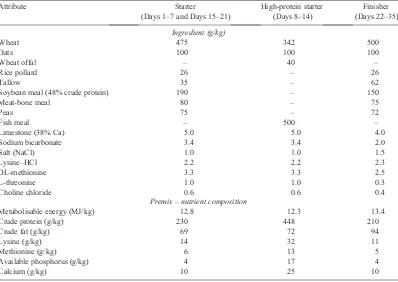
The composition of the basal diets is shown in Table1. The seven treatment groups were (1) an unchallenged group fed basal diet (UC; unchallenged control), (2) a challenged group fed basal diet (NC; negative control), (3) a challenged group fed basal diet supplemented with antibiotic (PC; positive control; Zn-bacitracin, 45 mg/kg) and coccidiostat (monensin, 100 mg/kg), (4) a challenged group fed basal diet supplemented with 10 g/kg water-soluble carbohydrates (WSCs) from golden wattle (Acacia pycnantha) exudate (Acaciaextract, 76% (w/w) arabinogalactans), (5) a challenged group fed basal diet supplemented with 10 g/kg prebiotic arabinogalactan product Fibregum (Fibregum, Collo|des Naturels International, Rouen Cedex, France), (6) a challenged group fed basal diet supplemented with 10 g/kg water-soluble carbohydrates from renga renga lily (Arthropodium cirratum) rhizomes (lily extract, 65% (w/w) inulins) and (7) a challenged group fed basal diet supplemented with 10 g/kg prebiotic inulin compound, Raftifeed-IPE (Raftifeed, Orafti Active Food Ingredients, Tienen, Belgium). The extraction and characteristics of WSCs from the two plant sources was described previously (Vidanarachchiet al. 2009). The plant extracts and prebiotic products were included as substitutes for wheat, and all supplements were added to the respective diets for the entire experimental period at the inclusion rates indicated above. Raftifeed-IPE contains mainly inulin (>700 g/kg fructo-oligosaccharides) extracted from chicory root and some glucose, fructose and sucrose (100 g/kg). The average chain length (degree of polymerisation) of the inulin in Raftifeed-IPE is ~2–60. Fibregum is a naturally occurring arabinogalactan extracted from the exudate ofAcacia senegal. The Fibregum contains>900 g/kg arabinogalactans.
The basal diets were prepared commercially (Ridley Agriproducts, Tamworth, NSW, Australia) with the same batch of ingredients and bulk-shipped to University of New England. On arrival, the various supplements were properly mixed in according to the treatments, and then cold-pelleted (5263C).
Necrotic enteritis challenge
kept until Day 35. On Day 9, all the birds, except those in the UCs, were given, per os, a suspension of 2500 oocysts of Eimeria acervulina, E. maxima and E. tenella in 1 mL of phosphate buffered saline (PBS). Unchallenged birds received sterile PBS. The attenuated Eimeria isolates originated from commercial broiler farms and were obtained from Bioproperties, Glenorie, NSW, Australia. The three species of Eimeriahad been purified by serial passages through 3-week-old Eimeria-free chickens, and the sporulated oocysts were stored in 2% (w/v) potassium dichromate at 10C before inoculation.
A primary poultry isolate of C. perfringens Type A was obtained from the CSIRO laboratory, Geelong, Victoria, Australia, and maintained in thioglycollate broth (USP alternative, Oxoid, Thermo Fisher Scientific Australia Pty Ltd, Adelaide, Australia) with 30% (v/v) glycerol at 20C. The challenge inocula were prepared fresh by growing the bacterium overnight at 39C in 1000 mL of thioglycollate broth with added starch (10 g/L) and casitone (5 g/L). The stock culture of C. perfringens had been previously subcultured in cooked meat media (Oxoid, CM81) and thioglycollate broth. On Days 14, 15 and 16, birds in challenged groups were individually inoculated per oswith 1 mL of C. perfringens grown in thioglycollate broth at a concentration of 3.5 · 108 colony forming units (CFU)/mL,
and birds in unchallenged cages were gavaged with 1 mL of sterile thioglycollate broth. Unchallenged birds were serviced first to lessen the likelihood of cross contamination and feed was withdrawn from all pens for 3 h on all days, before commencement of inoculation.
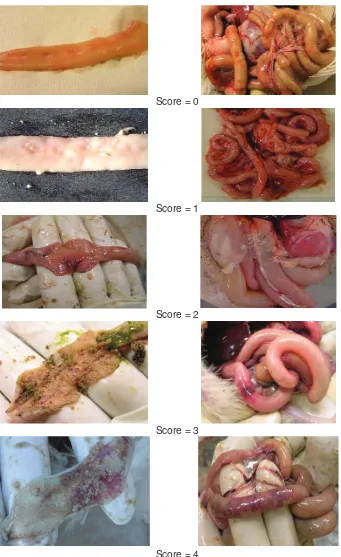
A gross pathologic diagnosis of NE in all dead birds and sampled birds was based on the presence of intestinal lesions typical of naturally occurring and experimentally induced NE, as described by Prescott et al. (1978) and Broussard et al. (1986). The small intestine from each bird was incised longitudinally and examined for evidence of gross necrotic lesions. Small intestinal lesions were scored according to the criteria of Prescott et al. (1978) with slight modifications as illustrated in Fig.1. All birds were examined twice daily and all dead chickens were immediately collected for postmortem analysis.
Growth performance, collection and processing of intestinal samples
[image:3.595.109.507.138.420.2]Weekly weight gain and feed intake per pen were measured and feed conversion ratio (FCR) was adjusted for mortality, calculated on a pen basis. Birds were observed twice daily for general health. All dead birds and culls (due to unhealthy condition) were weighed and necropsied.
Table 1. Ingredient and nutrient composition of experimental diets fed
Vitamin mineral premix (Ridley Agriproducts, Tamworth, NSW) contained the following minerals in milligrams per kilogram of diet: Mn, 80; Zn, 60; Fe, 60; Cu, 8; I, 1.2; Co, 0.3; Se, 0.1; Mo, 1.0; and the following vitamin per kilogram of diet: Vitamin A, 12 000 IU from alltrans-retinyl acetate; cholecalciferol D3, 3.500 IU; Vitamin E, 44.7 IU from DL-a-tocopherol; Vitamin B12, 12.75mg; riboflavin, 6.0 mg; niacin, 50 mg; pantothenic acid, 12 mg; folic acid, 2 mg; biotin, 0.1 mg; thiamine, 2 mg; Vitamin K, 2 mg and
pyridoxine, 5 mg
Attribute Starter
(Days 1–7 and Days 15–21)
High-protein starter (Days 8–14)
Finisher (Days 22–35)
Ingredient (g/kg)
Wheat 475 342 500
Oats 100 100 100
Wheat offal – 40 –
Rice pollard 26 – 26
Tallow 35 – 62
Soybean meal (48% crude protein) 190 – 150
Meat-bone meal 80 – 75
Peas 75 – 72
Fish meal – 500 –
Limestone (38% Ca) 5.0 5.0 4.0
Sodium bicarbonate 3.4 3.4 2.0
Salt (NaCl) 1.0 1.0 1.5
Lysine–HCl 2.2 2.2 2.3
DL-methionine 3.3 3.3 2.5
L-threonine 1.0 1.0 0.3
Choline chloride 0.6 0.6 0.4
Premix–nutrient composition
Metabolisable energy (MJ/kg) 12.8 12.3 13.4
Crude protein (g/kg) 230 448 210
Crude fat (g/kg) 69 72 94
Lysine (g/kg) 14 32 11
Methionine (g/kg) 6 13 5
Available phosphorus (g/kg) 4 17 4
Score = 0
Score = 1
Score = 2
Score = 3
[image:4.595.119.460.61.618.2]Score = 4
Fig. 1. Gross appearance of the jejunal and ileum lesions, showing criteria for assigning necrotic enteritis
On Days 14 and 21, 12 chickens per treatment were randomly selected for necropsy. The intestines were removed aseptically. To synchronise the feeding pattern of the birds, light was switched off for 2 h, followed by at least 1 h of light before the chickens were sacrificed. Subsequently, the chest cavity and the abdomen were opened and the small intestine was ligated and removed from the bird. The contents of the ileum and caeca were collected by gently finger-stripping the respective intestinal segments into plastic containers. About 0.2 g of ileal and caecal contents were suspended in 0.8 mL of distilled water, and the pH was measured with a glass pH electrode (EcoScan 5/6 pH meter, Eutech Instruments, Singapore) corrected for temperature. The remaining ileal and caecal digesta samples were frozen immediately after collection so as to measure short-chain fatty acid (SCFA) contents (only on Day 21). For histomorphological analysis, ~2.5 cm of the middle portion of the ileum was excised, flushed with PBS buffer (pH 7.6) andfixed in 10% (v/v) neutral buffered formalin. The bursa of Fabricius and spleen were removed from 12 birds of each treatment at Days 14 and 21 and weighed to the nearest gram. The data were expressed as a percentage of bodyweight.
Enumeration of bacteria and gut histomorphology
Samples in pre-reduced salt medium were homogenised for 2 min in CO2-flushed plastic bags using a MiniMix bag mixer (Interscience, St Nom, France) and serially diluted in 10-fold increments in pre-reduced salt medium according to the technique of Miller and Wolin (1974). An aliquot (100 mL) was plated on the following agar media. Total anaerobic bacteria were enumerated on Wilkins–Chalgren anaerobic agar (Oxoid, CM0619) after incubation at 39C for 7 days in an anaerobic cabinet (Model SJ-3, Kaltec, Edwardstown, SA, Australia). Lactobacilli were enumerated on Rogosa agar (Oxoid, CM0627) after anaerobic incubation at 39C for 48 h in anaerobic jars (Oxoid) with an anaerobic environment (<1% O2 and 9–13% CO2), generated using anaerobic AnaeroGen sachets (AN0025A, Oxoid). Coliform bacteria and lactose-negative enterobacteria were counted on MacConkey agar (Oxoid, CM0115) after aerobic incubation at 39C for 24 h. The population of C. perfringens was determined on tryptose–sulfite–cycloserine and Shahidi–Ferguson perfringens agar base (TSC & SFP; Oxoid, CM0587) mixed with egg yolk emulsion (Oxoid, SR0047) and perfringens-selective (TSC) supplement (Oxoid, SR0088E) according to the pour-plate technique, where plates were overlaid with the same agar after spreading the inoculum. Bacterial numbers were expressed as log10CFU/g digesta. The morphology of the ileal tissues was determined as described by Vidanarachchiet al. (2010a).
Measurement of short-chain fatty acids and organic acids To measure the concentration of SCFAs, lactic and succinic acids, ~2.0 g of thawed ileal and caecal sample were suspended in 1.0 mL of 0.02 M-2-ethylbutyric acid and thoroughly mixed by using a vortex mixer, followed by centrifugation at 25 700g at 4C for 15 min. To a sample of 1 mL supernatant fraction, 0.5 mL of concentrated HCl and 2 mL of diethyl ether were added and thoroughly mixed by using a vortex mixer, followed by centrifugation at 2060g at
4C for 15 min. Aliquots (360 mL) from the ether phase were recovered and mixed with 40 mL N-methyl-N-tert-butyldimethylsilyltrifluoroacetamide for derivatisation of organic acids. The concentration of derivatised organic acids was quantified using a Varian CP 3400 CX gas chromatograph (Varian Analytical Instruments, Palo Alto, CA, USA).
Enzyme-linked immunosorbent assay (ELISA) Total serum antibody concentrations
Total antibody concentrations of IgY, IgM and IgA in serum were determined beforeC. perfringenschallenge (14 days), and at 7 days afterfirst challenge (21 days) using a sandwich ELISA (Bethyl Laboratories, Montgomery, TX, USA). Blood samples were collected from the jugular vein into 7-mL serum tubes and clotted at room temperature (RT; 25C) for 2 h, and serum was separated from the cells by centrifugation at 2300gfor 5 min and stored at20C.
Specific IgY antibodies againstC. perfringensa-toxin The specific IgY antibodies against the a-toxin of C. perfringens in blood serum were determined as described by Heieret al. (2001), with the following modifications: briefly, the microtitre plates were coated with 1 mg of phospholipase C Type I (7633; Sigma-Aldrich, St Louis, MO, USA) in 100mL of carbonate buffer, pH 9.6 for 1 h at RT, washed three times with phosphate-buffered saline at pH 7.4 with 0.05% Tween 20 (PBST) and blocked with 200mL of 1% bovine serum albumin in PBST for 1 h at RT. After washing as above, the plates were incubated with 100 mL of serum diluted to 1 : 250 in PBST, washed and incubated with 100 mL horseradish peroxidase-labelled goat anti-chicken IgY (Bethyl Laboratories, Montgomery, TX, USA) diluted to 1 : 200 in 1% bovine serum albumin in PBST for 1 h at RT. After washing, the colour reaction was developed with 100mL of 3,30,5,50-tetramethylbenzidine. The reactions were stopped by adding 100mL of 2 M H3PO4and the absorbance was read at 450 nm using an ELISA microplate reader (Model 680, Bio-Rad Laboratories, Hercules, CA, USA). The samples were analysed in duplicate and the results were expressed as average optical density values.
Statistical analyses
Bacterial counts were transformed to log10values, and molar proportions of SCFA and organic acids were subjected to arcsine transformation before statistical analysis; SCFA data are presented as natural numbers (Steel and Torrie1981). Each variable (except mortality data and lesion scores) was analysed as a completely randomised design, with a pen of broilers composing an experimental unit. The experiment consisted of seven dietary treatments and data were analysed according to the following model:
Yij ¼mþaiþbjþeij;
whereYij= observed dependent variable,m= overall mean,ai= fixed effect of treatment,i= 1, 2, 3, 4, 5, 6, 7,bj= random effect of replicates,j= 1, 2, 3, 4, 5, 6,eij= residual error for Treatment iof Replicatej~N (0,se2).
were not significant. The errors were assumed to be independently and normally distributed, with a mean of zero and variance of se2. All data were analysed by using ANOVA option of PROC MIXED procedure (SAS Institute2000), with treatment as the fixed effect and replicate as the random effect. Treatment least-squares means were compared using predetermined contrasts and considered significant atP= 0.05. Results are reported as least-squares means (n= 6) and pooled standard error (s.e.). The mortality data were compared using a chi-square test.
Animal ethics
All experimental procedures were approved by the University of New England Animal Care and Ethics Committee and throughout the experiments, health and husbandry practices complied with theCode of Practice for the Care and Use of Animals for Scientific Purposes(National Health and Medical Research Council2004), for the Commonwealth of Australia and the Australian Model Code of Practice for the Welfare of Animals:Domestic Poultry (Primary Industries Standing Committee2002).
Results
Bird performance
The mean bodyweight gain (BWG), feed intake (FI) and FCR of chickens fed the experimental diets are shown in Table2. There were no differences in growth performance between plant extract-or prebiotic-supplemented groups challenged withC. perfringens and the NC group during the entire experimental period. The BWG of challenged chickens on the control diet and plant extract (prebiotic) diets was markedly reduced compared with the UC group. This effect was most pronounced in the first 3 weeks. At the end of the 5-week period, BWG was decreased by 14% (P < 0.0001) in the NC group compared with the UC group. Over the same period, FCR was impaired by 16 points due toC. perfringenschallenge in the NC group. The FCR of the UC group was similar to that of broilers fed the PC diet during the 4th week of experiment. Over the whole
experimental period, there were no treatment effects on cumulative feed intake of birds. However, FI of challenged birds during the first 3 weeks was reduced (P < 0.0003) compared with that of the UC group. The addition of Zn-bacitracin and monensin increased (P < 0.05) average BWG and improved FCR throughout the experimental period. At 21 and 35 days, broilers on the PC diet were 17% and 15%, respectively, heavier than chickens from the NC group.
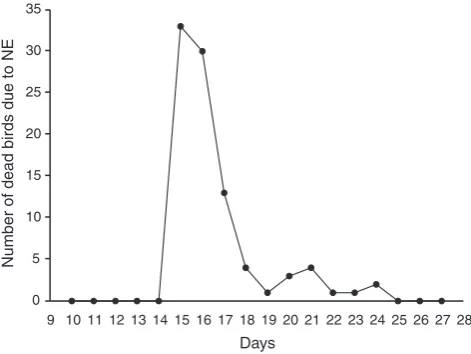
[image:6.595.41.538.97.284.2] [image:6.595.288.537.141.487.2]Mortality resulting from NE started at 1 day after birds were first challenged withC. perfringens(Fig.2). Total NE-associated mortalities of 8.8% were observed for the whole experimental period. NE-associated mortalities occurred during the first 4 days and continued for a maximum of 7 days after thefirst challenge. NE-specific deaths or clinical abnormalities were not observed with UC and PC groups. The mean lesion scores in the jejunum in the challenged NC,Acaciaextract, Fibregum, lily extract and Raftifeed groups were 3.18, 3.30, 3.34, 3.03 and
Table 2. Growth performance of broiler chickens fed diets supplemented with plant extracts and prebiotic compounds
Results are given as least-square means (n= 6). s.e.m. = pooled standard error of the least-square means
Treatment Bodyweight gain (BWG; g/bird) Feed intake (FI; g/bird) Feed conversion ratio (FCR) Days 1–21 Days 21–35 Days 1–35 Days 1–21 Days 21–35 Days 1–35 Days 1–21 Days 21–35 Days 1–35
Unchallenged control (UC) 837 1068 1993 1177 2242 3551 1.41 2.10 1.78
Negative control (NC) 690 902 1741 1055 2065 3366 1.53 2.32 1.94
Positive control (PC) 805 1128 1998 1092 2113 3296 1.36 1.88 1.65
Acaciaextract 725 969 1817 1099 2119 3611 1.52 2.20 1.99
Fibregum 713 941 1841 1069 2148 3534 1.50 2.29 1.92
Lily extract 692 882 1740 1087 2165 3533 1.57 2.48 2.03
Raftifeed 684 906 1712 1036 2066 3300 1.51 2.29 1.93
s.e.m. 14.35 36.71 44.47 23.59 48.71 112.43 0.02 0.09 0.05
Orthogonal contrasts (probability level of contrasts)
UC vs NC <0.0001 0.002 <0.0001 0.0003 0.01 n.s. 0.0002 n.s. 0.02 NC vs PC <0.0001 <0.0001 <0.0001 n.s. n.s. n.s. <0.0001 0.0005 <0.0001
NC vsAcaciaextract n.s. n.s. n.s. n.s. n.s. n.s. n.s. n.s. n.s.
NC vs Fibregum n.s. n.s. n.s. n.s. n.s. n.s. n.s. n.s. n.s.
NC vs lily extract n.s. n.s. n.s. n.s. n.s. n.s. n.s. n.s. n.s.
NC vs Raftifeed n.s. n.s. n.s. n.s. n.s. n.s. n.s. n.s. n.s.
0 5 10 15 20 25 30 35
9 10 11 12 13 14 15 16 17 18 19 20 21 22 23 24 25 26 27 28
Number of dead birds due to NE
Days
Fig. 2. Mortality pattern of broiler chickens challenged withClostridium
[image:6.595.298.534.308.485.2]3.31, respectively. Corresponding values for the ileum were 3.18, 3.90, 3.36, 3.24 and 3.06, while mortality was 13.8%, 18.2%, 7.5%, 12.3% and 10.8%. Lesion scores were absent when the birds were sampled 7 days post-challenge.
Gut histomorphology
Supplementation of the diets with plant extracts or prebiotic compounds had no effect on villus height or crypt depth of the ileum compared with the NC group on either sampling day (Table 3). At 14 and 21 days, the birds fed the PC diet had longer villi, shallower crypts and greater villus : crypt ratio in the ileum than did those in the NC group. However, there was no difference (P>0.05) in villus height of all prebiotic- and plant
extract-supplemented groups compared with the PC group beforeC. perfringenschallenge. In the current study, the villus height and crypt depth of UC birds and NC birds were different (P<0.05) on Day 21 (after challenge). The histomorphological analysis of ileal tissues on Day 21 also revealed that detachment and disruption of the normal apical microvilli of enterocytes, which is characteristic of NE, was observed in two regions of the gut.
Ileal and caecal microflora
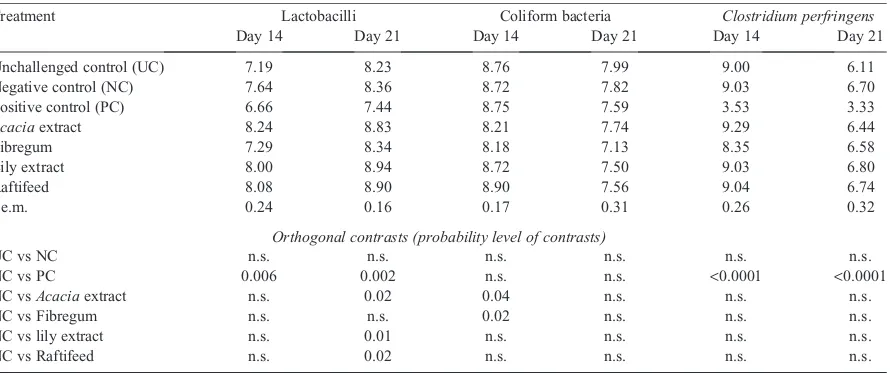
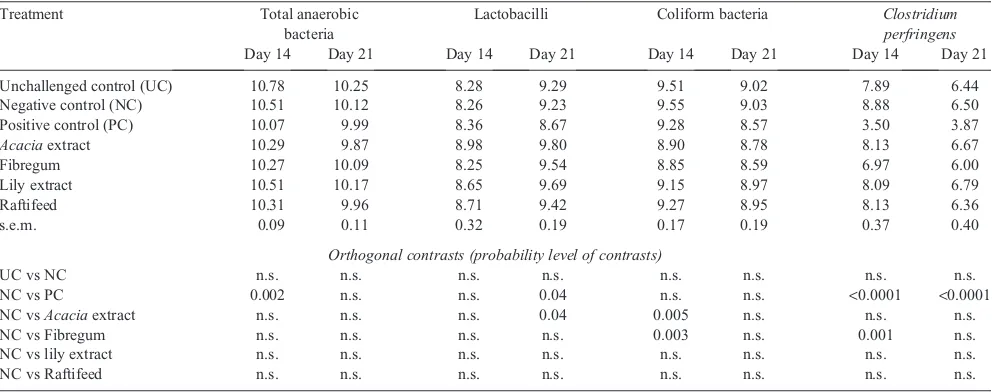
[image:7.595.85.534.262.459.2]The results of the bacterial counts in ileal and caecal contents are shown in Tables4and5. In general, coliforms, lactose-negative enterobacteria and C. perfringens counts were higher in both
Table 3. Effects of dietary plant extracts and prebiotic compounds on the morphometric parameters of ileum at Day 14 and Day 21
Results are given as least-square means (n= 6). s.e.m. = pooled standard error of the least-square means
Treatment Before challenge (Day 14) After challenge (Day 21) Villus height
(mm)
Crypt depth (mm)
Villus : crypt ratio
Villus height (mm)
Crypt depth (mm)
Villus : crypt ratio
Unchallenged control (UC) 611 82 7.54 705 75 9.36
Negative control (NC) 605 81 7.68 624 85 7.39
Positive control (PC) 702 62 11.54 720 73 9.92
Acaciaextract 641 79 8.25 631 88 7.19
Fibregum 657 78 8.43 658 93 7.13
Lily extract 636 87 7.43 631 88 7.24
Raftifeed 664 75 8.93 663 91 7.34
s.e.m. 22.50 4.26 0.56 25.14 2.97 0.42
Orthogonal contrasts (probability level of contrasts)
UC vs NC n.s. n.s. n.s. 0.02 0.01 0.0001
NC vs PC 0.005 0.004 <0.0001 0.01 0.006 0.0002
NC vsAcaciaextract n.s. n.s. n.s. n.s. n.s. n.s.
NC vs Fibregum n.s. n.s. n.s. n.s. n.s. n.s.
NC vs lily extract n.s. n.s. n.s. n.s. n.s. n.s.
NC vs Raftifeed n.s. n.s. n.s. n.s. n.s. n.s.
Table 4. Effect of dietary plant extracts and prebiotic compounds on ileal digesta bacterial counts (log10CFU/g digesta) of broiler
chickens on Days 14 and 21
Results are given as least-square means (n= 6). s.e.m. = pooled standard error of the least-square means. Values for total anaerobic bacteria and lactose-negative enterobacteria were not significantly affected by treatment and were excluded from the table
Treatment Lactobacilli Coliform bacteria Clostridium perfringens
Day 14 Day 21 Day 14 Day 21 Day 14 Day 21
Unchallenged control (UC) 7.19 8.23 8.76 7.99 9.00 6.11
Negative control (NC) 7.64 8.36 8.72 7.82 9.03 6.70
Positive control (PC) 6.66 7.44 8.75 7.59 3.53 3.33
Acaciaextract 8.24 8.83 8.21 7.74 9.29 6.44
Fibregum 7.29 8.34 8.18 7.13 8.35 6.58
Lily extract 8.00 8.94 8.72 7.50 9.03 6.80
Raftifeed 8.08 8.90 8.90 7.56 9.04 6.74
s.e.m. 0.24 0.16 0.17 0.31 0.26 0.32
Orthogonal contrasts (probability level of contrasts)
UC vs NC n.s. n.s. n.s. n.s. n.s. n.s.
NC vs PC 0.006 0.002 n.s. n.s. <0.0001 <0.0001
NC vsAcaciaextract n.s. 0.02 0.04 n.s. n.s. n.s.
NC vs Fibregum n.s. n.s. 0.02 n.s. n.s. n.s.
NC vs lily extract n.s. 0.01 n.s. n.s. n.s. n.s.
[image:7.595.88.533.524.711.2]ileal and caecal contents at 14 days (before challenge) than at 21 days. Total anaerobic counts in caecal digesta were decreased (P<0.05) by ~0.5 log units in birds fed PC versus NC, on Day 14. Compared with the NC group, no difference (P> 0.05) was detected among various dietary treatment groups with respect to total anaerobic bacterial numbers in ileal and caecal contents on Day 21 (Table5).
TheLactobacilluscounts in ileal and caecal digesta on Day 14 tended to be higher inAcaciaextract-, lily extract- and Raftifeed-supplemented treatment groups than in the NC group. Birds fed with the same supplements had higher (P<0.05)Lactobacillus counts in ileal digesta than those of the NC group on Day 21. Furthermore, birds supplemented withAcaciaextract had higher (P<0.05) counts of lactobacilli in caecal digesta on Day 21 than did the birds in the NC group. The counts of lactobacilli decreased by 9.5- and 8.3-fold in the ileal digesta of PC versus NC groups at 14 days and 21 days, respectively.
Compared with the NC group, ileal and caecal lactose-negative enterobacteria numbers were not different between dietary treatment groups. Both Acacia- and Fibregum-fed groups had lower (P < 0.05) coliform numbers in ileal and caecal digesta on Day 14. Neither the ileal nor caecal coliform counts at 21 days were affected by dietary supplementation of plant extracts or prebiotic compounds.
Clostridium perfringenscounts in ileal and caecal digesta in all treatment groups, except in the PC group, beforeC. perfringens -challenge were higher than those afterC. perfringenschallenge. The meanC. perfringenscount in the ileum decreased from 8.96 to 6.56 log10cfu/g of digesta in all treatment groups 7 days after the first C. perfringens challenge. Corresponding values for caecal contents decreased from 8.02 to 6.46 log10 cfu/g of digesta. Fibregum decreased (P < 0.05) the C. perfringens numbers in caecal contents beforeC. perfringenschallenge but this effect was not significant after C. perfringens challenge, although the values tended to be lower in that group than in the NC
group. Raftifeed and the two plant extracts did not significantly (P>0.05) affect C. perfringenspopulations before and after C. perfringenschallenge. TheC. perfringenscounts in luminal contents from the ileum and caeca of birds fed the PC diet were significantly (P<0.001) lower than those from the NC groups at both sampling days.
Organic acids and pH
There were no major effects of treatments on ileal and caecal pH, concentration of total organic acids and molar proportions of acetic and lactic acids assessed at 21 days of age (data not shown). However, the pH (P<0.002) and molar proportion of acetic acid (P<0.008) in the ileal digesta of birds on the PC diet were higher than those on the NC diet. Conversely, birds on the NC diet had a higher (P<0.01) content of lactic acid in the ileal digesta than those on the PC diet. Similarly, the pH of the caecal digesta of birds on the NC diet was higher than that of birds on theAcaciaextract (P<0.0001) and Raftifeed (P<0.007).
Lymphoid organ weights and humoral immune responses There were no differences in relative weights of spleen or bursa as a result of supplementation by either of the two plant extracts or of Raftifeed on either sampling day (before and after challenge; Fig. 3). However, the relative weight of bursa of birds supplemented with Fibregum was higher (P<0.05) than that of the NC group on Day 21.
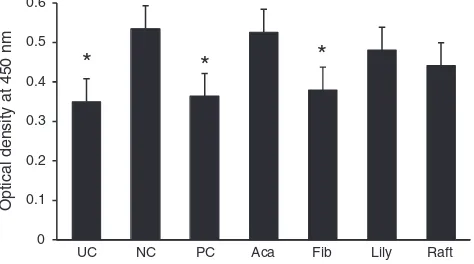
[image:8.595.40.536.118.314.2]Figure 4 shows the serum optical-density values of the specific serum IgY antibodies againsta-toxin (Phospholipase C) analysed by ELISA technique. At 7 days post-challenge with C. perfringens, the concentration of the specific IgY antibodies against thea-toxin ofC. perfringensin the serum, as represented in optical-density values (Fig.4), was significantly (P<0.05) lower in birds fed with UC, PC and Fibregum diets than was the
Table 5. Effect of dietary plant extracts and prebiotic compounds on caecal digesta bacterial counts (log10CFU/g digesta) of broiler chickens on
Days 14 and 21
Results are given as least-square means (n= 6). s.e.m. = pooled standard error of the least-square means. Values for lactose-negative enterobacteria were not significantly affected by treatment and were excluded from the table
Treatment Total anaerobic bacteria
Lactobacilli Coliform bacteria Clostridium perfringens
Day 14 Day 21 Day 14 Day 21 Day 14 Day 21 Day 14 Day 21
Unchallenged control (UC) 10.78 10.25 8.28 9.29 9.51 9.02 7.89 6.44
Negative control (NC) 10.51 10.12 8.26 9.23 9.55 9.03 8.88 6.50
Positive control (PC) 10.07 9.99 8.36 8.67 9.28 8.57 3.50 3.87
Acaciaextract 10.29 9.87 8.98 9.80 8.90 8.78 8.13 6.67
Fibregum 10.27 10.09 8.25 9.54 8.85 8.59 6.97 6.00
Lily extract 10.51 10.17 8.65 9.69 9.15 8.97 8.09 6.79
Raftifeed 10.31 9.96 8.71 9.42 9.27 8.95 8.13 6.36
s.e.m. 0.09 0.11 0.32 0.19 0.17 0.19 0.37 0.40
Orthogonal contrasts (probability level of contrasts)
UC vs NC n.s. n.s. n.s. n.s. n.s. n.s. n.s. n.s.
NC vs PC 0.002 n.s. n.s. 0.04 n.s. n.s. <0.0001 <0.0001
NC vsAcaciaextract n.s. n.s. n.s. 0.04 0.005 n.s. n.s. n.s.
NC vs Fibregum n.s. n.s. n.s. n.s. 0.003 n.s. 0.001 n.s.
NC vs lily extract n.s. n.s. n.s. n.s. n.s. n.s. n.s. n.s.
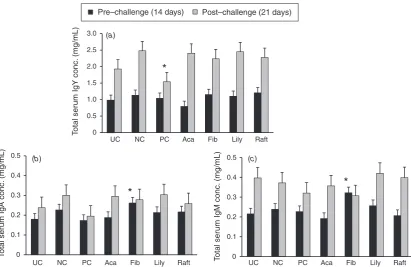
concentration from the NC group. The total antibody responses to C. perfringensbefore and after challenge are shown in Fig.5. The serum IgY response was not different among treatments before challenge. However, birds fed Fibregum had a higher IgM response than did birds in the Acacia extract-supplemented (P < 0.05) and lily extract-supplemented (P < 0.05) groups. The Fibregum-fed group also had higher (P < 0.05) concentrations of IgA in serum than did the PC and lily extract-supplemented groups at 14 days, but this effect did not persist at 21 days. The concentration of IgY antibody titres in sera from the PC group was lower (P<0.05) than that in the NC group on Day 21.
Discussion Bird performance
In the current study, except in the PC group, there was a significant decline in the growth performance of birds challenged with
C. perfringens in all treatment groups compared with unchallenged birds. The impaired FCR observed with all C. perfringens-challenged groups can be explained by decreased FI and BWG in the first 3 weeks of the period. Hofacre et al. (1998) and Dahiya et al. (2005) also reported decreased BWG and impaired feed conversion in broiler chickens challenged withC. perfringens. None of the test plant extracts or prebiotic products prevented the outbreak of NE or improved growth in a NE challenge model. These results are in agreement with thefindings of Hofacreet al. (2003) who found no effect of fructo-oligosaccharide on growth performance or reduction in lesion scores inC. perfringens-challenged boilers. In contrast, Butel et al. (2001) reported that C. perfringens-induced necrotising enterocolitis in gnotobioic quails could be controlled by dietary supplementation with oligofructose.
The Zn-bacitracin and monensin supplementation successfully prevented an outbreak of NE, while mortality due to NE occurred in spite of all the other supplements. Birds on Fibregum showed lower mortality from NE than those fed the Acaciaextract, which had the highest mortality due to NE. High mortality of birds at 24 h post-challenge suggested that the experimental disease had a rapid onset in challenged animals and continued for a maximum of 7 days after thefirst challenge began. The lack of confluent necrosis and sloughing of the epithelial lining of the jejunum and ileum among the treatment groups was most likely influenced by the very low mortality among the challenged treatment groups 7 days post-challenge.
Gut histomorphology
Our initial hypothesis was that plant extracts and prebiotic compounds in broiler diets challenged with C. perfringens would preserve the villus structure and villus length. However, the results showed that villus length was not affected by the plant extracts or prebiotic compounds. Dietary supplements such as prebiotic and bioactive compounds have been shown to have a trophic effect on the gut mucosal morphology in chickens (Ijiet al.2001; Yamauchiet al.2006). It should be noted that these prior studies assessed compounds under 0.00
0.05 0.10 0.15 0.20 0.25
0.30 (a) (b)
UC NC PC Aca Fib Lily Raft
Relativ
e
w
eight (g/100 g bodyw
eight)
*
0 0.05 0.10 0.15 0.20
UC NC PC Aca Fib Lily Raft
[image:9.595.63.544.64.229.2]Pre–challenge (14 days) Post–challenge (21 days)
Fig. 3. The effects of plant extracts and prebiotic compounds on relative weight of (a) bursa and (b) spleen of broiler chickens at Day 14 (beforeClostridium
perfringenschallenge) and at Day 21 (afterC. perfringenschallenge) for unchallenged control (UC), negative control (NC), positive control (PC),Acaciaextract (Aca), Fibregum (Fib), lily extract (Lily) and Raftifeed (Raft). Results are given as least-square means,n= 6; error bars indicate pooled standard error of the least-square means; bars with asterisks are significantly different from the negative control.
0 0.1 0.2 0.3 0.4 0.5 0.6
UC NC PC Aca Fib Lily Raft
Optical density at 450 nm
*
*
*
Fig. 4. The effects of plant extracts and prebiotic compounds on specific IgY
antibody titres against Clostridium perfringensa-toxin at Day 21 (after
[image:9.595.62.299.288.420.2]hygienic husbandry practices and not in a disease-challenged condition as was the case of the present study. However, fructo-oligosaccharides have been observed to alleviate salmonella-induced necrosis of the caecal mucosa and enhance the ileal micro-villus length of broilers (Choiet al.1994).
In the current study, birds fed with the PC diet had longer villi and shallower crypts in the ileum, thus increasing the villus : crypt depth ratio, both before and after challenge. Supplementation of broiler diets with Zn-bacitracin and monensin effectively reduced the numbers ofC. perfringensin the ileal and caecal contents during the experimental period. Hence, the damage that would have been caused to the intestinal mucosa by NE may have been prevented. Such morphological changes in Zn-bacitracin- and monensin-fed birds may also be responsible for the improved growth performance as seen in the current study in the disease-challenged groups. Antibiotic-treated farm animals are known to have longer villi and villus : crypt depth ratios in the small intestine than are their antibiotic-free counterparts (Nousiainen 1991; Ao2004).
Ileal and caecal microflora
Although highC. perfringenscounts (6.5–7.0 log10cfu/g) were observed in ileal and caecal digesta, focal necrotic lesions in the jejunum and ileum were not observed 7 days post-challenge. This demonstrated that a high population count ofC. perfringens may not always be associated with subclinical or clinical NE due to the fact that it is a complex, multifactorial disease with
many unknown factors (Kaldhusdalet al.1999; van Immerseel et al. 2004). Another explanation could be the TSC & SFP agar medium used in the present study may also have supported the growth of physiologically similar clostridia species resemblingC. perfringens, as suggested by Adams and Mead (1980).
In the present study, dietary supplementation with two plant extracts (Acacia extract and lily extract) and the prebiotic product Raftifeed significantly increased or tended to increase the number of lactobacilli in the ileum at both sampling periods. These results are consistent with other work performed with plant extracts (Vidanarachchi et al. 2010b). Several mechanisms may account for the enhanced growth of lactobacilli in response to dietary supplementation with plant extracts. Certain dietary carbohydrates such as fructo-oligosaccharides and arabinogalactans are not digested in the small intestine, since the chicken lacks the enzymes to hydrolyse them (Xuet al.2003; Saeedet al.2011). Therefore, these carbohydrates are more likely to be degraded by the gastrointestinal microflora, which they selectively stimulate. Al-Tamimi et al. (2006) found that fermentation of arabino-oligosaccharides in a batch-culture fermentation system increased the lactobacilli and bifidobacteria counts, while decreasing C. perfringensnumbers.
In the present study, feeding ofAcaciaextract or prebiotic compound Raftifeed caused reduction in coliform counts in the ileal and caecal digesta on Day 14, before C. perfringens challenge. The Lactobacillus counts in the same groups 0
0.5 1.0 1.5 2.0 2.5 3.0 (a)
(b) (c)
UC NC PC Aca Fib Lily Raft
T
otal ser
um IgY conc.
(mg/mL)
UC NC PC Aca Fib Lily Raft 0
0.1 0.2 0.3 0.4 0.5
0 0.1 0.2 0.3 0.4 0.5
UC NC PC Aca Fib Lily Raft
T
otal ser
um IgA conc.
(mg/mL)
T
otal ser
um IgM conc.
(mg/mL)
*
*
*
[image:10.595.82.494.63.330.2]Pre–challenge (14 days) Post–challenge (21 days)
Fig. 5. The effects of plant extracts and prebiotic compounds on total serum immunoglobulin (a) IgY, (b) IgA, and (c) IgM titres in
were significantly higher or tended to be higher than in the NC group. Many studies have demonstrated a relationship between an increase in numbers of lactobacilli and decline in numbers of coliforms in chickens (Watkins et al. 1982; Jamroz et al. 2005).
As expected, the present study demonstrated that supplementation of broiler diets with Zn-bacitracin and monensin significantly reduced the C. perfringens counts in ileal and caecal digesta, with a consequent significant improvement in growth performance and pathophysiological indices of NE. The counts of C. perfringens in luminal contents from the ileum and caeca of birds fed the PC diet were as low as 3–4 log10cfu/g digesta on both sampling days, indicating that the IFAs used in the present study were highly effective in controllingC. perfringensproliferation in the gut of broilers. Thesefindings are consistent with previous studies of the culture-based and molecular studies, which demonstrated that dietary supplementation with antibiotics such as Zn-bacitracin, bacitracin methylene disalicylate and tylosin causes a significant reduction in lesion scores and mortality caused by NE (Brennan et al.2003; Collieret al.2003).
Organic acids and pH
The supplementation of broiler diets with Zn-bacitracin and monensin in the present study significantly increased or tended to increase pH of ileal and caecal digesta. Correspondingly, the same treatment group had the lowest total organic acids and molar proportion of lactate in the ileal digesta. Since the PC group had significantly lower Lactobacilluscounts, compared with the challenged control group (NC), it can be speculated that low microbial fermentation activities in the ileal digesta resulted in less volatile fatty acid production. Engberg et al. (2000) also observed higher pH and lower lactate concentrations in ileal digesta of broilers fed diets supplemented with salinomycin alone or salinomycin and Zn-bacitracin. The present results also confirmed those of Engberg et al. (2002) who found that lactate and acetate are the predominant organic acids produced due to bacterial fermentation in the ileum.
Lymphoid organ weights and humoral immune responses The increase in the relative weight of the bursa by Fibregum treatment could be associated with an improvement in immune responses in broilers afterC. perfringenschallenge. The results of the present study are in agreement with the findings of Kleessenet al. (2003) who observed an increase in the relative weight of bursa of broilers in response to the consumption of Jerusalem artichoke fructans syrup (0.5%) administered via drinking water. Chenet al. (2003) noted a significantly larger bursa and greater immunomodulatory effect in broilers fed diets supplemented with two Chinese herbal polysaccharides, astragalan and achyranthan.
Birds from the UC, PC and Fibregum-supplemented treatment groups had lower serum concentrations of IgY antibody against C. perfringensa-toxin and less mortality due toC. perfringens -associated NE. This indicated that antigenic stimulation was lower in these three groups. In agreement with this, C. perfringenscounts in ileal and caecal digesta from the same three groups were either significantly lower or tended to be lower
than those of the other C. perfringens-challenged treatment groups. These immunologicalfindings are in accordance with those of Løvlandet al. (2003), who observed a higher level of IgY antibody againstC. perfringensa-toxin in the serum of broilers with a subclinical form of NE or C. perfringens-associated hepatitis. Detection of IgY antibody againstC. perfringensa -toxin in birds in the UC group may be due to a natural exposure of these birds toC. perfringensfrom the pen environment. The same group also had C. perfringenscounts between 6.00 and 6.44 log CFU/g digesta in both ileal and caecal contents 7 days post-challenge. Løvlandet al. (2003) also suggested that birds may become seropositive without exhibiting anyC. perfringens -associated enteric gut lesions.
Results from the current study showed that Fibregum elevates serum IgM and IgA concentrations and enhances systemic immune capacity in chickens. The exact reason for this observation is not clear and further work on the determination of cell-mediated immune responses such as the proportions of different subpopulations of B and T lymphocytes is warranted. Elevated concentrations of serum IgA have been shown to correlate well with higher secretory IgA in the intestine (Brito et al.1993) and may explain the mechanism ofC. perfringens reduction from the intestinal lumen in the Fibregum-fed group. In conclusion, the results of the study suggested that neither the plant extracts nor the commercial prebiotic product were effective in controlling NE. The present study also showed no effect of dietary plant extracts on humoral immunomodulation in broiler chickens challenged with C. perfringens. Although some beneficial effects were observed with Fibregum, the product did not improve performance parameters, as BWG and FCR were similar to those for the NC. Under the conditions of the present study, Fibregum was effective in reducing NE-associated mortalities and in improving some immune response to the NE infection in broiler chickens. Dietary supplementation with Zn-bacitracin and monensin was highly effective in counteracting the negative effects of the disease challenge.
Acknowledgement
This work was conducted within the Poultry CRC, established and supported under the Australian Government’s Cooperative Research Centres Program.
References
Adams BW, Mead GC (1980) Comparison of media and methods for counting
Clostridium perfringensin poultry meat and further-processed products.
The Journal of Hygiene84, 151–158. doi:10.1017/S0022172400026632 Al-Tamimi MAHM, Palframan RJ, Cooper JM, Gibson GR, Rastall RA (2006) In vitro fermentation of sugar beet arabinan and arabino-oligosaccharides by the human gut microflora. Journal of Applied Microbiology100, 407–414. doi:10.1111/j.1365-2672.2005.02780.x Ao Z (2004) Diet and early nutrition: their effects on immunity and gut
development in broiler chickens. PhD Thesis, University of New England, Armidale, NSW.
Barton MD (1998) Does the use of antibiotics in animals affect human health?
Australian Veterinary Journal76, 177–180. doi:10.1111/j.1751-0813. 1998.tb10124.x
Brennan J, Skinner J, Barnum DA, Wilson J (2003) The efficacy of bacitracin methylene disalicylate when fed in combination with narasin in the management of necrotic enteritis in broiler chickens.Poultry Science
Brito JRF, Hinton M, Stokes CR, Pearson GR (1993) The humoral and cell mediated immune response of young chicks toSalmonella typhimurium
and S. kendougou. The British Veterinary Journal 149, 225–234. doi:10.1016/S0007-1935(05)80169-1
Broussard CT, Hofacre CL, Page RK, Fletcher OJ (1986) Necrotic enteritis in cage-reared commercial layer pullets.Avian Diseases30, 617–619. doi:10.2307/1590433
Butel MJ, Catala I, Waligora-Dupriet AJ, Taper H, Tessedre AC, Durao J, Szylit O (2001) Protective effect of dietary oligofructose against cecitis induced by clostridia in gnotobiotic quails.Microbial Ecology in Health and Disease13, 166–172. doi:10.1080/089106001750462722 Casewell M, Friis C, Granell EM, Mcmullin P, Phillips I (2003) The
European ban on growth-promoting antibiotics and its consequences for human and animal health. The Journal of Antimicrobial Chemotherapy52, 159–161. doi:10.1093/jac/dkg313
Chen HL, Li DF, Chang BY, Gong LM, Dai JG, Yi GF (2003) Effects of Chinese herbal polysaccharides on the immunity and growth performance of young broilers.Poultry Science82, 364–370.
Choi KH, Namkung H, Paik IK (1994) Effects of dietary fructooligosaccharides on the suppression of intestinal colonization of
Salmonella typhimuriumin broiler chickens.Korean Journal of Animal Science36, 271–284.
Collier CT, van der Klis JD, Deplancke B, Anderson DB, Gaskins HR (2003) Effects of tylosin on bacterial mucolysis, Clostridium perfringens
colonization, and intestinal barrier function in a chick model of necrotic enteritis. Antimicrobial Agents and Chemotherapy 47, 3311–3317. doi:10.1128/AAC.47.10.3311-3317.2003
Dahiya JP, Hoehler D, Wilkie DC, van Kessel A, Drew MD (2005) Dietary glycine concentration affects intestinal Clostridium perfringens and lactobcilli populations in broiler chickens. Poultry Science 84, 1875–1885.
Dahiya JP, Wilkie DC, van Kessel AG, Drew MD (2006) Potential strategies for controlling necrotic enteritis in broiler chickens in post-antibiotic era.
Animal Feed Science and Technology 129, 60–88. doi:10.1016/j. anifeedsci.2005.12.003
DANMAP (2008) Danish Integrated Antimicrobial Resistance Monitoring and Research Programme: use of antimicrobial agents and occurrence of antimicrobial resistance in bacteria from food animals, foods and humans in Denmark. Available at www.danmap.org [Accessed September 2010]
Engberg RM, Hedemann MS, Leser TD, Jensen BB (2000) Effect of zinc bacitracin and salinomycin on intestinal microflora and performance of broilers.Poultry Science79, 1311–1319.
Engberg RM, Hedemann MS, Jensen BB (2002) The influence of grinding and pelleting of feed on the microbial composition and activity in the digestive tract of broiler chickens.British Poultry Science43, 569–579. doi:10.1080/0007166022000004480
Guo FC, Kwakkel RP, Williams BA, Parmentier HK, Li WK, Yang ZQ, Verstegen MWA (2004) Effects of mushroom and herb polysaccharides on cellular and humoral immune responses ofEimeria tenella-infected chickens.Poultry Science83, 1124–1132.
Heier BT, Lovland A, Soleim KB, Kaldhusdal M, Jarp J (2001) Afield study of naturally occurring specific antibodies againstClostridium perfringens
alpha toxin in Norwegian broilerflocks.Avian Diseases45, 724–732. doi:10.2307/1592919
Hofacre CL (2005) Natural alternatives to prevent necrotic enteritis.
International Poultry Production13, 7–9.
Hofacre CL, Froyman R, George B, Goodwin MA, Brown J (1998) Use of aviguard, virginiamycin, or bacitracin MD against Clostridium perfringens-associated necrotizing enteritis.Journal of Applied Poultry Research7, 412–418.
Hofacre CL, Beacorn T, Collett S, Mathis G (2003) Using competitive exclusion, mannan-oligosaccharide and other intestinal products to control necrotic enteritis.Journal of Applied Poultry Research12, 60–64.
Iji PA, Saki AA, Tivey DR (2001) Intestinal structure and function of broiler chickens on diets supplemented with a mannan oligosaccharide.Journal of the Science of Food and Agriculture81, 1186–1192. doi:10.1002/ jsfa.925
Jamroz D, Wiliczkiewicz A, Wertelecki T, Orda J, Skorupinska J (2005) Use of active substances of plant origin in chicken diets based on maize and locally grown cereals. British Poultry Science 46, 485–493. doi:10.1080/00071660500191056
Kaldhusdal M, Hofshagen M (1992) Barley inclusion and avoparcin supplementation in broiler diets. 2. Clinical, pathological, and bacteriologicalfindings in a mild form of necrotic enteritis.Poultry Science71, 1145–1153. doi:10.3382/ps.0711145
Kaldhusdal M, Hofshagen M, Lovland A, Langstrand H, Redhead K (1999) Necrotic enteritis challenge models with broiler chickens raised on litter: evaluation of preconditions,Clostridium perfringensstrains and outcome variables.FEMS Immunology and Medical Microbiology24, 337–343. doi:10.1111/j.1574-695X.1999.tb01303.x
Kleessen B, Elsayed NAAE, Loehren U, Schroedl W, Krueger M (2003) Jerusalen artichokes stimulate growth of broiler chickens and protect them against endotoxins and potential cecal pathogens.Journal of Food Protection11, 2171–2175.
Koenen ME, Kramer J, Van Der Hulst R, Heres L, Jeurissen SHM, Boersma WJA (2004) Immunomodulation by probiotic lactobacilli in layer- and meat-type chickens.British Poultry Science45, 355–366. doi:10.1080/ 00071660410001730851
Kudoh K, Shimizu J, Ishiyama A, Wada M, Takita T, Kanke Y, Innami S (1999) Secretion and excretion of Immunoglobulin A to cecum and feces differ with type of indigestible saccharides. Journal of Nutritional Science and Vitaminology45, 173–181. doi:10.3177/jnsv.45.173 Løvland A, Kaldhusdal M, Reitan LJ (2003) Diagnosing Clostridium
perfringens-associated necrotic enteritis in broiler flocks by an Immunoglobulin G anti-alpha-toxin enzyme-linked immunosorbent assay. Avian Pathology 32, 527–534. doi:10.1080/0307945031000 154134
McReynolds JL, Byrd JA, Anderson RC, Moore RW, Edrington TS, Genovese KJ, Poole TL, Kubena LF, Nisbet DJ (2004) Evaluation of immunosuppresants and dietary mechanisms in an experimental disease model for necrotic enteritis.Poultry Science83, 1948–1952.
Miller TL, Wolin MJ (1974) A serum bottle modification of the Hungate technique for cultivating obligate anaerobes.Applied Microbiology27, 985–987.
National Health and Medical Research Council (2004)‘Australian code of practice for the care and use of animals for scientific purposes.’7th edn. (Animal Welfare Committee, National Health and Medical Research Council: Canberra)
Nousiainen J (1991) Comparative observations on selected probiotics and olaquindox used as feed additives for piglets around weaning. 2. Effect on villus length and crypt depth in the jejunum, ileum, caecum and colon.
Journal of Animal Physiology and Animal Nutrition 66, 224–230. doi:10.1111/j.1439-0396.1991.tb00290.x
Pattison M (2002) Some clinical and pathological features of enteritis in boilers observations on treatment in the UK. In‘The Elanco global enteritis symposium, Cambridge, UK’. pp. C1–C10. Available at http://www.poultry-health.com/fora/inthelth/pdfs/pattison02.pdf [Verified 20 August 2013]
Prescott JF, Sivendra R, Barnum DA (1978) The use of bacitracin in the prevention and treatment of experimentally-induced necrotic enteritis in the chicken.The Canadian Veterinary Journal. La Revue Veterinaire Canadienne19, 181–183.
Saeed F, Pasha I, Anjum FM, Sultan MT (2011) Arabinoxylans and arabinogalactans: a comprehensive treatise.Critical Reviews in Food Science and Nutrition51, 467–476. doi:10.1080/10408391003681418 SAS Institute (2000)‘SAS user’s guide: version 8.’(SAS Institute: Cary, NC) Steel RGD, Torrie JH (1981) ‘Principles and procedures of statistics: a biometrical approach.’ 2nd edn. (McGraw-Hill International Book Company: Sydney)
van der Sluis W (2000) Clostridial enteritis is an often underestimated problem.World Politics16, 42–43.
van der Sluis W (2003) Selected and specific probiotics may reduce
Salmonella and Clostridiuminfections in broiler. World Politics19, 16–17.
van Immerseel F, Buck JD, Pasmans F, Huyghebaert G, Haesebrouck F, Ducatelle R (2004) Clostridium perfringens in poultry: an emerging threat for animal and public health. Avian Pathology 33, 537–549. doi:10.1080/03079450400013162
Vidanarachchi JK, Mikkelsen LL, Sims IM, Iji PA, Choct M (2006) Selected plant extracts modulate the gut microflora in broilers. In‘Proceedings of the Australian Poultry Science Symposium, University of Sydney, Sydney, NSW, Australia’. (Ed. TA Scott) pp. 145–148.
Vidanarachchi JK, Iji PA, Mikkelsen LL, Sims I, Choct M (2009) Isolation and characterisation of water-soluble prebiotic compounds from Australian and New Zealand Plants. Carbohydrate Polymers 77, 670–676. doi:10.1016/j.carbpol.2009.02.009
Vidanarachchi JK, Iji PA, Mikkelsen LL, Choct M (2010a) Fructans from rengarenga lily (Arthropodium cirratum) extract and Frutafit®as prebiotics
for broilers: their effects on growth performance, digestive organ size, gut morphology and nutrient digestibility. Asian-Australasian Journal of Animal Sciences23, 580–587.
Vidanarachchi JK, Elangovan AV, Mikkelsen LL, Choct M, Iji PA (2010b) Effect of some plant extracts on growth performance, intestinal morphology, microflora composition and activity in broiler chickens.
Animal Production Science50, 880–889. doi:10.1071/AN10011 Watkins BA, Miller BF, Neil DH (1982) In vivo inhibitory effects of
Lactobacillus acidophilus against pathogenic Escherichia coli in gnotobiotic chicks. Poultry Science 61, 1298–1308. doi:10.3382/ ps.0611298
Watkins KL, Shryock TR, Dearth RN, Saif YM (1997)In vitroantimicrobial susceptibility ofClostridium perfringensfrom commercial turkey and broiler chicken origin. Veterinary Microbiology 54, 195–200. doi:10.1016/S0378-1135(96)01276-X
Williams RB (2005) Intercurrent coccidiosis and necrotic enteritis of chickens: rational, integrated disease management by maintenance of gut integrity. Avian Pathology 34, 159–180. doi:10.1080/03079450 500112195
Xu ZR, Hu CH, Xia MS, Zhan XA, Wang MQ (2003) Effects of dietary fructooligosaccharides on digestive enzyme activities, intestinal microflora and morphology of male broilers. Poultry Science 82, 1030–1036.
Yamauchi K, Buwjoom T, Koge K, Ebashi T (2006) Histological intestinal recovery in chickens refed dietary sugar cane extract.Poultry Science
85, 645–651.