City, University of London Institutional Repository
Citation
:
Patey, Andrea (2016). Changing behaviour, ‘more or less’: Investigating whether there is a basis for designing different interventions for implementation anddeimplementation.. (Unpublished Doctoral thesis, City, University of London)
This is the accepted version of the paper.
This version of the publication may differ from the final published
version.
Permanent repository link:
http://openaccess.city.ac.uk/16667/Link to published version
:
Copyright and reuse:
City Research Online aims to make research
outputs of City, University of London available to a wider audience.
Copyright and Moral Rights remain with the author(s) and/or copyright
holders. URLs from City Research Online may be freely distributed and
linked to.
Changing behaviour, ‘more or less’: Investigating
whether there is a basis for designing different
interventions for implementation and
de-implementation.
Andrea Megan Ellen Patey
A thesis submitted for the degree of
Doctor of Philosophy in Health Psychology
To
City, University of London
School of Health Sciences
TABLE OF CONTENTS ... 2
LIST OF TABLES ... 6
LIST OF FIGURES ... 7
LIST OF BOXES ... 8
LIST OF APPENDICES ... 9
ACKNOWLEDGEMENTS ... 10
DECLARATION ... 12
ABSTRACT ... 13
LIST OF ABBREVIATIONS ... 14
CHAPTER 1 GENERAL INTRODUCTION ... 15
1.0 INTRODUCTION ... 16
1.1 USING THEORY TO UNDERSTAND, PREDICT AND CHANGE HEALTH PROFESSIONAL BEHAVIOUR .. 18
1.2 DESIGNING INTERVENTIONS TO CHANGE HEALTH PROFESSIONAL BEHAVIOUR ... 21
1.3 ARE IMPLEMENTATION AND DE-IMPLEMENTATION DIFFERENT? ... 22
1.4 RESEARCH AIM AND OBJECTIVES ... 26
1.4.1 Research questions ... 26
1.5 METHODOLOGICAL APPROACH ... 27
1.5.1 Study 1: Do behavioural theories differentiate between behaviours for implementation or de-implementation? A Critical Interpretive Synthesis ... 28
1.5.2 Study 2: Do theoretical predictors of behaviour differ for increasing versus decreasing frequency of behaviour? An exploratory study ... 29
1.5.3 Study 3: Are the contents of implementation and de-implementation interventions different? An investigation into the frequency of Behaviour Change Techniques (BCTs) in reported interventions ... 30
1.6 INTERPRETATION OF FINDINGS ... 31
CHAPTER 2 DO BEHAVIOURAL THEORIES DIFFERENTIATE BETWEEN BEHAVIOURS FOR IMPLEMENTATION OR DE-IMPLEMENTATION? A CRITICAL INTERPRETIVE SYNTHESIS ... 32
2.0 INTRODUCTION ... 33
2.1 RESEARCH AIMS ... 35
2.2 METHODS ... 35
2.2.1 Stage 1: Identification of study articles ... 37
2.2.3 Stage 3: Validation of theory identification ... 42
2.2.4 Data synthesis and reporting ... 43
2.3 RESULTS ... 43
2.3.1 Articles retrieved through Stage 1 ... 43
2.3.2 Data extraction from Stage 1 articles ... 45
2.3.3 Articles retrieved from Stage 2 ... 46
2.3.4 Stage 3: Validation of theory identification ... 47
2.3.5 Data Synthesis and Reporting ... 48
2.3.5.1 Theories applied to both implementing and de-implementing of behaviour ... 49
2.3.5.2 Theories only applied to implement behaviours ... 53
2.3.5.3 Theories only applied to de-implement behaviours ... 53
2.3.6 Summary of Findings ... 54
2.4 DISCUSSION ... 58
2.4.1 Operant Learning Theory as a basis for intervention design ... 59
2.4.1.1 Principles of Operant Learning Theory ... 59
2.4.1.2 Challenges and opportunities with Operant Learning Theory ... 61
2.4.2 Can punishment be used as a basis for de-implementation? ... 65
2.4.3 Behaviour substitution ... 67
2.4.4 Strengths and limitations ... 69
2.5 CONCLUSION ... 71
CHAPTER 3 DO THEORETICAL PREDICTORS OF BEHAVIOUR DIFFER FOR INCREASING VERSUS DECREASING FREQUENCY OF BEHAVIOUR? AN EXPLORATORY STUDY ... 72
3.0 INTRODUCTION ... 73
3.0.1 Research aim ... 75
3.0.2 General descriptions of the studies included ... 75
3.0.2.1 UKPrime (PRocess modelling in ImpleMEntation research) ... 75
3.0.2.2 Canada Prime ... 76
3.0.2.3 IQuaD (Improving QUAlity for care in Diabetes) ... 76
3.0.3 Theories from UKPrime, CanPrime, and IQuaD ... 77
3.0.3.1 Theory of Planned Behaviour ... 78
3.0.3.2 Social Cognitive Theory ... 78
3.0.3.3 Operant Learning Theory ... 79
3.0.3.4 Action Planning/Coping Planning ... 80
3.0.4 Rationale for selection of pre-existing questionnaire datasets ... 80
3.0.5 Inclusion of systematic review of Social Cognitive Theories to predict intention and behaviour ... 81
3.1.3 Stage 3: Supplemental studies investigating predicting behaviour ... 84
3.2 RESULTS ... 85
3.2.1 Stage 1: Dataset descriptions and questionnaire items ... 86
3.2.1.1 Comparison of theories across behaviour questionnaires ... 96
3.2.2 Stage 2: Prediction of behaviour ... 96
3.2.3 Stage 3: Supplemental studies investigating predicting behaviour ... 101
3.2.1 Summary of findings ... 102
3.3 DISCUSSION ... 105
3.3.1 Challenges of outcome measures of behaviour ... 105
3.3.2 ‘Managing without doing’ versus ‘not doing’ – is it the same thing? ... 108
3.3.3 Strengths and limitations ... 109
3.4 CONCLUSION ... 111
CHAPTER 4 ARE THE CONTENTS OF IMPLEMENTATION AND DE-IMPLEMENTATION INTERVENTIONS DIFFERENT? AN INVESTIGATION INTO THE FREQUENCY OF BEHAVIOUR CHANGE TECHNIQUES (BCTS) IN REPORTED INTERVENTIONS ... 113
4.0 INTRODUCTION ... 114
4.0.1 The Behaviour Change Techniques Taxonomy (version 1) ... 115
4.0.2 BCTs reported in Implementation and De-implementation Interventions ... 117
4.0.3 Research aims ... 118
4.1 METHODS ... 118
4.1.1 Purposive selection of systematic reviews ... 118
4.1.2 Selection of articles ... 120
4.1.2.1 Inter-rater reliability ... 120
4.1.2.2 Full text screening and data extraction ... 120
4.1.3 Coding of intervention descriptions into BCTs ... 121
4.1.3.1 Data analysis ... 123
4.2 RESULTS ... 123
4.2.1 Purposive selection of systematic reviews ... 123
4.2.2 Stage 2 - Selection of intervention articles ... 126
4.2.2.1 Inter-rater reliability ... 126
4.2.2.1 Full text screening and data extraction ... 126
4.2.3 Stage 3: Coding of Behaviour Change Techniques ... 129
4.2.3.1 Frequency of BCTs in implementation and de-implementation interventions ... 134
4.2.3.2 Ranking of BCTs by frequency ... 135
... 146
4.3.4 Strengths and limitations ... 147
4.4 CONCLUSION ... 150
CHAPTER 5 GENERAL DISCUSSION ... 151
5.0 SUMMARY OF THESIS ... 152
5.0.1 Study 1: Do behavioural theories differentiate between behaviours for implementation or de-implementation? A Critical Interpretive Synthesis ... 154
5.0.1 Study 2: Do theoretical predictors of behaviour differ for increasing versus decreasing frequency of behaviour? An exploratory study ... 154
5.0.1 Study 3: Are the contents of implementation and de-implementation interventions different? An investigation into the frequency of Behaviour Change Techniques (BCTs) in reported interventions ... 155
5.1 IS THERE THEORETICAL AND EMPIRICAL EVIDENCE TO INFORM WHETHER IMPLEMENTATION AND DE-IMPLEMENTATION INTERVENTIONS SHOULD BE DESIGNED DIFFERENTLY? ... 156
5.1.1 Can we think outside the ‘Skinner Box’? ... 157
5.1.1.1 Challenges with applying OLT to HCP behaviour change ... 158
5.1.1.2 Opportunities with applying OLT to HCP behaviour change ... 160
5.1.2 Behaviour substitution: a technique for de-implementing behaviour ... 162
5.1.3 Using the BCT taxonomy to better test other principles of OLT ... 166
5.2 SUGGESTIONS AND CONSIDERATIONS FOR IMPLEMENTATION AND DE-IMPLEMENTATION INTERVENTIONS ... 169
5.3 STRENGTHS AND LIMITATIONS ... 172
5.4 IMPLICATIONS FOR FUTURE WORK ... 174
5.5 CONCLUSION ... 176
APPENDICES ... 177
TABLE 1:DATABASES SEARCHED TO IDENTIFY ARTICLES FROM RESEARCH DISCIPLINE ... 39
TABLE 2:CHARACTERISTICS OF ARTICLES INCLUDED IN CISREVIEW FROM STAGE 1 ... 46
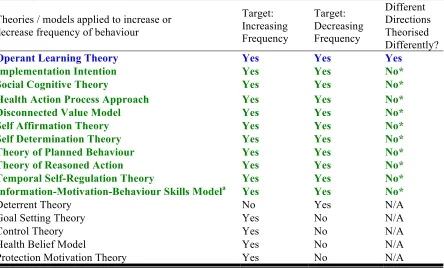
TABLE 3:SUMMARY OF THEORIES REPORTED IN ARTICLES BY DIRECTION OF CHANGE IN BEHAVIOUR FREQUENCY .... 50
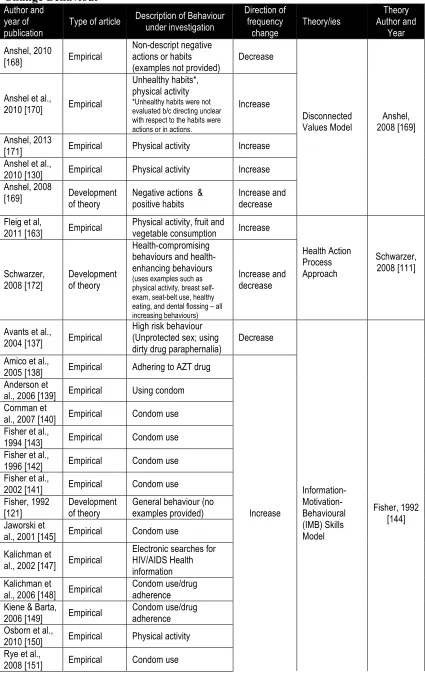
TABLE 4:ARTICLES INCLUDED IN CISREVIEW THAT REPORTED THE APPLICATION OF THEORY TO CHANGE BEHAVIOUR ... 55
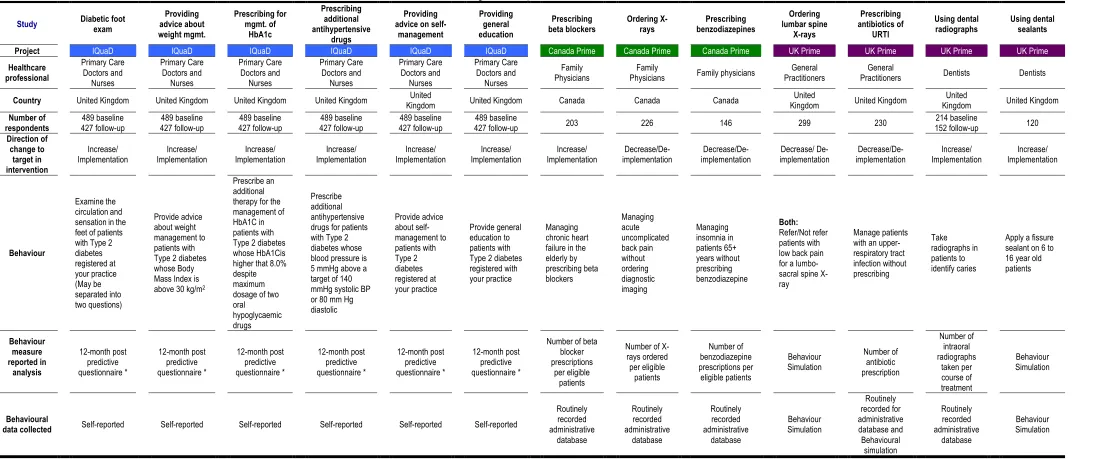
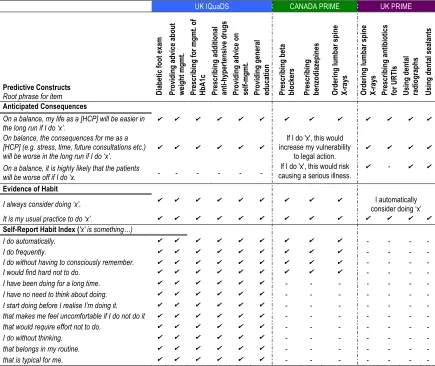
TABLE 5:DESCRIPTION OF QUESTIONNAIRE STUDIES ... 87
TABLE 6:RESPONSE FORMAT OF QUESTIONNAIRE ACROSS 13BEHAVIOUR SPECIFIC QUESTIONNAIRES ... 89
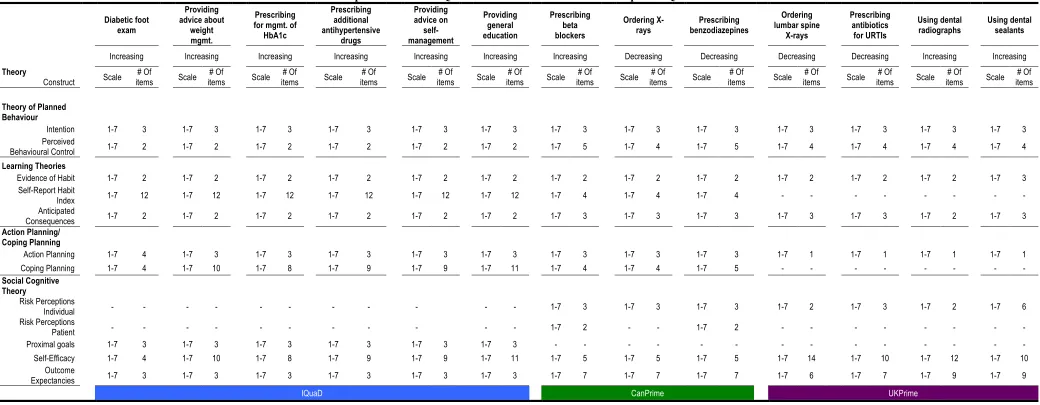
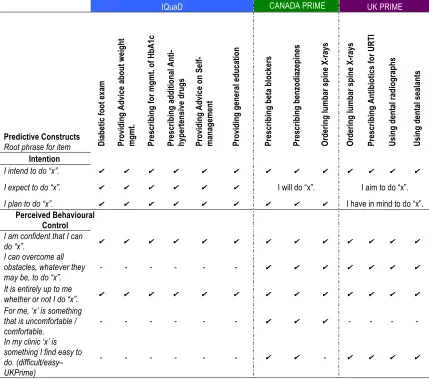
TABLE 7:THEORY OF PLANNED BEHAVIOUR QUESTIONNAIRE ITEM COMPARISON ACROSS STUDIES ... 90
TABLE 8:OPERANT LEARNING THEORY (L1 AND L2)QUESTIONNAIRE ITEM COMPARISON ACROSS STUDIES ... 91
TABLE 9:SOCIAL COGNITIVE THEORY QUESTIONNAIRE ITEM COMPARISON ACROSS STUDIES ... 93
TABLE 10:ACTION PLANNING /COPING PLANNING QUESTIONNAIRE ITEM COMPARISON ACROSS STUDIES ... 95
TABLE 11:EFFECT SIZE (STANDARDISED BETA)PREDICTING BEHAVIOUR BY PSYCHOLOGY THEORY:REGRESSION ANALYSIS ... 100
TABLE 12:EXCLUDED STUDIES WITH REASON ... 101
TABLE 13:SUMMARY DESCRIPTIONS OF STUDIES INCLUDED FROM SYSTEMATIC REVIEW ... 103
TABLE 14:RANGE OF EFFECT SIZES (BETA COEFFICIENTS) FOR THEORIES PREDICTING BEHAVIOURS FOR IMPLEMENTATION AND DE-IMPLEMENTATION ... 104
TABLE 15:VARIANCE (MEDIAN AND RANGE) IN BEHAVIOUR SCORES EXPLAINED BY THEORIES (ADJUSTED R2) BY FRAMING OF BEHAVIOUR ... 105
TABLE 16:CHARACTERISTICS OF SYSTEMATIC REVIEWS SELECTED FOR IDENTIFICATION OF BCTS ... 125
TABLE 17:DESCRIPTIVE CHARACTERISTICS FOR ARTICLES INCLUDED FOR BCTCODING ... 128
TABLE 18:CHI-SQUARED (Χ2) ANALYSES FOR COMPARISONS OF FREQUENCIES OF BCTS (CODED IN SUFFICIENT NUMBERS TO MEET STATISTICAL ASSUMPTIONS) IN IMPLEMENTATION AND DE-IMPLEMENTATION INTERVENTIONS ... 134
TABLE 19:SUMMARY OF RESULTS AND INTEGRATED TRIANGULATION OF FINDINGS ... 157
TABLE 20:DEFINITION AND EXAMPLE OF BEHAVIOUR SUBSTITUTION FROM THE BCTTAXONOMY (V1) FROM THE TUTORIAL DOCUMENTS ... 163
TABLE 21:PROPOSED PRINCIPLES FOR SELECTING BEHAVIOUR TO USE IN BEHAVIOURAL SUBSTITUTION FOR DE -IMPLEMENTATION INTERVENTIONS ... 165
FIGURE 1:PERCENTAGE OF PATIENTS WHO RECEIVE APPROPRIATE CARE THROUGH ACTION OR NON-ACTION OF
HEALTHCARE PROFESSIONALS ... 17 FIGURE 2:DIAGRAM FOR RESEARCH PROJECT WITH QUESTIONS,OBJECTIVES AND METHODS ... 25
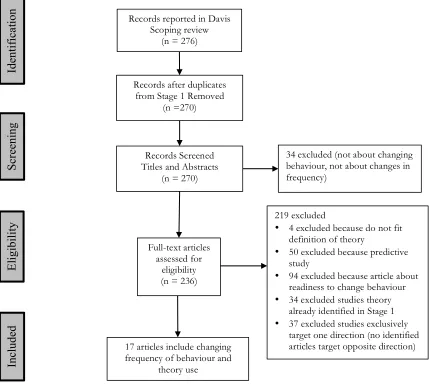
FIGURE 3:FLOW DIAGRAM ADAPTED FROM PRISMA FOR THE IDENTIFICATION OF STUDY RECORDS FOR STAGE 1 .... 44
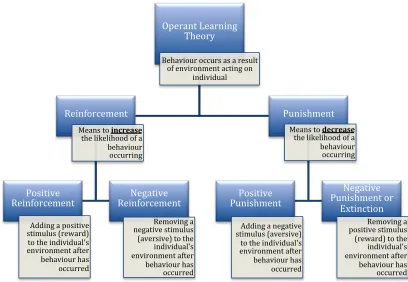
FIGURE 4:FLOW DIAGRAM ADAPTED FROM PRISMA FOR IDENTIFICATION OF ARTICLES FROM SCOPING REVIEW ... 48 FIGURE 5:OPERANT LEARNING THEORY AND CONSTRUCTS PROPOSED TO INCREASE AND DECREASE THE FREQUENCY
OF BEHAVIOUR ... 59
FIGURE 6:FLOW DIAGRAM ADAPTED FROM PRISMA TO IDENTIFY ARTICLES FROM FOUR EPOCSYSTEMATIC REVIEWS FOR BCTCODING ... 127
FIGURE 7:AUDIT AND FEEDBACK SR-PERCENTAGE FREQUENCY OF BCTS REPORTED IN THE IMPLEMENTATION (N =
59) AND DE-IMPLEMENTATION (N =26)INTERVENTIONS ... 131
FIGURE 8:ANTIBIOTIC PRESCRIBING SR-PERCENTAGE FREQUENCY OF BCTS REPORTED IN IMPLEMENTATION (N =8) AND DE-IMPLEMENTATION (N =60)INTERVENTIONS ... 132 FIGURE 9:IMAGE ORDERING SR-PERCENTAGE FREQUENCY OF BCTS REPORTED IN IMPLEMENTATION (N=14) AND
DE-IMPLEMENTATION (N =12)INTERVENTIONS ... 133
FIGURE 10:BCTS IDENTIFIED IN IMPLEMENTATION AND DE-IMPLEMENTATION INTERVENTIONS FROM AUDIT AND
FEEDBACK REVIEW -RANKED BY FREQUENCY ... 136
FIGURE 11:BCTS IDENTIFIED IN IMPLEMENTATION AND DE-IMPLEMENTATION INTERVENTIONS FROM ANTIBIOTIC
PRESCRIBING REVIEW -RANKED BY FREQUENCY ... 137 FIGURE 12:BCTS IDENTIFIED IN IMPLEMENTATION AND DE-IMPLEMENTATION INTERVENTIONS FROM THE IMAGING
ORDERING REVIEW -RANKED BY FREQUENCY ... 138 FIGURE 13:COMPARISON OF BCTS IN IMPLEMENTATION AND DE-IMPLEMENTATION INTERVENTIONS AT THE CLUSTER
LEVEL ... 139
FIGURE 14:FLOW CHART ILLUSTRATING THE PROPOSED RESEARCH QUESTIONS, OBJECTIVES AND METHODS OF THESIS
BOX 1:KEY FEATURES OF CRITICAL INTERPRETIVE SYNTHESIS (CIS) ... 36
BOX 2:SAMPLE OF INFORMATION PROVIDED IN THE BCTTAXONOMY (V1) FOR THE BCT 'GOALSETTING
(BEHAVIOUR)'.SCREEN SHOT FROM THE TAXONOMY DOCUMENTS [58] ... 117
APPENDIX A:CONCEPTUAL FRAMEWORK FOR LITERATURE SEARCH ... 178
APPENDIX B:SEARCH TERMS USED IN CIS-STAGE 1 ... 179
APPENDIX C:DATA EXTRACTION FOR ARTICLES FROM STAGE 1 AND STAGE 2–CISSTUDY ... 181
APPENDIX D:THEORY DESCRIPTIONS REPORTED TO THEORISE STRATEGIES FOR CHANGING FREQUENCY OF BEHAVIOUR ... 182
APPENDIX E:DATA EXTRACTION FROM INTERVENTION ARTICLES THAT REPORTED IMPLEMENTATION AND DE -IMPLEMENTATION INTERVENTIONS ... 185
APPENDIX F:BCTTAXONOMY VERSION 1 RESOURCE USED TO GUIDE CODING OF INTERVENTION DESCRIPTION FROM MICHIE ET AL.[58] ... 186
APPENDIX G:LIST OF EXCLUDED EPOCSYSTEMATIC REVIEWS ... 206
APPENDIX H:LIST OF INTERVENTIONS ARTICLES EXCLUDED FROM BCTCODING ... 209
APPENDIX I:INTERVENTION ARTICLES TARGETING MULTIPLE BEHAVIOURS IN BOTH DIRECTIONS ... 212
APPENDIX J:CHARACTERISTICS OF INCLUDED INTERVENTION ARTICLES FOR BCTCODING ... 213
APPENDIX K:SAMPLE OF BCTCODING OF INTERVENTION DESCRIPTION ... 228
APPENDIX L:STUDIES WITH NO BCTSIDENTIFIED IN THE INTERVENTION DESCRIPTION ... 229
APPENDIX M:BCTS IDENTIFIED ON IMPLEMENTATION INTERVENTIONS (N =82) ... 230
There’s a saying, ‘It takes a village to raise a child.’ Apparently, for me, it takes two countries, three cities and an ocean of people to support me in the adventure of my PhD. With deepest gratitude, I thank all those who, through this journey, have been my mentors, my friends, cheerleaders and shoulders on which to cry, commiserate, laugh and celebrate.
First and foremost, I must thank my supervisors: Professor Jill Francis, Dr. Catherine Hurt and Professor Jeremy Grimshaw. The impact of your belief in me over the years is immeasurable. I have become a better health psychology researcher because of your guidance and support. Jill, we started at City together and I like to think we supported each another in those early days (although you likely got the heavier load). I will forever be grateful for what you’ve taught me. You are an amazing person and mentor. I’m so happy to have worked with you over the years and I hope to continue as colleagues and friends. Catherine, thank you for being that person I went to when I needed a friend in those initial days and weeks at City. Your insight into moving to London made me feel like I wasn’t alone. Your perspective was so valuable because you kept me grounded and focussed on the task at hand. I’d be so far down the rabbit hole if you weren’t there to pull me back out. Jeremy, I wouldn’t have started this journey if I hadn’t had you in my corner believing that I could do this. Your faith in me is something I will never take for granted. The support you’ve provided and opportunities you’ve given me have been amazing. I am endlessly grateful to all of you for your time, patience and encouragement. It has been a genuine privilege to work with such great researchers and mentors. I am honoured to have had you as my supervisors.
and encouragement to continue on. To Professors Brenda Wilson and Dawn Stacey, who became mentors and supporters, rather serendipitously, thank you for your encouragement and so much advice! To my cousin Heather, who agreed to proofread this mammoth without even seeing it; Brave woman! To my best friends Tina and John B, thanks for letting me crash every time I was home. And thanks for being my best friend and not letting me die on the train to see Peter Gabriel at Wembley. You don’t have to build the Joey apartment over the garage now. To my
Newfoundland, Alberta and Finland family, I love you guys and want you to know that your continuing support and cheering did not go unnoticed. Ian, Matthew and Stephan, I hope you’re proud of your bratty little sister.
Finally, I would like to thank my parents, Elizabeth and Philip, who always told me as long as I tried my best they were proud of what I’d done. Without your endless love, support and
The following work was carried out at the Centre for Health Services Research, School of
Health Sciences at City, University of London under the supervision of Professor Jill
Francis and Dr. Catherine Hurt, with Professor Jeremy Grimshaw (external supervisor).
Some of the results from this thesis have been presented at The UK Society of
Behavioural Medicine Conference (2013) and Knowledge Translation Canada Annual
Scientific Conference (2014).
This thesis is my own work and contains nothing that is the outcome of work done in
collaboration with others, except as specified above. Any auxiliary support is noted in the
acknowledgements. Correspondence concerning this thesis should be addressed to Andrea
Patey, [email protected].
Signed: ……… Date: 29/09/2016
Background: The process of decreasing ineffective or harmful healthcare
(de-implementation) may require different approaches than those used to promote uptake of new procedures (implementation) but research into different approaches is currently lacking. It has not been determined if there is a theoretical and evidence-based rationale for designing different interventions for implementation and de-implementation.
Objectives: The objectives of this thesis were to: 1) Investigate whether there is a theoretical basis for identifying different mechanisms of change by which behaviour might increase versus decrease; 2) Assess whether predictors of health professional behaviour differ depending on whether behaviour was one clinicians should implement or behaviours clinicians should de-implement; and 3) Identify the Behaviour Change
Techniques of published implementation and de-implementation interventions to
determine if there is a difference between the techniques reported in these interventions.
Methods: Study 1 used Critical Interpretive Synthesis to investigate whether a theoretical
rationale exists for identifying different mechanisms of change by which interventions may work for implementation and de-implementation. Study 2 investigated whether the theoretical constructs commonly used to predict health professional behaviour differ based on whether the behaviours should be implemented or de-implemented. It was an exploratory study involving secondary analysis on 13 existing questionnaire datasets from a variety of healthcare professional groups in primary care settings in the United Kingdom and Canada. Study 3 involved the classification and frequency of Behaviour Change Techniques in implementation and de-implementation interventions from selected Cochrane Effective Practice and Organisation of Care systematic reviews. Findings from these three studies were interpreted using the concurrent triangulation approach to report on the key findings.
Results: Operant Learning Theory (OLT) proposes different approaches to increasing and
decreasing behaviour changes and therefore implementation and de-implementation interventions (Studies 1 & 3), despite a number of commonly used theories being poor predictors of behaviours for implementation and de-implementation (Study 2).
Additionally, whilst the range of techniques was limited, the technique Behaviour substitution was frequently used to decrease health professionals’ behaviours (Study 3) and also identified as a strategy commonly used to decrease behaviour in general (Study 1).
Conclusion: Whilst the findings suggest that OLT may be promising in developing
A
ABA - Applied Behavioural Analysis ... 62
B BCT Taxonomy (v1) - Behaviour Change Techniques Taxonomy (version 1) ... 22
BCTs - Behaviour Change Techniques ... 22
BMI - Body Mass Index ... 78
BMJ - British Medical Journal ... 18
C CALO-RE - Coventry, Aberdeen, & London - Refined ... 116
CanPrime - Canada PRIME ... 77
CIS - Critical Interpretive Synthesis ... 29
D DRI - Differential reinforcement of an Incompatible Behaviour ... 68
DT - Deterrent Theory ... 54
DVM - Disconnected Values Model ... 51
E EMR - Electronic Medical Records ... 123
EPOC - Effective Practice and Organisation of Care ... 31
H HAPA - Health Action Process Approach ... 54
HbA1c - Haemoglobin A1c ... 78
HBM - Health Belief Model ... 52
HCPs - Healthcare Professionals ... 17
I II - Implementation Intention ... 51
IMB - Information Motivation Behaviour ... 49
IQuaD - Improving QUAlity for care in Diabetes ... 77
N NICE - National Institute of Health and Care Excellence ... 18
O OLT - Operant Learning Theory ... 50
P PBC - Perceived Behavioural Control ... 79
PMT - Protection Motivation Theory ... 54
PRIME - PRocess modelling in ImpleMEntation ... 76
S SCT - Social Cognitive Theory ... 51
SRHI - Self Report Habit Index ... 78
T TDF - Theoretical Domains Framework ... 171
TIDieR - Template for Intervention Description and Replication ... 142
TPB - Theory Of Planned Behaviour ... 52
U UK - United Kingdom ... 18
1.0
Introduction
Clinical practice guidelines recommend ways for healthcare professionals (HCPs) to
improve the quality of care patients receive. These guidelines typically advise HCPs to
increase actions that the evidence suggests will lead to better patient outcomes (e.g. beta
blocker prescription for patients with congestive heart failure [1, 2] or using intermittent
auscultation for fetal surveillance of healthy women in labour [3, 4]). These guidelines
can also advise HCPs to reduce actions that evidence suggests are ineffective or harmful
(e.g. lumbar spine imaging for patients with acute low back pain [5, 6] or routine
electrocardiograph ordering for healthy patients undergoing low risk surgical procedures
[7, 8]). However, recommendations are often difficult to put into practice when they run
counter to established patterns of behaviour or professional norms, resulting in a gap
between the best practice evidence and the care provided by health professionals.
Poor quality care can arise from either doing too much (unnecessary tests, medications
and procedures) or doing too little (not providing diagnostic tests or certain medications)
[9]. Schuster et al. reported that, in the United States, only 50% of patients receive the
required recommended care, whilst 25% receive contraindicated care [9]. This finding has
been replicated many times in several health systems [10, 11]. It is, unfortunately, a robust
finding (see Figure 1). In other words, sometimes clinicians do some things less often than
they should and at other times they do things more often than they should. Although
progress has been made to improve this care gap, there remains much scope for
improvement. As healthcare is provided in complex organisations by individual healthcare
Figure 1: Percentage of Patients who Receive Appropriate Care Through Action or Non-Action of Healthcare Professionals
Research has demonstrated that complex interventions can work to improve the uptake of
evidence-based guidelines into practice, bridging the aforementioned evidence-practice
gap and resulting in marked improvement in quality of care [12, 13]. However, the
effectiveness of HCP behaviour change interventions is variable and there is a poor
understanding of the reasons for this variability [14-16]. Interventions that require
clinicians do some things less often (de-implementation) or at other times do things more
often (implementation) will likely encounter the same challenges to change HCP
behaviours as other complex interventions.
It has been argued recently that to improve the effectiveness of the behaviour change
interventions, de-implementation interventions may require different approaches than
those used in implementation interventions [17-19]. In the United Kingdom (UK), the
National Institute of Health and Care Excellence (NICE) compiled a database of 2000
recommendations identifying clinical practices that should be discontinued or not
routinely used [20]. As well, the British Medical Journal’s (BMJ) Too Much Medicine
campaign highlighted that overdiagnosis and waste of resources on unnecessary care can
0 10 20 30 40 50 60 70 80 90 100
Non - Action Action
Appropriate care
unnecessary tests, diagnoses and treatments (i.e. de-implementation) will benefit patients
who directly avoid harm and help create a more sustainable healthcare system [21].
Projects such as Choosing Wisely, an international campaign currently in the UK, United
States, Canada and Australia, which aims to reduce overuse, waste and potential harm to
patients, have noted the importance of addressing de-implementation strategies to improve
the care patients receive whilst eliminating wasteful spending [22-24]. There has been
increasing policy interest in de-implementation with programmes such as the Choosing
Wisely campaign and the NICE ‘Do not do’ recommendations; but there has been
relatively little work done to understand and address what it means to de-implement. As
focus switches to the issue, it raises the question of whether the approaches to implement
and de-implement are similar or distinct. Currently, the literature appears to lack clear
guidance about what those approaches should be [17, 18].
This thesis addresses this issue by reporting a novel investigation from theoretical and
empirical perspectives into whether distinctions exist between implementation and
de-implementation interventions. Findings from this research will add knowledge about
whether implementation and de-implementation are different that is currently lacking and
may improve the design of these interventions, resulting in more effective interventions to
change behaviour.
1.1
Using theory to understand, predict and change health professional
behaviour
There is growing interest in the role of behavioural theories to help explain HCPs’
[27-design interventions that target the factors impeding the appropriate behaviour from being
performed [26, 31, 32]. The application of theory to intervention development has
explored mediating pathways and moderators of behaviour change to better explain how
the interventions work to change behaviour [33-35].
Selecting which theories to apply to HCP behaviour change interventions required a
robust rationale and justification. Walker and colleagues provide four recommendations
for selecting theories to predict health care professional behaviours [31]. The
recommendations are that the theories: (1) have been rigorously tested in other settings;
(2) explain behaviour in term of factors that are amenable to change; (3) include
non-volitional components which are factors that individuals do not have complete control
over, but which impact behaviour (e.g. organisational barriers and facilitators on their
behaviour); and (4) include both motivational and action theories [31, 36]. Motivational
theories propose that motivation determines behaviour and, for that reason, the best
predictors of behaviour are motivating factors; the most prominent factor is intention.
Action theories may include motivational elements, but also elements that attempt to
understand the ‘gap’ between intention and behaviour when individuals are motivated to
change [37] or attempt to understand and explain behaviour without any link to intention
[38]. The four recommendations for selecting theories have been applied in various
clinical settings with marked success [31, 39-42].
Interventions based on theory may be more effective than interventions that have no
theoretical foundation [12, 35, 43-45]. The Medical Research Council in the UK have
recommended, as part of their Framework for Developing and Evaluating Complex
purely empirical or pragmatic approach [12, 26]. The inclusion of theory during the
intervention design stage may help explain what changes are expected, and how change is
proposed to occur. The Framework proposes that ‘a vitally important early task is to
develop a theoretical understanding of the likely process of change, by drawing on
existing evidence and theory, supplemented if necessary by new primary research, for
example interviews with ‘stakeholders’, i.e. those targeted by the intervention, or involved
in its development or delivery’ [12] (pg. 9). In the absence of a theoretical underpinning, it may be difficult to interpret positive or negative effects of interventions or the failure of an intervention to bring about change [26].
In recent decades, there have been a number of studies examining the application of
psychological theories to understand and predict behaviour in health professionals [26, 39,
41, 43, 46]. However, researchers have applied only a single theory or small number of
theories within each study. A number of studies report the application of only one or two
theories [47-50]. The PRIME study [31], however, applied an unprecedented six theories
(Theory of Planned Behaviour [51], Social Cognitive Theory [52], Operant Learning
Theory [38], Implementation Intention [53], Common Sense Self-regulation Model [54]
and Stages of Change [55]). Nevertheless, the number of theories applied was still limited
in comparison to the number available and not applied. For example, a scoping review
identified 83 theories of behaviour and behaviour change that could be applied to
intervention design [56]. Identifying the best theory to understand and predict behaviours
clinicians should do (or implement) or behaviour clinicians should avoid doing (or
of the included Randomised Controlled Trials; a smaller percentage (9%) reported using
theory to inform development of the intervention [57]. If the key determinants of the
behaviour under question are not represented by the constructs in the applied theories,
researchers may continue to design implementation and de-implementation interventions
that do not target the appropriate factors, resulting in ineffective interventions.
1.2
Designing interventions to change health professional behaviour
One potential problem with using theory to identify factors that influence HCP behaviour
is that some theories, whilst effective in explaining behaviour or behaviour change, do not
propose techniques that are likely to be effective in achieving behaviour change.
Transitioning from predicting or explaining behaviour change to intervention
development is difficult.
One research group has developed a taxonomy of behaviour change techniques in an
attempt to provide researchers with a comprehensive hierarchical list of techniques with
definitions and examples, from which intervention components may be selected [58]. The
Behaviour Change Technique Taxonomy (version 1) (BCT Taxonomy (v1)) lists, defines
and groups behaviour change techniques (BCTs) which are defined as ‘observable,
replicable and irreducible components of an intervention designed to alter or redirect
processes that regulate behaviour; that is, a technique is proposed to be an “active
ingredient”.’ (pg. 82) [58]. Whilst not explicitly grounded in theory, the BCT Taxonomy
(v1) have been linked back to behaviour theories [59, 60], aiding the design of
theory-based interventions. In addition, the standard definitions and labels for intervention
components such as the BCT Taxonomy (v1) may eliminate the lack of uncertainty and
reports are poor. This taxonomy has proved useful in assisting implementation researchers
to select techniques for HCP behaviour change interventions that are likely to be effective
in achieving behaviour change [34, 61-63]. However, the use of the taxonomy is limited
in intervention reporting and there exists opportunity for improvement [61, 64-66].
1.3
Are implementation and de-implementation different?
The science of behaviour change has recently been informed by (i) the development of
theory-informed methods for identifying factors that influence change and selecting
techniques to address these factors [32, 67-71]; (ii) guidance about procedures to use
when designing behaviour change interventions [58, 63, 72]; and (iii) guidance about
interventions at a broader level [12]. In these materials, no guidance or recommendations
are provided to design interventions based on a distinction between supporting people to
do more of some things (i.e. implementation) and supporting them to do less of others (i.e.
de-implementation) [12, 32, 73]. For example, researchers have noted de-implementation
will likely involve different approaches than those used to promote people to do more of
some things, but there is little evidence to support this notion [17, 18]. It is unknown
whether or not this is the case, suggesting an investigation into whether implementation
and de-implementation approaches should differ is imperative.
Sub-disciplines and fields of study within psychology have proposed that there may be
distinct mechanisms involved in increasing versus decreasing the frequency of behaviour.
However, as noted above, these distinctions have not been applied in healthcare practice.
propose distinctions between increasing versus decreasing the frequency of behaviour and
are discussed below.
Cognitive psychology research has reported that decisions to act followed by a negative
outcome produce more regret (action regret) than decisions to refrain from acting
followed by a negative outcome (inaction regret) in the short term [74]. However,
inactions give rise to more intense regret over time [74-76]. This suggests that there are
temporal asymmetries in the emotional consequences of negative outcomes that were
associated with the direction of behaviour change. Directly after an outcome, actions are
noticeable and more likely to be internally acknowledged than are inactions [77].
However, these perceptions of responsibility may change. When people think back upon
actions which resulted in bad outcomes, they may think ‘At least I tried; it was all I could
do,’ and possibly reduce the sense of responsibility from the bad outcome [74, 76]. This
may be particularly important for changing the behaviour of healthcare professionals. The
potential negative outcomes from de-implementation interventions (inaction; e.g. not to
prescribe unnecessary drugs) may be associated with greater regret than the potential
negative outcomes from implementation (action; e.g. to order Bone Mineral Density scans
for patients over 50 year of age with a fracture). Negative outcomes in healthcare can be
life threatening to the patient. The perception that healthcare professionals ‘did nothing’
(inaction) may be associated with greater regret if the consequences are negative than if it
is perceived that health professionals did ‘everything they could’ (action).
Behavioural Modification approaches have used distinct strategies to change behaviour
depending on the direction of change [78, 79]. Behaviour Modification is an approach to
changes in behaviour [80] and applies behaviour change principles from a number of
learning theories [38, 52]. Behaviour Modification experts focus on the observable
relationship of behaviour to the environment and propose that behaviour is modified
through the use of perceived or tangible consequences. In addition, educators use
principles of psychology to manage classroom behaviour by discouraging disruptive
student actions (e.g. detention for bad behaviour) and encouraging good classroom
behaviour (e.g. rewards based on good behaviour). Like the strategies in Behaviour
Modification, the principles for classroom management differ depending on the direction
of desired change. However, it is unclear whether the same principles will inform
implementation and de-implementation for HCP behaviours with the same effectiveness.
Whether implementation and de-implementation are theoretically and empirically
different requires investigation into whether two kinds of behaviour change (increasing
the frequency of performing an action or decreasing the frequency of performing an
action) involve different underlying process of change and therefore require different
approaches to intervention.
Despite the previously mentioned advancements of behaviour theories to the area of HCP
behaviour change, investigation into whether theories differentiate between behaviour for
implementation versus behaviour for de-implementation is limited or absent [12, 16, 35,
81, 82]. If certain psychology theories explain and predict behaviours that should be
implemented differently than those that should be de-implemented, then these theories
respectively. Investigating whether different BCTs are used for implementation or
de-implementation may help determine whether researchers are already doing this, without
explicitly reporting the differences in implementation and de-implementation intervention
design. However, if there is no difference in the way implementation and
de-implementation interventions are designed (i.e. the BCTs that are used) then different
approaches may need to be considered and further investigation may be required to
determine what those approaches should be.
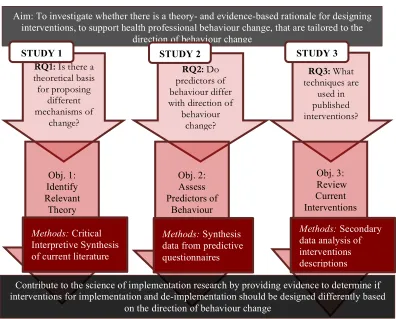
In summary, this research project investigates from both a theoretical and empirical
perspectives whether implementation and de-implementation interventions should be
designed differently. Figure 2 illustrates the research questions and objectives, which are
[image:26.595.100.496.408.727.2]briefly described below.
Figure 2: Diagram for Research Project with Questions, Objectives and Methods RQ2: Do
predictors of behaviour differ with direction of
behaviour change?
RQ3: What techniques are
used in published interventions?
Obj. 2: Assess Predictors of
Behaviour
Aim: To investigate whether there is a theory- and evidence-based rationale for designing interventions, to support health professional behaviour change, that are tailored to the
direction of behaviour change
Obj. 3: Review
Current Interventions
RQ1: Is there a theoretical basis for proposing
different mechanisms of
change?
Obj. 1: Identify Relevant
Theory
STUDY 1 STUDY 2 STUDY 3
Contribute to the science of implementation research by providing evidence to determine if interventions for implementation and de-implementation should be designed differently based
on the direction of behaviour change Methods: Critical
Interpretive Synthesis of current literature
Methods: Synthesis data from predictive questionnaires
1.4
Research aim and objectives
The overall aim of this research is to investigate whether there is a theory- and
evidence-based rationale for designing different HCP behaviour change interventions for
implementation and de-implementation.
The specific objectives are to:
1) Investigate whether there is a theoretical basis for identifying different
mechanisms of change by which behaviour might increase versus decrease;
2) Assess whether predictors of health professional behaviour differ depending on
the direction of the target behaviour change;
3) Identify the content (i.e. behaviour change techniques) of published
implementation and de-implementation interventions and determine if different
techniques are used in the interventions.
1.4.1 Research questions
To address the overarching aim and subsequent objectives, the specific research questions
were:
1) Do the behavioural theories reported in published literature propose different
mechanisms of change for increasing and decreasing behavioural frequency?
2) Are the theoretical predictors of health professional behaviour from a number
of commonly applied theories different in predicting behaviours for
3) Are there different BCTs used in implementation and de-implementation
interventions and are certain techniques used more prevalently in
implementation or de-implementation interventions?
1.5
Methodological approach
In order to comprehensively investigate the overall objective, a mixed methods approach
was utilised. The purpose of this form of research is that both qualitative and quantitative
research, in combination, provide a better understanding of a research problem or issue
than either research approach alone [83]. A triangulation mixed methods design was used,
in which different, but complementary, data were collected on the same topic. In this
study, qualitative data from a Critical Interpretive Synthesis explored if and how
behaviour theories differentiate between increasing and decreasing behaviour. Concurrent
with this data collection, questionnaire data from predictive studies of HCP behaviour
change were used to identify theories that best predict behaviours for implementation
versus behaviour for de-implementation. As well, descriptive and frequency count data
from intervention descriptions will inform whether different BCTs are reported in
implementation and de-implementation interventions. The reasons for collecting both
quantitative and qualitative data are to bring together the strengths of both forms of
research to compare results and determine if implementation and de-implementation
interventions should be designed differently.
Whilst each objective is addressed in studies described in this thesis, the findings from the
three studies were compared and interpretations of the similarities and difference are
reported. Each chapter presents a Methods section because the studies, whilst part of the
overview of the studies, along with the research objective and a rationale for the methods
used in each, are presented below.
1.5.1 Study 1: Do behavioural theories differentiate between behaviours for implementation or de-implementation? A Critical Interpretive
Synthesis
Study 1, reported in Chapter 2, reviewed published literature to investigate whether there
is a theoretical basis for identifying different mechanisms of change by which behaviour
might be implemented (i.e. increased) versus de-implemented (i.e. decreased).This study
used Critical Interpretive Synthesis (CIS) methods [84].
Systematic methods of review have been developed to synthesize the findings of studies
that address questions about the effectiveness of interventions. The question addressed in
this review was not about the effectiveness of an intervention. Rather, its purpose was to
identify theories that distinguish different mechanisms of change for behaviours involved
in implementation or de-implementation. Therefore standard systematic review methods
would unlikely be the best method to synthesize the evidence. Review methods should be
selected to address the question being asked and the type of data analysis reported in
relevant literature [85].
Two categories of reviews, aggregative and configurative / interpretative reviews have
been identified [85-87]. Aggregative reviews are typically concerned with using
predefined concepts and then testing these concepts using predefined methods [85].
studies and there is an attempt to be exhaustive in the search for relevant studies and data.
Configurative or interpretative reviews are more exploratory than aggregative reviews and
specific methods are adapted and selected iteratively as the research proceeds [84, 85].
Methods for interpretative reviews, such as Critical Interpretive Synthesis (CIS), aim to
find sufficient cases to explore patterns evident in the literature whilst not necessarily
attempting to be exhaustive in their searching. These reviews typically focus on
identifying signals in the data provided by heterogeneity of the data [84, 85, 88]. CIS
reviews attempt to answer questions regarding theory interpretation from the conceptual
literature [89, 90].
The aim of Study 1 was to identify whether behavioural theories propose different
mechanisms of change by which implementation or de-implementation may be achieved.
This review combined diverse study types with both qualitative and quantitative data and
a variety of research designs. This allowed for the inclusion of multi-disciplinary and
multi-method evidence, enriching the concepts and theoretical perspectives available for
synthesis. By using CIS as the primary approach to analysis, Chapter 2 reports this
broadly based search of the literature to investigate whether a theoretical rationale has
been proposed for identifying different mechanisms of change by which interventions
may work for implementation and de-implementation.
1.5.2 Study 2: Do theoretical predictors of behaviour differ for increasing versus decreasing frequency of behaviour? An exploratory study
Study 2, reported in Chapter 3, investigated whether the constructs within a number of
theories commonly used to predict health professional behaviour differ based on
increasing or decreasing behaviour. This chapter describes an exploratory study in which
samples of healthcare professionals (family physicians, general practitioners, nurses and
dentists) in primary care settings in the UK and Canada.
Access to pre-existing data in which multiple theories have been evaluated in the same
clinical settings provided an opportunity to investigate the objective on a larger scale.
These studies also targeted changing behaviours HCPs should do (or implement) and
behaviour HCP should avoid doing (or de-implement); therefore the same theories and
subsequent constructs were tested across the behaviour regardless the direction of change.
For these reasons, it was proposed that the datasets would be similar enough to allow for
comparison of the predictability of the constructs, but contain diversity in professions and
country to potentially generalise the findings to other settings.
1.5.3 Study 3: Are the contents of implementation and de-implementation interventions different? An investigation into the frequency of
Behaviour Change Techniques (BCTs) in reported interventions
Study 3, reported in Chapter 4, describes the classification and frequency of Behaviour
Change Techniques [58] in implementation and de-implementation interventions from
selected Cochrane Effective Practice and Organisation of Care (EPOC) systematic
reviews [91]. As part of the EPOC Cochrane library these interventions specifically target
health professional behaviour change to improve patient care and subsequent healthcare
outcomes, and have been rigorously evaluated in the individual systematic reviews. Study
3 involved: 1) classifying interventions as implementation and de-implementation; 2)
coding the intervention descriptions according to the behaviour change techniques (BCTs)
As previously mentioned in this chapter, the BCT Taxonomy (v1) contains a
comprehensive list of BCTs which are defined as ‘observable, replicable and irreducible
components of an intervention designed to alter or redirect processes that regulate
behaviour; that is, a technique is proposed to be an “active ingredient” (pg. 82) [58]. This
chapter reports whether BCTs used for implementation differ from those used for
de-implementation and identifies the prevalence of those BCTs in the interventions.
1.6
Interpretation of findings
Chapter 5 summarises the research conducted and the findings reported in the previous
chapters and presents the interpretation of the findings as they relate to the overall aim of
the thesis. Should the evidence clearly indicate whether the theoretical and empirical
distinctions exist, recommendations for possible improvements to intervention design will
be provided. However, should the evidence be inconclusive, recommendations for further
investigations will be proposed. Implications and recommendations for further research
CHAPTER 2
Do behavioural theories differentiate between
behaviours for implementation or
2.0
Introduction
The emergence of the term ‘de-implementation’ in health service literature suggests that
implementation researchers could usefully consider whether different approaches are
required when implementing or de-implementing specific healthcare practices [17-19,
92-94]. Interventions to translate evidence into practice can be effective with the application
of behavioural approaches [25, 26]. Evidence and theory from behavioural science have
informed methods for identifying factors that explain and influence behaviour; selection
of techniques to address the barriers; and guidance about reporting behaviour change
interventions [32, 58]. However, it is unclear to what extent theories from behavioural
sciences propose that different approaches should be used for implementation and
de-implementation. This study reviewed published literature to investigate whether theories
of behaviour differentiate between the process involved in implementation and
de-implementation.
The terms implementation and de-implementation are broadly defined within the
healthcare field. The National Institute of Health, at the 2007 conference on
Dissemination and Implementation, defined implementation as ‘the use of strategies to
introduce or change evidence-based health interventions within specific settings’[95],
although McKibbon and colleagues identified 27 definitions of implementation [96].
De-implementation was defined as ‘the abandonment of medical interventions or divesting
from ineffective and harmful medical practices’ [19]. Implementation and
de-implementation can occur at any level within the healthcare system: the individual health
professional; health care groups or teams; organisations providing health care; and the
larger healthcare system [36]. The end-point, however, is changing what health
mean either doing some things more often (i.e. increasing the frequency with which a
behaviour is performed; e.g. using intermittent auscultation for healthy women in labour)
or doing some things less often (i.e. decreasing the frequency with which a behaviour is
performed; e.g. ordering X-rays for acute uncomplicated low back pain) [9-11]. For the
purpose of this review, a behavioural perspective at the health professional level was
taken and examined implementation and de-implementation as a change in behaviour
frequency of those individuals. Specifically, implementation was defined as an increase in
the frequency of an appropriate (evidence-based) behaviour and de-implementation as a
decrease in the frequency of inappropriate (non-evidence-based) behaviour.
Disciplines outside of healthcare practice also require implementation and
de-implementation strategies and the idea of increasing or decreasing the frequency of
behaviour is relevant in other contexts. For example, facilitating people to reduce or stop
harmful behaviour (e.g. stopping smoking or drug abuse) and to increase the performance
of beneficial behaviours (e.g. increasing physical activity or condom use) are challenges
encountered in health promotion and public health. Similarly, educators manage
classroom behaviour by discouraging disruptive student actions and encouraging good
classroom behaviour. Research in business and industry has examined strategies to reduce
high-cost behaviours of employees and increase productive behaviours to improve profit
margins. In yet another field, neurobiology, work has investigated different neurological
2.1
Research aims
The aims of this literature review were to explore (1) whether behavioural theories
differentiate between behaviours for implementation and de-implementation and (2) how
theory can inform processes underlying implementation and de-implementation.
2.2
Methods
A Critical Interpretative Synthesis (CIS) [84] was conducted, which is an iterative
approach to searching, sampling, extraction and analysis. CIS involves synthesis of a
diverse and complex body of literature using interpretation, critique and insight to guide
the development of a theoretical rationale about a research question [99]. The CIS
approach has been used to explore a number of research topics, such as how contexts
influence the use of policy, experiences of healthcare service users and experiences of
people participating in research at the end of life [99-102]. The objective of CIS method
was to reach theoretical saturation through sampling heterogeneous perspectives and
studies rather than identifying every relevant publication. The methods used in this study,
based on the CIS approach, are provided in Box 1 and reported below.
The identification of articles and theories occurred in three stages. In Stage 1, an explicit
and structured electronic search was used, similar to a traditional systematic review, to
identify articles that had likely used behavioural theories to increase and decrease
frequency of behaviour. The Stage 2 process identified the descriptive theoretical papers
cited in the papers identified through Stage 1. The search strategy for Stage 1 was
designed to maximize specificity rather than sensitivity. Therefore, a validation of the list
Theories identified in Stage 2 were comparedwith theories reported in a recent theoretical
review that purport to be inclusive of theories of behaviour and behaviour change [56].
Box 1: Key Features of Critical Interpretive Synthesis (CIS) Box 1: Key features of Critical Interpretive Synthesis (CIS) Standard Guidance for CIS as reported by
Dixon-Woods CIS principles as modified and applied to the current study
Purpose
To answer a question by drawing on broadly relevant literature to develop concepts and theories and integrate those concepts. The initial question may be refined as the review progresses.
To investigate whether theory used to change behaviour differentiates conceptually between increasing and decreasing frequency of behaviour.
Process
Iterative, interactive, dynamic and recursive process that is also flexible and reflexible. Searching, sampling, critique and analysis can happen concurrently.
Process initially more closely followed traditional systematic review, but some of the sampling, critique and analysis were conducted concurrently.
Search Strategy
Formal bibliographic search may feature, but may also use research team’s awareness of relevant literature from various files and sources. Strategy may evolve organically.
Search occurred in two stages In Stage1 formal bibliographic search was the foundation of the search strategy. However, research team identified key articles not identified in search. In Stage 2, theory papers were identified through those articles retrieved in Stage 1.
Sampling
May be selective and purposive (not necessarily aimed at comprehensive identification and inclusion of all relevant literature). Inclusion criteria may be flexible and emergent. Reflexivity informs sampling. On-going selection is informed by emerging theoretical framework.
Search occurred in two stages: inclusion and exclusion criteria for Stage 1 were more structured and defined prior to search. Purposive sampling of articles and other resources for Stage 2 was for theory papers identified by the articles in the formal search, to better understand the theories and constructs.
Quality Appraisal
Some formal appraisal of methodological quality may be appropriate, but judgements about the credibility and contribution of studies may be deferred until synthesis.
Quality of the studies was not a component of this study because this was not an investigation of the effectiveness of theory use, but whether theories distinguish between increasing and decreasing behaviour. The objects of critical interpretation were the theories identified, rather than the articles identified in the formal bibliographic search.
Data analysis
Inductive – aims toward the development of a synthesizing argument. Analysis involves interrogation rather than aggregation of concepts and themes. Formal data extraction may be useful but not essential.
Formal data extraction occurred in the articles identified in Stage 1. Analysis involved the interrogation of the theoretical concepts that the articles reported were used to change behaviour and the articles that reported theory development.
Findings & Results
Generation of synthesizing argument linking existing constructs from the findings to synthetic constructs (new constructs generated through synthesis). This network of relationship and categories are submitted to rigorous scrutiny as the review progresses.
Synthesizing argument that linked theories applied to increasing and/or decreasing frequency of behaviour. Relationship between theoretical constructs and direction of behaviour change was scrutinized. No new constructs were generated, but new distinctions were made (between increasing and decreasing behaviour frequency).
Discussion
Offers a theoretically sound and useful account that has explanatory power and is demonstrably grounded in the evidence. Explicitly
acknowledges the ‘authorial voice’
2.2.1 Stage 1: Identification of study articles
Identification of study articles followed traditional systematic review methods and are
detailed below. Research fields that may report the application of behavioural theories to
increasing and/or decreasing the frequency of behaviours, including the fields of
psychology, health and medical sciences, education, business and marketing, law, and
neurobiology were explored.
2.2.1.1 Inclusion/exclusion criteria
The inclusion criteria aimed to identify any articles in the electronic search that reported
the use of theory to explain changes in behaviour frequency. Specifically, the inclusion
criteria were:
1. Behaviour change was reported or discussed;
2. Changes in behaviour were described as a change in frequency, either increasing
(doing things more often) and/or decreasing (doing things less often or not at all);
3. Types of articles included were: (1) reports of intervention studies in which theory
was used to inform the development of the intervention, (2) review articles in
which authors systematically reviewed the use of theory to alter behaviour
frequency, (3) discussion papers that evaluated theories of behaviour change, (4)
descriptive papers in which the development or original principles of the theory
was described by the original theorists;
4. The authors explicitly explained how the theory was used to change the frequency
Papers that reported non-human or predictive behavioural studies that explained variance
in scores for behavioural performance were excluded. Studies that involved behaviour
change with participants with psychological pathologies such as bipolar disorder and
schizophrenia or used pharmacological intervention studies were also excluded. Articles
were excluded if they reported scale development studies, measurement or programme
development studies, or focussed on mental health interventions in which emotions, rather
than behaviours, were measured. Articles that focused on cognitions (i.e. reported
readiness or intention to change behaviour frequency), but did not report any measure of
behaviour frequency were also excluded.
2.2.1.2 Electronic search strategy
Table 1 presents the databases searched and links them to the research areas. A
preliminary conceptual map was developed to guide the search strategy within the
databases. Through discussions among team members and a group of health
psychologists, the map was refined to include additional terms, phrases and research areas
suggested by the behavioural experts. The conceptual map (see Appendix A) contributed
to the search strategy in two ways: (1) by identifying databases likely to contain articles
reporting changes in frequency of behaviour and (2) informing the selection of search
terms for each database.
Using the conceptual map as a guide and the research team’s knowledge of theories of
behaviour and behaviour change, a list of Boolean linked terms and their synonyms was
(5) psychology-related terms. The theory domain terms could be located anywhere in the
article because authors may have used theory for interpreting results and explaining
findings (i.e., in the Discussion sections of articles as well as Background and Methods).
Detailed lists of search terms are presented in Appendix B. An initial search for
peer-reviewed articles was carried out in October 2013 and a final search conducted in August
2014. Articles identified by the research team as possible sources for the application of
theory to change behaviour, were included for screening.
Table 1: Databases Searched to Identify Articles from Research Discipline
2.2.1.3 Screening of titles and abstracts
Article title and abstract were screened, based on the first three inclusion/exclusion
criteria because key terms in the theory domain were not limited to abstract or title. If it
was unclear whether the article should be included because the description of behaviour
change was unclear, the full text was screened. For example, if an abstract reported
behaviour change as ‘improve healthy eating’, but did not report which eating behaviours
were targeted for increase and which eating behaviours were targeted for decrease, the full Fields of Research
Databases
Psychology Education Health Policy, Promotion & Behaviour
Business &
Marketing Neurobiology
Academic Search Complete ✔ ✔ ✔ ✔ ✔
PsycARTICLES ✔ ✔ ✔ ✔ ✔
Psychology and Behavioural
Sciences Collection ✔ ✔ ✔ ✔ ✔
PsycINFO ✔ ✔ ✔ ✔ ✔
E- Journals ✔ ✔ ✔ ✔ ✔
CINAHL ✔ ✔
MEDline ✔ ✔ ✔
SocINDEX ✔ ✔ ✔
GreenFILE ✔
EconLit ✔
Business Source Complete ✔
Regional Business News ✔
Teacher Reference Centre ✔
Criminal Justice ✔
text of the article was reviewed to identify direction of change (e.g. increase daily fruit
and vegetable consumption, decrease consumption of high fat food).
2.2.1.4 Screening of full text papers
Full-text screening of the articles applied all four inclusion/exclusion criteria. In order to
have been categorised as using theory to change behaviour frequency, the articles had to
meet all three of the criteria as report by Colquhoun and colleagues. The criteria were as
follows: The theory had to be reported by name, referenced and fit the definition of ‘a set
of concepts and/or statements with specification of how phenomena relate to each other.
Theory provides an organised description of a system that accounts for what is known and
explains and predicts phenomena’ (pp.2) [57]. The reference cited had to relate to the
development of the theory and not an empirical study that cited the theory [57]. In
addition, the article had to report the complete theory and not one or two constructs. The
theorists designed the complete theory to explainbehaviour, not just one construct.
Therefore, to truly explain behaviour change the entire theory had to be cited. For
example, if authors reported using ‘Perceived Behavioural Control’ but did not refer to
Theory of Planned Behaviour [51], nor did they cite Ajzen (who formulated this theory)
[51], the article was excluded. However, if a construct within a theory had evolved into its
own theory (e.g. Self-Efficacy Theory) [103], then the theory was included, even though
the theory was initially derived from a single construct.
When published protocols met the inclusion criteria, the subsequent articles reporting the
2.2.1.5 Inter-rater Reliability
To check the reliability of screening decisions made by the first researcher (AMP), two
members of the research team (CSH, JJF) independently applied the inclusion/exclusion
criteria to 10% of articles randomly selected from papers identified from the bibliographic
search. Agreement (Cohen’s Kappa; κ) [104, 105] was calculated for the articles
independently screened by the second and third reviewers.
2.2.1.6 Data extraction
A data extraction form was created within Microsoft Excel and piloted on four articles
(see Appendix C). Revisions to the extraction form were made to ensure the pertinent data
were extracted (version 3). Data extracted from the articles included: (1) type of article
(empirical or non-empirical study, review, commentary, theoretical); (2) description of
behaviour targeted for change (either a description of the specific target behaviour or no
description of specific behaviour); (3) the desired direction of behaviour change (i.e.
increasing or decreasing frequency); (4) the theory reported; and (5) cited theory article.
Descriptive details on how the authors proposed the theoretical constructs or models were
applied to change behaviour frequency were also extracted.
Articles were grouped according to theory reported and behaviours were classified
according to discipline (e.g. as health related, educational, non-specific). Similarities
across the articles in which the same theory was applied were identified and the
explanatory processes proposed by the authors relating to changing behaviour frequency
were compared. Strategies or approaches that targeted theoretical constructs were
2.2.2 Stage 2: Identification of theoretical articles
In order to better understand the theories in the identified articles from Stage 1, the cited
theoretical articles, as well as any additional sources that may add to the interpretation and
understanding of the theoretical processes proposed for increasing and/or decreasing
frequency of behaviour, were sampled. As recommended for CIS approach, the research
team’s expertise in the areas of psychology, behaviour change, implementation and
de-implementation research guided the purposive selection of articles not identified in the
electronic search [84]. There was no formal data extraction for the descriptive articles that
reported the development of the theory from the original theorists. Rather, the descriptions
of the theoretical explanatory processes proposed by the theorists to alter behaviour
frequency were summarised and reported.
2.2.3 Stage 3: Validation of theory identification
Because the search strategy likely maximized specificity rather than sensitivity, validation
of the identified list of theories from Stage 2, looking specifically for omissions, was
necessary. The list of theories identified in Stage 2 were compared with a list of theories
reported in a scoping review that purported to be inclusive of theories of behaviour
change from the social and behavioural sciences [56]. Of particular interest was
identifying theories that were reportedly applied to change both increasing and decreasing
frequency of behaviour. Theories that were reportedly applied for one directional change
would not necessarily add further insight into potential differences already identified in