International Journal of Behavioral
International Journal of Behavioral
Nutrition and Physical Activity
Nutrition and Physical Activity
This Provisional PDF corresponds to the article as it appeared upon acceptance. Fully formatted
PDF and full text (HTML) versions will be made available soon.
Breast cancer risk reduction - is it feasible to initiate a randomised controlled trial
of a lifestyle intervention programme (ActWell) within a national breast screening
programme?
International Journal of Behavioral Nutrition and Physical Activity
2014,11
:156 doi:10.1186/s12966-014-0156-2Annie S Anderson ([email protected]) Maureen Macleod ([email protected])
Nanette Mutrie ([email protected]) Jacqueline Sugden ([email protected])
Hilary Dobson ([email protected]) Shaun Treweek ([email protected]) Ronan E O’Carroll ([email protected]) Alistair Thompson ([email protected])
Alison Kirk ([email protected])
Graham Brennan ([email protected]) Sally Wyke ([email protected])
Sample
ISSN
1479-5868Article type
ResearchSubmission date
2 July 2014Acceptance date
8 December 2014Article URL
http://www.ijbnpa.org/content/11/1/156Like all articles in BMC journals, this peer-reviewed article can be downloaded, printed and distributed freely for any purposes (see copyright notice below).
Articles in BMC journals are listed in PubMed and archived at PubMed Central.
For information about publishing your research in BMC journals or any BioMed Central journal, go to
http://www.biomedcentral.com/info/authors/
© Anderson et al.; licensee BioMed Central.
This is an Open Access article distributed under the terms of the Creative Commons Attribution License (http://creativecommons.org/licenses/by/4.0), which permits unrestricted use, distribution, and reproduction in any medium, provided the original work is properly credited. The Creative Commons Public Domain
Breast cancer risk reduction - is it feasible to initiate
a randomised controlled trial of a lifestyle
intervention programme (ActWell) within a national
breast screening programme?
Annie S Anderson1*
*
Corresponding author
Email: [email protected]
Maureen Macleod1
Email: [email protected]
Nanette Mutrie2
Email: [email protected]
Jacqueline Sugden1
Email: [email protected]
Hilary Dobson3
Email: [email protected]
Shaun Treweek4
Email: [email protected]
Ronan E O’Carroll5
Email: [email protected]
Alistair Thompson6
Email: [email protected]
Alison Kirk7
Email: [email protected]
Graham Brennan8
Email: [email protected]
Sally Wyke8
Email: [email protected]
1
Centre for Research into Cancer Prevention and Screening, Cancer Division, Medical Research Institute, Level 7, Ninewells Hospital & Medical School, Dundee DD1 9SY, UK
2
Physical Activity for Health Research Centre, Moray House School of
3
West of Scotland Breast Screening Service, Stock Exchange Court, 77 Nelson Mandela Place, Glasgow G1 2QT, UK
4
Health Services Research Unit, University of Aberdeen, Health Sciences Building, Foresterhill, Aberdeen AB25 2ZD, UK
5
Division of Psychology, School of Natural Sciences, Stirling University, Stirling FK9 4LA, UK
6
Department of Surgery, Dundee Cancer Centre, Mailbox 4, Ninewells Hospital & Medical School, Dundee DD1 9SY, UK
7
Physical Activity for Health Research Group, School of Psychological Sciences and Health, University of Strathclyde, Glasgow G1 1QE, UK
8
Institute of Health and Wellbeing, College of Social Sciences, Room 227 27 Bute Gardens, University of Glasgow, Glasgow G12 8RS, UK
Abstract
Background
Breast cancer is the most commonly diagnosed cancer and the second cause of cancer deaths amongst women in the UK. The incidence of the disease is increasing and is highest in women from least deprived areas. It is estimated that around 42% of the disease in post-menopausal women could be prevented by increased physical activity and reductions in alcohol intake and body fatness. Breast cancer control endeavours focus on national screening programmes but these do not include communications or interventions for risk reduction
This study aimed to assess the feasibility of delivery, indicative effects and acceptability of a lifestyle intervention programme initiated within the NHS Scottish Breast Screening Programme (NHSSBSP).
Methods
Results
A pre-set recruitment target of 80 women was achieved within 12 weeks and 65 (81%) participants (29 intervention, 36 control) completed 3 month assessments. Mean age was 58 ± 5.6 years, mean BMI was 29.2 ± 7.0 kg/m2 and many (44%) reported a family history of breast cancer.
The primary analysis (baseline body weight adjusted) showed a significant between group difference favouring the intervention group of 2.04 kg (95%CI −3.24 kg to −0.85 kg). Significant, favourable between group differences were also detected for BMI, waist circumference, physical activity and sitting time. Women rated the programme highly and 70% said they would recommend it to others.
Conclusions
Recruitment, retention, indicative results and participant acceptability support the development of a definitive RCT to measure long term effects.
Trial registration
The trial was registered with Current Controlled Trials (ISRCTN56223933).
Keywords
Breast cancer, Physical activity, Body weight, Alcohol, Sedentary time
Background
Breast cancer is the most common cancer in Scottish women, accounting for 29% of female cancer cases and incidence is increasing (+11.1% between 2002 and 2012) [1].
In Scotland, there are few initiatives directed at motivating change in diet and physical activity in women aged over 50 years despite recent data from the Scottish Health Survey (2012) reporting that 70% of women aged 55 to 74 years have a BMI >25 kg/m2 [11]. Furthermore, 42% of women do not achieve the recommendation of 150 minutes of physical activity per week. In 2012, 35% of Scottish women exceeded the recommended maximum weekly alcohol drinking levels [11].
Around 75% of Scottish women aged 50 to 70 years have accepted invitations to attend the NHS breast screening programme (NHSSBSP) and over 175,000 women are seen annually [12]. Fisher et al. [13] have reported that most women attending screening clinics are interested in receiving lifestyle advice but this finding requires further exploration. The NHSSBSP provides a unique opportunity for delivering an intervention aimed at breast cancer risk reduction which is consistent with the concept of the NHS as a health promoting service [14].
In addition, the absence of guidance may produce a ‘health certificate effect’ meaning patients receiving negative results (e.g. no cancer) may feel there is no need to modify their lifestyle. Failure to advocate lifestyle change in a breast cancer screening setting could endorse poor health behaviours [14] and the promotion of lifestyle advice within screening settings has been recommended [15]. This issue may be particularly relevant for body weight, where the lack of guidance to visibly obese patients may signal lack of medical concern.
This study aims to assess the feasibility of delivering a lifestyle intervention initiated within the breast cancer screening setting, in order to inform the design of a definitive randomised controlled trial (RCT) for weight management in post-menopausal women and consider the findings for health promotion in this setting. Feasibility and indicative outcomes will be reported in this paper.
Methods
Feasibility study design
This was a two-arm, feasibility study for a randomised trial conducted in two NHSSBSP settings. Following baseline measurement and assessment of eligibility, women were randomised to the intervention group (starting ActWell immediately) or the control (offered lifestyle coaching at study end). We also conducted qualitative interviews with intervention group women, lifestyle coaches and radiographers to elicit their experiences of the programme.
Participants and recruitment
In routine screening the protocol for recruitment comprised a letter from the clinical director of the local NHSSBSP endorsing the study plus a brief information sheet given to screening participants by clinic reception staff. This was followed by verbal endorsement and an invitation to join the study by radiographers at the end of mammographic screening. Clinic staff passed on contact details of interested women to the research team. The radiographer endorsement was timed to take around 1.5 minutes and was developed in conjunction with NHSSBSP staff.
Women attending recall clinics were sent a recruitment pack by post after receiving negative results. They received an endorsement letter, a brief information sheet and pre-paid reply slip and were contacted by the researchers on receipt of a positive reply slip.
Interested women were contacted and telephone-screened by the research team and if eligible [exclusion criteria: BMI < 20 kg/m2, reported contra-indicators to physical activity (e.g. recent post operation) or reported contra-indication to weight management (e.g. currently following a recovery programme for weight gain)] were sent a full participant information sheet and an invitation to complete baseline measures. Written informed consent was obtained at the baseline visit prior to assessments.
Sample size
This was a feasibility study to test practical aspects (implementation, acceptability and feasibility) of study design and to help inform the calculation of effect sizes required for subsequent definitive RCT. With this in mind, we estimated that 80 women could be recruited, randomised (40 intervention and 40 control) and followed for three months and that this would provide sufficient data on programme implementation acceptability and feasibility to be able to make a decision as to whether moving to a full-scale trial was appropriate. For example, the acceptability of the intervention would be measured with precision of +/−12% given n = 40. More global outcomes such as overall recruitment would have a precision +/− 9% given n = 80. Although the study was not formally designed to test hypotheses, with 40 in each group, binary measures such as meeting a target would nevertheless have power of 80% to detect differences of 25% or more.
Measures
Assessments were undertaken on two occasions namely at baseline (prior to intervention allocation) and at follow-up (after the 3 month intervention period).
At baseline the following data was collected by a researcher (independent of intervention delivery)
1. Demographic and clinical characteristics (age, marital status, ethnicity, educational achievement, employment status, socio-economic status (SIMD [15]), smoking status, reproductive history and family history of breast cancer. Height was also measured (using a Seca Leicester portable stadiometer).
2. Weight measured with the participant wearing indoor clothing and no shoes, using a calibrated Seca 877 digital scale.
3. Body mass index (BMI) was calculated – weight(kg)/[height(m)]2
4. Waist circumference measured with a Seca 201 measuring tape, with participants in the standing position and the tape positioned midway between the lateral lower rib margin and the iliac crest. If these could not be identified, the measurement was taken at the level of the umbilicus. Two measurements were taken post exhalation and the mean recorded.
5. Blood pressure was measured using a Microlife BP 3BTO digital blood pressure monitor after the participant had been seated for 5 minutes. Two readings, or three if noted to be elevated, ≥1 minute apart, were taken and the mean reported.
In addition, a researcher administered questionnaire was used to record the following measures:
Diet – using the Dietary Instrument for Nutrition Education (DINE), a food frequency questionnaire of 19 groups of foods which account for about 70% of the fat and fibre in the typical UK diet [18]. Foods are grouped by nutrient content and dietary use and a score proportional to the fat or fibre content of a standard portion size, weighted by frequency of consumption is calculated. A fibre score of less than 30 (‘low’) is equivalent to a fibre intake of 20 g/day or less, whilst over 40 (‘high’) is equivalent to an intake of more than 30 g/day. A fat score of less than 30 is equivalent to a fat intake of 83 g/day or less (<35% of total energy intake for an average woman). An unsaturated fat score of up to 5 considered ‘low’, and 10 or more considered ‘high’.
Alcohol – using 7 day alcohol recall [19]. Units of alcohol consumed per week and number of alcohol free days per week were calculated.
Physical activity and sitting time – using the International Physical Activity Questionnaire (IPAQ) short form [20]. Participants were asked to record how many days over the preceding seven days they had performed walking (in bouts of at least 10 minutes), moderate-intensity activities and vigorous-intensity activities and for how long. MET-minutes /week were then calculated according to the standard protocol [18] (Figure 1). Sitting time was also noted.
Figure 1Scoring of the International Physical Activity Questionnaire (IPAQ) short
form.
Psycho-social measures - self efficacy [21] perceived health risk [22]. These results will be reported elsewhere.
The study administrator was responsible for monitoring all costs. Consumable and travel costs had to be checked against budget allocation, approved by the Principal Investigator (ASA) and paid via a single budget code enabling fine tracking of monthly and total costs. Intervention delivery costs were accounted for by Lifestyle coach salaries which were claimed on an hourly basis, checked by ASA in terms of travel time and the delivery time recorded (start and finish time) for each intervention participant.
same process was repeated to select which participants to record a telephone interview with, and a new random number (1–6) was generated to select which of their scheduled phone calls to record.
A random sample of nine face to face interviews were transcribed and for each component of the intervention, a list of topics to be covered was prepared and fidelity to the intervention protocol was scored using a pre-prepared marking grid, e.g. introduction (10 items), weight management (10 items), physical activity (20 items) and diet (17 items). A similar procedure was used to rate the fidelity of the follow-up telephone calls.
To investigate participant acceptability, we asked 1 in 4 women who agreed to being contacted again to take part in semi-structured interviews which investigated their experience of the programme, which elements they found most helpful and which unhelpful and how they were able to incorporate changes into their everyday life. We also conducted semi-structured interviews with both lifestyle coaches and 2 paired interviews with 4 radiographers about their experience. In addition, programme acceptability questionnaires (with stamped addressed envelopes) were given to all participants after follow-up visits were completed. The questionnaire comprised ten questions each with a 5 point scale ranging from ‘very unhelpful’ to ‘very helpful’. Intervention participants were also asked to rate the helpfulness of intervention components (13 items).
Staff acceptability was investigated by semi-structured interviews with lifestyle coaches and radiographers.
Randomisation
A randomised group allocation list was generated using nQUERY Advisor: 1:1, stratified by site and using mixed block size. Following baseline measures, women were randomly allocated by the study administrator to the intervention or control group. The study administrator then informed the participant and lifestyle coach of the group allocation.
Intervention programme
All participants received a leaflet on breast cancer prevention [23]. Intervention participants were scheduled for a one hour lifestyle coaching session (face-to-face) and up to six fortnightly follow up telephone consultations for three months from one of two lifestyle coaches. Coaches were recruited who had a background of counselling and experience of advising on physical activity and dietary change. They were then trained in house by the programme developers over a 4 day period on study background and rationale, principles of weight management, study blinding, motivational interviewing techniques protocol delivery and relevant note taking. They were provided with individual participant folders and a structured programme for delivery including relevant note taking exercises pertinent to individual participant circumstances and specific goal setting challenges. Test coaching sessions were undertaken prior to actual study delivery.
Figure 2Delivery and content of lifestyle coach face to face visit. Telephone intervention for fortnightly calls.
The intervention aimed to help women increase physical activity, modify their diet, lower their alcohol intake, and set individual weight management goals (weight loss or avoidance of weight gain). The sessions took place in the research institutions (not screening clinics).
The face to face session was designed to be interactive and included a 10 minute walk and talk session (measured university corridors), self-identification of BMI from standard charts and measurement of one standard unit of alcohol using a wine coloured liquid. Intervention participants were invited to bring a support person to the meeting.
Women received personalised help to learn the impact of lifestyle behaviours on breast cancer risk and how to make any necessary changes in their lives, set personal goals, tips on how to make changes habitual by talking through their personal routines, and relapse strategies for times of deviation.
Motivational interviewing techniques explored assessed confidence to change and self-perceived benefits. Behavioural techniques, known to be effective in changing physical activity and diet, were used by the lifestyle coaches [24,25]. These focussed on goal setting, action and coping plans and implementation intentions [26]. The lifestyle coach assisted in goal setting to ensure goals were challenging and achievable. Goals were set for three domains of action (diet, physical activity and weight) through discussion with participants. All goals were developed from current behaviours and modest and practical changes identified according to personal lifestyles.
The importance of recording and self-monitoring pedometer data, diet and drink logs and weekly body weight was emphasised. These parameters also formed the basis for the intervention phone calls which aimed to be 15 minutes in duration and checked wellbeing, progress on implementation intentions, self-monitoring behaviours and reviewed individual actions. The phone call appointment was scheduled at each meeting with emphasis on recording and reporting, but coaches indicated that flexibility was possible given work and vacation schedules.
Statistical analysis
Quantitative data analysis was undertaken using SPSS (Version 21.0, IBM Corporation, Armonk, NY, USA). Descriptive statistics allowed characterisation of the cohort. For indicative outcomes, Chi squared tests were used for comparisons in proportions and paired t tests for comparisons of means. Linear regression analyses were performed, adjusted for baseline values, with group allocation as a fixed effect. In the case of missing values, a Baseline Observation Carried Forward Analysis was undertaken for the primary outcome (weight change)
Qualitative analysis
with cases [27]. For participants, the themes coded were based on their experiences of the programme in relation to recruitment, why they took part, and what aspects of the programme they felt worked for them. For coaches and radiographers the themes were based on the extent to which they felt able to deliver the programme as intended.
The study received ethical approval from the East of Scotland Research Ethics Service REC reference no. 12/ES/0087.
Results
Recruitment and retention
In the routine screening clinics 966 recruitment packs were handed out by reception staff over a 7 week period (Figure 3). Written records kept by radiography staff showed that 230 women had received the study endorsement. Of these, 100 (43%) expressed positive interest, 46 (20%) expressed possible interest and 84 (37%) were not interested. Attempts were made to contact 105 women; including 5 women not on the radiographer lists who may have expressed interest through recruitment packs alone or may have spoken with radiographers but their interest was not recorded at the time. Of the 105 women, 25 (24%) could not be contacted, 7 (6%) changed their mind, 13 (12%) were contacted as recruitment was ending and 60 (56%) were ready to participate (20 were then put on a reserve list following the achievement of our pre-set target of 40).
Figure 3ActWell CONSORT flowchart.
Recruitment packs were sent to 319 attendees of recall clinics over a 12 week period and 63 (20%) women returned the pre-paid reply slip to the study team indicating a willingness to participate. The study team then contacted those women who had expressed a willingness to participate, however, 2 (3.2%) could not be re-contacted, 6 (9.5%) changed their minds and 15 (23.8%) responded positively after the recruitment target (40) had been reached. No women were excluded (e.g. none met the exclusion criteria).
At 3 months, 65 study participants undertook follow up assessment (81.3% retention). No significant difference was detected in % follow up by group, (73% intervention versus 90% control). In the intervention group, 3 women dropped out prior to the first intervention session, 2 during the telephone contact period and 6 (15%) who had completed the intervention programme were lost to follow up. Reasons given for withdrawal were ill health by 4 participants (intervention group) and one participant (control group) said she withdrew due to group allocation. More women from routine screening clinics (n = 35, 88%) completed the study than from recall clinics (n = 30, 75%).
Table 1Socio-demographic characteristics at randomisation
Intervention Control All
(n = 40) (n = 40) (n = 80) Age (years) Mean (SD) 58.4 (6.0) 58.1 (5.5) 58.3 (5.78)
Range 50 – 75 50 – 69 50 – 75
Marital status 4 (10.0%) 3 (7.5%) 7 (8.8%)
Single 29 (72.5%) 24 (60.0%) 53 (66.3%)
Married/co-habiting
Divorced/widowed/separated
7 (17.5%) 13 (32.5%) 20 (25.0%)
Ethnicity
White 39 (100.0%) 39 (97.5%) 78 (98.7%)
Asian/Asian British 0 (0.0%) 1 (2.5%) 1 (1.3%)
Highest Educational Qualification*
Secondary school 18(45.0%) 11(27.5%) 29 (36.3%)
Other professional / technical qualification after school
18(45.0%) 13 (32.5%) 31 (38.8%)
University / post-graduate degree 4 (10.0%) 16 (40.0%) 20 (25.1%)
Employment status Retired Employed full-time Employed part-full-time Unemployed Student
18 (45.0%) 9 (22.5%) 8 (20.0%) 5 (12.5%) 0 (0.0%)
14 (35.0%) 17 (42.5%) 6 (15.0%) 2 (5.0%) 1 (2.5%)
32 (40.0%) 26 (32.5%) 14 (17.5%) 7 (8.8%) 1 (1.3%)
SIMD# (quintiles)
1 (most deprived) 7 (17.5%) 3 (7.5%) 10 (12.5%)
2 9 (22.5%) 5 (12.5%) 14 (17.5%)
3 8 (20.0%) 9 (22.5%) 17 (21.3%)
4 6 (15.0%) 9 (22.5%) 15 (18.8%)
5 (least deprived) 10 (25.0%) 14 (35.0%) 24 (30.0%)
[image:11.595.74.526.460.658.2]# Scottish Index of Multiple Deprivation. *p < 0.05, significant.
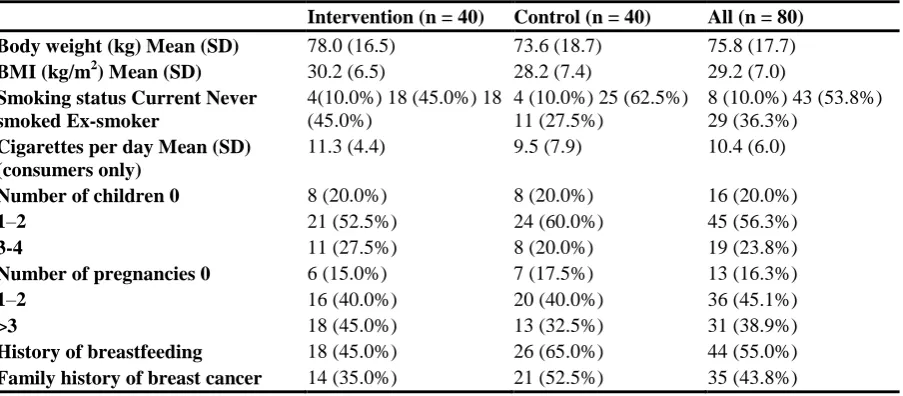
Table 2Reproductive, medical and clinical characteristics at randomisation
Intervention (n = 40) Control (n = 40) All (n = 80) Body weight (kg) Mean (SD) 78.0 (16.5) 73.6 (18.7) 75.8 (17.7)
BMI (kg/m2) Mean (SD) 30.2 (6.5) 28.2 (7.4) 29.2 (7.0)
Smoking status Current Never smoked Ex-smoker
4(10.0%) 18 (45.0%) 18 (45.0%)
4 (10.0%) 25 (62.5%) 11 (27.5%)
8 (10.0%) 43 (53.8%) 29 (36.3%)
Cigarettes per day Mean (SD) (consumers only)
11.3 (4.4) 9.5 (7.9) 10.4 (6.0)
Number of children 0 8 (20.0%) 8 (20.0%) 16 (20.0%)
1–2 21 (52.5%) 24 (60.0%) 45 (56.3%)
3-4 11 (27.5%) 8 (20.0%) 19 (23.8%)
Number of pregnancies 0 6 (15.0%) 7 (17.5%) 13 (16.3%)
1–2 16 (40.0%) 20 (40.0%) 36 (45.1%)
>3 18 (45.0%) 13 (32.5%) 31 (38.9%)
History of breastfeeding 18 (45.0%) 26 (65.0%) 44 (55.0%)
Table 3Socio-demographic characteristics at randomisation
Completers (n = 65)
Non-completers (n = 15)
p=
Age (years) Mean (SD) Range 58.6 (5.78) 50 – 75 56.7 (5.31) 50 - 68 0.45
Marital status Single Married/co-habiting Divorced/widowed/separated
4 (6.2%) 46 (70.8%) 15 (23.1%)
3(20.0%) 7(46.7%) 5(33.3%)
0.12
Ethnicity White Asian/Asian British 63 (98.4%) 1 (1.6%) 15(100.0%) 0(0%) 0.63
Highest Educational Qualification* Secondary school Other professional / technical qualification after school University / post-graduate degree
23 (35.4%) 24 (36.9%) 18 (27.6%)
6(40.0%) 7(46.7%) 2(13.3%)
0.48
Employment status Retired Employed full-time Employed part-time Unemployed Student
27 (41.5%) 22 (33.8%) 13 (20.0%) 2 (3.1%) 1 (1.5%)
5(33.3%) 4(26.7%) 1(6.7%) 5(33.3%) 0(0%)
0.006*
SIMD# (quintiles) 0.18
1 (most deprived) 7 (10.8%) 3(20.0%)
2 10 (15.4%) 4(26.7%)
3 15 (23.1%) 2(13.3%)
4 15 (23.1%) 0(0%)
5 (least deprived) 18 (27.7%) 6(40.0%)
[image:12.595.74.526.365.589.2]# Scottish Index of Multiple Deprivation. *p < 0.05, significant.
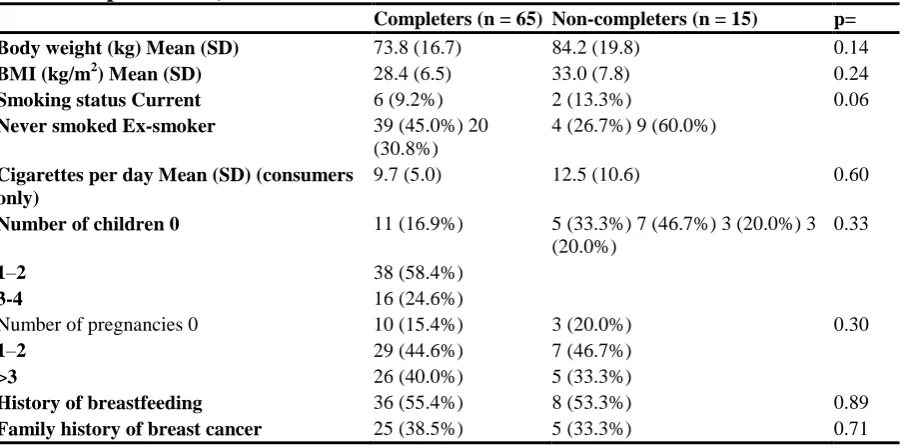
Table 4Reproductive, medical and clinical characteristics at randomisation
Completers(n = 65) Non-completers(n = 15) p= Body weight (kg) Mean (SD) 73.8 (16.7) 84.2 (19.8) 0.14
BMI (kg/m2) Mean (SD) 28.4 (6.5) 33.0 (7.8) 0.24
Smoking status Current 6 (9.2%) 2 (13.3%) 0.06
Never smoked Ex-smoker 39 (45.0%) 20 (30.8%)
4 (26.7%) 9 (60.0%)
Cigarettes per day Mean (SD) (consumers only)
9.7 (5.0) 12.5 (10.6) 0.60
Number of children 0 11 (16.9%) 5 (33.3%) 7 (46.7%) 3 (20.0%) 3 (20.0%)
0.33
1–2 38 (58.4%)
3-4 16 (24.6%)
Number of pregnancies 0 10 (15.4%) 3 (20.0%) 0.30
1–2 29 (44.6%) 7 (46.7%)
>3 26 (40.0%) 5 (33.3%)
History of breastfeeding 36 (55.4%) 8 (53.3%) 0.89
Table 5Socio-demographic characteristics at randomisation
Screening (n = 40) Recall(n = 40) p=
Age (years) Mean (SD) 58.8 (5.8) 57.8 (5.7) 0.46
Range 51 – 75 50 - 69
Marital status
Single 5 (12.5%) 2 (5.0%) 0.35
Married/co-habiting 27 (67.5%) 26 (65.0%)
Divorced/widowed/separated 8 (20.0%) 12 (30.0%)
Ethnicity 0.32
White 39 (97.5%) 39 (100.0%)
Asian/Asian British 1 (2.5%) 0 (0%)
Highest Educational Qualification* 0.85
Secondary school 16 (40.0%) 13 (32.5%)
Other professional / technical qualification after school
14 (35.0%) 17 (42.5%)
University / post-graduate degree 10 (25.0%) 10 (25.0%)
Employment status 17 (42.5%) 14 (35.0%) 5 (12.5%) 3 (7.5%) 1 (2.5%)
15 (37.5%) 12 (30.0%) 9 (22.5%) 4 (10.0%) 0 (0%)
0.63 Retired
Employed full-time Employed part-time Unemployed Student
SIMD# (quintiles) 0.87
1 (most deprived) 6 (15.0%) 4 (10.0%)
2 7 (17.5%) 7 (17.5%)
3 8 (20.0%) 9 (22.5%)
4 6 (15.0%) 9 (22.5%)
5 (least deprived) 13 (32.5%) 11 (27.5%)
[image:13.595.85.526.463.663.2]# Scottish Index of Multiple Deprivation. *p < 0.05, significant.
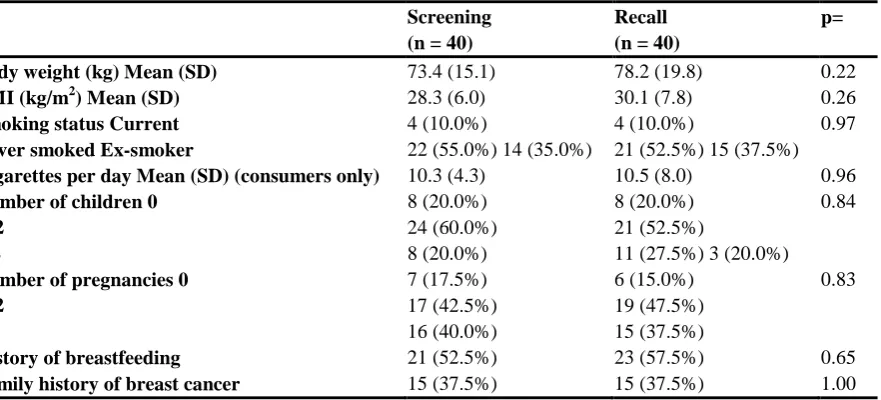
Table 6Reproductive, medical and clinical characteristics at randomisation
Screening Recall p=
(n = 40) (n = 40)
Body weight (kg) Mean (SD) 73.4 (15.1) 78.2 (19.8) 0.22
BMI (kg/m2) Mean (SD) 28.3 (6.0) 30.1 (7.8) 0.26
Smoking status Current 4 (10.0%) 4 (10.0%) 0.97
Never smoked Ex-smoker 22 (55.0%) 14 (35.0%) 21 (52.5%) 15 (37.5%)
Cigarettes per day Mean (SD) (consumers only) 10.3 (4.3) 10.5 (8.0) 0.96
Number of children 0 8 (20.0%) 8 (20.0%) 0.84
1–2 24 (60.0%) 21 (52.5%)
3-4 8 (20.0%) 11 (27.5%) 3 (20.0%)
Number of pregnancies 0 7 (17.5%) 6 (15.0%) 0.83
1–2 17 (42.5%) 19 (47.5%)
>3 16 (40.0%) 15 (37.5%)
History of breastfeeding 21 (52.5%) 23 (57.5%) 0.65
Family history of breast cancer 15 (37.5%) 15 (37.5%) 1.00 *p < 0.05, significant.
Intervention delivery
In the intervention group, 37 women underwent the face-to-face session (3 withdrew prior to being seen). One participant took part with a buddy. Thirty-two participants completed all 6 fortnightly calls (78%), including 6 who were subsequently lost to follow up. Five participants received fewer calls, including one who requested no calls and two who dropped out after the first few calls were received. The mean duration of the face to face consultation was 90 minutes (range 65 to 130 minutes); the planned protocol time was 60 minutes. Mean duration of telephone consultation was 22 minutes (range 10 to 54 minutes); the planned protocol time was 15 minutes. The lifestyle coaching session offered to the control group after follow up measures was delivered to 30 participants (83%).
The fidelity assessments showed that the intervention delivery appeared close to protocol (scoring 68 to 78% for the domains of introduction, weight management, physical activity, and diet). The fidelity of the telephone sessions were also rated close to protocol. Deviations from the protocol included the coach, not participant, setting goals, not discussing the intervention in terms of personal wellbeing and limited discussion of coping planning.
The intervention costs were £17 265 comprising £5 200 for training, plus intervention costs of £301 per participant.
Indicative outcomes
The study was not fully-powered but indicative intervention effect data are presented below.
Physical measures
months (Table 7).
Table 7Changes in anthropometric measures and blood pressure from baseline to 3 months by randomisation group
Intervention Control
Between group differences# Mean (95%CI)
p value n Mean (SD) Difference to baseline
Mean (95%CI)
n Mean (SD) Difference to baseline Mean (95%CI)
Baseline 40 78.0 (16.5) 40 73.6 (18.7) −2.04(−3.24 to −0.85)*
p = 0.001
Body weight (kg) 3 months 29 73.0 (14.3) −2.04(−2.98 to −1.11)* 36 72.8 (19.3) −0.04(−0.82 to 0.75)
Baseline 40 30.2 (6.5) 40 28.2 (7.4) −0.77(−1.24 to −0.31)*
p = 0.002
BMI (kg/m2) 3 months 29 28.1 (5.6) −0.79(−1.16 to −0.41)* 36 27.9 (7.5) −0.03(−0.33 to 0.28)
Waist Circumference Baseline 40 98.7 (14.9) 40 93.6 (15.4) −3.53(−5.50 to −1.57)* p = 0.001
(cm) 3 months 28 91.4 (11.6) −4.41(−6.06 to −2.75)* 36 92.0 (15.6) −0.79(−1.98 to 0.40)
Baseline 40 129.4 (13.1) 39 129.4 (17.7) −2.81(−9.27 to 3.65)
p = 0.388
Mean systolic blood
pressure (mmHg) 3 months 28 130.9 (12.1) 0.59(−3.58 to 4.76) 34 132.6 (19.0) 4.05(−1.52 to 9.61)
Baseline 40 78.6 (9.5) 39 78.8 (9.5) −0.77(−4.22 to 2.69)
p = 0.659
Mean diastolic blood
pressure (mmHg) 3 months 28 79.4 (6.1) 1.10(−1.46 to 3.66) 34 80.0 (9.9) 2.01(−1.06 to 5.07)
#
Reported behaviours
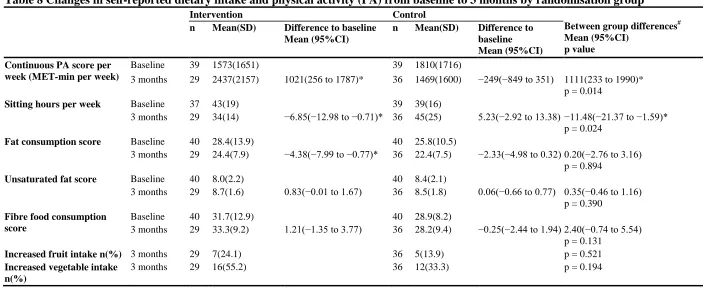
Table 8Changes in self-reported dietary intake and physical activity (PA) from baseline to 3 months by randomisation group
Intervention Control
Between group differences# Mean (95%CI)
p value n Mean(SD) Difference to baseline
Mean (95%CI)
n Mean(SD) Difference to baseline Mean (95%CI) Continuous PA score per
week (MET-min per week)
Baseline 39 1573(1651) 39 1810(1716)
3 months 29 2437(2157) 1021(256 to 1787)* 36 1469(1600) −249(−849 to 351) 1111(233 to 1990)*
p = 0.014
Sitting hours per week Baseline 37 43(19) 39 39(16)
3 months 29 34(14) −6.85(−12.98 to −0.71)* 36 45(25) 5.23(−2.92 to 13.38) −11.48(−21.37 to −1.59)*
p = 0.024
Fat consumption score Baseline 40 28.4(13.9) 40 25.8(10.5)
3 months 29 24.4(7.9) −4.38(−7.99 to −0.77)* 36 22.4(7.5) −2.33(−4.98 to 0.32) 0.20(−2.76 to 3.16)
p = 0.894
Unsaturated fat score Baseline 40 8.0(2.2) 40 8.4(2.1)
3 months 29 8.7(1.6) 0.83(−0.01 to 1.67) 36 8.5(1.8) 0.06(−0.66 to 0.77) 0.35(−0.46 to 1.16)
p = 0.390
Fibre food consumption score
Baseline 40 31.7(12.9) 40 28.9(8.2)
3 months 29 33.3(9.2) 1.21(−1.35 to 3.77) 36 28.2(9.4) −0.25(−2.44 to 1.94) 2.40(−0.74 to 5.54)
p = 0.131
Increased fruit intake n(%) 3 months 29 7(24.1) 36 5(13.9) p = 0.521
Increased vegetable intake n(%)
3 months 29 16(55.2) 36 12(33.3) p = 0.194
Table 9Changes in alcohol consumption only from baseline to 3 monthsby randomisation group
Intervention Control Between group differences#
n Mean(SD) Difference to baseline Mean (95%CI)
n Mean(SD) Difference to baseline Mean (95%CI)
Mean (95%CI) p value
Units alcohol per week Baseline 22 10.4 (13.7) 27 10.8 (6.2)
3 months 18 5.3 (5.1) −2.29 (−4.74 to 0.16) 26 5.6 (5.9) −5.1 (−7.58 to −2.63)* 1.20(−1.81 to 4.21) p = 0.424
Alcohol free days per week Baseline 22 4.8 (2.3) 27 3.8 (1.2)
3 months 18 5.4 (1.1) 1.1 (0.28 to 2.0)* 26 5.2 (1.9) 1.3 (0.56 to 2.06)* 0.05(−0.84 to 0.94) p = 0.910
# Adjusted for baseline value.
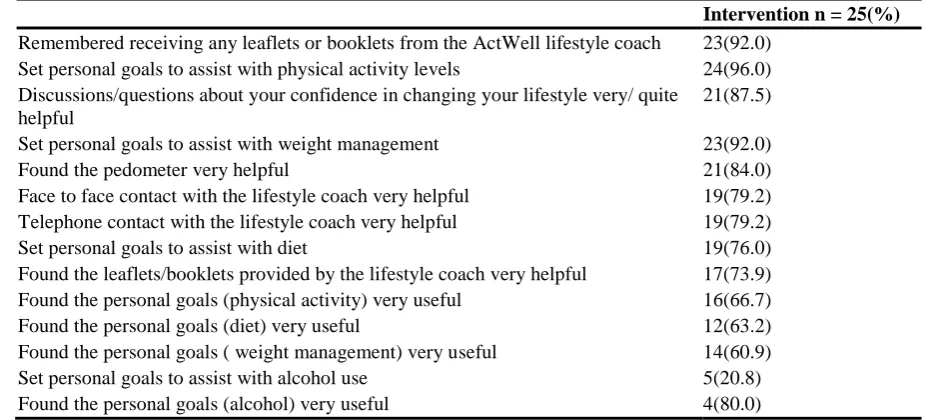
Table 10Acceptability of intervention measures
Intervention n = 25(%)
Remembered receiving any leaflets or booklets from the ActWell lifestyle coach 23(92.0)
Set personal goals to assist with physical activity levels 24(96.0)
Discussions/questions about your confidence in changing your lifestyle very/ quite helpful
21(87.5)
Set personal goals to assist with weight management 23(92.0)
Found the pedometer very helpful 21(84.0)
Face to face contact with the lifestyle coach very helpful 19(79.2)
Telephone contact with the lifestyle coach very helpful 19(79.2)
Set personal goals to assist with diet 19(76.0)
Found the leaflets/booklets provided by the lifestyle coach very helpful 17(73.9)
Found the personal goals (physical activity) very useful 16(66.7)
Found the personal goals (diet) very useful 12(63.2)
Found the personal goals ( weight management) very useful 14(60.9)
Set personal goals to assist with alcohol use 5(20.8)
Found the personal goals (alcohol) very useful 4(80.0)
Programme acceptability
Of seventeen women invited to participate in semi-structured interviews, 14 completed interviews. The recruitment process and the programme were highly acceptable to women who took part in interviews (Figure 4) and they acknowledged the usefulness of the leaflet, but emphasised the importance of endorsement of the programme by staff. They identified three main reasons for taking part: to help out with research; because they had a family member or friend affected by cancer; the opportunity to improve their health. It was also notable that, for some, the relationship between lifestyle factors in relation to breast cancer (rather than heart disease) was being raised for the first time.
Figure 4Example of views on acceptability of recruitment process and delivery of the programme.
Women enjoyed the programme and the approach taken by lifestyle coaches. The phone calls were also viewed positively. The pedometer was highly valued and described as a useful way to learn how to change behaviour. Telephone support was thought to be very useful but some women felt the programme should have been longer.
Anonymised responses from the programme acceptability questionnaires were returned by 57 participants (88% of completers). The majority (73.4%) said they were very satisfied with the programme and 70% said they would recommend it to others. In terms of “helpfulness” of the intervention components, the pedometer was rated “very helpful” by 84%, followed by face to face contact and telephone support (both 79%) (Table 6).
Both lifestyle coaches completed interviews. Both highlighted the usefulness of the information pack and the benefits of doing face-to-face meetings prior to telephone contact. They also mentioned difficulties arranging the counselling phone calls and the time this took.
women and some did not feel it appropriate for them to take on the role of programme endorsement or give assistance with recruitment. The radiographers’ reported fidelity to their prescribed role was low. They said time was the biggest problem, resulting in staff feeling under pressure and incapable of elaborating on the ActWell programme or answering questions.
Discussion
This study has demonstrated the feasibility of recruiting and retaining women in a lifestyle intervention trial initiated through the breast screening setting with indications of a favourable effect on body weight and related outcomes at 12 weeks and participant acceptability.
We acknowledge that the current study is not a fully powered trial but are encouraging results and warrant further investigation in a fully powered trial of longer duration. Our recent fully powered weight loss trial initiated in a colorectal cancer screening setting achieved similar weight loss (2.10 kg (CI −2.57 kg – 1.63 kg) at 12 weeks, but with further monthly support for 9 months achieved weight loss of 3.50 kg (SD 4.91) at one year, highlighting the importance of offering longer intervention support [28]. It is notable that in the current study the women interviewed had a very positive experience of the ActWell programme.
In addition, it is important to remember that that lifestyle interventions in the screening setting will only reach people who choose to participate in such programmes. In many cases, this means people from areas of low social deprivation and with better access to affordable health care. However, the study participants included those from a wide range of social backgrounds. It is notable that almost half reported a family history of breast cancer and this may be a cue for interest in prevention opportunities.
One of the strengths of the study is utilising an existing and relevant recruitment setting but it is clear that further work is needed to optimise this opportunity. Within the two screening settings explored it is notable that the best recruitment was attained in routine clinics when women had received the recruitment pack AND the study was endorsed by the radiographer. However, it was clear that the radiographers did not feel comfortable with giving endorsement and asking about women’s interest in the programme (demonstrated by qualitative interviews and the finding that only 230 of 966 women were recorded as being asked about the study). It is recognised that there are challenges in discussing interventions which include weight management. Staff may be uneasy about confronting patients with the issue of body size, especially if their training has not included guidance on how to broach the topic or effective intervention techniques, or if staff have personal weight problems [29].
which clearly embraced positive aspects of physical activity, diet and behavioural support offering a much wider lifestyle approach than highlighting weight loss per se.
Despite reporting a family history of breast cancer, several commented in the follow up interviews that they had been unaware of the association between excess body weight, physical activity and modest alcohol intake with breast cancer risk. This highlights a gap in women’s awareness of breast cancer risk reduction and serves as a reminder of the under developed potential of screening clinics for health promotion opportunities.
In a recent review of critical research gaps and translational priorities for the successful prevention and treatment of breast cancer has highlighted the need for more research on how to implement sustainable lifestyle changes in women [31]. While there may be many "teachable moments" that could be used to assess and initiate changes in physical inactivity, body weight and alcohol by health professionals (to complement public health campaigns), there is little evidence that lifestyle is routinely discussed within breast cancer screening settings [32] (although these have been delivered in the colorectal cancer screening setting [32,33]). Effective interventions delivered in this setting also offer an important opportunity to contribute to the reduction of the overall burden of lifestyle related diseases. To our knowledge this is the first lifestyle intervention delivered and evaluated within a national breast screening programme.
In terms of implications for policy and practice our overall, study retention was reasonable and outcomes were good at three months but further research is needed to consider how to improve retention and sustain change beyond this time frame. Our previous research (28) on lifestyle in a screening setting showed a loss to follow up of 4% at 12 weeks (similar to the control group in the current study), followed by total loss of 7% at 12 months. We believe the self-monitoring and feedback from counsellors through minimal but regular contact (telephone calls) over a 12 month period supported retention. In terms of real life implementation, two year routine breast screening appointments could provide a potential opportunity to help women monitor weight with feedback from within a supportive healthcare setting for sustaining long term behaviour change.
In addition, it is important to consider how a successful intervention might be delivered in the non –trial setting given the paucity of NHS staff trained in lifestyle interventions and issues of cost effectiveness. These are similar challenges to those of smoking cessation which have been addressed in many clinical settings by ready access to a NHS smoking cessation counsellor (in addition to offering community group support etc.). This approach also deserves consideration with respect to weight management.
Conclusions
It is feasible to deliver a minimal contact lifestyle programme for women in conjunction with the NHSSBSP with positive indicative effects on body weight, physical inactivity, alcohol intake and participant acceptably measures. The results warrant further exploration by a definitive randomised controlled trial.
Abbreviations
BMI, Body mass index; NHS, National Health Service; NHSSBSP, NHS breast screening programme; RCT, Randomised controlled trial; SIMD, Scottish index of multiple
deprivations; DINE, Dietary instrument for nutrition education; IPAQ, International physical activity questionnaire; SPSS, Statistical package for social scientists; CI, Confidence interval; SD, Standard Deviation
Competing interests
All authors declare that they have no competing interests.
Authors’ contributions
ASA (guarantor) had the original idea for the study and, with NM, HD, ST, REO’C, AT, AK and SW designed the trial parameters and formed the investigator group who obtained the funding. ASA, JS, REO’C, GB and SW were responsible for overseeing study implementation and data collection. MM, REO’C and GB carried out the analysis. ASA and MM drafted the manuscript which was revised by all authors. All researchers were independent from funders. All authors read and approved the final manuscript.
Acknowledgements
We would like to thank the participants of this trial and the trial administrator Jill Hampton, researchers Freya Macmillan and Johanna Shaw and lifestyle coaches Cath Savage and Louise Bleazard for their hard work in making the trial a success.
Funding
References
1. ISD cancer statistics
[https://isdscotland.scot.nhs.uk/Health- Topics/Cancer/Publications/2014-04-29/2014-04-29-Cancer-Incidence-Report.pdf?46477907897] Last accessed 27/05/2014
2. WCRF preventability statistics
[http://www.wcrf.org/cancer_statistics/preventability_estimates/preventability_estimates_foo d.php] Last accessed 27/05/2014
3. Continuous update project WCRF
[http://www.dietandcancerreport.org/cancer_resource_center/downloads/Second_Expert_Rep ort_full.pdf] Last accessed 27/05/2014
4. Hastert TA, Beresford SAA, Patterson RE, et al: Adherence to WCRF/AICR cancer
prevention recommendations and risk of postmenopausal breast cancer. Cancer
Epidemiol Biomarkers Prev 2013, 22:1498–1508.
5. Eliassen AH, Colditz GA, Rosner B, et al: Adult weight change and risk of
postmenopausal breast cancer.JAMA 2006, 296:193–201.
6. Prentice RL, Caan B, Chlebowski RT, et al: Low-fat dietary pattern and risk of invasive breast cancer in the women’s health initiative randomized controlled dietary modification trial.JAMA 2006, 295:629–642.
7. Byers T, Sedjo RL: Does intentional weight loss reduce cancer risk? Diabetes Obes Metab 2011, 13(12):1063–1072.
8. Fourkala EO, Burnell M, Cox C et al.: Association of skirt size and postmenopausal breast cancer risk in older women:a cohort study within the UK Collaborative Trial of
Ovarian Cancer Screening (UKCTOCS). BMJ Open,4(9)
9. Morimoto LM, White E, Chen Z, et al: Obesity, body size, and risk of postmenopausal breast cancer.Cancer Causes Control 2002, 13(8):741–751.
10. Ahn J, Schatzkin A, Lacey JV Jr, et al: Adiposity, adult weight change and postmenopausal breast cancer risk.Arch Intern Med 2007, 167(19):2091–2102.
11. Bromley C, Dowling S, Gray L et al.: Scottish Health Survey
[http://www.scotland.gov.uk/Resource/0043/00434590.pdf] Last accessed 09/06/14
12. ISD Breast screening statistics [http://www.isdscotland.org/Health-Topics/Cancer/Breast-Screening] Last accessed 27/05/2014
13. Fisher B, Dowding D, Pickett KE, et al: Health promotion at NHS breast cancer screening clinics.Health Promot 2007, 22(2):137–145.
15. Berstad P, Loberg M. Larsen IK et al.:Long-term lifestyle changes after colorectal cancer screening:randomised controlled trial. Gut. doi: 10.1136/gutjnl-2014-307376. [Epub ahead of print]
16. Larsen IK, Grotmol T, Almendingan K, et al: Impact of colorectal cancer screening on future lifestyle choices: a three-year randomized controlled trial. Clin Gastroenterol Hepatol 2007, 5(4):477–483.
17. Scottish Government, Scottish Index of Multiple Deprivation.
[http://www.scotland.gov.uk/Topics/Statistics/SIMD/] Last accessed 27/05/2014
18. Roe L, Strong C, Whiteside C, et al: Dietary intervention in primary care: validity of the DINE method for diet assessment.Fam Pract 1994, 11:375–381.
19. Emslie C, Lewars H, Batty GD, et al: Are there gender differences in levels of heavy, binge and problem drinking? Evidence from three generations in the west of Scotland.
Public Health 2009, 123(1):12–14.
20. Craig CL, Marshall AL, Sjostrom M, et al: International physical activity questionnaire: 12-country reliability and validity. Med Sci Sports Exerc 2003, 35:1381– 1395.
21. Schwarzer R, Renner B: Social-cognitive predictors of health behavior. Health Psychol 2000, 19:487–495.
22. Broadbent E, et al: The Brief Illness perception questionnaire. J Psychom Res 2006,
60(6):631–637.
23. WCRF Reducing your risk of breast cancer
[http://www.wcrf-uk.org/PDFs/breast_cancer.pdf] Last accessed 27/05/2014
24. Michie S, Abraham C, Whittington C, McAteer J, Gupta S: Effective Techniques in
Healthy Eating and Physical Activity Interventions: A Meta-Regression.Health Psychol
2009, 28:690–701.
25. Dombrowski SU, Sniehotta FF, Avenell A, et al: Identifying active ingredients in complex behavioural interventions for obese adults with obesity-related co-morbidities or additional risk factors for co-morbidities: a systematic review. Health Psychology Review 2012, 6(1):7–32.
26. Michie S, Richardson M, Johnston M, et al: The Behavior Change Technique Taxonomy (v1) of 93 Hierarchically Clustered Techniques: Building an International Consensus for the Reporting of Behavior Change Interventions. Ann Behav Med 2013,
46(1):81–95. doi: 10.1007/s12160-013-9486-6.
27. Ritchie J, Lewis J: Qualitative Research Practice. London: Sage; 2003.
29. Macleod M, Gregor A, Barnett C, et al: Provision of weight management advice for obese women during pregnancy: a survey of current practice and midwives’ views on future approaches.Mat Child Nutr 2012, 9(4):467–472.
30. Evans DG, Harvie M, Bundred N, et al: Uptake of breast cancer prevention and screening trials.J Med Genet 2010, 47(12):853–855.
31. Eccles SA, Aboagye EO, Simak A, et al: Critical research gaps and translational priorities for the successful prevention and treatment of breast cancer. Breast Cancer Res 2013, 15(5):R92.
32. Anderson AS, Mackison D, Boath C, et al: Promoting changes in diet and physical activity in breast and colorectal cancer screening settings- an unexplored opportunity for endorsing healthy behaviours.Cancer Prev Res (Phila) 2013, 6(3):165–172.
33. Caswell S: Anderson AS and Steele RJC: “Bowel health to better health” A minimal
contact lifestyle intervention for people at increased risk of colorectal cancer. Br J Nutr 2009, 102(11):1541–1546.
34. Hunt K, Wyke S, Gray C, et al: A gender-sensitised weight loss and healthy living programme for overweight and obese men delivered by Scottish Premier League
football clubs (FFIT): a pragmatic randomised controlled trial. Lancet 2014,
Walking MET-minutes/week 3.3 x walking minutes x walking days
Moderate MET-minutes/week 4.0 x moderate-intensity activity minutes x moderate days
Vigorous MET-minutes/week 8.0 x vigorous-intensity activity minutes x vigorous-intensity days
Total physical activity MET-minutes/week