A STUDY TO EVALUATE THE EFFECTIVENESS OF
VIDEO ASSISTED TEACHING PROGRAMME ON
KNOWLEDGE REGARDING POST OPERATIVE
EXERCISE AMONG PATIENTS UNDERGOING CARDIO
THORACIC SURGERY IN KOVAI MEDICAL CENTRE
HOSPITAL AT ERODE.
By
301311555
Dissertation Submitted to
THE TAMILNADU DR M.G.R. MEDICAL UNIVERSITY
Chennai, Tamil Nadu
In partial fulfillment
of the requirements for the degree of
Master of Science
in
Medical Surgical Nursing
(Sub Speciality – Critical Care Nursing)
Sri Adichunchanagiri Shikshana Trust®
Dharmarathnakara Dr.Mahalingam Institute of
SEPTEMBER 2015
A STUDY TO EVALUATE THE EFFECTIVENESS OF VIDEO
ASSISTED TEACHING PROGRAMME ON KNOWLEDGE
REGARDING POST OPERATIVE EXERCISE AMONG
PATIENTS UNDERGOING CARDIO THORACIC SURGERY IN
KOVAI MEDICAL CENTRE HOSPITAL AT ERODE
Approved by DMIPSR College Research Committee
Principal : ---
Prof. Mrs. K. Kalaivani, M.Sc., (Nursing)
Professor cum Principal in Community Health Nursing Dept. DMIPSR College of Nursing,
Sakthi Nagar, Bhavani, Erode 638315
Research Guide : --- Prof. Mrs. D. Thulasimani, M.Sc., (Nursing)
Asst. Professor Cum HOD in Medical Surgical Nursing Dept., DMIPSR College of Nursing,
Sakthi Nagar, Bhavani, Erode 638315
Medical Guide : --- Dr. R. Ragavendran, M.S. M.Ch.(CTS)
Register Number 56688
Consultant Cardiothoracic Surgeon KMCH Speciality Hospital
Erode-09
A Dissertation submitted to
The Tamil Nadu Dr. M.G.R. Medical University Chennai In partial fulfilment of the requirement for
Degree of Master of Science in Nursing
VIVA VOCE ;
1. INTERNAL EXAMINER : ---
SEPTEMBER 2015
ENDORSEMENT HEAD OF THE INSTITUTION
This is to certify that the dissertation entitled “A Study to evaluate the
effectiveness of video assisted teaching programme on knowledge regarding post
operative exercise among patients undergoing Cardio Thoracic Surgery in
Kovai Medical Centre Hospital at Erode” is a bonafied research work done by
Mrs. B. Vanmathi under the guidance of Asst. Professor Mrs. D. Thulasimani
M.Sc.,(Nursing), H.O.D. of Medical Surgical Nursing, Dr. Mahalingam College of
Nursing.
Signature of the Principal
Prof. Mrs. K. KALAIVANI, M.Sc., (Nursing)
Professor in Community Health Nursing. Principal. DMIPSR College of Nursing, Sakthi Nagar, Bhavani, Erode 638315
Date :
ENDORSEMENT BY THE RESEARCH GUIDE
This is to certify that the dissertation entitled “A Study to evaluate the
effectiveness of video assisted teaching programme on knowledge regarding post
operative exercise among patients undergoing Cardio Thoracic Surgery in
Kovai Medical Centre Hospital at Erode” is a bonafied research work done by
Mrs. B. Vanmathi in partial fulfilment of the requirement for the degree of Master
of Science in Nursing (Medical Surgical Nursing).
Signature of the Research guide
Asst. Prof. Mrs. D. THULASIMANI, M.Sc (Nursing)
HOD of Medical Surgical Nursing
DMIPSR College of Nursing,
Sakthi Nagar, Bhavani, Erode 638315
Date :
COPY RIGHT
DECLARATION BY THE CANDIDATE
I hereby declare that “The Tamilnadu Dr. M.G.R. Medical University”,
Chennai shall have the rights to preserve, use and disseminate this
dissertation/thesis in print or electronic format for academic/research purpose.
Date :
Place : Sakthinagar
Signature of the candidate
ACKNOWLEDGEMENT
Gratitude is the way of expressing our response towards others. I humbly
express my heartfelt gratitude to the Almighty for his presence throughout the study.
I am proud to acknowledge the love, support and prayers of my lovable
family in every phase of the study.
This study would not be fruitful without the guidance of the teachers, well
wishers and those who have been a part of this study and I would like to thank them
all.
I am immensely grateful to Sri Sri Sri. Balagangadharanatha Mahaswamiji,
and present pontiff Sri Sri Sri. Nirmala Nandhanatha Mahaswamiji, Trustee,
Sri Adichunchanagiri Shikshana Trust and Dr. N. Mahalingam, Chairman, Sakthi
Group of Companies, who has given me an opportunity to undergo the course at
Dharmarathnakara Dr. D. Mahalingam Institute of Paramedical Science and
Research, Sakthi Nagar.
My heartfelt thanks to Sri. B.T.Ramachandra, Secretary and Correspondent,
Dharmarathnakara Dr. Mahalingam Institute of Paramedical Science and Research.
Sakthi Nagar for his encouragement and support, by providing all the facilities for the
successful completion of this study.
My immeasurable thanks to Prof. Mrs. K. Kalaivani, M.Sc.(N) Principal,
Dharmarathnakara Dr. R. Mahalingam College of Nursing, Sakthi Nagar, for the
generous guidance, esteemed suggestion, correction and reinforcement for the
I extend my sincere thanks especially to Assistant Lecturer
Mrs. D.Thulasimani M.Sc (Nursing) Head of the Department, Medical Surgical
Nursing and Mrs. V.L.Saranya M.Sc, (N) Lecturer of Medical Surgical Nursing for
their support and guidance for the successful completion of the research.
I declare my sincere thanks to Mrs. S. Hemalatha M.Sc.(N) Head of the
Department of Child Health Nursing, for her stable support for the successful
completion of the research.
I feel privilege to extend my sincere thanks to Mrs. M. Janaki M.Sc(N) Head
of the Department of Obstetrics and Gynecology, my class Co-Ordinator Mrs.
Srideepa M.Sc(N) Head of the Department of Community Health Nursing. Mrs. K.
Deepa M.Sc(N) Head of the Department of Mental Health Nursing and Mrs.
Tamizhselvi M.Sc(N) Lecture of Mental Health Nursing Department for their
suggestions in every phase of the study.
I sincerely express my thanks to Dr. Raghavendran M.B.B.S., DLO., for
valuable suggestion and guidance in the formulation of tools.
I thank all the faculties of Dr. Mahalingam Institute of Paramedical Science
and Research for their suggestion, timely assistance. co-operation and support
throughout the study period.
My sincere thanks to Prof. Dhanapal, Statistics Department for his valuable
help in statistical analysis of the study.
I extend my sincere thanks to all the experts who have contributed their
I am thankful to all the participants in the study, without their co operation
the study would not have been possible to complete.
I extend my gratitude to Mrs. T.S. Sumithra Devi, Lecturer of English
Department, Mr.Kumar, Librarian and Mrs. Dhanalakshmi, Library Assistant for
their sincere help and support.
I would like to express my sincere thanks to Mr. Madheshwaran, and Mrs.
Pavithra, Sri Vijayalakshmi Computers for their timely support and help during the
study period which helped much in the successful completion of the study.
I am proud to acknowledge the love, support and patience of my beloved
husband Mr. N. Ramsivaji, M.A., M.Ed., M.Phil. and my son Master Sri R.Balaji,
BE(CS), and extend my thanks to my Parents, sisters and all my family members
for their encouragement, emotional support, and prayers which kindled enthusiasm
in completion of this research to a successful one.
I thank my classmates and friends for their support and encouragement
throughout the study.
Last but not least, I would like to thank sincerely all the members who have
TABLE OF CONTENTS
Sl.
No.
Title
Page
No.
I
INTRODUCTION
1
II
REVIEW OF LITERATURE
19
III
RESEARCH METHODOLOGY
31
IV
DATA ANALYSIS AND
INTERPRETATION
42
V
DISCUSSION
69
VI
SUMMARY, CONCLUSION
RECOMMENDATION
71
VII
REFERENCES
78
LIST OF TABLES
Sl.
No. Tables
Page No. 1 Incidence of Coronary Artery Disease in India 2
2 Incidence of Coronary Artery Disease in World 3
3 National Medical Experiences mortality rate after angioplasty and by-pass graft
11
4 Identification of the abdominal complications after Cardio thoracic surgery in Private Hospitals
12
5 Distribution of demographic variables 44
6 Assessment of knowledge regarding post operative exercise of cardio thoracic surgery using VAT
56
7 Comparison of overall knowledge score 58 8 Comparison of pretest and post test knowledge 59
9 Comparison of pretest and posttest knowledge score 60
10 Assessment of effectiveness of video assisted teaching program 61
11. Association between pretest knowledge with their selected demographic variables
LIST OF FIGURES
Sl. No. Figures Page No.
1. Cone Diagram Shows Incidence Of Coronary Artery Disease In India
2
2 Cylindrical diagram shows mortality after angioplasty and bypass surgery
11
3 Conceptual Frame Work 18
4 Schematic representation of Research design of the study 41
5 Simple pie diagram shows distribution of adults according to their age
46
6 Simple doughnut diagram shows distribution of adults according to their sex
47
7 Pyramid diagram shows distribution of adults according to their religion
48
8 Cylindrical diagram shows distribution of adults according to their marital status
49
9 Simple bar diagram shows distribution of adults according to their educational status
50
10 Simple pie diagram shows distribution of adults according to their occupational status
51
11 Cone diagram shows distribution of adults according to their income status
52
12 Pie diagram shows distribution of adults according to their residence
53
13 Simple bar of pie diagram shows distribution of adults according to their dietary habits
54
14 Bar diagram shows distribution of adults according to their personal habits
55
15 Bar diagram shows Pre test and Post test knowledge score 57
16 Cylindrical diagram shows overall knowledge score 58
17 Clustered cone diagram shows Pretest and Post test Level of knowledge
59
18 Bar diagram shows effectiveness of video assisted teaching programme
61
19 Bar diagram shows association between age and level of knowledge
20 Cylindrical diagram shows association between sex and level of knowledge
64
21 Clustered cone diagram shows association between religion and level of knowledge
65
22 Clustered cone diagram shows association between marital status and level of knowledge
65
23 Clustered cone diagram shows association between educational status and level of knowledge
66
24 Bar diagram shows association between occupational status and level of knowledge
66
25 Bar diagram shows association between income status and level of knowledge
67
26 Pie diagram shows association between residence and level of knowledge
67
27 Cylindrical diagram shows association between dietary habits and level of knowledge
68
28 Clustered cone diagram shows association between personal habits and level of knowledge
LIST OF ANNEXURE
Annexure No.
CONTENTS
I Letter seeking permission to content validity
II Letter seeking permission to conduct pilot study
III Letter seeking permission to conduct research study
IV Content validation Certificate
V Data collection Tool (Tamil and English)
VI Editor’s Letter
VII List of Experts
VIII Photographs
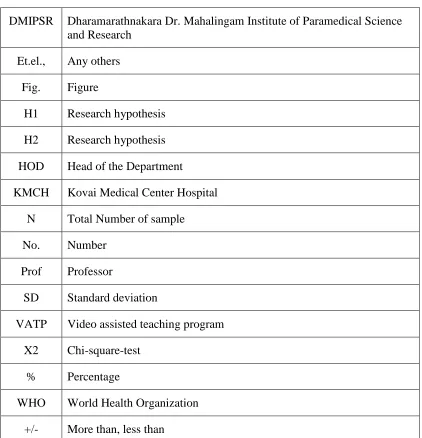
LIST OF ABBREVIATIONS USED
DMIPSR Dharamarathnakara Dr. Mahalingam Institute of Paramedical Science and Research
Et.el., Any others
Fig. Figure
H1 Research hypothesis
H2 Research hypothesis
HOD Head of the Department
KMCH Kovai Medical Center Hospital
N Total Number of sample
No. Number
Prof Professor
SD Standard deviation
VATP Video assisted teaching program
X2 Chi-square-test
% Percentage
WHO World Health Organization
[image:15.595.102.524.114.552.2]ABSTRACT
“A STUDY TO EVALUATE THE EFFECTIVENESS OF VIDEO ASSISTED
TEACHING PROGRAMME ON KNOWLEDGE REGARDING POST
OPERATIVE EXERCISE AMONG PATIENTS UNDERGOING CARDIO
THORACIC SURGERY IN KOVAI MEDICAL CENTRE HOSPITAL AT
ERODE.”
OBJECTIVES OF THE STUDY
;
Objectives
To assess the level of knowledge regarding post- operative exercise among
patients undergoing Cardio thoracic surgery.
To evaluate the effectiveness of video assisted teaching program on post
operative exercise among patients undergoing cardio thoracic surgery.
To findout the association between pretest level of knowledge on post
operative exercise among patient undergoing cardiac surgery with their
selected demographic variables.
Hypothesis:
H
1: There will be significant difference between pre test level of knowledge
and post test level of knowledge regarding post-operative exercise among
H
2: There will be significant association between the knowledge regarding
the post operative exercise among cardiothoracic surgery patients with their
selected demographic variables.
The major findings of the study related to demographic variables.
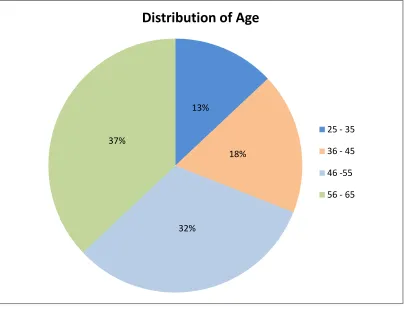
• The findings of the study showed that, among the maximum number of the
adults, 22% were in age group of 56-65 years, and 8% were in age group of
25-35% years who have also affected in volvular disease.
• The proportion of 77% are male and 33% are female.
• The proportion of 72% are Hindus, 27% are Christians and whereas 1% are
Islams.
• The overall proportion of marital status shows, 78% are married 12% are
unmarried 0.1% are separated and 9% are widows.
• The overall proportion of educational status shows, 32% were in graduates, 28%
underwent secondary school, 27% underwent primary school and 8% were in
illiterates.
• The overall proportion of occupational status shows, 33% were private
employees, 25% were doing business, 22% were government employees and
20% were others.
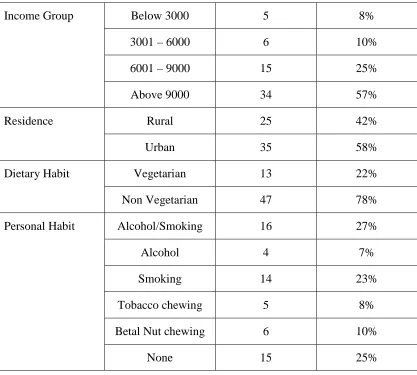
• The overall proportion of income status shows, 57% earning above Rs. 9,000/-,
25% earning Rs. 6001/- to 9000/-, 10% earn Rs. 3001-6000/- and 8% were
• The overall proportion of residence shows, 58% are Urban area and 42% are in
Rural area.
• The overall proportion of dietary habit shows 78% were in non-vegetarians and
22% are in vagetarians.
• The overall proporption of personal habits shows, 27% consume alcohol and
smoking, 23% consume smoking only and 10% consumes betalnuts only, and
8% consume tobacco chewing, and 7% consumes alcohol only and whereas 25%
consume none of the above.
Major Findings related to Effectiveness of Video Assisted Teaching Program.
• The findings of the study showed that 34(57%) respondents had inadequate
knowledge in pre-test and whereas none of them had inadequate knowledge on
post test.
• The findings of the study showed that 26(43%) respondents had moderate
knowledge in pretest and whereas 20(33%) respondents had moderate
knowledge in posttest.
• None of the patients had adfequate knowledge in pretest whereas, in the post test
40(67%) respondents had adequate knowledge.
• The overall post test knowledge mean score of 75% on post operative exercise
after cardio thoracic surgery is comparatively more than their pretest knowledge
score which has 55.6%. It is confirmed that there was increase in knowledge
• The paired ‘t’ test analysis of the post test knowledge score is 30.4 was found
highly significant the result evidently supports the effectiveness of video assisted
teaching program in post operative exercises after cardio thoracic surgery and
post operative complications.
Major findings related to relationship between socio demographic variables
and pretest knowledge score:
• The present study revealed that, there is association between knowledge to
education, residence and dietary habits.
• There is no association between knowledge and of age, sex, religion, marital
status, occupational status, income status and personal habits.
CONCLUSION
The following conclusions are drawn from the finding of the study. No
cardio thoracic surgery patients have adequate knowledge regarding post operative
exercise after cardio thoracic surgery. After administration of video assisted
teaching program, the knowledge score was improved. The video assisted teaching
program is found to effective in terms of gain in knowledge. So the video assisted
teaching program is effective in improving the knowledge of cardio thoracic surgery
1
CHAPTER – I
INTRODUCTION
“Those who do not find time for exercise will have to find time for illness”
- Earl of derby
“Health is vital principles of bliss, and exercise of health”
- James Thomson
Health is a state of physical, mental, social well being and merely the
absence of disease or infirmity (WHO) A Truly healthy person not only feels good
physically but also has a realistic outlook on life and gets along well with other
people.
The state of one’s health is reflective of an individuals’ ability to meet life’s
challenges and maintain ones capacity for optimal functioning. This requires the
various aspects of one’s makeup i.e. mental, physical and biochemical, to maintain a
level of functioning that has a positive influence and support for one another. When
we eat correctly, develop healthy exercise and combines these with maintaining a
positive outlook, we ourselves the greatest opportunity to function at our best.
Heart is the vital organ of the human body, without which one cannot live.
The circulatory system is the body system that brings blood to the body. The heart
and all blood vessels make up the circulatory system. Heart is located in the center
of chest, slightly behind the breast bone. It is the hollow muscular pump that
receives (venous) oxygen poor blood and pumps out (arterial) oxygen rich blood.
chamber called the ventricle. The heart has its own electrical system (pacemaker) to
co- ordinate the contracti
Table : 1 INCIDENCE OF
(Percentage of cardiac cases)
AREAS, YEAR AND
DELHI BOMBAY CALCUTTA AMRISTAR CHENNAI AGRA HIMACHAL PRADESH
Figure 1: CONE DIAGRAM SHOWS
ARTERY DISEASE IN INDIA
0.00% 5.00% 10.00% 15.00% 20.00% 25.00% 11.80% 2
chamber called the ventricle. The heart has its own electrical system (pacemaker) to
ordinate the contraction and relaxation of the heart muscles.
INCIDENCE OF CORONARY ARTERY DISEASE IN INDIA
(Percentage of cardiac cases)
AREAS, YEAR AND PERCENTAGE
DELHI 11.8
BOMBAY 12.1
CALCUTTA 17.3
AMRISTAR 21.6
CHENNAI 13
AGRA 7
HIMACHAL PRADESH 6
CONE DIAGRAM SHOWS INCIDENCE OF
ARTERY DISEASE IN INDIA (Percentage of cardiac cases)
12.10%
17.30%
21.60%
13%
7%
chamber called the ventricle. The heart has its own electrical system (pacemaker) to
ARTERY DISEASE IN INDIA
INCIDENCE OF CORONARY
[image:21.595.192.433.206.422.2] [image:21.595.107.520.507.745.2]3
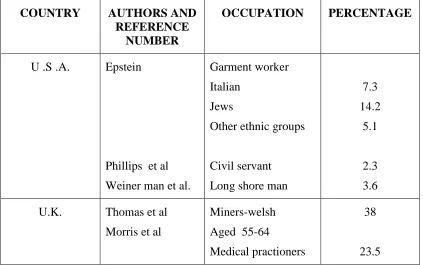
Table 2: INCIDENCE OF CORANARY ARTERY DISEASE IN
POPULATION SURVEYS WORLD
COUNTRY AUTHORS AND
REFERENCE NUMBER
OCCUPATION PERCENTAGE
U .S .A. Epstein
Phillips et al
Weiner man et al.
Garment worker
Italian
Jews
Other ethnic groups
Civil servant
Long shore man
7.3
14.2
5.1
2.3
3.6
U.K. Thomas et al
Morris et al
Miners-welsh
Aged 55-64
Medical practioners
38
23.5
Cardiovascular diseases (CVDs) were once thought to be impacting the rich
and affluent, but it is now well established that, they afflict the poor as well. While
changing lifestyles, unhealthy eating habits and declining activity are the key
reasons for high incidence rates in the rich population, the issues of access and
affordability account for higher mortality among the urban poor’s and rural
population. These diseases impact not only the well-being, but can also hold back
the economic growth of the country due to increased healthcare expenditure and
diminished productivity. India is projected to lose approximately USD 236 billion
between 2005-2015 due to CVDs and diabetes.
Current projections suggest that, India will have the largest cardiovascular
[image:22.595.102.525.145.410.2]4
disease. By the year 2020, it will account for one third of all deaths. Sadly many of
these Indians will be dying young. Heart disease in India occurs 10 to 15 years
earlier than in the west. There are an estimated 45 million patients of coronary artery
disease in India. An increasing number of young Indians are falling prey to coronary
artery disease.
India is set to be the heart disease capital of the world in few years; it causes
17.3 million deaths annually. (Dr. Shires’ (M.S.) Hiermath)
About 6,00,000 people die of heart disease in the United States every year-
that’s one in every 4 deaths. Heart disease is the leading cause of death for both men
and women. More than half of the deaths due to heart disease in 2009 were in men.
Coronary heart disease is the most common type of heart disease, killing more than
85,000 people annually. Every year about 1, 15,000 Americans have a heart attack.
Of these, 25,000 are a first heart attack and 90,000 who have already had a heart
attack.
By 2020, heart disease will be the leading cause of death through the world.
(Shah.et .al.2008). Heart disease is the number one cause of death for both men and
women in the United States, claiming approximately 1 million lives annually. It is
estimated that someone dies for every 33 seconds in the United States due to
cardiovascular disease. (American heart foundation) About 2, 50,000 people in the
U.S. are expected to die annually of Sudden Cardiac Death
• 680 every day of the year
• 4, 35,000 American women have heart attacks annually;
5 • 35,000 are under age of 55 years.
• 8 million women in the US are currently living with heart disease
• 35,000 are under age of 65 years. Four million suffer from angina.
(Women and heart disease, 2011)
Cardiovascular disease represents a serious medical health problem because
of its high mortality and morbidity. On an average, 110 people die of heart disease
in Kerala every day. It is estimated that, at least 38,000 people die of heart attack in
Kerala every year 1.5 lacks people develops heart disease in Kerala each year
cardiovascular disease is the cause of 50% of the total deaths in the state and there
by 2020 It is expected to go up to two-third of the total. The ICMR- WHO study
on non communicative disease risk factors estimates that 8.72 million of people
suffer from hypertension in Kerala, whereas the estimated number of diabetics is
3.48 million. (Cardio logical society of Kerala.)
Epidemiology suggests a number of risk factors for heart disease; age,
gender, high blood pressure, high serum cholesterol levels, tobacco smoking,
excessive alcohol consumption, family history, obesity, lack of physical activity,
psychological factors, and diabetes mellitus. While the individual contribution of
each risk factor varies between different communities or ethnic groups, the
consistency of the overall contribution of these risk factors to epidemiological
studies is remarkably strong. Some of these risk factors are immutable; however
many important cardiovascular risk factors are modifiable by lifestyle change, drug
6
Cardiac surgery is one of the most common surgical procedures, and
accounts for more resources expended in cardiovascular medicine than any other
single procedure. Cardiac surgery involves sterna incision and cardiopulmonary
bypass, patients undergoing cardiac surgery have an increased risk of post- operative
pulmonary, which leads to increased post operative morbidity and mortality,
increased use of medical resources, longer hospital stay, and increased health care
costs.
Cardiac surgery can save lives and improves a quality of life. The outcomes
of cardiac surgery can be affected by the quality of pre operative health education
provide to the patients. A comprehensive health education programme for cardiac
surgery patients sets the stage for preventing post-operative complications and
improving patient’s outcome. (Havrilak 2005).
In 2009, 6.49 percent of patients had some type of infection, including
pneumonia, following isolated CABG surgery. The overall infection rate increased
11.1 percent from 5.84 percent in 2008 to 6.49 percent in 2009. As expected isolated
CABG patients who develop infections after surgery have a higher mortality rate
(5.14 percent vs. 1.05 percent) and a longer hospital stay compared to those who
have no infections. (15.73 days vs. 6.28 days).
It is estimated that 90,000 open- heart surgeries are performed every year in
our country and majority of these procedures are for coronary artery disease and
valular heart disease. The first open heart operations in India were done in Delhi and
7
Postoperatively complications involving the heart and pericardium are
common after cardiac surgery primarily due to arrhythmias, conduction
disturbances, and manifestations of ischemia. Prevention and control of these
complications have a major role in the development of cardiac surgery and in the
successful outcome of most operations. Arial arrhythmias, primarily atrial
fibrillation or less commonly, atrial flutter, occur in 10- 40 percent of patients after
open cardiac surgery surgery ranges 0.4 - 1.4 percent, The reported incidence of
preoperative myocardial infarction varies widely (2 – 30) percent because of
differing definitions and criteria for infarction, but in most series is 3 – 7 percent.
The majority of patients develop small, posterior pericardial effusions, after open
cardiac surgery, 3-6 percent develops early tamponade that requires re-exploration.
Constructive pericarditis following cardiac surgery was first reported in 1975
and now complications 0.2 – 0.3 percent of all operations without prediction to the
type of procedure. Pulmonary complications are common after open heart surgery
and are reported in as many as 30 percent of patients. The incidence is higher in
order, sicker patients and those with compromised pulmonary function. One or two
percent of patients develop pneumothorax after cardiac surgery. Bleeding is the most
common intraoperative complication and occurs in up to 10 percent of patients,
lower extremity vascular complications occur in approximately 20 percent of
patients who require the intra-aortic balloon pump (IABP) and the IABP is
responsible for approximately 85 percent of lower leg ischemia, after open heart
surgery. Except for death, central nervous system (CNS) injurious is the most
devastating complications of open heart operations. The reported incidence of
8
suggest that, up to 13 percent of patient develop postoperative psychological
disturbances that are clinically manifested by atypical behavior, disorientation, or
reduced cognitive functions. (Dristan, 2008)
Post operative exercise is the fundamental intervention for the prevention or
comprehensive management of acute or chronic complications. The immediate post
operative respiratory exercise to be performed by cardiothoracic patients at hospital
setup are diaphragmatic breathing exercise, coughing with splinting, arm stretch,
elbow flexion, elbow extension by exercise turning and incentive spirometer
exercises. This exercise can be practiced from 4-6 hours or as soon as the patient
weaned from the mechanical ventilator. Aerobic exercise at home can be performed
after 6 weeks of surgery. (Kotrotisious E. et.al.,)
Preoperative patients with the equipment (such as an incentive spirometer)
that will be used postoperatively are helpful. Teaching in the preoperative period
assists the patient to comprehend the necessity of coughing effectively in spite of
incisional pain to achieve positive outcomes postoperatively. Early mobilization is
effective in improving postoperative pulmonary outcomes. Preoperative teaching
might include information related to the potential for mobilization to a chair during
the first evening postoperatively.
Need for study:
The World Health Organization estimated that, one half of all deaths in
developed countries like USA were from heart diseases. In developing nations too,
the increase in coronary heart disease is reaching epidemic proportions.
9
economically developed countries in the world together. India and china together
account for over 50% of earth’s population, details for 4.5 – 5 million deaths from
heart disease every year. WHO estimates that 60% of the World’s cardiac patients
will be Indian by 2010. Nearly 50% of cardiovascular disease related deaths in
India occur below the age of 70, compared with just 22% in the west.
It was estimated that by 2020 India will have more than 4.77 million deaths a
year due to cardiovascular disease (CVD). China, which has the world’s largest
population at 1.34 billion, will have 4.53 million deaths due to CVD and 1.37
million due to CHD by 2020. While north Indian states – including Jammu and
Kashmir, Punjab and utter Pradesh – have a high percentage of people suffering
from heart diseases south Indian state of Kerala and TamilNadu have a higher
prevalence of CHD ha said quoting from a study. (Global burden of disease –
WHO) A report from Texas heart institute says that thousands of heart Surgeries
are performed every day in the united states. In fact, in 2009 alone, surgeons
performed 4, 16,000 coronary bypass procedures and more Than 2,300 people had
heart transplants. (Hulzebos EHJ)
Cardiovascular disease is the World’s leading killer, according for 16.7
million or 29.2 % of total global death.
An observational study was conducted in 236 patients who
underwent-off-pump coronary artery bypass grafting (CABG) Surgery at the A Carunna university
hospital (Spain). Among 159 (60.5%) Patients received pre operative Physiotherapy
a Physiotherapist provided a daily session involving incentive spirometry deep
breathing exercise, coughing and early ambulation. A logistic regression analysis
10
complications. The study concluded that pre-operative respiratory Physiotherapy is
related to a lower incidence of atelectasis.
Pre-operative education is an important Component in the client’s operative
experience. Teaching about post-operative activities is implemented in the
pre-operative phase and the nurses main responsibility. Clients and family’s needs to
know about surgical events, and sensations, how to manage pain and how to
perform physical activities necessary to decrease post-operative complications and
facilitate recovery. Pre operative teaching always anxiety and encourages clients to
participate actively in their own case.
The Investigator found that because of lack of knowledge on post-operative
exercise after cardiac surgery. The patient will not got complete recovery and there
is increased rate of recurrence. So the researchers developed into interest and felt
need of conducting study on effectiveness of video teaching programme or
Post-operative exercises after cardiac Surgery among cardiac Surgery patients. The
improvement of knowledge of patients will help to extend into life spar and healthy
living.
Spencer king of Emory University Compared 194 bypass Surgery Patients
with 198 angioplasty patients. The annual mortality for bypass surgery the patients
was 2.1 % per year and that the angioplasty patients 2.4% per year.
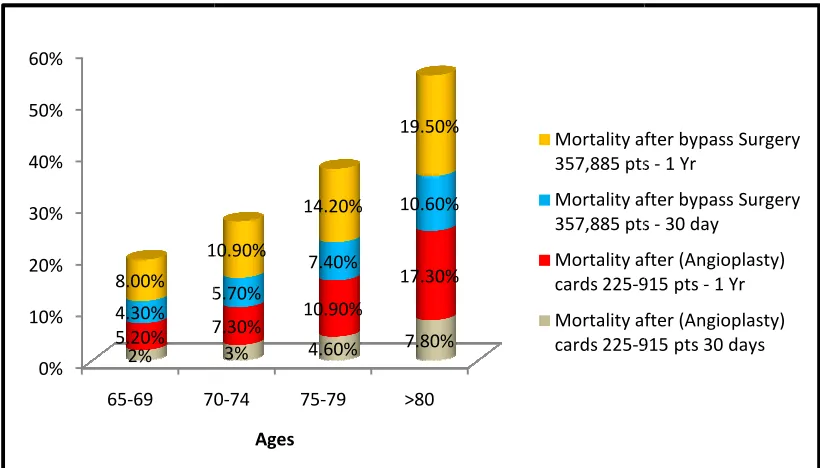
In a study of mortality rates in different age group in Medicare patients
undergoing either bypass surgery or angioplasty Dr. Eric peterscr and his associated
Table 3 : The National Medicare Experience Ages 65-69 70-74 75-79 >80
Figure 2: CYLINDRICAL DIAGRAM SHOWS
(ANGIOPLASTY) CARDS 225
BYPASS SURGERY 357,885 P
0% 10% 20% 30% 40% 50% 60% 65-69 70 2% 5.20% 7.30% 4.30% 5.70% 8.00% 10.90% 11
he National Medicare Experience
Mortality after (Angioplasty) cards 225-915 pts Mortality after bypass Surgery 357,885 pts
30 day 1 yr 30 day
% % %
2 5.2 4.3
3.0 7.3 5.7
4.6 10.9 7.4
7.8 17.3 10.6
CYLINDRICAL DIAGRAM SHOWS MORTALITY AFTER
(ANGIOPLASTY) CARDS 225-915 PATIENTS & MORTALITY AFTER
BYPASS SURGERY 357,885 PATIENTS
70-74 75-79 >80 3% 4.60% 7.80% 7.30% 10.90% 17.30% 5.70% 7.40% 10.60% 10.90% 14.20% 19.50% Ages
Mortality after bypass Surgery 357,885 pts
Mortality after bypass Surgery 357,885 pts
Mortality after (Angioplasty) cards 225-915 pts
Mortality after (Angioplasty) cards 225-915 pts 30 days
Mortality after bypass Surgery 357,885 pts 1 yr % 8.0 10.9 14.2 19.5 MORTALITY AFTER
915 PATIENTS & MORTALITY AFTER
Mortality after bypass Surgery 357,885 pts - 1 Yr
Mortality after bypass Surgery 357,885 pts - 30 day
Mortality after (Angioplasty) 915 pts - 1 Yr Mortality after (Angioplasty)
[image:30.595.108.518.433.667.2]12
Table 4: Patient who underwent cardiac surgery with cardiopulmonary
bypass in a private hospital from Jan 2004 to Dec 2010 to I identify abdominal
complications.
Complications Number Percentage
Underwent medical Treatment Under went Surgical Interventation Death Total abdominal complications
33 100%
Include
Paralytic ileuses
11 33.3%
Gastrointestinal
`hemorrhage 9 27.3%
26 (78.8%) 7 (21.2) 5 (15.2%) Gastro
duodenal ulcer perforation
2 61%
acute., Calculus cholecystitis
2 61%
acute Calculus
chololithiasis 3 91%
Hepatic
dysfunction 4 12.1%
Ischemic bowel
13
STATEMENT OF THE PROBLEM
“A STUDY TO EVALUATE THE EFFECTIVENESS OF VIDEO
ASSISTED TEACHING PROGRAMME ON KNOWLEDGE REGARDING POST
OPERATIVE EXERCISE AMONG PATIENTS UNDERGOING CARDIO
THORACIC SURGERY IN KOVAI MEDICAL CENTRE HOSPITAL AT
ERODE.”
OBJECTIVES OF THE STUDY:
Objectives
To assess the level of knowledge regarding post- operative exercise among
patients undergoing Cardio thoracic surgery.
To evaluate the effectiveness of video assisted teaching program on post
operative exercise among patients undergoing cardio thoracic surgery.
To findout the association between pretest level of knowledge on post
operative exercise among patient undergoing cardiac surgery with their
selected demographic variables.
Hypothesis:
H1: There will be significant difference between pre test level of knowledge and
post test level of knowledge regarding post-operative exercise among patients
undergoing cardio thoracic surgery.
H2: There will be significant association between the knowledge regarding the post
operative exercise among cardiothoracic surgery patients with their selected
14
Operational Definition:
Knowledge:
It refers to correct response of the people to the knowledge items on the close
ended questionnaire regarding post – operative exercise
Assess:
It is a statistical measurement knowledge of people regarding post –
operative exercise observed by close ended questionnaire.
Effectiveness:
It is the statistical measurement of difference between pretest and post test
knowledge scores
Video – assisted teaching:
A multimedia teaching or which organized and sequential representation of
information regarding dengue is explained in detail.
Postoperative exercise:
The exercises performed by the patient who undergone cardiac surgery such
as diaphragmatic breathing exercise, coughing with splinting, arm stretch, elbow
flexing, elbow extension, leg exercise, turning and incentive spirometry exercise.
Cardiac surgery Patients
15
Evaluation:
Evaluation is defined as form of an idea of the amount of number or value of
study that will assist in evaluating the impact of recent changes (a system for
16
Conceptual Framework
Conceptual frame work is a set of concert and propositions that spell out the
relationship between them the overall purpose is to move scientific findings
meaningful and generalizable
Concepts are the mental images of phenomena and that are the building
blocks of the study
Polit and Hunger (1999) states that the conceptual framework is an inter
related concept that are assembled together in same scheme by virtue of their
relevance to a common thing. This is a device that helps to stimulate the research
and the extension by providing both direction and impetus. The present study was
aimed to evaluate the effectiveness of video assisted teaching programmed on past
operative exercise among patient undergoing cardio - thoracic surgery in selected
hospital Erode.
The conceptual framework for study was based on Ludwig Von Bertatenfy,
(1969) the general open system model. According to general system theory, for
survival must receive certain amount of matter, energy and information from the
environment. The system regulates the type and amount of input received through
the process of selection. The system continuously monitor itself and environment to
17 The model describes about 3 variables.
Input:
In the present study input refers to the existing knowledge towards post -
operative exercise after Cardiac surgery among patient undergoing cardiac surgery,
and the socio demographic Characteristics like age, sex, religion, marital status,
educational qualification occupation, family income.
Throughput
Through put refers to the different occupational produces to improve the
quality of life of the patients. The video – assisted teaching programme or post
operative emergency patients undergoing Cardiac surgery places importance of
anatomy and physiology of heart, post – operative exercises to be performed,
prevention of complication. Assessment of knowledge of post operative exercises
after cardiac surgery among Cardiac surgery patients before and after video –
assisted teaching programme.
Output:
After processing the input, the system returns to the environment in the form
of change in behavior. There is positive result of knowledge score of adequate
knowledge gain of cardiac surgery patients on anatomy and physiology of heart,
post – operative occurs to be performed after cardiac surgery. Prevention of
Complication, congealer, understand the adequate case of patients will enhance the
life expectancy the cardiac surgery patient adequate care minimize the psychological
problem. In the present study the investigator was not taken any feedbacks from the
18
Input
Through
Output
Socio demographic variables
Demographic variables of cardiac surgery patients such as age, sex, religion, educational status, occupation, income status, marital status, residence, dietary
habits and personal habits.
Pretest asses the knowledge level of post – operative exercise and its complications
after cardiac thoracic surgery
Planned and administrator of video assisted teaching programme on post-operative
exercise and complication of cardiothoracic surgery
Duration frequency intensity of post-operative exercise after
cardio thoracic surgery
Prevention of complications
Positive results of the cardio thoracic surgery
Patient knowledge score
Adequate knowledge gain of post – operative exercises after Cardio
thoracic surgery
Will be able to take measure to prevent the complications
Cardio surgery patients understand the performing post – operate exercises
systematically will enhance the life expectancy
The cardiac surgery patients adequate care will minimize the psychological
[image:37.595.91.759.106.448.2]in future.
19
CHAPTER – II
REVIEW OF LITERATURE
Research almost never conducts a study in an intellectual vacuum; their
studies are usually undertaken within the context of an existing knowledge base.
Researchers often undertake a literature review to familiarize themselves with that
knowledge base.
Pollit (1999), literature review refer to the activities involved in identifying
and searching for information on a topic and develop an understanding of the state
of knowledge on that topic.
Review of literature refers to an extensive, exhaustive and systemic
examination of publications relevant to the study. It is an essential part of every
research, which helps to support the hypothesis under the study and to critically
analyze the structure and content of the research report.
A review of literature is a complication of resources that provides the ground
work for further study. It helps with the conceptualization of research problems and
the determination of specific problems and the determination of specific
methodology to be used for furthered exploration of the problem.
Thus review of literature is an essential step in the development of a research
project. It helps the research to propose study in a scientific manner. So as to
achieve and desired reject it helps to determine the gaps, consistence and
20
Literature review can search a number of important functions such as
identification of the topic to ascertain what is already known in relation to the
problem of interest to develop a broad conceptual context into which a research
problem will fit and to suggest ways to conduct a study on a topic of interest.
The review of various studies was organized and presented in the following
heading Literature related to post operative exercise after cardiothoracic
surgery & complications:
Osborne RH, (2014) conducted a study on randomized controlled pilot
study comparing physiotherapy techniques of breathing and mobility, after
abdominal surgery at Concord hospital, Sydney, Australia Results from this study
may provide evidence, which can be applied to post-operative physiotherapy
practice.44 subjects undergoing open abdominal surgeries at high risk of developing
post pulmonary complications (PPC) were recruited, subjects were randomly
assigned to three groups. Group A only received physiotherapy directed early
mobility. Group B in addition to early mobility received deep breathing and
coughing. Group C received deep breathing and coughing. The PPC rates were
25%, , 42% and 10% and the day restoration of independent mobility were 5.6.
11.6, 9.11 for 4 group A, B. C. Post pulmonary complications develops in high risk
patients after abdominal surgery and physiotherapy techniques of an addition of
deep breathing to an early mobility or mobilizing on day three is equally effective in
improving recovery.
Look Inland Spool (2013) conducted a study on the effectiveness of
methods of pre-operative education in women. The study consisted of 50 adult
21
patients who receive pre-admission structured education had improved clinical
outcomes. They are more satisfied and more likely to meet the targeted discharge
date and return to prior functional status earlier.
Nell E, Uys HH, (2012) conducted a quasi- experimental study which was
performed on 4 groups –2 experimental groups and 2 control groups to determine
the effects of the structured pre-operate educational programmed on the following
three factors: satisfaction with self, safe-guarding hope and anticipation of a future.
The programmed consisted of three components, via. An educational booklet, an
educational evaluating model and the educationist. An analysis of the date indicated
a significant difference between the groups that followed the programme and groups
that did not follow the programme. This study suggests that the life style
functioning of the patients can be improved by means of a pre-operative
rehabilitative educational programme by professional nurse. The primary
recommendation of the study is that all patients in the process of undergoing CABG
surgery should follow a pre-operative educational programme. This programme has
a positive influence on the life-style functioning of the patient and will thus promote
the presses of rehabilitation.
Hulzebos EHJ. Smit Y. Helders PPJM, Van Meeteren (2011) conducted
a study on “effectiveness of physical therapy to prevent post-operative pulmonary
complication after cardiac surgery” in turkey. The aim of the study was to identify
the effectiveness of which type of physical therapy is most effective. Eight
randomized controlled trials with 856 patients were included. The result of this
study show the evidence derived from small trials suggests that. Pre-operative
22
pneumonia) and length of hospital stay in patients undergoing elective cardiac
surgery. The study concludes that. Pre-operative physical therapy reduces
post-operative pneumothorax. Prolonged mechanical ventilation or all-cause of deaths.
Isabel Yanex-Brage Salvador Pita-Fernandez conducted a Observatgional
study on effectivenesss of pre-surgery respiratory physiotherapy reduces the
incidence of post-surgery pulmonary complications. 263 patients were submitted to
off-pump coronary artery bypass grafting (CABG) surgery at A Crunna Universsity
Hospital in (SPAIN). Total number of 159(60.5%) patients received preoperative
physiotherapy. A physiotherapist provided a daily session involving incentive
spirometry. Deep breathin exercises. Coughing and early ambulation. Both groups
of patients(those that received physiotherapy and those that did not) were similar in
age. Sex. Body mass index creatinine ejection fraction. Number of affected vessels.
O2 basal saturation prevalence of diabetes. Dyslipidemia. Exposure to tobacco, age
at smoking initiation. Number of cigarettes/day and number of years as a smoker.
The most frequent postoperative complications were bypoventilation(90.7%),
pleural effusion (47.5%) and atelectasis (24.7%). The common demographic
variables taken into account were age, sex. Ejection fraction and whether the
patients received physiotherapy or not, the study observed that receiving
physiotherapy is variable with an independent effect on predicting atelectasis. The
result showed that Preoperative respiratory physiotherapy is related to a lower
incidence of atelectasis.
K. Soya 2003 Between 2008 to 2010, 673 patients were referred for isolated
coronary artery bypass surgery at a research institution. Patients were identified
23
outcome database. A retrospective analysis of prospectively collected demographic
clinical data and outcomes were performed. All patients with screening preoperative
carotid duplex were reviewed. The study found that the degree of carotid disease as;
none of mild stenosis (< 50%), moderate stenosis (50 69 %) severe stenisis ( 70-99
%) multivariate analysis was performed to identify risk factors. 559 (83%) patients
underwent screening preoperative carotid ultrasonography prior to CABG. The
incidence of carotid artery disease ( > 50% stenosis was 36% with 18% unilateral
moderate disease, 10% bilateral moderate and 8% severe disease. The result
concluded that, there is a significant incidence of carotid artery stenosis in patient’s
referred for CABG.
Wouter R, De Vrie (June 2010) conducted a study on the effects of
preoperative exercise therapy in patients awaiting invasive surgery on postoperative
complication rate and length of hospital stay”, a number of 750 patients undergoing
joint replacement, cardiac or abdominal surgery were included. The scores ranged
from 4 to 8 points. Preoperative exercise therapy consisting of inspiratory muscle
training or exercise training prior to cardiac or abdominal surgery led to a shorter
hospital stay and reduced postoperative complications rates. The result of the study
shows that length of hospital stay and complications rates of patients after joint
replacement surgery were not significantly affected by preoperative exercise therapy
consisting of strength or mobility training. The conclusions of this study was
preoperative exercise therapy can be effective for reducing postoperative
complication rates and length of hospital stay after cardiac are abdominal surgery.
Daley A Jolly (2010) conducted a single-blind randomized controlled
24
surgery by preoperative intensive inspiratory muscles training. The aim o f the
study was to investigate the feasibility and effect s of preoperative inspiratory
muscle training in reduction of atelectasis for elective open heart surgery. Twenty
high risk patients were the participants; patients were divided into two groups, one
interventional and one controlled group, the result showed the evidence of
atelectasis in 5 patients in control group and 3 patients in the interventional group.
The study concluded that preoperative inspiratory muscle training has reduced the
incidence of atelectasis after surgery.
Karat Eke. A, (2010) conducted a prospective survey on effectiveness of
physiotherapy treatment after cardiac surgery to prevent and treat post-operative
complications, improves pulmonary function and promote physical activity, the
study was carried out among 33 physiotherapists treating adult cardiac surgery
patients. A total population sample was identified and postal questionnaires were
sent to the 33 physiotherapists working at the departments of thoracic surgery in
Sweden. The results of this survey showed that there are small variations in
Physiotherapy-supervised mobilization and exercise following cardiac surgery in
Sweden. The conclusion of this survey provides an initial insight into physiotherapy
management during post-operative period.
Bray SR, et.al. (2009) conducted a descriptive study conducted on exercise
regimens after myocardial revascularization surgery. The study suggested that. The
patient after cardio thoracic surgery usually begins respiratory exercises and
ambulation earlier. The results concluded that respiratory exercises are emphasized
more with surgery patient and the rate of progression of the intensity and duration of
25
Chen SY, et.al. conducted a descriptive study was conducted on respiratory
exercises after cardiac surgery. The sample size was 110. The study observed that
the patients were comfortable with splinting by means of pillows or folded blanket.
When changing positions. Walking and coughing or deep breathing. When getting
out of the bed. Role on the side and use arm muscles for assistance.
Dinc. A. Kizilkaya (2009) conducted descriptive study conducted in
Australia on deep breathing exercises shows that. It reduces atelectasis and improves
pulmonary function after Coronary artery bypass surgery. The sample size was 200,
and about 164 patients shown the faster recovery and lesser chance for atelectasis.
This study suggested that patients performing deep breath exercises after coronary
artery bypass surgery are significantly differing from the patient with no exercises.
Durhan and Gold (2008) conducted a study on late complications of cardiac
surgery. Two hundred and fi8fteen consecutive open hert patients were followed
preoperatively and post operatively with questionnaires to assess changes in quality
of life. 80% patients documented improvement. A pre-operative patient
characteristic plays an important role in post-operative improvements. Five
hundred and twenty nine patients were followed at six months after elective bypass
surgery for physical and mental health improvement. The findings showed that
73.2% had improvement in physical health and 41.6% in mental health.
Cebeci F, Cellk SS (2008), in their study on effectiveness of discharge
training and counseling to identify increase self-care ability and reduces
post-discharge problems in CABG patients. The researchers explained how post-discharge
training and counseling were provided to patient. Who had undergone CABG
26
after discharge. This study was prospective and quasi experimental. The intervention
and control group consisted of 57 patients who were given discharge training and
counseling by a researcher with help of information booklet developed for training
purposes and 52 patients who were given routines by a nurse. respectively. It was
found that, the intervention group had higher mean self-care scores than the control
group and experienced fewer problems following discharge compared with patients
in control group. The discharge training and counseling services from day of
hospitalization had a positive impace on self-care and alleviation of the problems
that patients encounter after being discharged.
Lian-Hua, et.al,(2008) conducted a study on incentive spirometry versus
routine chest physiotherapy for prevention of pulmonary complications after cardiac
surgery. It was done on 876 patients. The clinical trial aimed at preventing
pulmonary complications after abdominal surgery. Patients either received
conventional chest physiotherapy or were encouraged to perform maximal
inspiratory maneuver for 5 minuts during each hour while awake. Using an incentive
spirometer. The incident of pulmonary complication did not differ significantly
between the groups incentive spirometry 68 of 431 (15.8%) and chest physiotherapy
68 of 445 patients (15.3%). It concluded that, prophylactic incentive spirometry and
chest physiotherapy are of equivalent clinical efficacy in the general management of
patients undergoing cardiac surgery.
Dristan,(2008) conducted a study on prevention of post-operative
pulmonary complications through respiratory rehabilitation at Spain. The aim of the
study to investigate the efficacy of respiratory rehabilitation in preventing
27
one participants were taken for the study, in that control.(n=41) and
rehabilitation(n=40). The result showed that there was 7.5% of post pulmonary
complication in rehabilitation group and 19.5% in control group. They concluded
that respiratory rehabilitation protects against post-operative pulmonary
complications.
Da Costa D, (2007) conducted a randomized clinical trial of physiotherapy
after open heart surgery in high risk patient, the following physio techniques such as
deep breathing exercises, secretion clearing techniques and early mobilization were
given in patient undergoing open heart surgery. Fifty six participants were taken for
the study, control group and experiment group is presented here. Result of study
was, over all incident of post-operative pulmonary complication was 16% post
pulmonary complication in the non-deep breathing and coughing group resulted
14% and incidence of post-operative, pulmonary complication in deep breathing
and coughing group was 17%. They concluded that there is no significance in
reduction of post pulmonary complication with intervention of deep breathing,
cough exercise and early ambulation, a subjects who undergone open heart surgery
with risk lungs.
Fritel, et al., (2006) conducted a Randomized clinical study on prevention of
pulmonary complications, after thorco abdominal resection by two different
breathing techniques in 2002 at Sweden, the aim of this study was to compare the
effect of two different breathing exercises. In that sample size were 70, after the
surgery one group(n=36) given breathing exercise by Inspiratory resistance positive
expiratory pressure and other group (n=34) were given continuous positive airway
28
group. The researcher concluded that continuous positive airway pressure is good
than the Inspiratory resistance positive expiratory pressure.
Wagg A. et.al., (2005) conducted a study on chest physiotherapy with
positive expiratory pressure breathing after abdominal and thoracic surgery at
Linkoping University Hospital, Sweden. Breathing techniques with a positive
expiratory pressure(PEP)are used to increase airway pressure and improve
pulmonary function. The purpose of this systematic review was to determine the
effects of PEP breathing after open upper abdominal or thoracic surgery.
Randomized controlled trials(RCT) were selected in evaluating the PEP technique
performed with a mechanical device in spontaneously breathing adult patients
after abdominal or thoracic surgery. The result showed that only one trial showed
the positive effects of PEP compared to other breathing techniques. It also
suggested that PEP treatment is better than other physiotherapy breathing techniques
in patients undergoing abdominal or thoracic surgery.
Halpin LS, Barnett SD, (2005) conducted a study on preoperative state of
mind among patients undergoing CABG: effect on length of stay and post-operative
complications. This study was undertaken to determine if a pessimistic self-
assessment prior to an elective CABG was predictive of post-operative
complications and increased length of stay. Subject (n=565), aged 65 and
undergoing elective CABG, were stratified into two groups (optimistic, pessimistic)
based on their mental health subscale scores prior to surgery. After adjusting for age,
gender, and severity of disease, the average length of stay for pessimistic patients
29
negative state of mind prior to a major cardiovascular intervention may be predictive
of increased length of stay, permanent stroke and prolonged ventilation time.
Heh.S.S.(2004) conducted a study on 49 patients admitted for undergoing
cardiac surgeries. Structured pre-operative teaching was given on deep breathing
exercise and coughing exercise. An observational checklist was used to indicate that
the patient could perform deep breathing and coughing exercise. Structured
pre-operative preparations significantly improved the ability of patient’s deep breathing
and coughing post operatively as measured by pulmonary function test (PFT). The
result s hewed that structured teaching programmed improved their knowledge.
Decreases pulmonary complication and reduced the Mean Length of hospital stay.
Asilioglu.k Celia SS, (2004) evaluated the effectiveness of pre-operative
education on anxiety of open cardiac surgery patients in Gulhane Millay Medical
of Academy, Ankara, Turkey. This study consisted of 100 patients were undergoing
open cardiac surgery. Of 100 patients, 50 were placed in the intervention
group while the remaining 50 were in the control group. The patients in the
intervention group were given a planned teaching according to the patient education
booklet. Patients in the control group were informed about pre and post-operative
routines by a nurse about the purpose of comparing anxiety levels of the patients in
control and intervention groups. The anxiety level of both groups were measured on
the third day. After the operation by using the self-evaluation questionnaire for state
and trait anxiety inventory. The mean post-operative state and trait anxiety score in
the control group were slightly higher than the Mean of patients in the intervention
group. In addition, all patients in the intervention group stated that. They were
30
Kotrotsious E. et al (2004) reveals in their study on pre surgical instruction
and guidance: study from a Greek surgical clinic: conducted at Greek general
hospital that more attention to the patient in the pre-operative period can lead to a
faster post-operative recovery. This study suggests that, patients should be informed
about surgery and the immediate post-operative period, and should receive
information about importance of respiratory exercises and the early ambulation that
will be performed.
Gale GD, Sanders DE(2003) conducted a comparative study on Treatment
with intermittent positive pressure breathing (IPP) and incentive spirometry(I.S.)
among 109 patients after heart surgery with cardiopulmonary bypass. Assessment
was done by measurement of vital capacity. Arterial oxygen tension and
identification of the radiological signs of atelectasis. All patients were instructed
pre-operatively in the treatment which was to be used. Vital capacity. Arterial
oxygen tension. While breathing air for the first three postoperative days and the
incidence of atelectasis showed no significant difference between groups. The study
concluded that spirometer treatment given more frequently may be more effective in
31
CHAPTER III
RESEARCH METHODOLOGY
Research methodology involves systematic way to solve a research problem.
Reason (2007) stated that there is no shortcut to truth. There is no way to gain
knowledge of universe except through the gate way of scientific method.
Methodology is one, which enables the researches to project a blue print of the
research undertakes.
The research methodology presents approach and the research design. The
design of the study describe about the setting of the study population, the sample
and sampling technique, the data collection technique, content validity and
reliability of tools. Pilot study and the method by the data analysis based on the
statement.
RESEARCH APPROACH
A research approach tells the researcher as to what data to collect and how to
analyze it. It also suggest about the possible conclusion to be drawn from the data.
In this study the research sought to assets the knowledge of post operative exercise
after cardiothoracic surgery. In the view, the quantitative approach was used for this
study.
Quasi experimental approach, a sub type of quantitative approach was used
32
RESEARCH DESIGN
“The research design refers to the researchers overall plans for obtaining
answers to the research questions and for testing the research hypothesis. The
research design spells out the strategies that the researcher adopts to develop
information`s that is accurate and interpretable”
(Polit DF, Hungler, 2007)
Research design is the researcher overall plan for obtaining answers to the
research questions the investigator has employed for pre experimental, one group pre
test –post test design with the help of questionnaire about post operative exercise after
cardiothoracic surgery.
VARIABLES
Variables are the qualities, properties or the characteristics of the person,
things or situation that change or vary. The variables mainly include in this study are
Independent and Dependent variables. Dependent variables explain the effect of
independent variables.
INDEPENDENT VARIABLES