An Analysis of Accommodation Needs of Adults with an Intellectual Disability in
Toowoomba and Surrounding Areas
Dr Diann Eley
Professor Desley Hegney
Mrs Joanne Boyes
This project was proudly funded by the Queensland Government's Gambling
Community Benefit Fund.
The research team would like to thank those who contributed their time and
© 2006 Eley, Hegney, Boyes
All rights reserved. No part of this publication may be reproduced, stored in a
retrieval system or transmitted in any form or by any means, electronic,
mechanical, photocopying recording or otherwise without prior permission of
copyright owner.
Eley, Diann
An analysis of accommodation needs of adults with an intellectual disability in
Toowoomba and surrounding areas.
ISBN 0 909756 87 2
1. People with mental disabilities - Housing - Queensland - Toowoomba. 2. Group
homes for people with mental disabilities - Queensland - Toowoomba. 3. People
with mental disabilities - Institutional care - Queensland - Toowoomba. 4. People
with mental disabilities - Care - Queensland - Toowoomba. 5. People with mental
disabilities - Services for - Queensland - Toowoomba. I. Hegney, Desley II. Boyes,
Joanne. III. University of Southern Queensland. Centre for Rural and Remote Area
Health. IV Title.
362.1968
TABLE OF CONTENTS
EXECUTIVE SUMMARY ...viii
1.0 INTRODUCTION AND LITERATURE REVIEW ...1
1.1 Background to the study...1
1.2 Review of the literature...2
1.2.1 The prevalence of intellectual disability in Australia ...3
1.2.2 Commonwealth State/Territory Disability Agreement...4
1.2.3 Ageing ...4
1.2.3.1 Statistics on ageing carers ...4
1.2.3.2 Statistics on people with intellectual disabilities ...4
1.2.3.3 Statistics on decreased carer rates and increased disability rates ...4
1.2.3.4 Current situation of ageing and accommodation for carers of and people with intellectual disability...4
1.2.4 The caring role...5
1.2.4.1 Overview...5
1.2.4.2 Experiences with services for the intellectually disabled ...5
1.2.5 The transition to care from home to life in supported accommodation ...5
1.2.5.1 The experience of the carer...5
1.2.5.2 The experience of the person with intellectual disability...6
1.2.6 Alternatives for care...6
1.2.6.1 Sibling carers...6
1.2.6.2 Aged care facilities ...7
1.2.7 Disability specific accommodation...7
1.2.7.1 The meaning of ‘home’ ...7
1.2.7.2 Residence size ...8
1.2.7.3 Level of intellectual disability ...8
1.2.7.4 Staffing ...8
1.2.7.5 Friends...9
1.2.8 Models of accommodation types ...9
1.2.8.1 Overview...9
1.2.8.2 Campus, cluster and dispersed housing models ...9
1.2.8.3 Cost ...9
2.0 METHOD...11
2.1 Project funding ...11
2.2 Project management ...11
2.3 Role of the reference group...11
2.4 Role of TIDSA ...11
2.5 Participants...12
2.6 Materials...12
2.7 Procedure...13
2.7.1 Criteria for interview selection ...13
2.7.1.1 Carers...13
2.7.1.2 Persons with intellectual disability ...13
2.7.2 Ethical considerations...14
2.8 Data analysis...14
2.8.1 Quantitative data ...14
2.8.2 Qualitative data...14
3.0 RESULTS...15
3.1 Quantitative data from the Phase One questionnaire ...15
3.1.1 Response rate ...15
3.1.2 Demographic data ...16
3.1.2.1 Geographical area ...16
3.1.2.2 Age of primary carers ...18
3.1.2.3 Secondary carer ...20
3.1.2.4 Age range of people with intellectual disability ...21
3.1.2.5 Overall support needs ...23
3.1.2.6 Degree of care required...24
3.1.2.7 Day activities of people with intellectual disability ...25
3.1.2.8 Current accommodation ...26
3.1.2.9 Suitability of and satisfaction with current accommodation ...26
3.1.2.10 Carers’ perception of person with intellectual disability’s happiness with current accommodation ...28
3.1.2.11 Future accommodation...28
3.2 Qualitative data of carers who care for a person with intellectual disability living at home ...32
3.2.1 Ageing ...33
3.2.1.1 The ageing carer ...33
3.2.2 Family and home ...34
3.2.2.1 Family ...34
3.2.2.2 Suitability of living at home ...35
3.2.2.3 Lack of experience ...35
3.2.3 The experience of living at home...35
3.2.3.1 Positives of living at home ...35
3.2.3.2 Negatives of living at home ...36
3.2.4 Government support and funding ...37
3.2.4.1 Lack of support ...37
3.2.4.2 Issues with respite ...37
3.2.5 Future accommodation...38
3.2.5.1 Lack of Choice...38
3.2.5.2 Options ...38
3.2.5.3 Sibling support...39
3.2.5.4 Separation from community...39
3.2.5.5 Ideal Accommodation ...40
3.2.5.6 Socialisation ...41
3.2.5.7 Staff ...41
3.2.5.8 Location ...41
3.2.5.9 Cost ...42
3.2.5.10 Ageing in place - nursing homes as an option...42
3.2.5.11 Security...42
3.2.5.12 Working towards independence ...43
3.2.5.13 Carer involvement ...43
3.3 Qualitative data of carers who care for a person with intellectual disability living away from home ...45
3.3.1 Ageing ...45
3.3.1.1 The ageing carer ...45
3.3.1.2 Advancing age of person with intellectual disability...46
3.3.2 Family and home ...47
3.3.2.1 Family ...47
3.3.2.2 Distance...47
3.3.2.3 Carer involvement ...48
3.3.3 The experience of living away from home ...49
3.3.3.1 Transition to care...49
3.3.3.2 Care provided ...49
3.3.3.4 Community access ...50
3.3.3.5 Relationship with other residents...51
3.3.3.6 Happiness...51
3.3.4 Government support and funding ...51
3.3.4.1 Lack of support ...51
3.3.4.2 Personal financial difficulties ...52
3.3.5 Staffing ...53
3.3.5.1 Staffing issues ...53
3.3.5.2 Relationship between staff and the people they care for...53
3.3.5.3 Relationship between staff and carers ...54
3.3.5.4 Other factors impacting on staff ability to provide care...54
3.3.6 Future accommodation...54
3.3.6.1 Preferred accommodation ...54
3.3.6.2 Co-tenants ...55
3.3.6.3: Dedicated aged care homes for intellectually disabled ...56
4.0 DISCUSSION ...57
4.1 The ageing carer ...57
4.2 Ageing of people with intellectual disability ...58
4.3 The importance of family and home ...59
4.4 The experience of living at home ...60
4.5 The experience of living away from home ...60
4.6 Government support and funding ...61
4.7 Staffing issues for those living away from home ...63
4.8 Accommodation needs of the future...64
4.8.1 Lack of choice...64
4.8.2 Options ...64
4.8.3 Sibling support...64
4.8.4 Separation from community...64
4.8.5 Ideal accommodation ...65
4.8.6 Socialisation ...65
4.8.7 Staff ...65
4.8.8 Location ...65
4.8.9 Accommodation costs ...65
4.8.10 Ageing-in-place...66
4.8.11 Security...66
4.8.13 Carer involvement ...66
4.9 Study limitations and future considerations ...67
4.9.1 Response rate ...67
4.9.2 Questionnaire distribution...68
4.9.3 Restriction in the age of person with intellectual disability studied to over 18 years ...68
4.9.4 Self report ...68
5.0 REFERENCES...70
6.0 APPENDICES ...73
6.1 Covering letter ...74
6.2 Letter to service provider ...75
6.3 Questionnaire ...76
6.4 Plain language statement and consent form (for questionnaire) ...81
6.5 Interview questions for carer whose person who is living at home...83
6.6 Interview questions for carer whose person who is living away from home ...86
6.7 Plain language statement and consent for carer interview...89
6.8 Interview for person with intellectual disability who is living away from home...91
6.9 Interview for person with intellectual disability who lives at home ...93
LIST OF FIGURES
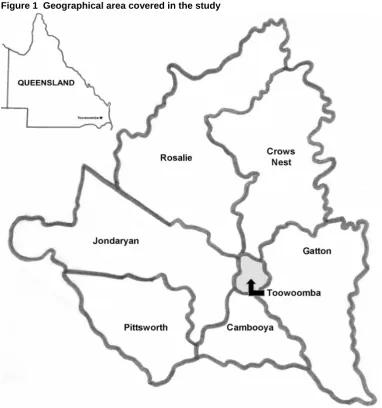
Figure 1 Geographical area covered in the study ...18
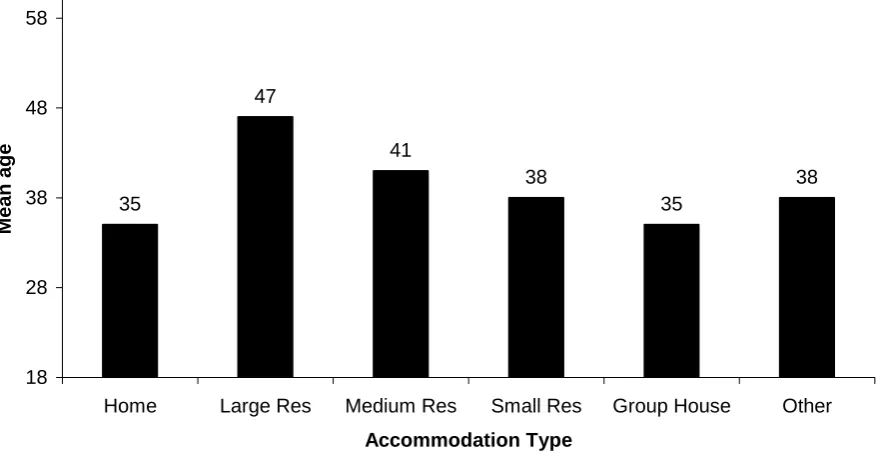
Figure 2 Mean age of carers by accommodation type (n=143)...19
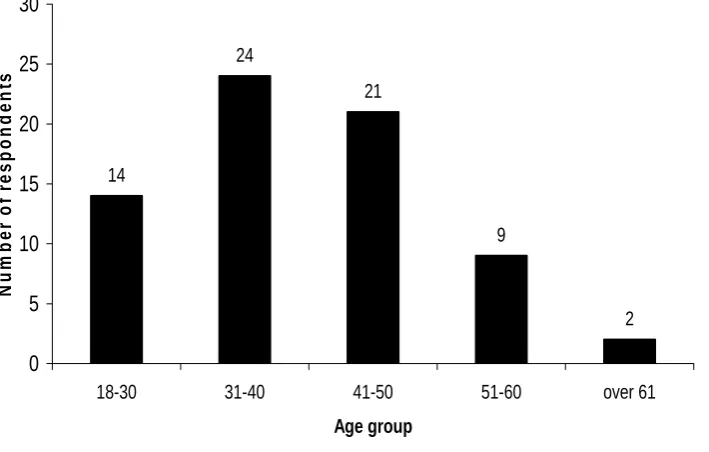
Figure 3 Age range of carers who care for a person with intellectual disability living at home (n=86) ...19
Figure 4 Age range of carers who care for a person with intellectual disability living away from home (n=57)...20
Figure 5 Secondary carers within accommodation type (n=141) ...21
Figure 6 Mean age of people with intellectual disability in each accommodation type (n=156) ...22
Figure 7 Age range of people with intellectual disability living at home (n=86) ...22
Figure 8 Age range of people with intellectual disability living away from home (n=70) ...23
Figure 9 Overall support needs of people with intellectual disability (n=156)...23
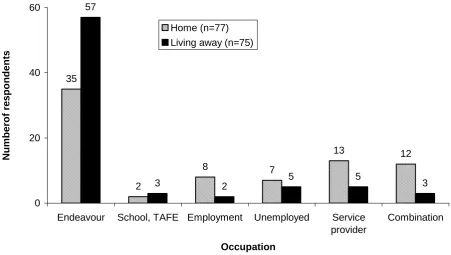
Figure 10 Day activity of people with intellectual disability (n=152) ...25
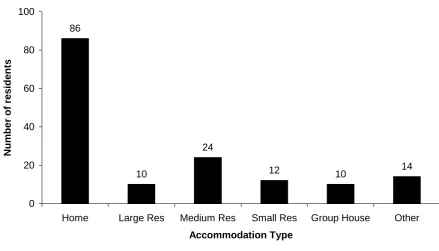
Figure 11 Distribution of accommodation type among all participants (n=156)...26
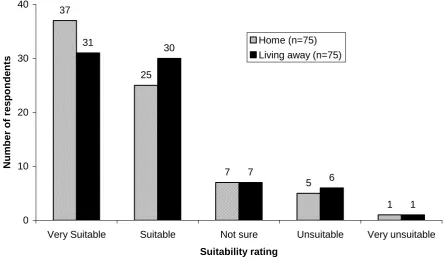
Figure 12 Suitability of current accommodation for person with intellectual disability (n=150) ...27
Figure 13 Carer satisfaction with current accommodation (n=147)...27
Figure 14 Carer perceived happiness of person with intellectual disability with current accommodation (n=150) ...28
Figure 15 Predicted change in accommodation needs of persons with intellectual disability living at home (n=71)...29
Figure 16 Predicted change in accommodation needs of persons with intellectual disability living away from home (n=52) ...29
Figure 17 Preferred accommodation for the future (n=147) ...30
Figure 18 Preferred accommodation type by current accommodation status (n=147)...31
LIST OF TABLES
Table 1.1 Reported world prevalence of intellectual disability...3
Table 3.1 Endeavour people who chose not to participate (n=34) ...16
Table 3.2 Age and gender of primary carers and people with intellectual disability ...16
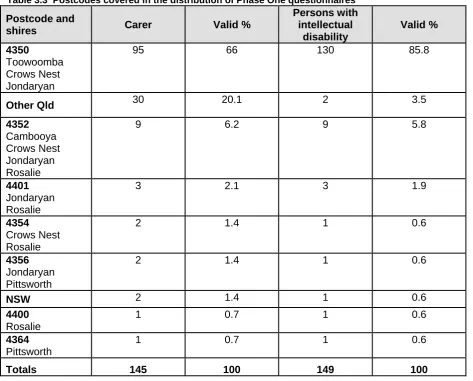
Table 3.3 Postcodes covered in the distribution of Phase One questionnaires ...17
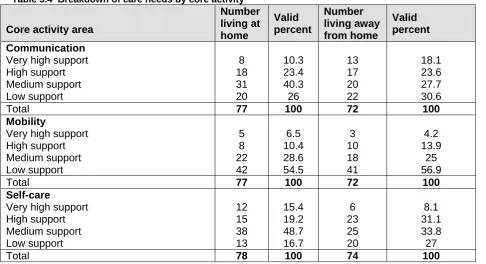
Table 3.4 Breakdown of care needs by core activity...24
EXECUTIVE SUMMARY Introduction
The objective of this study was to analyse the accommodation needs of people with intellectual disability over the age of 18 years in Toowoomba and contiguous shires. In 2004, a group of carers established Toowoomba Intellectual Disability Support Association (TIDSA) to address the issue of the lack of supported accommodation for people with intellectual disability over the age of 18 and the concerns of ageing carers. The Centre for Rural and Remote Area Health (CRRAH) was engaged by TIDSA to ascertain this need and undertook a research project funded by the Queensland Gambling Community Benefit Fund.
While data specifically relating to people with intellectual disability and their carers are difficult to obtain, the Australian Bureau of Statistics report that carers of people with a disability are more likely to be female and at least 65 years of age. Projections by the National Centre for Social and Economic Modelling (NATSEM) show that disability rates are increasing and carer rates are decreasing. Thus the problem of appropriate support to the increasing number of ageing carers and those who they care for will be a major challenge to policy makers and is an issue of immediate concern.
In general, what was once the norm of accommodating people with intellectual disability in large institutions is now changing to accommodating into community-based residences (Annison, 2000; Young, Ashman, Sigafoos, & Grevell, 2001). However, in Toowoomba and contiguous shires, TIDSA have noted that the availability of suitable accommodation for people with intellectual disability over the age of 18 years is declining with no new options available in an environment of increasing demand. Most effort seemed to be directed towards crisis provision.
Method
This study employed two phases of data gathering, the first being the distribution of a questionnaire through local service providers and upon individual request to the carers of people with intellectual disability over the age of 18. The questionnaire comprised of Likert-type items intended to measure various aspects of current and future accommodation issues. Most questions were followed with space for free-response comments to provide the opportunity for carers to further clarify and expand on their responses. The second phase comprised semi-structured interviews conducted with ten carers and ten people with intellectual disability who had participated in the Phase One questionnaire. Interviews were transcribed verbatim and subjected to content analysis where major themes were explored.
Results
Age and gender
Carer participants in this study totalled 150. The mean age of these carers was 61.5 years and ranged from 40 – 91 years. Females comprised 78% of the sample (mean age = 61.49; range from 40-91) and 22% were male (mean age = 61.7 range from 43-81). The mean age of people with intellectual disability in our study was 37.2 years ranging from 18 – 79 years with 40% female (mean age = 39.5; range from 19-79) and 60% male (mean age = 35.6; range from 18-59).
Current accommodation
Eighty-six persons with intellectual disability (55%) live at home and the remaining 70 live away from home in a residential facility, a group house or some other form of accommodation. Seventy-seven percent of all carers reported that they were satisfied with their current accommodation arrangement however 64% reported that they see a need for change in accommodation for the person with intellectual disability within the next 10 years. This figure rises to 70% for those who currently live at home. In addition, preferences for future accommodation were evenly distributed between a small residential, house or unit and village style accommodation.
Qualitative data
These data were separated and analysed according to the current accommodation situation of the person with intellectual disability. Thus two sets of experiences were analysed, those of the carers who care for someone at home and those of the carers who care for someone who lives away from home. Both groups expressed concern about, a) their advancing age and the ageing of the people with intellectual disability for whom they care, b) the importance of family in the life of people with intellectual disability and c) lack of government support in accommodation needs and d) future accommodation.
In addition, the separate groups offered information specific to their current and past experiences. For example, those who care for people with intellectual disability at home expressed concerns regarding the strain this places on themselves and other family members and how the lack of respite options affects the caring role which is now compounded by their age. Alternatively, those carers who care for people with intellectual disability who live away from home expressed how this has impacted on the quality of life for the person with intellectual disability. These carers were able to offer some insight into systemic issues such as residential accommodation, in particular staff and management.
Major findings and study recommendations
The findings of this study have highlighted in particular the plight of the ageing carer. The anxiety and fear they have for themselves in their ability to carry out their role as a carer and for the person they care for who resides in a community that offers them little or no support for their future needs. The following summary points are considered most salient and are offered as recommendations that elucidate the results of this needs analysis.
1. Database of carers and people with intellectual disability
Due to a lack of streamlining among Toowoomba services and uncertainty of the prevalence of intellectual disability within the Australian community, an accurate figure of people with intellectual disability residing in Toowoomba and contiguous shires is unavailable. This finding was unexpected but of great significance because it exposes a major weakness in the system which provides services to carers of people with intellectual disability. The implications of this weakness have presented as a major limitation of our study.
No universal database or record exists that all service providers can tap into that would help ensure that carers and persons with intellectual disability are identified and do not ‘fall through the gaps’. This study would make a strong recommendation to government agencies to update and reform their current records system so that everyone ‘out there’ who is entitled to assistance with the person they care for is aware of their rights and their entitlement. This is of particular importance to older carers and those who reside in rural areas who are less likely to be mobile and in touch with available services.
2. Immediate attention is needed to address the accommodation situation for older carers who care for people with intellectual disability.
The advancing age of both carers and those people with intellectual disability for whom they care is associated with problems such as declining health, mobility, self esteem and independence that escalate on a daily basis. The urgent nature of this issue cannot be understated. Action must be taken immediately to find ways of providing options and opportunities for carers and service providers to cope with individual accommodation needs before these older carers are no longer able to provide care. The ramifications of this scenario will most likely result in the burden of care for these people with intellectual disability placed on the community. At present this level of care in the community does not exist.
• Carers of people with intellectual disability over the age of 18 who live at home are almost exclusively an ageing parent. The mean age of parent carers in this study was 62 years.
• Regular respite should be more easily available for older carers who care exclusively for their person with intellectual disability.
• Disability services need to provide assistance to older carers to allow them to plan for the future. This forward planning would alleviate anxiety and disruption to care should the carer fall ill or die.
• Government and disability services are not recognising the changing needs of people with intellectual disability in connection with their advancing age.
• Government and disability services are not recognising the urgency of increasing care needs due to advancing age of the carer.
• As the person with intellectual disability ages, services should provide close monitoring for increased physical support needs (e.g., hand rails, ramps, wheelchairs, hoists, installation of shower recesses) and ensure these are provided.
3. There is a dearth of choice and options for accommodation in Toowoomba and contiguous shires for people with intellectual disability over 18 years. This needs analysis has shown that there is a great degree of variation in the accommodation needs of intellectually disabled people. We have shown that no one style of accommodation suits all people with intellectual disability. Therefore, a range of accommodation options to better suit as many people as possible needs full exploration. This must be done in consultation with carers, people with intellectual disability and service providers to ensure that flexibility and appropriateness of accommodation is maintained. Furthermore there are persons with intellectual disability who have fallen through the ‘net’ and are housed in inappropriate accommodation. This is primarily due to inadequate assessment of their care needs and compounded by the dearth of available accommodation.
4. The person with intellectual disability who lives at home in a family environment is an ideal situation but this comes at great cost to the carer.
When a person with intellectual disability resides at home, their needs such as meals, medical, security, behaviour monitoring, and financial assistance can all be provided by the carer - who is almost exclusively an ageing parent. However, this idyllic scenario comes with a cost. This study found that carers who care for someone full time equate this to an end of a ‘normal life’. While retirement from the workforce is looming, retirement from the caring role is never ending. Therefore, life for many carers will not change in the foreseeable future.
• Many in-home carers want to continue care as long as possible but if they choose to care at home, there should be more services to support them.
• The lack of respite opportunities needs to be addressed.
people with intellectual disability enabling them to make the transition to living away from home more successfully at some stage in the future.
• There should be provision of support for sibling carers who take their brother or sister into their home for care. Siblings need to be recognised as primary carers with any benefits or support transferred to them to help enable them to continue their own lives (e.g., work, family).
• Access to carer support through Centrelink should be explored to facilitate transfer from one carer to the next when the parents can no longer care or die.
5. The person with intellectual disability living away from home in various community residential facilities comes with added burdens and uncertainties for the future.
What every carer wants for their person with intellectual disability is safe and secure accommodation that allows appropriate individual support. However, current accommodation services are not only outdated but filled to capacity. Physical safety as well as security of tenancy is paramount for people with intellectual disability. This is not only their right but safe and secure accommodation instils confidence in both carers and people with intellectual disability and is conducive to a feeling of permanency.
For those people with intellectual disability who have settled in disability accommodation services, the care provided was generally reported of a high quality. Furthermore, carers feel that these people are well looked after, safe and secure. However, for a person with intellectual disability accommodated outside of the specific disability services, such as residential aged care, the type and quality of care is very different. Respondents in our study reported that these facilities do not cope adequately to the ageing care needs of the person with intellectual disability. Utilising nursing homes to meet the care needs of ageing people with intellectual disability is not appropriate. Care facilities that understand and can cope with the needs of people with intellectual disability are urgently required.
Although in general the care at residential care facilities was considered good, it was widely reported that staff required training at a higher level to understand and provide for the needs of residents with intellectual disability. Attention to individual’s needs are vital to ensure that persons with intellectual disability reach their full potential, are allowed to contribute to and interact in the community if able and achieve the highest possible quality of life.
6. Staffing issues at care facilities
Ongoing support at residential facilities is the most expensive part of accommodation services. Recruitment, training and remuneration of appropriate staff should be revisited by government services and restructured in order to meet the increasing needs of the older person with intellectual disability. Appropriately trained staff should be recruited and employed who will help ensure that the individual needs of people with intellectual disability are met in order for them to achieve their full potential. This is their right and imperative to maintain quality of life.
• There was an overall perception that staffing levels need to be increased at most care facilities. Provision of ongoing support with proper supervision by adequately trained support staff is vital to safe and secure accommodation for persons with intellectual disability.
• There was an overriding concern regarding the quality of staff at most care facilities and this relates to the provision of adequate funding for recruitment, training and remuneration of staff.
• Provision of overnight care was seen as essential.
• Communication between carers and support workers needs to be improved. An open door policy will assist with the provision of appropriate care and reduce the stress on carers.
• More attention is needed to provide options that suit the ‘individual’ as all needs are different.
• The individual needs of people with intellectual disability should be considered. Some people with intellectual disability only require assistance with meals, while others require 24 hour care. These differences should be accommodated by services.
• It would appear that services are not keeping pace with the increasing care needs of the people with intellectual disability and their carers. Progress in this area also needs to be monitored.
7. Equity of support and services with all levels of intellectual disability and other disability groups.
Our study found there is an overriding feeling of a ‘double standard’ that places persons with mild/moderate disabilities at a disadvantage for obtaining support and funding. Such a feeling of disadvantage relative to other disability groups and younger persons with intellectual disability was also evident. Governments must recognise that this older generation of people with intellectual disability are further disadvantaged by their age because most have missed out on special education programs and support packages that have become available in recent years.
Furthermore, people with lower levels of intellectual disability are currently being excluded from some service provision on the grounds that their disability is not ‘severe’ enough. Older persons with intellectual disability not only deserve access to more equitable service delivery but attention to special needs that they previously missed out on should be accommodated (such as literacy and social skills).
8. Government support and funding
A general lack of trust towards government commitment in assisting people with intellectual disability was overwhelmingly expressed by carers in our study. Governments are seen to be withdrawing support from a vulnerable segment of the community. This not only angers carers but also creates fear for their future. They feel that without government support there is no chance of securing a future for the person to whom they provide care.
• The government needs to recognise the urgent nature of this escalating situation because the need for more accommodation options, including overnight respite for ageing in-home carers will only increase.
• The application process for support packages should be streamlined to avoid completing forms year after year. Each applicant should obtain a reply regardless of the outcome.
• There needs to be acknowledgement of the needs of people with milder intellectual disabilities - these are the people most at risk of falling through the cracks in government funding. With proper and appropriate government attention and support, many people with milder forms of intellectual disability could live productively in the community therefore reducing the need for disability specific accommodation.
9. Future needs for carers of and persons with intellectual disability over 18 years.
ideal life that they would want for the person they care for. While the presence of these services at one time provided a glimmer of hope, recent changes to policy and quality standards have altered the situation. The changes to policy and quality standards are welcomed however their impact is to reduce the number of people with intellectual disabilities who can be serviced with the currently available financial resources. The overwhelming feeling is that the carers’ voice will only be heard when the situation reaches crisis point. For many carers and their families this has already occurred.
Summary
The following points summarise the key issues regarding what this study found to be necessary to help fulfil the future accommodation needs for persons with intellectual disability and their carers.
• Support and provision of safe and secure accommodation with easy access to community services and transport.
• Facilities with adequately trained staff with 24 hour support and provision also people who need care but for shorter periods of time.
• There is an urgent need for purpose-built disability systems of accommodation, perhaps similar to that within the aged care sector.
• More in-home support is needed for those that want to stay at home (e.g., hand rails, ramps).
• Respite care must be provided at a level that is readily accessible and affordable for carers.
• Our study described the ideal vision of accommodation to include the following;
o Village or small residential type accommodation would appear to be the most desired accommodation options, but dispersed housing is also seen as highly desirable.
o It is imperative that people with intellectual disability have their own room which they can personalise. En-suite rooms are universally seen as highly desirable.
o The optimum number of residents per house or facility is seen as three or four. o The quality of support staff is paramount to a safe, secure and comfortable life. The process of recruitment and training of staff process needs investigation to ensure this.
o Accommodation needs to be close to community services. If not, transport issues need to be addressed to ensure access to social activities and other necessary services (medical, dental shopping etc).
o Accommodation costs must be affordable and in line with pension entitlements. This area needs further exploration to ensure appropriate and affordable housing for all levels of need.
o Promoting independence where possible is a priority, meaning that an appropriate level of care should be provided to meet the individual needs of people with intellectual disability.
1.0 INTRODUCTION AND LITERATURE REVIEW 1.1 Background to the study
The crux of this needs analysis revolves around the inevitability and circumstances of ageing in relation to the accommodation needs of persons with intellectual disability and equally their older carers.
Toowoomba and contiguous shires are not exempt from the issue of ageing carers and a need for ongoing support for ageing people with intellectual disability. In 2004, a group of carers established Toowoomba Intellectual Disability Support Association (TIDSA) to address this issue. The aim of TIDSA is to establish the accommodation needs of people with intellectual disability in Toowoomba and contiguous shires. The current study is a needs analysis of the current accommodation situation which has arisen from community observations that there is a lack of available and appropriate supported accommodation services in the area. It is anticipated that this knowledge will inform policy makers within government and influence future policy in this area.
For the purposes of this study, the following definitions were used.
a) Carers
Services that assisted in this study were not given a strict definition of who ‘carers’ were. An assumption was made that most services follow the definition as laid down by the Australian or state government within their funding guidelines. However, a carer is generally the person who provides informal, unpaid care for the person with intellectual disability (Australian Bureau of Statistics, 2003). When the person with an intellectual disability resides at home, this person is usually clearly identifiable to service providers. Additionally, when the person with an intellectual disability resides in a form of supported accommodation, parents and family members clearly still provide significant support and were included in this study.
b) People with intellectual disability
The term ‘intellectual disability’ in respect to the research undertaken for this needs analysis was deliberately not defined in order to allow service providers to target those whom they identified as having an ‘intellectual disability’. Therefore it was up to the discretion of the service providers to target those clients who they identify as intellectually disabled. The only criteria this study imposed were that the person with intellectual disability had to be over the age of 18 years.
c) Service Providers
There are several service providers within Toowoomba and contiguous shires that provide services for people with intellectual disability over the age of 18 and their carers. Most of the service providers are located in Toowoomba city and extend their service to contiguous shires and beyond. Some services provide respite and other assistance with daily living skills and care needs to people living in the home (e.g., HHelp, Blue Care). Others provide supported accommodation that includes assistance with daily living skills and care needs (e.g., Horton Village). Endeavour Foundation is a major service provider for this group in Toowoomba and provides accommodation services as well as supported employment services, day services and support through individualised funding packages (D. Johnston, personal communication, February 16, 2006).
1.2 Review of the literature
This section of the report provides an overview of the research and published material available on the issues surrounding intellectual disability as is relevant to this study. It is organised into the following sections which relate to accommodation needs for older carers and older people with intellectual disability.
1.2.1 The prevalence of intellectual disability in Australia
1.2.2 Commonwealth State/Territory Disability Agreement
1.2.3 Ageing
1.2.3.1 Statistics on ageing carers
1.2.3.2 Statistics on people with intellectual disabilities
1.2.3.3 Statistics on decreased carer rates and increased disability rates
1.2.3.4 Current situation of ageing and accommodation for carers of and people with intellectual disability
1.2.4 The caring role 1.2.4.1 Overview
1.2.4.2 Experiences with services for the intellectually disabled
1.2.5 The transition to care from home to life in supported accommodation 1.2.5.1 The experience of the carer
1.2.5.2 The experience of the person with intellectual disability
1.2.6 Alternatives for care 1.2.6.1 Sibling carers 1.2.6.2 Aged care facilities
1.2.7 Disability specific accommodation 1.2.7.1 The meaning of home 1.2.7.2 Residence size
1.2.7.3 Level of intellectual disability 1.2.7.4 Staffing
1.2.7.5 Friends
1.2.8 Models of accommodation types 1.2.8.1 Overview
1.2.8.2 Campus, cluster and dispersed housing models 1.2.8.3 Cost
1.2.1 The prevalence of intellectual disability in Australia
[image:18.595.79.524.254.697.2]There are several inconsistencies in reporting intellectual disability within Australia. While the Australian Bureau of Statistics (ABS) classifies intellectual disability according to the International Statistical Classification of Diseases and Related Health Problems, Ninth Revision (ICD-9), state and local organisations classify according to the American Association on Mental Retardation (AAMR). As the AAMR change their classification requirements in response to research outcomes, the reported prevalence rates are also affected. Furthermore, developmental and intellectual disabilities are often captured together, making no distinction regarding types of disability or level of severity. This has resulted in confusion and perpetuates the dissemination of misleading and often incorrect information. Table 1.1 illustrates the range of prevalence rates currently cited from international and Australian sources (Australian Institute of Health and Welfare, 2003).
Table 1.1 Reported world prevalence of intellectual disability
Estimates of
prevalence (%) Regions Data sources and methods Definitions
0.3-0.4 World Agency records Adapted definitions of AAMR/ ICD-9 etc.
0.4-0.5 Australian states
Agency records Adapted definitions of AAMR
0.42 Australia 1989-90 ABS national health survey (excluded people in institutions)
Mental retardation/specific delays in development as a long-term condition
Adapted ICD-9 classifications
0.65 Australia 1993 ABS disability survey, `intellectual' as a primary disabling condition, identified before age 18
Adapted ICIDH concepts and ICD-9 classifications,
AIHW groupings
0.73 Australia 1993 ABS disability survey, `intellectual' as a primary disabling condition
Adapted ICIDH concepts and ICD-9 classifications,
AIHW groupings
1-1.5 World Epidemiological studies AAMR/ICD etc.
1.7 Australia 1993 ABS disability survey, based on screening question of `slow at learning or understanding'
All people reporting positively to the screening question of `slow at learning or understanding'
1.86 Australia 1993 ABS disability survey, `intellectual disability' including all relevant disabling conditions and disorders
Adapted ICIDH concepts and ICD-9 classifications,
AIHW groupings
3.0 United States
US President's Task Force and President's Panel on Mental Retardation
This `theoretical prevalence' rate is an extrapolation from
statistical models based on IQ scores
1.2.2 Commonwealth State/Territory Disability Agreement
In Australia, disability funding is administered through the Commonwealth State Territory Disability Agreement (CSTDA, 2006). This is an agreement between Australian, state and territory governments that ensures that disability services are provided under a national structure. The current CSTDA covers the years 2002–03 to 2006–07 and maintains that state and territory governments provide 80% of the funding for disability. This funding goes towards services such as accommodation, community access, support and respite. The Australian Government provides the remaining 20% and administers employment services and advocacy, information and print services (Australian National Audit Office, 2005-2006).
1.2.3 Ageing
1.2.3.1 Statistics on ageing carers
In 2003 there were 2.5 million people (13%) identified as informal carers in Australia. There are many definitions of carers but for the purpose of this study, carers are defined as ‘those people who provide informal unpaid care for someone with a disability’ (Australian Bureau of Statistics 2003). One fifth of those carers have identified as caring for someone with a disability. Fifty four percent are women over 65 years of age with 71% identifying as the primary carer. Thus carers of people with a disability were more likely to be female and at least 65 years of age (Australian Bureau of Statistics, 2003).
1.2.3.2 Statistics on people with intellectual disabilities
The rate of reported disability in Australia remained stable between 1998 and 2003. In 2003, 20% of the population in Australia (3.9 million) reported a disability that restricts their daily activities, has lasted at least six months or will last at least 6 months. The types of or extent of disability varies from restriction in at least one of the core activities of self care i.e., mobility or communication (76%), physical disabilities (84%) and mental or behavioural diagnosis.(16%). The majority (82%) of people with a disability up to the age of 59 years are reported to live in a private dwelling with only 0.1% living in supported accommodation and 0.4% in some other form of non-private dwellings (Australian Bureau of Statistics, 2003).
1.2.3.3 Statistics on decreased carer rates and increased disability rates
According to a report from the National Centre for Social and Economic Modelling (NATSEM) (2004) the projected increase in the number of carers between 2001 and 2031 under the age 65 will be 19%, while the increase in carers aged over 65 during this same period will grow by 110%. In comparison, the number of people with severe or profound disability is expected to increase to 1.39 million (an increase of 160%) during the same time period. These statistics are of great concern because the people who are the carers of this population are also getting older. These ageing carers are increasingly more likely to develop disabilities of their own and therefore contribute to the rise in disability rates. Consequently, with rising disability and falling carer rates, ensuring appropriate support will be a major challenge to policy makers and an issue of immediate concern.
1.2.3.4 Current situation of ageing and accommodation for carers of and people with intellectual disability
comfortable ageing for the person with intellectual disability (Bigby, 2004). For many carers, the desire is for this care to meet the standard of care they themselves have provided over the past decades (Llewellyn, Gething, Kendig & Cant, 2003).
In general, there has been a move away from accommodating people with intellectual disability in large institutions and into community-based residences (Annison, 2000; Young, Ashman, Sigafoos, & Grevell, 2001). Data from the Australian Institute of Health and Welfare (AIHW) (2005) report that fewer young people are entering formalised residential care and those who currently reside there are in advanced years. Deinstitutionalisation has resulted in an abundance of research into various aspects of the lives of people with intellectual disability such as adaptive behaviour, overall quality of life and whether they now lead lives more in line with the rest of the community (Young, Ashman, Sigafoos, & Grevell, 2000). It would appear that generally, this change has been a positive one (Kim, Larson & Lakin, 2001; Stancliffe, Emerson & Lakin, 2001) with a trend for more community facilities that provide a higher quality of life (Felce & Emerson, 2001).
1.2.4 The caring role
1.2.4.1 OverviewResearch has shown that carers of intellectually disabled receive a great deal of satisfaction from their caring role and report that they have meaningful relationships with their adult son or daughter. Many parents (in particular mothers) report that they would like their child to remain under family care as long as possible (Rimmerman & Muraver, 2001). Older carers tend to report that as they get older the physically demanding nature of the role (Llewellyn et al., 2003; Rimmerman & Muraver, 2001) and the effect it can have on family relationships causes the greatest level of stress (Llewellyn et al., 2003). Older carers also report feeling helpless (Llewellyn et al., 2003), lack a sense of purpose and of personal growth (Walden, Pistrang, & Joyce, 2000). For older mothers, in particular, this caring experience becomes less positive as time passes (Rimmerman & Muraver, 2001).
1.2.4.2 Experiences with services for the intellectually disabled
Carers report that they often find themselves vulnerable to the disability system. Not only do they feel that services do not respond appropriately to the needs of their child but ‘their knowledge’ as parents and carers is not respected. Therefore, they find themselves excluded from within the circle of ‘experts’ who administer many of the services they require. Services continue to respond to people with intellectual disability as a group rather than addressing individual differences. In addition some services see the person with intellectual disability simply as the ‘client’, without acknowledging the lifetime inter-dependency that has developed between the person with intellectual disability and the carer. Changes in government policy which many service providers are bound by, often forces them to adapt services to meet frequently adjusted guidelines. This creates uncertainty and fear for carers that they will no longer be eligible for services under the new guidelines. Service providers have also recognised that older carers have spent many years lobbying for services which are now no longer available to them because the emphasis of support is shifting to younger carers (Llewellyn et al., 2003).
1.2.5 The transition to care from home to life in supported accommodation
The transition from care in the family home to supported accommodation is a life-changing experience for carers and people with intellectual disability. The carer experience is not always the same as that of the person with intellectual disability, as outlined below. However, both need the support of professionals to help them through the process.
1.2.5.1 The experience of the carer
“hardest and most painful decision of their lives” (Mirfin-Veitch, Bray, & Ross, 2003, p. 105). Many older carers endure a stressful search for an immediate and appropriate accommodation after experiencing an unexpected crisis such as failing health or an accident (Llewellyn et al., 2003). Given the ideal situation of appropriate services and accommodation options, the decision to find alternative accommodation is often a process of events, not one discrete act (Mirfin-Veitch et al., 2003).
The first part of the process as described by Mirfin-Veitch et al. (2003) are the events leading up to the decision to move the person with intellectual disability to another accommodation. This is often initiated by a decrease in the carer’s ability to cope with the caring role. Carers reported retrospectively that they felt themselves becoming more isolated and perceived that their other children and family members were unable to lead a normal life. Some carers resisted attempts by services to assist when they were struggling to cope, although many report they knew they were ‘delaying the inevitable’ (Mirfin- Veitch et al., 2003, p. 104). Often during this stressful stage the carer sought community based disability services but too often found they did not meet their needs. Therefore, local respite accommodation services were used more frequently as the carer needs increased. This respite allowed the family to have a break from their caring role, while a specialised disability service cared for the person with intellectual disability (Department of Health and Ageing, 2004).
The ultimate decision for the person with intellectual disability to move out of the family home is usually made by mothers. This is influenced by the mother’s mental health and a need for her to maintain balance for her family and other children. Support from general practitioners and psychologists is very important at this time as they facilitate the transition and validate carer’s feelings of stress and guilt (Mirfin-Veitch et al., 2003).
Once the person with intellectual disability has moved to supported accommodation, this does not mean they are no longer a part of the family. Most carers continue to have regular visits in accordance with policy of the residential facility. These visits also enable staff to communicate and confer with parents and helps them feel that they are involved in the decision making around the care of the person with intellectual disability (Schwartz, 2005).
1.2.5.2 The experience of the person with intellectual disability
The move from the family home is not always perceived as stressful for the person with intellectual disability, particularly if they feel they will be adequately supported through the process. In fact some find this a positive experience as life-long dreams are fulfilled. Research has found that two to four weeks following the move, extra support and greater access to social networks may be needed. For anyone who is making a major life move, this is the period when the excitement of the move has waned and reality has set in (Bramston & Cummins, 1998).
1.2.6 Alternatives for care
1.2.6.1 Sibling carers
in caring roles may not be a smooth transition and may be affected by two issues; 1) how the person with intellectual disability now perceives their sibling carer and 2) how service providers respond to and support either one or more siblings now taking over the caring role (Dew, Llewellyn, & Balandin, 2004).
1.2.6.2 Aged care facilities
There has been much debate about accommodating people with intellectual disability in aged care facilities and how well this type of accommodation meets the needs of this group. While people with intellectual disability undergo the same ageing process as the general population, they often experience poorer health throughout their lives and therefore require higher care needs as they age (Bigby, 2004). Aged care facilities are regarded as inappropriate for people with intellectual disability and they can be forgotten in a system that is not suitable or equipped to care for them (Thompson, Ryrie, & Wright, 2004). They are often placed in aged care facilities for reasons unrelated to their ageing but as a result of the death of their parents. Furthermore it is unclear at which age or stage in their ageing it is acceptable for people with intellectual disability to move across into the aged care system (Bigby, 2002).
Thompson and Wright, in a study of people with intellectual disability in residential services for older people, found that people with intellectual disability were living “the life of the much older and frailer people in these services” (Thompson & Wright, 2001, p. 20). For these people with intellectual disability residing in an aged care facility, one third were unable to access the community on a weekly basis and regular activities were restricted as was contact with family and friends. In addition, they were not receiving any support from specific disability services. This could further result in loss of contact with friends and social networks (Thompson et al., 2004). In particular staffing levels and training were inadequate to deal with people with intellectual disability in an aged care facility.
Conversely, Heller, Millar, and Factor (1998), found that those people with intellectual disability who moved out of an aged residential facility into community-based settings displayed higher levels of adaptive behaviour, community integration and health. One contributing factor was the physical environment. These dwellings allowed the residents to personalise their rooms, buildings had more windows with nicer views and décor was varied throughout the residences. This illustrates that the needs of people with intellectual disability are different from the normal ageing population. In order for aged care services to meet these care needs, the roles of disability and aged care sectors may need to be examined and a suitable approach to providing appropriate options explored (Bigby, 2004).
1.2.7 Disability specific accommodation
It would appear that at least three factors are required to provide more severely disabled and people with specific disabilities better opportunities and quality of life. They are: a) ensuring that activities are available, b) having adequate numbers of staff to support residents in these activities and c) ensuring that this support is appropriate for their level of need (Felce, 1998).
Felce (1998) suggests that supported accommodation needs to move away from an environment where staff take care of everything and towards an environment that encourages resident participation and independence. For this to be successful, organisations need to ensure that they have a commitment to this, and that staff are trained and monitored appropriately to coordinate this level of care and supervision.
1.2.7.1 The meaning of ‘home’
elements. The first included the establishment of a ‘sense of place’ (O’Brien, 1994, p. 2). This is established by such things as being able to personalise their environment, establishment of routines, physical and emotional safety and freedom to invite people to visit and maintain friendships. The second is control over where they live and who they live with. The final element is that of security of place that is achieved through either ownership or the establishment of residential stability with sufficient support.
1.2.7.2 Residence size
People with intellectual disability who reside in smaller groups with less support have been found to have greater access to community facilities, more involvement in household tasks and more choice and control in their lives. They also report higher levels of social satisfaction, possibly because of the sense of control they have over their social life (Stancliffe & Keane, 2000). Parents perceive their child to be happier when residing in smaller residences and they believe that it ensures a better quality of life (Schwartz, 2005). However, research has found that the size of the residence is only one factor that contributes to the happiness of the person with intellectual disability. Smaller size has not been identified as a causal factor, but one of many confounding factors of happiness in general (Felce & Emerson, 2001).
1.2.7.3 Level of intellectual disability
One aspect of quality of life for people with intellectual disability is their ability to communicate and their level of living and social skills. Those with more severe disabilities have been found to participate less in daily living activities, socialising and exercising. In addition, those with lower levels of intellectual disability receive less attention from staff. Thus the people who require more help actually receive less (Perry & Felce, 2003). This may be due to the inability of people with higher intellectual disability to provide staff with satisfying social interactions. Consequently staff gradually lose that skill of communication (Felce, 1998). According to Mansell, Ashman, Macdonald and Beadle-Brown (2002), housing people with different levels of intellectual disability will ensure that staff communication skills are maintained. When people with similar levels of intellectual disability are housed together, staff adapt their practices to conform to the skill level of the clients. For example, if all clients are non-verbal, it may reduce the number of staff required, but those staff may in time stop communication altogether which would be to the ultimate detriment of the clients.
1.2.7.4 Staffing
More staff does not necessarily translate into higher levels of life-style satisfaction or activity levels for the people they care for. In research exploring community accommodation with various staffing levels, those residences with less staff were found to have contributed to higher life-style satisfaction of their residents. It would appear that residents feel more in control when lower staffing levels allow them the opportunity to make decisions and have more responsibilities. When staffing levels are lower, staff more actively engage in assisting residents to acquire more independent skills (Schwartz, 2003).
1.2.7.5 Friends
People with intellectual disability were found to be more likely to have friends with intellectual disability rather than friends without intellectual disability and were more likely to participate in activities with their friends in public places, not at home. In addition, where a person lives is more important in developing friends than the social skill level developed or the personal qualities of the individual (Emerson & McVilly, 2004). This suggests that accommodation types that allow social contact may be beneficial to improving social skills and maintaining friendships.
1.2.8 Models of accommodation types
1.2.8.1 Overview
There is a large amount of research comparing various types of accommodation services for people with intellectual disability. While de-institutionalisation is generally regarded as a positive step in enabling a higher quality of life for people with intellectual disability, classification of accommodation settings has yet to be standardised. In addition, it is still unknown which type of accommodation provides the best quality of life. Broadly however, accommodation types are based on models from the United Kingdom (UK) and are broken into three main categories. The first are campus type facilities which house large numbers in atypical buildings separated from the surrounding community. The second are intermediate community settings such as in a village style again separated from the community. The third are community or dispersed housing, which are regular houses located within the community (Felce & Emerson, 2001).
1.2.8.2 Campus, cluster and dispersed housing models
Emerson et al., (2000) compared a 24 hour supported campus style setting (independent cottages but sharing facilities such as a shop) and 24 hour supported dispersed community housing. It was found that dispersed housing provided overall higher quality care. This care included better quality staff who were involved in more activity and personalised planning and offered more flexible and positive support. In addition, this accommodation was found to be more ‘home-like’. People with intellectual disabilities in dispersed housing were able to have a greater say in their lives and engaged more with the wider community, attending a greater variety of activities more often as compared to those in the campus style setting (Emerson et al., 2000).
Additionally, research into cluster housing and dispersed housing has shown that people with intellectual disability in cluster housing are more likely to live in a larger setting with more people. Cluster housing also offers respite facilities, receives less support from staff many of whom are casually employed. In addition residents have been found to have less control over their environment, are less active and participate in fewer social activities. Therefore, while there is a perception that living in cluster housing allows people with intellectual disability to connect better with the community there appears to be no evidence to support this (Emerson, 2004).
1.2.8.3 Cost
semi-to four people living in dispersed housing with part-time support but not including overnight assistance. Group housing was defined as three to seven people with full-time support during waking hours and variations in levels of night support. Per-person, group housing was found to be more expensive to run with no better quality of life for the residents than that achieved in semi-independent living. Thus, residents in these group houses may not need the level of support currently provided and may achieve similar quality of life outcomes living semi-independently, at a lower cost.
1.2.9 Summary of the literature
The disability sector within Australia appears to be in a state of confusion. Not only is there a lack of agreement about the definition of intellectual disability, and confusion over prevalence rates within Australia, but services do not appear to be responsive to the needs of people with intellectual disability and their carers. The CSTDA maintains that day to day services for people with a disability are provided for by state and territory governments. However, carers in Australia are ageing as are people with intellectual disability and services are now needed to provide appropriate accommodation and support within a more community-based system.
Appropriate support and quality of life for the person with intellectual disability is a desire of carers. Research indicates that current services do not always respond appropriately to people with intellectual disability and their carers. Carers struggle to find some way of coping with the physical and mental consequences of their own ageing and the ageing of the person with intellectual disability with limited support from service providers. One option for carers is to rely on their other children for this support. However, siblings of the person with intellectual disability have their own lives and find it hard to take over the care when their parents have died. Another option is to access the aged care system but it is ill-equipped to care for people with intellectual disability.
Optimum quality of life for people with intellectual disabilities in disability-specific supported accommodation depends in part on the ability of the individual to interact with other people and the environment. Therefore a choice of various residential environments is the ideal scenario to cater for all needs. Research has found that people with intellectual disability need to feel a sense of control in the running of their home. This includes such things as: being able to personalise the room , having input into the day to day decision making and appropriate community involvement.
Continued family involvement also contributes to the quality of life for people with intellectual disability. An important point that emerges from the literature is that the size of the supported residence does not automatically guarantee that people with intellectual disability will receive more attention and support from staff or a better quality of life. While smaller residences help allow greater community access and more choice for the intellectually disabled, the ability of the staff to actively engage with residents, encourage and support their independence is by far more vital in achieving quality of life.
There is currently no world-wide standardisation of disability housing classifications. Thus research is inconclusive as to which particular style of accommodation is preferable for people with intellectual disability. However, dispersed housing through the community has been found to provide a higher level of care compared to cluster housing. The cost of dispersed housing has been found to be more expensive in the UK while in Australia, group houses have been found to be more expensive than semi-independent housing.
2.0 METHOD
2.1 Project funding
The Toowoomba Intellectual Disability Support Association (TIDSA) approached the Centre for Rural and Remote Area Health (CRRAH) in 2004 to assist them in investigating their research question which focussed on assessing the accommodation needs of people with intellectual disability over 18 years of age in Toowoomba and contiguous shires. TIDSA and CRRAH subsequently applied for and secured funding through the Gambling Community Benefit Fund (GCBF) to undertake this project which commenced in June 2005.
2.2 Project management
The Chief Investigators on the project comprised:
• Dr Diann Eley - Senior Research Fellow, University of Queensland (UQ) and Centre for Rural and Remote Area Health (CRRAH)
• Professor Desley Hegney – Director; CRRAH, University of Southern Queensland (USQ) and UQ
• Mrs Joanne Boyes - Research Assistant, CRRAH
A Reference Group (RG) of key stakeholders from within the community guided the project and comprised in alphabetical order by surname:
• Chris Allison (Community Development Officer, Carers Qld) • Jane Arnold (TIDSA representative)
• Leigh Bailey (Community Development Officer, Carers Qld) • Trish Feehely (Senior Resource Officer, Disability Services Qld) • Bill Grace (Manager, Hhelp Services, Toowoomba)
• Diana Johnston (Area Manager, Endeavour Foundation) • Tony Lanigan (TIDSA representative)
• Diana Mckay (TIDSA research representative)
• Michael Mutze (Area Manager SW Qld, Department of Housing)
• Angela Thrower (Darling Downs Community Housing Resource Worker, Wambo Shire Council)
• Mary Wagner (Board of Management, Lourdes Home For The Aged)
2.3 Role of the reference group
The RG was formed by TIDSA members to guide the study, ensure integrity and offer insight and expertise to the outcomes. This was provided through:
• regular meetings
• assistance with finalisation of the questionnaire design
• provision of feedback and discussion regarding results of the study • input to the final report and discussion of study outcomes.
2.4 Role of TIDSA
TIDSA offered support and guidance through:
• provision of a service distribution list • the development of the study
• design of the questionnaire
This involved regular meetings between TIDSA representatives and members of CRRAH during which updates were given and feedback received.
2.5 Participants
Participants were recruited over a three month period through the dissemination of the study questionnaire. Due to confidentiality issues, this was achieved predominately via local service providers and community organisations that were identified as offering services to people with intellectual disabilities and their families. Study questionnaires were also provided to individuals who made a request through either TIDSA or CRRAH.
Participants were also recruited by TIDSA through various activities such as:
• media awareness campaigns through local television and radio stations - these were conducted prior to the commencement of the study and during the recruitment period • distribution of study questionnaires at local community events where potential
participants were reasonably expected to be in attendance • word of mouth through TIDSA networks.
2.6 Materials
Prior to the involvement of CRRAH, a trial questionnaire was developed and tested by TIDSA members to assess accommodation needs amongst potential participants at a public meeting. This trial questionnaire was used as a guide to the development of a more extensive questionnaire used in Phase One of the research.
The Phase One questionnaire was intended for the unpaid carer of a person with intellectual disability who was over the age of 18. The questionnaire comprised of four sections with a mixture of quantitative (tick boxes, yes-no and Likert scale) and qualitative (free response, open ended) questions.
The first section of the questionnaire captured demographic information including:
• name and contact information, gender and year of birth of person with intellectual disability and whether the carer thought the person with intellectual disability would be interested in participating in a follow-up interview
• name and contact information, gender and year of birth of carer and whether the carer would be interested in participating in a follow-up interview.
The second section captured information regarding the current living arrangement of the person with intellectual disability. This included Likert-type items intended to measure overall satisfaction with the current accommodation situation. Following most of these questions, carers were given the opportunity to expand on their responses by providing free response comments.
The third section sought information on the carer’s perceptions of the future. Again carers were asked to rate their views using Likert-type items and given the opportunity to expand their responses, through qualitative comments.
2.7 Procedure
The study comprised of two phases.
Phase One involved the completion of the questionnaire by carers of people with intellectual disability. Service providers in Toowoomba and contiguous shires who provide services to a person with intellectual disability and their families were identified and approached by TIDSA members to assist in the distribution of the study questionnaire to their clients. Questionnaires were distributed through these service providers with the criteria for distribution being:
• carers who reside in Toowoomba and contiguous shires (as identified by postcodes) • carers who care for a person with intellectual disability over the age of 18 years.
It was requested that service providers also distribute the questionnaire to carers of people who had a primary diagnosis other than intellectual disability but whose diagnosed disability included an intellectual component.
A follow-up mail out was initiated through Endeavour Services to ensure that as many carers of people with intellectual disability as possible were give the opportunity to participate and thus increase our response rate. This second mail-out was targeted at those who had not responded to the first questionnaire. Carers were invited again to participate in the study or to indicate a reason as to why they had chosen not to participate by ticking the appropriate tick box on their information letter.
Phase Two of the study comprised only qualitative methods. Semi-structured interviews were conducted with ten carers and ten people with intellectual disability. A preliminary descriptive data analysis was conducted to provide an overview of participants (carers) from Phase One. This information allowed a purposive sampling technique to identify a representative cross section of participants for the interviews. The interview questions were guided by the preliminary results from both the quantitative and qualitative analysis of Phase One. Descriptive and thematic analysis was performed on the returned questionnaires to identify areas for further elaboration.
2.7.1 Criteria for interview selection
2.7.1.1 Carers
Ten interviews were conducted. Of the carers interviewed, five cared for people with intellectual disability in their home (n=5) and five care for people with intellectual disability who lived away from home (n=5). Furthermore, five of these carers were over 60 years of age and five were under 60 years of age. This ensured that the group interviewed was representative of carers of people with intellectually disability in Toowoomba and contiguous shires. Interviews with carers ranged from 20 minutes to 70 minutes.
2.7.1.2 Persons with intellectual disability
Similarly interviews were undertaken with persons with intellectual disability. Five lived at home and five lived away from home. No age criteria were applied to persons with intellectual disability regarding inclusion for an interview. The research team sought advice on how to perform this aspect of the methodology from Dr Louise Young, an expert in the area of intellectual disability at the University of Queensland.
disability. One appointment with a person with intellectual disability was made directly with them at the request of the carer. All other appointments were made via the carer.
Those who consented to an interview were interviewed in their homes, with the interview being taped and later transcribed verbatim for further analysis. Prior to the commencement of the interview, all participants were provided with an information sheet explaining their participation and upon agreement were asked to sign a consent form. The information sheet contained all telephone and email contacts of the research team including the direct telephone number of the project officer conducting the interviews. Interviews with people with intellectual disability were generally shorter in duration compared to those with the carers.
2.7.2 Ethical considerations
Ethics approval (H04REA416) was obtained from the Human Research and Ethics Committee of the University of Southern Queensland. Participants were informed that participation was voluntary and that they could withdraw at any time without penalty. Confidentiality was assured and any information used within the report would be de-identified.
A Plain Language Statement and Consent form were developed which explained the purpose of the study; informed potential participants of their rights, included contact details of the research team, and provided contact details for counselling assistance should it be required.
The Project Officer was the only person to have access to identifying information which was stored in a locked filing cabinet at CRRAH. Data were stored on the H drive at USQ which is password protected and requires changing every 90 days.
In accordance with NHMRC Guidelines for Human Research, all material related to this study will be stored for five years and then destroyed as confidential waste.
2.8 Data analysis
2.8.1 Quantitative data
Quantitative data were analysed using SPSS statistical software package, with graphs created with the use of Microsoft Excel. These results comprise only descriptive statistics, frequencies and valid percentages to provide a description of the carers in the sample and their opinions of current and future accommodation needs for the person with intellectual disability.
2.8.2 Qualitative data
Qualitative data from the Phase One questionnaires and the Phase Two interviews were transcribed