R E S E A R C H A R T I C L E
Open Access
Implementation of the Chronic Disease
Care System and its association with health
care costs and continuity of care in Korean
adults with type 2 diabetes mellitus
Woorim Kim
1,2, Yoon Soo Choy
1,2, Sang Ah Lee
1,2and Eun-Cheol Park
2,3*Abstract
Background:The Chronic Disease Care System (CDCS) has been implemented in Korea to encourage treatment continuity in chronic disease patients. This study investigated the effect of the introduction of the CDCS on health care costs and continuity of care in individuals with type 2 diabetes mellitus (T2DM).
Methods:The National Health Insurance data from August, 2010 to March, 2012 (pre-policy) and from May, 2012 to December, 2013 (post-policy) were used. Introduction of the CDCS was defined as the intervention. The intervention group consisted of T2DM patients participating in the program and the control group patients not participating in the program. The Difference-in-Differences (DID) method was used to estimate the differences in total health care costs for outpatient services and continuity of care between the intervention and the control group before and after the intervention period.
Results:Implementation of the CDCS was associated with decreased health care costs (β=−46,877 Korean Won, P< 0.0001) and improved continuity of care (β= 0.0536, P< 0.0001) in the intervention group with adjustment for covariates.
Conclusion: Findings confirm an association between the adoption of the CDCS and reduced health care costs and improved continuity of care. The results reveal the potential benefits of reinforcing effective chronic disease management strategies in reducing health care costs and improving treatment continuity.
Keywords: Chronic disease care system, Primary health care, Health care costs, Continuity of care, Treatment continuity, Chronic disease
Background
Diabetes mellitus is a global public health problem, with the number of affected individuals expected to rise from
360 million in 2011 to 550 million in 2030 [1]. The
prevalence of diabetes has also increased from around nine to 11% between 2011 and 2013 in South Korea, which is alarming because diabetes and its related com-plications often increase the burden individuals and health care systems experience in terms of health
outcomes and costs [2, 3]. In fact, previous studies have reported that diabetes act to decrease the health-related quality of life (HRQoL) of affected individuals [4]. Fur-thermore, diabetes and its related complications are a leading cause of morbidity and mortality in Korea [5].
Specifically, the prevalence type 2 diabetes mellitus (T2DM) has been increasing noticeably at a rate of 7.9% among Korean adults [6, 7]. As diabetes is chronic in nature and can lead to severe complications, including car-diovascular disease (CVD), retinopathy, nephropathy, neur-opathy, peripheral-vascular disease, and cerebrovascular disease, the quality of diabetes treatment is an important issue to address [8]. At the same time, diabetes is also known to cause around 250 million United States dollars * Correspondence:[email protected]
2
Institute of Health Services Research, Yonsei University, Seoul, Republic of Korea
3Department of Preventive Medicine, Yonsei University College of Medicine,
50 Yonsei-ro, Seodaemun-gu, Seoul 120-752, Republic of Korea Full list of author information is available at the end of the article
(USD) aggregate annual direct costs [9,10]. Moreover, pa-tients who develop diabetes related complications are known to require higher levels of medical expenditure [9].
Considering the importance of providing proper dis-ease management to enhance treatment quality and con-tain costs, the government of Korea introduced the Chronic Disease Care System (CDCS) program in 2012
[11]. The CDCS program aims to enhance care
coordin-ation by encouraging patients with T2DM or hyperten-sion to designate a primary care clinic of their choice for continued care [12]. By voluntarily participating in the CDCS program, T2DM patients choose a preferred pri-mary clinic and agree to consistently receive care from the selected institution. Participation assures a reduction of out-of-pocket costs for outpatient services from the regular 30 to 20% of total costs, along with the provision of health support services, such as consultation and edu-cation. Health care providers are separately provided with incentives after assessment by the Health Insurance Review and Assessment Service (HIRA).
The government expects that the CDCS program will improve treatment quality by improving continuity of care, in addition to equipping patients with better dis-ease self-management skills. Implementation of the CDCS program has been expected to enhance continuity of care, which is significant because Korea lacks a per-sonalized general practitioner (GP) based primary care system [13]. Additionally, because continuity of care has been associated with indicators of patient prognoses, in-cluding the development of complications, mortality, emergency room visits, and hospital admissions, pro-moting care coordination is also essential in maintaining health care costs [14]. Therefore, the purpose of this study was to estimate the effect of the CDCS implemen-tation on health care costs and continuity of care in patients with T2DM.
Methods Study population
This study used the Korea National Health Insurance (NHI) cohort data. In Korea, all individuals are covered by either the NHI or Medical Aid and the NHI is known to cover around 98% of the total population. The NHI cohort data were constructed based on 1,025,340 nation-ally representative random samples of the entire 2002 population. The sample population equals around 2.2% of the 46,605,433 residents recorded by the Korean Na-tional Health Insurance Service (KNHIS). Data were col-lected using a systematic sampling method and include all filed medical claims between 2002 and 2013.
Data from August, 2010 to March, 2012 (pre-policy) and from May, 2012 to December, 2013 (post-policy) were used because the CDCS, defined as the interven-tion, was implemented on April, 2012. Individuals
diagnosed primarily of T2DM (International Classifica-tion of Diseases version 10 [ICD-10] E11) were included. The control group included T2DM diagnosed individ-uals not participating in the CDCS program and the intervention group patients who voluntarily opted to participate in the CDCS program.
The study population comprised of adults aged be-tween 20 and 65 years. Older aged individuals were ex-cluded as they have different levels of disease severity and exhibit unalike treatment patterns. Individuals aged 65 or above are also subject to lower levels of cost shar-ing for outpatient services that cost up to 15,000 Korean Won [KRW, (1 USD = 1128 KRW)]. Individuals with less than 3 outpatient physician visits were also omitted to ensure consistency in measuring continuity of care. Add-itionally, Medical Aid beneficiaries were not included as they are subject to different levels of copayment and often have different health care utilization patterns. The final study population consisted of 3388 individuals in the intervention and 14,191 individuals in the control group during the pre-implementation period and 3184 individuals in the intervention and 13,036 individuals in the control group during the post-implementation period.
Variables
The dependent variables were total health care costs for covered outpatient services and continuity of care. Continu-ity of care was measured using the usual provider of care (UPC) index, defined as the number of outpatient visits to the most frequently seen physician divided by the total number of outpatient visits [15]. The UPC index concen-trates on the number of physicians seen by a patient and the visit ratio of the most frequently seen physician to all visited physicians. All values range between zero and one.
Demographic, socioeconomic, and health related ables were incorporated as covariates. The included vari-ables were age at diagnosis (20 to 29, 30 to 39, 40 to 49, 50 to 59, or 60 to 64), sex (male or female), income (low, middle, or high), region (Seoul, metropolitan, or rural), NHI type (occupational or regional), comorbidities mea-sured using the Charlson Comorbidity Index (0, 1, 2, 3+), disability status (no or yes), medication prescription status (none, insulin only, hypoglycemic agent only, or insulin and hypoglycemic agent), and diabetes related complica-tion status (no or yes). Hypoglycemic agents included sul-fonylureas, metformin, alpha glucosidase inhibitors, and thiazolidinedione. Complications refer to retinopathy, ne-phropathy, neuropathy, peripheral vascular disease, cere-brovascular disease, and cardiovascular disease (CVD) [8]. Statistical analysis
(DID) method was utilized to estimate differences in total health care costs and continuity of care between the vention and the control group before and after the inter-vention period. The DID method is a quasi-experimental method that focuses on capturing effects related to a cer-tain event through time between the control and the inter-vention group [16]. The DID specification of this study were yi¼β0þβ1∙timeiþγ∙groupiþδ∙groupi∙timeiþεi. In this regression
analysis, β0 measures the mean outcome of the
con-trol group at baseline, β0+β1 the mean outcome of
the control group at follow up, γ the difference
be-tween the control and the intervention group at
base-line, β0+ γ the mean outcome of the intervention
group at baseline, β0+β1+γ + δ the mean outcome of
the intervention group at follow up, δ the DID of the
intervention, and εithe random error.
Both adjusted and unadjusted analysis were carried
out. All calculated P values were two sided, considered
significant at < 0.05. Analysis was performed using the SAS software, version 9.4 (SAS Institute, Cary, NC, USA).
Results
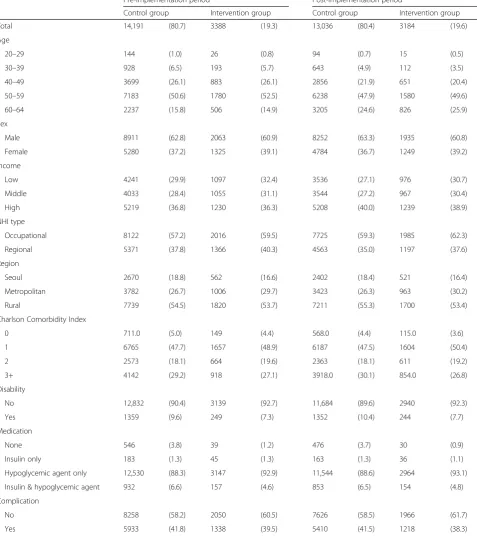
Table 1 shows the general characteristics of the study
participants at baseline and follow-up. At the
pre-implementation period, a total of 3388 individuals were included in the intervention group and 14,191 individuals in the control group. Similarly, at post-implementation period, 3184 individuals were included in the intervention group and 13,036 individuals in the control group. Charac-teristics were generally similar between the control and the intervention group, although the control group consisted of a higher percentage of males and a lower percentage of low income individuals. The control group also had a higher proportion of individuals with disability and those diag-nosed with diabetes related complications.
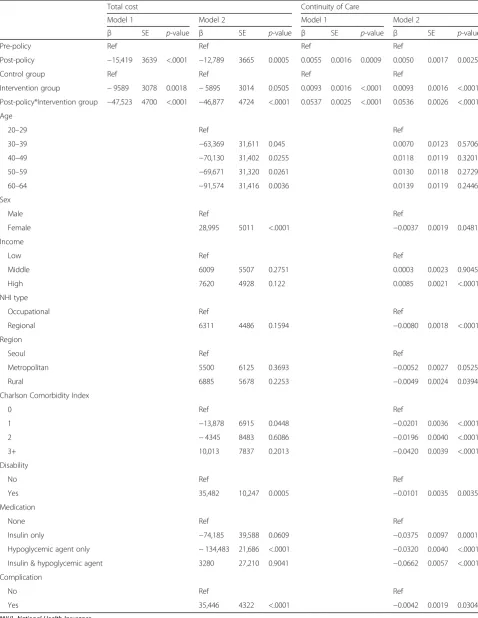
Table 2 presents the results of the DID model. The
effect of the intervention on health care cost was shown
through the coefficient of the interaction term
post-policy*intervention. Model 1 reveals the effect of the intervention without adjustment for covariates and model 2 with adjustment for covariates. In terms of
health care costs, the coefficient of model 1 (β=−
47,523 KRW, P< 0.0001) and model 2 (β=−46,877
KRW, P< 0.0001) were statistically significant. This implies a positive relationship between implementation of the CDCS and reduced health care costs for covered outpatient services. Likewise, regarding continuity of
care, the coefficient of the interaction term
post-policy*intervention was significant in model 1 (β= 0.0537, P < 0.0001) and model 2 (β= 0.0536, P < 0.0001). The results infer that the adoption of the CDCS was as-sociated with improved continuity of care.
Discussion
This study investigated the impact of the CDCS on health care costs and continuity of care in Korean adults diagnosed with T2DM. The findings reveal that imple-mentation of the CDCS was associated with reduced ex-penditures for covered outpatient services and modest improvements in continuity of care. The presented re-sults are in accordance with the expectations of the
gov-ernment, which aimed to incentivize treatment
continuity because enhanced coordination has been known to improve quality of care and patient outcomes, which in turn acts to impact the level of health care ex-penditures [17].
Improvements in continuity of care found in this study
are noteworthy because establishing an effective
long-term care management plan and improving patient adherence is important in managing chronic diseases. In fact, because chronic diseases cannot be fully cured, pa-tients need to be constantly monitored and well equipped with self-management skills [18]. By improving continuity of care, which familiarizes physicians to pa-tient history, better monitoring of glycemic levels and management of disease related complications can be
achieved [19]. At the same time, generating
physician-patient trust has also been demonstrated to advance treatment adherence [20]. Correspondingly, pre-vious studies have shown that enhanced treatment con-tinuity can improve patient satisfaction and quality of life, reduce emergency department visits and hospitaliza-tions related to complicahospitaliza-tions, and improve patient out-comes [19, 21, 22]. However, because the primary care system of Korea generally does not function to promote continuity or coordination, many patients are often poorly educated on diabetes-related self-management skills [23]. In fact, the percentage of patients successfully carrying out glucose management have decreased from around 34 to 23% between 2005 and 2014, and almost half of male diabetes patients are reported to smoke
[24]. Under such circumstances, implementation of the
CDCS may have aided to improve treatment continuity in T2DM patients.
care resources at the national level. Moreover, the CDCS could have led to reductions in health care costs by in-ducing treatment continuity considering that better con-tinuity has been previously associated with decreases in
health care utilization and expenses [19]. In fact,
[image:4.595.60.538.106.643.2]previous findings have conveyed that poor treatment continuity can escalate risks for diabetic complications and induce heavier health care utilization, which natur-ally necessitates increases in medical expenditure [19]. Frequent doctor switching may also lead to interruptions
Table 1Characteristics of the intervention and the control group before and after policy implementation
Pre-implementation period Post-implementation period
Control group Intervention group Control group Intervention group
Total 14,191 (80.7) 3388 (19.3) 13,036 (80.4) 3184 (19.6)
Age
20–29 144 (1.0) 26 (0.8) 94 (0.7) 15 (0.5)
30–39 928 (6.5) 193 (5.7) 643 (4.9) 112 (3.5)
40–49 3699 (26.1) 883 (26.1) 2856 (21.9) 651 (20.4)
50–59 7183 (50.6) 1780 (52.5) 6238 (47.9) 1580 (49.6)
60–64 2237 (15.8) 506 (14.9) 3205 (24.6) 826 (25.9)
Sex
Male 8911 (62.8) 2063 (60.9) 8252 (63.3) 1935 (60.8)
Female 5280 (37.2) 1325 (39.1) 4784 (36.7) 1249 (39.2)
Income
Low 4241 (29.9) 1097 (32.4) 3536 (27.1) 976 (30.7)
Middle 4033 (28.4) 1055 (31.1) 3544 (27.2) 967 (30.4)
High 5219 (36.8) 1230 (36.3) 5208 (40.0) 1239 (38.9)
NHI type
Occupational 8122 (57.2) 2016 (59.5) 7725 (59.3) 1985 (62.3)
Regional 5371 (37.8) 1366 (40.3) 4563 (35.0) 1197 (37.6)
Region
Seoul 2670 (18.8) 562 (16.6) 2402 (18.4) 521 (16.4)
Metropolitan 3782 (26.7) 1006 (29.7) 3423 (26.3) 963 (30.2)
Rural 7739 (54.5) 1820 (53.7) 7211 (55.3) 1700 (53.4)
Charlson Comorbidity Index
0 711.0 (5.0) 149 (4.4) 568.0 (4.4) 115.0 (3.6)
1 6765 (47.7) 1657 (48.9) 6187 (47.5) 1604 (50.4)
2 2573 (18.1) 664 (19.6) 2363 (18.1) 611 (19.2)
3+ 4142 (29.2) 918 (27.1) 3918.0 (30.1) 854.0 (26.8)
Disability
No 12,832 (90.4) 3139 (92.7) 11,684 (89.6) 2940 (92.3)
Yes 1359 (9.6) 249 (7.3) 1352 (10.4) 244 (7.7)
Medication
None 546 (3.8) 39 (1.2) 476 (3.7) 30 (0.9)
Insulin only 183 (1.3) 45 (1.3) 163 (1.3) 36 (1.1)
Hypoglycemic agent only 12,530 (88.3) 3147 (92.9) 11,544 (88.6) 2964 (93.1)
Insulin & hypoglycemic agent 932 (6.6) 157 (4.6) 853 (6.5) 154 (4.8)
Complication
No 8258 (58.2) 2050 (60.5) 7626 (58.5) 1966 (61.7)
Yes 5933 (41.8) 1338 (39.5) 5410 (41.5) 1218 (38.3)
*NHI=National Health Insurance
Table 2Differential changes in spending and continuity of care between the intervention and the control group
Total cost Continuity of Care
Model 1 Model 2 Model 1 Model 2
β SE p-value β SE p-value β SE p-value β SE p-value
Pre-policy Ref Ref Ref Ref
Post-policy −15,419 3639 <.0001 −12,789 3665 0.0005 0.0055 0.0016 0.0009 0.0050 0.0017 0.0025
Control group Ref Ref Ref Ref
Intervention group −9589 3078 0.0018 −5895 3014 0.0505 0.0093 0.0016 <.0001 0.0093 0.0016 <.0001
Post-policy*Intervention group −47,523 4700 <.0001 −46,877 4724 <.0001 0.0537 0.0025 <.0001 0.0536 0.0026 <.0001
Age
20–29 Ref Ref
30–39 −63,369 31,611 0.045 0.0070 0.0123 0.5706
40–49 −70,130 31,402 0.0255 0.0118 0.0119 0.3201
50–59 −69,671 31,320 0.0261 0.0130 0.0118 0.2729
60–64 −91,574 31,416 0.0036 0.0139 0.0119 0.2446
Sex
Male Ref Ref
Female 28,995 5011 <.0001 −0.0037 0.0019 0.0481
Income
Low Ref Ref
Middle 6009 5507 0.2751 0.0003 0.0023 0.9045
High 7620 4928 0.122 0.0085 0.0021 <.0001
NHI type
Occupational Ref Ref
Regional 6311 4486 0.1594 −0.0080 0.0018 <.0001
Region
Seoul Ref Ref
Metropolitan 5500 6125 0.3693 −0.0052 0.0027 0.0525
Rural 6885 5678 0.2253 −0.0049 0.0024 0.0394
Charlson Comorbidity Index
0 Ref Ref
1 −13,878 6915 0.0448 −0.0201 0.0036 <.0001
2 −4345 8483 0.6086 −0.0196 0.0040 <.0001
3+ 10,013 7837 0.2013 −0.0420 0.0039 <.0001
Disability
No Ref Ref
Yes 35,482 10,247 0.0005 −0.0101 0.0035 0.0035
Medication
None Ref Ref
Insulin only −74,185 39,588 0.0609 −0.0375 0.0097 0.0001
Hypoglycemic agent only −134,483 21,686 <.0001 −0.0320 0.0040 <.0001
Insulin & hypoglycemic agent 3280 27,210 0.9041 −0.0662 0.0057 <.0001
Complication
No Ref Ref
Yes 35,446 4322 <.0001 −0.0042 0.0019 0.0304
*NHI=National Health Insurance
in medicine prescription, negatively interfering with patient monitoring and cultivation of self-management skills [3]. As provision of higher quality care is important in man-aging T2DM patients, this study offers insight by revealing the potential benefits of employing policies that promote a more effective use of health care resources [27].
The findings of this study should be interpreted while accounting for the following limitations. First, not all pri-mary clinics participated in the CDCS program. The pro-gram participation rate was around 63% in 2014. Hence, some individuals may have faced difficulties in accessing primary clinics that offer the CDCS program. Second, re-ductions in total health care costs may have been partially affected by the policy implemented in 2012 that reduced total pharmaceutical costs at an average of around 14%. However, this study did adjust for pharmaceutical pre-scription status to partially overcome this limitation. Third, health care costs measured in this study only accounted for services reimbursed by the KNHIS. As Korea uses both a positive and a negative list system to de-termine service reimbursement status, a grey zone of non-covered services that fully depend on patient out of pocket costs exist. As this study only considered costs for covered services due to data limitation, the results cannot be seen as a reflection of total T2DM related costs. Fourth, medical illnesses were identified and categorized solely based on the ICD-10 code. Thus, there may have been some inaccuracies in diagnosis coding. Fifth, phar-maceuticals were classified only based on prescription sta-tus, which does not necessarily imply consumption or medical adherence. Last, this study may not have been able to adjust for all potential risk factors, which implies that there may be a possibility of residual confounding. However, despite the limitations stated above, this study is noteworthy as it provides evidence on how implementa-tion of the CDCS affected health care costs and continuity of care in T2DM diagnosed patients.
Conclusion
This study analyzed the effect of the implementation of the CDCS on health care costs for outpatient services and continuity of care in T2DM patients. The results confirm an association between the adoption of the CDCS and re-duced health care costs and improved continuity of care. The discoveries offer insight by signifying the potential benefits of employing effective chronic disease manage-ment strategies in reducing health care costs and improv-ing treatment continuity in T2DM patients.
Abbreviations
CDCS:Chronic Disease Care System; CVD: Cardiovascular disease; DID: Difference in Differences; GP: General practitioner; ICD-10: International Classification of Diseases version 10; KNHIS: Korean National Health Insurance Service; KRW: Korean Won; NHI: National Health Insurance; T2DM: Type 2 Diabetes Mellitus; UPC: Usual provider of care
Acknowledgments
None to declare.
Funding
None to declare.
Availability of data and materials
The NHI data can be obtained after application and approval by the KNHIS.
Author’s contributions
W.K. and E.C.P designed the study, performed the statistical analysis, and wrote the manuscript. W.K., E.C.P., Y.S.C., and S.A.L. contributed to the discussion and reviewed and edited the manuscript. E.C.P is the guarantor of this work and as such, had full access to all of the data. E.C.P assumes responsibility for the integrity of the data and the accuracy of the data analysis.
Ethics approval and consent to participate
The NHI data are secondary data and does not contain any private information. As the obtained data were anonymized and de-identified prior to analysis, the study protocol was not subjected to review by the ethics committee. This study follows the operational principles of the Declaration of Helsinki.
Consent for publication
All authors give consent to publish this article.
Competing interests
None to declare.
Publisher’s Note
Springer Nature remains neutral with regard to jurisdictional claims in published maps and institutional affiliations.
Author details
1Department of Public Health, Graduate School, Yonsei University, Seoul,
Republic of Korea.2Institute of Health Services Research, Yonsei University, Seoul, Republic of Korea.3Department of Preventive Medicine, Yonsei
University College of Medicine, 50 Yonsei-ro, Seodaemun-gu, Seoul 120-752, Republic of Korea.
Received: 9 July 2018 Accepted: 11 December 2018
References
1. Whiting DR, Guariguata L, Weil C, Shaw J. IDF diabetes atlas: global estimates of the prevalence of diabetes for 2011 and 2030. Diabetes Res Clin Pract. 2011;94(3):311–21.
2. Alva ML, Gray A, Mihaylova B, Leal J, Holman RR. The impact of diabetes-related complications on healthcare costs: new results from the UKPDS (UKPDS 84). Diabet Med. 2015;32(4):459–66.
3. Liao PJ, Lin ZY, Huang JC, Hsu KH. The relationship between type 2 diabetic Patients' early medical care-seeking consistency to the same clinician and health care system and their clinical outcomes. Medicine. 2015;94(7). 4. Rajan N, Boye KS, Gibbs M, Lee YJ, Davey P, Ball M, Babineaux SM. Utilities
for Type 2 diabetes treatment-related attributes in a south Korean and Taiwanese population. Value Health Reg Issues. 2016;9:67–71. 5. Statistics Korea: Annual report on the vital statistics in Korea. In.Seoul,
Republic of Korea: Statistics Korea; 2014.
6. Koo BK, Lee CH, Yang BR, Hwang SS, Choi NK. The incidence and
prevalence of diabetes mellitus and related atherosclerotic complications in Korea: a National Health Insurance Database Study. PLoS One. 2014;9(10): e110650.
7. Noh J. The diabetes epidemic in Korea. Endocrinol Metab (Seoul). 2016; 31(3):349–53.
8. Han E, Suh DC, Lee SM, Jang S. The impact of medication adherence on
health outcomes for chronic metabolic diseases: a retrospective cohort study. Res Soc Admin Pharm. 2014;10(6):E87–98.
related complications: a prospective cohort study based on the Korean National Diabetes Program. J Korean Med Sci. 2012;27(8):876–82. 10. Rhee SY, Chon S, Kwon MK, Park Ie B, Ahn KJ, Kim IJ, Kim SH, Lee HW, Koh
KS, Kim DM, et al. Prevalence of chronic complications in korean patients with type 2 diabetes mellitus based on the korean national diabetes program. Diabetes Metab J. 2011;35(5):504–12.
11. Hwang B-D. The attitude of medical practitioners to the chronic disease care system. Korean J Health Serv Manage. 2012;6(2):193–200.
12. Park YH. Strategy for noncommunicable disease control and prevention. J Korean Med Assoc. 2014;57(10):808–14.
13. Hussey PS, Schneider EC, Rudin RS, Fox DS, Lai J, Pollack CE. Continuity and the costs of care for chronic disease. JAMA Intern Med. 2014;174(5):742–8. 14. Thanh NX, Rapoport J. Health services utilization of people having and not
having a regular doctor in Canada. Int J Health Plann Manag. 2016. 15. Jee SH, Cabana MD. Indices for continuity of care: a systematic review of
the literature. Med Care Res Rev. 2006;63(2):158–88.
16. Villa J. Simplifying the estimation of difference in differences treatment effects with Stata. In: 22(1); 2013. p. 59–70.
17. Chen CC, Tseng CH, Cheng SH. Continuity of care, medication adherence, and health care outcomes among patients with newly diagnosed type 2 diabetes: a longitudinal analysis. Med Care. 2013;51(3):231–7.
18. Rijken M, Bekkema N, Boeckxstaens P, Schellevis FG, De Maeseneer JM, Groenewegen PP. Chronic disease management Programmes: an adequate response to patients' needs? Health Expect. 2014;17(5):608–21.
19. Chen CC, Chen SH. Better continuity of care reduces costs for diabetic patients. Am J Manag Care. 2011;17(6):420–7.
20. Leopold N, Cooper J, Clancy C. Sustained partnership in primary care. J Fam Pract. 1996;42(2):129–37.
21. Gulliford MC, Naithani S, Morgan M. Continuity of care and intermediate outcomes of type 2 diabetes mellitus. Fam Pract. 2007;24(3):245–51. 22. Lin W, Huang IC, Wang SL, Yang MC, Yaung CL. Continuity of diabetes care
is associated with avoidable hospitalizations: evidence from Taiwan's National Health Insurance scheme. Int J Qual Health C. 2010;22(1):3–8. 23. Choi YJ, Kim HC, Kim HM, Park SW, Kim J, Kim DJ. Prevalence and
management of diabetes in Korean adults: Korea National Health and nutrition examination surveys 1998-2005. Diabetes Care. 2009;32(11):2016–20. 24. Park SW, Kim DJ, Min KW, Baik SH, Choi KM, Park IB, Park JH, Son HS, Ahn
CW, Oh J-Y, et al. Current status of diabetes Management in Korea Using National Health Insurance Database. Diabetes Metab J. 2007;31(4):362–7. 25. Kim DJ. The epidemiology of diabetes in Korea. Diabetes Metab J. 2011;
35(4):303–8.
26. Yoo IS. The study of health care utilization and direct medical cost in the diabetes mellitus client. J Converg Cult Tech. 2015;1(4):87–101.