City, University of London Institutional Repository
Citation: Sharma, Felisha Anisha (2019). An IPA study exploring the experiences of
multiple role balance among second generation Indian women.. (Unpublished Doctoral thesis, City, University of London)This is the accepted version of the paper.
This version of the publication may differ from the final published
version.
Permanent repository link: http://openaccess.city.ac.uk/id/eprint/22701/
Link to published version:
Copyright and reuse: City Research Online aims to make research
outputs of City, University of London available to a wider audience.
Copyright and Moral Rights remain with the author(s) and/or copyright
holders. URLs from City Research Online may be freely distributed and
linked to.
Portfolio for The Professional Doctorate in Counselling Psychology
I Am Enough:
The Multiple Roles of Second-Generation Indian Women within Traditional Family Scripts.
Dr. Felisha Anisha Sharma
Professional Doctorate in Counselling Psychology Department of Psychology
Table of Contents
Table of Contents ... 2
List of Figures and Tables ... 6
Acknowledgments ... 8
Declaration ... 9
Preface ... 10
Part 1: The Research Abstract ... 16
Chapter 1: Literature Review ... 17
1.1. Chapter Orientation ... 17
1.2. Background: Defining the Population of Interest ... 17
1.3. Asian Culture: Collectivist Culture and the Influences of Immigration ... 22
1.3.1. Acculturation ... 22
1.3.2. Cultural Conflict ... 23
1.3.3. Cultural Conflict and Acculturation in Research ... 24
1.3.4. Conceptualizing Cultural Conflict and Acculturation ... 28
1.4. Traditional Gender Norms within Asian Culture ... 29
1.4.1. Asian Women in Western Societies ... 31
1.4.2. Implications of Shame on Adjustment and Psychological Health ... 34
1.4.3. The Conceptualization of Asian Woman’s Mental Health Thus far .... 35
1.5. The Increased Presence of Women within Labor Markets ... 36
1.5.1. The Importance of Social Support and Social Capital ... 37
1.5.2. Cultural Influences on Work-Life Balance ... 38
1.5.3. Summarizing the Literature on Asian Women in the Workforce ... 41
1.6. The Literature Thus Far: Mental Illness Among Asian Populations ... 41
1.7. Theoretical Models ... 44
1.7.1. The Importance of Cultural Sensitivity ... 45
1.7.2. Intersectionality and Feminism: Interlocking Systems impacting Women ... 46
Chapter 2: Methodology ... 50
2.1. Chapter Orientation ... 50
2.2 The Research Study ... 50
2.3. Theoretical Underpinnings ... 50
2.3.1. Ontological and Epistemological Position ... 51
2.3.2. Methodological Position: A Qualitative Approach ... 52
2.3.3. Interpretive Phenomenological Analysis ... 53
2.3.4. Other Qualitative Methods Considered ... 55
2.4. Research Design ... 56
2.4.1. The Researcher’s Presence ... 57
2.4.2. The Participants ... 58
2.4.3 Procedure ... 61
2.4.4. Data Collection ... 65
2.5. Analytical Process ... 67
2.5.1. Rationale of The Research Strategy and Analytical Stance ... 67
2.5.2. Interpretive Phenomenological Analysis Procedure ... 68
2.6. Ethical Considerations ... 71
2.7. Reflexivity ... 73
Chapter 3: Analysis ... 77
3.1. Chapter Orientation ... 77
3.2. Analysis ... 78
Master Theme 1: Who I Am Expected to Be and The Scripts I Follow ... 78
Subtheme 1.1. “Unsaid Rules” ... 78
Subtheme 1.2. Representing the Family/Perfectionism ... 81
Master Theme 2: Who I Was/Who I Am ... 84
Subtheme 2.1. Finding Balance: Am I Enough? ... 84
Subtheme 2.2. Prioritizing the Family and The Professional Self ... 88
Subtheme 2.3. Loss of Self/Importance of Self ... 91
Master Theme 3: I Was Deteriorating ... 94
Subtheme 3.1. Mental and Emotional Health ... 94
Subtheme 3.2. Physical Health ... 97
Subtheme 3.3. Burnout: Change as A Last Resort ... 98
Subtheme 4.1. Enough Was Enough ... 100
Subtheme 4.2. Family Support ... 102
3.3. Summary of Findings ... 106
Chapter 4: Discussion ... 109
4.1. Chapter Orientation ... 109
4.2. Discussion and Interpretation of The Data ... 109
4.2.1. Who I Am Expected to Be and The Scripts I Follow ... 109
4.2.2. Who I Was/Who I Am ... 113
4.2.3. I Was Deteriorating ... 118
4.2.4. Breaking the Patterns ... 123
4.3. Evaluation of The Study ... 126
4.3.1 Sensitivity to Context ... 126
4.3.2. Commitment, Rigor, Transparency ... 128
4.3.3. Future Research and Clinical Implications ... 129
4.4. Theoretical Considerations ... 131
4.4.1. Intersectionality and Feminism: The Interlocking Systems in the Present Research ... 131
4.4.2. Cultural Sensitivity in the Present Study ... 132
4.5. Reflexivity ... 133
4.6. Concluding Statement ... 135
Appendices ... ……….136
Appendix A: Recruitment Advertisement………...136
Appendix B: Participant Information Sheet .. ………...137
Appendix C: Participation Information Email ... 141
Appendix D: Participant Consent Form ... 142
Appendix E: Participant Debrief Form .. ………...144
Appendix F: Interview Schedule ... 146
Appendix G: Initial Transcript Commentary ... 148
Appendix H: Emerging Themes ... 149
Appendix I: Emerging Themes Lists .. ………...150
Appendix K: Cross Referencing Interview Themes ... 152
Appendix L: Initial Master Themes List . ………...153
Appendix M: Master Themes Table ... 154
References ... 155
Part 2: The Publishable Paper Abstract ... 169
1.1. Introduction ... 171
1.2. The Present Study ... 173
1.3. Results ... 175
1.3.1. Who I Am Expected to Be and The Scripts I Follow ... 175
1.3.2. Who I Was/Who I Am ... 177
1.3.3. I Was Deteriorating ... 179
1.3.4. Breaking the Patterns ... 181
1.4. Discussion ... 183
Appendices ... ……….185
Appendix A: Counselling Psychology Review Submission Requirements....185
References ... 186
Part 3: The Client Study 1.1. Introduction ... 192
Client Rational ……….………...……...192
Rational for Therapeutic Model ... ………...192
Client Demographics ... 193
Introduction to The Client ... 194
1.2. Client Study ... ………...195
Referral ... 195
Assessment ……….……….…………..……..…....196
Initial Encounter ... ………..………..197
Supervision ... 199
Contract and Psychological Counselling Plan .. ………...199
Outcome and Ending ... 200
1.3. Process Report ... 201
Session Number 16 ……….………..…………... 201
Lead into Transcript ... ………...202
Transcript ... 202
Session Ending and Evaluation ... 214
1.2. Reflection ... ………...215
Appendices ………...219
Appendix A: Neha’s Genogram Version 1……….…...219
Appendix B: Neha’s Genogram Version 2………..……..…………...220
List of Tables and Figures
List of Figures
PART 1: THE RESEARCH
1.1. Ethnic Groups in England And Wales ... 18 1.2. Ethnic Groups in England And Wales ... 21
PART 3: THE CLIENT STUDY
1.1. Neha’s Genogram ... 194
List of Tables
PART 1: THE RESEARCH
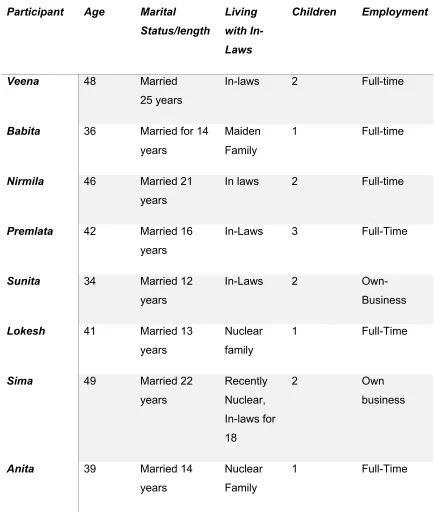
2.1. Participant Demographics ... 61 3.1. Master Themes Table ... 78
List of Boxes
Acknowledgements
Without the support of my family, this thesis would not have been possible. I am eternally grateful to my loving parents, Suman and Veena, who always support me in following my dreams. I would like to thank my brother, Munesh, who has and continues to encourage me to take risks and strive for my goals. Without your unwavering support and love, I would not be the person I am today. I am forever grateful for all that you have done for me.
I would like to thank my grandparents, Prem Lata and Dharam Pal Dhami, Nirmala Devi and the late Dr Ram Kishan Sharma. I would also like to thank my aunts, uncles, cousins, nephews and my niece. You have all been integral in supporting me throughout this journey. I am privileged to use the names of my mother, grandmothers and aunts, as the pseudonym for the participants of this study. You are all central figures of inspiration in my life and are the foundations of our family.
I am grateful for the friendships and memories I have made in London. Thank you for being my family away from home, caring for me and supporting me through this process!
Finally, I would like to thank my supervisors Kate Scruby and Julianna Challenor, for your guidance and encouragement. Thank you for keeping me grounded through this process. It has been a privilege working and learning from you.
Declaration
Preface
The following portfolio consists of three sections. The first piece of the portfolio presents a research study grounded in Interpretive Phenomenological Analysis. This section explores the population of second-generation working Indian women in the U.K. and their experiences in balancing their multiple roles. The second section consists of a publishable paper that reports the findings of the research study. The final section of the portfolio presents a client case study, exploring the importance of cultural sensitivity within clinical settings.
The portfolio consists of three bodies of work that are connected through one theme, the experiences of cultural implications on the mental health of Indian women in the U.K. In this portfolio, I explore the implications of traditional Indian culture and family on the roles and expectations of working Indian women in the U.K. The portfolio aims to contribute to developing greater knowledge within clinical practice in counselling psychology, psychology research and other health care sectors. Through the three pieces of work, I attempt to highlight the importance of cultural sensitivity when working with Indian immigrant populations, where cultural values and traditional family structures are seen to impact the experiences of mental health. Overall, the portfolio highlights the importance of establishing cultural sensitivity within clinical practices and the importance of cultural awareness within psychological literature.
practice as a trainee Counselling Psychologist. Throughout my training, I felt that there was a lack of cultural awareness within clinical practice. This further sparked my interest in pursuing this research exploration.
My motivations to contribute to existing literature in providing greater knowledge of cultural influences on mental health stem from my personal experiences as an Indian woman and from my role as a trainee Counselling Psychologist. I recognized that the importance of cultural sensitivity within clinical practice has been central to the aims of psychological literature for many years. There is an abundance of research exploring the experiences of minority populations within western countries. Existing literature often highlight and explore the heightened psychological distress and experiences of mental illness noted among Asian populations within western societies. However, I felt that there remained gaps within existing research in exploring the experiences of working Indian women and Asian women in general. By reviewing the literature and by drawing on my personal experiences, I was motivated to contribute to developing an understanding of the experiences of mental health among Indian women in the workforce, an area scarcely acknowledged within the existing literature.
The first section of this portfolio entails a research study, where I conducted Interpretative Phenomenological Analysis. The research study intends to explore the phenomenon of multiple role balancing among second-generation Indian women in the U.K., relying on my use of interpretation to make sense of participants’ experiences. To date, no previous research exploring the experiences of working Indian women within the U.K. has been conducted. I hope that the findings of the research can contribute to existing literature urging for cultural sensitivity within psychological research and clinical practice. Furthermore, I hope to develop an understanding of the unique phenomenon of multiple role balancing among working Indian women within the U.K.
of cultural sensitivity within this field and to develop an understanding of the population of working Indian women that currently go unnoticed within existing research.
The final section of the portfolio is a client case conceptualization. This case was included in the portfolio as it demonstrated the implications of traditional Indian culture and familial expectations on one's psychological health. This case explored the experiences of second-generation working Indian women in the U.K. The constructs and themes elicited through this case conceptualization reflect the themes elicited from the research study. Both the findings of the research study and the themes within the case study demonstrate the implications of Indian culture on the mental health of women. I hope that in presenting this case conceptualization, the importance of cultural sensitivity and awareness of cultural implications within clinical practice may be highlighted. Furthermore, greater awareness and understandings may be developed through the exploration of the clients' experience of psychological distress.
Through the themes and findings elicited from this portfolio, I aim to provide insight for future research in exploring the cultural implications of mental health. Specifically, I intend to provide insight into the experiences of working Indian women within the U.K., acknowledging the unique cultural and gender-specific pressures that impact the health of women. The opportunity to develop and pursue this exploration has influenced my professional goals, where I hope to incorporate greater cultural sensitivity within my own clinical practice. This is central to my personal and professional values as a Counselling Psychologist.
I intend to publish my thesis because of the contributions and stories shared by the women involved in this study. The participants commonly expressed a desire to bring awareness to the experiences of mental, emotional, and physical health deterioration they experienced in the challenges of finding balance among their multiple roles. I hope to have represented the participants' experiences, stories and aims in participating in this study. I hope to bring value to this work and contribute to the existing literature.
An IPA Study Exploring the Experiences of Multiple Role Balance Among Second Generation Indian Women.
Dr. Felisha Anisha Sharma
Professional Doctorate in Counselling Psychology Department of Psychology
Abstract
Previous literature suggests that Asian populations within the U.K. demonstrate increased levels of depression, anxiety and psychosocial distress (Syed, Bauluch, Duffy & Verma, 2012). Asian women, in particular, are highlighted in experiencing greater vulnerability to psychological distress attributed to pervasive cultural factors (Husain, Waheed, & Husain, 2006). Exiting literature yields inconclusive results in regard to the impacts of increased employment among Asian women. Furthermore, there is limited research in exploring the experiences of work-life balance among Asian women in the U.K.
The present study aimed to convey an interpretive exploration of the experiences of Indian women in balancing their multiple roles. The purpose was to gain an understanding of how Indian women make sense of their experiences in balancing their multiple roles concerning work and family. It aims to understand the unique experiences of this specific population and attempts to gain insight on a community that has been highlighted as a high risk for mental health-related illnesses (Bhugra & Bhui, 2003; Fazil & Cochrane, 2003).
Semi-structured interviews were conducted on eight Indian women across London. Participants were between the ages of 30-50 and had children between the ages of 10-25. I drew on Interpretive Phenomenological Analysis in developing an understanding of the phenomenon of multiple roles balancing among Indian women.
CHAPTER I: Literature Review
1.1. Chapter Orientation
The present chapter aims to evaluate the selected literature on the experiences of mental health among Asian populations within the U.K. I first outline and provide a rationale for research within this area by exploring the community of interest. The limitations of existing literature in generalizing Asian populations as a collective are addressed, directing the focus of the present study to the Indian population. I then review the cultural factors previously highlighted in impacting the experiences of mental health among Indian communities. In exploring these cultural factors, the psychosocial factors contributing to the heightened levels of psychological distress among Indian women is addressed. Through this exploration, a gap within the existing literature is highlighted where there lacks an exploration of the experiences of Indian working women in the U.K. In concluding this chapter, I reflect on future considerations for psychological research and counselling psychology practice
1.2. Background: Defining the Population of Interest
Additionally, professionals can contribute to providing and developing services that directly relate to unique population needs. Acknowledging that there exist differential experiences across cultural groups is integral for professionals in the field of counselling psychology. This resonates with the ethos of counselling psychology, where the respect for an individuals’ personal experience, and own frame of reference is of value within clinical interactions. The BPS guidelines for good practice highlight the importance of future initiatives in contributing to the development of culturally appropriate forms of formulation and mental health interventions. These guidelines underpin the rationale of the present research study.
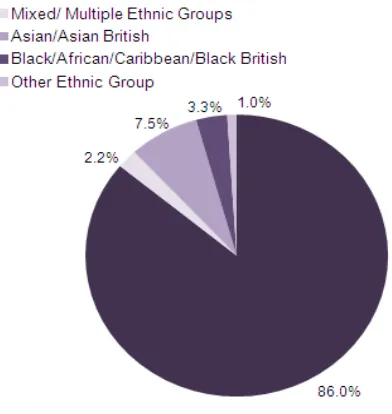
[image:19.612.117.313.297.504.2]Ethnic Groups, England And Wales, 2011
Figure 1.1. Sourced from the Office for National Statistics
seeking professional counselling help regarding mental health among Asian communities because the culture holds a high stigma towards mental illness (Ahmed, Abel, Lloyd, Burt, & Roland, 2015; Roberts, Mann, & Montgomery, 2016). Such stigmas include shame and the fear of impacting the family reputation. Moreover, it is reported that there is a lack of awareness regarding service availability and an overall poor understanding of mental illnesses within this community. This lack of representation of the Asian population within mental health services has been long-standing, and it is acknowledged that further research and insight on this phenomenon is needed. New research and awareness initiatives that aim to empower cultural sensitivity are vital for the future of the profession within western countries, where immigrant experiences of acculturation are prominent.
It is essential to acknowledge that the term Asian encompasses a breadth of different nationalities, cultures, religions and regions including India, Pakistan, and Bangladesh. Moreover, the phrase Asian is used to describe diverse populations in the US, Canada and in the U.K. As such, there is a variation in the literature reviewed in this chapter, where some citations refer to this population as South Asian, East Asian or Asian. In the context of the present work, I refer to this population as Asian, coinciding with the way the community is described in the U.K.
I discuss the limitations of existing research that define Asian populations as a collective.
By examining the experiences of the Asian population as a collective, existing research fails to recognize the variety of religious and cultural differences within this group. This suggests a lack of cultural sensitivity in exiting research. Future research should aim to explore the subcultures of Asian populations separately to develop more in-depth and accurate understandings. Bhui, Bhugra, Goldberg, Sauer, and Tylee (2004) ascertain that research exploring the cultural impacts on mental health should aim to explore cultural groups that have internal coherence, opposed to relying on variables pertaining to national, racial and ethnic classifications. In a meta-analysis, Bhui, Bhugra, Goldberg, Sauer, and Tylee (2004) highlight and allocate the inconsistencies within existing literature to the lack of cultural coherence among the participants of the Asian populations that are commonly sourced within the research. To highlight these inconsistencies, Bhui, Bhurgam Goldberg, Sauerm and Tylee reviewed multiple literature studies. Findings suggest that when compared to white U.K. populations, Asian populations reported lower rates of depression (Beliappa, 1991). Contradicting these results, Asian populations report significant distress and have higher reported physical health complications than white British communities (Balarajan, Yuen & Soni Raleigh, 1989).
Further demonstrating the inconsistencies within the existing literature, a survey in Pakistan identified high presentations of depression among the sample (Mumford, Nazir, Jilani, Baig, 1996; Mumford, Saeed, Ahmad, Latif, & Mubbashar, 1997). The inconsistencies among the literature demonstrate the limitations in understanding the phenomenon of mental health among Asian populations. The authors purpose that the differences among the literature findings can be explained by the lack of recognition of the differential risks, experiences, and understandings of mental health among Asian subgroup populations. These inconsistencies pose as a limitation among existing literature and provide a rationale for the population of interest in the present study.
populations within the U.K. British Indian populations refers to individuals who were born in the U.K. and strongly identify with the British population. The Indian population is of interest as they represent the largest ethnic group classified under Asian populations within the U.K. (Figure 1.2.). The Office for National Statistics notes that the Indian population is the largest ethnic group within England and Wales (Office for National Statistics, 2011). I felt that the Indian subgroup represented a large population highlighted as having a high risk for mental health-related illnesses and low representation within counselling services. These factors encouraged me to further explore this area of research.
Ethnic groups, England and Wales, 2011.
Figure 1.2. Sourced from the Office for National Statistics
further explored and critiqued. I explore the cultural characteristics and factors highlighted by existing research concerning experiences of mental health-related illnesses among the Asian populations.
1.3. Asian Culture: Collectivist Culture and the Influences of Immigration
Existing literature suggests that Asian culture embodies a collectivist view. Collectivist cultures emphasize placing the needs of the whole over an individuals’ desire (Chadda and Deb, 2013; Roberts, Mann, & Montgomery, 2015). Within Asian culture, there is an emphasis towards interconnectedness, where there is more influence, support and guidance from the family and community in an individuals’ development. Previous literature studies propose that the family and community support central to Asian culture can provide benefits to individuals including connectedness to the original culture, maintaining cultural values and practices, and social support (Kulhara and Chakrabarti, 2001). Furthermore, the connectedness to extended family and society can serve as a mental health resource for individuals. For example, studies conducted by World Health Organization (WHO) have demonstrated that individuals diagnosed with schizophrenia showed improvements in India and other developing countries, this was attributed to increased family support central within Asian cultures (Kulhara and Chakrabarti, 2001). These findings suggest that family and community support exhibited by traditional Asian culture can be therapeutic, nurturing and supportive. Many studies have shown the positive effects of collectivist family structures and have considered this family structure a better source for mental health support (Chaddha and Deb, 2013; Kulhara and Chakrabarti, 2001). The evidence suggesting that collectivist cultural traits function as a mental health resource implies that the cultural characteristics of Asian populations may be therapeutic. This may perhaps explain the lower percentage of the Asian communities that seek professional mental health services within the U.K. Traditionally, the Asian family functions as a highly supportive and nurturing network, where there may not be a drive for individuals to seek external help. However, the experiences of immigrant populations adjustment in a different culture and the influences of western culture is proposed to impact the functioning of the traditional Asian family.
1.3.1. Acculturation
impact ones social and psychological well-being (Chadda and Deb, 2013). This is particularly relevant when referring to the migration of Asian collectivist populations to western societies characterized by individualism. Individualistic cultures prioritize the individual over the entire group (Chadda and Debb, 2013). With increased immigration and acculturation in western nations, the cultural value for the family to function as an individuals’ support system is challenged. This can result in conflicting values within households, and perhaps limits the family and community support of Asian populations within the U.K.
In their literary review, Chadda and Deb (2013) describe multiple changes within traditional Asian family dynamics with greater integration of western cultures. The authors suggest that through integration with western culture, the traditional Asian family structure is subject to drastic changes. Significant changes within Asian families include a shift from a joint family structure to a nuclear family, changes in the roles of women with increased status and power with employment, increased stress and pressure on the family and increased vulnerabilities to mental and emotional disorders (Chadda and Debb, 2013; Klineberg, Clark, Bhui, Haines, Viner et al, 2006; Nadimpalli, Cleland, Hutchinson, Islam, Barnes & Devanter, 2016). Chadda and Deb (2013) propose that these changes result from the experiences of acculturation, immigration into western societies and generational differences that challenge collectivist cultural traits. The more significant influences from the individualistic culture of western host societies impact traditional collectivist family structures. The authors conclude that with increased globalization, immigration and acculturation, traditional Asian culture and traditional family dynamics reflective of collectivist cultures are challenged (Chadda and Deb, 2013). These challenges are proposed to have led to the experiences of cultural conflict, identified as significant in the experiences of elevated mental health related illness among the Asian population within the U.K.
1.3.2. Cultural Conflict
conflict, they encounter two opposing values, ideals and roles, leading to an increase in psychological distress (Chadda and Deb, 2013).
Furthermore, individuals might adopt some western cultural values that can be viewed as opposing towards traditional culture, evoking internal experiences of guilt, shame and disappointment (Roberts, Mann, & Montgomery, 2015). Exiting literature highlight internal feelings attributing to increased psychological distress among Asian populations. These include feelings of guilt, shame, disappointment and a fear of being scrutinized and judged by family and others in the community (Nadimpalli, Cleland, Hutchinson, Islam, Barnes & Devanter, 2016). Previous research suggests that these factors serve as a barrier for individuals in seeking professional counselling help, as there is a fear of being judged in a community and culture that values representation and family honor. Moreover, it limits what was once considered a supportive family dynamic as individuals struggle to relate to the traditional cultural values within their families. Individuals may experience feelings of guilt, shame and feel misunderstood as they struggle to connect to the traditional values central to their families. This may result in isolation as individuals struggle to find support, as they are reluctant in seeking professional help and simultaneously experience a decrease in family support. This phenomenon may explain the high levels of psychological distress reported in the Asian population. Literature findings suggest that with experiences of cultural conflict, there is an increase in mental health-related illnesses.
1.3.3. Cultural Conflict and Acculturation in Research
The following section explores current research that attempt to conceptualize the concepts of acculturation and cultural conflict among Asian immigrant populations in western societies.
experienced higher levels of distress. This was demonstrated through the higher levels of psychological distress reported by second-generation women within the study. These findings suggest that perhaps the expectations of the family from traditional Asian cultures impact individuals’ adjustment, the experience of cultural conflict and ultimately, the individuals’ psychological health.
to develop more depth in understanding the phenomenon. The third limitation refers to the limited sampling within Furnham and Shiekh’s (1993) study, where the authors only accounted for Pakistani and Indian immigrants. The finding of this study may be limited in generalizing across all Asian immigrant experiences. Although it is beneficial that the study accounted for the unique subcultural experiences among the Asian population, perhaps future studies can aim to replicate the study with other Asian subculture populations. In doing so, the applicability and generalizability of the findings across Asian populations can be ascertained. The results from Furnham and Shiekh’s (1993) study provide a foundation and direction for future studies to explore; however, limitations of depth and validity to the current population experiences need to be addressed in future studies.
In a more recent study conducted by Klineberg et al. (2006), the experiences of social support within a variety of ethnic groups among 2790 adolescents in East London were explored. This study expanded on Furnham and Sheikh’s (1993) findings suggesting that individuals holding both traditional Asian family values and identifying with western culture leads to the experience of cultural conflict and higher levels of distress. The participants in this study were asked to complete a self-report questionnaire where social support was assessed. The findings highlighted the challenges of balancing the discrepancies of traditional cultural value and the western cultural ideals that are dominant in the U.K. The findings from this study suggest that the discrepancies between an individual’s expected roles from the family, western society and ones’ personal desires may manifest in increased vulnerability to psychological distress. As a result of these discrepancies, the authors noted a high potential for cultural tension and intergenerational problems among traditional Asian families. Klineberg et al (2006) further indicated that the participants who reported lower parental social support experienced a higher susceptibility to depressive symptoms. Perhaps, the experiences of cultural conflict among Asian populations results in decreased familial and parental support, explaining the high risk of mental health-related issues experienced by this population (Klineberg, Clark, Bhui, Haines, Viner et al., 2006). These findings are significant in highlighting that family social support is integral during the early teen years, and it demonstrates the impacts of generational differences and conflicts. The findings expand on the experience of family and social support and the implications this has on one’s susceptibility to mental health-related illnesses.
et al. (2006) report. Firstly, the favored method of gathering data, and adopted within Klineberg et al. (2006) report has often relied on self-report methods. Roberts, Montgomery and Manns (2015) highlight a series of impacts that culture has on participant reporting in research. The authors suggest that acknowledging mental health illnesses and seeking mental health services is perhaps limited among Asian immigrants because of cultural characteristics that restrict disclosure. Such features are related to maintaining the family honor, presenting the self and ultimately, the family in a positive light, and fear from being scrutinized by the family or greater community. Individuals within the Asian community often underreport and false report due to cultural factors that stigmatize mental illness.
Moreover, the cultural trait of maintaining the family honor plays a crucial role in what individuals choose to report, and how much they disclose even if the data gathered is atomized. Roberts, Montgomery and Manns (2015) conclude future studies may benefit from a method that is sensitive towards the cultural characteristics that limit the disclosure. In an attempt to overcome this methodological flaw in many literature studies, an explorative approach that aims to understand individuals’ unique experiences may be more impactful when exploring Asian family populations.
are raised in, and the expectation of traditional culture at home. This experience has been widely examined through various research articles, eliciting similar results. This study adds to the literature explored in this section and provides further insight into the relationship between family support and susceptibility to psychological distress.
This study is noteworthy in exploring how cultural conflict impacts family relationships and experiences of mental health in the context of acculturation and integration into western societies. However, there are many limitations to the generalizability of the findings that have been highlighted. Firstly, the results of the study are limited to first-generation Indian parents and second-generation American born adolescents. The findings cannot be generalized across generations, where there may be differential experiences of acculturation and cultural conflict. Secondly, the results are limited to the relationship between parents and adolescents. Perhaps future literature can further explore child-parent relationships, in the context of cultural conflict, acculturation and integration, in an individuals’ adult life. This can also examine the experiences of family conflict and pressure on adults. Previous literature studies have indicated influences of western cultural ideals on immigrant families and have noticed a shift of the family structure representing the nuclear family that is more common among western cultures. The generational conflicts and impacts of culture noted in this study may change as children grow and develop their own families. It may be interesting for future research to explore how these experiences impact an individuals’ mental health as they develop into adults and develop their own families.
1.3.4. Conceptualizing Cultural Conflict and Acculturation
are less likely to build healthy peer relations which can have detrimental effects on one’s mental health (Bradby, Varyani, Oglethrope, Raine, White and Helen, 2007; Husain, Waheed, & Husain, 2006).
Furthermore, there is a decline in the support, that was once perceived as therapeutic, within the family as there are conflicting cultural experiences. This results in a reduction in the benefits and resourcefulness of the family in helping individuals with psychological health-related issues. The decline and lack of support within this community are three-folds where the cultural characteristics limit professional help-seeking, the cultural value in family results in reduced peer relationships, and there is a decline of social support from the family as there are conflicting cultural experiences. Perhaps these conflicts explain the elevated levels of psychological distress and illnesses noted within the Asian population. A lack of overall support and heightened levels of psychological distress is described throughout the research findings explored. Though these findings produce consistent results, many limitations have been highlighted through this exploration. Firstly, there is a sampling limitation of existing studies that often refer to Asian populations as a collective. The findings of the studies are generalized across the multiple religions, regions and cultures classified under Asian populations. The existing literature fails to recognize the differences that exist within the differential populations classified broadly under the Asian subcontinent. Secondly, there is a need for greater depth in understanding the influences and experiences of Asian cultures and cultural conflict within the U.K. Research studies need to go beyond self-report explorations, and to perhaps understand the experiential nature of Asian immigrant experiences. In doing so, research can aim to produce greater insight into the unique population experiences and to counteract the cultural influences that limit the disclosure. Future research studies should aim to explore smaller subsets of this population to achieve greater depth and understanding of the phenomenon.
1.4. Traditional Gender Norms within Asian Culture
women experience greater vulnerability to psychological distress due to the traditional gender norms and family structure within Asian culture (Husain, Waheed, & Husain, 2006). Asian cultural traditions place greater emphasis on women to adhere to cultural and familial expectations. Additionally, experiences of distress resulting from the fear of being scrutinized and judged are common within Asian societies (Nadimpalli, Cleland, Hutchinson, Islam, Barnes & Devanter, 2016). This is especially common when women adopt western cultural practices that are considered shameful in traditional Asian culture (Roberts, Mann, & Montgomery, 2015). For example, individuals may adopt western individualistic values, where they place their personal needs before the family. This phenomenon is notable among Asian women progressing in education and career endeavors, whereas in Asian cultures, the traditional role of women is to care for the family. The multiple roles of women, including wife, daughter and mother, are central to the family, and there is pressure to demonstrate these roles with respect to the expectation from the greater culture and the family. Central to these roles is the pressure to maintain and protect the family’s honor and reputation, which comes with numerous challenges particularly for those brought up in western host cultures where there are conflicts of assimilation and integration. This pressure to adhere to the expectations and perform a role to the standard of the family and cultural expectations has been highlighted by numerous literary studies as a significant contributor to the elevated experiences of mental illnesses among Asian women (Roberts, Mann, & Montgomery, 2015).
services to a population that has been highlighted as highly vulnerable to mental illness. Bhui, McKenzie and Rasul (2007) further highlight various factors that increase the experiences of distress and more considerable reluctance in seeking professional counselling services among this population. In their study, it was reported that factors contributing to the participants’ reluctance in seeking professional help included discrimination, lesser education, greater dependence on family, lack of social support, and more significant marital problems. These factors were also proposed in contributing to the higher psychological health-related issues among this population (Cochrane & Stopes-Roe, 1977).
The findings of Bhui, McKenzie and Rasul’s (2007) meta-analysis suggests that Asian women are highly vulnerable and susceptible to mental health-related issues when compared to Asian men and other ethnic cultures. Alarmingly, the authors found a lower representation of Asian women within mental health services. These findings present a concern where Asian women experience heightened levels of mental health-related illnesses; however, remain unrepresented within mental health services. This demonstrates a need for further research to understand the experiences of the population of Asian women. There is a call for a more in-depth understanding of the experiences of Asian women, with a focus on exploring ethnic inequalities. A comprehensive analysis and understanding of the experiential nature of the heightened level of psychological and mental health-related illnesses among the population of Asian women should be explored within future research.
1.4.1. Asian Women in Western Societies
of mental health between American Indian men and women. To explore the correlates of depression experienced by women further, the authors examined the experiences of women who preferred to take the self-report test in their study in Punjabi and those who preferred to take the test in English. In doing so, the authors examined cultural identity and correlate of depression and anxiety surrounding acculturation. Results indicated that second-generation American Indian women, who were more likely to take the study in English, experienced higher levels of cultural value conflict. The authors propose that the female participants who took the survey in English were exposed to two conflicting cultures, which resulted in difficulty internalizing and balancing a cultural identity or belief. The authors suggest that an individuals’ sense of self and their role was often defined by strict gender norms and the expectation of the culture and family. Roberts, Mann and Montgomery (2015) suggest that perhaps there is a discrepancy of two conflicting cultural expectations on the role of the individual. This results in conflicting desires, expectations of the self, and maybe even contradictory ways of performing a particular role. This study found that the experiences of cultural conflict led to unique pressures and expectations on the roles of women within the Indian culture.
distress among Indian women who associate with western culture and those who associate with traditional Indian culture.
The authors highlight two essential themes. Firstly, the experiences of depression and anxiety are elevated among American Indian women compared to Indian men. This is accounted for by strict gender roles and the expectations placed on women within Indian culture. Secondly, this study highlights the differences in experience among first-generation American Indian women, those who had recently immigrated to western society, and second-generation American Indian women who have been raised in western society. Roberts, Mann and Montgomery (2015) highlighted the differences between women who strongly identified with Indian culture and women who identified as more assimilated within the western host culture. These findings suggest that perhaps Indian cultural traits considered a mental health resource are particularly relevant in supporting first-generation women who identify with the traditional culture. The traditional culture values provide women with a connection to their “home”. The findings further demonstrate how traditional values of Indian cultures can be detrimental to the mental health of second-generation American Indian women, where traditional values can create pressure on women that lead to the development of cultural conflict. A limitation of this study is its applicability to the experiences of Indian women in the U.K. Though the experiences of immigrants in American society may be different to that of immigrants within the U.K., this study remains relevant as it highlights the experiences of acculturation into western cultures. It demonstrates the unique conflict that Indian women experience in balancing both traditional Indian values and more western ideologies. The findings suggest that the pressures of conforming to cultural and traditional gender ideals are more pervasive on women.
develop a similar study across Asian populations to further investigate group differences. Perhaps future researcher may aim to engage in an in-depth exploration of specific cultural factors that have been highlighted by existing literature.
1.4.2. Implications of Shame on Adjustment and Psychological Health
Existing literature accounts for multiple factors highlighted in contributing to the heightened experiences of mental health-related illnesses among Asian women. Anand and Cochrane (2003) explored the experiences of shame among Asian women within the U.K., providing an in-depth exploration of a specific cultural factor proposed to impact mental health among Asian women. Anand and Cochrane (2003) conducted a study on ninety British Asian women from five cities in the U.K. Participants completed measures of self-report regarding cultural identity/acculturation, psychological distress and shame. Results from this study indicated that acculturation and cultural identity related to the experiences of psychological distress and depression among the participants. The findings from this study further suggest that shame posed as a mediator among the experiences of depression and cultural identity. The conclusions of this study indicate that participants who held a stronger identification of Asian culture were subject to more significant experiences of shame. Greater vulnerability to shame was further associated with higher psychological distress and experiences of depression. The findings concluded that the experience of shame among Asian women perhaps poses as a substantial contributor to the elevated experiences of psychological distress noted among Asian women.
experiences of traditional culture and acculturation.
Furthermore, this study relied on self-report data and lacked an in-depth experiential exploration of the phenomenon. Future research can perhaps provide a greater scope of these experiences by engaging in a more exploratory, in-depth exploration of the experiential nature of the phenomenon. Limitations of using self-report data among Asian populations have been highlighted, where cultural characteristics limit disclosure. For this reason, future studies may perhaps aim to eliminate factors that are limiting in self-report data by providing a more in-depth exploration through an interview. This can provide a greater understanding of the experiences described to influence the heightened levels of psychological distress among Asian women. The final limitation noted is the sampling limitation noted within this study. Anand and Cochrane (2003) sampled Asian populations as a collective, failing to acknowledge the cultural, religious and regional differences that may impact the findings of the study. Therefore, the generalizability of these findings should be interpreted with caution.
1.4.3. The Conceptualization of Asian Woman’s Mental Health Thus Far
the honor of the family, where they instill the value and traditions of the culture to future generations. Previous literature has suggested that Asian women are often expected to place professional responsibilities second to family responsibilities (Varghese & Jenkins, 2009). They are exposed to a high degree of expectations to hold the family’s honor by adhering to cultural values and abiding by strict gender norms. Taking into account the parallel context of U.K. culture, there has been an increase of Asian women participating within the workforce (Valk and Srinivasan, 2011). Consequently, the experiences of this population in balancing the divide between work-family obligations and its impact on an individuals’ mental health is of interest for future research.
1.5. The Increased Presence of Women within Labor Markets
It is essential to recognize that women are subject to challenges that are not unique to specific cultures. These challenges are notable with an increasing number of women participating in labor markets. Women have historically experienced difficulties in the labour market, and the discrimination of women in the workforce can perhaps be partly attributed to the disproportionate share of domestic responsibilities (Sumer, Smithson, das Dores Guerreio & Granlund, 2008; Yarwood & Gemma Anne, 2016). Institutions reinforce gender norms and the roles of women as primary caregivers and homemakers. For example, the culture in the U.K. and the work policies prioritize full-time motherhood (Yarwood & Gemma Anne, 2016). Yarwood and Gemma Anne (2016) provides an example of this within U.K. society, where women's employment is often interrupted by childbirth.
levels of mental illness among Asian women. This suggests that there is a need for more significant literature on the experiences of women in balancing their identities pertaining to traditional family and western identities associated with an individuals' participation with labour markets. The following section expands on the literature exploring the growing involvement of Asian women within the labour markets.
1.5.1. The Importance of Social Support and Social Capital
It is suggested that Asian women are at a higher risk of mental illnesses as they are likely to be unemployed (Cooper, Murphy, Webb, Hawton, Bergen et al., 2010). This leads to economic and social isolation. Dutt and Webber (2009) suggest that two relevant psychosocial contributors to the heightened levels of distress noted in Asian women are factors pertaining to social support and social capital. In their explorations, they conducted a cross-sectional survey of Punjabi women in the U.K. Their results indicate that women who had greater access to social capital were associated with decreased psychological distress (Dutt & Webber, 2009). They ascertain that interventions for this vulnerable group should aim to improve the populations’ access to social capital to promote recovery and prevent mental illness. This study is relevant in exploring the experiences of Asian workingwomen and reveals that with increased social capital, including employment, women experience decreased psychological symptoms.
Although this study provides a basis for possible interventions to address the heightened levels of mental health issues reported among Asian women in the U.K., there remains a lack of an in-depth understanding of the phenomenon. Previous works of literature have discussed the limitations of self-report studies, particularly with the Asian populations where cultural characteristics may impact disclosure. This suggests that future research should further explore the phenomenon of the impact of increased social capital in relation to experiences of mental health among Asian women. Furthermore, this study had limited generalizability due to low response rates. The results are, therefore, limited and replication or further exploration of the impacts employment has on the levels of psychological health should be the aim of future research.
The findings of this study suggest that Asian women were often unemployed, which is contrary to many literary findings that indicate that Asian women are increasingly present within labour markets globally (Valk & Srinivasan, 2011). Contrasting the results that Asian women are likely to be unemployed, many studies have noted an increase in Asian women within labour markets. West and Pilgrim (1995) suggest that among British Asian women, there are high rates of employment in professional and managerial work. Globally, there is an increasing presence of women in labour markets, and issues pertaining to work-life balance have been increasingly present on the research platform. This research has not been inclusive of the experiences of Asian women. British Asian women that are employed are an increasing population within the U.K., and this population appears to be limited within psychological research. British Asian women have been highlighted as having a higher susceptibility to mental illness, and research exploring the populations’ experience in the workforce is needed. Currently, existing research on employed Asian women in the U.K. is limited, raising concern for clinicians, academics and researchers in conceptualizing the experiences of mental illness among this population.
1.5.2. Cultural Influences on Work-Life Balance
There are limited studies exploring the cultural influences on work-life balance. In the following section, I present the existing literature examining the experiences of Asian women in the workforce.
due to cultural values, greater importance is placed upon family responsibilities. Many participants in the study expressed that families did not appreciate or understand the demands women faced at work.
Additionally, participants reported that their families expressed a lack of understanding regarding their work commitments, leaving them with little time for domestic chores or time for self-care. Participants expressed having to put the demands of the family before their careers and even before their welfare. Furthermore, women reported experiences of guilt as they deviated from traditional gender norms and had limited time and energy to provide to their families (Kaur Rana, Kagan, Lewis & Rout, 1998; Yarwood & Gemma Anne, 2016).
The findings from this study indicate that the roles and demands pertaining to work-family balance differ between White women and Asian women. This study accounts for the diverse cultural norms and expectations Asian culture imposes on women in their process of finding balance among their multiple roles. The authors of this study suggest that there are failures of research, clinical practice, and organizations to acknowledge the cultural dynamics impacting the experiences of work-family balance among Asian women — however, the findings from this study present with many limitations. Firstly, the study may be outdated, and future research should aim to explore themes with a current sample. This can account for any changes due to increased globalization and western cultural influence over the years. Secondly, this study did not explore experiences of mental health in relation to the cultural impacts on work-family balance. Perhaps this leaves a gap for future research initiatives to explore. Future research should aim to examine the implications of work-family balance among Asian women within the U.K. concerning the heightened experiences of mental health noted within this population.
women. The research suggests that involvement outside the home might help women reduce experiences of stress and anxiety. Workingwomen reported feelings of independence and self- confidence with higher social connections and economic independence. These findings are consistent with literature within the U.K., where unemployed women were seen to have lower social capital (Dutt & Webber, 2009). Like previous literary studies, these findings provide insight into the experiences of low social capital among unemployed Asian women. However, there remains a lack of depth in exploring the experiences of working Asian women.
1.5.3. Summarizing the Literature on Asian Women in the Workforce
The research studies reviewed have highlighted key themes in exploring the experiences of Asian women in the workforce. Globally, there has been an increase in the female presence within labour markets, challenging the dynamics and traditional structures of Asian families. The present review elicited various discrepancies and gaps within the literature pertaining to Asian workingwomen. Some studies have demonstrated that employed Asian women have lower rates of anxiety and psychological distress when compared to unemployed women. The benefits of employment and increased social capital have been widely discussed. However, there are no previous attempts in exploring the impact culture has on women in balancing the responsibilities of work and family. Perhaps a more in-depth study recognizing the challenges of work-family balance and the unique cultural pressures that impact these experiences can contribute to developing a more consistent understanding of the experiences of Asian workingwomen.
Furthermore, future research should aim to explore the differential cultural, religious and regional influences among the Asian populations. It is more useful to explore smaller subsets of the population as opposed to generalizing Asian women because there may be differential cultural factors impacting the experiences of women within the workforce. For example, women in the workforce may have the responsibilities of bother work and family. The roles of women, influenced by cultural, social and religious constructs, may be perceived, valued and understood differently across the many subcultures grouped under Asian populations. In further exploring this phenomenon, future research can develop an understanding of the factors that influence the increased susceptibility to mental health-related issues noted among Asian women within the U.K.
1.6. The Literature Thus Far: Mental Illness Among Asian Populations
social inequalities. Such inequalities and power imbalances maintain mental illness and psychological distress among minority groups. This is especially important when taking into account the high levels of psychological distress reported within minority populations, and particularly relevant within the U.K. is the heightened psychological distress described among Asian populations.
Previous literature has highlighted the Asian population as the largest minority group within the U.K. This population is described as having higher levels of reported psychological distress within the existing literature. However, this population remains under-represented within mental health care services. An exploration of the previous research has elicited cultural factors, a lack of knowledge and awareness of service availability and screening issues that may limit mental health service use among the British Asian community. The possible reasons for this include cultural factors pertaining to negative stigma regarding mental illness, responsibility to protect family honor, and lack of trust along with other factors (Ahmed, Abel, Lloyd, Burt, & Roland, 2015). Furthermore, existing literature suggests that cultural constraints inhibit individuals from seeking help within this community. Individuals from Asian communities are less likely to seek professional help for psychological distress and disorders until it reaches the point where it is no longer bearable. A study revealed that reasons of delay in help-seeking were due to social stigmas, obligations to stay silent and protect family’s honor, children’s well-being, lack of social support, and lack of knowledge of services and treatment (Ahmad, Driver, McNally, & Stewart, 2009). Within Asian communities, there is a high social stigma attached to mental illness, which results in hiding or denying conditions and symptoms (Conrad & Pacquiao, 2005). These findings suggest a variety of influences for the lack of representation of Asian populations with psychological services. Future research should further examine ways in which counselling and other mental health services can be applicable and available for this community. Additionally, future studies should aim to develop a greater understanding of the unique cultural characteristics that have been proposed to impact experiences of mental health among Asian populations within the U.K.
while attaining a sense of belonging to the western host culture (Husain, Waheed, & Husain, 2006). Such challenges pose detrimental effects on immigrant populations, as described throughout this literature review. It is essential to recognize that many of these cultural norms are diminishing as more Asian immigrants assimilate and adapt to western culture. Therefore, not all Asian immigrants experience the same cultural and family responsibilities described in the studies above.
It should be noted that some Asian families are moving towards a more nuclear, western style family where there are fewer pressures from extended family and community (Kaur Rana, Kagan, Lewis & Rout, 1998). It is vital for future research to understand specific Asian group experiences within the U.K. in an attempt to maintain the validity of the data. Therefore, one must not generalize these findings to all Asian immigrants, and future research should aim to explore the unique differences within Asian populations, including the differential experiences among Asian subcultures.
A significant limitation noted in reviewing the existing literature is the lack of recognition of the full range of cultures, regions, and religions classified under Asian populations. The term Asian has been used to define smaller subsets of the population including Indian, Bangladeshi and Pakistani. Moreover, the different religions predominately referenced include Sikhism, Hinduism and Islam. Although these subcultures are similar in their traditions and values, in exploring the literature, many limitations have been highlighted in generalizing Asian population experiences. For example, the current research demonstrates contradictory findings that have been attributed to the potential differences in the experiences, the cultural understandings of mental health and the differences in cultural values among the subcultures within Asian populations. In acknowledging these differences within psychological research, more valid and appropriate perceptions of unique cultural experiences pertaining to mental health can be explored. By generalizing these populations, there is concern regarding the applicability of the literary findings. Valid and appropriate psychological research is essential in informing clinical practice and ultimately in improving the mental health of individuals. Future research should aim to explore and differentiate the specific experiences of each subset culture classified under Asian populations. This is to ensure that each culture is fairly represented to provide cultural knowledge and understanding to service providers.
as having a higher risk for psychological distress (Bradby, Varyani, Oglethrope, Raine, White and Helen, 2007; Klineberg, Clark, Bhui, Haines, Viner et al, 2006; Husain, Waheed, & Husain, 2006). Some studies suggest that Asian women are more often unemployed and dependent on the income of their husband, which may contribute to higher levels of distress. It is proposed that when women are provided with greater independence and employment, they experience lower levels of psychological distress (Patel, Patel, Khadilkar, Chiplinkar, & Patel, 2016). Studies have found that with employment, women gain social connectedness within the host culture and greater independence. However, another study showed that women in higher jobs than their husbands were at increased risk for poor mental health (Kumar, Jevaseelan, Suresh, & Ahuija, 2005). Future literature should examine how Asian women, who experience more significant psychological distress from the demands of culture and family, cope with the additional stress of having a highly demanding occupation. There is limited literature examining work-family balance among Asian women. Based on this literature review, findings may demonstrate challenges in balancing traditional eastern values and the western roles of demanding careers. Future studies may perhaps examine the experiences of work-family balance among Asian women, in an attempt to address the inconsistencies and gaps noted in the literature.
As mentioned previously, Asian populations are highly underrepresented as service users. However, they exhibit higher levels of psychological distress compared to British White citizens (Ahmad, Driver, McNally, & Stewart, 2009; Lee & Hadeed, 2009). This demonstrates a limitation within the existing literature that may be remedied through more in-depth understandings of the population experiences. Furthermore, Asian women have identified as highly susceptible and vulnerable to mental illness. However, existing research on the population experiences within the U.K. is limited. The current literature pertaining to this population fails to account for the increased participation of Asian women within the labour markets and fails to recognize how this phenomenon may impact and challenge the traditional gender norms that are imposed on Asian women.
1.7. Theoretical Models
1.7.1 The Importance of Cultural Sensitivity
In this section, the importance of including cross-cultural approaches and understandings of mental illness within counselling psychology practice, research and literature are explored. To begin, the issue of psychological practices and the foundations in western philosophy is explored, demonstrating how this impacts the applicability of services to minority populations within the U.K. Secondly, the impact of the western ideologies within clinical practice is discussed. Lastly, the recommendations for clinical practice, research and literature to be more inclusive of minority population experiences are considered. This section highlights the importance of cross-cultural sensitivity within western societies, where there is an increase in immigrant populations.
Kareem and Littlewood (2000) highlight that much of the psychological services available within Britain are directed toward western populations. The conceptual understandings of mental illnesses are rooted in western cultural perspectives of the mind and human experience (Fernando, 2010). With increased immigrant populations within Britain, there is a need for services to be more inclusive of ethnic minority experiences. The challenge of adopting the western approaches to the experiences of migrant populations has been of interest within research and clinical practice concerns in the field of psychology for many years. Lago (1996) suggests that the challenge of connecting to minority populations stems from the training experiences practitioners are exposed to early in their careers. Many of the theories introduced within psychological training are rooted in western history and philosophy. The foundation of the field in western philosophy limits the applicability of the practice to minority populations within the U.K. As counselling psychology practices, and theoretical models are derived through a western philosophical lens, the challenge of being inclusive of minority populations remains.
relationship. Kareem and Littlewood (2000) suggest that the therapeutic relationship is one that must be sensitive to power imbalances where there is a high risk of racism and colonialism. The authors propose that practitioners should be mindful of an individual’s experiences, taking into account the cultural factors that influence an individual’s roles within their families, communities and social contexts (Kareem & Littlewood, 2000).
The adoption of intercultural therapy approaches within psychological practices can aim to reduce the risk of cultural insensitivity within clinical practices (Kareem & Littlewood, 2000). Intercultural therapy adapts western theories to new contexts, meaning and beliefs with the inclusions of the client’s cultural lens. In this theory, the practitioners’ knowledge is based on western theoretical models. However, the applications of the models are influenced by the cultural experiences and framework of the client. Adopting this approach may be beneficial within psychological practices where the issue of cultural sensitivity is rooted in foundations and training of the field (Lago, 1996). Fernando and Keating (2009) further recommend the inclusion of minority women’s experiences and issues both in research and psychological practice. The authors suggest that issues concerning gender blindness and negative or stereotypical views of minority culture further contribute to the elevated experiences of mental health among minority women’s health within Britain. These literary findings and recommendations guide the present study and inform my desire to explore and understand the experiences of minority Indian women experiences within the U.K.
1.7.2. Intersectionality and Feminism: Interlocking Systems Impacting Women