FORMULATION “KANDHA RASA VILLAI” TO EVALUATE THE
EFFICACY OF ITS ANTI- CANCER, ANTI- TUMOUR AND
ANTI- OXIDANT ACTIVITIES.
The dissertation Submitted by
Dr. R.VIMALA
Reg. No: 321312110
Under the Guidance of
Dr. R.KAROLIN DAISY RANI, M.D.(S).,
Dissertation submitted to
THE TAMILNADU DR. M.G.R MEDICAL UNIVERSITY
CHENNAI-600032
In partial fulfilment of the requirements
For the award of the degree of
DOCTOR OF MEDICINE (SIDDHA)
BRANCH-II GUNAPADAM
POST GRADUATE DEPARTMENT OF GUNAPADAM
THE GOVERNMENT SIDDHA MEDICAL COLLEGE
CHENNAI-106
DECLARATION BY THE CANDIDATE
I hereby declare that this dissertation entitled Scientific Validation of Siddha Herbo-metallic Formulation “Kandha Rasa Villai” to Evaluate the Efficacy of its
Anti-Cancer, Anti- Tumour and Anti- Oxidant Activitiesis a Bonafide and genuine research work carried out by me under the guidance of Dr.R.Karolin Daisy RaniM.D(S).,Post Graduate Department of Gunapadam, Govt. Siddha Medical College, Arumbakkam, Chennai-106 and the dissertation has not formed the basis for the award of any Degree, Diploma, Fellowship or other similar title.
Date: Signature of Candidate
CHENNAI-106
CERTIFICATE BY THE GUIDE
This is to certify that the dissertation entitled Scientific Validation of Siddha Herbo-metallic Formulation “Kandha Rasa Villai” to Evaluate the Efficacy of its Anti-Cancer, Anti-
Tumour and Anti- Oxidant Activitiesis submitted to the Tamilnadu Dr.M.G.R.Medical University in partial fulfillment of the requirements for the award of degree of M.D (Siddha) is the Bonafide and genuine research work done by Dr.R. Vimala Under my supervision and guidance and the dissertation has not formed the basis for the award of any Degree, Diploma, Fellowship or other similar title.
Date: Seal and Signature of the Guide
CHENNAI-106
ENDORSEMENT BY THE HOD AND
PRINCIPAL OF THE INSTITUTION
This is to certify that the dissertation entitled Scientific Validation of Siddha Herbo-metallic Formulation “Kandha Rasa Villai” to Evaluate the Efficacy of its
Anti-Cancer, Anti- Tumour and Anti- Oxidant Activitiesis a Bonafide work carried out by
Dr.R.Vimala under the guidance of Dr.R.Karolin Daisy Rani MD(s), Post Graduate Department of Gunapadam, Govt.Siddha Medical College, Chennai - 106.
This dissertation one of the milestones in the journey of my professional carrier as it is the key program in acquiring my MD(S) degree. Thus I came across this task which kept on track and been seen through to completion with the support and encouragement of numerous people including my teaching staffs, family numbers, my friends and various institutions. So I take great pleasure in thanking all the people who made this dissertation study a valuable and successful one, which I owe to treasure it.
I express my sincere thanks to our Principal Prof. Dr. K. Kanakavalli, M.D(S), Govt. Siddha Medical College, Chennai for her permission to perform this study and also for her valuable ideas and support throughout the course of the study.
I take this opportunity to express my profound gratitude and deep regards to my HOD Dr .V. Velpandian M.D(S), Ph.D., for his exemplary guidance, monitoring and constant encouragement throughout the course of this dissertation. The blessing, help and guidance given by him time to time shall carry me a long way in the journey of life on which I am about to embark.
I own sincere and solemn to my guide Dr.R.Karolin Daisy Rani, M.D(s).
Lecturer,GradeII,Govt.Siddha Medical College, Chennai for her keenness and inspiration to complete this work. She support in a number of ways like suggestions for selection of drug, evaluation of pharmacological study and throughout my research work made successful.
I express my sincere thanks to my former guideProf Dr.V. Banumathi M.D(S), Director of National Institute of Siddha, Tambram Sanatorium, Chennai for her valuable ideas to this dissertation and encouragement me for the completion of this dissertation.
M.D(S), Dr. L. Lakshman raj M.D(S), Dr. K. NalinaSaraswathi M.D(S), for their support and guidance.
I wish to express my profund gratitude to Dr.R. Rajesh M.phil,Ph.D, Director, Biogenix Research Centre, Trivandrum, for his Valuable Work in Pharmacological study. I cordially register my humble thanks to Dr. P. MuralidharanM.pharm, Ph.D., HOD, Department of Pharmacology, C.L Baid Metha College of Pharmacy, Duraipakkam, Chennai, for helping in the preclinical study. It was under their direct supervision that the work contained in the dissertation was performed.
I acknowledge my thanks to Dr.MurugesanM.Sc, SAIF, IITM, Chennai.
R.Shakila M.Sc Research Officer (Chemistry) CRI, Arumbakkam, Chennai. Prof Mr.Selvaraj M.Sc,M.Phil, HOD, Department of Chemistry, Govt. Siddha Medical College, Chennai.
I am also thankful to our librarian Mr. V. Dhandayuthapani B.Com, M.Libsc
and staffs for their kind co-operation for my study.
I would like to thank vice Chancellor, The Tamilnadu Dr.MGR Medical University for giving permission to carry out my dissertation work.
I wish to thanks the Additional Chief secretary andCommissioner of Indian Medicine and Homeopathy Department, Arumbakkam, Chennai-106, for giving consent to do the dissertation.
I should express my gratefulness to All My Classmates and for lending their helping hands whenever needed during the course of the study.
Last but not least , I would like to pay high regards to all my family members,
S.No TITLE Page
1. INTRODUCTION 1
2. AIM AND OBJECTIVES 5
3. REVIEW OF LITERATURES 6
3. 1 GUNAPADAM REVIEW 6
3. 2 BOTANICAL REVIEW 25
3.3 SIDDHA ASPECT OF DISEASE 45
3.4 MODERN ASPECT OF DISEASE 51
3. 5 PHARMACEUTICAL REVIEW 58
3. 6 PHARMACOLOGICAL REVIEW 63
4. MATERIALS AND METHODS 75
4.1 PREPARATION OF THE DRUG 75
4. 2 STANDARDIZATION OF THE DRUG 84
4.2.1 ORGANOLEPTIC EVALUATION 84
4.2.2 PHYSICOCHEMICAL ANALYSIS 85
4.2.3 PHYTOCHEMICAL ANALYSIS 86
4.2.4 BIO-CHEMICAL ANALYSIS 87
4.2.5 AVAILABILITY OF MICROBIAL LOAD 91
4.2.6 INSTRUMENTAL ANALYSIS 93
4.3 TOXICOLOGICAL STUDIES 101
4.3.1 ACUTE TOXICITY STUDY 101
STUDY
4.4 PHARMACOLOGICAL STUDY 108
4.4.1 ANTI- CANCER ACTIVITY 108
4.4.2 ANTI- TUMOUR ACTIVITY 110
4.4.3 ANTI-OXIDANT ACTIVITY 112
5. RESULTS AND DISCUSSION 113
6. CONCLUSION 153
7. FUTURESCOPE 154
8. SUMMARY 155
S. NO TITLES PAGE NO.
1.
Analytical specifications of Sindura/ Chendooram
(CALX)
62
2. Anti- cancer drug 65
3. Cancer cell line 71
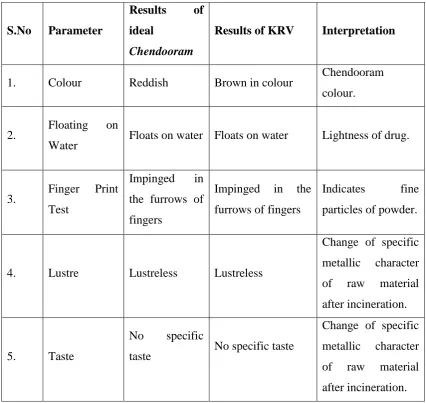
4. Results of Siddha standardization 115
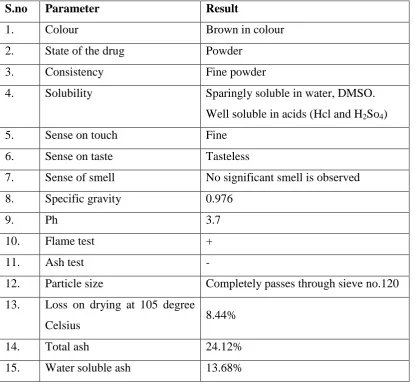
5. Results of physico chemical analysis 116
6. Results of phytochemical screening test 118
7. Results of acid and basic radical studies 120
8.
TLC photo documentation of chloroform extract of
Kandha Rasa Villai
122
9. Peak table of HPTLC 123
10. FTIR interpretation of Kandha Rasa Villai 126
11. ICP-OES results of Kandha Rasa Villai 130
12. Observation in acute toxicity studies 133
13. Effect of Kandha Rasa Villai after oral administration of single dose
134
14. Body weight changes of rats exposed to Kandha Rasa Villai
135
16. Effect of Kandha Rasa Villaion haematological parameters in rats
136
17. Effect of Kandha Rasa Villaion biochemical parameters in rats
136
18. Effect of Kandha Rasa Villaion urine parameters in rats
137
19. Anti- Cancer activity of Kandha Rasa Villai 141
Sl.No. TITLE OF FIGURES Page
1. Ingredients
81 1. 1 White arsenic
1.2 Cinnabar
1.3 Mercury
1.4 Kantham
1.5 Camphor
1.6 Psoralea corylifolia 82
1.7 Zingiber officinale
1.8 Embelia ribes
1.9 Piper longum
1.10 Piper cubeba
1.11 Rubia cordifolia
2. Preparation of villai 83
2.1 Pellets
2.2 End product
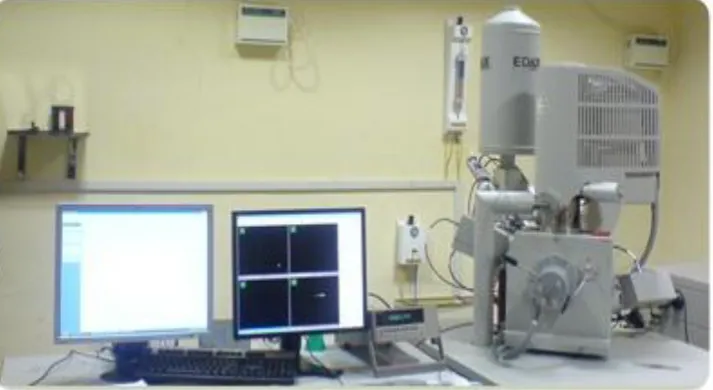
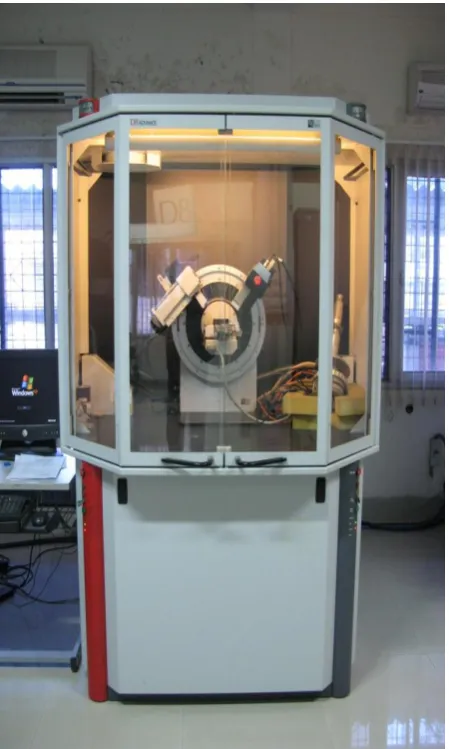
3. Instrumental analysis 97
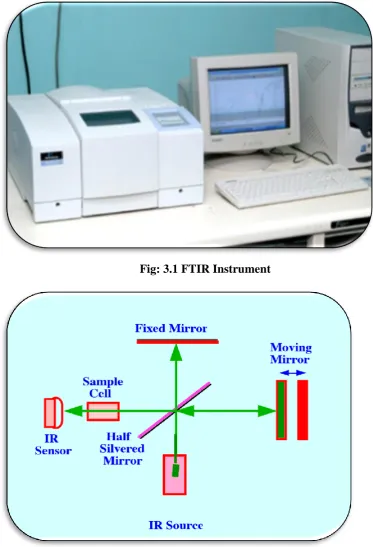
3.1 FT-IR Instrument
3.4 SEM Mechanism
3.5 ICP-OES Instrument 99
3.6 ICP-OES Mechanism
3.7 XRD 100
4. HPTLC 121
4.1 HPTLC finger print studies
4.2 Derivatized plate HPTLC chromatogram 122
4.3 3D Chromatogram 123
5. Microbial load 125
5.1 Bacterial load 10-4
5.2 Bacterial load 10-6
5.3 Fungal load 10-3
6. FT-IR graph of Kandha Rasa Villai 126
7. SEM result 129
7.1 SEM image of
7.2 SEM image of
8. XRD image of Kandha rasa villai 132
9. 9.1-9.9 histopathology slides 139-140
CHART CONTENTS
S.NO CHART NAME PAGE NO.
1. Anti – Cancer activity
142
2. Anti- Tumour activity 148
ABBREVIATIONS
ALP Alkaline Phosphatase ALT Alanine Transaminase AST Aspartate Amino Transferase ANOVA Analysis of Variation
BUN Blood Urea Nitrogen CT Computed Tomography
CML Chronic myelogenoas leukaemia DMEM Dulbecco’s Modified Eagle’s Medium DPPH 2, 2-diphenyl-1-picrylhydrazyl
DNA DeoxyRibo Nucleic acid DC Differential Count
DSC Differential Scanning Calorimeter FDG-PET F-18 Fluoro-2-deoxy-D-glucose FAD-Assay Flavine Adenine Dinucleotide
IAEC Institutional Animal Ethical Committee LD50 Lethal Dos
MCV Mean corpuscular volume MRI Magnetic Resonance Imaging
MTT 3-(4, 5-Dimethylthiazol-2-yl)-2,5-Diphenyltetrazolium Bromide NCCS National Centre for Cell Sciences
OECD Organisation for economic corporation and development
PCV Packed cell volume RBC Red blood cells
1
ANTI CANCER ACTIVITY OF KANDHA RASA VILLAI
1.
INTRODUCTION
Human beings are gifted persons in the world not only enjoyed all wealth,but also suffered by many diseases prevailing at the time. Some people have special knowledge and special powers are called “SIDDHARS”. Siddha System is an ancient traditional medicine. Siddhars investigate that the body though transient was the one and only instrument for obtaining success in the spiritual development and growth.
In Siddha system both body as well as soul are treated. They wanted to reach the Eight super natural powers which include Anima (The faculty of reducing oneself to the size of an atom), Magima (The power of increasing one’s bulk without limit),Lagima (Becoming very light like feather levity),etc,that they are essential for their goal. From thisconcept body could be made strong and perfect and get rid of birth and death for the ages together. Siddha system of medicine comprises 4 branches
-Vatham, Vaithiyam, Yogam and Gnanam. This system of medicine is known to be
fine- tuned withseveral research and development achievements which surprises the modern medicine in most of the medicine domains(1).
In India approximately 50% of population are women. Their health status and socio-economical status is very low. If women are educated then only they lead a healthy life. Then only their family will also be healthy. Women are commonly affected by cancer especially cervical cancer.
As per the text of Siddha book represents that our body, there may be any vigorous growth, both externally [skin]or internally[organs] with or without pain,bleeding etc is known to be cancer. It may be classified into two types, i.e. External Cancer and Internal cancer.Cancer present internally in the organs like lungs, brain, nerves,pancreas, prostate gland,cervix and etc (2).
This growth should be like a small tumour.There is no symptoms present in early stage. It will produce symptoms in later stage of disease. Then only it will produce some symptoms due to any pressure or structural change over that area.
2
ANTI CANCER ACTIVITY OF KANDHA RASA VILLAI
கிருமியயோனியின்குணம்:
“வாமானசையாகிகுதிாலும்
வல்குயியயயைாரிதுககட்டுயதான்
தூமானகிருிகளுிகவுண்டாகி
கதாடருயநசச்ைலுடன்விருப்பங்காணும்
நாமானநாற்மமுடனுதிந்யதான்றும்
நவியயவமுடிாதுகசரின்யவகம்
காமானயூகிமுனிைிகிச்ைாைாம்
கருதினார்யவகத்துாண்பருக்யக”
-யூகி முனி(3)
Increased vaginal secretionwith foul smelling, Persist itching, Inflammation of vagina with worm infestations aredue to increased sexual act.
In modern science,putru is related to malignant type which is called Cancer. Malignant neoplasm marked by the uncontrolled growth of cells, often with the invasion of healthy tissues locally or throughout the body.Cancer cells that make proteins for the stimulation of growth. Cancer is the second leading cause of death. The incidence of cancer is expected to increase as the population ages.
3
ANTI CANCER ACTIVITY OF KANDHA RASA VILLAI
The vast majority of cervical cancer is associated with human papilloma virus among which HPV-10 is the most common being found in 60% of all cervical cancers. Specifically E6 and E7 oncoproteins suppressed by high risk HPV can immortalize primary human keratinocytes and cause cancers in transgenic mouse models in a cofactor- dependent manner. HPV oncogene or oestrogen alone is insufficient to cause cervical cancers.
More than 1000 specimens from sequential patients with invasive cervical cancer were collected and store in a frozen at 32 hospitals in 22 countries. HPV DNA was detected in 93% of the tumours with no significant variation on HPV positivity among countries. HPV 16 was present in 50% of specimens.HPV18 in 14%, HPV45 in 8%, HPV31 in 5%. HPV 16 was the predominant type in all countries, the HPV 18 was more common in squamous cell tumours, HPV 16 is predominated in adenocarcinomas (51% of such tumours) and adenosquamous tumours (39% of such tumours) (5) .
The incidence of cervical cancer is 15: 100,000 it is the second most common cancer of the female reproduction tract and causes 5% of all cancer death among women.Although it may occur in younger women the average age at diagnosis is 54. The disease is insidious, asymptomatic in the early stage(6).
Globally,CervicalCancer is the fourth most common cancer in women and seventh overall with an estimated 528,000 new cases in 2012.
There were an estimated 266,000 deaths from cervical cancer worldwide in 2012,accounting for 7.5% of all female cancer deaths.
Almost nine out of ten(57%)cervical cancer deaths occur in less developed regions.
An estimated one million plus women worldwide are currently living with cervical cancer.
4
ANTI CANCER ACTIVITY OF KANDHA RASA VILLAI
cervical cancer,because they often do not have access to crucial prevention,screening and treatment services.
Cervical cancer mortality rates have fallen in much of the developed world during the past 30 years,largely due to screening and treatment programmes.During the same time, however,rates in most developing countries have risen or remain unchanged,often due to limited access to health services,lack of awareness and absence of screening and treatment programmes.
The peak age of incidence of cervical cancer is 55-59 years,and a considerable proportion of women report in the late stages of disease.
Every year in India,122,844 women are diagnosed with cervical cancer and 67,477 die from the disease.India has a population of 432.2 million women aged 15 years and older who are at risk of developing cancer.
The age standardized cervical cancer mortality rate in Tamilnadu is 35.7 per 100,000 compared to 16.6 per 100,000 nationally in 2010.
In Chennai,the leading cancer sites among females were breast (26.1%) and cervical cancer (21.2%) accounting for over 47% of all cancer in the state.
Adverseeffectscaused by vary with the type of treatment the patient receives. These treatments may cause symptoms such asbone marrow depression leading to leucopenia and thrombocytopenia,neurological symptoms like peripheral neuropathy,mental depression and psychotropic effects(7).
ANTI CANCER ACTIVITY OF KANDHA RASA VILLAI
5 2. AIM AND OBJECTIVES
Aim
To validate the safety and efficacy of the test drug Kandha Rasa Villai for its Anti-cancer Activity against Cervical Cancer preclinical in HeLa cell lines.
Objectives
The objectives of this work were done through the following steps.
Collection of relevant literature from classical Siddha text as well as modern sciences that supported this study.
Description of pharmacognostic features of the ingredients in this formulation including the identification, collection and purification of them etc.
Preparation of the drug according to the procedure described in the Classic Siddha literature.
Standardization of the trial drug by means of Siddha parameters and physico-chemical analysis.
Revealing the anions and cations present in the drugs through proximate chemical analysis.
Elucidation of the chemical structure, microscopical structure of the drugs by means of instrumental analysis.
Getting approval from IAEC for ethical clearance of animal usage.
Interpreting the results of acute and repeated dose 28-days oral toxicity of Kandha
Rasa Villai according to OECD guidelines 423 and 407 in Wistar albino rats.
Detailing the study of pharmacological activities of the trial drug Kandha Rasa
Villai like anticancer activity in HeLa cell lines, antitumor activity in SIHA cell
6
ANTI CANCER ACTIVITY OF KANDHA RASA VILLAI
3
.REVIEW OF LITERATURE
காந்சில்லன
“காந்சில்லனலணச் சசால்னக்ககளூ
கி ினிங்கந்ிப் தினிற்சுக்கு
கர்ந்ிடுகார் கதாகரிசி ாய்ிபங்கம்
ிலணாண ஞ்சிஷ்டி ிகழ்த்துகாம்
கூர்ந்ிடுால் ிபகுலகக் கிபேிகான்
சகாடுலபப தாா சான்றுசூடன்
ஆர்ந்சான்று காந்ிண் டலந்ண் ீ
குடகண ிட்டுாற் சாாட்கட.
ஆட்டிசான்கந பக்கால் ிாகன்தில்லன
ன்புடகண சசய்துனர்த்ி காட்டிிட்கட
ஒட்டிணால் கன்படி ிண்டுசீலன
சாளங்குநக சசய்துாற்தத் லந்காள்
ாட்டிா ணிபுடத்ில் லத்துப்தின்பு
னாண சீசாில் தணஞ்சசய்க
கட்டகுன்நி சலடிற்கான லபக்காா
7
ANTI CANCER ACTIVITY OF KANDHA RASA VILLAI
தலணசல்னம் சர்க்கலக சணய்ில் ாலப்
தத்ில்லத்துக் சகாடுத்துிட்டா காணிப்புற்று
ிலணக்கசாண்ாக் கிந்ிலக ககசூலன
கர்லற்ந சடிசூலன ாய்வும்கதாகும்
கலணக்குபர் ாி ங்கள்கதாகும்
கடிணபட்நந ிாிகட்ககா வுப்லதத்ள்பி
இலணால் திணாங்கு ாள்லக்கு
கற்நகடும் தத்ித்லக் லகசகாள்ாக”
- ீாபணிர்ாகடத்ிட்டு(7)
For this thesis, the Herbo-metallic formulation Kandha Rasa Villai was taken for Anti-cancer activity from the classical Siddha literature.
3.1.DRUG REVIEW
3.1.1SIDDHA ASPECT OF RASAM:
Chemical name: Mercury or Quick Silver(9a)
Mercury is comes under the classification of ‘Pancha soothaam’. It has many connotations such has sootham, punniyam, bharatham, inimai, sivasathi, kesarietc, according
to dasanga nigandu.
8
ANTI CANCER ACTIVITY OF KANDHA RASA VILLAI
Types of mercury:
Mercury was classified into five types.
1. Rasam
2. Rasendhiran
3. Sootham
4. Misaragam
5. Baaratham
Properties:
1. Vitalize 2. Tonic 3. Laxative 4. Diuretic
5. Neutralising pitham
6. Silagogue
7. Anti- inflammatory 8. Anti- syphilitic
Taste:Six tastes dominated by sweet.
Potency: Hot and cool (both -specialty)
Special properties of mercury:
Unlike other drugs mercuryis useful in the treatment of diseases caused by both heat and cold.
Dhosam (Impurities) of Mercury:
It is considered that there are two types of Dhosam of mercury. They are
1. Dhosam
9
ANTI CANCER ACTIVITY OF KANDHA RASA VILLAI
In Dhosamthere are 8 types of impurities in mercury producing various diseases as shown
below:
Dhosam Disease caused by them
1.Undheenam Soolai(Throbbing pain)
2.Kowdilayam Kapala noi(Disease of the head)
3.AnavarthamBiramai(Manic illness)
4.SangaramThathu nattum(Spermatorrhoea)
5.Sandathvam Distress
6.Panguthvam Kuttam(Leprosy)
7.SamalathvamMoorchai(Syncope)
8.SavisthavamSareeraElaippu(Loss of weight)
Sattai is an anotherone classification, there are 7 types of impurities in mercury which producing various diseases as shown below:
Impurities Disease Caused by Them
1.Naagam Moolam(Haemorrhoids)
2.Vangam Tholnoikal(Skin disease)
3.Malam Arivinmai(Idiocy)
4.Vidam Maranam(Death)
5. Akkini Morbid thrist (Polydypsia)
6.Giri Sattium(Distress)
10
ANTI CANCER ACTIVITY OF KANDHA RASA VILLAI
General properties of mercury:
“ிிகாய் கிந்ிகுன்ம் சய்சூலன புண்குட்
டிகானில் ிந்துிணால் அத்ல- ிாய் புரிப ிி ாதுபுரிிகணாசல்னாம் இரிப ிிாது ில்லன”.
- குதாடம்ாது- சீகுப்பு
Proper use of mercury as a medicine can able to cures the following diseases they are disease in eyes, syphilis, eight types of ulcers (gunmam), throbbing pain (soolai), chronic ulcers (perumpun), leprosy.
Purification and detoxification of mercury:
Requried quantity of mercury is placed in a thick cloth and squeezed for 1000 times. Then it is placed in an earthen pot. Fresh water is poured in the earthen pot upto the level of the mercury level. The pot is heated with low intensity fire. The water level is maintained by adding water. When the water turns into black in colour, the mercury is separated and washed with vinegar for 4 or 5 times to get the purified mercury.
Preparations of Mercury:
Soothakaruppu
Rasa mezhugu
Rasa thailam
Megaviranakalimbu
11
ANTI CANCER ACTIVITY OF KANDHA RASA VILLAI
Toxic symptoms of Mercury:
If the medicinal mercury is not purified properly, the disease like bleeding, dropsy, anaemia, excessive body heat, sweating, diarrhoea, thirst, flatulence, blabbering, skin diseases, burning sensation of the limbs, head diseases, fever, shivering, hiccough, etc, will manifest and finally death will occur.
The whole body will be burnt and all the teeth will fall down.
Antidote for mercury poisons:
If there is burning sensation in limbs, urticarial, dryness of the throat and the patient is unconscious, Barmuda grass root stalk (Cynodondactylon- Arugan kizhangu) is triturated and dissolved in goat’s milk or cow’s milk or butter milk, or cotton seed milk is filtered and administered.
SIDDHA ASPECTS OF MAGNETIC OXIDE:
Kaantham (Magnetic oxide of iron)(9b)
Siddhars classified the magnet under 11 types of metals in mineral kingdom. It is a one of the important ingredient of Thiriloga Chendooram.
According to Agathiyar Vaidya Rathina Churukkam text magnet wasused for making
Panchaloga Chendooram.
Different varieties of Magnet:
Kal kanntham
Oosikanntham
Pachaikanntham
Arakkukanntham
12
ANTI CANCER ACTIVITY OF KANDHA RASA VILLAI
Purification methods:
1. The magnetic oxide of iron is powdered and wrapped in a cloth. It is boiled by vinegar (kaadineer) steam and with the steam of horse gram decoction. Then it is boiled washed and dried.
2. The magnetic oxide of iron is heated in horse gram decoction for 7 to 21 times to get it in purified form.
General Properties:
“காந்த்ாற் கசாலதகுன்ங் காினக கம்தாண்டு கசர்ந்த்ிரி காடசட்லட சீங்கால்- ஒய்ந்தசி கதபேங் கண்காய் திிீ ாலபம்கதாம் ஓரிணிலந ாபளுறும் உன்”.
-குதாடம் ாது- சீ குப்பு
It was very effective in the treatment of swelling, ulcer (gunmam), jaundice
(kamalai), veneral disease (megam), diseases of three humours, leucorrhoea, kaphavatha
diseases. It also increases longevity.
Special properties of Magnet:
Consumption of milk boiled in a vessel made up of magnetic oxide of iron improves and strengthens the blood haemoglobin. The bolied milk never spill over out in a magnetic vessel.
In general the magnet oxide of iron has got the similar properties as iron. However, it is considered that magnet is superior to iron in many aspects
Preparations:
KannthaParpam
Kannthachendooram
13
ANTI CANCER ACTIVITY OF KANDHA RASA VILLAI
SIDDHA ASPECT:
VELLAI PASHANAM (WHITE ARSENIC):
Vernacular names:
Eng : White oxide of arsenic,White arsenic,arsenious acid,Flower of arsenic San : Sankhavisha,Darumucha,Sambalakshara
Arab : Sammula far
Pers : Margamosha
Hind : Sankhya Duk : Safed sambala Beng : Sumbulkhar Guj : Somal khar Mah : Sankhya sambala
Tam : Vellai pashanam Can : Sankhya pashana
Sinh : Sudu pashanam(10)
Other names in siddha
“சள்லப தாாாப் கதர் ிபம்தக் ககளூ
ிடுக்காண சனிக்கு ல்ன கானணாகும்
ிள்லபாம் ிாசன் சகாடு ிபாகும்
சற்தாண குகடாரிாம் ன்னுிரின் கானன்
பள்லபா பப் தாாாகும்
பர்க்கணாங் கற்தாணா ாகும் தாா
பள்லபா பகனாகங் கற்காணாப
பலத் சள்லபப் தாாாப் கதபோக”
14
ANTI CANCER ACTIVITY OF KANDHA RASA VILLAI
Source
Found in arsenic ores as arsenates of iron, nickel or cobalt.
Commercially it is obtained by roasting the ore in the form of sublimatio.Sublimation increases its penetrating power.
General properties:
Characters
Solid, heavy, white powder or stratified masses or minute transparent and glass like crystals.
Actions:
Stomachic, Nervine tonic, Alterative, Antiperiodic Respiratory,
Intestinal and sexual stimulant.
Medicinal uses
“சள்லபப் தாடாம் ிடங்கடிீ பேம்பூசக் சகாள்லபச் சுகாங் ககாசந்ி–சாள்லபபறு ாசிப்புண் ாய்ப்புண் லணகிந்ி கதாபண் ஆசிக்கு கும்தபலனஆய்”.
-தார்த் கு சிந்ாி(12) .
It is used in the treatment of epidemic fever,poison bite,
deliriumandinfections, ulcer of the nose and mouth, venereal ulcer, skin diseases.
Externally it is used to remove large growth like cancer and lupus and to kill vermins in head and other hairy parts.
15
ANTI CANCER ACTIVITY OF KANDHA RASA VILLAI
Method of purification:
Arsenic trioxide 35 gm is powdered and triturated with lemon juice. It is made in to small cakes and dried. This process is repeated for 7 times.
Toxic symptoms of arsenic trioxide:
Acute poisoning:
Blister, ulcer, pain in the hands and toes, swelling of the face, ulcer of the upper lip, vomiting and bad odor , tastelessness, sore throat, burning sensation in the stomach, bleeding diarrhea and vomiting, haemetemesis, excessive sweating, thirst, strangury, syncope, convulsion, loss of memory and anasarca.
Chronic poisoning:
Pruritis, eczema, chronic hepatitis, indigestion, swelling of the face, pain in the throat, gastritis, giddiness and diarrhoea.
Antidote:
1. Cardamom and root ofMusumusukai (BryoniaScabrella) (4.2 gm each) are taken and decoction is made with sugar and padikaraum. It is taken twice a day for 40 days.
2. If Pitha exceeds with vomiting, give decoction.
3.Give pepper paste for curing the arsenic trioxide poisoning.
4.The Kalkam of the indigo plant root can also be used in arsenic poisoning, as twice a day (9c).
SIDDHA ASPECT OF
Lingam
(cinnabar):
(9d)Synonyms: Natural cinnabar, Vermilion.
Chemical name: Red sulphide of mercury.
Other names: Inkuligam, Raasam, Kadai vanni, Karpam, Kalikkam, Kaanjanam,
Kaaranam, Sandagam, Samarasam, Saaniyam, Chendooram, Maniragam, Milechem,
16
ANTI CANCER ACTIVITY OF KANDHA RASA VILLAI
Nowadays,The Lingam used by us is called as Jaathi linga paadanam, grouped under
Vaippu paadanam.
Preperation of Vaippu paadanam:
Rasam (Mercury)– 280 gm
Gandhagam (Sulphur)–70 gm
Vediuppu(Pottassium nitrate)– 70 gm
Procedure:
Mercury is thoroughly mixed and triturated with sulphur.Potassium nitrate is then added, placed in a conical flask and burnt for 18 hours, after cooling the red sulphide of mercury is collected out.
Gunam(Properties):
It is hard, when it is put into fire it becomes smoke; not soluble in water, has no smell and taste and has hot potency.
General properties:
“கதிசுஞ் சந்ி சதபேி ீகாடு காகடி காசங் கப்தான்புண் கா –
வுபேினிங்க சங்கா பெறுகட்டி பம்கதாங்
குபேினிங்க சங்கத்லக் சகாள்”.
- தார்த் கு சிந்ாி.
It is effective in the treatment of diarrhea, pyrexia, delirium, urticaria, tuberculosis, scabies, unknown insect bites, syphilis, leprosy, eczema, skin diseases, throbbing pain and
17
ANTI CANCER ACTIVITY OF KANDHA RASA VILLAI
Method of purification:
Lime juice, cow’s milk and the Indian acalypha juice are mixed together in equal proportion and allowed to fuse cinnabar so as to get it in a purified potency form.
Other preparation:
Padigalinga Chendooram - dysentery, diarrhea, menorrhagia and fever.
SaathiSamberaKuzhambu - diarrhea, nausea, vomiting, syncope, fever and thirst.
Sign and symptoms of cinnabar toxicity:
Dyspepsia, loss of taste, ulcers in the buccal floor, uvula, inner portion of the tongue, larynx and large intestine, foul odour from mouth, whitish saliva,burning sensation are the toxic symptoms of red cinnabar.
Antidote:
Nutmeg (Myristicafragrans) - 4.2 gm Cubeb pepper (Piper cubeba)-4.2 gm
Root bark of red cotton tree (Gossypium arboretum)-4.2 gm Sugar candy - 4.2 gm,
These are mixed together and made into decoction and administered twice daily for 48 days.
SIDDHA ASPECT OF SOODAN(CAMPHOR)(9e)
Other names:Karpooram, sudarkodiyon, pooram, deepam.
18
ANTI CANCER ACTIVITY OF KANDHA RASA VILLAI
Properties of camphor:
Camphor sublimation is mixed with lime and purified.It is white in colour, gracy in nature and has pleasant smell.It is not soluble but floats in water, and dissolves in air.It can be powdered. It is soluble in oil, arrack and gum.It is triturted with sugar syrup or white of an egg with water can be mixed with water.
Taste: Salty and pungent.
Potency: Hot
Action:
Carminative, Anodyne Antispasmodic Antiseptic Anticonvulsants Expectorant.
General properties:
“கிபேிசன காடங் கிலபனிப்பு சந்ி
சதாபேபந்ம் அங்கிதட்ட புண்கா-சடரிசுங்கள்
ாந்ிதித்ஞ் சீபறு ாஞ் சசிபக-
காந்ிகபேப் பூசான்நாற் சாற்றுகாய்.”
-குதாடம்ாது- சீகுப்பு
19
ANTI CANCER ACTIVITY OF KANDHA RASA VILLAI
Dosage: 65mg to 325mg.
Toxic symptoms:
More than 1 gm of camphor causes toxicity effect in children, camphor poisoning have been record when the dose exceeded 1gm. There has been report of instant collapse in infants fol-lowing the local application of camphor to their nostrils.
In excess dose camphor is toxic. There is a superstitious belief that if camphor is taken in plantain fruit in high doses, it may cause abortion.
Purification:
The impure camphor is soaked in water lily flower juice (Nymphaea Alba) for 24 minutes and taken out dried in the sun shade to get purified.
Chukku (Zingiber officinale)
Dried ginger is called as chukku.
Other names: (13a)
Allam, Arukkan, Arthagam, Ubakullam, Kadupathiram, Aundi, Sondi, Sowbannan, Sowarnam, Navasuru, Nagaram, Manowshadam, Vichvibeshajan, VishamoodiyaAmirtham, Vaerkombu
Useful Part : Rhizome (Dried) Taste : Acrid Character : Heat Division : Acrid
Actions
20
ANTI CANCER ACTIVITY OF KANDHA RASA VILLAI
General Properties
“சூலனந்ம் சஞ்சசரிப்பு காடகப் தம்லன பனம்
இலப் திபேல் பக்குீர் ானக
காடி சாந் சாடர்ா - குன்ீர்த்
காடம் ஆம்கதாக்குஞ் சுக்கு "
-தார்த் கு சிந்ாி
Chukku is used therapeutically for treating diarrhea, belching problems of respiratory
tract, anaemia, ulcer and fever.
Thippili(Piper longum)
Other Names: (i3b)
Argadi, Unsaram, Ulavainasi, Kaaman, Kudari, Kolagam, Koli, Kozhaiyarukki, Saram, Saadi, Thulasi, Maagadi, Kanai, Soundi, Thanduli, Kanam, Kalini, Paanam, Pippili, Vaidegi, Ambu, AathiMarunthu.
Parts used : Fruit, Rice Taste : Sweet Character : Cool Division : Sweet
Actions:
21
ANTI CANCER ACTIVITY OF KANDHA RASA VILLAI
General Properties:
“இபேல்குன்ம் இலப்பு கப்திி
ஈலபதாண்டு சந்ாசம் அகாசகம்
சதாபேல்ஊல சிப்திி பர்லசகாய்
பூரிக்குஞ்சன காடம் தீனிகபம்
பேனப் சதபேக்ககாடு ககாம்
ாம்ஆி பச்காடஞ் சுங்குபிர்
சதபோலனப் புரிககப் திடகபம்
கதபேந்ிப் தினிப்கதங் குலக்கக”.
-தார்த் கு சிந்ாி Medicinal Properties and Uses
It is used for treating cough wheezing, distention,fever.
MANJITTI (Rubia cordifolia)
Other names: (13c)
Pandi, manjugam, manjitti
Part used: Root Taste: Pungent
22
ANTI CANCER ACTIVITY OF KANDHA RASA VILLAI
Action:
Emmenagogue
Medicinal Properties and Uses
Dried root was much used in dropsy, paralysis, amenorrhoea and visceral obstructions
KARPOKARISI (Psoralea corylifolia)
Other name:(13d)
Karpuvaaarisi, Paaguse, Kappuvaarisi
Parts used:Seeds
Taste : Bitter (seeds) Character : Dry Division : Pungent
Action:
Laxative Stimulant
General Properties:
“கார்கதாக ாரிசி கண்டாற் கப்தான்புண்
தீர்சகு ஞ்சிலகதாம் தித்பண்டாம் – தார்ீில்
ா கதலச்சல் ன்சசாநிசி ர்ங்குறுஞ்
சீ னர்க்குனாய் சசப்பு”.
-அகத்ிர் குாகடம்
Medicinal Properties and Uses
23
ANTI CANCER ACTIVITY OF KANDHA RASA VILLAI
VAIVILANGAM (Embeli ribes)
Other name:(13e)
Vayuvilangam, Keralam, Varnai
Parts used : Fruit, seeds Tast : Biteer(seeds) Character : Hot
Division : Pungent
Action:
Anthelmintic Carminative Stomachic
General Properties:
“தாண்டுகுட்டம் குன்ம்ம் தபேந்தூன காய்ாந்
ீண்டு ிரிிடஞ சிந்துண்டம் – பூண்டடி
காய்ிபங்கக் காட்டா தண்கிபேி ாசணப்புண்
ாய்ிபங்கங்காட்டிபோர்””
-அகத்ிர் குாகடம்
Medicinal Properties and Uses
Seeds are useful as powder expel intestinal worms especially tape-worms. Berries prevent flatulence and are useful in dyspepsia.
24
ANTI CANCER ACTIVITY OF KANDHA RASA VILLAI
VALMILAGU (Piper cubeba)
Other name: (13f)
Val milaka, Lankesaha, Kababah
Part used : Unripe fruit Taste : Pungent Character : Heat Division : Pungent
Action:
Stimulant Carminative Diuretic
General Properties:
“ாதித் ஐம் ிற்று னிாகஞ்
சீம் தனகாய் சிலபங்காண் – கதா
அிீ தணாம் அங்ககச! ாளுந்
துிால் ிபகபேந்ச் சசால்”.
- அகத்ிர் குாகடம்.
Medicinal Properties and Uses:
25
ANTI CANCER ACTIVITY OF KANDHA RASA VILLAI
3.1.2 MODERN ASPECT OF MERCURY:
Mercury:(14)
Mercury should not have less than 99.5 percent of Hg. It occurs naturally as a sulphide ore called cinnabar (HgS). It also occurs in small globules disseminated through rocks and as amalgam of silver and gold.
Preparation:
It’s obtained by roasting cinnabar in a current of air. HgS+O2→Hg+SO2
The free mercury gets liberated, it may be either purified by volatilization or chemically by dropping mercury into a column of dilute nitric acid for removing basic impurities
Properties:
It has shinning silvery white in nature. Heavy liquid easily divisible into globules and extremely mobile it easy volatilizes on heating. It boils at 359.58°C
Almost insoluble in water, alcohol and Hcl. It dissolves in cold and dilute nitric acid, giving mercurial nitrate and nitric oxide.
6Hg+8HNO3→ 3Hg2 (NO3)2+2NO+4H2O
Density: 13.581ml at 25°C
Mercurial preparations:
Mercury with Chalk(Grew powder)
Yellow mercuric oxide(HgO)
Mercuric oxide
Oleated mercury
26
ANTI CANCER ACTIVITY OF KANDHA RASA VILLAI
Uses:
Formerly metallic mercury found use as such therapeutically as a cathartic and parasticide. But it is more used as such;as it has been extremely poisonous and prolonged inhalation of even very minimal amounts of mercury prove fatal. Almost all the salts of mercury with the exception of the sulphide, has been poisonous.
1. Mercury with chalk (Grew powder)
It is having 31 -35% w/w of mercury and 62-70% w/w of CaCO3 It is used as a purgative (Dose 60-300mg)
2. Yellow mercuric oxide (HgO)
It is having not less than 99.5%HgO
It is used as a mild antiseptic action and used as anti- infective and anti- bacterial agents.
3. Mercuric Oxide:
It contains not less than 95% but not more than105% w/w of the stated amount of yellow mercuric oxide
It is used in ophthalmology, 1℅ ointment to treat mild inflammatory conditions for the treatment of blepharitis and conjunctivitis.
4. Oleated mercury:
It has the equivalent of 20℅ of yellow mercuric oxide
It is used as an anti- infective.
5. Mercuric chloride (HgCl) (Calomel):
It is being not less than 99.6℅ of HgCl
27
ANTI CANCER ACTIVITY OF KANDHA RASA VILLAI
Calomel has been insoluble in gastric juice and has been not absorbed from the stomach. It gets absorbed in the intestine by the alkaline pancreatic juice where it slowly gets dissociated into mercury and irritant mercuric compounds which have been exerting a cathartic action.
MODERN ASPECT OF MAGNETIC OXIDE:
Chemical Name: Magnetic oxide(15)
Synonyms:
Magnetite / Black Iron Oxide (Fe304), super paramagnetic iron oxide , black
iron sand, magnetite sand, beach magnetite sand, iron oxide (Fe3O4),magnetic black, magnetic iron ore, ferrous ferric oxide , magnetic oxide,triirontetraoxide, ferroso ferric oxide, iron black, black Iron BM, iron(III) oxide, meramec M 25, river sand, black gold F 89.
Magnetic Oxide Formula:
Fe3O4
Magnetic Oxide (Fe304) Description:
a) Magnetite was a natural occurring iron oxide of magnet, consequently the name giving its distinguishing characteristic.
b) Magnetite was a member of spinel group which has the standard formula A(B)2O4. The A and B of this represent different metal ions that occupied in specific sites on its crystalline structure. In magnetite standard formula was Fe3O4, in this A metal represent Fe +2 and the B metal represent Fe +3; two different metal ions in two specific sites. This arrangement causes a transfer of electron ions between the different irons in a structured path or vector. This electric vector was responsible for generates a magnetic field.
28
ANTI CANCER ACTIVITY OF KANDHA RASA VILLAI
is a common constituent of igneous and metamorphic rocks. It was found in various parts of the United States, Norway, Swedenand the Urals. A variety of magnetite was lodestone or loadstone exhibits its polarity especially interesting for its natural
magnetism.
d) Magnetite is sometimes found in large quantities in beach sand. Such mineral iron sands or black sands are found in various places of California and New Zealand west coast lands. The magnetite was carried out from beach to rivers from erosion and it’s concentrated via wave action and currents.
Chemical Properties:
Purity Available: From 96 percent to 99.9 percent
Super paramagnetic iron oxide was available in 10 microns size and had no magnetic memory.
Physical Properties:
Lumps, pieces, targets, granules and various powder or particle granulations down to as small as 15 to 20 nanometers
Black iron oxide nano particles are presently available as smaller size from 15 to 20 nanometers
Nominal Physical Constants:
Magnetite Luster: Metallic
Magnetite tenacity: Brittle
Magnetite ID Mark: Ferromagnetic
Magnetite Solid Density (gm/cm3): 5.1
Magnetite pH: 7
29
ANTI CANCER ACTIVITY OF KANDHA RASA VILLAI
Magnetite Hardness @20°C -5.5 to 6.5
Magnetite Specific Gravity: 5.17 to 5.18
Magnetite Colour: Black to greyish
Magnetite Crystal System: Isometric
Magnetite Particle Shape: Irregular
Magnetite Magnetic Properties: Ferric magnetic
Magnetite (Fe304) Typical Applications:
Magnetite was a main ore form of iron. It used mainly in various fields.
Magnetite was used as a pigment for polishing compounds, cosmetics, medicines, polymer & rubber filler, building & construction, appliances, and magnetic inks.
MODERN ASPECT OF WHITE ARSENIC
Aresenic is a metalloid element. Arsenic containing preparations have been in medical use formore than 2000 years. Arsenic-based therapy was used in the United States and Europe more than 100 years ago to treat leukemia and infections. More recently, interest in arsenic-based therapy was revived by report of the anti-leukemic activity of some traditional chinese preparations.
There is speculation that it works through a variety of mechanisms including cell cycle specific chemotherapy agent, as atargeted therapy and perhaps as an angiogenesis inhibitor.
Name : Arsenic
Symbol : As
30
ANTI CANCER ACTIVITY OF KANDHA RASA VILLAI
Number of Neutrons : 42
Crystal structure : Rhombohedral
Uses
Paracelsus was the first to document precise directions for the preparation of metallic arsenic as a therapeutic agent and made a balsam from white arsenic, which was a favoured method used by the barber surgeons to treat wounds, buboes, carbuncles, anthrax and other similar ulcer.
In 1878 in Boston city hospital fowelers Solution was discovered to lower the white cell count in two normal people with a more significany decrease in a person with chronic myelogenousleukaemia (CML) and subsequently became an accepted treatment for leukaemia.
Trisenox is the trade name for arsenic trioxide.Arsenic Trioxide is an anticancer (antineoplastic or cytotoxic) chemotherapy drug.This medication is classified as a “natural product”.
Arsenic trioxide may also be used for multiple myeloma, chronic myelogenous leukemia and acute myelogenous leukemia(16).
MODERN ASPECT OF CINNABAR:
Cinnabar (red mercury (II) sulphide (HgS), vermilion) is the ordinary ore of Hg. It is normally found in a substantial, granular form and is bright scarlet to brick-red in color. It is a chemical compound composed of the chemical elements mercury and sulphur (Mercury 86.22 %, Sulfur 13.78 %).
Formula - Mercury(II) sulfide Symbol - HgS
Properties:
Molecular formula - HgS Number - 32
31
ANTI CANCER ACTIVITY OF KANDHA RASA VILLAI
Specific gravity - 8.176
SolubiKlity - Soluble in water, Molecular Weight - 232.66 gm
Melting point - 580 °C decomp.
Other anion - Mercuryoxide,mercuryselenide Other cations - Zinc sulphide, Cadmium sulphide Fermion Index - 0.26
Boson Index - 0. 74
Toxicity:
It caused shivering, loss of sense, and death. Overexposure to mercury is called mercurialism which was seen as an occupational disease to the ancient Romans.
Realgar:
Realgar is an important ore of arsenic and composed of arsenic (70.03%) and sulphur (29.97 %). It is orange-red in colour and when its flame release fumes of Arsenic and Sulphur burns. Its streak is orange coloured. It is a Arabic name rahj al ghar which means "powder of the mine."
Other Names: Ruby sulphur, Ruby of arsenic.
Physical Properties:
Formula - As4S4 or AsS
Colour - Red to yellow-orange
Density - 3.56
Diaphaneity - Transparent
Specific gravity - 3.56
Melting point - 320 °C
32
ANTI CANCER ACTIVITY OF KANDHA RASA VILLAI
Refractive index - 2.538
Luminescence - Non-fluorescent
Luster - Sub Metallic
Streak - orange
Electrical Properties:
Electron Density - 3.30 gm/cc
Fermion Index - 0.0022478773
Boson Index - 0.9977521227
Radioactivity - 0 GRAPI (Gamma Ray American Petroleum Institute Units)
Uses
The Chinese name for realgar is xionghuang, literally 'masculine yellow'. It was used to repel snakes, rats, weeds and insects, as well as being used in Chinese medication. The ancient Greeks called it as “sandaracha”. It is used in combination
with potassium chlorate to make a contact explosive known as "red explosive" for some types of torpedoes(17).
MODERN ASPECT OF CAMPHOR
Synonyms
1,7,7-Trimethyl Bicyclo(2,2,1)-Heptan-2-One 2-Bornanone
2-Camphanone
2-Keto-1,7,7-Trimethylnorcamphane 2-Oxo-Bornane
33
ANTI CANCER ACTIVITY OF KANDHA RASA VILLAI
Camphor-Natural Camphor-Synthetic Formasa-Camphor Gum Camphor Japan Camphor
L,7,7-Trimethylnorcamphor Laurel Camphor
Matricaria Camphor Root Bark oil Spirit of Camphor Tramfer
Origin of the substance
Camphor may be natural or synthetic.It occurs naturally in the wood of the camphor tree (Cinnamomum camphor), and is extracted by steam distillation and crystallization.Natural camphor is dextrorotatory. Synthetic camphor may be made from pinene which is converted into camphene by treatment with acetic acid and nitrobenzene.Synthetic camphor is optically inactive.
Physical properties
Properties of the substance
Normal state at room temperature:solid, translucent crystals. Colour : White crystals.
34
ANTI CANCER ACTIVITY OF KANDHA RASA VILLAI
Melting point : 176 to 1800 C
Sublimes appreciably at room temperature and normal atmospheric pressure Flash point :650 C
Autoignition temperature : 4660 C Relative density : 5.2
Vapour pressure : 20 PA at 200 C Solubility in water : 0.125 g/100ml(250 C) Soluble in ethanol, ethylether, turpentine and essential oils
Storage conditions
Store in Airtight containers at a temperature not above 250 C.
Medicinal properties and uses
Camphor has stimulant antispasmodic, anti-septic, anti-pyretic and aphrodisiac properties.When locally applied it is stimulant and anodyne.
It is useful in adynamic fever, inflammation, choleraidiarrhoea, whooping cough, epilepsy, chorea, asthma, angina pectoris and puerperal convulsions.
It is also used in treating hysteria, palpitation, in affection of genitourinary system as dysmenorrhoea, spermatorrhoea.
It is also useful in irritable conditions of the nasal mucus membrane causing sneezing and frontal headache(18).
CHUKKU (Zingiber officinale)
Vernacular names:(19a)
Sanskrit : Adraka
Hindi : Adrak, Ada
35
ANTI CANCER ACTIVITY OF KANDHA RASA VILLAI
Telugu : Allamu
Tamil : Allam, Inji
Kannada : Hasisunti
Taxonomic Classification
Kingdom : Plantae Class : Liliopsida Subclass : Zingiberidae Family : Zingiberaceae Genus : Zingiber
Species : officinale
Name : Zingiber officinale Roscoe.
Distribution:
It is cultivated throughout India, run wild in some places in the Western ghats.
Description:
Rhizomes are widely dug in January-February, buds and roots are removed, soaked overnight in water, decorticated and treated with lime and dried.
Macroscopic characters:(20a)
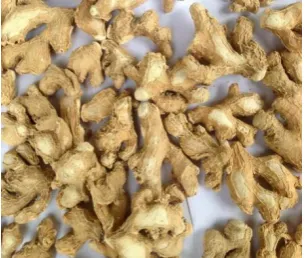
A slender, perennial, rhizomatous herb, linear leaves, sessile, glabrous, flowers yellowish green in oblong cylindrical spikes. The rhizomes are white to yellowish brown in colour, irregularly branched. The growing tips are covered over by a few scales.
The surface of the rhizome is smooth and if broken a few fibrous elements of the vascular bundles project out from the cut ends. The pieces are about 5-15 cm long, 1-1.5 cm wide usually 1-1.5 cm thick; showing longitudinal striations and occasional fibres, odour agreeable and aromatic.
36
ANTI CANCER ACTIVITY OF KANDHA RASA VILLAI
Microscopic characters
Transverse section of rhizome shows cortex of isodiametric thin walled parenchyma with scattered vascular strands and numerous isodiametric idioblasts, about 40-80 µm in diameter containing a yellowish to reddish brown oleo resin.
Constituents
Gingerols, Shogaols, Dihydrogingerol, Gingerdione, Hexahydrocurcumin and Desmethylhexahydrocurcumin, α-zingiberene, β-sesquiphellandrene, ar-curcumene, lipids.
Properties and Uses
The rhizome is sweet, pungent, appetizer, laxative, stomachic, aphrodisiac, carminative useful in diseases of the heart and throat, dyspepsia, inflammations, bronchitis, asthma, vomiting and aches. Ginger is pungent, stomachic, aphrodisiac, laxative, improves taste, useful in indigestion, vomiting, pains, asthma, bronchitis, diseases of the heart, elephantiasis, piles, eructations, abdominal troubles, scorpion sting, snake bite.InCambodio, the rhizome is given internally as an aromatictonicexternally it is applied to boils and enlarged glands.
THIPPILI (Piper longum)
Vernacular Names: (19b)
Tam : Tippali, Ambu
Beng : Pipul
Eng : Pippali,Long pepper Hindi : Pipar
Tel : Pippalu
Mal : Pippali
Taxonomic Classification
Kingdom : Plantae
37
ANTI CANCER ACTIVITY OF KANDHA RASA VILLAI
Class : Magnolipsida Order : Piperales Family : Piperaceae Genus : Piper
Species : longum
Distribution
It is cultivated in hotter parts of India from Central Himalayas to Assam upto hills of West Bengal and evergreen forests of Western Ghats as wild and also in North East and many parts of the South.
Description
MacroscopicCharacters(20b)
Fruit greenish-black to black, cylindrical, 2.5 to 5 cm long and 0.4 to 1 cm thick, consisting of minute sessile fruits, arranged around an axis, surface rough and composite, broken surface shows a central axis and 6 to 12 fruitlets arranged around an axis, taste pungent producing numbness on the tongue, odour aromatic.
MicroscopicCharacters
Catkin shows 6 to 12 fruits, each having an outer epidermal layer of irregular cells filled with deep brown content and covered externally with a thick cuticle, mesocarp consists of larger cells, irregular in shape and thin walled,outer layer of this zone composed of thin walled cells and colourless, most of the endocarp cells filled with starch grains, round to oval measuring 3 to 8 in diameter.
Constituents
Piperine, Piplartine Alkaloid,
38
ANTI CANCER ACTIVITY OF KANDHA RASA VILLAI
Properties and medicinal uses
The root and fruits are used in palsy, gout, lumbago. The fruit has a bitter, hot, sharp taste; carminative, tonic to the liver, stomachic, emmenagogue, abortifacient, aphrodisiac.
It appears to partake in a minor degree of the stimulant properties of the fruit. Long pepper in the form of powder is suspended in warm water and given to women after parturition to check haemorrhagic fever.
The fruits are used as a spiceand also in pickles and preservatives. They have pungent pepper like taste and produce salivation and numbness of the mouth. Pellitorine, piplartine, piperine exert medicinal uses. Mainly used in respiratory tract infection diseases(21).
VALMILAGU (Piper Cubeba)
Classification:
Kingdom - plantea Order - Piperales Family - Piperaceae Genus - Piper
Species -Cubeba
Vernacular Names:(22)
Sanskrit : Kankola
Assam : Kakkol, Kababcheni
Ben : Kababchini
39
ANTI CANCER ACTIVITY OF KANDHA RASA VILLAI
Guj : Chanakabab
Hindi : Kabalochini
Kan : Balamenasu
Kash :Kushfal
Mal : Kankol
Punj : Kababchii, Sardchini.
Tam : Valmilagu
Tel :Chalavamiriyalu
Distribution:
A Native of Indonesia cultivated mainly in Karnataka.
Botanical characteristics
Habit – A liana like climber
Stem – Climbing, rooting at the joints
Leaves – 4 to7 inches long, petiolate oblong to ovate.
Flowers – Dioecious, in spikes opposite the leaves, flowers in the rainy season and fruits in the autumn
Part used: Mature, Dried fruit
Action: Stimulant, Carminative, Stomachic, Expectorant
Medicinal uses
40
ANTI CANCER ACTIVITY OF KANDHA RASA VILLAI
Fruits are potent germicidal and chewed to remove mouth ulcer, swellen gums, fruit powder given in dysentery,catarrh,sedative, rheumatism, urethritis.
Smoking cubebs is a popular method of treating nasal catarrh and Hay fever(23).
VAIVIDANGAM (Embeliribes)
Classification:
Division : Angiosperms Class : Dicotyledenae Sub class : Gamopettalae Series : Heteromerae Order : Myrsinales Family : Mrysenaceae Genus : Embelia
Species : Ribes
Vernacular Names:(24)
Tam - Vaividangam
Sans - Vidanga
Hind - Wawrung
Ben - Biranga
Punamj - Babrung
Guj - Karkannie
41
ANTI CANCER ACTIVITY OF KANDHA RASA VILLAI
Description
A shrub with climbing habit generally found in scrubs and shols in moist and study localities. It was odserved in Meghalaya that the plant was found growing in association with Myricanagi, Cinnamomum obtusiloba.
Part Used:
Fruit, Leaves and Root-bark.
Constituents
Alkaloid- Christembine
Quinone- embelineandvilangin
Miscellaneous compounds- Tannins, resins, volatile oil, quercitol.
Action
Fruits are carminative, anthelmintic, stimulant and alterative. Pulp is purgative
Fresh juice is cooling, diuretic and laxative.
Properties and uses
It is an important indigenous drug used as an anthelminitic, alternative and tonic.It has been recommended for a number of diseases such as Headache, rhinitis, hemicranias, epilepsy, insomnia and in dyspepsia.
The fruit cures dental, oral and throat double except cancer of lips.Seeds shows antibiotic and anti TB and anthelmintic.Root used as antifertility drug.
42
ANTI CANCER ACTIVITY OF KANDHA RASA VILLAI
MANJITTI (Rubia cordifolia)
Vernacular name: (25a)
Sans - Manjista
Eng - Indian Madder Hind&Ben - Manjit
Tel -Mandastic
Tam - Manjitti
Classification:
Kingdom : Plantae Order : Gontianales Family : Rubiaceae Genus : Rubia
Species : cordifolia
Description
Perennial, herbaceous, climbing.Roots very long, cylindric, flexuose,with a thin red bark.
Distribution
Throughout India in hilly districts, Ceylon, Malay peninsula, Japan, tropical Africa.
Constituents
Root contain resinous and extractivematter-gum,sugar,colouring matter and salt of line.
43
ANTI CANCER ACTIVITY OF KANDHA RASA VILLAI
Proporties and medicinal uses
The root powder is improvedthe voice and the complexion. Cure kapha diseases and uterus, vagina diseases.
Increased the appetite
Cure leucoderma, ulcers, and urinary diseases. The fruit cure diseases of the spleen.
KARPOKARISI (Psoralea corylifolia)
Vernacular names:(25b)
Sans - Aindavi
Hindi - Bavanchi
Ben - Hakuch
Punj - Babchi
Tel - Kalaginja
Tam - Karpokaraishi
Classification:
Kingdom : Plantae Order : Fabales Family : Fabaceae Genus : Psoralea