A STUDY TO ASSESS THE EFFECTIVENESS OF STUCTURED TEACHING PROGRAMME ON KNOWLEDGE REGARDING BEHAVIOURAL PROBLEMS OF CHILDREN AMONG TEACHERS IN SELECTED
PRIMARY SCHOOLS AT ERODE DISTRICT
By
Reg.No : 301431351 Dissertation Submitted to
THE TAMILNADU DR M.G.R. MEDICAL UNIVERSITY Chennai, Tamil Nadu.
In Partial fulfillment
Of the requirements for the degree of Master of Science
In
Mental Health Nursing
SRI ADICHUNCHANAGIRI SHIKSHANA TRUST (R) Dharmarathnakara Dr. Mahalingam Institute of
Paramedical Sciences and Research, Sakthi Nagar, Bhavani, Erode.
A STUDY TO ASSESS THE EFFECTIVENESS OF STRUCTERED TEACHING PROGRAMME ON KNOWLEDGE REGARDING BEHAVIOURAL PROBLEMS OF CHILDREN AMONG TEACHERS IN
SELECTED PRIMARYSCHOOLS AT ERODE DISTRICT
APPROVED BY DMIPSR College of nursing
Principal :
---Prof. Mrs. K. Kalaivani, M.Sc., (Nursing)
Principal cum Professor in Community HealthNursing DMIPSR College of Nursing,
Sakthi Nagar, Bhavani, Erode – 638 315.
Research Guide :
---Mrs. Deepa. K. M.Sc., (Nursing)
Assit professor HOD of Mental Health Nursing DMIPSR College of Nursing,
Sakthi Nagar, Bhavani, Erode – 638 315.
Medical Guide ;
---DR P SELVAN MS Gensurgeon Raghav hospital
Appakudal
A Dissertation was submitted to
The Tamil Nadu Dr. M.G.R. Medical University, Chennai. In partial fulfillment of the requirement of
Degree of Master of Science in Nursing.
VIVA VOCE :
1. Internal Examiner :
---APRIL 2016
ENDORSEMENT BY HEAD OF THE INSTITUTION
This is to certify that the dissertation entitled “A Study to assess the
Effectiveness of structured teaching programme on knowledge regarding behavioural problems of children Among teachers in selected primary schools at Erode District” is a bonafide research work by Mr. J. Edwin Jose under the guidance of Mrs. K. Deepa, M.Sc., (N) HOD of Mental health Nursing Department. Dharmarathnakara Dr. Mahalingam Institute of Paramedical Sciences and Research, Sakthi Nagar, Bhavani Taluk, Erode District.
Signature of the Principal
Prof. Mrs. K. Kalaivani, M.Sc., (N)
Principal cum Professor in Community Health Nursing, Sakthi Nagar,
Bhavani, Erode – 638 315
Date :
ENDORSEMENT BY RESEARCH GUIDE
This is to certify that the dissertation entitled “A Study to assess the
Effectiveness of structured teaching programme on knowledge regarding behavioural problems of children Among teachers in selected primary schools at Erode district” is a bonafide research work done by Mr. J. Edwin Jose in partial fulfillment of the requirement for the degree of Master of Science in Mental health Nursing.
Signature of the Research Guide
Mrs. Deepa, M.Sc.,
HOD of Mental Health Nursing , Department of Mental Health Nursing, Sakthi Nagar,
Bhavani, Erode – 638 315 Date :
ACKNOWLEDGEMENT
“Without god one can do nothingWith god we can do anything”
I am immensely grateful to his holiness Sri Sri Balagadharanatha
Mahaswamiji, President, Sri Adichunchanagiri Mahasamsthana Mutt, Bangalore and
honorable Chairman Dr. N. Mahlingam, Chairman, Sakthi group of companies for
getting a chance to study in their esteemed institution.
I solemnly thank Sri. B.T. Ramachandra Secretary and correspondent,
Dharmarathnakara Dr. Mahalingam Institute of Paramedical Sciences and Research, Sakthi Nagar.
I am sincerely great ful to the , Prof. Mr. Kalaivani, M.Sc., (N) Principal,
Dharmarathnakara Dr. Mahalingam Institute of Paramedical Sciences and Research, for the constant motivation and support through out the study.
My sincere gratitude to the Principal, Prof. Mrs. Janaki, M.Sc., (N) Vice
Principal and my class Coordinator Dharmarathnakara Dr. Mahalingam Institute of Paramedical Sciences and Research, for the constant motivation and support through out the study.
I cordially thank Mrs. Deepa, M.sc., (N) HOD, Psychiatric nursing
Department and Mrs. Silambarasan, Mr. Kodishwaran, Lecturer, Psychiatric
nursing Department for their valuable guidance and suggestions throughout the study.
I extend my thanks to Mrs. Sri Deepa, M.Sc., (N) Community Department,
for her guidance and suggestions throughout the study.
I extend my immense thanks to Prof. Mr. Dhanapal, M.Sc., Department of
I render my special thanks to all the experts who had done content validity and gave constructive suggestions.
I express my cordial gratitude to Prof. Mrs. T.S. Sumithra Devi, M.A.,
M.Phil., for her valuable guidance and edition of the study.
I extent my thanks to all the faculties and workers of DMIPSR for their support, assistance and co-operation throughout the study.
I extend my thanks to Librarian Mr. Kumar, M.L.I.S... Librarian. For the
successful completion of study
I extent my thanks to Mrs. Shamugapriya Msc Computer science for his
timely help during the study.
I extend my heartful thanks to sub-inspectors of for granting permission to conduct the study and all the study partipants for their co-operation and involvement throughout the study.
I extend my thanks to all my friends, brothers, sisters, classmates and juniors for their help throughout the study.
I extend my thanks to all the members who helped me to conduct and successful complete the study.
TABLE OF CONTENTS
SL.NO CONTENTS PAGE NO
I INTRODUCTION
II REVIEW OF LITERATURE III METHODOLOGY
IV DATA ANALYSIS NAD INTERPRETATION
V DISCUSSION
V1 SUMMARY CONCLUSION RECOMMENDATION VII BIBLIOGRAPHY
LIST OF TABLES
Sl. No. Tables Page No
1 Distribution of primary school teachers according to selected demographic variables
2. Aspect wise percentage of pre – test knowledge among primary schools teachers regarding behavioural problems of children
3 Aspect wise percentage of post test knowledge among primary school teachers regarding behavioural problems of children
4 Pre-test level of knowledge regarding behavioural problems of children among primary school teachers 5 Post-test level of knowledge regarding behavioual problems
of children among primary school teachers
6 Comparison of knowledge scores of primary school
teachers regarding behavioural problems of children in the pre test and post test
7 Overall mean scores between pre-test and post –test level on knowledge on behavioural problems of children 8
8.1
Association between the pre-test level of knowledge of high risk women and selected demographic variables
List of Figures
Sl. No. Figures Page No
1 Conceptual Frame work
2 Schematic presentation of the research design
3 Bar diagram showing percentage distribution of sample by age 4 Pie diagram showing percentage distribution of sampling by
gender
5 Bar diagram showing percentage distribution of sample by education status
6 Cylindrical diagram showing percentage distribution of sample by marital status
7 Cylindrical diagram showing percentage distribution of sample by monthly income
8 Cylindrical diagram showing percentage distribution of sample by religion
9 Bar diagram showing percentage distribution of samples by area of residence
10 Cylindrical diagram showing percentage distribuition of sample by type of family
11 Pyramidal diagram showing the percentage distribution of samples by years of experience
12 Pyramidal diagram showing the aspect wise percentage of pre –test level of knowledge
13 Conical diagram showing the aspect wise percentage of post – test level of knowledge
14 Cylindrical diagram showing the association between the age and pre – test level of knowledge
List of Annexures
Annexure No
Content
I Letter requesting permission to conduct pilot study II Letter requesting permission to conduct research study III Letter seeking expert opinion on content validity IV Content Validation Certificate
V Tool
List of Abbreviations
DMIPS R
Dharmarathnakara Dr. Mahalingam Institute of Paramedical Science and Research
et al. And others Fig Figure
H1 Research Hypothesis 1
STP Structured teaching programme M.Sc.,
(N)
Master of Science (Nursing)
No Number
P Probability Prof. Professor
S.D. Standard deviation
[image:11.612.120.526.94.433.2]ABSTRACT
STATEMENT OF PROBLEMS
‘’A STUDY TO ASSESS THE EFFECTIVENESS OF STRUCTURED TEACHING PROGRAMME ON KNOWLEDGE REGARDING BEHAVIOUAL PROBLEMS OF CHILDREN AMONG TEACHERS IN SELECTED PRIMARY SCHOOLS AT ERODE DISTRICT’’
OBJECTIVES OF STUDY
1 To assess the knowledge regarding behavioural problems of children among primary school teachers
2 To evaluate the effectiveness of structured teaching programme on knowledge regarding behavioural problems of children among primary school teachers
3 To find out the association between knowledge on behavioural problems of children among primary school teachers and selected demographic variables
METHODOLOGY
The research design adopted for this study was pre –experimental design and reseach approach adapted for this was to evaluative and educative approach The sample size was 30 teachers by convenient smpling method Teachers were selected in selected schools at erode district
Data was collected by using structured questionnaire this consists of two section SECTION1 – Demographic variables
SECTION2- Questionnaire regarding knowledge
RESULTS
1 Most of the samples 34% were in the age group31-40years 82%were females and 68% had complete B.ED 54% of the sample are married and 40% of samples have ,<6years age group of children
2 IN pretest 46(92%) primary schools teachers had inadequate knowledge 4(8%)primary school teachers had moderate knowledge and none of them had adequate knowledge
3 IN post test 0(0%) primary schools teachers had inadequate knowledge 4(8%) primary school teachers had moderate knowledge and 46(92%) primary school teachers adequate knowledge
5 Futher the paired “t” test was used to find the siginificantdifference between the overall pre test and post test knowledge score The “t” value 26.572 was significant at p<0.05 . hence there was significant difference between the overall pre test and post test knowledge score and that difference was due to the exposure of the school teachers to structured teaching programme
CHAPTER : I
INTRODUCTION
“Children are gifts from God, Disabled or not! Is something every parent needs to hear”
Renee C.Berrymann
Today’s children are tomorrow's responsible citizens of the world. There is a great to emphasize on children these days because of the recognition that a very substantial proportion of the world's population, 35-45%constitute young children. The future of our country depends on positive mental health of our young people. However, nearly one in five children and adolescents have emotional and behavioural disorders at some point of time in their young lives, regardless of their geographic region or socio-economic status.
Recent evidence by WHO indicates that by 2020 childhood neuropsychiatric disorders will rise proportionately by over 50%, and would be the fifth most common cause of morbidity, mortality and disability among children. Epidemiologically estimates suggests that approximately 14-20% of all children from birth to 18 years of age have some type of psychiatric disorders and about 3% to 5% have serious disorders.
behaviouralproblems related to repeated violation of others rights aggeressiveness hyperkinetic impulsive behavior and missing classes or running away from school A study conducted in five developing countries suggest that 10..5 % of 20.8 % of children in brazil 11.7-13.7% of school age children in srilanka 34-36% of children in Pakistan and 30% of children in india 12 %suffer conduct or behavioural problems school related behavioual problems induced dropping out irregular in school attendance lack of interest in school work and education not completing home work skipping class always failing in exam roaming around during school hours being more interested in playing than studying and always watching television instered of studying the addicition related problems included smoking cigrattee drinking alcohol and using drugs antisocial behavior indentified were wandering around the neighborhood aimlessly stealing speaking rudely threatening others not listening to others and becoming aggressive without reason
The most commonly reported child behavioural problems in the study area were addicitive behavior neglecting schoolwork getting over small issue fighting disobedience and stealing the children family school and community environment were seen responsible for the increase or decrease of these problems children children with supporative parents and family environments were thoughts to exhits fewer behavior related problems that children with unsupportive parents and difficult family circumstances respondents reported that society had negative attitudes towards children with behavioural problems
Teachers have difficulties managing childrensbehaviouralproblems Teachers reported under listening talking and counseling as a first option to deal with child behavioural problems
thirteen years the child develops a sense of industry and a desire to engage in task in the real world.
The term "behaviour disorder" is often seen as less stigmatizing, less severe, more socially acceptable and more practical than the term emotionally disturbed. The term grew out of a behavioural model which process the teachers can see and describe behaviour disorder, but cannot easily describe disturbed emotions. In common usage today, "behavioural disorder" is usually attributed to less severally disturbed students whereas "emotionally disturbed" is reserved for the most seriously impaired.
Behaviour is simple verbal and non-verbal communication. It is the conduct, actions and words that children employ as a signal, with which they express their thoughts, feelings, need and impulses. It is judged as to whether it meets social, cultural, developmental and age appropriate standards. Behaviour can be positive or negative, impulsive or planned, predictable or unpredictable, consistent or inconsistent and it can elicit a wide range of positive or negative responses from others.
It is generally noted that in developing countries more and more children are brought into the school system; but at the same time every section of the school is likely to have around 15-20% of students who are not able to maintain satisfactory collateral progress which is often the result of some kind of maladjustment at school or home.
School teachers and children constitute the majority of literature population in the developing countries and exert a tremendous influence on community attitudes and behaviour patterns including health belief systems. On similar lines teachers only when given proper training can identify children with handicap that are physical in nature and mental handicaps.
At school, despite of adequate intelligence, they are near bottom of class and often disrupt lessons, often being asked to leave, psychologically the young person may fee] worthless and lack any belief that they are capable of doing anything good. They may be quick to blame themselves and the outside world. If nothing changes, future prospect after school are poor.
The behaviouralproblems interfere with the child's adjustment to life and as a result, makes him unhappy in later life also. It also makes their life difficult and unsatisfactory as well as that of those around them. If no remedial steps are taken it may distort his total personality. Hence, there is a need to identify and provide suitable measures to deal with behavioural problems at an early age.
major role in the amelioration of social, behavioural and learning problems manifested in school children.
Therefore as mental health in school health is essential, for which teachers need to identify the common mental health problems. The disruptive behaviours in the classroom tend to diminish if they are ignored by the teacher and if the teacher gives systematic approval and attention when they behave well. So, knowledge of teachers regarding prevention of behavioural problems among school children is very much essential for mental health promotion.
Need for the Study
"Children are the inheritance from God. They are like clay in the potter's hand handled with love and care, they are become something beautiful or else they will break".
- Anonymous
Schools play a crucial and formative role in the spheres of cognitive, language, emotional, social and moral development of children. There is now a growing recognition that schools have a significant role in promoting mental health. Teachers are powerful groups who have in their process of education studied the nature of individual growth. This has equipped them to be in a position to shape and reshape behaviours that are warranted.
abuse at any given time. At least 3% of school age children suffer from serious emotional disturbances at any given point of time.
Early detection of psychiatric problems in children is of paramount importance. A few studies carried out in India revealed the prevalence of psychiatric morbidity to be 8-30% in children under 12 years of age. Thus, at any point in a given time, one out five children in the general population has a clinically significant disorder.
Susan L lukacs (2014) Mental health problems are common chronic condition in children medication is often prescribed to treat the symptoms of these condition this report describe the socio demographic characteristrics of children aged 6-17 years percribed medication during the past 6 months for emotional or behaviouraldifficults and describes parental benefits of this medication
Kapur and Cariappa (2007) evolved an evaluation program to train school teachers in early detection and management of behavioural problems amongst children. Kapuret.al., (2010) conducted an orientation course to sensitive programmes where training strategies were carried out. Response showed change at a considerable level, improvement in knowledge component, better performance of teachers who were m constant touch with children,
The quality of children's life solely depends on the type of environment, school and neighborhood. Unhealthy social surroundings can put them at stress and can increase their vulnerability to develop emotional disorders.
As children are easily amenable to different stresses and strain, it is imperative in on the part of parent and teachers to know the intricacies of a healthy psychosocial environment leading to behavioural patterns which are personally satisfying and socially acceptable.
Schools have an unprecedented opportunity to improve the lives of young people. With nations moving towards a commitment to universal education, schools are finding it necessary to expand their roles by providing health services to deal with factors interfering with schooling. The years of primary, secondary and high school education become increasingly burdensome and stressful with various languages that have to be learnt and an increasingly heavy load of syllabus.
There is a growing recognition that schools may play a significant role in producing psychopathology, especially due to the formative influences of school as normal as well as pathological development. It therefore become imperative to view the schools system from the perspectives of primary, secondary and tertiary prevention with reference to the child's mental health.
It is in this context the importance of a teacher becomes vital in safeguarding the mental health of children. This is especially true in the case of the Indian situation where there is considerable shortage of mental health facilities for children. Teachers perceptions essential in planning and implementing life skill education, mental health education, psycho social intervention and professional referral when necessary.
Teachers have been utilized for school health programmes in health status assessment and health education. Since there is considerable shortage of mental health professionals, school teachers can make important contributions in the promotion of mental health of children. The opportunity that teachers have for interpersonal relationship greatly contribute to the mental health of children.
School teachers, who spend majority of the child working hours interacting with them, observing them, have opportunity to identify changes in their behaviour. In order to do this effectively, all teachers should have training to develop skill in positive interaction technique which enhances the child's self esteem and fosters positive relationship with the children and their parents.If the teacher is well equipped with the knowledge of child development and interpersonal process, he or she will be able to play an important role in ameliorating the behavioural problems of children.
Early intervention may prevent more serious problems later, such as school failure, dropouts, delinquency and low level adult learning. The burden of these problems to individuals, families and communities is extremely high.
A mental health programme should be a part of comprehensive health programme including health instruction to teachers at all levels from primary to high schools, easily accessible health services a healthful nurturing and safe environment and interaction with family and community organization. Some of the available comprehensive health initiatives have resulted in higher school attendance, enhanced academic success, fewer school dropouts and reduced criminal behaviour.
STATEMENT OF THE PROBLEM:
“A STUDY TO ASSESS THE EFFECTIVENESS OF STRUCTURED TEACHING PROGRAMME ON KNOWLEDGE REGARDING BEHAVIOURAL PROBLEMS OF CHILDREN AMONG TEACHERS IN SELECTED PRIMARY SCHOOLS AT ERODE DISTRICT”.
OBJECTIVES OF THE STUDY:
1. To assess the knowledge regarding behavioral problems of children among primary school teachers.
2. To evaluate the effectiveness of structured teaching programme on knowledge regarding behavioral problems of children among primary school teachers.
3. To find out the association between knowledge on behavioral problems of children among primary school teachers and selected demographic variables.
HYPOTHESIS:
H1: Structured teaching programe on behavioural problems of children will be effective in increasing the knowledge of primary school teachers on behavioural problems of children.
ASSUMPTIONS:
The study was based on the following assumptions:
1. Primary school teachers may have some knowledge regarding behavioural problems among children.
2. Developing an structured teaching programme based on the assessed knowledge regarding behavioural problems among children will update their lacking knowledge on behavioural problem.
OPERATIONAL DEFINITIONS:
Assess:
It is the action of making a judgment about the value or quality of something. In this study, the word assess refers to the process of checking the knowledge of primary school teachers to note the effectiveness of structured teaching programme.
Effectiveness:
It is the process of producing a desired or intended result. In this study, the word effectiveness denotes the significant variation in the knowledge of primary school teachers on behavioural problems of children that had brought by structured teaching programme.
Knowledge:
Behavioural Problems:
Refers to an abnormality of emotions, behaviour or relationship which issufficiently severe and persistent to handicap the child in his social or personalfunctioning and to cause distress to the child, their care givers and to the people in thecommunity.
Children:
Children refers to school age children those who fall in the category of 4-10 years of age.
Structured teaching programme:
It is the systematically developed teaching programme. In this study, it refers to the systematically planned teaching programme used in the study to improve the knowledge of primary school teachers.
Primary school teacher:
Teachers teaching student in the section of schools (Pre KG to 51 Standard) in Erode District with basic teacher training qualification.
LIMITATIONS:
1. The study was limited to 50 samples only.
2. The study was limited to 6 weeks period only.
3. Non-standardized tool was used for the study.
SCOPE OF THE STUDY:
1. The findings would reveal the knowledge of teachers regarding behavioural problems among primary school teachers.
2. The study would be an indicator to assess the preventive strategies adopted by the primary school teachers regarding behaviour problems.
CHAPTER:ɉ
REVIEW OF LITERATURE
Review of literature is a broad, comprehensive, in-depth systematic and critical review of scholarly publication, and published scholarly printed materials, audio-visual materials and personal communication.
Review of literature is an essential step in the research project. It provides basis for future investigation, justifies the need for the study, throws light on the feasibility of the study, reveals constraints of data collection and relates the finding from one study to another with the hope to establish a comprehensive study of scientific knowledge in professional discipline, from which valid and pertinent theories may be developed.
As review literature shows that the evidence of behavioural problems is increasing problems day by day in children primary school teachers are having some knowledge regarding behavioual problems primary school teachers need more knowledge regarding behavioural problems teachers play a very important role in eary diagnosis and promotion of behavioural problems among children in their schools by keeping all this points in brain researcher has selected the topic on common behavioural problems of children among primary schools teachers in selected schools at erode
In order to collect the information the investigator used online resources like websites and latest books and journals. Review was done on the research and non research literature
In the present study review of literature is organized under the following: A. Common behavioural problems
B. Conduct disorders
C. Learning and reading disorders D. Communication disorders E. Anxiety disorders
F. Temper tantrums
A. COMMON BEHAVIOURAL PROBLEMS
Beyer T, et.al, (2015) conducted a longitudinal study on prevalence of behavioural and emotional problems among six-years-old preschool children. They found that the 6-month prevalence of behavioural and emotional symptoms was 12.4%. They concluded in their study that the level of psychopathology in preschool children was already as high as levels seen elsewhere in school children.
early onset of psychiatric disorders, and for targeted treatment, early intervention and prevention with young children.
Girimaji SC, et.al., (2013) conducted a study on epidemiological study of child& adolescent psychiatric disorders in urban& rural areas of Bangalore, India, The results indicated a prevalence rate of 12.5 per cent among children aged 0-16 year. The psychiatric morbidity among 0-3 year old children was 13.8 per cent with the most common diagnosis being breath holding spells, pica, behaviour disorder, expressive language disorder and mental retardation. The prevalence rate in the 4-16 year old children was 12.0 per cent. Enuresis, stuttering and were the most frequent diagnosis.
Garvey C,et.aL, (2012) conducted a study on behavior problems in young children. This study examined (a) convergence between parents' and day care teachers' ratings of children's behavior problems, and (b) whether agreements and disagreements were associated with characteristics of the informant, context, or measures. The result found that there was a low correlation between parents' and teachers' ratings of child behavior.
McArdle P, Prosser J, et.al., (2011) conducted a study on the prevalence of psychiatric disorders: in a representative sample of primary school children in a North of England city. They found that estimated rates of disorder with impairment, calibrated to be equivalent to that of children attending local child psychiatric clinics, were 1.2% for emotional disorder, 5.6% for disruptive behaviour disorder and 6.7% for any disorder.
rate in urban and rural populations was 2,190 and 4,070/1,00,000, respectively, implying that neurological disorders were twice as frequent in rural areas as in urban areas.
Denham SA,et.al., (2002) conducted a study on preschool understanding of behavior: contributions to classroom anger and aggression with the background of the study to identify patterns of social, cognitive differences among preschoolers that were related to risk of stable, aggressive behaviour with peers. They concluded that the pattern of findings suggest that the processes implicated with older children may begin earlier than previously thought with the focus on emotions.
Molins NC, (2002) conducted a study on teachers' reports of the problem behavior of children in their classrooms. Teachers identified children as having internalizing problems, they were just as likely to judge them as needing referral as children with externalizing problems.
Somersalo H, et.al., (2002) conducted a study on classroom climate and the mental health of primary school children. The results show associations between poor sixth-grade classroom climate and an increase in emotional and behavioural problems in both boys and girls.
B. CONDUCT AND HYPERACTIVITV DISORDERS
KlimkeitE, et.aL, (2006) conducted a study on children. They found that children with ADHD are found to provide useful information about their feelings and behaviors. Children with ADHD report more disorganized, disruptive, and impulsive behaviors; poorer self-perception; and poorer social and communication skills.
Amador Campos JA, et.aL, (2006), conducted a study on factor structure and descriptive data of attention profile and ADHD questionnaire for school age children. The attention profile shows a factor structure of three factors: inattention-school problems, hyperactivity-impulsivity, and inattention-daydream that explained the 61.47% and the 44.19% for teachers and parents ratings respectively.
HetrickS,et.al., (2006) conducted a study on attention deficit hyperactivity disorder, combined type, dysthymic disorder and anxiety disorders: differential patterns of neuro developmental deficits. The ADHD-CT and dysthymic disorder groups had increased total neurological subtle signs. They also found that conjugate eye gaze difficulties.
Baldry AC, (2005) conducted a study on animal abuse among preadolescents idirectly and indirectly victimized at school. The results suggest that discovery of limal abuse should prompt further enquiries about other problems that a child may have. Detection of animal abuse by a child could offer an nearly opportunity for intervention to internalized damage or other aggressive behaviour.
disorder because it is the most prevalent chronic health condition affecting school aged children. Children with ADHD are at risk for academic and behavior problems. ADHD making a prevalence of 6.5 per cent. There were 11 boys and 12 girls. The ratio of male to female was 1:1.09. The ADHD students had lower scores in mathematics.
ɋ. LEARNING AND READING DISORDERS
Klibanoff RS, et.aL, (2006) conducted a study on preschool children's mathematical knowledge: The effect of teacher "math talk". This study examine the relation between the amount of mathematical input in the speech of preschool or day care teachers and the growth of children's conventional mathematical knowledge over the school year. The amount of teacher's math-related talk were significantly related to the growth of preschoolers conventional, mathematical knowledge over the school year but was unrelated to their math knowledge at the start of the school year.
Aunola K, et.al, (2006) conducted a study on developmental dynamics between mathematical performance, task motivation, and teachers' goals during the transition to primary school, with the background of the study that children's learning motivation and interest in a particular subject play an important role in their school performance, particularly in mathematics. The results showed that children's mathematical performance and related task motivation formed a cumulative developmental cycle: a high level of maths performance at the beginning of the first grade increased subsequent task motivation towards mathematics, which further predicted a high level of maths performance at the beginning of the second grade.
investigation was part of a longitudinal study of a nationally-representative sample. They found that the monozygotic twins showed more problems as a result of separation than dizygotic twins. The implications of the findings for parents and teachers of twins, and for school practices about separating twins, are discussed.
SarimskiK(2004)conducted a study on assessment of behavioural problems in children with intellectual disability. Epidemiological data showed high prevalence of emotional and behavioural problems in children with intellectual disability.
Gadeyne E,et.aL, (2004) conducted a study on psychosocial functioning of young children with learning problems with the background of the study, psychosocial functioning of different groups of young children with learning problem was investigated using a diverse set of psychosocial variables. The study revealed that psychosocial variables simultaneously in different group of children with learning problems leads to a further refinement of the current knowledge.
D. COMMUNICATION DISORDERS
Marton K,et.aL, (2005) conducted a study on social cognition and language in children with specific language impairment. This investigation examined the relationship between social pragmatics, social self esteem and language in children with specific language impairment and in their age-matched peers 7-10 years. The learning outcomes shows that the reader will gain an understanding of the importance of applying intervention procedures that facilitate the use of language in different social situations and necessity of increasing parent teacher communication in schools.
of the study that children with specific speech and language difficulties (SSLD) have associated difficulties that impair their access to the curriculum, and their social relationships at home and in school. They concluded that behavioural difficulties, but not low self-esteem, are common in children of 7-8 years with SSLD, but the differences in patterns of relationship between parents and teachers, with respect to children attending mainstream and special schools, challenge simple interpretations of comorbidity.
E. ANXIETY DISORDERS
Carroll JM, lies JE,(2006) conducted a study on an assessment of anxiety levels in dyslexic students in higher education with the background of the study that has long been hypothesized that children with learning disabilities, including dyslexia, may be highly vulnerable to emotional consequences such as anxiety. They found that dyslexic students in higher education show anxiety levels that are well above what is shown by students without learning difficulties. It is proposed that assessment of emotional well-being should form part of the assessment of need for dyslexic students entering higher education.
Kearney CA, Albano AM, (2004) conducted study on the functional profiles of school refusal behavior. School refusal behavior is a common problem seen mental health professionals and by educators but little consensus is available as to its classification, assessment, and treatment. Anxiety-related diagnoses were associated more with negatively reinforced school refusal behavior; separation anxiety disorder was associated more with attention-seeking behavior; and oppositional defiant disorder and conduct disorder were associated more with pursuit of tangible reinforcement outside of school.
Muris P, et.al., (2003) conducted a study on fear of the beast: a prospective study on the effects of negative information on childhood fear. A large group of normal primary school children aged between 4 and 12 years received either negative or positive information about an unknown, doglike animal, called 'the beast'. Children's fears were assessed at three points in time: before, directly after, and one week after the information about the beast was provided. Results showed that type of information changed children's fear of the beast in the predicted direction with negative information increasing fear levels and positive information decreasing fear levels.
F. TEMPER TANTRUMS
the problem behavior. By identifying the potential function of the behavior, more effective behavioral management strategies can be developed.
Potegal M,et.al., (2003) conducted a study on temper tantrums in young children. A novel analysis of behavior probabilities that permitted grouping of tantrums of different durations converged with our previous statistically independent results to yield a model of tantrums as the expression of two independent but partially overlapping emotional and behavioral processes: Anger and Distress. Anger rise quickly, has its peak at or near the beginning of the tantrum, and declines thereafter. Crying and comfort-seeking, components of distress, slowly increase in probability across the tantrum. This model indicates that tantrums can provide a window on the intense emotional processes of childhood.
CONCEPTUAL FRAME WORK
J.W. Kenny's General System Model (1936). This model explains the breaking of whole things into parts and gaining knowledge about how the parts works together in a system and decision pertinent concept about them as well as making prediction about how these parts of whole will function, behave and react.
Input:
Input is a process by which system is able to communicate or react with its environment. It is defined as any information or matter that enters into the system. In this study, the investigator assesses the pretest level of knowledge regarding behavioral problems of children among primary school teachers and provide structured teaching programme on behavioral problems of children.
Throughput:
It is the common process by which a system transforms or creates and organizes input, resulting in a reorganization of the input. In this study the samples transforms and organizes the information received from the structured teaching programme on behavioral problems of children.
Output:
Feedback:
Pr e t est Ass ess m ent of knowledge prim ary sc hool teac hers rega rdi ng beha vioural
problems of childr
en. De mogr aphic variab les
Age, Sex, Education,
Marital status, experie
nce. STP P roviding structur ed teaching progra mm e on beha vioural Sa m p les perceive, tr ansfor m , proc ess ,
organize and lea
rn the infor mation received fr om struct ur ed te
aching programme on behavioural
probl
em
s of childr
en
and gain knowledge.
Post T e st Assess th e knowledge re garding behavioural probl em s of ch ild re n us ing str uct u re d questionnaire. Positive outcomes Adequate knowledge of behaviour al proble m s of childr en.
Reassment / Reinfor
cemen t IN PUT THROUGHPUT OUTPUT Negative outcomes
Inadequate knowledge of behavioural proble
[image:39.612.82.531.66.719.2]m s of ch ild ren. F
ig 1 : Con
c eptual frame w o rk
based on mod
ified J.W . Kenny’ s Ge n e ral sys
CHAPTER III
METHODOLGOY
Research methodology is one of the effective ways to solve research problems systematically. It involes a series of procedures in which the researcher starts from initial identification of the problem to its final conlcusion. The chapter deals with the description of methodology, which was undertaken for gathering and organizing data for the investigator.
Research Approach :
It is an applied form of research that invovles finding out how well a programme practice procedure or policies are working. It is a goal to assess or evaluate the success of a program.
- Polit (2004)
The approach used for the study is quantitative, educative and evaluative approach.
Research Design :
A researcher’s overall plan for obtaining answers to the research questions are for testing the research hypothesis that is referred to as research desging.
- Polit & Hungler (1995)
The research design used for this study was
- Pre-experimental one group pretest – postest design.
Key :
O1 - Pretest on heavioral problems of children
X - Intervention (structred teaching programme on behavioural problems of chidlren.
02- Post test on behavioral problems of children.
E- Effectiveness of structured teaching programme on behavioral problems of Children.
VARIABLES UNDER STUDY:
A variable is a measurable component of an objector event that may fluctuate in quantity quality or that may be different in quantity or quality from one individual object or event to another individual object or event of the same general class.
- Manoj Kumar Yadev (2009)
Independent variable :
The variable that is believed to cause or influence the dependent variable in experimental researchis the manipulated variable.
-Polit&Hungler (1995)
Dependent variable:
The outcome variable of interest; the variable that is hypothesized to depend on or be caused by another variable, the independent variable.
POPULATION:
According to Polit and Hungler, "Population refers to the entire aggregation of cases that meets designed criteria". The requirement of defining a population for a research project arises from the need to specify the group to which the study can be performed. The population for the present study are the school teachers at Erode District.
SAMPLE AND SAMPLING TECHNIQUES:
Sample:
Sample for this study compress at primary school teachers in Sri Vivekananda Matriculation School, Kavitha Primary School, KonguVellalar Matriculation School at Erode district.
Sample size:
The sample comprises 50 primary school teachers from Sri VivekanandhaVidhyaBhavan Matriculation Higher Secondary School, Sakthinagar, Kavitha Nursery School, Sakthinagar, KonguVellalar Matriculation School, Athani, Erode District.
Sampling technique:
SITE AND SETTING:
Site -srivivekanandhavidhyabhavan matriculation higher secondary school sakthinagar erode district
Setting–primary school class room.
1. Sri VivekanandhaVidhyaBhavan Matriculation Higher Secondary School, Sakthinagar,Erode District.
2. Kavitha Nursery School, Sakthinagar, Erode District.
3. KonguVellalar Matriculation School, Athani, Erode District.
Criteria for sampling criteria:
Inclusion criteria:
¾ The teachers who are willing to participate.
¾ Teachers who are teaching from standarard 1 to 5
Exclusion criteria:
¾ The teachers who are absent on that time of data collection.
Data Collection Instrument:
An instrument selected in a research should be as far as possible the vehicle that would best obtain data for drawing conclusions, which were pertinent to the study.
Based on the objectives of the study, a structured questionnaire was prepared in order to assess the knowledge of primary school teachers regarding behavioural problems of children. It is considered to be an appropriate and effective instrument.
Selection and Development of the Tool:
The tool was developed on the basis of objectives of the study.
The tool was developed after:
1. Review of literature and text books provide adequate content area and information.
2. Consultation and discussion with experts from nursing psychiatry medicine departments
3. Discussion and consultation of the statistician. The following steps were taken to prepare the tool:
1. Review of Literature:
2. Preparation of the Blue Print:
The investigator prepared a blue print before constructing the questionnaire. The items were 30 questions on knowledge assessment.
3. Description of the Tool:
The final draft of the tool was prepared considering the suggestions of validators. It comprises 2 sections:
Section 1: Consists of baseline proforma.
Section2: Structured questionnaire
Section 1: Demographic Data
It consists of 6 items
a. Age
b. Sex
c. Education
d. Marital status
e. Having children between age group
g .Age at married
h Teachers monthly income
i. Types of family
Section 2: Structured Questionnaire
Structured knowledge questionnaire. This section consists of 30 questions items covering the following areas.
a. Based on experience, types-4 Questions
b. Based on common bad habits -5 Questions
c. Based on communication disorder-3 Questions
d. Based on learning disorder-7 Questions
e. Based on hyperactivity and conduct disorder-6 Questions
f. Based on temper tantrum-2 Questions
g. Based on anxiety-3 Questions
TESTING THE INSTRUMENT
Content validity:
The instruments were validated by 5 experts from the field of nursing and medicine. The experts suggested the addition and deletion of certain items and reorganization of the questions. Apropriate modifications were made, and the tool was finalized.
Reliability:
To ensure reliability test, pretest method was used. The self administered questionnaire was tested among 10 primary school teachers who were not included in the study. After four days, the same tool was administered without any manipulation to the same school teachers. The relative score position of the subjects were almost same. The co-efficient of Co-relation was found to be 0.86, which was indicated as high degree of reliability of the questionnaire
PILOT STUDY:
It is a small scale versions or trial run of the main study. In order to test the feasibility and relevance of the study, a pilot study was conducted.
DATA COLLECTION PROCESS
x The study was conducted in Schools at Appakudal, Athani Villages, Erode district.
x Prior to data collection, permission was obtained from the concerned authorities.
x Primary school teachers who fulfilled the criteria were selected as samples by using convenient sampling technique.
x The researcher introduced herself to the participants and established rapport with them.
x The purpose of the study was explained to the participants.
x The researcher assured the participants for the confidentiality of their response.
x Before starting the data collection, oral consent was obtained from the participants
x The pretest was conducted with the help of self administered questionnaire. The tool was distributed to the primary school teachers.
x Structured teaching programme on behavioural problems of children was conducted to primary school teachers.
x After 1 week, the post test was conducted with the help of same self administered questionnaire.
DATA ANALYSIS
The collected data was organized, tabulated and analyzed by using descriptive and inferential statistics.
A Frequencies and percentages were used for the analysis of the demographic data.
Mean score, mean percentage and standard deviation of difference were used for analyzing the pretest and post test scores.
Paired 't' test was used to find out the inference in knowledge between the pretest and posttest.
Chi-square test was used to find out the association between the level of knowledge in the pretest and demographic variables of the primary school teachers.
Plan for Data Analysis :
No .
Data Analysis Method Purposes
1. Descriptive statistics - Frequencies and percentages
- For the analysis of the demographic data
2 Inferential statistics - Mean score, mean % & standard deviation of difference.
- Paired ‘t’ test
- Chi – square test
- To find out the difference in knowledge between prestest and posttest
- To find out the association between the level of knowledge in the pre test and demographic variables of the primary school teachers.
ETHICAL CONSIDERATION
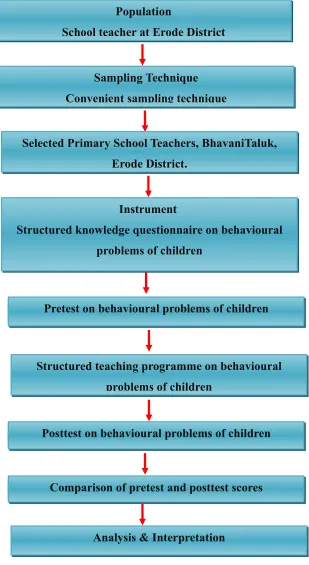
FIG. 2 : SCHEMATIC PRESENTATION OF THE RESEARCH DESIGN
Population
School teacher at Erode District
Sampling Technique
Convenient sampling technique
Selected Primary School Teachers, BhavaniTaluk,
Erode District.
Instrument
Structured knowledge questionnaire on behavioural
problems of children
Pretest on behavioural problems of children
Structured teaching programme on behavioural
problems of children
Posttest on behavioural problems of children
Comparison of pretest and posttest scores
CHAPTER IV
ANALYSIS AND INTERPRETATION
Analysis is the process of categorizing, organizing, manipulating and summarizing the data to obtain answers to research question. The purpose of analysis is to reduce data to intangible and interpretable form, from which the relations of research problem can be studied
and tested. -Polit, (2004).
ORGANIZATION OF FINDINGS:
SECTION I
Frequency and percentage distribution of primary school teachers as per the selected demographic variable.
SECTION II
Analysis of pretest and posttest knowledge score of the primary school teachers on different aspects of bevavioural problems of children.
SECTION III
Comparison of primary school teacher's pretest and posttest knowledge scores regarding behavioural problems of children.
SECTION IV
Association between the knowledge of primary school teachers regarding behavioural problems and selected demographic variables.
SECTION : I
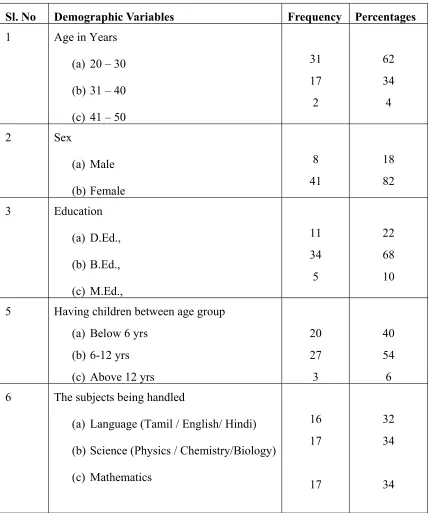
Table 1 : Distribution of Primary school teachers according to selected demographic varaibles
Sl. No Demographic Variables Frequency Percentages
1 Age in Years
(a) 20 – 30 (b) 31 – 40 (c) 41 – 50
31 17 2 62 34 4 2 Sex (a) Male (b) Female 8 41 18 82 3 Education (a) D.Ed., (b) B.Ed., (c) M.Ed., 11 34 5 22 68 10
5 Having children between age group (a) Below 6 yrs
(b) 6-12 yrs (c) Above 12 yrs
20 27 3 40 54 6 6 The subjects being handled
[image:54.612.67.498.188.701.2]7 Teachers monthly income a)50000-10000 b)10000-15000 c)15000-20000 d)above 20000 22 22 3 3 44 44 6 6
8 Types of family a)nuclear family b)joint family c)extended family 29 21 0 58 42 0
9 Marital status a)unmarried b)married c)separated 20 27 3 40 54 6 10
Age at married
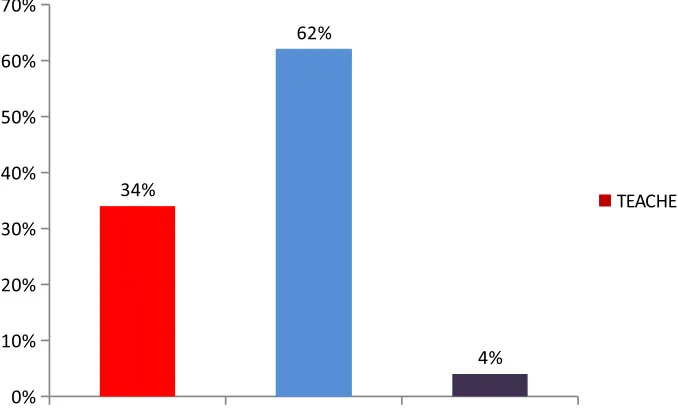
Fig 3 : Bar Diagram showing the percentage distribution of sample by age
0% 10% 20% 30% 40% 50% 60% 70%
34%
62%
4%
TEACHER
The above diagram show that 16(34.00%) primary school teachers was 2-30 years of age, 23(62.00%) were 31-40 years, and 11(4.00%) were 41 -50 years.
Fig 4 : Pie Diagram showing the percentage distribution of sample by Sex
18%
82%
MALE FEMALE
The above diagram show that 9(1800%) of primary school teachers were male and 41(82.00%) of them were female.
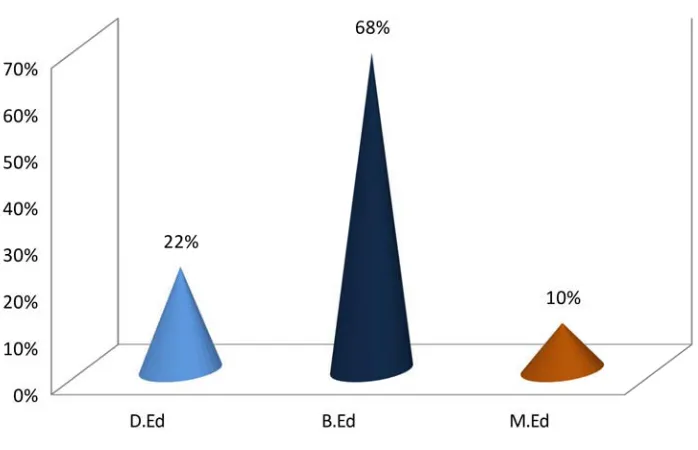
Fig. 5 : Pyramidal diagram showing the percentage distribution of samples by education
The above diagram shows that 11(22.00%) primary school teachers were educated D.Ed., 32(68.00%) of them were educated B.Ed., 5(10.00%) of them were M.Ed.,
Fig. 6 : Cylindrical diagram showing the percentage distribution of sample by Marital status
The above diagram show that 40% of primary school teachers are unmarried 54.00% of primary school teachers are married and 6% of primary school teachers are separated.
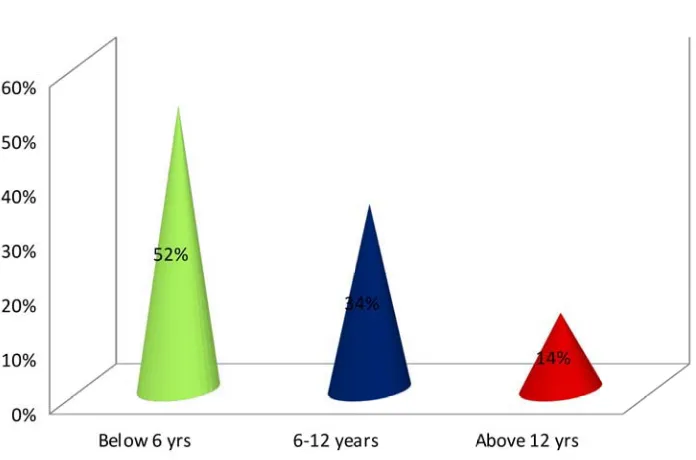
[image:59.612.132.483.179.410.2]Fig. 7 : Pyramidal diagram showing the percentage distribution of samples according to having children between age group.
The above diagram show that 26(52.00%) of primary school teachers are have below 6 years children, 17(34.00%) of primary school teachers are have 6-12 years children, 7(14%) of primary school teachers are have above 12 years children.
Fig. 8 : Cylindrical diagram showing the percentage distribution of samples according to the subject being handled
The above diagram show that 27(54.00%) of primary school teachers are handled language (Tamil / English / Hindi) subjects, 14(28.00%) of primary school teachers are handled science (Physics / Chemistry / Biology) subjects, 9(18.00%) of primary school teachers are handled mathematics subjects.
SECTION : II
Table 2 : Aspect wise Percentage of pretest knowledge among primary school teachers regarding behavioural problems of children
Domain No of
questions
Min – Max scores
Total Score
Knowledge Score
Mean
Score %
Based on experience, types 4 1-4 90 1.8 10%
Based on common bad
habits 5 5-9 107 2.14 11.9%
Based on communication
disorder 3 10-12 59 1.18 6.6%
Based on learning disorder 7 13-19 169 3.38 3.38%
Based on hyper activity and
conduct disorder 6 20-25 109 2.18 2.18%
Based on temper tantrum 2 26-27 45 0.9 0.9%
Based on anxiety 3 28-30 80 1.6 8.9%
Fig. 9 : Conical diagram showing the aspect wise pretest percentage of knowledge
The above diagram show that the pretest knowledge score of primary school teachers on based on experience and types is 10%, based on common bad habits is 11.9%, based on communication disorder is 6.6%, based on learning disorder is 18.8%, based on hyper activity and conduct disorder is 12.1%, based on temper tantrum is 5% and based on anxiety is 8.9%.
Table 3 : Aspect wise percentage of posttest knowledge among primary school teachers regarding behavioural problems of children
Domain No of questions
Min – Max scores
Total Score
Knowledge Score
Mean
Score %
Based on experience, types 4 1-4 168 3.36 18%
Based on common bad
habits 5 5-9 231 4.62 27%
Based on communication
disorder 3 10-12 138 2.76 13%
Based on learning disorder 7 13-19 326 6.52 36%
Based on hyper activity and
conduct disorder 6 20-25 280 5.6 31%
Based on temper tantrum 2 26-27 93 1.80 10.3%
Based on anxiety 3 28-30 144 2.88 16%
Fig. 10 : Pyramidal diagram showing the aspect wise posttest percentage of knowledge score
[image:64.612.66.507.66.504.2]The above diagram show that the posttest knowledge score of primary school teachers on based on experience and type is 18%, based on common bad habits is 27%, based on communication disorder is 15%, based on learning disorder is 36%, based on hyper activity and conduct disorder is 31%, based on temperatantrum is 10.3% and based on anxiety is 16%.
Table 4 : Pretest level of knowledge regarding behavioural problems of children among primary school teachers.
Level of knowledge No. of samples Percentage
Inadequate 42 84%
Moderate 0 0%
Adequate 8 18%
Fig. 11 : Cylindrical diagram showing the percentage of level of pretest knowledge
The above diagram show that in pretest, 46(92%) primary school teachers had inadequate knowledge, 4(8%) primary school teachers had moderate knowledge and none of them had adequate knowledge.
[image:66.612.131.480.349.565.2]Table 5 :Post test level of knowledge regarding behavioural problems of children among primary school teachers
Level of knowledge No of samples Percentage
Inadequate 0 0%
Moderate 4 8%
Adequate 46 92%
Fig. 12 : Conical diagram showing the percentage of level of posttest knowledge
The above diagram shows that in posttest, 0(0%) primary school teachers had inadequate knowledge, 4(8%) primary school teachers had moderate knowledge and 46(92%) primary school teachers adequate knowledge.
[image:67.612.132.480.296.522.2]SECTION : III
Table 6 : Comparison of knowledge scores of primary school teachers regarding behavioural problems of children in the pretest and posttest
Components Observation s
Mean Mean
difference
S.D ‘t’ test Significanc e
Based on
experience and types
Pre test 1.8
1.56 1.4 7.7
Significant P<0.05 Post test 3.36
Based on
common bad habits
Pre test 2.14
2.48 1.4 13.1
Significant P<0.05 Post test 4.62
Based on
communication disorder
Pre test 1.18
1.58 1.1 12.9
Significant P<0.05 Post test 2..76
Based on
Learning disorder
Pre test 3.38
3.14 7.1 21.8
Significant P<0.05 Post test 6.52
Based on
hyperactivity and conduct disorder
Pre test 2.18
3.42 1.3 16.5
Significant P<0.05 Post test
5.6
Based on
tempertantrum
Pre test 0.9
0.96 0.65 10.2
Significant P<0.05 Post test 1.86
Based on
anxiety
Pre test 1.6
1.28 0.85 10.9
Significant P<0.05 Post test 2.88
Fig. 13 : Line diagram showing the comparison of mean scores between pretest and post test on knowledge.
0 2 4 6 8 10 12
1.6 2.14 1.18
3.38
2.18
0.64 1.06 3.36
4.62
2.76
6.52
5.6
1.78
2.38
Posttest
Pretest
The above diagram show that the ‘t’ value on based on experience and types is t=7.7 based on common bad habits is t=13.1 based on communication disorder is t=12.9, based on learning disorder is t=21.8, based on hyper activity and conduct disorder is t=16.5 based on temper tantrum is t=10.2and based on anxiety is t=10.9. Hence H1 is accepted.
Table 7 : Overall mean scores between pre test and post test knowledge on behavioural problems of children
Observatio n
Mean Mean
difference
S.D. ‘t’ value Significanc e
Pre Test 13.22
14.92 1.455 26.572 Significant
p<0.05 Post Test 23.14
Fig. 14: Bar diagram showing the overall mean knowledge scores in the pretest and post test
PreTest PostTest
0 5 10 15 20 25 30
The difference between the overall pretest (13.22) and posttest (23.14) mean scores revealed the effectiveness of the structured teaching programme on behavioral problems of children. Hence, there is significant increase in knowledge of the primary school teachers regarding behavioral problems after their exposure to structured teaching program.
[image:70.612.133.484.357.576.2]SECTION IV
Table 8 : Association between the pretest knowledge of high risk women and selected demographic variables:
Demographic variables Inadequat e Moderat e Chi Square Significanc e
F % F %
Age in Years a.20-30 31 30 1 2 X2=8.9
Df=2
P<0.005 Significant
b.31-40 17 11 6 12
c.41-50 2 1 1 2
Sex a.Male 9 7 2 4 X2=1.57
Df=1
P>0.05 Not significant
b.Female 41 35 6 12
Education a.D.Ed 11 9 2 4 X2=0
Df=2
P>0.05 Not Significant
b. B.Ed 34 29 5 10
c. M.Ed 5 4 1 2
Marital Status a.Unmarried 20 17 3 6 X2=0.6df=
2
P>0.05 Not Significant
b.Married 27 22 5 10
c.Seperated 3 3 0 0
Having Children between age group
a.Below 6 yrs 26 20 6 12 X2=0.472
Df=2
P>0.05 Not Significant
b. 6-12 yrs 17 15 2 4
c. Above 12 yrs 7 7 0 0.
The subjects being handled
a.Language
(Tamil/English/Hindi)
27 20 5 10 X2= 1.25
Df=2
P>0.05 Not Significant
b. Science
(Physics/Chemistry/Biolog y)
14 10 1 2
C.Mathematics 9 12 2 4
Teacher monthlyinco me
Age at
married a) 5000-10000 b)10000-15000 c)15000-20000 d)above20000 22 22 3 3 20 10 5 7 5 2 1 0 10 4 2 0
X2=0.39 p>0.05 not significant
[image:71.612.67.554.155.631.2]Types of family Living area a) 21-25yrs b)25-30yrs c)above 30yrs a)nuclear family b)joint family c)extendedfamily a)urban b)rural c)metrpolitian 16 17 19 29 21 O 30 20 20 17 5 30 7 5 25 17 4 4 0 4 2 2 5 3 8 8 0 8 4 4 10 6 X2=0 X2=0.933 X2=0.53 p>0.05 not significant p>0.05not significant p>0.05 not significant
From the above table, it is evident that there is significant association between the pretest knowledge of primary school teachers and demographic variables age. There is no significant association between the pretest knowledge of primary school teachers and demographic variables of sex, education, marital status, having children between the Age group, the subjects being handled.
[image:72.612.67.549.68.363.2]SECTION 1V
Table 8: Association between the pretest knowledge of primary school teachers and selected demographic variables:
N=50
Demographic variables Inadequat
e
Moderate Chi
Square
Significance
F % F %
Age in a.20-30 13 30 1 2 X2=8.9 P<0.005
Years b.31-40 17 11 6 12 Df=2 Significant
c.41-50 2 1 1 2
Sex a.Male 9 7 2 4 X2=1.57
Df=2
P>0.05 Not
significant
b.Female 41 35 6 12
Educatio
n
a.D.Ed 11 9 2 4 X2=0
Df=2
P>0.05 Not
Significant
b. B.Ed 34 29 5 10
c. M.Ed 5 4 1 2
Marital
Status
a.Unmarried 20 17 3 6 X2=0.df=2 P>0.05 Not
Significant
b.Married 27 22 5 10
c.Seperated 3 3 0 0
Having Children between age group
a.Below 6 yrs 26 20 6 12 X2=0.6
Df=2
P>0.05 Not
Significant
b. 6-12 yrs 17 15 2 4
c. Above 12 yrs 7 7
The subjects being handled a.Language (Tamil/English/Hindi)
27 20 5 10 X2= 0.472
Df=2
P>0.05 Not
Significant
b. Science
(Physics/Chemistry/Biology
)
14 10 1 2
C.Mathematics 9 12 2 4
Types of family Age at married Teachers monthly
a) nuclear family b)joint family c)extended family
a)21-25yrs b)25-30yrs c)above 30 yrs
income Living area c)15000-20000 d)above20000 a)urban b)rural C)metropolitian 3 3 30 20 10 5 7 25 17 2 1 0 5 3 4 2\ 0 10 6 X2=0.53 significant p>0.05 not significant
[image:74.612.67.566.70.247.2]From the above table, it is evident that there is significant association between the pretest knowledge of primary school teachers and demographic variables age. There is no significant association between the pretest knowledge of primary school teachers and demographic variables of sex, education, marital status, having children between the Age group, the subjects being handled.
Table 8.1 : Association between the pretest knowledge of primary school teachers and age :
Demographic
variables
Inadequate Moderate Chi
square
Significant
F % F %
Age
in
Year
a. 20-30 31 30 1 2 X2=8.9 df=2 P< 0.005
Significant
b. 31-40 17 11 12 6
C. 41-50 2 1 1 2
s
Fig.15 : Cylindrical diagram showing the association between age and pretest level of knowledge
The above cylindrical diagrams shows that in pre-test score, 1(2%)
Primary school teachers of age group 20-30 years had moderate knowledge and 30 (31%) had inadequate knowledge 6(12%) had inadequate knowledge and 1(2% ) had moderate, among 31-40 years age group, in 41-50 year age group.
CHAPTER : V
DISCUSSION
This chapter discuss about the important findings of the research to interpret
the findings, data was obtained regarding knowledge onbehavioural problems of
children among teachers in selected primary schools at Erode District".
1. To assess the knowledge regarding behavioral problems among primary
school teachers.
The pretest mean knowledge score of primary school teachers on based on
experience and types is 10%, based on common bad habits is 11.9% based on
communication disorder is 6.6%, based on learning disorder is 18.85, based on
hyper activity and conduct disorder is 12.1%, based on temper tantrum is 5% and
based on anxiety is 8’9%.
The posttest mean knowledge score of primary school teachers on based on
experience and type is 18%, based on common bad habits is 27%, based on
communication disorder is 15%, based on learning disorder is 36%, based on hyper
activity and conduct disorder is 31%, based on temper tantrum is 10.3% and ba