City, University of London Institutional Repository
Citation
:
Foran, Athena I. (2015). Managing emotions through eating. (Unpublished Doctoral thesis, City University London)This is the accepted version of the paper.
This version of the publication may differ from the final published
version.
Permanent repository link:
http://openaccess.city.ac.uk/14059/Link to published version
:
Copyright and reuse:
City Research Online aims to make research
outputs of City, University of London available to a wider audience.
Copyright and Moral Rights remain with the author(s) and/or copyright
holders. URLs from City Research Online may be freely distributed and
linked to.
City Research Online: http://openaccess.city.ac.uk/ [email protected]
Managing Emotions Through Eating
Athena Isabella Foran
Portfolio submitted in fulfilment of the requirements for the
Professional Doctorate in Psychology (DPsych)
City University London
Department of Psychology
October 2015
THE FOLLOWING PARTS OF THIS THESIS HAVE BEEN
REDACTED FOR COPYRIGHT REASONS:
pp 203-217: Section C. Publishable Paper: Navigating emotions and masculinity through eating: a grounded theory.
pp 218-225: Appendix A. Appetite author guidelines.
https://www.elsevier.com/journals/appetite/0195-6663/guide-for-authors
Table of Contents
Table of Contents ... 2
List of Tables and Figures ... 7
Acknowledgements ... 8
Declaration of powers of discretion ... 9
Introduction to the Portfolio ... 10
SECTION A: DOCTORAL RESEARCH ... 16
Abstract ... 17
CHAPTER 1: Introduction ... 18
1.1 Emotional Eating: Definitions and Theories ... 19
1.1.1 Definitions of Emotional Eating ... 19
1.1.2 Affect Regulation Theory ... 21
1.1.3 Attachment Theory ... 23
1.1.4 Escape Theory ... 24
1.1.5 Restraint Theory ... 25
1.1.6 Biological Perspective ... 26
1.1.7 Sociocultural Perspective ... 29
1.2 Masculinity: Definitions and Theories ... 34
1.2.1 Definition of Masculinity ... 34
1.2.2 Constructions and theories of gender and sex ... 35
1.2.3 Male Physical and Mental Health ... 37
1.2.4 Men and Eating Disorders ... 38
1.2.5 Food and Identity ... 39
1.3 A Critical Focus on Emotional Eating Research and Gender ... 41
1.3.2 Research on Gender differences in Emotional Eating ... 43
1.3.3 Psychological Impact of Emotional Eating ... 45
1.4 Summary of Literature Review ... 49
1.6 Research Contribution and Rationale ... 51
1.6.1 Contribution to Counselling Psychology ... 51
1.6.2 Rationale for the Research ... 52
CHAPTER 2: Methodology ... 53
2.1 Research Question ... 53
2.2 Development and Aim of the Research ... 54
2.3 The Research Paradigm and values as a researcher ... 55
2.4 Grounded Theory ... 56
2.4.1 Constructivist Grounded Theory ... 57
2.4.2 Rationale for Grounded Theory ... 58
2.5 Reflexivity and my position as a researcher ... 59
2.5.1 The Female Researcher – Male Participant ... 59
2.5.2 Personal Relationship to topic ... 60
2.5.3 Professional Relationship to topic ... 62
2.6 Data Collection ... 63
2.6.1 Inclusion and exclusion criteria ... 63
2.6.2 Recruitment ... 64
2.6.3 Sample and Participants ... 65
2.6.4 Ethics ... 68
2.6.5 Pilot Interview ... 70
2.6.6 Procedure ... 71
2.7 Analytic process ... 74
2.7.1 Role of the Literature Review in Grounded Theory ... 74
2.7.2 Transcription ... 74
2.7.3 Initial Coding ... 75
2.7.4 Focused Coding ... 76
2.7.5 Memo-writing ... 77
2.7.6 Constant Comparisons and Theoretical Coding ... 78
2.7.7 Theoretical Saturation ... 78
CHAPTER 3: Analysis ... 79
3.1 Overview ... 79
3.2 Core Category: Navigating Emotions and Masculinity through Eating ... 81
3.3 Category 1: Negotiating Masculinity ... 82
3.3.1 Belonging ... 82
3.3.2 Just Get On With It ... 88
3.3.3 Men Eat Meat ... 90
3.4 Category 2: Emotional Eating Serving a Function ... 93
3.4.1 Escape ... 94
3.4.2 Regulate Affect ... 97
3.4.3 Comfort and Reward ... 100
3.5 Category 3: Seeking Control ... 105
3.5.1 Being Independent ... 106
3.5.2 Maintaining Control ... 109
3.5.3 Being Superman ... 114
3.6 Category 4: Stuck in the Cycle ... 120
3.6.2 Temporary Relief ... 123
3.6.3 Negative Consequences ... 125
3.7 Summary ... 127
CHAPTER 4 – Discussion ... 130
4.1 Core Category: Navigating Emotions and Masculinity Through Eating and the Emergent Theory ... 131
4.1.1 Negotiating Masculinity ... 133
4.1.2 Emotional Eating Serving a Function ... 136
4.1.3 Seeking Control ... 138
4.1.4 Stuck in the Cycle ... 140
4.2 Evaluation of the study ... 141
4.2.1 Strengths and Limitations and Suggestions for Future Research ... 142
4.2.2 Ensuring standards of rigour and credibility ... 145
4.3 Implications and Suggestions for Counselling Psychology Practice ... 148
4.4 Final reflections and conclusion ... 151
4.4.1 Epistemological and Methodological Reflexivity ... 151
4.4.2 Personal Reflexivity ... 152
4.4.3 Conclusion ... 153
References ... 155
Appendices ... 184
List of Appendices ... 185
Appendix A: Recruitment Poster ... 186
Appendix B: Participant Information Sheet ... 187
Appendix C: Consent Form ... 188
Appendix E: Pilot Interview Schedule ... 190
Appendix F: Interview Schedule ... 191
Appendix G: Example of Transcript ... 192
Appendix H: Sample of Initial Coding ... 195
Appendix I: Sample of Development from Initial Coding to Focused Coding .... 198
Appendix J: Development of Focused Coding Stage 1 ... 199
Appendix K: Development of Focused Coding Stages 2 and 3 ... 200
SECTION C: PUBLISHABLE PAPER ... 201
Introduction ... 203
Method ... 205
Results ... 206
Discussion ... 211
References ... 214
List of Tables and Figures
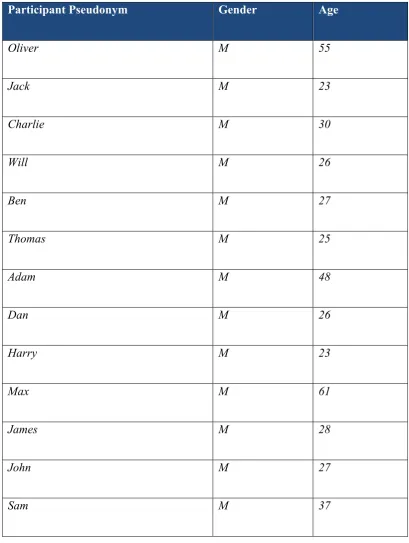
Table 1: Participant Demographics ... 68
Table 2: Core Category and Subcategories of the Present Study ... 81
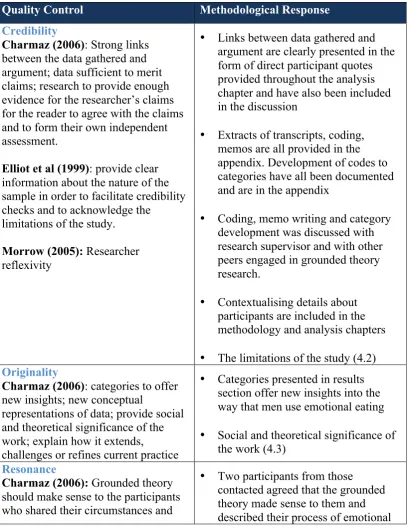
Table 3: Quality Control and Resulting Methodological Responses of Study ... 147
Figure 1: Example of post-interview memo ... 74
Figure 2: Example of Transcript ... 76
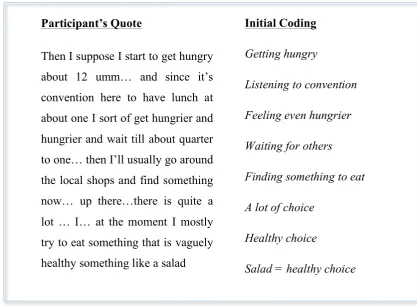
Figure 3: Initial line-by-line coding of Oliver’s interview ... 77
Figure 4: Example of Memo ... 78
Figure 5: Conceptualisation of Emergent Theory ... 132
Figure 6: Therapeutic Aims ... 216
Acknowledgements
First and foremost I would like to thank my incredibly supportive and compassionate supervisor Dr Jessica Jones Nielsen for her attention to detail, never-ending encouragement, and pep talks! This thesis would not be possible without her.
Thank you to my clinical supervisors Dr Courtney Raspin, Dr Meila Roy and Dr Samantha Scholtz for sharing their wealth of knowledge, believing in me and supporting me along the way.
Thank you to Anna and Nicola, for the encouragement and for keeping me going.
I would like to thank my parents who have always supported me in every way they possibly could and for giving me the opportunity to pursue what I love.
To my husband who has been through every stage of this journey with me, thank you for your love, support, and never-ending patience. I could not have done this without you.
Declaration of powers of discretion
I grant powers of discretion to the University Librarian to allow this thesis to be copied in whole or in part without further reference to me. This permission covers only single copies made for study purposes, subject to normal conditions of acknowledgement.
Introduction to the Portfolio
This portfolio begins with an empirical piece of research attempting to understand the process of emotional eating in men and goes on to present a case study working with a client who self-referred herself to therapy for emotional eating. In the hopes of disseminating the findings of the empirical study, the thesis ends with a publishable paper that will be submitted to the journal, Appetite.
Since embarking on this journey three years ago, I could not help but think about the finish line and what it would feel like. It seems pertinent therefore to take a moment now, to reflect on what the past three years have been like, now that the finish line is so near. It is hard to believe that this immensely rewarding and challenging training is finally coming to an end. I am so grateful for all of the experiences I have had along the way and this thesis is an amalgamation of my learning and development as a psychologist.
When I first started my training, I knew that two things fascinated me: people’s narratives of their lives and their personal relationship with food. Throughout my training there have been numerous areas that I have become fascinated by, yet nothing has gripped my attention as much as the research and clinical practice of working with eating disorders. Within my clinical practice it became clearer that so much could be understood about someone’s story through hearing about his or her relationship with food. We all must eat to survive; we all share the experience of feeling hungry and we have all been fed, and fed others. We are all inextricably linked through food; it helps us connect, form relationships, celebrate, commiserate, gives us pleasure, pain, energy and is vital for our survival. What, how, when and why we eat is part of our wider culture and makes us feel like we belong. Being from three countries and moving a lot as a child, food was the constant and helped me belong. It was a big part of our family identity and to this day means a great deal to me.
have a significant impact on these aspects too. Therefore, choosing a topic for my research came with considerable ease. Following my Master’s research looking at parental feeding styles, it occurred to me how eating and our relationship with food is part of our “story” and can communicate a great deal about our psychological well-being. At the beginning of my research, the term emotional eating was not as widespread as it is today. Now, the media and general population have become more interested in this phenomenon, demonstrating how relevant this topic is in today’s world. It brings me immense joy to know that the public is starting to make the connection between eating and their emotions. Since embarking upon my research, a number of individuals have come forward and identified as eating in response to their emotions. It is plausible that each of us experiences a form of emotional eating at some point in our lives. However, for certain individuals, emotional eating becomes overwhelming and they find themselves unable to manage or cope with any form of emotion without turning to food.
As part of my training as a Counselling Psychologist, I specifically sought out clinical placements that would allow me to work with individuals who struggled with their eating. This led me to a private practice that specialises in the treatment of individuals with eating disorders and an NHS Bariatric Service that treats individuals who are overweight and obese. I have been fortunate enough to remain in both services, both of which have been instrumental in my training and understanding of emotional eating as a phenomenon. I have had the opportunity to develop and facilitate a Cognitive Behavioural Therapy (CBT) focused emotional eating group as well as develop the new Tier 3 Weight Management Service. The Tier 3 service is a specialist multi-disciplinary weight management programme that according to new NHS England Guidelines patients will have to complete prior to being accepted to the Tier 4 Specialised Complex Obesity Services (which include bariatric surgery). I have therefore seen the importance of understanding emotional eating and developing treatment first hand.
way to regulate their affect are more likely to present with weight regain post-bariatric surgery (Elfhag & Rossner, 2005). Although post-bariatric surgery helps with feelings of hunger and fullness, if patients are not equipped with alternative coping strategies post-operatively, when they experience a stressful or difficult situation, they often return to their primary method of coping – eating, thus experiencing weight regain. Therefore, as a clinician, I spend a considerable amount of time with patients making them aware of their eating behaviours and emotions, making a connection between the two and helping patients identify alternative ways of managing their affect.
There are two threads that run through this thesis, one of which includes my passion and exploration of the phenomenon of emotional eating, and the other being my development as a Counselling Psychologist. The skill that Counselling Psychologists are trained to consider is balancing and integrating two parts of themselves, one being a scientist and researcher, the other a reflexive clinician. We work using evidence-based practice, integrating models and approach our work with a reflexive stance. This thesis has helped me integrate these two parts of myself into a practitioner psychologist. I feel privileged to have heard so many people’s stories along the way and to have had some hand in helping them make sense of their journey. I am grateful to those who have been able to open up, be vulnerable and allow me to be a part of their story.
Section A: Doctoral Research
This section consists of the Doctoral Research entitled, “Navigating emotions and masculinity through eating: A Grounded Theory.”
The research aimed to form a theory of emotional eating in men, focusing on the way men manage their emotions and masculinity using grounded theory. Thirteen semi-structured interviews were conducted from a sample of men who self-reported as emotional eaters in order to further our understanding of the process of emotional eating in men. The data was analysed using constructivist grounded theory and following analysis, an emergent theory of emotional eating was developed and presented. The findings of the research are examined within the context of existing theories and literature. Finally, implications and recommendations for Counselling Psychology practice and research have been presented.
Section B: Client Case Study
This section presents a case study of clinical work with a client who self-referred to therapy as she was struggling with emotional eating. The case study is a written summary of the key interactions between the client and myself over a total of six sessions and of our work using an integration of Cognitive Behavioural Therapy for Eating Disorders (CBT-E) and Compassion Focused Therapy (CFT). This piece of work illustrates the practice of Counselling Psychology working in the context of private practice and aims to demonstrate proficiency in using CBT-E when working with emotional eating. It presents a formulation of the presenting problem and a thorough account of our work and my reflexive practice.
Section C: Publishable Paper
This section presents the categories within the thesis: Category 1: Negotiating Masculinity; Category 2: Emotional Eating Serving a Function; Category 3: Seeking Control alongside the core category of ‘Navigating Emotions and Masculinity Through Eating’, with the aim of being published in the peer-reviewed journal,
Appetite and has therefore been formatted according to the journal’s guidelines. I chose this journal because of its applicability in the field of emotional eating, weight management, bariatrics, obesity and eating disorders. The journal specialises in “disordered eating, dietary attitudes and all aspects of human behaviour toward food” (Appetite). The publication of this article in this journal would mean that the findings would be read by practitioners from a number of disciplinary fields such as Dieticians, Social, Health, Clinical and Counselling Psychologists, Endocrinologists, Psychiatrists and Bariatric Surgeons who all have a shared interest in the field of emotional eating. The aim of the article is to present the emergent theory of emotional eating in men to further the knowledge of practitioners working with this client population. Ultimately, I hope that the dissemination of these findings promotes knowledge of how men manage emotional eating and can provide clinicians with an understanding of how to best help their male clients/patients.
Summary
SECTION A: DOCTORAL RESEARCH
Navigating Emotions and Masculinity through Eating:
A Grounded Theory
Athena Foran
Abstract
CHAPTER 1: Introduction
Food can help provide comfort, distraction from pain, relief from boredom and can be used as a treat or reward (Greeno & Wing, 1994; Wansink & Payne, 2007). Food can also be an integral part of celebrating various occasions (Alexander & Siegel, 2013) and connecting with others. However, some individuals experience an increase in their eating as a response to negative emotions, a phenomenon called emotional eating (Bruch, 1973). According to Public Health England, 62.1% of adults in the
United Kingdom (UK) were overweight1 or obese, and men were more likely to be
obese than women in 2013. The prevalence of eating disorders is growing in the UK with an estimated 725,000 people in 2015, 11% of whom were male (Beat, 2015). There is evidence that emotionally dependent eating is related to obesity (Blair, Lewis & Booth, 1990; Ganley, 1989; Yanovski, 2003) and has been found to be a key determinant of bingeing, with or without compensatory behaviour (Heatherton & Baumeister, 1991; Stice, 2002; Striegel-Moore, 1993; van Strien et al., 2005).
Bingeing, as defined by the DSM-V, is where an individual overeats on a regular basis in a short period of time with a sense of no control. An individual who binges may eat regardless of hunger and may experience feelings of guilt and embarrassment following an episode of overeating. As obesity has been strongly linked to non-compensatory bingeing as a result of emotional disturbance, it is important to further understand the processes of emotional eating in order to develop preventative measures and treatment. A number of theories attempt to further understand the function of emotional eating and have been investigated with a variety of populations. However, despite studies clearly demonstrating gender differences in emotion regulation and emotional eating, a gap in the literature exists when it comes to men and their tendency to use eating as a way of regulating their affect.
A review conducted by Nolen-Hoeksema (2001) found that women in general tend to present with more depressive symptoms and use more emotion regulation
1 This study adheres to the World Health Organisation BMI classification system for adults and thus
strategies compared to their male counterparts (Stanton, Kirk, Cameron, & Danoff Burg, 2000). Women have also been shown to be more emotionally expressive (Brebner, 2003; King & Emmons, 1990; Mendes, Reis, Seery & Blascovich, 2003) and turn to food as a response to their emotions more so than men (van Strien et al., 2005).
It can be argued however that although the literature suggests that women experience more emotional eating than men, men are less likely to come forward and self-identify as emotional eaters due to their attempts to adhere to socially constructed masculine ideals. Another explanation of this may be that men present with more alexithymic traits than women (Lane, Sechrest, & Reidel, 1998; Parker, Taylor, & Bagby, 2003). Alexithymia as defined by Nemiah et al. (1976) is a difficulty in identifying subjective emotional feelings and differentiating between feelings and bodily sensations of emotional arousal and difficulty in describing feelings to others known as poor interoceptive awareness (Larsen et al., 2006). Therefore individuals with alexithymic traits may be less aware of their use of food and eating as a regulatory tool for their negative affect. The relationship between masculinity, emotions and eating is therefore a complex one.
For this reason, the primary focus of this chapter is to understand the constructs of emotional eating and masculinity within Western society, followed by an exploration of how these two constructs merge. The chapter begins with an overview of the theories of emotional eating, followed by the theories of masculinity, and ends with a detailed examination of the empirical and theoretical literature that looks at gender differences in emotional eating.
1.1 Emotional Eating: Definitions and Theories
1.1.1 Definitions of Emotional Eating
Herman, 2002), and a growing number of individuals report “emotionally-biased eating patterns” (National Institute of Health, 2007).
The idea of emotional eating evolved from individuals who describe being unable to distinguish between the feelings of hunger from the arousal of their emotions (Bruch, 1964). As such, emotional eaters use food as a means to regulate their affect in periods of stress, anxiety or other emotional periods of time (Spoor et al., 2007). Emotional eating can be triggered by an integration of physical, situational and emotional factors such as stress (Childers et al., 2011); fatigue (Ogden et al., 2011); shame or loneliness (Zeeck et al., 2012); life events that trigger negative emotions such as transition to university (Childers et al., 2011); or sadness (Bove & Olson, 2006). The variety of triggers indicates that the experience of emotional eating may be different for each individual.
Emotional eating is an important topic to investigate because the prevalence of both obesity and eating disorders are increasing and the behaviour has been found to be a significant precursor to both. The over-consumption of food has caused an epidemic of obesity resulting in extensive implications on the healthcare system within the UK (Scholtz & Morgan, 2009). Thus, a number of theories have been put forward to explain overeating in emotional eaters. Each of the theories that have been put forward provide different perspectives and demonstrate the complexity of the behaviour of emotional eating.
1.1.2 Affect Regulation Theory
Emotion or affect regulation can be explained as the way that individuals experience and express their emotions (Gross, 1999). Affect regulation is primary in maintaining both our mental and physical health (Gross, 2007). Emotion management strategies can be divided into two subtypes: antecedent and response-focused. Antecedent-focused strategies take place before the emotional response has become fully activated and changes physiological and behavioural responses; response-focused strategies take place after response tendencies have been activated following a trigger by the emotions (Gross & John, 2003). Affect regulation strategies that have received much attention recently are cognitive reappraisal and expressive suppression (Gross & John, 2004; Richards & Gross, 2000).
Cognitive reappraisal is an antecedent-focused strategy and works to change the way an individual thinks about an emotional situation in an attempt to alter the emotional impact. This is considered a “cooling” strategy, as it provides distance from the difficult situation (Mischel & Ayduk, 2004). Conversely, expressive suppression is a response-focused strategy and attempts to reduce the emotions when managing a difficult emotional state (Gross & John, 2003). Naturally, these responses have different consequences, cognitive reappraisal is associated with less negative emotions, whereas suppression reduces emotional expression (Gross, 2002), resulting in attachment avoidance, symptoms of depression, less social support, less life satisfaction, lower self-esteem and lower wellbeing in general (Gross & John, 2003, 2004). Emotional eating and using food to avoid directly addressing affect can be understood as an expressive suppression technique (response-focused), therefore making it a maladaptive coping strategy.
in using food to reduce negative affect. However, a difficulty that most of these studies encountered was the difficulty in measuring emotion and the direct relationship it has to eating (Blair, Lewis & Booth, 1990). The studies used scales such as the Dutch Eating Behaviour Questionnaire (DEBQ; van Strien, Frijter, Bergers, & Defares, 1986) which measured eating behaviours, however emotions were only included in the subscale (Blair et al., 1990). The Emotional Eating Scale (EES) was later developed in 1995 and validated within a clinical population measuring negative emotions (depression, anger/hostility and anxiety) and overeating (Arnow et al., 1995). Although the EES was an improvement, it did not include positive emotions and did not account for restriction or suppression of appetite. Finally, as a result, the Emotional Eating Scale-II (EES-II) was developed, which allowed for the relationship between the full continuum of eating responses and range of emotions to be explored.
The Psychosomatic Theories (Bruch, 1973; Kaplan & Kaplan, 1957) and the more recently developed affect regulation models (e.g., Hawkins & Clement, 1984; McCarthy, 1990; Telch, 1997), suggest that emotional eaters have learned that overeating in response to their negative affect reduces aversive mood states. Early on, Bruch (1955) put forward the concept that food and emotions are closely linked. Bruch explains that for some parents, the process of feeding their children can become ‘overcharged with emotional significance’, establishing a precedent whereby food is the only significant emotional narrative. This begins the unhelpful relationship that individuals form with food and can result in difficult eating behaviours in later life due to the belief that eating provides them with a relief from emotional strain and a sense of satisfaction. It has been argued that this is the result of early life learning experiences where food was used as a way of coping with psychological problems (Kaplan & Kaplan, 1957).
Herman & Polivy, 1991). In accordance with the psychosomatic theory, it is the result of using food to lessen emotional distress, or being unable to distinguish hunger from other aversive internal states. These individuals therefore have to look to the outside to know what to eat and how much, as their own internal awareness of hunger and satiety has not been ‘programmed’ accurately (Bruch, 1973). One of the ways of understanding this ‘programming’ is the Attachment Theory, which is further expanded upon below.
1.1.3 Attachment Theory
Attachment styles work and act as schemas for future relationships (Siegel, 1999; Tasca, Ritchie, & Balfour, 2011) and these internal models work to form the basis of styles which individuals then use to interact with the world, cope with distress and regulate affect (Bowlby, 1988). Within each attachment style (secure, anxious-preoccupied, dismissive-avoidant and fearful-avoidant) one can simultaneously recount areas of attachment functioning such as affect regulation, coherence of mind, reflective functioning and interpersonal style (Tasca, Ritchie & Balfour, 2011).
Individuals with avoidant attachments expect that by expressing their affect it will result in a negative outcome and thus avoid situations in which a worsening emotional experience might occur (Fraley & Shaver, 2000). They then create a memory structure that is defensive which allows them to have very little accessibility to painful memories and use emotional distancing strategies to cope (Fonagy, 2001). Conversely, individuals with attachment anxiety have poor self-regulatory skills (Mikulincer et al., 2009; Tasca, Ritchie & Balfour 2011). They are able to recognise their own negative affect, however they often have an exaggerated perception of it (Mikulincer & Florian, 1998).
individuals with an avoidant attachment, cut off their emotional experiences through the use of dietary restriction.
The idea of restricting or using food to regulate affect can be traced back to the mother-child relationship and be experienced as a comfort. For example, if a mother attempts to soothe the baby by offering or distracting with food when identifying distress, the baby may not develop its own self-soothing mechanism (Clinton, 2006); making the child reliant on the use of food to self-soothe. This pattern is commonly seen in individuals who present with disordered eating.
In summary, emotional eating has been shown to manage difficult feelings that have developed when a secure attachment has not been formed in childhood. Buckroyd (2011) suggests that obese adults who overeat are insecurely attached, proposing that attachment plays a significant role in the use of food as a means of coping with negative affect. As mentioned above, distraction can be one of the ways in which individuals use food to ‘escape’ from negative affect. The Escape Theory as proposed by Heatherton & Baumeister (1991) suggests this is the primary process of emotional eating and is described in the following section.
1.1.4 Escape Theory
The Escape Theory (Heatherton & Baumeister, 1991) postulates that overeating in response to negative feelings is an attempt at escaping or pushing the attention aside from an ego-threatening stimulus that causes an unwanted self-awareness. According to this theory, when faced with threatening information about the self, emotional eaters attempt to escape from their self-awareness in order to stay away from unwanted implications and negative affect. Individuals try to escape by focusing their attention on an external stimulus such as food, resulting in overeating. This narrowing of attention can however cause inhibition, resulting in the individual being more prone to bingeing (Evers, Stock, & de Ridder, 2010).
it is a “banned” substance (Fairburn & Cooper, 1982). Finally, another explanation may be to distract from the original stressor or source of distress (Herman & Polivy, 1988). Instead individuals turn to a strategy that they do have access to (overeating) in an attempt to regulate the negative affect they experience. (Evers et al., 2010; Wiser & Telch, 1999).
A quantitative study conducted by Wallis and Heatherington (2004) in the UK found that both dietary restraint and emotional eating were related to an increase in chocolate intake in a sample of females responding to an ego-threatening stimulus. Therefore, suggesting that stressful tasks that threaten ego can cause individuals to seek food to escape any negative emotions to narrow their focus of attention to the immediate stimulus of the food. Although this study supports the Escape Theory as put forward by Heatherton and Baumeister (1991), the study presented 38 female participants with a bowl of chocolate following the completion of three colour naming conditions (stroop-tests), who were told to eat as much or as little as they wanted. It could therefore be argued that by giving the participants the chocolate
after the completion of the task, participants may have used the chocolate as a way of reducing their negative affect rather than seeking out direct distraction or ‘escape’. The study did, however, confirm that both restrained and emotional eaters were more likely to increase their intake following a situation deemed threatening to the ego than after a control condition. This supports the idea that eating provides individuals with a narrowing of attention to available stimuli (food) in an attempt to self-regulate their emotional state.
1.1.5 Restraint Theory
to be high in calories, irrespective of actual caloric content (Herman & Polivy, 2004). This suggests that chronic dieters or restrained eaters adopt a careless attitude following the consumption of a highly calorific food, believing that their low-calorie intake goal is already unattainable and therefore not worth striving for.
For example, a study where individuals were given a milkshake and told it was high in calories, ate more ice cream following consumption compared to those who were told the milkshake was low in calories, despite actual caloric content being identical in both groups (Spencer & Fremouw, 1979). Additionally a study conducted by Knight and Boland (1989) found that restrained eaters ate more ice cream after consuming two milkshakes than eating cottage cheese of the same caloric content. These studies demonstrate that for restrained eaters, disinhibited eating involves cognitive mechanisms, which include the belief that particular foods are not allowed. Thus, disinhibited eating cannot be accounted for plainly by physiological effects of caloric intake, emotional and cognitive processes play a vital role in the underlying mechanisms.
Some studies suggest, however, that restrained eating is not related to emotional eating. Wallis and Heatherington (2004), for example, found that emotional eating was linked to an intake following an ego-threat stressor only, whereas restrained eaters increased their intake regardless of the type of stressor. Therefore, suggesting that restraint may increase intake in response to other stimuli, including stress, whereas emotional eating may only act to improve self-focused negative emotions. These theories suggest that emotional eating plays a role in regulating affect, attempting to control or escape affect or is the result of attachment styles. An alternative perspective is that emotional eating is the result of biological and sociocultural factors; these are further explored in the following sections.
1.1.6 Biological Perspective
considered to be normal physiological responses to negative emotions (Schachter, Goldman, & Gordon, 1968). The tendency to eat in response to negative emotions is therefore surprising from a biological perspective as the natural response to stress and negative emotion triggers a loss in appetite (Wing et al., 1990). From a biological perspective, an increase in food intake as a response to negative emotions is regarded as maladaptive (Heatherton, Herman, & Polivy, 1991) as it interferes with the original purpose of emotions: to optimally prepare the organism to respond to the environmental demands (Levenson, 1994).
Stress Induced Eating
Animal studies have indicated that increased stress levels mainly result in a decrease in food intake (Levine & Morley, 1981; Morley, Levine & Rowland, 1983). However, when presented with highly palatable foods such as sugar or lard, the intake under stress increases significantly (Dallman et al., 2003; Dallman, Pecoraco, & La Fleur, 2005). These results need to be considered lightly as it is arguable how applicable these can be to human behaviour. That said, literature does show that in humans, stress affects eating in two ways; approximately 30% of individuals decrease their food intake, whilst the majority increases it (Epel et al., 2004). Taking into account that people who live in Westernized countries are surrounded by palatable and calorically dense foods, it is unsurprising that most people complain about an increase in food intake when dealing with stress.
hunger by releasing sugar into the bloodstream. Individuals who emotionally eat present an unusual response whereby they increase their intake as a result of stress. This may be due to a change in the stress reactivity of the HPA-axis associated to chronic stress that affects the response of cortisol, also known as the stress hormone (Fries, Hesse, Hellhammer, & Hellhammer, 2005; Dallman, 2010).
Gluck (2006) and Gluck et al. (2004) found that people with binge eating disorder (BED), bulimia nervosa (BN) and anorexia nervosa (AN) are prone to having greater cortisol reactivity or greater basal cortisol. In a study using the Trier Social Stress Test, individuals with higher cortisol levels were more likely to consume high fat foods and more calories (Kirschbaum, Pirke & Hellhammer, 1993). This study was conducted in a laboratory setting; however another study conducted by Epel, Lapidus, McEwen, & Brownell (2001) examined participants in a naturalistic setting, outside of the lab. Unlike Kirschbaum et al.’s (1993) study, Epel et al. (2001) found that high cortisol reactors were more likely to consume a larger intake of snack food; therefore suggesting that high cortisol reactivity to stress can be seen to predict a larger intake of calorically dense food both within a lab and naturalistic environment. Individuals who experience high cortisol reactivity may opt for calorie dense foods to reduce anxiety or blunt their stress response (Epel et al., 2001).
Addiction Model
Research has shown that there is a substantial amount to learn from the Addiction Model, especially about the role of palatable food and stress on the reward centre (Adam & Epel, 2007). A growing amount of evidence suggests highly palatable foods have properties that promote dependency (Adam & Epel, 2007; Wilson, 2010). Palatable foods, similarly to drugs of abuse can activate the brain reward system and signal the limbic system resulting in a powerful behavioural reinforcement for palatable food (Hernandez & Hoebel, 1988; Kelley, Bakshi, Fleming & Holahan, 2000).
understood to decrease food intake to a certain extent by altering the reward value of food (Figlewicz & Woods, 2000; Fulton, Woodside, & Shizgal, 2002). When there are insufficient adipose signals the “brakes” on food intake become impaired. These “brakes” characteristically work by decreasing the hedonic value of food and may in part explain non-homeostatic eating, which is defined as eating irrespective of metabolic need (Figlewicz, 2003).
If eating is learned to be an effective coping strategy to chronic stress, highly palatable food can appear to be ‘addictive’ when taking into account the neurobiological response mentioned earlier (Volkow & Wise, 2005). Paradoxically, the role of negative emotions and self-thoughts in connection with diet breaking and overeating is similar to that of the “Limit Violation Effect” (LVE) that is present with alcohol consumption (Muraven, Collins, Morsheimer, Shiffman & Paty, 2005a, 2005b). LVE theory suggests that individuals who blame themselves for drinking excessively, experience negative affect, leading them to drink even more in later
episodes. Muraven et al. (2005b) explains the “logic” of LVE as: “I feel bad about
how much I drank, so I will drink more to cope with those feelings” (p. 245). Likewise, dieters who feel guilty for eating non-acceptable foods might overeat in an attempt to escape negative feelings and self-thoughts following a binge.
Although an increase in turning to food can be explained and understood using the addiction model, it is more clearly correlated with the growing availability to highly palatable food, also known as ‘comfort food’. A review of the literature on eating disorders, obesity and addiction found that there is a considerable amount of empirical evidence against the addiction model (Wilson, 2010), suggesting that although there is an increase in our understanding of how brain mechanisms play a significant part in obesity and eating behaviour, these studies do not necessarily indicate that eating itself is an addiction. Instead, obesity can be understood as being strongly linked with an exposure to strong reinforcers (Volkow & Wise, 2005b).
1.1.7 Sociocultural Perspective
facilitation of overeating as a consequence of not needing to restrict to present a good impression (Clendenen, Herman & Polivy, 1994; de Castro, 1994; Salvy, Jarrin, Paluch, Irfan & Pliner, 2007). The sociocultural perspective suggests that emotional eating can be the result of social facilitation and parental feeding styles, as well as serving the function of maintaining homeostasis within the family system. These three facets are explained in more detail below.
Social Facilitation
Eating and food choices are closely linked to bodily and physical feelings, however these are not purely biological in nature but mediated or constructed by culture and society. This means that food plays a role that includes more than just providing nourishment and can allow people to manage relationships through their eating and food (Lupton, 1996). Food serves as a means of bringing people together and allows them to share a culture.
The literature also suggests that the presence of peers can have long-term effects on the amount of food an individual consumes, regardless of their weight. Bevelander, Anschutz and Engels (2012) found that peers specifically trigger an increase in food intake in individuals who are overweight. Whereas another study found that normal-weight individuals are more susceptible to social facilitation of overeating than individuals who are overweight, and found that overweight individuals eat more when alone (Salvy, Coelho, Kieffer & Epstein, 2007). It is however important to note that both studies were conducted with children and therefore must be considered tentatively when applying to adult behaviour. Additionally, the studies used palatable foods; therefore further studies are needed to understand whether similar modelling behaviour applies to different types of foods (e.g., unfamiliar or healthy food). Nonetheless, both findings suggest that social context significantly impacts food intake in both normal and overweight children, and can affect long-term food intake.
Family Systems
occur, as an attempt to regulate the difficult emotional aspects of family life by eating (Walfish, 2004). Most people associate food with the family unit and with their cultural identity and can thus be said that it can be majorly linked to the emotion of love (Lupton, 1996). This can be expanded upon by integrating it with the Attachment Theory, which proposes that love is ‘transmitted’ through the act of breastfeeding a newborn baby, or in later life by having a meal prepared for you by a significant other. Charles and Kerr (1988) suggest that food is seen as a gift that is not judged by monetary value and is an important way for people to maintain social relationships as it is considered an act of love. ‘Gifting’ or preparing food demonstrates an investment of affection, care and time on the part of the giver (Cheal, 1988). In line with preparing and ‘gifting’ food as a symbol of love and affection, the way in which this is done can have a significant impact on the relationship an individual will form with food.
Parental Feeding Styles
Young children have been found to adjust their intake in response to food and its energy content, demonstrating a self-regulating mechanism (Birch & Deysher, 1985, 1986; Birch & Fisher, 1998). Such self-control and ability to self-regulate using hunger cues and satiety can unintentionally be reduced by parental feeding styles, such as controlling intake, parental restriction or pressure to eat (Birch, Fisher, & Davison, 2003; Carper, Fisher & Birch, 2000). Wardle et al. (2002) distinguished four major parental feeding styles: emotional, instrumental, controlling/restricting and prompting/encouraging. Emotional feeding is present when parents offer foods in an attempt to manage negative moods (Wardle et al., 2002). Prompting, or pressuring encourages more eating, particularly healthy foods; instrumental feeding can be understood as using treats and rewards to encourage eating and finally, parents who engage in restrictive eating limit their children’s access to what they understand to be unhealthy foods (Wardle et al., 2002).
cause children to stop using their own self-regulating mechanisms for food intake (Faith, Scanlon, Birch, Francis, & Sherry, 2004).
Both restrictive and pressuring feeding styles ignore the real needs of the child, leading the child to lose their sense of awareness of hunger and satiety, eventually resulting in their eating behaviour being dominated by emotional or external factors (Rodin, 1981; Van Strien & Bazelier, 2007). The child may develop some difficulty in recognising whether it is hungry or satiated, or experiencing other discomfort, which can develop into a pattern of responding to any state of arousal through food intake, also known as emotional overeating (Bruch, 1973). These types of eating behaviours are regarded to be aetiological factors for binge eating disorder, obesity and other eating pathology (Canetti, Bachar, & Berry, 2002; van Strien et al., 1986) and can thus be classified as disturbed eating behaviours.
A study conducted by van Strien and Bazelier (2007) in the Netherlands examined the prevalence of restrained, external and emotional eating and parental feeding styles in a group of 7- to 12-year old girls and boys; one of the first to include boys in their sample. They found that boys were more likely to lose contact with their self-regulating mechanism of eating behaviour if encouraged to eat by parents, thus running a higher risk of developing disturbed eating behaviours. They also found that perceived pressure to eat was significantly related to emotional eating in boys more than in girls. Overall however, the study found little prevalence of emotional eating, suggesting that children exhibit natural reactions to emotional stressors and that the behaviour of emotional eating only occurs in later life. Interestingly, the study also found that pressure to eat from parents was more so associated with emotional eating in boys than in girls.
intake), honesty and inhibition. Additionally, as the study was conducted on children, it limits its applicability to adult behaviours.
It is clear from the above studies and theories that the phenomenon of emotional eating is complex and involves a number of underlying mechanisms and maintenance factors. As presented in this section, the majority of studies investigating emotional eating have used quantitative methods, using scales such as the DEBQ, EES, and EES-II. Although these questionnaires have demonstrated the measure of emotional and stress eating, the findings of the relationship between self-reported emotional eating and laboratory-induced stress have been inconsistent. Some studies have found an association between increased eating and high scores on the emotional eating scale (e.g., Adriaanse, de Ridder, & Evers, 2011; Oliver, Wardle, & Gibson, 2000; O’Connor et al., 2008) and others have not (e.g., Evers, de Ridder, & Adriaanse, 2009; Evers, Stok, & de Ridder, 2010; O’Connor & O’Connor, 2004). Some researchers have questioned the validity of the literature that presents questionnaire-based conceptualisations of emotional eating (Domoff et al., 2013; Hayman et al., 2014).
The majority of theories have been formed using quantitative measures to ‘map’ the link between emotions and eating behaviour. Furthermore, each theory accounts for a part of the understanding of emotional eating. There is therefore a significant gap in the literature that investigates emotional eating from a qualitative perspective, attempting to further understand how underlying processes contribute to emotional eating.
presents the theories of masculinity and how socially constructed ideals can impact on the physical and mental health of men.
1.2 Masculinity: Definitions and Theories
1.2.1 Definition of Masculinity
As we exist in a social context, it is important to consider both social and cultural factors when examining men’s health (Courtenay, 2002; Lee & Owens, 2002). Researching gender, masculinity and sex can be difficult, as many definitions of these concepts exist; equally the terms themselves are often used interchangeably (Buchbinder, 2013). For the purpose of this study, the term ‘gender’ is defined as a socially constructed, dynamic concept that is shaped by assumptions, values and meanings about men and women in a specific culture at any given time (Buchbinder, 2013; Courtenay, 2000b). ‘Sex’ is accepted as the biological differences between women and men (Courtenay, 2002). It can be argued that men and women act in the way they do due to culturally adopted concepts of femininity and masculinity, rather than psychological traits and role identities (Pleck et al., 1994).
Hegemonic masculinity is the dominant form of socially constructed masculinity that tends to be more prominent than femininity and other forms of masculinity, and is considered the ‘masculine ideal’ (Courtenay, 2000a). This type of masculinity refers to being strong and resistant to disease whilst demonstrating nonchalance for health concerns, seen as feminine behaviour (Connell, 2000). Men who adopt these behaviours put themselves in danger by taking more risks, hesitating to seek help and denying any weakness, all of which have the potential to have a negative impact on health (Courtenay, 2000a). Hegemonic masculinity is maintained by suppressing women and other ‘marginalised’ men (Connell, 1995), significantly impacting the health of both women and men.
explanation of masculinity is applicable in some cases, it is important to note that his theory of the modern man was written in 1983 and that masculinity and it’s meaning is ever evolving, being reconstructed by society depending on the era. This research attempts to capture men’s own understanding of their masculinity and how this affects their relationship with their emotions and in turn, food. The following section presents the constructions and theories of gender and sex, providing a critical appraisal of these, followed by an exploration of how these affect male physical and mental health.
1.2.2 Constructions and theories of gender and sex
Sex role theory suggests that social expectations of gender roles are internalised by the individual. Role Theory primarily emerged as an alternative to the biological explanations for male and female behaviour. It suggests that male roles encourage unhealthy and stressful lifestyles and are often detrimental to health because they create stress and strain for men who feel they do not succeed in living up to expectations (Robertson, 2007). Four central components to male gender roles as identified by Brannon (1976) are: ‘No Sissy Stuff’; ‘The Sturdy Oak’; ‘The Big Wheel’ and ‘Giv’Em Hell!’ (p. 12). These are defined as follows, ‘No Sissy Stuff’ as, “The stigma of all stereotyped feminine characteristics and qualities including openness and vulnerability”; ‘The Sturdy Oak’ as “Manly air of toughness, confidence, self reliance”; ‘The Big Wheel’ is defined as “Success, status, and the need to be looked up to”, and finally, ‘Give’Em Hell!’ as an “aura of aggression, violence and daring” (p. 12). Building on this work, Kimmel (1994) described masculinity as “a constantly changing collection of meanings we construct through our relationships with ourselves, with each other, and with our world” (p. 120).
Brannon (1976) put forward that the hegemonic definition of manliness is “a man in
Masculine ideals may change over time as roles are constructed and reconstructed in cultural and social interaction. For example, not seeking help for health problems and not showing emotional weakness may be considered as ‘masculine’ by men born in the early twentieth century, whereas younger men are more open to expressing more “feminine characteristics” and consider other “feminine” activities such as housework and cooking as acceptable in the early twenty first century (Bennett, 2007). It could be argued that these changing socially constructed ideas around masculinity can cause men to feel confused about what is expected of them in wider society.
Research suggests that men experience greater social pressure than women to subscribe to gendered societal instructions – such as being self-reliant, independent, robust, tough and strong (Golombok & Fivush, 1994; Martin, 1995; Williams & Best, 1990). It is no surprise therefore that beliefs around gender are more stereotypic for men than they are for women (Katz & Ksansnak, 1994; Levant & Majors, 1998). From a social constructionist perspective, men actively participate in these socially prescribed roles and therefore continue to perpetuate the stereotypes and norms of masculinity (Courtenay, 1999a).
Clatterbaugh (1997) put forward the idea that men harm themselves by pursuing power and privilege. He argued that the social practices that sabotage men’s health are often the tools men use in acquiring power. In order to acquire power, men are required to suppress their needs and refuse to acknowledge or admit to pain (Kaufman, 1994). Other health beliefs and behaviours can also be attributed to demonstrating hegemonic masculinity such as emotional and physical control, a denial of vulnerability or weakness, a ceaseless interest in sex, the appearance of being strong and robust, dismissal of any need for help, physical dominance and the display of aggressive behaviour (Courtenay, 2000a).
that are perceived to be feminine risk being demoted in their masculinity and are labelled as a “sissy” or “wimp” (Courtenay, 2000a, 2000b). Positive health behaviours have been socially constructed in our society as forms of idealised femininity (Courtenay, 1998, 1999a, 1999b). Therefore, refraining from accessing health care for their wellbeing (physical or mental) is an active rejection of “girl stuff” (p. 1390) (Courtenay, 2000a). There is also a large number of information on the impact of media representation of male gender roles and is an influential source of information (Gough, 2006); unfortunately, there was not enough scope to address this fully in the present study, however, its influence is reflected upon throughout.
The existence of hegemonic masculinity prevents men from being able to fully engage with who they want to be. Therefore, research should focus on understanding the intricacies of individual differences amongst men rather than perpetuating masculine stereotypes. This study will focus on men’s expression of themselves, their emotions and how this affects their eating behaviours in order to uncover the processes underlying emotional eating in men.
1.2.3 Male Physical and Mental Health
The socially constructed ideas of masculinity and men’s health have been increasingly researched as a primary issue behind the poor health status of men in modern Western society (Courtenay, 2000a; Draft National Men’s Health Policy, 1996). Historically, although research has been conducted with male participants, it has not focused on “men’s gendered health concerns” (Courtenay & Keeling, 2000, p. 244), in other words their health behaviours and outcomes as a result of their gender. When comparing mortality data from other developed countries, men in England die approximately four years younger than women (Wilkins, 2009). This may be due to men engaging in health behaviours that are linked to illness and premature death (Wilkins, 2009), highlighting the need for further understanding of men’s health.
symptoms and seek help (National Institute For Clinical Excellence, 2003). Whilst the low treatment and diagnosis rates can be attributed to GPs, it can be argued that men’s own hesitation to seek help plays a large part of the social construction of their own immunity to depression (Courtenay, 2000a). Men are more likely to depend on themselves in response to depression and as a result often withdraw socially, convince themselves depression is “stupid” or try and talk themselves out of it (Chino & Funabiki, 1984; O’Neil et al., 1985). An even more plausible explanation would be that men are less likely to report symptoms or seek help and are therefore not diagnosed.
1.2.4 Men and Eating Disorders
Few men (5-10%) seek professional help for eating disorders (e.g. Drewnowski & Yee, 1987). It is arguable however that these statistics do not provide an accurate demonstration of the extent to which body image and eating disorder concerns affect the modern Western man (Andersen, 1990). Following on from the above demonstration of how masculinity is socially constructed in our culture, it could be argued that the obvious reason these statistics are so low is that men do not feel comfortable to disclose or share such symptoms. Fears of being labelled feminine and/or weak (Drummond, 1999) especially as the illness is more often associated with the female population (Wiseman, Gray, Mosimann & Ahren, 1992) may be reasons for which men who suffer with eating disorders do not seek help.
The associated dieting and restriction with eating disorders may not always necessarily be applicable to men. The act of dieting may be instead perceived as feminine and therefore not an appropriate weight loss method for men (Yates, 1991). Yet, when combined with physical exercise, dieting and restriction is not often acknowledged as a weight-loss method (Drewnowski et al., 1995; Yates, 1991). Men seem to understand the exercise and change in diet as a more “masculine” way of controlling or losing their weight (Drummond, 1999).
Understanding men’s relationship to food is paramount in starting to understand how masculinity can affect eating and establish ways of supporting men with disordered eating.
1.2.5 Food and Identity
In general, food related activities such as cooking, shopping and eating have traditionally been seen as female-centred (Caplan, Keane, Willets, & Williams, 1998; Warde & Heatherington, 1994) and research has suggested that men rely on women for support and advice on food and health (Courtenay, 2000a; Gough, 2007).
Food can often help men subscribe and confirm their traditional masculine identity by engaging in traditionalist tastes of manhood (Newcombe, McCarthy, Cronin, & McCarthy, 2012; Roos, Prattala, & Koski, 2001). Wardle et al. (2004) stated that men are less likely than women to eat fibre, diet, avoid fat and eat fruit. Men instead tend to be motivated to consume protein (Levi, Chan, & Pence, 2006), red meat especially has been considered to be a symbol of virility and strength for men (Rozin, Hormes, Faith, & Wansink, 2012).
A vast amount of research on women and their relationship with food has been presented by a number of feminist researchers (e.g., Bordo, 1993; Lupton, 1996; Orbach, 1973) yet there is still a significant gap in research on men and their diet. Despite literature indicating that men lack understanding or interest in their health and eating, little research has been conducted on attempting to further understand their relationship with food. Gough (2006a) conducted a grounded theory, qualitative analysis of 24 interviews with men in the UK providing an account of men’s relationship with food and health in relation to their masculinity. Gough found two barriers to healthy eating, one of which stemmed from poor taste and inability to satisfy, and the other was regarding a cynicism towards the health messages produced by the government. The study found some differences amongst the men that could be further analysed, such as the role of women on healthy eating, socioeconomic status and health status (e.g., mortality or illness event).
Although the study offers a number of implications in terms of health promotion, the study primarily set out to understand men’s relationship with food in the general population. It did not offer an insight into the other uses of food, such as managing affect. Further research on understanding men’s relationship with food is therefore paramount in order to not only help promote healthy eating in men but also support them with the internal conflict many men face between engaging in healthy behaviours and adhering to hegemonic masculinities. This research aims to continue closing this gap in the literature.
unhealthy behaviours, and can also be the reason for adopted healthy behaviours (Sloan, Gough, & Conner, 2010).
Men’s physical and mental health is recognised as an under-researched area; it is therefore important to shed light on the complexity of the interactions between health and masculinities. The tendency is to assume that men are not interested in their health or prefer not to discuss what they are going through, which may be due to the lack of research focusing on men’s health (O’Brien, 2006; Popay & Groves, 2000; Wilkins, 2009). However, there is a clear need for research that involves and consults men about their health and wellbeing, in order to avoid reinforcing such masculine stereotypes that further perpetuate these behaviours. Men’s health is often pigeon holed into trying to accommodate hegemonic ideals, for that reason, it is important to expand to accommodate the complex array of masculinities and acknowledge the differences between groups of men (Gough, 2006b).
Taking this into account, the aim of this research is to provide counselling psychologists with a greater understanding of the processes that men undergo in emotional eating and the way in which their masculinity affects this behaviour. It intends to provide a space for men to give their own accounts of their understanding of the behaviour, moving away from stereotypes and shedding light on the complex interactions between masculinity, emotions and eating. The next section provides a critical focus on past and current emotional eating research and gender differences.
1.3 A Critical Focus on Emotional Eating Research and Gender
1.3.1 Critique of Emotional Eating Research
eating, thus supporting an individual difference model as suggested by Schachter et al. in 1968 and later by Greeno and Wing in 1994. This suggests that the relationship between emotional eating and negative affect is not direct, but rather indirect by means of further variables.
This however may be due to the use of the measurement for negative affect the study used – the Positive and Negative Affectivity Schedule (PANAS; Watson et al., 1988) which does not does take into account the extremes of affective distress that occurs during emotional eating. Additionally, the study consisted of a sample of 31 women diagnosed with AN, 40 women with BN, 37 with BED and 15 with eating disorder not otherwise specified (EDNOS). Due to the relatively small sample size the generalisability and stability of the results were limited. It is also worth noting that the study was conducted only on women who were clinically diagnosed with an eating disorder and thus not taking into account men or individuals without a clinical diagnosis, or those with early onset eating disorders.
Surprisingly, studies have found that self-reported over-eating is not necessarily a prerequisite for emotional eating (Evers et al., 2010). Individuals who reported they had a tendency to overeat in response to negative affect, as assessed by emotional eating scales (e.g., van Strien et al., 1986), were not found to consistently increase their food intake during emotional episodes (Evers et al., 2010). Some studies have indeed found that self-reported emotional eaters ate more than non-emotional eaters and unstressed eaters (O’Connor, Jones, Connor, McMillan, & Ferguson, 2008; Oliver, Wardle, & Gibson, 2000). However, other studies did not find this relationship (Adriaanse, de Ridder, & Evers, 2010; Conner, Fitter, & Fletcher, 1999; Evers, de Ridder, & Adriaanse, 2009) demonstrating a lack of consistency in empirical results in connection with emotional eating. This could be explained by difficulties in self-assessing or identifying oneself as an emotional eater. The present study took this into account and is further explored in the strengths and limitations of the study in the discussion section (4.2.1).
1.3.2 Research on Gender differences in Emotional Eating
Studies have clearly demonstrated gender differences in emotion regulation and emotional eating. Women have been found to present with more depressive symptoms (Nolen-Hoeksema, 2001) and use more emotion regulation strategies (Stanton, Kirk, Cameron, & Danoff Burg, 2000) when compared to their male counterparts. Women have also been shown to be more emotionally expressive (Brebner, 2003; Mendes et al., 2003) and in turn emotionally eat more than men (van Strien, 2005).
obliged to eat the ‘token’. This may have also impacted the results in terms of gender differences, perhaps females felt more obliged to accept a token of thanks than men.
It can be argued that although women have shown more emotional eating in the literature, men are less likely to come forward and self-identify as emotional eaters, therefore a bigger gap in the literature exists. Most larger-scale studies have found that men exhibit more alexithymic traits than women (Lane, Sechrest, & Reidel, 1998; Parker, Taylor & Bagby, 2003) and therefore may be less aware of their use of food and eating as a regulatory tool for their negative affect. Previous studies have challenged the notion that alexithymia is more present in men than women (e.g., Heesacker et al., 1999; Wester et al., 2002) however a comprehensive review by Levant et al. (2009) suggests that men score higher on average than women on alexithymic scales in a both a clinical and non-clinical sample. However, relatively few clinical samples were included in the review due to insufficient data to calculate effect size and majority of the studies used the Toronto Alexithymia Scale due to a lack of alternative scales that measure alexithymia. Therefore, although the findings have significant implications for clinical practice and our understanding of alexithymia in men, the lack of alexithymia scales limits the exploration of whether gender differences are present across various subscales.
(Kotler, Boudreau, & Devlin, 2003), which is specifically intended to help with emotional dysregulation (Newhill & Mulvey, 2002). However, in order to understand whether this type of therapy is more effective in treating men than women, more established psychotherapies such as interpersonal therapy or cognitive behavioural therapy need to be examined in further research and clinical trials.
Finally, women have been found to be more likely to acknowledge emotional eating than men. This may be due to men being less likely to report emotional eating or to make the connection between their eating habits and emotions (Tanofsky et al., 1997), whereas men have been socialised to be wary of expressing emotions, thus becoming highly skilled at hiding their feelings (Brannon, 1976). In aspiring to be the ‘Sturdy Oak’, men are required to be resilient both emotionally and behaviourally and to be self-sufficient. Similarly, in trying to maintain the idea of ‘No Sissy Stuff’, men are required to project toughness and strength when struggling with difficult situations.
The present study aims to fill this significant gap in the literature, as I believe that if given the opportunity, men will be able to identify their emotional relationship with food. Men may be less likely to report emotional eating as a problem as they may not make the connection themselves or may see their emotions as something they should not pay attention to, however, it is important to start uncovering these beliefs in order to establish ways of helping men tackle these issues.
1.3.3 Psychological Impact of Emotional Eating