UNIVERSITI TEKNIKAL MALAYSIA MELAKA
Development of IoT Smart Home Controller Using Biosensor
This report is submitted in accordance with the requirement of the Universiti Teknikal Malaysia Melaka (UTeM) for the Bachelor of Electronic Engineering
Technology (Telecommunication) with Honours.
by
MUHAMMAD AZRAEI BIN AB AZIZ B071410340
950111035089
UNIVERSITI TEKNIKAL MALAYSIA MELAKA
BORANG PENGESAHAN STATUS LAPORAN PROJEK SARJANA MUDA
TAJUK: Development of IoT Smart Home Controller Using Biosensor
SESI PENGAJIAN: 2017/18 Semester 1
Saya MUHAMMAD AZRAEI BIN AB AZIZ
mengaku membenarkan Laporan PSM ini disimpan di Perpustakaan Universiti Teknikal Malaysia Melaka (UTeM) dengan syarat-syarat kegunaan seperti berikut:
1. Laporan PSM adalah hak milik Universiti Teknikal Malaysia Melaka dan penulis. 2. Perpustakaan Universiti Teknikal Malaysia Melaka dibenarkan membuat salinan untuk
tujuan pengajian sahaja dengan izin penulis.
3. Perpustakaan dibenarkan membuat salinan laporan PSM ini sebagai bahan pertukaran antara institusi pengajian tinggi.
4. **Sila tandakan ( )
SULIT
TERHAD
TIDAK TERHAD
(Mengandungi maklumat yang berdarjah keselamatan atau kepentingan Malaysia sebagaimana yang termaktub dalam AKTA RAHSIA RASMI 1972)
(Mengandungi maklumat TERHAD yang telah ditentukan oleh organisasi/badan di mana penyelidikan dijalankan)
Alamat Tetap:
PT2222 Taman Sri Iman, Panji
16100 Kota Bharu
Kelantan
Disahkan oleh:
Cop Rasmi:
DECLARATION
I hereby, declared this report entitled “PSM Title” is the results of my own research except as cited in references.
Signature : ……….
Author‟s Name : ……….
Date : ……….
APPROVAL
This report is submitted to the Faculty of Engineering Technology of UTeM as a partial fulfillment of the requirements for the degree of Bachelor of Electronic Engineering Technology (Telecommunication) with Honours. The member of the supervisory is as follow:
……… AHMAD FAUZAN BIN KADMIN
i
ABSTRAK
Biosensor adalah peranti analisis yang digunakan untuk menukar tindak balas
biologi ke dalam isyarat elektrik. Manakala, electroencephalogram (EEG) adalah
ujian mengukur dan merekodkan isyarat elektrik dari kulit kepala otak selepas
meletakkan elektrod logam. Rumah pintar menggunakan biosensor adalah satu
system yang membenarkan komunikasi secara langsung antara otak manusia dengan
peralatan rumah, mikropengawal atau komputer. Objektif utama dalam projek ini
adalah untuk membangunkan sistem kawalan rumah pintar menggunakan visualisasi
data biosensor dan Internet of Thing (IoT) dan menganalisis prestasi sistem dari segi
prestasi biosensor dan IoT. Bagi mencapai objektif tersebut, isyarat EEG boleh
diperolehi dengan menggunakan kos rendah EEG biosensor iaitu peranti Neurosky
Mindflex. Selepas itu, signal EEG dianalisis dan dikelaskan melalui monitor bersiri
Arduino (IDE). Seterusnya, signal yang dikelaskan akan digunakan untuk mengawal
masa sebenar peralatan rumah dengan menghantar arahan untuk NODEMCU
ESP8266. Oleh yang demikian, komunikasi antara peranti Neurosky Mindflex
dengan mikropengawal atau komputer dapat dibina untuk menghidupkan dan
mematikan peralatan rumah. Selain itu, visualisasi data biosensor dan kegunaan
peralatan rumah dapat dilihat melalui platform IoT iaitu ThingSpeak menerusi
internet. Akhir sekali, kualiti hidup dapat ditingkatkan disamping dapat membantu
ii
ABSTRACT
iii
DEDICATION
iv
ACKNOWLEDGEMENT
v
TABLE OF CONTENT
ABSTRAK ... i
ABSTRACT ... ii
DEDICATION ... iii
ACKNOWLEDGEMENT ... iv
TABLE OF CONTENT ... v
LIST OF TABLES ... viii
LIST OF FIGURES ... ix
LIST OF ABBREVIATIONS, SYMBOLS AND NOMENCLATURE ... xii
CHAPTER 1: INTRODUCTION... 1
1.1. Introduction ... 1
1.2. Project Background... 1
1.3. Problem Statement ... 4
1.4. Objective ... 5
1.5. Scope ... 5
1.6. Project Methodology ... 5
1.7. Thesis Structure ... 7
CHAPTER 2: LITERATURE REVIEW ... 9
2.1 Introduction ... 9
2.2 Electroencephalogram (EEG) vs Electrocardiogram (ECG) ...10
2.2.1. Electroencephalogram (EEG) ...10
2.2.2. Electrocardiogram (ECG) ...13
2.3. Brain Wave Classification...15
2.3. Brain Attention ...17
2.4. Brain Meditation ...19
2.5. Smart Home ...20
2.6. Brain – Computer Interface (BCI) ...23
2.7. Biosensor mindset ...25
vi
2.8.1. IoT Platform ...28
2.9. Microcontroller Board ...29
2.9.1. Arduino ...29
2.9.2. Raspberry Pi ...30
2.9.3. NodeMCU ...31
CHAPTER 3: METHODOLOGY ...32
3.1. Introduction ...32
3.2. Overview of the system...33
3.3. Architecture ...34
3.3.1. 10-20 EEG System ...34
3.3.2. Neurosky Mindflex Headset ...36
3.3.3. Arduino (IDE) ...38
3.3.4. NodeMCU ESP8266 ...40
3.3.5. ThingSpeak ...41
3.3.6. Home appliances controller system ...42
3.4. Methodology Procedures ...42
3.4.1. Flowchart of Project ...42
3.4.2. EEG device setup ...44
3.4.3. Configure Microcontroller ...46
3.5. Test & Measurement ...50
3.5.1. Detection measurement ...50
3.5.2. Subject Test ...50
3.5.3. Controller System ...51
3.6. Expected Outcomes ...51
3.6.1. EEG device...51
3.6.2. NodeMCU ESP8266 ...52
3.6.3. Controller system...52
vii
CHAPTER 4: RESULTS AND DISCUSSION ...54
4.1. Brain Grapher using Processing software ...54
4.2. Serial Monitor on Arduino (IDE) ...56
4.3. Home Controller ...57
4.3.1. Control Light using Attention ...57
4.3.2. Control Fan using Meditation ...59
4.4. Data Visualization using ThingSpeak (IoT)...60
4.4.1. Display Attention Value and Light State on ThingSpeak ...61
4.4.2. Display Meditation Value and Fan State on ThingSpeak ...62
4.4.3. Display Date Visualization (ThingSpeak) on Mobile Phone ...64
4.5. Overall Graph on Microsoft Excel ...65
4.6. Discussion ...68
CHAPTER 5: CONCLUSION AND RECOMMENDATION ...70
5.1. Conclusion ...70
5.2. Recommendation and Future Works ...71
REFERENCES ...72
viii
LIST OF TABLES
3. 1 The letter and the lobe of the area of the brain 35
3. 2 Type of Brain state and its condition 50
3. 3 Controller ways and Home appliance state 51
4. 1 The values from serial monitor 57
4. 2 Attention value to control the light 58
4. 3 Meditation to control the fan 59
ix
LIST OF FIGURES
1. 1 Mindflex Duel used by 2 persons to move an object 2
1. 2 People with physical disabilities 4
1. 3 Project flowchart 6
2. 1 Hans Berger 10
2. 2 An early EEG recording done by Berger 10
2. 3 Electrode attached to the scalp 11
2. 4 Silver chloride (AgCl) flat electrode 11
2. 5 Willem Einthoven 13
2. 6 An early ECG device 14
2. 7 A typical ECG waveform for one cardiac cycle measurement 15
2. 8 Delta wave 16
2. 9 Theta wave 16
2. 10 Alpha wave 17
2. 11 Beta wave 17
2. 12 Positron Emission Tomography (PET) 18
2. 13 Functional Magnetic Resonance Imaging (fMRI) 19
2. 14 Part of the brain during meditation 20
2. 15 Smart home of wireless control 21
2. 16 The statistic of smart home market 21
2. 17 Example of interaction between human brain and computer 24
2. 18 Example of non-invasive BCI 24
2. 19 Neurosky MindWave Mobile 25
2. 20 IoT will consist of about 30 billion objects by 2020 27
2. 21 Arduino logo 29
2. 22 Raspberry Pi logo 30
2. 23 NodeMCU logo 31
3. 1 Overall concept of Smart Home Controller using Biosensor 33
x 3. 3 Mindflex duel is used by 2 users to force the ball 36
3. 4 Neurosky Mindflex EEG headset device design 37
3. 5 T pin on ThinkGear chipset have been soldered 38
3. 6 Arduino software IDE 39
3. 7 NodeMCU pin layout 40
3. 8 AT command mode 41
3. 9 Flowchart of the system 43
3. 10 T pin on ThinkGear chipset have been soldered 44
3. 11 Power and ground are soldered to share with Bluetooth module 44 3. 12 Connection between NodeMCU and HC-05 Bluetooth module 45
3. 13 Coding to read brainwaves activity 45
3. 14 Listing the most recent brain data 46
3. 15 Directory to save the Brain Library 46
3. 16 Preferences Tab on Arduino (IDE) 47
3. 17 Tools tab on Arduino (IDE) 48
3. 18 Tools tab on Arduino (IDE) 48
3. 19 Coding to send data to ThingSpeak 49
4. 1 Real-time Brain Grapher using Processing software 55
4. 2 The connection quality and packets received 55
4. 3 readCSV to display the data on serial monitor 56
4. 4 Serial monitor in Arduino (IDE) 56
4. 5 LCD display the value of attention and light on 58
4. 6 LCD display the value of attention and light off 58
4. 7 LCD display the value of meditation and fan on 59
4. 8 LCD display the value of meditation and fan off 59
4. 9 ThingSpeak website 60
4. 10 The coding to record the data to the ThingSpeak 60
4. 11 Attention value against time 61
4. 12 Light state either ON (1) or OFF (0) 62
4. 13 Meditation value against time 63
4. 14 Fan state either ON (1) or OFF (0) 63
xi
xii
LIST OF ABBREVIATIONS, SYMBOLS AND
NOMENCLATURE
IoT - Internet of Thing
EEG - Electroencephalogram
ECG - Electrocardiogram
IDE - Integrated development environment AgCl - Silver Chloride
𝜎 - Delta
𝜏 - Theta
𝛼 - Alpha
𝛽 - Beta
Hz - Hertz
PET - Positron Emission Tomography
fMRI - Functional Magnetic Resonance Imaging
HD - High Definition
BCI - Brain Computer Interface EMG - Electromyogram
EOG - Electrooculogram
GSR - Galvanic skin response HRV - Heart rate variability
IDC - International Data Corporation HPPT - Hypertext Transfer Protocol
API - Application Programming Interface
IC - Integrated Circuit
1
CHAPTER 1
INTRODUCTION
In this chapter will brief idea of the project is introduced. It focused on the project background, the detail in objectives, the problem statement, project scope, and methodology of the project.
1.1. Introduction
Development of IoT Smart Home Controller using Biosensor is a system that allows the communication between brain signal with the microcontroller processor to generate commands for controlling home appliances such as light, fan, plug and etc. The aim of this project is to develop a smart home controller using biosensor which able to improve life quality. In addition, this project works on cost savings concept as home appliances can be turn on when needed and turn off when no one use.
1.2. Project Background
2 a computer. The computer records the brain‟s electrical activity and display it on the screen. Electrical signal consists of alpha waves, beta waves, theta waves and delta waves. All this have own frequency (in Hz) and mental condition. There are six most common applications for EEG which is neuromarketing, human factors, social interaction, psychology and neuroscience, clinical and psychiatric studies and brain computer interfaces (BCI).
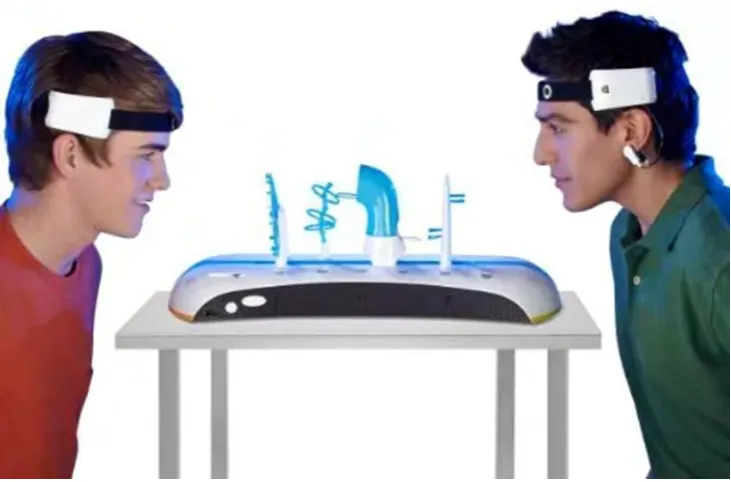
[image:18.595.136.502.446.687.2]Now, some low cost non-invasive EEG system in the market that provide a new feature to explore human brain with affordable and worth it with the price. Mindflex Duel by Neurosky. Neurosky (founded in 2004) is company that develop in electroencephalogram (EEG) biosensors devices especially in consumer-level brainwave monitoring. Mindflex Duel is the one of the device made by Neurosky as a game where moving an object with mind. Utilizing EEG technology, the wireless headset reads user brainwave activity and moving and object. The device used a variation of EEG technology to "read" the intensity of these brainwaves via sensors positioned on forehead and ear. The sensors do not generate or interfere with brainwaves, they only read what is already there.
3 Lately, many researchers developed product based on EEG that can commercialize to bring convenience to every people especially disable people in the daily life. This situation can be seen by the existence of smart home applications is very awesome. There are various of smart home especially in controller such as automation of light, heating, ventilation, security and etc. Mostly all this system need active mental command by users to control home appliances and devices.
4 1.3. Problem Statement
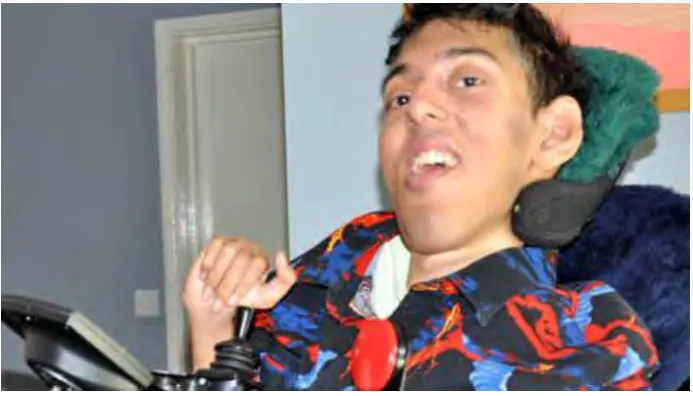
[image:20.595.146.493.197.395.2]Today, disabled people with stroke patient or other physical disability is hard to do something by themselves when they at home. They cannot reach fan switch, light switch, television remote and other home applications.
Figure 1. 2: People with physical disabilities
5 1.4. Objective
The objectives of this development project are:
To develop smart home control system using biosensor and IoT data visualization
To analyze system performance in terms of biosensor and IoT performance
1.5. Scope
The focus of this project will be on developing a prototype of smart home system that can be controlled by EEG signals. At the very beginning, the communication between the low-cost brain computer interfacing device EEG biosensor (Mindflex) with NodeMCU Lua ESP8266 Wifi Board will be established. The EEG signals will be acquired by the EEG biosensor device and process with simple signal processing by using Arduino.IDE software to perform feature extraction to extract the most suitable feature as a command to control the home appliances. Finally, a reliable and friendly database and web view will be developed to allow user to have a clear visualization on the interface.
1.6. Project Methodology
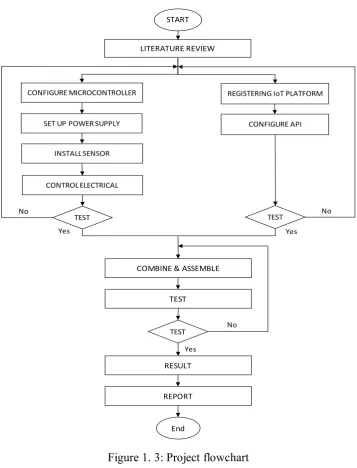
6 Figure 1. 3: Project flowchart
START
LITERATURE REVIEW
CONFIGURE MICROCONTROLLER
TEST TEST
COMBINE & ASSEMBLE
TEST
RESULT
REPORT
End
No No
Yes Yes
INSTALL SENSOR SET UP POWER SUPPLY
CONTROL ELECTRICAL
REGISTERING IoT PLATFORM
CONFIGURE API
TEST
Yes
7 1.7. Thesis Structure
This thesis is a combination of five chapters that contain the introduction, literature review, methodology, result and discussion and the last chapter is the conclusion and recommendation of the project.
a) Chapter 1:
The brief idea of the project is introduced. It focused on the project background, the detail in objectives, the problem statement, project scope, and methodology of the project.
b) Chapter 2:
The literature review of the Development of Smart Home Controller using Biosensor will be mentioned in this chapter. The concept, theory, and characteristic of component and hardware that cover in this project are included.
c) Chapter 3:
Explain about the project methodologies of this project. This chapter will show the step and procedure of this project. The project flow of the application working principle will be demonstrated in detail. Detailed reports of studies and accordance with objective achievement also included in this chapter.
d) Chapter 4:
8 e) Chapter 5: