“A STUDY TO EVALUATE THE EFFECTIVENESS OF
THERAPEUTIC BACK MASSAGE ON THE QUALITY OF SLEEP
AMONG ELDERLY IN LION’S CLUB OLD AGE HOME AT
ERODE.”
By
Register No: 301312052
Dissertation Submitted to
THE TAMILNADU DR. M.G.R MEDICAL UNIVERSITY
Chennai, Tamilnadu.
In partial fulfilment
Of the requirements for the degree of Master of Science
In
“A STUDY TO EVALUATE THE EFFECTIVENESS OF
THERAPEUTIC BACK MASSAGE ON THE QUALITY OF SLEEP
AMONG ELDERLY IN LION’S CLUB OLD AGE HOME AT
ERODE”
By
Reg. No: 301312052
M.Sc.NURSING (2013-2015)
NANDHA COLLEGE OF NURSING
ERODE-638052
“A STUDY TO EVALUATE THE EFFECTIVENESS OF
THERAPEUTIC BACK MASSAGE ON THE QUALITY OF
SLEEP AMONG ELDERLY IN LION’S CLUB OLD AGE HOME
AT ERODE”
Approved by Nandha college research committee.
Principal :………
Prof. Mrs.R.Vasanthi, M.Sc., (N) Professor in Paediatric Nursing, Principal,Nandha College of Nursing, Erode-638052.
Research Guide :……….. Mrs.S.Lavanya, M.Sc., (N)
Associate Professor
HOD Medical Surgical Nursing, Nandha College of Nursing, Erode-638052.
Medical Guide :……… Dr.Linu Paulson, MBBS, MD (Rehabilitation Medicine)
Medical Practioner,
Seventhday Adventist Medical Centre, 8, Spencer Road, Frazer Town,
Bangalore - 560005
A Dissertation submitted to
The Tamil Nadu Dr. M.G.R Medical University, Chennai In partial fulfillment of the requirement for
Degree of Master of Science in Nursing
VIVA VOCE :
1. INTERNAL EXAMINER: _______________________________
ENDORSEMENT BY HEAD OF THE INSTITUTION
This is to certify that the dissertation entitled “A STUDY TO EVALUATE THE EFFECTIVENESS OF THERAPEUTIC BACK MASSAGE ON THE QUALITY OF SLEEP AMONG ELDERLY IN LION’S CLUB OLD AGE HOME AT ERODE.” is a bonafide research work by: 301312052, Nandha College of Nursing , Erode in partial fulfillment of the University rules and regulation for award of M.Sc., in Medical Surgical Nursing under my Guidance and Supervision, during the academic year 2014-2015.
Name and signature of the Guide and Head of the department
Mrs. Lavanya, M.Sc., (N)
Head of the department, Medical surgical Nursing, Nandha College of Nursing,
Erode – 638052.
Name and signature of the Principal
ACKNOWLEDGEMENT
“Give me a spirit of thankfulness, Lord, For
number less blessing given,
grace that daily come to me
Like dewdrops falling from
heaven”
“
Man’s effort is always crowned by God’s grace and blessings
.” Express my deep sense of
gratitude to the
Lord
for the blessings and mercy which enabled me to reach up to this step
and complete my study.
This study has been successful because of many heads, hearts and hands involved in union.
With immense pleasure I would like to express that I came to the completion of my research
work. I wish to offer my sincere thanks to all those who have shown faith in my study from
its conception.
The present research project has been completed under the expert guidance of
Professor.R.Vasanthi MSc(N), Principal, Nandha College of Nursing, Associate professor
Mrs.S.Lavanya MSc(N), H.O.D Department of Medical Surgical Nursing and
Mrs.Angayarkanni MSc(N), Nandha College of Nursing, Erode
. I express my deep
gratitude for their indigenous guiding force which meant much more than words can convey.
I express my deep thanks and sense of gratitude to
Mr. Nandha Kumar Pradeep (M.B.A),
Secretary of Sri Nandha Educational Trust
for his support and encouragement for the
successful completion of the study.
I wish to extend my sincere thanks to
Mr. Krishnamoorthy, A.O, Nandha Paramedical
Science
for his support and inspiration during our study.
I am obliged to
Prof. Vasanthi, Principal, Nandha College of Nursing
,
for her kind support
and facilitation for the present study.
My sincere thanks to my Guide,
Mrs .S. Lavanya M.Sc.(N), Associate professor, HOD
Department of Medical Surgical Nursing
for her constant encouragement, valuable
guidance, supervision and timely help during the entire course of study.
I extend my sincere thanks to
Mrs.Angayarkanni M.Sc. (N) Assistant Professor,
Department of medical and surgical nursing
for her constructive suggestion and
encouragement throughout the study.
I express my deep sense of gratitude and indebtedness to them for their esteemed guidance,
sustained presence, critical comments, constant availability and continuous inspiration right
from the planning phase till the completion of the study. Their patient listening,
encouraging words and deep understanding indeed have been pillars of strength for me.
I extend my thanks to the entire
Master of Nursing Faculty
for their constructive
criticisms and encouragement which led to the successful completion of the study.
I am grateful to the
Dr. Linu Paulson, M.D. (Rehabilitation Medicine),
Christian Medical
College Hospital, Vellore, for her medical guidance.
I am thankful to for
Mrs. E.V.R. Thenarasi, M.A. B.Ed.
and
Mrs. Vijayalakshmi, M.A. B.
Ed.,
in their help in editing.
Grateful acknowledgement is expressed to
all the experts
who spared their valuable time
for content validity of the tools and their guidance.
I am grateful to
the Secretary and the Manager of Lion’s Club Old-age Home,
Koorapalayam, Erode
for granting permission to conduct the study.
My grateful thanks are extended to all the persons who participated in the study without
whose active cooperation it would not have been possible to delve into the personal nature
of this inquiry.
Grateful acknowledgements are extended to
Mrs. Dhavapriya, Mr.Arun, Mr. Raja,
Mrs. Ambika
for their valuable help and guidance in all statistical analysis involved in the
study.
I express my sincere thanks to my
clients
for their kind co-operation throughout the study
period.
I would like to extend my heartfelt thanks to my brother
Kevin and our family friend
Mr. Sam and Mrs. Roshna Sam
for their constant encouragement and financial support
they’re willing to offer whenever I was in the need during the course of my study.
An expression of deep and sincere thanks to
my lovely husband, parents, brother and
other family members
for extending the moral support throughout the study giving me the
strength and confidence to complete the study successfully.
The present manuscript is not a solo effort. Sincere thanks and acknowledgement to
friends, well-wishers and all others, who assisted, guided, cooperated and supported directly
or indirectly for the completion of the project.
Above all, I express my deep sense of gratitude to
GOD
for His ever abiding grace and
blessing which gave me strength for the successful completion of this project.
TABLE OF CONTENTS
SL.
NO.
CHAPTER
PAGE
NO.
I.
INTRODUCTION
1
Background of the study
1
Need for the study
7
Statement of the problem
11
Objectives of the study
11
Research hypotheses
11
Operational definitions
12
Assumptions
14
Delimitations
14
Conceptual framework
15
II.
REVIEW OF LITERATURE
18
Literature related to poor quality of sleep among elderly
18
Literature related to the use of therapeutic back massage on
improving quality of sleep among elderly
26
III
METHODOLOGY
33
Research approach
33
Research design
34
Variables under study
35
Setting of the study
35
Population
36
Sample size
36
Sampling Technique
36
Criteria for sample selection
37
Selection of research tool
37
Method of data collection
38
Data collection tool
38
Description of the tool
38
Scoring
39
Testing of the tool
40
Reliability of tool
40
Pilot study
41
Data collection procedure
41
Data analysis plan
42
Protection of human subjects
42
IV
DATA ANALYSIS AND INTERPRETATION
45
Section – I:
Findings related to sample characteristics of experimental and control group. The sample characteristics are described in terms of frequency and percentage46
Section – II:
Assess pretest and posttest score of quality of
sleep among subjects in control and experimental group
57
Section –III:
Comparison of pre-test and post-test score of
quality of sleep among subjects in control and experimental
group
60
Section – IV
: Comparison of mean post test score of quality of
sleep in control and experimental group
64
Section – V
: Association between pre-test quality of sleep score
in control and experimental group with selected demographic
variables
66
V
DISCUSSION
73
RECOMMENDATIONS
Summary
79
Major findings
80
Conclusion
84
Implications
85
Recommendations
88
REFERENCES
89
LIST OF TABLES
SL. NO. TABLES
PAGE
NO.
1.
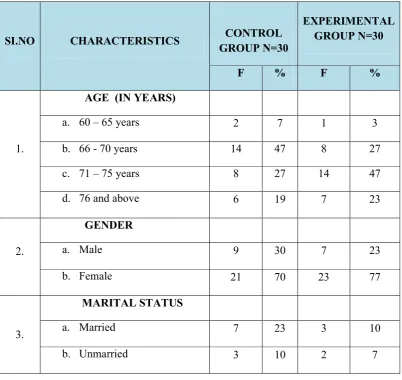
Distribution of samples in terms of demographic variables
46
2.
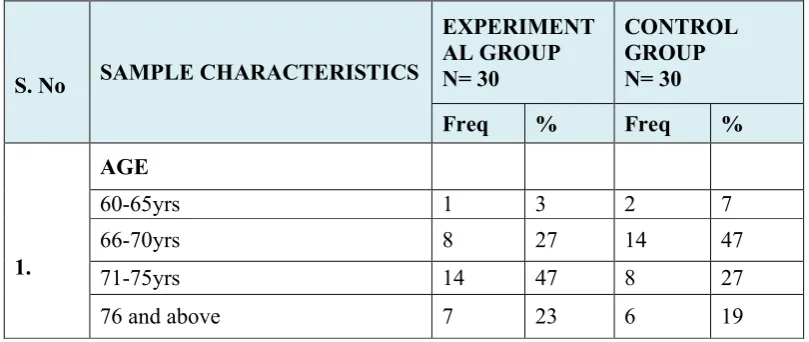
Distribution of samples in terms of age
50
3.
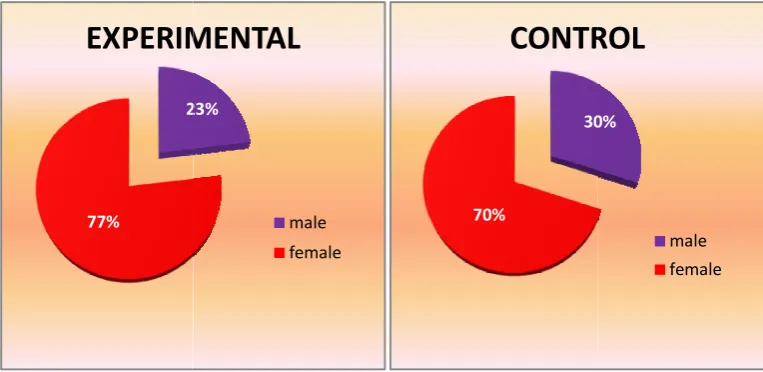
Distribution of samples in terms of gender
51
4.
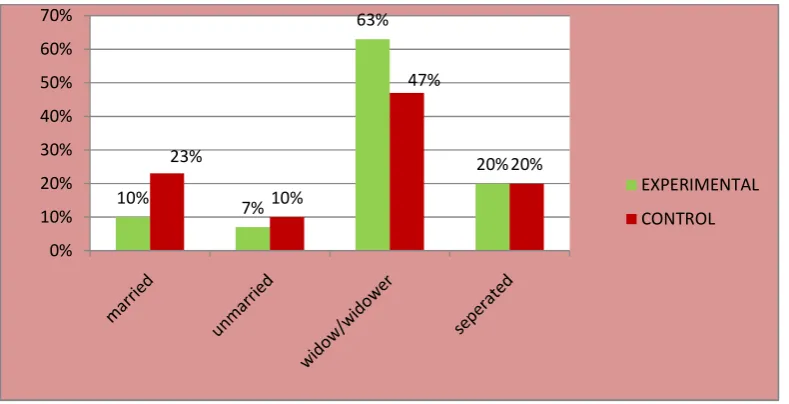
Distribution of samples in terms of Marital status
52
5.
Distribution of samples in terms of Dietary pattern
53
6.
Distribution of samples in terms of Personal habits
54
7.
Distribution of samples in terms of Day time napping
55
8.
Distribution of samples in terms of Type of activity
56
9.
Pretest and Post-test Score of Quality of Sleep in Control Group57
10.
Pretest and Post-test Score of Quality of Sleep in Experimental Group59
11.
Comparison of mean pre test and mean post test score of quality of sleep
among samples in control group
60
12.
Comparison of mean pre test and mean post test score of quality of sleep
among samples in Experimental Group
62
13.
Comparison of post test quality of sleep among samples in control and
experimental group
64
14.
Association between pre test score of quality of sleep and selected
demographic variables in experimental group
66
15.
Association between pre test score of quality of sleep and selected
LIST OF FIGURES
SL.
NO.
FIGURES
PAGE
NO.
1.
Conceptual framework based on modified J.W. Kenny’s open
system model
17
2.
Schematic representation of Research Design of the study
44
3.
Distribution of sample in terms of Age
50
4.
Distribution of sample in terms of Gender
51
5.
Distribution of samples in terms of marital status
52
6.
Distribution of sample in terms of dietary pattern
53
7.
Distribution of sample in terms of personal habits
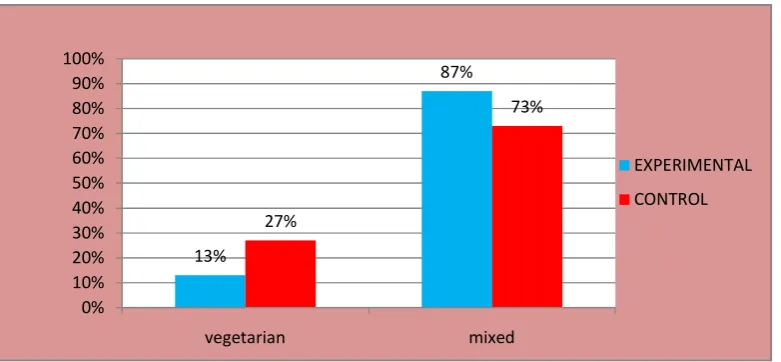
54
8.
Distribution of sample in terms of day time napping
55
9.
Distribution of sample in terms of type of activity
56
10.
Diagram shows the pre test and post test score of quality of sleep in
control group
58
11.
Diagram shows the pre test and post test score of quality of sleep in
experimental group
59
12.
Mean and Standard Deviation of pre test and post test quality of sleep
score in control group
61
13.
Mean and Standard Deviation of pre test and post test quality of sleep
score in experimental group
63
14.
Comparison of mean post test score of quality of sleep in control group
LIST OF ANNEXURES
ANNEXURE
NO.
CONTENT
PAGE
NO.
A.
Letter requesting permission for conducting the final study
95
B.
Letter granting permission for conducting the final study
96
C.
Letter seeking expert opinion for content validity of tools
97
D.
Therapeutic back massage training certificate
103
E.
Editor’s certificates
104
F.
Structured interview schedule (English version)
Part A :- Demographic variables
Part B :- Sleep scale from Medical Outcome Study
106
G.
Structured interview schedule and questionnaires (Tamil
version)
110
H.
Protocol for therapeutic back massage
114
ABSTRACT
The present research was “A study to evaluate the effectiveness of therapeutic back massage
on quality of sleep among elderly in lion’s club old age home, Erode”. It was conducted by
Mrs. R. SATHIYA PRIYA
in partial fulfillment of the requirement for the degree of Master
Of Science in Nursing at The Nandha College Of Nursing, under The Tamilnadu Dr.M.G.R.
Medical University, Chennai during the year 2015.
The
Objectives
of the study were
1.
To assess the pre-test and post-test score of quality of sleep among elderly in both
experimental and control group.
2.
To implement and evaluate the effectiveness of therapeutic back massage on quality
of sleep among the elderly in experimental and control group.
3.
To find out the association between the pre test quality of sleep among elderly with
selected demographic variables such as age, sex, marital status, day time naps, use of
caffeine, dietary pattern, and type of activity.
The following
hypotheses
were set for the study and all hypothesis were tested at 0.05 level of
significance.
H2:
There will be a significant association between the pre test quality of sleep among
elderly with selected demographic variables such as age, sex, marital status, day time
naps, use of caffeine, dietary pattern, and type of activity.
The conceptual frame work of the study was based upon J.W.Kenney’s open system model.
The research approach used for this study was
Experimental study
and the research design
was “
Quasi experimental design
”. 60 elderly with poor and moderate quality of sleep were
selected for this study by using purposive sampling technique. Data were collected with the
help of Medical Outcome Study Sleep scale. The tool was given to five experts for content
validity.
This standardized scale reliability is r = 0.75 according to the evaluation of Spritzer.
K.L. and Hays R.D. during the year 2003. The Tamil version of the tool is reliable (r = 0.74).
Pilot study was conducted to find the feasibility
of the study and to plan for data analysis.
Therapeutic back massage was provided for the samples in experimental group, therapeutic
back massage was provided for 8 elderly for 6 consecutive days in a week. By means of
interview technique using medical outcome study sleep scale the samples in the control and
experimental group were assessed and reassessed to find the effectiveness of back massage
on the quality of sleep. And the Descriptive statistics (frequency, percentage, mean and
standard deviation) and inferential statistics (chi-square, paired ‘t’ test and unpaired ‘t’ test)
were used to analyze the data and to test hypotheses.
The significant findings of the study were:
In the experimental group the pre test revealed that majority of clients 21 (70%) had
majority of clients 24 (80%) had good quality of sleep and 6 (20%) had moderate
quality of sleep.
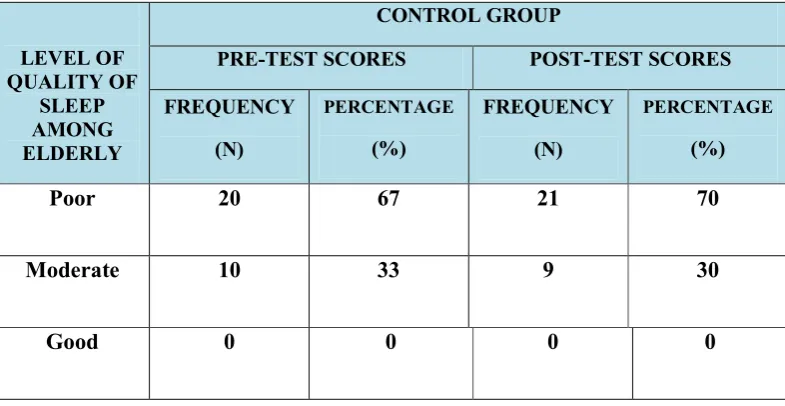
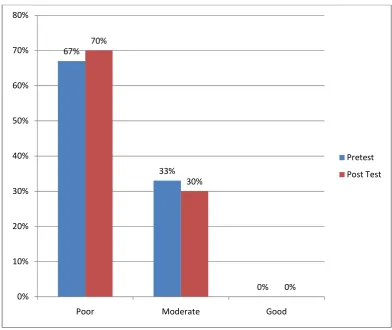
In the control group the pre test revealed that majority of clients 20 (67%) had poor
quality of sleep and 10 (33%) had moderate quality of sleep. Whereas in post test
majority of clients 21 (70%) had poor quality of sleep and 9 (30%) had moderate
quality of sleep. And none of the elderly had good quality of sleep both in pre test and
post test.
Therapeutic back massage was effective in increasing the quality of sleep of the
participants in the post-test than the pre-test in the experimental group. (t = 19.26 >
0.05)
Therapeutic back massage was effective in increasing the quality of sleep of the
participants in the mean post-test score of experimental group than the mean post-test
score of the control group. (t = 55.96 > 0.05)
In experimental group it is evident that there is significant association exist between
quality of sleep with the selected demographic variables, such as age (χ
2= 14.69),
personal habits (χ
2=17.45), day time napping (χ
2=15.4) and type of activity (χ
2
In control group it is evident that there is significant association exist between
quality of sleep and selected demographic variables, such as age (χ
2=17.69) ,
personal habits (χ
2=19.91), day time napping (χ
2=14.43) and type of activity
(χ
2=14.82) in pre test scores of quality of sleep.
The table values of these variables are
lesser than the calculated value at 0.05 level, so the researcher accepts the research
hypothesis.
RECOMMENDATIONS
Based on the findings of the study, the following recommendations are
1.
Replication of the study could be done with a larger sample to validate and generalize the
findings.
2.
The study can be done by maximizing the time period of therapeutic back massage.
3.
The study can be conducted to determine the effectiveness of therapeutic back massage
on pain.
4.
The study can be conducted among different groups in hospital and community settings.
5.
Comparative study can be done to assess the effectiveness of therapeutic back massage
among male and female in general wards.
6.
The study can be conducted using various research designs.
7.
Therapeutic back massage can be applied on the institutionalized elderly and hospitalized
elderly to improve quality of sleep with various health problems and various other sleep
disorders.
8.
The study can be conducted using various age groups like menopausal women, students,
KEY WORDS
1
CHAPTER I
INTRODUCTION
“Each night, when I go to sleep, I die. And the next morning, when I wake up, I
am reborn.”
- Mahatma Gandhi
Health is a fundamental human right and a worldwide social goal. Health is necessary
for the realization of basic human needs and to attain the status of a better quality of
life. Health is a state of complete harmony of the body, mind and spirit, free from
physical disabilities and mental distractions.
It is health that is real wealth and not pieces of gold and silver.
- Mahatma Gandhi
“A healthy body is the guest – chamber of the soul, a sick body is a prison.”
(Francis Bacon)
We are living in a rapidly changing environment. Throughout the world, human
health is being shaped by the same powerful forces: demographic ageing, rapid
urbanization and the globalization of unhealthy lifestyles.
In this growing population we have people in all age groups like childhood,
adolescence, middle aged adults and older adults. The world over, there has been a
rapid increase in the number of elderly people. In India, the “aged” population
(60years and elder) is the second largest in the world. It is estimated that the
2
increase in the population of the elderly, societies in each country has to learn how to
deal with a new set of health challenges. It is known that the elderly people suffer
from various types of problems physically, psychologically, economically and
socially. Forty five percent of older Indians have chronic disease and disabilities like
hypertension, diabetes mellitus, asthma, renal failure and various cardiovascular
conditions.
Several physical and psychological changes are known to occur with normal ageing;
however, adjustment to changes in sleep quantity and quality can be among the most
difficult. Although sleep disturbance is a common complaint among patients of all
ages, research suggests that older adults are particularly vulnerable. A large study of
over 9,000 older adult’s age of > 65 yr found that 42 percent of participants reported
difficulty initiating and maintaining sleep.
A world wide study was conducted in various areas to assess the sleep problem of
elderly. The study included nearly 50,000 participants -- 24,434 women and 19,501
men -- age 60 and older. The scope of the study included rural populations in Ghana,
Tanzania, South Africa, India, Bangladesh, Vietnam, and Indonesia, and an urban
population in Kenya. Researchers assessed the quality of sleep among participants
over a 30-day period, and analyzed this information with social demographic data,
including income, education levels, and partnership status. They also looked at
physical and mental health, and a self-reported measurement of quality of life. In
India and Indonesia reported the lowest rates of sleep problems -- 6.5 percent of
Indian women and 4.3 percent of Indian men reported difficulty with sleep, and 4.6
3
problems. Rates in Vietnam were significantly higher -- 37.6 percent of Vietnamese
women reported sleep problems, compared to 28.5 percent of Vietnamese men. In
South Africa, 31.3 percent of women and 27.2 percent of men reported difficulty with
sleep. These rates are substantially higher than other African countries included in the
study. Overall rates of sleep problems in the remaining African nations of Tanzania,
Ghana and Kenya ranged between 8.3 percent and 12.7 percent. Bangladesh has the
highest rates of overall sleep problems among the nations included in this study,
driven largely by its exceptionally high rate of sleep difficulty among women. More
than 40 percent of Bangladeshi women reported having problems sleeping, compared
to 23.6 percent of Bangladeshi men.
(Dr. Michael J. Breus, et al, 2012)
In Iindia nearly half of older adults report difficulty initiating and maintaining sleep.
With age, several changes occur that can place one at risk for sleep disturbance
including increased prevalence of medical conditions, increased medication use,
age-related changes in various circadian rhythms, and environmental and lifestyle
changes. Although sleep complaints are common among all age groups, older adults
have increased prevalence of many primary sleep disorders including sleep-disordered
breathing, periodic limb movements in sleep, restless legs syndrome, rapid eye
movement (REM) sleep behaviour disorder, insomnia, and circadian rhythm
disturbances. The present review discusses age-related changes in sleep architecture,
aetiology, presentation, and treatment of sleep disorders prevalent among the elderly
and other factors relevant to ageing that are likely to affect sleep quality and quantity.
4
Good food, best drinks and sleep sound in these three good health abound.
(Chinese proverb)
Sleep is a basic human need. It is a universal biological process common to all people.
Human spend about one-third of their lives asleep. Sleep is a vital for not only optimal
psychological functioning but also physiological functioning as the rate of healing of
damaged tissue is greatest during sleep.
(Robinson, 2005)
According to humanist psychologist, our actions are motivated in order to achieve
certain needs. Maslow first introduced his concept of a hierarchy of needs in his 1943
paper "A Theory of Human Motivation" and his subsequent book Motivation and
Personality. This hierarchy suggests that people are motivated to fulfil basic needs
before moving on to other, more advanced needs. This hierarchy is most often
displayed as a pyramid. The lowest levels of the pyramid are made up of the most
basic needs, while the more complex needs are located at the top of the pyramid.
Needs at the bottom of the pyramid are basic physical requirements including the
need for food, water, sleep, and warmth. Once these lower-level needs have been met,
people can move on to the next level of needs.
(Abraham Maslow)
Hence we see that sleep is one of the basic needs of human life. About one third of
our lives are spent in sleeping. It is necessary to health and a sense of well being.
Sleep makes you feel better, but its importance goes way beyond just boosting your
mood or banishing under-eye circles. Adequate sleep is a key part of a healthy
5
a lot, experts say. Studies show that the gap between getting just enough sleep and
getting too little sleep may affect our health, our mood and our weight. If we're
getting less than the recommended seven or eight hours of sleep a night, here are
some reasons that you should shut down your computer, turn off the lights, and go to
bed an hour early tonight, which include, Better health, Less pain, Lower risk of
injury, Better weight, Better mood, Clear thinking, Better memory and stronger
immunity.
Sleep quality is not directly associated with sleep quantity. Sleep quality is associated
with subjective estimates of the ease of sleep onset, sleep maintenance, total sleep
time and early awakening. In addition, restlessness during the night, movement during
sleep, anxiety, tension, or calmlessness when trying to sleep have also been reported
to be associated with sleep quality. Good sleep quality is associated with wide range
of positive outcomes such as better health, less day time sleepiness, greater wellbeing
and better psychological functioning. Poor sleep quality is one of the defining features
of chronic insomnia.
(Harvey,Stinson, Whitaker, Moskovitz, and Virk 2008)
Medications prescribed for the treatment of comorbid conditions may also exacerbate
or cause difficulties sleeping at night as well as drowsiness during the day, initiating
naps and resulting in further disruption of night sleep
(Cuellar et al., 2007)
It has been reported in the literature that elderly individuals who take a nap during the
6
Psychological factors that can disturb sleep include anxiety, depression, psychiatric
disease, stress and cognitive function distress
(Sok, 2007)
Sleep related disorders are common in the general adult population, and as the
population ages, the prevalence of these disorders increases. A common
misconception among clinicians and the public is that this increased prevalence is a
normal and expected phenomenon of ageing. However, this higher prevalence of
sleep disruption is often the result of the increased presence of medical and
psychological comorbidities in this population. The complicated multifactorial
interactions that generate sleep disorders in older individuals pose important
challenges to clinicians. Furthermore, many clinicians are unaware of the seriousness
and potential morbidity associated with sleep problems in older people, distinct from
the morbidity of concurrent disorders. As a result, these issues are often under
investigated, or completely ignored.
(Reid KJ, 2005)
Because of the high prevalance, complexity and health implications associated with
sleep related disorders in older individuals, increasing attention is now being focused
on this topic. For example, a recent publication has recommended that sleep problems
be approached as a “multifactorial geriatric syndrome.”
(VanFragoso CA, 2007)
Chronic sleep disturbances is common among the elderly. These elderly patients are
often viewed as difficult to treat, yet they are among the groups with the greatest need
7
elderly are often mistakenly considered a normal part of aging. Insomnia, the most common sleep disorder, is a subjective report of insufficient or non restorative sleep despite adequate opportunity to sleep. Despite the fact that more than 50% of elderly people have deprived sleep, it is typically undertreated.
There are several measures like massage therapy, music therapy, pharmacotherapy,
bright light therapy behaviour therapy and Yoga’s etc. But to treat sleeplessness, the
therapeutic massage is considered one of the effective methods used to induce sleep.
The three main physical effects of therapeutic massage are release of muscle tension,
increased blood circulation and initiation of relaxation response. The release of
muscle tension will improve balance and co-ordination, resulting in more restful
sleep and lessen then need for pain medication. The increased circulation will
improve nutrition to tissues and will remove waste products from tissues reduce
swelling improve skin tone and relieve dryness and itching and favours speedy
healing etc.
NEED FOR THE STUDY:
Chronic sleep disturbances are associated with difficulty in initiating sleep (i.e., is a
problem of sleep onset), maintaining sleep, or obtainingrestorative sleep; however,
the elderly spend more time awake after initially falling asleep than their younger
counterparts < 65 years, and sleep maintenance problems are therefore the primary
symptoms in this age group. Foley et al. reported that 49% of elderly patients
8
night; 19% complained of waking too early), compared with only 19% who
experienced the sleep-onset symptom—difficulty falling asleep.
(Cuellar et al., 2007)
A multicenter epidemiologic study was conducted to assess the prevalence of sleep
complaints among more than 9000 non-institutionalized elderly persons aged 65
years and older. A 1991 National Sleep Foundation poll of a representative sample of
1000 Americans aged 18 years or older, who were divided by age into 6 groups (18–
24, 25–34, 35–44, 45–54, 55–64, and ≥ 65), found that 9% of the sample reported
chronic insomnia, while 20% in the group ≥ 65 years reported chronic insomnia, the
highest among all age group. Insomnia has been cited as a primary factor in
caregivers' decisions to institutionalize an elder, with 20.4%and 52% of admissions
to long-term care directly.
(The National Institute on Aging, 1982)
Sleep problems results in an increased risk of falls, accidents, daytime sleepiness,
chronic fatigue, difficulty with concentration and memory and overall decreased
quality of life.
(Ancoli – Israel and Ayalon 2006; Goktay and Ozkan, 2006)
Sleep complaints are associated with increasing mortality and morbidity
(Cuellar et al., 2007)
The cost of insomnia, the number one sleep complaint of older adults, has been
estimated at more than 100 million with 285 million spent on benzodiazepines alone.
9
Adults aged over 65 years old are 5 times more likely to receive a drug prescription
for sleep problems compared with younger adults
(Cuellar et al., 2007)
The promotion of sleep in older adults would therefore seem to have particular
implications for the role of nurses and care workers. Nurses have only a limited range
of non pharmacological interventions to enhance the sleep quality of those in their
care. Massage is one of the most common complimentary therapies in nursing
practice. It is well documented that massage therapy has been used throughout the
world for thousands of years, and that touching , stroking and gentle massage can be
a soothing and enjoyable experience. Selye’s stress theory explains the effectiveness
of massage as an integrated physiological response originating in the hypothalamus
that leads to a generalized increase or decrease in the arousal of the central nervous
system. Massage, which produces relaxation by decreasing the tension in the
muscles., is the opposite of the stress response. The promotion of relaxation and
relief from anxiety may work by reducing muscle spasms and in turn, aiding pain
relief.
( Mok and Woo, 2004)
A report entitle, “sleep disorders and sleep deprivation: an unmet public health
problem” which recognized the wide range of deleterious health and safety
consequences of disturbed and inadequate sleep. The report called for increased
awareness among health care professionals about the physiology of healthy sleep and
10
implementation of programs to promote the early diagnosis and treatment of sleep
disorders.
(Institute of medicine, 2006)
Sleep disturbances is a frequent problem among elderly people. As a consequence,
sedative hypnotic drugs are prescribed very often that can lead to problematic effects.
As an alternative to sedative hypnotic drugs nurses use relaxing interventions to
promote sleep. Among these techniques, the back massage is very popular because of
the expected relaxing effect of touch.
A research study reported that applying gentle back massage for 3 days to
individuals aged between 52 and 88 produced feelings of reduced anxiety, calm,
restfulness, physical relaxation and good sleep.
(Holland and Pokorny 2001)
Often the hands will solve a mystery that the intellect has struggled with in vain.
(Carl Jung, 2012)
With the reflection of all the above mentioned facts and statistics regarding
prevalence of poor quality of sleep in elderly and its complications, reflects us the
need to take up an immediate role in treating the elderly with non pharmacological
approach like therapeutic back massage was found to be very crucial at this time.
Nurses, who are in position to help the elderly, should understand their overall
condition and have to implement their treatment plans effectively. They are in a
unique position to inform and support the elderly, by explaining them the need for
11
the importance of therapeutic back massage to meet the needs of elderly suffering
from poor sleep quality and thus improve their quality of sleep by implementing
massage therapy in caring for the elderly in order to provide a holistic care.
STATEMENT OF THE PROBLEM:
A STUDY TO EVALUATE THE EFFECTIVENESS OF THERAPEUTIC BACK
MASSAGE ON THE QUALITY OF SLEEP AMONG ELDERLY IN LION’S
CLUB OLD AGE HOME AT ERODE.
OBJECTIVES OF THE STUDY
1.
To assess the pre-test and post-test score of quality of among elderly in bothexperimental and control group.
2.
To implement and evaluate the effectiveness of therapeutic back massage onquality of sleep among the elderly.
3.
To find out the association between pre-test quality of sleep among elderlyand selected demographic variables such as age, sex, marital status, day time
naps, use of caffeine, dietary pattern, and type of activity.
RESEARCH HYPOTHESIS:
H1: Therapeutic back massage will be effective in improving the quality of sleep
among elderly.
H2: There will be a significant association between the pre-test quality of sleep
among elderly with selected demographic variables such as age, sex, marital
12
OPERATIONAL DEFINITIONS
EFFECTIVENESS:
Effectiveness is the capability of producing a desired result. When something is
deemed effective, it means it has an intended or expected outcome, or produces a
deep, vivid impression.
In this studyit refers to the improvement in the quality of sleep after administration
of therapeutic back massage as measured by the standardized sleep scale.
THERAPEUTIC BACK MASSAGE:
Therapeutic back massage is the scientific art and system of assessment and the
manual application to the superficial soft tissue of skin, muscles, tendons, ligaments,
fascia and the structures that lie within the superficial tissue by using the hand, foot
knee, arm elbow and fore arm through the systematic and external application of
touch, effleurage, friction, Vibration, petrissage, tapotement and compression or
passive and active joint movements within the normal physiologic range of motion.
In this study therapeutic back massage refers to the manipulation of muscles in the
thoraco lumbar region by means of effleurage, friction, vibration, petrissage and
tapotement .
Effleurage : The word effleurage is from the French word effleurer, meaning “to
glide” or “touch lightly”.
13
Vibration : The vibration massage technique is a stroke that ranges from quick
shaking to rhythmic rocking by moving the heel of the hand, the side of the hand, or
the fingertips.
Petrissage : The word, petrissageis from the French word patrir, meaning “to
knead”. Petrissage is the act of kneading and squeezing the muscles of the body and
the tissues are compressed and released in a rhythmical fashion.
Tapotement: The word, tapotement is derived from the old French
term tapir,meaning “light blow.” This massage technique involves a series of brisk
percussions, in rapid, alternating, and rhythmic fasion.
QUALITY OF SLEEP:
Quality of sleep is defined as one's satisfaction of the sleep experience, integrating
aspects are sleep initiation, sleep maintenance, sleep quantity ( amount or hours spent
on bed sleeping), and subjective refreshment upon awakening with very less
interruptions.
In this study it is the outcome of back massage, the gradual improvement of the sleep
pattern and is the subjective response of quality and quantity of sleep as measured by
Medical outcome study – sleep scale.
ELDERLY PEOPLE:
“Elderly” has been defined as a chronological age of 60 years old or older, while
those from 60 through 74 years old are referred to as “early elderly” and those over
75 years old as “late elderly.”
14
ASSUMPTIONS:
1. Sleep disturbances are common among elderly people.
2. Therapeutic back massage will improve the quality of sleep among elderly
3. Demographic variable influence the quality of sleep.
DELIMITATIONS:
The study is delimited to
Elderly with sleep disturbances living in lion’s club old age home at Erode
only.
Sample size is limited to 60 only.
15
CONCEPTUAL FRAMEWORK:
Conceptual frameworks are inter-related concepts that assembled together in some
rational scheme by virtue of their relevance to a common theme. Conceptual
framework helps to stimulate research and the extension of knowledge by providing
both direction and inputs.
(Polit and Hungler, 1999)
Conceptual framework is the precursor of a theory. It provides broad prospective for
nursing practice, research and education. Conceptual framework plays several inter-
related roles in the progress of science. Their overall purpose is to make scientific
and meaningful findings and also to generalize the findings.
(Polit and Hungler, 1999)
The present study is focused on the effectiveness of therapeutic back massage on
quality of sleep among elderly. The study is based upon J.W.Kenny’s open system
model. The system‟s theory is concerned with changes due to interrelation
between various factors in a situation. All living systems are open, in which there
is a continual exchange of matter, energy and information. Open system have
varying degrees of input and gives back output in form of matter, energy and
information.
The concepts of Kenny‟s open system model are input, throughput, output and
feedback. Input refers to matters and information, which are continuously
processed through the system and released as outputs. After processing the
input, the system returns output (matter and information) to the environment in as
16
the environment for information to guide its operation. This feedback information
of environment responses to the systems output is used by the system in adjustment
correlation with the environment. Feedback may be possible, negative or neutral. In
this study the concepts have been modified as follows.
INPUT:-According to J.W. Kenny‟s input can be matter, energy and information from the
environment. In the present study the input refers to the assessment of
quality of sleep among elderly in control and experimental group.
THROUGHPUT:-Throughput was the implementation of therapeutic back massage for four weeks.
Each week 15 minutes of massage session was provided for 8elderly.
OUTPUT:-The expected outcome was obtained by assessing the quality of sleep through
MEDICAL OUTCOME STUDY- SLEEP scale. The output was considered in
terms of change in Post-test quality of sleep through MEDICAL OUTCOME
STUDY- SLEEP scale.
FEEDBACK:-Differences in pre and post-test scores were observed from the quality of sleep scores
of the sample. In the present study, the feedback considered as a process of
maintaining the effectiveness of therapeutic back massage. Feedback was based on
the analysis of post-test scores, the intervention strategy can be modified if necessary
18
CHAPTER II
REVIEW OF LITERATURE
A literature review is an assessment of a body of research that addresses a research
question.
(Harvard graduate school of education)
A literature review is a text of a scholarly paper, which includes the current
knowledge including substantive findings, as well as theoretical and methodological
contributions to a particular topic. Literature reviews use secondary sources, and do
not report new or original experimental work.
(Baglione, L. 2012)
The review of literature is classified under the following:
1. Literature related to poor quality of sleep among elderly
2. Literature related to the use of therapeutic back massage on improving quality
of sleep among elderly
1. Literature related to poor quality of sleep among elderly.
19
assesses a variety of factors related to sleep quality, and results in a global score where >5 is indicative of poor sleep quality. Completed questionnaires were returned by 373 (84%) participants. 153 (41%) of these participants had a PSQI score of >5, indicating poor sleep. Men, but not women, who reported poor sleep had a significantly lower SPPB (short physical performance battery) score (≤9). (age, smoking, alcohol, social class and BMI) (OR 2.42, 95% CI 1.14, 5.14, p = 0.022). The study concluded that community dwelling older adults were having poor quality of sleep with poor physical performance.
Nethaji.G., Lalitha P., (2014) A Descriptive Study was conducted to Assess the
Quality of Sleep among the Elders Residing at Selected Old Age Homes, Salem.
Sleep and rest are basic human needs essential to all individual's physical and
psychological wellbeing. About one third of our lives are spent in sleeping. The
purpose of sleep is a mystery; however it is necessary for good health and a sense of
wellbeing. Sleep disturbances are the most common mental disorders reported among
the older people in various countries. Thus, investigator felt the present study provide
the information about the Quality of Sleep among elders residing at old age homes,
Salem. The design adopted was descriptive research design. 60 elders were drawn
from Henry old age home and Saradha old age home by non-probability, convenient
sampling technique. The level of quality of sleep was assessed by using a Modified
Pittsburgh Quality of sleep index scale. The data gathered were analyzed by using
both descriptive & inferential statistics. The findings revealed that 3(5%) of them had
good quality of sleep, 29(48.33%) of them had fair quality of sleep and 28(46.67%) of
them had poor quality of sleep, There was significant association between the quality
of sleep among elders with their selected demographic variables like marital status (λ
20
the Null hypothesis is rejected, for the above mentioned demographic variables. The
result of this study showed that most of the elders had fair and poor quality of sleep.
AK Rashid, AM Azizah, (2013), a cross sectional study was conducted among
consenting residents of a non-governmental charity old folks home in Penang,
Malaysia. The sleep quality of the respondents was measured using the PSQI. Data
was analysed using PASW. The objective of this study was to determine the sleep
quality of older adults residing in a private elderly care institution in Malaysia. Lack
of sleep has been linked with increased morbidity and mortality. The PSQI score
ranged from 0 to 16 with a mean score of 7.1 (SD 3.4). 76.8% (116) had scores ≥5.
The differences in the mean score for chronic illness (p=0.04), the people that could
be counted on for help (p=0.02) and the feasibility of getting practical help from
fellow residents (p=0.01) were statistically significant. Linear regression showed that
the quality of sleep is better as the attitude towards ageing (p=0.01) and the quality of
life of the respondents are positive (p<0.01). It is imperative that care givers
understand the importance of sleep hygiene in the wellbeing of the residents.
Jianfeng Luo et al, (2013), an epidemiological study was conducted on Prevalence
and Risk Factors of Poor Sleep Quality among Chinese Elderly in an Urban
Community. Sleep disorders causes a significant negative effect on mental and
physical health, particularly among the elderly. The disease burden and risk factors of
poor sleep quality of the elderly need to be verified using a validated form of
measurement in urban mainland China. This study included 1086 community
residents aged ≥60 years who completed the Chinese version of the Pittsburgh Sleep
Quality Index (CPSQI). Poor sleeper was defined by a CPSQI global score of >5. A
21
Results: The prevalence of poor sleep quality in this population was 41.5% (95%
confidence interval (CI) = 38.6–44.5%), with a higher rate observed in elderly
females (45.8% [95% CI = 41.9–49.7%]) than that in elderly males (35.8% [95% CI =
31.4–40.1%]). The prevalence rate increased with age, from 32.1% (95% CI = 27.8–
36.4%) in those aged 60–69 years to 52.5% (95% CI = 45.9–59.1%) in those aged
≥80 years (p value for trend<0.001). Multivariate logistic regression analysis
indicated that age (OR = 1.03[95% CI = 1.01–1.05], p<0.001), less education duration
(OR = 1.04 [95% CI = 1.01–1.08, p = 0.014), living alone (OR = 1.62 [95% CI =
1.02–2.58], p = 0.04), anxiety (ZSAS score: OR = 1.09 [95% CI = 1.05–1.12],
p<0.001), number of chronic disease (OR = 1.18 [95% CI = 1.07–1.30], p = 0.14) and
arthritis (OR = 1.45[95% CI = 1.05–2.01], p = 0.025) were risk factors of poor sleep
quality. Conclusions: Poor sleep quality is highly prevalent among elderly Chinese
residents in urban Shanghai. Growing attention and comprehensive counter measures
involving psycho-social and personal activities might alleviate the sleep problem in
the elderly.
Rao. DP, et. al., (2012), a cross-sectional study conducted among permanent elderly
residents of Mugalur village near Bangalore. An interview schedule based on a
validated insomnia-screening questionnaire was developed for the purpose of this
study and administered to the study population. To assess the prevalence of insomnia
among the elderly residents of a rural area and to identify associations between
insomnia and selected baseline variables. Insomnia has been reported as a common
health problem among the elderly. Among the 92 elderly studied, insomnia was
prevalent in 13.04%. Among those with insomnia, 50% had parasomnias, 33.3% had
circadian rhythm disturbances, 16.7% had sleep apnoea requiring further evaluation
22
unemployed, widowed, dependants, hypertensives, and diabetics, had urinary
disturbances or had joint pains were suffering from insomnia.Conclusion of the study
is that the Prevalence of insomnia was 13.04%, with no significant associations.
Samhita Panda, Arun B Taly, (2012), a cross-sectional study conducted at the National
Institute of Mental Health and Neurosciences, Bangalore, with 50 elderly samples. The
objective of the study is to estimate SRDs in an apparently healthy South Indian
population. Data was collected by administering a questionnaire including Sleep
Disorders Proforma, Epworth Sleepiness Scale, and Pittsburgh Sleep Quality Index
(PSQI) to 1050 apparently healthy attendants /relatives of patients attending a tertiary
healthcare institution. The mean age of the respondents was 65.1±8.7 years with even
gender distribution (male: female; 29:21), work hours were 3.8±1.33 h and had regional
representation from the southern Indian states. The majority of the respondents did not
report any significant medical/psychiatric co-morbidities, hypertension was noted in
42.6%, in one-fourth, the body mass index (BMI) was >25, and in 7.7% the neck size was
>40 cm. Daily tea (70.3%) and coffee (17.9%) consumption was common and 22.2%
used tobacco. Average time-to-fall-asleep was 22 min (range: 5-90 min), average
duration-of-actual-sleep was 7 h (range: 3.5-9.1 h) with the majority (93.8%) reporting
good-quality sleep (global PSQI ≤5). The reported rates of SRDs varied between 20.0%
and 34.2% depending on the instrument used in the questionnaire. Insomnia, sleep-related
breathing disorders (SRBD), narcolepsy, and restless legs syndrome (RLS) were reported
by 18.6%, 18.4%, 1.04% and 2.9%, respectively. Obesity was not strongly associated
with SRBD. in 51.8% of subjects with SRBD BMI was <25 kg/m 2 . Of the respondents
with insomnia, 18% had difficulty in initiating sleep, 18% in maintaining sleep and 7.9%
had early morning awakening. Respondents attributed insomnia to depression (11.7%) or
23
(10.3% vs. 8.3%) and depression was the major reason. RLS, which was maximal at
night, was responsible for delayed sleep onset (74.2%). Other SRDs included night
terrors (0.6%), nightmares (1.5%), somnambulism (0.6%), and sleep-talking (2.6%).
Family history of SRDs was present in 31.4% respondents. While, only 2.2% of the
respondents self-reported and acknowledged having SRD, health-seeking was extremely
low (0.3%). The study concluded that SRDs are widely prevalent in India. Considering
the health implications and poor awareness, there is a need to sensitize physicians and
increase awareness among the public.
Suri J.C., et al, (2009), A questionnaire based survey was conducted to determine the
prevalence of common sleep-related disorders in the elderly population of Delhi. The
study population included in this analysis comprised 1240 grandparents of
school-going children. The overall prevalence of SDB was 10.3%.; (9.9% in males and
10.8% in female subjects) It was found to correlate with increasing BMI (p< 0.064)
The overall prevalence of snoring was found to be 41.4% (Males=41.6%, Females
=41.2%). It correlated positively with body mass index (BMI) (p<0.033), age
(p<0.076), and excessive daytime sleepiness (p<0.036). Habitual snoring was found to
be prevalent in 27.2% of the elderly subjects and was found to correlate with BMI
(p<0.03), and rising socio-economic strata (p<0.014). Approximately 41.5% of the
elderly population was seen to suffer from excessive daytime sleepiness. It correlated
significantly with lower socio-economic strata The overall prevalence of symptoms
suggestive of restless leg syndrome was 14.3%. It was found to correlate significantly
with BMI (p<0.018), and female gender (p<0.052) The overall prevalence of
sleepwalking in the elderly population studied was 6.9%. It was found to correlate
negatively with increasing BMI (p<0.041) and age and positively with rising
24
studied was 21.7%. It was found to correlate inversely with age (p<0.019). Bruxism
was observed to be present in 9.2% of the elderly population studied. It correlated
significantly with rising socio-economic strata (p<0.017) and snoring (p<0.002).
Approximately 8% of the entire elderly study population admitted that they consumed
sleeping pills. Its use correlated with rising socio-economic strata (p<0.033) and
symptoms suggestive of disorders of initiation & maintenance of sleep (DIMS)
(p<0.072).
Michael V Vitiello, et al, (2005), a descriptive study was conducted on Age-related
sleep change: Gender and estrogen effects on the subjective–objective sleep quality
relationships of healthy, non complaining older men and women in united states of
America. The sleep of a large group of healthy older men and women was studied in
an effort to better understand the relationship between self-reported subjective and
objectively measured sleep quality. In the study they have examined the baseline
subjective and objective sleep quality of 150 healthy older (67.5±0.5) men (n=55) and
women (n=95). Subjects were carefully screened to exclude sleep disorders and did
not complain of significant sleep disturbance. Results: Despite their non complaining
status, significant proportions of both women (33%) and men (16%) endorsed
Pittsburgh Sleep Quality Index (PSQI) scores of >5, a criterion indicative of
significant sleep disturbance. When examined as a function of this criterion, objective
sleep was significantly impaired with longer sleep latency, less total sleep time, and
lower sleep efficiency, for the high-PSQI (H-PSQI) men compared to low-PSQI
(L-PSQI) men.
Xianchen Liu, MD, (2005), a cross sectional survey was conducted on Sleep Habits
25
examine sleep habits, insomnia, and hypnotic use in the elderly in China. The study
was done at 5 cities of Shandong, mainland China in 1997. Among 1,820 individuals
aged 65 and older who were sampled, 1,679 (92.2%) were interviewed at home,
including 770 men and 909 women. Measurements: A sleep and demographic
questionnaire that included the Pittsburgh Sleep Quality Index was used for
interviews. Results: Average bedtime of participants was 9:18 PM (SD = 2.2 hours),
and morning rise time was 5:42 AM (SD = 1.0 hour). Reported night sleep duration
was 7.1 hours (SD = 1.6) without age and sex differences. Regular napping was more
common in men than in women (44.2% vs 28.0%). Of the sample, 32.9% reported
frequent insomnia symptoms, and 8.9% had insomnia symptoms with daytime
consequences. Multivariate analysis indicated that age 75 years and older (odds ratio
= 2.0), female sex (odds ratio = 1.4), unmarried status (odds ratio = 1.7), frequent
napping (odds ratio = 1.5), and poor perceived health (odds ratio, = 2.1) were
associated with elevated risks for insomnia. Hypnotic use during the past month was
reported by 6.5% of the sample; women were 2 times as likely as men to use
hypnotics. Conclusion: Sleep patterns in Chinese elderly may be characterized by
going to bed early and waking up early. Insomnia symptoms are as common among
Chinese as among Western elderly. Further study is warranted to examine the
association between insomnia and aging in Chinese elderly.
F. Hoha~en et al, (2002), an epidemiological study was done on analyzing the
prevalence of insomnia in elderly general practice attenders and the current treatment
Modalities in south korea, This study aimed to assess the prevalence and treatment
modalities of elderly practice attenders. A total of 330 patients aged over 65 years
were investigated with a questionnaire in general practice. Twenty-three percent of
26
insomnia. More than 80% ofthe patients reported suffering from insomnia for 1-5
years or longer, which indicates a chronic course. Elderly patients showed unrealistic
expectations concerning duration of sleep and spend more time in bed than they
realistically can expect to sleep. More than half of the elderly patients reported
habitual daytime napping. Sleep-disturbed elderly patients did not differ significantly
from good sleepers in their habit of taking daytime naps, but even when taking
daytime naps, good sleepers slept significantly longer than the sleep-disturbed
patients. In about half of the cases the primary care physician was not aware that the
elderly patient suffered from severe insomnia. More than half of the elderly severe
insomniacs took prescribed hypnotics habitually, mainly benzodiazepines.
2. Literature related to the use of therapeutic back massage on improving
quality of sleep among elderly
Gayathri J Nair, Swapna Dennis (2014) A Quasi experimental study has been
carried out to determine the effectiveness of therapeutic back massage on the quality
of sleep among 60 elderly people in the selected old age homes in Mangalore,
Karnataka, India. Setting of the study was St Ann’s poor homes, mangalore,
Karnataka. Subjects were selected by purposive sampling technique and randomly
assigned to experimental and control group (30 samples each). The pre test quality of
sleep was assessed by using medical outcome study sleep scale. Therapeutic back
massage was provided prior to sleep for 10 -15 minutes for 6 consecuetive days. The
calculated mean for experimental group is 6.266 and the mean for control group is
0.033. Thus the calculated table value is 9.522 which was greater than the table value
t= 1.67. Since the calculated value is more than the table value, the research
27
between the experimental and control group was accepted. The study found that there
was significant difference 6.23 (p < 0.05) and improvement (F= 80.463, p< 0.05) in
the quality of sleep of elderly among experimental and control group. The study
concluded that therapeutic back massage was effective to promote the quality of sleep
among elderly population.
Shanna Arno, (2014), A controlled month long study was done to assess the
effectiveness of massage on stress and sleep on elderly by the university of Auckland
department of psychology. A group of 100 samples were selected by means of
purposive sampling method, 50 in each control and experimental group. The
experimental group were treated with back massage for 15 minutes for three days in a
week. They proved that “compared to control participants , massage participants
exhibited greater improvements in migraine frequency and sleep quality during the
intervention weeks and the three follow up weeks. Prior to intervention experimental
group showed poor quality of sleep PSQI score of >5, (OR 5% CI 1.14, 5.14, p =
0.022). And after intervention with back massage experimental group showed
significant difference in quality of sleep, (PSQI ≤5) (95% CI 0.01, 0.59, p < 0.042).
Trends for beneficial effects of massage therapy on perceived stress and coping
efficacy were observed. During sessions, massage induced cortisol, statistics showed
improved quality of sleep among the back massage group. Initial analysis showed a
significant difference among the three groups in sleep efficacy index.
Kabul tarihi (2012) A a quasi-experimental study was conducted on Effect on Sleep
Quality of Back Massage in Older Adults in Rest Home. Sleep disturbances are very
common in elderly people. Back massage a non invasive technique has been used to
28
investigate the effect of back massage on sleep quality in older people who had poor
quality of sleep in a rest home. This research was carried out in a rest home in İzmir,
Turkey. The sample of the study was composed of 33 older persons. Research data
were collected by using Elderly Information Form, Pittsburgh Sleep Quality Index
(PSQI), Sleep Log and Pittsburgh Sleep Quality Index for three days. The older
people received 10 minutes of back massage in their beds prior to bedtime over three
alternate days by the same researcher. Results: The subjects’ PSQI total mean scores
were lower before massage (11.87 ± 2.11) than on the days when the massage (9.78 ±
2.17) was done (t = 8.07, p = .000). It was found that the massage increased the
participants’ quality of sleep. Conclusion: The findings of this study indicated that
back massage has a positive effect on improvement of sleep quality. The findings
provide evidence for the use of back massage for sleep in older people.
Ngang Roland, (2012), a quasi experimental study was conducted to assess Sleep
disturbance among elderly people in Nursing home: A non pharmacological approach.
Sleep disturbance is a common complaint among elderly people living in nursing
home. The purpose of the study is to bring to time line what needs to be done in
promoting health through empowerment strategies among elderly people suffering
from sleep disturbance. The study was guided by Derek Chambers & Susan
Thompson (2008) theory of Empowerment to enable the author achieves the
objectives. Certain non pharmacological intervention approaches yielded great
significance to promote sleep in elderly people. They include; sleep restriction,
stimulus control, relaxation therapy, scheduled bright light, incontinence
management, aromatherapy, bed massage, music, acupressure, Tai Chi program and
aerobic exercises. Among all the other interventions, massage was also done to treat
29
Depression Scale were used to evaluate patient symptoms. They concluded that there
was a significant improvement in 86% of the cases, similar to the trend observed in
this study. And 14% of the cases showed no significant improvement. Among all the
other interventional results, massage showed a high significant improvement hence
bed massage is considered as the best intervention to induce sleep among elderly.
Denise Oliveira, Helena Hachul,et.al., (2011), A quasi experimental study was
conducted to assess the effect of massage in postmenopausal women with insomnia at
brazil. The objective of this pilot study was to evaluate the effect of therapeutic
massage on insomnia, depression, and anxiety through subjective and objective
parameters in postmenopausal patients with insomnia. Insomnia is highly prevalent
and affects between 28% and 63% of postmenopausal women. The search for
complementary therapies is increasing, massage therapy being among these. In this
study, we selected seven postmenopausal women with insomnia: difficulty in falling
sleep or insomnia symptoms for at least three times a week mean age SD: 56.28,
1.97(SD), range 50 to 65 years, mean body-mass index (BMI 30 kg/m2). The study
was approved by the Ethical Committee of the Federal University of Sao Paulo
(CEP#0408/07). Inclusion criteria required that individuals be in post menopause (at
least 1 year of amenorrhea before enrolment and an FSH level above 30 mlU/mL),
Exclusion criteria were serious health problems and use of antidepressants or
sleep-inducing aids. These