EFFECTIVENESS OF PLANNED TEACHING PROGRAMME ON
KNOWLEDGE AND PRACTICE REGARDING PREVENTION OF
CORONARY ARTERY DISEASE AMONG PATIENTS WITH
MODIFIABLE RISK FACTORS OF CAD
Dissertation Submitted To
THE TAMIL NADU DR.M.G.R.MEDICAL UNIVERSITY
CHENNAI
IN PARTIAL FULFILMENT OF REQUIREMENT FOR
DEGREE OF
EFFECTIVENESS OF PLANNED TEACHING PROGRAMME ON
KNOWLEDGE AND PRACTICE REGARDING PREVENTION OF
CORONARY ARTERY DISEASE AMONG PATIENTS WITH
MODIFIABLE RISK FACTORS OF CAD
Dissertation Submitted To
THE TAMIL NADU DR.M.G.R.MEDICAL UNIVERSITY
CHENNAI
IN PARTIAL FULFILMENT OF REQUIREMENT FOR
DEGREE OF
MASTER OF SCIENCE IN NURSING
APRIL 2016
INTERNAL EXAMINER EXTERNAL EXAMINER
Signature : Signature :
EFFECTIVENESS OF PLANNED TEACHING PROGRAMME ON
KNOWLEDGE AND PRACTICE REGARDING PREVENTION OF
CORONARY ARTERY DISEASE AMONG PATIENTS WITH
MODIFIABLE RISK FACTORS OF CAD
2015-2016
COLLEGE SEAL:
SIGNATURE: _________________
PROF. Mrs. V.KAVITHA
R.N., R.M., M.Sc. (N), Principal,
Arvinth College of Nursing, Namakkal, Tamil Nadu.
Dissertation Submitted To
THE TAMIL NADU DR.M.G.R.MEDICAL UNIVERSITY
CHENNAI
IN PARTIAL FULFILMENT OF REQUIREMENT FOR
DEGREE OF
EFFECTIVENESS OF PLANNED TEACHING PROGRAMME ON
KNOWLEDEGE AND PRACTICE REGARDING PREVENTION OF
CORONARY ARTERY DISEASE AMONG PATIENTS WITH
MODIFIABLE RISK FACTORS OF CAD
2015-2016
Approved by Dissertation Committee on: 23:12:2015
Research Guide : PROF. Mrs. V.KAVITHA M.Sc (N)
Principal & Research Guide, Arvinth College of Nursing, No 2/191, Ellaikkal Medu, Mettupatti post,
Namakkal (DT)-637020
Nurse Guide : Mrs. R.RUCKMANI M.Sc (N),
Associate Professor,
H.O.D, Medical Surgical Nursing, Arvinth College of Nursing, No 2/191, Ellaikkal Medu, Mettupatti post,
Namakkal (DT)-637020
Dissertation Submitted To
THE TAMIL NADU DR.M.G.R MEDICAL UNIVERSITY
CHENNAI
IN PARTIAL FULFILMENT OF REQUIREMENT FOR
DEGREE OF
CERTIFICATE
This is to certify that, this thesis, titled, “A STUDY TO ASSESS THE EFFECTIVENESS OF PLANNED TEACHING PROGRAMME ON KNOWLEDGE AND PRACTICE REGARDING PREVENTION OF CORONARY ARTERY DISEASE AMONG PATIENTS WITH MODIFIABLE RISK FACTORS OF CAD IN A PRIVATE HOSPITAL, KERALA” submitted by Mr. Eby Korah, M.Sc (Nursing) (2014-2015 Batch) Arvinth College of Nursing in partial fulfillment of the requirement of the Degree of Master of Science in Nursing from The Tamil Nadu Dr. M.G.R Medical University is his original work carried out under our guidance.
PROF. Mrs. V.KAVITHA M.Sc (N)
Principal & Research Guide, Arvinth College of Nursing, No 2/191, Ellaikkal Medu, Mettupatti post,
Namakkal (DT)-637020
ACKNOWLEDGEMENT
“The lord is my shepherd; I shall not want”The journey from the basic search from dissertation up to this bound book is solitary. In a project like this, the investigator requires assistance, encouragement and support from many. I am fortune to have an abundance of all requisites at every step.
I wish to acknowledge first, The Lord Almighty for his abundance of blessing, will power, strength and health throughout the dissertation.
At the outset I the researcher of this study, express my heartfelt gratitude to the honorable Dr. K. Mani, MBBS, MS (ORTHO), D ORTHO Managing Trustee, Arvinth College of Nursing for giving me an opportunity to undergo the post graduate programme in this esteemed institution for the uplift of my professional career.
I express my sincere thanks to the Vice Chancellor and Research Department of the Tamilnadu Dr. M.G.R Medical University, Guindy for giving me an opportunity to undertake my post graduate degree in nursing at this esteemed university.
I express my immense thanks to Dr. M. DHANABAKIYAM, MBBS, DGO, Arvinth Hospital for constant support and encouragement throughout the course of the study.
I express my gratefulness to Prof. Mrs. V. KAVITHA, M.Sc., (N) Principal, Arvinth College of Nursing, honorary professor in Community Health Nursing for her valuable guidance and motherly care and affection, thoughtful suggestions and constant encouragement and tender rebuke throughout the study.
I owe my gratitude and heartfelt thanks to Mrs. R. RUCKMANI, M.Sc. (N), Associate Professor, Head of the department, Medical Surgical Nursing without whose input, guidance, motivation and untried efforts, I would not have accomplished this venture so I very much grateful to her for molding and constructing me as a student. Without her help this study would not have been possible.
My deepest gratitude and immense thanks to Mrs. V.THENDRAL, M. Sc. (N),
Associate Professor , Head of the Department, Maternal Nursing and coordinator of M.Sc (N) Programme, for her constant guidance, patience, constructive effort, inspirational and valuable suggestion , throughout the study.
I owe my gratitude and exclusive thanks to Mr. R. NAGARAJ, M.Sc., (N),
I also thank all the faculty members of Arvinth College of Nursing, Namakkal, who helped me in conducting the study.
I thank our librarian, Mr. R. Raman Arvinth College of Nursing, Namakkal. I express my sincere gratitude to Mrs. E. Suguna, Mr. Ramke office staffs for rendering their help in all the way.
I express my sincere thanks to the administration and faculty members of
T.M.M HOSPITAL THIRUVALLA, to allow me to conduct my data collection in your esteemed hospital.
I express my sincere thanks to Mr. G.K Venkataraman, statistician for his valuable guidance and advice in statistical analysis and presentation of data.
We are what, we are with the blessing and love of our dear and near one. It would not have been possible for me to complete this work, without the love and support of my parents and my friends, who initiated me to take up this noble profession and also for their strong support, prayers and encouragement throughout my carrier.
I extent my deep sense of gratitude to my lovable dad Mr. M. I Korah, my mom
Mrs. Kunjammakorah and my dear sister Mrs. Epsy .M. Korah for their invaluable support, constant encouragement, timely help and inspiration throughout the course of this study.
I render my deep sense of gratitude to all my classmates, seniors and friends for their constant help throughout the study.
LIST OF CONTENTS
CHAPTER CONTENTS PAGE NO.
I INTRODUCTION 1
Background of the study 1 Need for the study 2 Statement of the problem 6 Objectives of the study 6 Operational definitions 7
Assumptions 8
Research hypothesis 8
Delimitations 9
Outline of the report 9
II REVIEW OF LITERATURE 10 Review of literature 11 Conceptual framework 20
III RESEARCH METHODOLOGY 24 Research Approach 24
Research design 24
Variables 24
Setting of the study 25
Population 25
Sample 25
CHAPTER CONTENTS PAGE NO
Criteria for the selection of samples 25 Sampling technique 25 Development and description of the tool 27
Content validity 28
Reliability 28
Pilot study 29
Procedure for data collection 29 Plan for data analysis 30
IV DATA ANALYSIS AND INTERPRETATION 32
V DISCUSSION 46
VI
SUMMARY, CONCLUSION, NURSING
IMPLICATIONS, RECOMMENDATIONS AND LIMITATIONS
50
REFERENCE 56
APPENDICES 62
LIST OF TABLES
TABLE
No. TITLE
PAGE No.
1.
Frequency and percentage distribution of demographic
variables of patients with modifiable risk factors 33
2.
Comparison of pretest and post test knowledge scores regarding prevention of coronary artery disease among patients with modifiable risk factors.
38
3
Comparison of pretest and post test practice scores regarding prevention of coronary artery disease among patients with modifiable risk factors.
39
4
Correlation between post test knowledge and practice scores regarding prevention of coronary artery disease among patients with modifiable risk factors.
40
5
Association of post test level of knowledge regarding prevention of coronary artery disease among patients with
modifiable risk factors with selected demographic variables. 41
6
Association of post test level of practice regarding
prevention of coronary artery disease among patients with
[image:10.595.67.496.103.493.2]LIST OF FIGURES
FIGURE
No. TITLE
PAGE No.
1. Conceptual frame work 23
2. Schematic representation of research methodology 26
3.
Percentage distribution of pretest and post test level of knowledge regarding prevention of coronary artery disease among patients with modifiable risk factors of CAD
36
4.
Percentage distribution of pretest and post test level of practice regarding prevention of coronary artery disease among patients with modifiable risk factors of CAD
37
5.
Association of family history of CAD with post test level of knowledge regarding prevention of coronary artery disease among patients with modifiable risk factors of CAD
LIST OF APPENDICES
APPENDIX TITLE PAGE
No.
I Letter seeking permission to conduct study 62 II Letter seeking experts opinion for content validity 63 III List of experts for content validity 64 IV Format for content validity 65 V Informed consent form 73 VI Certificate for content validity 74 VII Certificate for English editing 75 VIII Certificate for Malayalam editing 76
IX X
Teaching module 1. English 2. Malayalam
77 109
XI XII
Copy of the tool for data collection 1. English
2. Malayalam
1
CHAPTER – I
INRODUCTION
BACKGROUND OF THE STUDY
Coronary artery disease should now be considered an important public health problem due to epidemiological transition characterized by changing lifestyles and a problem related to interplay of factors with regards to their existence, casualty and attributes. (Bedi HS, 2005; Ahmad N, Bhopal R, 2005; Wannammethee GS, 2006) The epidemiological factors like ageing and changing lifestyles, which culminate in an epidemic of non-communicable disease is rapidly occurring in the developing countries. (Bedi HS, 2005; Gupta R, et al., 2003)
CAD, is also called Coronary arteriosclerosis, Coronary atherosclerosis. Coronary artery disease (CAD) is the most common type of heart disease. It is the leading cause of death in the United States in both men and women. CAD happens when the arteries that supply blood to heart muscle become hardened and narrowed. This is due to the build-up of chol est erol and other material, called plaque, on their inner walls. This build-up is called at heros cl erosis . As it grows, less blood can flow through the arteries. As a result, the heart muscle can't get the blood or oxygen it needs. This can lead to chest pain (angina) or a heart at tack . Most heart attacks happen when a blood clot suddenly cuts off the hearts' blood supply, causing permanent heart damage. Over time, CAD can also weaken the heart muscle and contribute to heart fail ure and arrh yt hmi as. Heart failure means the heart can't pump blood well to the rest of the body. Arrhythmias are changes in the normal beating rhythm of the heart. (Medline, 2010)
An estimated 17 million people die of CVDs, particularly heart attacks and strokes, every year. A substantial number of these deaths can be attributed to tobacco smoking, which increases the risk of dying from coronary heart disease and cerebrovascular disease 2–3 fold. Physical inactivity and unhealthy diet are other main risk factors which increase individual risks to cardiovascular diseases. One of the strategies to respond to the challenges to population health and well being due to development and implementation of appropriate policies. (WHO Report, 2010)
2
due to combination of nature and nurture. Due to industrialization and changing feature of socio-economic scenario, the incidences of CAD are rising in the developing countries as well prevalence of CAD in India is 3 to 4 fold higher than in America and Europe. (Reddy SS, Prabhu GR, 2005)
According to existing knowledge, CAD epidemics are essentially preventable. For example, CAD mortality has fallen one-third to one-half in the last three decades in majority of developed countries. The reasons for the accelerated decline in CAD mortality from 1980-1990 were analysed. They found that 25% of the decline was due to primary prevention, 29% due to secondary prevention and 43% was due to improvements in treatments of patients. This demonstrates that modification of risk factors related to lifestyle in the entire nation, rather than advances in management of few with overt CAD is largely responsible for dramatic decline of CAD mortality in the developed countries. This is clear proof that the average of CAD reduced with appropriate measures. (Enas EA, Senthil Kumar A, 2001) An increasing number of Indians, even among the younger age groups are prone to get heart diseases due to their health damaging lifestyle. (Bedi HS, 2005)
NEED FOR STUDY
In today’s world, most deaths are attributable to non-communicable diseases, 32 million and just over half of these, 16.7 million are as a result of CHD. More than one third of these deaths occur in middle aged adults. In developed countries heart disease is the first cause of death for adult men and women. (WHO Report, 2003)
Dr.V.K Bahl (AIIMS, Delhi) says, “It is estimated by the year 2020, India will have the largest cardiovascular burden in the world” and among Indians coronary heart diseases tend to occur earlier in life than in any other ethnic group.(Ghaffar A, Reddy KS, Singhi M, 2006).
3
cholesterol transport, the antioxidant and anti-inflammatory properties of HDL may also play a major role in protection against development of atherosclerosis. Two different scales define the athero-protective effects of HDL- quantity of HDL-C (measured in mg/deciliter or mmol/L) is inversely correlated with cardiovascular risk, the other is the quality or 'functionality' of HDL.(Arora S, Patra SK, Saini R, 2015)
A study conducted on Benefits of exercise training on coronary blood flow in coronary artery disease patients in United States. Every 34 seconds an American experiences a myocardial infarction or cardiac death. Approximately 80% of these coronary artery diseases (CAD)-related deaths are attributable to modifiable behaviours, such as a lack of physical exercise training (ET). Regular ET decreases CAD morbidity and mortality through systemic and cardiac-specific adaptations. ET increases myocardial oxygen demand acting as a stimulus to increase coronary blood flow and thus myocardial oxygen supply, which reduces myocardial infarction and angina. ET augments coronary blood flow through direct actions on the vasculature that improve endothelial and coronary smooth muscle function, enhancing coronary vasodilatation. Additionally, ET promotes collateralization, thereby, increasing blood flow to ischemic myocardium and also treats macro vascular CAD by attenuating the progression of coronary atherosclerosis and restenosis, potentially through stabilization of atherosclerotic lesions. In summary, ET can be used as a relatively safe and inexpensive way to prevent and treat CAD. (Bruning RS, Sturek M ,2015)
Cross-sectional studies in India revealed that mortality attributed to cardiovascular disease in expected to rise by 100% in men and 90% in women between 1985 and 2015. It would not be wrong to say that coronary artery disease among Indians occurs earlier in life and that the mortality rates are also high. Cardiologists around the world are supporting these facts.
(Banerjee K, 2006)
4
Public awareness programme is the best instrument in the prevention of occurrence of CAD by helping people to take care of their own health. Although community education is the best instrument to impart knowledge providing information is not the only solution. The education must include strategies for motivation also and necessary practice in their lifestyle.
(Bedi HS, 2005).
The incidence of CAD in young adults is increasing, mainly due to tobacco consumption, lack of physical activity, sedentary lifestyle and obesity. The report includes history of one or more risk factors mainly smoking (76.8%) obesity (20%) hypertension (19%) hypercholesterolemia (18.5%) diabetes mellitus (17%) and family history of previous myocardial infarction (Yavagal, 2001).
A consistent association between sedentary lifestyle and CAD has been demonstrated in different epidemiological studies explaining the prevalence of CAD in sedentary workers. The risk for CVD increases among bank employees with sedentary lifestyle. The nature of their jobs was mainly writing, typing, ledger keeping, cash payment-receipt and mental activities which are usually classified as sedentary activities (Bhattacharya P, 1999).
The constant interaction with the people and interchange of health related thoughts and observation of modifiable risk factors like smoking, obesity, pan chewing etc and their sedentary nature of work have highlight that there is inadequate knowledge on rising non-communicable diseases like CAD, hypertension, diabetes mellitus and its prevention. Today, CAD is the most prevalent non-communicable disease and the main risk factor identified among the people is physical inactivity and sedentary lifestyle.
In 2005 overall death rate from cardiovascular disease (CVD) (International Classification of Diseases 10, I00–I99) was 278.9 per 100 000. The rates were 324.7 per 100 000 for white males, 438.4 per 100 000 for black males, 230.4 per 100 000 for white females, and 319.7 per 100 000 for black females. From 1995 to 2005, death rates from CVD declined 26.4%.Preliminary mortality data for 2006 show that CVD accounted for 34.2% (829 072) of all 2 425 900 deaths in 2006 or 1of every 2.9 deaths I the United States.
5
2005, 32% of deaths from CVD occurred before the age of 75 years, which is well before the average life expectancy of 77.9 years.
Coronary heart disease (CHD) caused about 1 of every 5 deaths in the United States in 2005. CHD mortality in 2005 was 445 687. In 2009, an estimated 785 000 Americans will have a new coronary attack, and about 470 000 will have a recurrent attack. It is estimated that an additional 195 000 silent first myocardial infarctions occur each year. About every 25 seconds, an American will have a coronary event, and about every minute someone will die from one. In 2005, 1 in 8 death certificates (292 214 deaths) in the United States mentioned heart failure.
Coronary heart disease (CHD) is a major cause of mortality and morbidity all over the world. According to a report of World Health Organization (WHO) in 2005, cardiovascular disease (CVD) caused 17.5 million (30%) of the 58 million deaths that occurred worldwide. While the prevalence and mortality due to CHD is declining in the developed nations, the same cannot be held true for developing countries. There has been an alarming increase over the past two decades in the prevalence of CHD and cardiovascular mortality in India and other south Asian countries. India is going through an epidemiologic transition whereby the burden of communicable diseases have declined slowly, but that of non-communicable diseases (NCD) has risen rapidly, thus leading to a dual burden. There has been a 4-fold rise of CHD prevalence in India during the past 40 years. Current estimates from epidemiologic studies from various parts of the country indicate a prevalence of CHD between 7% and 13% in urban, 2% and 7% in rural populations. Epidemiologic studies have shown that there are at present over 30 million cases of CAD in this country.
A study by Gajalakshmi et al during 1995–1997 showed that CVD deaths are the highest (38.6%) in urban Chennai. Similar data are published by Joshi et al from Andhra Pradesh. The Global Burden of Diseases Study reported that the disability-adjusted life years lost by CAD in India during 1990 was 5.6 million in men and 4.5 million in women; the projected figures for 2020 were 14.4 million and 7.7 million in men and women respectively.
6
malignant resulting in death at a very young age. Approximately 60% of CAD deaths in men and 40% of CAD deaths in women occur before the age of 65 years.
The average age of a first heart attack decreased by at least 10 years in Kerala, in sharp contrast to a 20 year increase in many western countries. In the 1960s and 70s, heart attack in the very young (before the age of 40) was very uncommon in Kerala. Heart attack rate among men in this age group increased 40-fold by 1990 with at least 20% heart attacks occurring before age 40 and 50% before age 50.The high rates of premature heart disease in Kerala also results in a high economic burden as high as 20% of its state domestic product.
The investigator experienced a range of questions by patients related to association of risk factors and prevention of CAD. Here an attempt is made by the researcher to design a planned teaching programme which will be useful and informative to the patients on CAD and its prevention, which helps them to internalise their risk status and thereby motivated to bring about the desired modification in their lifestyle.
STATEMENT OF THE PROBLEM
A study to assess the effectiveness of planned teaching programme on knowledge and practice regarding prevention of coronary artery disease among patients with modifiable risk factors of CAD in a private hospital, Kerala.
OBJECTIVES OF THE STUDY
1. To assess the pre test and post test level of knowledge regarding prevention of coronary artery disease among patients with modifiable risk factors of CAD.
2. To assess the pre test and post test level of practice regarding prevention of coronary artery disease among patients with modifiable risk factors of CAD.
3. To assess effectiveness of planned teaching programme regarding prevention of coronary artery disease among patients with modifiable risk factors of CAD.
4. To correlate the post test knowledge and practice scores regarding prevention of coronary artery disease among patients with modifiable risk factors of CAD
7
OPERATIONAL DEFINITIONS Assess
It is an organised, systematic and continuous process of collecting data from patients regarding CAD with regard to its risk factors and prevention.
Effectiveness
Effectiveness in this study refers to the extent to which the power point presentation has achieved the desired effect as measured by subjects gain in knowledge and practice scores on prevention of coronary artery disease.
Planned Teaching Programme (PTP)
In this study, planned teaching programme refers to systematically planned teaching programme designed for patients to understand logically the related anatomy and physiology of heart, meaning of coronary artery disease, risk factors, signs and symptoms, diagnosis, treatment, management and steps for prevention of Coronary Artery Disease.
Knowledge
In this study knowledge refers to patient’s awareness regarding Coronary Artery Disease and its prevention.
Range Interpretation
≤50% Inadequate knowledge
51 – 75% Moderately adequate knowledge >75% Adequate knowledge
Practice
Refers to the regular activity and practice of patients regarding prevention of Coronary Artery Disease assessed by a checklist
Range Interpretation
≤50% Inadequate practice
8
Prevention of Coronary Artery Disease
Coronary Artery Disease (CAD) defined as acute or chronic form of cardiac disability arising from imbalance between myocardial supply and demand for oxygenated blood. Prevention of CAD can be done by modification of risk factors in healthy way.
Modifiable Risk Factors of CAD
In this study modifiable risk factors which can be reduced and changed by healthy lifestyle of CAD refers high blood pressure, high cholesterol, smoking, alcoholism, drug abuse, diabetes, obesity, lack of physical activity, and unhealthy diet.
Patients
Patients admitted for any other conditions except CAD in a private hospital, Kerala, with modifiable risk factors of CAD.
ASSUMPTIONS
1. Patients may have some knowledge and practice regarding coronary artery disease and its prevention.
2. The planned teaching programme on coronary artery disease and its prevention can bring about desired changes in the lifestyle of patients with modifiable risk factors of CAD.
HYPOTHESES
H1: There may be a significant improvement in the post test level of knowledge and practice regarding prevention of coronary artery disease among patients with modifiable risk factors of CAD.
H2: There will be a significant relationship between post test knowledge and practice score regarding prevention of coronary artery disease among patients with modifiable risk factors of CAD.
9
VARIABLES
Dependent Variable
The dependent variables in this study are knowledge and practice.
Independent Variable
The independent variable in this study is planned teaching programme on prevention of coronary artery disease.
Extraneous Variable
The extraneous variables are age, sex, educational status, occupation, known case of hypertension, known case of diabetes and family history of heart disease.
DELIMITATIONS
1. Patients admitted with modifiable risk factors of CAD in a private hospital, Kerala 2. Patients who are available at the time of data collection.
PROJECTED OUTCOME
The study findings will improve the knowledge and practice on prevention of coronary artery disease among patients with modifiable risk factors of CAD.
The study will help to treat and prevent the complications of Coronary Artery Disease and its complications.
10
CHAPTER – II
REVIEW OF LITERATURE
Review of literature is a systematic search of literature to gain information about a research topic (Polit and Hungler). The literature review was based on an extensive survey of journal, books, and articles.
A literature review is body of text that aims to review the critical points of knowledge on a research and evaluate report of information found in the literature to evaluate and clarifies. The main purpose of the literature review is to convey the readers about the work already done and knowledge and ideas that have been already established on a particular topic of the research.
This chapter deals with the related literature review which aids to generate a picture of what is known and not known about a particular situation.
An extensive review of literature was done by the investigator to gain an insight into the problem, collect maximum information from systematic and critical review of scholarly publications, unpublished scholarly print materials. The logical sequence of the chapter is organized on the following sections:
PART-I: REVIEW OF RELATED LITERATURE
The reviews related to the study are carried out on the following headings,
Studies related to risk factors and prevention of CAD
Studies related to knowledge on CAD
Studies related to practice on CAD
Studies related to structural teaching programme on prevention of CAD
11
PART –I
REVIEW OF LITERATURE Studies related to risk factors and prevention of CAD
Yang X et al.., (2015) conducted a study on Association of Sleep Duration with the Morbidity and Mortality of Coronary Artery Disease: Meta-analysis was applied to calculate the combined relative risks (RRs) with 95% confidence intervals (CI) for sleep with morbidity and mortality of CAD. Compared with normal sleep duration, the pooled RRs (95%CI) of short sleep duration were 1.10(1.04-1.17) and 1.25(1.06-1.47) for the morbidity and mortality of CAD, and the pooled RRs (95%CI) of long sleep duration were 1.03(0.92-1.16) and 1.26(1.11-1.42) for the morbidity and mortality of CAD, respectively. The effect of short and long sleep duration on mortality of CAD were always significantly greater than the morbidity of CAD.
Rao M et al.., (2015) conducted a systematic review on the prevalence, risk factors, treatments and outcomes of Coronary Artery Disease (CAD) in Indians. They conducted a systematic review of studies in Indians with CAD from Jan 1969 to Oct 2012. Initial search yielded 3885 studies and after review 288 observational studies were included. The prevalence of CAD in urban areas was 2.5%-12.6% and in rural areas, 1.4%-4.6%. The prevalence of risk factors was: smoking (8.9-40.5%), hypertension (13.1-36.9%) and diabetes mellitus (0.2-24.0%). The median time to reach hospital after an MI was 360 min. In hospital rates of drug use were: antiplatelets 68%-97.9%, beta blockers 47.3%-65.8% and ACEIs 27.8-56.8%.
12
rates, exercise, and blood pressure were also observed with active intervention; however, reported outcomes were heterogeneous precluding a formal meta-analysis.
Srinivasan MP et al.., (2015) conducted a case control study to identify the factors that are associated with a favorable CAD profile among the patients with Type 2 diabetes mellitus. Study samples were 76 patients with type 2 diabetes mellitus who were on treatment for more than 10 years duration and undergoing a coronary angiogram. The presence and absence of significant CAD was determined after a coronary angiogram. Clinical history, and anthropometric and biochemical parameters were analyzed. The differences in HOMA-IR and urine micro albumin were found to be statistically significant among those who did not have CAD when compared to those who had CAD. The difference in lipid profile, HbA1C, fasting blood sugar, BMI, waist hip ratio, waist and hip circumference was not significant.
Gyung-Min Park, MD et al.., (2013) done risk score model for the assessment of coronary artery disease in asymptomatic patients with type 2 diabetes. They analyzed 607 asymptomatic patients with type 2 diabetes who underwent CCTA. Patients were categorized into low (≤3), intermediate (4–6), or high (≥7) risk group. There were significant differences between the risk groups in the probability of significant CAD and 5-year cardiac event-free survival rate. This model predicts significant CAD on CCTA and has the potential to identify asymptomatic type 2 diabetes with high risk.
William A LaFramboise et al.., (2012) conducted a study on Serum protein profiles predict coronary artery disease in symptomatic patients referred for coronary angiography. A total of 14 overlapping signatures classified patients without significant coronary disease (38% to 59% specificity) while maintaining 95% sensitivity for patients requiring revascularization. Proteins in the serum of CAD patients predominantly reflected (1) a positive acute phase, inflammatory response and (2) alterations in lipid metabolism, transport, per oxidation and accumulation. There were surprisingly few indicators of growth factor activation or extracellular matrix remodeling in the serum of CAD patients except for elevated OPN.
13
calculated for the risk of PDD for CAD. The results were shown no differences between groups about sex, age, educational level and occupation. The odds ratio of periodontal disease for CAD was 58 with CI95% (51-65). Finding of the current study suggested that periodontal disease is the risk factor for CAD.
Friedrich, N., et al., (2010) conducted a cohort study on nonfatal and fatal coronary heart disease in relation to obesity in a prospective of 115,886 U.S. women who were 30 to 55 years of age and free of diagnosed coronary disease, stroke, and cancer. During eight years of follow-up (775,430 person-years), we identified 605 first coronary events, including 306 nonfatal myocardial infarctions, 83 deaths due to coronary heart disease, and 216 cases of confirmed angina pectoris. These prospective data emphasize the importance of obesity as a determinant of coronary heart disease in women. After control for cigarette smoking, which is essential to assess the true effects of obesity, even mild-to-moderate overweight increased the risk of coronary disease in middle-aged women.
Nazeer M et al.., (2010) conducted a control study of risk factors for coronary artery disease in Pakistani females. In 198 patients 147 were post menopausal and 51 were pre menopausal women. Diabetes mellitus was the only risk factor in pre menopausal females associated with coronary artery disease while diabetes, hyperlipidemia and increased waist circumference were significantly associated with coronary artery disease in post menopausal females.
Studies related to knowledge on CAD
Faraz Kureshi et al., (2014) conducted a study to assess the perceptions of patients with stable coronary artery disease of the urgency and benefits of elective percutaneous coronary intervention. The samples were 991 patients with stable coronary artery disease undergoing elective percutaneous coronary intervention. Although nearly two thirds of patients (n=661) reported improvement of symptoms as a benefit of Percutaneous coronary intervention (site range 52-87%), only 1% (n=9) identified this as the only benefit. The study concluded that
14
Mamta Choudhary et al.., (2014) conducted a study which attempted to quantify knowledge regarding preventive measures of Coronary Artery disease among patients attending OPD of selected hospital of Ludhiana city. Information was collected from 150 patients attending medical and surgical OPD’s who were not diagnosed with any of heart disease. The result revealed that only 15.33% of subjects had good level of knowledge, and 84.67% subject had poor level of knowledge regarding prevention of CAD. The highest mean knowledge score of 14.55 + 0.65 was in the age group of 41-50 years. The study recommends the need of awareness raising program regarding preventive measures of CAD to decrease the burden of such devastating disease.
Grzegorz Gajos et al.., (2013) conducted a prospective, double-blind, placebo-controlled, randomized study, in which adiponectin, leptin and resistin were determined at baseline, 3–5 days and 30 days during administration of omega-3 PUFA 1 g/day (n = 20) or placebo (n = 28). The multivariate model showed that the independent predictors of changes in adiponectin at 1 month (P < 0.001) were: omega-3 PUFA treatment, baseline platelet count, total cholesterol and those in leptin (P < 0.0001) were: omega-3 PUFA treatment and waist circumference. Independent predictors of A/L ratio changes (P < 0.0001) were: assigned treatment, current smoking and hyperlipidemia. In high risk stable coronary patients after PCI omega-3 PUFA supplementation improves adipokine profile in circulating blood. This might be a novel, favorable mechanism of omega-3 PUFA action.
Guoxin Tong et al.., (2013) conducted study on Common variants in adiponectin gene are associated with coronary artery disease and angiographic severity of coronary atherosclerosis in type 2 diabetes. This study investigated whether common single nucleotide polymorphisms (SNPs) in the adiponectin gene influenced plasma adiponectin level and whether they were associated with the risk of coronary artery disease (CAD) and its angiographic severity in type 2 diabetes in Chinese population. The severity and extent of coronary atherosclerosis were assessed using the angiographic Gensini score and Sullivan Extent score. Haplotypes analysis revealed different haplotype distributions in case and control subjects (P = 0.0003), with two common haplotypes GGG and GAG of the rs266729, rs182052, and rs1501299 being associated in heterozygotes with a greater than threefold increase in cardiovascular risk.
15
published within the last 10 yr, although they have included relevant older studies. Screening for coronary ischemia or atherosclerosis does provide incremental prognostic information in patients with T2DM and previously undiagnosed CAD; this has not been found to significantly impact outcomes. This appears to result from comparable efficacy of revascularization and optimal medical therapy in stable CAD. Limited evidence supports the hypothesis that those with more severe CAD (three-vessel, left main, proximal left anterior descending) amenable to bypass surgery may be potential beneficiaries of screening. The low prevalence of such candidates in the asymptomatic population, continuing advances with percutaneous intervention, and the lack of prospective trials makes such a recommendation currently unsupportable.
Smith MM et al.., (2011) conducted a study on Coronary Artery disease knowledge test which tested the validity and reliability of a written test designed to assess knowledge of coronary artery disease (CAD) and its risk factors. The subjects were 93 males diagnosed with CAD. Validation of this test yielded difficulty ratings (DRs) between 0 percent and 98 percent, with an average DR of 63 percent. Construct validation indicated that the average test score of subjects participating in a CRP was significantly higher than that of non-participants. The internal-consistency reliability of the test was 0.84. The results indicate that this test is a valid and reliable tool for assessing patients' knowledge of CAD and its risk factors.
Studies related to practice on CAD
16
Xiao-Zhi Zheng, Bin Yang et al.., (2013)conducted a study on Sex-specific assessment of reduced coronary sinus flow in non-hypertensive patients with coronary artery disease at rest access to data on the coronary flow in the coronary sinus (CS) can aid in the diagnosis of coronary artery disease (CAD).The ante grade phase of coronary flow in the CS was analyzed and compared in 140 male and 135 female non-hypertensive subjects who had all undergone coronary angiography. There were statistically significant differences noted between males and females for the CS flow both in normal subjects and patients with CAD. Compared with normal subjects, patients with CAD had significantly lower blood flow in the CS both in males and females.
Abhinav Vaidya et al.., (2013) conducted a study determined the knowledge, attitude and practice/behavior of cardiovascular health in residents of a semi urban community of Nepal. The study population included 777 respondents from six randomly selected clusters in both villages. Result shows that 70% of all participants were women and 26.9% lacked formal education. The burden of cardiovascular risk factors was high; 20.1% were current smokers, 43.3% exhibited low physical activity and 21.6% were hypertensive. Participants showed only poor knowledge of heart disease causes; 29.7% identified hypertension and 11% identified overweight and physical activity as causes, whereas only 2.2% identified high blood sugar as causative. The study concluded that a gap was found between cardiovascular health knowledge, attitude and practice/ behavior in a semi urban community in a low-income nation, even among those already affected by cardiovascular disease.
17
Po-Chao Hsu, Ho-Ming Su (2013) conducted a study to evaluate 970 consecutive patients undergoing coronary angiography, and 501 patients with significant coronary artery disease (SCAD) were finally analyzed. The collateral scoring system developed by Rentrop was used to classify patient groups as those with poor or good collaterals. Coronary collateral circulation plays an important role in protecting myocardium from ischemia and reducing cardiovascular events. Low High-density lipoprotein cholesterol (HDL-C) level is a strong risk factor for coronary artery disease (CAD) and is associated with poor cardiovascular outcome. Hence, we investigated the influence of HDL-C on coronary collateral formation in Chinese population. The patients with poor collaterals had fewer diseased vessels and lower diffuse score. There was no significant difference in HDL-C and other variables between good and poor collaterals. Multivariate analysis showed only number of diseased vessels was a significant predictor of poor collateral development.
Mirsaeed Attarchi, Saber Mohammadi et al.., (2012) conducted a study to assess the Knowledge and Practice on Assessment of Workers in a Pharmaceutical Company about Prevention of Coronary Artery Disease. In this cross sectional study that was conducted in Tehran, 1223 workers of a pharmaceutical company were enrolled. Data was collected using a questionnaire that assessed the level of knowledge and practice of the participants towards coronary artery disease. Regression analysis was used to evaluate the relationship between study variables and the workers knowledge level. The findings of this study showed that increasing level of knowledge of labors in order to prevent missing specialized work force, leads to imposition of health costs to the industry and the labour society.
18
sibling’s ≥40 years of age, the presence of inducible ischemia was also independently associated with incident CAD, but the prevalence of inducible ischemia was markedly lower, as was the risk of incident CAD. For women, the prevalence of ischemia was so low as to not warrant screening, but the incidence of CAD was high enough to at least warrant lifestyle interventions.
Studies related to structured teaching programme on prevention of CAD
Hislop TG, Shigeru S, Sadanobu K. (2008) conducted a field experiment community study in three northern California towns to determine whether community health education can reduce the risk of CAD and the subjects varied between 12,000 and 15,000 and in two of these towns, intensive mass education campaigns were conducted against CAD risk factors over a period of 2years and the third community served as control. The people from each community were interviewed and examined before the campaign began, and one and two years afterwards to assess the knowledge of behaviour related to CAD and to measure the physiological indicators of risk of CAD increased over two years, but in the intervention were found after teaching. The group demonstrated increase in knowledge and improvement in practice with the implementation of teaching programme.
19
20
PART – II
CONCEPTUAL FRAMEWORK
A conceptual framework or a model is made up of concepts, which are the mental images of the phenomenon. This section deals with conceptual framework adopted for the study. A conceptual framework of model provides the guidelines to proceed to attain the objectives of the study based on a theory. It is a schematic representation of the steps, activities and outcomes of the study.
Imogene King’s goal attainment theories is based on the personal and inter personal systems including interaction, perception, communication, transaction, stress, growth and development, time and action.
Nursing as defined by Imogene King is “A process of human interactions between the nurse and the client where by each perceives the other and the situation, and through communications. They set goals, explore means, and degree on means to achieve goals”.
According to this theory, the people meet in same situation, perceive each other, make judgment about the other, take some mutual action and react to each one of the other. The next step in the process is interaction, and then transaction, which is dependent upon the achievement of a goal.
The study is based on Imogene King’s Goal attainment theory (1997) which would be relevant to providing adequate knowledge and practice on prevention of coronary artery disease among patients with modifiable risk factors.
21
The main concept in Imogene King’s open system is perception- a process of organizing, interpreting and transforming information form sense data and memory that gives meaning to one’s experience represents one’s image of reality and influences one’s behavior.
Judgment:
Each member of the dyad perceives the other and makes judgment for goal attainment.
Action:
Each member of the dyad makes judgment and there by action follows to attain goal.
Mutual goal setting:
Is an activity that includes the client and family when appropriate in prioritizing the goals of care and in developing a plan of action to achieve those goals.
Interaction:
The acts of two or more persons in mutual presence a sequence of verbal and nonverbal behaviours that are goal directed.
Transaction:
A process of interaction in which human beings communicate with the environment to achieve goals that are valued, goal directed human behaviours.
In this model humans are in constant interaction with their environment. Adjustments to life and healthcare influenced by individual’s interaction with environment. Each human being perceives the world as a total person in making transaction with individualthings in the world. Inadequate knowledge and practice related to prevention of coronary artery disease can affects the basic structure of the system and results in disturbance. If patients with modifiable risk factors have adequate knowledge and practice on prevention of coronary artery disease through this model, the patients with modifiable risk factors can attain their goal and maintain maximum level of well being.
22
prevention of coronary artery disease. The patients with modifiable risk factors of coronary artery disease need to learn the benefits of prevention of coronary artery disease. It includes anatomy and physiology of heart, meaning of coronary artery disease, risk factors, clinical manifestations, diagnostic evaluations, prevention, management and complication of coronary artery disease. The subjects verbalize the need for learning and accept for learning through Planned Teaching Programme and give consent.
Perception: Need to teach the patients with modifiable risk factors of CAD about knowledge and practice on prevention of coronary artery Disease
Nurse as a Educator
Patients with modifiable risk factors of CAD
Judgment: Mobilize the resources for teaching about prevention of Coronary Artery Disease among patients with modifiable risk factors of CAD
Action: Planned to conduct PTP on knowledge and practice on prevention of Coronary Artery Disease.
Action: Motivated to attend the PTP on knowledge and practice on prevention of Coronary Artery Disease.
Judgment: Seeking for information sources of learning will improve the knowledge and practice.
[image:35.780.22.766.31.504.2]Perception: Need to gain knowledge and good practice on prevention of Coronary Artery Disease.
FIG.1: MODIFIED IMOGENE KING’S GOAL ATTAINMENT MODEL
To assess level of knowledge and practice and develop a tool, PTP
on knowledge and practice on prevention of Coronary Artery Disease. Goal Not Attained:
There is no improvement in knowledge and Practice on prevention Coronary Artery Disease. Goal Attained: There is improvement in knowledge and Practice on prevention Coronary Artery Disease. Reaction Interaction Mutual Goal Setting
Pre test
PTP on knowledge and practice on prevention of coronary artery disease among patients with
modifiable risk factors of CAD
Post Test. To attend
the PTP on knowledge and practice on prevention of Coronary Artery Disease among patients with modifiable risk factors
24
CHAPTER – III
RESEARCH METHODOLOGY
Methodology of research organizes all the components of study in a way that most likely will lead to valid answers for the problems that have been posted. (Burns and Groove, 2008).
This chapter deals with the methodology adopted for the study. It includes the research approach, research design, variables, setting, population, sample, and criteria for selection of the sample, sample size, sampling technique, development and description of the tool, content validity, pilot study, and reliability of the tool, data collection procedure and plan for data analysis.
RESEARCH APPROACH
A quantitative research approach has been used for this study.
RESEARCH DESIGN
The research design used in this study was pre experimental one group pretest post test research design.
The schematic representation follows
Pre test (O1)
Intervention ()
Post test (O2)
Assessment of
pre-test level of knowledge and practice regarding
prevention of coronary artery disease
Planned teaching programme on knowledge and practice regarding prevention of coronary artery disease
Assessment of post-test level of knowledge and practice regarding prevention of coronary artery disease
VARIABLES
Dependent Variable
25
Independent Variable
The independent variable in this study is planned teaching programme on prevention of coronary artery disease.
Extraneous Variable
The extraneous variables are age, sex, educational status, occupation, known case of hypertension, known case of diabetes and family history of heart disease.
SETTING
The research setting was T.M.M Hospital, Thiruvalla, Kerala which is a 400 bedded multispecialty hospital.
POPULATION Target Population
Patients with modifiable risk factors of coronary artery disease
Accessible Population
All the patients with modifiable risk factors of coronary artery disease in T.M.M Hospital, Thiruvalla
SAMPLE
The patients who satisfied the inclusion criteria were the samples of the study.
SAMPLE SIZE
It consisted of 30 patients. Samples were selected from T.M.M Hospital, Thiruvalla, Kerala.
CRITERIA FOR SAMPLE SELECTION Inclusion Criteria
1. Patients admitted with modifiable risk factors of CAD in a private hospital Kerala. 2. Patients who were willing to participate.
3. Patient who were willing to comeback on post test day in case of discharge.
Exclusion Criteria
1. Patients who do not know to read and write in Malayalam.
SAMPLING TECHNIQUE
27
DEVELOPMENT AND DESCRIPTION OF THE TOOL
After an extensive review of literature, discussion with the experts and with the investigator’s professional experience, structured knowledge questionnaire and practice checklist were developed.
The tool constructed for the study has three parts:
DATA COLLECTION TOOL
This consists of 3 parts
Part I: Assessment of demographic variables
Demographic variables include age, gender, educational status, occupational status, religion, marital status, dietary habits, bad habits, known case of hypertension, known case of diabetes, family history of heart disease, diagnosed with high cholesterol, BMI and waist circumference.
Part II: Assessment of level of knowledge on prevention of Coronary Artery Disease.
Knowledge – 50 questions It consists of 7 divisions.
a) Anatomy & Physiology – 5 items. b) Definition – 2 items
c) Risk factors – 15 items
d) Clinical manifestations – 4 items e) Diagnostic evaluations – 2 items f) Prevention – 19 items
g) Management – 3 items
Each item has 1 correct response and each correct response carries ‘1’ mark and each wrong answer carries ‘0’ mark.
Part III: Assessment of level of practice on prevention of Coronary Artery Disease
28
SCORING AND INTERPRETATION Scoring for knowledge
Range Interpretation
≤50% Inadequate knowledge
51 – 75% Moderately adequate knowledge >75% Adequate knowledge
Scoring for practice
Range Interpretation
≤50% Inadequate practice
51 – 75% Moderately adequate practice >75% Adequate practice
INTERVENTION
Planned teaching programme on prevention of Coronary Artery Disease
CONTENT VALIDITY
The content validity of the data collection tool and planned teaching was ascertained from the expert’s opinion in the field of expertise.
Modifications suggested by the experts in the tool were related to the demographic variables were incorporated in the tool. All the experts had their consensus and then the tool was finalized.
RELIABILITY
The reliability of the tool was established by test retest method for knowledge questionnaire and inter-rater method to assess the practice. The reliability score was r = =
29
PILOT STUDY PROCEDURE
Pilot study was conducted at Arvinth hospital, Namakkal, after getting ethical clearance. A formal and written permission was sought from the Principal of Arvinth College of nursing, Namakkal.
A total of 3 patients who fulfilled the inclusive criteria for sample selection were selected using non-probability purposive sampling technique. After obtaining written consent from patients, data collection was commenced.
The investigator administered structured knowledge questionnaire and practice check list and planned teaching programme given for patients with modifiable risk factors which took approximately 1 hour 30 minutes to complete the process. Post test level of knowledge and practice was assessed on 8th day using the same knowledge and practice questionnaire.
The analysis of the pilot study revealed that the‘t’ value to determine the effectiveness of planned teaching programme was 5.95, which showed high statistical significance at p<0.001. The findings of the pilot study gave the evidence that the tool was reliable, feasible and practicable to conduct the main study.
PROCEDURE FOR DATA COLLECTION
The main study was conducted after obtaining formal permission from the Principal, Arvinth College of Nursing, Ethical Committee clearance and written permission was obtained from the Medical Director and Nursing Superintendent of T.M.M Hospital, Thiruvalla, Kerala
30
No. of samples Date of pre test Date of post test
4 3/8/2015 11/8/2015 7 4/8/2015 13/8/2015 3 5/8/2015 13/8/2015 6 6/8/2015 14/8/2015 5 8/8/2015 16/8/2015 5 10/8/2015 18/8/2015
A brief introduction of self and explanation on the purpose of the study was given. The written consent was obtained from the patients.
At first demographic details were obtained through structured profile from the patients with modifiable risk factors. The investigator gave thorough description about the tool and data collection procedure and intervention.
The investigator administered structured knowledge and practice questionnaire and planned teaching given with Power Point presentation for patients which took approximately 1 hour 30 minutes to complete the process. On 8th day, Post test level of knowledge and practice was assessed using the same knowledge and practice questionnaire.
Researcher insisted and referred to cardiologist for those who had bad personal habits (smoking, drinking, drug abuse) with physical measurements issues (increased BMI & waist circumference) and physiological issues (diabetic, high cholesterol, hypertension) immediately to rule out cardiac problems.
PLAN FOR DATA ANALYSIS
31
Descriptive Statistics:
1. Frequency and percentage distribution to analyze demographic variables of patients with modifiable risk factors of CAD.
2. Mean and standard deviation to analyze pre and post test knowledge and practice on prevention of Coronary Artery Disease.
Inferential Statistics
1. Paired t’ test to compare the pre-test and post test level of knowledge and practice on prevention of Coronary Artery Disease.
32
CHAPTER – IV
DATA ANALYSIS AND INTERPRETATION
This chapter deals with the analysis and interpretation of data collected from 30 patients admitted with modifiable risk factors in a private hospital, to assess the effectiveness of planned teaching programme on knowledge and practice regarding prevention of coronary artery disease. The data collected for the study was grouped and analyzed as per the objectives set for the study. The findings based on the descriptive and inferential statistical analysis are presented under the following sections.
ORGANIZATION OF DATA
The findings of the study were grouped and analyzed under the following sessions.
Section A : Description of the demographic variables.
Section B : Assessment of pretest and post test level of knowledge and practice regarding prevention of coronary artery disease among patients with modifiable risk factors of CAD.
Section C : Effectiveness of planned teaching programme on knowledge and practice regarding prevention of coronary artery disease among patients with modifiable risk factors of CAD.
Section D : Relationship between post test knowledge and practice scores regarding prevention of coronary artery disease among patients with modifiable risk factors of CAD.
33
SECTION A: DESCRIPTION OF THE DEMOGRAPHIC VARIABLES.
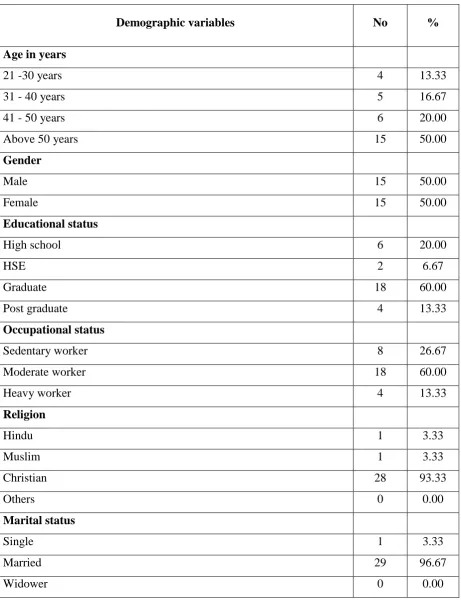
Table 1: Frequency and percentage distribution of demographic variables of patients with modifiable risk factors of CAD n = 30
Demographic variables No % Age in years
21 -30 years 4 13.33
31 - 40 years 5 16.67
41 - 50 years 6 20.00
Above 50 years 15 50.00
Gender
Male 15 50.00
Female 15 50.00
Educational status
High school 6 20.00
HSE 2 6.67
Graduate 18 60.00
Post graduate 4 13.33
Occupational status
Sedentary worker 8 26.67
Moderate worker 18 60.00
Heavy worker 4 13.33
Religion
Hindu 1 3.33
Muslim 1 3.33
Christian 28 93.33
Others 0 0.00
Marital status
Single 1 3.33
Married 29 96.67
[image:45.595.69.531.130.731.2]34
Demographical variables No % Dietary habits
Vegetarian 5 16.67
Non Vegetarian 25 83.33
Bad habits
Alcoholic 3 10.00
Smoker/tobacco 5 16.67
Alcoholic/Smoker/tobacco 3 10.00
Drug abuse 0 0.00
Alcoholic /Smoker/Tobacco/Drug Abuse 1 3.33
None 18 60.00
Known case of hypertension
Yes 16 53.33
No 14 46.67
Known case of diabetic
Yes 8 26.67
No 22 73.33
Do you have family history of heart disease
Yes 16 53.33
No 14 46.67
Do you diagnosed with high cholesterol
Yes 11 36.67
No 19 63.33
BMI measures
Under weight<18.5 0 0.00 Normal weight 18.5 - 24.9 4 13.33 Overweight 25.0 - 29.99 17 56.67
Obese 30.0 - 39.9 9 30.00
35
Demographic variables No % Waist circumference
More than 100cm in males 14 46.67 More than 88cm in females 12 40.00 Less than 100cm in males 1 3.33 Less than 88cm in females 3 10.00
36
[image:48.595.75.501.235.579.2]SECTION B: ASSESSMENT OF PRETEST AND POST TEST LEVEL OF KNOWLEDGE AND PRACTICE REGARDING PREVENTION OF CORONARY ARTERY DISEASE AMONG PATIENTS WITH MODIFIABLE RISK FACTORS OF CAD.
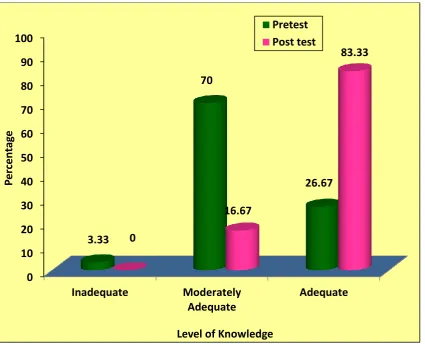
Figure 3: Percentage distribution of pretest and post test level of knowledge regarding prevention of coronary artery disease among patients with modifiable risk factors of CAD.
The Figure 3 shows that in the pretest, majority 21(70%) had moderately adequate knowledge, 8(26.67%) had adequate knowledge and only one (3.33%) had inadequate knowledge. Whereas in the post test after the planned teaching programme majority 25(83.33%) had adequate knowledge and only 5(16.67%) had moderately adequate knowledge regarding prevention of coronary artery disease among patients with modifiable risk factors of CAD.
0 10 20 30 40 50 60 70 80 90 100
Inadequate Moderately Adequate
Adequate 3.33
70
26.67
0
16.67
83.33
P
e
rcen
ta
ge
Level of Knowledge
37
Figure 4: Frequency and percentage distribution of pretest and post test level of practice regarding prevention of coronary artery disease among patients with modifiable risk factors of CAD.
The Figure 4 shows that in the pretest, majority 18(60%) had moderately adequate practice, 8(26.67%) had inadequate practice and only 4(13.33%) had adequate practice. Whereas in the post test after the planned teaching programme majority 23(76.67%) had adequate practice and 7(23.33%) had moderately adequate practice.
0 10 20 30 40 50 60 70 80 90 100
Inadequate Moderately Adequate
Adequate 26.67
60
13.33
0
23.33
76.67
P
e
rcen
ta
ge
Level of Practice
[image:49.595.75.507.147.525.2]38
SECTION C: EFFECTIVENESS OF PLANNED TEACHING PROGRAMME ON KNOWLEDGE AND PRACTICE REGARDING PREVENTION OF CORONARY ARTERY DISEASE AMONG PATIENTS WITH MODIFIABLE RISK FACTORS OF CAD.
Table2: Comparison of pretest and post test knowledge scores regarding prevention of coronary artery disease among patients with modifiable risk factors of CAD.
n = 30
Knowledge Mean S.D Paired ‘t’ Value
Pre test 36.30 4.16 t = 9.775
p = 0.000, S Post Test 45.93 4.71
***p<0.001, S – Significant
39
Table 3: Comparison of pretest and post test practice scores regarding prevention of coronary artery disease among patients with modifiable risk factors of CAD.
n = 30
Practice Mean S.D Paired ‘t’ Value
Pre test 11.86 3.30 t = 7.301
p = 0.000, S Post Test 17.56 2.50
***p<0.001, S – Significant
[image:51.595.100.531.152.218.2]40
[image:52.595.103.532.236.302.2]SECTION D: RELATIONSHIP BETWEEN POST TEST KNOWLEDGE AND PRACTICE SCORES REGARDING PREVENTION OF CORONARY ARTERY DISEASE AMONG PATIENTS WITH MODIFIABLE RISK FACTORS OF CAD.
Table 4: Correlation between post test knowledge and practice scores regarding prevention of coronary artery disease among patients with modifiable risk factors of CAD.
n = 30
Variables Mean S.D ‘r’ Value
Knowledge 45.93 4.71 r = 0.570
p = 0.001, S**
Practice 17.56 2.50
**p<0.01, S – Significant
41
SECTION E: ASSOCIATION OF POST TEST LEVEL OF KNOWLEDGE AND PRACTICE REGARDING PREVENTION OF CORONARY ARTERY DISEASE AMONG PATIENTS WITH MODIFIABLE RISK FACTORS OF CAD WITH SELECTED DEMOGRAPHIC VARIABLES.
Table 5: Association of post test level of knowledge regarding prevention of coronary artery disease among patients with modifiable risk factors of CAD with selected demographic variables. n = 30
Demographic Variables Moderately adequate (51-75%) Adequate (>75%) Chi -square value
No. % No. %
Age in years
2=6.000
d.f=3 p=0.112
N.S 21 -30 years 0 0 0 13.3
31 - 40 years 0 0 5 16.7 41 - 50 years 0 0 6 20.0 Above 50 years 5 16.7 10 33.3
Gender 2=2.160
d.f=1 p=0.142
N.S
Male 4 13.3 11 36.7
Female 1 3.3 14 46.7
Educational status
2=0.600
d.f=3 p=0.896
N.S High school 0 0 5 16.7
HSE 0 0 2 6.7
Graduate 3 10.0 15 50.0 Post graduate 1 3.3 3 10.0
Occupational status
2=0.600
d.f=3 p=0.896
N.S Sedentary worker 3 10.0 6 20.0
Moderate worker 3 10.0 15 50.0 Heavy worker 0 0 4 13.3
Religion
2=0.429
d.f=2 p=0.807
N.S
Hindu 0 0 1 3.33
Muslim 0 0 1 3.33
Christian 5 16.7 23 76.7
[image:53.595.102.560.203.772.2]42
Demographic Variables
Moderately adequate (51-75%)
Adequate (>75%)
Chi square
value
No. % No. %
Do you have family history of heart disease 2=0.429
d.f=2 p=0.014
S*
Yes 5 16.7 15 50.0.
No 0 0 10 33.3
**p<0.05, S* – Significant, N.S – Not Significant
43
[image:55.595.113.540.173.506.2]Figure 5: Association of family history of heart disease with post test level of knowledge regarding prevention of coronary artery disease among patients with modifiable risk factors of CAD
Figure 5: Association of family history of heart disease with post test level of knowledge regarding prevention of coronary artery disease among patients with
modifiable risk factors of CAD
0 10 20 30 40 50 60 70 80 90 100
Moderately Adequate Adequate 0
50
16.7
33.3
Per
ce
n
tage
Level of Knowledge
Yes
44
Table 6: Association of post test level of practice regarding prevention of coronary artery disease among patients with modifiable risk factors of CAD with selected demographic variables. n = 30
Demographic Variables
Moderately Adequate (51 – 75%)