S T U D Y P R O T O C O L
Open Access
Evaluating an in-home multicomponent cognitive
behavioural programme to manage concerns
about falls and associated activity avoidance in
frail community-dwelling older people: Design of
a randomised control trial [NCT01358032]
Tanja AC Dorresteijn
1*, GA Rixt Zijlstra
1, Kim Delbaere
2, Erik van Rossum
1,3, Johan WS Vlaeyen
4,5and
Gertrudis IJM Kempen
1Abstract
Background:Concerns about falls are frequently reported by older people. These concerns can have serious consequences such as an increased risk of falls and the subsequent avoidance of activities. Previous studies have shown the effectiveness of a multicomponent group programme to reduce concerns about falls. However, owing to health problems older people may not be able to attend a group programme. Therefore, we adapted the group approach to an individual in-home programme.
Methods/Design:A two-group randomised controlled trial has been developed to evaluate the in-home multicomponent cognitive behavioural programme to manage concerns about falls and associated activity avoidance in frail older people living in the community. Persons were eligible for study if they were 70 years of age or over, perceived their general health as fair or poor, had at least some concerns about falls and associated avoidance of activity. After screening for eligibility in a random sample of older people, eligible persons received a baseline assessment and were subsequently allocated to the intervention or control group. Persons assigned to the intervention group were invited to participate in the programme, while those assigned to the control group received care as usual. The programme consists of seven sessions, comprising three home visits and four
telephone contacts. The sessions are aimed at instilling adaptive and realistic views about falls, as well as increasing activity and safe behaviour. An effect evaluation, a process evaluation and an economic evaluation are conducted. Follow-up measurements for the effect evaluation are carried out 5 and 12 months after the baseline
measurement. The primary outcomes of the effect evaluation are concerns about falls and avoidance of activity as a result of these concerns. Other outcomes are disability and falls. The process evaluation measures: the population characteristics reached; protocol adherence by facilitators; protocol adherence by participants (engagement in exposure and homework); opinions about the programme of participants and facilitators; perceived benefits and achievements; and experienced barriers. The economic evaluation examines the impact on health-care utilisation, as well as related costs.
Discussion:A total number of 389 participants is included in the study. Final results are expected in 2012. Trial registration:NCT01358032
* Correspondence: [email protected]
1CAPHRI School for Public Health and Primary Care, Faculty of Health,
Medicine and Life Sciences, Department of Health Services Research, Maastricht University, Maastricht, The Netherlands
Full list of author information is available at the end of the article
Background
Falls and concerns related to falls are very common in community-dwelling older people. About one in three older people living in the community experiences at least one fall each year, of which roughly half results in an injury [1,2]. Interestingly, around two-thirds of older people report concerns related to falls [3], of which roughly half report activity avoidance as a result of these concerns [4-8]. Concerns about falls can be present in both people who have fallen and people who have not [9]. These concerns have been linked to decreased bal-ance performbal-ance, decreased mobility, functional decline, low quality of life, institutionalisation and falls [3,10-13]. Recent research has shown that concerns about falls can lead to falls irrespective of any physiolo-gical fall risk [13].
Concerns about falls can be considered as a multifac-torial problem [14,15]. As a consequence, successful programmes should not only target concerns about falls but should also focus on aspects like increasing self-effi-cacy and a sense of control regarding the risks of falling, setting realistic goals for increasing activity, changing the environment to reduce the fall risk and promoting physical activity to increase strength and balance [15-19].
Cognitive behavioural therapy could be seen as a sui-table strategy to reduce concerns about falls by modify-ing patterns of thoughts (cognition) and actions (behaviour) that contribute to the concern.
One of the programmes with proven effectiveness is the Dutch version of ‘A Matter of Balance’ (AMB-NL) [20]. This multicomponent cognitive behavioural group programme consists of eight weekly group sessions and a booster session after six months. It has shown favour-able effects on concerns about falls, perceived control over falling and daily activity, after at least 8 months of follow-up. In addition, significantly fewer recurrent fall-ers were observed in this group after 14 months of fol-low-up [15]. Notwithstanding these positive outcomes, approximately 40% of the participants attended less than five sessions out of a total eight, mainly because of health problems [21]. It seems that, in particular, frail older people refrained from attending the group pro-gramme. This is also seen in other group programmes that explicitly address concerns about falls, and target frail older people living in the community [18,22].
The aim of this project is to develop an in-home pro-gramme to enable frail older people to participate, as well as people who prefer an in-home approach rather than a group approach [Dorresteijn, Zijlstra, Van Eijs, Vlaeyen, Kempen: Older people’s preferences regarding programme formats for managing concerns about falls, submitted]. This paper presents the design of a rando-mised controlled trial evaluating‘A Matter of Balance at
Home’(AMB-Home) in frail older people, living in the community in the Netherlands. The objectives of this trial are to conduct: (1) an effect evaluation to deter-mine the effects of this in-home programme on con-cerns about falls and fall-related activity avoidance, and additional outcomes including disability and fall inci-dents; (2) a process evaluation to determine the feasibil-ity of the programme; and (3) an economic evaluation uncovering the impact of the programme on health-care utilisation and related costs.
Methods/Design
Design
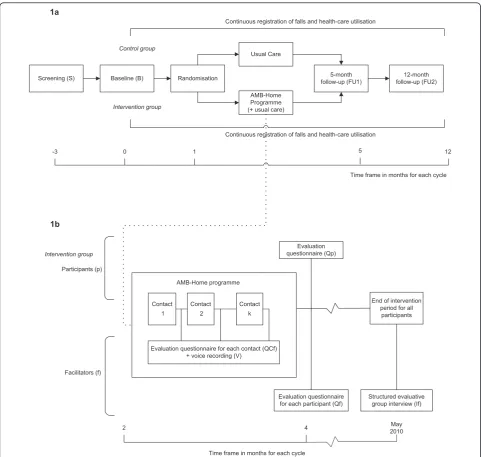
The study concerns a two-group randomised controlled trial with a baseline measurement and follow-up mea-surements after 5 (directly after the programme) and 12 months (see Figure 1). The selection of potential partici-pants was performed between March and December 2009 in four consecutive cycles. Each cycle lasted about 15 months and included: screening for eligible partici-pants; baseline measurement; stratified randomisation; the intervention period; and follow-up measurements. The Medical Ethics Committee of the Maastricht Uni-versity/Academic Hospital Maastricht in The Nether-lands approved this trial.
Recruitment of participants
Three communities, Maastricht, Sittard-Geleen, and Heer-len, situated in the southeast of The Netherlands have been selected for participation in the trial. The municipal registry offices selected 11,490 addresses of community-dwelling people of 70 years or over in their district, at ran-dom. To screen for eligibility, people received a short postal questionnaire with a freepost envelope, as well as information about the trial and an informed consent form. After a fortnight, reminder letters were sent. The ques-tionnaire assessed socio-demographics and fall-related variables and inclusion and exclusion criteria.
partner of a couple was allowed to participate in the trial. Lots were drawn if this selection process was necessary.
Randomisation
Participants were assigned to the programme or the no-treatment control group directly after the baseline mea-surement using stratified randomisation. This randomisa-tion was performed in blocks of two on the basis of one prognostic factor: the level of concern about falls (some,
regular, often, and very often). Computerised alternative allocation was used in the randomisation process, which was performed by an external agency.
Programme
Development of the programme
AMB-Home is based on the Dutch version of a cogni-tive behavioural group programme for older people liv-ing in the community named ‘A Matter of Balance’ (AMB-NL). AMB-NL is a translated, adapted and Screening (S) Baseline (B) Randomisation
AMB-Home Programme (+ usual care)
5-month follow-up (FU1)
12-month follow-up (FU2)
Intervention group Control group
Usual Care
Continuous registration of falls and health-care utilisation
-3 1 5 12
Continuous registration of falls and health-care utilisation
Time frame in months for each cycle 0
Contact 1
Contact 2
Contact k
End of intervention period for all
participants Evaluation
questionnaire (Qp)
Evaluation questionnaire for each contact (QCf) + voice recording (V)
Evaluation questionnaire for each participant (Qf)
Structured evaluative group interview (If) Participants (p)
Facilitators (f) Intervention group
AMB-Home programme 1a
1b
2 4
Time frame in months for each cycle
[image:3.595.57.539.87.544.2]May 2010
Figure 1Study design.1aDisplaying effect and economic evaluation. S = screening; B = baseline; FU1 = 5-month follow-up; FU2 = 12-month follow-up.1bDisplaying process evaluation. QCf = questionnaire filled in by facilitator for each participant for each contact, V = voice recording for selection of contacts, Qf = questionnaire filled in by facilitator for each participant, Qp = questionnaire filled in by participant after
evaluated version of‘A Matter of Balance’[20], a pro-gramme that originated in the USA [18]. In the develop-ment process of the home-based version for frail older people, all components and techniques of the group programme were assessed on their appropriateness for the new targeted population, the in-home setting, and future implementation in Dutch health-care. Therefore, experts (n = 8, see Acknowledgements) in the domain of programme development and behavioural change were consulted and a pilot study with six volunteers was conducted to test the programme initial feasibility.
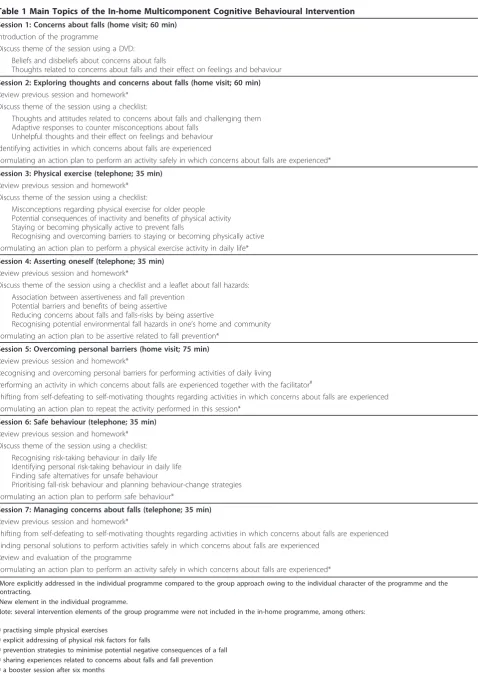
Substantial elements of the AMB-NL programme, such as cognitive restructuring, a DVD for modelling purposes, i.e. presenting stories of other people report-ing concerns about falls and their solutions, and the dis-cussions on themes related to fall prevention themes are maintained in AMB-Home. However, several adapta-tions have been made. First, the programme of AMB-Home consists of seven sessions (three home visits and four telephone contacts) in contrast to the eight sessions and a booster session after six months in AMB-NL. Sec-ond, the formulation and review of personal action plans, regarding the themes of the sessions, receive a more prominent role throughout the programme to encourage active participation [21,26]. Third, the physi-cal exercises performed in AMB-NL are not included in AMB-Home since supervision of the appropriate execu-tion of these exercises is not feasible. Fourth, a new component is added to home visit 3. During this visit, the participant actually practises a specific (fear-related) problem in daily life in the presence of the programme facilitator. Lastly, motivational interviewing is added as a discussion technique, to motivate participants to change their beliefs and behaviour, regarding concerns about falls and activity avoidance. See Table 1 for additional information on the similarities and differences of both programmes.
Contents and format of the programme
The in-home programme aims to teach participants how to deal with their concerns about falls and related avoid-ance of activity, in order to increase their physical, social and functional activities. AMB-Home consists of seven individual sessions, including three home visits (60, 60 and 75 minutes, respectively) and four telephone con-tacts (35 minutes each). During each session a main theme is addressed. The themes of the programme are: concerns about falls; thoughts about falling; physical exercise; asserting oneself; overcoming personal barriers; safe behaviour; and managing concerns about falls (see Table 1). All sessions have a similar structure: review the previous session (except the first session); discuss the current session’s theme; and formulate a concrete and personal action plan, related to the theme discussed. The contents of each session are described in detail in a
facilitator’s manual, and participants receive printed materials, including background information on the ses-sion’s theme and worksheets to complete during or between the sessions.
The principles of cognitive restructuring [27] are used for shifting maladaptive to adaptive attitudes with respect to falling, as well as for increasing self-efficacy beliefs and feelings of control. Four strategies are applied to obtain these goals: (1) restructuring miscon-ceptions to promote a realistic view of fall-risk and mak-ing concerns about falls controllable; (2) settmak-ing realistic goals for increasing activity and safe behaviour; (3) adapting the environment to reduce the fall-risk; and (4) promoting the uptake of daily life activities that are avoided owing to concerns about falls. The following techniques are applied in the programme. Motivational interviewing is used as a discussion technique to encou-rage the internal motivation and increase the self-effi-cacy of participants. This technique is a client-centred approach, with reflective listening and positive affirma-tions rather than direct questioning, persuasion, or advice-giving [28]. In addition, to tailor the programme to the participant’s needs and preferences, participants are encouraged to come up with activities that they con-sider important and which they would like to perform safely. These activities are then incorporated into pro-gramme elements such as action planning. Participants experiencing difficulties in recognising such activities are prompted in this process by being shown them 16 drawings of activities of the Iconographical Falls Efficacy Scale (Icon-FES) [29]. Action plans are used to bridge the gap between behavioural intentions and behaviour itself. In every session a personally relevant activity is chosen by the participant. The‘when’,‘where’, and‘how’ to perform the activity, and ways in which to pursue the activity in the face of obstacles, as well as expected chal-lenges and possible solutions are discussed [30]. The activity is supposed to be carried out by the participant prior to the next session. In session 5, a more challen-ging daily activity (related to concerns about falls) in daily life is first performed under the direct supervision of the facilitator [31]. Furthermore, a DVD is used for modelling by presenting stories of other people report-ing concerns about falls, and moreover, to encourage problem-solving skills of the participant, which is one of the core skills of self-management [32]. At last, the par-ticipant is encouraged to invite a significant other. This person (often a spouse or other relative, friend or neigh-bour) is present at the home visits and shown how to help and give support during the programme. An over-view of the programme is shown in Table 1.
Table 1 Main Topics of the In-home Multicomponent Cognitive Behavioural Intervention
Session 1: Concerns about falls (home visit; 60 min) Introduction of the programme
Discuss theme of the session using a DVD: Beliefs and disbeliefs about concerns about falls
Thoughts related to concerns about falls and their effect on feelings and behaviour
Session 2: Exploring thoughts and concerns about falls (home visit; 60 min) Review previous session and homework*
Discuss theme of the session using a checklist:
Thoughts and attitudes related to concerns about falls and challenging them Adaptive responses to counter misconceptions about falls
Unhelpful thoughts and their effect on feelings and behaviour Identifying activities in which concerns about falls are experienced
Formulating an action plan to perform an activity safely in which concerns about falls are experienced*
Session 3: Physical exercise (telephone; 35 min) Review previous session and homework*
Discuss theme of the session using a checklist:
Misconceptions regarding physical exercise for older people Potential consequences of inactivity and benefits of physical activity Staying or becoming physically active to prevent falls
Recognising and overcoming barriers to staying or becoming physically active Formulating an action plan to perform a physical exercise activity in daily life*
Session 4: Asserting oneself (telephone; 35 min) Review previous session and homework*
Discuss theme of the session using a checklist and a leaflet about fall hazards: Association between assertiveness and fall prevention
Potential barriers and benefits of being assertive
Reducing concerns about falls and falls-risks by being assertive
Recognising potential environmental fall hazards in one’s home and community Formulating an action plan to be assertive related to fall prevention*
Session 5: Overcoming personal barriers (home visit; 75 min) Review previous session and homework*
Recognising and overcoming personal barriers for performing activities of daily living
Performing an activity in which concerns about falls are experienced together with the facilitator#
Shifting from self-defeating to self-motivating thoughts regarding activities in which concerns about falls are experienced Formulating an action plan to repeat the activity performed in this session*
Session 6: Safe behaviour (telephone; 35 min) Review previous session and homework* Discuss theme of the session using a checklist:
Recognising risk-taking behaviour in daily life Identifying personal risk-taking behaviour in daily life Finding safe alternatives for unsafe behaviour
Prioritising fall-risk behaviour and planning behaviour-change strategies Formulating an action plan to perform safe behaviour*
Session 7: Managing concerns about falls (telephone; 35 min) Review previous session and homework*
Shifting from self-defeating to self-motivating thoughts regarding activities in which concerns about falls are experienced Finding personal solutions to perform activities safely in which concerns about falls are experienced
Review and evaluation of the programme
Formulating an action plan to perform an activity safely in which concerns about falls are experienced*
*More explicitly addressed in the individual programme compared to the group approach owing to the individual character of the programme and the contracting.
#
New element in the individual programme.
Note: several intervention elements of the group programme were not included in the in-home programme, among others:
■practising simple physical exercises
■explicit addressing of physical risk factors for falls
■prevention strategies to minimise potential negative consequences of a fall
■sharing experiences related to concerns about falls and fall prevention
received a two-day training in which the manual was studied. During the training, special attention was given to aspects such as motivational interviewing, behavioural change, and ‘exposurein vivo’ to feared activities [31], by professionals in these particular fields. The facilita-tors were responsible for planning the sessions with the participant, according to the given format and time schedule. Throughout the start of the programme, the researchers periodically observed the facilitators during their contacts with participants. Monthly group meet-ings of the facilitators and the researchers were held to evaluate and discuss the progress of the trial, the flow of participants, the programme and the performance of the programme by the facilitators.
Outcomes
Effect evaluation
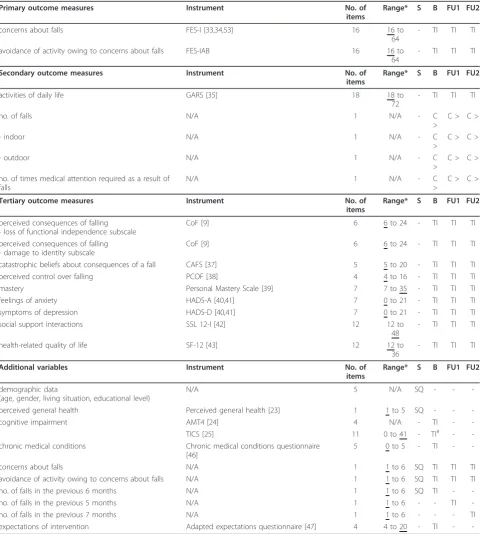
Table 2 presents the outcomes of the effect evaluation.
Primary outcome measures
The primary outcomes of the effect evaluation are con-cerns about falls and the avoidance of activity as a result of these concerns. Concerns about falls are assessed by the 16-item Falls Efficacy Scale-International (FES-I). Participants are asked to indicate how concerned they are about falling while carrying out several activities of daily living (1 = not all concerned to 4 = very con-cerned) [33,34]. In addition, when people indicate that they are at least somewhat concerned about falling while carrying out an activity, people are asked to indi-cate to what extent they avoid the activity as a result of their concerns (FES-IAB; AB indicates Avoidance Beha-viour; 1 = never to 4 = often).
Secondary outcome measures
Secondary outcomes are disability and the number of falls. Disability is measured by the Groningen Activity Restriction Scale (GARS) [35]. The 18 items of the GARS measure disability in the area of ADL (Activities of Daily Living including mobility) as well as IADL (Instrumental Activities of Daily Living). Participants are asked if they are currently able to perform the activity (1 = yes, fully independently to 4 = no, only with help from others). The number of falls is registered continu-ously during the course of the trial by a fall calendar. A fall is defined as an event that results in a person com-ing to rest inadvertently on the ground or on another lower level [36]. If a fall occurs, participants indicate on the calendar: (a) the location of the fall (indoor or out-door); and (b) the number of times medical attention is received owing to the fall.
Tertiary outcome measures
The tertiary outcomes include: the perceived conse-quences of falling (CoF) with two 6-item subscales (’loss of functional independence’ and ‘damage to identity’) [9]; catastrophic beliefs about the consequences of a fall
(CAFS: Catastrophising About Falling Scale, 5 items) [37]; perceived control over falling (PCOF; 4 items) [38]; mastery (7 items) [39]; feelings of anxiety and symptoms of depression with two 7-item subscales of the Hospital Anxiety and Depression Scale (HADS) [40,41]; social support interactions (SSL12-I: Social Support List of Interaction, 12 items) [42]; and health-related quality of life (SF-12: Health Survey, 12 items) [43].
Additional variables
Several variables are assessed to provide insight into the population under study, and to interpret the outcomes of the study. The socio-demographic and health-related variables, assessed during the process of screening for eligibility, are: age, gender, living alone or not, educa-tional level, perceived general health (item one of the MOS SF-20) [23,44], and self-reported impaired vision and hearing [45]. Other health-related variables assessed during the baseline measurement are: chronic medical conditions (a 5-item checklist) [46] and cognitive status (AMT4: shortened version of the Abbreviated Mental Test; 4 items and TICS: Telephone Interview Cognitive Status; 11 items) [24,25]. Furthermore, 1-item questions on concerns about falls, the avoidance of activities owing to these concerns and the number of falls are assessed at baseline, as well as at all follow-up measure-ments. Lastly, at the baseline, participants are asked about their outcome expectations with regard to the programme [47].
Process evaluation
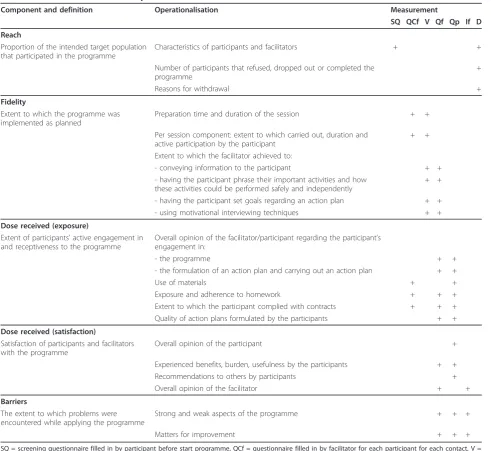
To determine the feasibility of the programme and to identify factors that may influence its effectiveness, the following outcomes of the process evaluation are assessed: characteristics of the population reached (reach); protocol adherence by facilitators (fidelity); pro-tocol adherence by participants (dose received: expo-sure); participants and facilitators’ opinion about the programme and perceived benefits and achievements (dose received: satisfaction); and experienced barriers and potential solutions for these (barriers) [21,48,49]. Table 3 provides a detailed overview of the outcomes of the process evaluation and their operationalisation dur-ing the course of the trial. Data is collected from partici-pants in the programme group, and from the facilitators.
Economic evaluation
facilitators etc. Health-care costs include hospital visits (inpatient and outpatient treatment), GP consultations, visits to paramedics, (nursing) home-care, informal care, and aids and appliances. In order to estimate the costs, the quantity of each resource will be multiplied by its
[image:7.595.58.539.99.634.2]assigned unit cost of price. Cost prices are obtained from the Dutch guidelines for cost analysis in health-care research [50,51]. If such guidelines do not provide for specific health-care use, real costs or tariffs will be used to estimate costs.
Table 2 Outcome measures of the effect evaluation
Primary outcome measures Instrument No. of
items
Range* S B FU1 FU2
concerns about falls FES-I [33,34,53] 16 16 to
64
- TI TI TI
avoidance of activity owing to concerns about falls FES-IAB 16 16 to
64
- TI TI TI
Secondary outcome measures Instrument No. of
items
Range* S B FU1 FU2
activities of daily life GARS [35] 18 18 to
72
- TI TI TI
no. of falls N/A 1 N/A - C
>
C > C >
- indoor N/A 1 N/A - C
>
C > C >
- outdoor N/A 1 N/A - C
>
C > C >
no. of times medical attention required as a result of falls
N/A 1 N/A - C
>
C > C >
Tertiary outcome measures Instrument No. of
items
Range* S B FU1 FU2
perceived consequences of falling - loss of functional independence subscale
CoF [9] 6 6 to 24 - TI TI TI
perceived consequences of falling - damage to identity subscale
CoF [9] 6 6 to 24 - TI TI TI
catastrophic beliefs about consequences of a fall CAFS [37] 5 5 to 20 - TI TI TI
perceived control over falling PCOF [38] 4 4 to 16 - TI TI TI
mastery Personal Mastery Scale [39] 7 7 to 35 - TI TI TI
feelings of anxiety HADS-A [40,41] 7 0 to 21 - TI TI TI
symptoms of depression HADS-D [40,41] 7 0 to 21 - TI TI TI
social support interactions SSL 12-I [42] 12 12 to
48
- TI TI TI
health-related quality of life SF-12 [43] 12 12 to
36
- TI TI TI
Additional variables Instrument No. of
items
Range* S B FU1 FU2
demographic data
(age, gender, living situation, educational level)
N/A 5 N/A SQ - -
-perceived general health Perceived general health [23] 1 1 to 5 SQ - -
-cognitive impairment AMT4 [24] 4 N/A - TI -
-TICS [25] 11 0 to 41 - TI# -
-chronic medical conditions Chronic medical conditions questionnaire
[46]
5 0 to 5 - TI -
-concerns about falls N/A 1 1 to 6 SQ TI TI TI
avoidance of activity owing to concerns about falls N/A 1 1 to 6 SQ TI TI TI
no. of falls in the previous 6 months N/A 1 1 to 6 SQ TI -
-no. of falls in the previous 5 months N/A 1 1 to 6 - - TI
-no. of falls in the previous 7 months N/A 1 1 to 6 - - - TI
expectations of intervention Adapted expectations questionnaire [47] 4 4 to 20 - TI -
Data collection
Data for the effect evaluation is gathered by means of telephone interviews which are conducted by trained interviewers, who are blinded for group allocation. For the assessment of fall accidents, participants received a fall calendar after the baseline measurement. Every month, a sheet of the calendar has to be returned via a freepost envelope. People are reminded by telephone after one-and-half weeks if a sheet is not returned.
The process evaluation data is gathered by several means. Participants who complete at least five sessions, fill in a questionnaire to report on the programme’s
[image:8.595.56.548.97.548.2]feasibility and usefulness. Facilitators receive a registra-tion form for each participant to report on the time spent per session, the participant’s adherence with regard to homework assignments and the extent to which the programme is performed according to proto-col. Voice recordings are used in a random selection of the sessions to gather objective data about the perfor-mance according to the protocol. Additionally, facilita-tors fill in questionnaires that assess their opinion about the programme for each participant and their overall opinion of the programme. Researchers conduct short telephone interviews to identify the reason(s) for
Table 3 Outcome measures of the process evaluation
Component and definition Operationalisation Measurement
SQ QCf V Qf Qp If D
Reach
Proportion of the intended target population that participated in the programme
Characteristics of participants and facilitators + +
Number of participants that refused, dropped out or completed the programme
+
Reasons for withdrawal +
Fidelity
Extent to which the programme was implemented as planned
Preparation time and duration of the session + +
Per session component: extent to which carried out, duration and active participation by the participant
+ +
Extent to which the facilitator achieved to:
- conveying information to the participant + +
- having the participant phrase their important activities and how these activities could be performed safely and independently
+ +
- having the participant set goals regarding an action plan + +
- using motivational interviewing techniques + +
Dose received (exposure)
Extent of participants’active engagement in and receptiveness to the programme
Overall opinion of the facilitator/participant regarding the participant’s engagement in:
- the programme + +
- the formulation of an action plan and carrying out an action plan + +
Use of materials + +
Exposure and adherence to homework + + +
Extent to which the participant complied with contracts + + +
Quality of action plans formulated by the participants + +
Dose received (satisfaction)
Satisfaction of participants and facilitators with the programme
Overall opinion of the participant +
Experienced benefits, burden, usefulness by the participants + +
Recommendations to others by participants +
Overall opinion of the facilitator + +
Barriers
The extent to which problems were encountered while applying the programme
Strong and weak aspects of the programme + + +
Matters for improvement + + +
withdrawal among people who do not complete the pro-gramme. Lastly, the researchers conduct a final evalua-tion meeting with the facilitators to discuss the overall programme.
The fall calendar mentioned before is also used for the collection of the data for theeconomic evaluation. Parti-cipants have to report their use of health-care services each month, in addition to their fall accidents.
Non-compliant participants of the programme group are approached for all follow-up measurements, and participants with missing data are contacted to ensure completion of data, as recommended by Hollis and Campbell [52].
Newsletters are sent 4 and 11 months after the base-line measurement, to keep the participants informed about the trial.
Sample size and power
Sample size calculations are based on outcomes of a previous study using the Falls Efficacy Scale-Interna-tional (FES-I) among older people in The Netherlands [53]. Two times 112 participants will provide 80% power at alpha 0.05 (one-tailed) to detect differences between the intervention and control groups’mean score of at least 3.8 points (SD is 11.4 equivalent with an effect size of 0.33 on the FES-I). However, a dropout rate of 20% during the study is expected, based on the experiences in the home visit study from Van Haastregt et al. [54]. Therefore, 2 × 140 participants are needed to enrol in the trial.
In a previous Dutch study, 54% of the population reported fear of falling, 38% reported related avoidance behaviour, and 48% reported poor or fair perceived gen-eral health [8]. Based on the experiences in that study and on the evaluation of AMB-NL [15], we estimate that approximately 6% of the older people who return the screening questionnaire will meet all inclusion and exclusion criteria and will be interested in participating in the trial. With an estimated response rate of 55%, a minimum sample of 8,200 older persons aged 70 or over needs to be approached with a screening questionnaire.
Analysis
Descriptive techniques will be used to describe the study groups. Baseline variables will be compared, to detect differences between the participants of both groups at the start of the study. Data of the effect evaluation will be analysed according to both the intention-to-treat and per-protocol principles. In the first analyses all partici-pants will be included according to their original assign-ment [52]. Participants of the intervention group who attended at least five of the seven programme sessions will be included in the per-protocol analysis. Based on
prior work, five sessions of the programme are consid-ered as sufficient programme exposure [15,18]. Mixed-effects regression analyses will be applied, to test for between-group differences with respect to the primary, secondary and tertiary outcome measures at all up assessments. Models will be adjusted for the follow-ing covariates, considered as relevant for the outcomes [8]: concerns about falls, age, gender, perceived general health, and number of falls in the past 6 months at baseline. Additional covariates will be included in the analysis if baseline differences are detected for variables relevant for the outcomes. The level of statistical signifi-cance will be set at 0.05 (one-tailed). Data on the pro-cess and economic evaluation will be analysed and presented using descriptive techniques and appropriate statistical testing.
Discussion
A multicomponent cognitive behavioural in-home pro-gramme has been developed to teach frail older people living in the community how to manage their concerns about falls and related activity avoidance. A trial was conducted to evaluate this programme on effectiveness, feasibility and costs. The screening procedure for eligible participants started in March 2009. For practical rea-sons, the procedure is distributed across four cycles, that last of which was in December 2009. In the first cycle, 2,250 older people living in the south-east of The Netherlands received the screening questionnaire. Enrol-ment into the study was disappointing during this cycle. Therefore, we decided to send out more screening ques-tionnaires than planned in the next cycles, and to broaden the inclusion criteria from regular to both some concerns about falls and some avoidance of activ-ity. In addition, responders entered a draw to win one of the fifteen gift vouchers worth € 25. Eventually, 11,490 older people received the screening questionnaire across the four cycles. The response rate was 52.6% and by applying the modified inclusion criteria, 389 partici-pants were included into the study.
balance and strength, and motivation. With this proce-dure, we may have missed helpful information about how realistic the participants’concerns about falls are and, how much they are prepared to do something about their concerns. In the future, possibilities for testing partici-pants’physical performance [55] and motivation at the start of the programme might be explored [56]. Third, to make implementation in the Dutch health-care setting more acceptable, we have chosen for community nurses as facilitators. Yet, these nurses have little experience of facilitating behavioural change; instead, they are usually trained to provide care and information. In this pro-gramme, they were also expected to act as a personal coach to the participants, and to encourage self-manage-ment skills. This might have put additional demands on them as facilitators, for which they may not have been trained in the past. Therefore, and to increase the treat-ment integrity of the programme, nurses received specific training prior to the start of the project. Lastly, the use of telephone contacts as part of the programme is rather new among this older population, in particular, and nurses from home-care organisations in the Netherlands. If successful, the results might lead to a more cost-effec-tive programme and promising prospects for further use of telephone contacts in programmes with frail older people in the future.
Progress of the study
The baseline measurements started in March 2009. Data on the effect, process and economic evaluation are expected to be available in 2012.
Future implementation
During the last two years the successful group pro-gramme AMB-NL has been implemented nationwide into the Dutch health-care setting. Details about the programme are presented on the Dutch website http:// www.zichtopevenwicht.nl. If the results of the current trial show effectiveness and feasibility of AMB-Home, then the in-home programme can be offered to people who are not able or willing to participate in the group programme.
List of abbreviations
AMB-Home: The Dutch in-home version of A Matter of Balance; AMB-NL: The Dutch group version of A Matter of Balance
Acknowledgements and Funding
We would like to thank the municipal registry offices of Maastricht, Heerlen and Sittard-Geleen, the Centre for Data and Information Management (MEMIC) and research assistant Yvonne van Eijs for their assistance in this study. We would also like to thank the experts Jolanda van Haastregt (Vivre) and José Grouls (Meandergroep) who, in addition to the authors of this article, contributed to the development of the programme protocol. This research has been funded by ZonMw, The Netherlands Organisation for Health Research and Development (grant 120610001). The participation of
author JV was supported by the Odysseus Grant‘The Psychology of Pain and Disability Research Programme’funded by the Research Foundation, Flanders, Belgium (FWO Vlaanderen).
Author details
1CAPHRI School for Public Health and Primary Care, Faculty of Health,
Medicine and Life Sciences, Department of Health Services Research, Maastricht University, Maastricht, The Netherlands.2Falls and Balance
Research Group, Neuroscience Research Australia and University of New South Wales, Randwick, Sydney, Australia.3Centre of Research on Autonomy
and Participation and Centre of Research on Technology in Care, Zuyd University of Applied Sciences, Heerlen, The Netherlands.4Clinical
Psychological Science, Maastricht University, Maastricht, The Netherlands.
5
Department of Psychology, University of Leuven, Leuven, Belgium.
Authors’contributions
GK and RZ developed the project and obtained funding. All authors participated in the final design of the study. TD is the researcher on the project. TD, RZ and GK developed the materials for the study and received input from the other authors, particularly KD. TD wrote the first draft of this paper and the other authors provided input. All authors read and approved the final manuscript.
Competing interests
The authors declare that they have no competing interests.
Received: 22 June 2011 Accepted: 20 September 2011 Published: 20 September 2011
References
1. Masud T, Morris RO:Epidemiology of falls.Age Ageing2001,30:3-7. 2. Rubenstein LZ:Falls in older people: epidemiology, risk factors and
strategies for prevention.Age Ageing2006,35:37-41.
3. Arfken CL, Lach HW, Birge SJ, Miller JP:The Prevalence and Correlates of Fear of Falling in Elderly Persons Living in the Community.Am J Public Health1994,84(4):565-570.
4. Fletcher PC, Hirdes JP:Restriction in activity associated with fear of falling among community-based seniors using home care services.Age Ageing 2004,33(3):273-279.
5. Howland J, Lachman ME, Peterson EW, Cote J, Kasten L, Jette A:Covariates of fear of falling and associated activity curtailment.Gerontologist1998, 38(5):549-555.
6. Murphy SL, Williams CS, Gill TM:Characteristics associated with fear of falling and activity restriction in community-living older persons.J Am Geriatr Soc2002,50(3):516-520.
7. Tinetti ME, Mendes de Leon CF, Doucette JT, Baker DI:Fear of falling and fall-related efficacy in relationship to functioning among community-living elders.J Gerontol1994,49(3):M140-147.
8. Zijlstra GA, van Haastregt JC, van Eijk JT, van Rossum E, Stalenhoef PA, Kempen GI:Prevalence and correlates of fear of falling, and associated avoidance of activity in the general population of community-living older people.Age Ageing2007,36(3):304-309.
9. Yardley L, Smith H:A prospective study of the relationship between feared consequences of falling and avoidance of activity in community-living older people.Gerontologist2002,42(1):17-23.
10. Cumming RG, Salkeld G, Thomas M, Szonyi G:Prospective study of the impact of fear of falling on activities of daily living, SF-36 scores, and nursing home admission.J Gerontol A-Biol2000,55(5):M299-M305. 11. Delbaere K, Close JCT, Brodaty H, Sachdev P, Lord SR:Determinants of
disparities between perceived and physiological risk of falling among elderly people: cohort study.Brit Med J2010,341:c4165.
12. Friedman SM, Munoz B, West SK, Rubin GS, Fried LP:Falls and fear of falling: Which comes first? A longitudinal prediction model suggests strategies for primary and secondary prevention.J Am Geriatr Soc2002, 50(8):1329-1335.
13. Delbaere K, Sturnieks DL, Crombez G, Lord SR:Concern About Falls Elicits Changes in Gait Parameters in Conditions of Postural Threat in Older People.J Gerontol A-Biol2009,64(2):237-242.
15. Zijlstra GA, van Haastregt JC, Ambergen T, van Rossum E, van Eijk JT, Tennstedt SL, Kempen GI:Effects of a multicomponent cognitive behavioral group intervention on fear of falling and activity avoidance in community-dwelling older adults: results of a randomized controlled trial.J Am Geriatr Soc2009,57(11):2020-2028.
16. Brouwer BJ, Walker C, Rydahl SJ, Culham EG:Reducing fear of falling in seniors through education and activity programs: A randomized trial.J Am Geriatr Soc2003,51(6):829-834.
17. Clemson L, Cumming RG, Kendig H, Swann M, Heard R, Taylor K:The effectiveness of a community-based program for reducing the incidence of falls in the elderly: A randomized trial.J Am Geriatr Soc2004, 52(9):1487-1494.
18. Tennstedt S, Howland J, Lachman M, Peterson E, Kasten L, Jette A:A randomized, controlled trial of a group intervention to reduce fear of falling and associated activity restriction in older adults.J Gerontol B-Psychol1998,53(6):P384-P392.
19. Bula CJ, Monod S, Hoskovec C, Rochat S:Interventions Aiming at Balance Confidence Improvement in Older Adults: An Updated Review.
Gerontology2011,57(3):276-286.
20. Zijlstra GA, Tennstedt SL, van Haastregt JC, van Eijk JT, Kempen GI: Reducing fear of falling and avoidance of activity in elderly persons: the development of a Dutch version of an American intervention.Patient Educ Couns2006,62(2):220-227.
21. van Haastregt JC, Zijlstra GA, van Rossum E, van Eijk JT, de Witte LP, Kempen GI:Feasibility of a cognitive behavioural group intervention to reduce fear of falling and associated avoidance of activity in
community-living older people: a process evaluation.BMC Health Serv Res 2007,7:156.
22. Sattin RW, Easley KA, Wolf SL, Chen Y, Kutner MH:Reduction in fear of falling through intense tai chi exercise training in older, transitionally frail adults.J Am Geriatr Soc2005,53(7):1168-1178.
23. Stewart AL, Hays RD, Ware JE:The Mos Short-Form General Health Survey - Reliability and Validity in a Patient Population.Med Care1988, 26(7):724-732.
24. Swain DG, Nightingale PG:Evaluation of a shortened version of the Abbreviated Mental Test in a series of elderly patients.Clin Rehabil1997, 11(3):243-248.
25. Kempen GI, Meier AJ, Bouwens SF, van Deursen J, Verhey FR:[The psychometric properties of the Dutch version of the Telephone Interview Cognitive Status (TICS)].Tijdschr Gerontol Geriatr2007, 38(1):38-45.
26. Zijlstra GAR, van Haastregt JCM, van Eijk JTM, de Witte LP, Ambergen T, Kempen GIJM:Mediating effects of psychosocial factors on concerns about falling and daily activity in a multicomponent cognitive behavioral group intervention.Aging Ment Health2011,15(1):68-77. 27. Lachman ME, Jette A, Tennstedt S, Howland J, Harris BA, Peterson E:A
cognitive-behavioural model for promoting regular physical activity in older adults.Psychology, Health & Medicine1997,2(3):251-261. 28. Resnicow K, Dilorio C, Soet JE, Borrelli B, Hecht J, Ernst D:Motivational
interviewing in health promotion: It sounds like something is changing.
Health Psychol2002,21(5):444-451.
29. Delbaere K, S TS, Lord SR:Development and initial validation of the iconographical falls efficacy scale.J Gerontol A-Biol2011,66(6):674-680. 30. Ziegelmann JP, Lippke S, Schwarzer R:Adoption and maintenance of
physical activity: Planning interventions in young, middle-aged, and older adults.Psychology & Health2006,21(2):145-163.
31. Vlaeyen JWS, de Jong J, Geilen M, Heuts PHTG, van Breukelen G:The treatment of fear of movement/(re)injury in chronic low back pain: Further evidence on the effectiveness of exposure in vivo.Clin J Pain 2002,18(4):251-261.
32. Lorig KR, Holman H:Self-management education: history, definition, outcomes, and mechanisms.Ann Behav Med2003,26(1):1-7. 33. Yardley L, Beyer N, Hauer K, Kempen G, Piot-Ziegler C, Todd C:
Development and initial validation of the Falls Efficacy Scale-International (FES-I).Age Ageing2005,34(6):614-619.
34. Kempen GI, Zijlstra GA, van Haastregt JC:[The assessment of fear of falling with the Falls Efficacy Scale-International (FES-I). Development and psychometric properties in Dutch elderly].Tijdschr Gerontol Geriatr2007, 38(4):204-212.
35. Kempen GIJM, Miedema I, Ormel J, Molenaar W:The assessment of disability with the Groningen Activity Restriction Scale. Conceptual
framework and psychometric properties.Soc Sci Med1996, 43(11):1601-1610.
36. Falls KIWGotPo:The prevention of falls in later life. A report of the Kellogg International Work Group on the Prevention of Falls by the Elderly.Dan Med Bull1987,34(Suppl 4):1-24.
37. Delbaere K, Crombez G, van Haastregt JCM, Vlaeyen JWS:Falls and catastrophic thoughts about falls predict mobility restriction in community-dwelling older people: A structural equation modelling approach.Aging Ment Health2009,13(4):587-592.
38. Lawrence RH, Tennstedt SL, Kasten LE, Shih J, Howland J, Jette AM: Intensity and correlates of fear of falling and hurting oneself in the next year - Baseline findings from a Roybal center fear of falling intervention.
J Aging Health1998,10(3):267-286.
39. Pearlin LI, Schooler C:The structure of coping.J Health Soc Behav1978, 19(1):2-21.
40. Bjelland I, Dahl AA, Haug TT, Neckelmann D:The validity of the Hospital Anxiety and Depression Scale. An updated literature review.J Psychosom Res2002,52(2):69-77.
41. Spinhoven P, Ormel J, Sloekers PPA, Kempen GIJM, Speckens AEM, VanHemert AM:A validation study of the Hospital Anxiety and Depression Scale (HADS) in different groups of Dutch subjects.Psychol Med1997,27(2):363-370.
42. Kempen GIJM, Vaneijk LM:The Psychometric Properties of the Ssl12-I, a Short Scale for Measuring Social Support in the Elderly.Social Indicators Research1995,35(3):303-312.
43. Gandek B, Ware JE, Aaronson NK, Apolone G, Bjorner JB, Brazier JE, Bullinger M, Kaasa S, Leplege A, Prieto L,et al:Cross-validation of item selection and scoring for the SF-12 Health Survey in nine countries: results from the IQOLA Project. International Quality of Life Assessment.
J Clin Epidemiol1998,51(11):1171-1178.
44. Kempen GI:[Assessment of health status of the elderly. Application of a Dutch version of the MOS scale].Tijdschr Gerontol Geriatr1992, 23(4):132-140.
45. van Sonsbeek JLA:Methodological aspects and content of the OECD-longterm disability indicator.CBS Maandberichten Gezondheid1988,6:4-17. 46. CBS:Gezondheidsenquete 1989 (Health Interview Survey).Voorburg/
Heerlen, The Netherlands; 1989.
47. Goossens MEJB, Vlaeyen JWS, Hidding A, Kole-Snijders A, Evers SMAA: Treatment expectancy affects the outcome of cognitive-behavioral interventions in chronic pain.Clin J Pain2005,21(1):18-26.
48. Zijlstra GAR, van Rens GHMB, Scherder EJA, Brouwer DM, van der Velde J, Verstraten PFJ, Kempen GIJM:Effects and feasibility of a standardised orientation and mobility training in using an identification cane for older adults with low vision: design of a randomised controlled trial.
BMC Health Serv Res2009,9:153.
49. Saunders RP, Evans MH, Joshi P:Developing a process-evaluation plan for assessing health promotion program implementation: a how-to guide.
Health Promot Pract2005,6(2):134-147.
50. Oostenbrink JB, Koopmanschap MA, Rutten FFH:Handleiding voor kostenonderzoek: methoden en richtlijnprijzen voor economische evaluaties in de gezondheidszorg.Amstelveen: College voor zorgverzekeringen; 2000.
51. Oostenbrink JB, Koopmanschap MA, Rutten FFH:Standardisation of costs -The Dutch manual for costing in economic evaluations.
Pharmacoeconomics2002,20(7):443-454.
52. Hollis S, Campbell F:What is meant by intention to treat analysis? Survey of published randomised controlled trials.Brit Med J1999,
319(7211):670-674.
53. Kempen GI, Todd CJ, Van Haastregt JC, Zijlstra GA, Beyer N, Freiberger E, Hauer KA, Piot-Ziegler C, Yardley L:Cross-cultural validation of the Falls Efficacy Scale International (FES-I) in older people: results from Germany, the Netherlands and the UK were satisfactory.Disabil Rehabil2007, 29(2):155-162.
54. van Haastregt JC, Diederiks JP, van Rossum E, de Witte LP, Voorhoeve PM, Crebolder HF:Effects of a programme of multifactorial home visits on falls and mobility impairments in elderly people at risk: randomised controlled trial.Brit Med J2000,321(7267):994-998.
56. Prochaska JO, DiClemente CC:Stages and processes of self-change of smoking: toward an integrative model of change.J Consult Clin Psychol 1983,51(3):390-395.
Pre-publication history
The pre-publication history for this paper can be accessed here: http://www.biomedcentral.com/1472-6963/11/228/prepub
doi:10.1186/1472-6963-11-228
Cite this article as:Dorresteijnet al.:Evaluating an in-home multicomponent cognitive behavioural programme to manage concerns about falls and associated activity avoidance in frail community-dwelling older people: Design of a randomised control trial [NCT01358032].BMC Health Services Research201111:228.
Submit your next manuscript to BioMed Central and take full advantage of:
• Convenient online submission
• Thorough peer review
• No space constraints or color figure charges
• Immediate publication on acceptance
• Inclusion in PubMed, CAS, Scopus and Google Scholar
• Research which is freely available for redistribution