InTrans Project Reports Institute for Transportation
5-2013
Evaluating Roadway Subsurface Drainage Practices
Halil CeylanIowa State University, [email protected]
Kasthurirangan Gopalakrishnan
Iowa State University, [email protected]
Sunghwan Kim
Iowa State University, [email protected]
Robert F. Steffes
Iowa State University
Follow this and additional works at:http://lib.dr.iastate.edu/intrans_reports
Part of theCivil and Environmental Engineering Commons
This Report is brought to you for free and open access by the Institute for Transportation at Iowa State University Digital Repository. It has been accepted for inclusion in InTrans Project Reports by an authorized administrator of Iowa State University Digital Repository. For more information, please [email protected].
Recommended Citation
Ceylan, Halil; Gopalakrishnan, Kasthurirangan; Kim, Sunghwan; and Steffes, Robert F., "Evaluating Roadway Subsurface Drainage Practices" (2013).InTrans Project Reports. 60.
Evaluating Roadway Subsurface Drainage Practices
Abstract
The bearing capacity and service life of a pavement is affected adversely by the presence of undrained water in the pavement layers. In cold winter climates like in Iowa, this problem is magnified further by the risk of frost damage when water is present. Therefore, well-performing subsurface drainage systems form an important aspect of pavement design by the Iowa Department of Transportation (DOT). However, controversial findings are also reported in the literature regarding the benefits of subsurface drainage.
The goal of this research was not to investigate whether subdrains are needed in Iowa pavements, but to conduct an extensive performance review of primary interstate pavement subdrains in Iowa, determine the cause of the problem if there are drains that are not functioning properly, and investigate the effect of poor subdrain performance due to improper design, construction, and maintenance on pavement surface distresses, if any.
An extensive literature review was performed covering national-level and state-level research studies mainly focusing on the effects of subsurface drainage on performance of asphalt and concrete pavements. Several studies concerning the effects of a recycled portland cement concrete (RPCC) subbase on PCC pavement drainage systems were also reviewed. A detailed forensic test plan was developed in consultation with the project technical advisory committee (TAC) for inspecting and evaluating the Iowa pavement subdrains. Field investigations were conducted on 64 selected (jointed plain concrete pavement/JPCP and hot-mix asphalt/ HMA) pavement sites during the fall season of 2012 and were mainly focused on the drainage outlet conditions. Statistical analysis was conducted on the compiled data from field investigations to further investigate the effect of drainage on pavement performance.
Most Iowa subsurface drainage system outlet blockage is due to tufa, sediment, and soil. Although higher blockage rates reduce the flow rate of water inside outlet pipes, it does not always stop water flowing from inside the outlet pipe to outside the outlet pipe unless the outlet is completely blocked. Few pavement surface distresses were observed near blocked subsurface drainage outlet spots. More shoulder distresses (shoulder drop or cracking) were observed near blocked drainage outlet spots compared to open ones. Both field observations and limited performance analysis indicate that drainage outlet conditions do not have a significant effect on pavement performance. The use of RPCC subbase in PCC pavements results in tufa formation, a primary cause of drainage outlet blockage in JPCP. Several useful recommendations to potentially improve Iowa subdrain performance, which warrant detailed field investigations, were made.
Keywords
Evaluating Roadway
Subsurface Drainage
Practices
Final Report
May 2013
Sponsored by
About the Institute for Transportation
The mission of the Institute for Transportation (InTrans) at Iowa State University is to develop and implement innovative methods, materials, and technologies for improving transportation efficiency, safety, reliability, and sustainability while improving the learning environment of students, faculty, and staff in transportation-related fields.
Disclaimer Notice
The contents of this report reflect the views of the authors, who are responsible for the facts and the accuracy of the information presented herein. The opinions, findings and conclusions expressed in this publication are those of the authors and not necessarily those of the sponsors.
The sponsors assume no liability for the contents or use of the information contained in this document. This report does not constitute a standard, specification, or regulation.
The sponsors do not endorse products or manufacturers. Trademarks or manufacturers’ names appear in this report only because they are considered essential to the objective of the document.
Non-Discrimination Statement
Iowa State University does not discriminate on the basis of race, color, age, religion, national origin, sexual orientation, gender identity, genetic information, sex, marital status, disability, or status as a U.S. veteran. Inquiries can be directed to the Director of Equal Opportunity and Compliance, 3280 Beardshear Hall, (515) 294-7612.
Iowa Department of Transportation Statements
Technical Report Documentation Page
1. Report No. 2. Government Accession No. 3. Recipient’s Catalog No. IHRB Project TR-643
4. Title and Subtitle 5. Report Date Evaluating Roadway Subsurface Drainage Practices May 2013
6. Performing Organization Code
7. Author(s) 8. Performing Organization Report No. Halil Ceylan, Kasthurirangan Gopalakrishnan, Sunghwan Kim, and Robert F.
Steffes
InTrans Project 12-428
9. Performing Organization Name and Address 10. Work Unit No. (TRAIS) Institute for Transportation
Iowa State University
2711 South Loop Drive, Suite 4700 Ames, IA 50010-8664
11. Contract or Grant No.
12. Sponsoring Organization Name and Address 13. Type of Report and Period Covered Iowa Highway Research Board
Iowa Department of Transportation 800 Lincoln Way
Ames, IA 50010
Final Report
14. Sponsoring Agency Code IHRB Project TR-643
15. Supplementary Notes
Visit www.intrans.iastate.edu for color pdfs of this and other research reports. 16. Abstract
The bearing capacity and service life of a pavement is affected adversely by the presence of undrained water in the pavement layers. In cold winter climates like in Iowa, this problem is magnified further by the risk of frost damage when water is present. Therefore, well-performing subsurface drainage systems form an important aspect of pavement design by the Iowa Department of Transportation (DOT). However, controversial findings are also reported in the literature regarding the benefits of subsurface drainage.
The goal of this research was not to investigate whether subdrains are needed in Iowa pavements, but to conduct an extensive performance review of primary interstate pavement subdrains in Iowa, determine the cause of the problem if there are drains that are not functioning properly, and investigate the effect of poor subdrain performance due to improper design, construction, and maintenance on pavement surface distresses, if any.
An extensive literature review was performed covering national-level and state-level research studies mainly focusing on the effects of subsurface drainage on performance of asphalt and concrete pavements. Several studies concerning the effects of a recycled portland cement concrete (RPCC) subbase on PCC pavement drainage systems were also reviewed. A detailed forensic test plan was developed in consultation with the project technical advisory committee (TAC) for inspecting and evaluating the Iowa pavement subdrains. Field investigations were conducted on 64 selected (jointed plain concrete pavement/JPCP and hot-mix asphalt/HMA) pavement sites during the fall season of 2012 and were mainly focused on the drainage outlet conditions. Statistical analysis was conducted on the compiled data from field investigations to further investigate the effect of drainage on pavement performance.
Most Iowa subsurface drainage system outlet blockage is due to tufa, sediment, and soil. Although higher blockage rates reduce the flow rate of water inside outlet pipes, it does not always stop water flowing from inside the outlet pipe to outside the outlet pipe unless the outlet is completely blocked. Few pavement surface distresses were observed near blocked subsurface drainage outlet spots. More shoulder distresses (shoulder drop or cracking) were observed near blocked drainage outlet spots compared to open ones. Both field observations and limited performance analysis indicate that drainage outlet conditions do not have a significant effect on pavement performance. The use of RPCC subbase in PCC pavements results in tufa formation, a primary cause of drainage outlet blockage in JPCP. Several useful recommendations to potentially improve Iowa subdrain performance, which warrant detailed field investigations, were made.
17. Key Words 18. Distribution Statement drainage—outlet—pavement performance—pavement subdrains—recycled PCC—
roadway—sediment—subdrain performance—subsurface drainage—tufa
No restrictions.
19. Security Classification (of this report)
20. Security Classification (of this page) 21. No. of Pages
22. Price
Unclassified. Unclassified. 106 NA
EVALUATING
ROADWAY
SUBSURFACE
DRAINAGE
PRACTICES
Final Report May 2013
Principal Investigator Halil Ceylan, Associate Professor
Civil, Construction, and Environmental Engineering, Iowa State University Co-Principal Investigators
Robert F. Steffes, Research Engineer Institute for Transportation, Iowa State University
Kasthurirangan Gopalakrishnan, Research Assistant Professor Civil, Construction, and Environmental Engineering, Iowa State University
Sunghwan Kim, Research Assistant Professor
Civil, Construction, and Environmental Engineering, Iowa State University Authors
Halil Ceylan, Kasthurirangan Gopalakrishnan, Sunghwan Kim, and Robert F. Steffes Sponsored by
the Iowa Highway Research Board (IHRB Project TR-643)
Preparation of this report was financed in part
through funds provided by the Iowa Department of Transportation through its Research Management Agreement with the
Institute for Transportation (InTrans Project 12-428)
A report from
Institute for Transportation Iowa State University 2711 South Loop Drive, Suite 4700
TABLE OF CONTENTS
ACKNOWLEDGMENTS ... ix
EXECUTIVE SUMMARY ... xi
INRODUCTION ...1
Problem Statement ...1
Background ...2
Objectives and Scope ...5
LITERATURE REVIEW ...7
National-Level Research Studies ...7
State-Level Research Studies ...13
Effects of Recycled Concrete Aggregate Base on Concrete Pavement Drainage ...18
FORENSIC TESTING AND EVALUATION PROGRAM ...20
Site Selection for Evaluation ...20
Description of Field Investigation ...23
RESULTS AND DISCUSSION OF FIELD INVESTIGATIONS ...25
Subsurface Drainage Outlet Conditions...25
Pavement Distress Assessments near Subsurface Drainage Outlet ...30
PERFORMANCE ANALYSIS ...34
CONCLUSIONS AND RECOMMENDATIONS ...37
REFERENCES ...39
APPENDIX A. ANNOTATED BIBLIOGRAPHY ...41
LIST OF FIGURES
Figure 1. Various sources of moisture in pavement systems (FHWA-NHI 2004) ...1
Figure 2. Components of a roadway subsurface drainage system (Mallela 2000) ...3
Figure 3. Test sections considered in NCHRP Project 1-34C: (a) SPS-1 design factorial and (b) SPS-2 design factorial (Hall and Correa 2003) ...10
Figure 4. Equipment for determining the flow rate of water through the subsurface drainage systems in the SPS-1 and SPS-2 sites (Hall and Crovetti 2007)...12
Figure 5. Regression models capturing the effect of site-specific experimental factors (including subsurface drainage) on flexible (left) and rigid (right) pavement performance (Hall and Crovetti 2007) ...13
Figure 6. Tipping bucket system (left) and electromagnetic instrument (right) used in Minnesota drainage study field data collection (Canelon and Nieber 2009) ...15
Figure 7. Clogging of edge drain outlet pipes in California PCC pavements (Bhattacarya et al. 2009) ...16
Figure 8. Common subsurface drainage system maintenance problems encountered by SHAs: (a) rodent nest, (b) crushed pipes during construction, (c) hidden outlet pipe, and (d) ninety-degree tee (Baumgardner 2002) ...18
Figure 9. Geographical locations of selected Iowa pavement sites ...20
Figure 10. Traffic distribution of selected Iowa pavement sites: (a) JPCP and (b) HMA ...21
Figure 11. Construction year distribution of selected Iowa pavement sites: (a) JPCP and (b) HMA...21
Figure 12. Surface thickness distribution of selected Iowa pavement sites: (a) JPCP and (b) HMA...22
Figure 13. Pavement condition index (PCI) distribution of selected Iowa pavement sites: (a) JPCP and (b) HMA ...22
Figure 14. Base material distribution of selected Iowa JPCP sites ...23
Figure 15. Clearing debris surrounding subsurface drainage outlet in I-35/N/MP140.35 ...24
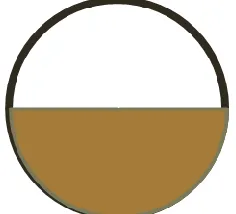
Figure 16. 50 percent blockage of subsurface drainage outlet condition ...24
Figure 17. Undamaged and damaged subsurface drainage outlet in Iowa pavements investigated: (a) JPCP and (b) HMA ...25
Figure 18. Typical roadway subsurface drainage outlet conditions in Iowa ...26
Figure 19. Distribution of Iowa roadway subsurface drainage outlet condition categories: (a) JPCP and (b) HMA ...26
Figure 20. Subsurface drainage outlet conditions distribution with respect to Iowa JPCP subbase aggregate type ...27
Figure 31. Outlet spots with shoulder drop/cracking in Iowa JPCP ...33 Figure 32. PCI distribution for investigated Iowa pavements with respect to drainage outlet
LIST OF TABLES
Table 1. Regression analysis results for PCI ...35
Table 2. Effect test results for PCI to test statistical significance ...36
Table B.1. JPCP site information ...59
Table B.2. JPCP drainage outlet inspection location information ...66
Table B.3. JPCP drainage outlet inspection results ...74
Table B.4. Pavement distress records for JPCP sites in PMIS ...82
Table B.5. HMA pavement site information ...91
Table B.6. HMA pavement drainage outlet inspection location information ...92
Table B.7. HMA pavement drainage outlet inspection results ...93
ACKNOWLEDGMENTS
The authors would like to thank the Iowa Highway Research Board (IHRB) and the Iowa
EXECUTIVE SUMMARY
The bearing capacity and service life of a pavement is affected adversely by the presence of undrained water in the pavement layers. In cold winter climates like in Iowa, this problem is magnified further by the risk of frost damage when water is present. Therefore, well-performing subsurface drainage systems form an important aspect of pavement design by the Iowa
Department of Transportation (DOT). However, controversial findings are also reported in the literature regarding the benefits of subsurface drainage.
The goal of this research was not to investigate whether Iowa pavements need subdrains, but to conduct an extensive performance review of primary interstate pavement subdrains in Iowa, determine the cause of the problem if there are drains that are not functioning properly, investigate the effect of poor subdrain performance due to improper design, construction, and maintenance on pavement surface distresses, if any, and make recommendations on alternatives that will improve subdrain performance.
An extensive literature review was performed covering national-level and state-level research studies mainly focusing on the effects of subsurface drainage on performance of asphalt and concrete pavements. Several studies concerning the effects of recycled concrete aggregate (RCA) or recycled portland cement concrete (RPCC) subbase on PCC pavement drainage systems were also reviewed.
A detailed forensic test plan was developed in consultation with the project technical advisory committee (TAC) for inspecting and evaluating the Iowa pavement subdrains. Field
investigations were conducted on 64 selected (jointed plain concrete pavement/JPCP and hot-mix asphalt/HMA) pavement sites during the fall season of 2012 and were mainly focused on the drainage outlet conditions. Statistical analysis was conducted on the compiled data from field investigations to further investigate the effect of drainage on pavement performance.
Based on extensive literature review as well as field investigations, the conclusions and
recommendations from this study are presented in terms of answers to the main questions raised by the research objectives:
Q.1. How are subdrains performing on Iowa pavements?
Most Iowa subsurface drainage system outlet blockage is due to tufa, sediment, and soil.
More than 80 percent of drainage outlets in JPCP were not damaged while less than 20 percent were damaged. For HMA pavements, less than 10 percent of drainage outlets were broken.
Higher blockage rates reduce the flow rate of water inside outlet pipes. However, higher blockage rates do not always stop water flowing from inside the outlet pipe to outside the outlet pipe unless the outlet is completely blocked (100 percent blockage).
Q.2. Are pavements in Iowa exhibiting moisture-related distress or failure that can be attributed to poor subdrain performance?
Little pavement surface distress was observed near subsurface drainage system showing poor performance.
Both field observations and performance analysis indicate that drainage outlet conditions do not have a significant effect on pavement performance.
Rather than surface distresses, more shoulder distresses (shoulder drop or cracking) were observed near blocked drainage outlet spots. Among blocked drainage outlet spots, more than 10 percent have shoulder distresses while, among opened drainage outlet spots, only 2
percent have shoulder distresses.
Q.3. Is poor subdrain performance due to improper design, construction, or maintenance? Are there alternatives that will improve the performance, such as more maintenance-free outlet designs, contract maintenance, etc.?
Is the poor subdrain performance due to improper design, construction, or maintenance of pavements/subdrains?
Use of RPCC as a subbase material results in tufa formation, which is the primary cause of drainage outlet blockage in JPCP. However, those JPCP spots that utilized blended RPCC and virgin aggregate materials (10 spots on US 151/S/MP 67.57 to MP 67.57 and 9 spots on US 151/N/MP 62.55 to MP 67.48) as subbase materials experienced fewer outlet blockages due to tufa formation.
The use of gate/mesh screen-type rodent guards has the potential to cause outlet blockage. Considering that very little rodent evidence was observed in Iowa subdrainage outlets during field investigations, it is highly recommended that these rodent guards not be used to cover the drainage outlets in Iowa.
INRODUCTION
Problem Statement
[image:17.612.130.503.211.483.2]The bearing capacity and service life of a pavement is affected adversely by the presence of undrained water in the pavement layers. The various sources of moisture in a typical pavement structure are shown in Figure 1.
Figure 1. Various sources of moisture in pavement systems (FHWA-NHI 2004)
In cold winter climates like in Iowa, this problem is magnified further by the risk of frost damage when water is present. Therefore, well-performing subsurface drainage systems form an
important aspect of pavement design by the Iowa Department of Transportation (DOT).
Previous studies have reported that properly designed, constructed, and maintained pavements that incorporate positive subsurface drainage features can greatly extend the life of a pavement. However, controversial findings are also reported in the literature regarding the benefits of subsurface drainage. For instance, the Indiana DOT (INDOT) subdrainage experience was summarized by Hassan et al. (1996) as follows:
layers and edge drains only where those systems will be maintained; the decision was based on five recent pavement failures that were directly attributed to compromised drainage systems.”
In addition, the use of recycled portland cement concrete (RPCC) as a granular subbase is a prevalent pavement construction practice by the Iowa DOT. A previous study by Steffes (1999) showed that excessive fines in RPCC can cause deposits to form on the subdrain rodent guards, blocking the outlet. Although RPCC material specifications were revised following this study to reduce the formation of these deposits and subsequent blockage, no follow-up studies have been conducted to verify the effectiveness of the revised specifications.
In light of the recent Iowa DOT field maintenance staff reductions and budget cuts, and the implications on subdrain outlet maintenance, there is a need to determine the impacts of not maintaining the subdrain outlets on pavement performance in Iowa. The goal of this research was to address the following important questions pertaining to Iowa roadway subsurface drainage practices:
How are subdrains performing on Iowa pavements?
Are pavements in Iowa exhibiting moisture-related distress or failure that can be attributed to poor subdrain performance?
Is the poor subdrain performance due to improper design, construction, or maintenance?
Are there alternatives that will improve the performance, such as more maintenance-free outlet designs, contract maintenance, etc.?
Background
The detrimental effects of water in pavement structures are known to cause and/or accelerate the following distresses:
Asphalt concrete (AC) pavements: stripping of asphalt, rutting, fatigue cracking, separation of pavement layers, and increased roughness
PCC pavements: pumping, faulting, fatigue cracking, D-cracking, shrinkage cracking, reactive aggregate distress, increased roughness
Notes: not to scale; the drainage design used in Iowa is slightly different Figure 2. Components of a roadway subsurface drainage system (Mallela 2000)
In Iowa, edged rain installations reached a total of nearly 3,000 miles by 1989 (Steffes et al. 1991). The Iowa DOT Design Manual (3D-3), Chapter 3: Cross-Sections – Pavement Drainage and Strength Layers, provides the following information regarding the use of drainage layers in Iowa roadways:
“The drainage layer includes a permeable granular layer and a subdrain. The drainage layer is located immediately below the pavement. The two possible granular materials are Granular Subbase and Modified Subbase. Granular subbase is typically used under PCC and Modified Subbase is used under HMA or when the base needs to be driven on during staging and/or paving… Drainage, typically with longitudinal subdrains, is mandatory with Granular Subbase and Modified Subbase, but not with Special Backfill.”
The general design considerations for whether or not to include subsurface drainage systems in concrete pavements were summarized by Mallela et al. (2000):
Site conditions
Subgrade permeability
Site freezes or not?
Pavement section is at grade or a cut section?
Traffic conditions
High traffic loads have the greatest need for subsurface drainage
Design conditions
remarks regarding the effectiveness of pavement subsurface drainage or the need for subsurface drainage are not possible.”
The NCHRP Synthesis of Highway Practice 239: Pavement Subsurface Drainage Systems (TRB 1997) identified maintenance as one of the most important factors in realizing the benefits of drainage in maintaining or even extending the design life of a road. As an extension of NCHRP Synthesis 239, the NCHRP Synthesis of Highway Practice 285: Maintenance of Highway
Edgedrains (TRB 2000) described the state of the practice for the maintenance of highway edged rain systems (i.e., outlet, headwall, connection, longitudinal/mainline pipe) and procedures to reduce and facilitate the maintenance of edge drains. The significant conclusions from both NCHRP Synthesis 239 and Synthesis 285 are reproduced verbatim below for clarity (TRB 1997, TRB 2000):
“Pavement subsurface drainage is a major factor in extending the life of a pavement.
Although performance indicators to qualify the benefits of pavement subsurface drainage systems have not been established, use of a permeable base with a free-draining outlet system generally has demonstrated the best performance of all subsurface drainage strategies.
The cost of pavement drainage systems is high in terms of materials, construction, and maintenance, but the extended pavement life anticipated appears to make these systems cost-effective.
There is a significant cost in terms of poor performing pavements to agencies that use edge drains and do not have an effective preventive maintenance program.
A plugged subsurface drainage system may be worse than having no drainage system at all because the pavement system becomes permanently saturated.
Edge drain failures have occurred where the water could not get out of the base fast enough (e.g., no pipe outlets, plugged outlets, crushed outlets, clogged filters, or clogged drains). Many drainage system failures are traced to poor construction and inspection.
There is an apparent disconnect between maintenance, design, and construction in many state agencies.”
Another related Federal Highway Administration (FHWA) study (HR-317) documented the results of 287 video inspections of highway edged rain systems in 29 states (not including Iowa) and reported that only one-third of the inspected edge drain systems were found to be performing as intended. One-third of the inspected systems had non-functional outlets and another one-third had non-functional mainlines or the mainlines could not be inspected due to physical
Inadequate maintenance
Usage in locations where they are not needed (e.g., places with low amounts of rainfall)
Usage in pavements where they are not needed
Concerns about construction difficulties
Need to conduct frequent maintenance of edge drains
Scant evidence of performance benefits that justify the installation and maintenance costs
As mentioned previously, there is a need to determine the impacts of not maintaining the subdrain outlets on pavement performance in Iowa in light of the recent Iowa DOT field maintenance staff reductions and budget cuts and the implications on subdrain outlet maintenance.
Objectives and Scope
The specific objectives of this project were as follows:
Conduct an extensive performance review of primary interstate pavement subdrains in Iowa
Include the condition of the drains and a determination of whether they are functioning as designed
Evaluate a corresponding pavement to determine if pavement deterioration is occurring at the drain locations
Determine the cause of the problem if there are drains that are not functioning properly
Make recommendations for improvements to the pavement drainage system, when appropriate
It is important to note that this research project was not intended to investigate whether or not Iowa pavements need subdrains, but to evaluate the subsurface drainage practices in Iowa.
The project team met with the Iowa DOT engineers even before the research began to understand the specific research needs relevant to this project. According to the Iowa DOT Office of
Maintenance, there is an important need to research the impact of not maintaining the pavement subdrainage outlets on pavement performance in Iowa using art and state-of-the-practice evaluation methods adopted by nearby states. While the goal is to move toward maintenance-free outlet designs eventually, the Office of Maintenance is also interested in receiving recommendations related to improved construction practices and outlet design based on the research outcomes. The edged rain outlet failure is one of the primary concerns of the Office of Maintenance and whether or not it has a significant impact on pavement performance is a big question that needs to be answered through this research.
drains are crushed by construction mowers, the water can still find a way to drain out through the backfill material. However, the general experience has been that subdrains tend to prolong the service life of the pavement and it is wise to include it in new projects. Although the Office of Soils Design is also interested in moving towards maintenance-free design, it is interested in cost-effective, feasible solutions such as the use of headwall as a protection against the construction equipment, etc.
The Iowa DOT Office of Pavement Design is mainly interested in evaluating the subsurface drainage performance and practices in Interstate highways and primary roads. A large portion of Iowa Interstate and primary roads are either PCC (especially the new ones) or composite
LITERATURE REVIEW
National-Level Research Studies
NCHRP Project 1-34: Performance of Subsurface Pavement Drainage
This was one of the first national-level extensive studies undertaken to evaluate the overall effect of subsurface drainage of surface infiltration water on the performance of flexible (AC) and rigid (PCC) pavements as well as the specific effectiveness of permeable base and associated edge drains, traditional dense-graded bases with and without edge drains and retrofitted surface drainage on existing pavements (Hall 2002). Based on an extensive body of field data obtained through 1998, the following key questions were addressed through this research:
Do the various subsurface drainage design features contribute to improved flexible and rigid pavement performance?
Are the subsurface drainage design features cost-effective, and under what conditions?
The research was carried out in three phases with the first phase focusing on an extensive literature survey and documentation of state drainage practices while the second phase utilized the field performance database to compare the performance of all drained and non-drained sections at a given location. The final phase analyzed all the performance data using the
mechanistic-empirical pavement performance prediction models, which were under development at that time through NCHRP Project 1-37A (NCHRP 2004). These research efforts were
followed by life-cycle cost analyses to illustrate the relative cost-effectiveness of various
subsurface drainage features. The performance data were limited to visual distress survey results, examination of the existing under-drain outlets, and some deflection data for 91 pavement
sections at 22 project sites in 10 US states and the province of Ontario (Hall 2002).
Based on the previous studies on the impact of subsurface drainage, performance comparisons between drained and non-drained experimental sections included in NCHRP Project 1-34, and distress predictions from mechanistic-empirical models, several findings were drawn of which the important or controversial ones are noted here:
The addition of edge drains in conventional AC pavement with an unbound aggregate base appears to reduce fatigue cracking, but not rutting.
Compared with unbound dense-aggregate bases, asphalt-stabilized permeable bases were effective in reducing rutting.
Better fatigue performance was noted for AC pavements with day lighted permeable base sections (without edge drains) than all other types of evaluated AC pavements.
The effect of clogged edged rain outlets on the performance of flexible pavements with a permeable base is detrimental leading to increased fatigue cracking and rutting.
Although a permeable base has a significant effect in reducing joint faulting for non-doweled JPCP, it has a relatively small effect on reducing joint faulting for properly designed,
Concrete slabs with permeable bases appear to be effective in reducing D-cracking significantly, possibly because they are less saturated than slabs with dense-graded bases, resulting in a lower amount of freeze-thaw during saturation.
Based on the limited data obtained under this study to evaluate retrofitted edge drains, it could not be concluded if they had a truly positive effect.
In terms of cost-effectiveness of subsurface drainage features for flexible and rigid pavements, the limited study conducted under NCHRP Project 1-34 indicated that the occurrence of rutting and fatigue cracking in flexible pavements and non-doweled joint faulting in JPCP may be decreased with the proper design and construction of subsurface drainage features, thus increasing the initial lives of pavements and delaying rehabilitation activities.
Depending on the design situation and local conditions, permeable bases (or edge drains by themselves) could potentially increase the pavement service life and thus may be cost-effective.
The overall findings from the life-cycle cost analyses indicated that there exist certain design features (e.g., widened lane with a dens-graded base for JPCP and thicker-layers of asphalt-bound aggregates and full-width paving) that can outweigh positive subsurface drainage features in terms of cost-effectiveness in reducing the effects of excess free water in the pavement structure.
The benefits of subsurface drainage must be considered along with the potential of design-, construction-, or maintenance-related problems associated with it. Although the life-cycle cost analysis conducted in NCHRP Project 1-34 did not consider this, some previous studies shed light on this issue. For instance, the positive effect of the drainage feature may become negated if the subsurface drainage system fails to function properly over the pavement service life. In addition, if the maintenance of edge drains or day lighted sections is neglected, it could lead to rapid pavement failure (Christopher 2000).
While they merit consideration by highway agencies seeking to improve the design, construction, and maintenance activities, the findings of NCHRP Project 1-34 were limited by a number of conditions including small sample size, the young age of the majority of the test sections considered in the analysis, and lack of data regarding the functional condition of the subsurface drainage systems (because the project resources did not permit coring, trenching, detailed
The NCHRP panel concluded that the unexpected findings from project 1-34 might have been influenced at least partially by the operational performance of different subsurface drainage features rather than their inherent design limitations. Consequently, following the completion of NCHRP Project 1-34, NCHRP Project 1-34B was undertaken to review the final report and supporting information developed in Project 1-34 critically as well as to develop a detailed experimental test plan to evaluate and test key findings from that report through condition studies of subsurface drainage features in selected HMA and PCC pavement sections. The NCHRP Project 1-34B was completed in 1999 and the selected portions of the unpublished final report from both projects, 1-34 and 1-34B, were published in the NCHRP Research Results Digest No. 268 (Hall 2002).
NCHRP Project 1-34C: Effects of Subsurface Drainage on Performance of Asphalt and Concrete Pavements
The main goal of NCHRP Project 1-34C was to carry out the experimental plan developed under Project 1-34B to address the following questions:
How feasible is it use the data collected in the LTPP SPS-1 and SPS-2 experiments to evaluate the effects of subsurface drainage on asphalt and concrete pavement performance?
Are there recommendations on additional field data collection to supplement the existing data from LTPP SPS-1 and SPS-2 experiments to fully address the first question?
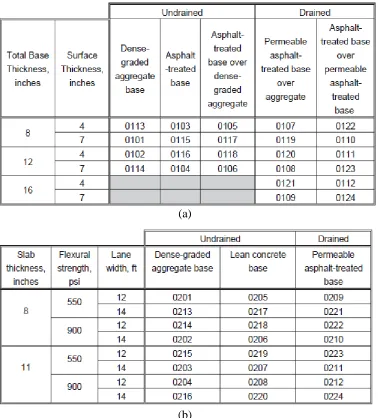
A detailed plan was developed to quantify the effects of subsurface drainage on pavement performance based on statistical analyses of LTPP SPS-1 and SPS-2 data and the extensive results and findings were published as NCHRP Report 499 (Hall and Correa 2003). Apart from the data from the LTPP SPS-1 and SPS-2 experiments, the findings from the video inspection of edge drains at the SPS-1 and SPS-2 sites conducted during the course of the project to determine their functionality were also included in the analysis.
Note that the SPS-1 experiment (Strategic Study of Structural Factors for Flexible Pavements) was originally designed to assess the influence of subdrainage as well as several other factors, including asphalt core thickness, base type, base thickness, climate, subgrade, and truck traffic level, on AC pavement performance. Similarly, the SPS-2 experiment was designed to assess the influence of concrete thickness, concrete flexural strength, base type, lane width, climate,
(a)
[image:26.612.121.499.70.488.2](b)
Figure 3. Test sections considered in NCHRP Project 1-34C: (a) SPS-1 design factorial and (b) SPS-2 design factorial (Hall and Correa 2003)
sections with undrained dense-graded aggregate bases showed poorer performance than sections with drained permeable asphalt-treated bases.
Rigid pavement sections with undrained lean concrete bases showed poorer performance (in terms of IRI, transverse cracking, and longitudinal cracking) than sections with drained permeable asphalt-treated bases.
No consistent trends were observed with respect to rigid pavement faulting given that the faulting magnitudes were so low, precluding the possibility of any analysis.
NCHRP Project 1-34D: Effects of Subsurface Drainage on Performance of Asphalt and
Concrete Pavements - Further Evaluation and Analysis of LTPP SPS-1 and SPS-2 Field Sections
In an effort to better define the effect of subsurface drainage on pavement performance following Project 1-34C, NCHRP Project 1-34D was undertaken with the following specific objectives: quantitatively test the functionality of the subsurface drainage features in the LTPP SPS-1 and SPS-2 pavement sections and refine the relationships between subsurface drainage and pavement performance that were developed originally through projects 1-34 and 1-34C. The final report documenting the entire research effort was published as NCHRP Report 583 (Hall and Crovetti 2007).
NCHRP Project 1-34D made use of the more recent performance data from LTPP Data Release 19.0 (January 2005), analysis of FWD deflection data to assess the relative structural
contributions of different base types, and subdrainage system flow time measurements to assess how well the subsurface drainage systems function. In addition, data from the Minnesota Road (MnRoad) Research Project and Wisconsin DOT (WisDOT) drainage studies were included in the analysis. The field testing procedure for determining the flow rate of water through the subsurface drainage systems in the SPS-1 and SPS-2 sites involved locating and clearing the outlets, measuring longitudinal grade, and coring to the top of the permeable base layer, measuring inflow and outflow with the flow meter (see Figure 4), and patching the core hole.
Regression analysis was employed to address the larger question of “how much does the base/subbase drainage factor of the SPS-1 and SPS-2 experimental designs influence
performance compared with other experimental factors and site features?” The regression models used to assess the significance of subdrainage and other experimental factors to the development of pavement roughness distress are shown in Figure 5 (left) for SPS-1 (flexible) and in Figure 5 (right) for SPS-2 (rigid) test sections.
Figure 5. Regression models capturing the effect of site-specific experimental factors (including subsurface drainage) on flexible (left) and rigid (right) pavement performance
(Hall and Crovetti 2007)
State-Level Research Studies
Indiana
Hassan et al. (1996) covered the most recent applications of pavement subdrainage in Indiana. They focused primarily on summarizing two previous research studies (Zubair et al. 1993, Ezpinoza 1993) as well as ongoing long-term research efforts to address issues related to use of subdrainage in Indiana, especially the question of the optimum location and combination of base layers. The long-term instrumentation of alternative pavement drainage sections involved the use of a time domain reflectometry (TDR) system to determine moisture content, a neutron probe to measure total moisture content, watermark blocks fabricated from plastic tubes (to offset the influence of soil salinity on resistance), thermocouples to measure pavement temperatures, and resistivity probes to determine frost penetration.
Zubair et al. (1993) evaluated the performance of Indiana pavement subdrainage systems and studied the behavior of moisture conditions below pavements through external visual inspection as well as a probe for internal inspection combined with instrumentation. The goal of
instrumentation was to monitor the effects of different parameters influencing flow. The
instrumentation included pressure transducers, moisture blocks, a thermistor probe, a rain gauge, a tipping bucket flow meter, and a data recording and storage system. The study presented a methodology that can be used by highway agencies for monitoring the condition of subsurface
Y = a0 + a1 YFIRST + a2 HAC + a3 HB + a4 B1 + a5 B2 + a6 B3
+ a7 B4 {+ a8 DRN } + a9 TMP + a10 PRECIP
+ a11 ESUB + a12 HEQUIV + a13 CESAL + a14 TIME where
Y = latest available measurement of performance measure of interest (distress or international roughness index [IRI]), or change in perform- ance measure;
YFIRST = first available measurement of performance measure of interest;
HAC = as-constructed AC surface thickness (in.); HB = total thickness of as-constructed base and sub-
base, if any (in.);
B1 to B4 = SPS-1 base type variables (defined below); DRN = 1 if drained, 0 if not drained;
TMP = average annual temperature (°F); PRECIP = average annual precipitation (in.); TMI = Thornthwaite moisture index;
ESUB = backcalculated subgrade modulus (psi) (see Chapter 4);
HEQUIV = backcalculated equivalent pavement thickness (in.) (see Chapter 4); and
drainage systems as well as provided recommendations for improved drainage criteria for Indiana.
Espinoza (1993) presented a numerical model, based on finite difference formulation of the equations of water flow in unsaturated porous media, to provide highway engineers with a methodology to analyze the water migration and drainage into pavement structures. The
numerical mode was implemented in the form of a computer program, PURDRAIN, which can analyze pavement drainage systems for varying geometries, material, and boundary
characteristics.
Based on these research efforts, several modifications to INDOT subsurface drainage policy were implemented:
The use of geocomposite drains were abandoned after September1995 and were replaced with edge drains using Group K pipes.
A proposal to replace pre-cast concrete outlet protectors with larger cast, or in-place concrete pads, or pillows was made to help locate the outlet pipes more easily and to prevent
vegetation from growing up around the outlets.
A routine inspection and maintenance program was implemented.
All construction projects will require inspection of all edge drains and repair of the deficiencies will be the contractor’s responsibility under the new policy.
Minnesota
Figure 6. Tipping bucket system (left) and electromagnetic instrument (right) used in Minnesota drainage study field data collection (Canelon and Nieber 2009)
Based on data collected over a two-year period, statistical analysis, and finite element analysis of the drainage configurations, the following observations were made (Canelon and Nieber 2009):
There was no significant difference in drainage volume of centerline drains between 2 ft and 4 ft centerline depths. The 4 ft depths redirected somewhat higher volumes over impermeable subgrades.
The electromagnetic gauge readings revealed that more moisture was observed within edge drain lines than with centerline drains.
Contrary to expectations, drainage lines that showed high levels of carbonate deposits were not in sections with recycled concrete aggregates. Carbonate sands in those locations may have led to this observation.
There was no strong evidence between moisture readings and pavement distress.
The recommended drainage system from highways and urban roadways is edge drain. However, centerline drainage (deeper configuration) may be useful in cases of permeable subgrades.
California
Bhattacarya et al. (2009) discuss a recently completed study by the California Department of Transportation (Caltrans) to evaluate the performance of edge drain systems placed along PCC pavements in California and make recommendations to improve their performance. Over the years, a wide range of subsurface drainage designs have been constructed in California from retrofit drains to full subdrainage systems. However, it was later found that many of these drainage systems became ineffective due to design deficiencies, materials used, construction errors, and especially lack of maintenance.
A total of 24 projects in 15 different counties were surveyed and 9 were selected for further evaluation by excavating the shoulder. Field investigations revealed that fewer than 30 percent of the evaluated edge drains, which were generally in the areas of higher rainfall, were operating in an acceptable manner. The majority of the remaining sites revealed little or no maintenance and the drain pipes were clogged with soil from both roadbed drainage and the shoulder area (see Figure 7).
Figure 7. Clogging of edge drain outlet pipes in California PCC pavements (Bhattacarya et al. 2009)
The lack of end wall protection further exacerbated the clogging of outlet pipes. However, in many of the pavement sections, no significant correlation was found between observed pavement distresses and clogged edge drains, probably due to recent pavement rehabilitation activities.
of the cross slope, preventing the water flowing to the drainpipe.
Edge drains should be selected and designed for a given project only after prior investigation of rainfall occurrence in the project area, permeability of the natural soil in that area, and only if there is a long-term commitment for maintenance of the edge drain system. In addition, they are required only in critical drainage areas and not throughout the project.
Geo-textile filter fabric materials used in edge drain design should be soil-specific and should be placed along the side of the shoulder and trench bottom to prevent migration of aggregate base fines.
Larger diameter slotted pipes (4 in.) are preferred to allow for video inspections and dual outlet features are recommended for easier maintenance.
The overall conclusion from the study seemed to indicate that the use of edge drain systems may not improve the PCC pavement performance significantly in the long term beyond those already offered by load transfer devices (dowel bars and tie bars), day lighted permeable bases, and asphalt concrete interlayers.
Other
Baumgardner (2002) presented several visual examples and case histories to document FHWA attempts at stressing the importance of maintenance of pavement subsurface drainage
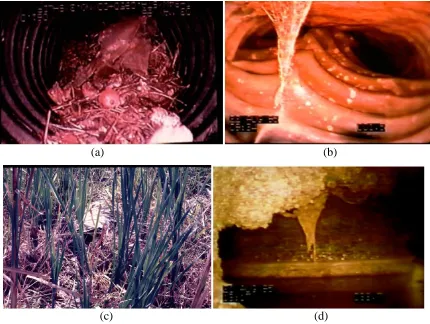
maintenance to SHAs. Some common maintenance problems encountered by SHAs are shown in Figure 8.
According to Baumgardner (2002), the use of headwalls, reference markers, signs on fences, reflector disks in the shoulder, or painted arrows on the shoulder help SHAs greatly in providing maintenance. Even a simple arrow painted on the edge of the shoulder serves as a good reference marker for maintenance personnel. The FHWA also recommends the use of larger headwalls given that it has the following advantages: easier for maintenance personnel to locate the drainage outlet pipe, roadside vegetation is located away from the outlet, reduces erosion at the pipe outlet, and prevents crushing of the outlet pipe during construction and mowing operations (Baumgardner 2002). In summary, Baumgardner’s synthesis study concluded that an SHA should not use permeable bases if it is unwilling to make a maintenance commitment because it will increase the rate of pavement damage.
(a) (b)
[image:34.612.92.522.71.395.2](c) (d)
Figure 8. Common subsurface drainage system maintenance problems encountered by SHAs: (a) rodent nest, (b) crushed pipes during construction, (c) hidden outlet pipe, and
(d) ninety-degree tee (Baumgardner 2002)
Effects of Recycled Concrete Aggregate Base on Concrete Pavement Drainage
with the use of natural aggregates such as gravel and crushed limestone, but with the use of RCA in the base/subbase (Phan 2010, Steffes 1999).
Several studies in the past have focused on investigating the conditions favorable for tufa formation when using RCA and/or slags in concrete pavement subbases, especially considering free lime (CaO) as a chemical component to produce tufa. A study by Narita et al. (1978) suggested that slags containing more than 1 percent CaO were likely to produce tufa. Another study by Gupta and Dollimore (2002) led to the recommendation that the use of RCA should be limited to coarse sizes to prevent the formation of tufa and that the RCA used in base/subbase layers should have a magnesium to calcium (Mg:Ca) ratio lower than 0.6. Bruinsma et al. (1997) reported the residence time of pore water in RCA subbase layers to be critical in controlling the tufa precipitate formation. Previous study findings suggest that tufa deposits are produced primarily from reactions between calcium hydroxide (CH), and other calcium-based compounds in portland cement paste of RCA, and carbon dioxide dissolved in water (Phan 2010).
Based on an extensive review of several field studies conducted in Minnesota, Michigan, and Ohio concerning the effects of RCA on PCC pavement drainage systems, Snyder and Bruinsma (1996) reported the following findings and recommendations:
The use of RCA in PCC base/subbase, irrespective of gradation, produces precipitate. The amount of precipitate appears to be related directly to the quantity of RCA fines (# 4-minus).
Although selective grading (to eliminate fines) or blending with virgin aggregates will reduce the precipitation potential significantly, they will not eliminate it completely.
The potential for accumulation of fine material deposits in and around pavement drainage systems can be reduced by washing the RCA before using it in pavement foundation layers.
The permittivity of typical drainage filter fabrics is reduced significantly by precipitate and insoluble residue accumulations resulting from the use of RCA.
To prevent corrosion of rodent guard screens from the use of RCA, they should be fabricated from plastic or other corrosion-resistant materials.
The use of the calcium ion concentration test (recommended by the Michigan DOT/MDOT) may be a good test to determine the precipitate potential of RCA products.
FORENSIC TESTING AND EVALUATION PROGRAM
A detailed forensic test plan was developed in consultation with the project technical advisory committee (TAC) for inspecting and evaluating the Iowa pavement subdrains. The forensic test plan included site selection for inspection, identification of drainage components among the entire drainage system for evaluation, and the detailed inspection and evaluation methods.
Site Selection for Evaluation
Representative pavement sites across Iowa for forensic testing and evaluation were identified in consultation with the TAC and Iowa district engineers based on the following considerations:
Newer JPCPs and HMA pavements designed and constructed after 1990
Variability of geographic locations
Range of age and traffic
Different pavement thickness
Variability of pavement distress severities
Type of base materials for JPCP (RPCC and virgin aggregate)
A total of 56 sites for new JPCP and 8 sites for new HMA pavements were selected to meet these considerations. Detailed information on the selected sites is included in Appendix B. The
selected sites represent a variety of geographic locations across Iowa as seen in Figure 9.
2
5
35 33 34 17
4 1
6
50 38 36 3
8 7
1 4 5
6
2
32 31 37
19 16 4039
[image:36.612.122.493.420.696.2]Figure 10 presents the average annual daily truck traffic (AADTT) distributions based on year 2011 for selected Iowa pavement sites. As seen in this figure, JPCPs are used with higher AADTT while the majority of HMA-surfaced pavements carry lower AADTT.
(a) (b)
Figure 10. Traffic distribution of selected Iowa pavement sites: (a) JPCP and (b) HMA
Figure 11 presents the construction year distribution for selected Iowa pavement sites. All selected pavement sites were constructed after 1990. More than half the JPCPs sites were constructed before 2000 (about 10 to 20 years of pavement age) and more than half the HMA pavement sites were constructed before 2005 (about 5 to 10 years of pavement age).
(a) (b)
Figure 11. Construction year distribution of selected Iowa pavement sites: (a) JPCP and (b) HMA
Figure 12 illustrates pavement surface thickness distributions for selected Iowa pavement sites and Figure 13 presents pavement condition index (PCI) distributions as pavement performance indicators. These figures indicate that the selected pavement sites covered different pavement structural conditions and different pavement distress severities.
0 5 10 15 20 25 30 Fr equ ency (%) AADTT 0 10 20 30 40 50 60 70
<=1000 <=1250 <=1500 <=1750
Fr equ ency (%) AADTT 0 10 20 30 40 50 60
= 1990 <= 1995 <= 2000 <= 2005 <= 2010
Fr eq u en cy (%) Con. Yr 0 10 20 30 40 50 60
<= 2000 <= 2005 <= 2010
Fr
equ
ency
(%)
(a) (b)
Figure 12. Surface thickness distribution of selected Iowa pavement sites: (a) JPCP and (b) HMA
(a) (b)
Figure 13. Pavement condition index (PCI) distribution of selected Iowa pavement sites: (a) JPCP and (b) HMA
As shown in Figure 14, about 80 percent of the selected JPCP sites utilized RPCC as base materials. As discussed previously, field investigations have revealed concerns regarding the use of RPCC base materials in Iowa concrete pavements leading to poor drainage performance. The forensic test plan was designed to investigate this issue by intentionally selecting many JPCP sites using RPCC base materials. Note that the RPCC/ blended virgin aggregate base material sites in Figure 14 are the two JPCP sections of US 151: S/MP 62.57 to MP 67.57 and N/MP 62.57 to MP 67.48.
0 10 20 30 40 50
<=10 <=11 <=12 <=13
Fr eq u en cy (%)
PCC Thick. (in.)
0 10 20 30 40 50
<= 10 <= 12 <= 14 <= 16
Fr
equency
(%)
HMA Thick. (in.)
0 10 20 30 40 50
<=60 <=70 <=80 <=90 <=100
Fr equ ency (%) PCI (%) 0 10 20 30 40 50
<= 70 <= 75 <= 80
Fr
equ
ency
(%)
Figure 14. Base material distribution of selected Iowa JPCP sites
Description of Field Investigation
Field investigations were conducted on 64 selected (JPCP and HMA) pavement sites during the fall season (October to November) of 2012. Given that the drainage outlet visibly manifests the functionality of the entire drainage system and is related to most subdrainage problems, field investigations were focused on assessment of outlet condition with agreement from the project TAC. At least three drainage outlet spots per selected site representing start, middle, and end were investigated. The consideration for selection of each spot was based on vegetation condition nearby drainage outlet, pavement distress condition, and ease of access at the outlet spot (without traffic control). Note that poor vegetation condition surrounding the drain outlet was considered as evidence of poor drainage performance. Based on the recommendations from the project TAC and district maintenance engineers on problematic drainage sites, investigations were carried out every mile on some sites, such as I-80 in Cedar County and US 151 in Jones County. A total of 371 spots were investigated with respect to the selected JPCP and HMA pavement sites.
Most of the inspection took place on the right of the roadway. The survey crew traveled in a car or a mini-truck with a beacon light and stopped on the shoulder when needed for drainage inspection and the corresponding visual distress survey of pavements. At some spots, as shown in Figure 15, the outlets were covered by dirt, debris, soil, and other vegetation that was
Figure 15. Clearing debris surrounding subsurface drainage outlet in I-35/N/MP140.35
A template drainage inspection report, incorporating the following items, was prepared and used during field inspections:
Location of outlet spot inspected
Types and size of outlet pipe
Condition of outlet opening
Screen present and type
Outlet maker present
Water present and condition (staying/moving) inside drain
Tufa/Dead zone present (Y/N)
Embankment slope condition
Additional observation
RESULTS AND DISCUSSION OF FIELD INVESTIGATIONS
Field investigation results with PMIS pavement distress records were compiled and are included in Appendix B. The findings and results from field investigations are discussed here with
primary focus on subdrainage outlet conditions and pavement distress assessment near subdrainage outlet locations.
Subsurface Drainage Outlet Conditions
Figure 17 compares undamaged and damaged (broken outlet pipeline) subsurface drainage outlets among the ones that were investigated. Less than 20 percent of the investigated JPCP drainage outlets were damaged while less than 10 percent of HMA pavement drainage outlets were broken.
(a) (b)
Figure 17. Undamaged and damaged subsurface drainage outlet in Iowa pavements investigated: (a) JPCP and (b) HMA
Typical drainage outlet conditions observed during field investigation include the following (see Figure 18):
No blockage (open)
Tufa blockage
Sediment blockage
Soil/aggregate blockage
No blockage was reported when the inside outlet pipe was in very clean condition. Tufa blockage was reported when there was build-up of calcium carbonate observed either inside the outlet pipe or near rodent guard screens. Tufa blockage was only observed in JPCP containing RPCC base materials. Sediment blockage was reported when dirty or debris materials were deposited inside the outlet pipe or nearby rodent guard screens. Soil blockage was reported when an end of the outlet was not exposed outside but covered by soil or aggregate.
0 20 40 60 80 100
Undamaged Damaged
Fr
equ
ency
(%)
Outlet
0 20 40 60 80 100
Undamaged Damaged
Fr
equ
ency
(%)
Figure 18. Typical roadway subsurface drainage outlet conditions in Iowa
Figure 19 presents the distributions of these four drainage outlet conditions observed in JPCPs and HMA pavements. About 35 percent of the outlets in JPCPs and 60 percent of outlets in HMA pavements were not blocked by any materials. About 35 percent of outlets in JPCPs were blocked by tufa, about 17 percent were blocked by sediment, and about 14 percent were blocked by soil deposits. However, most of the blocked outlets in HMA pavements were blocked by soil deposits (see Figure 19b). Only 2 percent of outlets in HMA pavements were blocked by
sediment.
No Blockage
(I-35/S/MP 127.90)
Tufa Blockage
(I-80/W/MP 56.72)
Sediment Blockage
(IA-5/E/MP 86.50)
(IA-5/E/MP140.35)
Soil Blockage
20 30 40 50
equ
ency
(%)
40 60 80 100
u
en
cy
Figure 20 presents distributions of drainage outlet conditions with respect to JPCP subbase aggregate material types. As seen in this figure, tufa formation and drain outlet blockage were observed mainly in JPCP with RPCC subbase materials. Few drain outlets with tufa blockage were observed in JPCP with blended RPCC and virgin aggregate subbase materials (10 spots on US 151/S/MP 67.57 to MP 67.57 and 9 spots on US 151/N/MP 62.55 to MP 67.48).
Figure 20. Subsurface drainage outlet conditions distribution with respect to Iowa JPCP subbase aggregate type
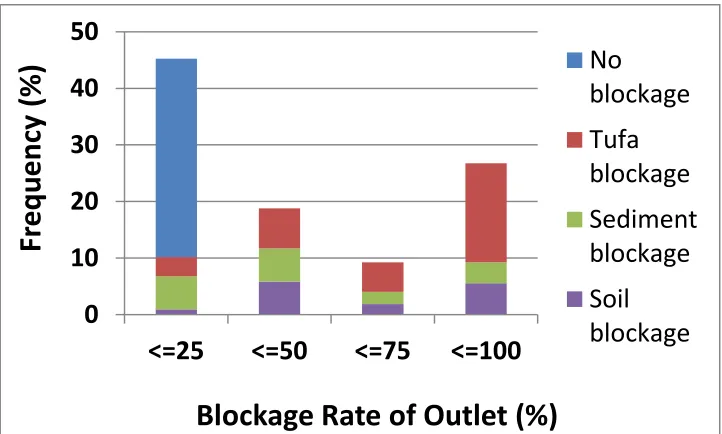
Figure 21 and Figure 22 present blockage rates of drainage outlet conditions in JPCPs and HMA pavements, respectively. As seen in Figure 21, at higher blockage rates, JPCP drain outlets are blocked primarily by tufa rather than soil and sediment. However, irrespective of the blockage rate, the HMA pavement subdrainage outlets are blocked primarily by soil.
0
10
20
30
40
50
60
70
80
90
100
RPCC
Virgin Agg
RPCC/Vigin Agg
Fr
equ
ency
(%)
Figure 21. Blockage rate and type of Iowa JPCP subsurface drainage outlets
Figure 22. Blockage rate and type of Iowa HMA subsurface drainage outlets
Higher outlet blockage rates lead to slower discharge of water. However, higher blockage rates
0
10
20
30
40
50
<=25
<=50
<=75
<=100
Fr
equ
ency
(%)
Blockage Rate of Outlet (%)
No
blockage
Tufa
blockage
Sediment
blockage
Soil
blockage
0
20
40
60
80
100
<= 25
<= 50
<= 75
<= 100
Fr
equ
ency
(%)
Blockage Rate of Outlet (%)
No
blockage
Sediment
blockage
[image:44.612.123.489.324.543.2]Figure 23. Free water flowing under 75 percent blocked subsurface drainage outlet
[image:45.612.78.539.74.283.2]Rodent guards have been used in Iowa pavements to keep mice, rats, and other small rodents from entering subdrains. The two types of rodent guards used in Iowa are mesh screen and fork-shaped ones. Only one drainage spot, as seen in Figure 24, was observed as having rodent evidence.
Figure 24. Rodent evidence inside a subsurface drainage outlet during field investigations
In light of the significant blockage caused by tufa or sediment in many of the investigated drain outlets further complicated by the presence of rodent guards, the question of whether or not we should be using rodent guards has become a moot point. The mesh screen-type rodent guards in some drainage outlets, as shown in Figure 25, is causing clogging with tufa or sediment by filtering the flow of water. Removal of the rodent guards, as shown in Figure 25, often prevents this clogging problem.
Tufa Blockage
Figure 25. Subsurface drainage outlet conditions with/without mesh screen rodent guards
Pavement Distress Assessments near Subsurface Drainage Outlet
Figure 26 presents distributions of pavement surface distress observed on Iowa JPCPs and HMA pavements. More than 90 percent of investigated spots do not have any surface distress on both pavement types. The distress types observed in JPCP are transverse cracking, longitudinal cracking, and corner cracking. The only relevant distress observed for HMA pavement is transverse cracking.
blocked outlets in JPCP and little surface distress was observed on blocked outlets in HMA. Only one blocked outlet spot in HMA (US 61/E/MP173.00) had transverse cracking.
[image:47.612.109.506.116.409.2]JPCP I-80/W/MP 36.05: construction year 2005, AADTT 8,093, PCC thickness 11.5 in.; HMA IA 60/E/MP 41.70: construction year 2006, AADTT 831, HMA thickness 14 in.
Figure 27. No surface distress near blocked subsurface drainage outlet
JPCP I-80/E/MP 10.40: construction year 2003, AADTT 6,825, PCC thickness 12 in.; HMA US 61/E/MP 173.30: construction year 1999, AADTT 1,211, HMA thickness 12 in.
[image:48.612.157.457.444.657.2]Rather than surface distresses, more shoulder distresses (shoulder drop or cracking) as shown in Figure 30 were observed near blocked drainage outlet spots. Note that the opened outlet captured in Figure 30 was newly installed to replace the 100 percent blocked outlet. Figure 31 compares frequency of outlet spots with observed shoulder distress under opened and blocked outlet conditions. More than 10 percent of the blocked drainage outlet spots have shoulder distresses while only 2 percent among opened drainage outlets have shoulder distresses.
[image:49.612.125.488.423.649.2]Figure 30. Shoulder drop/cracking observed on blocked outlet in Iowa JPCP
Figure 31. Outlet spots with shoulder drop/cracking in Iowa JPCP
I-80/W/MP 46.70
No blockage
100% blockage Shoulder drop/cracking
0 5 10 15 20
No Blockage Blockage
Fr
equ
ency
(%)
PERFORMANCE ANALYSIS
[image:50.612.125.487.190.405.2]The PCI from the Iowa DOT PMIS was utilized as a performance indicator of the pavement’s structural integrity and pavement surface condition. The PCI is a numerical index ranging from 0 for a failed pavement to 100 for a pavement in perfect condition. Figure 32 compares PCI of pavements at the opened drainage outlet spots and at the blocked drainage outlet spots for both JPCP and HMA pavement types.
Figure 32. PCI distribution for investigated Iowa pavements with respect to drainage outlet condition
Opened drainage outlet spots in JPCP show a little better performance than blocked drainage outlet spots while both outlet conditions have almost similar influences on HMA performance. However, these comparisons could not explain whether drainage outlet condition can affect pavement performance given that both opened and blocked drainage outlet spots have different traffic, pavement age, and pavement structure, which can all contribute to pavement
performance.
Statistical analysis was conducted on the field data to investigate the effect of drainage on pavement performance further. Linear regression analysis was utilized for this purpose. In