EFFECTIVENESS OF VIRTUAL REALITY THERAPY UPON STRESS AMONG NURSES
BY
J.D. SHEKINAH DORIS
A DISSERTATION SUBMITTED TO THE TAMILNADU DR.M.G.R MEDICAL UNIVERSITY, CHENNAI IN PARTIAL FULFILLMENT OF
THE REQUIREMENTS FOR THE DEGREE OF MASTER OF SCIENCE IN NURSING
EFFECTIVENESS OF VIRTUAL REALITY THERAPY UPON STRESS AMONG NURSES
Approved by the dissertation committee on : _________________________
Research Guide : _________________________
Dr. Latha Venkatesan,
M.Sc (N)., M.Phil (N)., Ph.D (N).,M.B.A.,
Principal cum Professor,
Apollo College of Nursing,
Chennai – 600095.
Clinical Guide : _________________________
Prof. K. Vijayalakshmi,
M.Sc (N), M.A. Psychology, Ph.D.(N).,
HOD Mental Health Nursing Dpt.,
Apollo College of Nursing,
Chennai – 600095.
Medical Guide : _________________________
Dr. K. Raman
MBBS, MD, DFCAP.,
Psychiatric consultant
Apollo Hospitals
Chennai – 600095.
A DISSERTATION SUBMITTED TO THE TAMILNADU DR.M.G.R MEDICAL UNIVERSITY, CHENNAI IN PARTIAL FULFILLMENT OF
THE REQUIREMENTS FOR THE DEGREE OF MASTER OF SCIENCE IN NURSING
DECLARATION
I hereby declare that the present dissertation entitled “A Quasi Experimental
Study to Assess The Effectiveness of Virtual Reality Therapy upon Stress among nurses’’ is the outcome of the original research work undertaken and carried out by
me, under the guidance of Dr. Latha Venkatesan, M.Sc., (N), M.Phil., (N), Ph.D.,
(N), M.B.A., Principal, Apollo College of Nursing and Prof. Vijayalakshmi. K, M.Sc., (N), M.A. Psychology, Ph.D., (N), Head of Mental Health Nursing Department, Apollo College of Nursing, Chennai.
I also declare that the material of this has not found in any way, the basis for
the award of any degree or diploma in this university or any other universities.
i
ACKNOWLEDGEMENT
I thank the God Almighty for being with me and guiding me throughout
my Endeavour and showering his profuse blessings in each and every step to
complete the dissertation.
I proudly and honestly express my sincere gratitude to our esteemed leader
Dr. Latha Venkatesan, M.Sc., (N), and M.Phil. (N), Ph.D.,(N), M.B.A.,
Principal, Apollo college of Nursing for her tremendous help, continuous support,
valuable suggestions and tireless motivation to carry out my study successfully.
I also extend my thanks to Prof. Lizy Sonia.A, M.Sc., (N), Ph.D., (N),
Vice principal and H.O.D of Medical Surgical Department, Apollo College of
Nursing for her unbroken support, elegant direction, throughout my study.
I owe my special thanks to my clinical guide, Research coordinator and the
head of Mental Health Nursing Department Prof. Vijaya Lakshmi.K, M.Sc., (N),
M.A. Psychology, Ph.D., (N) for her valuable suggestions, efficient guidance, tenacious help and profound support throughout the study and the success of this
work is credited to her.
I am thankful to Prof. Nesa Sathya Satchi, M.Sc., (N), Ph.D., (N) course
coordinator and professor, paediatric Nursing Department, Apollo College of
Nursing, for her uninterrupted support, guidance, and encouragement.
I sincerely thank Dr. K. RAMAN, MBBS, MD, DFCAP Psychiatric
Consultant, Apollo Hospital, for giving valuable suggestions and guidance for the
ii
With the special word of reference, I thank all the experts for validating my tool and offering worthy suggestions to make it effective.
A note of thanks to the Librarians at Apollo College of Nursing and The
Tamilnadu Dr. M.G.R. Medical University, for their help in providing needed
reference materials which we required.
I thank all the participants of my study for their wonderful participation and cooperation without whom I could not have completed my study.
My parents Mr. S.J. Dhinagharan and Mrs.Jothi, I don’t think I can find
proper words to express my gratitude towards them. It is their encouragement and
blessings from the beginning of my life that made it possible for me to reach this
stage. Mr. Stanley, Ms.Sheeba, my wonderful brother and sister, thank you for always supporting me.
I am grateful to all my friends and all my classmates for their support in all times of ups and downs, their prayers, their blessings and their help rendered to
iii SYNOPSIS
A Quasi Experimental Study to Assess the Effectiveness of Virtual Reality
Therapy upon Stress among Nurses at Apollo Hospital, Chennai.
Objectives of the study
1. To assess the level of stress in control group & experimental group of
nurses before and after administration of virtual reality therapy.
2. To evaluate the effectiveness of virtual reality therapy by comparing the
level of stress in control group & experimental group of nurses before and
after administration of virtual reality therapy.
3. To determine the level of satisfaction among experimental group of nurses
regarding administration of virtual reality therapy.
4. To find out the association between selected variables and the level of
stress in control and experimental group of nurses before and after
administration of virtual reality therapy.
The Transactional Theory of Stress and Coping developed by Lazarus and
Folk man (1984) was used as the theoretical framework for this study. This model
emphasizes the ongoing and the reciprocal interaction between the person and the
environment (Zedeck, 2009).
A quasi experimental pre test and post test research design was adopted for
conducting this study. The study was conducted at Apollo Hospital, Chennai
(Control and Experimental group). A sample size of 60 nurses who meet the
iv
control group and 30 nurses were taken for experimental group by purposive
sampling technique in same setting.
The data collection tools were validated and the reliability was established
through test-retest and split half technique.
Data was collected using validated tools such as, Demographic Variable
proforma, Cohen et al Perceived Stress Scale and Rating Scale on level of
satisfaction of virtual reality therapy. The validity was obtained from various
experts and reliability was obtained and found to be highly reliable. The main
study was conducted after the pilot study.
The data was collected by using the predetermined and pretested tools
such as demographic variable Performa, perceived stress scale by Cohen et al
1983, and level of satisfaction scale. The data collection was done for the period
of 5 weeks on selected samples.
Study participants gathered in common recreation hall in the hostel block.
Techniques of Virtual Reality Therapy were demonstrated by the researcher and
further practiced by the study participants for a period of 1 week. The study
participants in experimental group was administered VRT for 5-7 minutes each
every day for 2 hours 30 minutes. After 2 weeks Stress was assessed by Cohen et
al Perceived Stress Scale both in control and experimental group. Then the level
of satisfaction regarding virtual reality therapy was assessed using the satisfaction
rating scale on virtual reality therapy. On the whole virtual reality therapy was
v Major Findings of the study
Majority of the nurses were aged between 20-25 years (86.6%) with the
mean age of 23 years in experimental group, were qualified with B.Sc (N)
(66.6%, 86.6%) and had <5 years of experience in control and
experimental group respectively. All of the nurses were females (100%,
100%), significant percentage of the nurses had previous knowledge
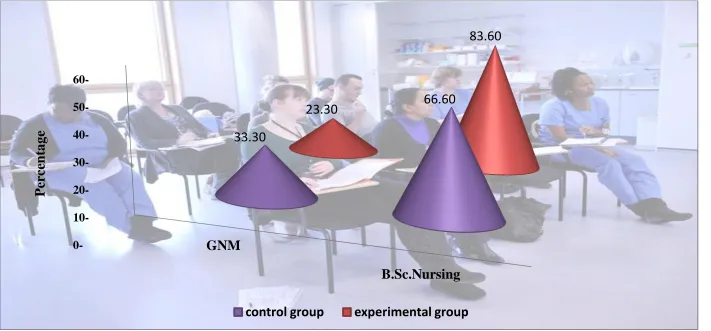
regarding VRT (13.3%, 13.3%) and qualified with GNM (33.3%, 23.3%)
in control and experimental group respectively. More than half of the
nurses were aged between 20-25 yrs (53.3%) in control group.
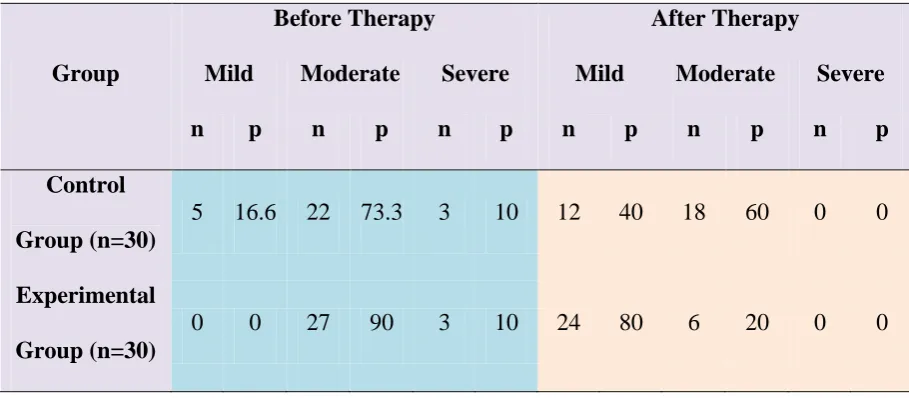
Most of them had moderate stress (73.3%, 90%) in control and
experimental group of nurses in pre test. However in experimental group
after virtual reality therapy significant of them had mild level of stress
(80%) and (20%) moderate level of stress. Whereas in control group most
of them had moderate level of stress (60%) followed by mild level of
stress (40%).
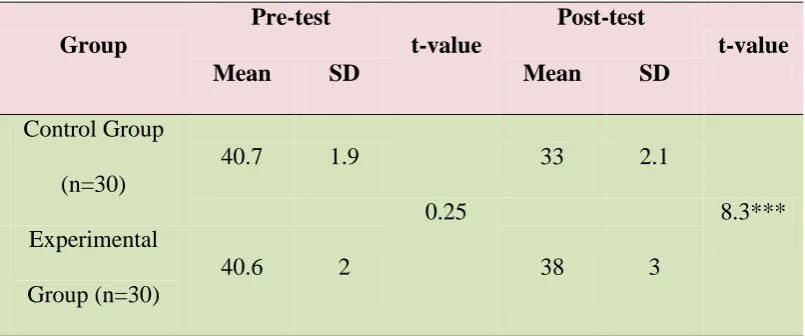
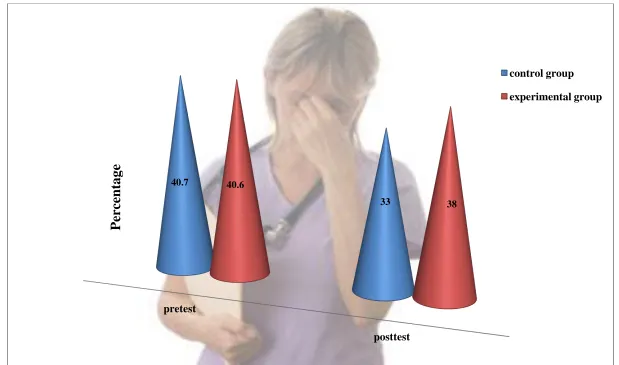
The mean stress score of control group of nurses in pre-test was (M= 40.7,
SD= 1.9) and that of post test (M=33, SD= 2.1) in which the difference is
not statically significant (P>0.05).
In experimental group the mean stress score is lesser in post test than in
pre test (M=38, SD=3) and (M=40.6, SD=2) which is statistically
significant (P<0.001). It can be attributed to the effectiveness of Virtual
reality therapy on reducing stress. Hence the null hypothesis Ho1 is
rejected.
There is significant association between the nurses’ working area (general
vi
Ho2 – There will not be any significant association between selected
variables and level of stress in control group and experimental group of
nurses before and after administration of virtual reality therapy was
rejected, whereas there is no significant association between other
variables like age, gender, professional Qualification, previous knowledge
of VRT and stress. Hence the null hypothesis Ho2 –There will not be any
significant association between the selected demographic variables like
age, gender, professional qualification and previous knowledge and level
of stress in experimental group of nurses before and after administration of
virtual reality therapy was retained.
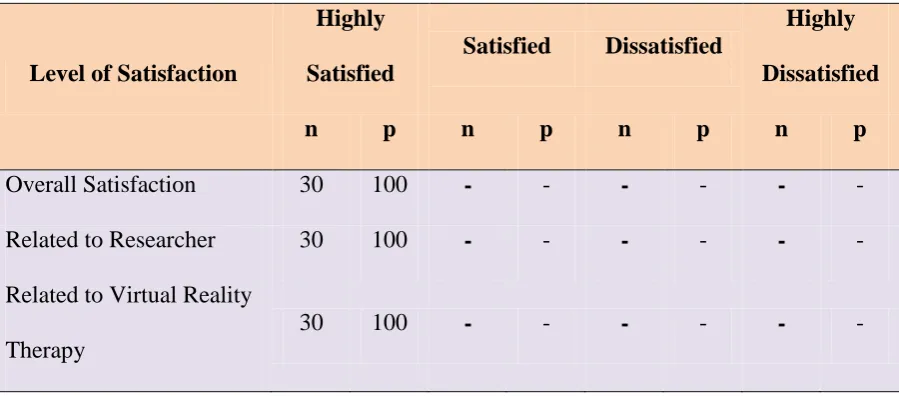
The researcher found that all of nurses were highly satisfied (100%)
regarding the intervention of virtual reality therapy. These findings
indicated that the administration of virtual reality therapy is effective in
reducing the stress level.
Recommendations
The study can be conducted on larger sample to generalize the results.
The study can be conducted among the other health care professionals who
also experience stress.
The study can be conducted in community settings among different
population like menopausal women and old age population.
A comparative study can be conducted to evaluate the effectiveness of
various other interventions to help the nurses in reducing their stress and to
cope up with stress in the day to day life.
A comparative study can be conducted to assess the level of stress among
vii
TABLE OF CONTENTS
Chapter Contents Page No
I INTRODUCTION 1-16
Background of the Study 1
Need for the Study 4
Statement of the Problem 8
Objectives of the Study 9
Operational Definitions 9
Assumptions 10
Null Hypotheses 10
Delimitations 11
Conceptual Framework 11
Projected Outcome 16
Summary 16
Organization of Research Report 16
II REVIEW OF LITERATURE 17-26
Literature related to stress among nurses 17
Literature related to virtual reality therapy 20
Literature related to effectiveness of virtual reality
therapy upon stress among nurses
22
Summary 26
III RESEARCH METHODOOGY 27-39
viii
Research Design 28
Variables 30
Research Settings 31
Population, Sample, Sampling Technique 31
Sampling Criteria 32
Selection and Development of Study Instruments 33
Psychometric Properties of the Instruments 34
Pilot Study 35
Intervention Protocol 36
Ethical Consideration 36
Data Collection Procedure 37
Plan for Data Analysis 39
Summary 39
IV ANALYSIS AND INTERPRETATION 40-53
V DISCUSSION 54-60
VI SUMMARY, CONCLUSION, IMPLICATIONS, RECOMMENDATIONS AND LIMITATIONS
61-67
REFERENCES 68-72
ix
[image:12.595.103.514.94.489.2]LIST OF TABLES
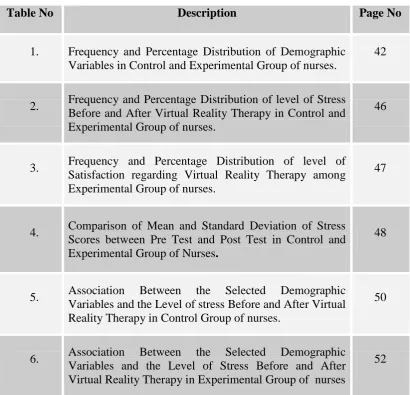
Table No Description Page No
1. Frequency and Percentage Distribution of Demographic
Variables in Control and Experimental Group of nurses.
42
2. Frequency and Percentage Distribution of level of Stress
Before and After Virtual Reality Therapy in Control and Experimental Group of nurses.
46
3. Frequency and Percentage Distribution of level of
Satisfaction regarding Virtual Reality Therapy among Experimental Group of nurses.
47
4. Comparison of Mean and Standard Deviation of Stress
Scores between Pre Test and Post Test in Control and
Experimental Group of Nurses.
48
5. Association Between the Selected Demographic
Variables and the Level of stress Before and After Virtual Reality Therapy in Control Group of nurses.
50
6. Association Between the Selected Demographic
Variables and the Level of Stress Before and After Virtual Reality Therapy in Experimental Group of nurses
x
[image:13.595.103.513.97.405.2]LIST OF FIGURES
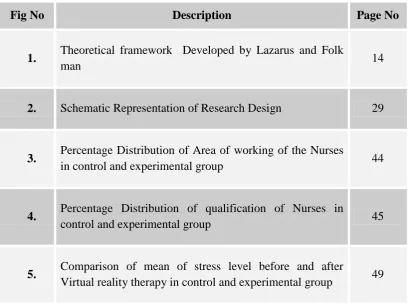
Fig No Description Page No
1. Theoretical framework Developed by Lazarus and Folk
man 14
2. Schematic Representation of Research Design 29
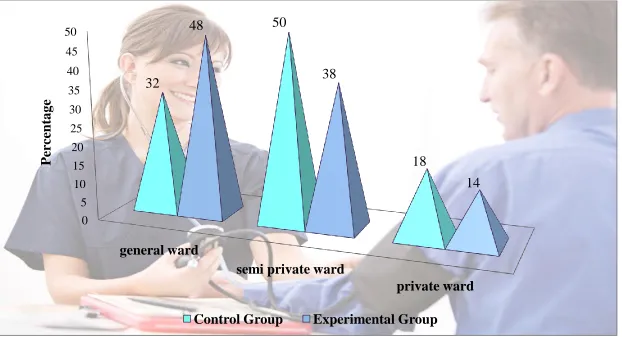
3. Percentage Distribution of Area of working of the Nurses
in control and experimental group 44
4. Percentage Distribution of qualification of Nurses in
control and experimental group 45
5. Comparison of mean of stress level before and after
xi
LIST OF APPENDICES
Appendix Description Page No.
I. Letter Seeking Permission to Conduct the Study xii
II. Ethical Committee Letter xiv
III. Plagiarism Originality Report xvi
IV. Letter Seeking Permission to use Study Tool xvii
V. Letter Seeking Permission for Content Validity xviii
VI. Content Validity Certificate xix
VII. List of Experts for Content Validity xx
VIII. Research Participant Consent Form xxi
IX. Certificate of Virtual Reality Therapy xxii
X. Certificate for English Editing xxiii
XI. Demographic Variable Proforma of Nurses xxiv
XII. Cohen et al Percieved Stress Scale xxv
XIII. Blue Print for level of Satisfaction on Virtual Reality Therapy xxix
XIV. Rating Scale on Level of Satisfaction regarding Virtual Reality Therapy
xxxi
XV. Content of Virtual Reality Therapy xxxii
XVI. Data Code Sheet xl
1 CHAPTER I INTRODUCTION Background of the study
“We don’t know who we are until we see what we can do”
- Martha Grimes
Today mental disorders stand among the leading cause of disease and
disability in the world. One in four (25%) people in the world will be affected by
mental or neurological disease at some point in their lives. Being ‘stress’ as a
universal phenomena reflecting in each aspect of lifecycle, was identified as a
major cause of attrition among all categories of people. Although stress affects the
biophysical and emotional wellbeing of the people, it varies with age, gender,
mental capabilities and environmental conditions.
In psychology, stress is a feeling of strain and pressure. Symptoms may
include a sense of being overwhelmed, feelings of anxiety, overall irritability,
insecurity, nervousness, social withdrawal, loss of appetite, depression, panic
attacks, exhaustion, high or low blood pressure, skin eruptions or
rashes, insomnia, lack of sexual desire (sexual dysfunction), migraine,
gastrointestinal difficulties (constipation or diarrhea), and for women, menstrual
symptoms. It may also cause more serious conditions such as heart problems.
Also, experimental research which has been performed on animals, also displayed
results relating to stress and negative effects on the body. It has been shown that
stress contributes to the initiation and development of specific tumors within the
2
Small amounts of stress may be desired, beneficial, and even healthy.
Positive stress helps improve athletic performance. It also plays factor in
motivation, adaptation, and reaction to the environment. Excessive amounts of
stress however, may lead to many problems in the body that could be harmful.
Three diseases that are influenced by stress are clinical depression, cardiovascular
disease, and human immunodeficiency virus (HIV).
Stress can be external and related to the environment, but may also be
created by internal perceptions that cause an individual to have anxiety or other
negative emotions surrounding a situation, such as pressure, discomfort, etc.,
which they then deem stressful, for example in PTSD.
External factors that by themselves are not threatening or stressful are
deemed such for someone experiencing PTSD. Triggers can be stressful, such as
when a person reports stress when hearing a song on the radio or seeing a type of
object that may remind the person of prior threatening events. Humans experience
stress, or perceive things as threatening, when they do not believe that their
resources for coping with obstacles (stimuli, people, situations, etc.) are enough
for what the circumstances demand. When we think the demands being placed on
us exceed our ability to cope, we then perceive stress. For managing with stress
certain interventions can be used among which Virtual Reality therapy is one of
them.
Virtual reality (VR) is a computer-simulated environment that can
simulate physical presence in places in the real world or imagined worlds. Most
current virtual reality environments are primarily visual experiences, displayed
3
simulations include additional sensory information, such as sound through
speakers or headphones. Some advanced, hepatic systems now include tactile
information, generally known as force feedback in medical, gaming and military
applications.
Virtual reality is an artificial environment created by software and
projected by capturing the user by sensor. The user will be projected in the screen
as a disease free user. There are various games software available in virtual reality
therapy which can be administered on the basis of patient’s condition. Kinetic
adventures compact disc is one of the game which can be administered to the
population of nurses as it helps to reduce the burnout, workload, tension.
Virtual reality is a technique that allows a person to participate actively in
a sense of being present in the virtual environment. It makes physical therapy
interactive for psychological & Medical condition. It replicates real life situation
and plays a vital role in Rehabilitative program for vertigo, tinnitus, vocal injuries,
stress, phobia, headache, dementia, Parkinson’s, Alzheimer’s, and Schizophrenia.
Virtual reality therapy help patients to challenge and correct negative
thinking patterns about certain circumstances that trigger dysfunctional emotional
responses. It helps to stimulate learning by improving the cognitive skills, creative
thinking, and self esteem.
Doctors and therapist often use this process to help the patients face and
overcome fears, phobias and any stressful conditions. All of this can be done in a
monitored, controlled, censored, projector viewed theatre environments, tailored
4
The Virtual reality therapy is one among the relaxation technique which
helps the individual to cope with the stressful situations and the ways to resolve
them. Thus, the health care professionals including nurses must paln for the
strategy such as VRT to reduce the level of stress which in turn, helps the
individual to cope with the hurdles and gain the targeted goals.
Furthermore, virtual reality covers remote communication environments
which provide virtual presence of users with the concepts of telepresence
and telexistence or a virtual artifact (VA) either through the use of standard input
devices such as a keyboard and mouse, or through multimodal devices such as
a wired glove, the Polhemus, and unidirectional treadmills. The simulated
environment can be similar to the real world in order to create a lifelike
experience—for example, in simulations for pilot or combat training—or it can
differ significantly from reality, such as in VR games.
In practice, it is currently very difficult to create a high-fidelity virtual
reality experience, due to large technical limitations on processing power, image
resolution, and communication bandwidth; however, the technology's proponents
hope that such limitations will be overcome as processor, imaging, and data
communication technologies will become more powerful and cost-effective over
time.
Need for the study
Stress has been categorized as an antecedent or stimulus, as a consequence
or response, and as an interaction. Stress is “a particular relationship between the
5
his or her resources and endangering his or her well-being.” Stress is not
inherently deleterious, each individual’s cognitive appraisal, their perceptions and
interpretations, gives meaning to events and determines whether events are
viewed as threatening or positive personality traits also influence the stress
equation because What may be overtaxing to one person may be exhilarating to
another. Work stress in nursing was first assessed in 1960 when Menzies
identified four sources of anxiety among nurses: Patient care, decision-making,
taking responsibility, and change. The nurse’s role has long been regarded as
stress-filled based upon the physical labor, human suffering, work hours, staffing,
and interpersonal relationships that are central to the work nurses do. Since the
mid-1980s, however, nurses’ work stress may be escalating due to the increasing
use of technology, continuing rises in health care costs, and turbulence within the
work environment.
Freudenberger (1974) coined the term “burnout” to describe workers’
reactions to the chronic stress common in occupations involving numerous direct
interactions with people. Burnout is typically conceptualized as a syndrome
characterized by emotional exhaustion, depersonalization, and reduced personal
accomplishment.
Moreover Independent from family life; these domains may even be in
conflict. Stress may result from the combined responsibilities of work, marriage,
and children. The effects of both work and non work stress among nurses have
been studied infrequently. And yet, non work stress may be particularly salient to
nursing, a predominantly female profession. Women continue to juggle multiple
6
may have sole or major responsibility. Nurses predominately being women
experience more stress due to various factors such as shift duty, multiple
responsibilities, shortage of staff, overload etc.
Nevertheless, work stress and burnout remain significant concerns in
nursing, affecting both individuals and organizations. For the individual nurse,
regardless of whether stress is perceived positively or negatively, the
neuroendocrine response yields physiologic reactions that may ultimately
contribute to illness. However there are strategies and psychological intervention
which helps in reducing and coping with stress more effectively. Among this
virtual reality therapy is one of the important intervention and relaxation
techniques which reduce stress.
Stress is simply a reaction to a stimulus that disturbs our physical or
mental equilibrium. Stress has been identified as a 20th century disorder and has been viewed as a dynamic transaction between individuals and their environment.
Personal characteristics and the nature of the environmental events are considered.
Stress as the event that triggers the adaptive physiological and psychological
responses in an individual. The event creates change in life pattern of the
individual, requires significant adjustment in life style, and taxes available
personal resources (Townsend, 2010).
Stress can be regarded as a psychological threat, in which the individual
perceives a situation as a potential threat .Imagination in this sense not been
limited to the acquisition of exact known requirements of a practical necessity is,
up to a certain point, free from objective restraints. The ability to imagine one's
7
understanding. The world as experienced is an interpretation of data arriving from
the senses, as such it is perceived as real by contrast to most thoughts and
imaginings.
All health care professionals are highly stressed due to various reasons.
Among all health care professionals nurses contribute the majority of population.
Globally, more than 70% of hospital staff population is constituted by nursing
professionals.
There are many psychosocial intervention, complementary and relaxation
technique which helps in coping with stress effectively. Among these, virtual
reality is one of the therapy that allows a person to participate actively in a sense
of being present in the virtual environment. Virtual reality has been proposed as a
new way of conducting exposure therapy because it can provide a sense of being
present in a feared situation. This method appears to have several advantages over
standard exposure therapy. First, virtual reality may offer patients a greater sense
of control because they can instantly turn the device on and off or change its level
of intensity. Second, virtual reality would protect patients from harm or social
embarrassment during their practice sessions. Third, it could be implemented
regardless of the patient’s ability to imagine or to remain with prolonged
imaginable exposure.
Virtual reality treatment which refers to immersive, interactive,
multisensory, viewer centered, censored, projector viewed theatre environments
which can be explored and interacted with by a person. Thereby the person feels
relief from his problems by permanently registering the positive effects in brain.
8
fears, phobias and any stressful conditions. However there is paucity of research
in this area especially stress among nurses. Virtual reality procedure is central to
cognitive therapy are cognitive change techniques, sometimes called “Cognitive
restructuring”. These procedures help patients challenge and correct negative
thinking patterns about certain circumstances that trigger dysfunctional emotional
responses. Relaxation training and breathing exercises are often used adjunctively
to cognitive techniques to provide anxious individual with a skill to decrease
symptoms of over arousal. Virtual reality is an artificial environment created by
software and projected by capturing the user by sensor. The user will be projected
in the screen as a disease free user. Successful virtual environments depend on the
smooth integration of Visual Display, Head position sensing, Hand-position
sensing, Force feedback, Sound input and output, Cooperative and competitive
virtual reality. Virtual reality stimulates learning improve goal setting, improve
social skills, reduce stress, improve math skills, improve language skills, improve
creative thought, improve cognitive skills ,improve decision making and improves
self esteem.
However there is paucity of research on virtual reality therapy upon stress
among nurses. Thus, this study is aimed to assess the effectiveness of virtual
reality therapy upon stress among nurses.
Statement of the problem
A Quasi Experimental Study to assess the Effectiveness of Virtual Reality
9
Objectives of the study
1. To assess the level of stress in control group & experimental group of
nurses before and after administration of virtual reality therapy.
2. To evaluate the effectiveness of virtual reality therapy by comparing the
level of stress in control group & experimental group of nurses before and
after administration of virtual reality therapy.
3. To determine the level of satisfaction among experimental group of nurses
regarding administration of virtual reality therapy.
4. To find out the association between selected variables and the level of
stress in control and experimental group of nurses before and after
administration of virtual reality therapy.
Operational definitions
Effectiveness
It refers to the significant reduction in the level of stress after
administration of virtual reality therapy in experimental group as measured by
Cohen et al’s perceived stress scale.
Virtual reality treatment
Virtual reality therapy refers to immerse, interactive, multi sensory, viewer
centered, censored, projector viewed theater environments which can be explored
and interacted by a person. The person becomes a part of this virtual world or is
immersed within this therapeutic environment and whilst, there is possibility to
manipulate objects or perform a series of actions displayed on the screen. Thereby
10
movements by the individual depending upon to the task designed in the reality
therapy. This is given for 5-7 minutes every day for 2 weeks.
Stress
Stress is an individual’s reaction to any change that requires an adjustment
or response, which can be physical, mental, or emotional as measured by Cohen et
al’s perceived stress scale.
Satisfaction
It is a feeling of gratification attained or achieved by the nurses with
Virtual reality therapy as measured by self rating scale developed by the
investigator.
Assumptions
Stress is very common in any individual
Stress is manageable
Nurses may be Stressed due to the work load in hospital
Prolonged Stress leads to poor physiological, psychological disturbance
and social relationship in nurses.
Null hypotheses
Ho1: There will be no significant difference in level of stress in control and experimental group of nurses before and after administration of virtual reality
11
Ho2: There will be no significant association between selected variables and level
of stress in control group and experimental group of nurses before and after
administration of virtual reality therapy.
Delimitations
Study period was limited to 5 weeks only.
Study was restricted to nurses working in Apollo hospital Vanagaram.
Nurses those who not are willing to participate in study.
Conceptual framework of the study
A framework is a group of concepts and set of propositions that spell out
the relationship between them. Their overall purpose is to make scientific findings
meaningful and generalized.
The conceptual framework for a particular study is the abstract, logical
structure that enables the researcher to link the findings to nursing body of
knowledge.
Transactional Theory of Stress and Coping
The Transactional Theory of Stress and Coping developed by Lazarus and
Folkman (1984) was used as the theoretical framework for this study. This model
emphasizes the ongoing and the reciprocal interaction between the person and the
environment (Zedeck, 2009). Based on this theory, stress is not located in the
person or the environment separately, but in the relationship between the
environment, person’s appraisals of the environment, and ongoing attempts to
12
In this theory, two processes identified the interaction between the person
and the environment. In the first process, cognitive appraisal, one evaluates the
relevance and the impact of a particular encounter with the environment to the
well-being of the person. This involves appraisal of potential stressors as
threatening and posing some kind of threat to the individual. Cognitive appraisal
is proposed to play an important role in the coping process. As the environment is
always changing, persons perceive different stressful situations in different
manners and differ their use of coping strategies across stressful situations. This
means that flexible stress appraisal facilitates flexible coping responses (Cheng &
Cheung, 2005).
The second process „coping manages particular external and internal needs
that are evaluated as challenging or exceeding one’s resources by altering
cognitive and behavioral efforts (Lazarus & Folk man, 1984: 141). This involves
the evaluation of coping resources and alternative responses. If a person perceives
that a situation is threatening, but has the capability to cope with it, then distress is
not experienced and this situation is perceived as challenging (Zedeck, 2009).
In the model, coping is seen as a fundamental process on how persons
interact with the environment and is an ongoing, growing process that occurs
within the line of altering persons and situational demands (Cheng & Cheung,
2005). Similarly, Folkman & Moskowitz (2004) has defined coping as the
thoughts and behaviors used by persons to manage both the external and internal
demands of conditions that are evaluated as stressful. Wilhelm (2002) found that
some persons tend to vary their ways of coping in different situations, whereas
13
A distinction is commonly made between problem focused coping, which
seeks to solve the demands of a stressor, and emotion focused coping, which helps
the individual to feel better about the stressor (Cooper et al, 2001). Distress arises
when a person evaluates the demands of a specific situation as about to exceed
available resources and to be a threat his/her well-being, requiring a change in
individual functioning to return balance (Lazarus, 1966).
Fickova (2002) reported that affectivity (positive and negative) determines
which coping strategy to be used at the time of the stressful situation. If emotions
were intensive, they change the nature of the information-processing approach and
hint to the person that something is wrong (Boekaerts, 2002; Klinger, 1996), and
if emotions were of low intensity, they signal that everything is fine (Fredrickson,
2001).
A potentially stressful event will produce the primary appraisal process in
which a person evaluates the extent of threat in relation to his/her wellbeing.
When an event is perceived as threatening or a challenge, the secondary appraisal
process provides a global evaluation of the individual’s coping resources and
ability to manage the threat/challenge. Coping responses start after the cognitive
appraisals and the stress outcomes of this potentially stressful event are based on
the effectiveness of one’s cognitive appraisals and coping processes. The stress
results will then feed back to the cognitive appraisal stages for more actions if
14
Fig. 1: Theoretical Framework by Lazarus and Folk Man Stressors (nursing
work environment)
Primary appraisal
Shall I deal with this event? Am I in trouble?
Is there any benefit now or in the future?
Does it matter to me? > No Stress Incentives Fustress Stressful Secondary appraisal
Anything can be done?
How to deal with it? How to get help?
15
Although the transactional theory can predict individual differences in the
experience and reaction to stress, it cannot predict which aspects of the work
environment will be stressful (Cheng & Cheung, 2005). Figure 1 summarizes how
Transaction Model of Stress and Coping was used in this study.
The transactional theory of stress and coping framework has been chosen
as the most appropriate for this study because of its flexibility (Ross & Altmaier,
1994) and because the psychological enquiry about beliefs, views and practices
related to stress among nurses. In addition to that, the transactional model has
several strengths; it explains coping in steps, underscores the importance of
thinking, perception, and determination of controllability, emphasizes the role of
chronic stressors or daily hassles as being more important than once-in-a-while
life events; tracks into account the interaction between individual and
environment; and has a feedback mechanism in the form of appraisal (Sharma &
Romas, 2012).
Other considered models were criticized seriously, so they were not
adopted in this study. Cannon-Selye tradition was criticized for the concepts that
reactions of individuals to stress are uniform (Lazarus & Folkman, 1984) and for
explaining stress in terms of outcome, which suggests that one is forced to wait
until the outcome to know when stress will happen (Hobfoll, 1989). The
person-environment fit theory has been criticized primarily for lack of conceptualization
of the environment (E) component of fit (Schneider, 2001). The job
demands-control model was criticized for not taking worker’s individual characteristics into
account (Parkes, 1991), and for unclear about the mechanism of coping.
16
Projected Outcome
Thus Virtual reality therapy will be useful to reduce the stress among
nurses. In turn it will help them to deal with their work effectively and also to
cope up with day to day stressors and improve the quality of life.
Summary
This chapter deals with selection of research approach, research setting,
population, sample size, sampling technique, sampling criteria, selection and
development of study instruments, validity and reliability, data collection
procedure and plan for data analysis.
Organization of the Report
Further aspects of the study are presented in the following five chapters.
In Chapter II : Review of literature
In Chapter III : Research methodology which includes research approach, design, setting, population, sample, sampling techniques,
tool description, content validity and reliability of tools,
pilot study, data collection procedure and plan for data
analysis.
In Chapter IV : Analysis and interpretation of data
In Chapter V : Discussion
In Chapter VI : Summary, conclusion, implications, recommendations and limitations.
17 CHAPTER II
REVIEW OF LITERATURE
Review of literature is a key step in the research process. The typical
purpose of analyzing a review of existing literature is to generate questions and to
identify what is known and what is unknown about the topic. The major goals of
review of literature are to develop a strong knowledge base to carry out research
and non research scholarly activity.
The review of literature is presented under the following headings.
Literature related to Stress among Nurses
Literature related to Virtual Reality Therapy
Literature related to Effectiveness of Virtual Reality Therapy upon Stress
Literature related to Stress among Nurses
A study was conducted by Yoder et al in 1999 “to determine whether the
personality trait of hardiness is a predictor of burnout” Forty-nine registered
nurses working in 7 special care units completed the Tedium Burnout Scale, the
Nursing Stress Scale, and the Hardiness Test. Results indicate that burnout, stress,
and hardiness had a significant relationship (P < .001). Hierarchical multiple
regression analysis indicated that hardiness alone accounted for 35% of burnout
variance (P < 0.05) and that the addition of stress had no effect. However, in this
study, nurses from the Burn Intensive Care Unit had the highest burnout and stress
scores and the lowest hardiness scores of nurses from the 7 units. This study
confirms findings by a previous study that hardiness is a predictor of burnout but
18
Van. et. al., conducted (2006) a study in 2006 to assess stress and burnout
among nurses in a multispecialty hospital. High stress and staff turnover in a
multispecialty pediatric area. Fifty-four percent (n = 14) of the pediatric nurses
completed a questionnaire booklet that included demographic data, the Burnout
Inventory. Results indicated levels of burnout and distress comparable with larger
studies. Conflict with doctors was the major source of stress, followed by
workload, inadequate preparation in dealing with the emotional needs of patients
and their families and death and dying. Conflict with doctors has not previously
been identified as the major source of stress. However, workload and death and
dying are commonly identified as sources in the literature. Suggestions for further
research and the low response rate are discussed.
In 2005 John. et. al., conducted a study to evaluate the professional
burnout among multispecialty hospital nurses, a study sample consisted of 227
nurses from general medical, neurological and psychiatric hospital wards. A set of 3 questionnaires was used, including Maslach Burnout Inventory (MBI), Coping
Inventory for Stressful Situations (CISS) and Subjectively Perceived Stress (SPS).
Average and high level of burnout in the emotional exhaustion (EE),
depersonalization (D) and personal accomplishment (PA) was present at 71%,
39.8% and 77% of nurses respectively. A significantly higher level of burnout was
noted in the subgroup of general medical nurses. The level of stress influences the
professional burnout among nurses. There is diversity in the level of burnout
depending on the specialization at work, which is not accompanied by a similar
19
A study was conducted by Admi. et. al., (1999) to assess mental health and
stress coping among specialty hospital nurses. A self-administrated questionnaire
including questions on nursing work, the General Health Questionnaire (GHQ) as
well as the Stress and Stress Coping questionnaire (SSCQ) was used. The subjects
of this study were 225 female nurses. The results obtained were as follows, either
of the following determinants was related to negative mental health: experience of
1-2 years; working in the operating room or in-patient department. 2) The subjects
whose working experience was < 5 years or > or = 10 years had higher scores in
the SSCQ. These findings suggest that because working conditions have a
negative influence on mental health, educational system for both inexperienced
and experienced nurses is needed to develop an effective stress-coping style in
medical institutions.
Hwang. et. al., (2004) conducted a study to identify the factors influencing
Symptoms of Stress among hospital staff nurses. Data was collected by
questionnaires from 249 hospital staff nurses in three multi specialty Hospital. The
score of the symptoms of stress showed a significantly positive correlation with
the score of work stress (r=.22, p=.00). The most powerful predictor of symptoms
of stress was social support and the variance explained was 16%. A combination
of social support, ways of coping, and work stress account for 32% of the variance
in symptoms of stress among hospital staff nurses. This study suggests that social
support, ways of coping, self efficacy, hardiness, and work stress are significantly
20 Literature related to Virtual Reality Therapy
Daniela (2012) conducted a study to find out the relationship between
interactive media and stress has gained wide interest in the mental health area.
This study found that interactive experiences helped people manage their stress.
By combining different techniques, which may produce more significant
outcomes than single-strategy programs, a stress management protocol was
developed to increase self-awareness, to control and relax oneself, induce positive
emotions, and substitute negative emotions. Stress management protocol was
tested in a controlled study comparing three interactive experiences (virtual reality
[VR], video, and audio). Results showed the efficacy of all three interactive
experiences in inducing positive emotions and integrating different approaches to
manage stress. In particular, VR showed better improvements related to the
psycho-physiological changes.
Mahajan (2012) conducted a study to assess the effectiveness of Virtual
reality exposure therapy for PTSD (Post traumatic Stress disorders) in returning
war fighters. This study was a randomized controlled clinical trial designed to
assess the effectiveness of a novel intervention to treat combat-related PTSD in
returning Operation Iraqi Freedom (OIF) and Operation Enduring Freedom (OEF)
war fighters. A cognitive behavior treatment approach augmented with virtual
reality exposure therapy (VRE) was developed, and administered for 10 treatment
sessions over 5 weeks. Comparisons with a control group receiving minimal
attention (MA) for 5 weeks revealed that the VRE group had significant
reductions in the avoidance/numbing symptoms on the Clinician Administered
PTSD Scale (CAPS). The VRE group also had significant reductions in guilt at
21
A study was conducted by Malloy in 2010 to assess the effectiveness of
virtual reality distraction for pain reduction: a systematic review. Virtual reality
technology enables people to become immersed in a computer-simulated,
three-dimensional environment. This article provides a comprehensive review of
controlled research on the effectiveness of virtual reality (VR) distraction for
reducing pain. To be included in the review, studies were required to use a
between-subjects or mixed model design in which Virtual reality distraction was
compared with a control condition or an alternative intervention in relieving pain.
An exhaustive search identified 11 studies satisfying these criteria. Virtual reality
distraction was shown to be effective for reducing experimental pain, as well as
the discomfort associated with burn injury care. Studies of needle-related pain
provided less consistent findings. Use of more sophisticated virtual reality
technology capable of fully immersing the individual in a virtual environment was
associated with greater relief. Overall, controlled research suggests that VR
distraction may be a useful tool for clinicians who work with a variety of pain
problems.
Robillard (2003) conducted a comparative study of reactions of phobic and
non phobic participants in therapeutic virtual environments derived from
computer games. In this study, inexpensive and readily adaptable PC computer
games were used to provide exposure therapy to 13 phobic participants and 13
non-phobic control participants. It was found that anxiety could be induced in
phobic participants by exposing them to photogenic stimuli in therapeutic virtual
environments derived from computer games (TVEDG). Assessments were made
of the impact of simulator sickness and of sense of presence on the photogenic
22
and the results indicate that simulator sickness had no significant impact on either
anxiety or sense of presence. Group differences, correlations, and regression
analyses indicate a synergistic relationship between presence and anxiety. These
results do not support Slater's contention that presence and emotion are
orthogonal.
North (2003) conducted a study on virtual reality therapy in aid of senior
citizens psychological disorders. The treatment for senior citizens suffering from
psychological disorders seems to be different from therapeutic procedures used for
other populations. The fear of flying treatment was chosen for this study. The
subject of the study was a 62-year-old married female, whose anxiety and
avoidance behavior was interfering with her normal activities. While under the
virtual reality treatment, the subject experienced a number of physical and
emotional anxiety-related symptoms. These symptoms included sweaty palms,
loss of balance, weakness in the knees, etc. In this study, the virtual reality
treatment caused a significant reduction in the anxiety symptoms in the subject
and enhanced her ability to face phobic situations in the real world. Since
termination of the treatment, she has taken several flights to professional
conferences and reported feeling more comfortable and has fewer symptoms than
those experienced prior to the VRT treatment.
Literature related to Effectiveness of Virtual Reality Therapy upon Stress
Powers (2013) conducted a study to assess the effectiveness of virtual
reality technology upon patients with stress. The operator is limited to
pre-programmed avatars that cannot be controlled to interact and converse with the
23
the avatar (including speaking) during VR conversations. Using an incomplete
repeated measures (VR vs. in vivo conversation) design and random starting order
with rotation counterbalancing, participants (N = 26) provided ratings of stress
and presence during both VR and in vivo conversations. Results showed that VR
conversation successfully elevated stress ratings relative to baseline (d = 2.29).
Participants also rated their stress higher during VR conversation than during in
vivo conversation (d = 0.85). However, in vivo conversation was rated as more
realistic than VR conversation (d = 0.74). No participants dropped out and 100%
completed both VR and in vivo conversations. Overall, the data suggest that the
novel technology allowing real time interaction/conversation in VR may prove
useful for the treatment of social anxiety in future studies.
Christopher (2007) conducted a study on virtual reality exposure therapy
and standard (in vivo) exposure therapy in the treatment of fear and stress during
flying. This controlled clinical trial tested virtual reality exposure therapy for the
fear and stress of flying, a relatively new and innovative way to do exposure
therapy, and compared it to standard (in vivo) exposure therapy and a wait list
control with a 6- and 12-month follow-up. Twenty-three wait list participants
completed randomly assigned treatment following the waiting period. Treatment
consisted of 4 sessions of anxiety management training followed either by
exposure to a virtual airplane or an actual airplane at the airport conducted over 6
weeks. Results indicate that virtual exposure therapy was superior to wait list on
all measures, including willingness to fly on the post treatment flight (76% for
24
Alsina (2007) conducted a study on validity of virtual reality as a method
of exposure in the treatment of test stress. Twenty-one students agreed to take
part, 11 with high test stress and 10 with low test stress. The virtual environments
were prepared in chronological order: the student’s home, then the metro, and
finally the corridor and lecture hall where the examination takes place. The results
showed that the high-test-stress group presented higher levels of stress and
depression than the low-test-anxiety group during exposure to the virtual
environments. This study shows that virtual reality is able to provoke emotional
responses in students with high test stress.
Jaye (2006) conducted a study on efficacy of virtual reality exposure
therapy to treat driving phobia. A comprehensive search of the literature identified
13 studies that were included in the final analyses. Consistent with prediction the
primary random effects analysis showed a large mean effect size for VRET
compared to control conditions, Cohen's d = 1.1. This finding was consistent
across secondary outcome categories as well. Also as expected in vivo treatment
was not significantly more effective than VRET.
Anderson (2005) conducted a study on cognitive behavioral therapy for
public speaking anxiety and stress using virtual reality for exposure. This study
used an open clinical trial to test a cognitive-behavioral treatment for
public-speaking anxiety and stress that utilized virtual reality as a tool for exposure
therapy. Treatment was completed by participants meeting the Diagnostic and
Statistical Manual of Mental Disorders DSM-IV criteria for social phobia, or
panic disorder with agoraphobia in which public speaking was the predominantly
25
including four sessions of anxiety and stress management training and four
sessions of exposure therapy using a virtual audience, according to a standardized
treatment manual. Participants completed standardized self-report questionnaires
assessing public-speaking anxiety and stress at pre-treatment, post-treatment, and
3-month follow-up. Results showed decreases on all self-report measures of
public-speaking anxiety and stress from pre- to post-treatment, which were
maintained at follow-up.
Schneider (2004) conducted a cross over study to explore the use of virtual
reality as a distraction intervention to relieve symptom distress in women
receiving chemotherapy for breast cancer. The study was conducted in the
outpatient clinic of Midwestern comprehensive cancer center. This study was
conducted in 20 women of 18-55 years of age. Using a crossover design, 20
subjects served as their own controls. For two matched chemotherapy treatments,
one pretest and two post-test measures were employed and randomly assigned to
receive the virtual reality distraction intervention during one chemotherapy
treatment and received no distraction intervention (control condition) during an
alternate chemotherapy treatment. Finding shows that significant decreases in
symptom distress and fatigue occurred immediately following chemotherapy
treatments when women used the virtual reality intervention.
Schneider (2003) conducted a study to examine the effects of a virtual
reality distraction intervention on chemotherapy-related symptom distress levels
in 16 women aged 50 and older. A cross-over design was used with a
head-mounted display (Sony PC Glasstron PLM - S700) encompassing images and
26
Scale (SDS), Revised Piper Fatigue Scale (PFS), and the State Anxiety Inventory
(SAI) were used to measure symptom distress. Participants were randomly
assigned to receive the VR distraction intervention during one chemotherapy
treatment and received no distraction intervention (control condition) during an
alternate chemotherapy treatment. Analysis using paired t-tests demonstrated a
significant decrease in the SAI (p = 0.10) scores immediately following
chemotherapy treatments when participants used VR. Evaluation of the
intervention indicated that women thought the head mounted device was easy to
use, they experienced no cyber sickness, and 100% would use VR again.
Summary
This chapter has dealt with review of literature related to the problem
stated. It has helped the researcher to understand the impact of problem under
study. It has also enabled the investigator to design the study, develop the tool,
and plan the data collection procedure and to analyze the data. The literatures
presented here were extracted from eighteen primary and twelve secondary
sources.
27 CHAPTER III
RESEARCH METHODOLOGY
The methodology of research study is defined as the way the information
is gathered in order to answer the research question or to analyze the research
problem.
This study was conducted to assess the effectiveness of virtual reality
therapy upon stress among nurses in Apollo hospital, Chennai. This chapter deals
in brief on different steps undertaken by the investigator for the study. It involves
research approach, the setting, population, sample, sampling technique, selection
of tool, content validity, reliability, pilot study, data collection procedure and plan
for data analysis.
Research Approach
Research approach is the most significant part of any research. An quasi
experimental research is an extremely applied form of research and involves
finding out how well of a program and practice of policy are working. (Polit and
Beck, 2012)
Its goal is to assess or evaluate the success of the program. To accomplish
the objectives of this study, an experimental approach is considered most
appropriate as the researcher wanted to assess the effectiveness of virtual reality
28
Research design
A research design incorporates the most important methodological design
that researcher work in conducting a research study (Polit and Beck, 2012).
A quasi experimental pre test and post test research design was adopted for
conducting this study.
O1 - O1
O1 X O2
O1 - Pre test of control and experimental group of nurses to assess the level of
stress
X - Virtual reality therapy.
O2 - Post test of control and experimental group of nurses to assess the level of
stress
This intervention is made by the appropriate movements by the individual
depending upon to the task designed in the reality therapy. This is given for 5-7
29
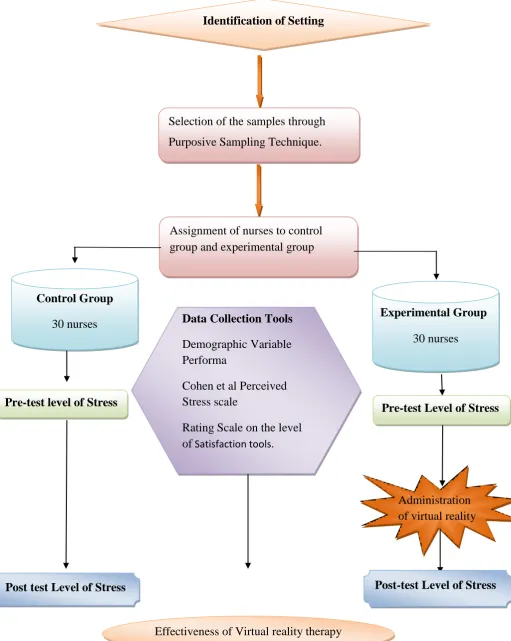
Fig.2 Schematic Representation of the Research Design Identification of Setting
Selection of the samples through
Purposive Sampling Technique.
Assignment of nurses to control group and experimental group
Control Group
30 nurses
Experimental Group
30 nurses
Data Collection Tools
Demographic Variable Performa
Cohen et al Perceived Stress scale
Rating Scale on the level of Satisfaction tools.
Rating Scale on
the level of Satisfaction tools.
Pre-test level of Stress
Pre-test Level of Stress
Administration of virtual reality therapy
Post-test Level of Stress Post test Level of Stress
30 Variables
Variable is an attribute that varies, that is takes on different values (Polit
and Beck, 2012).
Dependent variable
The variable hypothesized to be caused by another variable. In this study
dependent variable is Stress.
Independent variable
The variable hypothesized to the outcome variable of interest. In this study
independent variable is virtual reality therapy. Virtual reality therapy is the
simulation of physical presence in the real or imaginary world. The virtual reality
therapy is often used to help patients face and overcome stress, fear and phobias.
This can be done in a monitored, controlled, censored, projector viewed theater
environment, tailored to the needs of each individual patient. It permanently
registers positive effects in the brain.
Attribute variables
A variable that confounds the relationship between the independent and
dependent variables that needs to be controlled either in the research design or
through statistical procedures (Polit and Beck, 2012).
Demographic variable such as age, gender, experience, were the attribute
31
Research setting
According to Polit and Beck (2012), setting is the physical location and
condition in which data collection takes place in a study.
The experimental group was selected from nurses working in Apollo
Specialty Hospital, which is located at Vanagaram in Chennai, 20km away from
central railway station. It is an unit of Apollo Hospital with bed strength of 350,
there are 80 nurses working on 3 shifts.
The control group was also selected from Apollo Specialty Hospital. The
setting was chosen on feasibility in terms of availability and accessibility of
adequate samples.
Population
Polit and Beck (2012) stated that the population is the entire aggregation of
cases which meet designed set criteria. In this study, the target population
comprises of nurses.
Target population
The Target population is the group of population that the researcher aims
to study and to whom the study findings will be generalized. In this study target
population comprises of all nurses who satisfy the inclusion criteria.
Accessible population
The Accessible population is the list of population that the researcher finds
in the study area. The accessible population in this study was the nurses who
32 Sample
Polit and Beck (2012) stated that Sample consists of the subset of the units that
comprises the population. A sample consists of nurses who met the inclusion
criteria in selected hospitals at Chennai.
Sample size
A sample size of 60 Nurses who met the inclusion criteria was chosen for
this study, in that 30 were taken for control group and 30 were for experimental
group.
Sampling technique
It was stated by Polit and Beck (2012) that sampling referred to the
process of selecting a portion of the population to represent the entire population.
Sixty nurses were selected from Apollo specialty Hospital by purposive sampling
technique. Among them 30 of them were selected for control group and 30 for
experimental group conveniently.
Sampling Criteria Inclusion criteria
Working in Apollo hospital
Available at the time of data collection
Exclusion criteria
Male nurses
33 Selection & development of study instruments
The data collection instruments were developed through an extensive
review of literature in consultation with experts and with the opinion of faculty
members. The instruments used in this study were following;
Demographic Variables Performa
Cohen et al Perceived stress scale
Rating Scale on level of satisfaction of virtual reality therapy
Demographic variable Performa of nurses
Demographic variable Performa consists of age, Gender, total years of
experience, professional qualification, working area, place of study.
Cohen et al Perceived stress scale
The perceived stress scale is the most widely used psychological
instrument for measuring the perceived of stress. It is standardized tool developed
by Cohen et al (1983). The instrument has 14 items on stress. There are about 7
positive and 7 negative statements. It is a 5 point rating scale with responses
ranging from 0-4. Each positive statement was scored as 0-4 and each negative
statement was scored as 4-0. The total score of perceived stress scale was 56.
(Cohen et al 1983).
Negative statements items no: 1, 2, 3, 8, 11, 12 and 14.
Positive statements items no: 4, 5, 6, 7, 9, 10 and 13.
Obtained score is interpreted as follows,
34
Score Percentage Level of stress
≤ 27 <50% Mild
28-41 50-75% Moderate
>41 > 75% Severe
Rating scale to assess the level of satisfaction on Virtual Reality Therapy
This is developed by the investigator based on the objectives of the study.
Rating scale consists of 12 items (4 point rating scale) regarding virtual reality
therapy. Responses extend from highly satisfied, satisfied, dissatisfied, and highly
dissatisfied. Thus the total obtainable score is 0-48. Then the total score is
obtained and the obtained score is converted into percentage and interpreted as
follows,
Score Percentage Level of satisfaction
37-48 76-100% Highly Satisfied
25-36 51-75 Satisfied
13-24 25-50 Dissatisfied
1-12 <25% Highly Dissatisfied
Psychometric Properties of the Study Instruments
Validity
Content validity is the degree to which an instrument measures what it is
supposed to measure. Content validity is the sampling adequacy of the content
being measured (Polit and Beck, 2012).
The perceived stress scale is the most widely used psychological