BOWEL PATTERN IN GENERAL POPULATION AND IN
IRRITABLE BOWEL SYNDROME
Dissertation submitted for
DM BRANCH IV
MEDICAL GASTROENTEROLOGY
THE TAMILNADU DR. MGR MEDICAL UNIVERSITY CHENNAI
CERTIFICATE
This is to certify that this dissertation on
“Bowel Pattern in General Population and in
Irritable Bowel Syndrome ”
is a bonafide work done by Dr. N. RAJESH under my guidance and supervision, appearing for D.M. Branch IV Medical Gastroenterology in February 2006.PROF. Dr. V. JAYANTHI, M.D., D.M., PROF. Dr. T. RAVEENDRAN M.D.,D.T.C.D.
Head of Department of DEAN
Medical Gastroenterology, Govt. Stanley Medical College Govt. Stanley Medical College & Hospital, & Hospital,
Chennai - 600 001. Chennai – 600 001.
DECLARATION
I, Dr.N. Rajesh, solemnly declare that the dissertation titled “Bowel Pattern in General Population and in Irritable Bowel Syndrome ”was done by me at Govt. Stanley Medical College & Hospital during the academic year 2003 – 2006 under the guidance and supervision of my chief, Prof. V. JAYANTHI. M.D., D.M.
This dissertation is submitted to the Tamil Nadu Dr. M. G. R. Medical University towards the partial fulfilment of requirement for the award of D.M. Degree Branch IV in Medical Gastroenterology.
Place :
ACKNOWLEDGEMENT
I owe my thanks to the Dean, Govt. Stanley Medical College and Hospital, Dr.T. Raveendran M.D.,D.T.C.D. for allowing me to avail the facilities needed for my dissertation work.
I express my sincere gratitude to my Prof. V. JAYANTHI, M.D.,D.M., Head of the Department of Medical Gastroenterology, Govt. Stanley Medical College & Hospital, Chennai for her valuable guidance, constant support, supervision, co-operation and help in every stage of the study which has made this dissertation work possible.
My sincere thanks to Dr. A. MURALI M.D.,D.M., Asst. Professor, Department of Medical Gastroenterology, Govt. Stanley Medical College & Hospital, Chennai for his valuable guidance.
I am thankful to Dr. T. RAJKUMAR SOLOMON M.D.,D.M., Asst. Professor, Department of Medical Gastroenterology, Govt. Stanley Medical College & Hospital, Chennai for his valuable support.
I am grateful to Dr. M. S. REVATHI M.D.,D.M., Asst. Professor, Department of Medical Gastroenterology, Govt. Stanley Medical College & Hospital, Chennai 600 001 for her assistance and support.
I express my thanks to Mr.A. Vengatesan M.Sc., P.G.D.C.A., C.C.E
Lecturer in Statistics for helping me in Statistical Analysis.
CONTENTS
No.
Topic
Page No.
1.
Introduction
1
2.
Literature Review
8
3.
Aim of the study 23
4.
Material and Methods
24
5.
Results
28
6.
Discussion
42
7.
Summary
48
Bowel Pattern in General Population and in Irritable Bowel
Syndrome
INTRODUCTION
Normal bowel habits vary considerably from person to person. Anything from 3 times a day to 3 times a week can be quite normal. The colon and rectum plays an important role in regulating the bowel frequency, its movement and in maintaining its consistency.
Normal Physiology
The colon receives approximately 1.5 liters of fluid each day. The normal fluid volume of stool is about 100 ml. The ascending and transverse colon serves as a site for storage and fluid and electrolyte absorption. The descending and sigmoid colon functions as a conduit. Faeces empty rapidly from the cecum and ascending colon and are retained for several hours in the transverse colon. The descending colon propels material into the rectum, where it is stored prior to defecation. Following a meal and after awakening, high amplitude contractions propagate from the proximal to distal sigmoid colon, pushing the stool mass into the rectum. Normal transit from the cecum to the rectum using radio opaque markers varies from 24 to 100 hours in different population
sensitive anoderm lining of the external anal canal. This leads to an urge to defecate. If convenient, toileting proceeds by assuming a squatting position, which straightens the anal canal, and then a Valsalva maneuver is performed which increases intraabdominal pressure, and defecation proceeds, evacuating the rectum. Alternatively, the external anal sphincter and gluteal muscles can be contracted voluntarily, ejecting the fecal mass out of the rectal ampulla back into the rectal vault. The urge to defecate subsides until the rectum again becomes distended (Fig 1 & 2).
Functional bowel disorders
These are disorders that can affect the entire digestive tract from the mouth to the anus. A functional bowel disorder (FBD) is a functional gastrointestinal disorder with symptoms attributable to the mid or lower gastro-intestinal tract, without significant infectious, metabolic or anatomical abnormalities. These include the irritable bowel syndrome (IBS), functional constipation, functional diarrhoea and functional abdominal bloating.
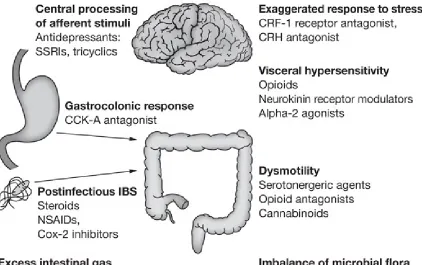
1. Irritable Bowel Syndrome: This comprises of a group of functional bowel disorders in which abdominal discomfort or pain is associated with defecation or a change in the bowel habit, and with features of disordered defecation. The cause of IBS is unknown. Emotional factors, diet, drugs, or hormones may precipitate or aggravate heightened GI motility.
Figure 3. Multicomponent Model of Irritable Bowel Syndrome
In IBS, the circular and longitudinal muscles of the small bowel and sigmoid are particularly susceptible to motor abnormalities. The proximal small bowel appears to be hyper-reactive to food or parasympathomimetic drugs. Small bowel transit is variable in patients with IBS, and changes in bowel transit time often do not correlate with symptoms. Intra luminal pressure studies of the sigmoid colon show that functional constipation can occur when haustral segmentation becomes hyper-reactive (i.e. increased frequency and amplitude of contractions); in contrast, diarrhoea is associated with diminished motor function. Excess mucus production, which often occurs in IBS, is not related to mucosal injury. Its cause is unclear, but it may be related to cholinergic hyperactivity.
Hypersensitivity to normal amounts of intra-luminal distention exists, as does a heightened perception of pain in the presence of normal quantity and quality of intestinal gas. The pain of IBS seems to be caused by abnormally strong contraction of the intestinal smooth muscle or by increased sensitivity of the intestine to distention. Hypersensitivity to the hormones gastrin and cholecystokinin may also be present. However, hormonal fluctuations do not correlate with clinical symptoms. The caloric density of food intake may increase the magnitude and frequency of myoelectrical activity and gastric motility. Fat ingestion may cause a delayed peak of motor activity, which can be exaggerated in IBS. The first few days of menstruation can lead to transiently elevated prostaglandin E2, resulting in increased pain and diarrhoea and is not caused by estrogen or progesterone.
Diarrhoea predominant IBS: Usual frequency of stool is more than three times per day, or usual form of stool is loose and not hard, or subjects frequently feel a sense of urgency but do not feel the need to strain to defecate.
Constipation predominant IBS: Usual frequency of stool is less than three times per week, or usual form of stool is hard and not loose, or subjects frequently feel a sense of need to strain to defecate but do not feel the sense of urgency.
[image:11.612.64.486.427.692.2]Non-specific IBS: These include individuals who do not fulfill the previous 2 categories: i.e. criteria for Diarrhoea Predominant or Constipation PredominantIBS.
.
2. Functional constipation comprises a group of functional disorders, which presents as persistent difficult, infrequent or seemingly incomplete defecation. There is an overlap between IBS - Constipation type and functional constipation. The pain component, which is predominant in IBS, is absent here.
3. Functional diarrhoea is continuous or recurrent passage of loose (mushy) or watery
stools without abdominal pain. There is once again an overlap between IBS - Diarrhoea type and functional Diarrhoea.
Literature review
EpidemiologyNormal bowel habits vary considerably from person to person. There are very reports on the normal bowel frequency from India; population based studies are fewer. Most of the studies are from west. In study
by Abraham et al 1from Mumbai, based on a questionnaire survey conducted among the patient’s relatives, the normal median bowel frequency in healthy Indian adults was 2 per day. In another study from southern part of Tamilnadu in the city of Coimbatore, the average bowel frequency was once a day.2
Prevalence United States
Several criteria have been designed to define IBS. Depending on the criteria used, worldwide, IBS has been reported in 17-22% of the healthy population, 3-5 chronic constipation in 3-17% 5,6and chronic diarrhoea in
2-18%.5,6 A population-based prevalence in USA estimates IBS prevalence to range from 10% to 15%. 5,6
Approximately 12% of these patients are seen in the primary care setting and in 28% of patients seeking subspecialty gastroenterology care.6 Although IBS affects both sexes, it is largely considered a women's health
issue. Epidemiological data 3,7 suggests that the female : male ratio of IBS sufferers in the community is 2-3:1,
although estimates differ depending on the practice setting from which such assessments are generated. Generally, two thirds of IBS sufferers in North America who seek medical care are women. 5 Although the
minority (25%) of individuals with typical symptoms of the disorder actually does seek medical care, the high prevalence of IBS translates into a sizeable absolute number of patients.5 Recent reports estimate, physician
To examine the prevalence of gastrointestinal symptoms, Tutega and colleagues9 reviewed 1069
employees of an integrated healthcare system in Salt Lake City, Utah, 623 of whom responded to a validated questionnaire. They found a striking overlap between IBS and functional dyspepsia: 70% of individuals with IBS also had functional dyspepsia, whereas 43% of subjects with dyspepsia also had IBS. Individuals with overlap consulted a physician more frequently than those who had IBS or dyspepsia alone.9
In a community survey from Olmsted County, Minnesota, Locke and colleagues10 evaluated a similar
number of subjects drawn from the general population. Six hundred fifty-seven of 935 eligible subjects responded to a validated questionnaire. The authors of this study found that symptom complex overlap was much more the rule than the exception in this community sample. This applied to IBS with constipation as well as IBS with diarrhoea in terms of an overlap with upper gastrointestinal tract symptoms. It was important to note that there was no predominant pattern of overlap identified consistent with a common underlying pathophysiology. Hence, artificial subdivision of these functional gastrointestinal complaints may not be particularly helpful in terms of patient management. 10
European countries
In a Spanish study by Roig Vila et al11 among a working population, the average number of stools was 7.1 + 3.3 per week
and in 62.4% of subjects the range was 5 and 8. Bowel movements were less frequent in women than in men, nevertheless there were
no differences with regard to the age. Laxatives were used regularly by 11.3%. 36% referred straining at stool at least 25% of the
times and 8.3% referred straining even for loose stools. Alternating bowel function was present in 19.4% and functional abdominal
pain in 28% with a female predominance.
frequency was once per day (range of 0.25-3.25). A higher frequency of straining at stool (P=0.001), a feeling of incomplete emptying and / or difficult evacuation (P=0.0001), and manual maneuvers to facilitate defecation (P=0.046) were reported by females as compared to males.
Zuckerman et al 7 studied the functional bowel disorder pattern among healthy population of whites and
Hispanics and found that the frequency of IBS-type symptoms was greater in females than in males. Females reported more alternating bowel pattern (44.0% vs. 28.5%, P < 0.001) and constipation (25.5% vs. 12.4%, P < 0.01) than males.
South Asian countries
Similar data on the prevalence of functional bowel disorders in Asia are limited. Two studies – one from Thailand and the other from Singapore reported the prevalence of IBS to be lower than those reported in the West 13,14
In the study from Singapore, 14 the prevalence of IBS, chronic constipation and chronic diarrhoea were
[image:15.612.59.517.656.729.2]3.2 + 2.3%, 7.3 + 3.5% and 6.9 + 3.4%, respectively. Women were found to have a lower bowel frequency (p<0.001) and a higher prevalence of chronic constipation (11.3 + 6.0% vs. 3.6 + 3.5%, p<0.05) than men. The prevalence of IBS in the general population of Singapore was low compared with those reported in the West In Japan, thenormal and diarrhoea responses were significantly more common in men and constipation response was significantly more common in female. 15
Table 1.Irritabe bowel syndrome : Prevalence studies in Asia Author Setting N Survey method IBS definition Prevalence Gwee16 Singapore 2276 Face to face interview Manning
Rome1 Rome 2
Xiong17 Lau18 Kwan19 Danivat13 Masud20 Rajendra21 Pan22 Ho23 South China Hong Kong Hong Kong Thailand Bangladesh Malaysia China Singapore 4178 1298 1797 1077 2476 949 2486 696
Face to face interview
Face to face interview Phone interview Questionnaire
Face to face interview Face to face interview Questionnaire
Face to face interview
Manning Rome2 Rome2 Rome2 Manning Rome1 Rome2 Manning Rome1 Manning 11.5 5.6 3.7 6.6 4.4 8.5 14 7.3 0.8 2.6
Diet and IBS
Saito and colleagues 24 presented their findings from a case-control study conducted in Olmsted County
comparing dietary consumption of specific nutrients in subjects who had a presumed functional gastrointestinal disorder with controls (i.e. those without symptoms). A validated food frequency questionnaire was applied. Patients with functional gastrointestinal symptoms consumed a higher percentage of fat, but there were no other major differences observed between the 2 groups, although there was a modestly lower percentage of carbohydrate, vitamin C, and sugar consumed by individuals with functional gastrointestinal complaints.
In a study to find out the absolute fiber intake from different sources of food items in patients with IBS and healthy subjects Malhotra et al 25 from Chandigarh, India found that the total dietary fiber intake and intake
of fiber from vegetables, fruits and pulses were lower in patients with IBS than in control subjects.
Because there are no discrete physical abnormalities or biochemical/serological markers that define IBS, this condition has
historically been viewed by many clinicians as a diagnosis of exclusion. This view, coupled with the increasing number and cost of
available diagnostic studies, has resulted in extensive and unnecessary testing. An exhaustive exclusionary diagnostic evaluation,
especially in patients with typical IBS symptoms without alarm features (age ≥ 50 years, fever, abnormal physical examination
increased burden on both patients and the medical system, and recently has been challenged regarding its usefulness in the
management of such patients.26
Diagnosis
The economic burden associated with IBS, both direct and indirect, is substantially high with frequent physician visit, absenteeism from work, decreased work output. To mitigate some of the costs associated with IBS, accurate and timely diagnosis is an important consideration. For IBS, applying clinically proven symptom-based diagnostic criteria to make a positive, rather than exclusionary, diagnosis is an important step in the right direction to reduce the overall cost.
A diagnosis of IBS is based on identifying positive symptoms consistent with the condition, and excluding, in a cost-effective manner other conditions with similar clinical presentations, which may include organic or other functional (e.g., functional diarrhoea or bloating, pelvic floor disorders, or slow transit constipation with associated abdominal discomfort relieved with defecation) disorders.
Multiple symptom-based criteria have been developed: Manning, Kruis, Rome, Rome I and Rome II criteria.
Symptom-based criteria 27
Manning criteria for diagnosis of IBS 1. Abdominal pain relieved by defecation 2. Looser stools with the onset of pain
3. More frequent stools with the onset of pain 4. Abdominal distention
5. Passage of mucus in stools
6. Sensation of incomplete evacuation
Rome I Diagnostic Criteria for Irritable Bowel Syndrome
• Abdominal pain or discomfort
• Relieved with defecation, or
• Associated with a change in frequency of stool, or
• Associated with a change in consistency of stool
Two or more of the following, at least on one-fourth of occasions or days:
• Altered stool frequency (for research purposes altered may be defined as more
• than three bowel movements each day or less than three bowel movements each week), or
• Altered stool form (lumpy/hard or loose/watery stool), or
• Altered stool passage (straining, urgency, or feeling of incomplete evacuation), or
• Passage of mucus, or
• Bloating or feeling of abdominal distention
Rome II criteria
At least 12 weeks, which need not be consecutive, in the preceding 12 months of abdominal discomfort or pain that has 2 of 3 features:
• Relieved with defecation; and/or
• Onset associated with a change in frequency of stool; and/or
• Onset associated with a change in form (appearance) of stool.
Symptoms that cumulatively support the diagnosis of IBS:
• Abnormal stool frequency (for research purposes, ‘abnormal’ may be defined as greater than three
• Abnormal stool passage (straining, urgency, or feeling of incomplete evacuation);
• Passage of mucus;
• Bloating or feeling of abdominal distention.
Among the commonly symptom based criteria, Manning criteria has been the most extensively evaluated and it is the only diagnostic criteria that has been evaluated in clinical studies. 28 Manning criteria has
a positive predictive value of only 65-75%. 29
The primary reason why Rome criteria was introduced was to provide a uniform. framework for selecting patients with
functional GI disorders for clinical research. In recent years the extension of the Rome criteria to routine clinical practice has been
encouraged. 30 Rome II criteria have the advantage of being easier to recall than the older Manning or Roman criteria. When “alarm
features” such as weight loss, refractory diarrhoea, and family history of colon cancer are excluded, the specificity of the
symptom-based Rome I criteria for IBS exceeds 98% and hence, the risk of missing organic disease is low. 31 In a recent study from South
India among IBF patients Banerjee et al49 showed that ROME I criteria are more sensitive than ROME II for diagnosis of irritable
bowel syndrome in Indian patients.
Evaluation
A detailed physical examination is essential on the first and on subsequent visits as needed. Review of the case during
subsequent visits is essential so as to avoid missing an organic disease e.g. enlarged liver, abdominal mass, signs of bowel
obstruction. Also this would envisage patient's expectations of a thorough clinical evaluation. A pelvic examination is often
indicated for lower abdominal / pelvic symptoms and/or if there is a change in menstrual pattern. A rectal examination, particularly
for patients reporting symptoms of incontinence or dyschezia, can help to identify a lax sphincter or paradoxical pelvic floor muscle
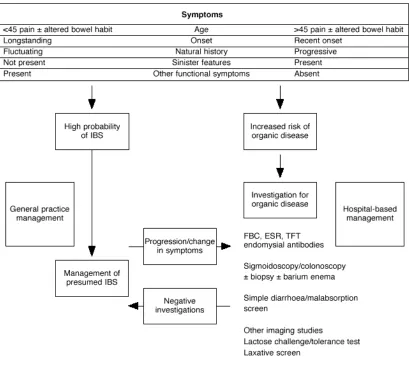
In general, if Rome criteria are fulfilled, “alarm signs” or “red flags” are not present, and screening studies from the referring
physician are negative, further testing is not needed. Screening studies are recommended when certain historical information is
present 32
(1) Short symptom duration or worsening severity and refractory symptoms,
(2) Demographic features (e.g., onset in an older patient),
(3) Family history (e.g., colon cancer or inflammatory bowel disease), and
(4) No concurrent psychosocial difficulties or symptom behavior (particularly the absence of co morbid psychosocial features
or health care seeking).
Tolliver et al 33 examined the use of faecal occult blood testing (FOBT) in patients with suspected IBS. Fifteen of 183
patients (8.2%) had a positive FOBT and subsequently underwent full colonoscopic examination. Four of the 15% with positive
FOBT or 2.2% of the original cohort had structural abnormalities identified in colonoscopy. None of these findings were felt to
represent an alternative diagnosis nor were these findings felt to provide an explanation for the patients IBS symptoms. 33
Examination of stool for ova and parasite is another commonly recommended test for patients with suspected IBS. Hamm 34
found that 1.7% of patients with suspected IBS had an evidence of intestinal pathogen on standard stool O & P examination. Tolliver
33 performed stool O&P examination in 170 patients with suspected IBS and found no subjects with evidence of enteric infection.
AGA (American Gastroenterology Association) recommends 35 a complete blood count and a stool hemoccult for screening
purposes. Sedimentation rate (particularly in a younger patient), serum chemistries, thyroid-stimulating hormone (TSH), and stool
for ova and parasites are other baseline investigations and are tailored based on symptom pattern, geographic area, and relevant
clinical features (e.g., predominant diarrhoea, areas of endemic infection).
In a trial by Tolliver36 et al CBC and serum chemistries were performed in 196 patients in suspected IBS. In this trial the
results failed to result in an alternative diagnosis of organic GI disease in any patient. Studies do not generally support a role for
these tests without supportive clinical features. 37
Prevalence of lactose malabsorption is estimated to be 25% in western countries and perhaps as high as 75% worldwide.
In the study by Tolliver 33, 186 patients with suspected IBS had hydrogen breath test. The author found a similar prevalence of
lactose malabsorption with 25.8% (48 out of 186) of the cohort having abnormal results. On follow-up these patients with lactose
malabsorption did not differ with respect to the ongoing GI symptoms when compared with patients without evidence of lactose
Francis et al 38 evaluated the role of ultrasound (US) to identify serious abdominal or pelvic pathology in 125 patients with
suspected IBS and found 20% of women and 8% of men had some abnormality in US. But in none of them were the authors able to
correlate the abnormalities identified on US to the patient with GI symptoms. They concluded that US was not necessary in
suspected IBS when diagnosed by symptom criteria.
Few studies have evaluated the yield of endoscopic investigations in suspected IBS. Hamm 37 examined 306 patients and
found four patients (1.3%) had an alternative diagnosis (IBD in 3 patients, colonic obstruction in one) that might have been the cause
for the GI symptoms. Tolliver 33 performed similar analysis in 199 patients and found 42 colonic structural abnormalities in 34
subjects. Of these only 2 patients (1%) were found to have an organic disease (IBD-1, Cancer-1) that could have been potential
causes of IBS symptoms. A colonoscopy is recommended for patients over the age of 50: at least in the West (due to higher pretest
probability of colon cancer), but in younger patients, performing a colonoscopy or sigmoidoscopy is determined by clinical features
[image:21.612.53.508.529.674.2]suggestive of disease (e.g., if there is significant diarrhoea) and may not always be indicated.
Table 2. Pretest probability of organic gastrointestinal disease in patients meeting symptom-based criteria for IBS. 39
Organic GI disease
IBS patients (pretest probability) General population (prevalence) Colitis/IBD Colorectal cancer Gastrointestinal infection Thyroid dysfunction Lactose malabsorption 0.51-0.98% 0-0.51% 0-1.7% 6% 22-26% 0.3-1.2% 4-6% N/A 5-9% 25%
There has been growing interest in the use of antiendomysial (EMA) and antigliadin (AGA) antibodies to diagnose celiac
transglutaminase antibodies (TTg) or antibody panel (TTg, AGA, IGA) was highly cost effective. In a sensitivity analysis TTg
testing remained cost effective in patients with suspected IBS as long the prevalence was >1.1%. However, such testing must be put
into a clinical perspective as determined by presence of symptom pattern, ethnicity, and other clinical features suggestive of the
disease and most importantly prevalence of the disease in that particular region. 41
In many situations, a therapeutic trial can be undertaken before further diagnostic studies are done and this would depend on
the symptom subtype and its severity. For constipation: a trial with dietary fiber, or an osmotic laxative; for diarrhoea: loperamide,
or diphenoxylate-atropine and possibly cholestyramine; and for pain/gas/bloating: an anticholinergic, or, if more severe,
antidepressant or psychologic treatment may be considered. It needs to be emphasized that patients presenting with typical symptoms
and no “alarm” signs are rarely found to have another diagnosis, 37 supporting the benefit of ongoing care and symptomatic
management rather than continued diagnostic evaluation.
If initial treatment fails, or certain clinical features emerge requiring further evaluation, AGA recommend further
evaluation. Gastroenterologists in specialty centers perform several of these studies.
In patients with infrequent bowel movements, whole gut transit study by Sitzmark technique or a plain radiography (to
evaluate for obstructive signs or fecal retention) is indicated. When symptoms of dyschezia or incomplete evacuation are prominent,
suggesting obstruction to defecation, or when the physical examination discloses poor pelvic floor relaxation with straining, further
anorectal testing is indicated. This includes anorectal motility testing with balloon expulsion (to evaluate for pelvic floor
dyssynergia) or defecography (to evaluate for enterocele or rectocele).
If diarrhoea is persistent, other tests to consider include: 24-hour stool volume and fat; if increased (>400 ml/day),
electrolytes and laxative screen; and small bowel biopsy for giardia lambia or sprue and colonic biopsy for microscopic colitis is
recommended. On occasion, transit tests of the small bowel and colon can help evaluate the severity of the motility component of the
diarrhoea. A therapeutic trial of cholestyramine may also be considered, particularly if symptoms developed or worsened after a
cholecystectomy. A jejunal biopsy and aspirate can be done to obtain samples to assess malabsorption (e.g., sprue), or to obtain an
aspirate for giardia or for bacterial overgrowth. Colonic biopsies can be considered to evaluate for collagenous or lymphocytic
colitis, although the findings may not lead to instituting more effective treatment. Finally, when postprandial symptoms of bloating
The persistence of pain-predominant symptoms or severe bloating usually requires plain abdominal radiography during an
acute episode to exclude bowel obstruction, an increased gastric air bubble from aerophagia, and/or other abdominal pathology. If
negative, additional imaging studies (e.g., small bowel radiography, computerized tomography scan, pelvic ultrasonography) may be
recommended, particularly when there are other symptoms or signs present (e.g., vomiting, weight loss, abdominal mass, irregular
menses, abnormal chemistries). A balloon distention test may confirm rectal or colonic visceral hypersensitivity, although this test is
[image:23.612.76.485.308.674.2]usually done for investigative purposes.
Though plenty of literature is available from the west, data on normal bowel habit and pattern of functional bowel disorder is scarce from the Indian subcontinent. An earlier retrospective study from South India had refuted the applicability of Rome criteria in patients with IBS.47 (Jayanthi et al) A prospective study
is likely to clearly define the applicability or non-applicability of popular ROME criteria.
Aim of the study
1. To define the bowel frequency / habits in the general population of South India and to determine the prevalence of Irritable bowel disorder and its subtypes in the population.
2. To identify prospectively the bowel pattern in irritable bowel syndrome in gastroenterology referral practice at a tertiary center.
MATERIALS AND METHODS
The study was divided into two parts:
A: Study of normal bowel pattern in healthy south Indian population B: Prospective study of bowel pattern in IBS
A) Study of normal bowel pattern
The study group consisted of healthy population belonging to either sex and age between 15 yrs and above and less than 70 yrs and who were residents of North Chennai for minimum period of one year. Extremes of age were excluded because of possibility of unsettled bowel habits in younger age and physiological problems of aging and poor recall in the elderly. All the individuals were interviewed for their perception of bowel movements and the reply was documented in a prestructured questionnaire (Annexure I). Details apart from demographic and socio economic characteristics included social habits such as smoking and drinking pattern, bowel movement details such as the frequency, consistency, straining during bowel movement and satisfaction of bowel emptying. Any change in the consistency of stools or a change in bowel habit in the preceding year, if any, was documented. The stool form was determined by showing Bristol stool form scale. (fig.6) Finally, the individuals were questioned whether they considered themselves normal or not.
B: Study of bowel pattern in IBS
questionnaire completed (Annexure II). The data obtained included basic demographic characteristics such as social habits: alcohol, smoking, literacy status, sleep pattern: normal/disturbed, stress: at home/ place of work; duration of symptoms and details pertaining to the bowel habits:
i. Abdominal pain: location, duration, ii. Stool form (Bristol stool scale), frequency
iii. Relationship of abdominal pain to act of defecation iv. Incomplete evacuation
v. Presence or absence of mucus in stool vi. Urgency
Absence of pain was not an exclusion criteria. Other patient details included ability to cope with stress at home or at place of work and sleep pattern : early morning wakefulness, late onset of sleep, symptoms pertaining to the upper GI tract such as ulcer-like, dysmotility like, reflux like dyspepsia, genitourinary symptoms.
All these patients had a detailed physical examination followed by basic investigations such as blood counts, blood sugar, stool microscopy, thyroid function tests, duodenal biopsy (rule out small bowel cause for diarrhoea) and sigmoidoscopy/colonoscopy based on the department protocol to rule out organic diseases.
The analysis was done to obtain the prevalence of various symptoms in the diarrhoea predominant, constipation predominant and combination type.
Diarrhoea predominant IBSsubgroup was defined if the usual frequency of stool was >3 times per day, or the usual form of stool was loose and not hard, or the subjects frequently felt a sense of urgency but did not feel the need to strain to defecate
Subjects were classified as constipation predominant IBS subgroup if the usual frequency of the stool was<3 times per week, or the usual form of stool was hard and not loose or the subjects frequently felt the need to strain to defecate but did not feel the sense of urgency.44
Non-specific IBS subgroup subjects were those who did not fulfill the above criteria for diarrhoea or constipation predominant IBS subgroups.
Exclusion criteria
hemorrhoidectomy, fissure in ano, those on antidepressants, recently detected hypothyroid state, diabetes mellitus, or following radiotherapy were excluded from the study. A minimum duration of change in bowel habits of 3 months was considered necessary for inclusion in the study protocol.
Formal ethics committee approval of the Institution was obtained. Informed consent was obtained for the IBS individuals detected from amongst the healthy population for further evaluation.
Statistical Analysis
RESULTS
A: Normal bowel movement in healthy population:
A total of 841 individuals were contacted for the normal bowel habit questionnaire. 89 individuals refused to participate. Overall response rate was 89.4%. There were 392 male and 360 female individuals (M: F ratio: 1.1:1).
Tab 3. Age, Sex distribution of general population
Age group
Sex Male (%) 392
Female (%) 360 15-29 (No=198) 105(26.7) 93(25.8) 30-44 (No=343) 174(44.3) 169(46.9)
45-59 (No=81) 44(22.2) 37(10.2)
>60 (No=130) 69(17.6) 61(16.9)
[image:30.612.68.392.556.718.2]Table 3 summarizes the age, sex distribution of the population under study. Majority of the individuals were middle aged (46.9%)
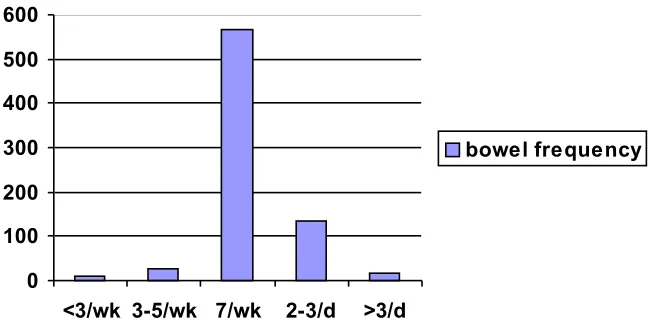
Figure 7. Bowel frequency in general population
0 100 200 300 400 500 600
<3/wk 3-5/wk 7/wk 2-3/d >3/d
Figure shows the bowel frequency in men and women per day per week. The average frequency was at least once a day. The average frequency of bowel movement in the south Indian population of North Madras was 8.9 + 4.8 per week. Stool frequencies between 3 times a week and 3 times a day was seen in majority of our respondents (95.8 %) (Fig.7). 75% reported a single bowel movement, followed by 2-3 times a day in 18%. Twenty six persons (3.4%) had 3-5 stools/week, 16 persons i.e. 2.1% had more than 3 stools per day and 10 individuals i.e. 1.3% had less than 3 per week. The median bowel movement was seven per week.
Tab 4. Bowel frequency in our population: sex distribution
Sex Bowel frequency
1/d (%) 2-3/d (%) >3/d (%) 3-5/wk (%) <3/wk (%) Male
(No=392)
295 (75.2) 72 (18.3) 9 (2.2) 13(3.3) 3 (< 1)
Female (No=360)
270 (75) 63(17.5) 7 (2.0) 13(3.6) 7(2.0)
The frequency of less than 3 per week was common amongst women. In the rest no difference in frequency was noted amongst the two genders. (Table 4)
Tab 5 Bowel frequencies in general population: age distribution
Age group Bowel frequency
1/d 2-3/d >3/d 3-5/wk <3/wk
15-29 (No.) % (No=198)
48(74.7) 37(18.6) 4(2) 7(3.5) 2(1)
30-44 (%) (No=343)
247(72) 67(19.5) 7(2) 14(3.9) 8(2.3)
45-59 (%) (No=81)
66(81.4) 10(12.3) 2(2.4) 3(3.7) None
>60(%) (No=130)
Table 5. shows the bowel frequency in different age groups. The frequency of at least once a day was common to all the age groups. Bowel frequency of < 3 per week was common in middle age group. B. Study of bowel movement in IBS:
From amongst the healthy population there were 38 individuals who had features of IBS i.e. 5.1%. There were 26 men and 12 women patients. These individuals had considered themselves as normal as far the bowel movements were concerned. However, they had an altered bowel pattern in the form of altered frequency/form and with or without abdominal pain (Rome Criteria II). In addition there were 144 cases of newly diagnosed IBS during the study period. The combined results of 182 cases of IBS will be highlighted from here on.
Tab 6. Age-Sex distribution in IBS
Age group Total Male Female
<20 21-40 41-60 >60 5 108 52 17 3 82 31 12 2 26 21 5
[image:32.612.55.497.370.573.2]Total 182 128 54
Table 6 summarizes the age-sex distribution in IBS. There were 128 men and 54 women (M:F ratio:2.4:1). Majority of the patients were in the middle age group i.e., 3rd and 4th decades. The mean
age for males was 37.7 +14.3 yrs and for females was 37 + 14.91yrs.
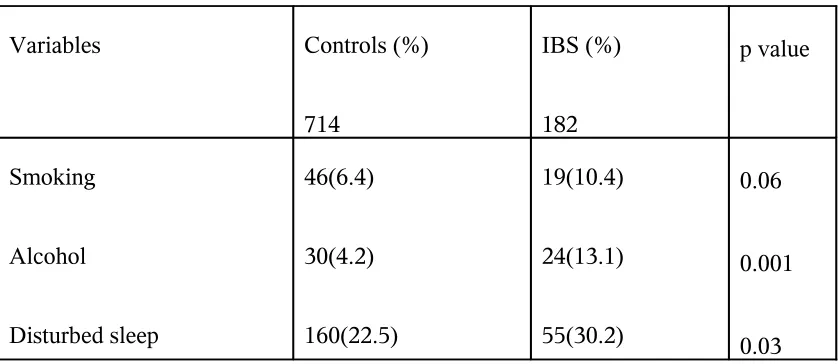
Variables Controls (%) 714 IBS (%) 182 p value Smoking Alcohol Disturbed sleep 46(6.4) 30(4.2) 160(22.5) 19(10.4) 24(13.1) 55(30.2) 0.06 0.001 0.03
Table 7 shows the social characteristics in IBS in comparison with the healthy controls. Smoking, alcoholism and disturbed sleep were higher in IBS patients, the latter two were statistically significant.
Tab 8.Duration of illness and age of patients
Age group 3-6 mo 6-12 mo 1-5 yrs 6-10 yrs >10yrs <20 yrs 21-40 yrs 41-60 yrs >60 yrs 2 9 3 1 2 34 14 4 1 42 18 5 0 17 9 2 0 6 8 5
Total 15(8.3) 54(29.8) 66(36.1) 28(15.2) 19(10.3)
Majority of the patients with IBS had symptoms between six months and five years (66%) before consulting a physician.
Tab 9. Lower GI symptoms in IBS
Variable Total (%)
182 Male (%) 128 Female (%) 54 p value
Pain 76(41.7) 55(42.9) 21(38.8) NS
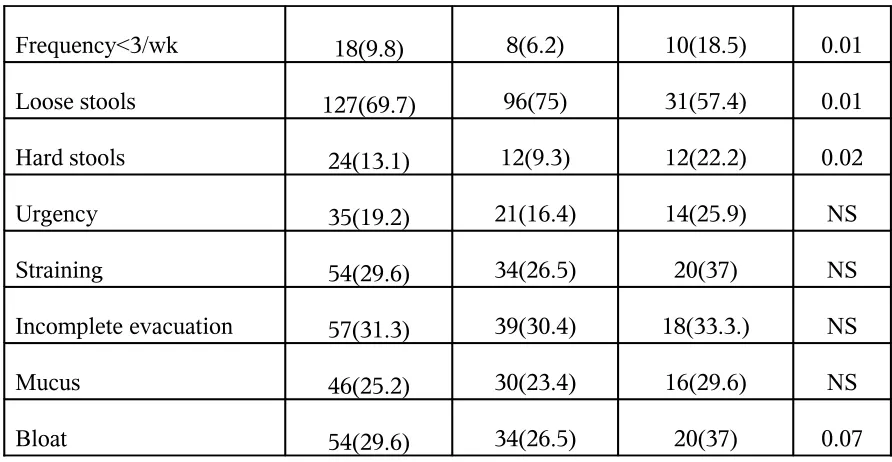
Frequency<3/wk 18(9.8) 8(6.2) 10(18.5) 0.01
Loose stools 127(69.7) 96(75) 31(57.4) 0.01
Hard stools 24(13.1) 12(9.3) 12(22.2) 0.02
Urgency 35(19.2) 21(16.4) 14(25.9) NS
Straining 54(29.6) 34(26.5) 20(37) NS
Incomplete evacuation 57(31.3) 39(30.4) 18(33.3.) NS
Mucus 46(25.2) 30(23.4) 16(29.6) NS
[image:34.612.49.495.54.285.2]Bloat 54(29.6) 34(26.5) 20(37) 0.07
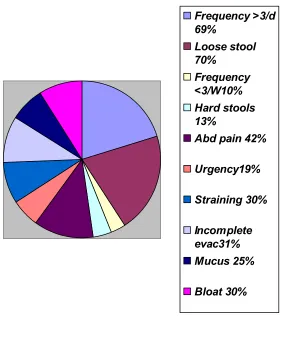
Frequency >3/d 69%
Loose stool 70%
Frequency <3/W10% Hard stools 13%
Abd pain 42%
Urgency19%
Straining 30%
Incomplete evac31% Mucus 25%
[image:35.612.75.361.58.401.2]Bloat 30%
Fig.8. Lower GI symptoms in IBS
The figure 8 shows the pictorial representation of various lower GI symptoms in IBS. The loose stools (70%), increased frequency (69%) being the common presentation followed by Abdominal pain (42%)
Age >3 / day <3 / day to >3 / wk <3 / wk
M F M F M F
< 20 yrs (5) 2 0 1 1 0 1
21-40 yrs (108) 63 19 13 8 3 2
41-60 yrs (52) 23 10 9 4 2 4
[image:36.612.47.512.55.260.2]>60 yrs (17) 7 1 2 1 3 3
Table 10 shows the frequency of stools among the IBS patients with regard to age and sex. The frequency of less than 3 per day was common in the older age group (> 40 yrs) and in female sex. Increased frequency of stools was common among men of all age groups.
Tab 11. Age and sex wise distribution of stool form in IBS (M:F=128:54)
Age Loose (Bristol 6,7) Normal (Bristol 3,4,5) Hard (Bristol1,2)
< 20 yrs (No=5) 2 0 1 1 0 1
21-40yrs (No=108) 58 22 11 6 7 4
41-60yrs (No=52) 25 11 5 3 4 4
[image:37.612.55.509.55.172.2]>60yrs (No=17) 8 1 3 1 1 3
Table 11 shows the consistency of stools among the IBS patients with regard to age and sex. Hard stool was common among females . Loose stools were more common among men.
Tab 12.Comparison between frequency vs. consistency of stool in IBS
Frequency of stool Consistency of stool
Loose Normal Hard
>3/day 123 2 None
<3/day to >3/wk 4 27 8
Table 12 shows the comparison between loose stools and frequency of stools. The frequency of stools correlated well with the consistency. 123 patients had frequency of more than 3 per day and the stools were loose. 16 patients who had a frequency of less than 3 per week passed hard stools.
Tab 13. Prevalence of IBS and its subtypes
IBS subtypes No (%) M(%) F(%) p value
Diarrhoea predominant (IBS-D)
Constipation predominant (IBS-C)
Non-specific (IBS-N)
139(76.4)
30(16.5)
13(7.1)
109(85)
14(11)
5(4)
30(55)
16(30)
8(15)
0.001
0.001
0 20 40 60 80 100 120
IBS-D IBS-C IBS-N
Male Female
Figure 9. IBS subtypes
On symptom analysis, there were 139 cases (76.4%) of Diarrhoea predominant IBS, 30 cases (16.5%) of Constipation predominant IBS and 13 cases (7.1%) of nonspecific type IBS. The Diarrhoea predominant IBS was common among males and the constipation predominant and non specific types were common among females both were statistically significant.
Table 14 shows the patient characteristics of Diarrhoea predominant IBS. The mean age of men and women were 37.6+15.6 and 41.6+12.1 years and this was statistically significant for women. There was no significant difference between either sex in any of the other demographic characteristics such as literacy status, sleep pattern and dyspepsia, genitourinary symptoms. There were no women smokers or alcoholics.
Tab 15.Constipation predominant IBS : Patient characteristics (Total=30)
Tab 16.Comparison of bowel pattern in Diarrhoea predominant and Constipation predominant –IBS.
DISCUSSION
The prevalence of bowel symptoms has important implications for the allocation of resources and planning of medical services. These data have been used to define a normal range of bowel frequency and to estimate the prevalence of IBS-type symptoms and other bowel dysfunction symptoms in the general population world over. Normal bowel patterns have been established in western population. Similar studies in Indians are lacking. In a Spanish study by Roig Vila et al11, the
average number of stools was 7.1+ 3.3 per week and in 62.4% of subjects the stool frequency was
between the range of 5 and 8. In a study by Abraham et al 1 from Mumbai, the median bowel
frequency in Indian adults was 2 per day. In an earlier study from Coimbatore, Jayanthi et al 2 reported
an average bowel frequency of once a day amongst the college students, and healthy attenders of hospital patients. In the present study, consisting of a population from North Madras, Chennai, the median frequency of bowel movement was one per day similar to the other studies from Tamil Nadu. The mean frequency was 8.9 + 4.8 per week. In a Spanish study by Roig Vila et al11, the bowel
movements were less frequent in women than in men, nevertheless there were no differences with regard to age. Similarly in the present study except for constipation which was higher among females, there was no difference in bowel frequency with regard to the different age groups. The present data cannot be extrapolated to the entire population of Tamil Nadu or the entire country. Large population based studies from different parts of India, including urban and rural
IBS is a well recognized clinical entity in the Western population. Large population based epidemiological surveys in the United States 5 and the United Kingdom 3 have reported the prevalence
to range from 17 to 22%, based on either Manning criteria or Rome criteria. In Kwans et al 19 study
from Hong Kong the prevalence of IBS in the general population was 6.6% and in another survey amongst medical students from Malaysia37 a high prevalence of 15.8% was reported. In the present
study, using the same criteria, the prevalence of IBS amongst the healthy population was 5.1%. The results are consistent with the findings of a community-based survey in Singapore, wherein the reported prevalence rate was of 2.3%. 14 A study from Thailand amongst thousand rural villagers and
hotel employees, 13 4.4% had symptoms of IBS. The south Asian prevalence of IBS amongst the
healthy population is similar to southern India. The high prevalence in one of the Malaysian studies is probably the bias towards the affluent class of medical students, a highly stressed group and the likelihood of awareness of somatic symptoms. In previous studies on the prevalence of IBS the study group consisted of a small population and therefore does not truly reflect the prevalence in the community. Despite this, it appears that the IBS prevalence in southern India is similar to the other south Asian countries.
The community prevalence of IBS appears to be definitely lower in the East than the West. The reason for this difference is unknown and requires further study. The dietary factors such as an increased intake of fibers and low fat content in the food may be contributory.
Although IBS affects both genders, it is largely a problem amongst women in the western population.
Epidemiological data suggests that the female: male ratio of IBS sufferers in the community is 2-3:1,3,7 although estimates
differ depending on the practice setting from which such assessments are generated. Generally, however, two thirds of IBS
sufferers in North America who seek medical care are women.5 In the present study, IBS was more common among men in
bowel pattern of IBS patients, the males were predominantly affected. The differences in health care-seeking behavior,
awareness and education status among male, may partly account for this predominance.
IBS commonly involves the middle age group. Average age group of IBS individuals in the study population was 37.7 + 15.2 years, similar to the report from Hong Kong by Kwan et al 36 of 39.8
years. In the present study there was no significant difference among subjects with different education levels. Kwan et al36 found no significant difference among subjects with different education levels.
Smoking and alcohol consumption was present only amongst men in the IBS group and this was statistically higher amongst the IBS patients. In the Malaysian study45 there was no differences in
the alcohol intake, smoking habit, chilli consumption or fibre intake between IBS and non-IBS groups. Sleep pattern disturbances was higher in IBS population in the present study. A similar observation was made by Tan et al 45. He reported a high prevalence self reported psychological and psychosomatic
symptoms, namely anxiety, depression, and insomnia.
Tutega et al 9 found a striking overlap between IBS and functional dyspepsia:
70% of individuals with IBS also had functional dyspepsia, whereas 43% of subjects with dyspepsia also had IBS. In our study the prevalence of dyspepsia in IBS was 36.8%, which was significantly higher than in the general population. IBS patients have the
dysmotility “abnormalities” in 25%–75% as evidenced by a delayed emptying especially
for solids. One–fourth of patients with IBS and co-morbid dyspepsia had electrogastrogram abnormality, but was present in only 8% of IBS without dyspepsia, 35 indicating that motility
Symptom subgroups based on predominant bowel habit showed the majority of individuals with IBS had diarrhoea predominant subtype (76.4%) with predilection for male sex. The constipation predominant group was 16.5% and the non-specific sub type in 7.1%. This is in contradiction to the previous studies. In the Malaysian study 45 and a study by Mearin et al,46 the constipation predominant
IBS was the predominant subtype . Constipation predominant IBS was more common in females in the present study. In Kwans19 study interestingly the nonspecific IBS subtype was predominant with 56%
followed by diarrhoea predominant i.e. 27% and constipation predominant with 17%. The nonspecific form was not prominent in the present study, since most patients had either diarrhoeic or constipated form and very few had a combination of both.
The prevalence of bowel symptoms arranged in descending order was: Loose stools (69.7%),increased frequency of stools (68.6%), abdominal pain (41.7%), incomplete evacuation (31.3%), bloating and straining (29.6%) mucus in stools (25.2%) urgency (19.2%), and hard stools (13.1%), decreased frequency of stools(9.8%). This study shows that loose stool with increased frequency was the common symptom in IBS compared with the pain predominant type in the west. This was similar to the previous study from Chennai47 where the abdominal pain was uncommon (35%)
and loose stool the predominant symptom (75%). There was significant difference between male and female with loose stools and increased frequency were common among males and hard stools and frequency <3/week were common in females that is statistically significant. Similar data are not available from rest of our country.
of a case as IBS.
SUMMARY
A.Bowel pattern in general population:a. The average bowel frequency was 8.9 + 4.8 per week with 95.8% of patients reporting a stool frequency between 3 and 21 times per week.
b. There was no difference with regard to age and sex in terms of bowel frequency and the form of stool except for those passing less than 3 per week.
c. Bowel movement of less than 3 per week was common amongst women d. The prevalence of IBS in general population was 5.1%
B. Bowel pattern in IBS
a. IBS was more common among men in the ratio of 2.4:1.
b. The mean age of IBS patients was 39.3+12.2 years; majority of the patients were in the 3rd and
4th decades of life.
c. The duration of symptoms varied from 6 months to 5 years in 66%. Very few had an illness less than 6 months (8%).
d. Alcohol, smoking and disturbed sleep pattern was distinctly common amongst IBS as compared to the general population
e. Loose stool (69.7%) and increased frequency (68.6%) were the common symptoms followed by abdominal pain in
41.7%. Loose stool and increased frequency were common amongst men which was statistically significant. Hard
stools (13.1%) and frequency of < 3 per week (9.8%) was an uncommon presentation, this was statistically
significant among females.
f. Frequency and consistency of stools correlated in the majority. Higher the frequency more loose was the stool.
g. Subtypes:
iii. Non specific /combination type (13): 7.1%
The Diarrhoea predominant type was common amongst men and the constipation predominant type was common amongst women both being statistically significant. h. Diarrhoea predominant IBS:
i. Age of presentation was higher among women in comparison to men: (females: 41.6 + 12.1 yrs vs. males: 37.6 + 15.6 yrs)
ii. No significant differences among other lower GI symptoms, dyspepsia, genitourinary symptoms or in their demographic characteristics in either gender
i. Constipation – predominant IBS:
No significant difference in other lower GI symptoms, dyspepsia, genitourinary symptoms or in their demographic characteristics in either gender
j. Comparing the associated lower GI symptoms in the two major subtypes IBS-D and IBS-C
i. Incomplete evacuation, bloating and straining was significantly higher in IBS-C ii. Urgency and passage of mucus was common in IBS-D, though not statistically
CONCLUSION
Large population based studies are likely to provide a definite information on the normal bowel habit of southern Indian population of Tamil Nadu.
There may be a need to redefine the existing Rome II criteria for the
southern Indian population of Tamil Nadu, since pain is not a dominant feature of IBS in this population.
The recommendations for diagnosis of IBS amongst the southern Indian population of Tamil Nadu requires the incorporation of the following variables.
a. Alteration of bowel pattern in terms of frequency / consistency b. Duration of illness of more than or equal to 6 months
c. Pain should not be a major criteria for diagnosing IBS, rather it should be only a supportive feature
d. Criteria for subtypes:
i. Diarrhoea predominant-IBS: Stool frequency > 3 per day, loose stool, with or without abdominal pain, presence of urgency and mucus in stool
ii. Constipation predominant -IBS: stool frequency of less than 3 per week, hard stool, associated with abdominal bloat, straining and incomplete evacuation during the passage of stool
BIBLIOGRAPHY
1. Abraham P, Narawane NM, Mistry FP.Bowel Habits in Normal Indian Subjects Questionnaire based study. Indian J
Gastroenterol 1997;16 (Suppl 2): A43.
2. Jayanthi V, Mathew S, Prasanthi R, Srinivasan V, Shankar TR. Bowel patterns among subjects not seeking health
care –A questionnaire survey. Indian J Gastroenterol 1999;18 (Suppl 2):A26.
3.Heaton KW, Donnell LJD, Braddon FEM, Mountford RA, Hughes AO, Cripps PJ. Symptoms of irritable bowel
syndrome in a British urban community: Consulters and nonconsulters. Gastroenterology 1992; 102:1962-7.
4.Jones R, Lydeard S. Irritable bowel syndrome in the general population. BMJ 1992;304:87-90.
5.Talley NJ, Zinsmeister AR, van Dyke C, Melton LJ. Epidemiology of colonic symptoms and the irritable bowel
syndrome. Gastroenterology 1991;101:927-34.
6. Drossman DA, Li Z, Andruzzi E, Temple RD, Talley NJ, Thompson WG. US householder survey of functional
gastrointestinal disorders. Dig Dis Sci 1993;38:1569-80.
7.Zuckerman MJ, Guerra LG, Drossman DA, Foland JA, Gregory GG. Comparison of bowel patterns in Hispanic and
non-Hispanic whites. Dig Dis Sci 1995;40:1761-1769.
8.Sandler RS, Drossman DA. Bowel habits in young adults not seeking health care. Dig Dis Sci 1987;32:841-5.
9.Tutega AK, Talley NJ, Joos SK, Hickam DH. Overlap of functional dyspepsia and irritable bowel syndrome in a
community sample. Am J Gastroenterol 2003;98:S272.
10.Locke GR III, Zinsmeister AR, Melton LJ III, Talley NJ. Overlap of gastrointestinal symptom complexes in the
community. Am J Gastroenterol 2003; 98:S273.
11.Vila RJV, Garcia GA, Alandi FC, Ferrer CP, Matoses LS. The defecation habits in a normal working population. Rev Esp Enferm
Dig 1993; 84:224-30
12.Bassotti G, Bellini M, Pucciani F. An extended assessment of bowel habits in a general population. World J Gastroenterol
2004;10:713-716.
13.Danivat D, Tankeyoon M, Sriratanaban A. Prevalence of irritable bowel syndrome in nonwestern population. Br Med J
1988;296:1710.
14. Chen Y, Ho KY, Phua KH. Normal Bowel Habits and Prevalence of Functional Bowel Disorders in Singaporean Adults –
15.Nakaji S, Matzusuka M, Umeda T. A population based study of defecatory condition in Japanese subjects methods for self
evalution. Tohoku J Exp Med 2004; 203:97-104
16.Gwee KA,Wee S, Wong ML, et al. The prevalence, symptom characteristics of irritable bowel syndrome in Asian urban
community. Am J Gastroenterol 2004;99:924-31
17.Xiong LS, Chen MH, Chen HX, et al. A population based epidemiological study of irritable bowel syndrome in South China.
Aliment Pharmacol Ther 2004;19:1217-24.
18.Lau EM, Chan FK, Zieu ET, et al. Epidemiology of irritable bowel syndrome in Chinese. Dig Dis Sci 2002;47:2621-24.
19.Kwan AC, Hu WH, Chang YK, et al. Prevalence of irritable syndrome in Hong Kong. J Gastroenterol Hepatol 2002;17:1180-6.
20.Masud MA, Hasan M, Khan AK. Irritable bowel syndrome in a rural community in Bangaladesh: prevalence, symptoms and
health care seeking behavior. Am J Gastroenterol 2001;96:1547-52.
21.Rajendra S,Alahudhin S. The prevalence of irritable bowel syndrome in muti-ethnicAsian population. Aliment Pharmacol Ther
2004;19:704-706.
22.Pan G, Lu S, Ke M, et al. Epidemiologic study of the irritable bowel syndrome in Beijing: stratified randomized study by cluster
sampling. Chin Med J 2000;113(1):35-9.
23.Ho KY, Kang JY, Seow A. Prevalence of gastrointestinal symptoms in a multi-racial Asian population, with particular reference
to reflux-type symptoms. Am J Gastroenterol 1998;93:1816-22.
24.Saito YA, Locke GR, Weaver AL, Zinsmeister AR, Talley NJ. Diet and functional gastrointestinal disorders: a population-based
case-control study. Am J Gastroenterol 2003;98:S275.
25.Sunita M, Rana SV, Sinha SK, Khurana S. Dietary fiber assessment of patients with irritable bowel syndrome from Northern
India. Ind J Gastroenterol 2004:23;217-18.
26.Hammer J,Eslick GD,Howell SC, et al. Diagnostic yield of alarm features in irritable bowel syndrome and functional dyspepsia.
Gut 2004;53:666-72.
27. Thompson WG, Longstreth GF, Drossman DA, et al. Rome II: Functionalgastrointestinal disorders: Diagnosis, pathophysiology,
and treatment. 2nd ed. McLean, VA: Degnon Associates, Inc., 2000:351–432.
28. Roa KP, Gupta S, Jain AK, et al. Evaluation of Manning criteria in diagnosis of IBS. J Assoc Physicians India 1993;41:357-8
29. Manning AP, Thompson WG, Heaton KW, et al. Towards a positive diagnosis of the irritable bowel syndrome. BMJ
1978:2;653-4.
30. Roberts PJ, Morgan K, Miller R, et al. Neuronal Cox-2 expression in human myenteric plexus in active inflammatory bowel
31. Vanner SJ, Depew WT, Paterson W, DaCosta LR, Groll AG, Simon JB, et al. Predictive value of the Rome Criteria for
diagnosing the irritable bowel syndrome. Am J Gastroenterol. 1999;94:2912-2917.
32.Drossman DA. Irritable bowel syndrome: How far do you go in the workup? Gastroenterology 2001;121:1512-1515.
33. Tolliver BA, Herrera JL, DiPalma JA. Evaluation of patients who meet clinical criteria for irritable bowel syndrome. Am J
Gastroenterol 1994;89:176-8
34. Hamm LR, Sorrells SC, Harding JP, et al. Additional investigations fail to alter the diagnosis of irritable bowel
syndrome in subjects fulfilling the Rome criteria. Am J Gastroenterol 1999;94:1279-82
35. Drossman DA, Camilleri M., Mayer E ,Whitehead W. AGA technical review on irritable bowel syndrome
2002;123:1223-37.
36.Tolliver BA, Herrera Jl, DiPalma JA. Evaluation of patients who meet clinical criteria for irritable bowel syndrome:
a case-control study in patients fulfilling the Rome II criteria referred to secondary care. Lancet 2001; 358:1504-8.
37.Hamm LR, Sorrells SC, Harding JP, et al. Additional investigations fail to alter the diagnosis of irritable bowel
syndrome in subjects fulfilling the Rome criteria. Am J Gastroenterol 1999;94:1279-1282.
38. Francis CY, Duffy JN, Whorwell PJ,et al. Does routine ultrasound enhance diagnostic accuracy in irritable bowel
syndrome? Am J Gastroenterol 1996; 91:1348-50.
39.Cash BD, Shoenfeld PS, Chey WD.The utility of diagnostic tests in irritable bowel syndrome patients: a systematic
review. Am J Gastroenterol 2002;97:2812-19.
40. Ciclitira PJ. American Gastroenterological Association medical position statement: celiac sprue. Gastroenterology
2001; 120:1522-1525.
41.Wahnschaffe U, Ullrich R, Riecken EO, Schulzke JD. Celiac disease–like abnormalities in a subgroup of patients
with irritable bowel syndrome. Gastroenterology 2001;121:1329-1338.
42. Mein SM, Ladabaum U. Serological testing for coeliac disease in patients with symptoms of irritable bowel
syndrome: a cost effectiveness analysis. Aliment Pharmacol Ther 2004; 19:1199-210.
43. Pimentel M, Chow EJ, Lin HC. Eradication of small intestinal bacterial overgrowth reduces symptoms of irritable
44. Drossman DA, Corazziara E, Talley NJ, et al. Functional Gastrointestinal Disorders; Diagnosis, Pathophysiology and
Treatment: a Multinational Consensus, 2nd edn. Mclean: Degnon Associates, 2000 (Chapter 7 and Appendix B).
45.Tan YM, Goh KL, Muhidaya R, et al. Prevalence of irritable syndrome in young adult Malaysians: A survey among
medical students. J Gastroenterol Hepatol 2003;18:1412-16.
46.Mearin F, Badia X, Balboa A, et al. Irritable bowel syndrome prevalence varies enormously depending on the
employed diagnostic criteria: comparison of Rome II versus previous criteria in a general population. Scand J
Gastroenterol 2001;36:1155-61.
47.Jayanthi V, Ramathilagam B, Malathi S, Dinakaran N, Balasubramanian V. Irritable Bowel Syndrome :Is there a need
for redefining the criteria. Indian J Gastroenterol 1996;15:A71.
48.Mayer EA, Naliboff BD, Chang L. Basic pathophysiologic mechanisms in irritable bowel syndrome. Dig Dis Sci
2001;19:212-18.
49.Banerji R, Choung OW, Gupta R, et al. ROME I criteria are more sensitive than ROME II for diagnosis of irritable
Annexure 1
Proforma I: Bowel habits in healthy Southern Indian Individuals:
S.No. Age: Sex :
Occupation:
Educational qualification: Uneducated/ Primary/ Secondary/ College Smoker: Yes/ No
Alcoholic: Yes/ No
What time did you sleep last night: Did you have a Good/ disturbed sleep As regards to your bowel movement Do you pass motion every day? Yes/No
How many times do you pass on an average/ day/ week: Consistency: Hard/ formed/ loose
Do you have abdominal discomfort / pain: Yes / No If yes does the pain get relieved after defecation: Yes/ No Pain associated with change in consistency: Yes/ No Pain associated with change in frequency : Yes/ No Do you want to pass but cannot pass : Yes / No
Do you strain to pass stool : Yes / No Do you have urgency : Yes / No
Do you regard yourself as : Normal/ Diarrhoea/ Constipation
If IBS: further evaluation as per Proforma II
Annexure 2
Proforma II:
IBS PATIENT DATA
Name: Age :
Sex: Male/ Female Address:
Occupation:
Education: Uneducated/ Primary/ Secondary/ College Smoking : Yes/No
Alcohol: Yes/No
Sleep Disturbance :Yes/No SYMPTOMS
How long are you suffering from your symptoms? How many times do you pass on an average:
<3 per week / 3 per day to 3 per week/ >3per day What is the consistency of stools? Hard/ formed/ loose
Do you have abdominal discomfort / pain: Yes / No
• If yes does the pain get relieved after defecation : Yes/ No
• Onset of pain associated with change in consistency : Yes/ No
• Onset of pain associated with change in frequency : Yes/ No
Incomplete evacuation? Yes/ No
Unusual straining? Yes/ No
Urgency? Yes/ No
Abdominal bloat? Yes/ No
Upper abdominal pain and burning (discomfort)? Yes/ No
Burning in the chest? Yes/ No
Chest pain? Yes/ No
Urinary difficulty? Yes/ No
Burning during passing urine? Yes/ No Do you have any source of tension in family/
present workplace or elsewhere? (Stress) Yes/ No Bleeding during passing stool? Yes/ No Do you have diarrhoea after going to bed at night?Yes/ No History of weight loss/ Reduced Appetite? Yes/ No Investigations
Hb%: g/dl TC : /mm3
DC :
Blood sugar: mg/dl (F / PP /R )
Stool microscopy :
Occult blood : +ve/ -ve Blood sugar:
Blood urea/S. Creatinine
Barium meal -Barium